
See Also Virtue Signaling Is a Vicious Circle
One key to understanding much of the bewildering behavior we see around us is to recognize the power and popularity of “virtue signaling.” Keeping virtue signaling in mind will help you understand a lot of behavior that otherwise makes no sense.
What, for example, is the point of removing Confederate statues or attempting to disown the country’s Founding Fathers because some were slave owners? It makes sense if your objective is to be sanctimonious. You make yourself feel better by looking down your nose at Thomas Jefferson.
Virtue signaling is the modern version of what St. Augustine in the 5th century referred to as “outward signs of inward grace.” A major difference, however, is the kind of grace he referred to actually meant something.
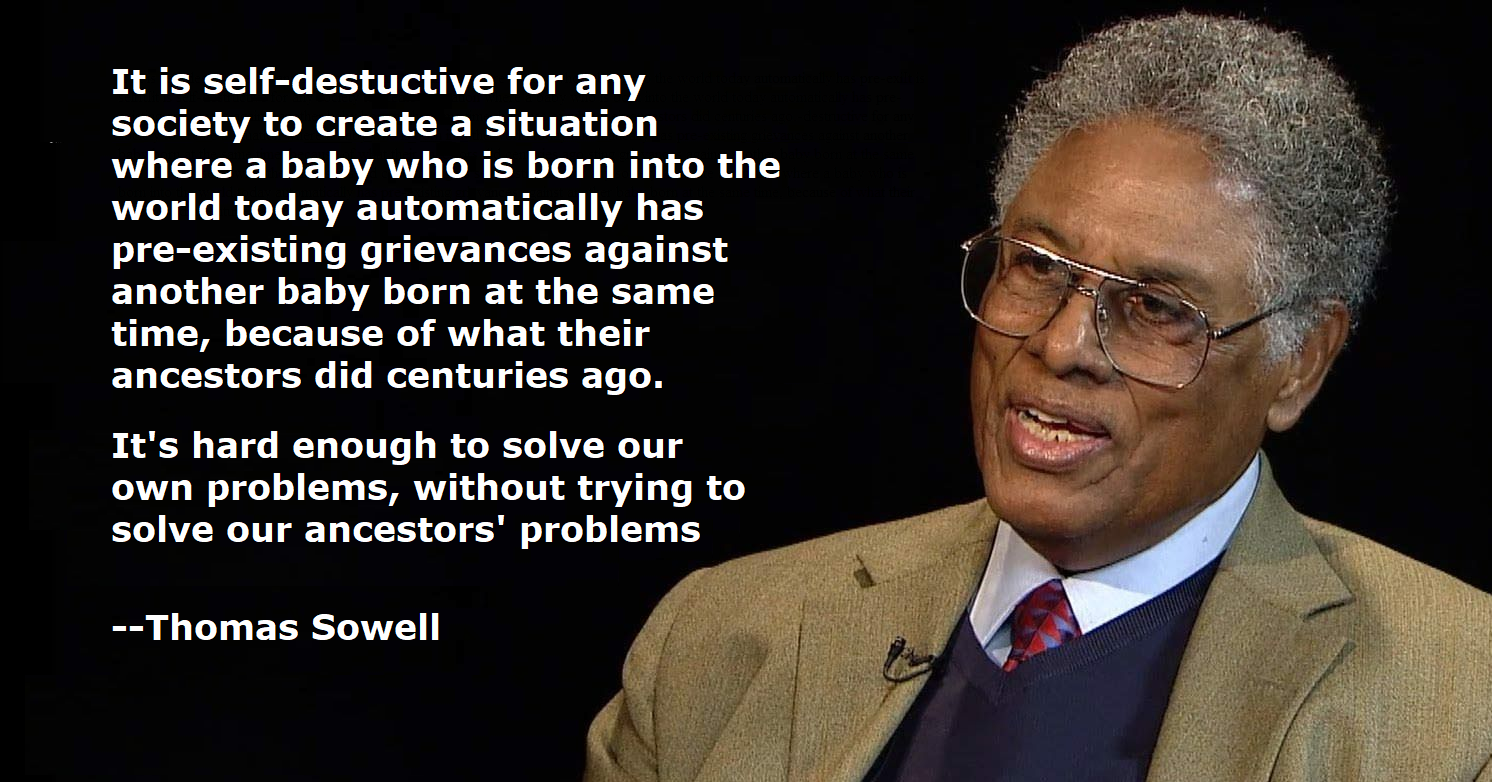
A precondition to needing to virtue signal is guilt. Virtue signaling is one of the left’s package deals that typically involve two steps. Firstly, make people who have done nothing wrong feel guilty. Then, offer them ways to assuage that guilt. It’s little more than a con game but it has worked amazingly well for social revolutionaries.
It always helps to keep in mind that everything is relative. In order to feel superior, you need something to feel superior to. Virtuous relative to what? In order to feel holier than thou you need a thou.
Does virtue signaling accomplish anything outside of the individual? Anything tangible, significant? Any activity as widespread and long-lasting as virtue signaling has to have payoffs. The payoffs for virtue signaling are inner, not outer, directed.
An irony is that the need to virtue signal is an insecurity about your own virtue. An observation a psychologist friend likes to make is, “The bigger the front, the bigger the back.” Or as Ralph Waldo Emerson observed, “The louder he spoke of his honor, the faster we counted our spoons.” Virtue signaling is motivated more by insecurities than virtue.
 Science Matters