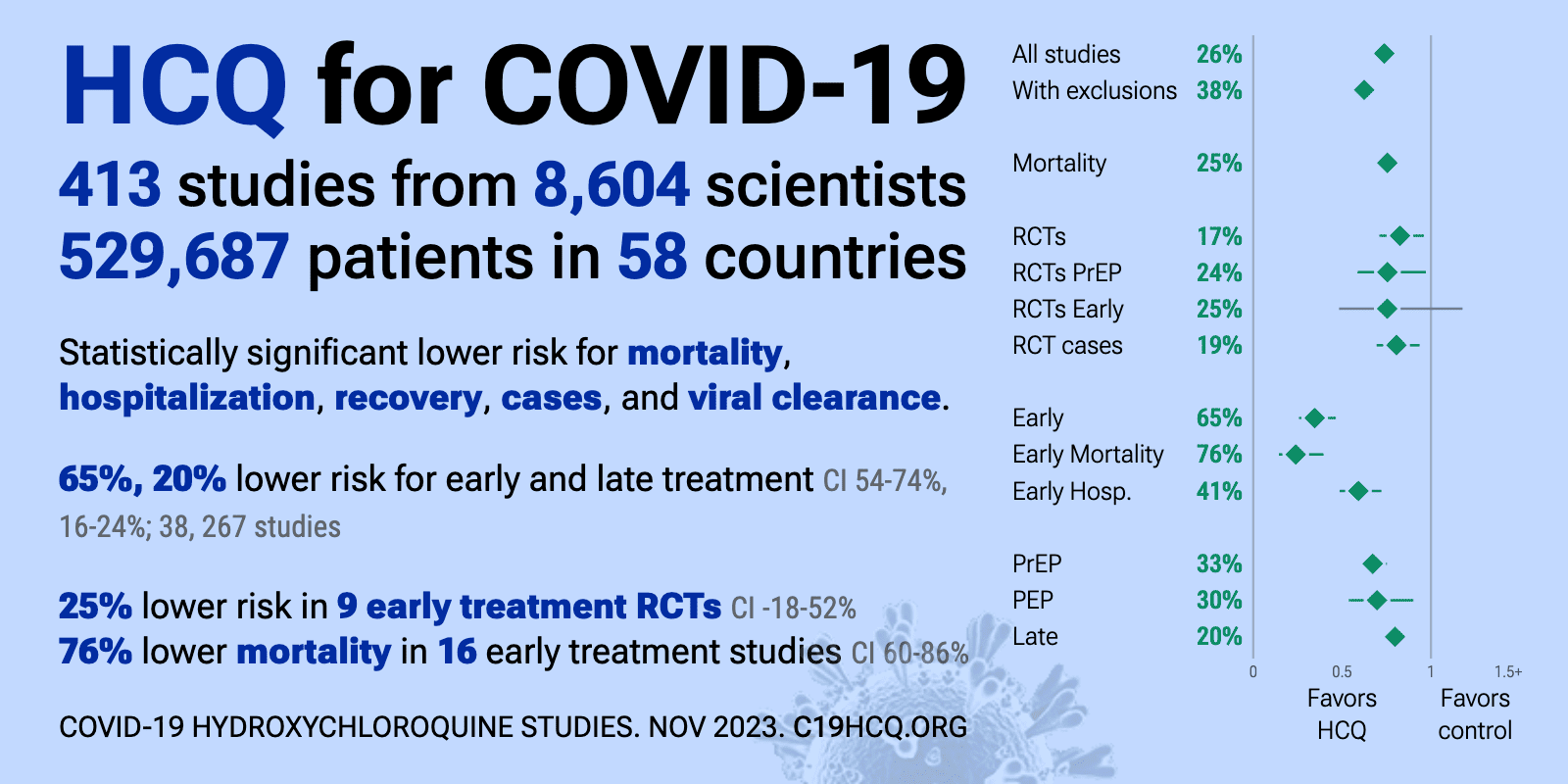
 Greg Piper reports on untrustworthy behavior by public health officials in his article FDA downplays COVID vax overdosing as hydroxychloroquine shows more promise in European research. Excerpts in italics with my bolds.
The Agency portrayed ivermectin as dangerous by conflating human
and livestock dosages, but didn’t take pains to warn providers
Moderna jabs have “notably more” than authorized for kids.
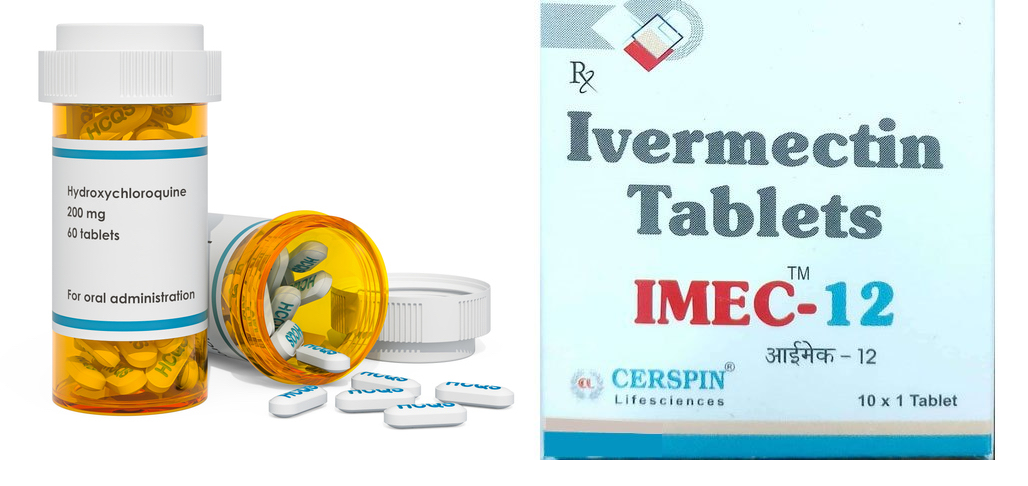
The FDA repeatedly told the public that an antiviral with a sterling safety record, ivermectin, should not be used to treat COVID-19 because it was also prescribed, at higher dosages, to livestock.
The agency didn’t appear to show the same concern about correctly dosing the new single-shot mRNA COVID vaccines and is now scrambling to educate healthcare providers not to give children adult-strength jabs even while denying that overdosing is a safety risk.
Its demonization of cheap, widely available antivirals to treat SARS-CoV-2 infections in higher-risk populations looks increasingly shortsighted, with two new peer-reviewed studies on hydroxychloroquine’s effectiveness when combined with azithromycin, a common antibiotic.
The Food and Drug Administration yanked emergency use authorization from HCQ in summer 2020 despite The Lancet retracting a study three weeks earlier that linked the antiviral to a higher risk of death from COVID, saying the authors could not “vouch for the veracity” of their data sources.
The New England Journal of Medicine also expressed concerns about the data integrity of the same international registry used for The Lancet study, known as Surgisphere, in an NEJM study of COVID risk in cardiovascular patients.
The FDA issued a bulletin Wednesday night warning of Moderna vaccine overdoses for children, without specifying how widely they were happening.
The agency simply said it had “become aware” that some providers didn’t know the vials contained “notably more” than the 0.25 milliliter authorized for children through age 11, and “some” may be giving kids the whole vial rather than withdrawing 0.25 mL and discarding the excess.
An agency spokesperson acknowledged but did not answer a Just the News request to explain why it appeared so much more concerned about appropriately dosing ivermectin than COVID vaccines and why it authorized the same vial for age groups with different recommended dosages.

Last week, Elsevier journal New Microbes and New Infections published its second study in a month on HCQ-azithromycin treatment. The first, by Belgian researchers, found the combination had a statistically significant advantage over the “standard of care” in 352 hospitalized patients in spring 2020.
The second study, by French researchers and formerly censored American cardiologist Peter McCullough, looked at a much larger and more diverse group over a longer window.
Among over 30,000 adults treated as inpatients or outpatients from March 2020 through December 2021 at IHU Méditerranée Infection in Marseille, about 23,000 received the combination and had a six-week all-cause mortality rate of 0.82%. The control group of about 7,000 had a rate of 4.89%.
The odds ratio of death following the combination treatment was 0.16, meaning a far lower mortality risk. (An OR above 1 means treatment and death are positively correlated.)
The adjusted OR maxed out at 0.55 after various subsamples considered sex, age, patient management, period, viral variant, vaccination status and comorbidities, they found.
Earlier randomized controlled trials of HCQ likely didn’t show a benefit because many were “published or stopped at an early stage, despite the fact that the calculated sample size of patients had not been achieved,” the paper states.
Yale epidemiologist Harvey Risch, an early proponent of HCQ against COVID and fierce critic of the feds’ demonization of the low-cost antiviral, told Just the News the French study authors “made a big mess of the analysis as published.”
But because “they made their individual subject data public” for Risch to review, “I have analyzed those data myself to come to the numerical conclusions that I will use, again showing significant mortality reduction when used in outpatients,” he wrote in an email. (The Belgian study did not include outpatients, the focus of Risch’s interest.)
Risch shared a raft of papers showing HCQ benefits against COVID,
some in combination with azithromycin and other low-cost treatments,
mostly in peer-reviewed journals.
Risch provided his own meta-analysis charts of the various studies on hospitalization and mortality risk and calculations on the Italian study.
 Science Matters
One comment