
The map above from IEA shows almost 2000 hydrogen fuel projects around the world, intending to replace hydrocarbon fuels to save the planet. They dream of being operational by 2030 claiming that real world obstacles will be overcome if enough taxpayer dollars are thrown at the problems. The whole notion is fantastic (in the literal sense) for reasons detailed in a previous post.
Replace Carbon Fuels with Hydrogen? Absurd, Exorbitant and Pointless
But realities be damned, there’s virtue to be displayed, money to be made and no accountability for failure, so the charade will go on. On the map are some bubbles off the coast of Canadian maritime provinces, so let’s take a peek into how these projects are conceived and realized. Rod Nickel reports at the Globe and Mail Canadian wind-hydrogen project delayed one year in race to first European exports. Excerpts in italics with my bolds and added images.
Green Hydrogen Project in Atlantic Provinces Delayed
One of Canada’s first projects to produce emissions-free hydrogen with wind energy has delayed its start by one year because operator World Energy GH2’s European customers need more time to develop special infrastructure to handle the product, the company said.
The delays illustrate the difficulties companies face in introducing a nascent product to replace high-emitting forms of fuel for transport, industry and homes. [The background post above notes how hydrogen makes containers and conduits brittle, not to mention its explosive potential.]

Have we learned nothing from the Hindenburg Disaster?
Half a dozen companies are advancing projects in the gusty Atlantic provinces of Newfoundland and Labrador and Nova Scotia to harness winds to power production of Canada’s first exports of emissions-free hydrogen. Canada signed a non-binding agreement in 2022 to ship green hydrogen to Germany starting in 2025.
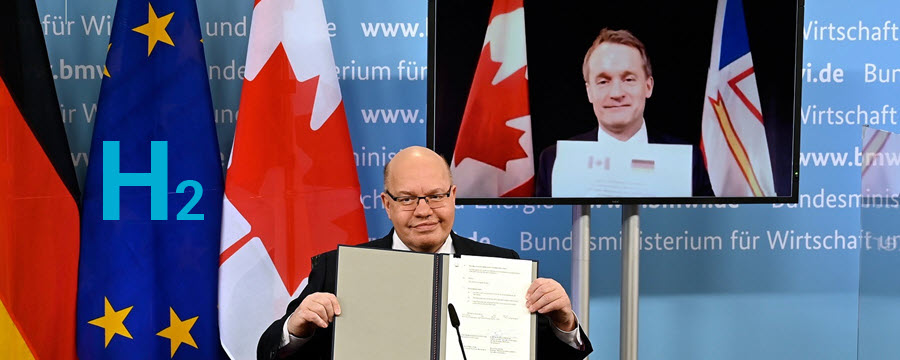
But World Energy GH2, an affiliate of Boston-based renewable fuels producer World Energy, won’t make that timeline, managing director Sean Leet told Reuters.
“The offtakers are not going to be ready to accept product within 2025, actually not until 2027,” Leet said, referring to buyers who would pre-purchase some of the project’s hydrogen.
The challenges for prospective buyers involve developing new technology to ship, further process and transport the hydrogen by pipeline at its last destination, Leet said.
World Energy GH2 now hopes to start production in late 2026, he said. It requires approval from Newfoundland’s environmental department and strong pre-purchase interest to attract financing before starting production.
Those buyer commitments hinge on the Canadian government
finalizing details of a tax credit for up to 40% of the
capital cost of building hydrogen plants, Leet said.
The company intends to build three onshore wind farms in Newfoundland to power production of 250,000 metric tons per year of hydrogen, at a total cost of $12 billion.
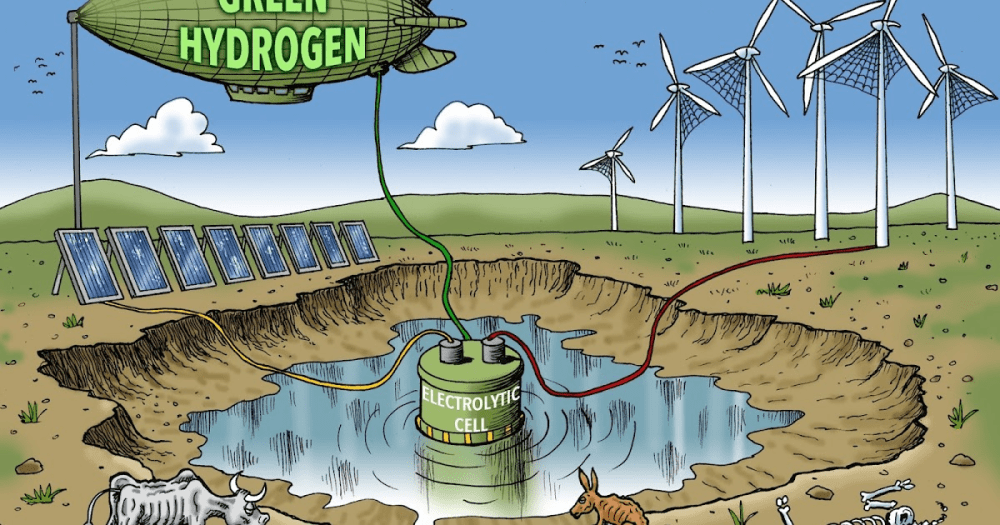
Advocacy group EnviroWatch NL, however, questions the efficiency of building wind turbines in Canada to produce hydrogen that will ultimately generate power for Europe thousands of kilometres away.
EverWind Fuels is on track to start production in Nova Scotia in 2025, said CEO Trent Vichie. Its plant, a converted fuel storage facility, would eventually produce 1 million metric tons annually of ammonia, a compound that is a practical form of transporting hydrogen.
EverWind, which declined to disclose the project’s capital budget, expects to strike firm buyer agreements in the first half of 2024, a spokesperson said, and has memorandums of understanding to sell hydrogen to German power companies Uniper and E.ON.
The Canadian government agreed in November to loan EverWind $125 million to build its project, which still requires provincial approval of its wind farms. EverWind’s hydrogen plant has already received environmental approval.
Germany-based ABO Wind is applying for permits and land for a Newfoundland onshore wind farm that will provide electricity to produce hydrogen for Braya Renewable Fuels’ refinery as early as 2027, Robin Reese, director of development for ABO Wind Canada said.
Newfoundland selected EverWind, World Energy GH2, ABO and Exploits Valley Renewable Energy Corp in August to proceed with their wind-hydrogen projects on government land.
U.S.-based Pattern Energy plans to secure European buying agreements in mid-2024 and start construction in 2025 for its wind-hydrogen project on private land in Newfoundland, Canada country head Frank Davis said.
Some Skeptical Comments on the article
EnviroWatch is asking the right question. Why use all this great wind energy to electrolyze water to make hydrogen to convert it (presumably) to ammonia for shipping to Europe to produce energy. It makes absolutely no thermodynamic sense whatsoever. I highly doubt ANY of these projects get built. To quote Susan Powter from the 90s, “Stop the insanity!”.
It makes no economic, thermodynamic or business sense. But it’s great politics.
I’m not thinking Billions but rather Trillions to be wasted on wind power before the world comes to its senses! Twenty- thirty years of spending. Reminds me of the treasure supposedly buried at Oak Island!
Problem is, the alternatives are all expensive mega-projects. Darlington was 5 years late and $10 billion over budget, and we haven’t built a new nuclear plant since then (30 years ago). New hydro dams have similar problems. Wind is small and cheap enough to actually get built in large numbers. Have to expand the energy supply somehow.
The actual Darlington nuke plants were 20% over budget not bad for a first of a kind. The rest was caused by government foolish delays in a high interest rate environment. The next 8 Candu’s were built on time in under 4 years and on budget at under $2/watt average the latest just completed in India.
The $25B refurb project is also on time and under budget.
Actually wind is of little use in Canada as it disappears in summer doldrums and winter cold snaps but maximizes during springtime when hydro flows max out. Its intermittancy makes it 10 times the cost of Candu.

 Science Matters
2 comments