
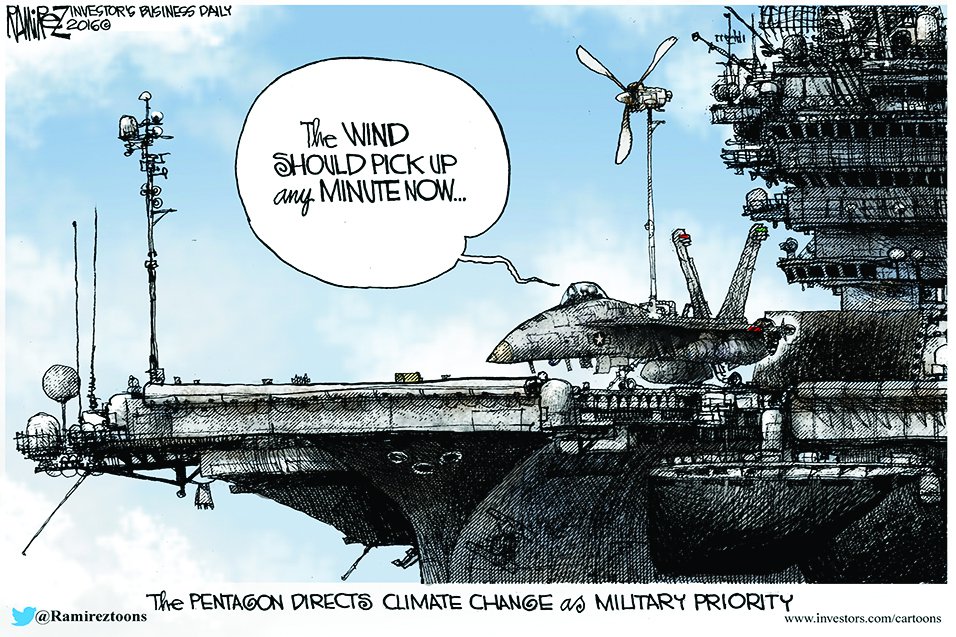
As the image suggests, the push for Net Zero burdens western nations, but benefits China and Russia in different ways. Russia pays lip service to the CO2 phobia, while its scientists and climate modelers know that any global warming will be modest and a boon to their high latitude country. Thus, any economic and military self-destruction by other powers increases Russia’s position and security.
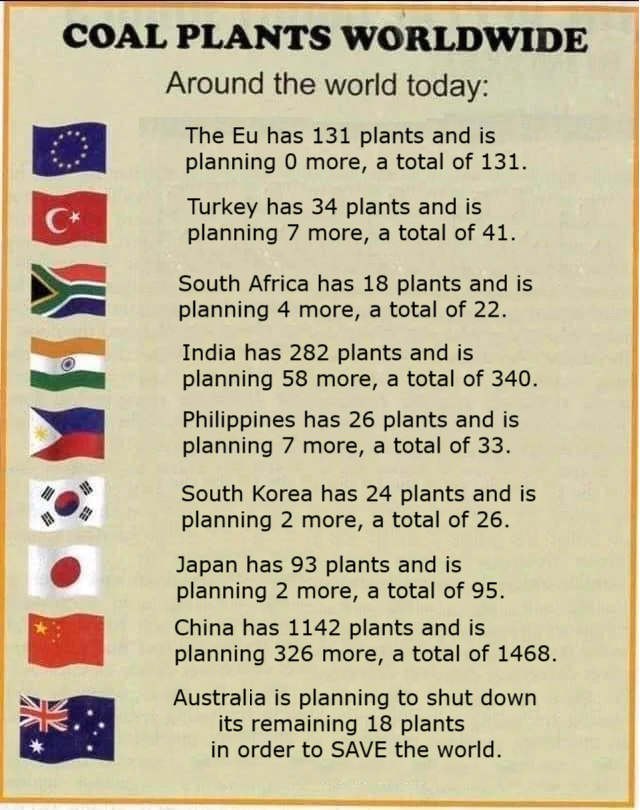
China’s gains from the Net Zero obsession have been greater and different. First of all, China is protected from emissions reductions and economic development there can proceed unimpeded.
Secondly, and more significantly China has bet the house to be the dominant global supplier of “Green” energy hardware like wind turbines, solar panels, electric vehicles and batteries. Their great success makes them vulnerable should the rest of the world realize these are impractical solutions for an imaginary problem. Walter Russell Mead explains in his article Trump Outsmarts China on Green Energy. Excerpts in italics with my bolds and added images.
By dismantling the net-zero agenda, he ramps up economic pressure on Beijing
So much is happening so quickly in Washington these days that Donald Trump’s war on the green climate agenda has passed almost unnoticed. Steps like pulling out of the Paris Agreement, dropping electric-vehicle mandates, ending offshore leasing for wind projects, and fast-tracking fossil-fuel infrastructure would have dominated the news in quieter times.

But Mr. Trump’s climate policy matters for reasons that go beyond the climate debate. China has made Western climate policy a major focus of its economic strategy, and by pulling the rug out from under the global green agenda, the Trump administration is adding significantly to the economic pressure on Beijing.
Call it brilliant Chinese planning or gross Western incompetence, but the only real winner from the green agenda that Western governments have done so much to impose on the world is Beijing. Solar power cells, wind turbines, electric vehicles and the batteries that keep them moving: China has swiftly established dominance in one critical industry and supply chain after another.
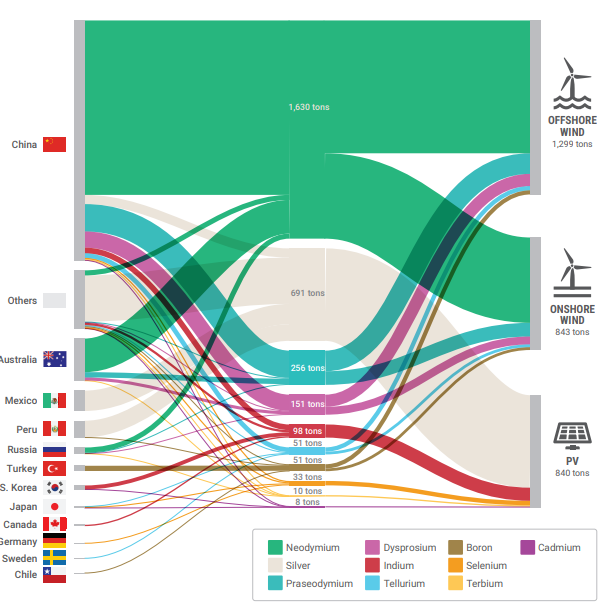
This diagram shows the origin of the metals required for meeting the 2030 goals. The left side of the diagram shows the origin, based on today’s global production of metals. The right side shows the cumulative metal demand for wind and solar technologies until 2030. From study showing tonnage of Dutch demand only.
This was eminently foreseeable. The Chinese Communist Party’s economic planners in Beijing are the most effective technocrats the world has ever known, eclipsing the fumbling Soviet planners of the Khrushchev and Brezhnev eras. Give them a set of targets, a timetable and a list of technologies to promote, and they will coordinate state policy, banking subsidies and market forces to produce world-beating industries in record time.
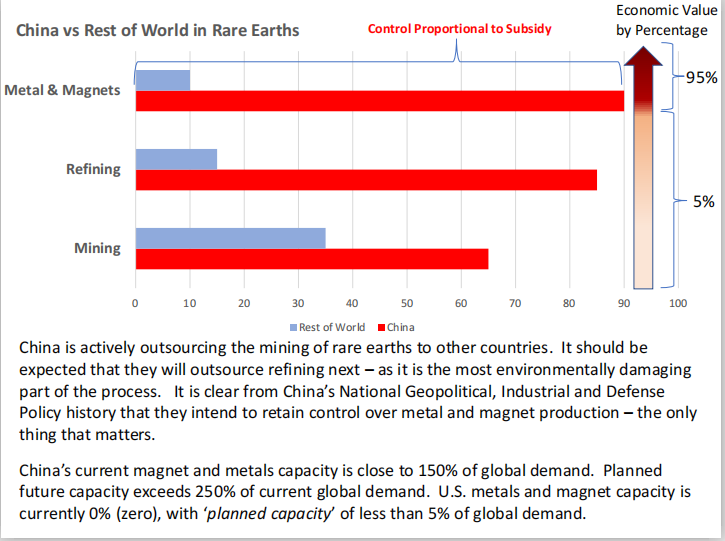
China’s production capacity for these materials and components dwarfs the rest of the world – exceeding global demand in many cases. Source: James Kennedy https://us.docworkspace.com/d/sIAGK_NAjoOC-lAY
The European and American architects of the green transition were
unintentionally creating a playing field ideally suited to China’s core
strengths, and Beijing took full advantage.
But even the most brilliant planners make mistakes. China today is a combination of extraordinary economic and industrial success and monumental failure. The ruinous demographic consequences of its one-child policy, the explosive mix of financial and social pressures wrapped up in the real-estate bubble, and the excess industrial capacity resulting from decades of aggressive state planning loom ever larger over China’s future. Mr. Trump’s proposed upending of global climate policy would transform China’s drive to dominate the energy transition from a major win to an expensive misfire for Beijing.

The net-zero agenda, a set of targets and strategies by Western governments and climate diplomats to arrest global warming by limiting emissions, is the most audacious international effort in diplomatic history. It seeks to persuade or compel every country on the planet to make a transition to energy production that does not add carbon dioxide to the atmosphere. The costs of the transition easily run into the trillions of dollars. The social and economic impact will transform everything from agriculture to manufacturing.
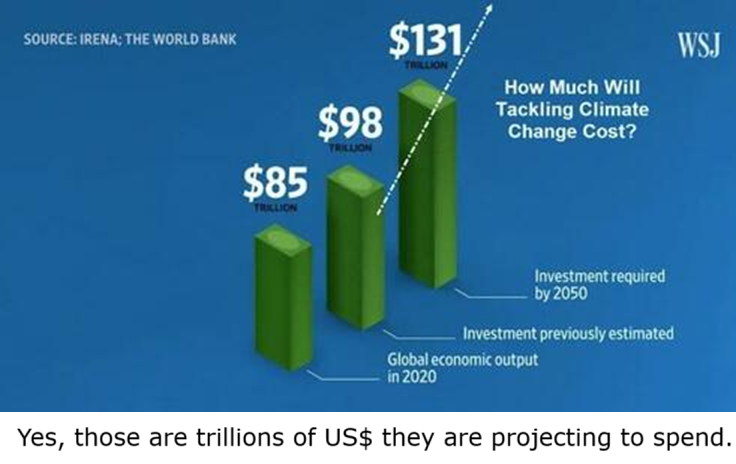
An enterprise this ambitious requires enduring political support. As time goes by, the costs of the energy transition inexorably rise, and opposition to the project grows as more interests are affected. Proponents understood this and counted on three factors to ensure that progress toward net zero continued even as opponents dug in their heels.

- Blame Natural Disasters on CO2 Emissions
First, as the growing costs of climate change ricocheted through the economy (driving up insurance costs in disaster-prone areas, for example, as weather risks grew), more voters would support net-zero policies.
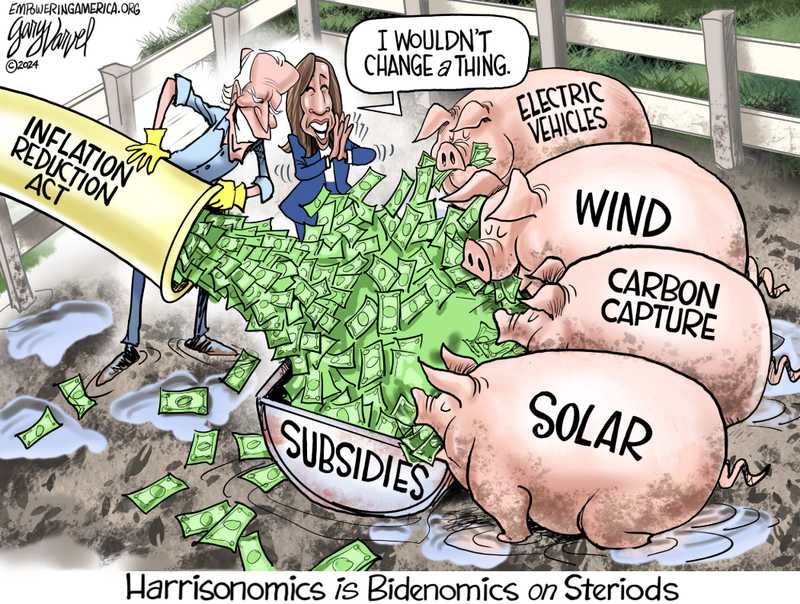
2. Green Industries Lobby to Protect Their Interests
Second, industries that had invested in climate-friendly technologies (like automobile makers investing billions in EV-producing factories) would lobby politicians to protect their investments by maintaining the regulations and subsidies that made them profitable.
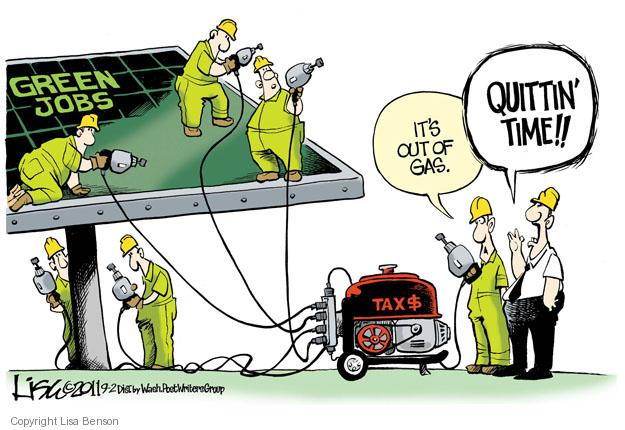
3. Workers Wanting to protect their Green Jobs.
Third, as net-zero-friendly industries employed more workers, these beneficiaries of net-zero policies would support measures that protected their jobs.
Will those be enough to stop the rising wave of energy realism and loss of Net Zero faith?
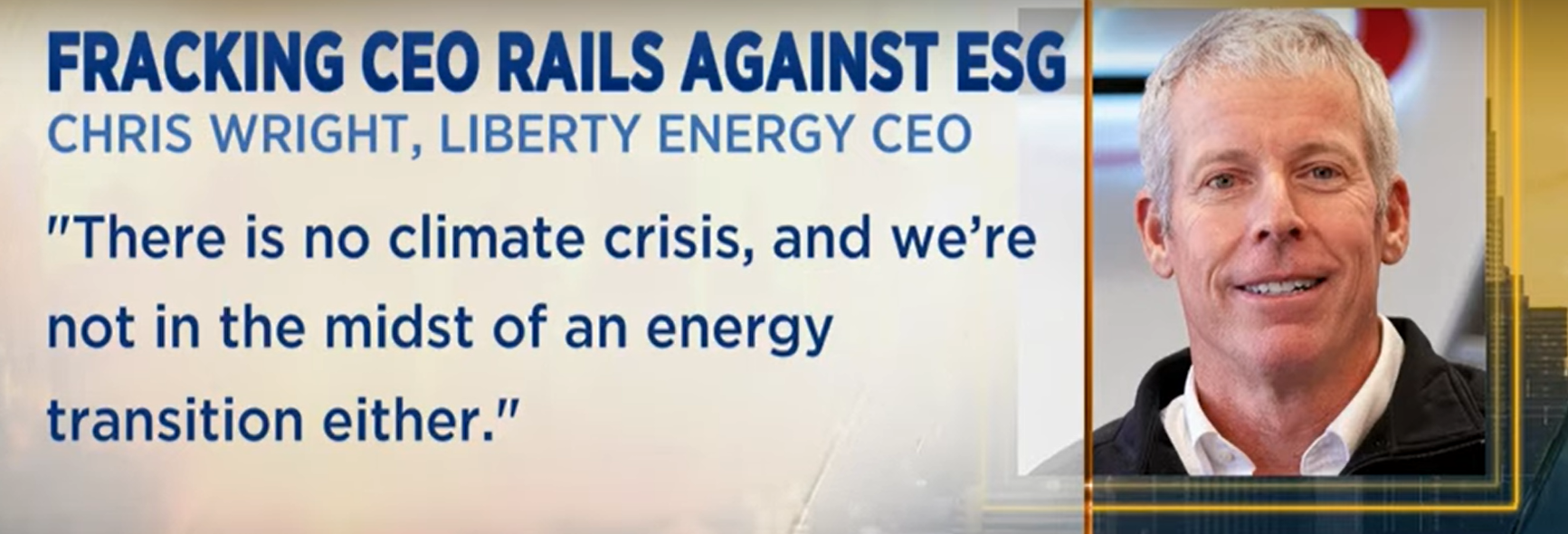
Wright is now confirmed as US Secretary of Energy
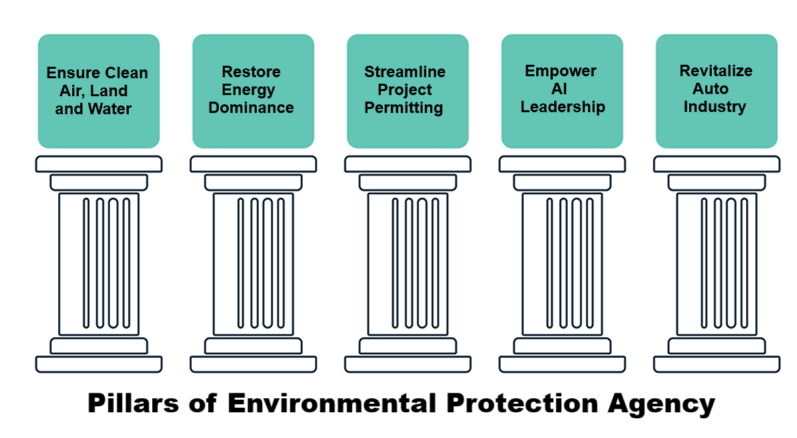
EPA priorities Announced by Director Zeldin

 Science Matters