Transcript excerpted from captions of Interview with Bjorn Lomborg What is behind business ‘greenhushing’? [FN refers to comments from FOx News interviewers, BL to Bjorn Lomborg]

FN: From Climate Talk to climate realism. As energy secretary Chris Wright says climate change is a side effect of building the modern world. Banks and businesses seem to be finally getting on board with this. But moving from unrealistic promises, greenwashing lies and environmental fear-mongering, risks some engaging in greenhushing, purposely keeping quiet about sustainability actions.
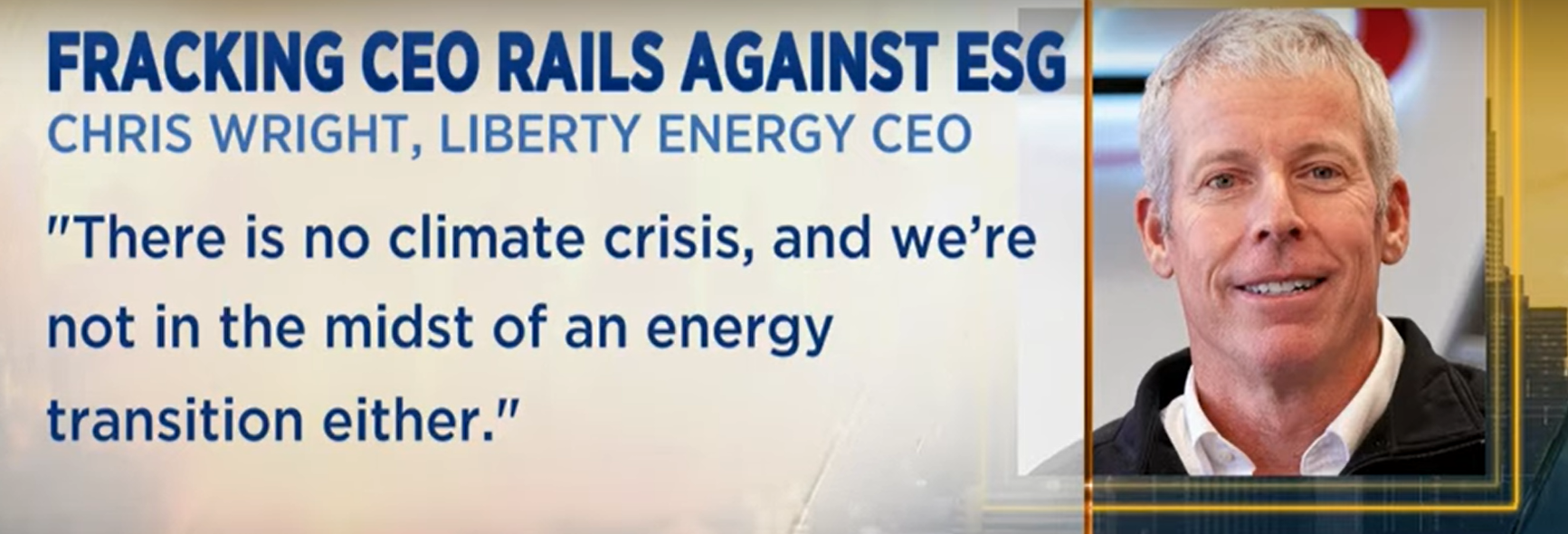
Our next guest says climate solutions come with their own set of costs [you can read his op-ed excerpted later in this post]. And joining us now, and Brian and I are both huge fans of Bjorn Lomborg’s work. He’s Copenhagen Consensus President. Bjorn, so great to see you.
What are you concerned with in terms of going from greenwashing to then kind of burying what these corporations are doing now?
BL: Well the real problem is for a long time corporations have been saying “Oh we’re going to be so green,” and they got lots of applause and everybody said “Oh this is great in Davos and stuff.” And of course it’s not what businesses mostly should be doing. But now with Trump and everything else, people are realizing, “Oh wait, this is not a good idea.” So they’ve stopped talking about it but they’re still doing a lot of it. And actually a new survey of of about 4,000 sustainability people in these big corporations said, “Yeah we’re going to talk a lot less about it, but we’re still going to do it. We’re actually going to do a little more.”
And that’s troublesome because this is not what businesses should be doing.
They should be in the business of making great products and high profits.
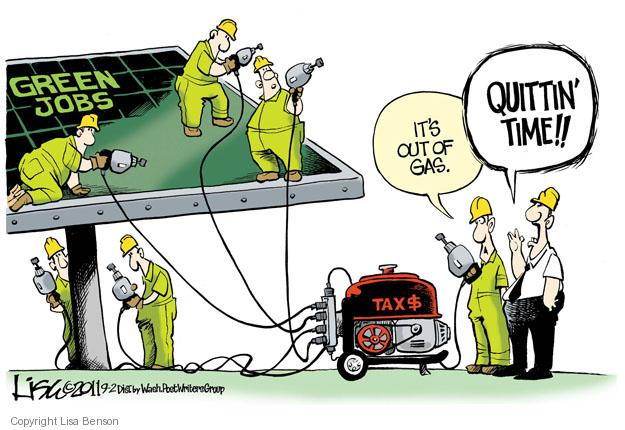
FN: So there’s a debate out there. You’ve got the CEOs of these companies and the question is: Do they really believe in the green thing or were they just doing it because the social pressure was so strong? And now they’re pulling back because really at the end of the day they agree with you, they just want to run their businesses.
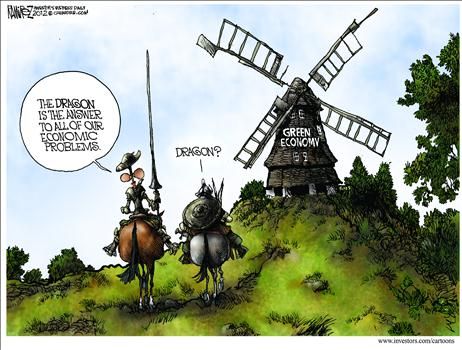
What I hear you saying is in fact the guys running these businesses really are bought into the green agenda and they will do it again when the political environment lets them speak more freely. Is that what you’re saying?
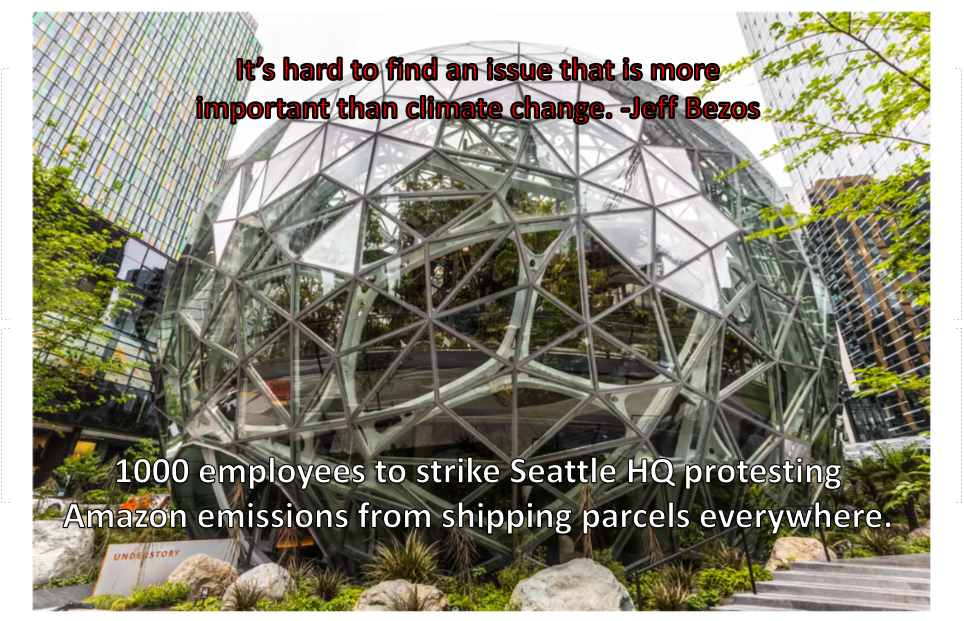
BL: It’s hard to know. I think you’re right a lot of the CEOs are saying, I actually want my business to run and drive a profit. But now they’ve hired so many other people, sustainability experts and everybody else. Of course if that’s your job, you’re pushing for doing more of that. So I think it’s important for businesses to rein in and say:
“Look we’re not going to be doing this anymore, we’re actually going to go back and focus on what we’re good at, namely servicing customers.”
FN: This goes to something else that you’ve written about, that corporations need to focus on creating things profitably, because the environment improves as nations prosper. And the greatest polluter is poverty. We saw with John Kerry here in the United States and him talking to subsaharan Africa about cutting off any funding and financing for them to extract fossil fuels from the earth and thereby bring their nations out of poverty. Keeping nations poor makes the environment worse, rather than allowing them to develop into modern societies.
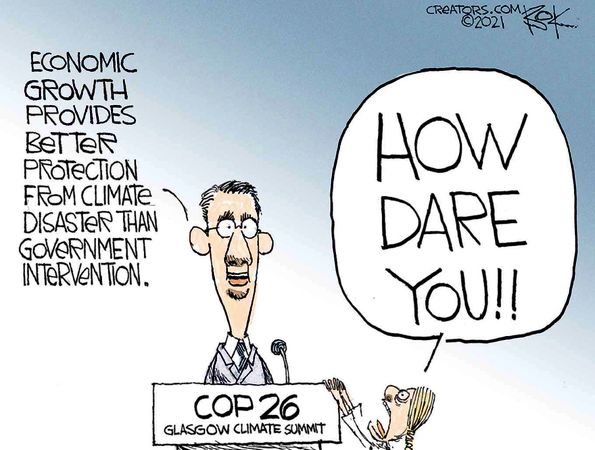
BL: Absolutely. I wrote two things for Earth Day. First we have to recognize there are environmental problems. And it’s great that we get a better environment, and fundamentally when you get rich you can actually afford to do a lot of this. And as you point out poverty is the biggest polluter, because if you’re poor, you quite frankly have other important issues. So you’ll cut down your rainforest or whatever else you need to do.
Secondly, it also emphasizes as you just pointed out that most nations and especially poor nations need to get out of poverty by doing what we’ve done. They want to have access for a lot more energy and mostly that is going to be fossil fuels. Remember when Russia invaded Ukraine, Europe decided to say “All right we’re not going to go and get any energy from Russia.” But they didn’t say “Oh so we’re going to go all green.” They actually went to Africa to buy up their fossil fuels because we want to keep our living standards. But they simultaneously told the Africans, “But you shouldn’t be using it, you should actually go all green.” That’s just hypocrisy absolutely.

Excerpts from Lomborg op-ed Time to pull the plug on corporate virtue-signaling
The era of being cheered on for every green promise and vow
– regardless of how silly or self-defeating – has come to an end
Climate change is undeniably a real problem which has tangible economic impacts. However, climate solutions also come with their own set of costs, often demanding that businesses and individuals rely on pricier, less dependable energy sources. The decision to balance the expenses of climate policies with the advantages of climate action falls rightly under the responsibility of governments, not profit-driven businesses.
Yet over the past decade, even major contributors to climate change – such as the fossil fuel industry itself – invested in extraordinary green policies. Five years ago, BP made an astonishing promise to slash its oil and gas production by 40% by 2030, while increasing green energy generation twentyfold and becoming net-zero.
Now, along with other big, Western oil companies,
it has abandoned those farcical green promises and
recommitted to its primary activity: fossil fuels.
No doubt, this U-turn will be lamented by green activists. But the truth is that these promises were always an inefficient way of helping the planet, and very shortsighted for fossil fuel companies. Even after the world has spent $14 trillion on climate policy, more than four-fifths of global energy remains supplied by fossil fuels.
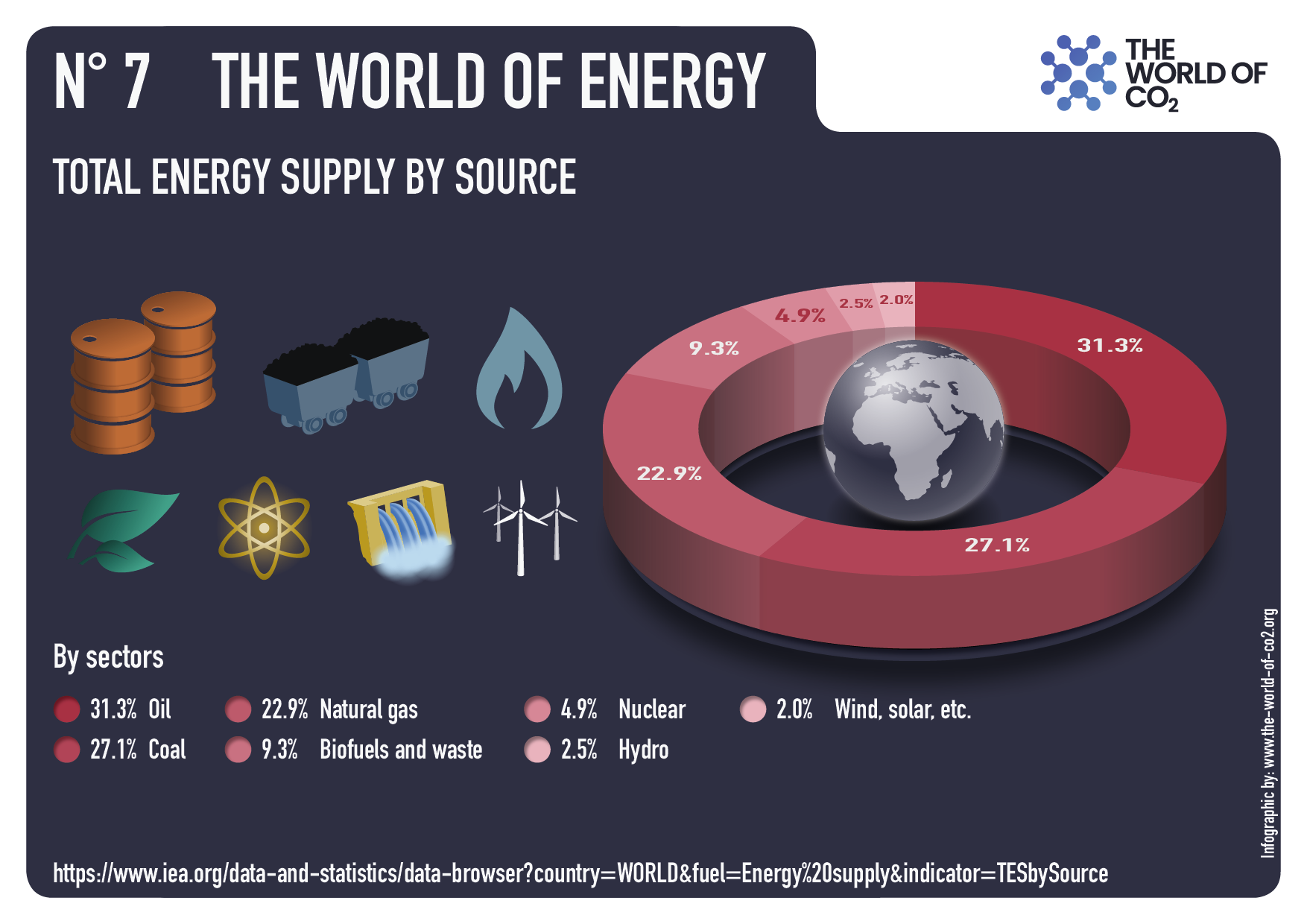
Over the past half-century, fossil fuel energy has more than doubled, with 2023 again setting a new record. Consumers and businesses are crying out for more energy, while competitor state-owned oil companies from the Middle East have continued to provide more fossil fuels. It is a foolish energy company that declares it will supply less energy.

Banks also had a fling with green policies, and have now dumped them, with the six largest U.S. banks leaving the Net-Zero Banking Alliance, and Wells Fargo officially abandoning its goal of achieving net-zero emissions across its financial portfolio by 2050.
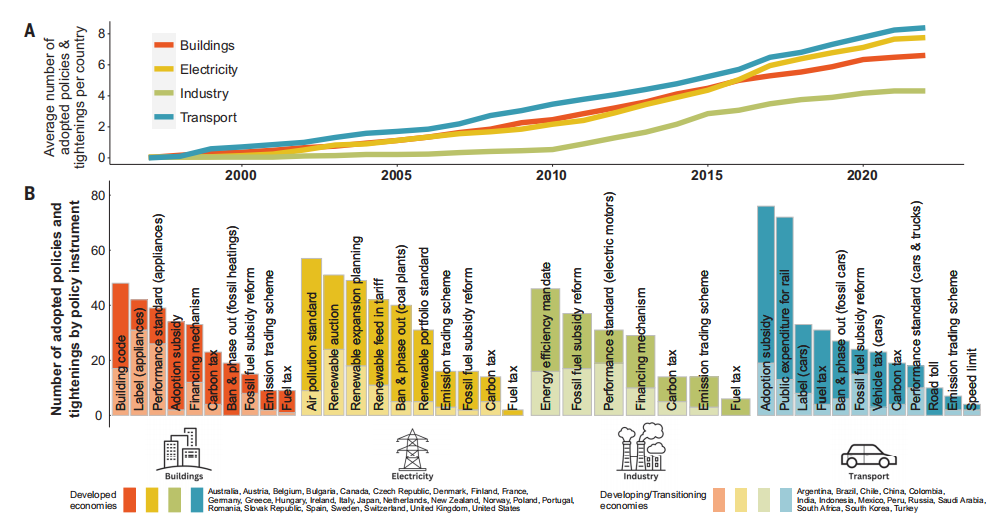
In the peer-reviewed journal of the American Association for the Advancement of Science, a study finds that of 1,500 “climate” policies announced around the world, a mere 63, or 4%, produce any reduction in emissions.
While some industries are moving faster than others, there are signs that many companies will just change their language, and not their inefficient climate policies.
As leaders of international organizations and corporations scramble to adapt to an entirely new world, it’s important they go further than just shifts in rhetoric. The era of being cheered on for every green promise and vow – regardless of how silly or self-defeating – has come to an end. Now it’s time for those leaders to get back to business.
 Science Matters