
Carbon capture tech is pie-in-sky impractical, but was weaponized against coal-fired power plants by requiring CCUS as though it were proven effective and profitable. Just The News reports Biden’s EPA hid comments from Dept. of Energy that undermined key part of EPA power plant rule. Excerpts in italics with my bolds and added images.
The Clean Power Plan 2.0 was supported by a finding that carbon capture
technology had been “adequately demonstrated.” The EPA sought and
got comments from the DOE, which disputed that “demonstration.”
Somehow those comments never made it into the administrative record.
It appears that the Biden-Harris administration hid comments that would have undermined its Clean Power Plan 2.0 rule (CPP2), which the Trump administration is currently reviewing. The EPA had sought comments from the Department of Energy’s National Energy Technology Lab (NETL) on the efficacy of carbon capture technology prior to proposing the rule. These comments, which were somehow scrubbed from the administrative record, disputed a key claim the rule is based on. Those missing comments, a legal expert says, could provide a basis for the rule’s repeal.
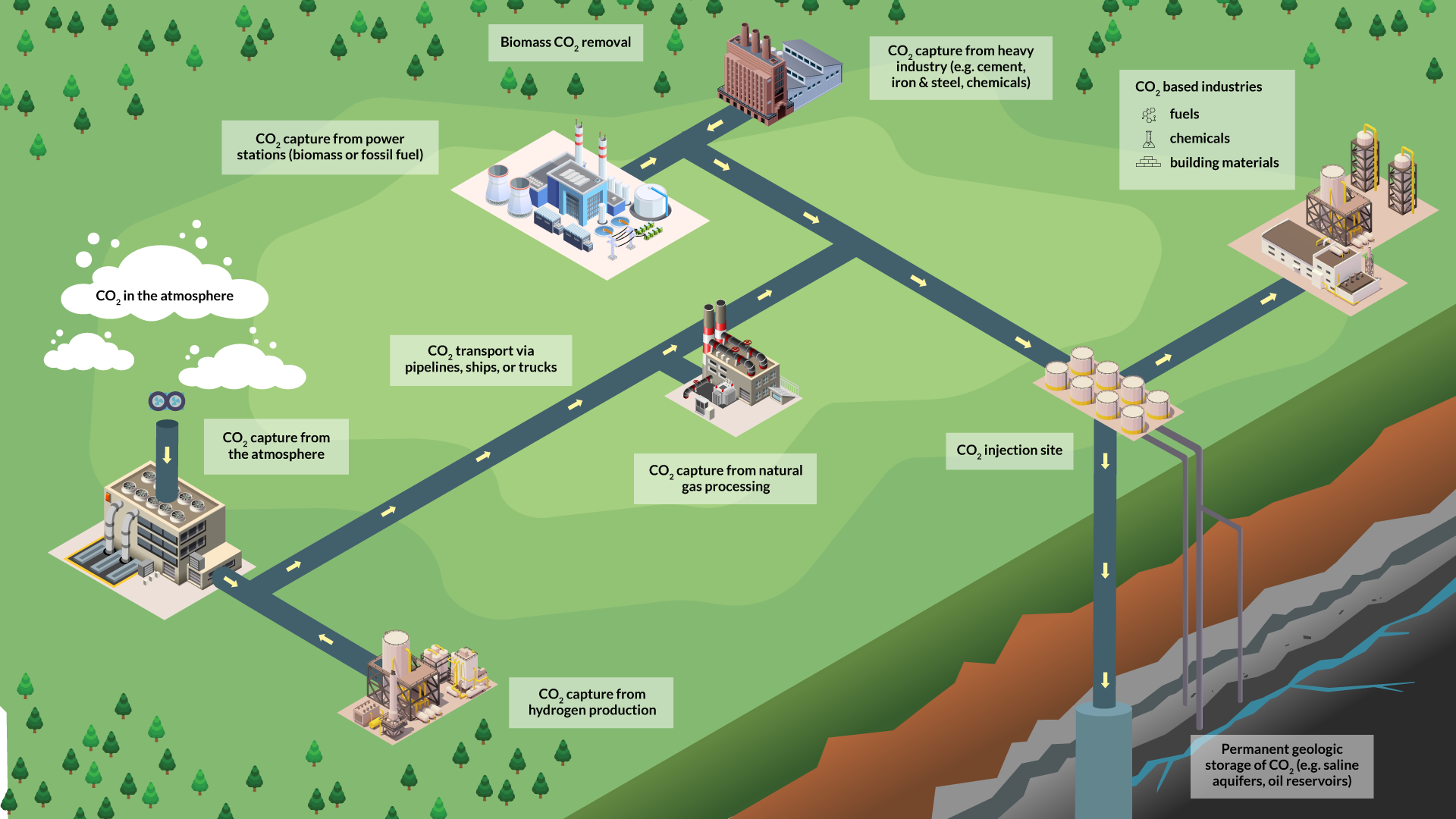
The CCP2 requires all coal plants to install carbon capture technology by 2039, which captures and stores emissions in underground geological formations. It also requires new natural gas-fired power plants to install the technology, with requirements starting in 2032. Experts warned the rules would drive up electricity costs and destabilize the grid by disincentivizing reliable power from coal and natural gas in favor of intermittent wind and solar power.
The Clean Air Act authorizes the EPA to develop new emissions standards, but those standards must be achievable at a reasonable cost. The technology required for compliance must also be adequately demonstrated. Documents obtained by Just the News show that the EPA formally sought comments from NETL in March 2023 on its soon-to-be proposed rule, which was put out for public comment the following May.
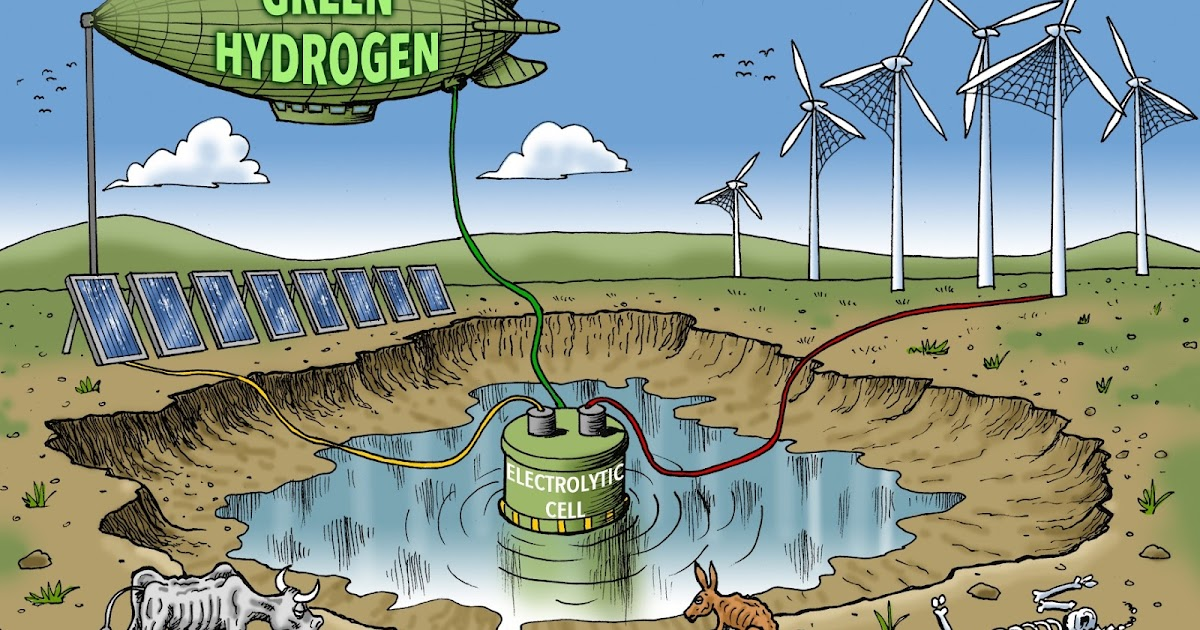
The proposed rule allowed for two technologies — hydrogen and carbon capture and underground storage (CCUS) — to meet the emissions standards on fossil fuel-burning power plants. Comer’s letter quotes two unnamed authors expressing that neither technology was viable.
Hydrogen was removed from the rule when it was finalized in April 2024. Carbon capture technology, however, was part of the final rule, even though the comments from one unnamed NETL author stated that:
“CCUS remains prohibitively expensive even after use of funds or tax credits made available through the Inflation Reduction Act.”

The EPA based its determination that CCUS was “adequately demonstrated” on the performance of the Boundary Dam Unit #3 (BD3), which is a Canadian coal-fired power plant fitted with carbon capture technology. An April 2024 report by the Institute for Energy Economics and Financial Analysis called the project an “under-performing failure.” Despite $1 billion CAD spent on the project, it was, as of April 2024, capturing far less than the 90% originally promised. Its capture rate through the end of 2023 was just 57%, which was 63% of the 90% promised, the report found.
Comments from NETL engineers, according to the GOA’s records request, state that “the ongoing operating performance of the same BD3 demonstration project is being, once again, misconstrued as having provided sufficient justification for claiming satisfactory performance to allow the technology to be considered ‘adequately demonstrated.’”
Carbon capture at Boundary Dam 3 still an underperforming failure
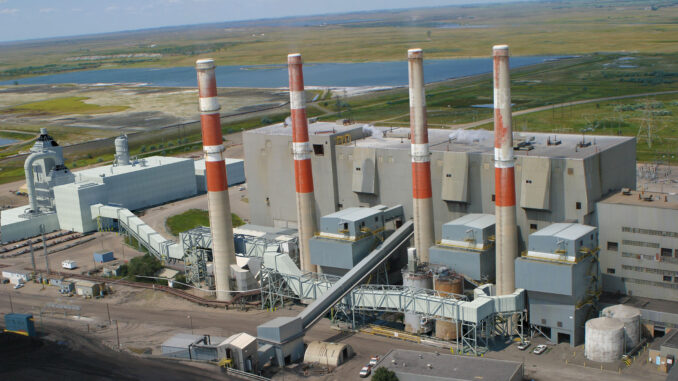
To be considered a success, a carbon capture project must capture all or almost all CO2 produced by the facility (power or industrial plant) to which it is attached and must do so for decades. Stantec photo by Kevin Ross.
Another comment states that BD3 only approached the 90% promised target for two months over a period of 8 years and three months. Another comment states that after 8 years and three months “of demonstration, such failure to meet negligible standards for emissions limitations, over a full-year period ending less than one year ago, argues strongly for not considering BD3 as a credible basis for Best System of Emissions Reduction and ‘adequate demonstration’ of the related technology.”
“These comments were sanitized at some point in this process and were not included in NETL’s and/or DoE’s comments to EPA, which made their way into the administrative record,” according to the GOA’s record request.

An EPA spokesperson told Just the News that the EPA, as part of its reconsideration of the CCP2, is developing a proposed rule, which will be published once it has completed an inter-agency review and been signed by EPA Administrator Lee Zeldin.
“Many have voiced concerns that the last administration’s replacement for that rule is similarly overreaching and an attempt to shut down affordable and reliable electricity generation in the United States, raising prices for American families, and increasing the country’s reliance on foreign forms of energy,” the spokesperson said.

 Science Matters
One comment