
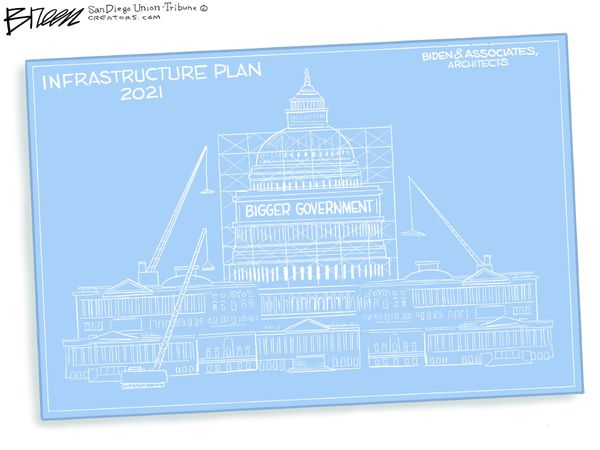
With Congress passing the One Big Beautiful Bill Act into US law, let’s consider the policy implications going forward. Also note the irony of the previous Biden administration BBBA (Build Back Better Act) which failed:
Speaker Mike Johnson listed 25 Trump Executive Orders now codified into law by Congress (highlighted are those most related to climate policies):
- Securing our Borders
- Declaring a National Emergency at the Southern Border
- Protecting the American People Against Invasion
- Ending Taxpayer Subsidization of Open Borders
- Restricting the Entry of Foreign Nationals to Protect the United States from Foreign Terrorists and other National Security and Public Safety Threats
- Implementing the President’s DOGE Cost Efficiency Initiative
- Protecting America’s Bank Account Against Fraud, Waste and Abuse
- Continuing the Reduction of the Federal Bureaucracy
- Stopping Waste, Fraud and Abuse by Eliminating Information Silos
- Iron Dome for America
- Unleashing American Drone Dominance
- Restoring America’s Maritime Dominance
- Unleashing American Energy
- Reinvigorating America’s Beautiful Clean Coal Industry
- Unleashing Alaska’s Extraordinary Resource Potential
- Declaring a National Energy Emergency
- Immediate Measures to Increase American Mineral Production
- Immediate Expansion of American Timber Production
- Clarifying the Military’s Role in Protecting the Territorial Integrity of the United States
- Keeping Americans Safe in Aviation
- Improving Education Outcomes by Empowering Parents, States and Communities
- Reforming Accreditation to Strengthen Higher Education
- Establishing the President’s Make America Healthy Again Commission
- Further Amendment to Duties Addressing the Synthetic Opioid Supply Chain in the People’s Republic of China as Applied to Low-Value Imports
- The Organization for Economic Cooperation and Development Global Tax Deal
- Enforcing the Hyde Amendment
- Celebrating America’s 250th Birthday — Garden of Heroes
- Making the District of Columbia Safe and Beautiful
I used perplexity.ai to answer two questions about what impact to expect from this Development. Text in italics with my bolds, two edits and added images.
Several Trump Executive Orders since January 2025
have directly targeted climate change policies
at both the federal and state levels.
Rescinding Biden-Era Climate Orders: Trump issued an executive order revoking all previous administration executive orders related to climate change, the clean energy transition, and climate finance. This included: the cancellation of national and sectoral climate targets, such as net zero by 2050, 100% electric vehicle sales by 2035, and the revocation of the National Climate Task Force and the State Department’s Climate Change Support Office.
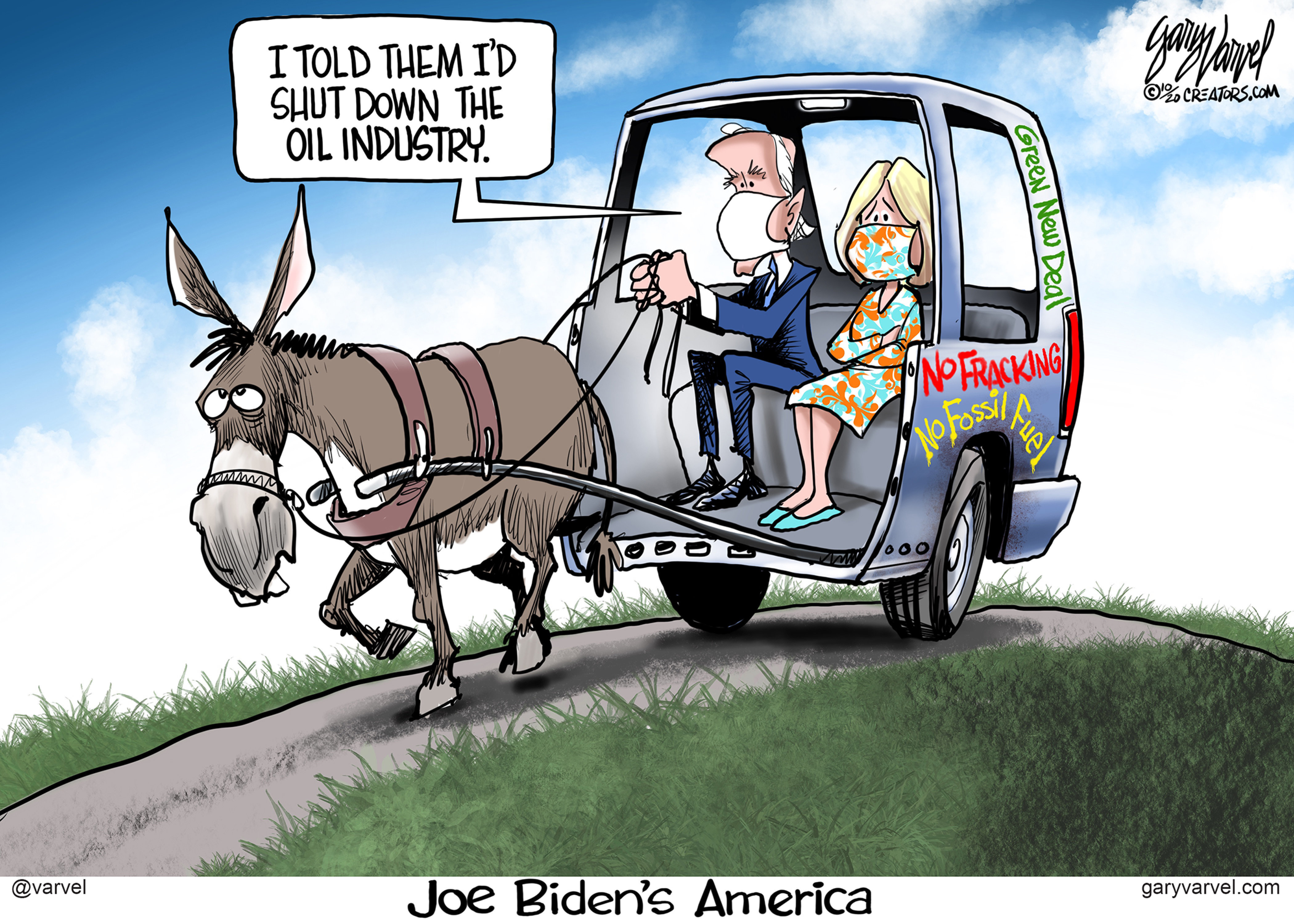
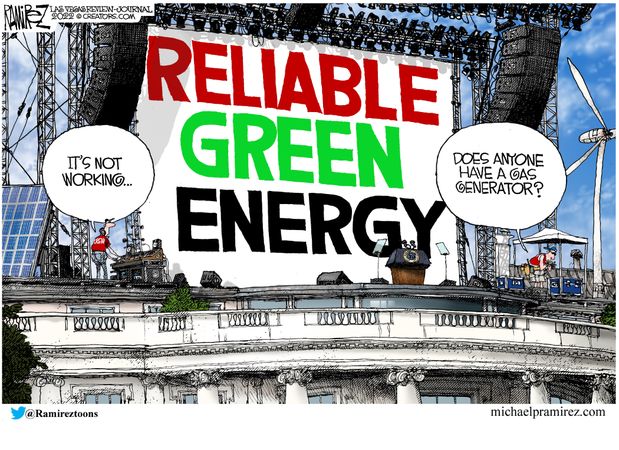 Declaring a National Energy Emergency: An executive order declared a national emergency on energy, prioritizing fossil fuel development, including in previously protected areas like Alaska. It directed agencies to expedite energy permitting and infrastructure, and to use emergency authorities to facilitate new energy projects, especially for oil, gas, coal, and critical minerals.
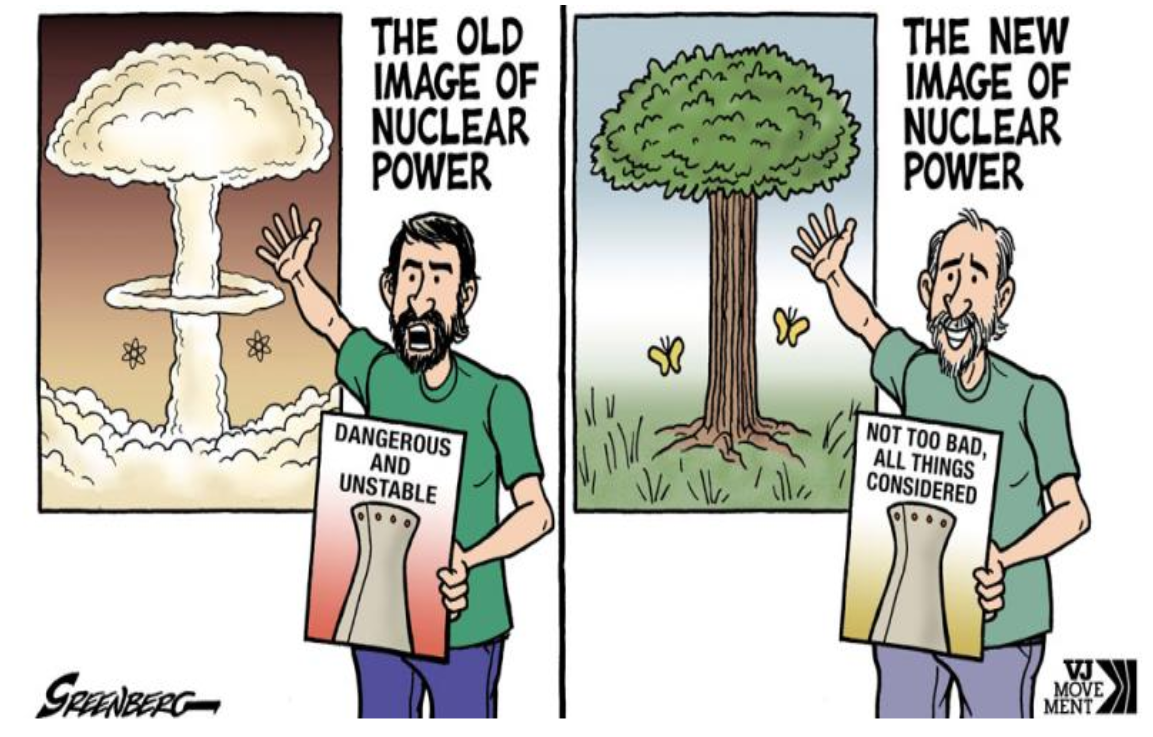
Disbanding the Social Cost of Greenhouse Gases Group: The “Unleashing American Energy” executive order disbanded the Interagency Working Group on the Social Cost of Greenhouse Gases, excluding its work from government policy and directing agencies to consider eliminating the social cost of carbon from regulatory decisions.

Blocking State Climate Change Policies: In April 2025, Trump signed an executive order instructing the U.S. Attorney General to identify and take action against state and local laws that address climate change, ESG initiatives, environmental justice, and carbon emissions. The order specifically targeted state policies that mandate clean energy, impose carbon fees, or hold fossil fuel companies accountable for climate impacts.
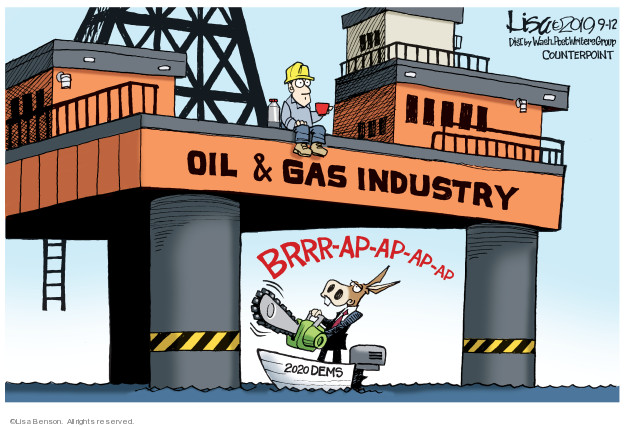
Promoting Coal and Grid Reliability: Additional executive orders promoted coal mining and coal-based power, particularly for AI data centers, and emphasized strengthening the reliability and security of the electric grid. These actions are expected to increase emissions from the power sector.
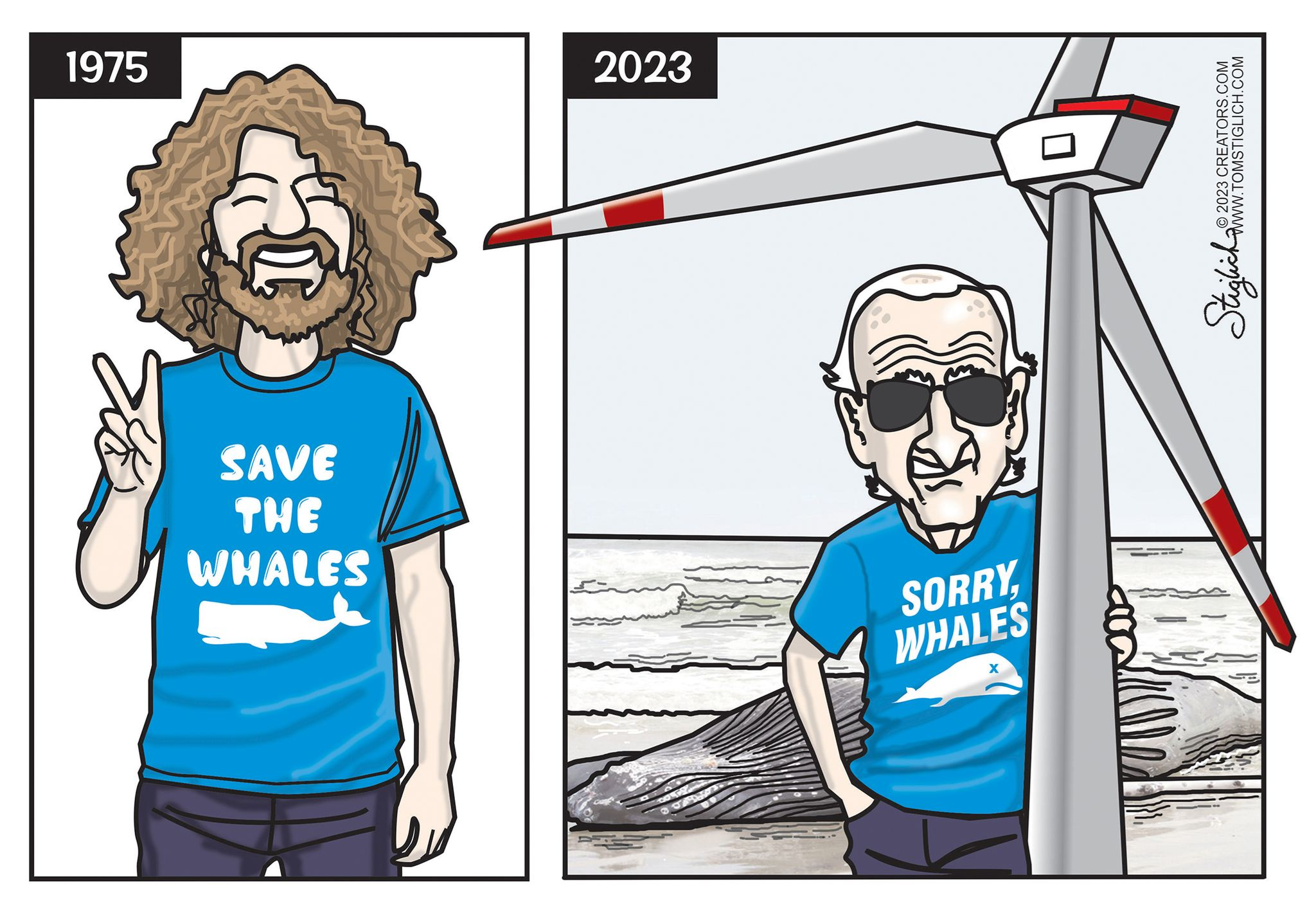
 Rolling Back Wind Energy Initiatives: Trump withdrew the Outer Continental Shelf from wind energy leasing, paused project approvals, and directed a review of federal wind leasing and permitting practices.
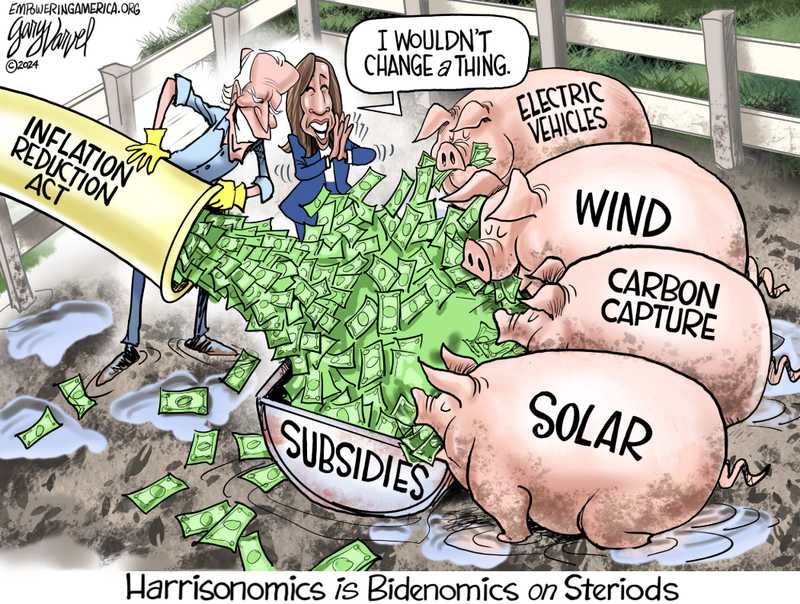
Halting Federal Climate Funding: The administration paused disbursements of funds appropriated through the Inflation Reduction Act and the Bipartisan Infrastructure Law that support climate initiatives, including electric vehicle charging infrastructure.
Challenging State Authority: The executive orders aim to preempt or invalidate state-level climate actions, especially those seen as burdensome to domestic energy production. States like California, New York, and Vermont, with aggressive climate policies, are specifically mentioned as targets of these federal actions.
These orders collectively represent a broad effort to reverse federal and state climate change policies, prioritize fossil fuel development, and roll back regulations and incentives for clean energy and emissions reduction.
With Trump’s executive orders on climate and energy
now codified as law by Congress,
the following effects are taking place.
Federal Climate Programs Rolled Back: The new laws have solidified the rollback of key federal climate and clean energy initiatives, including the dismantling of the Inflation Reduction Act’s (IRA) climate provisions, elimination of the Justice40 commitment, and withdrawal from the Paris Agreement. Federal agencies are now required by law to halt or redirect funding away from climate-focused programs and environmental justice initiatives.
Permitting and Environmental Review Weakened Reformed: The codified laws have overhauled the National Environmental Policy Act (NEPA) process, prioritizing rapid permitting for energy (especially fossil fuel) projects and rescinding previous NEPA regulations. This accelerates approvals for oil, gas, and infrastructure projects, often at the expense of environmental review and public input from decarbonizing activists.

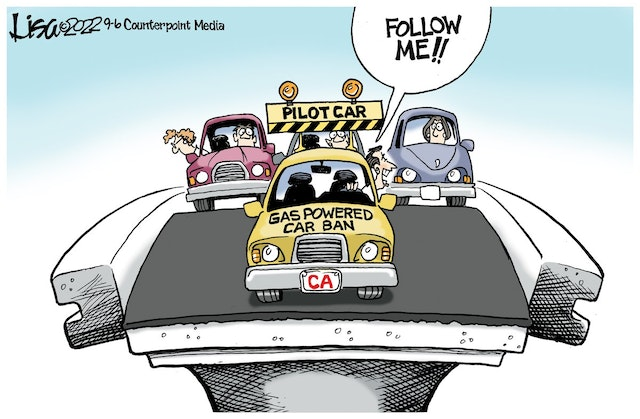
Electric Vehicle and Clean Energy Incentives Cut: The laws have ended or severely restricted federal incentives for electric vehicles (EVs), including tax credits and mandates. California’s authority to set stricter emissions standards has been revoked, and other states cannot enforce more aggressive climate policies than federal standards.

Wind and Solar Tax Credits Limited: Although a last-minute legislative compromise allowed renewable projects a one-year window to claim tax credits, Trump’s executive order—now backed by law—directs the Treasury to sharply restrict eligibility. Only projects with substantial physical progress will qualify, making it harder for wind and solar developers to access these credits and reducing the financial viability of new clean energy projects.

Social Cost of Carbon Eliminated: The laws have abolished the use of the “social cost of greenhouse gases” in federal decision-making. Agencies are directed to ignore or eliminate this metric from permitting and regulatory processes, undermining the rationale for regulating greenhouse gas emissions.

Endangerment Finding Under Review: The EPA is required to review the 2009 Endangerment Finding (the scientific and legal basis for regulating greenhouse gases under the Clean Air Act). If overturned or weakened, this could eliminate the EPA’s authority to regulate carbon emissions from vehicles and industry.
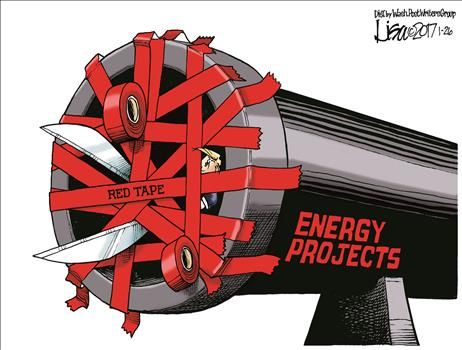
Preemption of State Climate Laws: The Attorney General is now legally empowered to challenge and potentially invalidate state and local climate change laws that are viewed as restricting domestic energy production or conflicting with federal policy. This targets states like California and New York, threatening their ability to set independent climate standards.

International Climate Commitments Withdrawn: The United States has formally withdrawn from the Paris Agreement and ceased all international climate finance, isolating the U.S. from global climate efforts and reducing international pressure for domestic climate action.
These changes, now enshrined in law, represent a comprehensive reversal of previous federal and state climate change policies, prioritizing fossil fuel development and deregulation while sharply curtailing support for clean energy and emissions reduction.
The legal codification makes these policy shifts more durable
and harder for future administrations to quickly reverse.

 Science Matters
Imagine if you will
A world where people believe
that the temperature of the *planet*
can be controlled by giving more money
to the government.
Science Fiction at its most fictional
or
Theatre of the Absurd at its most
absurd.
LikeLike