 Linnea Lueken explains the false alarm in her Climate Realism article Climate Change Is Not Causing New England’s ‘Creepy’ Bacteria and Bugs, Boston Globe. Excerpts in italics with my bolds and added images.
The Boston Globe posted an article titled “Climate change is bringing creepy — and dangerous — bacteria, bugs, and viruses to New England,” claiming that global warming is “fueling an increase in bacteria and disease” in New England. The headline and the attached story are highly misleading. For things like mosquito-borne illness, mosquitos carrying diseases previously thrived even in New England in previous centuries, with 20th century human intervention wiping them out, not temperature changes. Also, bacteria in waterways are a seasonal phenomenon which has always existed.
The Real New England Crisis is Green Agenda Attack on Electricity Supply
Source: granitegeek, Concord Monitor
Daniel Turner explains in his Real Clear Energy article The Green Agenda Turned New England Into an Energy Price Punchline. Excerpts in italics with my bolds and added images.
Fall is here, the leaves are changing, the temperature is dropping and sadly New England families know the routine.
Every month, the electric bill arrives, and it’s larger than the month before. The region pays more for electricity than almost anyone else in America—higher than the national average and, outside of Alaska and Hawaii, higher than anywhere else in the country. This is not a coincidence. It is the inevitable result of politicians who pushed the risky and unreliable green agenda while forcing reliable power plants off the grid.
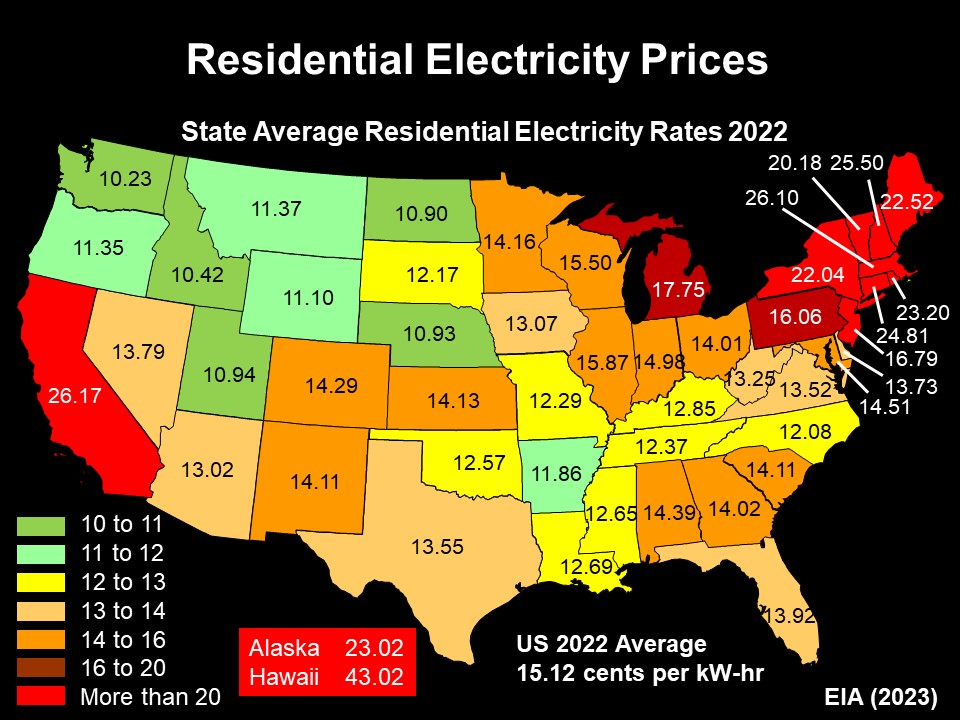
Here’s an inconvenient history lesson. When Joe Biden took office, electricity in New England cost 20.7 cents per kilowatt-hour. By the time he left, it was more than 28.2 cents. That’s a staggering spike of more than 36% in just four years. Hundreds of dollars gone from family budgets and small businesses every single year. For working households already feeling the squeeze of Biden’s inflation, it can mean the difference between savings and debt, between heating a home and keeping it uncomfortably cold.

October 2022 generation in New England, by fuel source
And the blame is clear. The forced closure of coal, oil, and natural gas plants in the name of “climate progress” is why rates are climbing. In 2022, Massachusetts Senators Elizabeth Warren and Ed Markey traveled to Somerset to celebrate the shutdown of traditional energy plants. They smiled for the cameras, congratulated themselves on a “victory,” and then went back to Washington while families were left to pay the tab.

First came the celebration, but now we see the deflection. Four Democratic senators, including Warren and Markey, recently wrote a letter to the Trump administration suddenly pretending to care about rising electricity bills. It is political theater and nothing more. They didn’t care when they cheered the closures in 2022, and they don’t care now. New England’s families are stuck with the consequences of the green agenda they applauded; they just want to escape the blame.
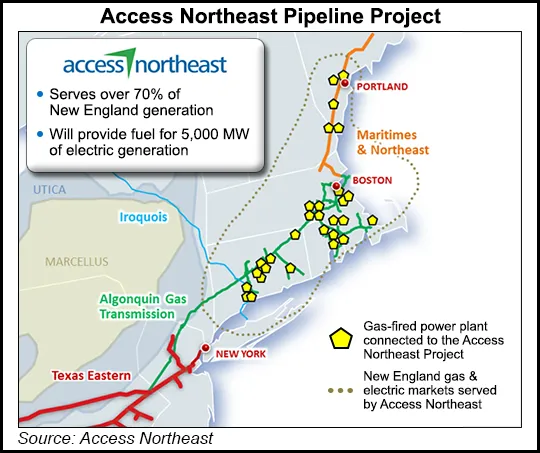
Project abandoned in 2017 after New York blocked planning and permit processes.
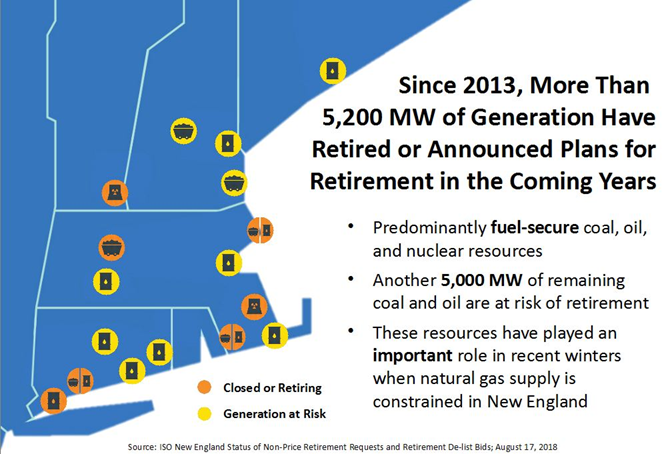
Let’s be clear: This cascade of closures started when Joe Biden was vice president and accelerated under his presidency. Nearly 400 fossil fuel plants have been shuttered across the country since 2010, including almost 300 coal plants. In the Northeast alone, names like Indian Point in New York, Eagle Point in New Jersey, Schiller Station in New Hampshire, and Canal Station in Massachusetts have been crossed off the map. Each closure meant fewer megawatts of reliable power and higher bills for families.
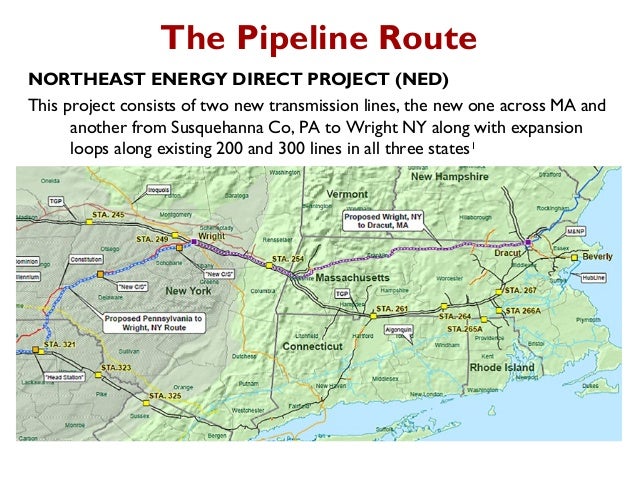
Project abandoned in April 2016
The problem is not complicated. Shutting down affordable, always-on power and replacing it with expensive, intermittent sources like wind and solar leads to higher prices. Add the surge in demand from artificial intelligence data centers, which analysts say could double electricity consumption by 2030, and the consequences are obvious: higher costs, weaker reliability, and a grid at the breaking point.
There is a way out of this crisis, but it requires real action, not pointless blaming. My organization, Power The Future, lays out the steps in our recent report.
♦ First, use the Defense Production Act to treat grid reliability as the national security issue it is, and direct resources to keep critical plants online.
♦ Second, build new fossil fuel plants—modern natural gas and coal facilities that can deliver decades of dependable, affordable power.
♦ Third, halt premature closures until replacement capacity is running, not just promised on paper. And fourth, expand the capacity of existing coal plants, many of which are running below potential thanks to political limits, to quickly add thousands of megawatts back to the grid.
These are not radical ideas. They are common sense. They put working families, not political slogans, at the center of energy policy. They recognize that you cannot run a 21st-century economy on wishful thinking, photo-ops, and subsidies for technology that fails when the wind doesn’t blow, or the sun doesn’t shine.
Too many of New England’s “leaders” in Washington have turned their states into punchlines of America’s power prices. Working families deserve leaders who care more about their constituents’ bills than their standing with environmental activists. They deserve an energy policy grounded in reality, not ideology.
If you want to know who killed affordable power in New England, it wasn’t President Trump and it wasn’t the utility companies. All you need to do is just look at who popped the champagne when the plants closed.

 Science Matters
One comment
Comments are closed.