
Philip Cross writes at Financial Post Woke and Green are departing the scene. Excerpts in italics with my bolds and added image.
2025 may mark the end for such policies as unsubsidized EV sales
collapse and impatience with DEI rises
This year is shaping up as a turning point in restoring sanity to public policy. Nowhere is the change more evident than in attitudes to green energy policies, once the rallying cry for left-wing parties in North America. Support has collapsed for three pillars of green energy advocacy:
♦ building electric vehicles to eliminate our need for oil pipelines and refineries;
♦ using the financial clout of the Net-Zero Banking Alliance to force firms
to eliminate carbon emissions; and
♦ legally mandating the shift from fossil fuels to green energy.
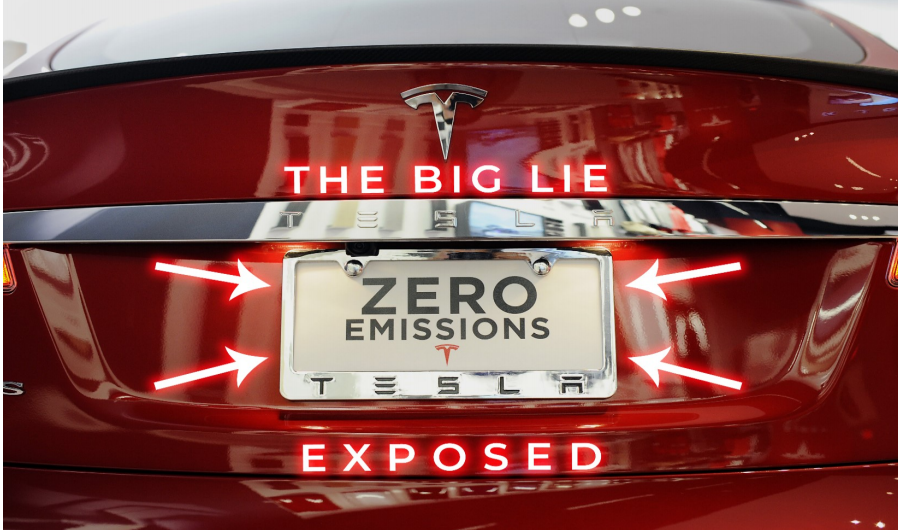
This turning away from green energy policies is reflected in how industrial policy underpinning electric vehicles (EV) has been discredited over the past year. Companies are delaying or abandoning the building of EV assembly and battery plants, mainly because EV sales are slumping following withdrawal of the artificial stimulus of government subsidies in both Canada and the U.S. Walking away from these investments leaves governments on the hook for billions of dollars they rashly pledged in support of EV projects.

In Quebec, Northvolt stopped work on a $7-billion battery plant, electric bus manufacturer Lion Electric filed for bankruptcy, and the Ultium CAM consortium paused plans to expand production of materials for batteries to be used in GM vehicles, which in turn led the giant mining company Vale to cancel plans for a nickel sulfate plant to supply these batteries. In Ontario, Honda delayed $15 billion of investments to build EV assembly plants and supply them with batteries, while Ford postponed its EV assembly plant plans after its EV division posted losses of $12 billion over the past two and a half years. Just last week, GM stopped producing electric delivery vans at its Ingersoll plant due to slack demand that had “nothing to do with tariffs or trade,” according to GM Canada’s president.

As investment in EV and battery plants collapses into full retreat, the outlook for fossil fuel demand improves. The International Energy Agency has reversed course and now projects demand will rise by 2.5 million barrels a day between 2024 and 2030. The under-investment in petroleum refining resulting from our having bought into the narrative that oil was past peak pushed the industry’s capacity utilization rate to 94.1 per cent in July, the highest of any industry in Canada that month. The prospect of demand exceeding capacity spurred the industry to boost investment to over $3 billion last year, double its average over the previous two decades.

The shift in public attitudes to fossil fuels provoked an abrupt about-face in Prime Minister Mark Carney’s stance on energy policy. In 2021 Carney spearheaded the launch of the Net-Zero Banking Alliance, which proposed to use access to credit to push firms to adopt policies that eliminated greenhouse gas emissions. But last month, after the world’s largest banks left it, including Canada’s, the alliance shut down. Even as it did, Carney’s government revived the Keystone XL pipeline proposal to carry Canada’s bitumen to U.S. refineries looking to replace dwindling heavy oil shipments from Mexico and Venezuela.

The tide is also turning against climate-change activists in the legal world. Just last week, a U.S. federal court ruled against claims by a group of young people that the Trump administration’s gutting of green energy initiatives violated their human rights. The court concluded such an important policy issue should be resolved at the ballot box and not in the courts, a precedent we should all hope helps Ontario courts reach the same conclusion in a similar case brought by teenagers.
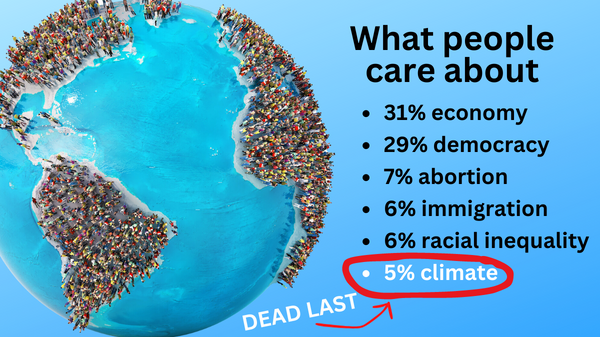
The setbacks for green energy policies are reflected in disarray among left-wing parties in Canada and the U.S. In the U.S., The New York Times reports, registration of Democratic voters has fallen by two million since last year’s elections, despite high disapproval of Trump’s economic policies. While the radical left rejoices in the candidacy of self-styled Democratic Socialist Zohran Mamdani for mayor of New York, more centrist Democrats, fearing his radical agenda will hurt the party in next year’s midterm elections, have been slow to endorse him. In Canada, the NDP lost official party status in this spring’s federal election as its vote share plumbed historic lows, revealing the folly of Leap manifesto leaders forcing out Thomas Mulcair as NDP leader in 2017 because they wanted more aggressive opposition to fossil fuels.
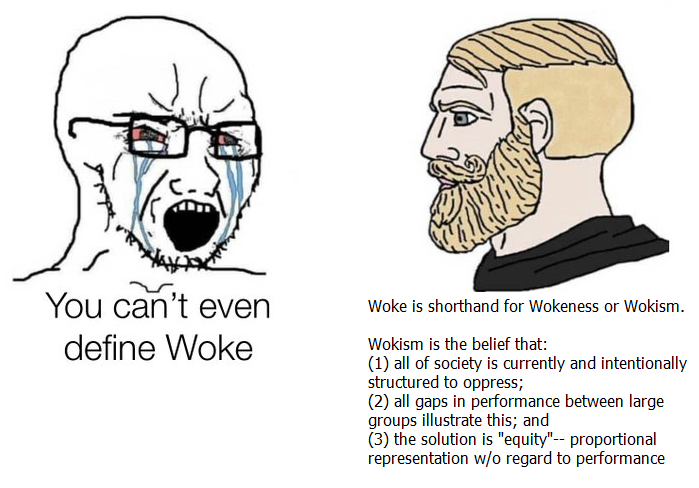
Policies such as the Green New Deal are not the left’s only vulnerability. Support for woke social movements such as DEI (“diversity, equity and inclusion”) has also become a liability. A fundamental problem associated with both the green and woke movements is that advocates are so convinced of the righteousness of their causes that they refuse to countenance debate.
Because neither developed arguments that resonated with the public,
that same public is not alarmed to see these policies dismantled.

 Science Matters
One comment