
Reported in South China Morning News US transformers are ageing. Renewable energy could make things worse, China study finds. Excerpts in italics with my bolds and added images
Team in China finds that high renewable energy integration
could make power transformers age nearly a quarter faster
In a world grappling with transformer shortages and surging energy demand from electrification and the growth of artificial intelligence data centres, the findings suggest that renewables could place even greater strain on ageing grids, like those in the United States and Europe.
When testing their new proposed model, the team found that two-way flow caused transformers to age 23 per cent faster than accounted for by current standards, according to a paper published in the Chinese-language journal Power System Technology on January 16.
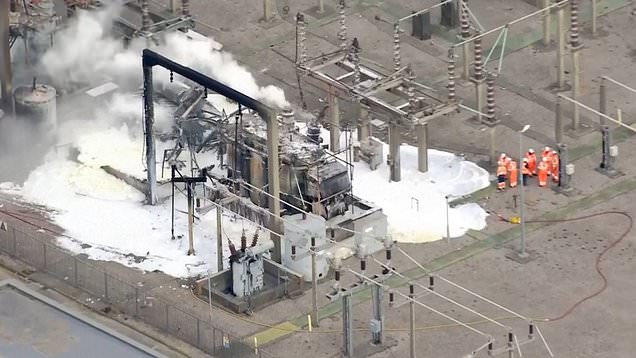
Aerial footage shows damage to burnt out power transformers near Heathrow
“This paper focuses, for the first time, on the impact of frequent bidirectional power flow switching caused by high‐penetration wind and solar integration on the operational characteristics and insulation lifespan of power transformers,” the team said.
The researchers, from the Chongqing University of Posts and Telecommunications and the State Grid Chongqing Electric Power Company, also built a “long-term lifetime loss accumulation calculation framework” – which could be used to assess the condition of transformers and guide operation and maintenance.
Speaking before the UN General Assembly in September, Trump said that renewable energy options were a “joke” and that wind turbines were “so pathetic and so bad” and expensive to operate. In January, in his address before the World Economic Forum in Davos, Trump said: “China makes almost all of the windmills, and yet I haven’t been able to find any wind farms in China. “They make them, they sell them for a fortune. They sell them to the stupid people that buy them.”
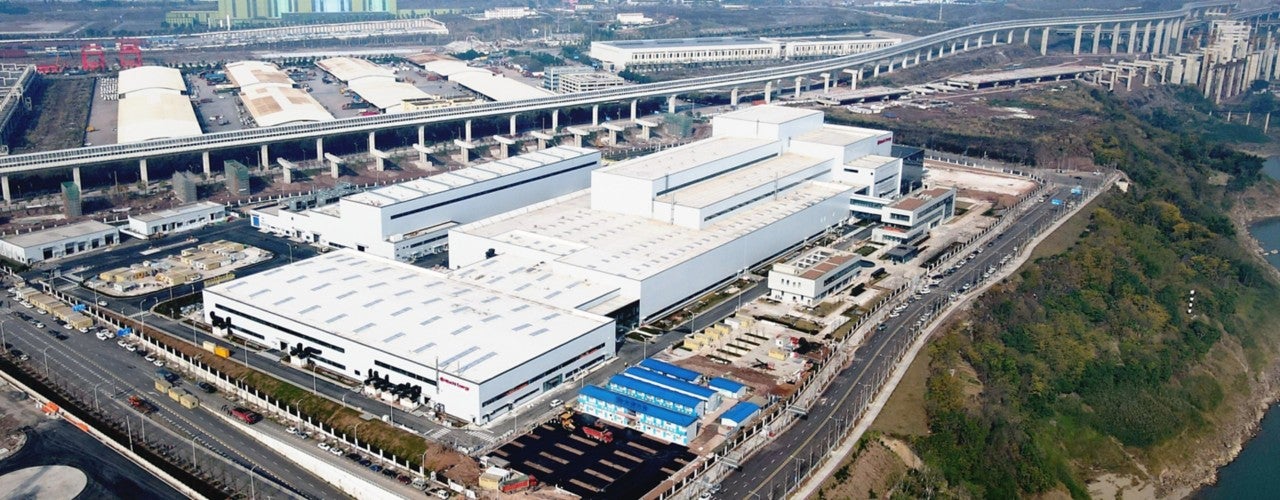
Hitachi Energy Chongqing Transformer Co. Ltd. is located in Chongqing City. As one of the largest transformer factories worldwide within Hitachi Energy, the company focuses on the design and manufacture of power transformer, shunt reactor and HVDC transformer (High Voltage Direct Current).
Traditional energy grids had a centralised, one-way flow of power from the producers to the consumers. This is shifting towards a two-way system where electricity can also flow back from solar, wind and energy storage sources into the grid.
Transformers are a basic and critical component of electric grids, adjusting the voltage of electricity so it can travel efficiently through the grid. They can either “step up” or increase the voltage so electricity can travel long distances through power lines without losing strength, or “step down” the voltage once it reaches its destination so it can be safely used by appliances.

Power transformers are large units which transmit high-voltage electricity over long distances, while distribution transformers are smaller units that help supply local areas.
As transformers age, their components can degrade, which can lead to higher maintenance demand, limit efficiency and reliability, and increase the risk of a major grid failure. The average age of power transformers in use worldwide is around 40 years, according to electrical equipment supplier Reinhausen.
In the US and Europe – home to the oldest power grids in the world – some transformers date back even further. Much of the US electric grid infrastructure was built 50 to 75 years ago, and nearly 70 per cent of power transformers in the country are over 25 years old, according to a report from the University of Wisconsin-Madison last May.
More than half of the transformers in this country are becoming too old to reliably function and can fail at any time. We not only need to build new transformers, but we also need to replace the ones that are ageing out. — US Department of Energy in 2024
But expanding and replacing transformer infrastructure is not only expensive, it could even be impossible in the short term due to long delivery times and a global shortage of power transformers, according to Reinhausen.
Average lead times for large power transformers had almost doubled since 2021, with securing transformers taking up to four years, the International Energy Agency (IEA) said in a report last February.
According to the IEA, the production of power transformers is technically complex and requires advanced facilities. China, South Korea, Turkey, and Italy accounted for 50 per cent of total global power transformer trade in 2023, it said, with China alone representing half that share.
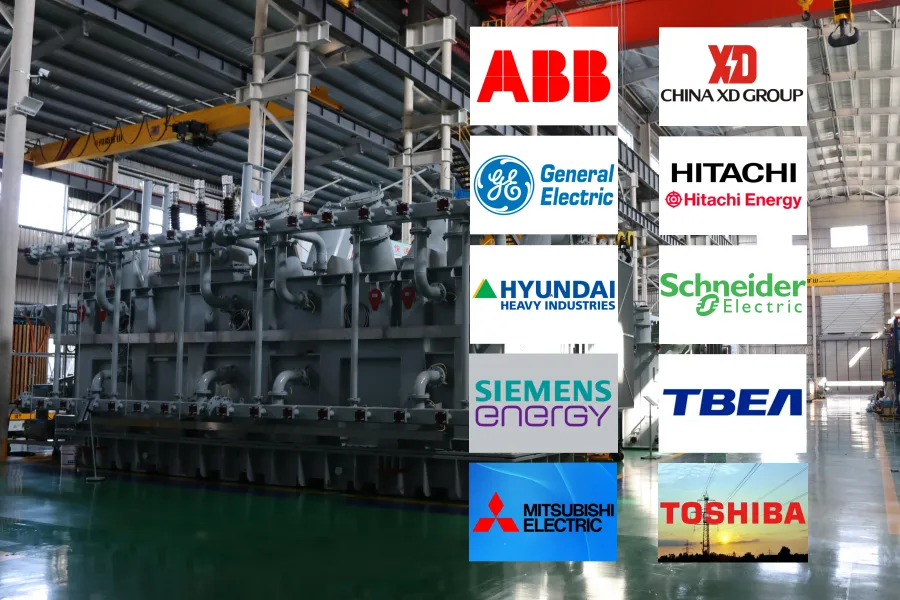
Top 10 Power Transformer Manufacturers In The World
Both the US and Europe have more than doubled their import trade value for power transformers since 2018. The US primarily sources transformers from Mexico, Europe and South Korea, while China now accounts for over 60 per cent of the European Union’s imports, according to the IEA.
Imports account for an estimated 80 per cent of the US power transformer supply, and 50 per cent of the distribution transformer supply, according to a report by energy research and consultancy group Wood Mackenzie in August.
In the US, the supply shortage for power transformers hit 30 per cent in 2025,
while the shortage for distribution transformers hit 10 per cent, the report said.

 Science Matters
One comment