 Dr. Lars Schernikau is an energy economist explaining why CO2 pricing (also falsely called “carbon pricing”) is a terrible idea fit only for discarding. His blog article is The Dilemma of Pricing CO2. Excerpts below in italics with my bolds and added images.
1.Understanding CO₂ pricing
2.Economic and environmental impact
3.Global economic impact
4.Alternative solutions
5.Conclusion
6.Additional comments and notes
7.References
Introduction
As an energy economist I am confronted daily with questions about the “energy transition” away from conventional fuels. As we know, the discussion about the “energy transition” stems from concerns about climatic changes.
The source of climatic changes is a widely discussed issue, with numerous policies and measures proposed to mitigate its impact. One such measure is the current and future pricing of carbon dioxide (CO₂) emissions. The logic followed is that if human CO₂ emissions are reduced, future global temperatures will be measurably lower, extreme weather events will be reduced, and sea-levels will rise less or stop rising all together.
Although intended to reduce greenhouse gases, this approach has sparked considerable debate. In this blog post I discuss the controversial topic of CO₂ pricing, examining its economic and environmental ramifications.
However, this article is not about the causes of climatic changes, nor is it about the negative or positive effects of a warming planet and higher atmospheric CO₂ concentrations. It is also not about the scientifically undisputed fact that we don’t know how much warming CO₂ causes (a list of recent academic research on CO₂’s climate sensitivity can be found at the end of this blog).
Nor do I unpack the undisputed and IPCC confirmed fact that each additional ton of CO₂ in the atmosphere has less warming effect than the previous ton as the climate sensitivity of CO₂ is a logarithmic function irrespective of us not knowing what that climate sensitivity is. I also don’t discuss the NASA satellite confirmed greening of the world over the past decades partially driven by higher atmopheric CO₂ concentrations (see sources inc Chen et al. 2024).
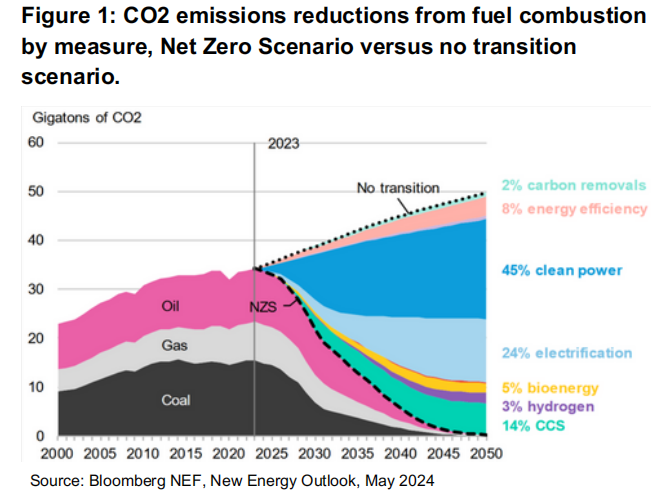
Instead, this blog post is about the environmental and economic “sense”, or lack thereof, of pricing CO₂ emissions as currently practiced in most OECD countries and increasingly seen in developing nations. It is about the “none-sense” of measuring practically all human activity with a “CO₂ footprint”, often mistakenly called “carbon footprint”, and having nearly every organization set claims for current or future “Net-Zero” (Figure 1).
1.Understanding CO₂ Pricing
CO₂ pricing aims to internalize the external costs of CO₂ emissions, thereby encouraging businesses and individuals to reduce their “carbon footprint”. The concept is straightforward: by assigning a cost to CO₂ emissions, it becomes financially advantageous to emit less CO₂.
However, this simplistic view overlooks
significant complexities and unintended consequences.
Our entire existence is based on drawing from nature (“renewable” or not), so the “Net-Zero” discussion ignores a fundamental requirement for our survival. I agree that it should be our aim to reduce the environmental footprint as much as possible but only if our lives, health, and wealth don’t deteriorate as a result.
Now, I am sure, some readers and many “activists” may disagree, which I respect but, at a global level, find unrealistic. However, I would assume that most agree that no-one’s life ought to be harmed or shortened for the sake of reducing the environmental impact made. Otherwise, there is little room for a conversation.
BloombergNEFs “New Energy Outlook” from May 2024 should possibly be called “CO₂ Outlook”, as there is little to be found about energy and its economics but rather all about CO₂ emissions and the so called “Net-Zero” (Figure 1), which is in line with media, government, and educational focus on primarily carbon dioxide emissions.
2.Economic and Environmental Impacts
One of the primary criticisms of CO₂ pricing is that it addresses only one environmental externality while ignoring others. This narrow focus can lead to economic distortions, as it fails to account for the full spectrum of environmental and social impacts. For instance, while CO₂ pricing might reduce emissions, it can also drive-up energy costs, disproportionately affecting lower-income populations and hindering economic development in lesser developed countries.
It is by now undisputed amongst energy economists that, large-scale “Net-Zero” intermittent and unpredictable wind and solar power generation increases the total or “full” cost of electricity, primarily because of their low energy density, intermittency, inherent net energy and raw material inefficiency, mounting integration costs for power grids, and the need for a drastic overbuild installation system plus an overbuild backup/storage system because of their intermittency.
CO₂ pricing can also result in environmental trade-offs. For example, the shift towards “renewable” energy sources like wind and solar, incentivized by CO₂ pricing, has its own set of environmental impacts, including land use, resource extraction, energy footprint, and energy storage challenges.
When BloombergNEF (Figure 1) displays
how clean power and electrification
will directly reduce CO₂ emissions to zero,
then they are clearly mistaken.
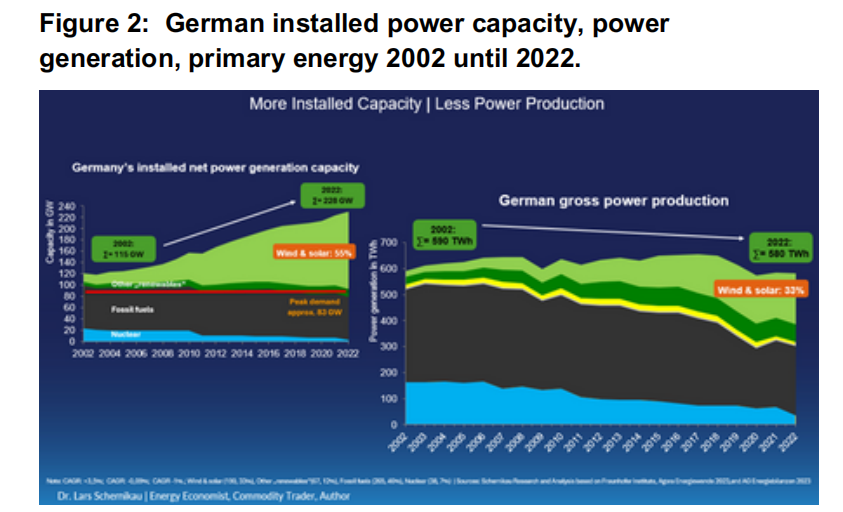
My native country Germany provides a notable example of the complexities involved in transitioning to “renewable” energy. The country has invested heavily in wind and solar power, leading to the highest electricity costs among larger nations. Germany’s installed wind and solar capacity is now twice the total peak power demand. This variable “renewable” wind and solar power capacity now produces about a third of the country’s electricity and contributes about 6% to Germany’s primary energy supply (Figure 2).
Sources: Schernikau based on Fraunhofer, Agora, AG Energiebilanzen. See also www.unpopular-truth.com/graphs.
3.Global Economic Implications
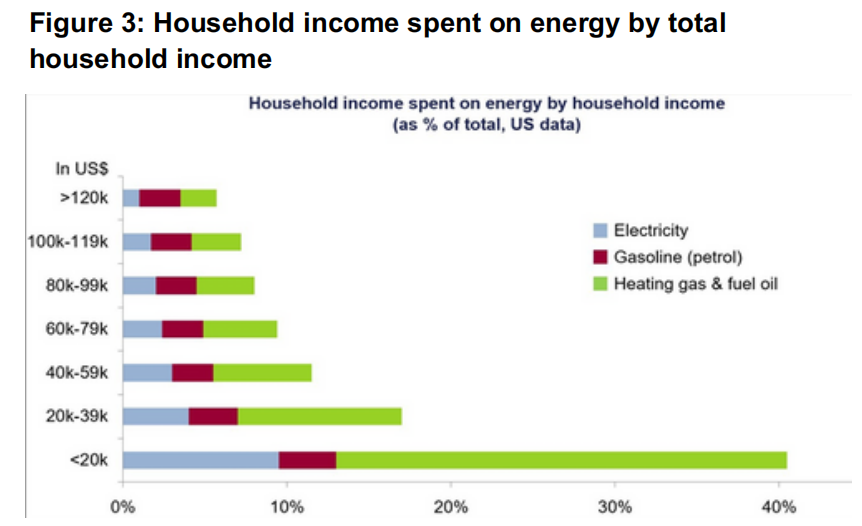
Higher energy costs, obviously and undisputedly, hurt less affluent people and stifles the development of poorer nations (Figure 3). Thus, a move to more expensive wind and solar energy has “human externalities”. The less fortunate will be “starved of” energy as they wouldn’t be able to afford it, leading to literal reduction in life expectancy.
Source: Eschenbach 2017; Figure 38 in Book “The Unpopular Truth… about Electricity and the Future of Energy”
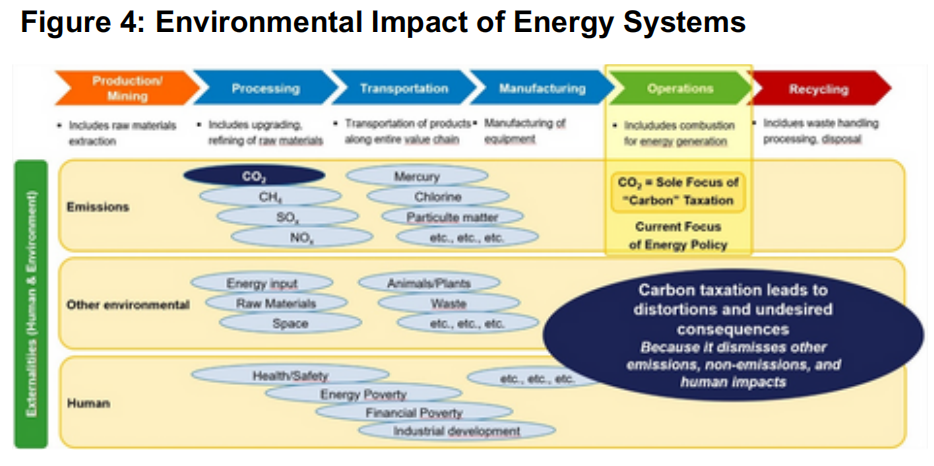
CO₂ pricing typically focuses only on emissions during operation,
neglecting significant environmental and economic costs
incurred during other stages or by the entire system.
For instance, the production of solar panels involves substantial energy and raw material inputs. Today there is not one single solar panel that is produced without coal. Similarly, the manufacturing and transportation processes of wind turbines and electric vehicles are energy-intensive and environmentally impactful. These stages are rarely accounted for in CO₂ pricing schemes, leading to a distorted view of their true environmental footprint. Also not accounted for are:
a) the required overbuild,
b) short and long duration energy storage,
c) backup facilities, or
d) larger network integration and transmission infrastructure.
Source: Schernikau, adapted from Figure 39 in Book “The Unpopular Truth… about Electricity and the Future of Energy“
Figure 4 illustrates how virtually all CO₂ pricing or taxation happens only at the stage of “operation” or combustion. How else could a “Net-Zero” label be assigned to a solar panel produced from coal and minerals extracted in Africa with diesel-run equipment, transported to China on a vessel powered by fuel-oil, and processed with heat and electricity from coal- or gas-fired power partially using forced labour? All this energy-intensive activity and not a single kilogram of CO₂ is taxed (see my recent article on this subject here) The same applies to wind turbines, hydro power, biofuel, or electric vehicles.
It turns out, CO₂ tax is basically just a means to redistribute wealth, with the collecting agency (government) deciding where the funds go. Yes, a CO₂ tax does incentivize industry to reduce CO₂ emissions at their taxed operations only, but this comes at a cost to economies, the environment, and often people. . . Any economist will confirm that pricing one externality but not others leads to economic distortions and, many would say, worse environmental impacts.

4.Alternative Approaches
Distortion, in this case, is just another word for unintended consequences to the environment, our economies, and the people. Pricing CO₂ only during combustion but failing to price methane, raw material and recycling, inefficiency, or embodied energy, or energy shortages, or land requirement, or greening from CO₂… will cause undesirable outcomes. The world will be worse off economically and environmentally.
Protest if you must, but let me offer a simple example. The leaders of the Western world seem to have united around abandoning coal immediately, because it is the highest CO₂ emitter during combustion (UN 2019). Instead, demanding reliable and affordable energy, Bangladesh, Pakistan, Germany, and so many more nations have embraced liquified natural gas (LNG) as a “bridge” fuel to replace coal. This “switch” is taking place despite questions about LNG’s impact on the environment, including the “climate”. This policy, supported by almost all large consultancies, indirectly caused blackouts affecting over 150 million people in Bangladesh in October 2022 (Reuters and Bloomberg).
So, the world is embarking on an expensive venture
to replace as much coal as possible with
more expensive liquified natural gas LNG.
On top of that, wind and solar are given preference. For example, the IEA recently confirmed that 2024 sparks the first year where investments in solar outstrip the combined investments in all other power generation technologies. As a result, energy costs go up, dependencies increase, lights go off, and, as per the UN’s IPCC, the “climate gets worse.”

Now imagine what would happen if we would truly take into account all environmental and human impacts, both negative and positive, along the entire value chain of energy production, transportation, processing, generation, consumption, and disposal… we would all be surprised! You would look at fossil fuels and certainly nuclear through different eyes. Instead we should simply incentivize resource and energy efficiency which will truly make a positive difference!
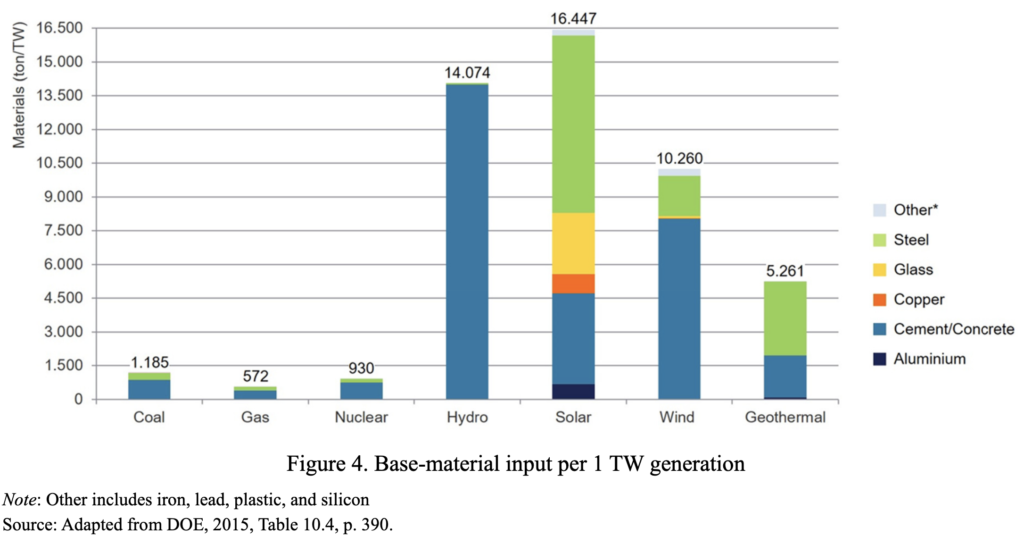
From Schernikau et al. 2022.
5.Conclusion
No matter what your view on climate change is, pricing CO₂ is harmful… why?
Answer: … because pricing one externality but not others leads to economic and environmental distortions…causing human suffering.
That is why, even considering the entire value chain, I do not support any CO₂ pricing.. That is why I fight for environmental and economic justice so we can, by avoiding energy starvation and resulting poverty, make a truly positive difference not only for ourselves but also for future generations to come.. . We need INvestment in, not DIvestment from 80% of our energy supply to rationalize our energy systems and to allow people and the planet to flourish.

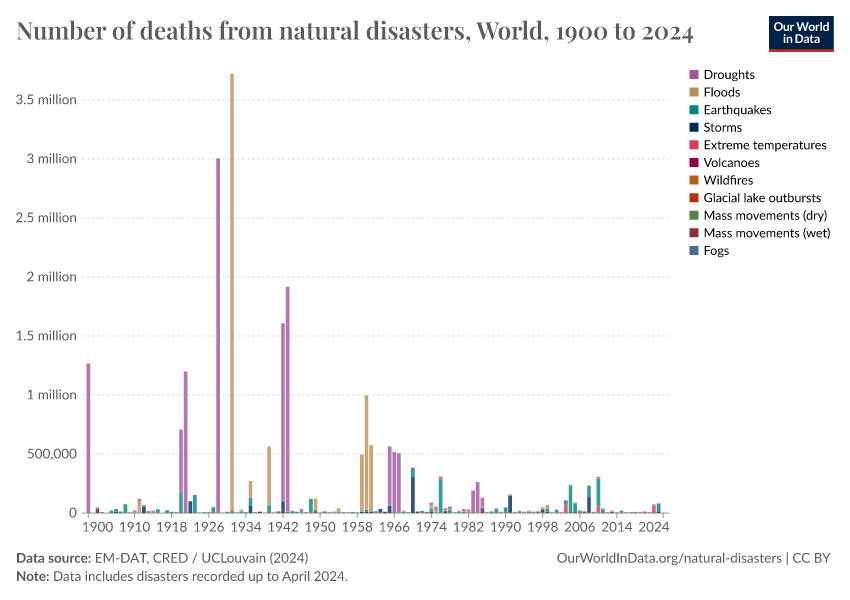
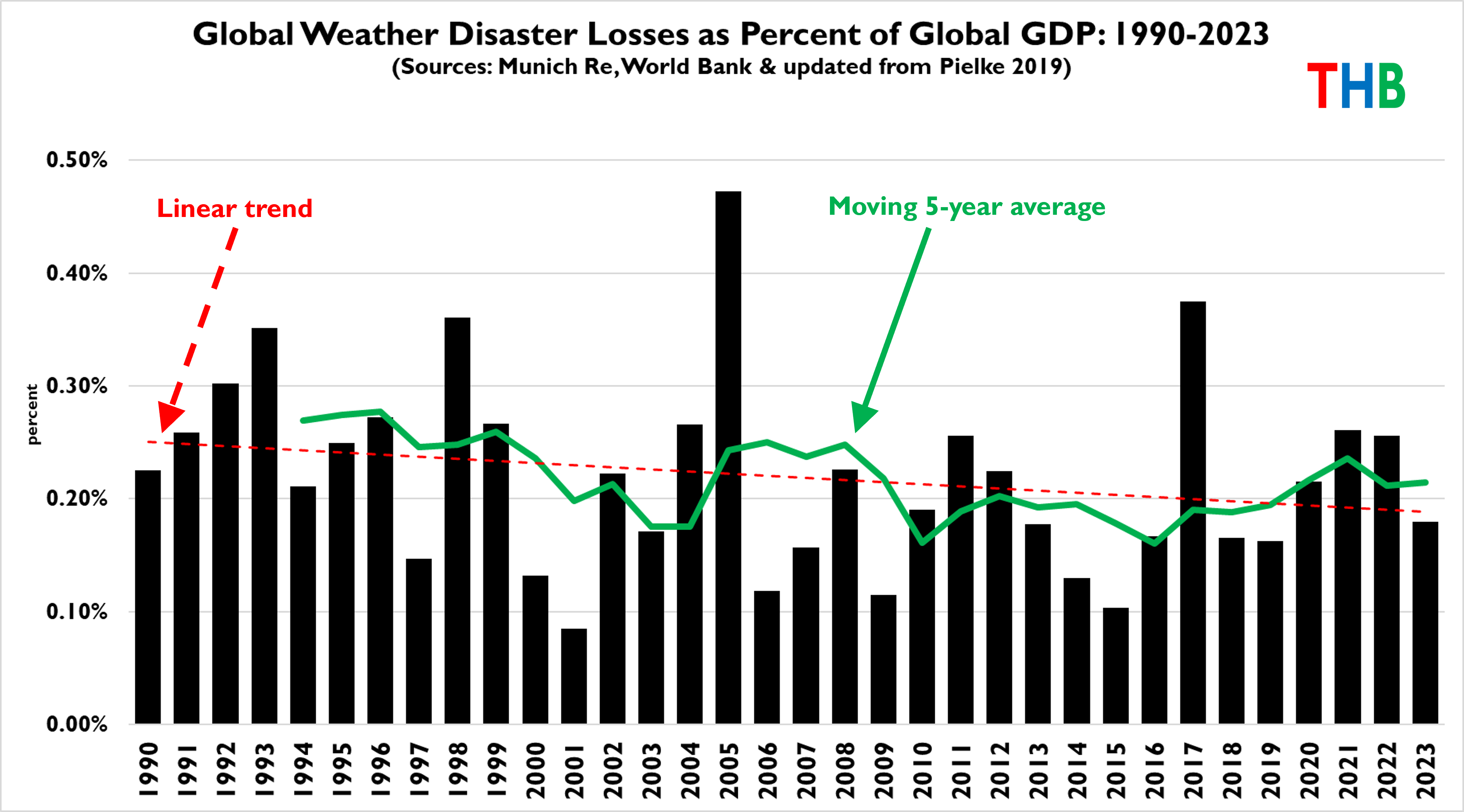
I strongly support increasing adaptation efforts, which have already been successful in drastically reducing the death rate and GDP adjusted financial damage from natural disasters during the past
100 years (OurWorldInData, Pielke 2022, Economist).
 Science Matters
3 comments