Prager U video can be seen at this link: https://www.prageru.com/video/it-must-be-climate-change
Transcript is below in italics with my bolds and some added images.
Have you noticed that every extreme weather event is blamed on climate change formerly known as global warming?
Every. . . Single. . .One.
Can you think of an exception?
Too hot — climate change. Too cold – climate change.

Previously, cold spells were termed “Weather” in contrast to “Global Warming.” Now it’s all “Climate Change.”
Drought – climate change. Too much rainfall – climate change.
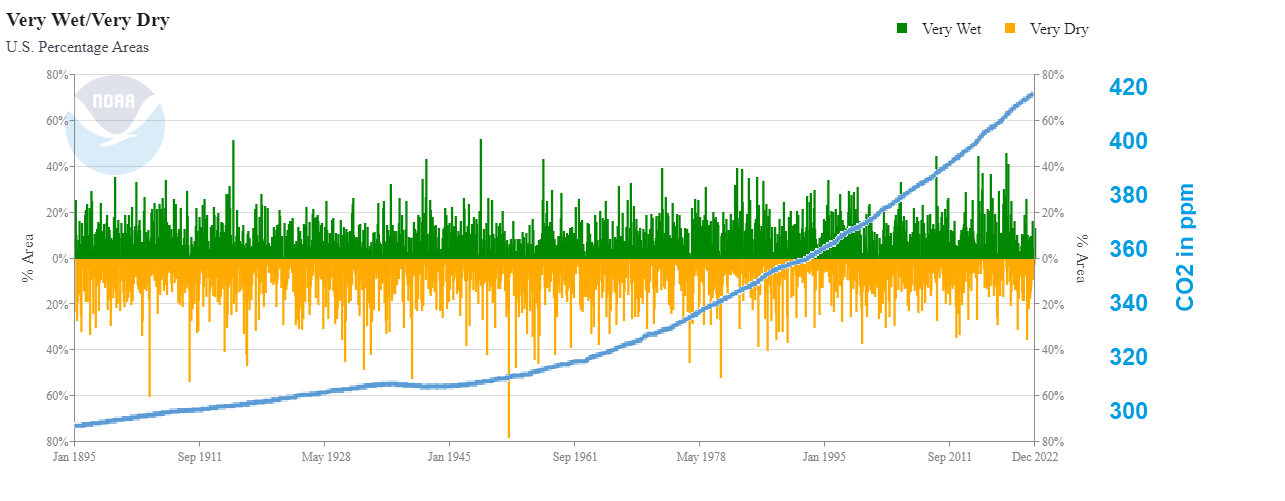
And there’s always a climate scientist at some university who’s willing to make a statement blaming the current catastrophe on our profligate use of fossil fuel.
Some years ago, on The Late Show with David Letterman, MSNBC host Rachel Maddow made the definitive statement on this issue. She said, “I think global warming probably means extreme weather events of all kinds.” Naturally, Dave agreed.
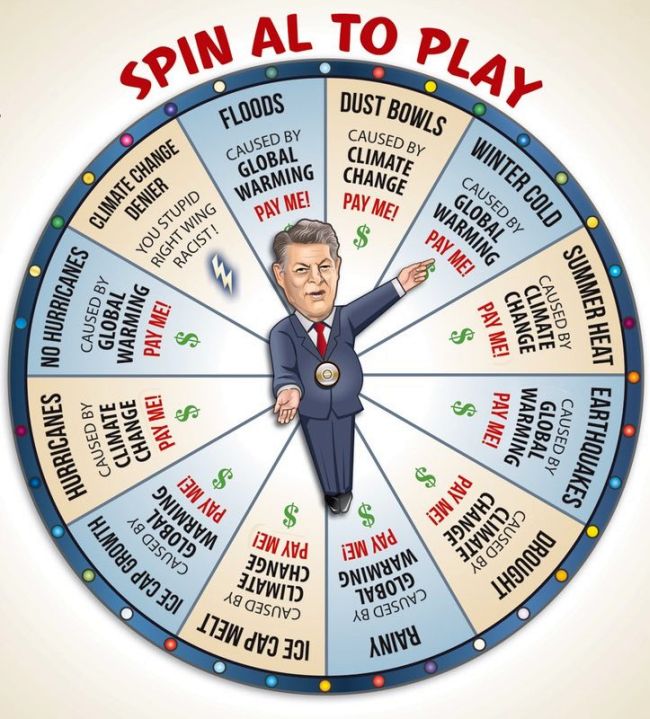
What’s behind all these confident assertions?
As a PhD in geochemistry, former member of the University of Alabama Department of Geological Sciences and someone who has written and lectured widely on the subject of climate and geology, I can tell you that it comes down to two things:
Obscure metrics and highly speculative models.
Mix these ingredients together and voila! You can get any result you want. The scarier, of course, the better. “Torrential rain” makes a much better headline than “heavy rain.”
To show you how this works, let’s look at a recent example.
Here’s the assertion: Climate change is making air turbulence more volatile and thus air travel more dangerous.
Scary, right? But is it true? No. Not if we look at the observable data; that is, hard data we can easily verify.
Here’s a chart of the number of turbulence-related accidents in the US from 1989 to 2018.
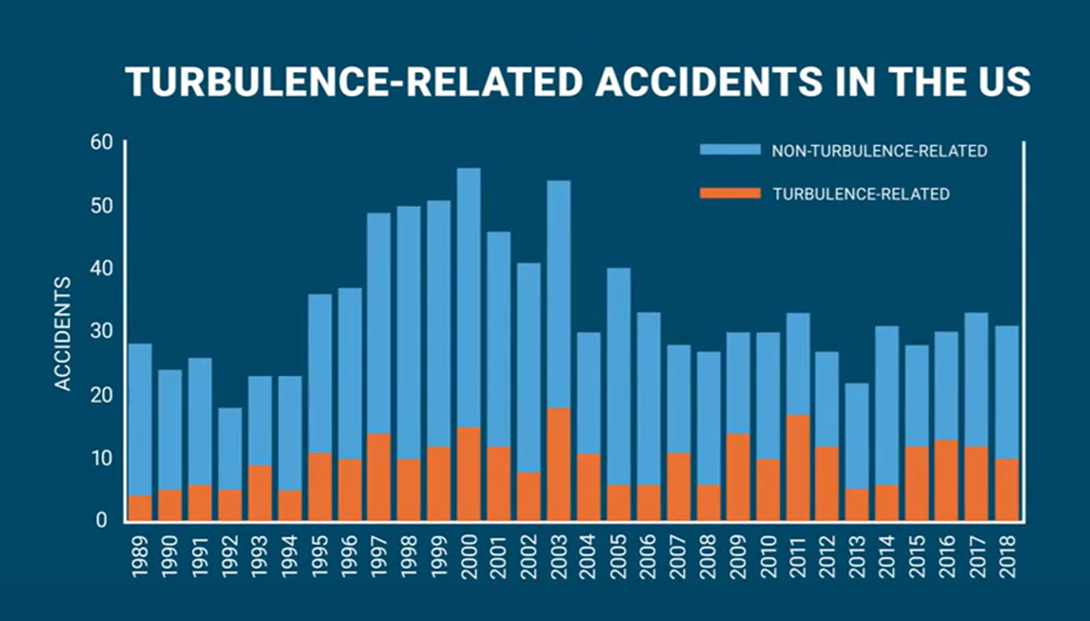
Despite the rise in annual US airline passengers from about 400 million in 1989 to nearly one billion by 2018, turbulence-related accidents have remained constant. If climate change were indeed making turbulence significantly worse, we would expect to see a corresponding increase in these accidents.
Yet, the data does not support this assertion. Instead, it suggests that the relationship between turbulence and climate change is either negligible or nonexistent.
In fact, the co-author of the original study cited in a BBC article admitted as much.
“When we add [data back to 2002] to the previous results, the statistical significance assigned to the…North Atlantic winter jet stream…disappears.”
This was conveniently left out of the BBC article.
This disconnect between obscure metrics and highly speculative models, and observable data is not limited to turbulence.
The broader climate crisis narrative is built on similar shaky foundations.
Let’s look at three more examples.
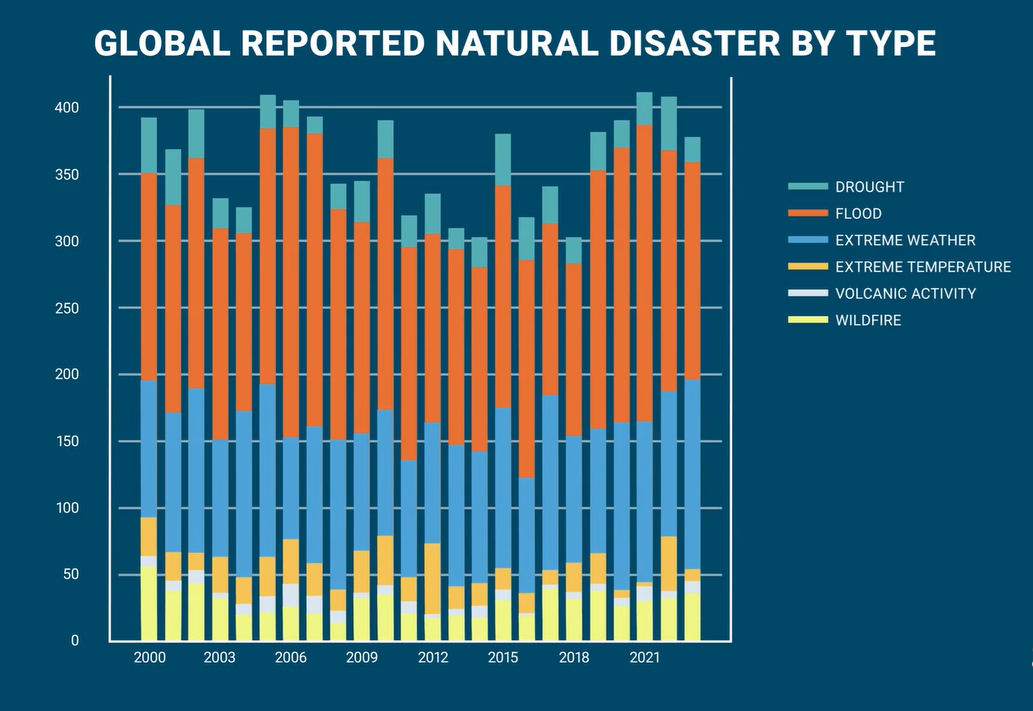
No Increase in Extreme Weather: The number of hydrological, meteorological, and climatological disasters has remained relatively flat since 2000. If climate change were causing more extreme weather events, we would expect to see a clear increase in these numbers. Instead, the data, again, reflects no such increase.
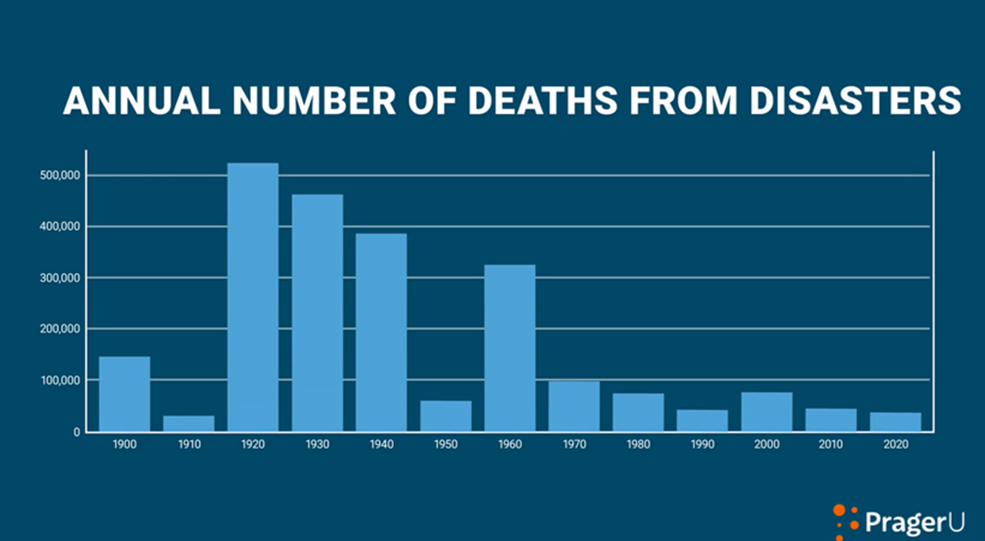
No Increase in Loss of Life: Deaths from meteorological, hydrological, and climatological disasters have not increased. This is a critical metric because it directly reflects the human impact of these events. Despite frequent claims that climate change is making weather more deadly, the data does not bear this out.
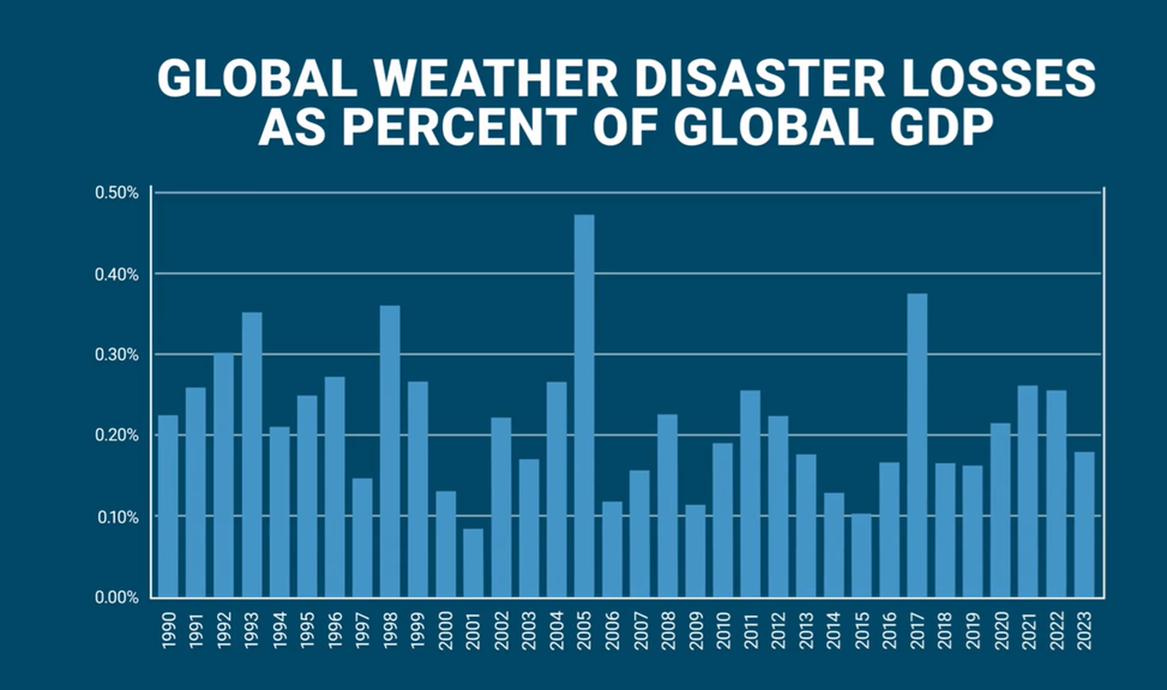
No Increase in Costs: Global weather losses as a percent of global GDP have not risen significantly. This is another crucial metric because it accounts for the economic impact of climate-related disasters. If climate change were truly making these events more severe, we would expect to see a rising trend in economic losses relative to global GDP.
We are left with this conclusion:
The reliance on obscure metrics and highly speculative models
to support the climate crisis narrative often serves
to cloud the truth rather than illuminate it.
By focusing on projections and models rather than observable data, environmental activists, climate scientists, attention-seeking politicians and click bait media make claims that are difficult to verify and easy to manipulate.
The fear that fuels the “climate crisis” is simply not justified by the data. That’s why — over and over again — end-of-the-world predictions don’t pan out.

This does not mean that we should ignore environmental issues. We live on the same planet. We all want clean air and water.
However, it does mean that we should approach claims of climate catastrophe with a healthy dose of skepticism and demand that assertions be backed up by observable, measurable data. Given that politicians and government agencies are spending tens of billions of our tax dollars every year to “save the planet” that would seem to be the least they could do: give us some hard facts, rather than unproven assertions.
And the hard facts are, turbulence-related accidents have not increased despite a massive rise in airline passengers. Extreme weather events, loss of life, and economic costs have not shown the dramatic increases that alarmists would have us believe.
By focusing on observable data we can have a more grounded, rational discussion about our environmental challenges and how best to address them.
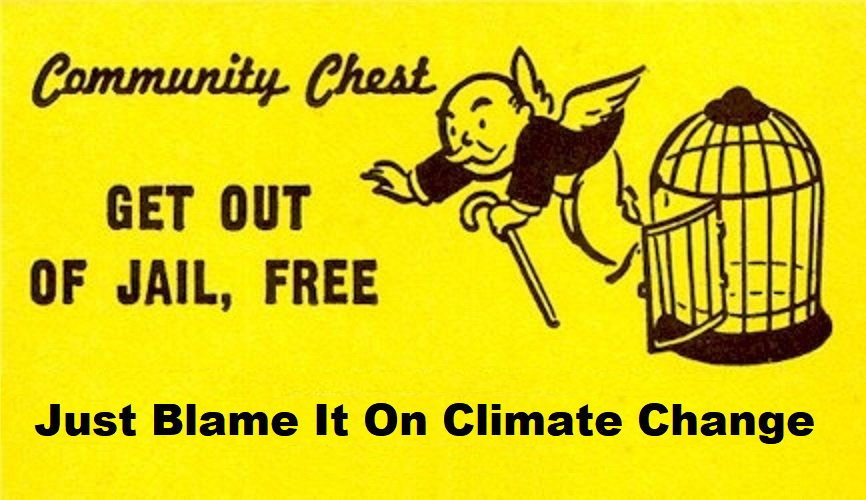
That’s the way to practical, real-world solutions. The blame game — “it’s climate change” — gets us nowhere.
I’m Matthew Wielicki for Prager University.
 Science Matters