Matt Ridley explains the demise of climatism in his recent video The Great Climate Climbdown is finally here – How can we undo the Damage Caused? For those preferring to read, there is a transcript below with my bolds and some helpful images.

I’m going to try and give you my perspective on which arguments have made the difference in terms of changing people’s minds on climate, and therefore the kinds of evidence and arguments that we should be pushing in order to try to win this battle. The genesis for this was this article I wrote in The Spectator saying that I really do think the climate emergency talk has peaked, and we are seeing a significant change. If you live in the British Isles, that’s not immediately apparent.

Climate Lemmings
It’s still a huge issue in Britain and Ireland, and most of Europe. But if you spend any time in America now, or even in Asia, you are seeing a very, very different debate where the affordability of energy is much more important than decarbonisation, where the demands of AI, etc., have trumped the requirement to cut carbon dioxide emissions. I think Britain and Ireland are getting left behind here, and we need to get with the conversation that’s happening elsewhere.
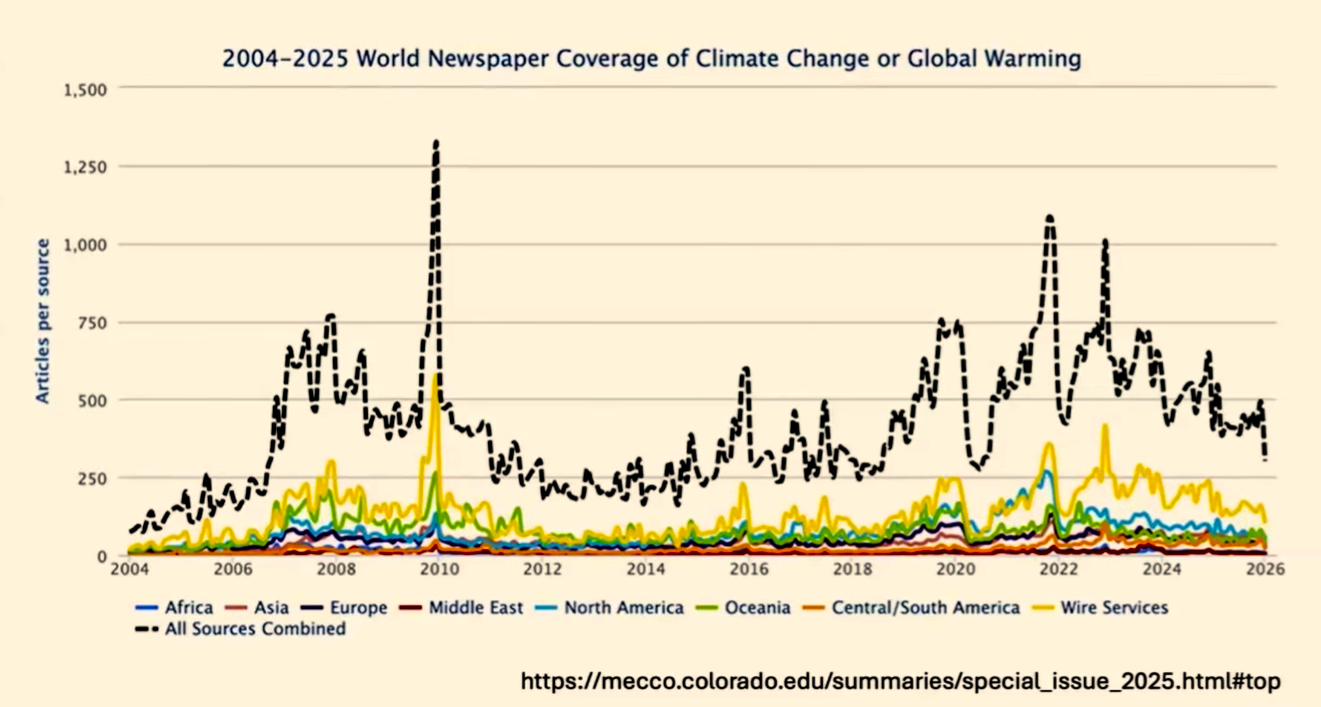
I think the images are covering the latter half of that graph, so you can’t see, but there has been a decline in newspaper coverage. There’s all sorts of straws in the wind, like I mentioned Bill Gates closing down the advocacy office, the Banking Alliance for Climate Change has closed down. A lot of companies are tiptoeing away from this issue, and it therefore is a moment when it might die out.

More likely, it will go quiet for a while, and then we’ll have more air pumped into the balloon at some point in some form or other. There’s such a gigantic vested interest these days in climate alarm that one can’t ever write it off completely. But here are 10 reasons I think why it’s fading, and I’ll run through them in more detail, but I’ll just quickly list them here.
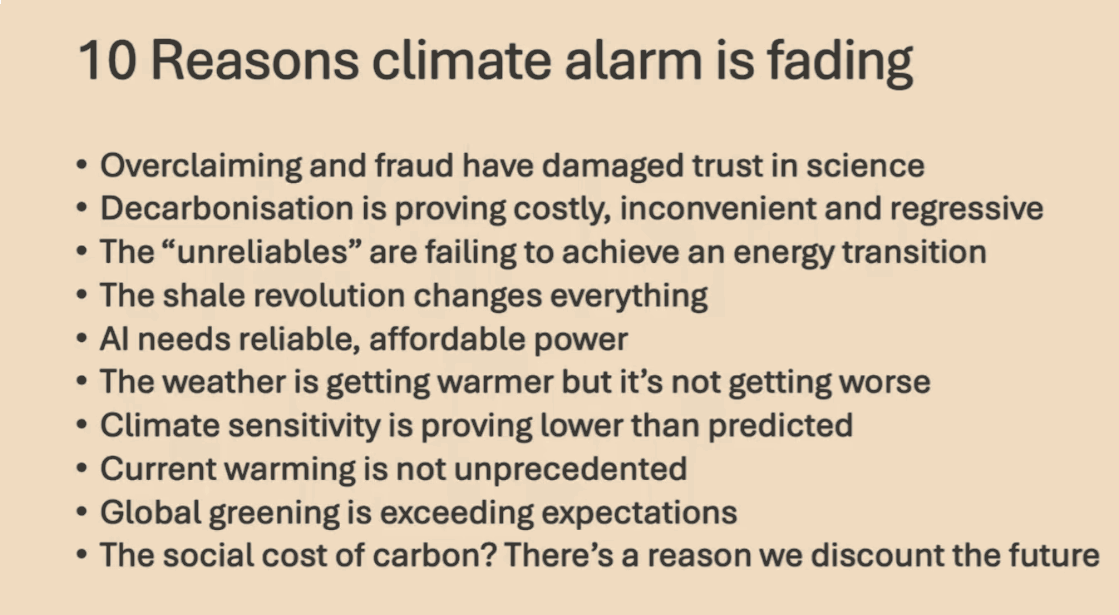
I think it’s important not to underestimate the degree to which the COVID pandemic has left people mistrustful of science and of experts, and that has significantly damaged trust in science, and that is infecting the climate debate. Of course, over-claiming and some degree of fraud have been a problem in the climate science arena for even longer, but I think you are getting traction now because of COVID. Most important, of course, is that we were told that the decarbonization of the world energy system would pay for itself, would be profitable.
That is clearly not the case. It’s proving costly, inconvenient, and regressive in that poor people are paying more than rich people for this transition, and that I think is why a lot of ordinary people are beginning to see through the alarm. The transition to wind and solar, which I call unreliable because there are lots of renewable energies, but the distinguishing feature of wind and solar is that you can’t rely on them.
The transition to them is simply failing to materialize, I will argue. I don’t fully understand why, if you’re worried about what’s happening to climate change, you are automatically passionately in favor of wind and solar power. It just doesn’t necessarily follow, in my view.
 I think it’s important not to underestimate how much the shale revolution has changed everything. Until 15 years ago, it was still easily possible to talk about oil and gas running out and therefore getting more expensive, and that would therefore necessitate a switch from hydrocarbons. That changed with the discovery of how to get gas and oil out of shale, and the effect on America’s position as a gas and oil producer and as an energy consumer is extraordinary, I think, and many people outside America just don’t realize this.
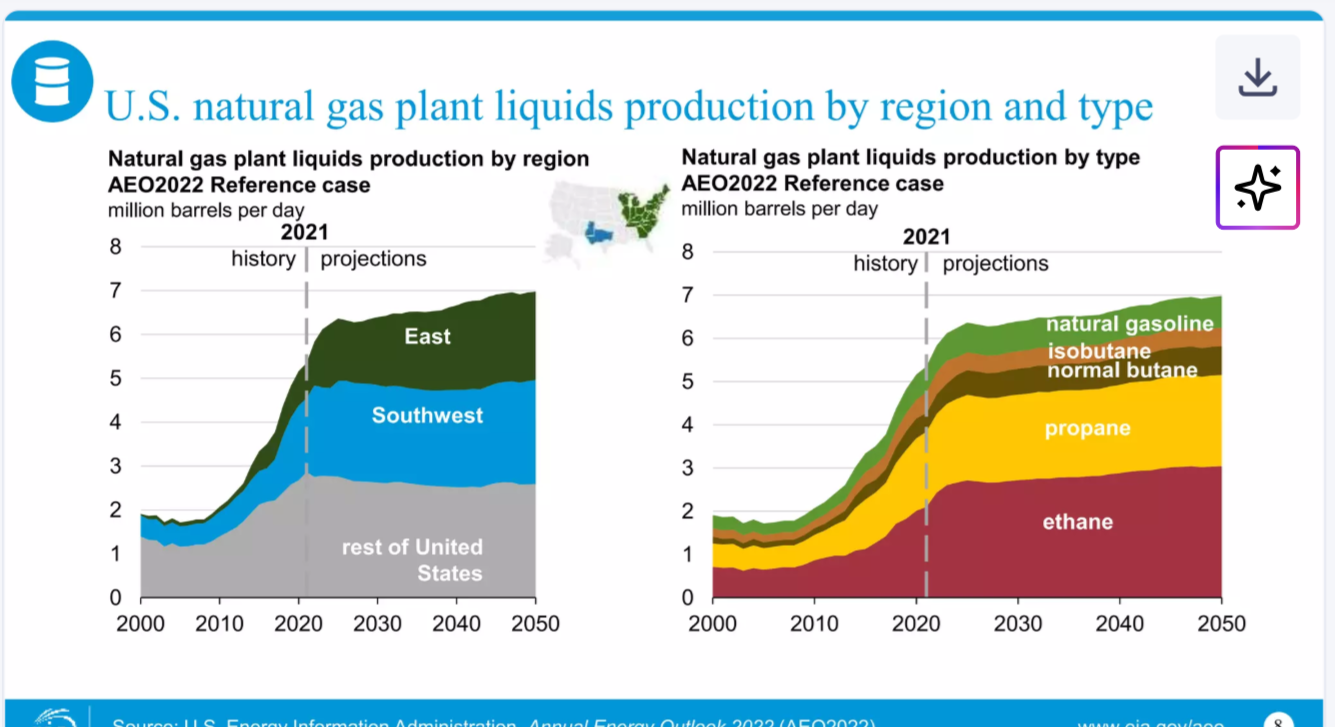
We’re so indoctrinated with the idea that the big energy transition of our time is windmills and solar panels that we don’t notice that the big energy transition of our time is actually shale. The fact that the AI industry needs reliable, affordable power has led much of tech to become much more realistic and pragmatic about energy, and getting it from shale gas power stations is now the top priority for most of the companies rushing into AI and data centers.
On the science, I’m somebody who thinks it is getting warmer. Springs are getting nicer, winters are getting milder, summer’s not much different, but I don’t think it’s getting worse, and I think that is what most people are now beginning to realize after 50 years of being told that the future is going to be horrible. We’re living in that future, and it ain’t too bad. One of the reasons for that is because the models are still running too hot and have been consistently, because they’re assuming higher climate sensitivity than the science now supports.

I think that there is now so much evidence that the recent past, by which I mean the current interglacial, the Holocene period, starting about 9,000 years ago, has been much, much warmer in its first half than it is today. That evidence is getting harder and harder to hide, deny, or ignore. Therefore, we are a long way from living in unprecedented temperatures.

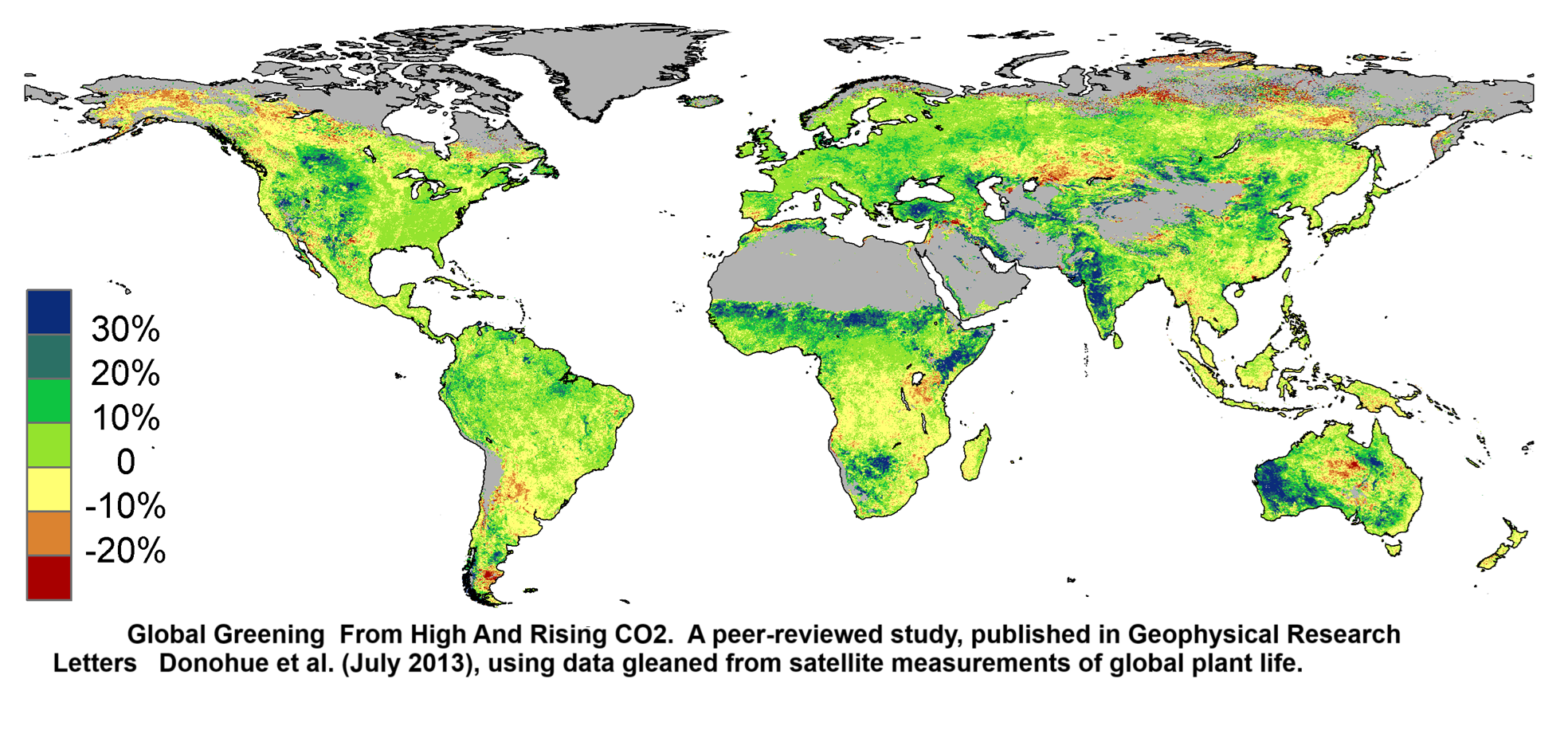
The fact that we’re unprecedented compared with the 19th century is not really the relevant comparison. For me, one of the big stories is that the effect of carbon dioxide on green vegetation is much greater than scientists expected or predicted. They did not think it was a limiting factor in most ecosystems, and yet it’s turning out to be an enormous effect, much more measurable, actually, than the effect of carbon dioxide on warming.
If carbon dioxide is a problem, we ought to be able to measure its cost and then tell ourselves how much this generation should pay for a cost that’s going to fall on a future generation, how much we discount the future. That calculation, it seems to me, if done honestly, is more and more playing against alarm. Just to the first point about overclaiming and fraud, which is damaging trust in science, the record of predictions about what’s going to happen in the climate and the chickens that are coming home to roost on this are more and more helpful, I think, to the argument.
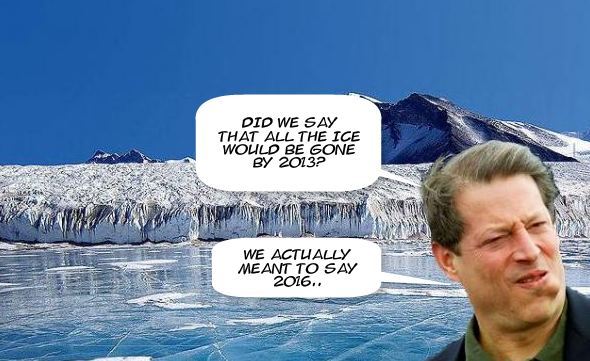
Al Gore is known now more for predicting that the Arctic would be ice-free within five years in 2009 than he is for some of the other things he’s said. It has damaged the reputation of people like that. I enjoyed this quote from Ted Turner, that within 30-40 years, no crops will grow, most people will have died, and the rest of us will be cannibals.
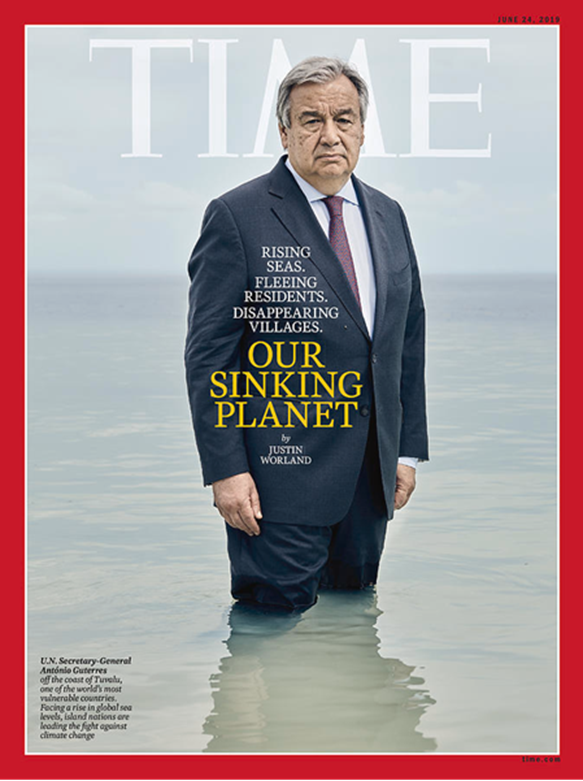
It’s quite extraordinary what people have been getting away with saying in order to get noticed in this debate. The UN Secretary General standing up to his knees on a beach in Tuvalu makes great cover for Time magazine, but I think this kind of thing no longer cuts through to people, partly because people now realize that islands like Tuvalu are not sinking, they’re actually gaining land area because of wave action. You can’t see it because it’s on the corner there, but I’ve included Andrew Montford’s hockey stick delusion here because I do think that the hockey stick story is one of significant scientific malpractice, and that ought to be better known.
This picture just sums up a lot of what went wrong in recent years, and I don’t think you’re going to see this kind of uniparty consensus again. Here is the environment secretary or shadow secretaries of the British government, the Tory party, the Liberal Democrat party, and the Labour party all standing up and giving a round of applause to Greta Thunberg. Greta Thunberg is saying, unfortunately I can’t quite read what she’s saying because it’s hidden behind the thing for me, I hope it is for you, but that we’re setting off an irreversible trend that will end civilization by 2030.
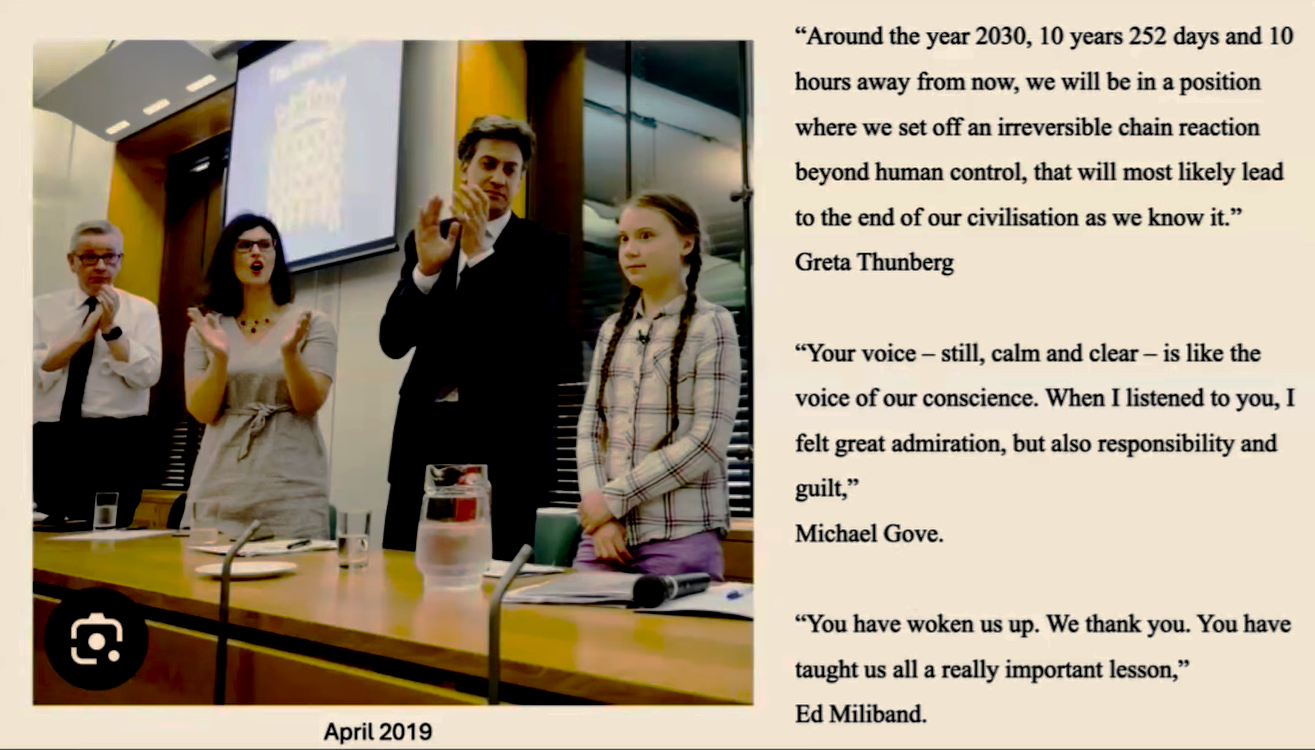
That’s what she actually said in parliament in Westminster that day. Michael Gove, the Tory, said your voice is still calm, it’s the voice of our conscience, we feel great admiration, and Ed Miliband said you’ve woken us up. So this kind of political consensus has been a huge problem.
The fact that no party has been prepared to rock the boat, that is changing even in Britain now. We have the Reform Party and the Conservative Party both being much more skeptical on climate and energy issues. The degree to which electricity and gas prices have exceeded those in America now, in Europe and in the UK in particular, and in Ireland, is more and more striking.
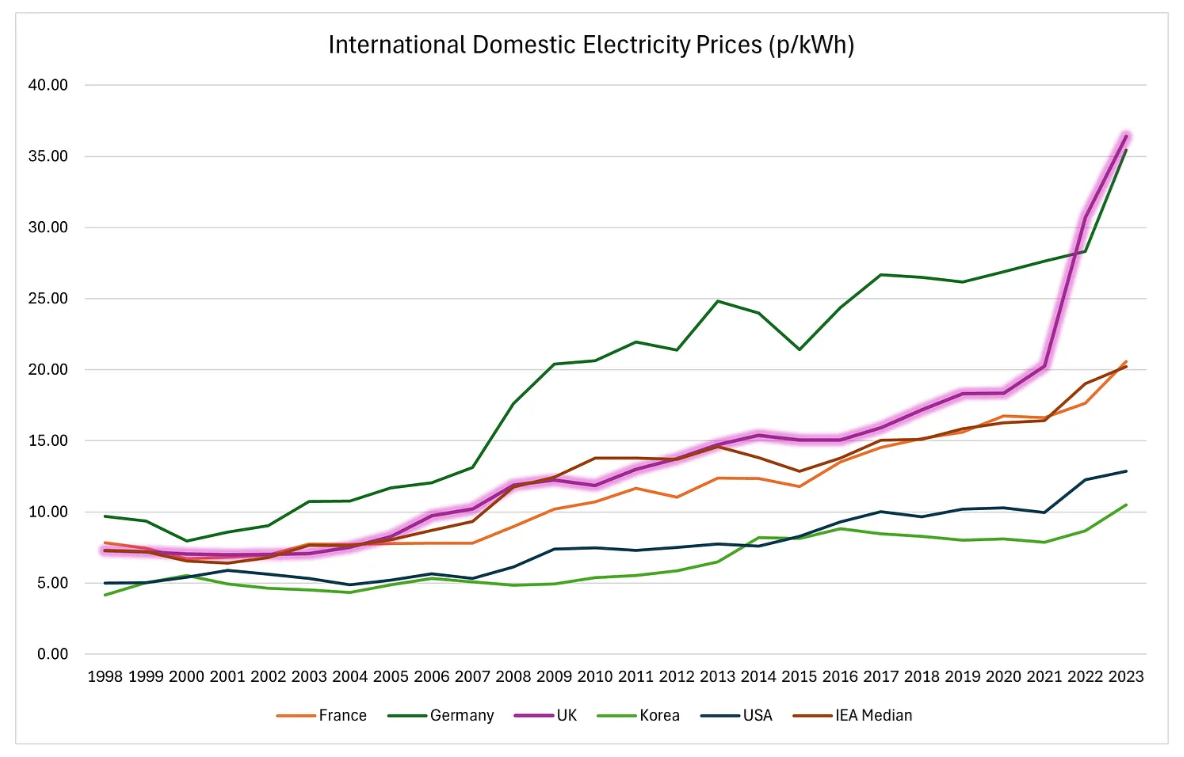
Figure 4 – International Domestic Electricity Prices (p per kWh). UK has the highest domestic electricity prices in the IEA.
And paying four times as much for your energy, whether it’s gas or electricity, is not compatible with remaining competitive. And we are seeing Britain losing its fertilizer, chemical, pharmaceutical, motor, steel, many many other industries at a terrifying rate. Not only that, we are cutting ourselves off from being able to take part in a significant way in the AI industry and some of the other industries of the future, some of the robotics industries and so on.
So this really is where it’s going to hurt ordinary people to have been so far ahead of everyone else in trying to decarbonize our economy. The electric car revolution has been forced on consumers, it’s relatively unpopular for lots of reasons, reliability, cost, charging times. And if you do the analysis on a Chinese electric grid, it’s hard to see how they save any emissions at all, because it’s basically a coal car when you’re running an electric car in China.

Less so in Europe, where most of the electricity comes from gas. But even there, it takes many tens of miles before you’ve really saved any emissions at all, or saved significant quantities of emissions. And at that point, the battery is probably nearly dead anyway, so you’re about to replace it.
So to replace a functioning industry, quite a successful industry in the UK, the motor industry, with one that is really struggling, is a bad thing in itself. And to do so at significant cost and inconvenience to the consumer really is an own goal. I’d say the same kind of thing about heat pumps, replacing gas-fired boilers, fine if it’s a new-build house, much harder if you’re adapting an existing house and have to change the insulation and everything.
And even if it works for the same price, you’re removing a system before the end of its useful life and replacing it with one that’s no better. Therefore, there is no growth in economic terms, and you are effectively stranding assets in doing that. And refusing to build a third runway, trying to limit how much people fly, and telling people that they shouldn’t eat meat is not only counterproductive in political terms, this is backfiring quite significantly even in Europe, much more so in Asia and America.
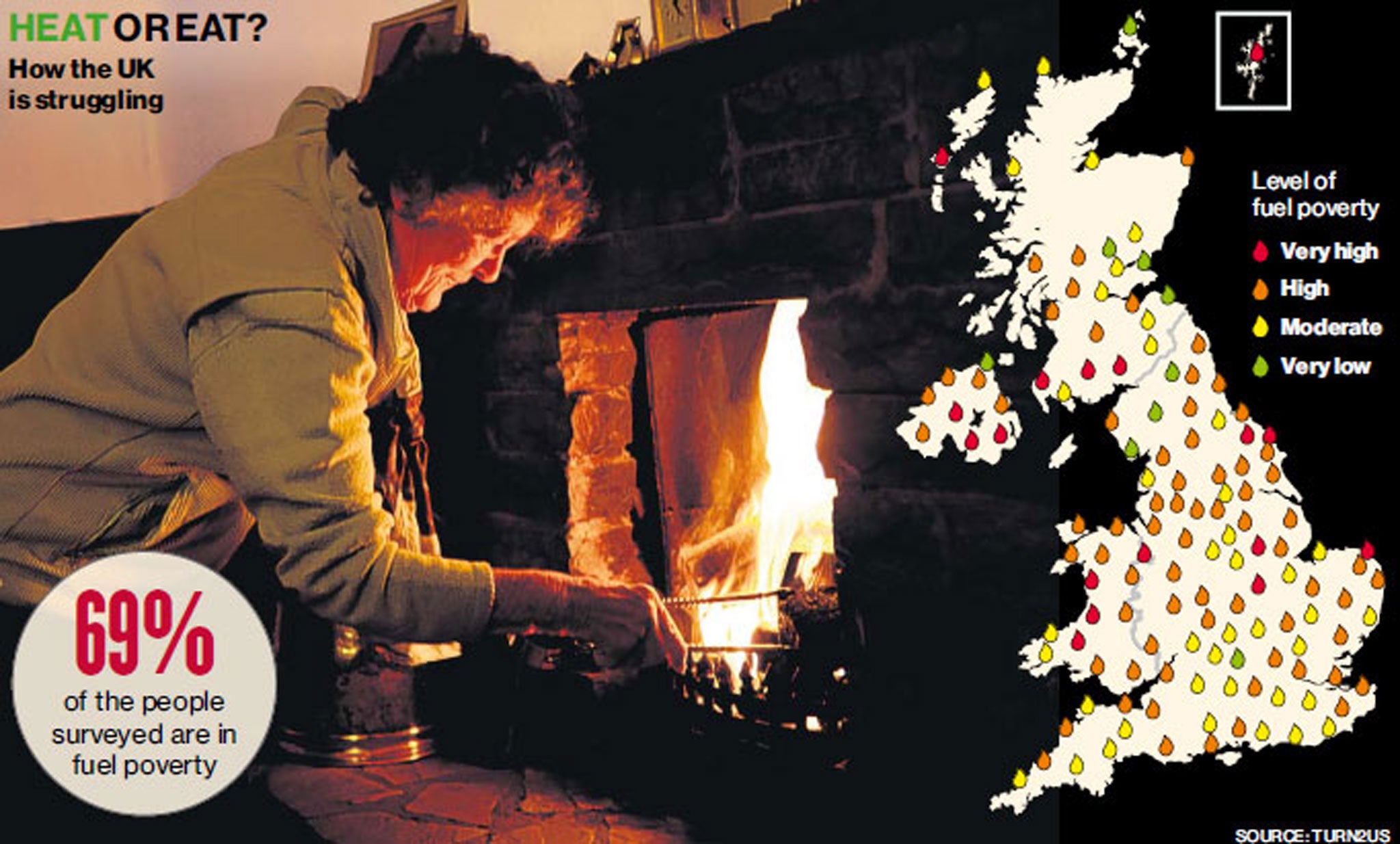
The big one, as far as the electricity system is concerned, is of course the dash for renewables, for unreliables, in particular solar and wind, where it’s not just the unreliability, the intermittency, but the extreme cost of a system based on that. Britain is producing, well, it has the capacity to produce 21% more electricity now than 15 years ago, but it consumes 24% less electricity than 15 years ago. Now, doing less with more is the very definition of degrowth or impoverishment, and that is a real problem that we are creating for ourselves in this country.
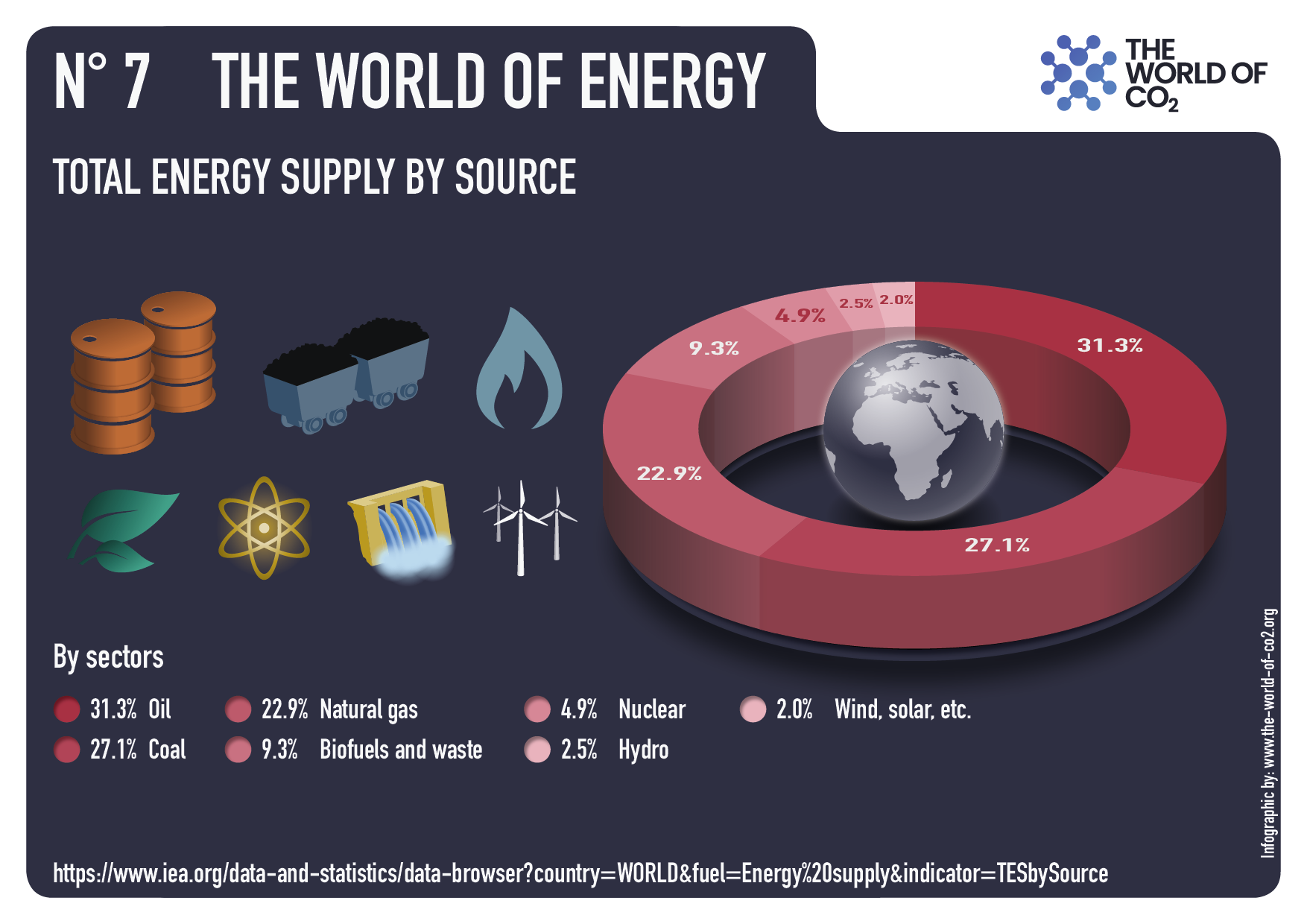
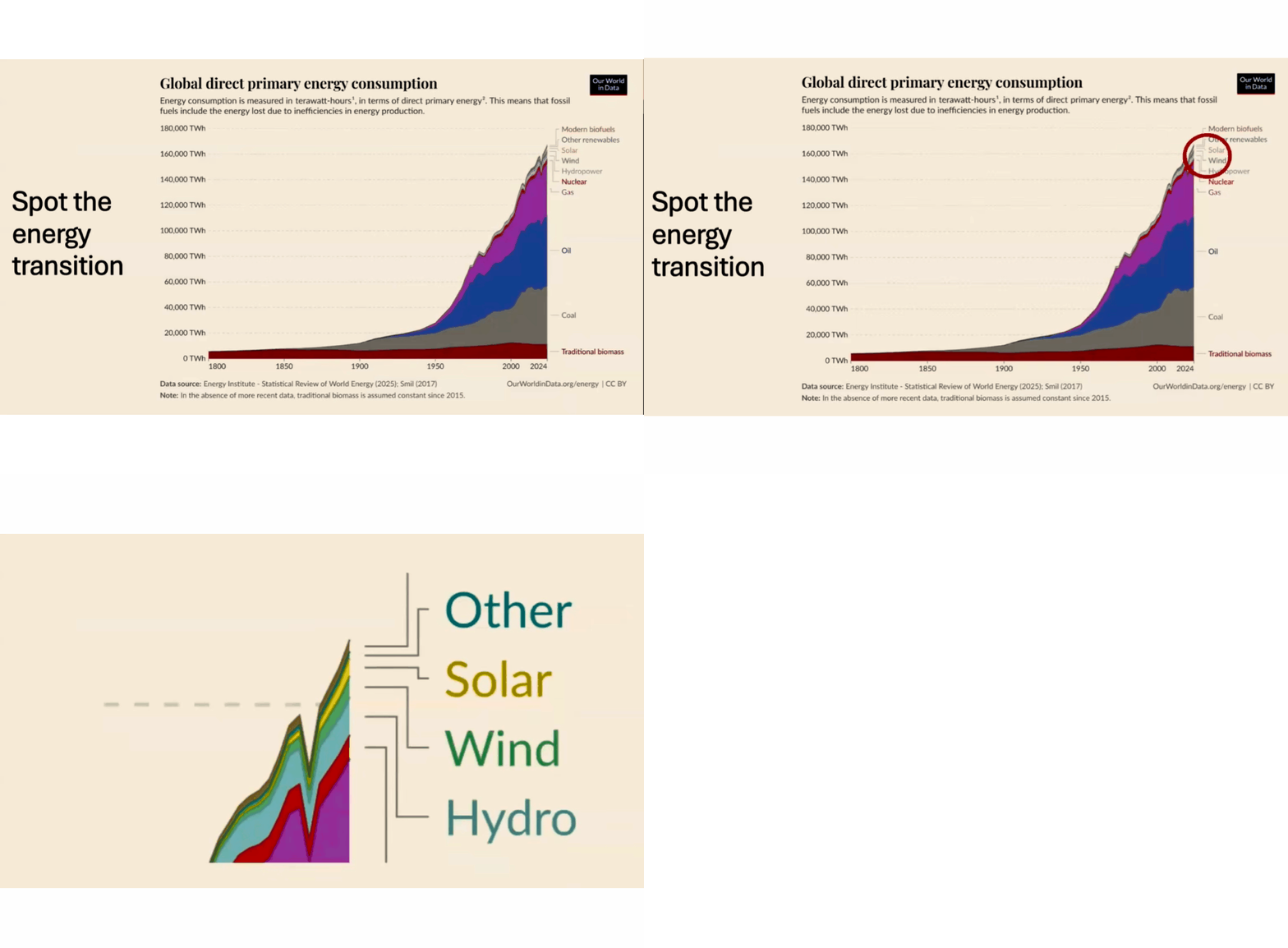
You can’t see the end of this chart, but the global direct primary energy consumption is still vastly dominated by the hydrocarbons around the world. That has not changed. They’re all still breaking records, all three of them.
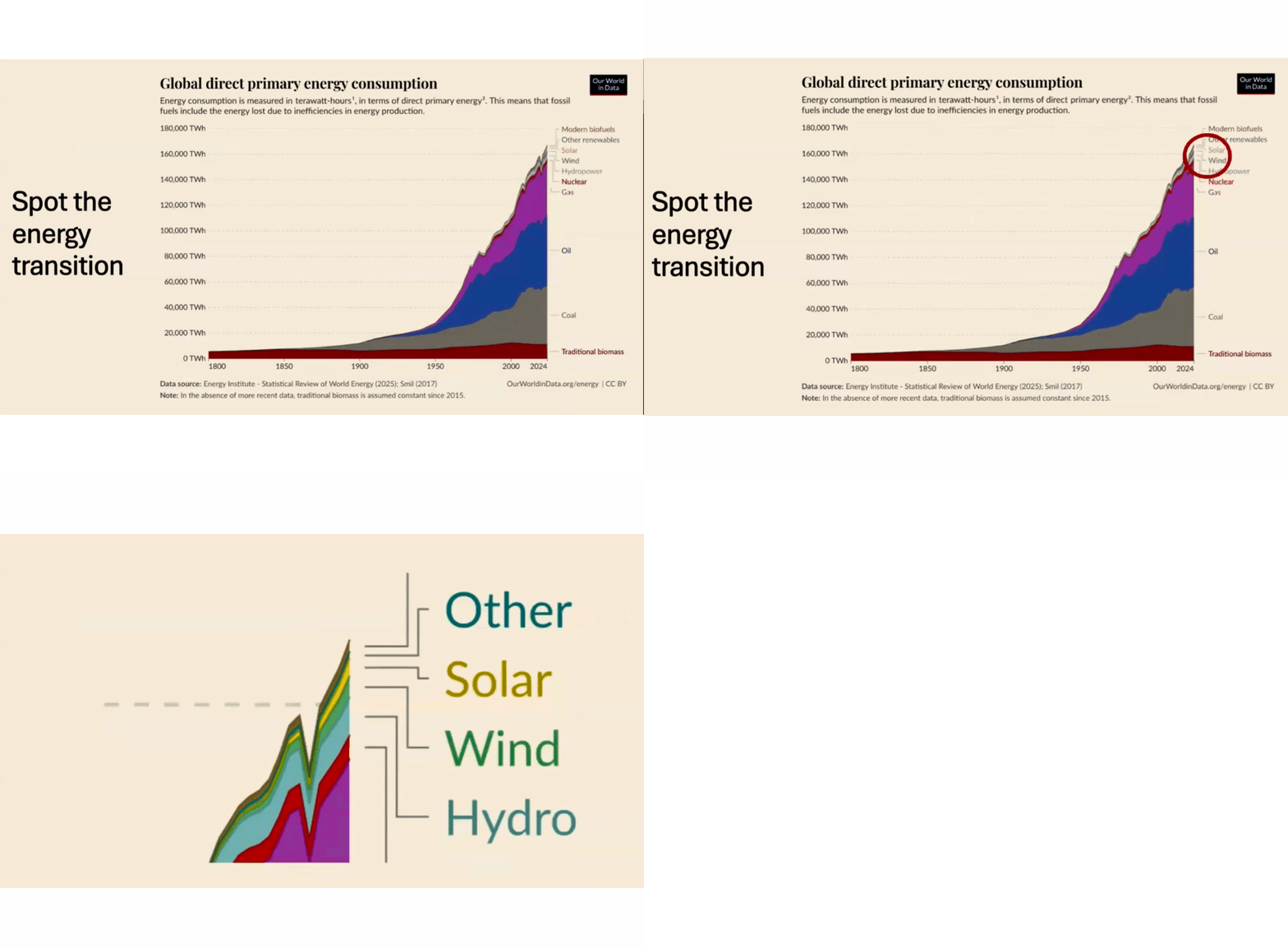 And if you zoom in to the top corner of that graph, you can just about see the contribution that solar and wind are making to the world economy. It is infinitesimal, and yet it’s around 6%, I think, now if you add them both up, and yet the coverage of the energy industry is dominated by these two rather medieval technologies. Talking of medieval, this is a book about the crop yields of the manors belonging to the Bishop of Winchester in the 1300s.
You may wonder why I brought it up, but if you zoom in on it, you’ll see that most of these manors were producing between one and four grains of wheat per grain they sowed in the ground, an energy return on energy invested of about between one and four. And of course, you’ve got to keep one grain back to sow next year’s crop. So in a year when you only produce one grain, you’ve got almost nothing to feed people with.
And that is the motor for most of the work done in society by people, and in terms of oats, the same for horses. On my farm in Northumberland today, I would expect to get about 100 grains of wheat for each grain that I sowed in the ground. This energy return on energy invested calculation is, I think, an absolutely critical one, and the one that the unreliable industry is really, really struggling on.

Again, you can’t see the right-hand side of the graph, but you can see this is a calculation of the energy return on energy invested. And if you buffer it by reliability, by the fact that you have to back up wind and solar, it’s hard to see how these reach the economic threshold. Because if you’re producing four units for every unit of energy that goes in, then you’re effectively recreating the medieval economy.
EROI = Total Energy Output / Total Energy Input
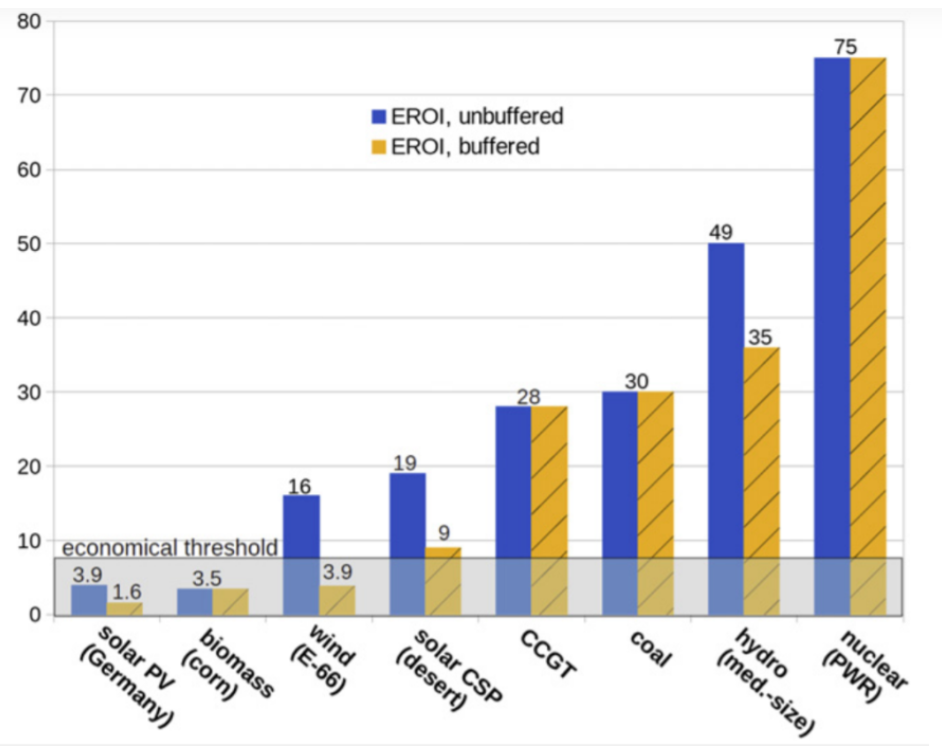
And the problem with the medieval economy was that it could only make a few bishops rich, and nobody else could get rich at all. Because otherwise, when you get down to a ratio of three or four energy return on energy invested, a significant proportion of your industry has to be spent making energy. You don’t have much left over to do other things with.
So I think this is the measure that really needs to be rammed home. But on solar, it is just worth pointing out that according to the World Bank, Britain is the second worst country in the world to build solar because of its cloud cover and the cost of land. The only worst country, I’m sorry to say, is Ireland.
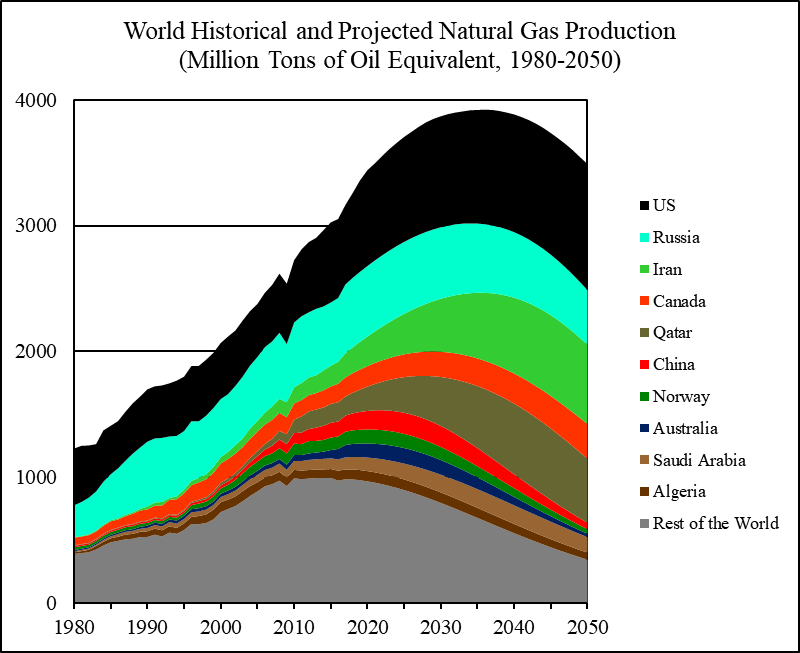
Again, it’s disappointing that you can’t see this graph. I hadn’t realized that all these pictures would be on the right-hand side covering it. But the point of this graph is to show that America was a static or declining producer of gas until the early 2000s. It is now by far the biggest gas producer in the world, equal to Russia and Qatar put together. That’s an extraordinary transformation. The same for oil.
Luckily, you can see it here. Everybody, it was said, and it was conventional wisdom, it was groupthink, that America was a played-out declining oil basin, that it would decline steadily from the 1970s onwards. And there was no gain saying that.

And then along came the shale pioneers and turned that around. America now produces more oil than Saudi Arabia and Iraq put together. That’s an extraordinary transformation.
So no one now talks about peak oil, about oil and gas running out in the rest of the world, and therefore about expensive oil. Yes, geopolitics can affect oil and gas prices, but usually only temporarily. The AI revolution is largely fueled by gas and coal with some nuclear. Solar and wind are not the go-to uses for this power, as I mentioned.
What about the climate itself? Well, it is getting warmer. These are early Humlum’s analysis of the five different ways of measuring global average temperature, going up at the rate of, well, going up pretty slowly, heading for about a degree of warming after about 50 years.
But do we believe the numbers?
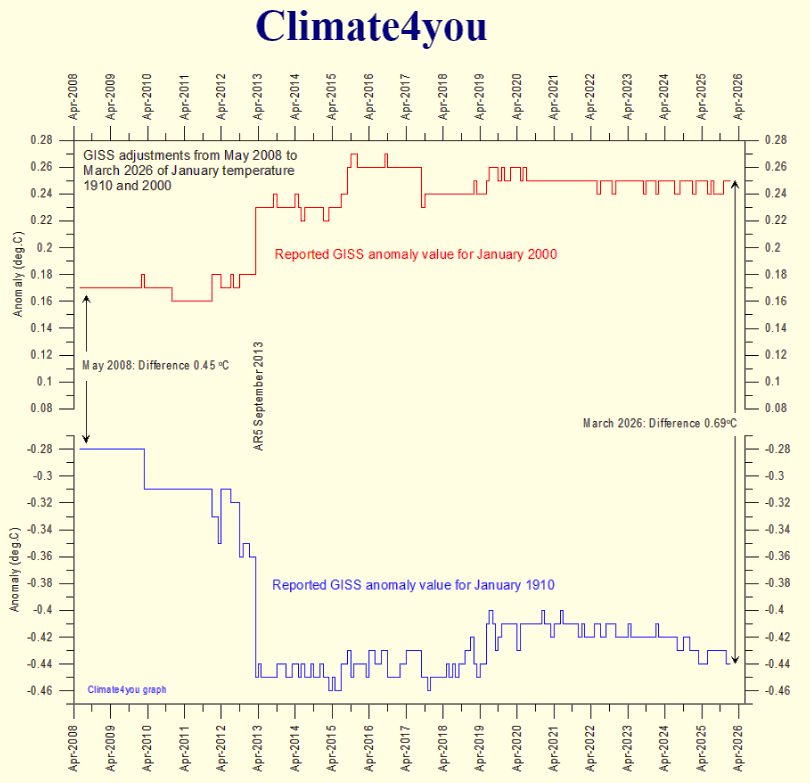
Because I do think that we need to keep talking about the adjustments that are made to temperature records. I mean, here is a graph that early Humlum produces in which he points out that the GISS estimate of what the temperature was in January 2000 has been adjusted upwards, particularly in September 2013. Maybe that’s fair enough. Maybe they had a reason for doing that. But in the same month, they adjusted the temperature for January 1910 significantly downwards. How can they possibly have had a good reason for doing that?
I think one is quite right to be suspicious of this. Cooling the past in order to warm, in order to increase the rate of warming is just too tempting for the people who are in charge of these statistics. And I haven’t touched on the urban heat island effect and the unreliable thermometer stations and so on, but there’s plenty of those issues too. But the real point, as far as the man in the street is concerned, is the weather getting worse? Yes, it’s getting warmer, but is it getting worse? And no, it’s not.
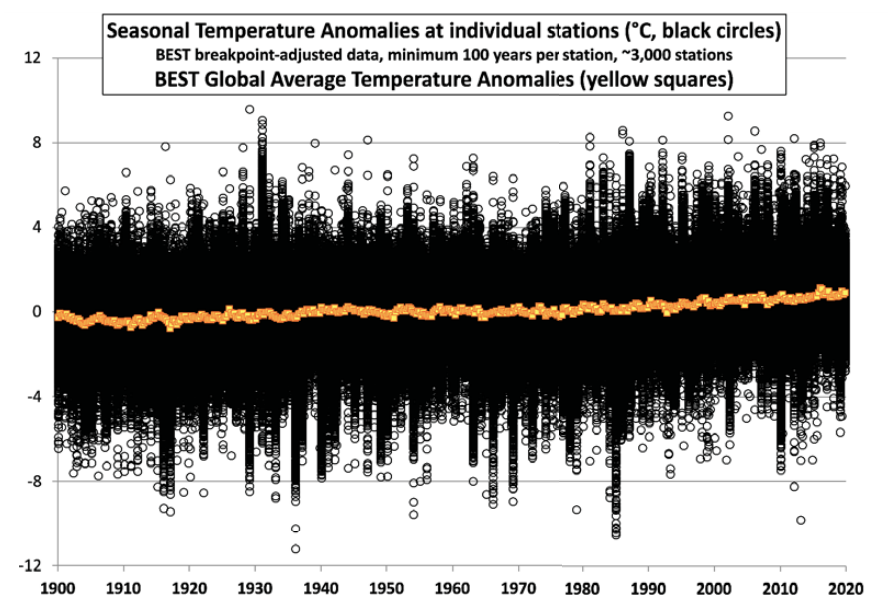
The global tropical cyclones are not getting more frequent or more lethal. Drought is showing no trend in upwards or downwards, really. And as Roger Pielke has summarized, for most of the significant weather effects, except heat waves and perhaps heavy precipitation, then there is no detection or attribution as stated by the Intergovernmental Panel on Climate Change reports.
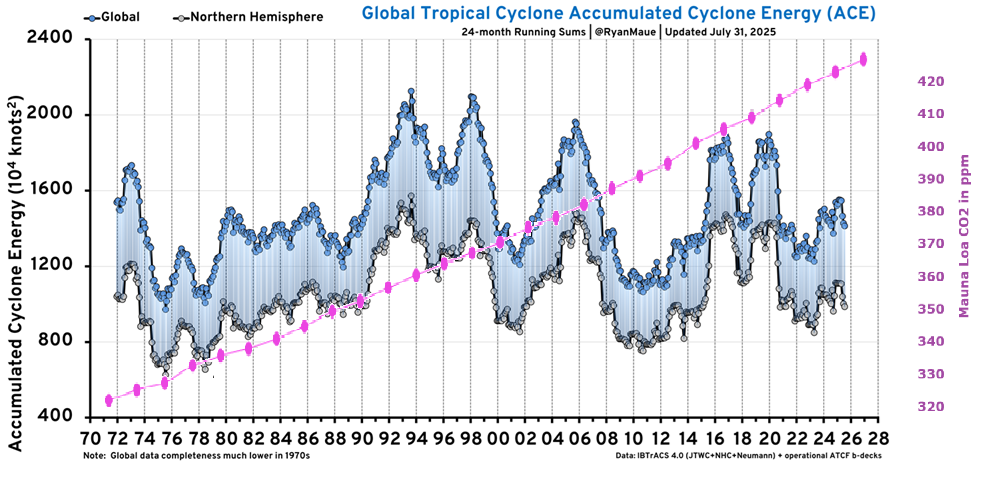
This is from AR7, their latest report. And of course, the point which Bjorn Lomborg has made, among others, that higher temperatures, sorry, heat kills far more people, cold kills far more people than heat, and if we have higher temperatures, we will have slightly more people killed by heat, but a lot fewer people killed by cold. So we are genuinely saving lives through global warming.
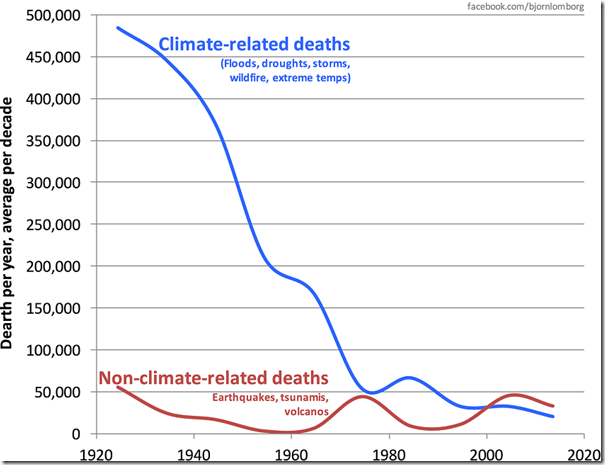
My Mind is Made Up, Don’t Confuse Me with the Facts. H/T Bjorn Lomborg, WUWT
Generally, deaths from climate change, as many of you will know, are down significantly, whereas deaths from earthquakes, tsunamis and volcanoes are not. That’s a remarkable statistic, which is not because weather’s getting safer, but because we’re getting better at forecasting, predicting and sheltering people from bad weather. People get very worked up about sea ice decline, but it’s slow.
And the Arctic hasn’t broken a sea ice low record since 2012. Antarctica has seen a recent slight downward trend, but there is no evidence that we’re getting anything like an Arctic, an ice-free period in the Arctic summer, which was quite routine 8,000 or 9,000 years ago.

Sea level rise, significant, but no sign of acceleration. The linear trend since 2010 is higher than the linear trend since 2005, but the linear trend since 2015 is lower again. So it’s going up and down, but it’s around a foot and a half per century, which is easily something we can cope with. I won’t go into the details, but I think Nick Lewis in particular and Judith Currie have done a very good job of showing in the peer-reviewed literature that the estimates of climate sensitivity that are going into the models have broadly been too high and they need to come steadily downwards.
And that would explain why the models have been running too hot compared with the global temperature. I think the Holocene Thermal Maximum is a very important point that we need to keep stressing because the temperature of Greenland and the Makassar Strait, two different datasets here, was significantly higher 6,000 BC, 8,000 years ago, than they are today. This data is coming in now from many different types of paleo temperature records showing the Holocene Climate Optimum.
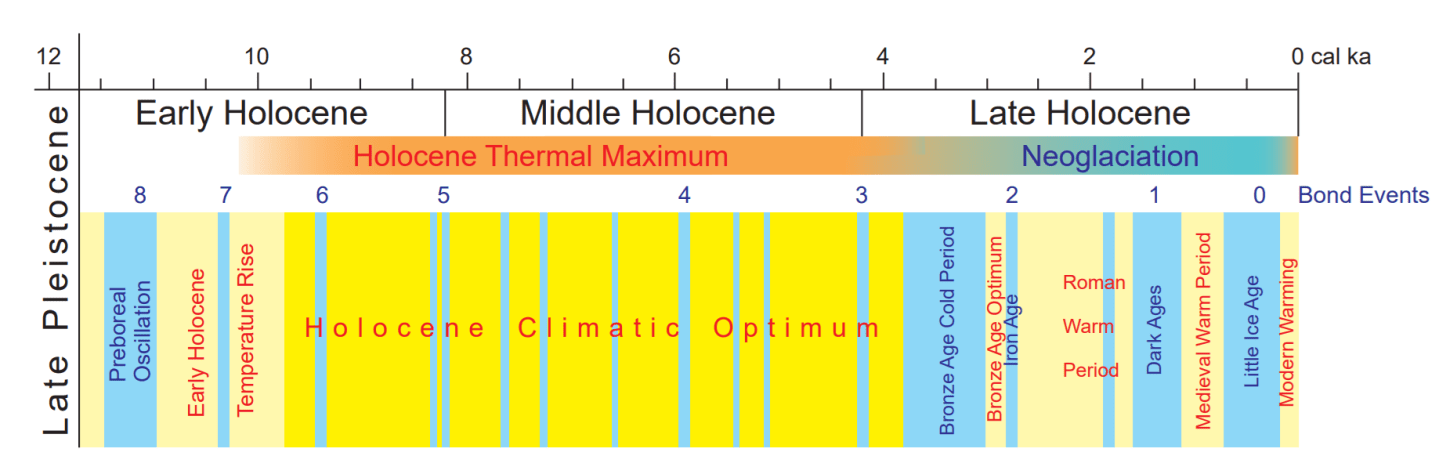
Fig. 1. Climate change in the Holocene, adapted from Palacios et al. (2024a) and modified: warm periods are in yellow and less warm in pale yellow, and cold in blue; Bond Events are after Bond et al. (1997, 2001) and geochronology after Walker et al. (2019).
I was looking, for example, at evidence that in the Indian Ocean, sea levels were considerably higher than they are today. It used to be the consensus that they’d been going up steadily since the Ice Age, or rapidly and then steadily. It’s now reckoned that they may have been up to two meters higher in the period when the first pharaohs were already appearing in Egypt. So that’s not that long ago. And that Holocene Optimum was a period of considerable wetness in the Sahara, lakes and hippos in the Sahara region. So this was a period within human history, in the early period of human history, when we were experiencing much warmer and damper temperatures.
But I think global greening is the big one. Here we have considerable evidence from a number of different directions that there’s 15% more green vegetation on the planet after 30 years because of carbon dioxide fertilization. And that is in all ecosystems, particularly arid ones, but in tropical ones and arctic ones as well, and in marine ones as well as terrestrial ones. That is a really significant effect. If you add the effect it’s had on agricultural yields alone, it comes to trillions of dollars of benefit for mankind. But then let’s add in the benefit for grasshoppers and gazelles and all the other creatures that eat green vegetation.
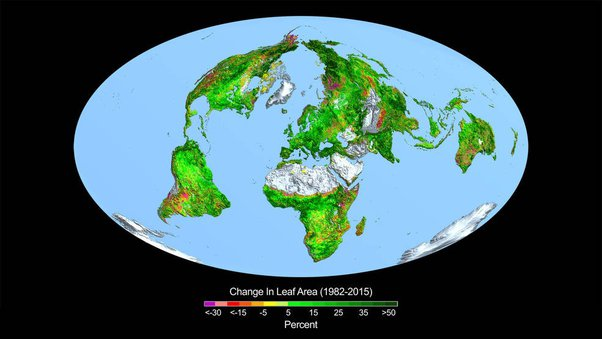
Now, I published an article about this in 2013, when I first got wind that the satellite data had been analyzed and was showing this global greening. Before then, there were other measures for picking up, but it hadn’t been analyzed from satellite data. And this annoyed the professor whose work I was reporting very much indeed, so much so that when he published his work, the press release from Boston University named me personally, along with Rupert Murdoch, as being the kind of person who mustn’t be allowed to misinterpret this result.
Well, I call that a win, actually, if I’m getting a name checked in the press release. Now, on the social cost of carbon, Britain doesn’t use the social cost of carbon. They can’t make it add up. They simply can’t get an estimate of it that’s high enough to justify the money we’re spending on decarbonization. America did use a high one during the Biden administration, but Ross McKitrick has basically demolished the argument behind that. It largely left out the carbon dioxide fertilization effect.
And his own estimates of the social cost of carbon are that it’s pretty small, that it’s of the order of $5 to $10 per ton of carbon. That’s the total future harm done by each ton of carbon dioxide we produce today. Well, the cost of decarbonization is way higher than that.
So it just doesn’t make sense to pay a fortune for something that will save a penny. Worse than that, they are claiming to help wealthy future people by asking poor people today to make sacrifices, poor people within countries where energy policies tend to be regressive, between countries where we are on the whole denying cheap energy to many poor countries, and of course, between generations as well. I won’t look at those quotes.
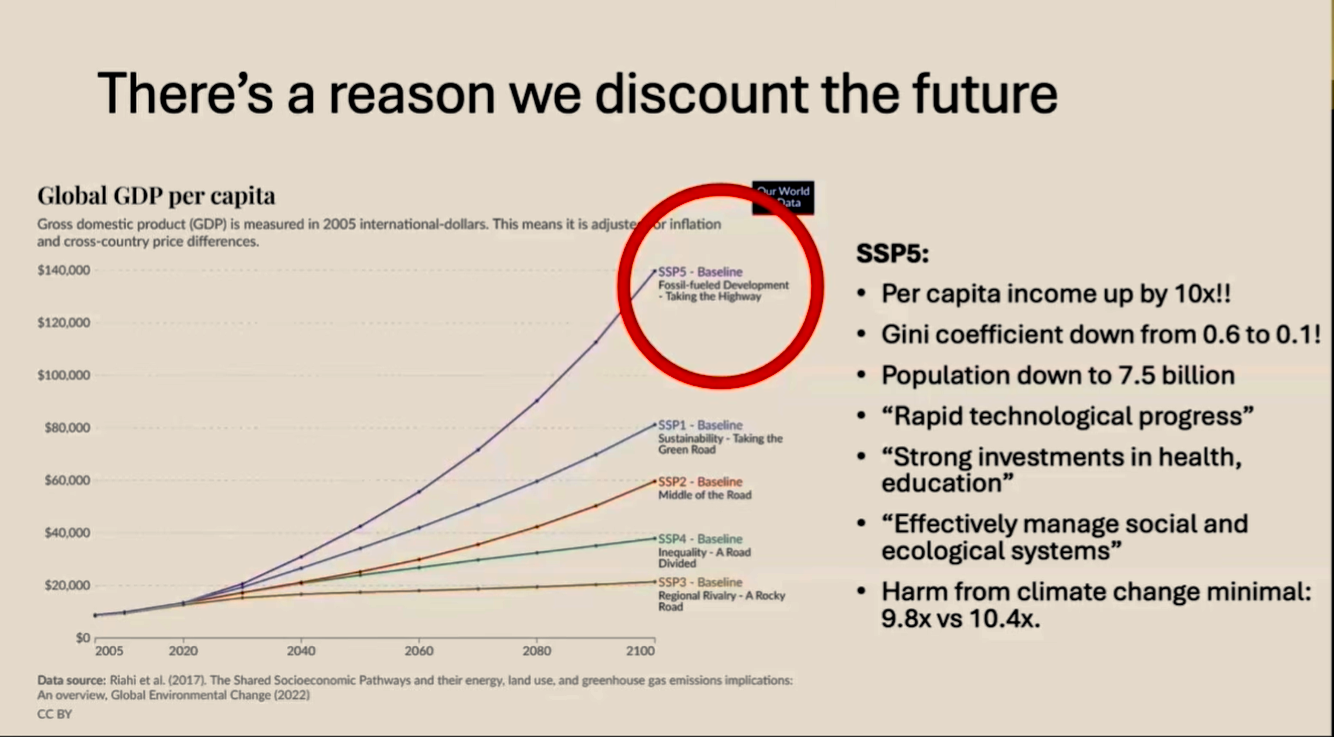
So these are the five economic scenarios that IASA did for the IPCC showing what might happen to global GDP per capita. And it’s worth just looking at the one they call taking the highway fossil fuel development. This is the one in which we really let rip and continue to use hydrocarbons on a significant basis and end up with quite a lot of warming as a result.
It’s a scenario in which per capita income is roughly 10 times what it is today, 10 times. Globally, everybody on planet Earth is earning 10 times as much. Imagine what they could do with that, in which the Gini coefficient is down significantly from 0.6 to 0.1, which population falls faster than expected, whether that’s a good thing or a bad thing, in which there is rapid technological progress, strong investment in health and education, effective management of ecological systems.
This is not a terrible world. It sounds like rather a good world. And if, yes, there’s a lot of warming, then we’re 10 times as rich to deal with it. Surely the warming will have done economic harm. Yes, it will. How much harm? It will have reduced the wealth of your grandchildren. Instead of being 10.4 times as rich, they will be 9.8 times as rich. Is that really an existential catastrophe? There’s a reason why we use a discount rate. Lord Stern persuaded us in the mid-2000s that we should not use a discount rate about the future because we’re looking after our grandchildren. We should care about them just as much as we care about ourselves. But if they’re going to be 10 times as rich, then it doesn’t make sense to hurt poor people today to make them not quite 10 times as rich.
So, just to end, what are we still up against?
Massive subsidies and funding for climate alarm.
You can’t underestimate the power of money. Widespread bias and censorship still in the media. Some doubling down on the point that solar power doesn’t come through the Strait of Hormuz.
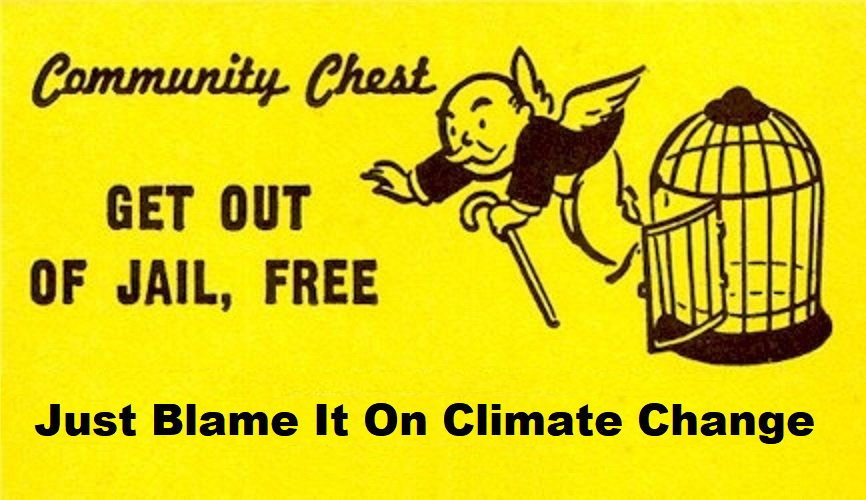
Doesn’t this crisis prove that we should wean ourselves off fossil fuels? Climate is a very good excuse for politicians. Again and again you’ve seen people like the governor of California saying yes the Palisades fire burned a lot of people’s homes but there’s nothing I can do about it because it was caused by climate change. There was something you could do about it. You could have done prescribed burning but climate change gets you off the hook as a politician.
I do believe that it’s a mistake to go too far in skepticism and call it things like a hoax. That does tend to put people off. But the problem with our side of the argument is we can’t be bothered to sit on these committees and get stuck into the detail and do all the really boring leg work and go to these awful conferences. And that’s what we ought to be better at. And that’s about the only thing I can say that we are the in criticism of the skeptical side of the debate. Thank you very much.
Footnote: Is Climate Crisis a Hoax?
 Science Matters