
It’s the Sun Warming Us, Dummy

Nir Shaviv makes sense in his Daily Sceptic article Global Warming is Mostly Caused By the Sun, Not Humans, Says Astrophysics Professor.  Excerpts in italics with my bolds and added images.

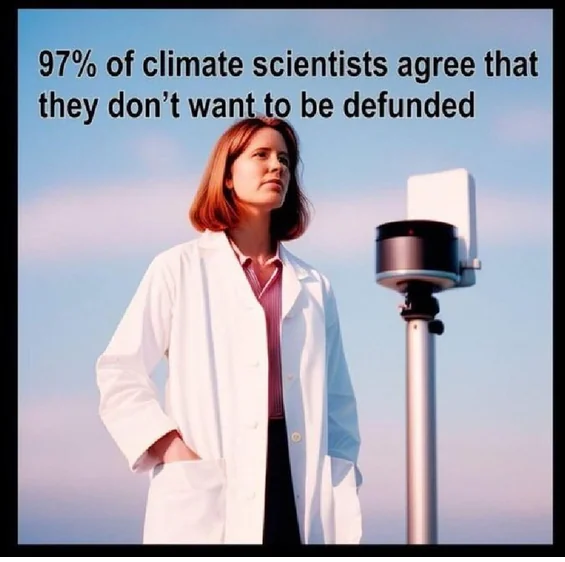
“There’s no such thing as a scientific consensus,” Nir Shaviv, a Professor at the Racah Institute of Physics at the Hebrew University of Jerusalem says in response to a question about what he thinks of the widespread claim that there is a scientific consensus on the anthropogenic nature of climate change. “In science, we deal with open questions and I think that the question of climate change is an open question. There are a lot of things which many scientists are still arguing about,” he explains.

Indeed, there are scientists who say that climate change is caused entirely by humans and the situation is very dire. But then there are those who say that although humans are causing much of the warming, the situation is not as bad as we are being told by politicians and activists through the media. Some think that CO2 plays an important part in the current warming trend and some believe its role is insignificant.

Although Shaviv assesses that some of the warming in the 20th century is indeed the result of increasing atmospheric CO2 concentrations, most of the change is a natural phenomenon. “My research has led me to strongly believe that based on all the evidence that’s accumulated over the past around 25 years, a large part of the warming is actually not because of humans, but because of the solar effect,” he says.

Up to two-thirds of the warming comes from the Sun

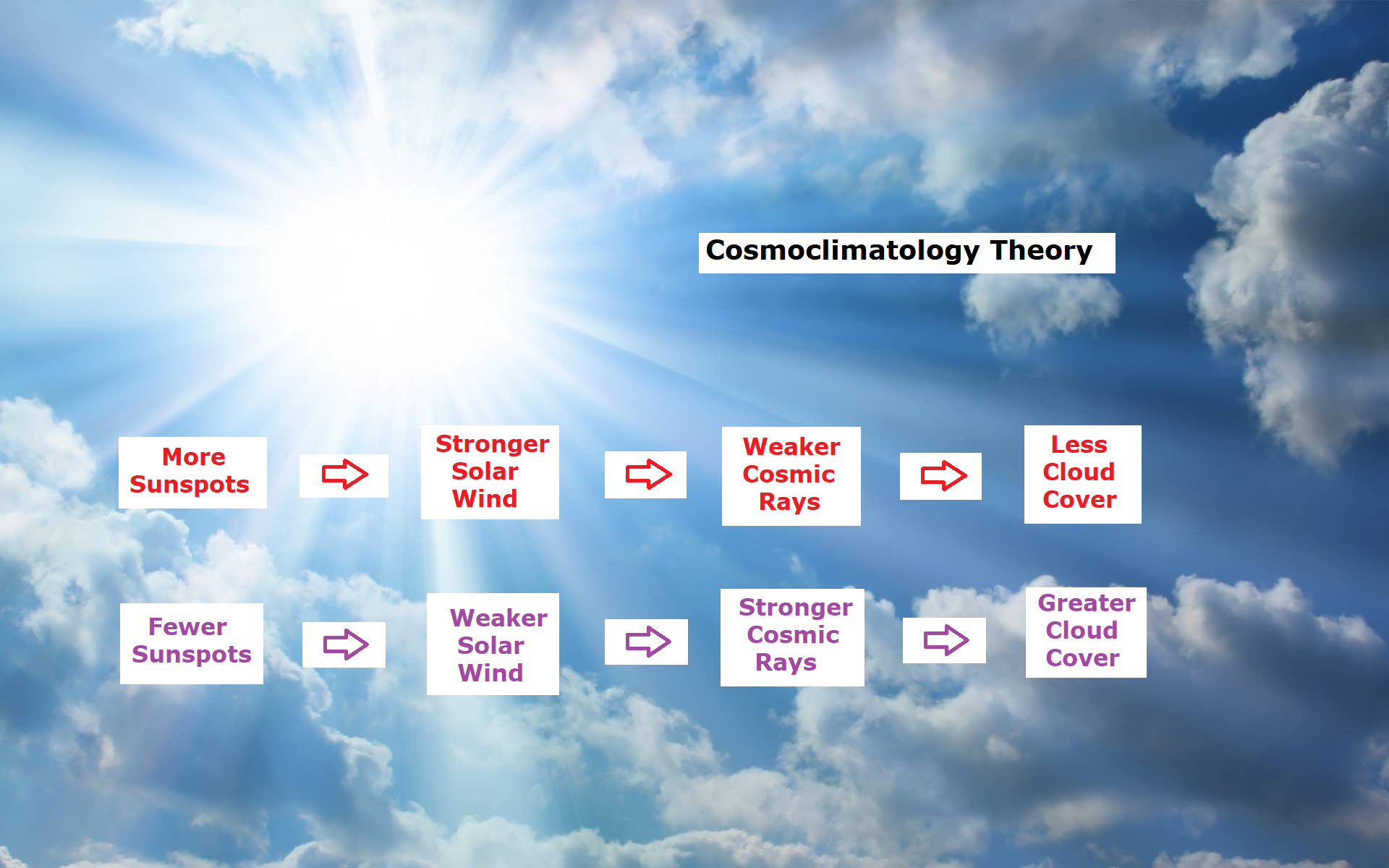
As an astrophysicist, Shaviv’s research has largely focused on understanding how solar activity and the Earth’s climate are linked. In fact, he says, at least half, and possibly two-thirds, of the 20th century’s warming is related to increased solar activity. Shaviv has also shown that cosmic rays and their activity influence cloud cover formation, also causing the climate to change. He has been working on this issue together with Danish astrophysicist Dr Henrik Svensmark.

In any case, Shaviv says, if solar activity and cosmic ray effects are taken into account, the climate sensitivity remains relatively low, or simply put – an increase in the proportion of CO2 in the atmosphere cannot cause much warming. Scientists have long attempted to calculate how much a doubling of atmospheric CO2 would raise the temperature of the Earth. The first attempt was made more than 100 years ago by the Swedish chemist Svante Arrhenius, who suggested an answer of up to six degrees Celsius. Since then, this number has been revised downwards, but not enough, according to Shaviv. “If you open the IPCC [Intergovernmental Panel on Climate Change] reports, then the canonical range is anywhere between one and a half or two, depending on which report you look at, to maybe four and a half degrees increase for CO2 doubling. What I find is that climate sensitivity is somewhere between one and one and a half degree increase per CO2 doubling,” Shaviv says, adding that he does not expect the temperature rise in the 21st century to be very high.

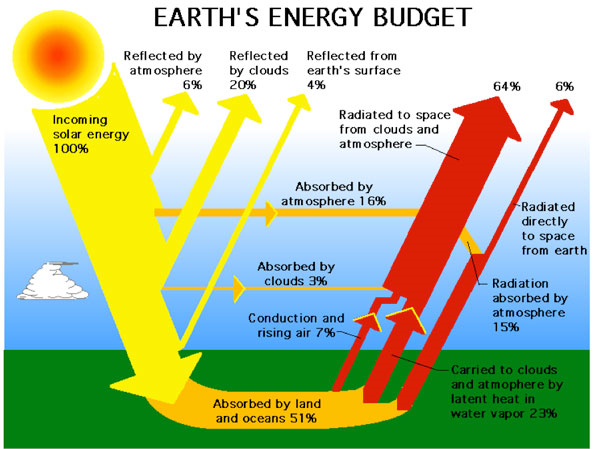
On average, half of sunlight is either absorbed in the atmosphere or reflected before it can be absorbed by the surface land and ocean. Any shift in the reflectivity (albedo) impacts greatly on the solar energy warming the planet.

Explaining the warming that has happened primarily with CO2 is where the IPCC’s scientific reports err, Shaviv says, by failing to account for the solar effect. And because they do not account for it, but there is still a need to explain the temperature rise, the rise in CO2 levels in the atmosphere, which has been attributed to human influences, has been used to explain it. Shaviv explains that this is the wrong answer as it fails to take into account all the contributing factors.

Is the planet boiling?

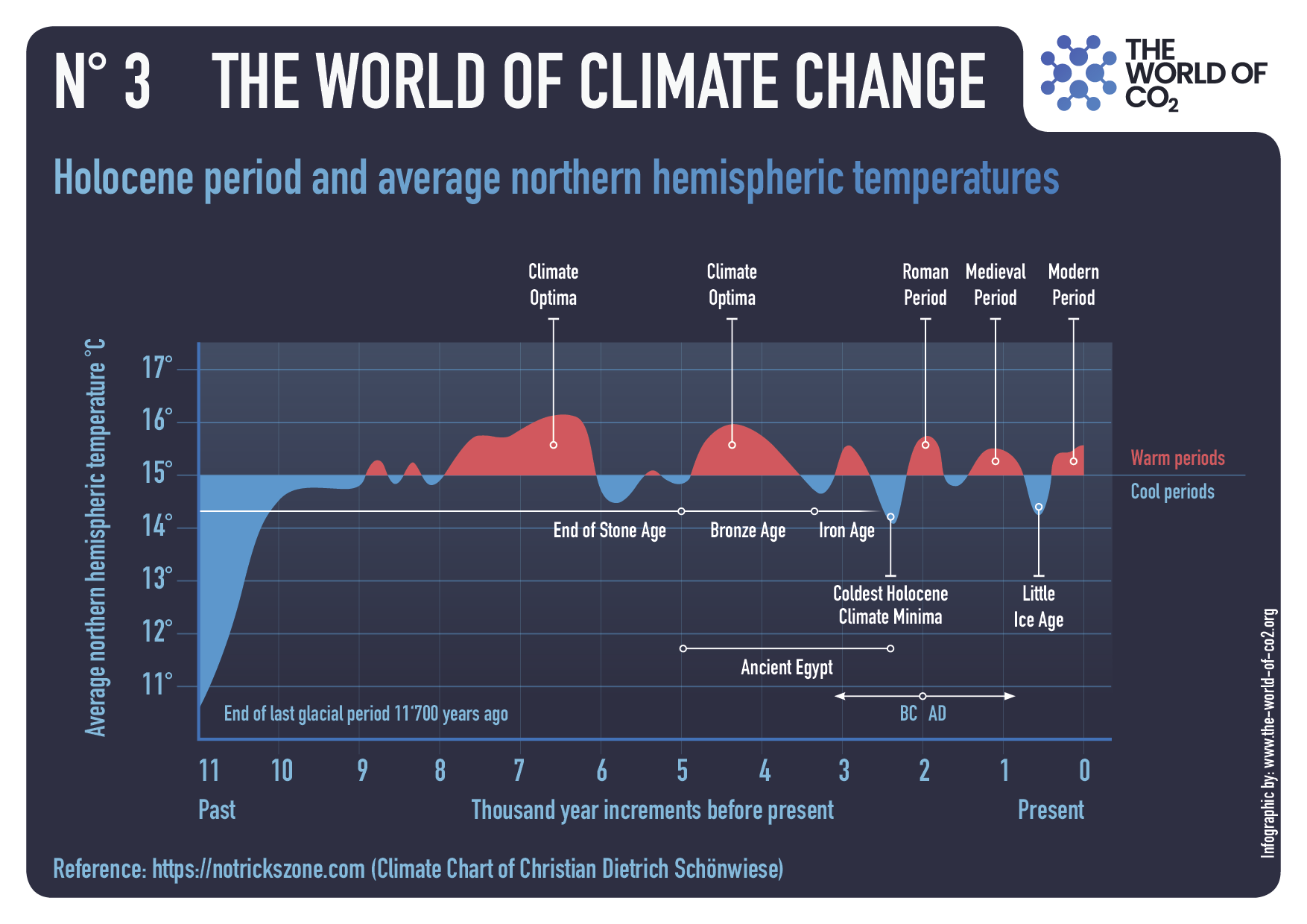
But is this temperature rise causing a climate crisis? Shaviv’s answer to the question is simple and clear: “No.” He explains that the average temperature on the planet has risen by one degree Celsius since about 1900, but this is not unprecedented. We are familiar, for example, with the Medieval Warm Period, when the Vikings charted the coast of Greenland, including its northern part, which today is covered with ice even in summer. “This kind of climate variation has always happened. Some of the warming now is anthropogenic, but it’s not a crisis in the sense that the temperature is going to increase by five degrees in a century and we’re all doomed. We just have to adapt to changes. Some of them are natural and some are not, but they’re not large,” Shaviv explains.

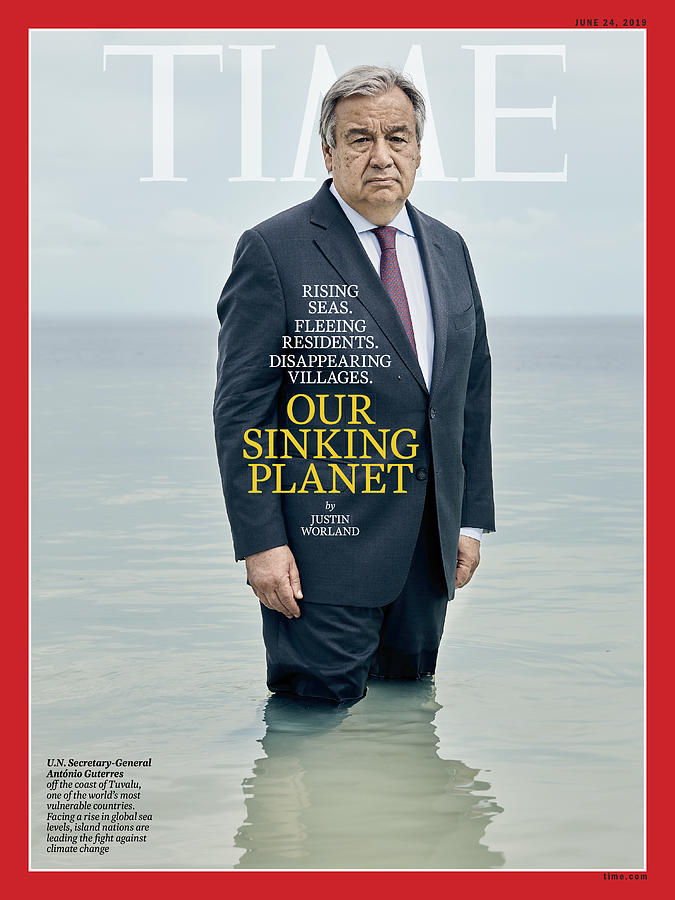
It has been widely reported that both 2023 and 2024 were the warmest years on record. Referring to this rise in temperatures, UN Secretary-General António Guterres already in July 2023 declared that we have entered an “era of global boiling”. Shaviv says that of course, we can have average surface temperatures that are highest if we only look back 100 or 150 years. “If you go back a thousand years it was just as warm. If you go back 5,000 years it was definitely warmer. So, It doesn’t mean much,” he explains.

And if you look at a longer time scale, warmer periods have alternated with colder periods throughout. Also, over the last 100,000 years, the Earth has been in an ice age for most of that time, and the retreat of the ice in Europe and North America happened about 12,000 years ago.

Do extreme weather events prove a climate crisis?

However, it is often claimed in the media that we are in an unprecedented and critical climatic situation and all the reported extreme weather events are said to be proving it.

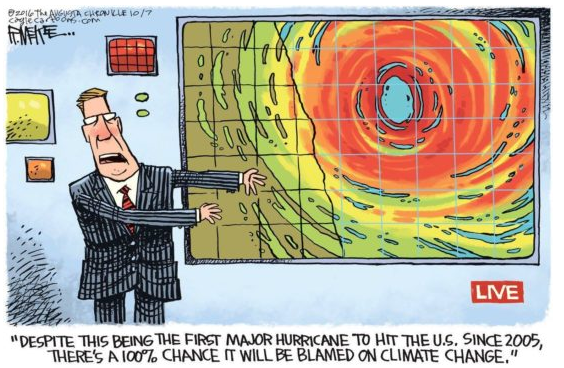
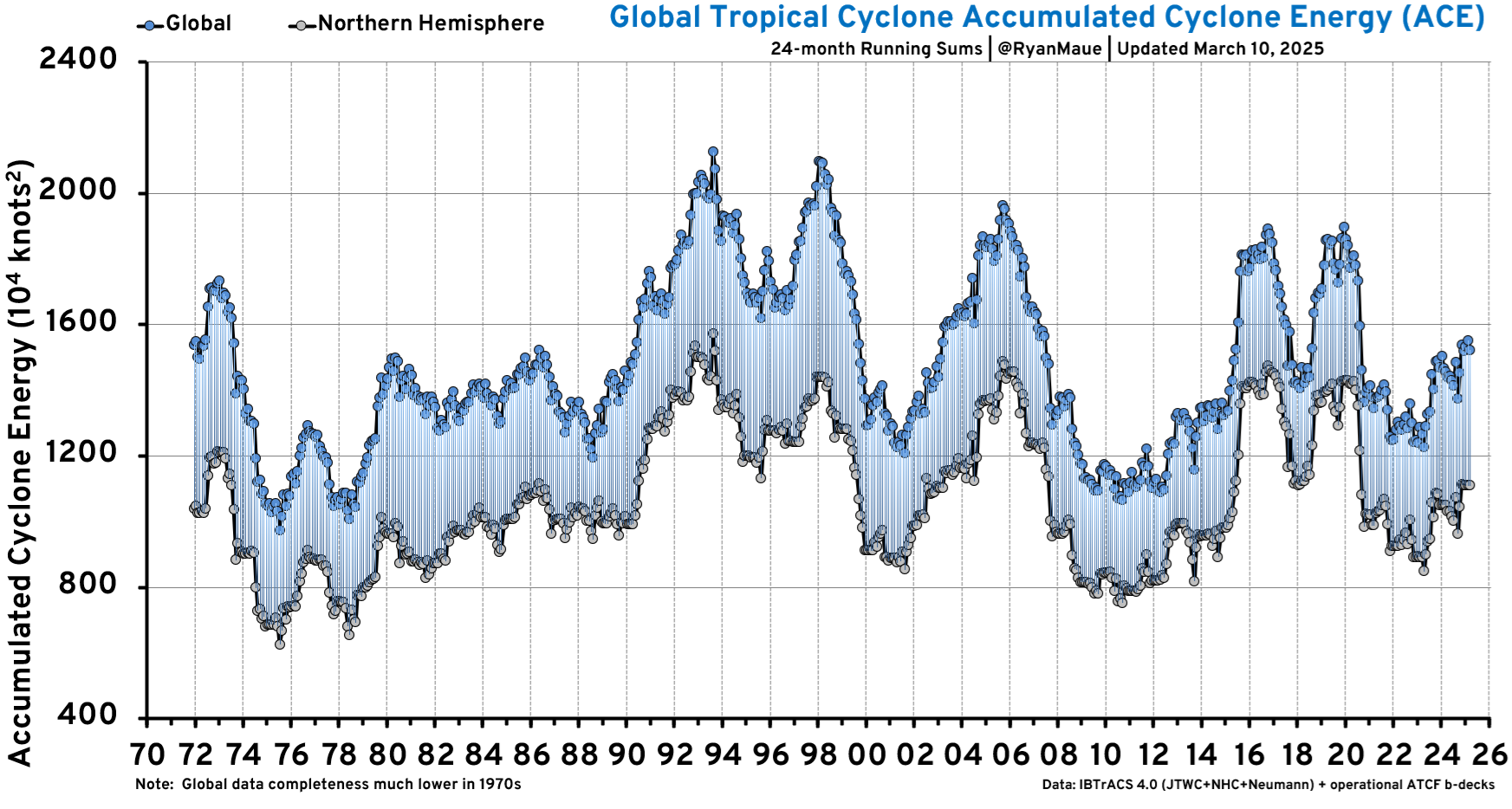
In reality, there is no indication that most extreme weather events are more frequent or in any way more severe than in the past. Take hurricanes, for example. It’s true that the damage they cause has increased over time, but Shaviv says that’s because more people live near the coast. “If you look at the statistics of hurricanes making landfall in the US, which is a relatively reliable record, then you see that there is no significant change,” he says. Shaviv adds that, in reality, there is not even any reason to expect a warming climate to bring more hurricanes. “Sure, you need hotter waters to generate hurricanes, but you also need the gradient, you need the temperature difference between the equator and the subtropics in order to drive the hurricanes. And warmer Earth actually has a smaller temperature difference. So it’s not even clear ab initio whether you’re going to have more hurricanes or less,” Shaviv explains.

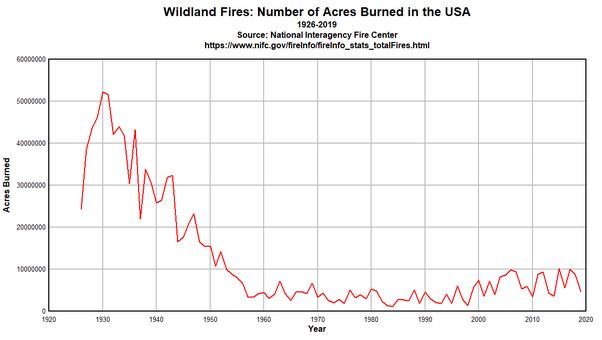
Large wildfires, for example, are also associated with climate warming, but Shaviv says there is no reason for this either. “In the US in the 1930s the annual amount of area which was burnt a year was way larger than what it is today,” he says, adding that the reality is that a large proportion of fires are caused by poor forest management, which fails to clear the forest floor of flammable material.

Towards nuclear energy

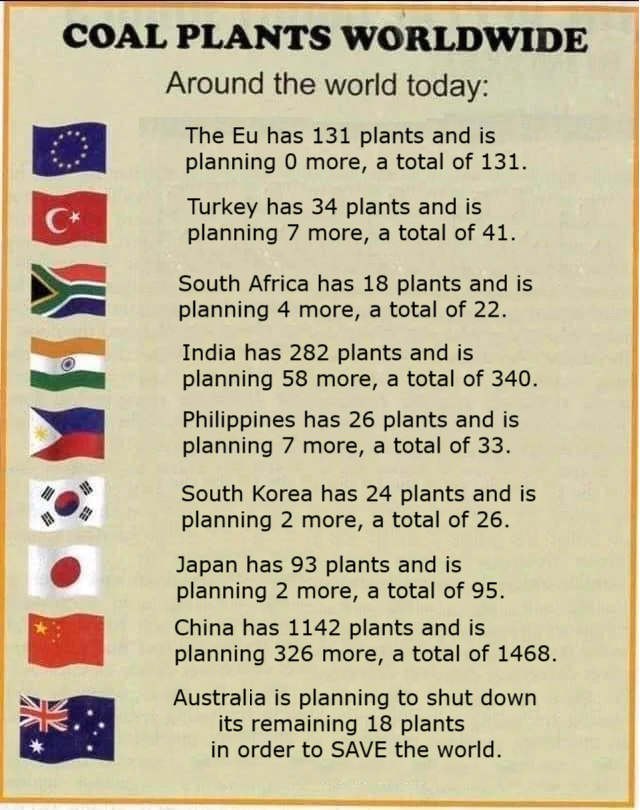
In the light of the above, climate change does not make it necessary to abandon fossil fuels. However, Shaviv says we should still move towards cleaner energy. Firstly, burning fossil fuels causes real environmental pollution – in particular coal, which is still on the rise worldwide. Secondly, fossil fuels will run out one day.

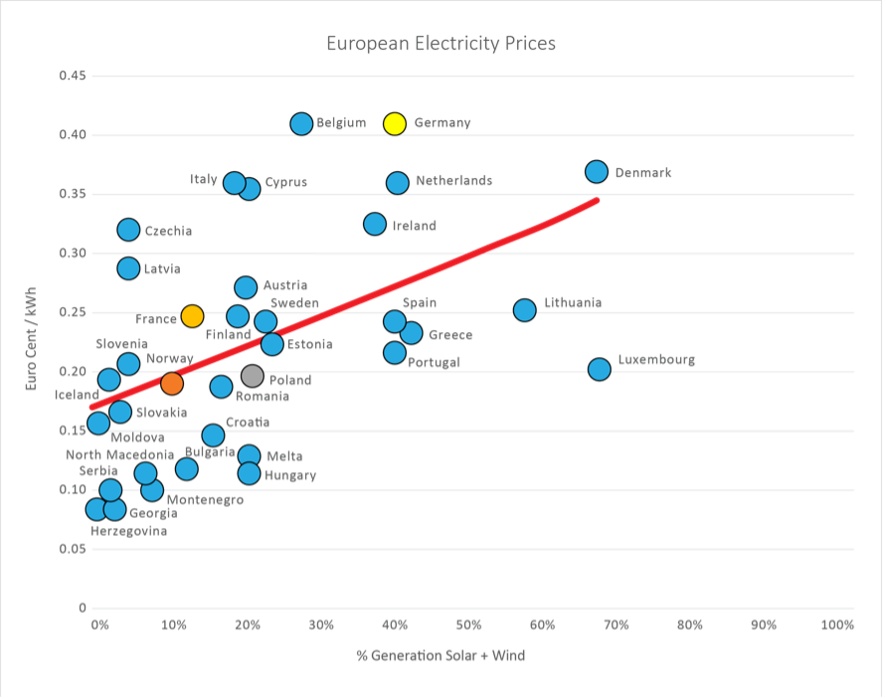
But mankind cannot replace these fuels with wind and solar power. “First of all, it’s very expensive. You can see that any country that has a lot of any of those, they pay much more for electricity,” Shaviv says. He suggests looking at electricity prices in countries such as Germany or Denmark, where wind and solar have been developed with billions of euros of government aid, and comparing them with, for example, France which uses nuclear power. What makes this form of energy so expensive is its intermittent nature – generation takes place when the sun shines and the wind blows. So to guarantee electricity supply, either huge storage capacity or backup systems, such as gas-fired power stations, are needed.

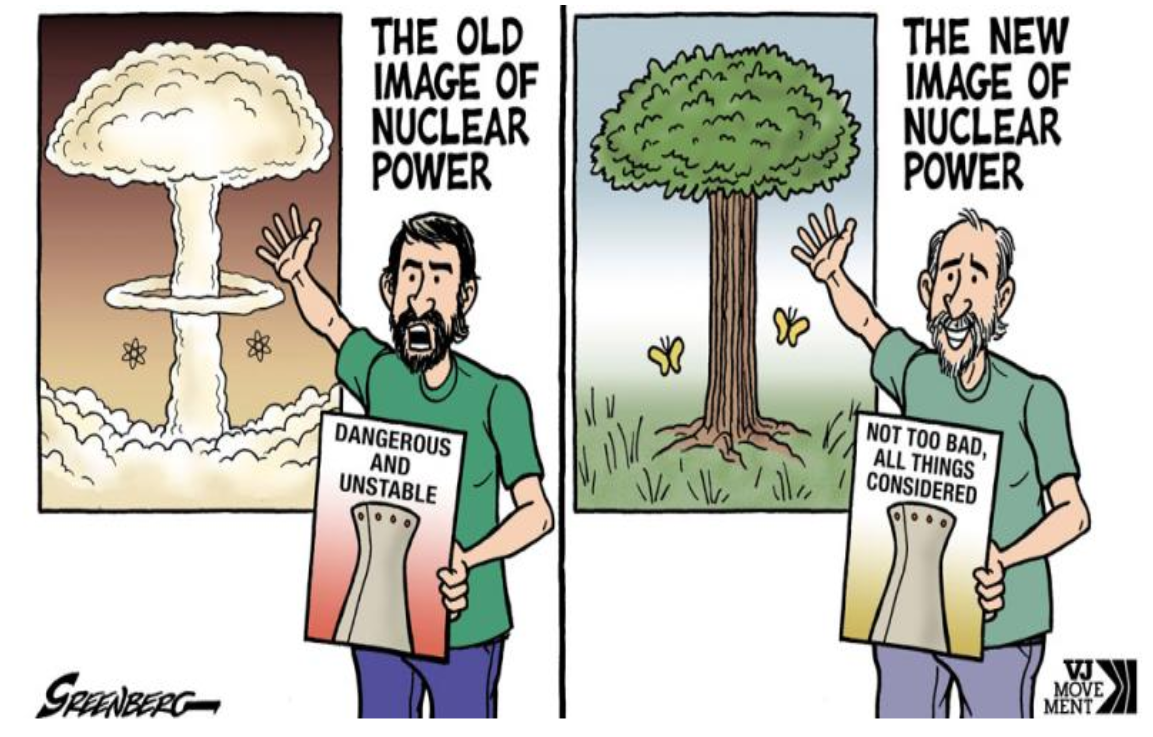
Shaviv believes that in the future, much more reliance should be placed on nuclear power, which does not have the pollution problems of fossil fuels and, unlike wind and solar, can provide a stable energy supply. However, the critics of this plan remind us of past nuclear accidents – Chernobyl in Ukraine, Three Mile Island in the USA and Fukushima in Japan. Each of these accidents had its own causes – in the case of Chernobyl and Three Mile Island, technical defects mixed with human error, and in the case of Fukushima, natural forces, in other words, the earthquake and tsunami. In the case of Fukushima in 2011, however, no one died as a direct result of the accident at the nuclear power plant (though thousands of people died as a result of the tsunami that devastated the coastline).

Shaviv says there is no point in comparing the safety of nuclear plants that have suffered accidents in the past with today’s technology. “I don’t think it’s going to be a problem in the sense that we can have an extremely safe design,” he says, adding that the wider deployment of nuclear power will happen whether the West joins in or not. “If you look at China, which is energy-hungry, they don’t care about public opinion as much as we do in the West. And they don’t have as much problem with regulation. So they’re just going to run forward and instead of building or opening a coal power plant every few weeks, in a few years, they’re going to be opening a nuclear power plant every few weeks,” Shaviv says. He adds that the West would also be wise to participate in this development, rather than moving in the opposite direction.

March 2025 Oceans Cooling Persists

The best context for understanding decadal temperature changes comes from the world’s sea surface temperatures (SST), for several reasons:
  • The ocean covers 71% of the globe and drives average temperatures;
  • SSTs have a constant water content, (unlike air temperatures), so give a better reading of heat content variations;
  • A major El Nino was the dominant climate feature in recent years.

HadSST is generally regarded as the best of the global SST data sets, and so the temperature story here comes from that source. Previously I used HadSST3 for these reports, but Hadley Centre has made HadSST4 the priority, and v.3 will no longer be updated.  HadSST4 is the same as v.3, except that the older data from ship water intake was re-estimated to be generally lower temperatures than shown in v.3.  The effect is that v.4 has lower average anomalies for the baseline period 1961-1990, thereby showing higher current anomalies than v.3. This analysis concerns more recent time periods and depends on very similar differentials as those from v.3 despite higher absolute anomaly values in v.4.  More on what distinguishes HadSST3 and 4 from other SST products at the end. The user guide for the current version HadSST4.1.1.0 is here.   The charts and analysis below is produced from the current data.

The Current Context

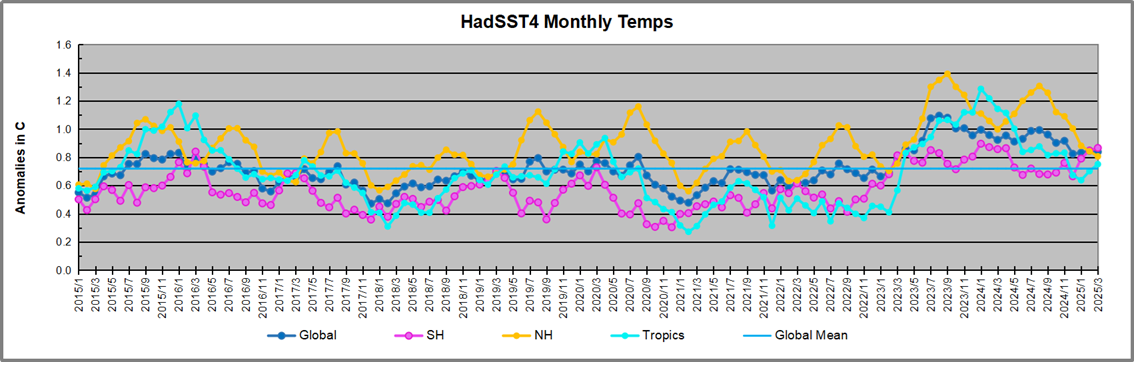
The chart below shows SST monthly anomalies as reported in HadSST4 starting in 2015 through February 2025. A global cooling pattern is seen clearly in the Tropics since its peak in 2016, joined by NH and SH cycling downward since 2016, followed by rising temperatures in 2023 and 2024.

Note that in 2015-2016 the Tropics and SH peaked in between two summer NH spikes.  That pattern repeated in 2019-2020 with a lesser Tropics peak and SH bump, but with higher NH spikes. By end of 2020, cooler SSTs in all regions took the Global anomaly well below the mean for this period.  A small warming was driven by NH summer peaks in 2021-22, but offset by cooling in SH and the tropics, By January 2023 the global anomaly was again below the mean.

Then in 2023-24 came an event resembling 2015-16 with a Tropical spike and two NH spikes alongside, all higher than 2015-16. There was also a coinciding rise in SH, and the Global anomaly was pulled up to 1.1°C last year, ~0.3° higher than the 2015 peak.  Then NH started down autumn 2023, followed by Tropics and SH descending 2024 to the present. After 12 months of cooling in SH and the Tropics, the Global anomaly came back down, led by NH cooling the last 8 months from its 1.3C peak in August, down to 0.8C in March. With some recent warming in the Tropics and SH, all regions are now close together nearly at the global anomaly, about 0.1C higher than the average for this period.

Comment:

The climatists have seized on this unusual warming as proof their Zero Carbon agenda is needed, without addressing how impossible it would be for CO2 warming the air to raise ocean temperatures.  It is the ocean that warms the air, not the other way around.  Recently Steven Koonin had this to say about the phonomenon confirmed in the graph above:

El Nino is a phenomenon in the climate system that happens once every four or five years.  Heat builds up in the equatorial Pacific to the west of Indonesia and so on.  Then when enough of it builds up it surges across the Pacific and changes the currents and the winds.  As it surges toward South America it was discovered and named in the 19th century  It iswell understood at this point that the phenomenon has nothing to do with CO2.

Now people talk about changes in that phenomena as a result of CO2 but it’s there in the climate system already and when it happens it influences weather all over the world.   We feel it when it gets rainier in Southern California for example.  So for the last 3 years we have been in the opposite of an El Nino, a La Nina, part of the reason people think the West Coast has been in drought.

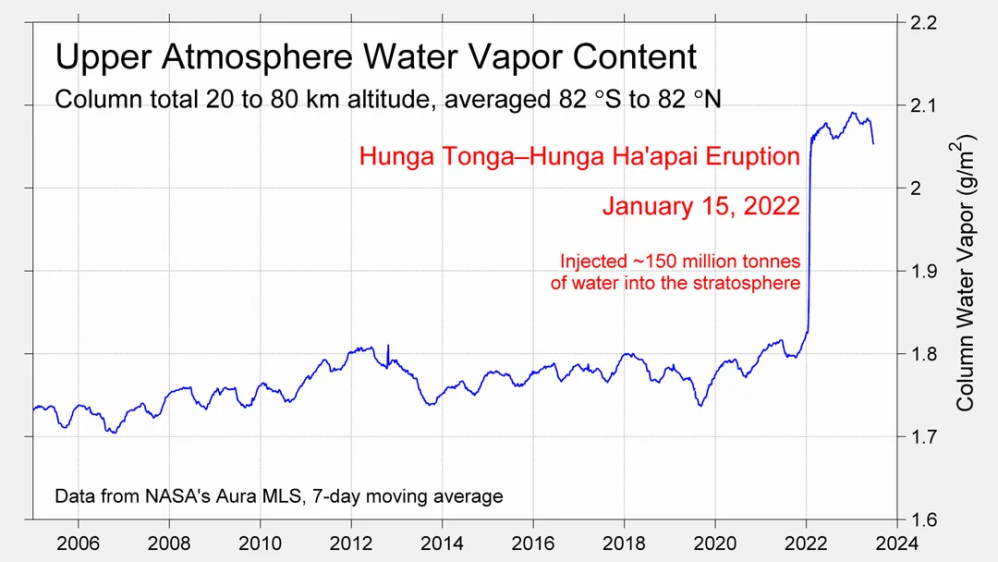
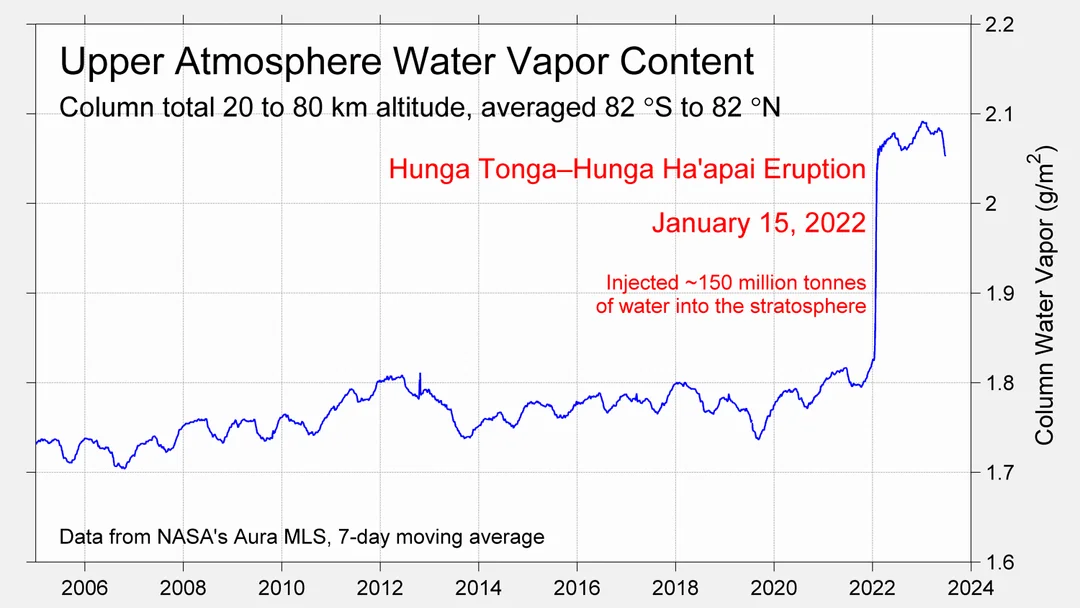
It has now shifted in the last months to an El Nino condition that warms the globe and is thought to contribute to this Spike we have seen. But there are other contributions as well.  One of the most surprising ones is that back in January of 2022 an enormous underwater volcano went off in Tonga and it put up a lot of water vapor into the upper atmosphere. It increased the upper atmosphere of water vapor by about 10 percent, and that’s a warming effect, and it may be that is contributing to why the spike is so high.

A longer view of SSTs

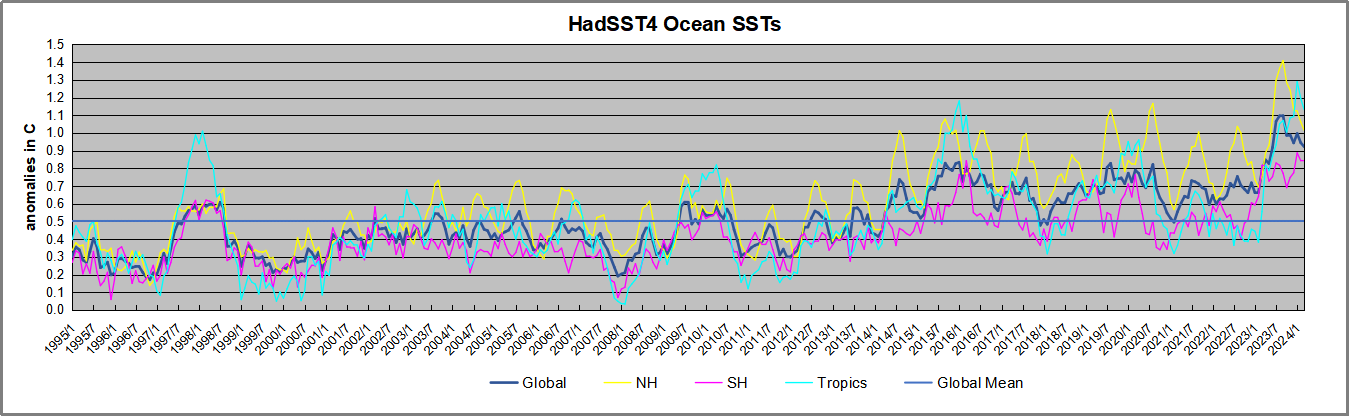
The graph below  is noisy, but the density is needed to see the seasonal patterns in the oceanic fluctuations.  Previous posts focused on the rise and fall of the last El Nino starting in 2015.  This post adds a longer view, encompassing the significant 1998 El Nino and since.  The color schemes are retained for Global, Tropics, NH and SH anomalies.  Despite the longer time frame, I have kept the monthly data (rather than yearly averages) because of interesting shifts between January and July.

To enlarge image, open in new tab.

The graph above is noisy, but the density is needed to see the seasonal patterns in the oceanic fluctuations.  Previous posts focused on the rise and fall of the last El Nino starting in 2015.  This post adds a longer view, encompassing the significant 1998 El Nino and since.  The color schemes are retained for Global, Tropics, NH and SH anomalies.  Despite the longer time frame, I have kept the monthly data (rather than yearly averages) because of interesting shifts between January and July. 1995 is a reasonable (ENSO neutral) starting point prior to the first El Nino.

The sharp Tropical rise peaking in 1998 is dominant in the record, starting Jan. ’97 to pull up SSTs uniformly before returning to the same level Jan. ’99. There were strong cool periods before and after the 1998 El Nino event. Then SSTs in all regions returned to the mean in 2001-2.

SSTS fluctuate around the mean until 2007, when another, smaller ENSO event occurs. There is cooling 2007-8,  a lower peak warming in 2009-10, following by cooling in 2011-12.  Again SSTs are average 2013-14.

Now a different pattern appears.  The Tropics cooled sharply to Jan 11, then rise steadily for 4 years to Jan 15, at which point the most recent major El Nino takes off.  But this time in contrast to ’97-’99, the Northern Hemisphere produces peaks every summer pulling up the Global average.  In fact, these NH peaks appear every July starting in 2003, growing stronger to produce 3 massive highs in 2014, 15 and 16.  NH July 2017 was only slightly lower, and a fifth NH peak still lower in Sept. 2018.

The highest summer NH peaks came in 2019 and 2020, only this time the Tropics and SH were offsetting rather adding to the warming. (Note: these are high anomalies on top of the highest absolute temps in the NH.)  Since 2014 SH has played a moderating role, offsetting the NH warming pulses. After September 2020 temps dropped off down until February 2021.  In 2021-22 there were again summer NH spikes, but in 2022 moderated first by cooling Tropics and SH SSTs, then in October to January 2023 by deeper cooling in NH and Tropics.

Then in 2023 the Tropics flipped from below to well above average, while NH produced a summer peak extending into September higher than any previous year.  Despite El Nino driving the Tropics January 2024 anomaly higher than 1998 and 2016 peaks, following months cooled in all regions, and the Tropics continued cooling in April, May and June along with SH dropping.  After July and August NH warming again pulled the global anomaly higher, September through January 2025 resumed cooling in all regions, with a slight upward bump in February-March 2025.

What to make of all this? The patterns suggest that in addition to El Ninos in the Pacific driving the Tropic SSTs, something else is going on in the NH.  The obvious culprit is the North Atlantic, since I have seen this sort of pulsing before.  After reading some papers by David Dilley, I confirmed his observation of Atlantic pulses into the Arctic every 8 to 10 years.

Contemporary AMO Observations

Through January 2023 I depended on the Kaplan AMO Index (not smoothed, not detrended) for N. Atlantic observations. But it is no longer being updated, and NOAA says they don’t know its future.  So I find that ERSSTv5 AMO dataset has current data.  It differs from Kaplan, which reported average absolute temps measured in N. Atlantic.  “ERSST5 AMO  follows Trenberth and Shea (2006) proposal to use the NA region EQ-60°N, 0°-80°W and subtract the global rise of SST 60°S-60°N to obtain a measure of the internal variability, arguing that the effect of external forcing on the North Atlantic should be similar to the effect on the other oceans.”  So the values represent SST anomaly differences between the N. Atlantic and the Global ocean.

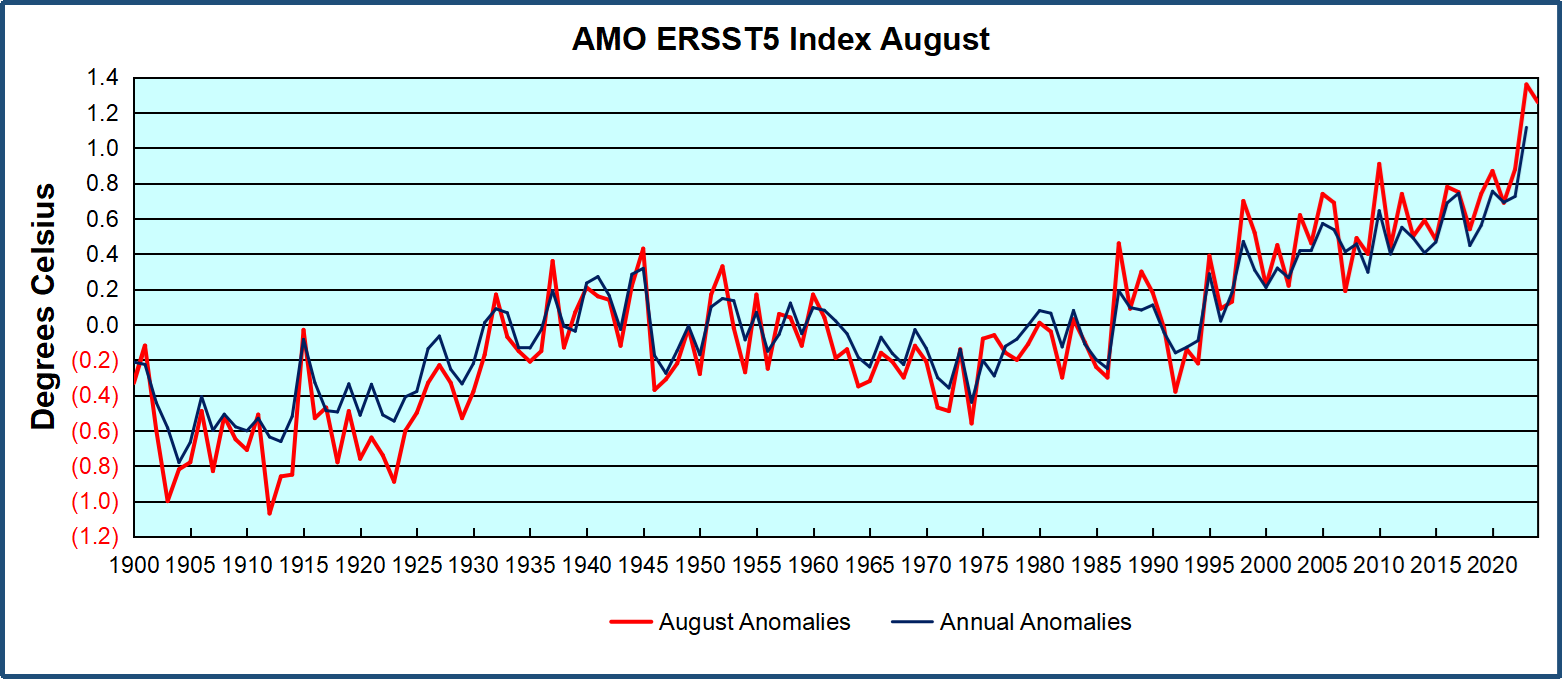
The chart above confirms what Kaplan also showed.  As August is the hottest month for the N. Atlantic, its variability, high and low, drives the annual results for this basin.  Note also the peaks in 2010, lows after 2014, and a rise in 2021. Then in 2023 the peak was holding at 1.4C before declining.  An annual chart below is informative:

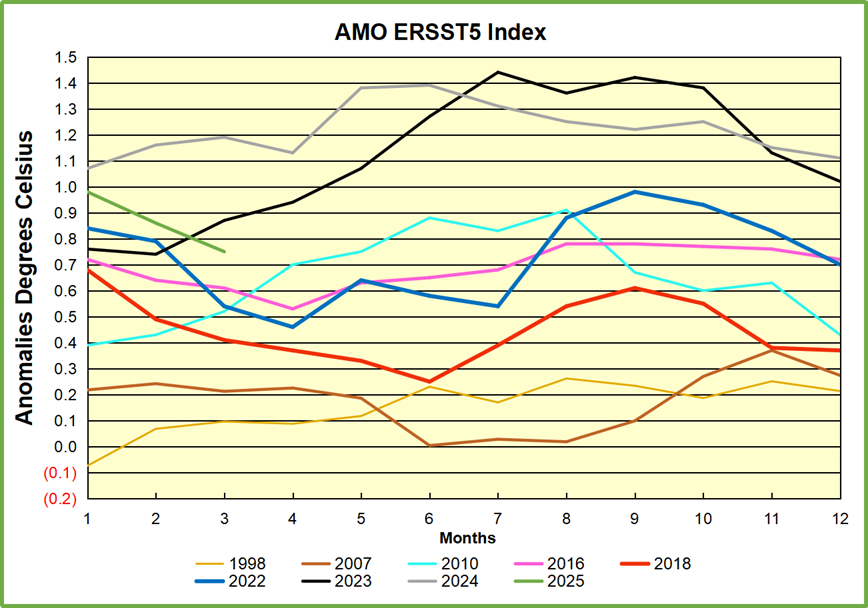
Note the difference between blue/green years, beige/brown, and purple/red years.  2010, 2021, 2022 all peaked strongly in August or September.  1998 and 2007 were mildly warm.  2016 and 2018 were matching or cooler than the global average.  2023 started out slightly warm, then rose steadily to an  extraordinary peak in July.  August to October were only slightly lower, but by December cooled by ~0.4C.

Then in 2024 the AMO anomaly started higher than any previous year, then leveled off for two months declining slightly into April.  Remarkably, May showed an upward leap putting this on a higher track than 2023, and rising slightly higher in June.  In July, August and September 2024 the anomaly declined, and despite a small rise in October, ended close to where it began.  Now 2025 started much lower than the previous year and is headed sharply downward.

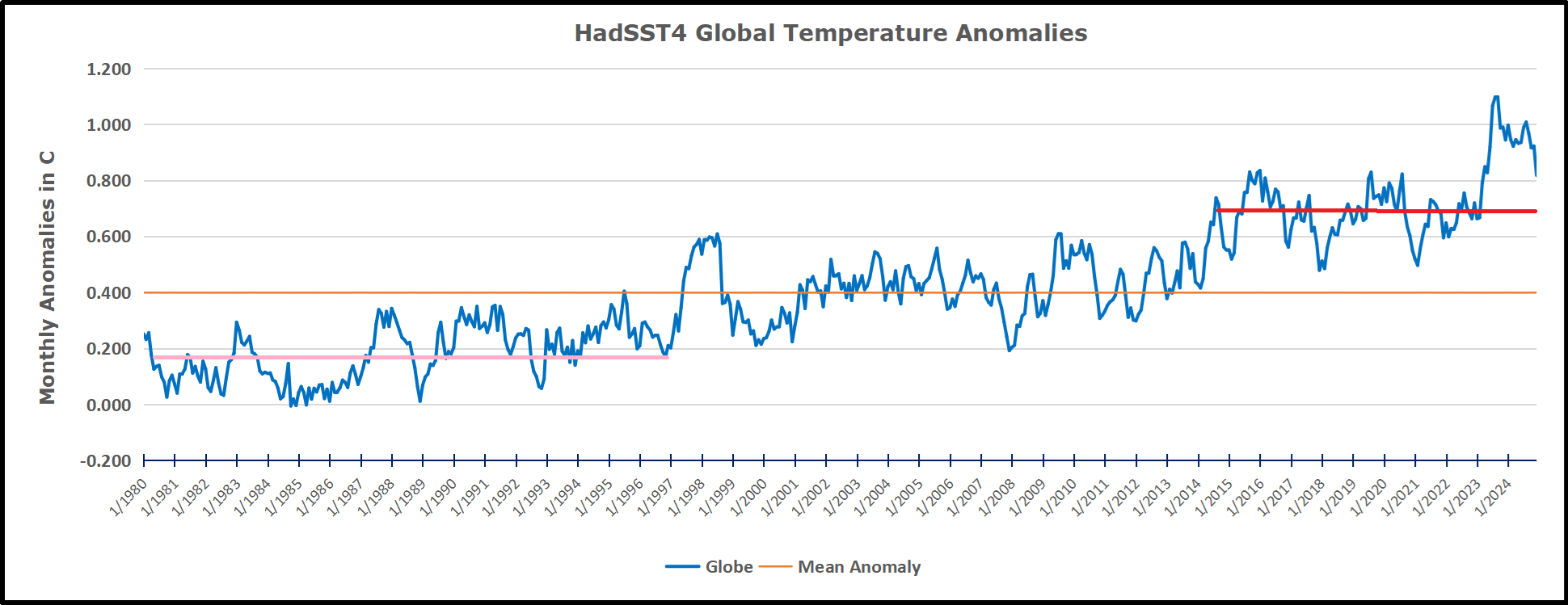
The pattern suggests the ocean may be demonstrating a stairstep pattern like that we have also seen in HadCRUT4.

The purple line is the average anomaly 1980-1996 inclusive, value 0.17.  The orange line the average 1980-2024, value 0.38, also for the period 1997-2012. The red line is 2013-2024, value 0.67. As noted above, these rising stages are driven by the combined warming in the Tropics and NH, including both Pacific and Atlantic basins.

Curiosity:  Solar Coincidence?

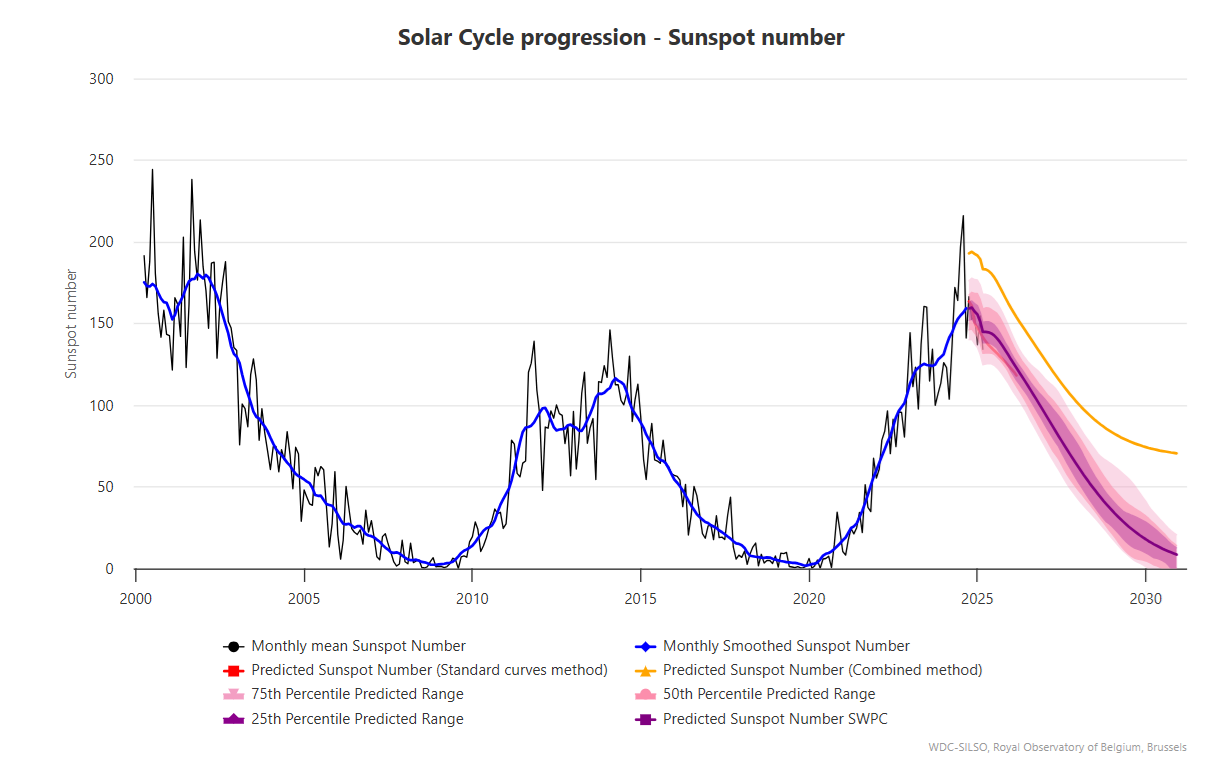
The news about our current solar cycle 25 is that the solar activity is hitting peak numbers now and higher  than expected 1-2 years in the future.  As livescience put it:  Solar maximum could hit us harder and sooner than we thought. How dangerous will the sun’s chaotic peak be?  Some charts from spaceweatherlive look familar to these sea surface temperature charts.

Summary

The oceans are driving the warming this century.  SSTs took a step up with the 1998 El Nino and have stayed there with help from the North Atlantic, and more recently the Pacific northern “Blob.”  The ocean surfaces are releasing a lot of energy, warming the air, but eventually will have a cooling effect.  The decline after 1937 was rapid by comparison, so one wonders: How long can the oceans keep this up? And is the sun adding forcing to this process?

Footnote: Why Rely on HadSST4

HadSST is distinguished from other SST products because HadCRU (Hadley Climatic Research Unit) does not engage in SST interpolation, i.e. infilling estimated anomalies into grid cells lacking sufficient sampling in a given month. From reading the documentation and from queries to Met Office, this is their procedure.

HadSST4 imports data from gridcells containing ocean, excluding land cells. From past records, they have calculated daily and monthly average readings for each grid cell for the period 1961 to 1990. Those temperatures form the baseline from which anomalies are calculated.

In a given month, each gridcell with sufficient sampling is averaged for the month and then the baseline value for that cell and that month is subtracted, resulting in the monthly anomaly for that cell. All cells with monthly anomalies are averaged to produce global, hemispheric and tropical anomalies for the month, based on the cells in those locations. For example, Tropics averages include ocean grid cells lying between latitudes 20N and 20S.

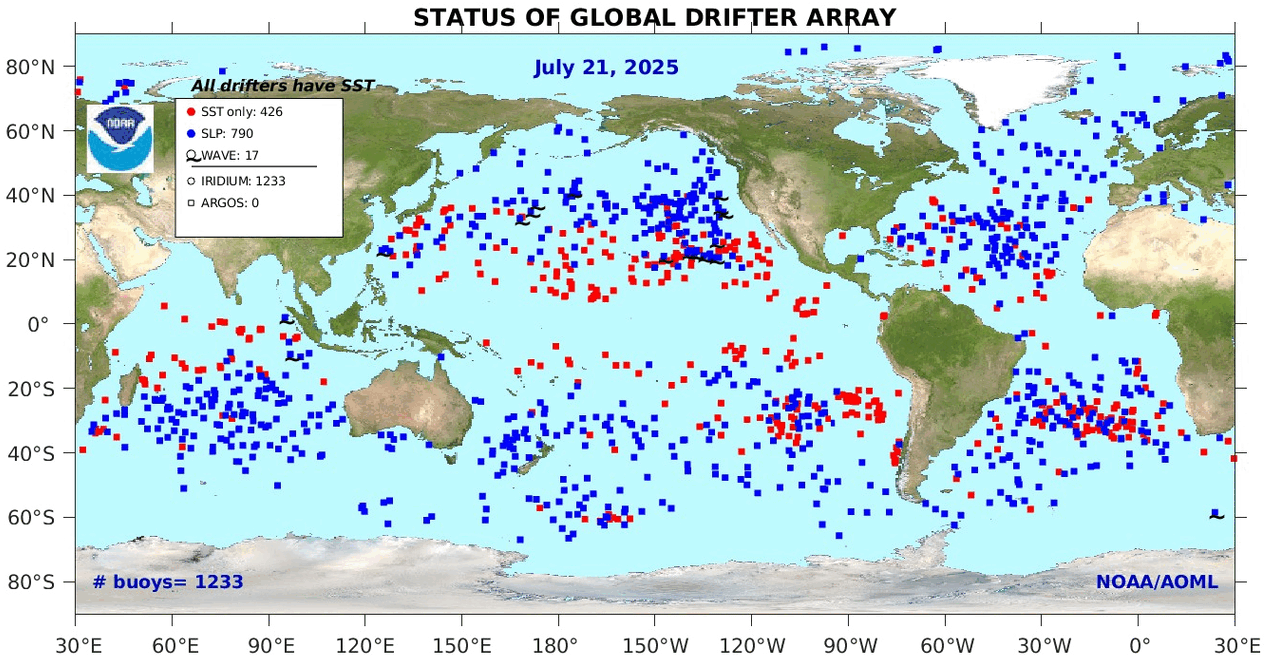
Gridcells lacking sufficient sampling that month are left out of the averaging, and the uncertainty from such missing data is estimated. IMO that is more reasonable than inventing data to infill. And it seems that the Global Drifter Array displayed in the top image is providing more uniform coverage of the oceans than in the past.

uss-pearl-harbor-deploys-global-drifter-buoys-in-pacific-ocean

USS Pearl Harbor deploys Global Drifter Buoys in Pacific Ocean


Arctic Ice Normal Mid-April 2025

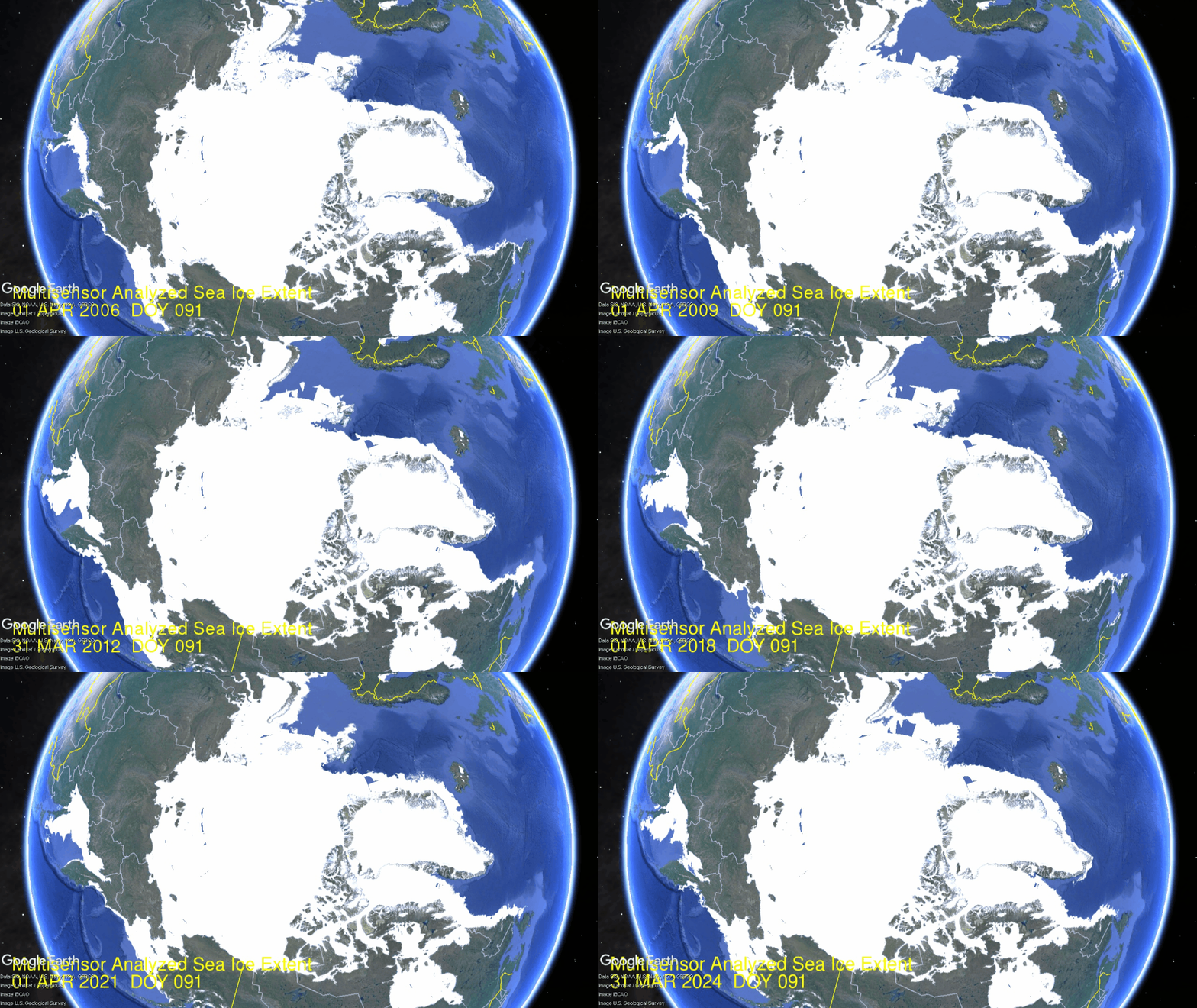
The animation shows end of March Arctic ice extents on day 91 over the last 19 years (length of MASIE dataset). Of course central Arctic basins are frozen solid, and the fluctuations are visible on the marginal basins both the Atlantic side (right) and the Pacific (left). Note the higher extents in 2012, followed by lesser ice, then overcome by 2024.

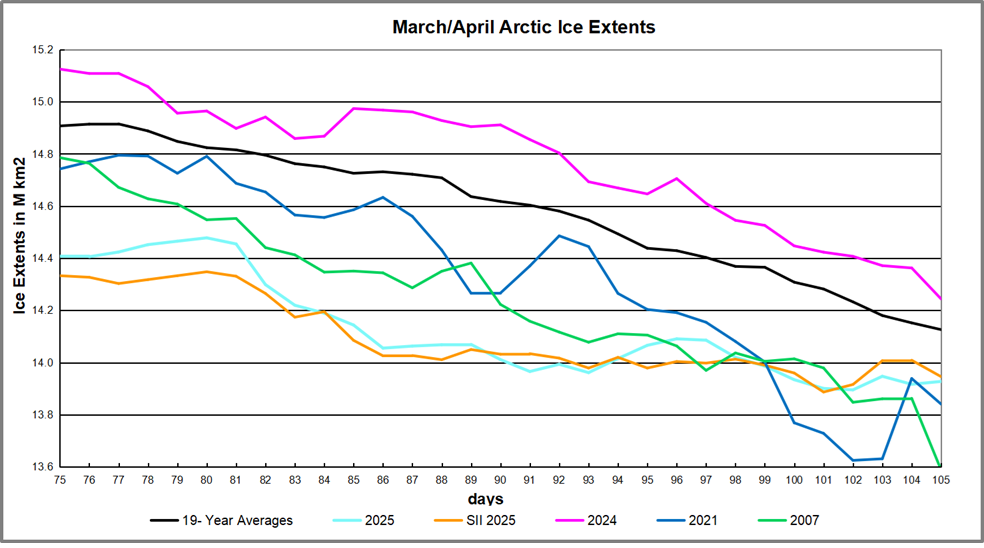
After a sub-par March maximum, now in mid-April, 2025 Arctic ice has mostly closed the gap with the 19-year average.

Day 75 is mid-March, typically near the highest daily extents of the year.  At that time 2025 was ~500k km2 below average, or Half a Wadham in deficit. By end of March this year the gap below average reached 600k km2.  However, note that over these 30 days MASIE shows an average ice extent loss of 781k km2, while 2025 lost almost no ice in April, hanging around the 14M km2 mark.  Both MASIE and SII showed the same resilience pattern in April 2025, well above 2021 and especially 2007.  The regional distribution of ice extents is particularly revealing.

Region 2025105 Day 105 Ave. 2025-Ave. 2007105 2025-2007
 (0) Northern_Hemisphere 13927695 14126275 -198580 13588722 338973
 (1) Beaufort_Sea 1071001 1069881 1119 1068692 2309
 (2) Chukchi_Sea 965989 964751 1238 961638 4352
 (3) East_Siberian_Sea 1087137 1085653 1484 1078666 8471
 (4) Laptev_Sea 897845 893756 4089 843501 54344
 (5) Kara_Sea 921800 923592 -1792 890594 31206
 (6) Barents_Sea 517245 621900 -104655 439904 77341
 (7) Greenland_Sea 710333 661040 49293 673585 36749
 (8) Baffin_Bay_Gulf_of_St._Lawrence 1306106 1274576 31530 1215526 90580
 (9) Canadian_Archipelago 854878 853052 1826 848812 6066
 (10) Hudson_Bay 1248738 1246317 2422 1208588 40150
 (11) Central_Arctic 3246240 3234033 12206 3235648.34 10591
 (12) Bering_Sea 657229 646796 10433 600281.22 56948
 (13) Baltic_Sea 13278 43789 -30511 23534.37 -10256
 (14) Sea_of_Okhotsk 427895 601889 -173994 491121 -63226

The table shows only two significant deficits to average; Okhotsk alone is -174k km2, nearly matching the overall total of -199k km2, which is 1.4% below average.  The other deficit in Barents is mostly offset by surpluses in nearly every other Arctic basin with the exception of Baltic Sea. Clearly the core Arctic ocean is solidly frozen, with a few fringe seas going to open water slightly ahead of schedule.

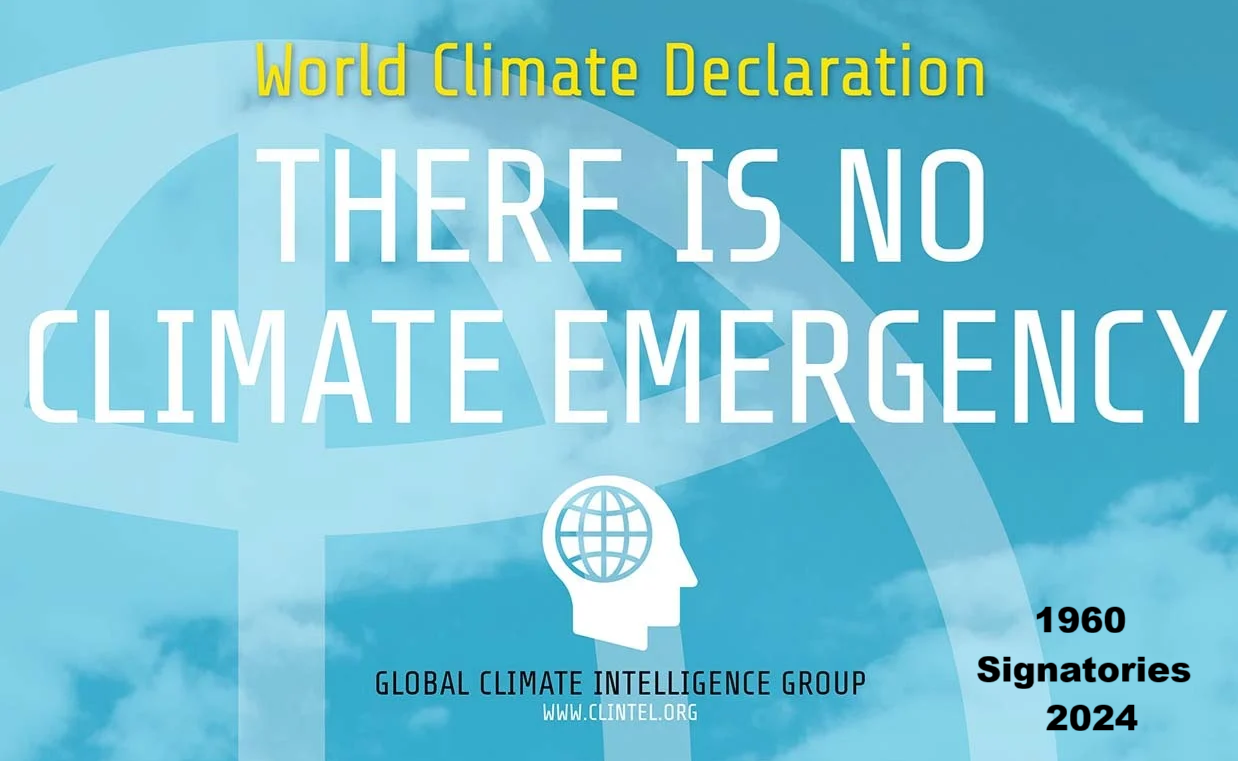
Why is this important?  All the claims of global climate emergency depend on dangerously higher temperatures, lower sea ice, and rising sea levels.  The lack of additional warming prior to 2023 El Nino is documented in a post Ocean Warms, Land Cools UAH February 2025.

The lack of acceleration in sea levels along coastlines has been discussed also.  See Observed vs. Imagined Sea Levels 2023 Update

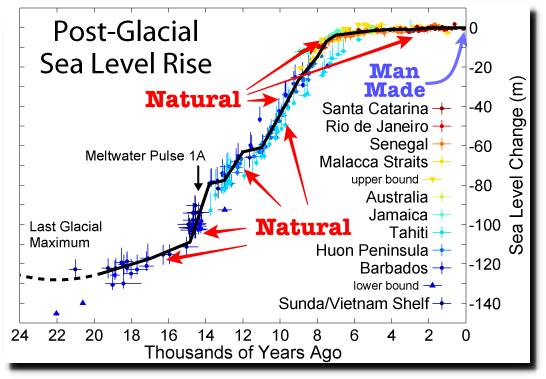
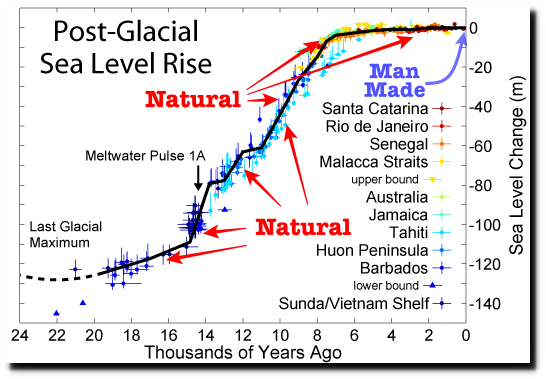
Also, a longer term perspective is informative:

post-glacial_sea_level

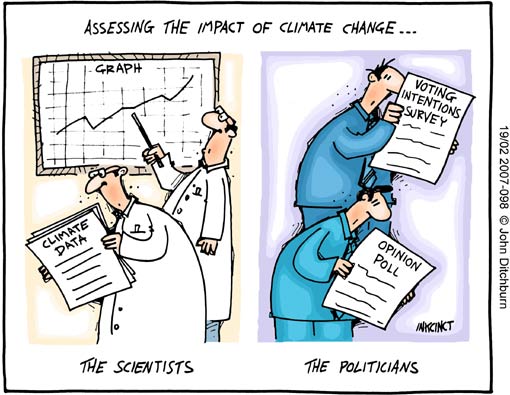
Politicized Science Case Study: National Climate Assessment

This post incorporates two dimensions of climate science reporting: firstly what and who are involved in the production, and secondly what the Trump administration might do to achieve a more balanced result. A recent article exposes the process by which the US National Climate Assessment (NCA) has been produced while ensuring that true believers control the content. Brent Scher writes at Daily Wire  Meet The Government Consultants Raking In Millions To Spread Climate Doom.  Excerpts in italics with my bolds and added images.

The government is outsourcing the ‘crown jewel’ of
climate change research to liberal climate consultants.

More than three decades ago, Congress launched an initiative called the U.S. Global Change Research Program. Today, it spends billions of dollars a year empowering liberal climate scientists to spread climate change doom. 

The government group says its role is to provide the “scientific foundation to support informed decision-making across the United States” on climate change. It’s done so by producing five National Climate Assessment reports, which are considered the “crown jewel” of climate research.

Despite taking funding from at least ten separate government agencies, producing the report seems to be the group’s sole function. The most recent iteration — published in 2023 and still prominently showcased on its government website — warns that “severe climate risks to the United States will continue to grow.” The next report is due out in the next couple of years, according to E&E News.

The National Climate Assessment is not simply an intellectual exercise, but rather one that carries real policy might. Congress and agencies use it to justify regulations and funding decisions, and states and cities across the country lean on it as the non-partisan scientific foundation for their own climate action plans. In summary, it is the scientific bedrock for directing policy at all levels of government towards liberal climate change goals.

While the U.S. Global Change Research Program states on its website that it has a budget of $4.95 billion in 2025, it only lists two full-time employees. So, who’s getting paid to put the massive and consequential report together?

Sources familiar with past iterations of the National Climate Assessment say the work is largely outsourced to a group called ICF, a massive government contractor that has an active contract to work on the report. The Daily Wire identified at least one active contract from NASA for ICF to “support” the U.S. Global Change Research Program. ICF is set to be paid millions of dollars during the Trump administration to “assist the nation and the world to understand, assess, predict, and respond to human-induced and natural processes of global change.”

The contract was first announced in June 2021, and described as a $34 million, five-year contract to help with the National Climate Assessments. Only $18 million has been paid out, according to the government spending database. But with another assessment on deck and ICF under contract for another year, the additional $16 million could be disbursed in the next year.

A climate scientist who has worked on the National Climate Assessment
in the past says ICF runs the show, virtually controlling
the entire U.S. Global Change Research Program.

“By providing all staff for the USGCRP, a federal agency, the ICF exerts undue influence over the global change narrative and priorities presented by the federal government,” said the official, who requested anonymity to discuss the work. “The ICF, through the USGCRP, exerts an undue influence on the production of the National Climate Assessment every four years. With the exception of its Executive Director and the Director of the National Climate Assessment, the ICF supplies all staff associated with the USGCRP.”

ICF takes in far more in government contracts than its active $34 million from NASA. An analysis of federal spending data found that the consulting firm rakes in hundreds of millions of dollars each year through federal contracts, and took in over $2 billion during the Biden administration.

The consulting firm is likely aware that the scope of its government work could be slashed during Trump’s term, and so are investors. Its stock price was at $171 a share days ahead of last November’s election, but has since cratered to just $77 a share, the lowest it had been since the last time Trump was president.  (Yes, the stock price fell before the current market volatility caused by tariffs).

Houston Keene, a former journalist who now leads a government transparency organization, argues that unnamed government consultants shouldn’t be paid millions to chart the nation’s climate policy.

“The public deserves an honest assessment from the government on the state of climate science,” Keene said. “That requires an objective, nonpartisan author who does not have financial interests in the outcome. ICF appears to be none of these things.”

“There can be no proper assessment with scientific integrity when a clearly partisan and financially conflicted activist organization is holding the pen,” he said.

A top Trump administration official, Russell Vought, has signaled that he wanted to exert more oversight over the next climate assessment. Vought runs the powerful Office of Management and Budget, and has openly stated that he wants to make deep cuts to “woke and weaponized” spending.

Vought has specifically called out the U.S. Global Change Research Program’s report, arguing that the bureaucrats who write it end up with outsized power over government action. He’s called for an investigation of the political leanings of the contractors that assemble the report.

A March 2025 report at SciAm provides background on recent developments regarding the NCA: Trump Official Who Tried to Downplay Major Climate Report Now Will Oversee It.  Excerpts in italics with my bolds and added images.

Stuart Levenbach alarmed scientists years ago when he attempted
to meddle with a congressionally mandated climate report

Stuart Levenbach was tapped last month by administration officials to serve as associate director for natural resources, energy, science, and water in the Office of Management and Budget.

The previous time President Donald Trump was in the White House, Levenbach attempted to tone down the summary conclusions of the National Climate Assessment, a wide-ranging report that relies on the contributions of hundreds of researchers to assess how global warming is transforming the United States.

Scientists say Levenbach tried to downplay climate risks in the fourth installment of the report, which comes out every four years or so. In that edition, Levenbach was concerned especially with the higher greenhouse gas emissions assumptions the report partially relied on and sought to soften the language of the report’s summary, the scientists say.

He was the one that tried to slow it down to the point of it not coming out,” said Don Wuebbles, a climate scientist at the University of Illinois who has worked on all five previous National Climate Assessments.

Levenbach’s delay tactics were ultimately unsuccessful, and the fourth installment of the report was released in 2018 on the day after Thanksgiving.

In response to questions from Politico’s E&E News, a Trump administration official with the Office of Management and Budget described the scientists’ concerns as “fake news.”

The National Climate Assessment is based on a range of emissions scenarios, including those that are not worst-case scenarios. The fourth version of the report concluded the country was not on track to cut carbon dioxide emissions at a pace to avoid some of the worst consequences of climate change.

At the time, Levenbach’s role at NOAA carried more weight than usual because the agency was operating without a permanent administrator, and did so for the entire first Trump presidency.  Reached for comment, OMB spokeswoman Rachel Cauley did not deny that Levenbach tried to alter the report, but she criticized how it was put together.

“The assessment was riddled with the worst case scenario and
the authors weren’t transparent about it,” she said in a statement.”

Levenbach is joining OMB at a time when its director, Russ Vought, wants to suppress climate science throughout the federal government and increase Trump White House oversight over the next installment of the National Climate Assessment, which is due out in 2026 or 2027.

Levenbach’s appointment to a powerful White House role with oversight of the nation’s scientific endeavors comes at a time when the administration is preparing a possible challenge to the endangerment finding, a bedrock ruling which considers greenhouse gases a danger to public health and is a foundation of climate regulations.


Media’s at Fault for Liberals’ Climate Anxiety


Linnea Lueken explains in her Climate Realism article Liberals May Be Suffering from Climate Anxiety, but if So, It’s The Media’s Fault. Excerpts in italics with my bolds and added images.

A recent article at the Washington Free Beacon, titled “Great News for Humanity: Depressed Liberals Are Increasingly Suicidal Due to ‘Climate Anxiety,’ Study Finds,” takes a humorous approach (black humor, to be sure) to discussing a study that found liberals are increasingly suffering from climate anxiety and depression, leading the climate-anxious to refrain from having children and even contemplating and, in some cases, committing suicide. The article makes light of it, but it is a widely reported trend. Since climate change does not threaten human existence or flourishing, and extreme weather is not worsening, their fears and anxiety are unjustified by the actual state of the climate. Unfortunately, climate alarm has been foisted upon people, especially on children and mentally unwell adults, despite evidence indicating climate change is not anything to be alarmed about.

The Washington Free Beacon reports:

“Negative psychological responses related to the observed and anticipated impacts of climate change, such as climate anxiety, eco-anxiety and climate-related guilt have … emerged as a potential risk factor for poor mental health and suicide-related behaviors,” the authors wrote last month in Nature Medicine. “International surveys show that concern about climate change is associated with feelings of despair, hopelessness, anger, frustration and guilt, especially among younger populations.”

The findings of this study, published in Nature, are not unique. Other research has come to similar conclusions: a study conducted by Save the Children found that 70 percent of kids they surveyed struggle with what they dubbed “climate anxiety,” as discussed in this Climate Realism post. Other surveys show similarly sad results.

Each time these results are presented, the media and the researchers involved frame the story as climate change and its impacts are causing fear and anxiety, and the lack of action is causing deep feelings of hopelessness and despair for people worried about climate change. Yet it is the false tales that the media, politicians, and green interest groups are telling about climate change motivating anxiety and mental distress, not the actual conditions of the planet.

For instance, in the media coverage of the Save the Children survey, the UK website Future Net Zero implies that without immediate societal scale action, the present generation of children “stand to inherit a deeply unequal world,” and that their terror is “warranted.”

Likewise, articles from The Hill and The Conversation discussing a study attributing adult PTSD to climate change assert that climate change is impacting people through increased wildfires and other disasters. This is false, the framing of their research is built on falsehoods.

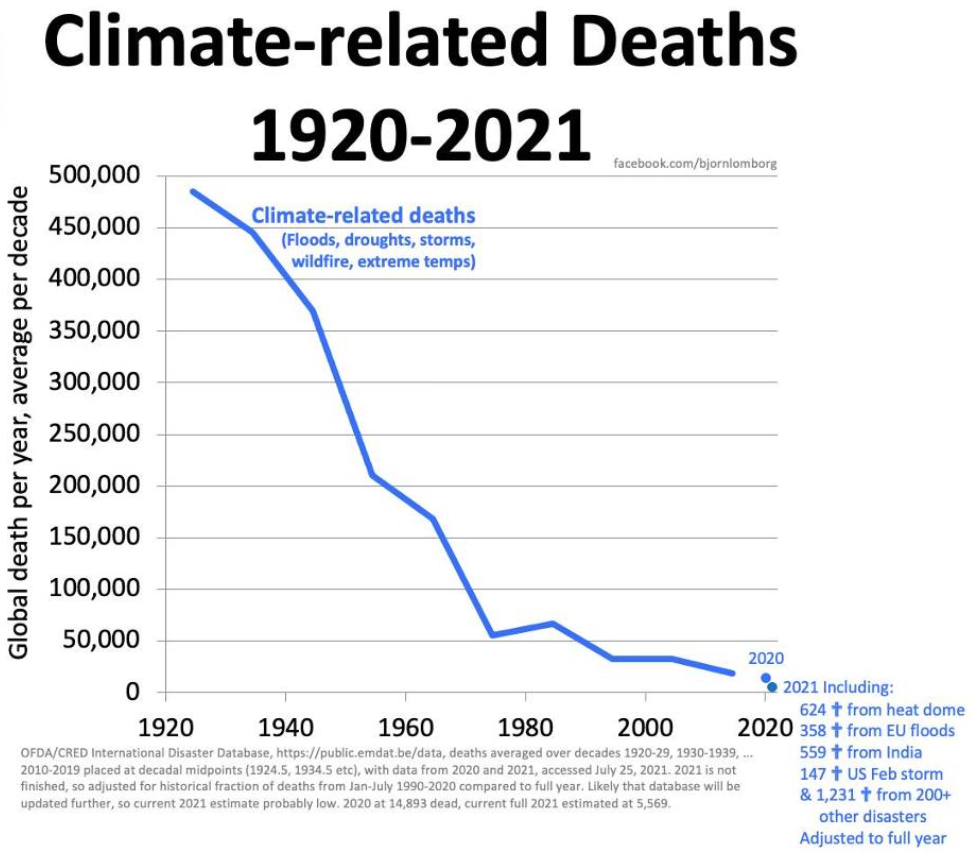
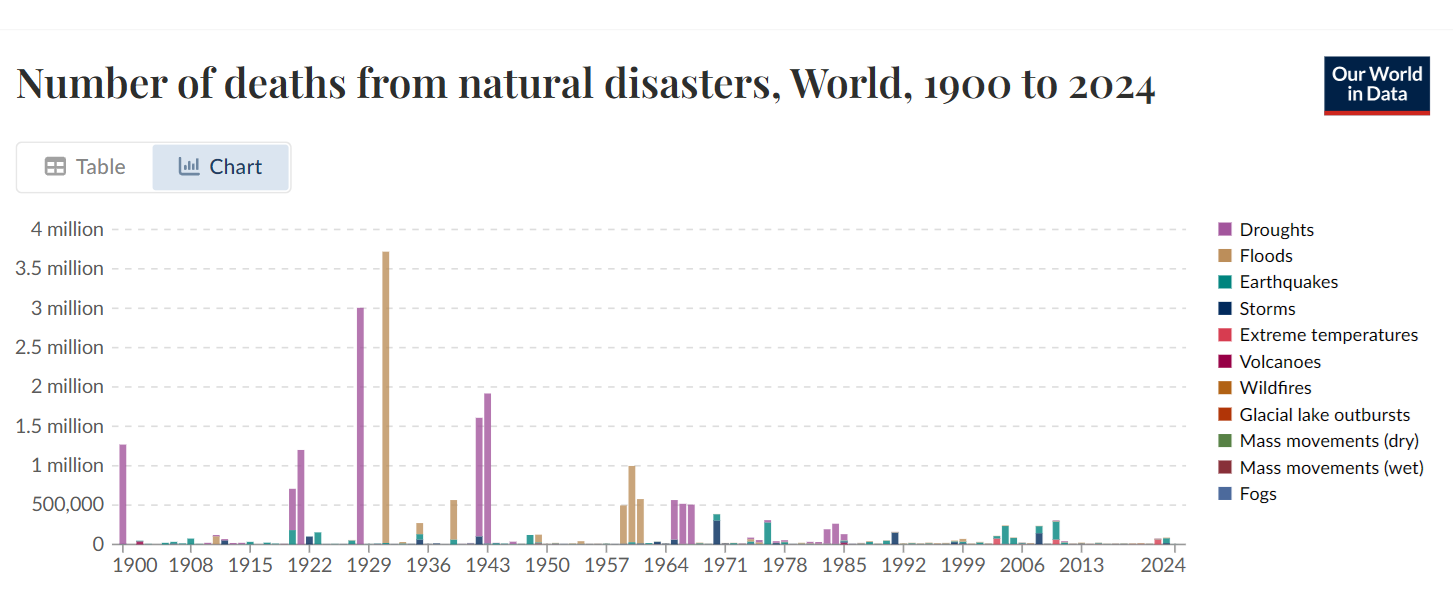
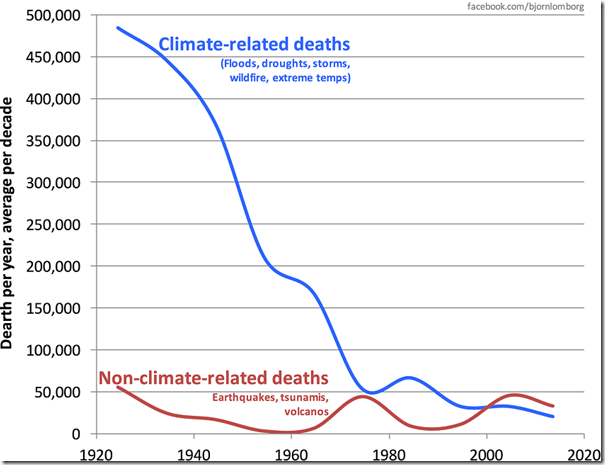
Climate change is not causing worsening weather disasters. Data show that not only are events like wildfires not increasing, but the number of all climate-related deaths are declining because of improvements to infrastructure, healthcare, technology, and yes, better climatic conditions. (See figure below)

The real reason so many impressionable people are depressed and anxious about climate change is because the media and governments relentlessly push and promote false and alarming misinformation and fake news about extreme weather and climate change. It is no wonder that children are afraid, when their teachers are telling them that the world will end in short order unless dramatic global reforms are made. When people don’t see the supposedly climate saving reforms being made, they are left hopeless and despondent. But it is an unnecessary misery – there has never been a safer time period for humans to live in.

The Washington Free Beacon made light of the situation, but it is no laughing matter. Children in particular are being traumatized by adults in their lives over the climate issue. Climate change is not harming mental health, but climate alarmism, built on falsehoods, hysteria, and hyperbole, certainly is.

Deceptive Climate Alarmist Rants on Trump Energy Policies

Linnea Lueken and H. Sterling Burnett expose the unfounded claims in their Climate Realism article The Hill Misleads, Trump’s Energy Policy Won’t Damage the Climate and Will Advance American Interests.  Excerpts in italics with my bolds and added images.

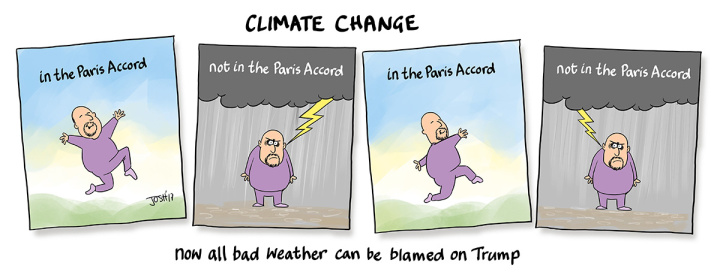
A recent post by The Hill, “Disaster as Trump’s energy policy totally disregards climate change,” claims that President Donald Trump is implementing “irrational and profoundly destabilizing energy policies” by prioritizing traditional energy and deprioritizing renewables, leading to increases in weather disasters. This is false on all fronts.

♦  Data show that weather is not becoming more extreme.
♦  There is no evidence that the growth in wind and solar power has done or can do anything to alter the course of climate change.
♦  Trump’s America First agenda promotes energy dominance, focusing energy reliability and abundant, secure, domestic supplies. Trump’s energy plan is a stabilizing factor in energy costs.

William Becker, a former regional director at the U.S. Department of Energy during the Obama administration, makes many false claims in a rapid-fire fashion in his post in The Hill. For brevity’s sake and as a matter of focus, this Climate Realism post focuses on one segment of his article:

While we can thank fossil fuels for the lifestyles and conveniences most Americans enjoy today, the legacy of their long dominance is the destabilization and degradation of environmental systems critical to life. The atmosphere is one of those systems. Unprecedented weather extremes are the result of dumping fossil-fuel pollution into it. As the dumping continues, weather disasters become more frequent and destructive. The American people have been hit by an average of 23 major weather disasters (those with damages exceeding $1 billion) annually over the last five years, compared to only nine in the previous 45.

Every point Becker made in this statement after the opening clause of the first sentence is false. It is true that we can thank fossil fuels for our lifestyles and not just conveniences but essentials for modern life.

It is false that fossil fuel use is causing unprecedented weather extremes, and that they are becoming more frequent and destructive.

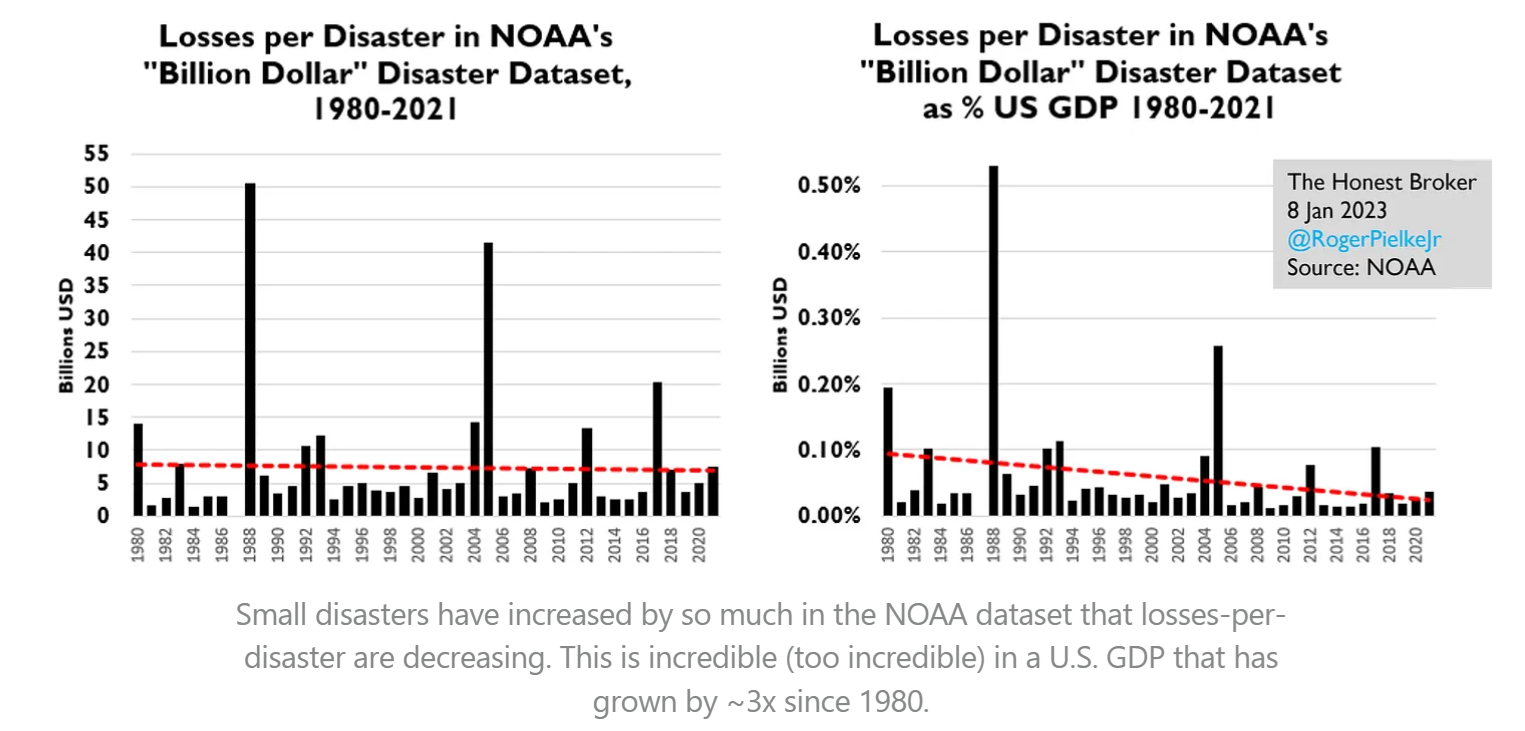
Becker, who currently runs a climate policy lobbying organization, uses a deceptive metric for calculating increasing weather disasters, which looks at the monetary value of losses due to weather. Becker does not attempt to claim that these weather events are becoming more frequent or extreme themselves – because they aren’t.   Data on the most common weather extremes like hurricanes and wildfires show no increase, as Climate Realism has covered dozens of times. Instead, Becker cites misleading calculations of billion-dollar price tags from weather damage.

Scientist Roger Pielke, Jr., a professor emeritus at the University of Colorado Boulder, explains the misuse of the “billion dollar disaster” metric as a proof for dangerous climate change. He has called the U.S. National Climate Assessment (NCA) is “a national embarrassment,” for using that misleading metric, explaining that the NCA overestimated the number of disasters by a factor of three by re-counting individual events when they struck multiple states. So, if a hurricane passed through Florida, then into Georgia and South Carolina, the NCA would count this as three separate “billion dollar disasters” – even if the hurricane did not cause a billion dollar in of losses in each state it struck.

In reality, populations have increased in states like California and Florida, which are prone to extreme weather. More infrastructure has been built in susceptible areas, so there is more to annihilate when a storm strikes. To the extent that there has been any rise in billion dollar costs attributable to extreme weather events, as estimated by Becker and the sources he uses, it is due, not to changes in weather, but rather a well-known phenomenon labeled the “expanding bulls-eye effect,” which Climate Realism has discussed dozens of times previously, such as here.

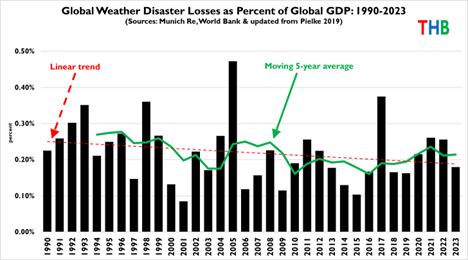
Going further, an analysis from Pielke, Jr. of insurance data presented in another Climate Realism post disputes the claim that the costs of natural disasters, when measured fairly, have risen. Relative to global GDP, the trend in property losses has declined as the Earth has modestly warmed over the last several decades. (See the graph, below)

Graph: Global disaster losses as a proportion of global GDP.

Becker’s additional claim that Trump’s focus on reliable energy rather than intermittent renewables will raise costs and result in less energy security, is as false as his claims about worsening disaster costs. The wind and solar technologies that Becker promotes rely heavily on materials and technologies produced by foreign powers that are not friendly to the United States, like China.

A grid powered by wind and solar is not cheaper than gas, it isn’t even cheaper than nuclear. A study by energy modelers at Always On Energy Research found that wind and solar both suffer from massive costs associated with the overbuilding necessary to overcome the intermittency issue. Load balancing, using battery storage, carries very high costs, as well. These make nuclear less expensive per megawatt hour than existing wind or solar, despite high upfront costs.

Similarly for fossil fuels, full system LCOE show that wind and solar in Texas costs far more per megawatt hour than nuclear, coal (of which the United States has hundreds of years of domestic supply that isn’t dependent on foreign sources), or the cheapest source – natural gas, which is also sourced domestically.

Grid stability is damaged by high penetration of solar and wind and the closure of traditional energyaccording to utility companies and federal energy regulators.

Almost every claim made in Becker’s article in The Hill is provably wrong. The post is long on hyperbole and misinformation, but short on facts and data. Real world weather data shows no increase in extreme weather, incidences of weather disasters, or weather disaster costs as a percentage of economic growth. Trump’s reliability focused, America First, energy policy will not harm our energy security or the planet, but it will buttress the United States against the hostile intentions of any foreign government that might use our dependence on them for renewable energy materials and technology to extort economic or geopolitical concessions. It will also allow the U.S. to become energy dominant, a force for good in the world by supplying our abundant domestic energy supplies to allies, especially to developing countries in need of reliable energy sources to bring their populations out of energy poverty.

March 2025 UAH Yo-yo Temps

The post below updates the UAH record of air temperatures over land and ocean. Each month and year exposes again the growing disconnect between the real world and the Zero Carbon zealots.  It is as though the anti-hydrocarbon band wagon hopes to drown out the data contradicting their justification for the Great Energy Transition.  Yes, there was warming from an El Nino buildup coincidental with North Atlantic warming, but no basis to blame it on CO2.

As an overview consider how recent rapid cooling  completely overcame the warming from the last 3 El Ninos (1998, 2010 and 2016).  The UAH record shows that the effects of the last one were gone as of April 2021, again in November 2021, and in February and June 2022  At year end 2022 and continuing into 2023 global temp anomaly matched or went lower than average since 1995, an ENSO neutral year. (UAH baseline is now 1991-2020). Then there was an usual El Nino warming spike of uncertain cause, unrelated to steadily rising CO2 and now dropping steadily.
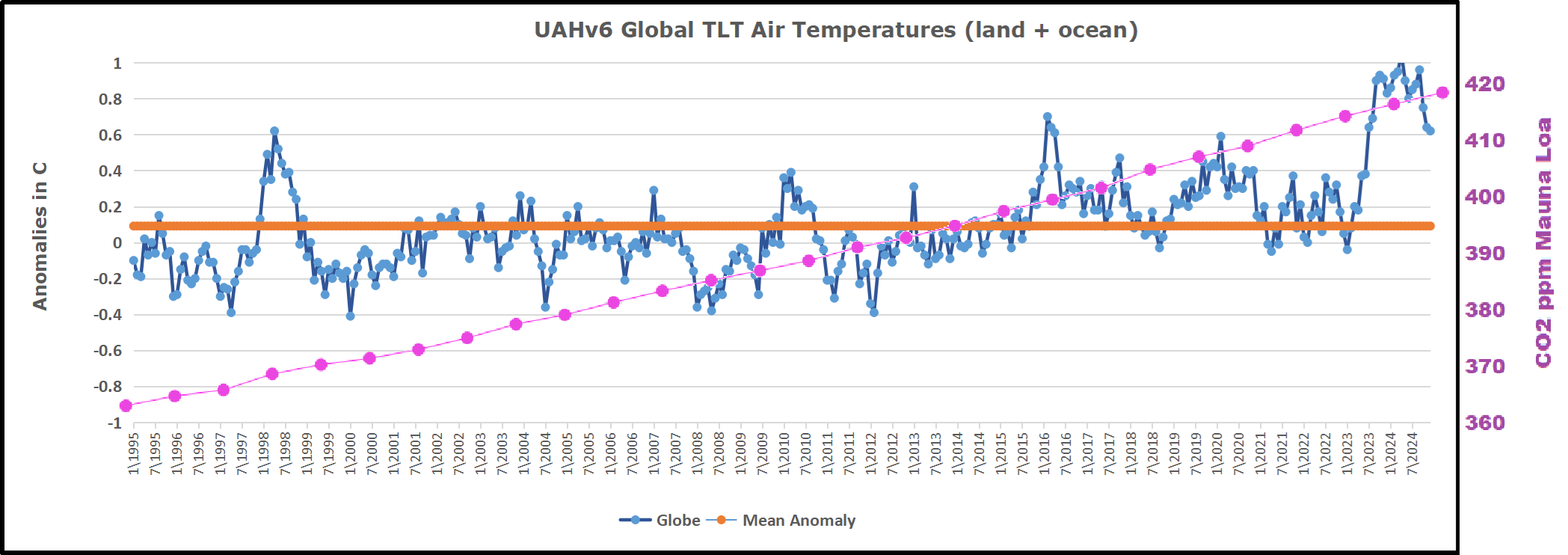
For reference I added an overlay of CO2 annual concentrations as measured at Mauna Loa.  While temperatures fluctuated up and down ending flat, CO2 went up steadily by ~60 ppm, a 15% increase.

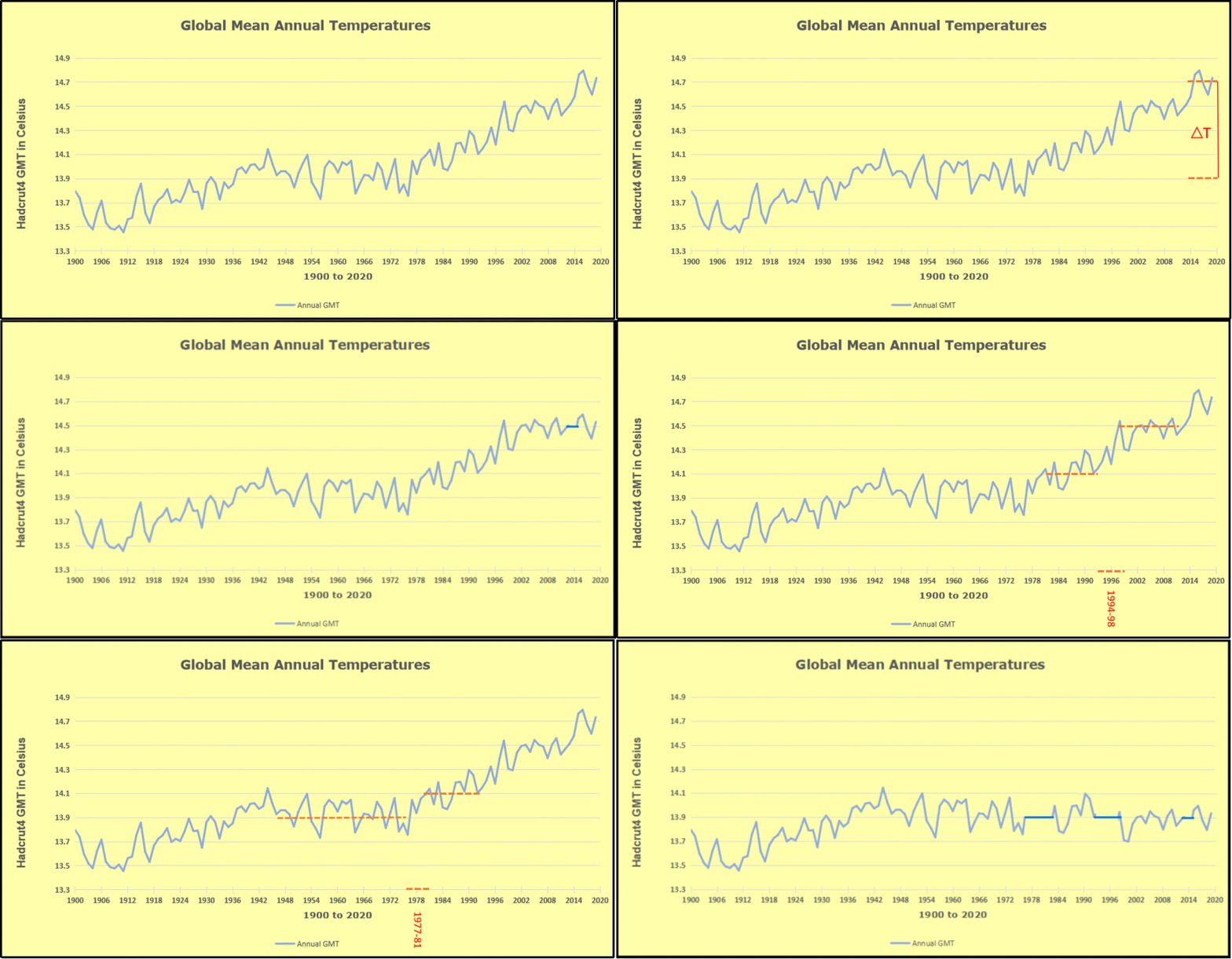
Furthermore, going back to previous warmings prior to the satellite record shows that the entire rise of 0.8C since 1947 is due to oceanic, not human activity.
gmt-warming-events

The animation is an update of a previous analysis from Dr. Murry Salby.  These graphs use Hadcrut4 and include the 2016 El Nino warming event.  The exhibit shows since 1947 GMT warmed by 0.8 C, from 13.9 to 14.7, as estimated by Hadcrut4.  This resulted from three natural warming events involving ocean cycles. The most recent rise 2013-16 lifted temperatures by 0.2C.  Previously the 1997-98 El Nino produced a plateau increase of 0.4C.  Before that, a rise from 1977-81 added 0.2C to start the warming since 1947.

Importantly, the theory of human-caused global warming asserts that increasing CO2 in the atmosphere changes the baseline and causes systemic warming in our climate.  On the contrary, all of the warming since 1947 was episodic, coming from three brief events associated with oceanic cycles. And in 2024 we saw an amazing episode with a temperature spike driven by ocean air warming in all regions, along with rising NH land temperatures, now dropping below its peak.

Chris Schoeneveld has produced a similar graph to the animation above, with a temperature series combining HadCRUT4 and UAH6. H/T WUWT
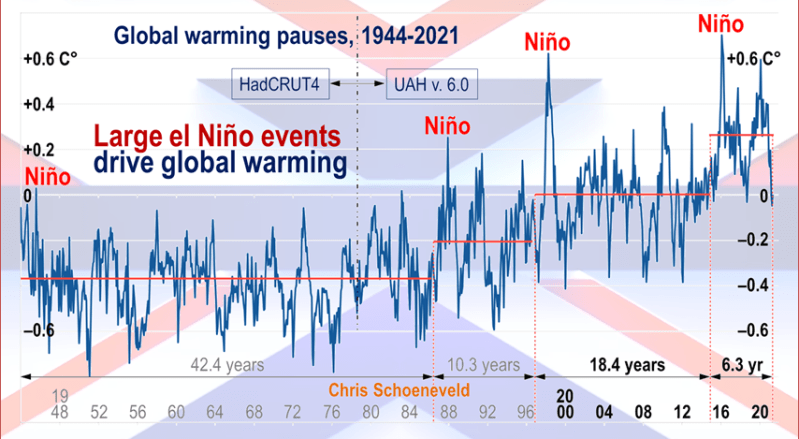
image-8

See Also Worst Threat: Greenhouse Gas or Quiet Sun?

March 2025 UAH Temps Yo-yo, Ocean First, Then Land banner-blog

With apologies to Paul Revere, this post is on the lookout for cooler weather with an eye on both the Land and the Sea.  While you heard a lot about 2020-21 temperatures matching 2016 as the highest ever, that spin ignores how fast the cooling set in.  The UAH data analyzed below shows that warming from the last El Nino had fully dissipated with chilly temperatures in all regions. After a warming blip in 2022, land and ocean temps dropped again with 2023 starting below the mean since 1995.  Spring and Summer 2023 saw a series of warmings, continuing into 2024 peaking in April, then cooling off to the present.

UAH has updated their TLT (temperatures in lower troposphere) dataset for March 2025. Due to one satellite drifting more than can be corrected, the dataset has been recalibrated and retitled as version 6.1 Graphs here contain this updated 6.1 data.  Posts on their reading of ocean air temps this month are ahead of the update from HadSST4.  I posted recently on SSTs February 2025 Oceans Keep Cool.  These posts have a separate graph of land air temps because the comparisons and contrasts are interesting as we contemplate possible cooling in coming months and years.

Sometimes air temps over land diverge from ocean air changes. In July 2024 all oceans were unchanged except for Tropical warming, while all land regions rose slightly. In August we saw a warming leap in SH land, slight Land cooling elsewhere, a dip in Tropical Ocean temp and slightly elsewhere.  September showed a dramatic drop in SH land, overcome by a greater NH land increase. 2025 has shown a sharp contrast between land and sea, first with ocean air temps falling in January recovering in February.  Then land air temps, especially NH, dropped in February and recovered in March.

Note:  UAH has shifted their baseline from 1981-2010 to 1991-2020 beginning with January 2021.   v6.1 data was recalibrated also starting with 2021. In the charts below, the trends and fluctuations remain the same but the anomaly values changed with the baseline reference shift.
Presently sea surface temperatures (SST) are the best available indicator of heat content gained or lost from earth’s climate system.  Enthalpy is the thermodynamic term for total heat content in a system, and humidity differences in air parcels affect enthalpy.  Measuring water temperature directly avoids distorted impressions from air measurements.  In addition, ocean covers 71% of the planet surface and thus dominates surface temperature estimates.  Eventually we will likely have reliable means of recording water temperatures at depth.

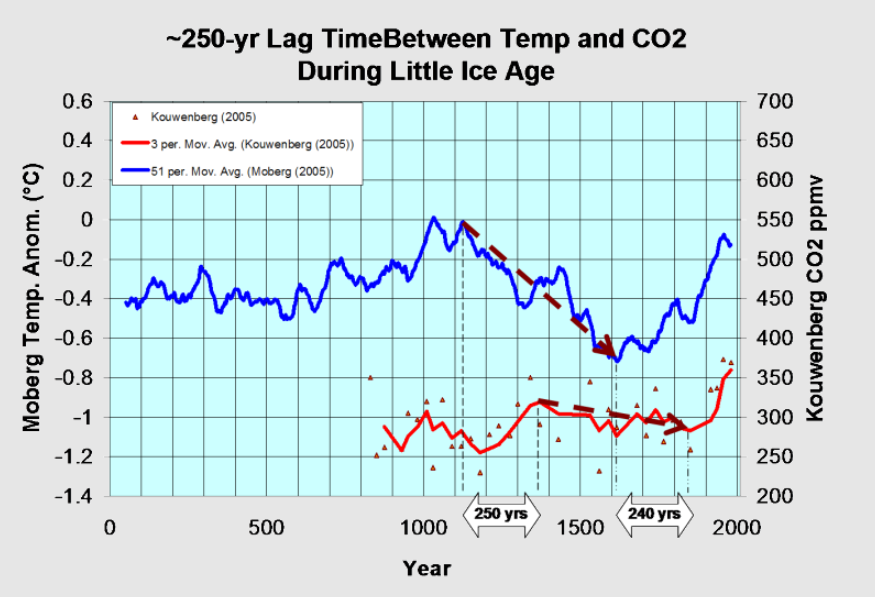
Recently, Dr. Ole Humlum reported from his research that air temperatures lag 2-3 months behind changes in SST.  Thus cooling oceans portend cooling land air temperatures to follow.  He also observed that changes in CO2 atmospheric concentrations lag behind SST by 11-12 months.  This latter point is addressed in a previous post Who to Blame for Rising CO2?

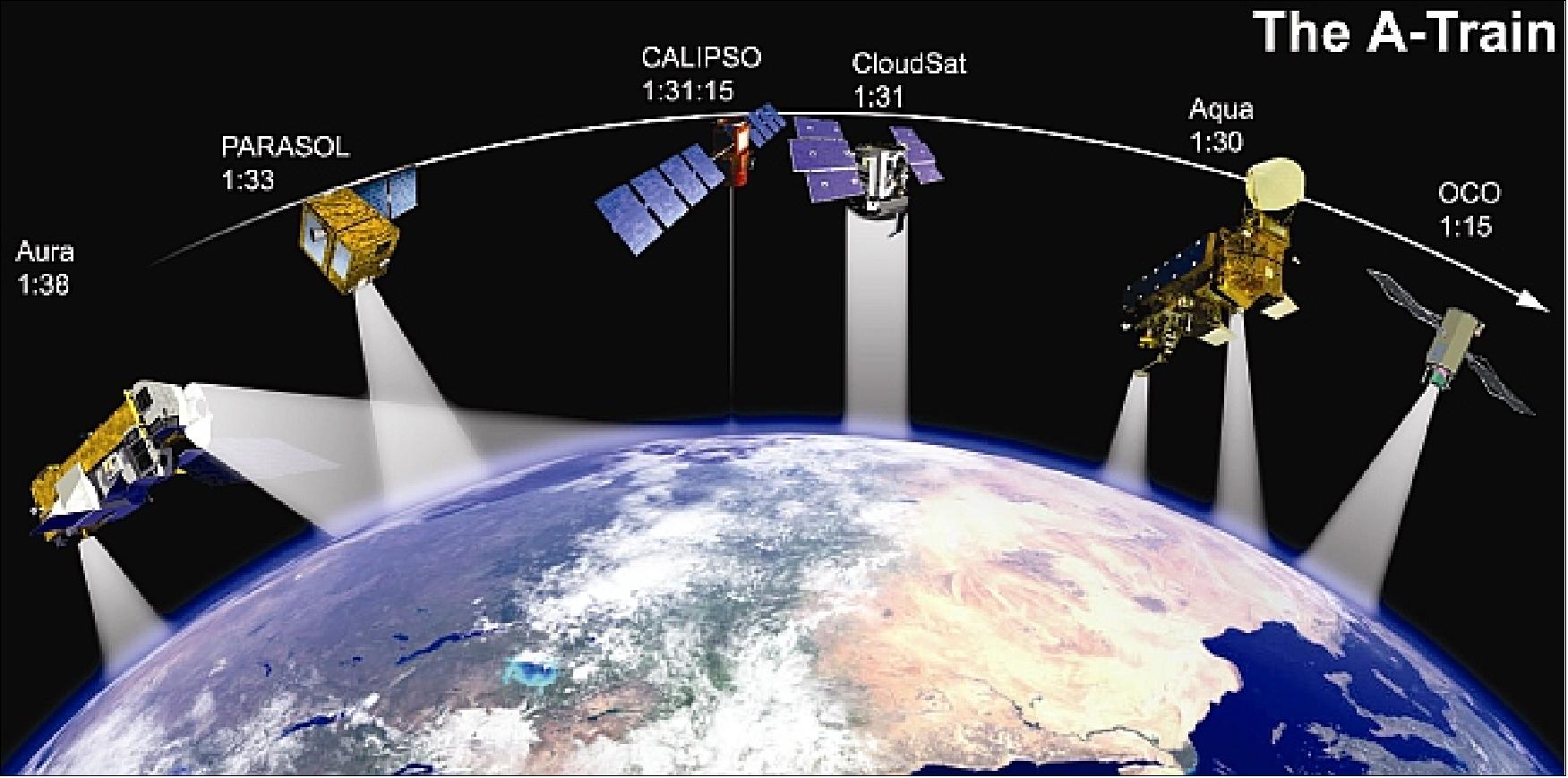
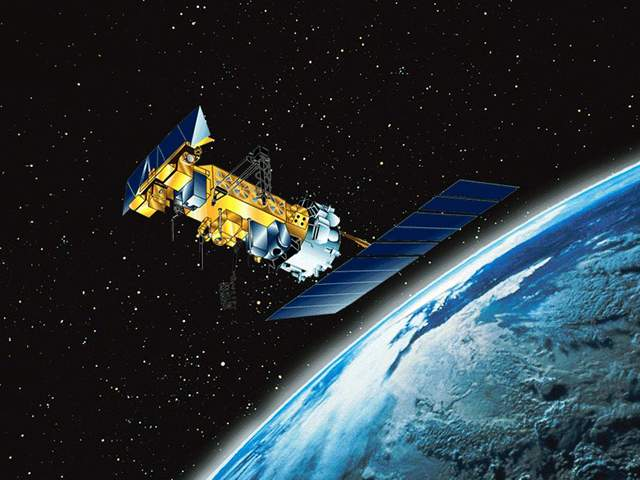
After a change in priorities, updates are now exclusive to HadSST4.  For comparison we can also look at lower troposphere temperatures (TLT) from UAHv6.1 which are now posted for March 2025.  The temperature record is derived from microwave sounding units (MSU) on board satellites like the one pictured above. Recently there was a change in UAH processing of satellite drift corrections, including dropping one platform which can no longer be corrected. The graphs below are taken from the revised and current dataset.

The UAH dataset includes temperature results for air above the oceans, and thus should be most comparable to the SSTs. There is the additional feature that ocean air temps avoid Urban Heat Islands (UHI).  The graph below shows monthly anomalies for ocean air temps since January 2015.
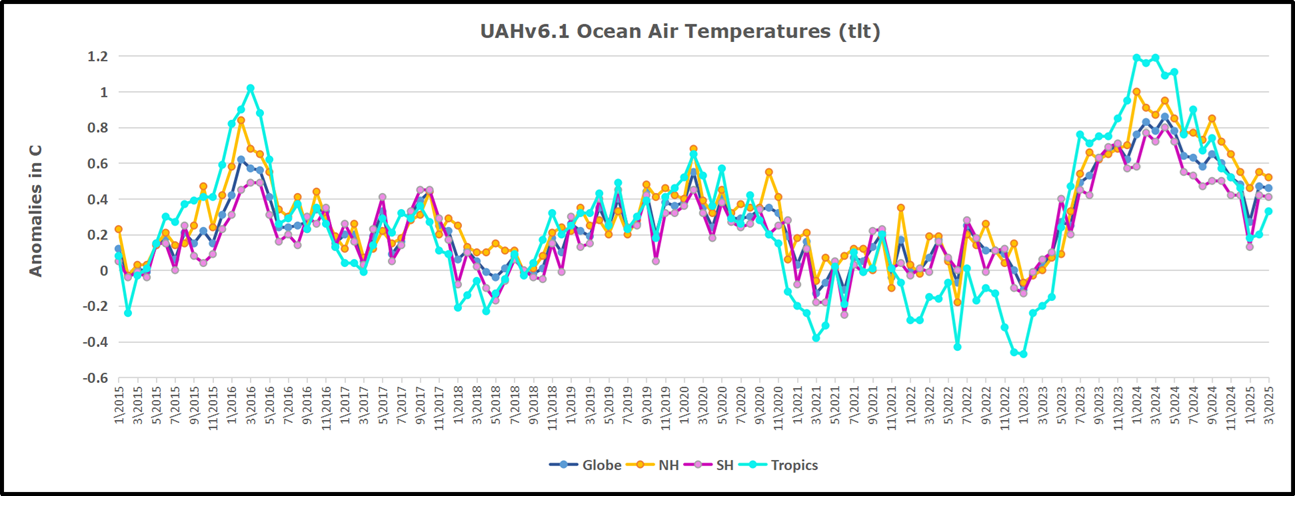
In 2021-22, SH and NH showed spikes up and down while the Tropics cooled dramatically, with some ups and downs, but hitting a new low in January 2023. At that point all regions were more or less in negative territory.

After sharp cooling everywhere in January 2023, there was a remarkable spiking of Tropical ocean temps from -0.5C up to + 1.2C in January 2024.  The rise was matched by other regions in 2024, such that the Global anomaly peaked at 0.86C in April. Since then all regions have cooled down sharply to a low of 0.27C in January.  In February 2025, SH rose from 0.1C to 0.4C pulling the Global ocean air anomaly up to 0.47C, where it stayed in March.

Land Air Temperatures Tracking in Seesaw Pattern

We sometimes overlook that in climate temperature records, while the oceans are measured directly with SSTs, land temps are measured only indirectly.  The land temperature records at surface stations sample air temps at 2 meters above ground.  UAH gives tlt anomalies for air over land separately from ocean air temps.  The graph updated for March is below.
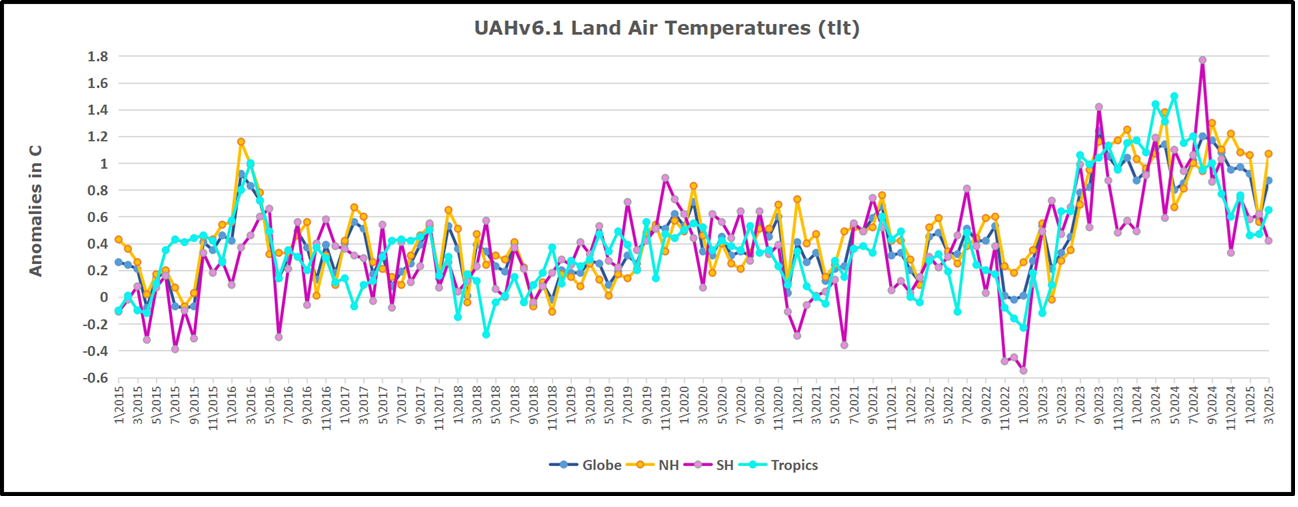
Here we have fresh evidence of the greater volatility of the Land temperatures, along with extraordinary departures by SH land.  The seesaw pattern in Land temps is similar to ocean temps 2021-22, except that SH is the outlier, hitting bottom in January 2023. Then exceptionally SH goes from -0.6C up to 1.4C in September 2023 and 1.8C in  August 2024, with a large drop in between.  In November, SH and the Tropics pulled the Global Land anomaly further down despite a bump in NH land temps. February showed a sharp drop in NH land air temps from 1.07C down to 0.56C, pulling the Global land anomaly downward from 0.9C to 0.6C. Now that drop is reversed in March with both NH and Global land back to January values, despite another drop in SH land air temps.

The Bigger Picture UAH Global Since 1980
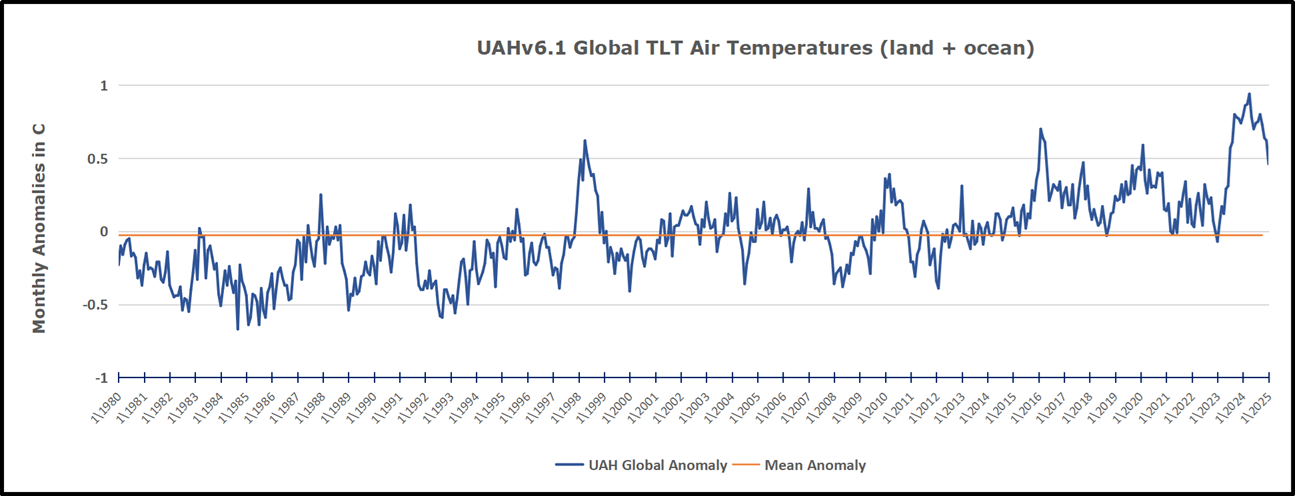
The chart shows monthly Global Land and Ocean anomalies starting 01/1980 to present.  The average monthly anomaly is -0.03, for this period of more than four decades.  The graph shows the 1998 El Nino after which the mean resumed, and again after the smaller 2010 event. The 2016 El Nino matched 1998 peak and in addition NH after effects lasted longer, followed by the NH warming 2019-20.   An upward bump in 2021 was reversed with temps having returned close to the mean as of 2/2022.  March and April brought warmer Global temps, later reversed

With the sharp drops in Nov., Dec. and January 2023 temps, there was no increase over 1980. Then in 2023 the buildup to the October/November peak exceeded the sharp April peak of the El Nino 1998 event. It also surpassed the February peak in 2016. In 2024 March and April took the Global anomaly to a new peak of 0.94C.  The cool down started with May dropping to 0.9C, and in June a further decline to 0.8C.  October went down to 0.7C,  November and December dropped to 0.6C. February went down to 0.5C, now back up to 0.6C driven by the bounce in NH land air temps.

The graph reminds of another chart showing the abrupt ejection of humid air from Hunga Tonga eruption.
TLTs include mixing above the oceans and probably some influence from nearby more volatile land temps.  Clearly NH and Global land temps have been dropping in a seesaw pattern, nearly 1C lower than the 2016 peak.  Since the ocean has 1000 times the heat capacity as the atmosphere, that cooling is a significant driving force.  TLT measures started the recent cooling later than SSTs from HadSST4, but are now showing the same pattern. Despite the three El Ninos, their warming had not persisted prior to 2023, and without them it would probably have cooled since 1995.  Of course, the future has not yet been written.
The Right Climate Stuff

Not everyone is aware that the scientists and engineers who made the NASA space program successful disputed the global warming/climate change narrative promoted at the agency by people like James Hansen.

After all the slogan in the NASA workplace was that of Edward Deming, and they were only convinced by the facts rather than feelings or opinions about the future.  Many of them formed the Right Climate Stuff Foundation.

In particular Walter Cunningham explained his reasoning in an article In Science, Ignorance is not Bliss. Excerpts in italics with my bolds and added images.

NASA has played a key role in one of the greatest periods of scientific progress in history. It is uniquely positioned to collect the most comprehensive data on our biosphere.   For example, recently generated NASA data enabled scientists to finally understand the Gulf Stream warming mechanism and its effect on European weather. Such data will allow us to improve our models, resulting in better seasonal forecasts.

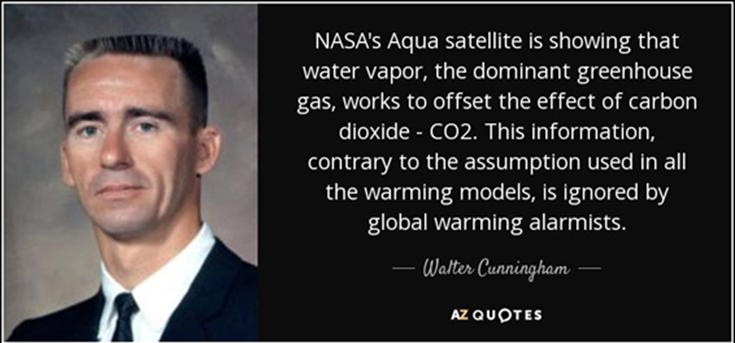
NASA’s Aqua satellite is showing that water vapor, the dominant greenhouse gas, works to offset the effect of carbon dioxide (CO2). This information, contrary to the assumption used in all the warming models, is ignored by global warming alarmists.

Climate understanding and critical decision making require
comprehensive data about our planet’s land, sea, and atmosphere.

Without an adequate satellite system to provide such data, policy efforts and monitoring international environmental agreements are doomed to failure. Our satellite monitoring capability is being crippled by interagency wrangling and federal budget issues. As much as a third of our satellites need replacing in the next couple of years.

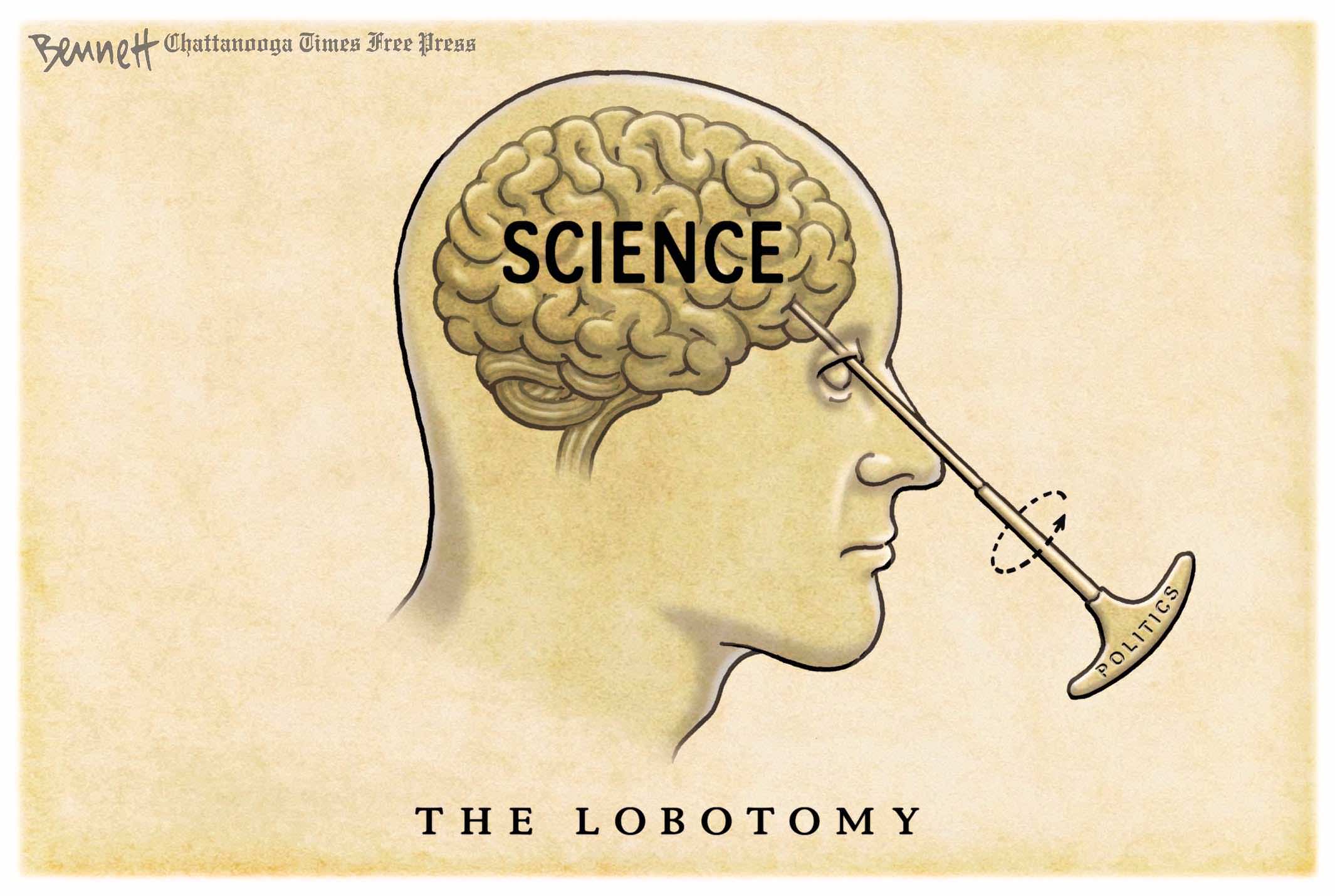
NASA should be at the forefront in the collection of scientific evidence and debunking the current hysteria over human-caused, or Anthropogenic Global Warming (AGW). Unfortunately, it is becoming just another agency caught up in the politics of global warming, or worse, politicized science.

Advocacy is replacing objective evaluation of data, while
scientific data is being ignored in favor of emotions and politics.

There are excellent correlations between the regular fluctuations of the Sun and the Earth’s temperature, while scientists can not find a relationship between industrial activity, energy consumption, and global temperatures. But global warming is an issue no longer being decided in the scientific arena.

Saying the Earth is warming is to state the obvious. Since the end of the ice age, the Earth’s temperature has increased approximately 16 degrees Fahrenheit and sea levels have risen a total of 300 feet. That is certain and measurable evidence of warming, but it is not evidence of AGW—human-caused warming.

We can track the temperature of the Earth back for millennia. Knowing the temperature of the Earth, past or present, is a matter of collecting data, analyzing it, and coming up with the best answer to account for the data. Collecting such data on a global basis is a NASA forte. I believe in global climate change, but there is no way that humans can influence the temperature of our planet to any measurable degree with the tools currently at their disposal. Any human contribution to global temperature change is lost in the noise of terrestrial and cosmic factors.

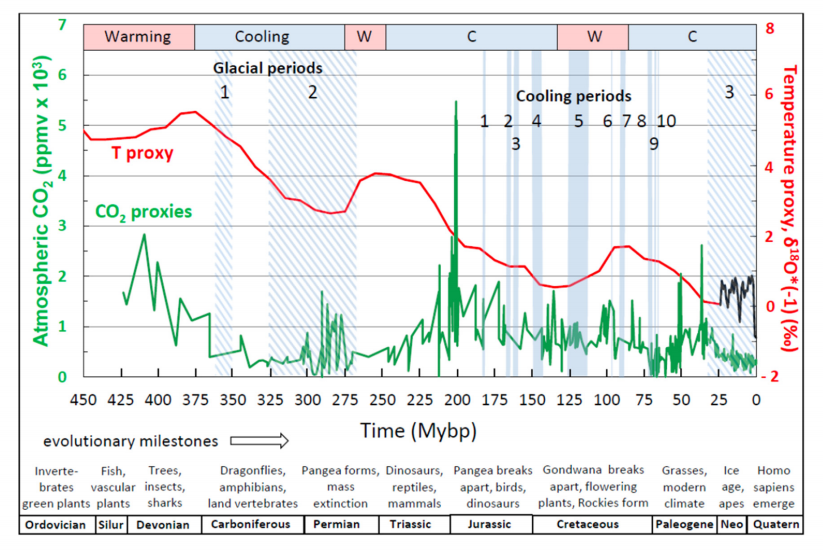
Our beautiful home planet has been warming and cooling for the last 4.8 billion years. Most recently, it has been warming—be it ever so slightly—but there is nothing unusual about it! The changes and rates of change in the Earth’s temperature, just since the Industrial Revolution, have occurred many times in our climatic history. While climate scientists generally agree that the Earth’s temperature is always changing, not many of them would say that humans are responsible for those changes.

None of this is to say there are not legitimate reasons to restrict emissions of any number of chemicals into the atmosphere. We should just not fool ourselves into thinking we will change the temperature of the Earth by doing so.

In a December 2007 Senate report, 400 prominent scientists signed a letter pointing out that climate change was a well-known natural phenomenon, and that adapting to it is far more sensible than attempting to prevent it. Their ranks included experts in climatology, geology, oceanography, biology, glaciology, biogeography, meteorology, economics, chemistry, mathematics, environmental sciences, engineering, physics, and paleo-climatology.

Their message: When changes are gradual, man has
an almost infinite ability to adapt and evolve.

The fearmongers of global warming base their case on the correlation between CO2 and global temperature, even though we cannot be sure which is cause and which is effect. Historically, temperature increases have preceded high CO2 levels, and there have been periods when atmospheric CO2 levels were as much as 16 times what they are now, periods characterized not by warming but by glaciation. You might have to go back half a million years to match our current level of atmospheric CO2, but you only have to go back to the Medieval Warming Period, from the 10th to the 14th Century, to find an intense global warming episode, followed immediately by the drastic cooling of the Little Ice Age. Neither of these events were caused by variations in CO2 levels.

Even though CO2 is a relatively minor constituent of “greenhouse gases,” alarmists have made it the whipping boy for global warming (probably because they know how fruitless it would be to propose controlling other principal constituents, H2O, CH4, and N2O). Since human activity does contribute a tiny portion of atmospheric CO2, they blame us for global warming.

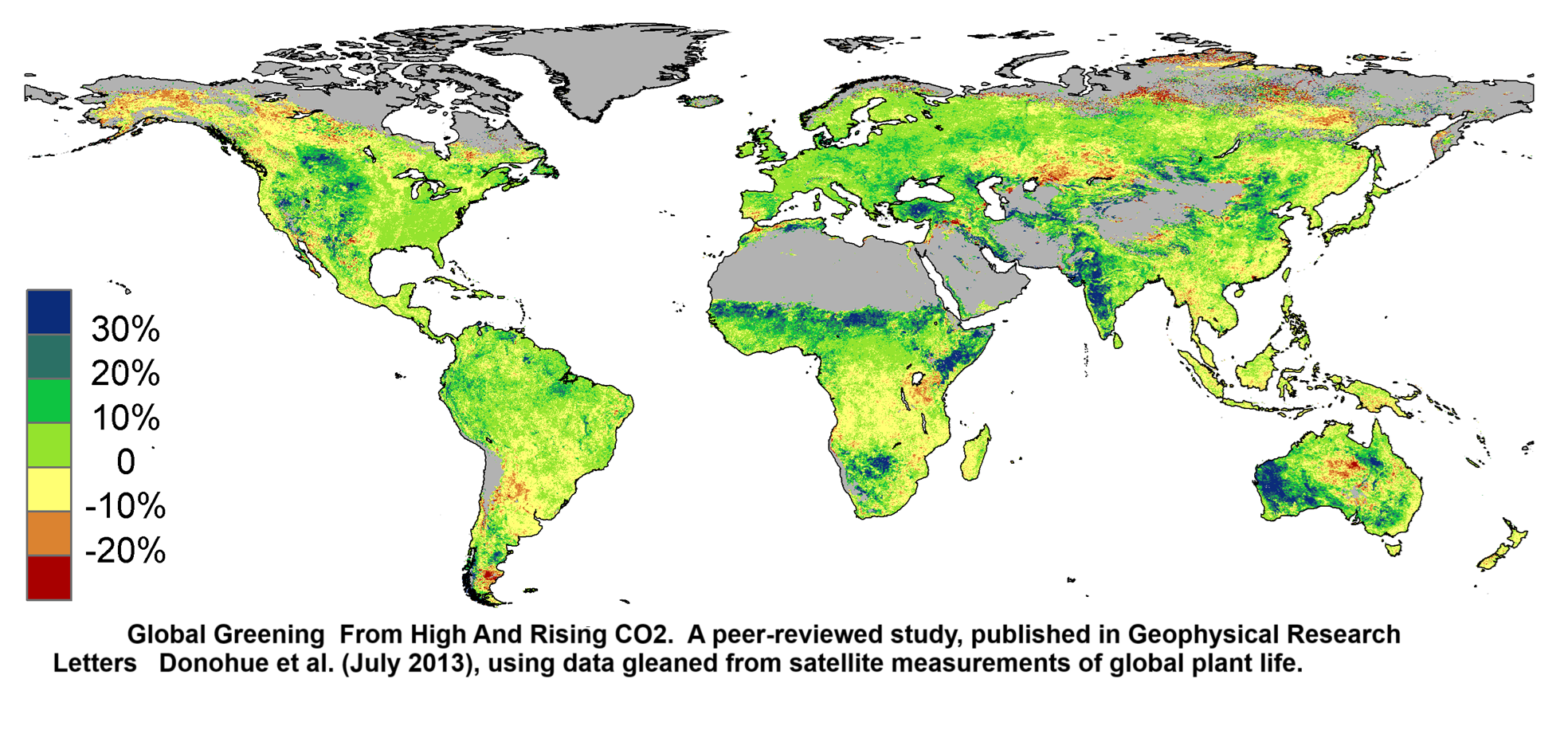
Other inconvenient facts ignored by the activists: Carbon dioxide is a nonpolluting gas, essential for plant photosynthesis. Higher concentrations of CO2 in the atmosphere produce bigger harvests.

In spite of warnings of severe consequences from rising seas, droughts, severe weather, species extinction, and other disasters, the U.S. has not been stampeded into going along with the recommendations of the UN Panel on Climate Change (IPCC)—so far. Even though evidence supports the American position, we have begun to show signs of caving in to the alarmists.

With scientific evidence going out of style,
emotional arguments and anecdotal data are ruling the day.

The media subjects us to one frightening image of environmental nightmare after another, linking each to global warming. Journalists and activist scientists use hurricanes, wildfires, and starving polar bears to appeal to our emotions, not to our reason. They are far more concerned with anecdotal observations, such as the frozen sea ice inside the Arctic Circle, than they are with understanding why it is happening and how frequently it has occurred in the past.

After warnings that 2007 would be the hottest year on record and a record year for hurricanes, what we experienced was the coolest year since 2001 and, by some measures, the most benign hurricane season in the Northern Hemisphere in three decades.

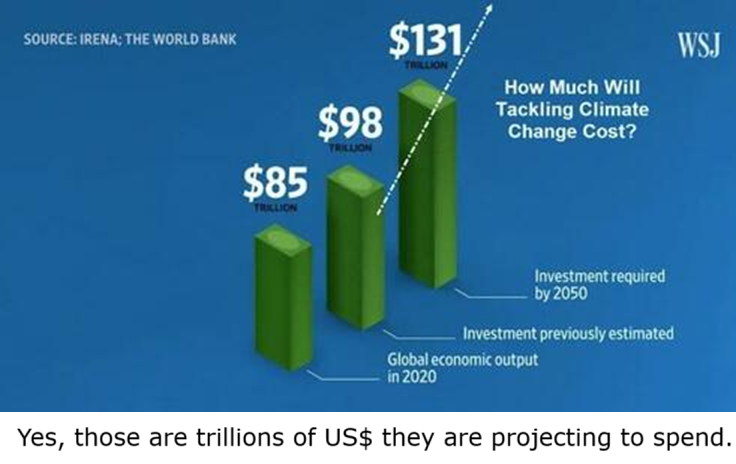
Even though recent changes in our atmosphere are all within the bounds of the Earth’s natural variability, a growing number of people are willing to throw away trillions of dollars on fruitless solutions. Why do we allow emotional appeals and anecdotal data to shape our conclusions and influence our expenditures with the science and technology we have available at our fingertips?

The situation is complex, but the sad state of scientific literacy in America today is partially to blame for belief in AGW. When a 2006 National Science Foundation survey found 25 percent of Americans not knowing the Earth revolves around the Sun, you know that science education is at a new low and society is vulnerable to the emotional appeal of AGW.

And don’t underestimate the role of politics and political correctness.

The public debate should focus on the real cause of global temperature change and whether we can do anything about it. Is global warming a natural inevitability, or is it AGW—human caused?

The conflict over AGW has deteriorated into a religious war; a war between true believers in human-caused global warming and nonbelievers; between those who accept AGW on faith and those who consider themselves more sensible and better informed. “True believers” are beyond being interested in evidence; it is impossible to reason a person out of positions they have not been reasoned into.

It doesn’t help that NASA scientist James Hansen was one of the early alarmists claiming humans caused global warming. Hansen is a political activist who spreads fear even when NASA’s own data contradict him.

Warming in the upper atmosphere should occur before any surface warming effect, but NASA’s own data show that has not been happening. Global temperature readings—accurate to 0.1 degree Celsius—are gathered by orbiting satellites. Interestingly, in the 18 years those satellites have been recording global temperatures, they have actually shown a slight decrease in average temperatures.

Hansen is currently calling for a reduction of atmospheric CO2 by 10 percent and a moratorium on coal-fired power plants, while claiming the Bush administration is censoring him. Other so-called scientists are saying the world must bring carbon emissions to near zero to keep temperatures from rising.

In today’s politically correct environment, many are reluctant to dispute the popular wisdom; when they do, they are frequently ignored. When NASA Administrator Michael Griffin, Hansen’s boss and a distinguished scientist in his own right, attempted to draw a distinction between Hansen’s personal and political views and the science conducted by his agency, he was soon forced to back off.

It is the true believers who, when they have no facts on their side, try to silence their critics. When former NASA mathematician Ferenc Miskolczi pointed out that “greenhouse warming” may be mathematically impossible, NASA would not allow him to publish his work. Miskolczi dared to question the simplifying assumption in the warming model that the atmosphere is infinitely thick. He pointed out that when you use the correct thickness—about 65 miles—the greenhouse effect disappears! Ergo: no AGW. Miskolczi resigned in disgust and published his proof in the peer reviewed Hungarian journal Weather. [See: The Curious Case of Dr. Miskolczi]

For nearly a decade now, there has been no global warming. Even though atmospheric CO2 has continued to accumulate—up about 4 percent in the last 10 years—the global mean temperature has remained flat. That should raise obvious questions about CO2 being the cause of climate change.

Instead, AGW enthusiasts are embracing more regulation, greater government spending, and higher taxes in a futile attempt to control what is beyond our control—the Earth’s temperature. One of their political objectives, unstated of course, is the transfer of wealth from rich nations to poor nations or, as the social engineers put it, from the North to the South, which may be their real agenda.

Climate Lemmings

In the face of overwhelming evidence for natural temperature variation, proponents of AGW are resorting to a precautionary argument: “We must do something just in case we are responsible, because the consequences are too terrible if we are to blame and do nothing.” They hope to stampede government entities into committing huge amounts of money before their fraud is completely exposed—before science and truth save the day.

Politicians think they can reverse global warming by stabilizing CO2 emissions with a cockamamie scheme of “cap and trade.” A government entity would sell CO2 allocations to those industries producing it. The trillions of dollars in new taxes and devastation to the economy would be justified by claiming it will lower the temperature of the Earth. This rationalization is dependent on two assumptions: (1) that CO2 is responsible for the cause of changes in the Earth’s temperature, and (2) a warmer Earth would be bad for humanity.

The reality is that atmospheric CO2 has a minimal impact on greenhouse gases and world temperature. Water vapor is responsible for 95 percent of the greenhouse effect. CO2 contributes just 3.6 percent, with human activity responsible for only 3.2 percent of that. That is why some studies claim CO2 levels are largely irrelevant to global warming.

Without the greenhouse effect to keep our world warm, the planet would have an average temperature of minus 18 degrees Celsius. Because we do have it, the temperature is a comfortable plus 15 degrees Celsius. Based on the seasonal and geographic distribution of any projected warming, a good case can be made that a warmer average temperature would be even more beneficial for humans.

For a tiny fraction of the trillions of dollars a cap-and-trade system would eventually cost the United States, we could pay for development of clean coal, oil-shale recovery systems, and nuclear power, and have enough left over to pay for exploration of our solar system.

By law, NASA cannot involve itself in politics, but it can surely champion the role of science to inform politicians. With so many uninformed and misguided politicians ignoring the available science, NASA should fill the void. NASA is synonymous with science. Allowing our priorities to drift away from hard science is tantamount to embracing decadence. NASA will surely suffer; and politicizing science is killing it.

I do see hopeful signs that some true believers are beginning to harbor doubts about AGW. Let’s hope that NASA can focus the global warming discussion back on scientific evidence before we perpetrate an economic disaster on ourselves.

Walter Cunningham, (1932–2023) geophysicist, fighter pilot and Apollo 7 astronaut, who flew the first test flight of the Apollo Program, Apollo 7.  In 2010, Cunningham published a short book titled “Global Warming: Facts versus Faith” His editorial was published in the Houston Chronicle on August 15, 2010,  Climate change alarmists ignore scientific methods.  (When You Don’t Have the Facts, Appeal to Public Opinion).  In 2012, he and other former astronauts and NASA employees sent a letter to the agency criticizing its role advocating a high degree of certainty that man-made CO2 is a major cause of climate change while neglecting empirical evidence that calls the theory into question.

Arctic Ice March Maximum 2025 in Perspective

The animation shows end of March Arctic ice extents on day 91 over the last 19 years (length of MASIE dataset). Of course central Arctic basins are frozen solid, and the fluctuations are visible on the marginal basins both the Atlantic side (right) and the Pacific (left). Note the higher extents in 2012, followed by lesser ice, then overcome by 2024.

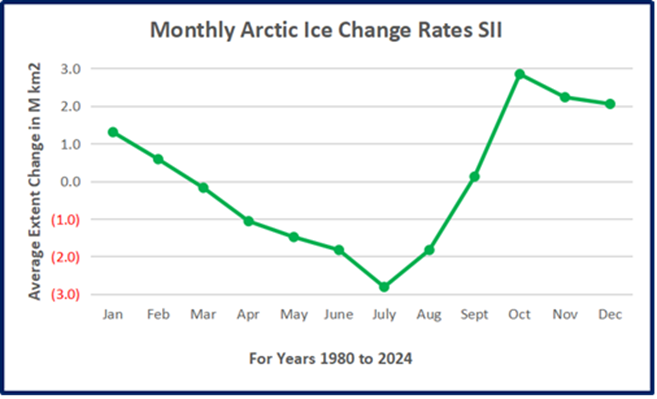
Climatology takes the March monthly average to indicate the annual maximum and September average as the minimum.  Dynamically, the Arctic gains and loses ice extents in this pattern:

The values in the chart are the month ending ice extents (last five days average) minus the ice extents at end of the previous month.  Thus positive numbers show ice gained each month, negative numbers ice lost in a given month.  SII (Sea Ice Index) provides a data file calculating and updating these results since 1980. Note that the peak month of March on average declines very slightly, while the minimum month of September on average gains a little ice extent.  Also the greatest average gain of ice is in October and the greatest loss of extent is in July.

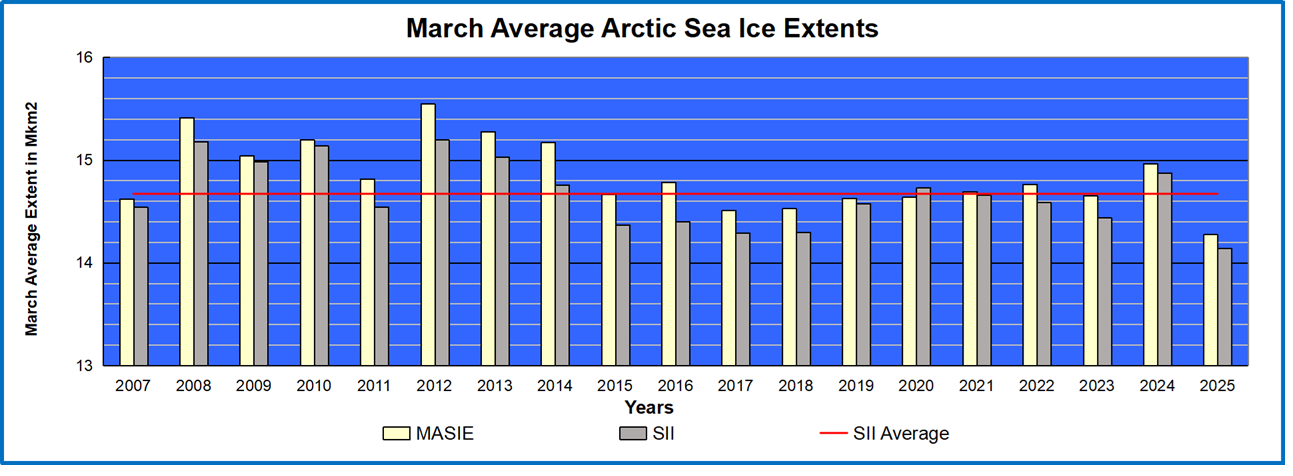
Above is a chart of March Monthly averages since 2007. The variability shows, including 2024 well above the 19-year average and 2025 well below.

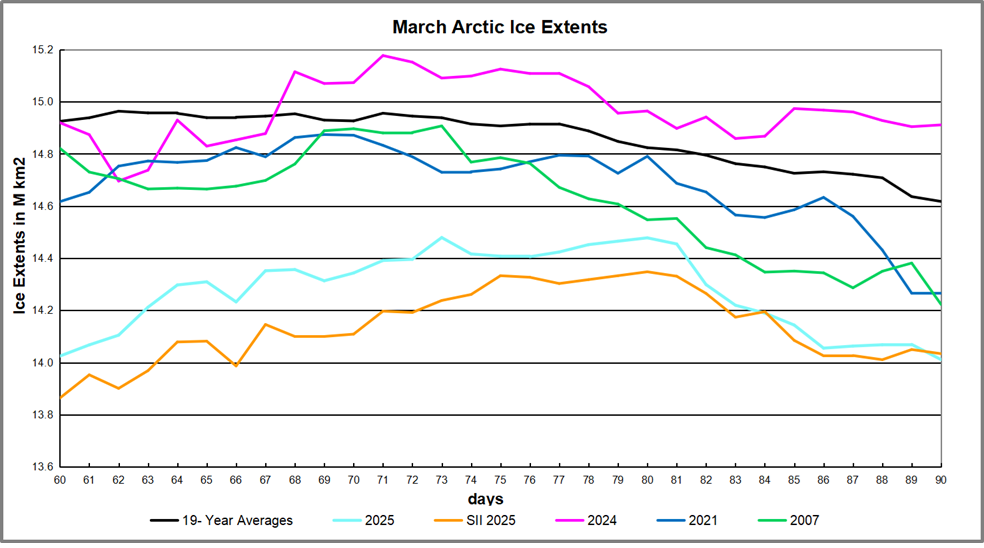
This graph shows variations of ice extents during March, on average and for some recent years along with 2007.  The exceptional extents in 2024 stand out, along with the more typical 2021 and 2007.  On average during March the Arctic loses about 400k km2 of ice.  2025 started March at 14M km2, about 900k km2 in deficit, and ended virtually the same 14M, 600k km2 below average on day 90. SII was slightly lower than MASIE for three weeks, then ended about the same.

The table below shows the distribution of ice extents across the Arctic regions.

Region 2025090 Ave Day 090 2025-Ave. 2007090 2025-2007
 (0) Northern_Hemisphere 14011379 14617665 -606287 14222916 -211537
 (1) Beaufort_Sea 1071001 1070241 760 1069711 1290
 (2) Chukchi_Sea 965989 964237 1752 966006 -17
 (3) East_Siberian_Sea 1087137 1086266 871 1074908 12229
 (4) Laptev_Sea 897845 897098 747 884340 13505
 (5) Kara_Sea 885597 920703 -35106 892157 -6560
 (6) Barents_Sea 450824 664324 -213500 441970 8854
 (7) Greenland_Sea 703578 665146 38433 686312 17266
 (8) Baffin_Bay_Gulf_of_St._Lawrence 1350818 1386137 -35320 1217467 133351
 (9) Canadian_Archipelago 854878 853269 1609 850127 4751
 (10) Hudson_Bay 1260903 1255273 5631 1229995 30908
 (11) Central_Arctic 3237488 3234612 2876 3242236.7 -4749
 (12) Bering_Sea 593465 711340 -117875 814787.71 -221323
 (13) Baltic_Sea 20341 62183 -41842 45896.93 -25556
 (14) Sea_of_Okhotsk 628758 836750 -207992 794657 -165899

Overall 2025 Arctic ice is 4% below the 19 year average and 1% below 2007.  About half of the 606k km2 deficit is in the Pacific basins of Bering and Okhotsk, typically the first to go to open water. The other major case of early melting is in the Atlantic Barents Sea.

Why is this important?  All the claims of global climate emergency depend on dangerously higher temperatures, lower sea ice, and rising sea levels.  The lack of additional warming prior to 2023 El Nino is documented in a post Ocean Warms, Land Cools UAH February 2025.


The lack of acceleration in sea levels along coastlines has been discussed also.  See Observed vs. Imagined Sea Levels 2023 Update

Also, a longer term perspective is informative:

post-glacial_sea_level

Climate Crisis Talk Obscures Reality

Edward Ring writes at American Greatness Challenging the Climate Crisis Narrative.  Excerpts in italics with my bolds and added images.

The climate crisis narrative ignores real issues like
poor infrastructure and overpopulation, pushing costly policies
that hurt economies while failing to improve resilience
.

According to the United Nations, “Climate change is a global emergency that goes beyond national borders.” From the World Economic Forum, “Urgent global action must be taken to reduce emissions and safeguard human health from the multi-pronged negative impacts of climate change globally.”

From every multinational institution in the world, we hear the same message. From the World Bank, “The world is battling a perfect storm of climate, conflict, economic, and nature crises.” From the World Health Organization, “Between 2030 and 2050, climate change is expected to cause approximately 250,000 additional deaths per year from malnutrition, malaria, diarrhea, and heat.”

A major problem with all this unanimity over this “emergency” is the fact that for at least half of all people living in Western nations in 2025, the UN, WEF, WHO, and World Bank have no credibility. We don’t want to “own nothing and be happy” as our middle class is crushed. We don’t want the only politically acceptable way to maintain national economic growth to rely on population replacement. And with only the slightest numeracy, we see apocalyptic proclamations as lacking substance.

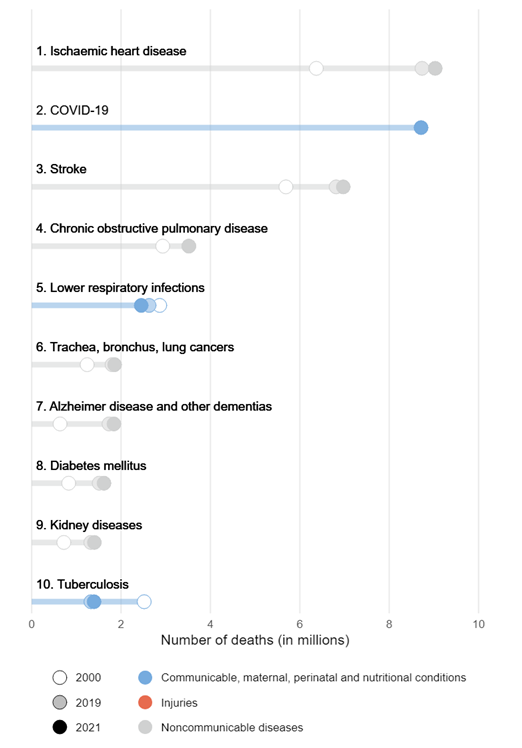
Top Ten Causes of Death Globally 2021

For example, while 250,000 “additional deaths per year” is tragic, worldwide estimates of total deaths are not quite 70 million per year. These “additional deaths” constitute a 0.36 percent increase over that baseline, just over one-third of one percent. Not even a rounding error.

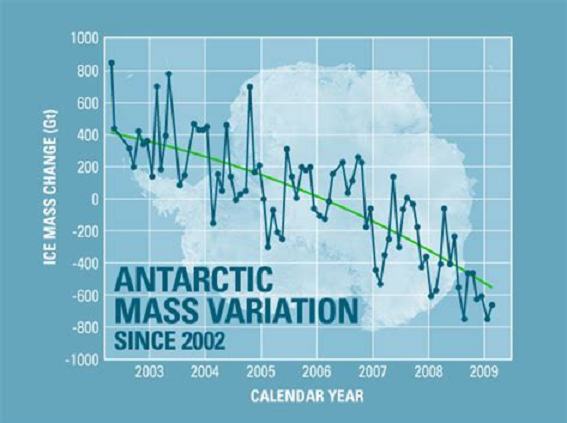
Source NASA

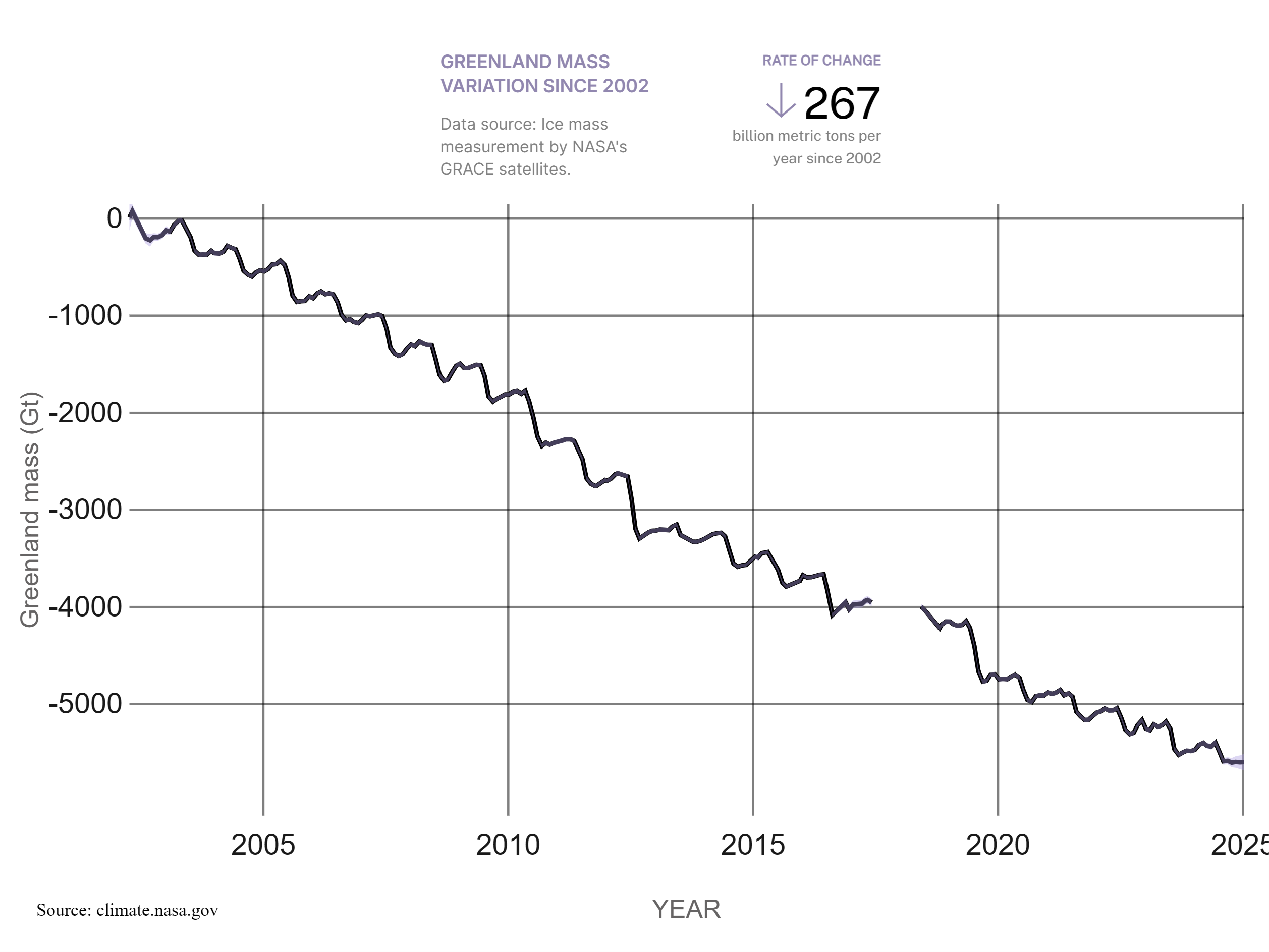
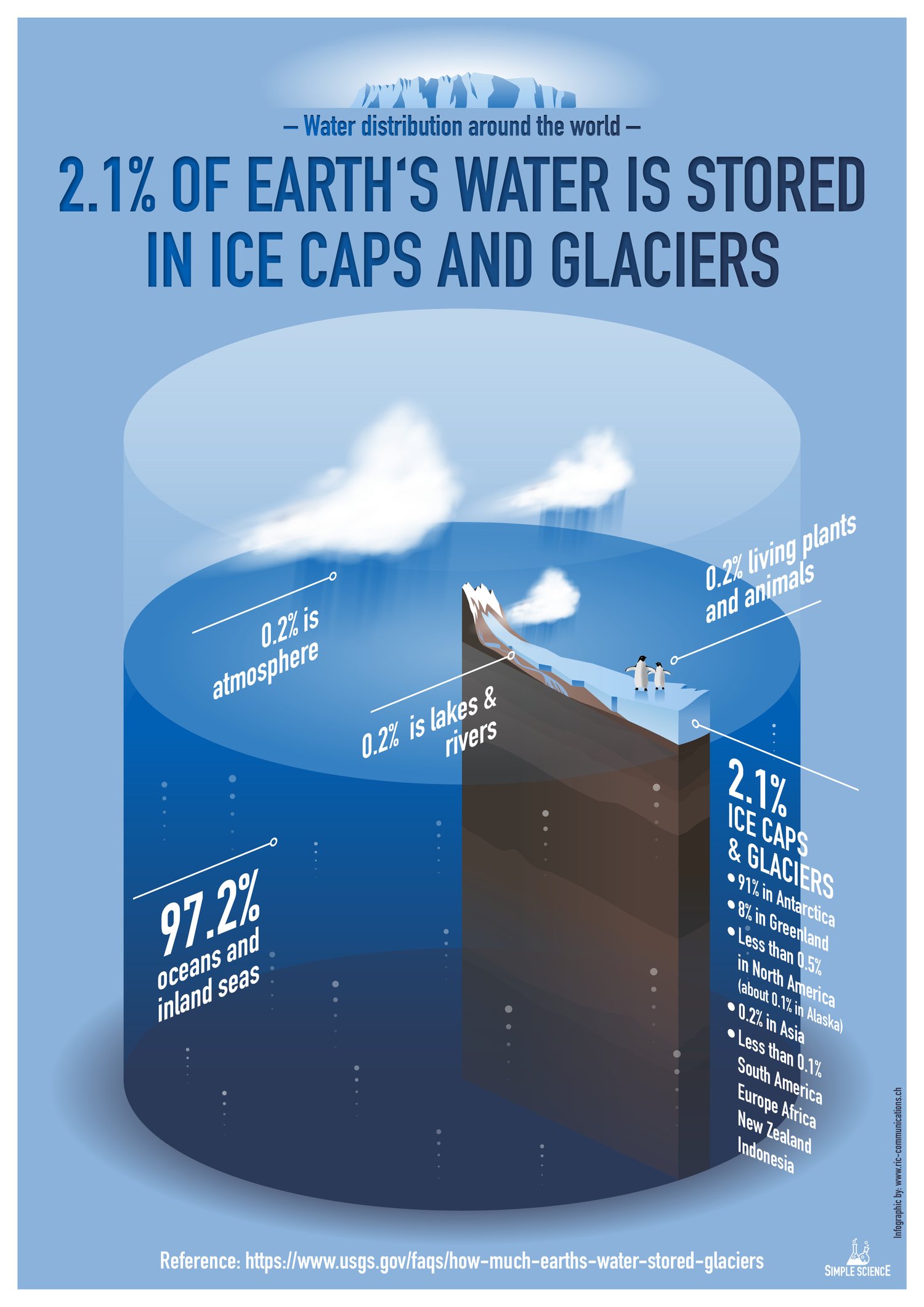
Similarly, an alarmist prediction from NASA is that “Antarctica is losing ice mass (melting) at an average rate of about 150 billion tons per year, and Greenland is losing about 270 billion tons per year, adding to sea level rise.” Let’s unpack that a bit. A billion tons is a gigaton, equivalent in volume to one cubic kilometer. So Antarctica is losing 150 cubic kilometers of ice per year. But Antarctica has an estimated total ice mass of 30 million cubic kilometers. Which means Antarctica is losing about one twenty-thousandth of one percent of its total ice mass per year. That is well below the accuracy of measurement. It is an estimate, and the conclusion it suggests is of no significance.

One may wonder about Greenland, with “only” 2.9 million cubic kilometers of ice, melting at an estimated rate of 270 gigatons per year. But that still yields a rate of loss of less than one one-hundredth of one percent per year, which is almost certainly below the ability to actually gauge total ice mass and total annual ice loss.

What about sea level rise? Here again, basic math yields underwhelming conclusions. The total surface area of the world’s oceans is 361 million square kilometers. If you spread 420 gigatons over that surface (Greenland and Antarctica’s melting combined), you get a sea level rise of not quite 1.2 millimeters per year. This is, again, so insignificant that it is below the threshold of our ability to measure.

These fundamental facts will turn anyone willing
to do even basic fact-checking into a cynic.

What’s really going on? We get at least a glimpse of truth from the above quotation from the World Bank, where they ascribe the challenges of humanity to several causes: “climate, conflict, economic, and nature crises.” There’s value in the distinctions they make. They list “nature crisis” as distinct from “climate,” and at least explicitly, “climate” is not cited as resulting from some anthropogenically generated trend of increasing temperatures and increasingly extreme weather. They just say “climate.”

Which brings us to the point: Conflict and economic crises are far bigger sources of human misery, and we face serious environmental challenges that have little to do with climate change and more to do with how we manage our industry, our wilderness, and our natural resources. And we are face “climate” challenges even when catastrophic climate events have nothing to do with any alleged “climate crisis.”

A perfect example of how the climate “crisis” narrative is falsely applied when, in fact, the climate-related catastrophe would have happened anyway is found in the disastrous floods that devastated Pakistan in 2022. Despite the doomsday spin from PBS (etc.), these floods were not abnormal because of “climate change.” They were an abnormal catastrophe because in just 60 years, the population of that nation has grown from 45 million to 240 million people. They’ve channelized their rivers, built dense new settlements onto what were once floodplains and other marginal land, they’ve denuded their forests, which took away the capacity to absorb runoff, and they’ve paved thousands of square miles, creating impervious surfaces where water can’t percolate. Of course, a big storm made a mess. The weather didn’t change. The nation changed.

The disaster story repeats everywhere. Contrary to the narrative, the primary cause is not “climate change.” Bigger tsunamis? Maybe it’s because coastal aquifers were overdrafted, which caused land subsidence, or because previously uninhabited tidelands were settled because the population quintupled in less than two generations, and because coastal mangrove forests were destroyed, which used to attenuate big waves. What about deforestation? Perhaps because these nations have been denied the ability to develop natural gas and hydroelectric power, they’re stripping away the forests for fuel to cook their food. In some cases, they’re burning their forests to make room for biofuel plantations, in a towering display of irony and corruption.

In California, our nation’s epicenter of climate crisis fearmongering and the subsequent commercial opportunism, the emphasis on crisis instead of resilience has led to absurd policies. Instead of bringing back the timber industry to thin the state’s overgrown forests, the governor mandates exclusive sales of EVs by 2035. Instead of responsibly drilling oil in California’s ample reserves of crude, California imports 75 percent of its oil, and its economy still relies on oil for half the energy that the state consumes.

Worldwide, these mistakes multiply. Biofuel plantations consume half a million square miles in order to replace a mere two percent of transportation fuel. A mad scramble across every continent to increase mining by an order of magnitude to meet the demand for raw materials to manufacture batteries, wind turbines, and solar panels. Denial of funds for natural gas development in Africa, condemning over a billion people to ongoing energy poverty.

Simple truths are obscured by the climate crisis narrative. We need to rebuild our infrastructure for climate resilience because much of it is over a century old, at the same time as the US population has tripled. Floods and hurricanes cause more damage because there are more people, and more of them live in areas that have always been hit by floods and hurricanes.

The truths are as endless as they are repressed. We can’t possibly lift all of humanity into a middle-class lifestyle without at least doubling energy production worldwide, and we can’t possibly accomplish that while also reducing our use of coal, oil, and gas. Renewables aren’t renewable (here’s a must-read on that topic). Offshore wind is an environmental disaster, as is biofuel, as is the explosion of totally unregulated mining to feed the renewables industry. On the other hand, extreme environmental laws and regulations are harming economic growth, freedom, and, in no small irony, the innovation and investment that would give us the wealth we need to better protect the environment. And the prevailing economic, environmental, and cultural challenge in the world is not the climate but crashing birthrates among developing nations at the same time as the population of the world’s most undeveloped nations continues to explode exponentially.

We need climate resilience in order to properly protect a global population that has quadrupled to 8 billion in just the last century, spreading to every corner of the earth. That goal would be easier if once-trusted global institutions would allow for honest debate and practical infrastructure development. Instead, they continue to spew transparently misleading climate crisis propaganda, adhering to a mission that can only be described as repressive on all fronts—culturally, economically, and environmentally.