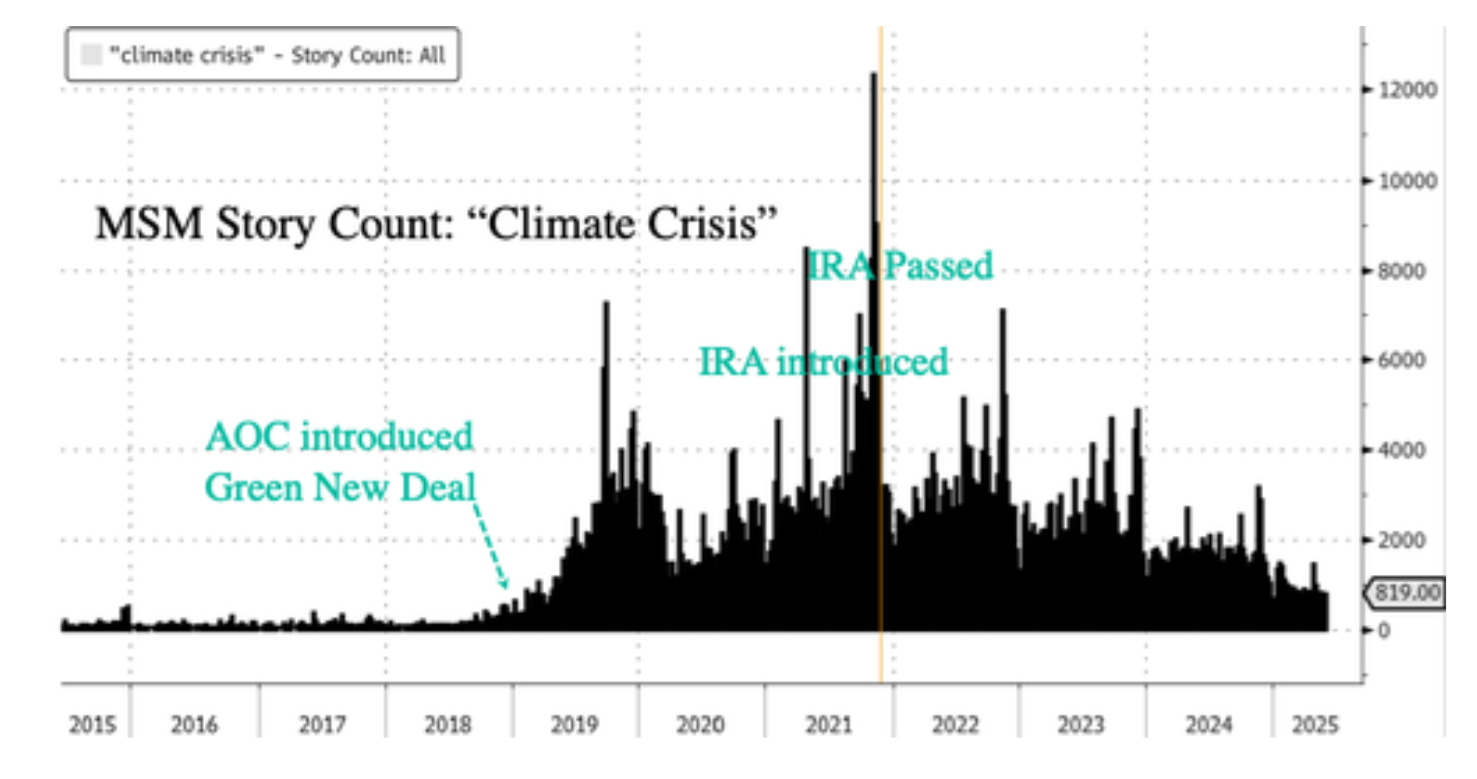
Fun fact: Mentions of “climate crisis” in corporate media have all but imploded. Why? Because the PR propaganda campaigns aren’t needed when Democrats and their dark-money-funded NGOs aren’t pushing “green” bills or fundraising. H/T Tyler Durden
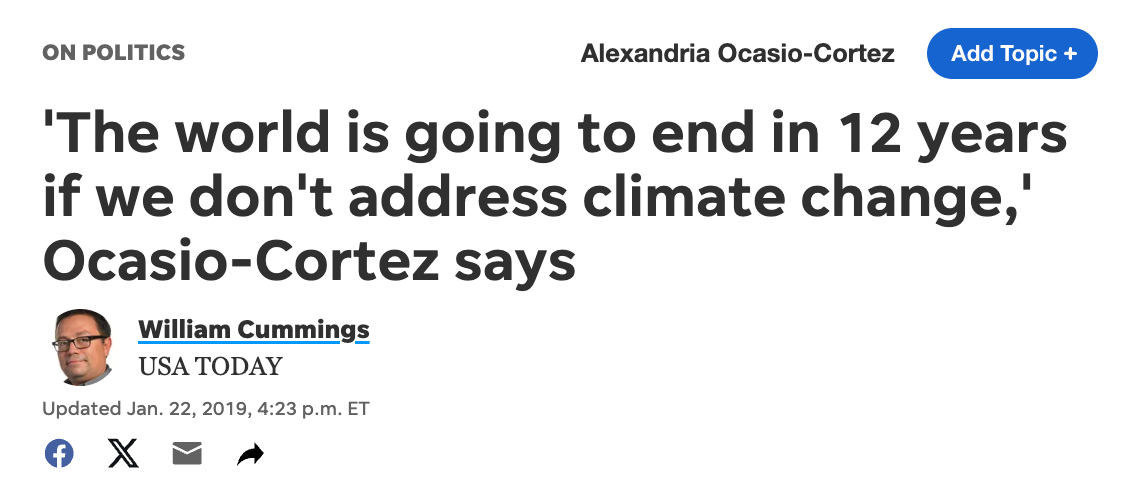
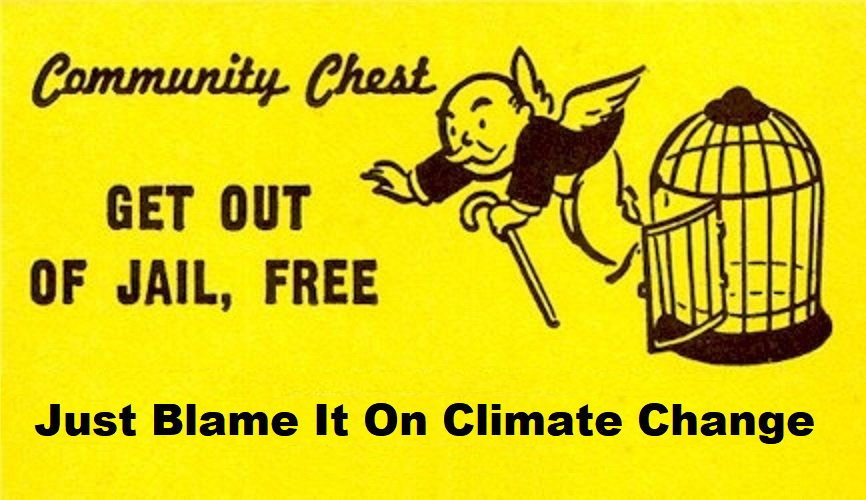
The climate crisis was merely the Democrat Party’s PR operation to siphon money from taxpayers.
Postscript on Story Counts
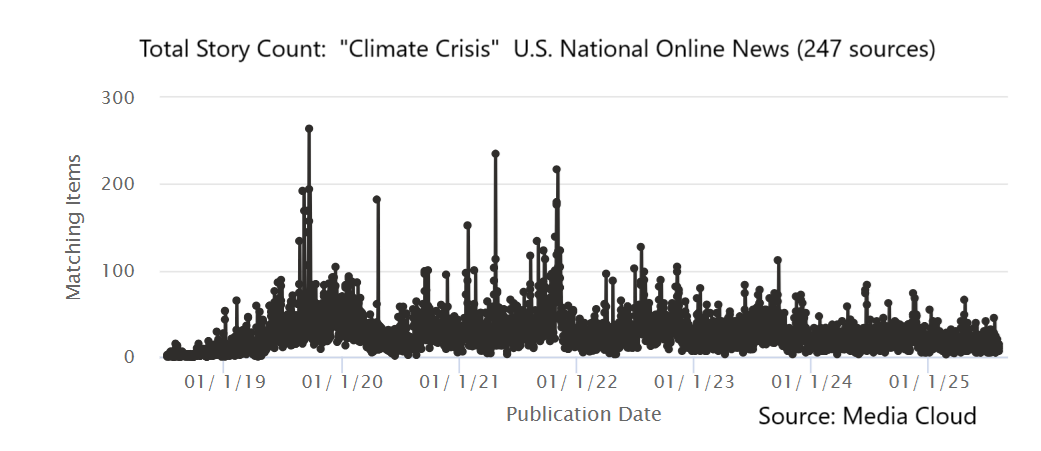
I don’t know the source and parameters behind the chart in Tyler Durden’s post. Below is a chart I produced from Media Cloud based on U.S. National Online News sources.
Update August 11, 2025Shares of Orsted, the world’s largest offshore wind developer, plummeted today.
Orsted shares crashed more than 25% on Monday morning, after the wind farm developer said it plans a 60 billion Danish kroner ($9.4 billion) rights issue, following a “material adverse development” in the U.S. market.
The company said this turn of events left it unable to raise funds from a planned partial divestment of its Sunrise Wind project off the coast of New York.
Given the market conditions, Orsted’s board of directors decided to end the process of selling a stake in Sunrise Wind, which would have provided the “required strengthening” of its capital structure to support its investment and business development programs. Source: CNBC
Orsted had planned to sell part of its Sunrise Wind project off the coast of New York to free up capital. However, recent adverse developments in the US offshore wind sector have made completing the partial divestment on favourable terms impossible, the company said. This setback means Orsted will have to fully fund the construction of Sunrise Wind itself, creating an additional 40 billion kroner in financing needs. The project has already been hit by supply chain and construction delays that caused hundreds of millions of dollars in impairments.
Gary Abernathy reports on progress securing the U.S. grid from the load of entanglements from adding wind and solar power supplies. His Empowering America article is Climate Science is Not the Law in the U.S. Exerpts in italics with my bolds and added images.
While not everyone is on board with President Trump’s “America First” philosophy, its importance when it comes to energy is brought into sharp focus when considering where the U.S. would be if it capitulated to the whims of global organizations like the United Nations or obeyed the verdicts of world courts.
The frightening attitudes of believers in global rule were recently on display courtesy of a New York Times opinion piece headlined “Climate Science is Now the Law,” penned by three writers who are all part of something called the Center for International Environmental Law. In their article, the authors claim, “The science on climate change has long been settled. Now the law is, too.” [See post: ICJ Issues Biased Advice on Climate Change]
At about the same time that the International Court of Overstep was issuing its decree for nations to kneel at the feet of the wind and solar gods, the Trump administration took another giant leap in its race to reverse Biden’s disastrous energy policies. On July 7, the Energy Department unveiled its “Report on Evaluating U.S. Grid Reliability and Security,” as required under President Trump’s April executive order to examine the topic. DOE reported:
“This methodology equips DOE and its partners with a powerful tool to identify at-risk regions and guide federal interventions to prevent power outages, accelerate data center deployment, and ensure the grid keeps pace with explosive load growth driven by artificial intelligence and reindustrialization.”
Rather than follow international directives and judgments to rid itself of energy sources like natural gas, which is necessary to power technology, manufacturing and the coming AI data centers, the DOE is, fortunately, doing the exact opposite. Among the biggest DOE findings:
If current plant retirement schedules and incremental additions remain unchanged “most regions will face unacceptable reliability risks within five years.”
Radical change is necessary because otherwise, the magnitude of projected demand from AI data centers and other manufacturing “cannot be met with existing approaches to load addition and grid management.
The coal and gas plant retirements previously planned by 2030 “could lead to significant outages when weather conditions do not accommodate wind and solar generation.”
Even with plans to replace 104 gigawatts of plant retirements with 209 gigawatts of new generation by 2030, “only 22 (gigawatts) come from firm baseload generation sources,” meaning that “the model found outage risk in several regions rises more than 30-fold.” (A gigawatt is equal to 1 billion watts.)
In other words, replacing firm baseload sources like natural gas with alternative sources like wind or solar is not an apples-for-apples proposition, since “renewables” put the grid at greater risk. Establishing arbitrary end dates for our most affordable and reliable energy sources is both illogical and reckless.
On the heels of the international court’s irresponsible and (thankfully) unenforceable decree, and the DOE’s astute recommendation to do the opposite of what the court prescribed, came a story from Reuters declaring that the Trump administration’s actions to end or curtail Biden-era subsidies and credits for “renewables” are, fortunately, having an impact. Boom fades for US clean energy as Trump guts subsidies
“Singapore-based solar panel manufacturer Bila Solar is suspending plans to double capacity at its new factory in Indianapolis. Canadian rival Heliene’s plans for a solar cell facility in Minnesota are under review. Norwegian solar wafer maker NorSun is evaluating whether to move forward with a planned factory in Tulsa, Oklahoma. And two fully permitted offshore wind farms in the U.S. Northeast may never get built,” the news agency reported.
These are among the major clean energy investments now in question after Republicans agreed earlier this month to quickly end U.S. subsidies for solar and wind power as part of their budget megabill, and as the White House directed agencies to tighten the rules on who can claim the incentives that remain.
The key provision in the new law is the accelerated phase-out of 30% tax creditsfor wind and solar projects: it requires projects to begin construction within a year or enter service by the end of 2027 to qualify for the credits. Previously the credits were available through 2032.
The policy changes have also injected fresh doubt about the fate of the nation’s pipeline of offshore wind projects, which depend heavily on tax credits to bring down costs. According to Wood Mackenzie, projects that have yet to start construction or make final investment decisions are unlikely to proceed.
Two such projects, which are fully permitted, include a 300-megawatt project by developer US Windoff the coast of Maryland and Iberdrola’s 791 MW New England Wind off the coast of Massachusetts.
Neither company responded to requests for comment.
President Trump is putting America first and leading an energy renaissance that should be in full bloom on our nation’s 250th birthday on July 4, 2026. It’s difficult to imagine a greater Independence Day gift to the American people than freedom from the cold, dark landscape that would result from following the directives of global agencies and the rulings of international courts.
Postscript: Saving U.S. Farmland from Transmission Lines
Robert Bryce adds the canceling of transmission lines dedicated to wind and solar power in his blog article Transmission Unplugged.
From Missouri and Colorado to Germany and Spain,
high-voltage transmission projects are being stopped by
fierce local opposition, soaring costs, and permitting delays.
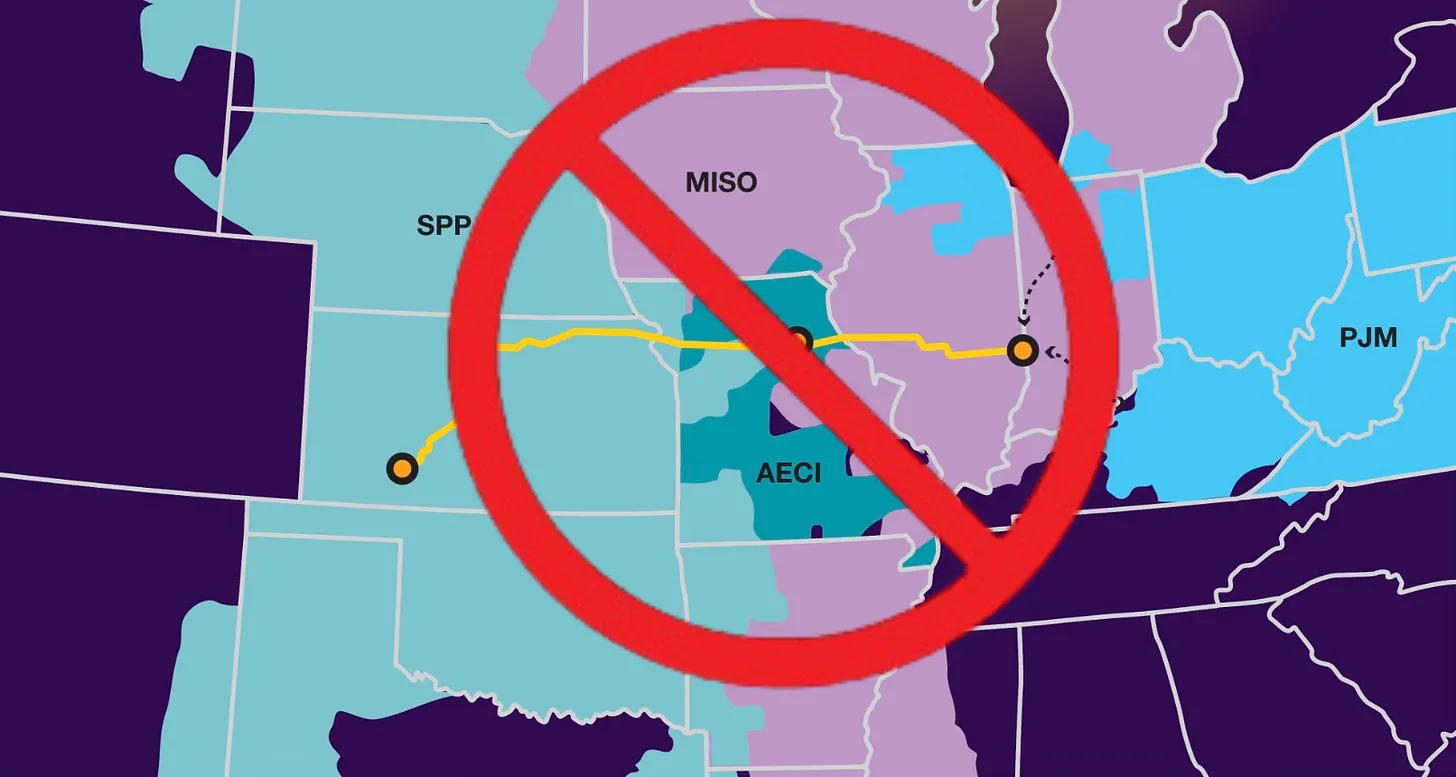
The Grain Belt Express project aimed to carry wind-generated electricity from Kansas to the Indiana-Illinois border. Map credit: grainbeltexpress.com
Invenergy neglected to mention that if the project gets built, it will saddle ratepayers with about $500 million in costs to integrate the power it will be delivering into grids on the eastern end of the line. In other words, Invenergy wants to build a merchant high-voltage transmission line and force its way onto the US electric grid. But it doesn’t want to pay any of the costs that its project will impose on the system. Furthermore, Grain Belt Express has faced fierce opposition in Missouri for more than a decade. Earlier this month, Missouri Attorney General Andrew Bailey announced a civil investigation into Invenergy for its “misleading claims and a track record of dishonesty” about the project.
Last week, the Department of Energy gave Polsky some high-amperage clarity from the Trump administration when it canceled a $4.9 billion loan guarantee for the Grain Belt Express that the agency’s Loan Programs Office made last November in the waning days of the Biden administration.
Gary Abernathy reports on progress securing the U.S. grid from the load of entanglements from adding wind and solar power supplies. His Empowering America article is Climate Science is Not the Law in the U.S. Exerpts in italics with my bolds and added images.
While not everyone is on board with President Trump’s “America First” philosophy, its importance when it comes to energy is brought into sharp focus when considering where the U.S. would be if it capitulated to the whims of global organizations like the United Nations or obeyed the verdicts of world courts.
The frightening attitudes of believers in global rule were recently on display courtesy of a New York Times opinion piece headlined “Climate Science is Now the Law,” penned by three writers who are all part of something called the Center for International Environmental Law. In their article, the authors claim, “The science on climate change has long been settled. Now the law is, too.” [See post: ICJ Issues Biased Advice on Climate Change]
At about the same time that the International Court of Overstep was issuing its decree for nations to kneel at the feet of the wind and solar gods, the Trump administration took another giant leap in its race to reverse Biden’s disastrous energy policies. On July 7, the Energy Department unveiled its “Report on Evaluating U.S. Grid Reliability and Security,” as required under President Trump’s April executive order to examine the topic. DOE reported:
“This methodology equips DOE and its partners with a powerful tool to identify at-risk regions and guide federal interventions to prevent power outages, accelerate data center deployment, and ensure the grid keeps pace with explosive load growth driven by artificial intelligence and reindustrialization.”
Rather than follow international directives and judgments to rid itself of energy sources like natural gas, which is necessary to power technology, manufacturing and the coming AI data centers, the DOE is, fortunately, doing the exact opposite. Among the biggest DOE findings:
If current plant retirement schedules and incremental additions remain unchanged “most regions will face unacceptable reliability risks within five years.”
Radical change is necessary because otherwise, the magnitude of projected demand from AI data centers and other manufacturing “cannot be met with existing approaches to load addition and grid management.
The coal and gas plant retirements previously planned by 2030 “could lead to significant outages when weather conditions do not accommodate wind and solar generation.”
Even with plans to replace 104 gigawatts of plant retirements with 209 gigawatts of new generation by 2030, “only 22 (gigawatts) come from firm baseload generation sources,” meaning that “the model found outage risk in several regions rises more than 30-fold.” (A gigawatt is equal to 1 billion watts.)
In other words, replacing firm baseload sources like natural gas with alternative sources like wind or solar is not an apples-for-apples proposition, since “renewables” put the grid at greater risk. Establishing arbitrary end dates for our most affordable and reliable energy sources is both illogical and reckless.
On the heels of the international court’s irresponsible and (thankfully) unenforceable decree, and the DOE’s astute recommendation to do the opposite of what the court prescribed, came a story from Reuters declaring that the Trump administration’s actions to end or curtail Biden-era subsidies and credits for “renewables” are, fortunately, having an impact. Boom fades for US clean energy as Trump guts subsidies
“Singapore-based solar panel manufacturer Bila Solar is suspending plans to double capacity at its new factory in Indianapolis. Canadian rival Heliene’s plans for a solar cell facility in Minnesota are under review. Norwegian solar wafer maker NorSun is evaluating whether to move forward with a planned factory in Tulsa, Oklahoma. And two fully permitted offshore wind farms in the U.S. Northeast may never get built,” the news agency reported.
These are among the major clean energy investments now in question after Republicans agreed earlier this month to quickly end U.S. subsidies for solar and wind power as part of their budget megabill, and as the White House directed agencies to tighten the rules on who can claim the incentives that remain.
The key provision in the new law is the accelerated phase-out of 30% tax creditsfor wind and solar projects: it requires projects to begin construction within a year or enter service by the end of 2027 to qualify for the credits. Previously the credits were available through 2032.
The policy changes have also injected fresh doubt about the fate of the nation’s pipeline of offshore wind projects, which depend heavily on tax credits to bring down costs. According to Wood Mackenzie, projects that have yet to start construction or make final investment decisions are unlikely to proceed.
Two such projects, which are fully permitted, include a 300-megawatt project by developer US Windoff the coast of Maryland and Iberdrola’s 791 MW New England Wind off the coast of Massachusetts.
Neither company responded to requests for comment.
President Trump is putting America first and leading an energy renaissance that should be in full bloom on our nation’s 250th birthday on July 4, 2026. It’s difficult to imagine a greater Independence Day gift to the American people than freedom from the cold, dark landscape that would result from following the directives of global agencies and the rulings of international courts.
Postscript: Saving U.S. Farmland from Transmission Lines
Robert Bryce adds the canceling of transmission lines dedicated to wind and solar power in his blog article Transmission Unplugged.
From Missouri and Colorado to Germany and Spain,
high-voltage transmission projects are being stopped by
fierce local opposition, soaring costs, and permitting delays.
The Grain Belt Express project aimed to carry wind-generated electricity from Kansas to the Indiana-Illinois border. Map credit: grainbeltexpress.com
Invenergy neglected to mention that if the project gets built, it will saddle ratepayers with about $500 million in costs to integrate the power it will be delivering into grids on the eastern end of the line. In other words, Invenergy wants to build a merchant high-voltage transmission line and force its way onto the US electric grid. But it doesn’t want to pay any of the costs that its project will impose on the system. Furthermore, Grain Belt Express has faced fierce opposition in Missouri for more than a decade. Earlier this month, Missouri Attorney General Andrew Bailey announced a civil investigation into Invenergy for its “misleading claims and a track record of dishonesty” about the project.
Last week, the Department of Energy gave Polsky some high-amperage clarity from the Trump administration when it canceled a $4.9 billion loan guarantee for the Grain Belt Express that the agency’s Loan Programs Office made last November in the waning days of the Biden administration.
“… the Court concludes that, although Plaintiff’s claims purport to be about deception, they are premised on, and seek redress for, the effects of greenhouse gas emissions.”
A Slippery Slope
One of Judge Young’s most striking points was a clear warning about the “boundless” nature of the liability Charleston’s claims could create. If allowed to proceed, the city’s theory would open the floodgates for nearly limitless litigation – not just against energy producers, but a wide range of industries, including airlines, automakers, and agriculture:
“Under Plaintiff’s theory, any emitters of or contributors to greenhouse gas emissions — such as airlines, automotive manufacturers, power companies, and agricultural companies—could be liable for contributing to global climate change… … As with the list of plaintiffs, the list of potential defendants thus appears boundless.” (emphasis added)
Similarly, Judge Young emphasized that allowing such lawsuits would create a precedent where every weather event would potentially trigger legal action:
“Already, scores of states, counties, and municipalities have sued a hodgepodge of oil-and-gas companies for the alleged weather-related effects of climate change. If these lawsuits were successful, municipalities, companies, and individuals across the country could bring suits for injuries after every weather event.”
Time-Barred and Fundamentally Flawed
Even Charleston’s claim under South Carolina’s Unfair Trade Practices Act did not survive – barred by the state’s three-year statute of limitations. Judge Young noted that public awareness of climate change and its connection to fossil fuel usehas existed for decades, undercutting any claim of recent discovery:
“Plaintiff’s Complaint is time-barred under South Carolina’s three-year statute of limitations because Plaintiff has long been on notice of the potential dangers of climate change and its connection to fossil-fuel use.”
The ruling also referenced constitutional limits and recent federal actions opposing these types of suits, specifically referencing President Trump’s April Executive Order targeting anti-energy lawfare.
Notably, Judge Young flatly rejected comparisons to tobacco and opioid litigation, stating Charleston’s claims fundamentally differ because the alleged harm depends on cumulative, global emissions – not direct, localized actions:
“A plaintiff smoking tobacco in South Carolina causes direct adverse health effects to that plaintiff in South Carolina. The City’s claims, by contrast, depend on interstate and international emissions allegedly causing global climate change, ultimately resulting in alleged in-state injuries caused by, for example, the weather. Because any alleged injury under Plaintiff’s claims necessarily relies on the cumulative effect of interstate and international emissions from global consumers, the claims are readily distinguishable from these other mass-tort cases and are uniquely precluded and preempted by federal law.”
BOTTOM LINE: This ruling sends a clear message: the courtroom is not the place to set national climate policy. As more judges reject these unfounded claims, the climate litigation campaign is losing both momentum and credibility.
Footnote from the ruling by Judge Roger Young
“This Court thus joins the “growing chorus of state and federal courts across the United States, singing from the same hymnal, in concluding that the claims raised by [climate-change plaintiffs] are not judiciable by any state court” and that “our federal structure does not allow . . . any State’s law[] to address [these types of climate-change] claims.”
The case was CITY OF CHARLESTON, Plaintiff, v.
BRABHAM OIL COMPANY, INC.; COLONIAL GROUP, INC.; ENMARK STATIONS, INC.; COLONIAL PIPELINE COMPANY; PIEDMONT PETROLEUM CORP.; EXXON MOBIL CORPORATION; EXXONMOBIL OIL CORPORATION; ROYAL DUTCH SHELL PLC; SHELL OIL COMPANY; SHELL OIL PRODUCTS COMPANY LLC; CHEVRON CORPORATION; CHEVRON U.S.A. INC.; BP P.L.C.; BP AMERICA INC.; MARATHON PETROLEUM CORPORATION; MARATHON PETROLEUM COMPANY LP; SPEEDWAY LLC; MURPHY OIL CORPORATION; MURPHY OIL USA, INC.; HESS CORPORATION; CONOCOPHILLIPS; CONOCOPHILLIPS COMPANY; PHILLIPS 66; and PHILLIPS 66 COMPANY,
Defendants.
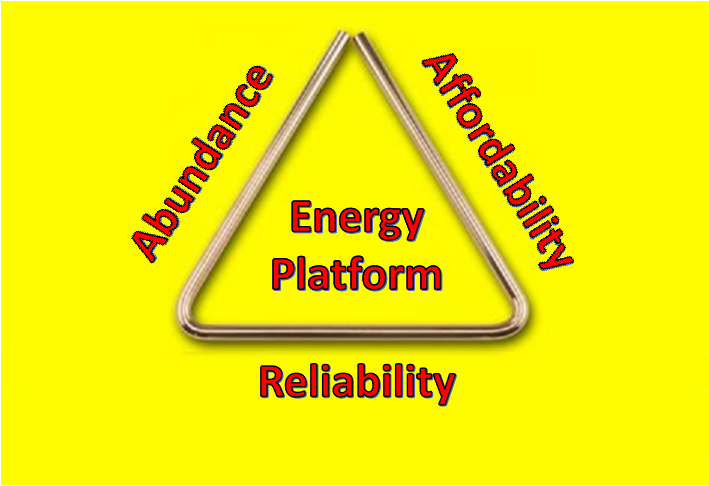
Last week Ben Shapiro interviewed Chris Wright concerning the latest moves by realists against the climatists and what’s at stake in this power struggle over humankind’s energy platform, not only for U.S but for the world. For those who prefer reading, I provide a transcript lightly edited from the closed captions, text in italics with my bolds and added images.
Ben: One of the biggest moves that has been made in modern history in the regulatory state has happened this week. The Environmental Protection Agency on Tuesday, according to the Wall Street Journal, declared liberation day from Climate Imperialism by moving to repeal the 2009 so-called endangerment finding for greenhouse gas emissions. So basically, the Clean Air Act, which was put into place in the 1970s, authorized the EPA to regulate pollutants like ozone, particulate matter, sulfur dioxide, and others that might reasonably be anticipated to endanger public health or welfare.
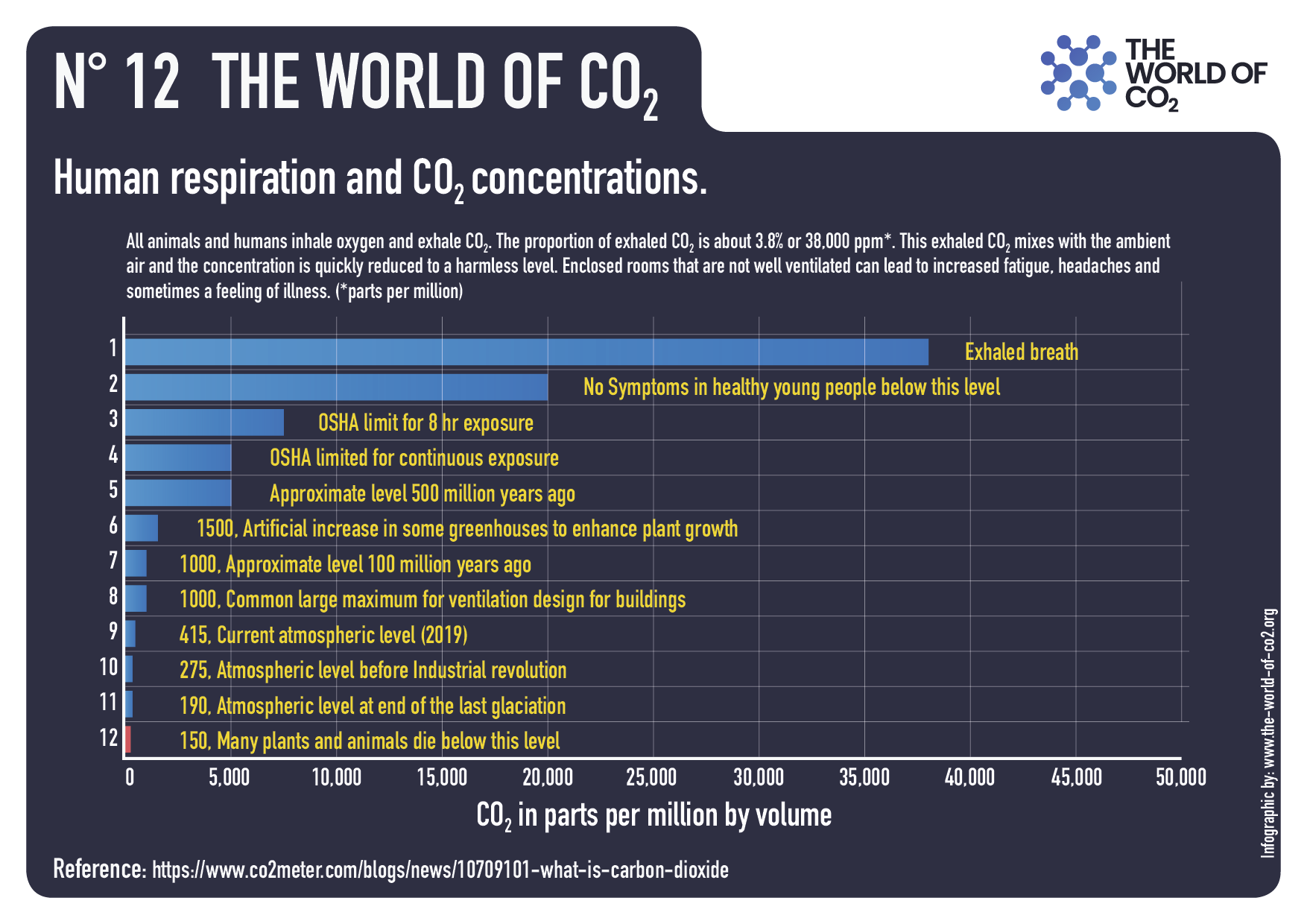
Well, the EPA suggested under Barack Obama that you could use the Clean Air Act in order to regulate carbon emissions, which is insane. That’s totally crazy. The kinds of stuff the Clean Air Act was meant to stop was again particulate matter. It was meant to stop ozone that was breaking down the ozone layer. It was not meant to deal with carbon and particularly carbon dioxide which is a thing that you know is a natural byproduct, for example breathing. Carbon dioxide in the environment is not a danger to human beings.
You may not like what it does in terms of global climate change, but the idea that the EPA has authority under the Clean Air Act is wrong. If Congress wants to give the EPA that authority, then it certainly could, but it never did. The Supreme Court found in 2007 that greenhouse gases could qualify as pollutants under an extraordinarily broad misreading of the law.
But now the EPA is walking that back. And the EPA is suggesting that this is not correct. The Supreme Court and the EPA under their 2009 ruling said, “There is some evidence that elevated carbon dioxide concentrations and climate changes can lead to changes in aeroallergens that could increase the potential for allergenic illnesses.” Well, the Energy Department has now walked that back. They published a comprehensive analysis of climate science and its uncertainties by five outside scientists. One of those is Steven Koonin, who served in the Obama administration.
The crucial point is that CO2 is different from the pollutants Congress expressly authorized the EPA to regulate. Those pollutants are “subject to regulatory control because they cause local problems depending on concentrations including nuisances, damages to plants, and at high enough exposure levels, toxic effects on humans. In contrast, CO2 is odorless, does not affect visibility, and it has no toxicological effects at ambient levels. So, you’re not going to get sick from CO2 in the air.
And so, the EPA administrator Lee Zeldin and Energy Secretary Chris Wright are taking this on. They have said in our interpretation the Clean Air Act no longer applies to greenhouse gases. Well, what does that mean? It means something extraordinary for the American economy, among other things, which is under a massive deregulatory environment.
The alleged cost of regulating greenhouse gas emissions under the Clean Air Act amounts to something like 54 billion per year. So if you multiply that out over the course of the last decade and a half, you’re talking about a cost of in excess of $800 billion based again on a regulatory agency radically exceeding its boundaries.
Well, joining us online to discuss this massive move by the Trump administration is the energy secretary Chris Wright. Secretary, thanks so much for taking the time. Really appreciate it. Thanks for having me, Ben.
Ben: So, first of all, why don’t we discuss what the EPA just did, what that actually means, how’s the energy department involved, and and what does it mean for sort of the future of things like energy developments in the United States?
The Poisonous Tree: Massachusetts v. EPA and the 2009 endangerment finding
Chris: Well, the endangerment finding, 2007 Supreme Court decision, Massachusetts and a bunch of environmental groups sued the EPA and said, “You must regulate greenhouse gas emissions.” Climate activists, basically. Unfortunately the Supreme Court decided five to four in 2007 that greenhouse gases could become endangerments, and if they were the EPA had the option but not the compulsion to regulate greenhouse gases. In 2009, as soon as the Obama administration came in, they did a tortured kind of process to say greenhouse gases endanger the lives of Americans. And that gave the regulatory state, the EPA, the ability to regulate greenhouse gases that the Obama administration and others had failed to pass through Congress. If you pass a law through the House and the Senate and the president signs it, then you can do that. But they just made it up. They just did it through a regulatory backdoor.
And now those those regulations just infuse everything we do, maybe most famously automobiles, the EV mandates, the continual increasing of fuel economy standards that brought us the SUV and everyone buying trucks because they don’t want to buy small cars. But it’s regulating your appliances and power plants and your and home hair dryers and outdoor heaters. So, it’s just been a huge entanglement into American life.
Big brother climate regulations from the government. They don’t do anything meaningful for global greenhouse gas emissions. They don’t change any health outcomes for Americans, but they massively grow the government. They increase costs and they grow the reach of the government. So, Administrator Lee Zeldin is reviewing that and saying, ” We don’t believe that greenhouse gases are a significant endangerment to the American public and they shouldn’t be regulated by the EPA. The EPA does not have authority to regulate them because Congress never passed such a law.
At the Department of Energy, sorry for the long answer, what we did was to reach out to five prestigious climate scientists that are real scientists in my mind; meaning they follow the data wherever it leads, not only if it aligns with their politics or their views otherwise. And we published a long critical overview of climate science and its impact on Americans. And that was released yesterday on the DOE website. I highly recommend everyone to give it a read in synopsis since it’s a big report obviously.
Ben: What are the biggest findings from that report that you commissioned at the Department of Energy with regard to this stuff?
Chris: Maybe the single biggest one that everyone should be aware of is: The ceaseless repeating that climate change is making storms more frequent and more severe and more dangerous is just nonsense. That’s never been in the Intergovernmental Panel on Climate Change (IPCC) reports. It’s just not true.But media and politicians and activists just keep repeating it. And in fact, I saw The Hill had a piece right away when when our press release went out yesterday morning:
Despite decades of data and scientific consensus that climate change is increasing the frequency and intensity of storms, the EPA has reversed the endangerment finding.
Even the headlines are just wrong. One of my goals for 20 years, Ben, is for people to be just a little more knowledgeable of what is actually true with climate change, and what actually are the tradeoffs between trying to reduce greenhouse gas emissions by top- down government actions and what does that mean for the energy system?
We’ve driven up the price of energy, reduced choice to American consumers,
without meaningfully moving global greenhouse gas emissions at all.
And when I talk to activists or politicians about it, they’re not even that concerned about it. They don’t act as if their real goal is to incrementally reduce greenhouse gases in the atmosphere. Their real goal is for the government and them, you know, a small number of people to decide what’s appropriate behavior for all Americans.
Just creepy, top-down control sold in the name of protecting the future of the planet. If it was really about that, they’d know a little bit more about climate change, but they almost never do.
Ben: Well, this is the part that’s always astonishing to me. I get in a room with with climate scientists from places like MIT or Caltech, and we’ll discuss what exactly is going on. These are people who believe that there is anthropogenic climate change, that human activity is causing some sort of market impact on the climate. But when you discuss with them, okay, so what are the solutions? The solutions that that are proposed are never in line with the the kind of risk that they seek to prevent. I mean, the Nobel Prize winning economist William Nordhaus has made the point that there are certain things you could do economically that would totally destroy your economy and might save you an incremental amount of climate change on the other end. And then there are the things that we actually could do that are practical–things like building seawalls, things like hardening an infrastructure, moving toward nuclear energy would be a big one.
And to me, the litmus test of whether somebody is serious or not about climate change is what their feelings are about nuclear energy. If they’re anti-uclear energy, but somehow want to curb climate change, then you know, one of those things is false. It cannot be that you wish to oppose nuclear energy development, also your chief goal is to lower carbon emissions. That’s just a lie.
Chris: Exactly. I mean the biggest driver of reduced greenhouse gas emissions in the US by far has been natural gas displacing coal in the power sector. It’s about 60% of all the US reduction in emissions. But they hate natural gas, you know, because again they’re against hydrocarbons in order to move toward a society that somehow they think is better.
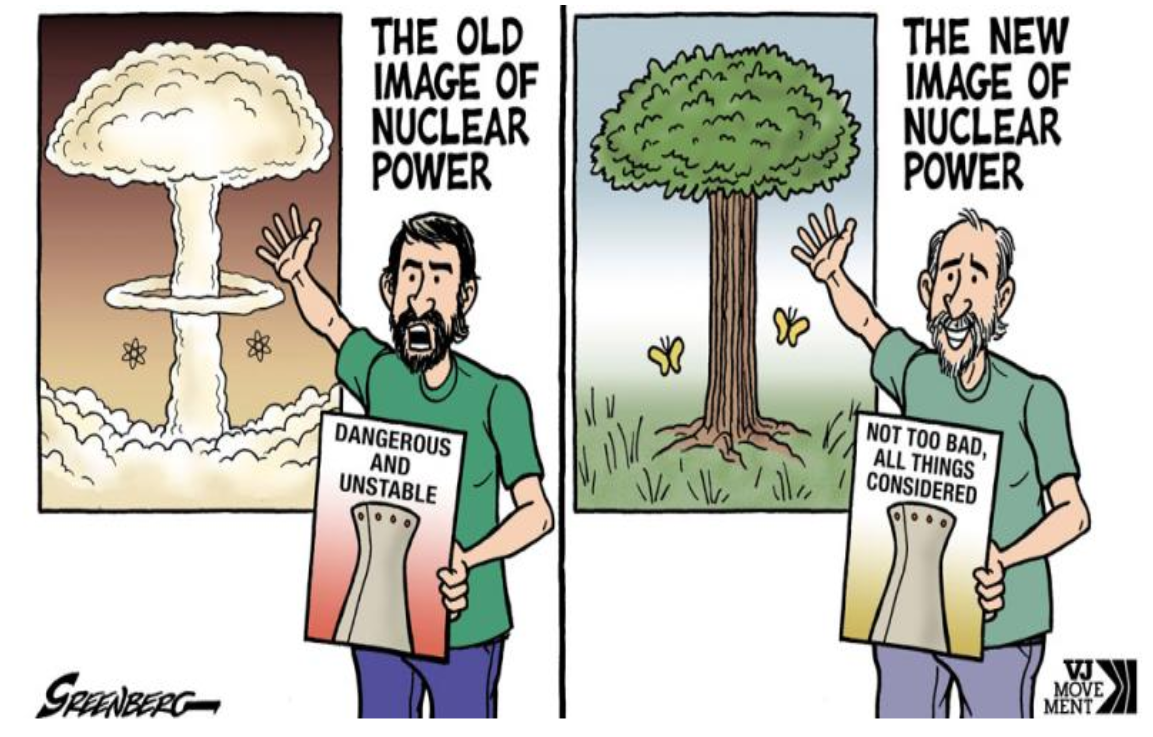
It is helping that more on the left become pro-nuclear. So, I’ll view that as one of the positive side effects of the climate movement and probably is going to help nuclear energy start going again. Of course, there are plenty that are anti-nuclear and climate crazies. So, there’s plenty of them still left. But, as you just mentioned, Nordhaus said in his lecture we should do the things where the benefits are greater than the cost. Sort of common sense. And in his proposed optimal scenario, you know, we reduce the warming through this century by about 20%. Not net zero, because that means you spend hundred trillion dollars and maybe you get $10 trillion of benefits. You know, that’s not good, and then people tell me, well, it’s an admirable goal. It’s aspirational. I’m saying, turning dollars into dimes is not aspirational. It’s human impoverishing.
And we can look over to the United Kingdom. They very proudly announced that they have the largest percent reduction in greenhouse gas emissions, 40%. They don’t tell you they’ve had an almost 30% reduction in energy consumption in the United Kingdom. So their dominant mechanism to drive down their greenhouse gas emissions is simply to consume less energy in England. That comes from two factors. The biggest one is their energy intensive industry is shut down in the country and all those jobs have gone overseas.
That stuff is now made in China, loaded on a diesel-powered ship,
shipped back to the United Kingdom, and they call that green.
And the other mechanism is they made energy so expensive that people don’t heat their houses as warm in the winter. They don’t travel as much. They don’t cool their houses as much in the hot summer days. They’ve impoverished their people so they can’t afford needed energy. This isn’t victory and this isn’t changing the global future of the world. We just need back some common sense around energy and climate change.
That’s where the Trump administration is headed across the administration, not just administer Zeldin and myself, but everyone in the administration. We just want Americans to have a government that follows basic common sense.
Ben: Now, Secretary Wright, we were discussing a little bit earlier on in the show this this excellent second quarter GDP number, some of which is being driven certainly by mass investment in technologies like AI. If you talk to folks who are in the capital intensive arenas, pretty much all the money right now is going into AI. That’s a race the United States must win. And one of the huge components there is the energy that is going to be necessary in order to pursue the sorts of processing that AI is going to require. The gigantic data centers that are now being built are going to require inordinate amounts of energy. Everybody knows and acknowledges this. China is producing energy at a rate that far outstrips the United States at this point. So if we wish to actually win the AI race, we have to unleash an all of the above strategy with regard to energy production. That’s obviously something you’re very focused on. And if we don’t win the AI race, in all likelihood China becomes the dominant economic power on planet Earth. So how important is AI to this? And what does it mean for the energy sector?
Chris: It’s massively important. As you just said, it’s what I called it Manhattan Project 2.0. Because in the Manhattan project when we developed an atomic bomb in World War II, we could not have come in second. If Nazi Germany had developed an atomic weapon before us, we would live in a different world now. It’s a similar risk here if China gets a meaningful lead on the US in artificial intelligence.
Because it’s not just economics and science, it’s national defense, it’s the military. Now we are under serious threat from China and we go into a very different world. We must lead in this area. We have the leading scientists. We have businesses. We have the ability to invest these huge amounts of capital again from private markets and private businesses, which a free market capitalist like myself loves.
The biggest limiter as you set up is electricity. The highest form and most expensive type of energy there is turning primary energy into electricity. And as you just said, China’s been growing their electricity production massively. Ours has barely grown in the last 20 years. In fact, it grew like two or 3% in the Obama years, but then during the Biden years, they got prices up over 25%. You could say they helped elect President Trump by just doing everything wrong on energy. And they certainly weren’t into all of the above. They were all about wind, solar, and batteries. And congratulations, they got them to about 3% of total US energy at the end of the Biden years.
The graph shows that global Primary Energy (PE) consumption from all sources has grown continuously over nearly 6 decades. Since 1965 oil, gas and coal (FF, sometimes termed “Thermal”) averaged 88% of PE consumed, ranging from 93% in 1965 to 81% in 2024. Source: Energy Institute
Hydrocarbons went from 82% in 2019, when Biden promised and guaranteed he would end fossil fuels, to 82% his last year in office. Zero change in market share. So they just believe and cling to too many silly things about energy. So today in the United States, the biggest source of electricity by far is natural gas. That will be the dominant growth that will enable us to build all these tens of gigawatts of data centers. It’s abundant, it’s affordable, and it works all the time. I’ve never been an all of the above guy because subsidizing wind and solar is problematic. You know, globally, a few trillions of dollars have gone into it, and if you get high penetration, the main result is expensive electricity and a less stable grid.
That’s not good. The crazy amount of money the United States government spent on wind and solar hasn’t grown our electricity production because they’re not there at peak demand time. Texas has the biggest penetration of wind and second biggest penetration of solar, 35% of the capacity on the Texas grid. But at peak demand with these cold or warm high-pressure systems the wind is gone. Peak demand time is after the sun goes down and you get almost nothing from wind and solar.
Parasites is what they really are. Just in the middle of the day when demand is low, and all the power plants that are needed to supply at peak demand just all have to turn down. And then the sun goes behind a cloud and they got to turn up again. And then when peak demand comes, when it’s very cold at in the evening, all the existing thermal capacity and nuclear capacity has to run and drive the grid.
So if you don’t add to reliable production at peak demand time,
you’re not adding to the capacity of the grid. You’re
just adding to the complexity and cost of the grid.
I mean, if Harris had won the election, we would not only have no chance to win the AI race against China. We would have increasing blackouts and brownouts today, let alone with the the extra demand, some extra demand that would have come from AI, even if they had won the race. But because President Trump won, common sense came back in spades, and we’re allowing American businesses to invest and lead in AI, we’re in a very different trajectory.
Ben: A very different trajectory. Well, that’s US Energy Secretary Chris Wright doing a fantastic job over there. One of the big reasons that the Trump economy continues to churn along. Secretary Wright, really appreciate the time and the insight. Thanks so much for having me, Ben. Appreciate all you do.
In this action, the EPA proposes to rescind all greenhouse gas (GHG) emission standards for light-duty, medium-duty, and heavy-duty vehicles and engines under CAA section 202(a). Upon review of the underlying actions and intervening legal and scientific developments, including recent decisions by the U.S. Supreme Court and the scientific information summarized in this preamble, the EPA no longer believes that we have the statutory authority and record basis required to maintain this novel and transformative regulatory program. We seek comment on all aspects of this proposal, including on the legal and scientific developments that are being subject to public comment for the first time in this rulemaking.
The EPA now proposes to rescind the Endangerment Finding and all resulting GHG emission standards for new motor vehicles and engines, including the light-duty, medium-duty, and heavy-duty vehicle and engine standards for model years (MY) 2012 to 2027 and beyond. The remainder of this section describes the need for regulatory action and the scope of the proposed action, including rescission of the Endangerment Finding, repeal of related GHG emission standards, and minor conforming adjustments to unrelated emission standards for new motor vehicles and engines that we are not proposing to alter as part of this rulemaking.
Section II of this preamble sets out relevant background, including the events leading up to the Endangerment Finding, the approach taken in the Endangerment Finding to analyzing the scientific record, and the regulations issued since 2009 in reliance on the Endangerment Finding. We also summarize the premises, assumptions, and conclusions in the Endangerment Finding and the scientific information, including empirical data, peer-reviewed studies, and real-world developments since 2009 that led the Administrator to develop concerns sufficient to initiate reconsideration of the ongoing validity and reliability of the Endangerment Finding.
Section III of this preamble describes our legal authority to rescind the Endangerment Finding and repeal the resulting GHG standards issued under CAA section 202(a). Because this proposed action would not impact fuel economy standards and emission standards for criteria pollutants and hazardous air pollutants regulated under the CAA, we explain the relationship between these regulations to set the outer bounds of amendments at issue in this rulemaking.
Section IV.A of this preamble describes our proposal to rescind these prior actions because the Endangerment Finding exceeded our statutory authority under CAA section 202(a). As explained further below, we propose that the term “air pollution” as used in CAA section 202(a) is best read in context as referring to local or regional exposure to dangerous air pollution, consistent with our longstanding practice before 2009. We further propose that CAA section 202(a) does not grant the Administrator “procedural discretion” to issue standalone findings that trigger a duty to regulate, or, conversely, to prescribe standards, without making the requisite findings for the particular air pollutant emissions and class or classes of new motor vehicles or engines at issue. We also propose that CAA section 202(a) does not authorize the Administrator to make separate findings for endangerment and causation or contribution. Rather, we propose that CAA section 202(a) requires the Administrator to find that the relevant air pollutant emissions from the class or classes of new motor vehicles or engines at issue cause, or contribute to, air pollution which endangers public health or welfare, without relying on emissions from stationary or other sources regulated by distinct CAA provisions. As the Supreme Court made clear in Loper Bright Enterprises v. Raimondo, 603 U.S. 369 (2024), we can no longer rely on statutory silence or ambiguity to expand our regulatory power. And because the Nation’s response to global climate change concerns is an issue of significant importance that Congress did not clearly address in CAA section 202(a), we propose that the major questions doctrine further reinforces and provides an additional basis for our proposed interpretations and actions.
The Agency did not have the benefit of the Court’s decisions in Loper Bright and West Virginia, among other applicable precedents, when issuing the Endangerment Finding in 2009. Finally, we explain that the EPA reached contrary conclusions in the Endangerment Finding by misconstruing the Supreme Court’s decision in Massachusetts v. EPA, 549 U.S. 497 (2007), which vacated our denial of a petition for rulemaking on distinct grounds. Read on its own terms, Massachusetts did not require the Agency to find that GHGs are subject to regulation under CAA section 202(a) and does not support our implementation of the statute since 2009.
The Administrator’s review of the relevant information, including scientific literature, gave rise to serious concerns that our actions taken to regulate GHG emissions from new motor vehicles and engines exceed our statutory authority under CAA section 202(a) and are otherwise inappropriate. Continuing to impose billions of dollars in regulatory costs on American businesses and consumers without an adequate legal basis would threaten to undermine public confidence in our activities and commitment to fulfilling the Agency’s core mission: protecting human health and the environment. The EPA has expended significant resources implementing the GHG regulatory program for mobile sources and attempting to expand its GHG regulatory program to stationary sources with limited success in the courts and no apparent real-world results, often at the expense of programs that fall squarely within our statutory authority. Prompt action is needed to address these concerns with the benefit of public participation.
Relatedly, the Administrator has serious concerns that many of the scientific underpinnings of the Endangerment Finding are materially weaker than previously believed and contradicted by empirical data, peer-reviewed studies, and scientific developments since 2009. This proposal seeks public comment on these developments for the first time. Prompt action is needed to address these concerns, and the Administrator requests stakeholder input on the continuing vitality of the assumptions, predictions, and conclusions animating the Endangerment Finding.
Judges in high courts are all claiming a “Human Right to a Stable Climate,” as though any court, parliament or government can make it happen. The latest proclamations come from the International Court of Justice and the Inter-American Court of Human Rights ( IACtHR )
The 234-page IACtHR advisory opinion sets out the court’s perspective on the climate emergency and human rights, recognizing that states have legal obligations under international law to protect current and future generations from the impacts of climate change, to take “urgent and effective” action to cut greenhouse gas emissions, to adapt, to cooperate, and to guard against climate disinformation and greenwashing.
Question to perplexity.ai: Could courts’ emphasis on human activity overlook natural climate variability evidence?
Answer: (my bolds) Courts’ emphasis on human activity as the primary driver of recent climate change is based on the strong scientific consensus reflected in assessments by bodies like the IPCC, and courts have generally accepted these conclusions as beyond reasonable dispute when adjudicating climate law cases23. This approach often involves taking “judicial notice” of mainstream climate science, meaning courts regard anthropogenic climate change as an established fact, obviating the need to litigate scientific basics repeatedly23.
However, this legal methodology can, in practice, result in underweighting evidence of natural climate variability:
The dominant legal standard centers on whether human-caused disruptions introduce new or heightened risks to rights, rather than parsing the specific historical roles of natural versus anthropogenic drivers6. Thus, courts sometimes set a lower bar for causal linkage, assuming risks to rights where types of harm are deemed foreseeable consequences of climate change, even if local variability or confounding natural factors exist65.
Defense arguments in litigation, such as those in Juliana v. United States, have challenged the ability of current science to disentangle anthropogenic from natural variability (especially for region-specific impacts), but such arguments are usually overruled or considered less compelling compared to the broader trend evidence53.
Some court rulings have acknowledged the complexity and multiple contributors to climate outcomes, yet uphold state obligations for mitigation and adaptation, reasoning that even where natural variability exists, the unprecedented pace and scope of human forcing is sufficient to establish state duties under rights frameworks6.
In summary, while courts do not categorically ignore natural climate variability, their emphasis on human activity is guided by prevailing scientific consensus and the precautionary principle. This can lead to less rigorous scrutiny of the full extent of natural variability’s contribution, particularly where the focus is on the foreseeability and scale of rights-endangering risks from ongoing anthropogenic change. Legalrecognition of these risks typically does not require natural and human factors to be weighed equally—potentially overlooking specific nuances of natural variability in individual cases653.
Caveat: There are exceptions, and courts have dismissed some claims where causal links to human activity were too indirect or not supported by sufficient evidence, especially in jurisdictions with stricter standards for standing or causation6. However, the overarching trend is to defer to consensus science prioritizing human-driven change as the principal legal concern.
Question to perplexity.ai: Could ignoring natural variability lead to misjudging climate damage extent?
Answer: (My bolds)
Ignoring natural climate variability in assessing climate damage could indeed lead to misjudging the extent and nuances of that damage. Scientific and assessment literature on climate impacts and natural resource damage emphasizes that both natural variability and human-driven climate changeinfluence climate-related hazards and ecosystem responses, and failing to account for natural variability can complicate accurate attribution and magnitude estimation of damage.
Key points synthesized from relevant sources include:
Baseline Challenge and Detection Difficulty: Climate change increases variability and the frequency of extreme events such as droughts, floods, and storms, but natural variability also influences these patterns. This complicates establishing a stable baseline for comparison. Ignoring natural fluctuations can lead to an under- or overestimate of true climate-related damages, as it is harder to detect how much harm is caused specifically by human activity versus natural cycles5.
Attribution Complexity: Natural variability introduces uncertainty when attributing specific events or damages to human-caused climate change. Explicitly considering natural variability in event attribution studies increases uncertainty ranges but still supports the conclusion that human activity raises the likelihood and severity of some events. Neglecting natural variability risks oversimplifying cause-effect relationships and could distort the assessment of climate risks and damages6.
Changing Reference Conditions: The selection of appropriate reference or baseline conditions for assessing injury to natural resources needs to factor in both long-term trends and natural fluctuations altered by climate change. Static references ignoring natural variability may mischaracterize damage extent or recovery needs5.
Implications for Risk and Damage Assessment: Failure to incorporate natural variability may lead to misjudging vulnerabilities, underestimating risk likelihoods, and misguided policy decisions. Accurate modeling and impact assessment require analysis frameworks that integrate historical variability alongside anthropogenic warming influences27.
In summary, rigorous climate damage and risk assessments seek to integrate natural variability to improve accuracy and avoid misjudging the scale or cause of damage. While natural variability is not a reason to dismiss anthropogenic climate impacts, acknowledging it refines understanding and strengthens attribution and legal or policy responses.
This nuanced view aligns with the legal and scientific approaches courts rely upon when considering climate damage claims: they defer to comprehensive scientific consensus but remain mindful of uncertainties introduced by natural climate variability.
My Comment:
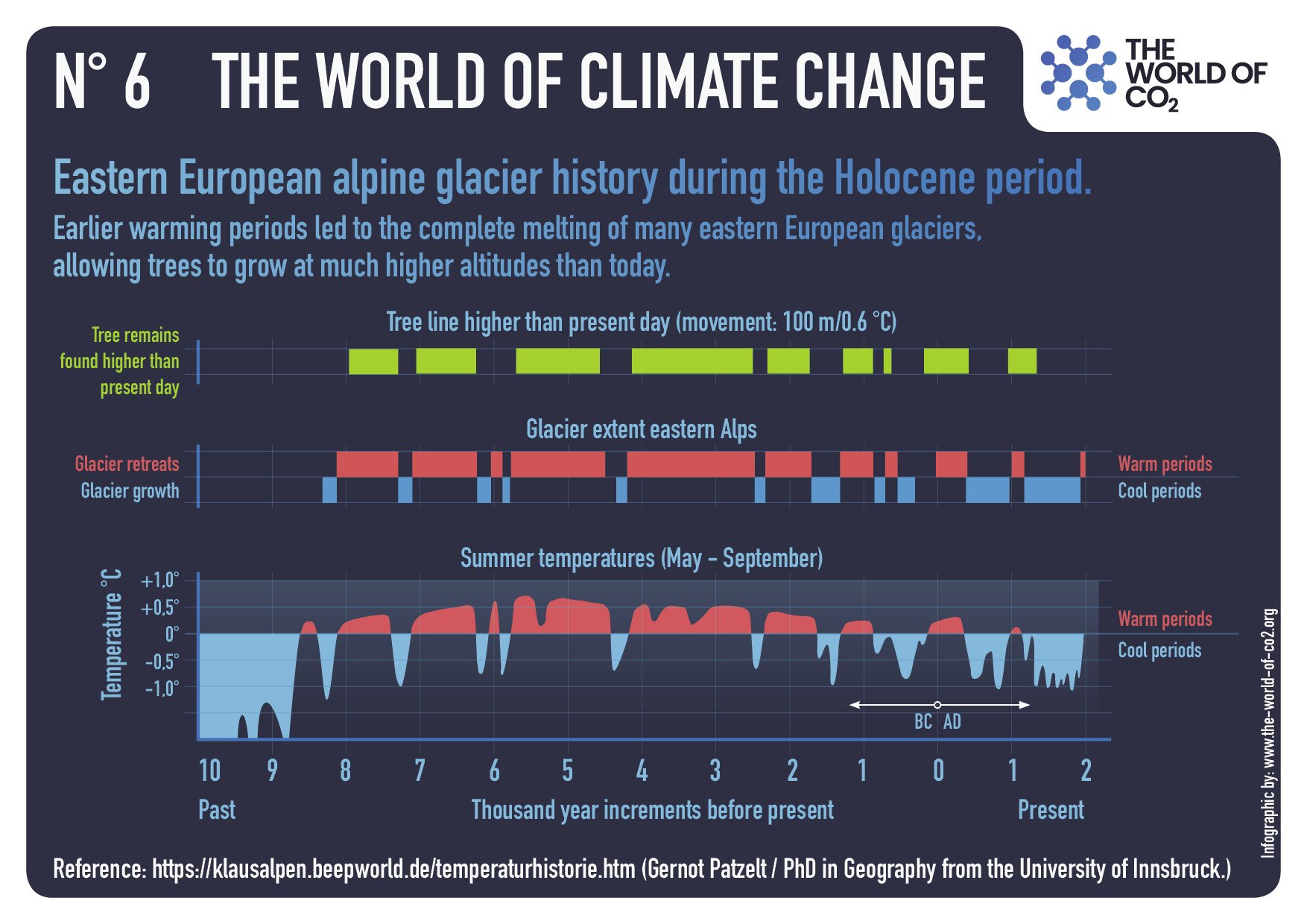
Not seeing much of that nuance from judges blindly following IPCC nostrums. The right to a stable climate ignores the fact the modern era is full of both warm and cool periods, including many times without any possible human influence.
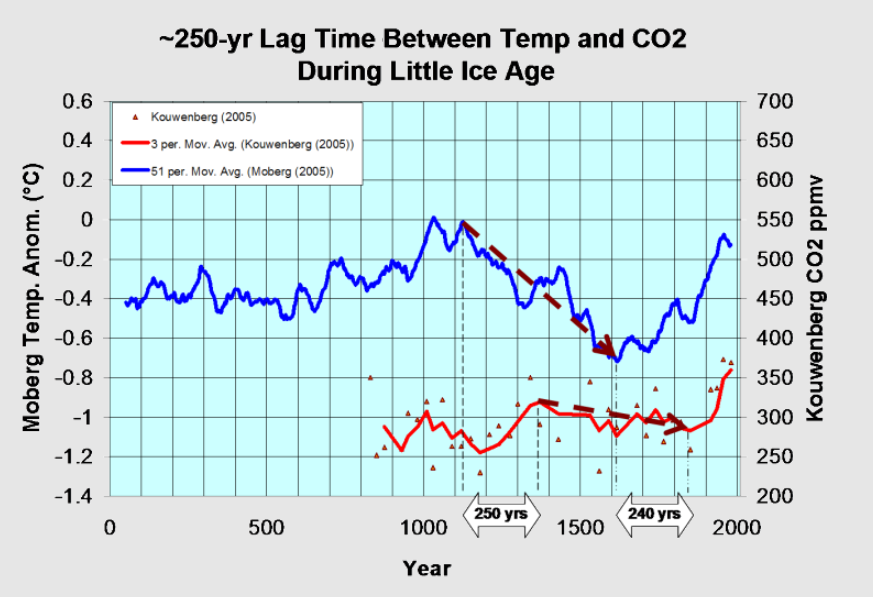
A coincidental positive correlation is considered evidence of human causality, ignoring periods of weak or negative correlation.
Danielle Franz writes at Real Clear Energy No Country for Climate Hawks. Excerpts in italics with my bolds and added images.
Once perched atop the climate movement’s moral high ground, the self-anointed “climate hawks” are now watching their influence dwindle, and nowhere is that retreat more visible than in California. Long the epicenter of progressive climate ambition, the Golden State is now backpedaling. Democrats who once championed aggressive environmental mandates are hitting pause, reworking regulations, and distancing themselves from policies that have driven up energy and housing costs. A post-2024 reality check has swept the party: climate may still poll well in theory, but not when it collides with affordability.
This shift isn’t isolated. It’s emblematic of the climate hawks’ broader failure — a movement that moralized, catastrophized, and sacrificed working-class livelihoods on the altar of performative virtue. And it didn’t stop with workers. Families were expected to absorb the fallout — higher costs, fewer opportunities, and a more uncertain future — all in the name of climate dogma. For years, these activists dominated environmental discourse by demanding ideological purity.
They mistook loud rhetoric for leadership, performance for policy,
and apocalyptic forecasts for political strategy.
Thankfully, as The Breakthrough Institute’s Alex Trembath has long forecast, the era of the climate hawk is over. And the climate will be better off for it. As former allies begin to walk away, it’s clear their crowning achievement was turning climate into a culture war they were never equipped to win.
At the heart of this shift is a growing movement that doesn’t
treat energy as a sin, but as a tool of national strength.
It’s a philosophy that values building over banning, which means restoring industrial capacity, modernizing infrastructure, and investing in the American worker. It rejects the scarcity mindset that tells people they must give up comfort, reliability, or opportunity in the name of climate – so that the next generation doesn’t grow up fearing collapse, but growing into a culture of confidence, responsibility, and renewal.
Instead, it insists that the way forward is to invest in
the backbone of our economy, empower the working class,
and bring energy production home.
It recognizes the answer to environmental challenges isn’t less; it’s more. More energy. More innovation. More freedom to solve problems creatively. Instead of forcing society to shrink and sacrifice, we ask how we can grow smarter. Recognizing that climate strategy must also serve the interests of the people, national security, and long-term prosperity, it’s a vision rooted in hope for the future, not austerity.
And there’s a policy consensus emerging.
Clean energy systems need to be affordable and reliable.
Rather than relying on long-term subsidies or regulations, domestic policy should be structured to encourage the innovation, commercialization, and deployment of cheaper and cleaner energy resources. This way, American resources and technology can expand energy at home and dominate global markets, while also reducing emissions. Likewise, policy should prioritize climate adaptation. We should empower communities with the tools and flexibility to manage their forests, embrace regenerative agriculture, and resourcefully steward their ecosystems as the climate changes. Our environmental approach should be grounded in the American family and national interest at the center of the conversation.
What’s replacing the hawks isn’t apathy. It’s realism. A new generation is emerging – leaders who are less interested in preaching and more interested in producing. They view climate not as a moral crusade, but as a challenge of engineering, economics, and national renewal. They understand that the future won’t be built through degrowth or doomerism, but through innovation, adaptation, and strategic investment in America’s strengths.
This isn’t about utopian dreams or global pledges. It’s about reindustrializing the nation, repowering the grid, and grounding environmental goals to serve the American people. That’s how you build lasting support – and get real results.
The climate hawks are facing extinction. And in their absence,
something stronger is finally taking flight.
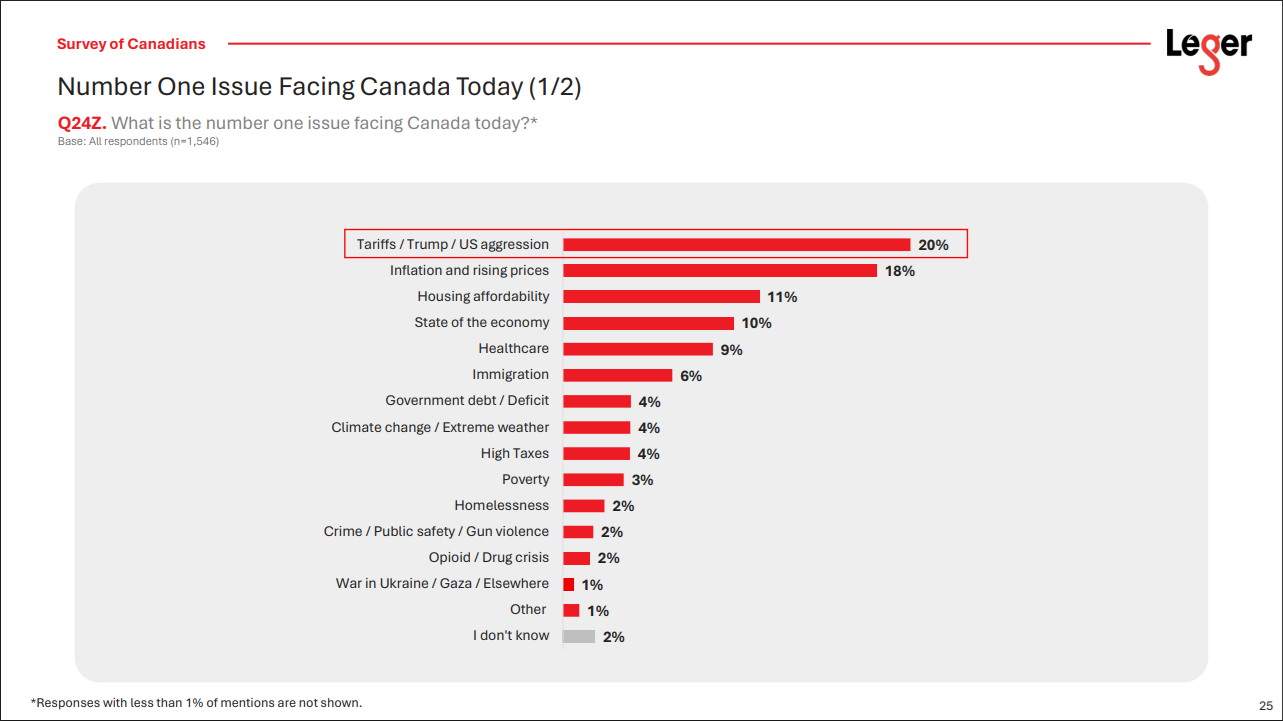
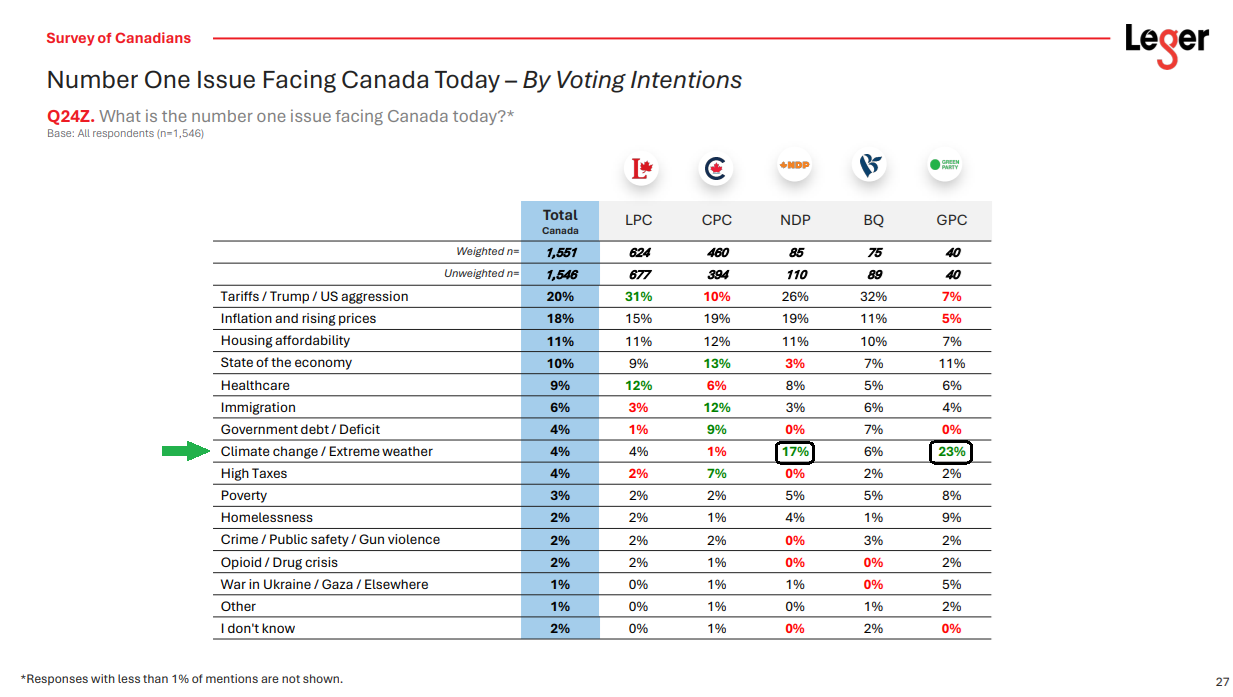
Only 4% of Canadians think climate change is our top problem.
But many of them are hard-core activists ready to block projects.
Over the past several months, public concern about climate change has declined dramatically, replaced by newfound enthusiasm for the development of Canada’s vast oil and gas reserves. The federal government is now under mounting political pressure to expedite the construction of pipelines to tidewater that will bring economic growth, employment, energy security and funding for social programs or tax relief.
What caused the sharp reversal in public opinion?
And will the government actually deliver?
Prime Minister Mark Carney has long championed climate catastrophism and a commitment to net zero, both in his various jobs on the world stage and in his 2021 book, Values. After entering politics, however, he has embraced fossil fuels, and the legacy media have joined him in a head-spinning abandonment of its obsessive focus on global warming’s alleged existential threat to humanity. Whether Carney’s transformation reflects transitory political expediency or is an overdue acknowledgment of economic and scientific reality is now key to Canada’s economic prospects.
Over the past four decades, incessant advocacy from the scientific establishment, media and opinion leaders made first global warming and then climate change the consensus view. Deviation jeopardized reputations and careers, especially for scientists and academics, who risked losing funding or even their jobs. It was no surprise, then, that in 2022, 73 per cent of Canadians believed we were confronting a climate emergency. But now, according to a recent Leger poll, only four per centsay climate change is the number one issue facing Canada.
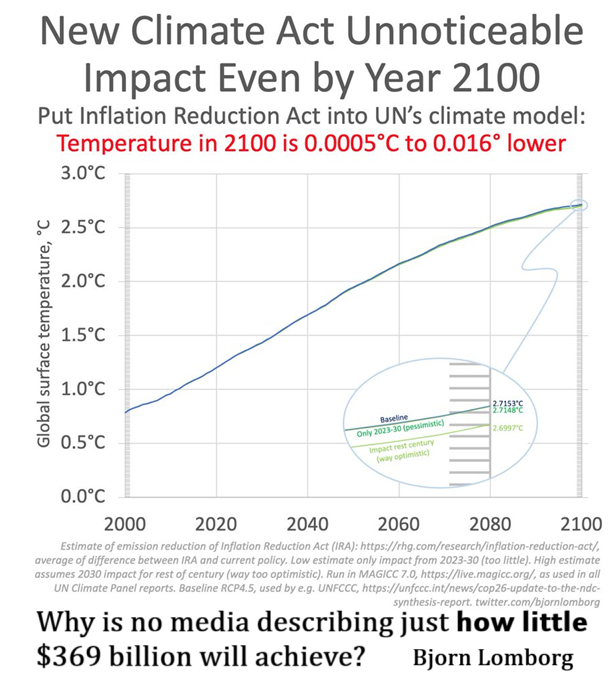
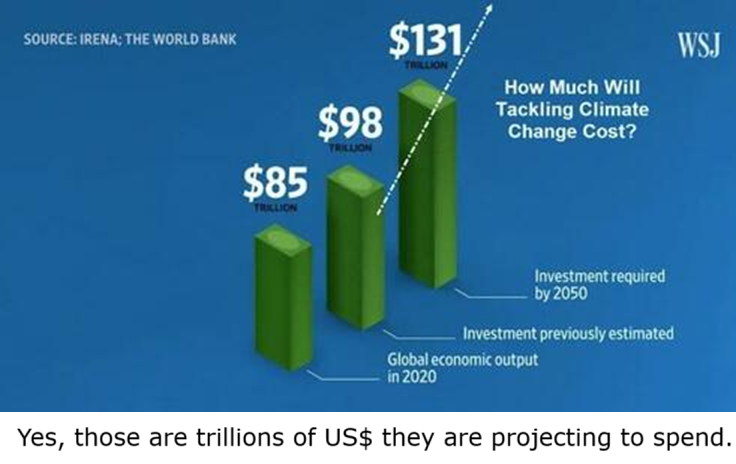
President Donald Trump’s shocking tariffs and 51st-state talk have diverted Canadians’ attention from climate change. And so have the exorbitant costs of green policies, the growing realization that nothing Canada does can measurably impact global temperatures, and the fact that green policies either weren’t adopted in many countries or have became politically toxic in countries where they were. Despite literally trillions of dollars being spent globally on reducing emissions, hydrocarbons still account for over 80 per cent of the world’s primary energy.
According to McKinsey, achieving net zero globally by 2050 would cost the Western countries a prohibitive $275-550 trillion. That makes it politically untenable.
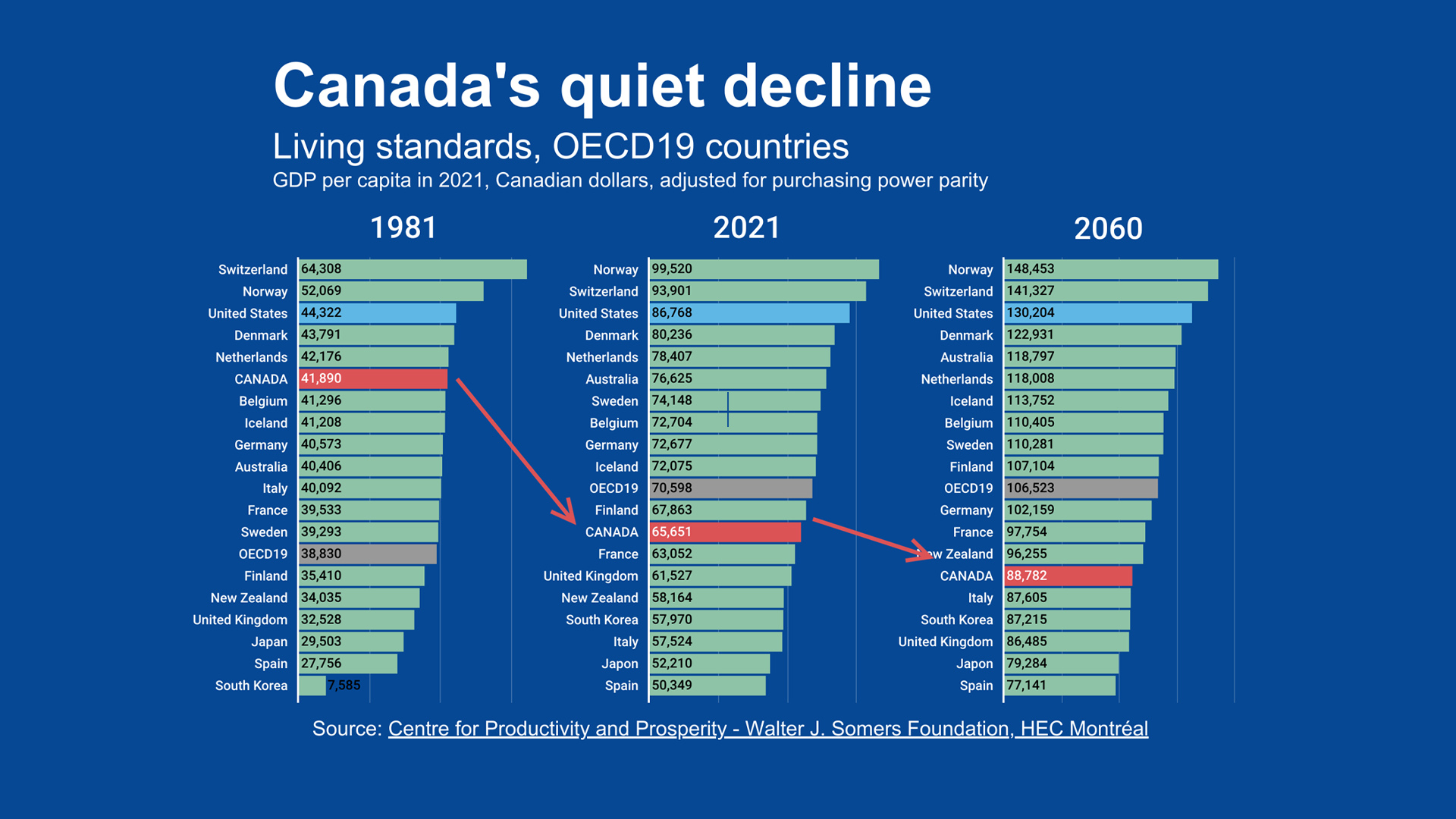
Wall Street Journal columnist Andy Kessler recently argued that green policies are largely responsible for European GDP falling from equal to American in 2008 to just two-thirds of it today. Soaring energy prices have led to de-industrialization, compounding the effects of high taxes and social spending, intrusive regulations and a protected workforce. Canada also, and for similar reasons, suffered a lost decade: growth of just half a per cent in real GDP per capita — compared with 20.7 per cent in the U.S.
And maybe the public has finally become skeptical of endless prophecies of impending disasters: “endangered” polar bears almost tripled in the past 50 years; hundreds of Pacific islands have increased in land size; death from extreme weather decreased by 99 per cent in the past 100 years; nine times as many people die from the cold as the heat; and so on. The Little Ice Age ended in the late 19th century with a gradual rise in temperatures — if not, we would still be in an ice age. Yet just 14 months ago, UN Climate Change Executive Secretary Simon Stiell said we had only two years to save the planet.
Future psychologists, economists and historians will examine the early 21st-century phenomenon of collective climate hysteria, what drove it, what ended it (if it has ended) and what damage it wrought. One thing is all but certain: there will be no admission of guilt for the enormous harm inflicted on Canada and other economies. Although the public has moved on, a hard-core group of climate militants is prepared to exploit every legal and regulatory impediment to resource development in Canada. The federal government will have to use all its legislative and executive authority to push the new energy projects it says it favours through to completion. Only then will Canadians know whether Mark Carney has truly changed his core beliefs.
1. “From what you’ve read and heard, is there solid evidence that the average temperature on earth has been getting warmer over the past four decades?”
Yes
No
Don’t Know (volunteered)
2. [If yes, solid evidence] “Is the earth getting warmer mostly because of human activity such as burning fossil fuels or mostly because of natural patterns in the earth’s environment?”
Human Activity
Natural Patterns
Combination (volunteered)
Not sure / Refused (volunteered)
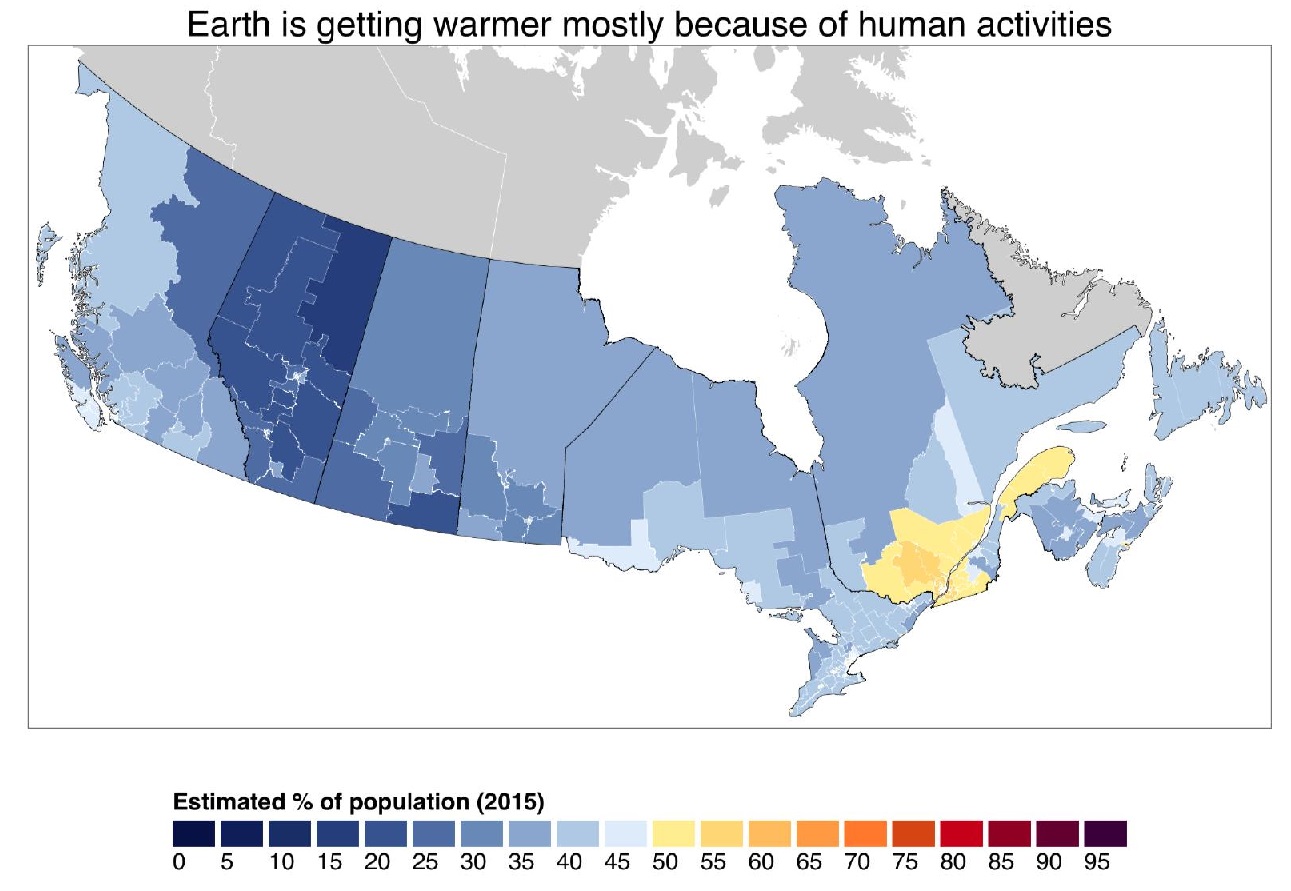
So the 79% who said there’s solid evidence of warming the last 40 years got a followup question: mostly caused by human activity or mostly natural? Slightly more than half said mostly human, thus a result of 44% believing both that it is warming and that humans are mostly to blame.
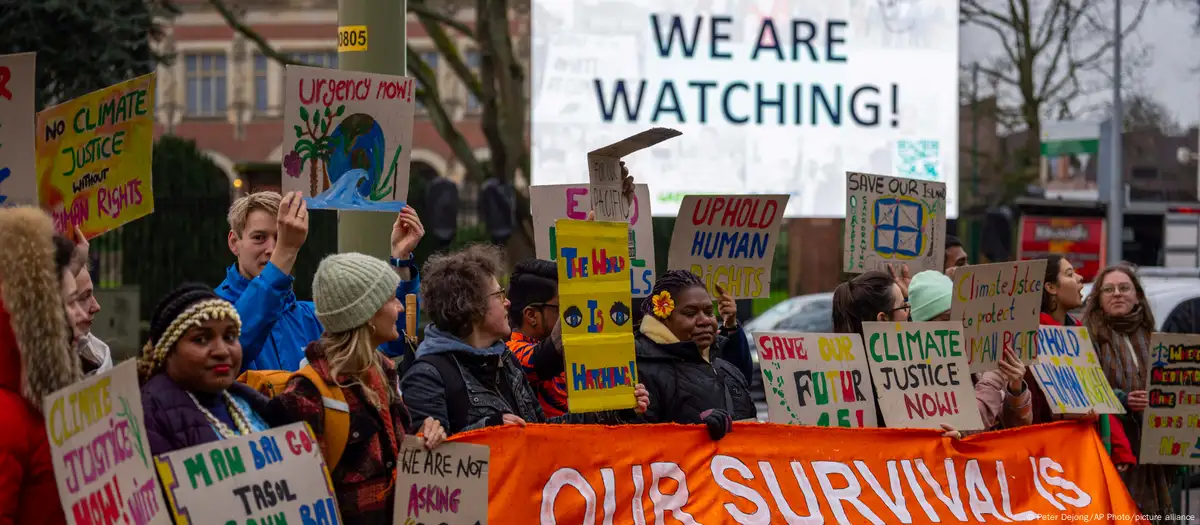
Activists hoping the opinion from the ICJ’s judges will have far-reaching legal consequences in the fight against climate change Image: Peter Dejong/AP Photo/picture alliance
The media is rampant today with headlines like these:
World Court says countries are legally obligated to curb emissions, protect climate, UN News
World’s top court says major polluters may need to pay reparations for climate harm, CNN
UN’s top court says failing to protect planet from climate change could violate international law, CBC
Top UN court says countries can sue each other over climate change, BBC
Top U.N. Court Says Countries Must Act on Climate Change, New York Times
Etc., Etc., Etc.
I asked perplexity.ai: (bolds in answer supplied by perplexity)
Question: How did the ICJ address scientists disputing IPCC reports like Clintel in its climate advice?
Answer: The International Court of Justice (ICJ), in its advisory proceedings on climate change, did not address or give consideration to scientists or groups—such as Clintel—who dispute the findings of the IPCC. Instead, the ICJ relied heavily and explicitly on the IPCC as the authoritative source on climate science throughout the process.
Key points from the available evidence:
The ICJ held a private meeting with IPCC scientists just before hearings began, reflecting the Court’s view of the IPCC as the “scientific pillar” of the climate change regime1.
This meeting was not part of the formal, public hearings and did not include scientists who dissent from the IPCC—states and organizations participating in the advisory proceedings had no opportunity to question or respond to IPCC scientists1.
The process was criticized for lacking transparency and procedural fairness precisely because it favored a single scientific perspective (the IPCC’s), with no indication that alternative scientific viewpoints were admitted or reviewed1.
The UN General Assembly’s request for the advisory opinion itself referenced the “utmost concern [for] the scientific consensus expressed” in the IPCC reports, reinforcing the Court’s mandate to treat the IPCC’s findings as the foundation for its analysis13.
Available commentaries and summaries of the ICJ process do not mention any engagement with scientists or organizations disputing IPCC conclusions, nor do they report that groups like Clintel were referenced or invited as experts13.
While the ICJ has, in rare past cases, consulted technical experts informally, in this climate case it only announced consultation with IPCC figures, reinforcing the exclusion of dissident scientific voices19.
In summary, the ICJ’s approach gave exclusive scientific authority to the IPCC and provided no forum, reference, or weight to scientists disputing its reports, such as those from Clintel13. The Court did not discuss or acknowledge the existence of such scientific disagreement in its process, instead treating the IPCC’s consensus as fact. This approach has been criticized for its lack of transparency and its failure to incorporate procedural safeguards for alternative scientific views19.
Followup Question: Why might the World Court have misunderstood the legal status of the Paris Accord?
Answer: The World Court might have appeared to misunderstand or at least oversimplify the legal status of the Paris Agreement because the Agreement’s nature is complex and somewhat ambiguous under international law, blending legally binding procedural obligations with politically framed, flexible commitments that lack sharp enforcement mechanisms.
Key reasons explaining why the Court could be seen as misunderstanding or glossing over these complexities include:
Legal Flexibility and Lack of Enforcement: The Paris Agreement is a treaty with binding procedural obligations but lacks strong accountability measures, sanctions, or punitive mechanisms for non-compliance1. Articles 13 and 15 establish monitoring and compliance mechanisms that are explicitly “non-intrusive” and “non-punitive,” reflecting the Agreement’s flexible, voluntary essence rather than strict legal constraints on outcome1. Courts may struggle to treat such a hybrid treaty as fully binding in the traditional sense.
Ambiguity over Obligation Types: The Paris Agreement distinguishes between “obligations of conduct” (procedural duties) versus “obligations of result” (achieving emission cuts). It requires parties to submit NDCs and report on implementation but does not legally bind States to achieve specific emission targets or outcomes34. This ambiguity can lead to varying interpretations of the Agreement’s binding force.
Differing State Practices and Interpretations: There remains disagreement among states and experts about whether the Paris Agreement creates firm legal obligations to prevent climate change or is largely aspirational with voluntary commitments6. Some states perceive it as political guidance rather than a hard treaty, influencing how international bodies perceive its weight.
Constraints of International Litigation and Court Jurisdiction: International courts like the ICJ have limited jurisdiction and cannot enforce treaty provisions on states unwilling to submit to their authority1. This constrains how formally the Court can treat the Agreement’s legal status, especially when major emitters are outside its compulsory jurisdiction16. The Court’s advisory role means it clarifies law based on existing commitments but cannot enforce or create new obligations.
Interaction with Customary International Law: Some legal scholarship suggests that customary international law—independent but related to treaty law—may impose broader climate duties on states, which complicates whether the Court grounds its decisions on the Paris Agreement alone or on evolving international legal norms1.
In sum, the World Court may have been perceived as misunderstanding the Paris Agreement’s legal status because the Agreement is simultaneously a legally binding treaty in form with procedural and transparency obligations, yet it remains politically flexible, non-punitive, and ambiguous regarding enforcement or specific outcome obligations. This hybrid nature poses challenges for courts in characterizing it strictly as a binding treaty imposing strong legal duties, thus potentially giving the appearance of oversimplification or misunderstanding in the Court’s advice.
Therefore, the Court’s approach likely reflects the difficulty of interpreting a treaty designed to maximize participation through flexibility rather than strong binding commitments, rather than a simple misunderstanding of the Paris Agreement’s status1346.
My Summary
Despite the courtroom venue and judges participating in rendering an opinion, this was a political, not a legal process. A court of law seeks truth through an adversarial process whereby parties advocate for two or more viewpoints on the matter at hand, including facts and logic of the arguments. Here there was no hearing and weighing of differing evidence and perspectives, just a preconceived partisan political declaration.






















 Once perched atop the climate movement’s moral high ground, the self-anointed “climate hawks” are now watching their influence dwindle, and nowhere is that retreat more visible than in California. Long the epicenter of progressive climate ambition, the Golden State is now backpedaling. Democrats who once championed aggressive environmental mandates are hitting pause, reworking regulations, and distancing themselves from policies that have driven up energy and housing costs. A post-2024 reality check has swept the party: climate may still poll well in theory, but not when it collides with affordability.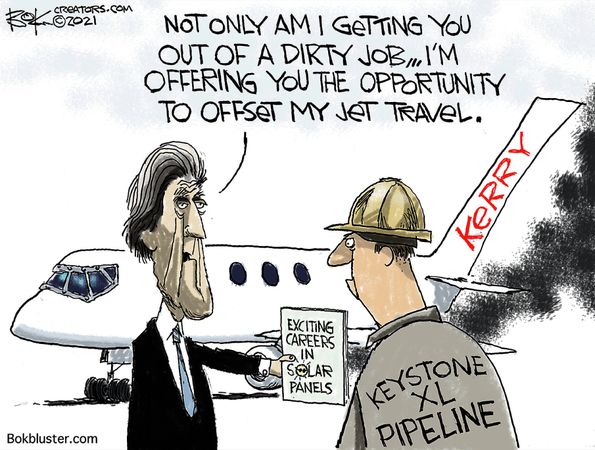
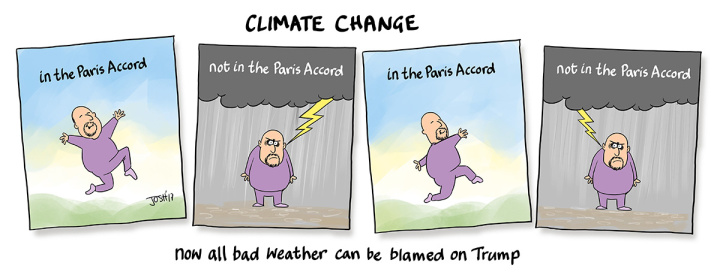
 What’s replacing the hawks isn’t apathy. It’s realism. A new generation is emerging – leaders who are less interested in preaching and more interested in producing. They view climate not as a moral crusade, but as a challenge of engineering, economics, and national renewal. They understand that the future won’t be built through degrowth or doomerism, but through innovation, adaptation, and strategic investment in America’s strengths.


 Science Matters