“Climate Change” in Leftist Eyes

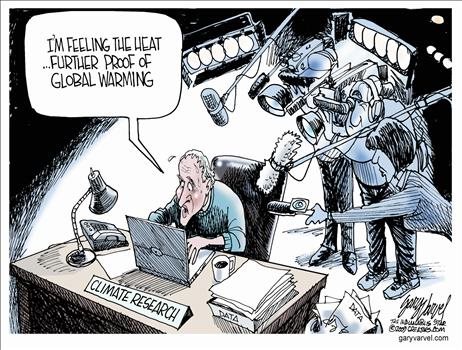
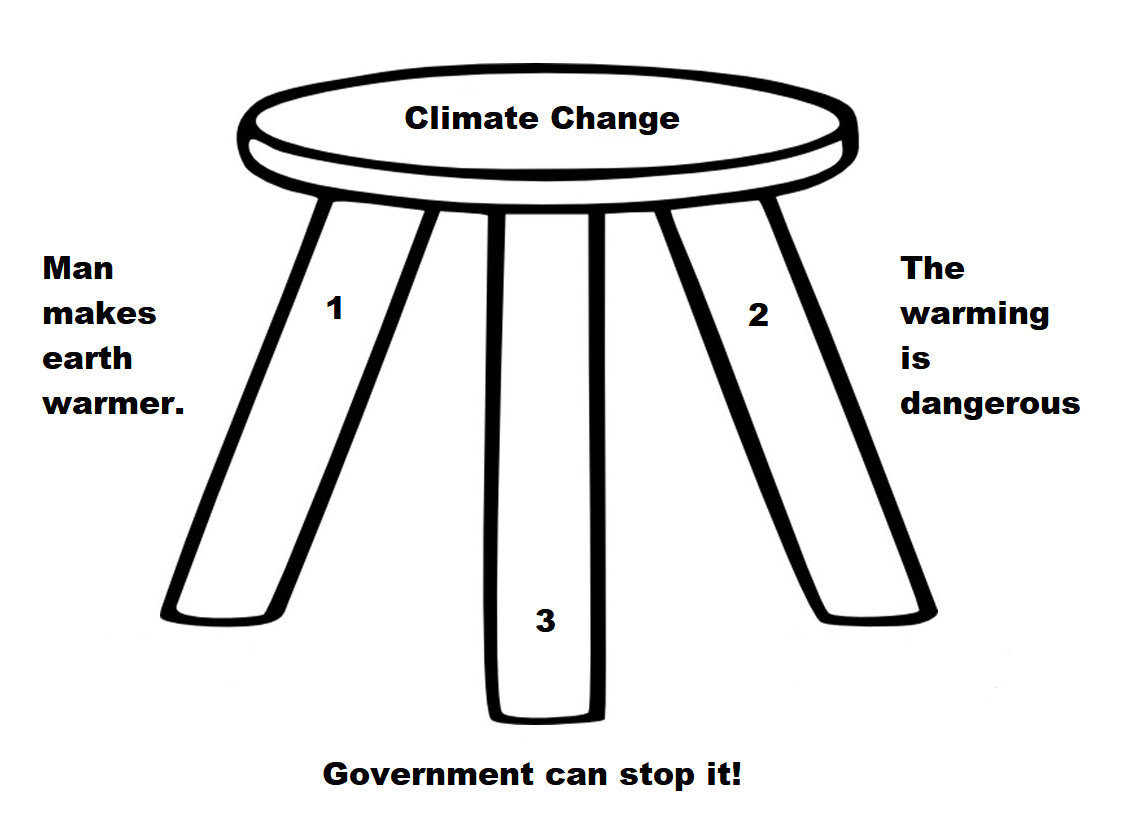
The Climate Change threat depends on three assertions, and collapses if any of them fall.

Linnea Lueken writes at American Thinker “Climate Change” means whatever the Left wants it to mean.  Excerpts in italics with my bolds and added images.

In a recent interview with Sen. Bernie Sanders (I-VT), Joe Rogan touched on the issue of climate change, a favorite talking point for Sanders.

Predictably, Sanders insisted that climate change is not a “hoax.” To this, Rogan raised some of the problems with the common media and political narratives surrounding claims of a climate crisis. The exchange reminded me, though, that despite how silly and absurd climate alarmists look to most of us, the way they have structured the climate debate is pretty smart.

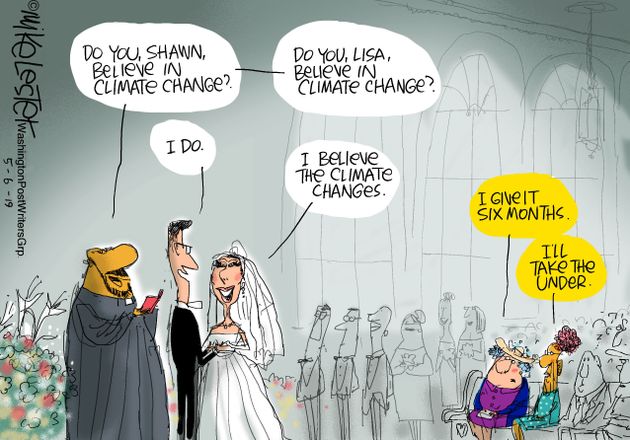
How frustrating is it when they say things like “climate change is real,” or, as Sanders told Rogan, “climate change isn’t a hoax,” with such gravity?

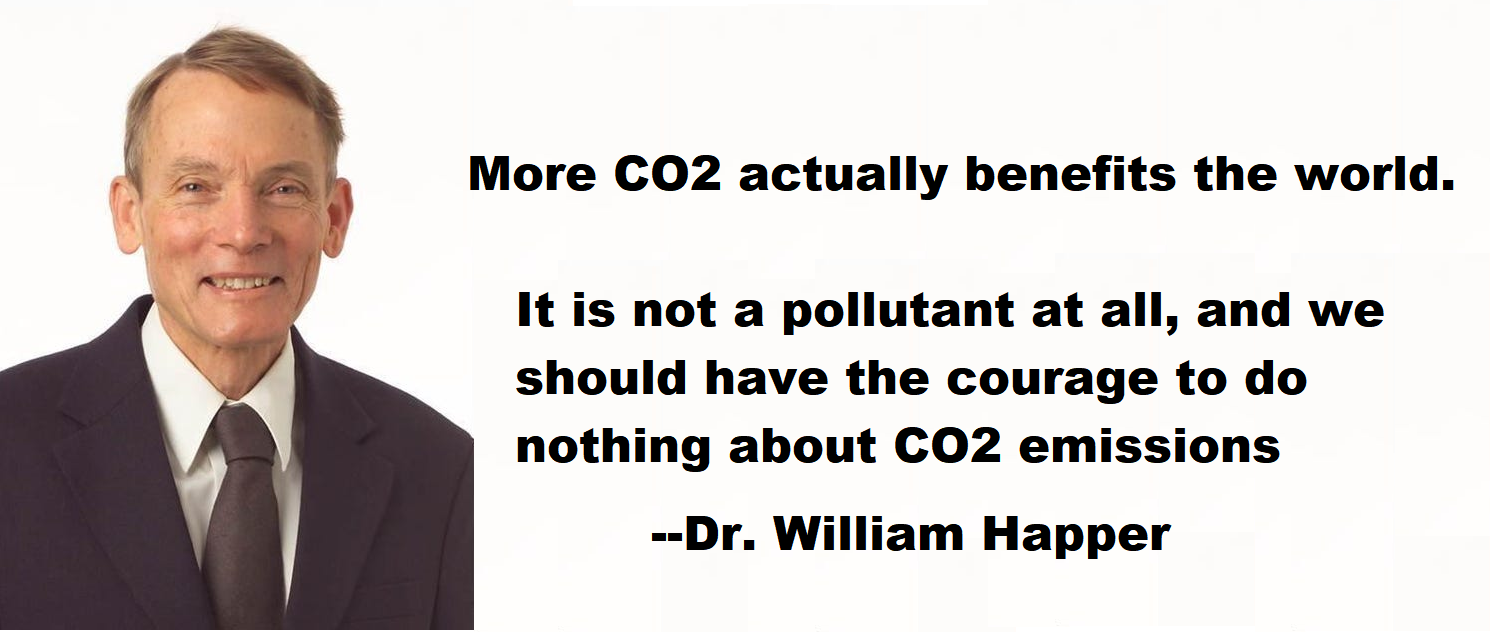
Yes, climate change is real. This beautiful planet we are blessed to call home has multiple types of climate regions and they all constantly change in one way or another, both subtly and sometimes dramatically, over time. Stasis has never existed on Earth. Change is the natural order. An unchanging planet is a dead rock — deader than dead, because even other lifeless planets in our solar system experience seasons and long-term changes. Thus, climate change is not a hoax.

But that’s not what alarmists mean when they say, “climate change.”

When President Trump says climate change is a hoax, he is obviously not saying that natural climate change does not happen, he may not even be asserting that humans have no impact.

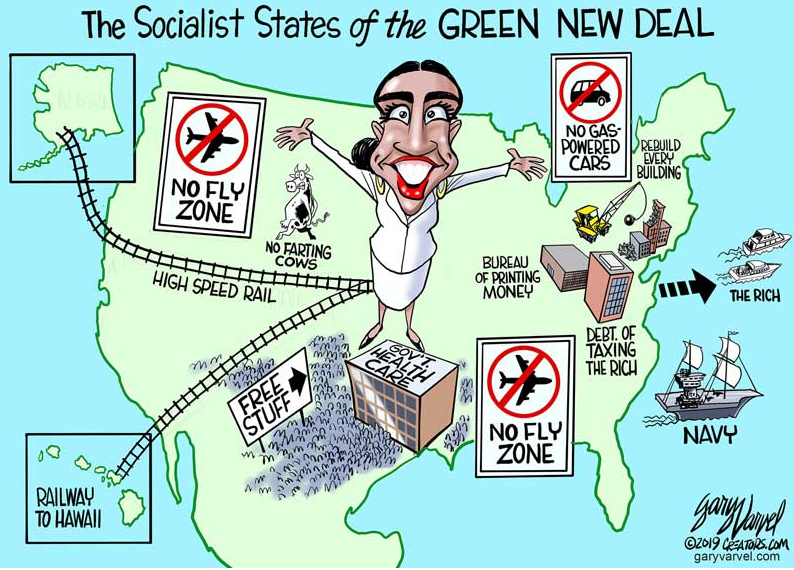
 Climate change, in the way activists, the media, politicians, and many scientists commonly use it, comes loaded with a presupposition that it is an unnatural change. Specifically, that most of the warming of the past century or so is anthropogenic — originating from human activities like farming and driving cars — and that such change is an existential threat. In short, one can accept the fact that climate change is a natural phenomenon and still be called a climate denier if you don’t agree with people like Sanders, who declare that windmills, solar panels, electric vehicles, and global socialism are the only proper responses to the changing climate.

To those who value truth and precision, this is aggravating
because it is incomplete, vague, and for all intents and purposes, false.

This is by design, and I think it is mostly tied to the utility of the “denier” label.

It allows interested parties to dismiss people who don’t take a very narrow view of the subject and ostracize scientists who disagree even marginally from the dominant narrative. The truth of the matter is that the science is not settled. Every single element of the anthropogenic climate change theory is up for debate, with varying degrees of disagreement.

It is also dangerous. For example, people in positions of power, like former U.S. Attorney General Loretta Lynch and Sen. Sheldon Whitehouse (D-RI), have expressed interest in prosecuting “climate deniers.” They want to intimidate freethinkers who “follow the science,” while ignoring the fact that we live in a constitutional republic, not a scientific dictatorship.

The facts and data don’t dictate a particular course of action. How to respond to the information, if we even need to, is a decision for individuals and sometimes the political realm. This should be based on our values and an understanding of the trade-offs and risks and benefits of courses of action — scientists have no particularly valuable expertise or insights above the rest of us when making such decisions.

Because the term “climate change” is so nebulous and ubiquitous, anything connected to persecuting or suppressing critics of policy surrounding “climate change” can also be shifted as easily as the alarmists want.

It is smart and tactical, and easy to weaponize. It is easy to smear scientists who are skeptical of the dominant narrative by even mere degrees, silence dissent, and possibly worse, without ever needing to clarify the fullness of the alarmist position or defend the often very extreme political policies that come tied to it.

We need to see realist or skeptical politicians and media figures put the alarmists on their back feet by demanding they define exactly what they mean by “climate change” when the term is used. If Joe Rogan had asked Sanders to define the term “climate change” in addition to the other good points Rogan made, we may have been able to see Sanders forced to solidify the term and have his positions questioned in a more direct and devastating way.

We also need to force alarmists to defend the policy fixes they endorse.

They need to admit their effects on liberty and economic prosperity, their impacts on people in poorer countries, and they must explain exactly how (or if) those policies will change the climate and weather for the better. They need to prove it on time scales where they can actually be held accountable. They need to tell us how much temperature and sea level rise will be prevented, how many lives saved, etc., rather than accepting their ambiguous assurances that if we end fossil fuel use, the world will magically be a better place.


Scafetta: Climate Models Have Issues

On June 18, 2025 Nicola Scafetta published Detection, attribution, and modeling of climate change:  key open issues.  Excerpts in italics with my bolds and added images.

Abstract

The Coupled Model Intercomparison Project (CMIP) global climate models (GCMs) assess that nearly 100% of global surface warming observed between 1850–1900 and 2011–2020 is attributable to anthropogenic drivers like greenhouse gas emissions. These models also generate future climate projections based on shared socioeconomic pathways (SSPs), aiding in risk assessment and the development of costly “Net-Zero” climate mitigation strategies.

Figure 1. Anthropgenic and natural contributions. (a) Locked scaling factors, weak Pre Industrial Climate Anomalies (PCA). (b) Free scaling, strong PCA Source: Larminat, P. de (2023)

Yet, as this study discusses, the CMIP GCMs face significant scientific challenges in attributing and modeling climate change, particularly in capturing natural climate variability over multiple timescales throughout the Holocene. Other key concerns include the reliability of global surface temperature records, the accuracy of solar irradiance models, and the robustness of climate sensitivity estimates. Global warming estimates may be overstated due to uncorrected non-climatic biases, and the GCMs may significantly underestimate solar and astronomical influences on climate variations.

The equilibrium climate sensitivity (ECS) to radiative forcing could be lower than commonly assumed; empirical findings suggest ECS values lower than 3°C and possibly even closer to 1.1 ± 0.4 °C. Empirical models incorporating natural variability suggest that the 21st-century global warming may remain moderate, even under SSP scenarios that do not necessitate Net-Zero emission policies.

These findings raise important questions regarding the necessity and urgency of implementing aggressive climate mitigation strategies. While GCMs remain essential tools for climate research and policymaking, their scientific limitations underscore the need for more refined modeling approaches to ensure accurate future climate assessments. Addressing uncertainties related to climate change detection, natural variability, solar influences, and climate sensitivity to radiative forcing will enhance predictions and better inform sustainable climate strategies.

Discussion

Scientific challenges in climate detection, attribution, and modeling stem from three primary issues:

1. the inherent uncertainty of what measurements really indicate complicates the detection of climate change and its causative factors;
2. the anthropogenic contribution is superimposed to natural climate variability, necessitating comprehensive understanding and accurate modeling of the latter;
3. key physical processes, such as cloud formation and solar contributions to climate dynamics, remain poorly characterized.

Figure 1:

(A) Compilation of the radiative forcing functions utilized in the CMIP5 GCMs (adapted from IPCC,2013, Figure 8.18).
(B) Variations in observed global surface temperature (black) alongside the CMIP3 and CMIP5 model simulations incorporating only natural forcing and combined natural-anthropogenic forcing (adapted from IPCC, 2013, FAQ 10.1, Figure 1).
(C) Compilation of the radiative forcing functions utilized in the CMIP6 GCMs (adapted from IPCC, 2021, Figure 2.10).
(D) Observed global surface temperature variations (black) alongside the CMIP6 model simulations incorporating only natural forcing and combined naturalanthropogenic forcing (adapted from IPCC, 2021, Figure SPM.1).

Notably, in both (B) and (D), the observational data necessary
to validate the GCM predictions that consider only natural forcings
are not reported because they do not exist.

While all available GCMs indicate that the positive feedbacks surpass the negative ones thus amplifying the effects of radiative forcing, large uncertainties associated with crucial feedback mechanisms — particularly those related to water vapor and cloud formation — remain substantial.

Feedback mechanisms include:

Water Vapor Feedback — A positive feedback governed by the Clausius-Clapeyron law, which links ocean vaporation rates to temperature increases;
Albedo Feedback — A positive feedback arising from changes in surface reflectivity due to ice and snow
cover variations;
Cloud Feedback — Particularly challenging to quantify, as cloud formation, type, and distribution are sensitive to warming; certain clouds cool the surface by reflecting solar radiation, while others trap emitted
heat, making their net contribution highly uncertain;
Lapse Rate Feedback — A negative feedback involving modifications to atmospheric temperature vertical
gradients;
Carbon Cycle Feedback — Activated by warming-induced CO2 release from soils and oceans (per Henry’s law), further increasing atmospheric CO2 concentrations;
Vegetation Feedback — Temperature and precipitation changes alter vegetation cover, which influences
carbon storage and surface albedo.

The CMIP6 GCMs are also employed to simulate future climate scenarios based on hypothetical radiative forcing functions derived from Shared Socioeconomic Pathways (SSPs). The ones mainly adopted in the IPCC AR6 are:
SSP1-2.6 — low greenhouse gas emissions, with robust adaptation and mitigation measures leading to
Net-Zero CO2 emissions between 2050–2075;
• SSP2-4.5 — intermediate emissions, where CO2 levels remain near current levels until 2050 and subsequently decline without achieving Net-Zero by 2100;
• SSP3-7.0 — high emissions, with CO2 concentrations doubling by 2100 under minimal policyintervention;
• SSP5-8.5 — very high emissions, with CO2 levels tripling by 2075 under a worst-case scenario devoid of
mitigation measures.

Figure 3: CMIP6 GCM ensemble mean simulations spanning from 1850 to 2100, employing historical effective radiative forcing functions from 1850 to 2014 (see Figure 1C) and the forcing functions based on the SSP scenarios 1-2.6, 2-4.5, 3-7.0, and 5-8.5. Curve colors are scaled according to the equilibrium climate sensitivity (ECS) of the models. The right panels depict the risks and impacts of climate change in relation to various global Reasons for Concern (RFCs) (IPCC, 2023). (Adapted from Scafetta, 2024).

Conclusion

Over the span of approximately three decades, from the publication of the First Assessment Report (FAR, IPCC, 1990) to the Sixth Assessment Report (AR6, IPCC, 2021), the Intergovernmental Panel on Climate Change (IPCC) has significantly advanced  marked up its understanding of the role of anthropogenic emissions in driving global warming.

In the 1990s the IPCC posited that both natural mechanisms and human activities could have contributed roughly equally (∼50% each) to the observed warming of the 20th century. However, since the years 2000s the prevailing scientific opinion has shifted, and the IPCC (AR6, 2021) now asserts that human activities are almost exclusively responsible (∼100%) for the global warming and climate change observed from 1850–1900 to 2011–2020.

The most recent assessment reports IPCC (2021, 2023) underscore this conclusion with striking clarity. As shown in Figure 2, the average contribution of natural factors — solar and volcanic forcing and internal natural variability — to global warming during the aforementioned period is estimated to be approximately 0°C.  Consequently, from the CMIP GCM perspective, concerns about future climate warming due to additional anthropogenic greenhouse gas (GHG) emissions are well-founded. However, this conclusion depends on the reliability of global surface temperature records and the robustness of the physical science underpinning global climate models (GCMs).

The findings outlined above underscore significant uncertainties in climate modeling, climate data, solar records, and solar-climate interactions, leaving unresolved the key question of whether observed warming is primarily driven by anthropogenic factors, natural processes, or their interplay. Empirical methodologies, such as those utilized by Scafetta (2023a, 2024) and Connolly et al. (2023), highlight this ongoing ambiguity.

Concerns are mounting regarding the limitations of the CMIP GCMs employed by the IPCC in its assessment reports from 2007, 2013, and 2021. These models appear unable to accurately replicate natural climate variability across different timescales, highlighting critical unresolved issues in fundamental climate dynamics.Also the magnitude of solar variability across temporal scales requires further investigation, particularly given the strong correlations identified between solar proxy records and climate patterns throughout the Holocene. Schmutz (2021) argued that such strong correlations challenge the validity of the low-variability TSI models, such as those proposed by Matthes et al. (2017), Kopp et al., 2016 and Wu et al. (2018). Since these models serve as solar forcing inputs for the CMIP6 GCMs, their choice needs to be reconsidered.

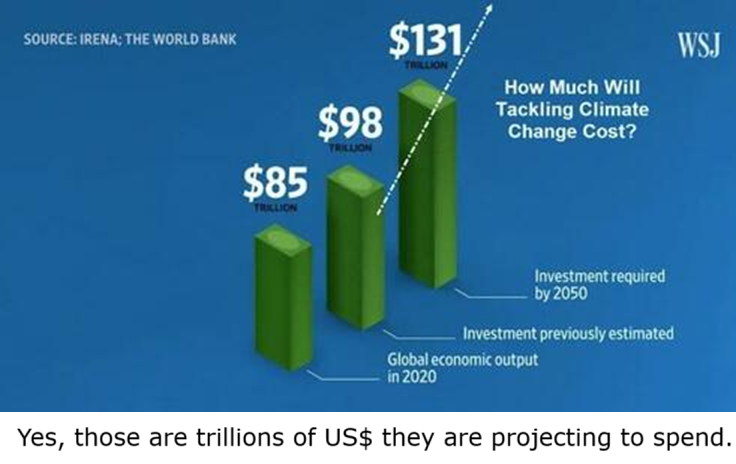
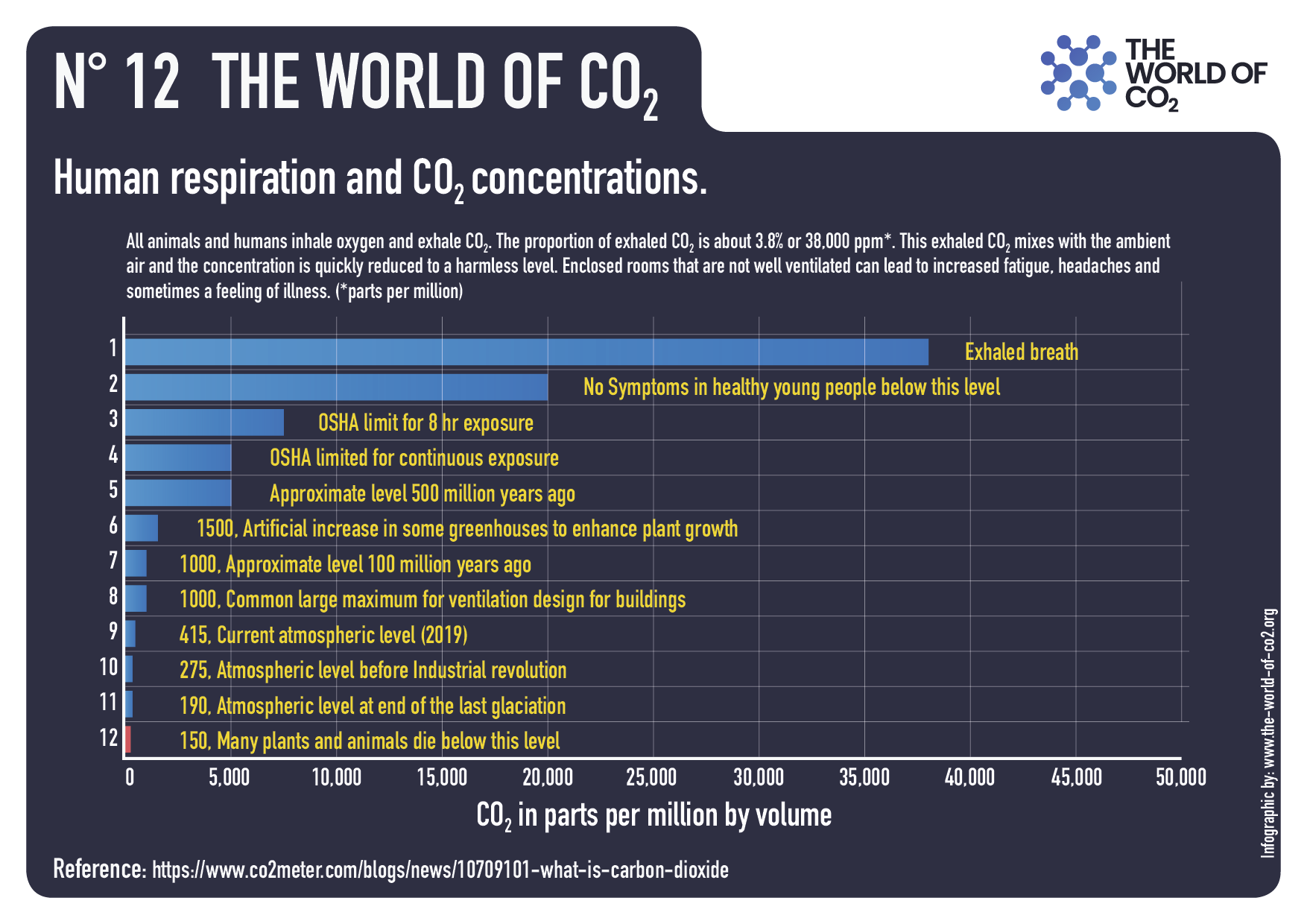
Climate science remains far from settled, yet trillions of dollars continue to be allocated toward policies aimed at mitigating extreme hypothetical warming scenarios based on potentially flawed GCM outputs. Historically, atmospheric CO2 levels have been 10 to 20 times higher than current concentrations during approximately 95% of Earth’s history since complex life emerged 600 million years ago (Davis, 2017). Notably, CO2 concentrations often lag temperature changes across different timescales, suggesting temperature fluctuations may drive CO2 variations rather than vice versa (Shakun et al., 2012; Koutsoyiannis, 2024).

Advancing climate science requires directly confronting uncertainties in detection, attribution, and modeling. Further research on unresolved issues is critical for improving climate risk assessment and developing more effective strategies for addressing future environmental challenges.


Wacky New Climate Lawsuit: Wrongful Death from Heat Wave

David Zaruk reports at Real Climate Science Climate Activists Sue Oil Industry for Wrongful Death.  Excerpts in italics with my bolds and added images.

Climate activists employing tort law firms have lost one lawsuit after another in their misguided crusade to bankrupt energy companies by blaming them for the effects of climate change. This isn’t about justice, for victims deserving or otherwise, but instead a nakedly unscrupulous effort to achieve progressive policy ends by ulterior means. 

But it hasn’t panned out, as a growing number of “public nuisance” cases–tried in liberal and conservative jurisdictions and adjudicated by Democrat- and Republican-appointed judges alike–have been dismissed or lost for abusing law, science, and common sense.

Rather than admit defeat and abandon this strategy, however, the lawyers and activists are trying a new approach: wrongful death suits. No longer are oil companies only at fault for statewide climate damages caused by everyone’s CO2 emissions—now the tactic is to make them responsible for specific, individual fatalities. At least that’s the fantastical argument they’re hoping to present in court.

The first such case was filed last month when Washington resident Misti Leon brought a wrongful death complaint in state court against seven major energy companies and a subsidiary pipeline firm claiming the greenhouse emissions from their products contributed to a 2021 heat wave that killed her mother, Juliana Leon. The victim was found dead after a long drive in a car without air conditioning during a record-breaking 108°F day in Seattle.

The lawsuit alleges these companies knowingly altered the climate,
failed to warn the public, and are liable for Juliana’s death by hyperthermia. 

While the tragedy of Juliana’s death is undeniable, this lawsuit is a scientifically preposterous and ideologically driven attempt to exploit personal loss for political gain, masquerading as a quest for justice. 

A flawed premise

The premise of the lawsuit—that oil companies’ emissions directly caused a specific heat wave and, by extension, an individual’s death—is a leap that collapses under even the slightest scrutiny. Climate science cannot pinpoint a single weather event as the direct result of any one company’s actions. CO2 emissions are a global, cumulative phenomenon, with contributions from countless sources—industrial, agricultural, and individual. Furthermore, there are so many other factors beyond CO2 emissions that could affect particular weather events.

When global warming skeptics employ this curious logic in the opposite direction, using specific weather events like heavy snowfall to debunk climate change, environmental activists rightly highlight the flawed logic: you can’t deny a global phenomenon based on regional weather events. “… [W]hat happens locally, or over short periods of time, is not necessarily representative of what’s happening nationally and globally,” Yale University’s Center for Environmental Communication explains.

Yet when Leon claims that “each Defendant is transacting or has transacted substantial business in Washington,” she is committing the same fallacy by trying to tie global phenomena to company-specific operations in a single state. As judges presiding over previous climate cases have concluded, the plaintiffs can’t have it both ways.

It’s simply untenable to allege a global corporate conspiracy
while demanding restitution for a local tragedy. 

The lawsuit’s reliance on attribution science, which estimates the likelihood that climate change made an event more probable, underscores this problem. It’s widely recognized within mainstream climatology that “Event attribution is not ready for a major role in loss and damage” claims, as a recent article in the prestigious journal Nature Climate Change observed. One of the key reasons for this conservative stance toward attribution science is that it’s based on complex models built on myriad assumptions about the atmospheric conditions across entire countries–and around the world.

Legitimate wrongful death claims require clear causation and foreseeability. Here, the chain is impossibly attenuated: emissions from multiple companies, mixed globally over decades, allegedly intensified a heat wave, which, combined with Juliana’s tragic personal circumstances (a long drive with no air conditioning, diagnosed comorbidities, and recovering from major surgery), led to her death. There is simply no reasonable way to leap from existing attribution studies to that conclusion. 

Rehashing “Exxon Knew”

The lawsuit’s narrative hinges on the claim that these companies “knew” their products would cause “catastrophic climate disasters” yet misled the public. “Defendants have concealed their knowledge of and deceived the public about these risks,” Leon’s complaint alleges, “hooking consumers on fossil fuels without their understanding or consent to the risk of harm to themselves, others, and the planet.”

The gaping flaw in this logic was recently exposed by a Delaware judge presiding over a related climate suit, which also blamed specific damages in the state on the oil industry. As Firebreak’s analysis of that case pointed out, the “Exxon Knew” trope is based on the assumption that the effects of climate change have been “open and obvious” for decades. The plaintiffs, Ms. Leon included, are desperately trying to accuse the energy industry of successfully denying a phenomenon that everyone has been aware of for decades. The plaintiffs’ response to this criticism? Dead silence. As the Delaware judge observed in her decision

“There were reports and stories in The Washington Post and The New York Times that warned the public about global warming and the deception used by oil and coal industries … Defendants have provided evidence showing that the general public had knowledge of or had access to information about the disputes, regarding the existence of climate change and effects, decades prior …This information and evidence is unrefuted by the State.”

While it’s true that energy companies conducted internal research on the potential environmental impacts of their products–as all companies do as part of basic risk management scenario building–so did governments, universities, and other industries. What all of these groups have in common is that they wanted more information about the potential risks, and tradeoffs, of an extremely useful and civilizationally pivotal source of energy. 

Combined, these knowledge seekers built a gradual, evolving scientific consensus on global warming—which is far less alarmist than the public has been told. For instance, it’s now widely recognized by many experts (even if with a degree of disappointment) that a runaway warming scenario is highly unlikely.

The fact that energy companies contributed to this consensus about climate change isn’t scandalous—and it’s certainly no justification for a wrongful death suit. Internal industry documents from decades ago confirm that oil companies were studying long-term climate trends, but they certainly didn’t have a crystal ball that predicted the effects of warming half a century later.

Thanks for the cheap energy, see you in court 

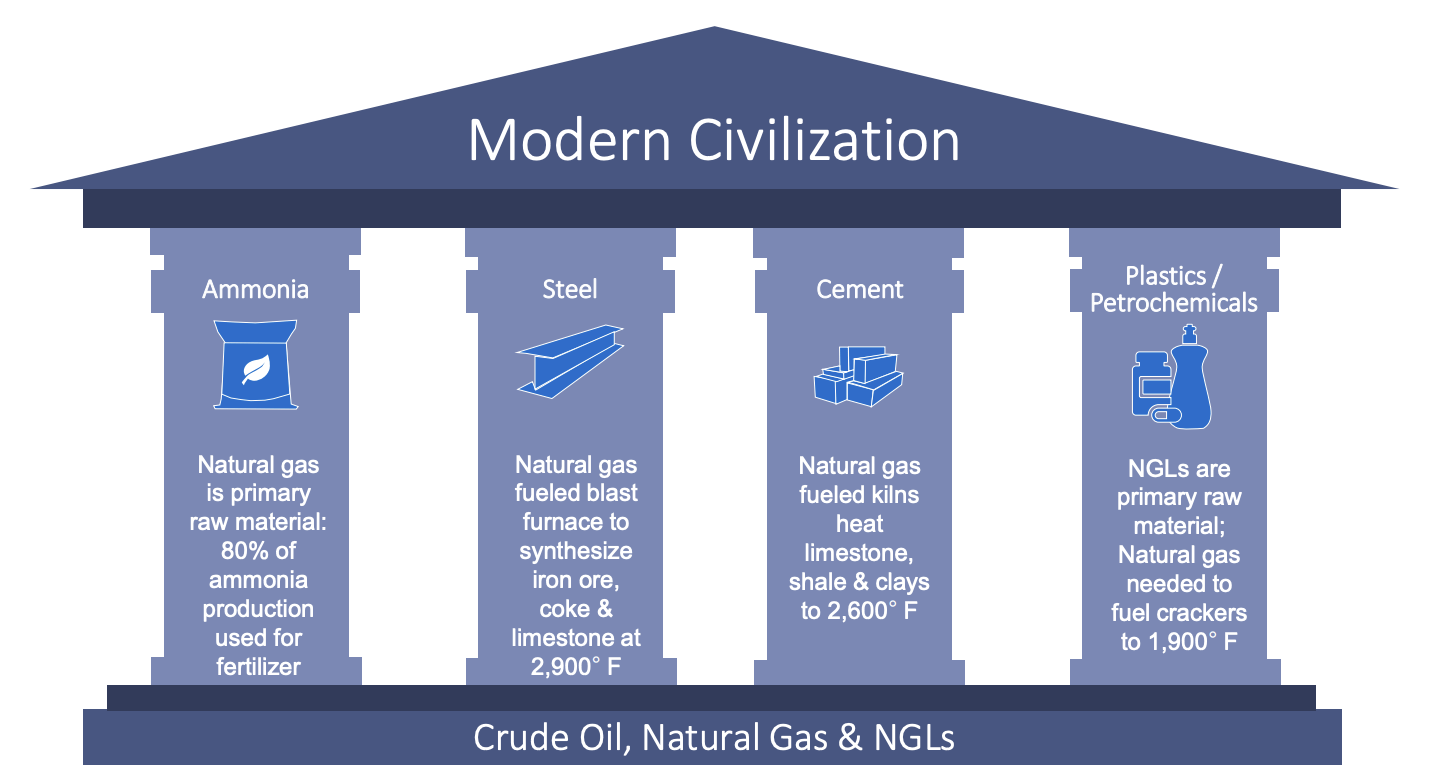
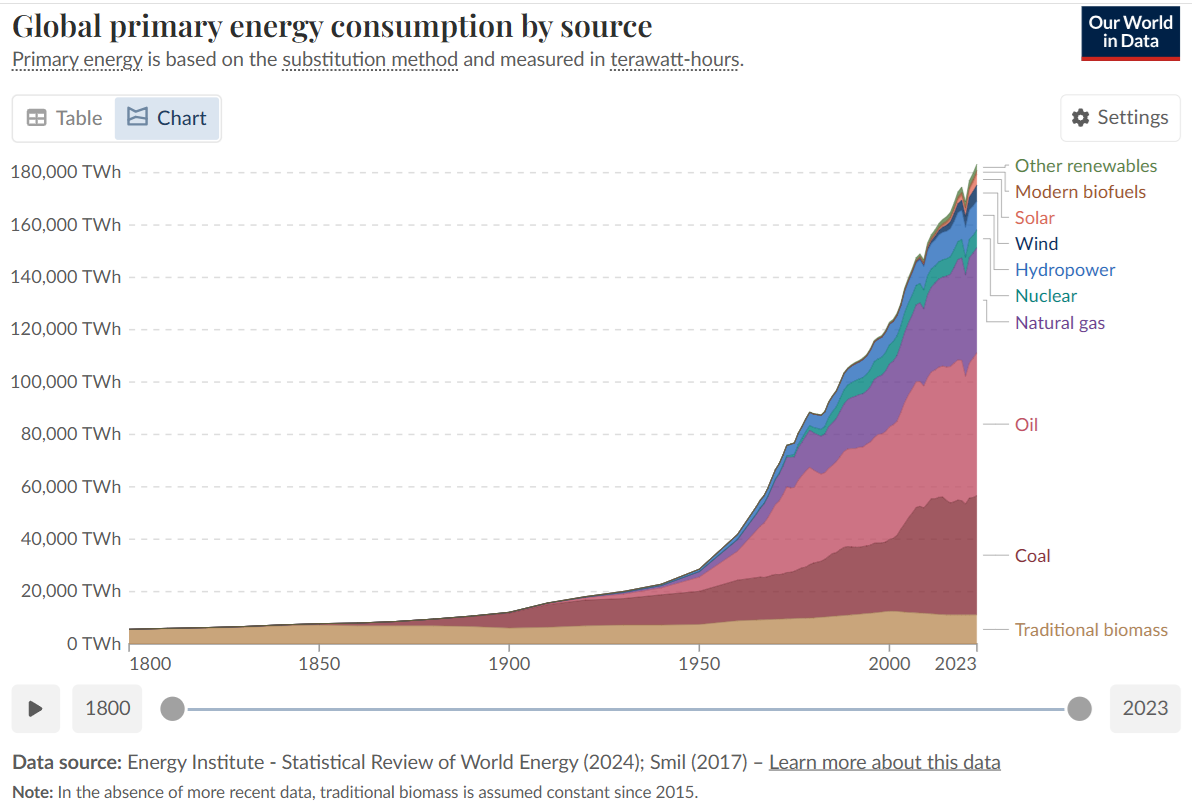
The overarching problem with Ms. Leon’s claim is that fossil fuels power modern civilization with the literal and figurative “buy-in” of governments, businesses, and citizens. As willing consumers of abundant food, affordable electricity, life-sustaining and life-saving tools, and medical devices, we are, all of us, undeniably contributors to the effects of climate change, whatever they turn out to be. 

The lawsuit’s accusation of a grand conspiracy sidesteps this shared responsibility for social choices, painting oil companies as singular villains. We can’t build a sprawling, global civilization powered by oil and gas and then turn around and sue the industry that supplied us with so much inexpensive energy. Quite literally every plaintiff in these climate damage suits–every city, state, and now individual–has been and continues to be a longtime customer of the fossil fuel industry. The hypocrisy is off the charts.

Demand for justice or ideological crusade?

And while Leon’s complaint frames the suit as a quest for justice, her demands expose just how disingenuous the case is. Beyond unspecified damages, Misti Leon seeks to force these companies to fund “a public education campaign to rectify Defendants’ decades of misinformation.” This smacks of activism, not justice. It suggests the goal is less about compensating a loss than about scoring points in the culture war over climate policy. 

The Center for Climate Integrity, an advocacy group backing the case, frames it as a landmark effort to hold “Big Oil” accountable. Yet, their rhetoric—calling the lawsuit the first to tie an individual death to a “climate disaster”—reveals a strategy of emotional manipulation, leveraging Juliana’s death to galvanize public sentiment rather than establish legal merit. 

Ultimately, this lawsuit cheapens a genuine tragedy. Juliana Leon’s death should be mourned, not exploited. Climate change is a real challenge, but addressing it demands rigorous science, honest policy, and collective action. Frivolous lawsuits that clog courts don’t aid in those efforts. This case, like many before it, will likely falter under its own weight, a cautionary tale of zeal outpacing reason. 

Net Zero Now Elephant in Corporate World

Irina Slav explains the shift away from climate virtue in her Oil Price article Corporate World Goes Quiet on Climate Pledges.  Excerpts in italics with my bolds and added images.

♦  Major companies are quietly scaling back climate language in reports, with firms like American Airlines, GM, and Coca-Cola reducing or removing net-zero and emissions-related content.
♦  Profitability and political headwinds are driving the retreat.
♦  Corporate climate messaging is becoming more cautious, with 80% of executives adjusting their transition narratives and half avoiding net-zero talk entirely.

Companies in various industries are removing climate change and net zero language from their reports, the Wall Street Journal reported this month, lamenting the fact that corporates were “watering down” their commitments in the area. It may be temporaryor it may be the natural thing.

Analysis of the proxy statements of a number of large businesses conducted by the WSJ showed that many of them were, it seems, less willing to discuss climate change and their response to it in as much detail as they were a few years ago. The WSJ suggested it was an about-turn prompted by the energy policies of the Trump administration and the axing of the Inflation Reduction Act.

Companies “implicated” in watering down their climate change language included American Airlines, Kroger, American Eagle Outfitters, and e.l.f. Beauty. Their crime was either reducing the amount of text dedicated to climate change and the respective company’s efforts to counter it or entirely removing such text.

The above are not the only ones that have gone rather general on climate change. Coca-Cola only mentions climate and emissions in general terms and briefly in its latest proxy statement. GM also does not go into a lot of detail on its net-zero efforts, and neither does United Airlines.

Yet there are perfectly respectable reasons for this,
even from a climate activist perspective.

Most of these companies produce separate reports regarding climate change and emission reduction because it is the done thing these days. Indeed, one of them told the WSJ as much. “We periodically adjust the copy used in the company’s external messaging and communications,” a spokesperson for American Eagle Outfitters told the publication. “AEO’s commitment to reducing greenhouse-gas emissions remains unchanged.”

Other comments from the mentioned companies follow the same lines: these businesses have already internalized emission-cutting language and action, and no longer feel the need to talk loudly about it.

And, of course, there’s the Trump factor at work.

The current administration axed billions on subsidies for transition-related businesses. As a result, these businesses are suffering a fate even worse than theirs already was because of:

♦  raw material inflation;
♦  higher borrowing costs that had nothing to do with the Trump admin, and, notably,
♦  pullback from investors that realized they had grossly overestimated the speed, at which their investment in net zero would be returned.

Trump’s policies certainly hurt the coolness aspect of net-zero pledges and pronouncements but it was the lack of promised profits that likely played a bigger part and led to companies toning down these pledges and pronouncements.

“The whole sector — solar, wind, hydrogen, fuel cells — anything clean is dead for now,” one energy transition-focused hedge fund manager told Bloomberg earlier this year. “The fundamentals are very poor,” Gupta, who manages some $100 million, told Bloomberg, adding, “I’m not talking about long term. I’m talking about where I see weakness right now.” Apparently, the long-term outlook for net zero remains bright, but the short term is more problematic.

Yet considerable problems abound not just in the industries directly related to the energy transition, such as it is. Even companies in other industries, such as air travel and cosmetics, are finding it difficult to stick to their pledges—at least without losing a lot of money. Tracking and reporting Scope 3 emissions, for instance, requires substantial resources and carries equally substantial costs. After all, it involves tracking the emissions of an entire supply chain from suppliers to consumers. Many corporations are realizing investing the money, time, and effort in this endeavor may not be worth it, especially with a federal government that does not care about any sort of energy transition at all.

Another thing they are realizing is that, put crudely, emission tracking does not pay—not without a solid subsidy back that is at present absent. It was the Wall Street Journal again that reported how transition-focused startups were folding as Trump axed those subsidies. EV batteries, direct air capture, and even solar power, which was supposed to have become well established, are now suffering the consequences of overhyping. With the benefits that were promised to come from net zero never materializing, unlike costs related to the transition push, could anyone really blame corporate leaderships for removing net-zero language from their reports?

Indeed, a recent survey from the Conference Board that the WSJ cited in its report found that as much as 80% of corporate executives said their companies were “adjusting” their transition narrative—for fear of backlash that has prompted 50% of the respondents to entirely stop talking about net zero. That backlash can hardly be blamed on Trump. It is a natural consequence of the overhyping that never delivered on the promises made. What is happening, then, is a natural process that, one might argue, was even late in coming.


Drive Your Car While You Can


Issues & Insights Editorial Board article is Take A Hike: Driving Will Be Verboten.  Excerpts in italics with my bolds and added images.

Anyone who thought electric-vehicle mandates and policies designed to force Americans out of their cars and into public transit or onto early 18th-century technology (bicycles) are intended to protect the environment is either naive or an accomplice in tyranny. The evidence has been helpfully provided by a Massachusetts senator who wants to limit how far people can travel.

We are well past the point of being fed up hearing that the world has to sharply cut greenhouse gas emissions or we’ll scorch our planet. Carbon dioxide produced by man, the fanatics assure us, is an existential threat.

The transportation sector is the largest source of direct greenhouse gas emissions, so of course it is a ripe target for cuts for eco-tyrants. The starting point has largely been a focus on vehicles that burn fossil fuels. They must be replaced with EVs and other “emissions-free” vehicles (there are effectively no true zero-emissions automobiles), public transit, bicycles, and our own feet.

But those are only interim steps to the ultimate goal.

Massachusetts Senate Majority Leader Cynthia Stone Creem believes she knows how to cut emissions. She’s introduced a bill that would “set a statewide vehicle miles traveled reduction goal for the year 2030 and for every fifth year thereafter.” It includes a “a whole-of-government plan to reduce vehicle miles traveled and increase access to transportation options other than personal vehicles.”

It’s an example of “textbook extreme, out-of-touch policymaking,” says the Massachusetts Fiscal Alliance, which suggests that mileage vouchers might be ahead for Bay Staters.

“Creem says EVs aren’t enough – Massachusetts must limit how far you can drive, too,” the organization warns. “Her bill creates a panel to track your mileage and fine you if you go too far. She says just walk or bike instead.

This “new” and “additional” strategy, as Creem calls it, is simply another effort to separate us from our cars in what we could loosely call the autozoic era. Similar actions include:

Do not think we are exaggerating, that there is no war on cars, because there is.

The authoritarian urges behind the assault on unfettered free travel are strong. The social engineering and malign central planning in the service of “sustainability” and “green” initiatives are hostile to freedom.

Naturally, elected officials, their high-ranking staff members, and senior government functionaries won’t have to abide by any limits. They’ll have some privileged equivalent of Zil lanes, the low-traffic VIP avenues that showed Muscovites that while everyone was equal in the Soviet Union, some were more equal than others.

No invention has liberated humanity or boosted economic prosperity more than the automobile. People choose to buy and drive cars out of convenience and need, and for their love of independence. But the political left wants to take away people’s right to make their own decisions because it suits both lower-case and upper-case “d” democrats’ tyrannical impulses. If anyone needs to take a hike, literally and metaphorically, it should be anti-car warriors.

Footnote:  Au Contraire Say the French People

French MPs vote to scrap low-emission zones

BBC

A handful of MPs from Macron’s party joined opposition parties from the right and far right in voting 98-51 to scrap the zones, which have gradually been extended across French cities since 2019.

But it was a personal victory for writer Alexandre Jardin who set up a movement called Les #Gueux (Beggars), arguing that “ecology has turned into a sport for the rich”.

The low-emission zones began with 15 of France’s most polluted cities in 2019 and by the start of 2025 had been extended to every urban area with a population of more than 150,000, with a ban on cars registered before 1997.

Marine Le Pen condemned the ZFEs as “no-rights zones” during her presidential campaign for National Rally in 2022, and her Communist counterpart warned of a “social bomb”.

The head of the right-wing Republicans in the Assembly, Laurent Wauquiez, talked of “freeing the French from stifling, punitive ecology”, and on the far left, Clémence Guetté said green policies should not be imposed “on the backs of the working classes”.

Green Senator Anne Souyris told BFMTV that “killing [the ZFEs] also means killing hundreds of thousands of people” …

The legislation still has to go through the upper house, though it is expected to. And it doesn’t stop tyrant-municipalities from imposing their own small tourist-deterrent zones. But spread the word in case any of our politicians think this idea is not radioactively awful. They need to know it’s been tried and failed so we don’t have to repeat the experiment.

Carney Brings Eco-Tyranny to Canada

Issues and Insights Editorial Board warns of Carney’s history of climate diktats in their I & I article Eco-Stalinism in Canada.  Excerpts in italics with my bolds and added images.

Leftist Prime Minister Mark Carney might not be as prissy and preposterous as his predecessor, Justin Trudeau, but he is just as tyrannical. He’s told Canadian companies that there will be penalties for those that don’t conduct business in the way he wants them to. We don’t think he’s building gulags in Nunavut for refusenik executives, but we see the hammer and sickle he’s trying to hide behind his back.

Before he was prime minister, Carney claimed that “climate change is an existential threat” and “we all recognize that,” both of which are untrue, but that’s the way authoritarians operate – the only “truth” or “pravda” is whatever they say it is.

He went on to say that “if you’re taking steps, making investments, coming up with new technologies, changing the way you do business, all in service of reducing and eliminating that threat, you’re creating value” and “are part of the solution.” These companies, Carney promises, will be rewarded for their obedience to the central planners.

But woe be unto those “who are lagging behind and are still part of the problem,” because they will be punished.”

Carney has a history of threatening punishment for companies that don’t conduct business in accordance with his wishes. An October 2019 Manchester Guardian article listed a number of occasions in which he warned that businesses falling behind in the pursuit of net zero emissions “will be punished” and those “that don’t adapt” to the framework laid down by the climate bosses “will go bankrupt without question.”

“Carney has led efforts to address the dangers global heating poses to the financial sector, from increasing extreme weather disasters to a potential fall in asset values such as fossil fuel company valuations as government regulations bite,” said the Guardian.

Mark Carney, former Co-Chair of GFANZ (Glasgow Financial Alliance for Net Zero), accompanied by (from left) Ravi Menon, Loh Boon Chye, and Yuki Yasui, at the Singapore Exchange, for the GFANZ announcement on the formation of its Asia-Pacific (APAC) Network

Carney’s threat of punishment is not the possibility of imprisonment but rather the punishment of investors who will move their capital elsewhere. This happens every day, of course. Investors penalize companies that underperform and mismanage by withholding their capital.

But Carbon Tax Carney‘s menace is backed by the power of the government, and it’s not materially different from the tactics used by Barack Obama, who promised before being elected president that he would use policy to bankrupt coal companies.

Obama’s plan was to charge “a huge sum for all that greenhouse gas that’s being emitted.” Apparently the punishment worked. The coal sector lost more than 49,000 jobs between 2008 and 2012, in part due to “increased regulatory initiatives by the Obama administration,” the Washington Post reported.

Obama’s policies not only “contributed to massive job losses in coal country,” says the Heartland Institute’s Sterling Burnett, but also to “the premature shuttering of vital coal-fired power plants.” They “were a factor in profitable coal companies being forced to file for bankruptcy.” 

After almost a decade of Trudeau, Canadians put another climate crusader at the head of their government rather than Pipeline Pierre Poilievere. Carney won’t save the world, because there is no global warming threat, but he now has the power to put companies out of business if they don’t follow the party line.

Canada becomes less glorious and free almost daily.


Maryland Governor: Can’t Afford Climate Virtue Projects

Inside Climate News speaking on the side of Climate Virute reported Moore Vetoes Key Maryland Climate Studies, Reversing Course on Environmental Justice Commitments.  Excerpts in italics with my bolds.

The governor nixed a series of high-profile bills that aimed to study the economic impacts of climate change, energy infrastructure and reparations, leaving advocates questioning his commitment to environmental and racial justice priorities.

Maryland legislators and environmental advocates expressed dismay after Gov. Wes Moore vetoed a series of widely supported climate and environmental study bills last week, actions they believe not only mark a sharp departure from his climate promises, but also reflect a breakdown in communication between the governor and members of his own party in the legislature.

Climate Lemmings

On May 16, Moore vetoed more bills than he had in the past two years combined, including multiple proposals that had passed with strong backing from legislative leadership and key climate coalitions.

The vetoes—affecting studies on climate costs, energy reliability, data center impacts and racial reparations—have left activists and lawmakers questioning whether Moore remains a reliable ally in the fight for climate and racial justice and whether his political calculus may have shifted, placing short-term cost savings above long-term structural reform.

Among the vetoed bills was the Responding to Emergency Needs from Extreme Weather (RENEW) Act of 2025, which would have tasked the comptroller and state agencies with assessing the total cost of greenhouse gas emissions and reporting findings by December 2026. Stripped down from its original version, which proposed financial penalties for fossil fuel companies, the bill was seen as an important step toward documenting climate damages and laying the groundwork for future polluter-pay policies.

The estimated cost of the study was about $500,000, drawn from the state’s Strategic Energy Investment Fund (SEIF)—a dedicated fund supported by penalties utilities paid for failing to meet renewable energy targets. It has ballooned to over $300 million in recent years.

Moore also rejected the Data Center Impact Analysis and Report bill, which called for a collaborative study on the environmental and economic footprint of data center expansion across Maryland. The report, required to be completed by September 2026, was meant to guide future zoning and energy decisions as these power-intensive facilities expand statewide.

In a letter to the Senate and House leadership, Moore stated budget shortage, agency workload and redundancy as key reasons for the vetoes. “Many of these reports are never read and simply collect dust on shelves,” Moore wrote, calling the expected $1.28 million cost “an unsustainable commitment given the state’s current financial constraints.”

Also vetoed was the Energy Resource Adequacy and Planning Act, which would have created a Strategic Energy Planning Office within the Public Service Commission to assess long-term electricity reliability, model resource scenarios and recommend planning strategies. It was designed to help Maryland manage increasing energy demands as the state transitions toward clean power. The office would have released a major report every three years, coordinating with state agencies and collecting public input. The veto stalls forward-thinking energy planning, critics said.

In a separate letter to Senate President Bill Ferguson and House Speaker Adrienne Jones, Moore justified his veto of the Energy Resource Adequacy and Planning Act by citing fiscal constraints and overlaps. He pointed to the estimated annual cost of $4.4 million to $5.3 million, warning it would duplicate efforts and pass costs on to consumers. “This cost would ultimately be passed along to Maryland ratepayers at a time when we are actively working to limit their burden, not add to it,” he wrote.

“This veto is extremely frustrating and simply does not support the state’s climate goals.”

— Kim Coble, Maryland League of Conservation Voters

Oceanic Warming in Two Bands, NH and SH

Chart shows two red heating bands, one in the northern hemisphere and one in the south. A more variable area including high temperatures lies between the two bands.

A paper analyzing changes in Ocean Heat Content (OHC) since 2000 was published at University of Auckland, summarized here:  Unexpected ocean heat patterns show NZ in extreme zone.  Excerpts in italics with my bolds and added images.

The world’s oceans are heating faster in two bands stretching around the globe and New Zealand is in one of them, according to new research led by climate scientist Dr Kevin Trenberth.

In both hemispheres, the areas are near 40 degrees latitude. The first band at 40 to 45 degrees south is heating at the world’s fastest pace, with the effect especially pronounced around New Zealand, Tasmania, and Atlantic waters east of Argentina.  The second band is around 40 degrees north, with the biggest effects in waters east of the United States in the North Atlantic and east of Japan in the North Pacific.

“This is very striking,” says Trenberth, of the University of Auckland and the National Center of Atmospheric Research (NCAR) in Boulder, Colorado. “It’s unusual to discover such a distinctive pattern jumping out from climate data,” he says. “What is unusual is the absence of warming in the subtropics, near 20 degrees latitude, in both hemispheres.”

The heat bands have developed since 2005 in tandem with poleward shifts in the jet stream, the powerful winds above the Earth’s surface that blow from west to east, and corresponding shifts in ocean currents, according to Trenberth and his co-authors in the Journal of Climate.

Besides the two key zones, sizeable increases in heat took place in the area from 10 degrees north to 20 degrees south, which includes much of the tropics. However, the effect was less distinct because of variations caused by the El Niño-Southern Oscillation climate pattern, Trenberth says.

The scientists processed an “unprecedented” volume of atmospheric and ocean data to assess 1 degree latitude strips of ocean to a depth of 2000m for the period from 2000 to 2023, Trenberth says. Changes in heat content, measured in zettajoules, were compared with a 2000-04 baseline.

The AMS paper is Distinctive Pattern of Global Warming in Ocean Heat Content by Trenberth et al (2025). Excerpts in italics with my bolds and added images.

Fig. 1. (left) Global mean OHC (Cheng et al. 2024a) for 0–2000 m relative to a base period 1981–2010 (ZJ). The 95% confidence intervals are shown (sampling and instrumental uncertainties). (right) Trend from 2000 to 2023 in OHC for 0–2000 m (W m−2). The stippled areas show places where the trend is not significant at the 5% level.

The focus of this paper is from 2000 through 2023, as 2000 is when reliable TOA radiation data became available. Accordingly, the OHC for the 0–2000-m depth is shown not only for the global mean but also as spatial trends over the 2000–23 period (Fig. 1); see methods in section 2. The global values from 1980 show increased confidence after 2005 or so, when Argo data became available globally (Cheng et al. 2017, 2024b). The spatial patterns of trends are of considerable interest because, although the ocean is warming nearly everywhere, by far the greatest increases are in the midlatitudes: in western boundary currents east of Japan in the Kuroshio Extension region of the Pacific and in the Gulf Stream extension in the Atlantic, and nearly everywhere from 35° to 50°S in the Southern Hemisphere (SH). Wu et al. (2012) earlier noted that the warming rate in subtropical western boundary currents in all ocean basins far exceeds the globally averaged surface ocean warming rate. Of particular interest is why the midlatitudes are warming the most.

Conclusions

Heating in the climate system from 2000 to 2023 is most clearly manifested in zonal mean OHC for 0–2000-m depth. It occurs primarily in the top 300 m and is evident in SSTs. The SST changes emphasize surface warming in the NH, but the strongest energy increases are in the SH, where ocean area and volume are greater. In the NH, heating occurs at all latitudes in the Atlantic with some modulation and slightly reduced MHT from the south, but in the North Pacific, strong warming near 40°N is countered by cooling near 20°N. The zonal mean across all oceans is more robust than a focus on any particular ocean basin.

Estimates of TOA radiation, atmospheric energy transports, surface fluxes of energy, and redistribution of energy by surface winds and ocean currents reveal that the patterns of OHC warming are mostly caused by systematic changes in the atmospheric circulation, which alters ocean currents. The coupled atmospheric changes have resulted in a striking pattern of changes in the vertically integrated atmospheric energy divergence which is strongly reflected in surface wind stress and anomalous net surface heat fluxes into and out of the ocean.

In response to the wind changes, the ocean redistributes heat meridionally, especially in western boundary currents in the NH. Hence, the patterns are not directly related to TOA radiation imbalances but arise primarily from coupled atmosphere–ocean changes. In turn, those influence storms and cloudiness, and thus TOA radiation. Changes in atmospheric aerosols and associated clouds may have played a role in the North Pacific and North Atlantic, likely in amplifying SST anomalies, although, because land is warming a lot more than the oceans, advection of warmer air from continents over the northern oceans may also be in play.

In the NH, changes are associated with the western boundary currents, but the associated atmospheric changes require analysis of more than a zonal mean framework, as continents play a major role. Nonetheless, it is clear that the atmosphere and ocean currents are systematically redistributing heat from global warming, profoundly affecting local climates.

My Comment:

The final sentence read literally refers to heat released by oceanic activity under the influence of solar radiation and atmospheric circulations such as jet streams.  However, the term “global warming” can taken by some to mean planetary higher temperatures due to humans burning hydrocarbons.  The leap of faith to attribute human agency to natural processes serves an agenda against society’s traditional energy platform.

Further, the graph showing zettajoules can be misleading.  Ocean heat graphs labelled in Zettajoules make it look scary, but the actual temperature changes involved are microscopic, and impossible to measure to such accuracy in pre-ARGO days.

Since 2004, for instance, ARGO data shows an increase of about two hundredths of a degree.


Kerry’s Climate Czar Office Abolished

John Kerry speaking in Dublin June 11, 2019: “World leaders are lying to the public about the climate crisis and dismissing scientific evidence.” The climate activist failed to recognize his own speculative and exaggerated statements.

Thomas Catenacci reports at Washington Free Beacon:  Trump Admin Axes Biden-Era Climate Office John Kerry Used To Assault Fossil Fuels.  Excerpts in italics with my bolds and added images.

State Department official says climate office was ‘captured by ideology’

The State Department is formally removing the Office of the Special Presidential Envoy for Climate, the office former president Joe Biden created and appointed John Kerry to lead as part of his aggressive agenda to combat global warming, the Washington Free Beacon has learned.

Overall, the Office of the Special Presidential Envoy for Climate
was given an annual budget of nearly $17 million and
a staff of about 30 officials during the Biden administration.

In a statement to the Free Beacon, a senior State Department official confirmed the office has been shuttered, noting that its mission did not align with the Trump administration’s agenda. Webpages for both Office of the Special Presidential Envoy for Climate and the State Department’s initiatives relating to the environment were recently deleted.

“This climate office has long been captured by ideology instead of common sense policy. The new chapter of the State Department will not include this office,” the official told the Free Beacon. “This is part of a broader effort to empower regional bureaus and embassies to effectively carry out diplomacy.”

The action is part of a broader effort the sprawling agency announced Tuesday morning to streamline its operations, save taxpayers money, and ensure it is capable of delivering on President Donald Trump’s foreign policy agenda. “In its current form, the department is bloated, bureaucratic, and unable to perform its essential diplomatic mission,” Secretary of State Marco Rubio said, adding that the agency has become “beholden to radical political ideology.”

And it signals the Trump administration’s continued departure from the Biden-era approach to foreign policy that made climate change a centerpiece of its engagements with foreign nations. In one of his first actions leading the State Department, for example, Rubio initiated the immediate withdrawal of the United States from the 2015 Paris Climate Agreement, which he said undercut the nation’s intention to become the world’s most dominant energy producer.

“The Trump Administration is focused on reducing the everyday cost of living for the American worker, not apologizing to foreign governments for unleashing America’s energy dominance,” a senior White House official told the Free Beacon.

In naming Kerry the first-ever special presidential envoy for climate, Biden gave him a seat on both the White House cabinet and National Security Council, and empowered him to spearhead international negotiations, engage directly with foreign heads of state, and lead American delegations at numerous global climate conferences.

Kerry—who served in the role for three years between January 2021 and early 2024—used the position to wage an all-out assault on fossil fuels and aggressively push a transition to green alternatives like solar panels. Kerry also targeted the agricultural industry for its carbon footprint, leading to calls from dozens of lawmakers for Biden and then-agriculture secretary Tom Vilsack to disavow the comments.

The Free Beacon previously reported that Kerry’s office regularly consulted with far-left environmental organizations as he pursued his green agenda.

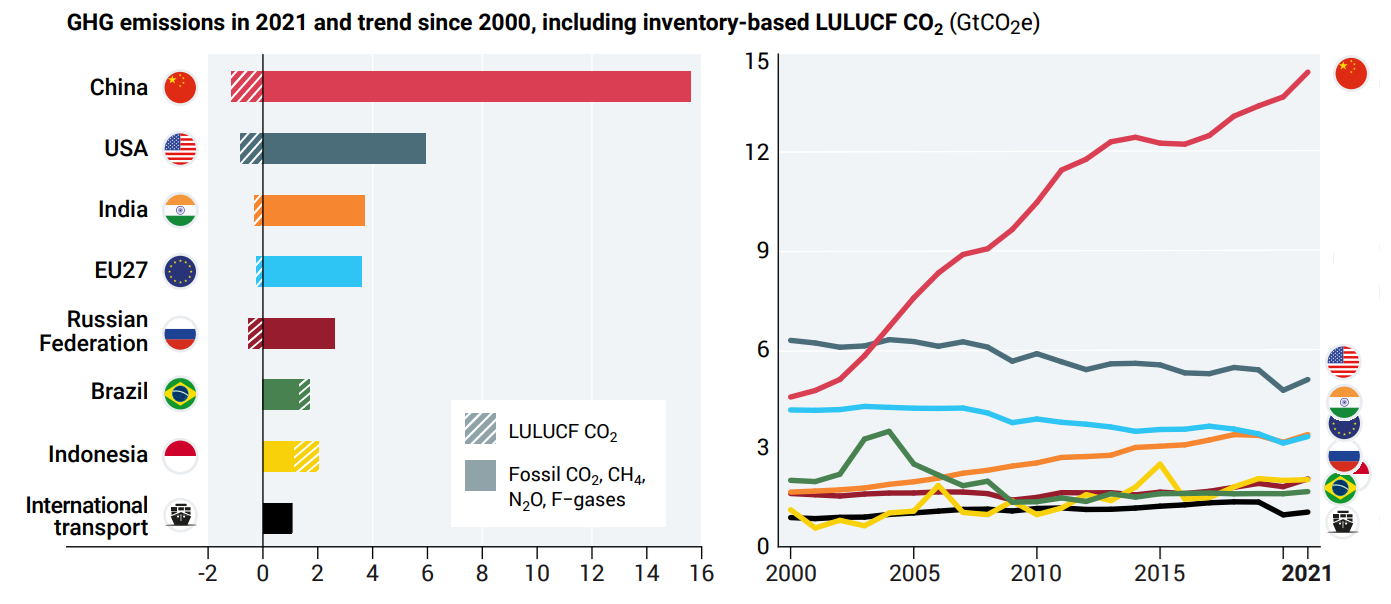
Kerry also faced criticism from Republican lawmakers and energy experts for lambasting fossil fuel reliance in the West, but seemingly looking the other way as China rapidly expanded its reliance on coal power to sustain its growing manufacturing sector. The House Oversight Committee opened a probe into Kerry’s talks with his Chinese counterparts in 2023 and later threatened to subpoena him after his office failed to hand over requested documents.

Despite its high-level role in American foreign policy, the Special Presidential Envoy for Climate Office remained tight-lipped about its staff and operations throughout the Biden administration.

The Free Press first reported Rubio’s actions to streamline the State Department’s structure. The outlet cited internal documents showing the agency’s plans to close 132 offices, including those launched to further human rights, counter extremism, and prevent war crimes.

Kerry was also accused of hypocrisy—the climate conferences he attended were often hosted at upscale resorts and he racked up tens of thousands of flight miles on gas-guzzling jets. Kerry’s family also owned its own private jet for much of his tenure as special presidential envoy for climate.

Footnote:  Yes, Prime Minister foresaw this saga.

A humorous look at why the global warming campaign and the triumphal Paris COP make sense. Yes Minister explains it all in an episode from 2013. (The final episode of the TV series was The Climate Czar) Transcription from captions is here: Yes PM Pokes Fun at Climatism


No, Stanford, Decarbonized Energy is Not More Secure

Suddenly, climate media activists are proclaiming that doing away with hydrocarbon fuels will increase energy security for most nations.  Headlines like these abound:

Decarbonization improves energy security for most countries, study finds,  Phys.org

Ditching fossil fuels would improve energy security for most countries, new research finds, Euronews (English)

Decarbonization improves energy security for most countries, Science Daily

Decarbonization improves energy security for most countries, study finds, Stanford Report

The last one comes from Stanford, the source of the study being Stanford professor Steve Davis. The paper is Trade risks to energy security in net-zero emissions energy scenarios.  The overview is:

Researchers analyzed trade-related risks to energy security across 1,092 scenarios for cutting carbon emissions by 2060. They found that shifting from dependence on imported fossil fuels to increased dependence on critical minerals for clean energy can improve security for most nations – including the U.S., if it cultivates new trade partners.

From Stanford Report:

As a first step, lead author Jing Cheng, a postdoctoral scholar in Davis’s Sustainable Solutions Lab at Stanford, built a database of countries with reserves of oil, gas, coal, uranium, biofuels, and any of 16 materials that are critical for clean energy technologies, along with the trade flows of these resources between countries.

The researchers calculated how much of these resources would be required to meet energy demand in each of 236 countries in 1,092 different scenarios for reaching net-zero carbon emissions globally by 2060. Modeled by the Intergovernmental Panel on Climate Change, or IPCC, the scenarios span a broad range of possible changes to the energy mix across the globe and within individual countries. Some are more dependent on nuclear energy, for example, while others incorporate more solar or wind power.

For the thousands of combinations of trade relationships and resource needs, the team estimated the level of risk in each country’s transportation and electricity sectors, and overall energy system. They quantified these risks using a new “trade risk index” based on the availability of domestic reserves, the share of demand for a given fuel or material met by imports, the economic value of the imports, and a measure of market concentration widely used to quantify energy security.

The researchers found that if all countries maintain their current networks, trade-related risks to energy security would decline on average by 19% in net-zero scenarios. If countries expand their networks and trade with all resource owners, then trade risks on average would fall by half.

Reducing the need for imported virgin materials – whether by making technologies last longer, ramping up recycling, or developing less material-intensive designs – is another way for mineral-poor countries to minimize trade risks while eliminating fossil fuels. According to the study, trade risks fall on average by 17% – and by more than 50% for the U.S. – with a quadrupling of today’s meager recycling rates for critical minerals such as lithium, nickel, and indium.

“Most people are focused on the new stuff that could be a problem, and not really considering the security benefits of moving away from fossil fuels.”  Steve Davis, Professor of Earth System Science

A Look at the Realities that Refute the Imagined Security Benefits

1.  Hydrocarbon fuels are available through a long established world-wide production and supply network.  Renewables are dependent on critical minerals from a few sources, dominated by China.

Metal demand per technology

There are various technologies available for the production of electricity through wind and solar. Each technology requires different amounts of critical metals. This figure shows the metal demand for the five most common technologies.

Metal demand for Dutch renewable electricity production

This chart shows the average annual metal demand (for 22 metals) required for the installation of new solar panels and wind turbines. This assumes a linear installation of capacity.

The annual metal demand is compared to the annual global production of these specific metals, resulting in an indicator for the share of Dutch demands for renewables in global production.

Origin of critical metals

This diagram shows the origin of the metals required for meeting the 2030 goals. The left side of the diagram shows the origin, based on today’s global production of metals. The right side shows the cumulative metal demand for wind and solar technologies until 2030.

And there is another precious resource required for wind and solar power plants:  Land in proximity to human settlements

Land required for wind turbines to power London UK.

2.  Renewable Energy from Wind and Solar is Intermittent and Expensive

The high price of wind and solar deployed at society-scale illustrates an important cost of supply principle. Because everyone needs reliable energy—whether electricity, gasoline, or heating fuel—the higher the overall costs, the more damaging it is proportionally for those who can least afford it. High-cost energy policies are what economists call regressive. Ironically, some of the most “progressive” energy policies—i.e., incentivising and mandating solar, wind, and batteries, and forcing fossil fuels from the market—result in regressive economic impacts. Governments can subsidise such costs for the most disadvantaged, but such subsidies are unsustainable at society scales. A diverse portfolio of energy options, including primary use of conventional generation, is much healthier to meet the range and scales of demands. (Source: The Choices We Face | Energy for the 21st Century: A Declaration of Guiding Principles.)

3.  What about all the other essentials we get from hydrocarbons, not from renewables?

See Also: World of Hurt from Climate Policies (four-part series)

World of Hurt from Climate Policies-Part 1

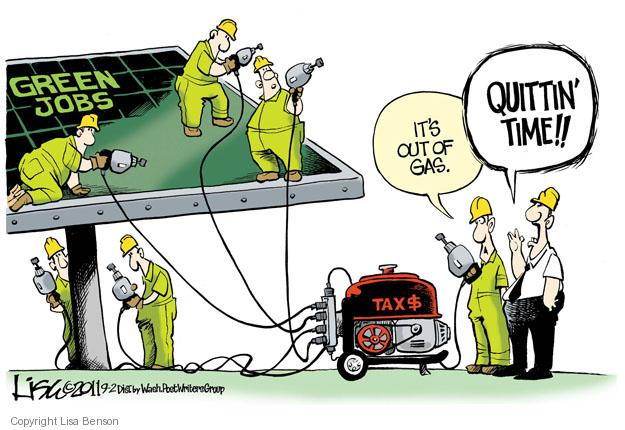
This is a beginning post toward infographics exposing the damaging effects of Climate Policies upon the lives of ordinary people. And all of the pain is for naught in fighting against global warming/climate change, as shown clearly in the image above. This post presents graphics to illustrate the first of four themes:

  • Zero Carbon Means Killing Real Jobs with Promises of Green Jobs
  • Reducing Carbon Emissions Means High Cost Energy Imports and Social Degradation
  • 100% Renewable Energy Means Sourcing Rare Metals Off-Planet
  • Leave it in the Ground Means Perpetual Poverty