



Leftist Prime Minister Mark Carney might not be as prissy and preposterous as his predecessor, Justin Trudeau, but he is just as tyrannical. He’s told Canadian companies that there will be penalties for those that don’t conduct business in the way he wants them to. We don’t think he’s building gulags in Nunavut for refusenik executives, but we see the hammer and sickle he’s trying to hide behind his back.

Before he was prime minister, Carney claimed that “climate change is an existential threat” and “we all recognize that,” both of which are untrue, but that’s the way authoritarians operate – the only “truth” or “pravda” is whatever they say it is.
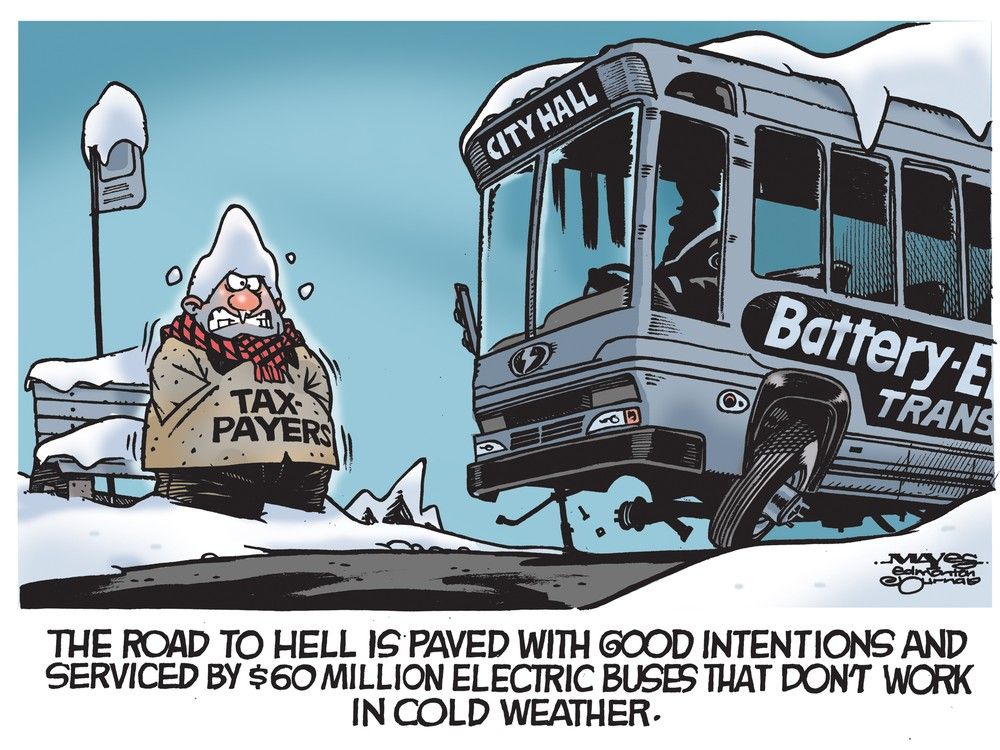
He went on to say that “if you’re taking steps, making investments, coming up with new technologies, changing the way you do business, all in service of reducing and eliminating that threat, you’re creating value” and “are part of the solution.” These companies, Carney promises, will be rewarded for their obedience to the central planners.
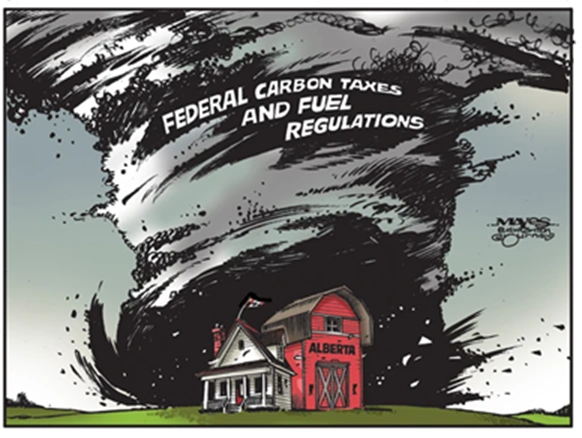
But woe be unto those “who are lagging behind and are still part of the problem,” because they “will be punished.”
Carney has a history of threatening punishment for companies that don’t conduct business in accordance with his wishes. An October 2019 Manchester Guardian article listed a number of occasions in which he warned that businesses falling behind in the pursuit of net zero emissions “will be punished” and those “that don’t adapt” to the framework laid down by the climate bosses “will go bankrupt without question.”
“Carney has led efforts to address the dangers global heating poses to the financial sector, from increasing extreme weather disasters to a potential fall in asset values such as fossil fuel company valuations as government regulations bite,” said the Guardian.

Mark Carney, former Co-Chair of GFANZ (Glasgow Financial Alliance for Net Zero), accompanied by (from left) Ravi Menon, Loh Boon Chye, and Yuki Yasui, at the Singapore Exchange, for the GFANZ announcement on the formation of its Asia-Pacific (APAC) Network
Carney’s threat of punishment is not the possibility of imprisonment but rather the punishment of investors who will move their capital elsewhere. This happens every day, of course. Investors penalize companies that underperform and mismanage by withholding their capital.
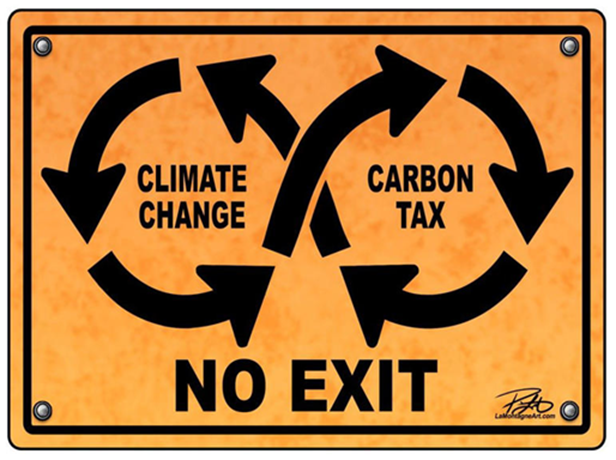
But Carbon Tax Carney‘s menace is backed by the power of the government, and it’s not materially different from the tactics used by Barack Obama, who promised before being elected president that he would use policy to bankrupt coal companies.
Obama’s plan was to charge “a huge sum for all that greenhouse gas that’s being emitted.” Apparently the punishment worked. The coal sector lost more than 49,000 jobs between 2008 and 2012, in part due to “increased regulatory initiatives by the Obama administration,” the Washington Post reported.

Obama’s policies not only “contributed to massive job losses in coal country,” says the Heartland Institute’s Sterling Burnett, but also to “the premature shuttering of vital coal-fired power plants.” They “were a factor in profitable coal companies being forced to file for bankruptcy.”
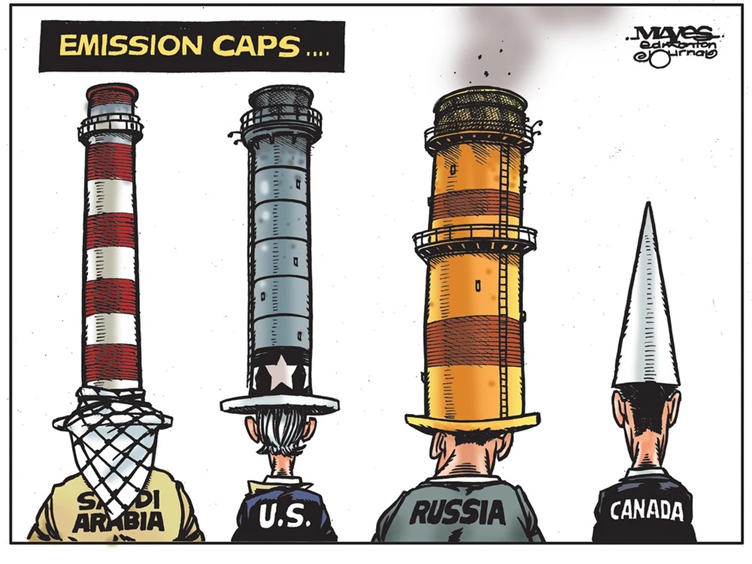
After almost a decade of Trudeau, Canadians put another climate crusader at the head of their government rather than Pipeline Pierre Poilievere. Carney won’t save the world, because there is no global warming threat, but he now has the power to put companies out of business if they don’t follow the party line.
Canada becomes less glorious and free almost daily.
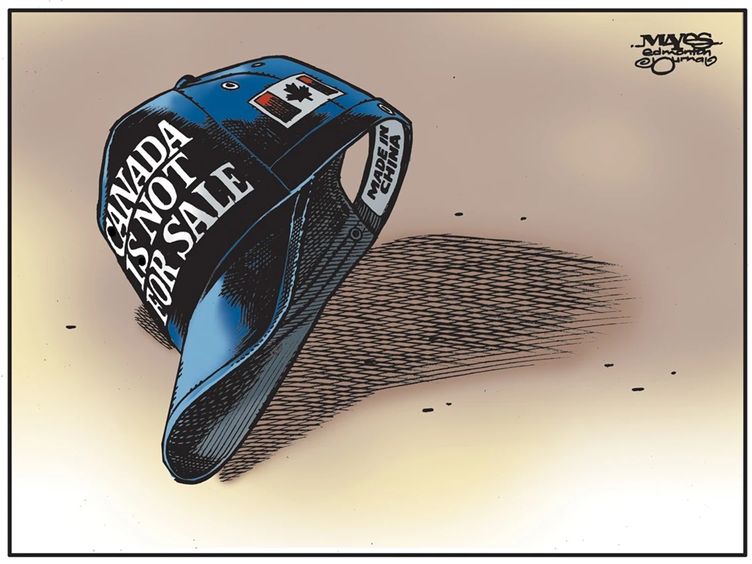


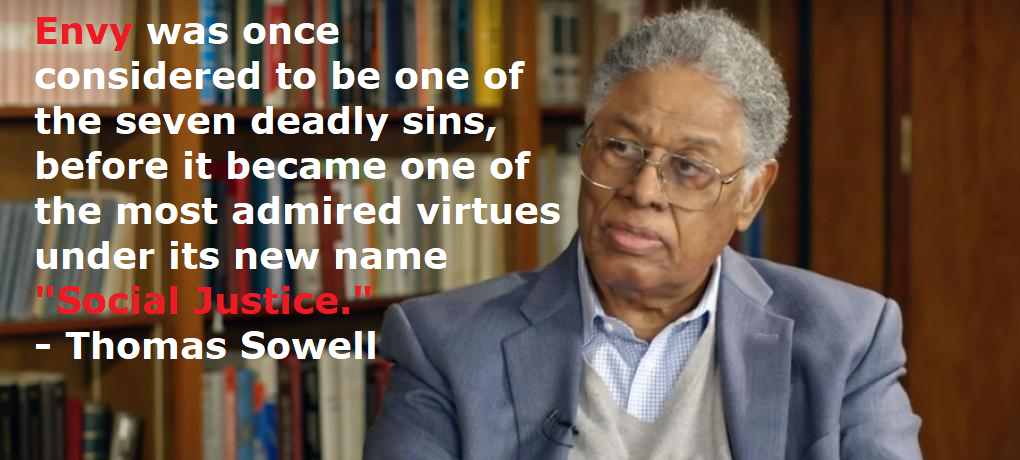
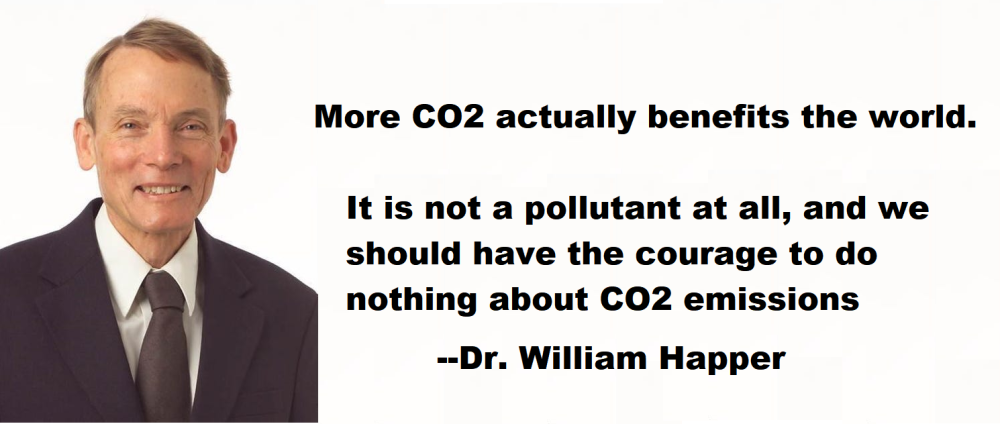












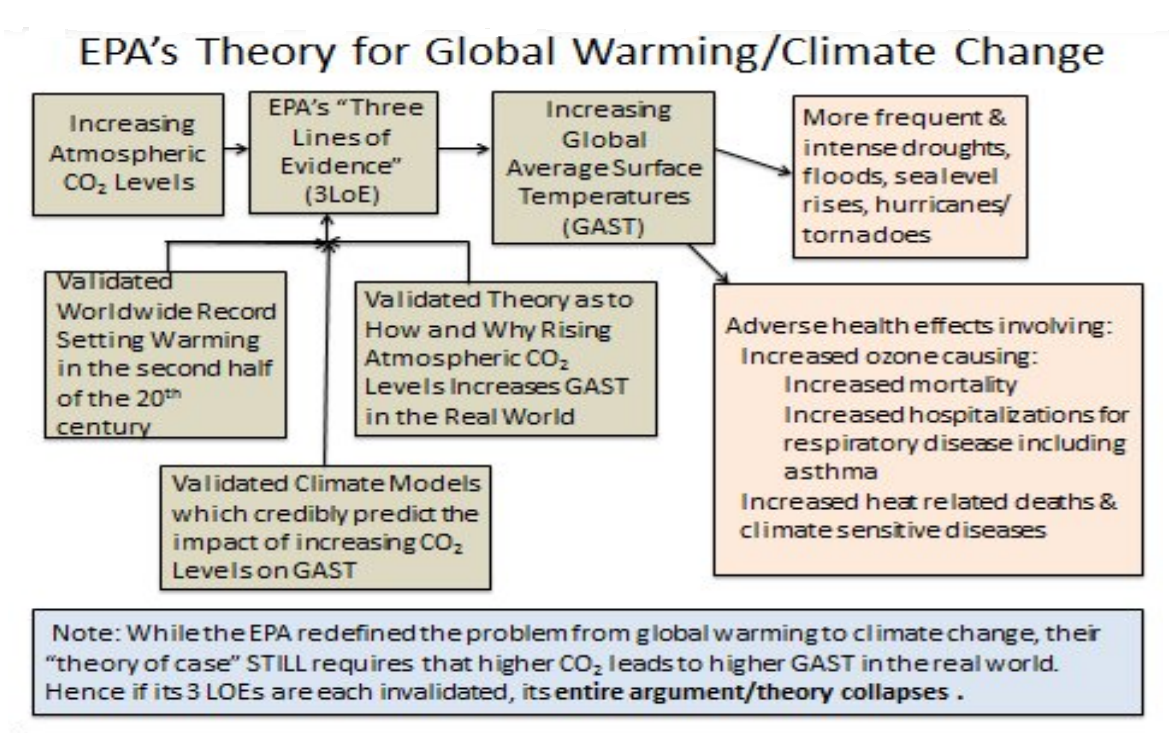
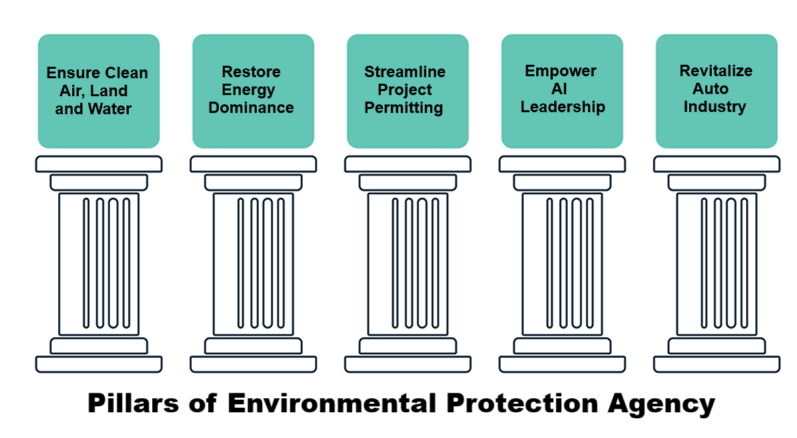
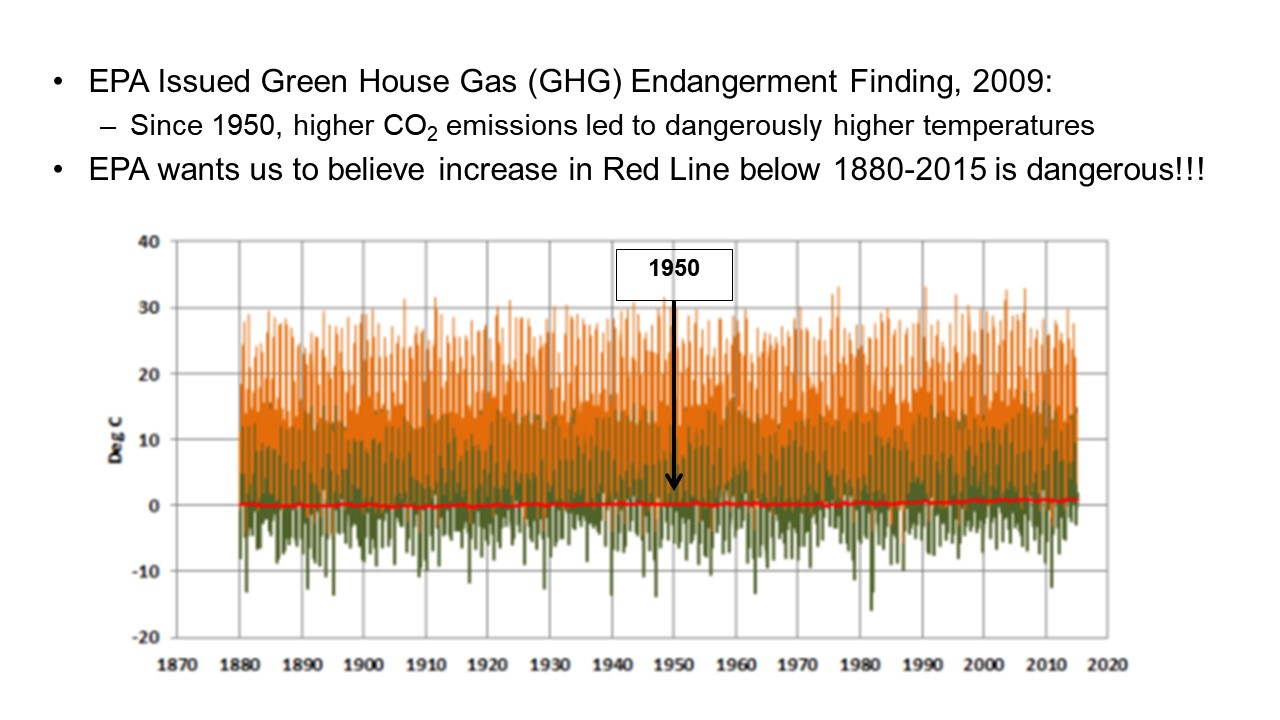 The news is EPA Director Zeldin has submitted recommendations to President Trump but the content has not yet been made public. How significant is this issue for climate activists? Just read the hysterical response by Sierra Club











 Science Matters