Pragmatism is belatedly beating carbon purity as the West seeks to survive the economic consequences of Russia’s monstrous Ukraine war. Only months after its Glasgow swearing of allegiance to the climate catechism that requires faith in scientifically untested computer-programmed prophesies, the West has seen the light – and the energy needed to power it.
By grabbing at the vilified, carbon-emitting economic lifeline of fossil fuels,
By rediscovering the energizing virtues of the spurned coal,
By embracing the scorned fracking in a desperate search for gas,
By re-opening the closed off-shore petroleum leases to keep industry working, and
By preferring ‘dangerous’ nuclear power to winters of freezing in the dark,
A severe dose of reality has slowed the West’s race to economic destruction. The two wheels of the climate change cart – the scientifically unprovable words ‘catastrophic’ and ‘irreversible’ – that is carrying the democratic world to economic subjugation under a Putin-Xi authoritarian axis, are looking increasingly wobbly.
These two words, the key to the climate debate, have never been
the subject of empirical, observed scientific proof.
There is little disagreement that there is climate change; the climate has always been changing. But ‘catastrophic’ and ‘irreversible’ (beyond a computer-generated ‘tipping point’) that occupy the central role as drivers of the claimed climate crisis, exist only in computer modelling of what many scientists, in good faith, believe to be the likely outcome of observable current trends. The dogma that ‘the science is settled’ on climate change requires a belief not in proven scientific facts but in the accuracy of scientists’ computer projections of the yet-to-be-demonstrated future consequences of observable facts.
So why should these scientists be believed? The traditional ‘scientific method’ of examining a theory provides the best, but by no means certain, prospect of believable outcomes. This involves surviving the ‘falsification’ principle of rigorous endeavours to refute the theory, so that the scientific consensus eventually accepts it as truth. That is the rock on which the climate change crisis rests. But as an article in last week’s Conversation noted, ‘even if scientists have repeatedly tried, but failed, to refute a given theory, the history of science suggests at some point in the future it may still turn out to be false when new evidence comes to light.’
After decades of steadily increasing support for the ‘climate crisis’ theory,
evidence to the contrary is raising its head.
This is in addition to the negative impact of repeated failures of a multitude of past official forecasts of impending climate disaster. Earlier this year, four leading Italian scientists from universities in Milan, Verona and Padua and the National Institute of Nuclear Physics, published a review of historical climate data, finding no clear positive trend of extreme events and concluding that the current fear of a ‘climate emergency’ is not supported by the scientific data.
Fig. 6 Fraction of the global earth under drought conditions D0 (abnormally dry), D1 (moderate), D2 (severe), D3 (extreme) and D4 (exceptional)
This means, they said, that altering our priorities with negative effects ‘could prove deleterious to our ability to face the challenges of the future, (and) squandering natural and human resources’. Their paper, A critical assessment of extreme events trends in times of global warming, is a survey of recent research (mirroring the IPCC’s approach) that appeared in the European Physical Journal Plus. ‘Since its origins, the human species has been confronted with the negative effects of the climate; historical climatology has repeatedly used the concept of climate deterioration in order to explain negative effect of extreme events (mainly drought, diluvial phases and cold periods) on civilisation. Today, we are facing a warm phase and, for the first time, we have monitoring capabilities that enable us to objectively evaluate its effects’.
These show that, ‘On the basis of the observational data, the climate crisis that,
according to many sources, we are experiencing today, is not yet evident.’
The scientists found that rainfall intensity and frequency was stationary in many parts of the world. Tropical hurricanes and cyclones showed little change over the long term, and the same is true of US tornadoes. Other meteorological categories including natural disasters, floods, droughts and ecosystem productivity showed no ‘clear positive trend of extreme events’. Regarding ecosystems, the scientists noted a considerable ‘greening’ of global plant biomass in recent decades caused by higher levels of carbon dioxide in the atmosphere. Satellite data show ‘greening’ trends over most of the planet, increasing food yields and pushing back of deserts
But the scientists nevertheless believe there is a need for action on the climate: ‘We should work to minimise our impact on the planet and to minimise air and water pollution…. How the climate of the twenty-first century will play out is a topic of deep uncertainty. We need to increase our resiliency to whatever the future climate will present us…
(But) we need to remind ourselves that addressing climate change is not an end in itself
and is not the only problem the world is facing.’
This cautionary note was echoed in a report quoted in the latest Weekend Australian from some of Australia’s most senior climate scientists led by UNSW Professor Andy Pitman. It warned that bank regulators, with little understanding of the uncertainty inherent in climate model projections, could cause ‘major systemic risk to the global financial system’ by their continued use.’ It is not science designed for the financial sector’, as physical climate models do not represent weather, so imposing a serious limitation in determining future climate risk for the financial sector. Yet Australia’s Reserve Bank will use network-derived climate scenarios in its internal analysis of climate-related risks. Most regulators, banks, insurers and investors are using projection-based scenarios ‘without fully accounting for uncertainty’.
This follows Pitman’s submission to APRA on its draft guidelines on climate risk that the corporate sector could be preparing for the financial costs of climate change based on misleading and flawed advice from the prudential regulator. ‘There is next to no capacity to provide advice to business on how the joint probability of multiple extreme weather events will change in the future.’
The only thing certain about climate science is uncertainty.
The true divide in our ongoing civil war is not geographical but political. It is between those who covet the power to control others and those who want to be left alone. Within this context, the geography comes into view: it is a conflict between metropolitan Washington, D.C. and the whole rest of the country. And it had already been started some years ago during the Obama presidency.
The battles are being fought in the media, the courts, and legislative chambers and occasionally boiling over into the streets.
Agents of the state are becoming increasingly more obvious in their efforts to suppress dissent.Political crimes have emerged as an ostensible new class of offense…where nothing is stolen and no one is actually harmed, but resistance to authoritarian control threatens the well-being of those who covet power.
How can such a small area dominate so vast a continent? They have the power, or at least they think so. When the eleven Confederate states seceded, 70% of the officers of the U.S. Army joined them. For a while then, the tail managed to wag the dog. Then the larger picture began to take shape.
It was into today’s milieu that emerged one Donald J. Trump as a perceived reckless iconoclast — smashing the idols of authority regardless of the consequences. After all, apple carts were meant to be upset. And while the authoritarians have used every weapon in their arsenal, Trump’s stature has grown. Thus, the shoddy tactics being used against him have morphed into clichés, losing much of their effectiveness. Even fear, the most reliable tool in the box, is no longer getting the job done.
First, we were endlessly harangued about how we’re to blame for subtle trends in the weather.Then a strange virus of possible man-made origin is portrayed as an emergency requiring significantly more authority on the part of obviously fallible officials. Statistical deception was employed to the point of reductio ad absurdum.
Add to this the attrition of key members of the media. Bari Weiss, formerly of the N.Y. Times; Matt Taibbi, formerly of Rolling Stone; and Sharyl Attkisson, formerly of CBS, are three of the more notable defectors away from the Orwellian nightmare of modern journalism. There are pro-state authoritarians scattered throughout the nation — just as the Confederacy had supporters in the Union, though they were mostly along the border regions. The difference is that today’s statists have typically been trained by a corrupt education establishment. Over time, some will realize how they’ve been misled.
This conflict is hardly contained within the United States. But socially stratified Europe and Asia were especially more vulnerable to the dogma of Marxist class struggle than the bourgeois paradise we call America. And thus, Americans are more familiar with freedom and are hence more hostile to tyranny. The complaint and the alarm are that the forces of authoritarianism have succeeded as much as they have in the last few decades. Systematic indoctrination in the class rooms accounts for much of this; and from there, it has spilled out through the media.
Ideas and information are the true weapons in this struggle. This explains why the other side is so hell-bent on manipulating the language. Yeah, and we’re wise to that, too. They are so superficial that they actually believe that such nonsense as banning gendered pronouns will be taken seriously.
One question destroys the liberal/conservative narrative fiction:
Were Stalin, Mao, and Hitler “ultra-liberal”?
Because if this is supposed to be the political spectrum model for the world — and logic presupposes that must be the case — then having it range from ultra-liberal to ultra-conservative poses a big problem: where do the “baddies” belong?
Consider all of this in the context of the political spectrum as the logical arrangement of ideologies based on their level of governmental control, with maximum and minimum levels at each end. It stands to reason that since socialism is the standard leftist ideology, with forced wealth redistribution and a centrally controlled economy, these would require the government to be at a maximum level; thus, this would be the left side of the spectrum. Also consider that it’s going to take the maximum government to take “from each according to his ability.”
Does the authoritarianism of the anti-liberty left along with the negation of property rights and the economic slavery of socialism seem amenable to liberalism?
Contrast that with the fact that the precepts of the pro-freedom right with an emphasis on liberty and limited government would mean minimal control. In fact, with the term “liberal” closely associated with liberty and minimal government, the logical conclusion is that all of these terms belong on the pro-freedom right.
A left-right political spectrum with maximum governmental control on the left and minimal governmental control on the right, easily accommodates these questions. That is not the case with the liberal/conservative canard, since maximum government would not seem to be amenable to an ideology closely associated with liberty.
Finally, consider this from author and engineer Robert A. Heinlein, encapsulating the whole issue with one test:
Political tags — such as royalist, communist, democrat, populist, fascist, liberal, conservative, and so forth — are never basic criteria. The human race divides politically into those who want people to be controlled and those who have no such desire.
It does seem as though most people fall into one of two distinct groups. The first are control-obsessed collectivists who demand that we place the public good ahead of the good of the individual. Then there are those individualists who just want to be left alone.
Footnote: Jordan Peterson has some advice for the elites pushing this mad dash for Net Zero.
Transcript of Peterson’s concluding comments:
A better way forward would be to prioritize the problems that beset all of us on this still green, functional and increasingly abundant planet. With the requisite focus and attention demanded of a true political class elected by the people, capable of and willing to look at everything: Trying to fix where necessary; trying to maintain as much freedom and autonomy as possible. And stop simply capitalizing narcissistically on the mere appearance of action, knowledge and virtue.
We should obtain true cooperative consent from those affected: farmers, truckers, working-class people who have turned an irritated desperation to figures such as Trump. And work with them rather than forbidding them with your power or improving them so they will be finally worthy of your time and attention.
Help replace dirty energy with clean, if you must. But do it on your own dime and make sure that the results are cheap and plentiful, if you want to help the poor and the planet.
The warning bells are ringing. Listen to them before they turn into sirens. We will not advance without resistance through the straits of your enforced privation. We will not allow you to steal and destroy the energy that makes our lives bearable, and that produces our food and shelter and housing and the sporadic delights of modern life, just to address your existential terror. Particularly when it will fail to do so in any case.
We will not allow our children to be criticized, first for having the temerity to merely exist, and then to be deprived of the prosperous and opportunity-rich future we strived so hard to prepare for them.
We remain unconvinced by your frightened and self-congratulatory moralizing and intellectual pretension, ignorance of the limits of statistics and misuse of arithmetic. We do not believe finally and most absolutely that your declared emergency, and the panic you sow because of it, means that you should now be ceded all necessary authority.
So leave us alone: you centralizers of power, you worshipers of Gaia, you sacrificers of the wealth and property of others. You would be planetary saviors, you machiavellian pretenders and virtue signalers, objecting to power all the while you gather it around you madly.
Leave us alone, to prosper or not as a result of our own choices, as a result of our own actions, in the exercise of our own requisite and irreducible responsibility. Leave us alone or reap the whirlwind, and watch in consequence the terrible destruction of what you purport to save.
Dr. Michael Mörz, who works at Hospital Dresden-Friedrichstadt in Germany, did a case report on a 76-year-old man with Parkinson’s disease (PD) who died three weeks after getting his third COVID-19 shot.
The case report was published in the top journal “Vaccines” on Monday.
According to the report, the patient received the Oxford-AstraZeneca COVID-19 vector vaccine in May 2021, followed by the Pfizer-BioNTech vaccine in July and December of that same year.
When the deceased’s family members noticed certain discrepancies in the clinical symptoms that occurred just before the death, they requested for an autopsy to be performed.
From the case report:
The clinical history of the current case showed some remarkable events in correlation to his COVID-19 vaccinations.
Already on the day of his first vaccination in May 2021 (ChAdOx1 nCov-19 vector vaccine), he experienced cardiovascular symptoms, which needed medical care and from which he recovered only slowly. After the second vaccination in July 2021 (BNT162b2 mRNA vaccine), the family recognized remarkable behavioral and psychological changes and a sudden onset of marked progression of his PD symptoms, which led to severe motor impairment and recurrent need for wheelchair support.
He never fully recovered from this but still was again vaccinated in December 2021. Two weeks after this third vaccination (second vaccination with BNT162b2), he suddenly collapsed while taking his dinner. Remarkably, he did not show any coughing or other signs of food aspiration but just fell from his chair.
This raises the question of whether this sudden collapse was really due to aspiration pneumonia. After intense resuscitation, he recovered from this more or less, but one week later, he again suddenly collapsed silently while taking his meal. After successful but prolonged resuscitation attempts, he was transferred to the hospital and directly set into an artificial coma but died shortly thereafter. The clinical diagnosis was death due to aspiration pneumonia. Due to his ambiguous symptoms after the COVID-vaccinations the family asked for an autopsy.
Although there was no history of COVID-19 for this patient, immunohistochemistry for SARS-CoV-2 antigens (spike and nucleocapsid proteins) was performed.
Spike protein could be indeed demonstrated in the areas of acute inflammation in the brain (particularly within the capillary endothelium) and the small blood vessels of the heart. Remarkably, however, the nucleocapsid was uniformly absent. During an infection with the virus, both proteins should be expressed and detected together.
On the other hand, the gene-based COVID-19 vaccines encode only the spike protein and therefore, the presence of spike protein only (but no nucleocapsid protein) in the heart and brain of the current case can be attributed to vaccination rather than to infection. This agrees with the patient’s history, which includes three vaccine injections, the third one just 3 weeks before his death, but no positive laboratory or clinical diagnosis of the infection.
Since the nucleocapsid protein of SARS-CoV-2 was consistently absent, it must be assumed that the presence of spike protein in affected tissues was not due to an infection with SARS-CoV-2 but rather to the transfection of the tissues by the gene-based COVID-19-vaccines,” Dr. Mörz stated.
“This is strongly suggestive that the spike protein may have played at least a contributing role to the development of the lesions and the course of the disease in this patient,” he added.
In his conclusion, Dr. Mörz stated, “Numerous cases of encephalitis and encephalomyelitis have been reported in connection with the gene-based COVID-19 vaccines, with many being considered causally related to vaccination. However, this is the first report to demonstrate the presence of the spike protein within the encephalitic lesions and to attribute it to vaccination rather than infection. These findings corroborate a causative role of the gene-based COVID-19 vaccines, and this diagnostic approach is relevant to potentially vaccine-induced damage to other organs as well.”
Full Report Below
Background Post: Why I Boosted with Novavax
Ok, my hand was forced because we booked a transatlantic cruise for November, after which the company informed us proof of a Covid booster shot would be required to board the ship in Civitavecchia (Rome). My blood test last December showed plenty of antibodies and I’ve tested negative for Sars CV2 many times. For reasons described later on, I do not want more gene therapy experimentation in my body. Fortunately, Novavax is now approved and available, and I got boosted with a real vaccine shot yesterday in Montreal where I live.
How is Novavax different than the other COVID-19 vaccines in the U.S.?
Though COVID vaccines may utilize different delivery mechanisms, the end result is the same: cells in the body recognize that a spike protein (the spikes you see sticking out of the coronavirus in pictures) doesn’t belong, and the immune system reacts by activating immune cells and producing antibodies to attack the real virus if you get exposed.
But, unlike the other vaccines, Novavax directly injects a version of the spike protein, along with another ingredient that also stimulates the immune system, into the body, leading to the production of antibodies and T-cells. (It injects a version of the spike protein that has been formulated in a laboratory as a nanoparticulate that does not have genetic material inside and cannot cause disease.)
“I often tell people, imagine an eggshell without an egg in it. That’s what it is,” Dr. Wilson says.
The Novavax vaccine is a traditional one compared to the other vaccines. Its technology has been used before in vaccines to prevent such conditions as shingles, human papillomavirus, and DTaP (diphtheria, tetanus, and pertussis), among others.
Has the Novavax vaccine been authorized outside of the U.S.?
Yes. The Novavax coronavirus vaccine (brand names: Nuvaxovid and Covovax) is already being used to prevent the coronavirus in 40 other countries, including Canada.
Novavax is based in Maryland, and the vaccine was developed in the U.S. in 2020 with support from the federal government program Operation Warp Speed, but it’s progress was slowed by manufacturing difficulties. Finally, in November 2021, countries around the world, starting with Indonesia and the Philippines, later followed by the United Kingdom, began granting authorizations for the vaccine.
Novavax applied to the FDA for authorization in January of this year.
The European Commission has approved the expanded conditional approval of Novavax Inc’s (NASDAQ: NVAX) Nuvaxovid COVID-19 vaccine as a homologous and heterologous booster for adults aged 18 and older.
The approval follows the recommendation made by the European Medicines Agency’s Committee for Medicinal Products for Human Use earlier this month.
The expanded approval was based on data from Novavax’s Phase 2 trial conducted in Australia, a separate Phase 2 trial conducted in South Africa, and the UK-sponsored COV-BOOST trial.
The third dose produced increased immune responses comparable to or exceeding levels associated with protection in Phase 3 trials. In the COV-BOOST trial, Nuvaxovid induced a robust antibody response when used as a heterologous third booster dose.
In the Novavax-sponsored trials, local and systemic reactions were generally short-lived following the booster.
Nuvaxovid has also been authorized in Japan, Australia, and New Zealand as a booster in adults aged 18 and older and is actively under review in other markets.
A Distinction Which is a Real Difference
My discomfort with mRNA shots is multiple: The trial data from Pfizer and Moderna is still being withheld; the trial period was too short to reveal any long-term side effects; the companies were given total immunity from liability for damage to people injected with their products. And, they unscrupulously trashed effective generic viral treatments like Hydroxychloroquine and Ivermectin to protect their vaccine payday. A more detailed analysis is below.
Not a vaccine in the medical definition, the COVID-19 ‘vaccine’ is really an experimental gene therapy that does not render immunity or prevent infection or transmission of the disease.
♦ mRNA “vaccines” created by Moderna and Pfizer are gene therapies. They fulfill all the definitions of gene therapy and none of the definitions for a vaccine. This matters because you cannot mandate a gene therapy against COVID-19 any more than you can force entire populations to undergo gene therapy for a cancer they do not have and may never be at risk for
♦ mRNA contain genetic instructions for making various proteins. mRNA “vaccines” deliver a synthetic version of mRNA into your cells that carry the instruction to produce the SARS-CoV-2 spike protein, the antigen, that then activates your immune system to produce antibodies
♦ The only one benefiting from an mRNA “vaccine” is the vaccinated individual, since all they are designed to do is lessen clinical symptoms associated with the S-1 spike protein. Since you’re the only one who will reap a benefit, it makes no sense to demand you accept the risks of the therapy “for the greater good” of your community
♦ Since mRNA “vaccines” do not meet the medical and/or legal definition of a vaccine — at least not until the CDC redefined “vaccine” — marketing them as such is a deceptive practice that violates the law that governs advertising of medical practices
♦ SARS-CoV-2 has not even been proven to be the cause of COVID-19. So, a gene therapy that instructs your body to produce a SARS-CoV-2 antigen — the viral spike protein — cannot be said to be preventive against COVID-19, as the two have not been shown to be causally linked
Illegal to Promote mRNA Products without Evidence of Safety and Effectiveness
The lack of completed human trials also puts these mRNA products at odds with 15 U.S. Code Section 41. Per this law,[13][14] it is unlawful to advertise “that a product or service can prevent, treat, or cure human disease unless you possess competent and reliable scientific evidence, including, when appropriate, well-controlled human clinical studies, substantiating that the claims are true at the time they are made.”
Here’s the problem: The primary end point in the COVID-19 “vaccine” trials is not an actual vaccine trial end point because, again, vaccine trial end points have to do with immunity and transmission reduction. Neither of those was measured.
What’s more, key secondary end points in Moderna’s trial include prevention of severe COVID-19 disease (defined as need for hospitalization) and prevention of infection by SARS-CoV-2, regardless of symptoms.[15[16] However, Moderna did not actually measure rate of infection, stating that it was too “impractical” to do so.
That means there’s no evidence of this gene therapy having an impact on infection, for better or worse. And, if you have no evidence, you cannot fulfill the U.S. Code requirement that states you must have “competent and reliable scientific evidence … substantiating that the claims are true.”
Making matters worse, both Pfizer and Moderna eliminated their control groups by offering the real vaccine to any and all placebo recipients who want it.[17] The studies are supposed to go on for a full two years, but by eliminating the control group, determining effectiveness and risks is going to be near impossible.
Gene Therapy is a Last Resort, not the First Response
Here, it’s worth noting that there are many different treatments that have been shown to be very effective against COVID-19, so it certainly does not qualify as a disease that has no cure. For example, research shows the antiparasitic ivermectin impairs the SARS-CoV-2 spike protein’s ability to attach to the ACE2 receptor on human cell membranes.[19]
It also can help prevent blood clots by binding to SARS-CoV-2 spike protein. This prevents the spike protein from binding to CD147 on red blood cells and triggering clumping.[20]
It makes sense, then, that gene therapy should be restricted to incurable diseases, as this is the only time that taking drastic risks might be warranted. That said, here’s how the U.S. Food and Drug Administration defines gene therapy:[21]
“Human gene therapy seeks to modify or manipulate the expression of a gene or to alter the biological properties of living cells for therapeutic use. Gene therapy is a technique that modifies a person’s genes to treat or cure disease. Gene therapies can work by several mechanisms:
Replacing a disease-causing gene with a healthy copy of the gene
Inactivating a disease-causing gene that is not functioning properly
Introducing a new or modified gene into the body to help treat a disease”
Experimental Gene Therapy Is a Bad Idea
I’ve written many articles detailing the potential and expected side effects of these gene therapy “vaccines.”
The take-home message here is that these injections are not vaccines. They do not prevent infection, they do not render you immune and they do not prevent transmission of the disease. Instead, they alter your genetic coding, turning you into a viral protein factory that has no off-switch. What’s happening here is a medical fraud of unprecedented magnitude, and it really needs to be stopped before it’s too late for a majority of people.
If you already got the vaccine and now regret it, you may be able to address your symptoms using the same strategies you’d use to treat actual SARS-CoV-2 infection. And, last but not least, if you got the vaccine and are having side effects, please help raise public awareness by reporting it. The Children’s Health Defense is calling on all who have suffered a side effect from a COVID-19 vaccine to do these three things:[32]
September daily extents are now fully reported and the 2022 September monthly results can be compared with those of the previous 15 years. MASIE showed 2022 at 5.1M km2 and SII was close behind, reaching 4.9M for the month. Analysis below shows that the 2022 Minimum was ~ 300k km2 higher than the 15 year average, and on day 273, this year was 1.2 Wadhams (1 M km2) more than 2007. The 16 yr. trendlines are virtually flat and matching the averages for the period.
In June, 4.6M km2 was the median estimate for the September monthly average extent from the SIPN (Sea Ice Prediction Network) who use the reports from SII (Sea Ice Index), the NASA team satellite product from passive microwave sensors. The SII actual ice extent was 300k km2 higher than estimated.
The graph below shows September comparisons through day 273 (Sept. 30).
Note that MASIE was higher than average throughout September, with a brief minimum slightly after day 260, before increasing the surplus in the last half. SII tracked much lower before rising close to MASIE at the end. The other years, 2007 and 2020 were much lower than average. The animation below shows the ice extents for the last twelve days, depicting the ice recovery since day 261.
Note the ice in Canadian Arctic Archipelago (lower center) increasing rapidly, doubling from 175k km2 to 367k km2.
The table shows ice extents in the regions for 2022, 15 year averages and 2007 for day 273. Averages refer to 2007 through 2020 inclusive.
Region
2022273
Day 273 Average
2022-Ave.
2007273
2022-2007
(0) Northern_Hemisphere
5259935
4969083
290853
4086883
1173053
(1) Beaufort_Sea
652439
567821
84618
498743
153696
(2) Chukchi_Sea
186014
219952
-33938
51
185963
(3) East_Siberian_Sea
381043
309836
71207
311
380732
(4) Laptev_Sea
228810
151002
77808
235245
-6434
(5) Kara_Sea
29831
34778
-4947
15367
14464
(6) Barents_Sea
217
15648
-15430
4851
-4633
(7) Greenland_Sea
283444
238081
45364
353210
-69766
(8) Baffin_Bay_Gulf_of_St._Lawrence
89205
53386
35819
42247
46957
(9) Canadian_Archipelago
367175
392202
-25028
307135
60040
(10) Hudson_Bay
0
3627
-3627
1936
-1936
(11) Central_Arctic
3040615
2981627
58988
2626511
414104
The only deficits are small ones in Chukchi and CAA, more than offset by surpluses in Beaufort, Laptev, East Siberian and Greenland Seas, along with Baffin and Central Arctic. Overall, the NH ice extent is surplus by 290k km2 or 6% over 15 year average.
Summary
Earlier observations showed that Arctic ice extents were low in the 1940s, grew thereafter up to a peak in 1977, before declining. That decline was gentle until 1996 which started a decade of multi-year ice loss through the Fram Strait. There was also a major earthquake under the north pole in that period. In any case, the effects and the decline ceased in 2007, 30 years after the previous peak. Now we have a plateau in ice extents, which could be the precursor of a growing phase of the quasi-60 year Arctic ice oscillation.
Background
A commenter previously asked, where do they get their data? The answer is primarily from NIC’s Interactive Multisensor Snow and Ice Mapping System (IMS). From the documentation, the multiple sources feeding IMS are:
Summary: IMS Daily Northern Hemisphere Snow and Ice Analysis
The National Oceanic and Atmospheric Administration / National Environmental Satellite, Data, and Information Service (NOAA/NESDIS) has an extensive history of monitoring snow and ice coverage.Accurate monitoring of global snow/ice cover is a key component in the study of climate and global change as well as daily weather forecasting.
The Polar and Geostationary Operational Environmental Satellite programs (POES/GOES) operated by NESDIS provide invaluable visible and infrared spectral data in support of these efforts. Clear-sky imagery from both the POES and the GOES sensors show snow/ice boundaries very well; however, the visible and infrared techniques may suffer from persistent cloud cover near the snowline, making observations difficult (Ramsay, 1995). The microwave products (DMSP and AMSR-E) are unobstructed by clouds and thus can be used as another observational platform in most regions. Synthetic Aperture Radar (SAR) imagery also provides all-weather, near daily capacities to discriminate sea and lake ice. With several other derived snow/ice products of varying accuracy, such as those from NCEP and the NWS NOHRSC, it is highly desirable for analysts to be able to interactively compare and contrast the products so that a more accurate composite map can be produced.
The Satellite Analysis Branch (SAB) of NESDIS first began generating Northern Hemisphere Weekly Snow and Ice Cover analysis charts derived from the visible satellite imagery in November, 1966. The spatial and temporal resolutions of the analysis (190 km and 7 days, respectively) remained unchanged for the product’s 33-year lifespan.
As a result of increasing customer needs and expectations, it was decided that an efficient, interactive workstation application should be constructed which would enable SAB to produce snow/ice analyses at a higher resolution and on a daily basis (~25 km / 1024 x 1024 grid and once per day) using a consolidated array of new as well as existing satellite and surface imagery products. The Daily Northern Hemisphere Snow and Ice Cover chart has been produced since February, 1997 by SAB meteorologists on the IMS.
Another large resolution improvement began in early 2004, when improved technology allowed the SAB to begin creation of a daily ~4 km (6144×6144) grid. At this time, both the ~4 km and ~24 km products are available from NSIDC with a slight delay. Near real-time gridded data is available in ASCII format by request.
In March 2008, the product was migrated from SAB to the National Ice Center (NIC) of NESDIS. The production system and methodology was preserved during the migration. Improved access to DMSP, SAR, and modeled data sources is expected as a short-term from the migration, with longer term plans of twice daily production, GRIB2 output format, a Southern Hemisphere analysis, and an expanded suite of integrated snow and ice variable on horizon.
Some people unhappy with the higher amounts of ice extent shown by MASIE continue to claim that Sea Ice Index is the only dataset that can be used. This is false in fact and in logic. Why should anyone accept that the highest quality picture of ice day to day has no shelf life, that one year’s charts can not be compared with another year?
MASIE is rigorous, reliable, serves as calibration for satellite products, and continues the long and honorable tradition of naval ice charting using modern technologies. More on this at my post Support MASIE Arctic Ice Dataset
This election season candidates are getting lots of energy-related questions. Here are pro-freedom, pro-human answers to some of the most popular ones. Alex Epstein
♦ What’s your policy on energy, environment, and climate?
I believe in energy freedom: the freedom to use all forms of energy, with laws against emissions and practices that are significantly harmful and reasonably preventable.
5 key energy freedom policies are:
1. Liberate responsible development
2. End preferences for unreliable electricity
3. Reform air and water emissions standards to incorporate cost-benefit analysis
4. Reduce long-term CO2 emissions via liberating innovation
5. Decriminalize nuclear¹
♦ Do you believe in climate change?
I believe in climate change, not climate catastrophe.
The world has warmed ~1° C in the last 170 years. Humans have some influence. But because we are so good at mastering climate, climate disaster deaths fell 98% over the last century.²
♦ Are you a “climate denier”?
I’m a climate thinker.
I recognize that climate is ever-changing, that humans have some influence, and that humans with plentiful energy can master virtually any climate. That’s why, as CO2 levels have gone up, climate disaster deaths have plummeted.
♦ What’s your plan to deal with CO2 emissions?
My plan is:
1. Recognize that CO2 emissions reduction can only be achieved humanely and practically a) long-term and b) through developing globally cost-competitive alternatives.
2. Liberate nuclear and other promising alternatives.
♦ Why did gasoline prices get so high this year?
While multiple factors, including the Russian invasion of Ukraine, played a role, the fundamental cause is US and international anti-oil policies that prevent supply from rapidly increasing to meet demand.³
♦ Why don’t oil and gas companies drill more despite record profits?
Oil and gas would like to profit much more from currently high prices but it is difficult to increase drilling short-term under the present regulatory regime and investors are scared about more government punishment.⁴
♦ Why is Europe in a far worse energy crisis than we are?
Europe has taken anti-fossil-fuel policies further. For example, while we have allowed fracking to produce abundant energy Europe has largely banned it.
With the “Inflation Reduction Act” we are getting closer to Europe.⁵
♦ Do you believe in “all of the above?”
No, I believe in “always the best.”
We should always use the best form of energy for the job. E.g., we don’t use animal dung for energy in the US, even though it’s “one of the above.”
The best source of energy in any situation is what business and consumers choose as best on a free market with reasonable anti-pollution laws.
If something can’t compete on these terms then we shouldn’t use it—whether it’s animal dung, solar, or wind.
♦ What’s your position on solar and wind?
Solar and wind should be required to compete on a real market. In the context of electricity that means generators using solar and wind should be held to the same reliability standards as everyone else. Currently they’re not—which is disastrous.⁶
The root cause of our grid’s reliability problems is simple: America is shutting down too many reliable power plants—plants that can be controlled to produce electricity when needed in the exact quantity needed. And it is attempting to replace them with unreliable solar and wind.
♦ What’s your position on nuclear power?
Nuclear power is an extremely promising technology that is uniquely safe and clean, and has the potential to be cost-effective.
Tragically, nuclear has been nearly criminalized by governments. We need radical reform to decriminalize it.⁷
♦ What’s your position on electric vehicles?
Electric vehicles are a valuable product for certain people but not yet cost-effective for the vast majority of us. Let electric vehicles compete on a free market; don’t in any way pressure anyone to use them before 1) they can afford them and 2) the grid can handle them.⁸
♦ What’s your position on the “Inflation Reduction Act”?
It’s a 4-step recipe for ruining US energy:
1. Make us more dependent on unreliable electricity
2. Impose new oil and gas taxes during an energy crisis
3. Give EPA more power to restrict fossil fuels
4. Give more power to anti-fossil-fuel activists⁹
♦ How does the Inflation Reduction Act affect my state?
The Inflation Reduction Act got passed in large part by offering various payoffs to various states. Whatever benefit you get from those payoffs pales in comparison to higher energy costs, an unreliable grid, and a worse economy.¹⁰
♦ Do you believe in taking money from fossil fuel companies?
I believe candidates should proudly take money from fossil fuel companies if they and the company support energy freedom policies.
Fossil fuel companies are essential to the survival of 8 billion people for the foreseeable future.
For More on this from Alex Epstein
EnergyTalkingPoints.com: Hundreds of concise, powerful, well-referenced talking points on energy, environmental, and climate issues.
The left needs to shake off its ‘bourgeois environmentalism’. It needs to distance itself from the ‘bourgeois environmental lobby’ and make the case for fracking and the building of new nuclear power stations.
Who do you think said this? Some contrarian commentator? A right-winger irritated by eco-loons? Nope, it was Gary Smith, the general secretary of the GMB trade union.
In an explosive intervention in left-wing discourse, Smith has accused Labour of a ‘lack of honesty’ and of ‘not facing reality’ on the energy question. We are living through a severe energy crisis and yet still Labour is sniffy about fracking and down on nuclear power, he says. All because it is in thrall to bourgeois greens who just don’t like industry and modernity very much.
Yes, climate change is a problem, he says, but we need energy. ‘We import a huge amount of fracked gas’ from America, he points out, so why don’t we just frack our own? We should get serious about developing nuclear power too, says Smith.
The GMB represents 460,000 working people, including the majority of workers at the UK’s nuclear-power stations. So it is logical – and good – that Smith would defend the nuclear industry. But his broader point is even more important.
‘(The) question’, he says, ‘is where is the electricity going to come from? We cannot do it by renewables and we cannot rely on energy imports.’ In short, we should get cracking – and fracking – on generating our own abundant sources of energy.
His killer comments concern the aloof, elitist tendencies of green activists. The renewables industry – ‘and many of those who espouse it in politics’ – have ‘no interest in jobs for working-class communities’, he says. He continues:
‘(We) should stop pretending that we’re in alliance with them.
The big winners from renewables have been the wealthy and big corporate interests. Invariably the only jobs that are created when wind farms get put up, particularly onshore wind, have been jobs in public relations and jobs for lawyers.’
This is really important stuff. Smith has laid down a gauntlet to the modern left – are you on the side of working-class communities who benefit from well-paid jobs in the energy sector and from the domestic production of energy, or are you on the side of ‘bourgeois’ greens who are offended by any kind of human intervention in nature, whether that’s digging down for gas or unleashing the awesome power contained in uranium?
For far too long, Labour and left-wingers more broadly have been embracing the ideology of environmentalism. This has always struck me as utterly bizarre, because it seems pretty clear that green politics run entirely counter to the interests of working-class communities.
It is not a coincidence that environmentalism is the favoured political pursuit of the upper middle classes, posh influencers, privately educated columnists and even our new King (God save him). Because this anti-industrial worldview, this ideology that looks with such horror upon our mass consumer society, and the masses who partake in it, is the perfect vehicle for the expression of an older aristocratic disdain for modernity.
Environmentalism is a modern manifestation of the 19th-century Romantic reaction against the Industrial Revolution. Only back then it was more honest – it was all puffy-collared rich folk shocked that the serfs who once worked their lands were now headed into teeming new cities to work in factories.Today, the misanthropic scorn for modernity tends to be more deceitfully dressed up. It’s less ‘Who will toil my farmland now?!’ and more ‘What will happen to the air I breathe if millions of gammon are driving to Aldi every day?’.
Smith, who made these comments in an interview with the New Statesman, is dead right: ‘bourgeois’ is exactly the right word for modern environmentalism. It is alarming that the left has bought into all this middle-class green nonsense. I trust Spectator readers will forgive me for quoting Trotsky, but he did say that the task of left-wing revolutionaries was to bring about the increase of ‘the power of man over nature and the abolition of the power of man over man’. The modern left does the precise opposite of this. It seeks to shrink man’s power over nature and to boost man’s power over man, via new forms of authoritarianism and censorship. Please, right-wingers, I implore you: stop calling modern leftists ‘Trots’.
Gary Smith has done something incredibly important. He hasn’t only put pressure on Labour to think seriously about fracking and nuclear. He has also forced the left to ask itself why it has lost touch with working-class concerns and found itself so beholden to posh pursuits like ‘saving the planet’. A left that represents bourgeois interests is of no use to anyone. Except, of course, the bourgeoisie.
George Neumayer explains at the American Spectator The European Death Wish. Excerpts in italics with my bolds
It is seen in the boring hysteria about Giorgia Meloni.
The European elite’s sour reaction to the rise of Giorgia Meloni, Italy’s next prime minister, reveals less about her politics than its own. It harbors a death wish for Europe — a willfulness passed off as a “progressive” ideology that has led to a culture of death, demographic implosion, a floundering economy, and the prospect of a Eurabian future. Consequently, any European politician with even a modicum of common sense poses a grave threat to the elite. Its description of Meloni as a “fascist” is gaslighting of the first order — a lame projection of its own desire to build a coercive one-party state.
Italian Prime Minister Benito Mussolini was obviously an ideologue of the left, not the right — a socialist and atheist enamored by “progressive” schemes popular in the early 20th century. The unremarkable conservative and Christian views of Meloni bear no trace of that monstrous ideology of “human improvement.” It is the European Left, not the Right, that pushes eugenics against the disabled and elderly and that seeks to suppress freedom in the name of statism.
What European liberals call “progress” is just old barbarism and ancient tyranny
— the exploitation of the weak by the powerful — under a modern guise.
A crackpot devotee of the nihilism of Friedrich Nietzsche, Mussolini recognized no power above the state. He treated God as dead, much like today’s secularists who declare any deviation from their edicts evidence of bad citizenship. (In America, this now takes the form of a politicized FBI that treats pro-lifers and conscientious parents like criminals.) While not as overtly brutal as Mussolini, today’s progressives echo his eugenic intolerance and statist scheming. Their whole cult of abortion is based on a might-makes-right ethos that gives off a strong whiff of fascism.
In the mouths of progressives, “democracy” is nothing more than a euphemism for regnant and unchallenged progressivism.
Whenever woke hysterical bores pronounce someone a “danger to democracy,” what they are really saying is that that figure impedes their Nietzschean will to power. Even the tiniest steps away from the grave they are digging for Europe cause them apoplectic consternation. Recall the European Left’s bashing of Pope John Paul II and Pope Benedict XVI for gingerly suggesting that Europeans procreate and stop poisoning the continent’s Christian roots.
Only in an age as unbalanced as this one would an Italian politician who quotes G.K. Chesterton and reads J.R.R. Tolkien be considered a threat to Western Europe. That Italian bishops are joining in these denunciations is another measure of our absurd times.
In other words, the Church in Italy is going to undercut one of the few politicians willing to support the revival of Christianity in Europe. Nothing that Meloni has proposed undermines Catholic social teaching. On the contrary, she pays homage to the central teaching underpinning it: The common good and the natural moral law are inseparable. Leave it to today’s hierarchy to treat the Church’s friends as enemies while protecting her foes. The progressives for whom Zuppi and company run interference abhor Catholic culture and seek to turn Europe into a relativistic wasteland ripe for an Islamic takeover.
If Meloni forestalls this future, that is all for the good. That future is a bleak one. She is right to say that the European Left wants to erase man’s God-given identity so that he becomes putty in the hands of the state. That was the ambition of Mussolini, and it remains the ambition of the godless progressives. The whole thrust of their thought is to deny God’s role in determining the good. With Nietzsche, they say that man, not God, is the measure of all things. Out of this subjectivism has come the torrent of transgenderism and all the other malign causes destroying the West.
Meloni simply recognizes the insanity of this subjectivism, which strips from man any identity rooted in God’s order and turns him into a slave of the state.
In truth, her espousal of Christianity is pretty mild, and she is hardly an old-fashioned traditionalist. According to the Italian press, she is not even married. She has a “partner.” But it doesn’t matter. The European Left will bay about her “theocracy” and “fascism” all while propping up politicians who actually subscribe to the statism of Mussolini. This is the European death wish — to kill its prophets and lionize its fools and enemies.
Background Post: Common Sense from Italy’s New Leader
The speech was delivered by Giorgia Meloni in 2020 introducing us to her worldview, values and purpose.. For those prefering to read her remarks, I provide a transcript lightly edited from the closed captions. Excerpts in italics with my bolds and added images.
Giorgia Meloni Winner of Sunday’s Italian Election
Ladies and gentlemen, dear friends, I wish to thank you – thank you to our friends of the Edmund Burke foundation for inviting me to open this important event, for choosing Rome in Italy as a venue for this second edition of the National Conservative conference.
I entirely, entirely agree with your views on the need to put conservatism back into its traditional sphere of national identity. The great challenge facing us today is defending national identity and the very existence of the nation-states as a sole means of safeguarding people’s sovereignty and freedom.
This is why I find the title of Yoram Hazony’s latest book, The Virtue of Nationalism, effective. Because in a few words it clearly sums up the fact that our worldview is the exact opposite to what they would like to force on us. Yoram, your book will scandalize Italy. And I will gladly make my part on this effect because I intend to quote it frequently.
Our main enemy today is the globalist drift of those who view identity in all its forms to be an evil to be overcome and constantly acts to shift real power away from the people to supranational entities headed by supposedly enlightened elites.
Let us be clear, let us bear this clearly in our mind because we did not fight against and defeat communism in order to replace it with a new internationalist regime, but to permit independent nation states once again to defend the freedom identity and sovereignty of their peoples.
It is in this same spirit that today Fratelli d’Italia is fighting for a Europe of free and sovereign nations as a serious alternative to the bureaucratic super state that has been gradually foisted on us since the Maastricht Treaty, following the rationale of the external constraint whereby there is always someone who claims the right to take decisions in place of the sovereign peoples and the national governments.
And although that someone in Brussels or Frankfurt, Davos or the City of London lacks democratic legitimacy, every day it conditions the economic choices and the political decisions of those who have been vested with that legitimacy by the popular vote. It means that whether the false democrats like it or not, national conservatives in every latitude are actually the only real democrats. Because it is only by defending the nation state that we defend the political sovereignty that belongs to the citizens of that state.
But of course a national conservative cannot be content with claiming to be a democrat. Democracy without values becomes demagoguery, and can itself heighten decadence. I believe that it is not difficult for the conservative world to identify the substance with which we want to fill our democracies. We do not need the ideological indoctrination manuals that are so dear to the left.
Our vision of values and our worldview is actually quite simple as a great philosopher that Francesco mentioned who died a few days ago. Roger Scruton pointed out the real reason people are conservatives is that they are attached to the things they love. And another great father of conservative thought, John Tolkien, wrote a similar thing in one of the characters of his Lord of the Rings:
“I do not love the bright sword for its sharpness, nor the arrow for its swiftness, nor the warrior for his glory. I love only that which they defend.”
This was Faramir’s worldview ; this worldview is embodied every day by millions of ordinary men and women and sometimes even by some of the great men of history. Throughout this history, where John Paul II and Ronald Reagan to whom today’s meeting is dedicated. John Paul II was a patriot who knew perfectly well that nations and the fact of belonging to a people sharing the same historical memory were the bedrock of the freedom of every man. He never tired of repeating that there is no Europe without Christianity, a teaching which is more topical than than ever today when the Christian identity of Europe is under attack by a distorted secularism that even attacks the symbol of the Christian tradition while throwing open the gates to the most intransigent form of Islam that wants to apply Sharia law in our European homelands. In which lies at the heart of the Islamic terrorism that has caused caused bloodshed in Europe and in the United States.
John Paul II’s patriotism also enabled him to view today’s historical events in the light of a Christian realism shorn of all rhetoric, as in the case of immigration. He considered that the right to emigrate had to be preceded first and foremost by a right not to emigrate, to live in peace and dignity in one’s homeland. Christian Petra was also critic of mass immigration when you think about that.
Today John Paul II would be on the European Union’s blacklist as a dangerous subversive; but not for us. Neither would Ronald Reagan have faired any better. More than any President of the United States, Reagan stood for the American “We the People” of that preamble to the Constitution that based national democracy on the principle of popular sovereignty, another great enemy of the globalist league.
I was very impressed by the metaphor Reagan used to describe the conservative movement as a three-legged stool. Without any one of these three legs, the stool will collapse. In the three legs of our defense, fiscal and social, defense– the first leg is a patriotic soul, which today would be called sovereignist. It means the defense of nation and interest in popular sovereignty.
The second leg is economic freedom, which means also a just relationship between government and taxpayers. A great lesson of conservative thought is that an oppressive tax system not only limits free enterprise, production and consumption, but it also destroys the commonality between the state and citizens. Because over taxation enforces the state to build up a system of controls similar to that of the totalitarian regimes, restricting individual freedoms.
Awakening the economy as a free enterprise, lower taxes, less bureaucracy, public investment in infrastructure and the defense of national interests this is the recipe with which President Trump today is making the American economy Strong. And it is the recipe that we would we would like to bring to Italy, to Europe as an an alternative to the blind austerity Germany wanted. which so far has only benefited Germany and the big financial speculators.
And the third leg is the social soul to protect religious and moral values, the noblest purpose of all political action. These values and principles are found in the three concepts of today’s meeting: God, Freedom and Nation. Or in the Italian formula to which I am very attached: God, Homeland and Family.
One of the founding values of conservative movements is the defense of the natural family. They would like us to give up defending the family, considering it to be an archaic and backward concept to be superseded. They would like to convince us that a family is any emotional bond between sentient beings; that it is a sign of great civil and moral progress to pay a poor mother to keep her child in her womb for nine months and then snatch it from the her arms to give it away to whoever has bought it.
We reject all this without a moment’s hesitation even though today it is considered highly scandalous and even revolutionary to say that a family is made up of a man and a woman and any children they may have, They are creating a world of alleged individual rights and formal freedom. In theory we are free or almost free to do anything we like: free to take drugs , free to have an abortion , to take the lives of human beings suffering from serious illnesses and therefore defenseless. Only rights and few if at all do this
Free indeed, but never free for the sake of something, for fulfilling a life project. Free indeed, but fenced in within a predetermined enclosure, because if you dare try to climb to clamber over it, you are censored by the new Menlo Park high priests of the only school of thought allowed.
So our task is to counter this drift and to reaffirm that the nation is the place where our values are safeguarded and transmitted, renewed every day as the common sense of the people forging an identity that is the greatest treasure in the world. Our opponents paint us as obtuse nationalists in love with old verities, rejecting any dialogue, ready to wage war on the slightest pretext.
But that is not the case. The sovereignty of nations is not out to destroy Europe, it wants the true real Europe of peoples and identities, not the abstract Europe decided in back rooms by technocrats. It does not want to impose its own interests at the expense of other nation states. When Trump says America first or we say Italy first, it certainly means defending the national economic interests of those countries.
But as conservatives I think we have to focus above all on the world of high finance and the great economic powers that are imposing their will on the nation-states. As I say it the message our homeland first means reaffirming the primacy of the real economy over the financial economy; of popular sovereignty over supranational entities with no democratic legitimacy. Modern national conservatism defends the identities of nations as the basis for the new forms of cooperation.
That is why while defending the Italian sovereignty, we cannot forget to defend Viktor Orbán’s Hungary or Kachinsky’s Poland, once again under attack from the European progressive mainstream. That is why, without the shameful ambiguity typical of the left, we defend the right of the State of Israel to its security and future peace and prosperity. Our patriotism is the will to defend our homelands from the great challenges of our age; challenges that will mark the future and the very survival of our civilization. We have to face together the division between extreme nationalism which is as bad as the weakness of ill-defined supranational entities such as the European Union.
The only possible answer must be the alliance of homelands that believe in a common destiny. It is this vision that has led us to join the great family of the European conservatives: the idea of a new Europe as a confederation of sovereign nation-states capable of cooperating on important matters while remaining free to take decisions regarding matters affecting our daily lives. It is much more than a choice of political positioning. It is taking up a firm stand and choosing sides.
I have an image in mind of President Ronald Reagan and Pope John Paul II walking in the gardens of the president residence in Florida back in 1987. It is the image of two great men walking together alone along the paths of history in that brief period in the 20th century that was to change the world very shortly thereafter with the collapse of communism thanks also to them.
Remembering them here today it is not simply to pay them tribute. It is a warning, a commitment not to betray their dream of freedom, which is our dream of freedom too. Thank you.
Footnote: Confirmation that Media Pushing Left Wing Propaganda
USA Today: Giorgia Meloni: Who is Italy’s most far-right leader since Mussolini?
NY Post: Far-right pol Giorgia Meloni poised to become Italy’s first female PM
BBC: Far-right pol Giorgia Meloni poised to become Italy’s first female PM
The Guardian: Giorgia Meloni is a danger to Italy and the rest of Europe
CNN: Giorgia Meloni claims victory to become Italy’s most far-right government since the fascist era of Benito Mussolini
NY Times: Some Women Fear Giorgia Meloni’s Far-Right Agenda Will Set Italy Back
The Conversation: Giorgia Meloni and the return of fascism: how Italy got here
Summary: A person claims to be a proud mother, Italian and Christian. For this she is labeled: Far-right. Which tells you she is mainstream and the labelers are far-left.
Carson Holloway writes at American MInd Actual Malice. Excepts in italics with my bolds and added images.
Constitutional government demands a free but responsible media.
America’s corporate press is out of control. It claims to be an institution essential to successful self-government—and it would in fact be so, if it did its job responsibly. But all too often the American press seeks not to facilitate democratic deliberation by informing the voters but instead to shape political outcomes by dealing in hysteria and misinformation. More specifically, the corporate media routinely seeks to pull the nation’s politics leftward by using defamation to render prominent figures on the right odious to the public.
The case of Florida Congressman Matt Gaetz is only the most recent example. For much of the last two years, Gaetz has been the target of “news” stories, based on anonymous sources, that he was under investigation by the Department of Justice for sex trafficking. Now, we are told, career prosecutors are recommending against charges because of concerns about the credibility of the witnesses. This is another version of the same treatment given to Donald Trump before and during his presidency. For years Trump was subjected to innumerable breathless stories that he had “colluded” with Russia to steal the presidency. But when the investigation was over it turned out that Trump was guilty of no such thing.
These stories did not pan out, in the sense that they never led to legal charges, much less convictions. But they succeeded in what was no doubt their primary purpose. They were used to harass important figures on the American right, to hinder their political careers, and to prevent them, as much as possible, from engaging with voters on important issues.
As I argue in a new Provocations essay published by the Claremont Institute’s Washington Center for the American Way of Life, our press and our politics need not be this corrupt. Our present media culture of character assassination is not the necessary result of a free press.
It is instead the result of a licentious press, which is in turn the creation of a licentious Supreme Court.
In the English and American legal tradition, the time-honored remedy for false and defamatory publication is the libel suit. For most of our history, the real possibility that victims of defamation—including politicians—might sue for damages and succeed imposed a salutary check on the press. Simple prudence then required reporters and editors to make sure that allegations were true before publishing them. That wholesome discipline tended both to protect the reputations of individual Americans and, at the same time, to support the truthfulness of the nation’s political discourse.
This changed, however, in 1964, when the Supreme Court issued its opinion in New York Times v. Sullivan—a decision that revised American libel law and ushered in our present era of press licentiousness. Writing for his colleagues, Justice William Brennan used the Court’s ruling in the New York Times case to impose a novel First Amendment doctrine on the country. The original and traditional understanding of the First Amendment had held that libel was unprotected by the Constitution, that it was outside the scope of the “freedom of the press” enshrined in the First Amendment. The New York Times Court departed from that older understanding by holding that, henceforward, “public officials” would be held to a different standard than ordinary citizens when they sued for libel. Subsequent rulings expanded the new requirements to the more expansive category of “public figures.” The result: under the now prevailing standards, public figures must demonstrate “actual malice” in order to sue successfully for libel. That is, they must show not only that they have been defamed by false publication, but also that the publisher acted with knowledge that the published material was false, or at least acted with reckless disregard for its truth or falsity.
The ruling resulted in a kind of revolution in American libel law. Prior to it, public figures could and did sue successfully for damages when they had been the victims of false, defamatory reporting.Today, thanks to the actual malice standard, it is practically impossible to do so—even when the press has admittedly publicized falsehood. Thus, most recently, Sarah Palin’s lawsuit against the New York Times failed, even though the Times conceded that it had erred in its claims about Palin, because the court held that Palin could not demonstrate “actual malice” on the part of the Times.
Contrary to Justice Brennan’s claims, the “actual malice” standard is not required by the First Amendment. The Founding generation did not understand the “freedom of the press” to include a license to libel. They held that libel was wrong, was outside the scope of the freedom of the press, and gave no thought to special standards, applied selectively to different classes of citizens, that would permit the press to get away with libel in some cases.
By imposing the “actual malice” standard, the New York Times Court not only erred in its interpretation of the First Amendment. It did serious damage to our nation’s political way of life, by undermining several key goals of our form of government. Americans are rightly taught that the core function of their government is to secure the rights of the people. But the New York Times doctrine actually erodes protection for a valuable right—the right to one’s reputation. Our country is also premised on the idea of equality. The New York Times doctrine, however, creates inequality among various classes of Americans—most obviously between ordinary citizens and public figures, whose right to reputation is less protected. Finally, America was founded to be a self-governing nation.
But self-government is made into a charade when a pervasive culture of press dishonesty prevents the people from making rational and informed judgments about those contending for public office.
The Supreme Court helped to create these problems, and the Supreme Court can do a good deal to correct them. There are signs that some justices, such as Clarence Thomas and Neil Gorsuch, are interested in doing so. Their colleagues should join with them and reverse New York Times v. Sullivan at the earliest suitable opportunity.
Christelle Lagace-Babim, left, and Elise Lagace walk along Rue Jacques-Cartier Friday, after checking out their home in Gatineau, Que., as significant rainfall continues to cause flooding. (Justin Tang/Canadian Press)
A lot of verbage about global warming/climate change is worse than useless because the parties are using terms whose meaning is vague or equivocal, and thus no meaningful interaction occurs. Alarmists/activists claim climate change is real, man-made, and dangerous (Obama tweet). Skeptics/doubters respond that climate is always changing, has been both warmer and cooler in the past, long before humans did anything.
Swollen rivers and streams have threatened hundreds of homes in the Outaouais thanks to recent heavy rainfall — three times the normal amount since April 1.
University of Ottawa climate scientist Paul Beckwith says that’s due to a changing climate, and says we’re seeing its effects “on a day-to-day basis” in weather patterns.
Beckwith points to an increase in extreme weather events across North America as proof. “We’ve changed the chemistry of the atmosphere and the oceans with our greenhouse gases, so we’re seeing the consequences of this now,” he added. “It’s only the tip of the iceberg, so to speak.”
Such reports mislead people to think of the climate acting like some kind of agent causing the weather to change in ways unfavorable to us. That confuses the relation between climate and weather, as we shall see below.
What is “Weather”?
Fortunately in science things get defined not theoretically but by observations and measurements. In science, weather is defined as the behavior we measure on a daily basis. In fact today’s automated weather equipment monitors the weather constantly. Let us consider an operational definition of weather to be the variables for which data is reported into global databases.
Each National Weather Service has its own additional particulars they track, but the common global definition of weather can be seen in the defined elements from the ECA&D weather data dictionary (European Climate Assessment & Dataset)
Weather Measurement Elements
What is weather: Eight variables are measured globally–Sunshine, Sea Level Pressure, Humidity, Cloud cover, Wind, Precipitation, Snow Depth, Temperature. With multiple measures of some variables, weather datasets consist of 13 common elements.
Sunshine (SS) in units of 0.1 hour. Total daily SS plus measures of hours for intervals during the day.
Sea Level Pressure (PP) in units of 0.1hPa Daily average PP plus measures for specific times and parts of the day.
Humidity (HU) in units of 1% of relative humidity. Daily average HU plus measures for specific times and parts of the day.
Cloud Cover (CC) in oktas (0 being clear sky, 8 being completely overcast). Daily average CC plus measures for specific times and parts of the day.
Wind Direction (DD) in degrees azimuth for the wind source (that is, a southerly wind comes from 180 degrees.) Daily average DD plus measures for different times of day, and the direction of maximum gust.
Wind Speed (FG) in units of 0.1 m/s. Daily average FG plus measures for speeds at different times and parts of the day.
Wind Gust (FX) in units of 0.1m/s. Daily average FX (24 hourly gusts) plus measures for maximums of different durations. (2 to 15 minutes).
Precipitation Amount (RR) in units of 0.1 mm. Daily total RR plus measures of amounts for intervals during the day.
Maximum Hourly Precipitation (MXR) in units of 0.1 mm. MXR for the day plus measures of amounts for intervals during the day.
Snow Depth (SD) in units of 1 cm. Mean daily SD plus measures of depths for intervals during the day.
Mean Temperature (TG) in units of 0.1C. Daily TG plus measures of various ways of calculating TG.
Minimum Temperature (TN) in units of 0.1C. Daily TN plus measures for different times and parts of the day.
Maximum Temperature (TX) in units of 0.1C. Daily TX plus measures for different times and parts of the day.
What is “Climate”?
Change in Frequency of Frost Days in Europe in the Period 1976-2006
To sort out the confusion between “weather” and “climate”, we can also look at how climate is measured and thereby defined. From the same ECA&D source is a climate indices database which is termed Indices of Extremes.
There is one datafile for each index. Each datafile gives information for all available stations in the ECA&D database. The indices are aggregated over the year, the winter-half (ONDJFM), the summer-half (AMJJAS), winter (DJF), spring (MAM), summer (JJA), autumn (SON) and each of the calendar months.
There are 74 indices grouped into twelve categories corresponding with different aspects of climate change. Some categories come directly from weather elements, while others are derivations.
The 74 indices are statistics built upon weather data, adding patterns of interest to humans. For example, temperature is greatly emphasized by adding various concerns with heat and cold on top of temperature records. Also, a compound category focuses on temperature and precipitation combinations and their favorability to humans.
What is Climate: Categories and Indices
Note that climate is operationally defined as statistical patterns of weather data. Some indices are simply averages of daily weather over long term periods. By convention, a 30-year average is used to define a climate baseline for a location.
Other climate indices are based on value judgments according to human interests. For example, heat and cold include many examples like growing days, good tourism days, heating degree days. In fact, a feature of climate is the imposition of human expectations upon nature, other examples being the sunshine indices Mostly Sunny and Mostly Cloudy days.
Andrew John Herbertson, a British geographer and Professor at Oxford, wrote in a textbook from 1901:
By climate we mean the average weather as ascertained by many years’ observations. Climate also takes into account the extreme weather experienced during that period. Climate is what on an average we may expect, weather is what we actually get.
Mark Twain, who is often credited with that last sentence, actually said:
Climate lasts all the time and weather only a few days.
The point is, weather consists of events occurring in real time, while climate is a statistical artifact. Weather is like a baseball player swinging in the batter’s box, climate is his batting average, RBIs, bases on balls, etc.
What is “Climate Change”?
The usefulness of climate indices is suggested by the last category called compound, where temperature and precipitation patterns are combined. In fact those two factors are sufficient to define distinctive local climate zones..
Based on empirical observations, Köppen (1900) established a climate classification system which uses monthly temperature and precipitation to define boundaries of different climate types around the world. Since its inception, this system has been further developed (e.g. Köppen and Geiger, 1930; Stern et al., 2000) and widely used by geographers and climatologists around the world.
Köppen climate zones as they appear in the 21st Century.
As an example, consider how the island of Hawaii looks with its climate zones indicated:
Note: This image comes from an interactive tool and uses a different color scheme than the global map above. The table below shows the thresholds by which zones are defined.
Zones
Zones Description
Thresholds
A
Tropical climates
Tmin ≥ +18 °C
Af
Tropical rain forest
Pmin ≥ 60 mm
Am
Tropical monsoon
Pann ≥ 25(100 – Pmin) mm
As
Tropical savannah with dry summer
Pmin < 60 mm in summer
Aw
Tropical savannah with dry winter
Pmin < 60 mm in winter
B
Dry climates
Pann < 10 Pth
BW
Desert (arid)
Pann ≤ 5 Pth
BS
Steppe (semi-arid)
Pann > 5 Pth
C
Mild temperate
-3 °C < Tmin < +18 °C
Cs
Mild temperate with dry summer
Psmin < Pwmin, Pwmax > 3 Psmin, Psmin < 40 mm
Cw
Mild temperate with dry winter
Psmax > 10 Pwmin, Pwmin < Psmin
Cf
Mild temperate, fully humid
Not Cs or Cw
D
Snow
Tmin ≤ -3 °C
Ds
Snow with dry summer
Psmin < Pwmin, Pwmax > 3 Psmin, Psmin < 40 mm
Dw
Snow with dry winter
Psmax > 10 Pwmin, Pwmin < Psmin
Df
Snow, fully humid
Not Ds or Dw
E
Polar
Tmax < +10 °C
ET
Tundra
Tmax ≥ 0 °C
EF
Frost
Tmax < 0 °C
Köppen and Climate Change
The focus is on differentiating vegetation regimes, which result primarily from variations in temperature and precipitation over the seasons of the year. Now we have an interesting study that considers shifts in Köppen climate zones over time in order to identify changes in climate as practical and local/regional realities. The paper is: Using the Köppen classification to quantify climate variation and change: An example for 1901–2010 By Deliang Chen and Hans Weiteng Chen Department of Earth Sciences, University of Gothenburg, Sweden
Hans Chen has built an excellent interactive website (here): The purpose of this website is to share information about the Köppen climate classification, and provide data and high-resolution figures from the paper Chen and Chen, 2013: For more details on Chen and Chen see the post: Data vs. Models 4: Climates Changing
Summary: Climate Change Defined
Chen and Chen provide a data-based definition of “climate change”. Climate zones are defined by past temperature and precipitation ranges observed by humans. The weather datasets and climate indices inform us whether or not the patterns in a place are moving outside the norm for that location. Climate change appears as a shift in zonal boundaries so that one place starts to resemble a neighboring zone with a different classification. The table above shows the defined zones and thresholds.
The Chen and Chen analysis shows that almost half of climates around the world will get a year of weather outside of their normal ranges. Getting a decade of abnormal weather is much rarer. True climate change would be a shift enduring over a 30 year period which has been observed in less than 10% of all climate zones.
Summary: The Myth of “Global” Climate Change
Climate is a term to describe a local or regional pattern of weather. There is a widely accepted system of classifying climates, based largely on distinctive seasonal variations in temperature and precipitation. Depending on how precisely you apply the criteria, there can be from 6 to 13 distinct zones just in South Africa, or 8 to 11 zones only in Hawaii.
Each climate over time experiences shifts toward warming or cooling, and wetter or drier periods. One example: Fully a third of US stations showed cooling since 1950 while the others warmed. It is nonsense to average all of that and call it “Global Warming” because the net is slightly positive. Only in the fevered imaginations of CO2 activists do all of these diverse places move together in a single march toward global warming.
This post was focused on the distinction between weather and climate, so extreme weather events were not discussed, since by definition such events are weather. Still the quote at the beginning shows that activists are working hard to attribute attention-grabbing events as proof of global warming/climate change.
Mike Hulme wrote a series of articles describing the unsuccessful effort to link extreme weather to climate change and said this: In recent decades the meaning of climate change in popular western discourse has changed from being a descriptive index of a change in climate (as in ‘evidence that a climatic change has occurred’) to becoming an independent causative agent (as in ‘climate change caused this event to happen’). Rather than being a descriptive outcome of a chain of causal events affecting how weather is generated, climate change has been granted power to change worlds: political and social worlds as much as physical and ecological ones.
How long have we been talking about climate change now? On a grand scale at the latest since James Hansen’s appearance in the US Senate in 1988, when he explained that mankind’s use of fossil substances is causing the atmosphere to warm up. At least since this statement, climate change has been discussed as the greatest danger to mankind. But is the discussion on the right track or are we talking past key issues? Science would also like to clarify this question in a binding manner for so-called skeptics. To date, both groups are far from it. 12 years ago the Heartland Institute (HI), a voice in the skeptic camp,published a booklet on “7 Theories of Climate Change”, and the US Environment Protection Agency (EPA) a corresponding text, (updated: (08/19/22): “ Human Versus Natural Causes”.
Both explanations do not in any way indicate that they sufficiently take into account the fundamental mechanisms for short-term and long-term changes in atmospheric weather processes.
For analyzing the situation, the question is not about James Hansen’s 1988 Congressional testimony on CO2 induced global warming, or meanwhile the reasoning of the Intergovernmental Panel on Climate Change (IPCC, 2021) that “it is unequivocal that human influence has warmed the atmosphere, ocean and land”. The issue is: whether this point can be sufficiently understood, when the discussion is by far too narrow to address all actions by man with a potential of affecting the atmospheric system.
To do this, it is necessary to know how CO2 warming is currently differentiated from other potential causes and then to ask oneself whether this is sufficient to ensure a comprehensive risk discussion.
1. Bio-thermostat — rising temperatures and levels of carbon dioxide (CO2) in the atmosphere trigger biological and chemical responses that have a cooling effect, like a natural thermostat.
2. Cloud formation and albedo — changes in the formation and albedo of clouds create negative feedbacks that cancel out all or nearly all of the warming effect of higher levels of CO2.
3. Human forcing besides greenhouse gases — mankind’s greatest influence on climate is not its greenhouse gas emissions, but its transformation of Earth’s surface by clearing forests, irrigating deserts, and building cities.
4. Ocean currents — global temperature variations over the past century-and-a- half and particularly the past 30 years were due to the slow-down of the ocean’s Thermohaline Circulation (THC).
5. Planetary motion — natural gravitational and magnetic oscillations of the solar system induced by the planet’s movement through space drive climate change.
6. Solar variability — changes in the coronal ejections and magnetic fields of the sun cause changes in cloud formation, ocean currents, and wind that cause climate to change.
Discussion
(A)The topics in comparison
The topics (a-e) and (1–6) are widely comparable in substance, but only partly so in more precise individual points. With the topics (a+b and 5+6) one can ask oneself to what extent these are of importance in the upcoming discussion. Earth’s rotation is about hundreds of thousands of years. Also, the solar radiation does not fluctuate to an extent that causes significant climate changes in relatively short periods of time (50–200 years). The EPA states that satellites measured the amount of energy the earth has received from the sun since 1978 have not shown a net increase in the sun’s output, even as global surface temperatures have risen.
By and large the topics ( c) Changes in the Earth’s Reflectivity and (d) Changes in Naturally Occurring Carbon Dioxide Concentrations are differently presented, but address the same subjects as the HI topic 1+2.
Surprisingly HI doesn’t mention EPA’s point: Volcanic Activity (d); whereas it mentions instead (point 3): Human forcing by clearing forests, irrigating deserts, and building cities. Both areas are extraordinarily important for understanding the earth system, but do not reach the dimension of CO2-induced warming by far. Even the last great volcanoes, Tambora (1815) and Krakatoa (1883), brought weather changes only over a few years. Man will not be able to prevent volcanic activities. But the world should be prepared for that.
The points raised by HI in (3) are a far less dangerous aspect than vulcans; although one should nevertheless understand the connections. For example, the Romans certainly endangered their breadbasket in North Africa by cutting down forests from Spain to Turkey, and the deforestation large areas of the Northern Hemisphere since the 18th century, most likely contributed to the end of the Little Ice Age around 1850 and to the rise in global temperatures. As far as irrigating deserts and building cities are still relevant today, this hazard potential is far below that of a larger volcanic eruption.
(B)What is missing? Water in the Air! Water in the Ocean!
The great deficiency of the current ‘climate debate’ is the missing focus on water. We mean all water in the air, soil and the oceans. The ratio is that the ocean hold about 1000 times more than the atmosphere and the soil. Only mentioning the “Ocean currents” (Heartland point (4)) is only a minor aspect in the overall system that drives the enteral weather pattern. The EPA fails to mention this at all.
Understanding climate change without trying to understand global water masses
is like trying to bake a cake without flour.
This shortcoming also leads to constant reference to ‘natural causes’. The atmospheric system is governed by the laws of physics, nothing is natural. Instead, it would have to be more correctly admitted that the full mechanism is not (yet) understood. As it is unlikely that we will ever succeed in fully understanding the entire global water system, but that should not be an excuse to deny the priority of the water complex.
The discussion, as represented by the IPCC and EPA, but also by the so-called skeptics, such as the Heartland Institute, is still far away from this.
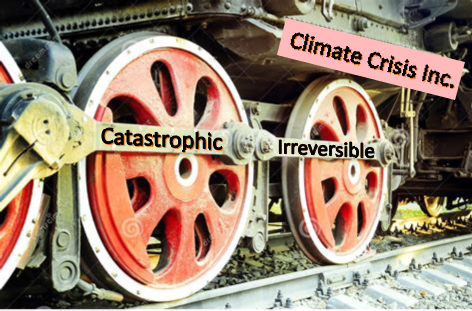 Michael Baume writes at Spectator Climate change policy: a greater risk than climate change?. Excerpts in italics with my bold. H/T John Ray


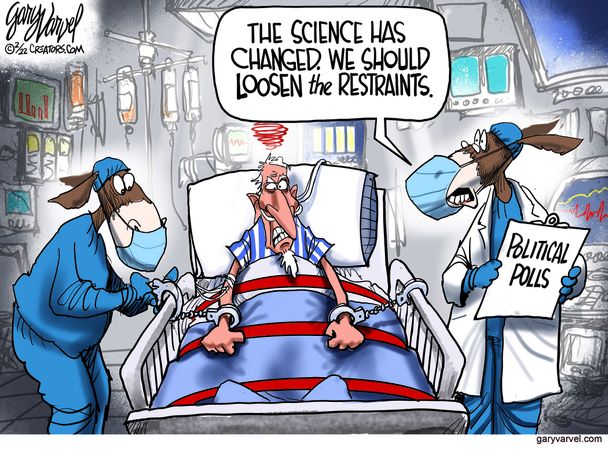

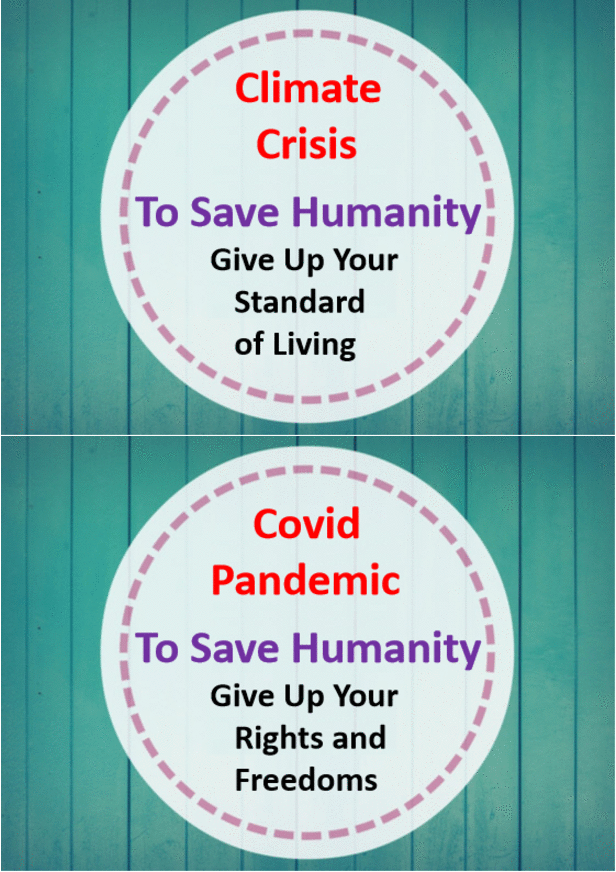



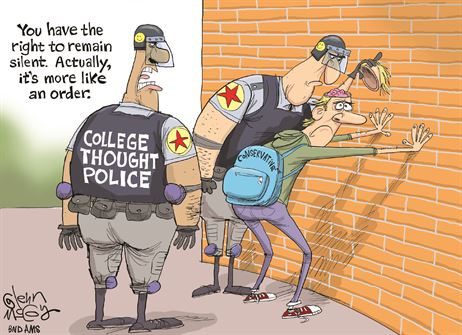
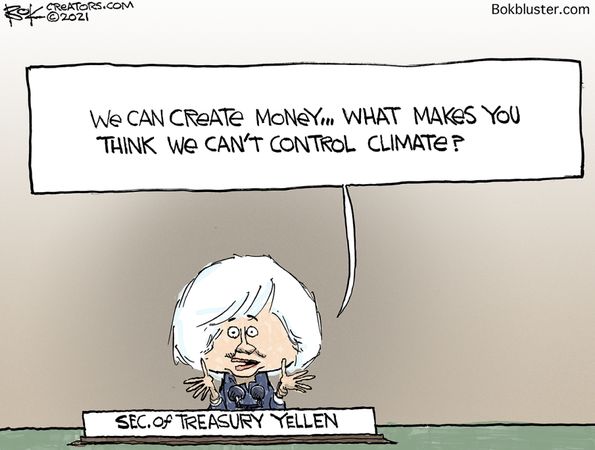




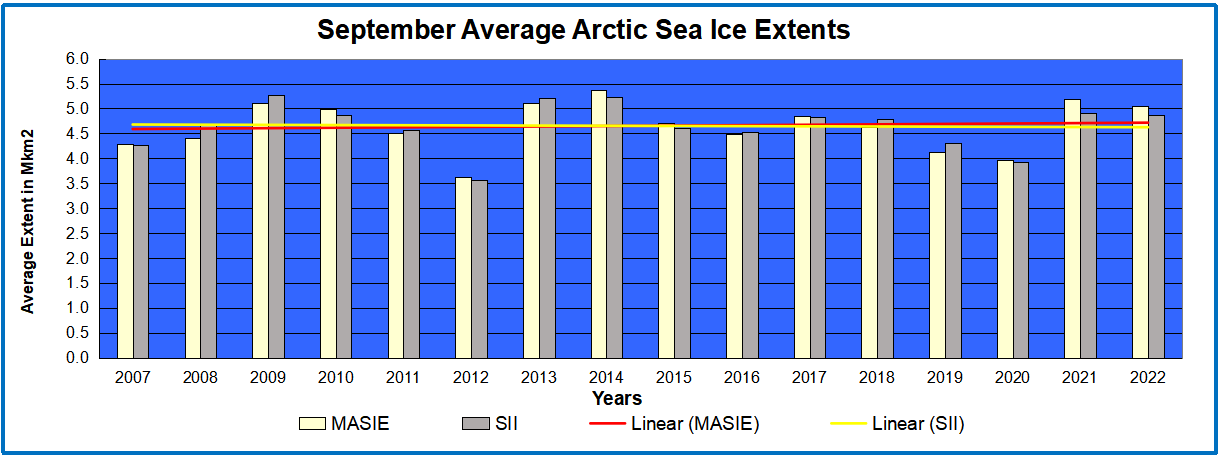
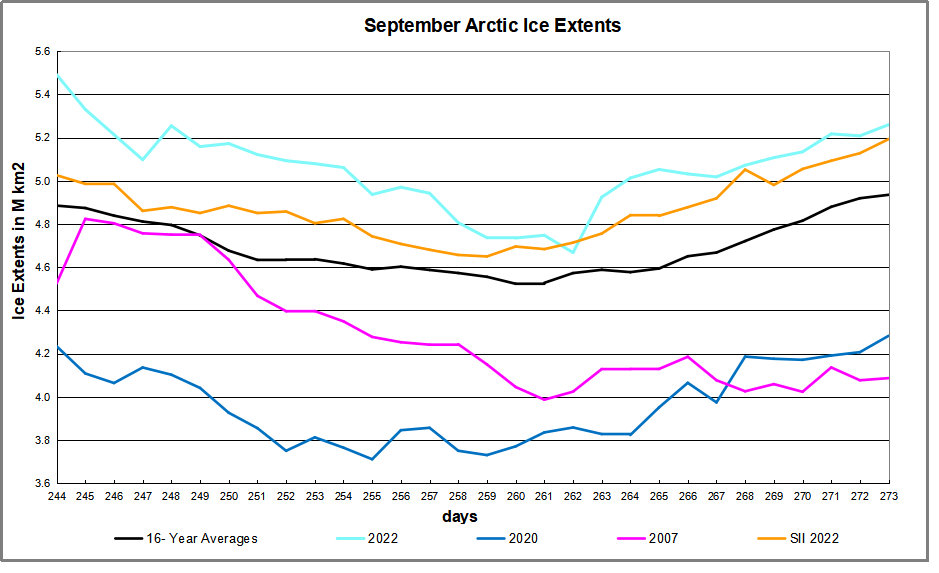
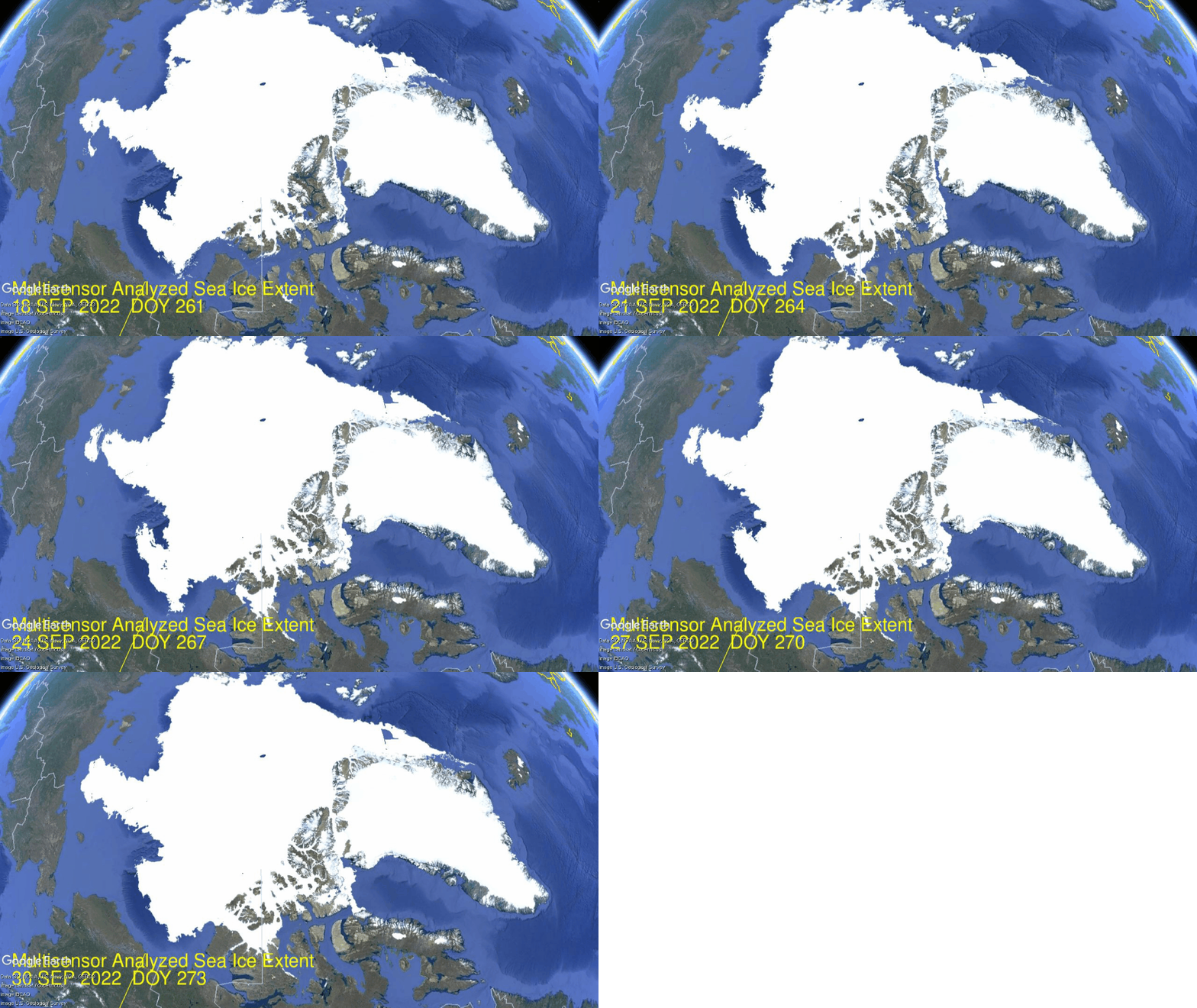



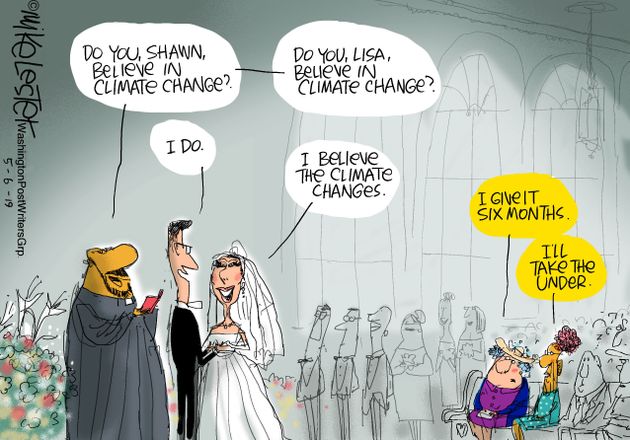


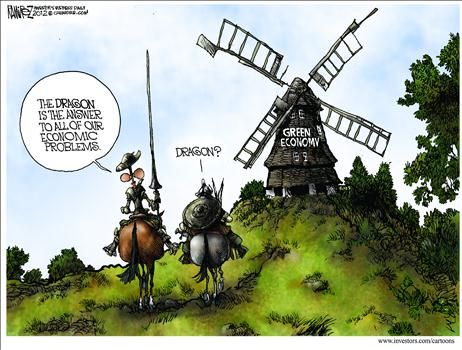
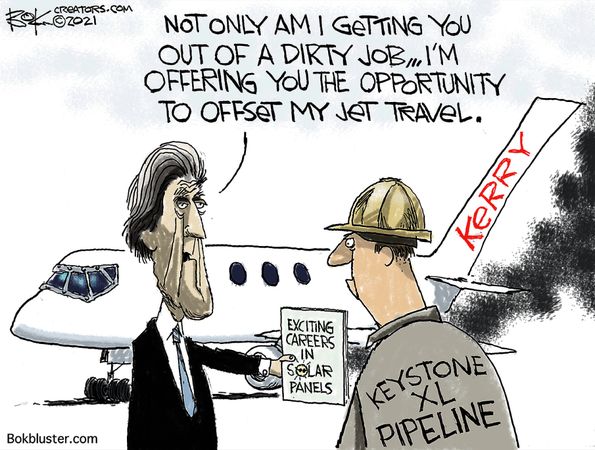
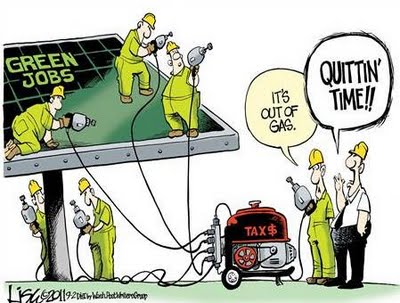
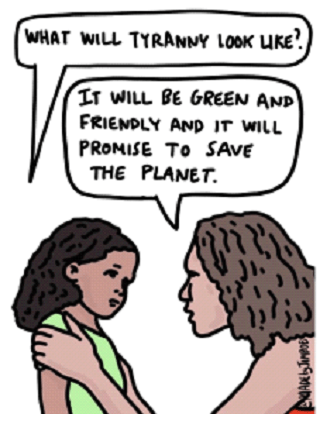

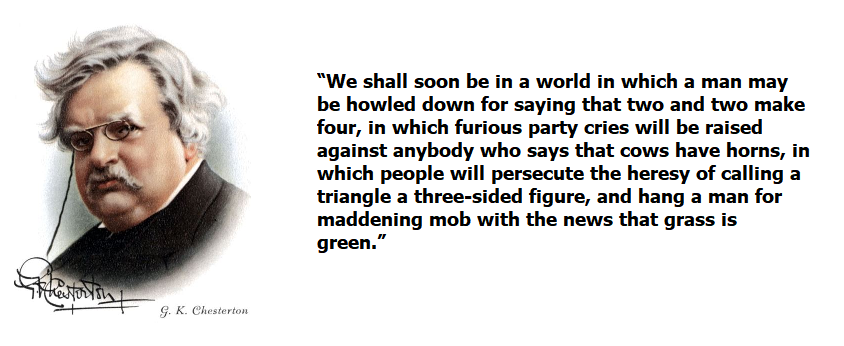
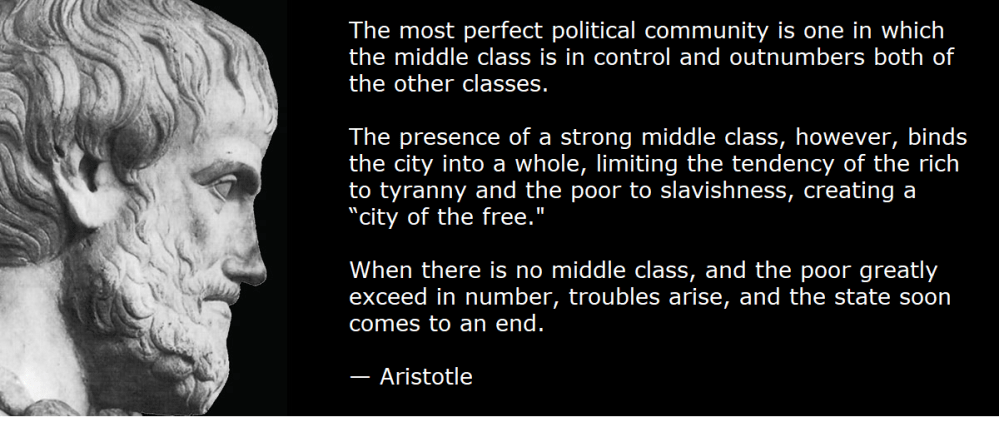


 We reject all this without a moment’s hesitation even though today it is considered highly scandalous and even revolutionary to say that a family is made up of a man and a woman and any children they may have, They are creating a world of alleged individual rights and formal freedom. In theory we are free or almost free to do anything we like: free to take drugs , free to have an abortion , to take the lives of human beings suffering from serious illnesses and therefore defenseless. Only rights and few if at all do this

 Carson Holloway writes at American MInd
 The case of Florida Congressman Matt Gaetz is only the most recent example. For much of the last two years, Gaetz has been the target of “news” stories, based on anonymous sources, that he was under investigation by the Department of Justice for sex trafficking. Now, we are told, career prosecutors are recommending against charges because of concerns about the credibility of the witnesses. This is another version of the same treatment given to Donald Trump before and during his presidency. For years Trump was subjected to innumerable breathless stories that he had “colluded” with Russia to steal the presidency. But when the investigation was over it turned out that Trump was guilty of no such thing.





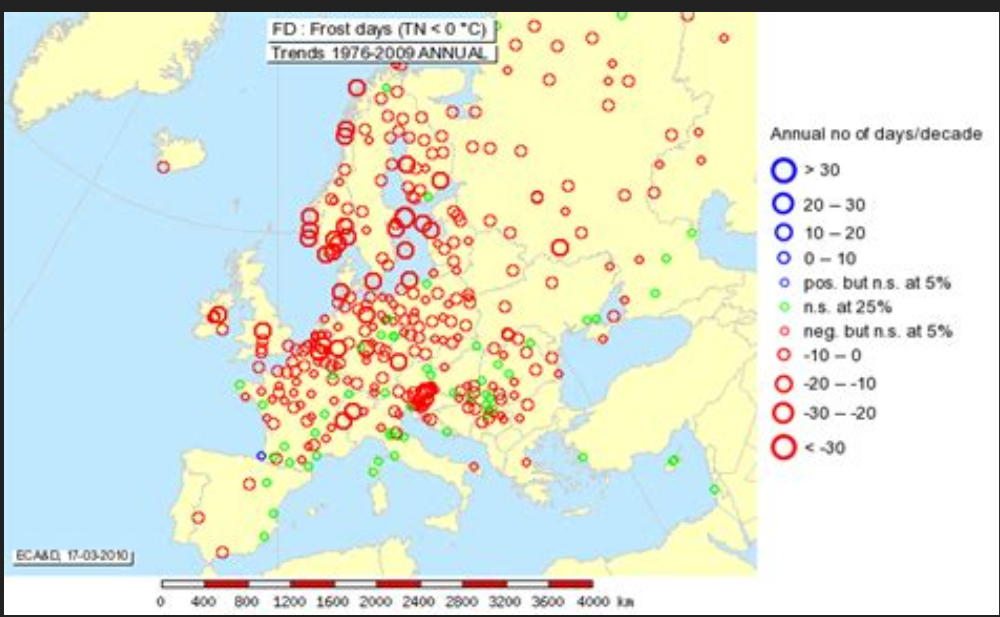
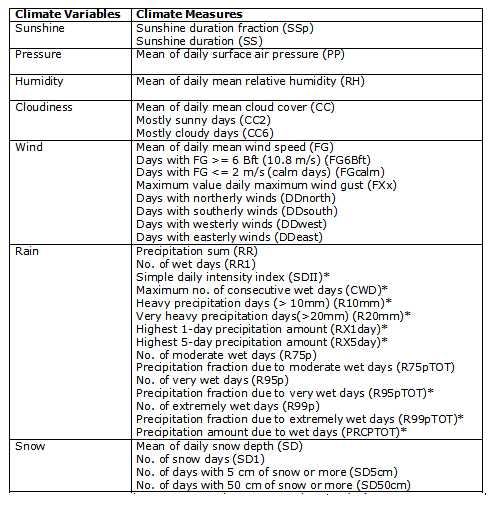
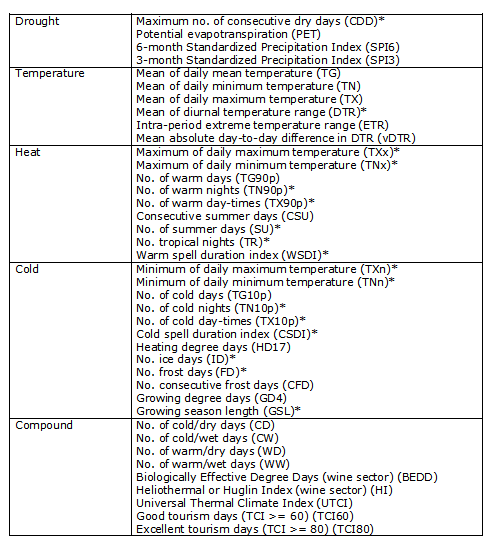
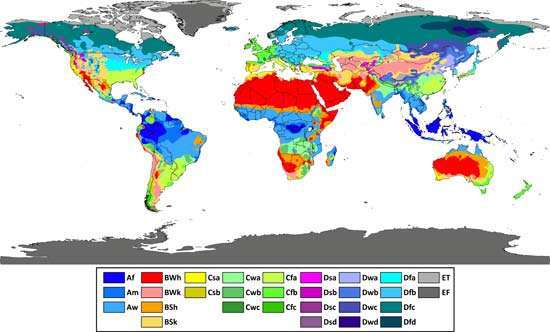
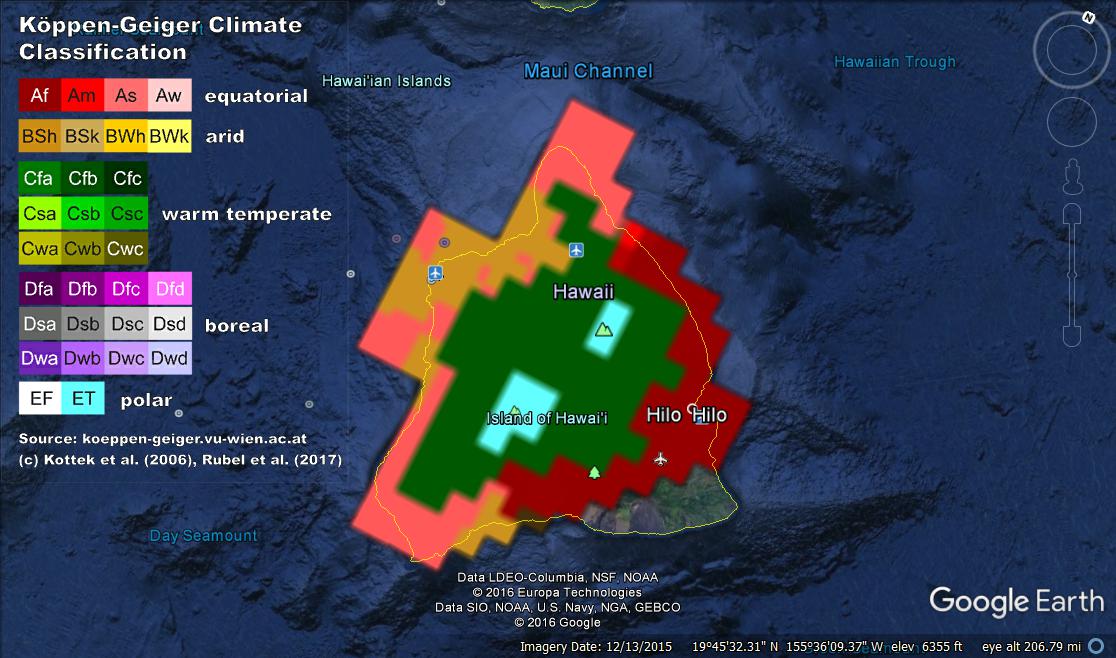


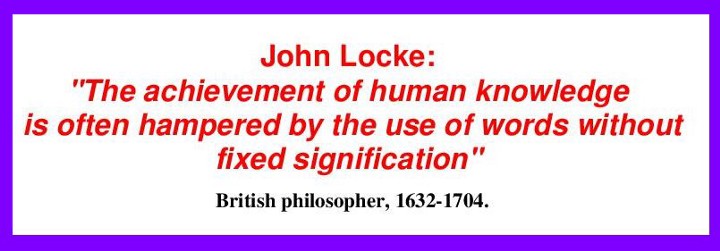
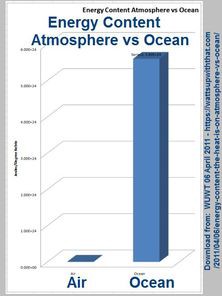

 Science Matters