Why Federalized Science is Rotten
J Scott Turner writes at American Mind Modern Science’s Broken Bargain.  Excerpts in italics with my bolds and added images.

The founding manifesto of the modern scientific enterprise—Vannevar Bush’s 1945 classic Science: The Endless Frontier—laid down a promise: that federalizing the academic sciences would protect the universities as bastions of free inquiry and curiosity-driven research. Without such support, Bush argued, the academic sciences would be captured and enslaved by government and corporate political interests. That argument was persuasive to the political authorities of the time. Now, seven decades later, that promise stands broken. Science’s “endless frontier” has become Big Science, a self-aggrandizing cartel organized around the aggressive pursuit of federal money.

Science is grounded in Enlightenment virtues. Its core attributes are unfettered freedom of intellect; cultivation of curiosity; skepticism; dispassionate reason; and dedication to evidence. A robust modern science immensely enriches our society. In return, our society affords the sciences enormous privilege and prestige. This mutually beneficial bargain held for many generations. Scientists were free to roam the intellectual frontiers, the public mostly watched from a respectful distance, and both science and society flourished.

That bargain is now unraveling, damaging both science and the society that supports it.
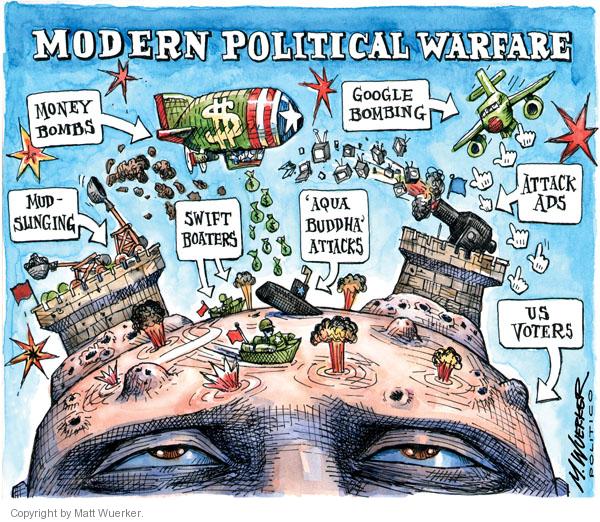
Less and less do the sciences serve as bulwarks of reason against political and corporatist aims. To the contrary, the sciences are becoming stridently politicized, acting as a vanguard for an authoritarianism of “expertise”. Increasingly, science is being used as a cloak to shield political agendas from normal scrutiny and debate, thereby betraying the scientific ideal.
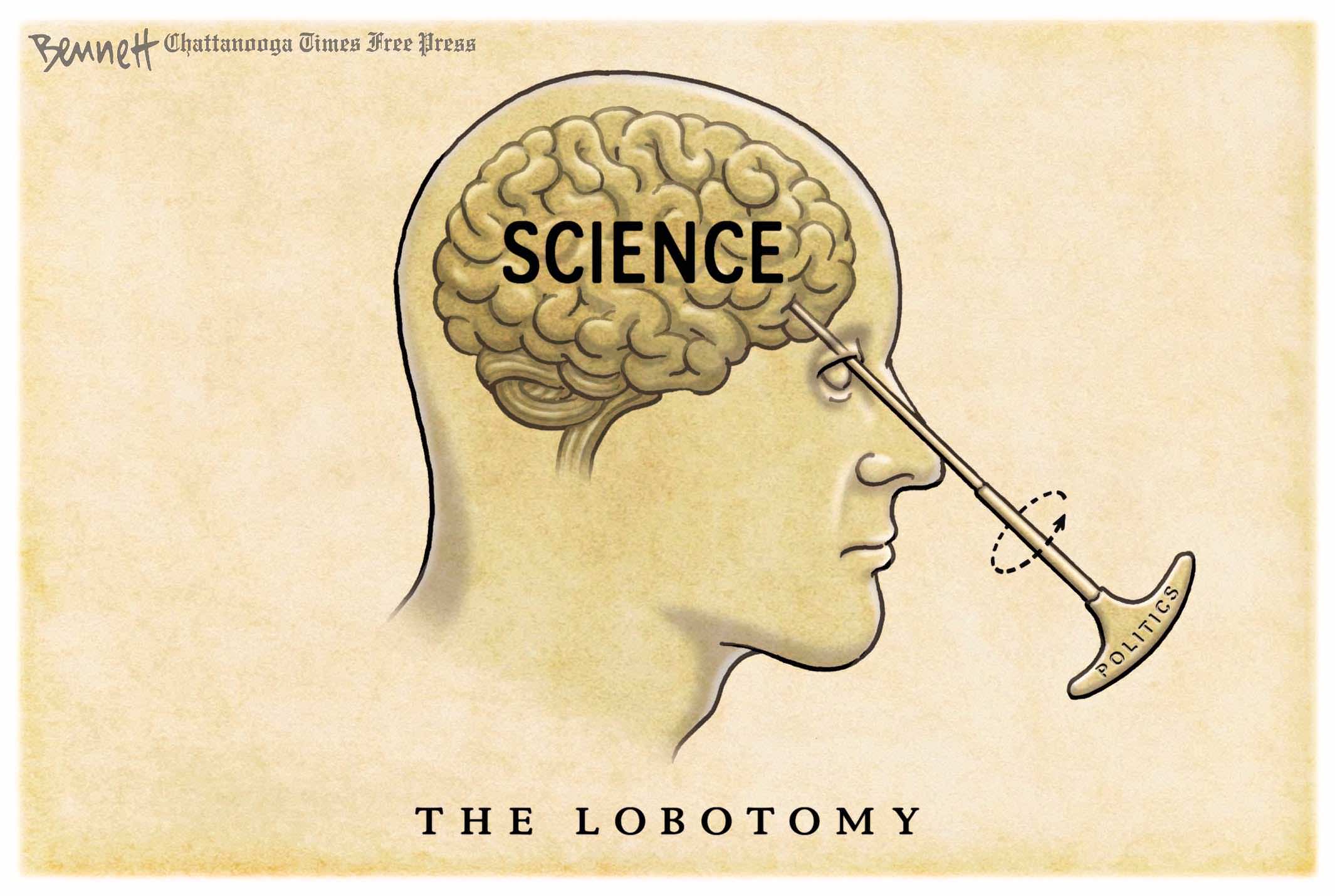
These trends, and the reasons for them, are not hard to discern. Scientists’ careers are no longer charted by the esteem of peers, but increasingly by conformity to institutional and political interests. The natural immunity of tenure, which is intended to protect university scientists’ intellectual freedom, is being systematically gutted. Adhering to science’s core virtues, listed above, is becoming a career hazard. In the face of this, fellow scientists either remain silent, or become eager participants in a masquerade of “consensus.” Public trust in science, which turns on the common perception that scientists are avatars of dispassionate and independent inquiry, is becoming increasingly tattered.

The COVID-19 spectacle is demonstrating just how fragile that public trust is.

This trend is not new, but the intrusion of identity politics into the sciences has made it toxic. Distinguished scientific careers are snuffed out in an instant. The interests of favored identity groups become the primary criteria for advancement, trumping credentials, ability, and qualification. Fealty to dogma, not respect for reason, now determines whether careers will grow, be terminated prematurely, or be aborted before they begin. Conformity and risk-aversion, behaviors once alien to the scientific enterprise, are now pervasive, enforced in Star Chamber Human Resources inquisitions.

The roots of this problem were planted in the aftermath of World War II, with the political decision to federalize scientific research. Academic science is now the client of an enormous federal spending program, dwarfing all other sources of support. This spending does not just support the work of scientists, it also provides universities a lucrative revenue stream which enables the growth of political, administrative and institutional power, to the detriment of scientists.

With the growth of the Big Science cartel, the culture of discovery that had so long been the source of scientific greatness, has been transformed into a culture of “production,” where scientists are incentivized and rewarded through bogus measures of scientific “productivity.” These metrics have only tenuous relation to intellectual innovation and discovery. They are, however, powerful conformity machines that reward grantsmanship, crowd-following, mediocrity, and allegiance to political and institutional masters. Scientific discovery has been shoved to the back of the line.
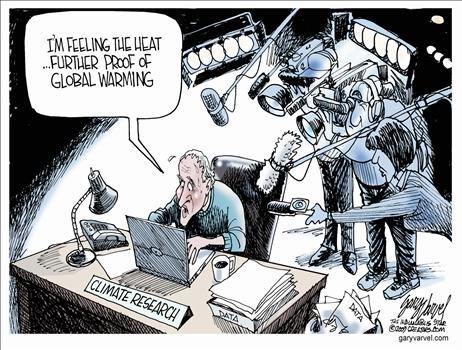
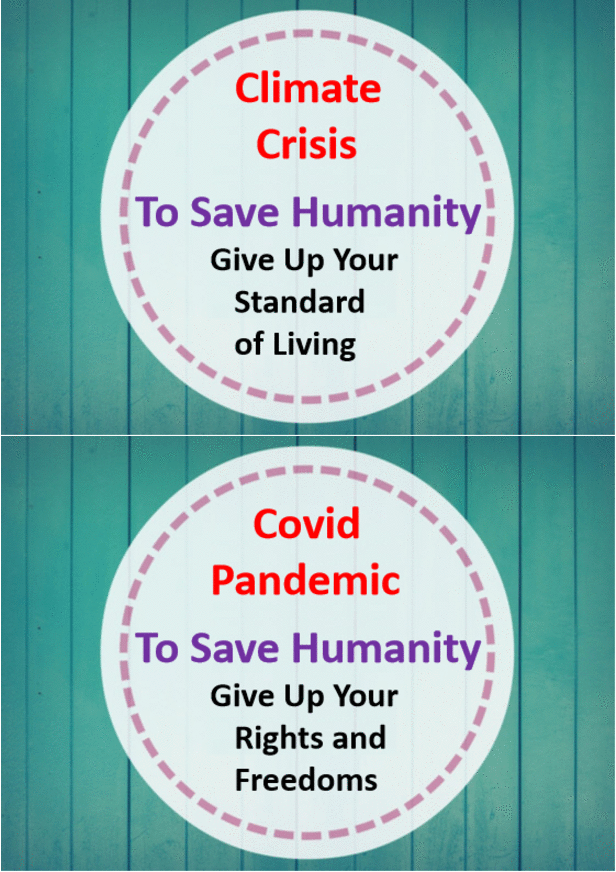
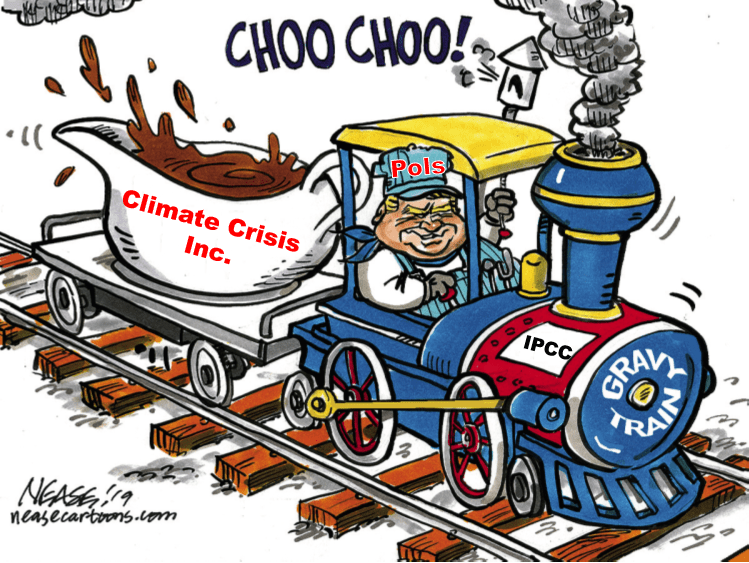
In short, the academy is no longer the vigorous custodian of the core values of a robust science. Rather, the academy has become the place where those virtues are facing their gravest threat. The academic sciences have become utterly debased, turning all members of the Big Science cartel into participants in a massive grift on the public treasury. Climate “science”, for example, is not science per se, but the stalking horse for a diversion of tens of trillions of dollars into the hands of favored political and corporate interests. There is simply no scientific basis for claiming a climate “crisis”, despite the attempts of politicians to stampede the public into thinking so. The political heavy-handedness behind COVID-19 pandemic policy has been remarkable in its suppression of science.

Lurking beneath is a barely-hidden web of collusion between governments, NGOs, universities, and self-interested scientists, all motivated by the desire to keep the money flowing.
The modern social bargain struck with science after the War was founded on the assumption that independent, skeptical, and dispassionate scholars would be an invaluable source of methodical good judgment and resistance to half-cocked political and corporate agendas. The Big Science cartel, propped up by enormous federal subsidies, has mostly subordinated those virtues. It is time to face a hard truth: the seventy year experiment to federalize the sciences has been a failure. The task now is to prevent the Big Science cartel from further dehumanizing society and delegitimizing science.

There is a second hard truth: the necessary reforms will not come from within. Rather, it will be the people and their representatives that will have to impose them. To restore science to its rightful and valuable place, break up the Big Science cartel.

J Scott Turner is an emeritus professor of biology at the SUNY College of Environmental Science & Forestry.

See also Wokeness Worms Eating Science Academies
Hooray For Antibodies


Yesterday I gave a blood sample for SARS CV2 antibody testing and today I got back encouraging results.

Background

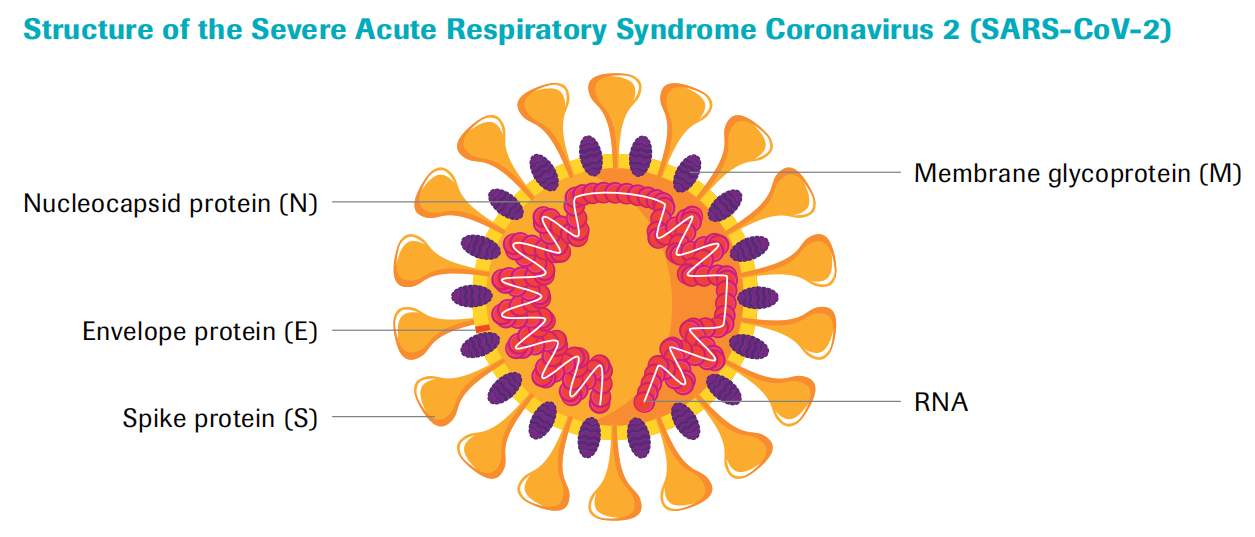
In Canada (and elsewhere including US and UK) Roche provides a panel of two serum antibody tests.  First developed was the N test to identify antibodies against the Nucleocapsid protein. This test will accurately detect responses to natural infection, but not an immune response triggered by a vaccine.

The S test seeks antibodies against the S (Spike) proteins.  The Elecsys® Anti-SARS-CoV-2 assay characteristics are described at Roche diagnostic website.  Excerpts in italics with my bolds.

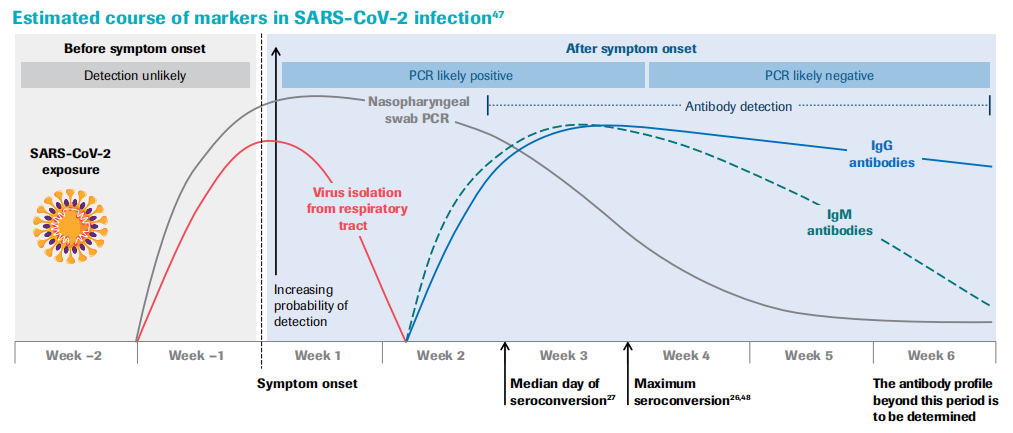
A positive result means that you have developed protective IgG antibodies to the spike protein of the SARS-CoV-2 virus. Our report will also provide you with a numeric count of these antibodies which is standardised and allows you to compare with other available tests and published WHO standards.

This test will detect antibodies amongst individuals who have been naturally infected but also received one of the following vaccines: AstraZeneca, Pfizer / BioNtech, Moderna.

If antibodies are detected, it means that the immune system will recognise the SARS-CoV-2 virus if met in the future and this will prevent serious reinfections from occurring. There is no way of predicting the level of that protection.

A negative result tells you that you likely have not been exposed to SARS-CoV-2 or that the level of protective antibodies have subsequently decreased to a point where they can no longer be detected.

How Immunity Deploys Antibodies

Testingforall in UK provides this helpful information Understanding your Roche Anti-SARS-CoV-2 (S) test result

The body has a range of ways to fight off infection, but the scientific community has centred the development of vaccines for COVID on triggering the creation of antibodies to the spike protein of coronavirus. These “spikes” are what gives coronaviruses their name, and it is through this spike mechanism that the virus binds to healthy human cells in order to replicate itself.

A natural infection creates a wide ranged defence, often involving a T cell response to destroy human cells infected by SARS-SoV-2 to stop virus from replicating, and by the creation of a range of antibodies to different proteins in the virus that attempt to deactivate it before it can bind to host cells. The original COVID-19 Home Total Antibody Test we launched in Sept 2020 detects antibodies to the Nucleocapsid protein that surrounds the RNA of the coronavirus, and is useful for detecting previous exposure, which has provided many people with an understanding of whether past or ongoing symptoms that they experienced were related to a coronavirus infection that occurred before PCR testing was widely available.

The COVID-19 Immunity Test provides an accurate calibrated measurement of the level of antibodies to the spike protein, and is therefore considered to be a good view of your immune response and status. In the testing that we have carried out with our laboratory partner, we have compared the result of the both the Roche N and S test tests on positive blood samples and see very good agreement so if you tested positive on our COVID-19 Home Total Antibody Test then you will very likely test positive on the COVID-19 Immunity Test. The difference between the two tests is that they are looking at different viral protein targets, and that the Immunity Test gives you a calibrated antibody titer that can be compared to other tests and the emerging WHO standard.

To enlarge open image in new tab, or double-click.

The Results in My Case

My N test was negative while my S test was highly positive at >2500 U/ml.  Here is the range of reported results:

Result Type Level (U/mL)
Negative –
Antibodies not found
< 0.4 (less than 0.4)
Between 0.4 and 0.8
Positive –
Antibodies found
Between 0.8 and 10
Between 10 and 100
Between 100 and 250
Between 250 and 1,000
Between 1,000 and 2,500
> 2,500 (more than 2,500)

Conclusion:  My Pfizer jab #1 was in April, #2 in June.  Six months later I have the highest rating for antibodies against the Spike protein, a combination of natural and vaccine-induced immunity.

Footnote:  For a review of all the ways Ivermectin defeats SARS CV2, see How Much Does Ivermectin Fight Covid19? The Count is 20 ways.

PostScript

I noted that 2500 units per milliliter is the same number as the air molecules (mostly N2 andO2) surrounding each CO2 molecule in the atmosphere.  The analogy is clear:  Just as IR-inactive gases keep our planet warm without overheating, our immunity antibodies keep us from Covid19 fever.

Pandemic On Demand

The Quebec Story Today

As reported in Global News article Quebecers wait in long lineups for free rapid COVID-19 test kits.  Excerpts in italics with my bolds.

Quebecers lined up outside local pharmacies Monday morning looking to get their hands on free rapid COVID-19 testing kits.

At a Jean-Coutu in Anjou, lines were forming as early at 7 a.m. as people looked to nab one of the 108 available kits.

By 9 a.m., the store’s supply had run out, with a number of people left empty-handed, forced to seek elsewhere.

Provincewide, 4.3 million tests are being distributed to 1,900 pharmacies. Another two million are being sent to seniors’ homes.

According to the Quebec Order of Pharmacists, supply is limited, with pharmacies receiving boxes of only 108 kits.

Each kit holds five tests. Anyone over the age of 14 is eligible for one kit per 30-day period to prevent hoarding supply.

The ministry of health says there are both advantages and disadvantages of rapid antigen testing. They are easy to use and you can get a result in less than 15 minutes, but they can also sometimes provide false positives.

Rapid tests can be used for added protection over holidays, but experts warn they aren’t perfect
If your rapid test comes back positive, you should book a polymerase chain reaction (PCR) test, which is considered the gold standard for COVID-19 testing, and self-isolate until you receive a negative test result.

On December 20, 2021,  Quebec Health Minister Christian Dube announced tough new restrictions in an effort to stem the rapid growth of COVID-19 cases and hospitalizations in the province, and he warned further measures may come soon.

Dube called the situation “critical” as he announced that bars, movie theatres and other entertainment venues were to close as of 5 p.m. Monday. Restaurants will be allowed to operate at 50 per cent capacity but will be required to close by 10 p.m.

The Quebec Back Story From January 2021

January 30, 2021 I posted this Covid Rapid Tests Finally Out from Quebec Storage (200 Scientists Ask)  Excerpts in italics with my bolds.

A group of 213 scientists, professors, health-care workers and patients published an open letter to the Legault government Thursday calling on Quebec to roll out rapid COVID-19 tests to curb outbreaks more quickly and to step up its communications strategy.

“We have 1.2 million of those tests just sitting in a warehouse in Farnham,” Roxane Borgès Da Silva, a professor with the Université de Montréal’s school of public health, said in an interview Wednesday night. “We have reached a point in the evolution of the pandemic where the health system is at the breaking point. It is time that we use every tool at our disposal.

Quebec has been hesitant to use the tests widely because it fears their lack of sensitivity could clear people for COVID-19 when they actually have the virus. But Da Silva said the tests are close to 90-per-cent accurate when used on patients who are in an extremely contagious phase, which is crucial to stopping the most dangerous transmitters. The tests could be used at workplaces, high schools and CHSLDs, or be made available at pharmacies and doctors’ offices to allow the public to get tested quickly, Da Silva said.

The main COVID-19 test used in Canada is the polymerase chain reaction, or PCR, test — which uses the nasal swab that most Quebecers who have gotten a COVID-19 test are familiar with. They are extremely sensitive. They rarely — if ever — declare someone negative who actually has COVID-19; if there is viral material present in someone’s nasal cavity, a PCR test will find it. They are so sensitive that they can detect dead viral material leading to positive results long after the person is no longer infectious, and they are resource intensive, requiring health-care workers to take swabs and lab technicians to process the results.

The tests’ lack of sensitivity and the chance of getting a false negative result worried federal officials, who gave a caveat when they approved the rapid tests, Quebec Health Minister Christian Dubé said at the National Assembly last week.

“It says in small print, ‘be sure to do the second test at the same time. To avoid giving a false negative, continue to do the (PCR) test,” Dubé said.

So Quebec is still double-checking each rapid test result with a PCR test, a cumbersome process that reduces their utility. As a consequence, Dubé said the province has more than one million rapid tests sitting unused or just beginning to be used in pilot projects, as health officials decide the best way to deploy them.

Quebec Public Waits to be Empowered, Gets Controls Instead

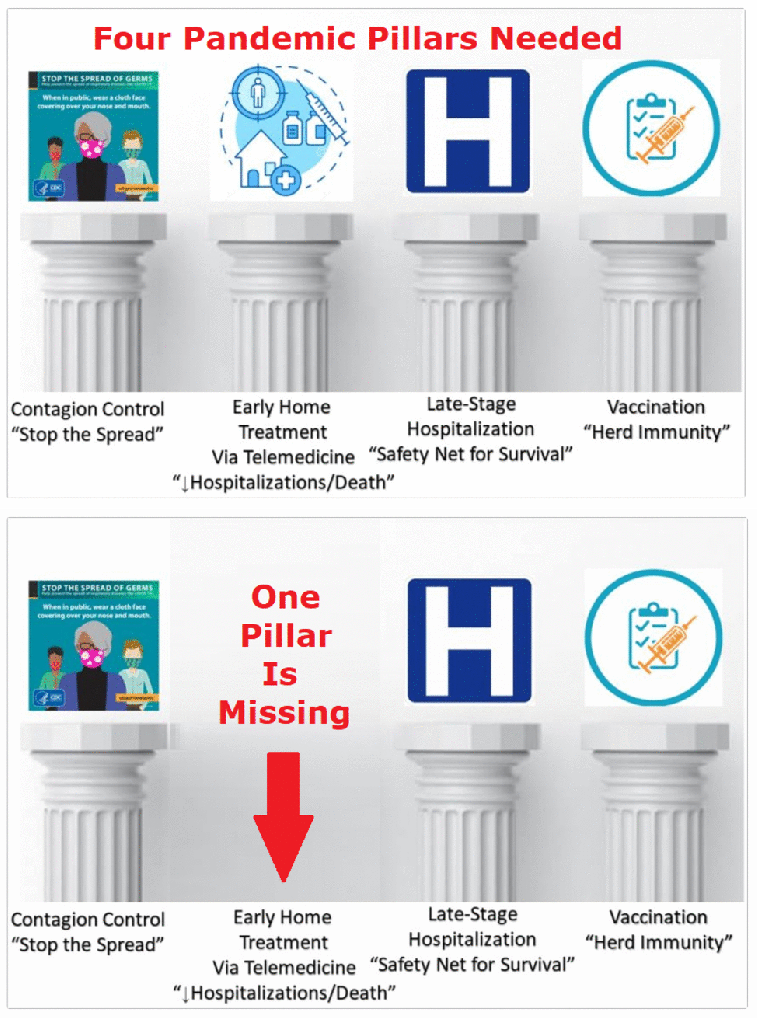
Treatment protocols including Ivermectin or HCQ plus nutritional supplements fill the need for early home treatment.

As you can see from the above, the purpose of rapid tests is countermanded by policymakers.  The empowerment idea is that people feeling ill can readily at home test for infection from SARS CV2. They can then through telemedicine administer anti-viral treatment protocols to clear the virus without severe sickness or requiring hospitalization.

Instead of that, the rapid tests are only employed as a screening for PCR testing.  Officials do not want to lose control over case statistics.  Nor do they admit or recommend any therapeutics for curing Covid19.  They only advise to be vaccinated (again and again), and then isolate when infected until health returns or hospital care is required.

And don’t overlook how the PCR tests are manipulated. See CDC Test for Vaxxed People Comes a Year Too Late.  Excerpts in italics with my bolds.

From the CDC’s instructions for state health authorities on handling “possible breakthrough infections” (uploaded to their website in late April):

For cases with a known RT-PCR cycle threshold (Ct) value, submit only specimens with Ct value ≤28 to CDC for sequencing. (Sequencing is not feasible with higher Ct values.)

Throughout the pandemic, CT values in excess of 35 have been the norm, with labs around the world going into the 40s.

Essentially labs were running as many cycles as necessary to achieve a positive result, despite experts warning that this was pointless (even Fauci himself said anything over 35 cycles is meaningless).

But NOW, and only for fully vaccinated people, the CDC will only accept samples achieved from 28 cycles or fewer. That can only be a deliberate decision in order to decrease the number of “breakthrough infections” being officially recorded.

Secondly, asymptomatic or mild infections will no longer be recorded as “covid cases”.

That’s right. Even if a sample collected at the low CT value of 28 can be sequenced into the virus alleged to cause Covid19, the CDC will no longer be keeping records of breakthrough infections that don’t result in hospitalisation or death.

The CDC is demonstrating the beauty of having a “disease” that can appear or disappear depending on how you measure it.

To be clear: If these new policies had been the global approach to “Covid” since December 2019,  there would never have been a pandemic at all.

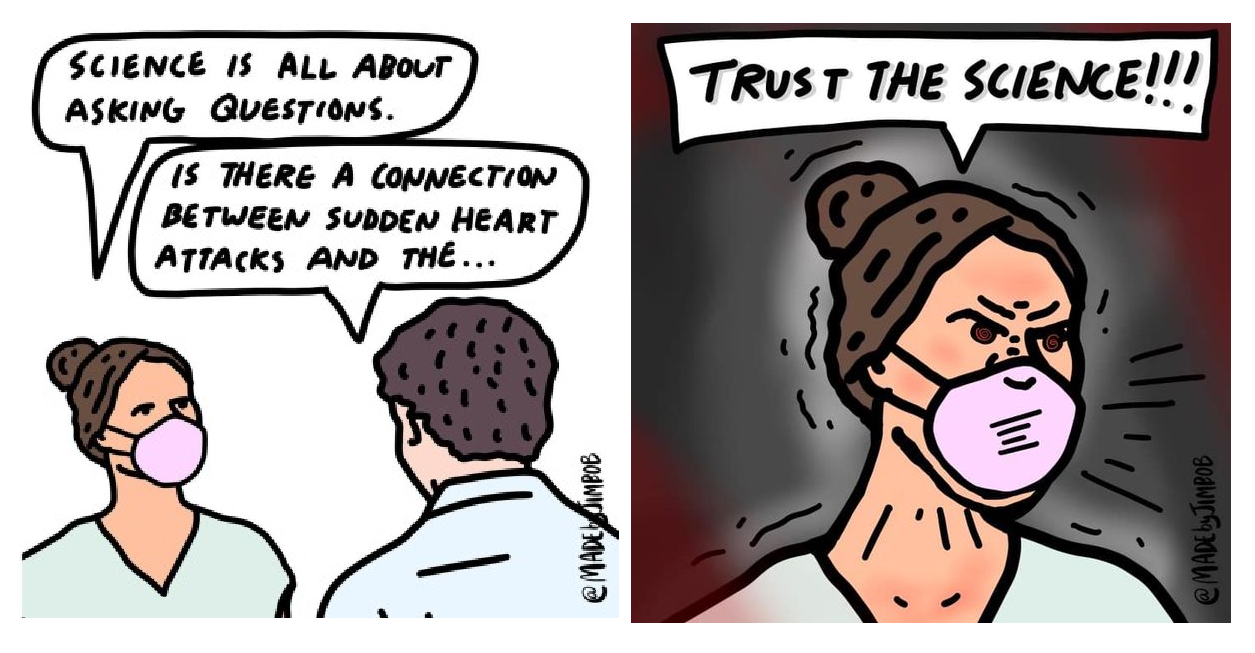
Critical Thinking Vs. Trusting “The Science”

Brandon Smith writes at his blog Why Don’t People “Trust The Science?” Because Scientists Are Often Caught Lying.  Excerpts in italics with my bolds and added images.

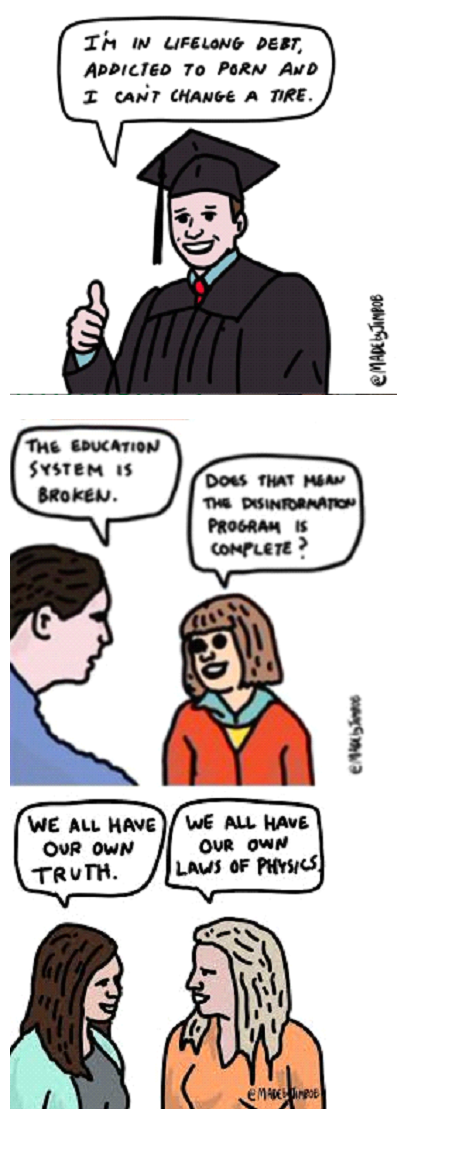
There has been an unfortunate shift in Western educational practices in the past few decades away from what we used to call “critical thinking.” In fact, critical thinking was once a fundamental staple of US colleges and now it seems as though the concept doesn’t exist anymore; at least not in the way it used to. Instead, another brand of learning has arisen which promotes “right thinking”; a form of indoctrination which encourages and rewards a particular response from students that falls in line with ideology and not necessarily in line with reality.

It’s not that schools directly enforce a collectivist or corporatist ideology (sometimes they do), it’s more that they filter out alternative viewpoints as well as facts and evidence they do not like until all that is left is a single path and a single conclusion to any given problem.

They teach students how to NOT think by presenting thought experiments and then controlling the acceptable outcomes.

For example, a common and manipulative thought experiment used in schools is to ask students to write an “analysis” on why people do not trust science or scientists these days. The trick is that the question is always presented with a built-in conclusion – That scientists should be trusted, and some people are refusing to listen, so let’s figure out why these people are so stupid.

I have seen this experiment numerous times, always presented in the same way. Not once have I ever seen a college professor or public school teacher ask students: “Should scientists today be trusted?”   Not once.

This is NOT analysis, this is controlled hypothesis. If you already have a conclusion in mind before you enter into a thought experiment, then you will naturally try to adjust the outcome of the experiment to fit your preconceived notions. Schools today present this foolishness as a form of thinking game when it is actually propaganda.

Students are being taught to think inside the box, not outside the box.
This is not science, it is anti-science.

Educational programming like this is now a mainstay while actual science has taken a backseat. Millions of kids are exiting public schools and universities with no understanding of actual scientific method or science in general. Ask them what the equations for Density or Acceleration are, and they’ll have no clue what you are talking about. Ask them about issues surrounding vaccination or “climate change”, and they will regurgitate a litany of pre-programmed responses as to why the science cannot be questioned in any way.

In the alternative media we often refer to this as being “trapped in the Matrix,” and it’s hard to think of a better analogy. People have been rewarded for so long for accepting the mainstream narrative and blindly dismissing any other information that when they are presented with reality they either laugh at it arrogantly or recoil in horror. The Matrix is so much more comfortable and safe, and look at all the good grades you get when you say the right things and avoid the hard questions and agree with the teacher.

Given the sad state of science in the West these days surrounding the response to covid as well as the insane and unscientific push for forced vaccinations, I thought it would be interesting to try out this thought exercise, but from an angle that is never allowed in today’s schools:

Why don’t people trust the science and scientists anymore?

This is simple: Because many scientists have been caught lying and misrepresenting their data to fit the conclusions they want rather than the facts at hand. Science is often politicized to serve an agenda. This is not conspiracy theory, this is provable fact.

That’s not to say that all science is to be mistrusted. The point is, no science should be blindly accepted without independent examination of ALL the available facts. This is the whole point of science, after all. Yes, there are idiotic conspiracy theories out there when it comes to scientific analysis, but there are a number of scams in the world of science as well.

Most people have the capacity to sift through scientific data as long as it’s transparent. When the facts are obscured or spun or omitted this causes confusion, and of course only the establishment scientists can untangle the mess because they are the ones that created it.

There are clear and openly admitted ideological agendas surrounding covid science which have nothing to do with public health safety and everything to do with political control.

When you have the head of the World Economic Forum applauding the covid pandemic as a perfect “opportunity” to push forward global socialist centralization and erase the last vestiges of free markets and individual liberty, any rational person would have to question if the covid science is also being rigged to support special interests.

Luckily, the covid issue is so massive that it is impossible for them to control every study. Instead, the establishment ignores the studies and data they don’t like.

Science is quickly becoming a political religion rather than a bastion of critical thought. Conflicting data is ignored as “non-science” or even censored as “dangerous.” Government and corporate paid studies are treated as sacrosanct. Is it any wonder that so many people now distrust the science?

Any reasonable person would have questions and suspicions. Those who do not have been indoctrinated into a cult they don’t even know they are a part of.

Footnote:

Connor Harris connects this subservient attitude to the prevailing progressive post-modern mindset;
See Why the Leftist Backlash Against Ivermectin

Liberals have no monopoly on gullibility or lazy journalism, but the biased coverage of ivermectin springs from one of the worst pathologies of liberal discourse in particular: conflation of respect for science with fealty to established scientific institutions. A “pro-science” disposition has long been integral to American liberals’ self-conception (a ubiquitous yard sign reads, in part, “In this house, we believe science is real”); it grew especially strong during the George W. Bush years as a reaction to the administration’s stance on global warming and alliance with the religious Right.

But most Americans are scientists neither by training nor by temperament, and “pro-science” politics usually calcifies into blind trust in a few politically congenial authorities—such as universities and government health agencies, which have enjoyed high levels of liberal confidence throughout the pandemic despite such actions as reversing longstanding advice on face masks based on a dubious judgment call.

Conflating science with the scientific establishment not only corrodes the capacity for skepticism but also helps questionable or corrupt actions by authorities escape scrutiny. The hullabaloo over ivermectin poisoning, for example, far exceeds the attention given to another questionable treatment pushed not by right-wing hucksters but by the FDA itself: remdesivir, an antiviral produced by the pharmaceutical giant Gilead Sciences that is still the only Covid-19 treatment with full FDA approval.


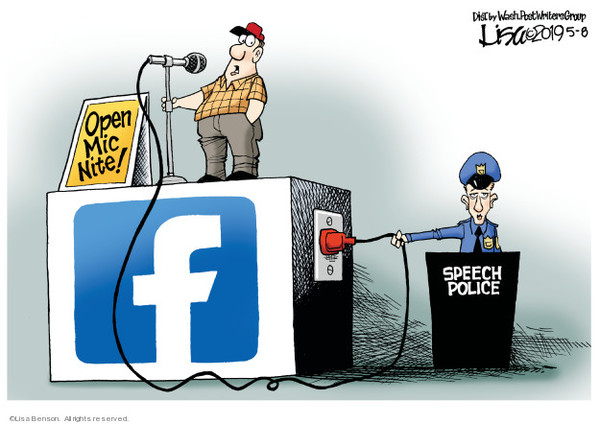
Facebook Censors BMJ Under Guise of “Fact-checking”

BMJ (British Medical Journal) publishes more than 70 medical and allied journals.  They report unwarranted censorship by Facebook in an article Facebook urged to act over incompetent “fact check” of BMJ investigation.  Excerpts in italics with my bolds and added images.

Editors ask Mark Zuckerberg to correct errors relating to The BMJ’s Pfizer vaccine trial investigation

Editors at The BMJ are urging Facebook to correct a “fact check” of a recent investigation that they say is “inaccurate, incompetent and irresponsible.”

In an open letter to Mark Zuckerberg, Fiona Godlee, outgoing editor in chief, and Kamran Abbasi, incoming editor in chief, say this matter “should be of concern to anyone who values and relies on sources such as The BMJ for reliable medical information.”

They also urge parent company Meta to reconsider its investment in and approach to fact checking overall following other examples of incompetence.

On 2 November, The BMJ published an investigation into poor clinical trial research practices at Ventavia, a contract research company helping carry out the main Pfizer covid-19 vaccine trial.

It was based on dozens of internal company documents, photos, audio recordings, and emails provided to The BMJ by a former employee of Ventavia, and it raised serious concerns about data integrity and patient safety.

The article went through The BMJ’s usual high level legal and editorial oversight and peer review.

But beginning on November 10, readers began reporting a variety of problems when trying to share the article and were directed to a “fact check” performed by a Facebook contractor named Lead Stories.

Godlee and Abbasi say they find the “fact check” performed by Lead Stories to be “inaccurate, incompetent and irresponsible.”

For example, it fails to provide any assertions of fact that The BMJ article got wrong, it contains a screenshot of the article with a stamp over it stating “Flaws Reviewed,” despite the Lead Stories article not identifying anything false or untrue in The BMJ article, and it published the story on its website under a URL that contains the phrase “hoax-alert.”

Cochrane, the international provider of high quality systematic reviews of the medical evidence, has experienced similar treatment by Instagram (also owned by Meta).

The BMJ complained to Lead Stories, “but they refused to change anything about their article or actions that have led to Facebook flagging our article.”

The BMJ has also complained to Facebook, requesting that Facebook immediately remove the “fact checking” label and any link to the Lead Stories article, “thereby allowing our readers to freely share the article on your platform.”

The editors say they hope Facebook will “act swiftly” to correct the error relating to The BMJ’s article and to review the processes that led to the error. They added a general call for parent company Meta to reconsider its investment in and approach to fact checking overall.

“Rather than investing a proportion of Meta’s substantial profits to help ensure the accuracy of medical information shared through social media, you have apparently delegated responsibility to people incompetent in carrying out this crucial task.”


A New Lexicon for the Covid Era

Redefinitions Required for the time of Covid

Before, People were presumed healthy unless they had a proven disease;
And Now, People are presumed sick unless they are proven well.

Before, a quarantine was isolating sick people from contact with healthy people;
And now, a quarantine is isolating everyone until they are proven healthy.

Before, a vaccine is a product that stimulates a person’s immune system to produce immunity to a specific disease
And now, a vaccine is a preparation that is used to stimulate the body’s immune response against diseases.

Before, vaccination was the act of introducing a vaccine into the body to produce immunity to a specific disease.
And Now, vaccination produces protection to a specific disease.

Before, when someone is vaccinated and gets infected anyway, it was called “vaccine failure”;
And now, it’s called “breakthrough infection.”

Before, immunity meant someone who is not infected when exposed to a disease;
And now, immunity means someone who gets not very sick when infected by a disease.

Before, herd immunity was a community where an infectious disease is unlikely to spread because most individuals have already been infected and are now immune.
And now, herd immunity is when everyone is vaccinated.

Before, censors were officials who suppressed communication deemed objectionable on moral, political, military or other grounds;
And now, they call themselves “fact-checkers”

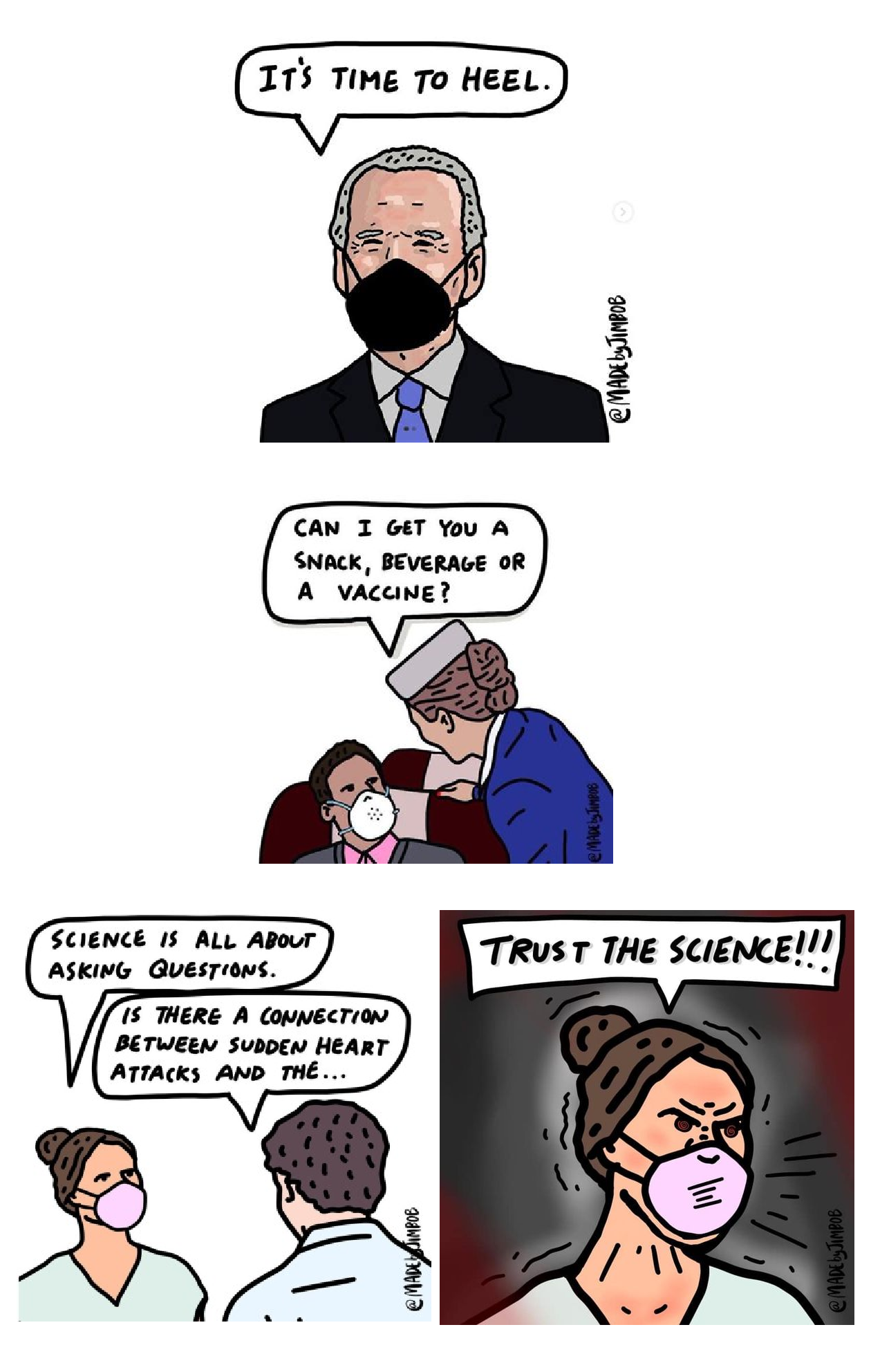
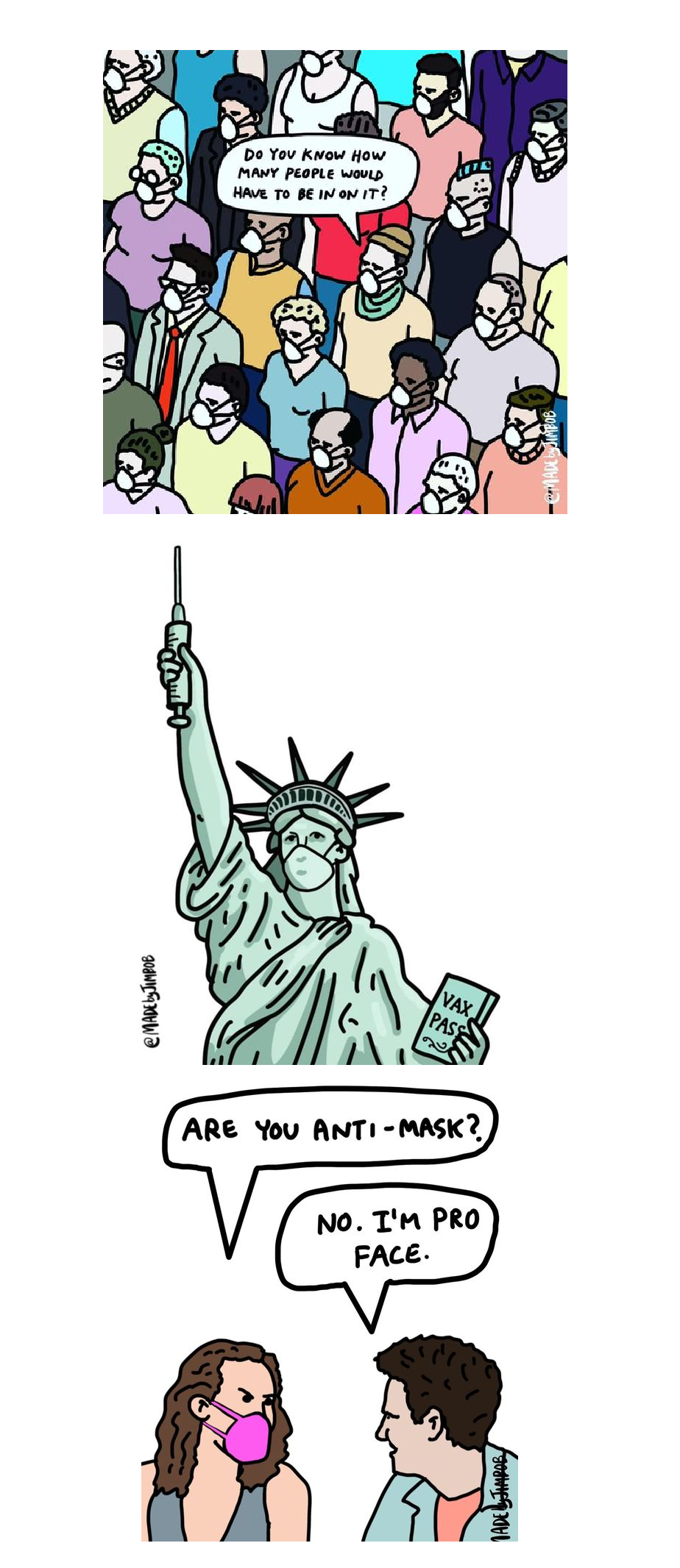
JimBob Gets It


All’s Well with Mid-Dec. Arctic Ice


The image above shows recovery of Arctic sea ice extent over the first half of December 2021. As supported by the table later, the pace of refreezing for 2021 exceeded the 14-year average since mid-Nov. and ended close to average, and well above 2020.

The month began with the Arctic core as well as seas on the Eurasian and Can-Am sides (top and bottom) already ice-covered, so no additional extent came from there.  OTOH Hudson Bay (lower right) more than doubled extent, starting with only western shore ice and grew from 320k km2 to 780k km2, 62% of last March maximum.  On the Pacific side, Bering (bottom left) went down to 255k km2 before refreezing up to 426k m2, nearly half of its last max.  Okhotsk (far left) had very little ice to start but now has fast ice growing from the northern shore.

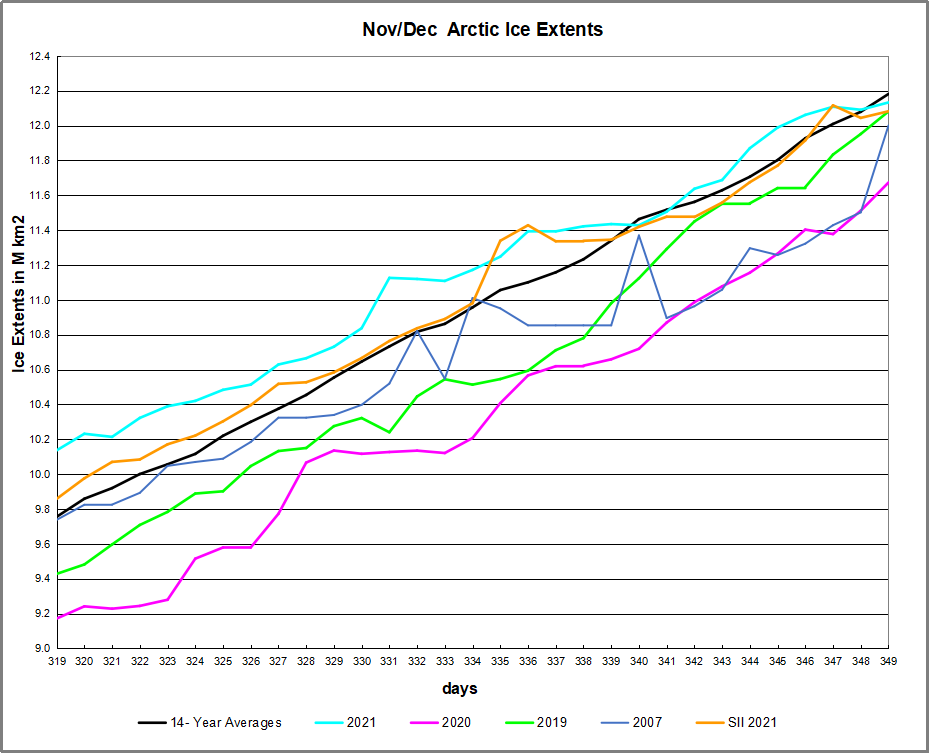
The graph below shows the ice extent growing mid-Nov. to mid-Dec compared to some other years and the 14 year average (2007 to 2020 inclusive).

Note that the  NH ice extent 14 year average increases 2.4M km2 during this period, up to 12.2M km2. MASIE 2021 tracked above average most of the period, returning to the mean at the end. Other years were also nearly average, except for 2020. SII was slightly lower than MASIE most of the time but ended nearly the same.

Region 2021349 Day 349 Average 2021-Ave. 2020349 2021-2020
 (0) Northern_Hemisphere 12132680 12181283  -48602  11673121 459559 
 (1) Beaufort_Sea 1070776 1070021  755  1070689 87 
 (2) Chukchi_Sea 966006 931960  34047  876648 89358 
 (3) East_Siberian_Sea 1087137 1086411  727  1086981 156 
 (4) Laptev_Sea 897827 897835  -8  897827
 (5) Kara_Sea 892744 840489  52255  608199 284545 
 (6) Barents_Sea 516037 337705  178332  266917 249119 
 (7) Greenland_Sea 476250 552837  -76587  571809 -95559 
 (8) Baffin_Bay_Gulf_of_St._Lawrence 782600 835808  -53209  790539 -7939 
 (9) Canadian_Archipelago 854685 853275  1411  854597 88 
 (10) Hudson_Bay 778083 1126491  -348408  1163833 -385750 
 (11) Central_Arctic 3192879 3204951  -12071  3207975 -15096 
 (12) Bering_Sea 426194 229742  196452  147408 278787 
 (13) Baltic_Sea 32463 11257 21206  400 32063 
 (14) Sea_of_Okhotsk 148537 192106  -43569  114474 34063 

The table shows where the ice is distributed compared to average. Hudson Bay shows a large deficit, along with smaller ones in Greenland Sea and Baffin Bay.  Offsetting are surpluses in Bering, Barents and Kara Seas.

Illustration by Eleanor Lutz shows Earth’s seasonal climate changes. If played in full screen, the four corners present views from top, bottom and sides. It is a visual representation of scientific datasets measuring Arctic ice extents.

Omicron the Liberator

Jarrad Winter writes at American Thinker Omicron: The delta-slayer.  Excerpts in italics with my bolds.

In a sane world, where facts and science held sway, it would all be over soon.

The largely harmless omicron variant is absolutely unstoppable meaning that the more lethal delta variant has precious little time left to be a threat to anyone.

The former, which I call the Variant of Freedom, disperses so rapidly that it makes delta look frozen in time. To the informed and educated mind, this is a glorious thing, indeed. But those blinded by fear and ignorance cannot see the marvelous miracle unfolding before our very eyes.

The press has been loaded with doom-and-gloom stories about the omicron variant. But in reality, omicron is nature’s version of a vaccine for the Wuhan Plague.

Omicron infections are often asymptomatic (vaxxed or not). Where not completely unnoticeable, omicron cases produce short-lived, mild illness to nearly all afflicted. And at the end of the less-than-traumatic ordeal, the newly COVID-recovered is bestowed with better, more durable, natural immunity to COVID over all the vaccines in the world.

Furthermore, although pandemic viruses generally evolve to become more transmissible and less lethal, that’s not a hard and fast rule. There are known incidents of viruses becoming more deadly. By not accepting the authentic immunity that omicron offers at low cost, and instead stabbing themselves full of mRNA cocktails, rabid vaxxers deprive the herd of all the additional protection against future variants that vaccines simply cannot provide.

Scared or not, it’s absolutely laughable that some very smart people think omicron can be contained.

In a Hong Kong quarantine hotel, omicron teleported across a hallway from the room of one fully vaxxed individual into another. If you make the mistake of merely looking at someone infected with omicron from a hundred yards away, then you’re going to catch it. That’s how contagious it is in real life.

The whole planet is trying in vain to lock down and run away from the this new variant, which in reality is the Great Liberator. It’s makes no damn sense whatsoever. In my mind, we should already have omicron infection centers in operation, places people could go get omicron on purpose — and benefit from its natural immunity in order to dodge the still present delta variant. Omicron is going to force the issue for a great many people regardless, but I still think it would be beneficial to have some assurances over which variant is contracted while delta still circulates.

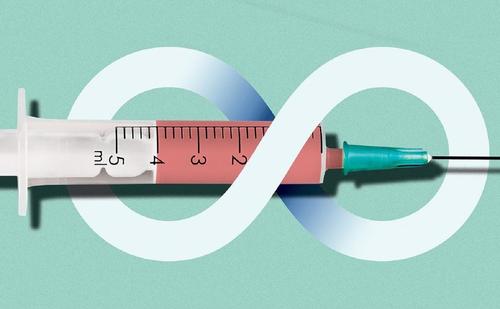
If they have their way, you will never be fully vaccinated

The infinite vaccine loop (source: The Telegraph)

Diversity Industry Covers Up Failed Affirmative Action

screen-shot-2021-07-09-at-12.17.46-am
Heather Mac Donald explains the origins and preoccupations of Diversity, Inclusion and Equity (DIE).  Whoops, I mean Diversity, Equity and Inclusion (DEI)  which is now an academic degree you can acquire.  Her Quillette article is Almost Four Decades After Its Birth, The Diversity Industry Thrives on Its Own Failures.

The diversity business originated in 1984, when R. Roosevelt Thomas, a Harvard business school graduate, founded the American Institute for Managing Diversity at Morehouse College. Corporations had been practicing affirmative action for years, but the women and minorities whom employers had hired to meet equal-opportunity obligations weren’t advancing up the career ladder in acceptable numbers. Thomas came up with a novel explanation. The problem wasn’t that preferentially admitted recruits were underqualified; the problem was that their supervisors didn’t know how to “manage diversity.” It was those supervisors who needed remedial training—lots of it—not the affirmative-action beneficiaries themselves.

Managerial expectations about merit and performance often reflected cultural prejudices, Thomas and the consultants who followed him insisted. “‘Qualifications’ is a code word in the business world with very negative connotations,” a consultant with the professional-services firm of Towers Perrin (as it was then called) said in 1993. If minorities don’t meet existing employment criteria, then corporations need to expand their definition of what it means to be employable, said Alan Richter, creator of the 1991 board game, The Diversity Game. Promptness, precision, and a cogent communications style were among the attributes that diversity advisors deemed likely expendable.

A lucrative new consulting practice was born, its growth driven by a constant churn in terminology. “Valuing diversity” was different from “managing diversity.” Each newly spawned phrase came with a cadre of high-priced tutors. Lewis Griggs currently offers video trainings in such subjects as “Communicating Across Differences,” “Supervising and Managing Differences,” and “Creating, Managing, Valuing, and Leveraging Diversity,” with each video purporting to contain specialized content appropriate for different parts of an organization.

“Diversity” was eventually joined by “inclusion.” “Equity” was then added, thus yielding today’s DEI (Diversity, Equity, and Inclusion) triumvirate (sometimes also going as “EDI”). The most cutting-edge organizations have lately appended a “B” (for Belonging), as at the Juilliard School in New York City. Distinguishing these terms is a core function of diversity training—and now, at Bentley, of diversity scholarship. The university’s new DEI major, the Chronicle of Higher Education reports, will help graduates understand the “nuances of and differences between diversity, equity, inclusion, and justice.”

Even by 1993, half of Fortune 500 companies had a designated diversity officer, and 40 percent of American companies had instituted diversity training. Diversity conferences were occurring regularly, attracting government and business attendees. And yet many reporters, academics, corporate consultants, and activists still insist that managers not only fail to “value diversity,” but remain complicit in creating a dangerous environment for women and racial minorities.

Example: Levi Strauss & Co., which was recognized on Forbes’s list of “Best Employers for Diversity” in 2019. The company itself boasts: “In the 1960s, we integrated our factories a decade before it was required by law. In the early 1980s, we joined the fight against HIV/AIDS early on. Furthermore, our president and CEO, Chip Bergh, was one of the first company leaders to join the CEO Action for Diversity & Inclusion™ [in 2017], and has been on the front lines of efforts to protect Dreamers knowing that diversity and inclusivity makes our company better and our country stronger (after all, Levi Strauss himself was an immigrant).”

And yet the situation for minority employees at Levi Strauss is still so dire that the company has been hosting racially segregated healing sessions with professional mental health experts. As the Washington Free Beacon recently reported, its chief executive for DEI is trying to provide a “safe space for employees to express themselves” without feeling “triggered.”

Bentley University itself has yet to yield dividends from its longstanding diversity efforts. The school has been “working for decades on issues, challenges, and opportunities” pertaining to diversity, according to its Office of Diversity and Inclusion. Over 900 faculty and administrators have attended two-day diversity retreats; numerous committees, departments, and offices have focused on improving the school’s “diversity climate.” Bentley even has its own diversity consulting outfit, the Center for Women and Business, which advises employees and managers on such diversity pitfalls as being a mere “performative ally” of oppressed colleagues (as opposed to an active ally).

And yet, despite this effort, a Bentley Racial Justice Task Force recently found that the campus still did not understand how “race and racism” operate at the university. So difficult is it to be a diverse member of Bentley that the task force, formed in July 2020, began with a moment of “restoration,” providing to all “those who had been traumatized” at the school a “time to heal” and a time to “process the pain of racial injustice.”

One of Bentley’s biggest failings, according to the task force, has been its “false confidence” in “objectivity and meritocracy.” These are the norms of a “historically and predominantly white institution (HWI/PWI),” per the task force members. Typical of HWIs/PWIs, Bentley does not pay sufficient attention to the “systemic inequality” that such white norms engender. Equally dismaying, many students and professors apparently would rather study subjects other than racism, the task force lamented, thereby betraying their “lack of understanding about why the study of race is critical to the creation of a full academic experience.”

Diversity industry proponents would argue that white supremacy is simply too ingrained in America’s institutions to be rooted out within a mere three to four decades of diversity work.

But another possible reason why diversity training has not met its stated goals is that the field is intellectually bankrupt: Its practitioners peddle empty verbiage to fix a problem that is largely imaginary. I asked Bentley’s press office what the difference is between “diversity, equity, and inclusion.” The answer was a dodge: “Rather than give students one particular view of diversity, equity, inclusion and justice, Bentley’s DEI major encourages students to compare and contrast approaches to diversity, equity, inclusion and justice from across disciplines and perspectives and show how they intersect with one another.” Other questions—how the school defines a “real discipline,” what are the core texts of this new discipline, and why Bentley’s decades of diversity work have not lessened the school’s purported racism—were ignored entirely.

Bentley sociologist Gary David says that “more and more studies have shown” that diversity training and DEI perspectives make “good business sense.” But this oft-asserted claim rests on a few studies of dubious experimental design, lacking control groups. The one thing diversity trainees reliably learn is how to answer post-training survey questions “in the way the training said they ‘should,’” reports sociologist Musa al-Gharbi. As for actually changing behaviors in a diversity-approved direction, the training is not only ineffective, it is often counterproductive, according to al-Gharbi.

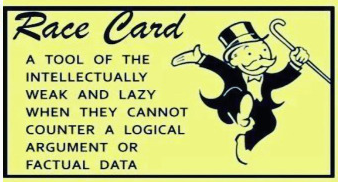
race-card

Far from being institutionally racist, Bentley University, like virtually every other American college today, is filled with well-meaning adults who want all their students to succeed. Corporations, law firms, Big Tech, and government agencies are bending over backwards to hire and promote as many underrepresented minorities (i.e., blacks and Hispanics) as possible. If the number of those minorities in a college or business organization is not proportional to their population share, that underrepresentation is due first and foremost to the academic skills gap. Mention of the skills gap is taboo in diversity circles, but it is real—repeatedly documented by the National Assessment of Educational Progress exams, the SAT, the LSAT, the GREs, the GMAT, and the MCAT—and it is consequential.

Hiring based on any extraneous selection criterion inevitably lowers the average qualifications of the resulting employee group. Hiring based on race entails a particularly significant deviation from a meritocratic ideal, since the only reason why color-conscious hiring is implemented in the first place is that merit hiring often fails to produce a critical mass of black and Hispanic employees. In essence, the diversity conceit is a perpetual motion machine: If underqualified diversity hires are promoted out of diversity pressure, resentment and obfuscation follow. If they hit a glass ceiling, accusations of bias are inevitable. In either situation, a diversity consultant is waiting in the wings to teach managers that their expectations and standards are racist.

The increasing power of college diversity bureaucrats over academic affairs since the 1990s has been stunning. Diversity vice-chancellors oversee faculty hiring searches, mandate quotas regarding whom search committees may interview, and sometimes even mandate quotas regarding whom they must hire. Chief inclusion officers track departmental race and sex demographics, pressuring department chairs to correct diversity deficits. Associate provosts for diversity coordinate campaigns for required courses on identity and grievance within the curriculum. Deans of inclusion teach students to recognize their place on the great totem pole of victimization. Vice presidents for equity monitor campus speech, on the lookout for punishable microaggressions. Senior advisors on race and community lead crusades against faculty who have allegedly threatened the safety of campus victim groups through non-orthodox statements regarding race and sex.

Now that the fictions underpinning this enterprise are being enshrined as an academic discipline, the possibility that the university will return to its status as an institution dedicated to the unfettered search for knowledge—and even, dare one say it, objectivity and meritocracy—will grow yet more remote.

university lightening