Lawfare Begins Against Repealing Endangerment Finding–Legalities Outlook

The expected blowback from invested climatists is underway, as reported by legacy media whose bias is with the alarmists.  Examples:

EPA faces lawsuit over scrapping the ‘endangerment finding,’ a pillar of climate regulation, Scientific American

E.P.A. Faces First Lawsuit Over Its Killing of Major Climate Rule, NY Times

Lawsuit: EPA revoking greenhouse gas finding risks “thousands of avoidable deaths”, arstechnica

Public health and green groups sue EPA over repeal of rule supporting climate protections, AP News

The legal battle over EPA finding is underway, Axios

U.S. environment agency sued over scrapping scientific rule behind climate protections, CBC

Etc., Etc.

Outlook for the legal proceedings is provided by David Wojick in his CFACT article EPA’s elegant arguments for endangerment repeal.  Excerpts in italics with my bolds and added images.  H/T Climate- Science.press

EPA’s arguments for repealing the Obama endangerment finding are simple, clear, and strong. So, they have a likely chance of winning in the Supreme Court (SCOTUS), which is where the final decision will be made.

I am working from the lengthy EPA press release which contains what amounts to a summary legal brief of the arguments.

The primary argument is legal and aimed directly at SCOTUS. The release even cites several relevant prior decisions. The gist of these decisions is that agencies cannot find new meaning in old statutes that suddenly gives them enormous new regulatory powers. Such recklessness is called regulatory overreach.

EPA’s argument is that massive overreach is precisely what the endangerment finding did, and it sure looks that way. It was not mission creep, more like mission explosion.

Gas stoves only the thin edge of the wedge.

The statute in question is Section 202(a) of the Clean Air Act which lets
EPA regulate harmful tailpipe emissions from motor vehicles.
The Obama endangerment finding is entirely based on this narrow rule.

Here is how EPA puts it:

“The agency concludes that Section 202(a) of the CAA does not provide statutory authority for EPA to prescribe motor vehicle and engine emission standards in the manner previously utilized, including for the purpose of addressing global climate change, and therefore has no legal basis for the Endangerment Finding and resulting regulations. EPA firmly believes the 2009 Endangerment Finding made by the Obama Administration exceeded the agencys authority to combat air pollution” that harms public health and welfare, and that a policy decision of this magnitude, which carries sweeping economic and policy consequences, lies solely with Congress. Unlike our predecessors, the Trump EPA is committed to following the law exactly as it is written and as Congress intended—not as others might wish it to be.”

This is just the sort of statutory issue the Supreme Court usually deals with.

There is an element of the endangerment finding that is so blatantly wrong that it is hilarious. I would start with it because it certainly makes EPA’s case for repeal, at least in part. EPA mentions it in passing saying this:

“In an unprecedented move, the Obama EPA found that carbon dioxide emissions emitted from automobiles – in combination with five other gases, some of which vehicles dont even emit – contribute an unknown amount to greenhouse gas concentrations in the atmosphere….”

So they used the tailpipe statute to assess (and then regulate)
gases that tailpipes do not emit. There is clearly no
statutory basis for these endangerment findings
.

These are not scientific issues, and SCOTUS does not normally adjudicate science. There are, however, one and a half scientific arguments in case the science comes up. That is, one argument is fully stated in the release while the other is merely alluded to.

Here is the fully stated argument:

“Using the same types of models utilized by the previous administrations and climate change zealots, EPA now finds that even if the U.S. were to eliminate all GHG emissions from all vehicles, there would be no material impact on global climate indicators through 2100.”

This is actually an endangerment finding, namely that there is none.

Here is the alluded to argument:

“….the Obama EPA found that carbon dioxide emissions emitted from automobiles – in combination with five other gases, some of which vehicles dont even emit – contribute an unknown amount to greenhouse gas concentrations in the atmosphere that, in turn, play a role through varied causal chains that may endanger human health and welfare.”

Lancet: A 2015 study by 22 scientists from around the world found that cold kills over 17 times more people than heat.

The several scientific issues here are the reality of the “varied causal chains” claimed in the Obama endangerment finding. These causal issues include a great deal of alarmism.

As science, the endangerment finding is a complex attribution claim, and these are highly speculative and contentious. These causal chain issues may be elaborated in the technical support documents for the repeal. But if they are at least mentioned, as in the release, it creates a placeholder for them, in case they come up during the SCOTUS arguments.

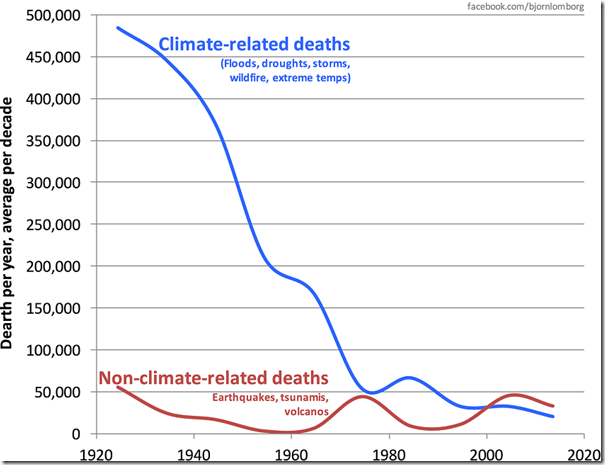
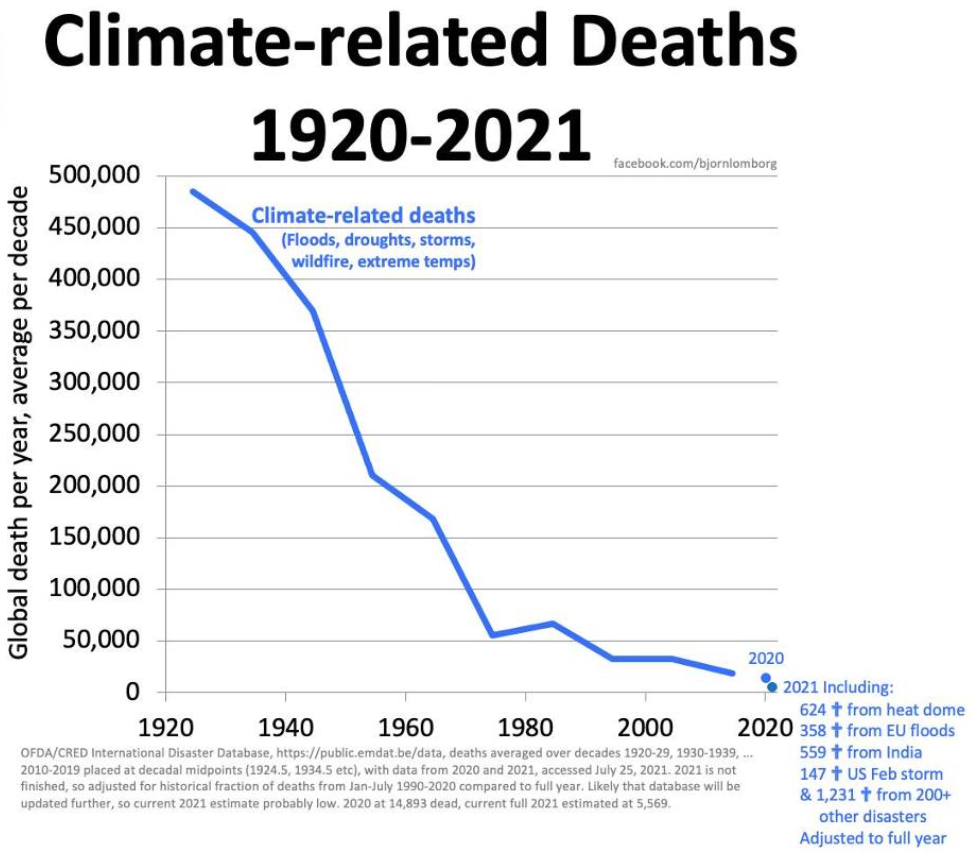
Since 1920, deaths each year from natural disasters have decreased by over 90 percent, not only as the planet has warmed, but as world population has quadrupled.

EPA has mounted some elegant arguments for repeal of the endangerment finding. Stay tuned to CFACT as this drama unfolds.

Footnote on Bjorn Lomborg’s estimates of Climate impact from reducing GHG emissions 

Governments have publicly outlined their post-2020 climate commitments in the build-up to the December’s meeting. These promises are known as “Intended Nationally Determined Contributions” (INDCs).

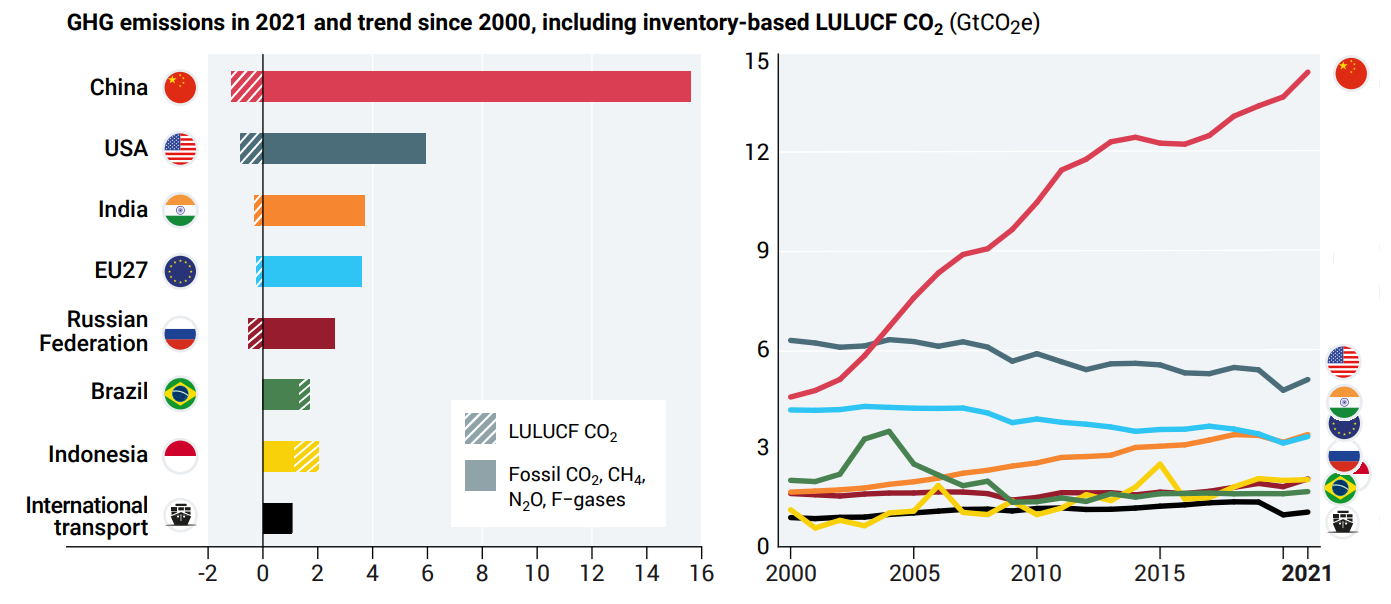
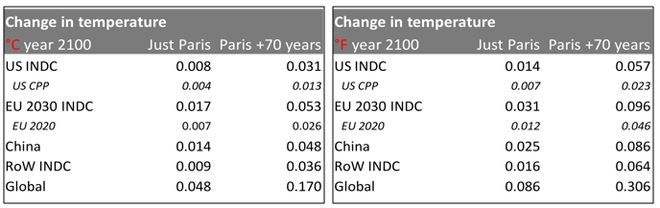
♦  The climate impact of all Paris INDC promises is minuscule: if we measure the impact of every nation fulfilling every promise by 2030, the total temperature reduction will be 0.048°C (0.086°F) by 2100.

♦  Even if we assume that these promises would be extended for another 70 years, there is still little impact: if every nation fulfills every promise by 2030, and continues to fulfill these promises faithfully until the end of the century, and there is no ‘CO₂ leakage’ to non-committed nations, the entirety of the Paris promises will reduce temperature rises by just 0.17°C (0.306°F) by 2100.

♦  US climate policies, in the most optimistic circumstances, fully achieved and adhered to throughout the century, will reduce global temperatures by 0.031°C (0.057°F) by 2100.

♦  EU climate policies, in the most optimistic circumstances, fully achieved and adhered to throughout the century, will reduce global temperatures by 0.053°C (0.096°F) by 2100.

♦  China climate policies, in the most optimistic circumstances, fully achieved and adhered to throughout the century, will reduce global temperatures by 0.048°C (0.086°F) by 2100.

♦  The rest of the world’s climate policies, in the most optimistic circumstances, fully achieved and adhered to throughout the century, will reduce global temperatures by 0.036°C (0.064°F) by 2100.

Overview in Celsius and Fahrenheit by the year 2100

Media’s at Fault for Liberals’ Climate Anxiety


Linnea Lueken explains in her Climate Realism article Liberals May Be Suffering from Climate Anxiety, but if So, It’s The Media’s Fault. Excerpts in italics with my bolds and added images.

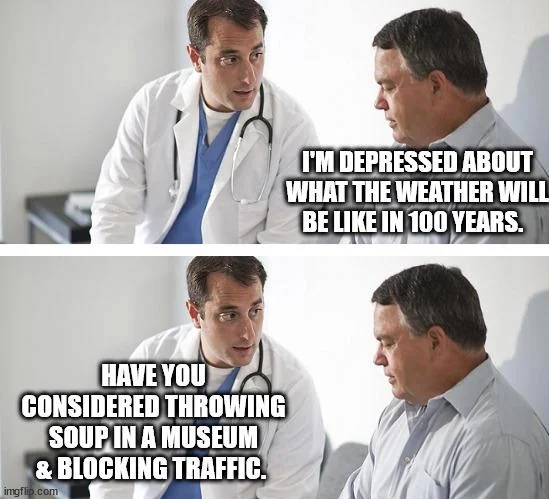
A recent article at the Washington Free Beacon, titled “Great News for Humanity: Depressed Liberals Are Increasingly Suicidal Due to ‘Climate Anxiety,’ Study Finds,” takes a humorous approach (black humor, to be sure) to discussing a study that found liberals are increasingly suffering from climate anxiety and depression, leading the climate-anxious to refrain from having children and even contemplating and, in some cases, committing suicide. The article makes light of it, but it is a widely reported trend. Since climate change does not threaten human existence or flourishing, and extreme weather is not worsening, their fears and anxiety are unjustified by the actual state of the climate. Unfortunately, climate alarm has been foisted upon people, especially on children and mentally unwell adults, despite evidence indicating climate change is not anything to be alarmed about.

The Washington Free Beacon reports:

“Negative psychological responses related to the observed and anticipated impacts of climate change, such as climate anxiety, eco-anxiety and climate-related guilt have … emerged as a potential risk factor for poor mental health and suicide-related behaviors,” the authors wrote last month in Nature Medicine. “International surveys show that concern about climate change is associated with feelings of despair, hopelessness, anger, frustration and guilt, especially among younger populations.”

The findings of this study, published in Nature, are not unique. Other research has come to similar conclusions: a study conducted by Save the Children found that 70 percent of kids they surveyed struggle with what they dubbed “climate anxiety,” as discussed in this Climate Realism post. Other surveys show similarly sad results.

Each time these results are presented, the media and the researchers involved frame the story as climate change and its impacts are causing fear and anxiety, and the lack of action is causing deep feelings of hopelessness and despair for people worried about climate change. Yet it is the false tales that the media, politicians, and green interest groups are telling about climate change motivating anxiety and mental distress, not the actual conditions of the planet.

For instance, in the media coverage of the Save the Children survey, the UK website Future Net Zero implies that without immediate societal scale action, the present generation of children “stand to inherit a deeply unequal world,” and that their terror is “warranted.”

Likewise, articles from The Hill and The Conversation discussing a study attributing adult PTSD to climate change assert that climate change is impacting people through increased wildfires and other disasters. This is false, the framing of their research is built on falsehoods.

Climate change is not causing worsening weather disasters. Data show that not only are events like wildfires not increasing, but the number of all climate-related deaths are declining because of improvements to infrastructure, healthcare, technology, and yes, better climatic conditions. (See figure below)

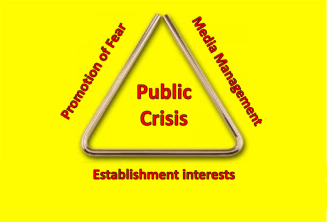
The real reason so many impressionable people are depressed and anxious about climate change is because the media and governments relentlessly push and promote false and alarming misinformation and fake news about extreme weather and climate change. It is no wonder that children are afraid, when their teachers are telling them that the world will end in short order unless dramatic global reforms are made. When people don’t see the supposedly climate saving reforms being made, they are left hopeless and despondent. But it is an unnecessary misery – there has never been a safer time period for humans to live in.

The Washington Free Beacon made light of the situation, but it is no laughing matter. Children in particular are being traumatized by adults in their lives over the climate issue. Climate change is not harming mental health, but climate alarmism, built on falsehoods, hysteria, and hyperbole, certainly is.

Getting Climate Crisis Monkey Off Public Health Services

Advances in medical science and public health have  benefited billions of people with longer and higher quality lives.  Yet this crucial social asset has joined the list of those fields corrupted by the dash for climate cash. Increasingly, medical talent and resources are diverted into inventing bogeymen and studying imaginary public health crises.

Thus it is welcome news that confirmed Secretary of Health and Human Services (HHS) RFK Jr. has stopped funding of climate medicine at National Institutes of Health (NIH). Mother Jones reported its disapproval RFK Jr., Onetime Environmentalist, Kills NIH Climate Change Programs.
Subtitled: He pulled HHS support from projects that aim to protect Americans’ health.  fight climate change. (my correction of MJ subtitle).

On February 14 of this year, his second day as secretary of the Department of Health and Human Services, he ended HHS funding for climate change and health programs at the National Institutes of Health, a move that will likely terminate this work.

That day, Ken Callahan, a senior adviser for policy and implementation in the Immediate Office of the Secretary for HHS, sent an email to Dr. Matthew Memoli, the acting director of NIH, noting that HHS would no longer support three programs run by the agency:  the Climate Change and Health Initiative, the Climate Change and Health Research Coordinating Center, and the Climate and Health Scholars Program.

In the email, a copy of which was obtained by Mother Jones, Callahan cited Executive Order 14154, titled “Unleashing American Energy,” which President Donald Trump signed on his first day in office last month to revoke executive orders President Joe Biden had previously issued to implement actions to address climate change.

As Richard Lindzen predicted, everyone wants on the climate bandwagon, because that is where the money is. Medical scientists have pushed for their share of the pie, as evidenced by the Met office gathering on Assessing the Global Impacts of Climate and Extreme Weather on Health and Well-Being (following Paris COP). Not coincidentally, the 2nd Global Conference on Health and Climate was held July 7-8, 2016 in Paris. Following that the American Public Health Association declared: 2017 is the Year of Climate Change and Health.

NIH: Why Climate Change Is a Health Threat

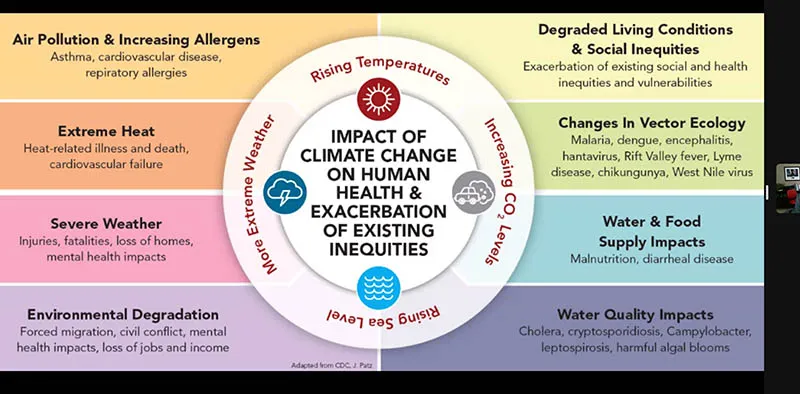
The NIH Climate Change and Health Initiative Strategic Framework claims:

For some time, international scientific consensus has been that climate change poses an existential threat to human beings. A report of the Intergovernmental Panel on Climate Change (IPCC), the United Nation’s body for assessing the science related to climate change, concluded in a recent report: “Any increase in global warming is projected to affect human health, with primarily negative consequences (high confidence).” The report further concludes that, “Compared to current conditions, 1.5°C of global warming would nonetheless pose heightened risks to eradicating poverty, reducing inequalities, and ensuring human and ecosystem well-being (medium evidence, high agreement)

and they conclude:

A mounting number of assessments and reports provide undeniable evidence that climate change is resulting in increasingly profound changes to the global environment with direct and indirect consequences for human health and well-being. Closely intertwined with this threat are the more tangible and proximal risks of natural disasters, a global pandemic, societal unrest, and the ever-familiar menaces of poverty and inequity. The need for NIH to lead this science-based initiative, in partnership with communities throughout the world, is now warranted and vitally necessary to address the imminent threat that climate change poses to our health, humanity, and our planet.

Comment: 

There are numerous posts here why the IPCC alarmist narrative is speculative and exaggerated, for example:

Climatists Make Their Case by Omitting Facts

Thus it is high time to uncouple the globalist push to fuse health care with CO2 hysteria.

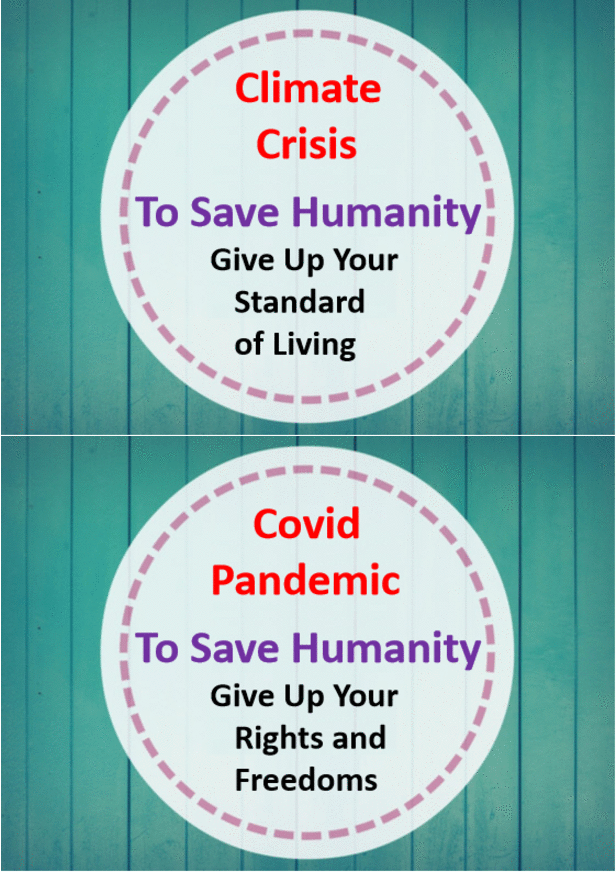
Two Sides of the Same Coin

Background:

Climate Health Crisis Meme Goes Viral


An Enhanced Hippocratic Oath for a Free Society

Jeffrey A. Singer advocates for a new version of the oath to which medical doctors swear in his Newsweek article We Need a New Hippocratic Oath That Puts Patient Autonomy First.  Excerpts in italics with my bolds a added images.

A noble profession should require its students and graduates
to swear an oath revering patients’ rights and autonomy.

In the mid‐​20th century, medical schools began administering modernized versions of the oath, more applicable to modern times and sensibilities. In the last 20 or so years, many medical schools have created unique versions of the oath, often allowing students to compose them. These newer versions stray far from the oaths that older‐​generation doctors like me recited. Some have shifted the emphasis from patient care to social justice, generating a firestorm of controversy.

Yet all these oaths—traditional or modern—are self‐​indulgent.

They focus primarily on how physicians should comport themselves, relate to professional colleagues, and view the medical profession’s role. But they also regard patients similarly to how parents regard children.

The original oath states, “I will prescribe for the good of my patients… and never do harm to anyone… nor give advice which may cause his death.” But it also pledges to impart to “the sons of the master who taught me and to the disciples who have enrolled themselves and agreed to the rules of the profession, but to these alone, the precepts and the instruction” (emphasis added) anticipating the protectionism of cartelized modern medicine.

The Declaration of Geneva, composed by the World Medical Association, states “the health of my patient will be my first consideration,” while “maintaining the honor and noble traditions of the medical profession,” but makes no mention of informed consent or respecting patients’ choices.

Many medical school graduates of my generation recited the oath that Dr. Louis Lasagna, Dean of Tufts University Medical School, composed in 1964. The oath pays proper fealty to patients’ privacy and to treat the whole patient—not just a set of lab tests or x‑rays. And it pledges to “not play at God.” But the oath makes no references to patients’ freedom and autonomy.

Since the 1990s, many medical schools have added “white coat ceremonies” to the list of medical school rituals. These are ceremonies for incoming classes of medical students, where they also recite a version of the Hippocratic oath.  The 2019 white coat ceremony oath for Harvard Medical School and Harvard School of Dental Medicine vowed to “place ethics and equity at the core of each patient interaction,” “combat structural oppression,” “promote social justice,” and “leverage our position of privilege to confront health inequities.” No mention of patients as autonomous individuals.

Among the most controversial oaths was the white coat ceremony oath taken last September by incoming medical students at the University of Minnesota Twin Cities Medical School. After noting that the Medical School “is located on Dakota land” and committing to “uprooting the legacy and perpetuation of structural violence within the healthcare system,” the students pledged to “honor all indigenous ways of healing that have been historically marginalized by Western medicine” and did not only commit to healing the sick but to “healing our planet and communities.”

None of the oaths, dating back to the original, make more than a passing mention of respect for patients as autonomous, sovereign adults. All of them smack of paternalism. None of these oaths prioritize or consistently apply a commitment to individual patient autonomy, including respect for patients’ rights to self‐​medicate and to seek treatment from any health care provider they choose—an oath that states, for example,

“Even if they act against my advice and I disapprove of their choices, I will respect the right of my patients as autonomous adults to self‐​medicate and oppose any laws and regulations that force them to seek my permission—or permission from any other health professional, through a prescription or otherwise—to consume medications or treatments according to their independent judgment.”

Today’s medical students should reject being forced to take oaths that have nothing to do with patient care. Instead, a noble profession should require its students and graduates to swear an oath revering patients’ rights and autonomy.

Footnote:  Overheard on a golf course: 

Q:  What’s the difference between God and a Doctor?
A:  God knows He’s not a Doctor.

Q:  What’s the difference between a general practitioner and a specialist?
A:  One treats what you have, the other thinks you have what they treat.

Q:  What is a double-blind study?
A:  Two orthopaedists reading an electrocardiogram.

Q: Did you hear she married her radiologist?
A:  I wonder what he saw in her.

Q:  Why have I had to wait two hours to see the Doctor?
A:  That why we call you “patient.”


Climatist Psy-Ops Spreading

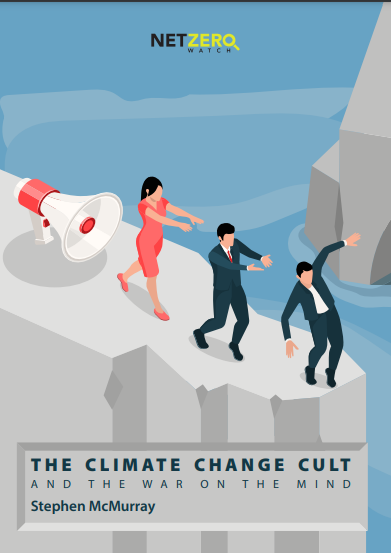
Stephen McMurray published a pamphlet at Zero Watch The Climate Change Cult and the War on the Mind. Excerpts in italics with my bolds and added images.

Introduction

As the eco-zealot group Just Stop Oil continue to break the law and cause mayhem, it is perhaps time to investigate who is pulling the strings of this and other fake grassroots movements. Even a cursory glance will make it clear that the people behind them are not everyday members of the public but a group of highly influential American billionaires.

The Climate Emergency Fund

According to the Just Stop Oil website, their main source of backing is the Climate Emergency Fund. The three founding members of this group, who also fund Extinction Rebellion, are Aileen Getty from the Getty oil family, Rory Kennedy, daughter of Senator Robert Kennedy, and philanthropist Trevor Neilson. All three own houses on Malibu beach, which is odd as disciples of the climate cult claim that sea levels are rising dramatically, and you would therefore assume that seafront real estate would be a bad investment.

Most of the focus has been on Getty but it is Neilson who has the most interesting background. After university he worked as an intern in the White House when Bill Clinton was president. Later he worked for the then newly formed Bill and Melinda Gates Foundation as Director of Communications, and also acted as the Gates’ personal spokesman.

In 2002 Neilson was a co-founder of DATA (Debt, AIDs, Trade, Africa) with Bill Gates, Bono and George Soros.  DATA was allegedly created to help ease poverty in Africa, seek debt relief for African countries and help fight AIDs. They also claimed to want to end hunger in Africa, an idea that is interesting since climate
activists want to reduce carbon dioxide which is essential to all plant life; any reduction would clearly reduce the amount of food crops, causing more hunger rather than alleviating it. Neilson was also a member of the Clinton Global Initiative, the Council of Foreign Relations, and was one of the Young Global Leaders for the World Economic ForumIn other words, he is a friend to all the usual globalist suspects who are pushing the green agenda for their own ends.

If we move on to current advisory board members of the Climate Emergency Fund, we see more of the usual themes and ideologies that have nothing to do with the climate but are warmly embraced by the climate crisis zealots. Stephen Kretzmann founded Oil Change, an organisation pressing for the end of oil production. He is a supporter of the Marxist Black Lives Matter movement. On the Oil Change website he writes an article that promotes BLM and trots out extremist left-wing tropes.

Another on the advisory board of the Climate Emergency Fund is Bich Ngoc Cao. She is also on the board of left-wing news site Mother Jones. The site denigrated Moms for Liberty, a group who have fought against their children being indoctrinated by gender and LGBTQ ideology in schools, calling them ‘Moms against libraries’ and ‘book-banning bathroom-police’, because they want to remove inappropriate sexual material from school libraries and keep single-sex bathroom spaces. Bich Ngoc Cao is also on the Board of Library Commissioners for the city of Los Angeles.

Bill McKibben is another CEF advisory board member who compares climate issues to racism, and uses the death of George Floyd to make his point.

The executive director of the Climate Emergency Fund (CEF) is Margaret Klein Salamon, an American in her mid-thirties. She is a clinical psychologist and therefore has been involved with vulnerable people suffering high levels of stress and anxiety.  In her role in climate activism, she appears to be using her experience to frighten vulnerable people. She is the founder of Climate Awakening, which, according to her page on the CEF site, is ‘a project to unleash the power of climate emotions through scalable small group conversations’.

However, if you go on to the Climate Awakening website, on the first page it says, ‘Share your climate terror, grief, and rage with people who understand. Join a Climate Emotions Conversation – a small group sharing & listening session about the climate emergency.’ Below that there is a screen with images of three young people and the words: ‘What are you FEELING about climate emergency? Make sure to name the emotions (fear, grief, anger, despair, isolation)’.

Salamon also had an article in Psychology Today where, as ‘The Climate Psychologist’, she gave ‘relationship advice for the Climate Emergency’. A reader asked: “How can I tell my partner I am afraid to have children? …Why would I want to bring a child into this world, right now? Imagining the future they would grow up in fills me with terror.”   Part of Salamon’s reply reads as follows:

“Let me be clear; despite widespread denial of the Climate Emergency and how it will affect our society, your worries are in fact based in the reality of what the global scientific community is telling us, and you have every right to feel that way.”

So again, a woman is saying she is terrified, and Salamon, rather than relieving her terror, says she is right to feel that way. Salamon then tries to get her involved in climate action groups instead of talking to her partner.

This is typical of the behaviour of a cult. Feed on the person’s fear, tell them the fear is real and not to listen to what their family say and ultimately try to recruit them into the cult as well. One of the sites she advises people who are terrified of climate change to go to is the Good Grief Network.  They introduce themselves as a group who only want to care for you amid the chaos all around. They will then get you in a group of like-minded people to expose you to groupthink. When you have all bonded, they will strip you of all your preconceived ideas and mould you into their reality. They will then fill the void left by destroying any prior belief system you had, with their own worldview.

In their ten-step programme to ‘Personal Resilience & Empowerment in a Chaotic Climate’, the first step is, yet again, to tell you to be very afraid and ‘accept the severity of the predicament’.  Step 8 is the most disturbing: ‘Grieve the harm I have caused.’  Telling you that you are to blame for some of the ‘harm’ increases your fear by making you feel guilty. If you feel guilt then you will desperately want to make up for your actions and will do whatever you are told to do to achieve that, namely to go on and traumatise other people by telling them the world is about to end.

The Psychologists

If you think Margaret Klein Salamon is an oddity amongst psychologists, think again. Many are now boarding the climate crisis gravy train. Dr Gareth Morgan, a clinical psychologist from Leicester University, is an Extinction Rebellion supporter because “as many professionals have observed, climate activism should be seen as central to our professional identities if we truly take on board the science that indicates climate breakdown presents the biggest threat to human health worldwide.’  Once again extreme left-wing bias appears to cloud his judgement. He opines, ‘while the same colonial and neoliberal ideologies that support racism and inequity also prop up the unfettered capitalism that is threatening all life on Earth.’

The Climate Psychology Alliance wishes to use their expertise in the field of psychology to nudge people into believing in their worldview of impending climate-induced doom. The group is overtly stating that ‘facts’ aren’t really persuading people that the climate crisis is real and that they need use psychology to pressure us all to become true believers. Most telling though, is when they say it can’t be ‘positivist’ psychology, based on empirical evidence, but that a deeper type of psychology is to be used. In other words, ignore the facts of the situation and use mind manipulation techniques and fear to convert the non-believers. They even say that climate anxiety is a good thing.

It is not just individuals these groups want to target, but corporations as well. An organisation called Climate Psychologists offers consultancy courses to companies.  They aren’t just offering support to employees traumatised by the ‘climate crisis’, but are using behavioural change programmes and ‘ethical nudging.‘ They are telling employers how to subtly manipulate the minds of their employees to believe in the climate emergency. This is reminiscent of the government’s SPI-B Behavioural Insights team, which used psychology to terrify people into accepting Covid lockdowns.

Indeed, there is direct evidence that the government is using the tactics they developed during Covid to coerce us all into believing the climate crisis narrative.  On October 12 this year, the House of Lords Environment and Climate Change Committee published a report entitled In our Hands: Behaviour change for climate and environmental goals.  It is a sinister document, in which the government openly states that all aspects of our life need to be managed to lessen the impact of climate change, and that mind control techniques, very similar to the ones used to force the public into acquiescing to Covid lockdowns, need to be used against the population. Sir Patrick Vallance, one of the architects of the disastrous Covid policy, was a witness. He told the committee: ‘The reality is that behaviour change is a part of reaching Net  Zero. It is unarguable.’

So every government department will be required to use psychology as a weapon against the public, to ensure we behave in line with what the climate alarmists demand.  It is clear from this that not only are all government departments to be targeted, but the private business sector as well, even if it is not in their financial interest to do so.

This sounds suspiciously like Klaus Schwab’s infamous statement that Covid offered a window of opportunity to bring about the Great Reset.  To emphasise just how much they want to control the minutiae of daily life, one of the key points the committee make is:

Priority behaviour change policies are needed in the areas of travel, heating, diet and consumption to enable the public to adopt and use green technologies and products and reduce carbon-intensive consumption.

Therefore, you will be told what to eat, where you are allowed to go and how you are allowed to get there. Another key point clearly states that they will tax and legislate you into compliance:

Information is not enough to change behaviour; the Government needs to play a stronger role in shaping the environment in which the public acts, through appropriately sequenced measures including regulation, taxation and development of infrastructure.

But it is not just businesses they are trying to use to make you change your behaviour. They also want to use charities and religious institutions to control the minds of the masses.  When referring to the various levers of change the government could use, they identify ‘regulatory and financial (dis)incentives which alter the availability and affordability of options.’  This suggests that the government would be prepared deliberately to create scarcity and make certain things unaffordable. Does that sound familiar with relation to the current energy crisis?

They appear to have no sense of irony when speaking of clear messaging and open information during the pandemic, and seem to think that propaganda, lies, data manipulation and censorship is actually truth and transparency.  It is evident that the climate alarmists, with the backing of billionaires, psychologists and the government, are waging a war on the minds of the people to bring about the Great Reset dystopia.

They have the power and the money on their side, but clearly, having to resort to mind control techniques, they don’t have the truth. As George Orwell is reputed to have said: ‘In the time of universal deceit, telling the truth is a revolutionary act.’  It’s time we all became revolutionaries, because the truth is that it is not the climate crisis that is the biggest threat to our wellbeing, but the climate crisis alarmists who want to remove the last vestiges of our freedom and plunge us into a never-ending Dark Age.

See Also Climate Hysteria is a Global Psy-Op

Here Comes the Climate-Medical Complex

The Antidote: Climatists, Spare Us Your Guilt Trip!


Here Comes the Climate-Medical Complex

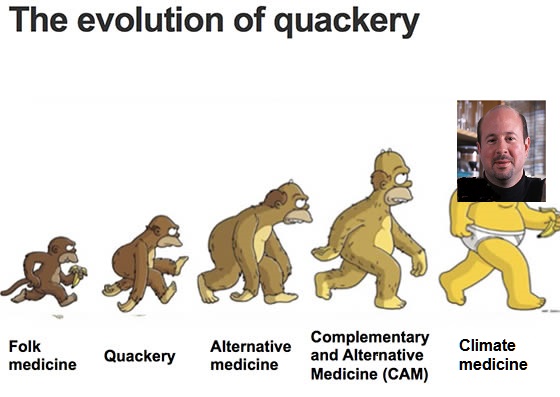
Climate Quakery

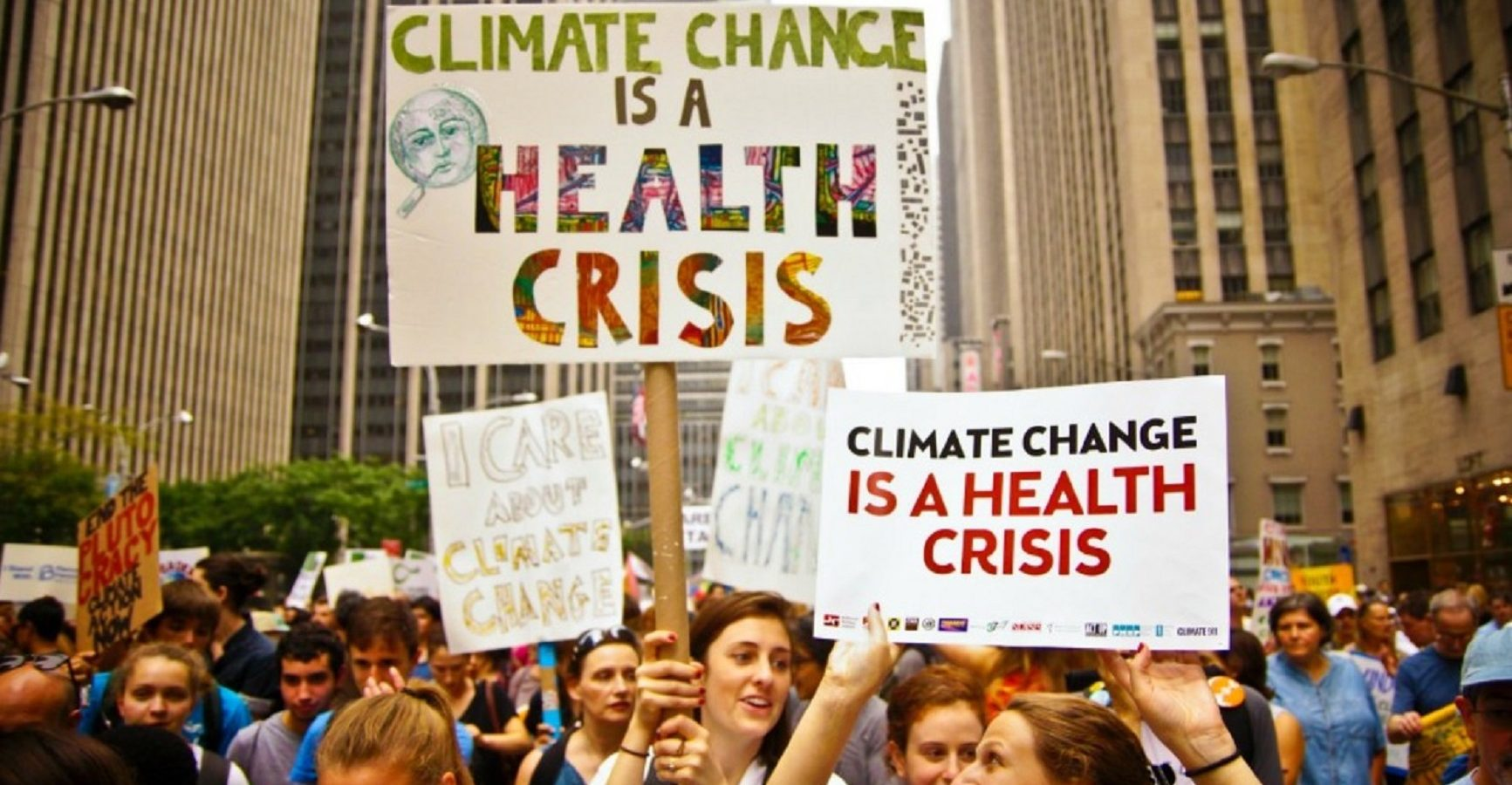
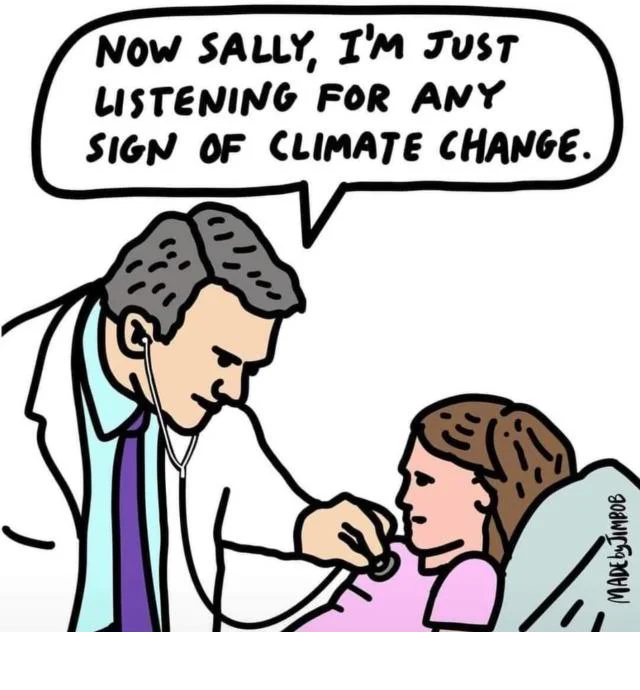
With Glasgow COP26 on the horizon, and public health officials savoring the power and social control they gained during the pandemic, medical journals are trumpeting claims  that climate change is an international public health crisis.  For example, in just one day from my news reader:

Over 200 medical journals cosign ‘catastrophic harm to health’ warning New York Post

More Than 230 Medical Journals: Climate Crisis Is “Greatest Threat to Global Public Health” Slate

In unprecedented bid, health science journals unite and call for ambitious climate action ZME Science

Report: More Than 200 Health Journals Call For Urgent Action on Climate Crisis Library Journal

Global health journals unite to demand climate action from world leaders Irish Examiner

Climate change will be ‘catastrophic’ for world’s health CGTN

UN climate chief: No country is safe from global warming Associated Press

220+ Medical Journals Unite to Demand Urgent Action on Climate Emergency Common Dreams

Health Experts Call Global Warming Greatest Health Threat Newsy

Climate change causing ‘catastrophic harm to health,’ experts warn euronews

Over 230 health journals call for urgent action to tackle climate crisis The Independent

Climate crisis poses global health risk, warn more than 200 health journals Silicon Republic

So there you have it all:  global warming, climate change, climate crisis, climate emergency.  James Joyner is skeptical of this call to arms, writing at outside the beltway Doctors Weigh in on Climate Change Because why the hell not. Excerpts in italics with my bolds.

Some 230 medical journals have cross-published an open letter calling climate change the “greatest” threat to global health. One can read the op-ed at, among lots of places, the New England Journal of Medicine. It reads, in part,

Health is already being harmed by global temperature increases and the destruction of the natural world, a state of affairs health professionals have been bringing attention to for decades. The science is unequivocal: a global increase of 1.5° C above the pre-industrial average and the continued loss of biodiversity risk catastrophic harm to health that will be impossible to reverse. Despite the world’s necessary preoccupation with Covid-19, we cannot wait for the pandemic to pass to rapidly reduce emissions.

Reflecting the severity of the moment, this editorial appears in health journals across the world. We are united in recognizing that only fundamental and equitable changes to societies will reverse our current trajectory.

And it includes calls for drastic measures to mitigate these risks:

Equity must be at the center of the global response. Contributing a fair share to the global effort means that reduction commitments must account for the cumulative, historical contribution each country has made to emissions, as well as its current emissions and capacity to respond. Wealthier countries will have to cut emissions more quickly, making reductions by 2030 beyond those currently proposed and reaching net-zero emissions before 2050. Similar targets and emergency action are needed for biodiversity loss and the wider destruction of the natural world.

To achieve these targets, governments must make fundamental changes to how our societies and economies are organized and how we live.

The current strategy of encouraging markets to swap dirty for cleaner technologies is not enough. Governments must intervene to support the redesign of transport systems, cities, production and distribution of food, markets for financial investments, health systems, and much more. Global coordination is needed to ensure that the rush for cleaner technologies does not come at the cost of more environmental destruction and human exploitation.

Many governments met the threat of the Covid-19 pandemic with unprecedented funding. The environmental crisis demands a similar emergency response. Huge investment will be needed, beyond what is being considered or delivered anywhere in the world. But such investments will produce huge positive health and economic outcomes. These include high-quality jobs, reduced air pollution, increased physical activity, and improved housing and diet. Better air quality alone would realize health benefits that easily offset the global costs of emissions reductions.

So, here’s the thing. I’ve long been persuaded that climate change is a serious problem. While I’m skeptical of many of the specific cures being proposed—and especially of our ability to act collectively across the globe to enact them—it’s obvious that significant response is required.

But why are medical doctors, who have no more expertise on these matters than I do, pretending that they have useful expertise to offer here? Their opinions on public policy regarding transportation infrastructure, emissions, equity, and the like are no more valuable than those of television repairmen or cable television installers.

Literally the only thing in the editorial that falls into their expertise is this paragraph:

The risks to health of increases above 1.5° C are now well established. Indeed, no temperature rise is “safe.” In the past 20 years, heat-related mortality among people over 65 years of age has increased by more than 50%. Higher temperatures have brought increased dehydration and renal function loss, dermatological malignancies, tropical infections, adverse mental health outcomes, pregnancy complications, allergies, and cardiovascular and pulmonary morbidity and mortality. Harms disproportionately affect the most vulnerable, including children, older populations, ethnic minorities, poorer communities, and those with underlying health problems.

To the extent that the health implications are under-reported and highlighting them is helpful in signaling the urgency of the problem, it’s useful for medical journals to leverage their prestige to do so. But why the hell should we care what physicians think about the other issues escapes me.

Philip Greenspun questions the doctors’ motivation in writing at his blog Unable to cure COVID-19, physicians turn to planetary physics.  Excerpts in italics with my bolds.

Editors of 220 leading medical, nursing and public-health journals from around the world called for urgent action on climate change, in a joint editorial published on Sunday.

The editorial, which appeared in journals including the New England Journal of Medicine, the British Medical Journal and The Lancet, warns that current efforts aren’t enough to address health problems resulting from rising global temperatures caused by emissions of carbon dioxide and other greenhouse gases.

“It is an unusual happening and it is driven by unusual circumstances,” Dr. Eric J. Rubin, editor in chief of the New England Journal of Medicine, said of the editorial. “It is evident that climate change is a problem. What is less evident to people is that it is a public-health problem, not just a physical catastrophe.”

I showed the article to a medical school professor friend: “Since doctors can’t help COVID-19 patients, they need something to stay relevant.”

I remain just as confused as ever about why people who predict impending climate doom also worry about COVID-19. Regardless of coronapanic level and government action or inaction, there is no country in which more than 1 percent of people have died with a COVID-19 tag (stats by country). If something like 50 percent of humans will soon be killed by climate change, absent some sort of dramatic coordinated action by all of the world’s nations (unprecedented in the history of humanity), why spend a huge amount of attention, time, effort, and money on COVID-19?

Maybe doom isn’t impending? The article itself contains enough information to predict certain doom. We are 1.1 degrees C warmer than 150 years ago:  Greenhouse-gas emissions from human activity have raised global temperatures by 1.1 degrees C since the Industrial Revolution began in the mid-19th century, according to scientific studies.

In the excerpt above, the article tells us that 1.5 degrees C is where Mother Earth will strike back by killing many or most of her human parasites. But if the mechanism by which we got to 1.1 degrees warmer is the greenhouse effect from CO2, isn’t it certain that there will be an additional 0.4 degrees of warming? Even if human C02 emissions went to zero tomorrow, wouldn’t there be enough CO2 in the atmosphere to keep us on the Venusian trajectory?

If the authors believe their own cited science, shouldn’t their recommendation be to shut down most health care services and put the money (20% of U.S. GDP!) into CO2 vacuums?

Background from previous post on Climate Medicine

As Richard Lindzen predicted, everyone wants on the climate bandwagon, because that is where the power and money is.  Medical scientists are pushing for their share of the pie, as evidenced by the Met office gathering on Assessing the Global Impacts of Climate and Extreme Weather on Health and Well-Being (following Paris COP).


Of course, they are encouraged and abetted by the IPCC.
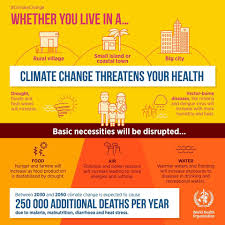
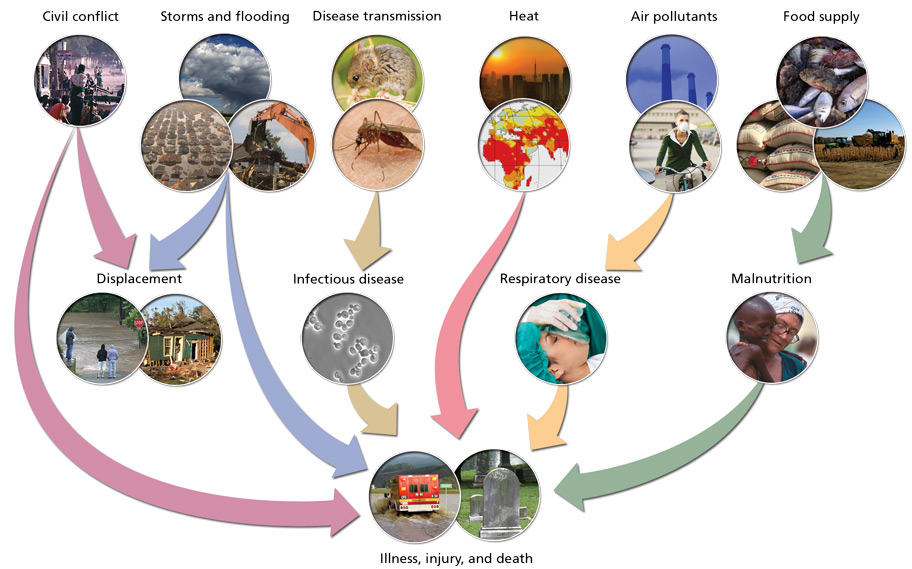
climate health threat

From the Fifth Assessment Report:

Until mid-century, projected climate change will impact human health mainly by exacerbating health problems that already exist (very high confidence). Throughout the 21st century, climate change is expected to lead to increases in ill-health in many regions and especially in developing countries with low income, as compared to a baseline without climate change (high confidence). By 2100 for RCP8.5, the combination of high temperature and humidity in some areas for parts of the year is expected to compromise common human activities, including growing food and working outdoors (high confidence). {2.3.2}

In urban areas climate change is projected to increase risks for people, assets, economies and ecosystems, including risks from heat stress, storms and extreme precipitation, inland and coastal flooding, landslides, air pollution, drought, water scarcity, sea level rise and storm surges (very high confidence). These risks are amplified for those lacking essential infrastructure and services or living in exposed areas. {2.3.2}

Feared Climate Health Impacts Are Unsupported by Scientific Research

NIPCC has a compendium of peer-reviewed studies on this issue and provides these findings (here)

Key Findings: Human Health
• Warmer temperatures lead to a decrease in temperature-related mortality, including deaths associated with cardiovascular disease, respiratory disease, and strokes. The evidence of this benefit comes from research conducted in every major country of the world.

• In the United States the average person who died because of cold temperature exposure lost in excess of 10 years of potential life, whereas the average person who died because of hot temperature exposure likely lost no more than a few days or weeks of life.

• In the U.S., some 4,600 deaths are delayed each year as people move from cold northeastern states to warm southwestern states. Between 3 and 7% of the gains in longevity experienced over the past three decades was due simply to people moving to warmer states.

• Cold-related deaths are far more numerous than heat-related deaths in the United States, Europe, and almost all countries outside the tropics. Coronary and cerebral thrombosis account for about half of all cold-related mortality.

• Global warming is reducing the incidence of cardiovascular diseases related to low temperatures and wintry weather by a much greater degree than it increases the incidence of cardiovascular diseases associated with high temperatures and summer heat waves.

• A large body of scientific examination and research contradict the claim that malaria will expand across the globe and intensify as a result of CO2 -induced warming.

• Concerns over large increases in vector-borne diseases such as dengue as a result of rising temperatures are unfounded and unsupported by the scientific literature, as climatic indices are poor predictors for dengue disease.

• While temperature and climate largely determine the geographical distribution of ticks, they are not among the significant factors determining the incidence of tick-borne diseases.

• The ongoing rise in the air’s CO2 content is not only raising the productivity of Earth’s common food plants but also significantly increasing the quantity and potency of the many healthpromoting substances found in their tissues, which are the ultimate sources of sustenance for essentially all animals and humans.

• Atmospheric CO2 enrichment positively impacts the production of numerous health-promoting substances found in medicinal or “health food” plants, and this phenomenon may have contributed to the increase in human life span that has occurred over the past century or so.

• There is little reason to expect any significant CO2 -induced increases in human-health-harming substances produced by plants as atmospheric CO2 levels continue to rise.

Source: Chapter 7. “Human Health,” Climate Change Reconsidered II: Biological Impacts (Chicago, IL: The Heartland Institute, 2014).
Full text of Chapter 7 and references on Human health begins pg. 955 of the full report here

ambulance chasers

Summary

Advances in medical science and public health have  benefited billions of people with longer and higher quality lives.  Yet this crucial social asset has joined the list of those fields corrupted by the dash for climate cash. Increasingly, medical talent and resources are diverted into inventing bogeymen and studying imaginary public health crises.

Economists Francesco Boselloa, Roberto Roson and Richard Tol conducted an exhaustive study called Economy-wide estimates of the implications of climate change: Human health

After reviewing all the research and crunching the numbers, they concluded that achieving one degree of global warming by 2050 will, on balance, save more than 800,000 lives annually.

Not only is the warming not happening, we would be more healthy if it did.

Oh, Dr. Frankenmann, what have you wrought?

Footnote:  More proof against Climate Medicine

From: Gasparrini et al: Mortality risk attributable to high and low ambient temperature: a multicountry observational study. The Lancet, May 2015

Cold weather kills 20 times as many people as hot weather, according to an international study analyzing over 74 million deaths in 384 locations across 13 countries. The findings, published in The Lancet, also reveal that deaths due to moderately hot or cold weather substantially exceed those resulting from extreme heat waves or cold spells.

“It’s often assumed that extreme weather causes the majority of deaths, with most previous research focusing on the effects of extreme heat waves,” says lead author Dr Antonio Gasparrini from the London School of Hygiene & Tropical Medicine in the UK. “Our findings, from an analysis of the largest dataset of temperature-related deaths ever collected, show that the majority of these deaths actually happen on moderately hot and cold days, with most deaths caused by moderately cold temperatures.”

Then in 2017, Lancet set the facts aside in order to prostrate itself before the global warming altar:

Christiana Figueres, chair of the Lancet Countdown’s high-level advisory board and former executive secretary of the UN Framework Convention on Climate Change, said, “The report lays bare the impact that climate change is having on our health today. It also shows that tackling climate change directly, unequivocally and immediately improves global health. It’s as simple as that.’’
Let Them Eat Steak!

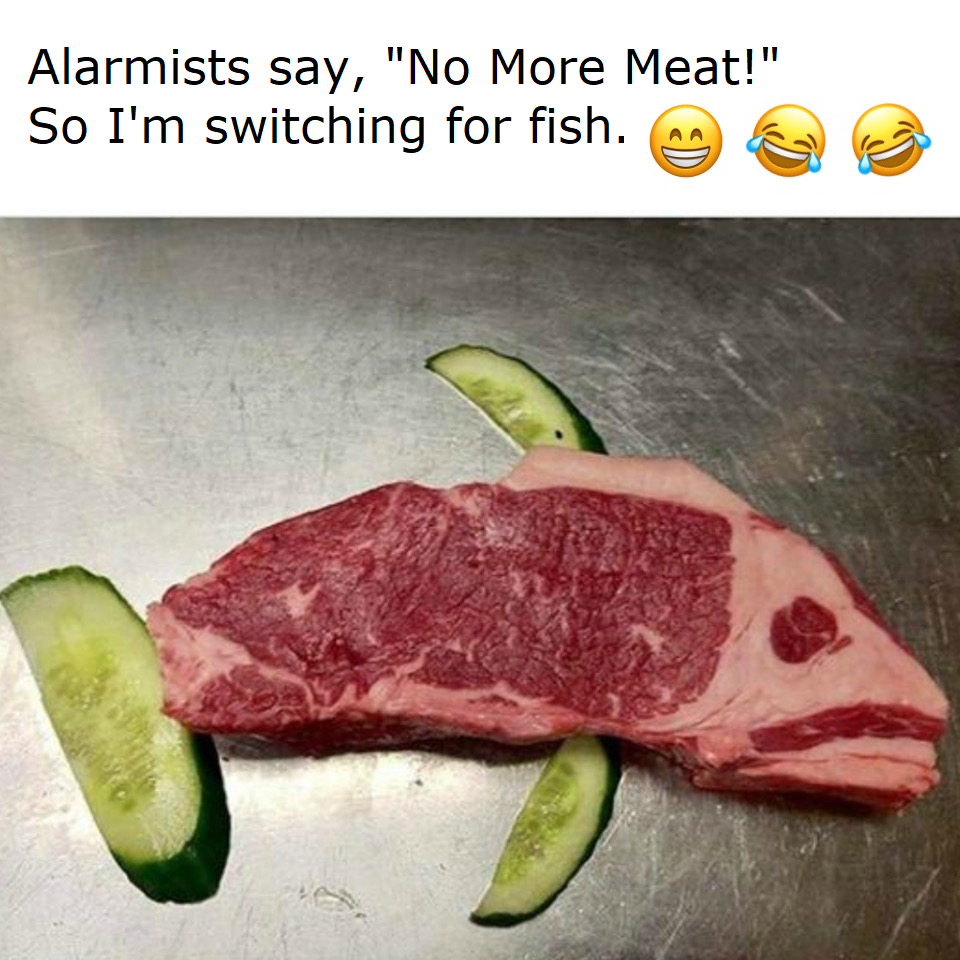
Will Coggin writes at USA Today Let them eat steak: Hold the shame, Red meat is not bad for you or the climate.  Excerpts in italics with my bolds and images.

Plant-based meat may enjoy the perception of being healthier than real meat, but it has more sodium and calories and can cause weight gain.

Imagine ordering dinner at your favorite restaurant. You know what you want without hesitation: a perfectly marbled 8-ounce steak cooked medium rare. Just before you order, your date tells you they’ve read that cows cause climate change and that meat might be unhealthy. Suddenly, the Caesar salad seems like a better option.

We’ve all been steak-shamed before. Ever since Sen. George McGovern’s 1977 Dietary Goals report declared red meat a health villain, Americans have been chided out of eating red meat. According to the U.S. Department of Agriculture, red meat consumption has fallen more than 24% since 1976. During that time, study after study has attempted to tie red meat to a laundry list of health problems. Until now.

So many studies, so many flaws

Three studies published recently in the Annals of Internal Medicine did something too few papers do: Ask whether the previous studies had any meat on their bones. The researchers who wrote the report analyzed 61 past studies consisting of over 4 million participants to see whether red meat affected the risk of developing heart disease and cancer.


All three came to the same conclusion: Decreasing red meat consumption had little to no effect on reducing risk of heart disease, cancer or stroke.

How can so many studies be wrong?

Nutritional research often relies on survey-based observational studies. These track groups of people and the food they eat, or try to tie a person’s past eating habits to a person’s current state of health. The result is something akin to a crime chart from a mob movie with a random red string connecting random suspects trying to figure out “who dunnit.”

Observational studies rely on participants to recall past meals, sometimes as far back as a month. Even when eating habits are tracked in real time using food diaries, issues arise. Research has shown that participants don’t give honest answers and often pad food diaries with typically “good” foods like vegetables while leaving out things like meat, sweets and alcohol. There’s also the matter of having to accurately report portion sizes and knowing the ingredients of the food eaten in restaurants.

Beef may be healthier than fake meat

The room for error is huge. A much better form of study would be to lock people in cells for a period of time so that you could precisely control what they ate and did and then measure outcomes. Obviously, there are ethical issues with such a structure, which is why observational studies are more common, if flawed.

Some companies like Impossible Foods and Beyond Meat have tried to cash in on the misconception about meat’s healthfulness. According to the market research firm Mintel, 46% of Americans believe that plant-based meat is better for you than real meat. Ironically, the anti-meat messages could be leading people to less healthful options.

Science on your side: Don’t let vegetarian environmentalists shame you on meat

Plant-based meat might enjoy the perception of being healthier, but that perception is far from reality. A lean beef burger has an average of nearly 20% fewer calories and 80% less sodium than the two most popularfake-meat burgers, the Impossible Burger and the Beyond Burger.

Fake meat is also an “ultra-processed” food, filled with unpronounceable ingredients. The National Institutes of Health released a study in May finding that ultra-processed foods cause weight gain. Unlike observational studies, this research was a controlled, randomized study.

Earth will survive your meat-eating

It’s not just the flawed health claims about red meat that deserve a second look. In recent years, we’ve been told reducing meat consumption is essential to saving the planet. But despite what critics say, even if everyone in America went vegan overnight, total greenhouse gas emissions (GHG) in the United States would only be reduced 2.6%.

Eat better meat:Don’t go vegan to save the planet. You can help by being a better meat-eater.

Since the early 1960s, America has shrank GHG emissions from livestock by 11.3% while doubling the production of animal farming. Meat production is a relatively minor contributor to our overall GHG levels. In other countries, it may have a higher impact. The solution is not lecturing everyone else to go meat-free. Sharing our advancements would prove to be a more likely and efficient way to reduce emissions than cutting out meat or replacing it with an ultra-processed analogue.

Those who enjoy a good steak now have a good retort the next time they’re criticized for their choice: Don’t have a cow.

Climate Emergency Medicine Update

Climate Quakery

Update June 4, 2019 Climate Doctors Warn of Health Hazards to Kids Suing US 

Published today in the formerly respectable New England Journal of Medicine The Case of Juliana v. U.S. — Children and the Health Burdens of Climate Change.  Excerpts in italics with my bolds, followed by a discussion of the rise of Climate Medicine, whereby doctors have joined lawyers in the dash for climate cash.

As the Juliana plaintiffs argue — and we agree — climate change is the greatest public health emergency of our time and is particularly harmful to fetuses, infants, children, and adolescents.2,3 The adverse effects of continued emissions of carbon dioxide and fossil-fuel–related pollutants threaten children’s right to a healthy existence in a safe, stable environment. It is for this reason that we, together with nearly 80 scientists and physicians and 15 health organizations including the American Academy of Pediatrics, submitted an amicus brief to help educate the Ninth Circuit about this extraordinary threat.

Note:  Doctors For Disaster Preparedness are not Distracted by Global Warming

Doctors for Disaster Preparedness (DDP) are concerned to be ready for real disasters and not be distracted by irrational fears like global warming/climate change. They have provided a useful resource for people to test and deepen their knowledge of an issue distorted for many people by loads of misinformation and exaggerations.  Their website has a lesson set called the Climate Change IQ (CCIQ) providing a good skeptical critique of ten top alarmist claims. The format is succinct and non-technical. Each alarmist claim is posed as a question, followed by a short skeptical answer, which is highlighted with a single telling graphic. Links to supporting documents are also shown.  The text above in red is linked to DDP website, while my synopsis is How’s Your CCIQ?

Background:  The Rise of Climate Medicine

Prior to Bonn COP23 the media was awash with claims that climate change is an international public health crisis.  For example, in just one day from Google news:

Climate change isn’t just hurting the planet – it’s a public health emergency–The Guardian

Climate change’s impact on human health is already here — and is ‘potentially irreversible,’ report says –USA TODAY

Climate Change Is Bad for Your Health–New York Times

From heat stress to malnutr­ition, climate change is already making us sick–The Verge

As Richard Lindzen predicted, everyone wants on the climate bandwagon, because that is where the money is.  Medical scientists are pushing for their share of the pie, as evidenced by the Met office gathering on Assessing the Global Impacts of Climate and Extreme Weather on Health and Well-Being (following Paris COP).  Not coincidentally, the 2nd Global Conference on Health and Climate was held July 7-8, 2016 in Paris.  Following that the American Public Health Association declared:

2017 is the Year of Climate Change and Health

“We’re committed to making sure the nation knows about the effects of climate change on health. If anyone doesn’t think this is a severe problem, they are fooling themselves.” — APHA Executive Director Georges Benjamin, in The Washington Post

The new field of Climate Medicine is evidenced by a slew of new organizations and studies.  In addition to numerous agencies set up within WHO and the UN, and governmental entities (such as the Met Office), there are many NGOs, such as:

Health Care Without Harm
Health and Environment Alliance
Health and Climate Foundation
Climate and Health Council
United States National Association of County and City Health Officials
Care International
Global Gender and Climate Alliance / Women’s Environment and   Development Organization
International Federation of Medical Students’ Associations
Climate Change and Human Health Programme, Columbia U.
Center for Health and the Global Environment, Harvard
National Center for Epidemiology and Population Health, ANC Canberra
Centre for Sustainability and the Global Environment, U of Wisconsin
Environmental Change Institute, Oxford
London School of Tropical Medicine and Hygiene, London, UK
International Human Dimensions Programme on Global Environmental Change, US National Academies of Science
US Climate and Health Alliance
Etc, etc., etc.

Of course, they are encouraged and abetted by the IPCC.


From the Fifth Assessment Report:

Until mid-century, projected climate change will impact human health mainly by exacerbating health problems that already exist (very high confidence). Throughout the 21st century, climate change is expected to lead to increases in ill-health in many regions and especially in developing countries with low income, as compared to a baseline without climate change (high confidence). By 2100 for RCP8.5, the combination of high temperature and humidity in some areas for parts of the year is expected to compromise common human activities, including growing food and working outdoors (high confidence). {2.3.2}

In urban areas climate change is projected to increase risks for people, assets, economies and ecosystems, including risks from heat stress, storms and extreme precipitation, inland and coastal flooding, landslides, air pollution, drought, water scarcity, sea level rise and storm surges (very high confidence). These risks are amplified for those lacking essential infrastructure and services or living in exposed areas. {2.3.2}

Feared Climate Health Impacts Are Unsupported by Scientific Research

NIPCC has a compendium of peer-reviewed studies on this issue and provides these findings (here)

Key Findings: Human Health
• Warmer temperatures lead to a decrease in temperature-related mortality, including deaths associated with cardiovascular disease, respiratory disease, and strokes. The evidence of this benefit comes from research conducted in every major country of the world.

• In the United States the average person who died because of cold temperature exposure lost in excess of 10 years of potential life, whereas the average person who died because of hot temperature exposure likely lost no more than a few days or weeks of life.

• In the U.S., some 4,600 deaths are delayed each year as people move from cold northeastern states to warm southwestern states. Between 3 and 7% of the gains in longevity experienced over the past three decades was due simply to people moving to warmer states.

• Cold-related deaths are far more numerous than heat-related deaths in the United States, Europe, and almost all countries outside the tropics. Coronary and cerebral thrombosis account for about half of all cold-related mortality.

• Global warming is reducing the incidence of cardiovascular diseases related to low temperatures and wintry weather by a much greater degree than it increases the incidence of cardiovascular diseases associated with high temperatures and summer heat waves.

• A large body of scientific examination and research contradict the claim that malaria will expand across the globe and intensify as a result of CO2 -induced warming.

• Concerns over large increases in vector-borne diseases such as dengue as a result of rising temperatures are unfounded and unsupported by the scientific literature, as climatic indices are poor predictors for dengue disease.

• While temperature and climate largely determine the geographical distribution of ticks, they are not among the significant factors determining the incidence of tick-borne diseases.

• The ongoing rise in the air’s CO2 content is not only raising the productivity of Earth’s common food plants but also significantly increasing the quantity and potency of the many healthpromoting substances found in their tissues, which are the ultimate sources of sustenance for essentially all animals and humans.

• Atmospheric CO2 enrichment positively impacts the production of numerous health-promoting substances found in medicinal or “health food” plants, and this phenomenon may have contributed to the increase in human life span that has occurred over the past century or so.

• There is little reason to expect any significant CO2 -induced increases in human-health-harming substances produced by plants as atmospheric CO2 levels continue to rise.

Source: Chapter 7. “Human Health,” Climate Change Reconsidered II: Biological Impacts (Chicago, IL: The Heartland Institute, 2014).
Full text of Chapter 7 and references on Human health begins pg. 955 of the full report here

Summary

Advances in medical science and public health have  benefited billions of people with longer and higher quality lives.  Yet this crucial social asset has joined the list of those fields corrupted by the dash for climate cash. Increasingly, medical talent and resources are diverted into inventing bogeymen and studying imaginary public health crises.

Economists Francesco Boselloa, Roberto Roson and Richard Tol conducted an exhaustive study called Economy-wide estimates of the implications of climate change: Human health

After reviewing all the research and crunching the numbers, they concluded that achieving one degree of global warming by 2050 will, on balance, save more than 800,000 lives annually.

Not only is the warming not happening, we would be more healthy if it did.

Oh, Dr. Frankenmann, what have you wrought?


Footnote:  More proof against Climate Medicine

From: Gasparrini et al: Mortality risk attributable to high and low ambient temperature: a multicountry observational study. The Lancet, May 2015

Cold weather kills 20 times as many people as hot weather, according to an international study analyzing over 74 million deaths in 384 locations across 13 countries. The findings, published in The Lancet, also reveal that deaths due to moderately hot or cold weather substantially exceed those resulting from extreme heat waves or cold spells.

“It’s often assumed that extreme weather causes the majority of deaths, with most previous research focusing on the effects of extreme heat waves,” says lead author Dr Antonio Gasparrini from the London School of Hygiene & Tropical Medicine in the UK. “Our findings, from an analysis of the largest dataset of temperature-related deaths ever collected, show that the majority of these deaths actually happen on moderately hot and cold days, with most deaths caused by moderately cold temperatures.”

Later on in 2017, Lancet set the facts aside in order to prostrate itself before the global warming altar:

Christiana Figueres, chair of the Lancet Countdown’s high-level advisory board and former executive secretary of the UN Framework Convention on Climate Change, said, “The report lays bare the impact that climate change is having on our health today. It also shows that tackling climate change directly, unequivocally and immediately improves global health. It’s as simple as that.’’


Lancet Abandons Science for Propaganda


The Lancet joins other once-respected science journals falling into disrepute at the hands of alarmists. Alex Berezow writes at the American Council on Science and Health ‘The Lancet’ Has Gotten Really Weird. Excerpts in italics with my bolds.  A footnote at the end provides a timetable for the Lancet’s demise.

The Lancet is a highly respected biomedical journal that rightly carries a lot of clout in the scientific community. That’s what makes its recent turn toward sensationalism and clickbait so incredibly odd.

We first noticed that something was strangely amiss in 2017 when the editor-in-chief of The Lancet praised Karl Marx in a bizarre editorial. The piece made multiple dubious claims, such as, “Medicine and Marxism have entangled, intimate, and respectable histories.” The 100 million (or so) graves of the victims of communism beg to differ.

Then, in 2018, The Lancet went on an ideological bender against alcohol. First, it hyped a study that purportedly showed that every additional glass of alcohol above roughly 5 per week decreases a person’s life expectancy by 15 to 30 minutes. Think about that for a minute. Many people around the world have a nightly glass of wine with dinner. In The Lancet’s opinion, that’s precisely two too many, and anyone who does that is slowly killing themselves.

When a scientist reaches an absurd conclusion, that should serve as a warning to take a closer look at the methodology, the data, or both. Instead, The Lancet decided to double down. Later that year, it published a study that declared that any alcohol whatsoever is bad for your health. Somebody, please notify the French.

This year, the weirdness continued. A paper in The Lancet argued that certain food experts should be banned from food policy discussions. (Of course, the experts that should be banned are any that are associated with industry, because industry = bad.) And then, The Lancet slandered surgeons, using shady statistics to blame them for killing millions of people every year. The study was so bad that our typically calm, cool, and collected Dr. Charles Dinerstein worried that his head would explode.

The Lancet on Twitter: The World Is Worse Now than Ever Before

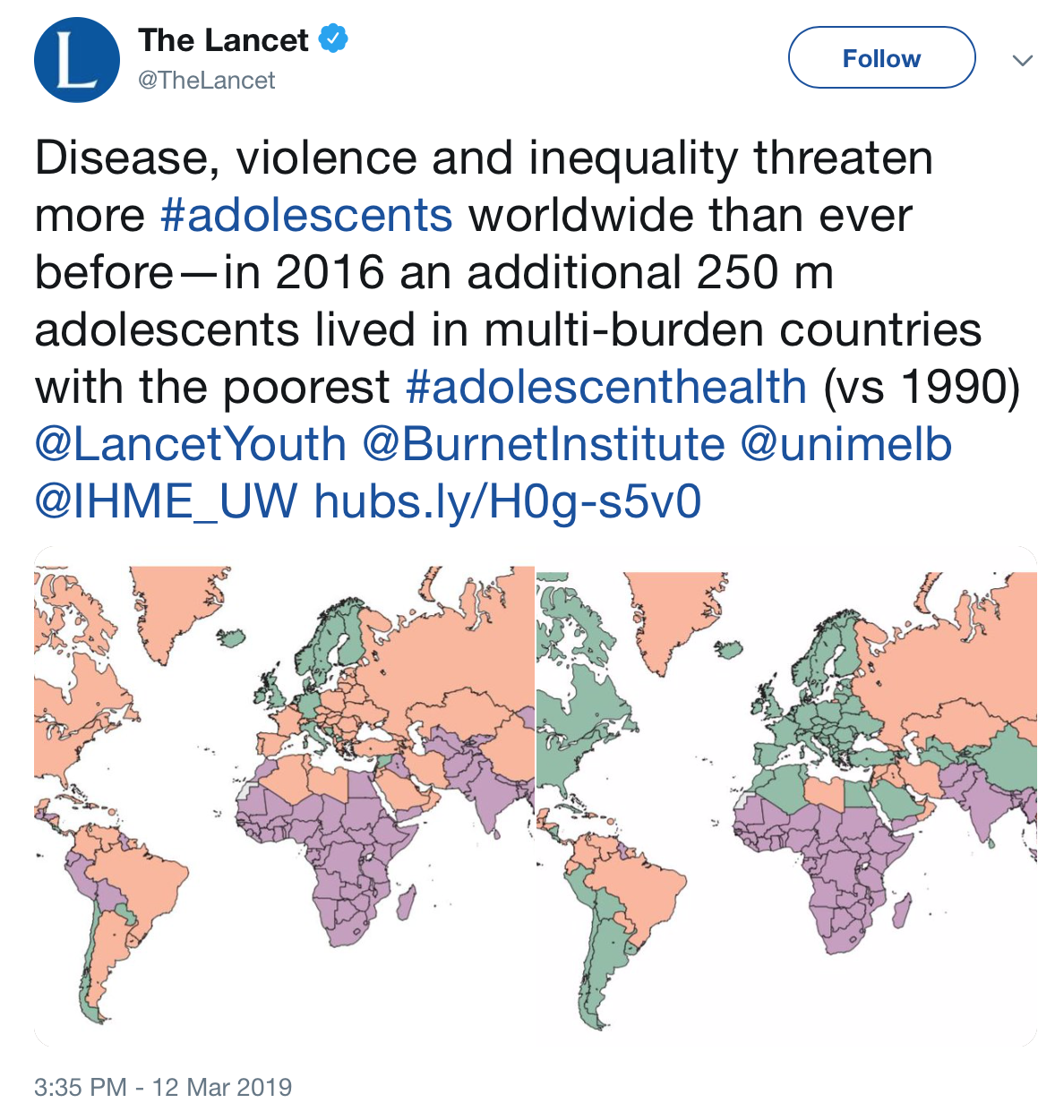
Apparently, whoever is operating The Lancet’s Twitter feed said, “Hold my beer, and watch this.” Here is what the organization posted today:

The study itself may be fine, but The Lancet’s tweet about it is misleading at best. Disease, violence, and inequality threaten more adolescents than ever before. Really?

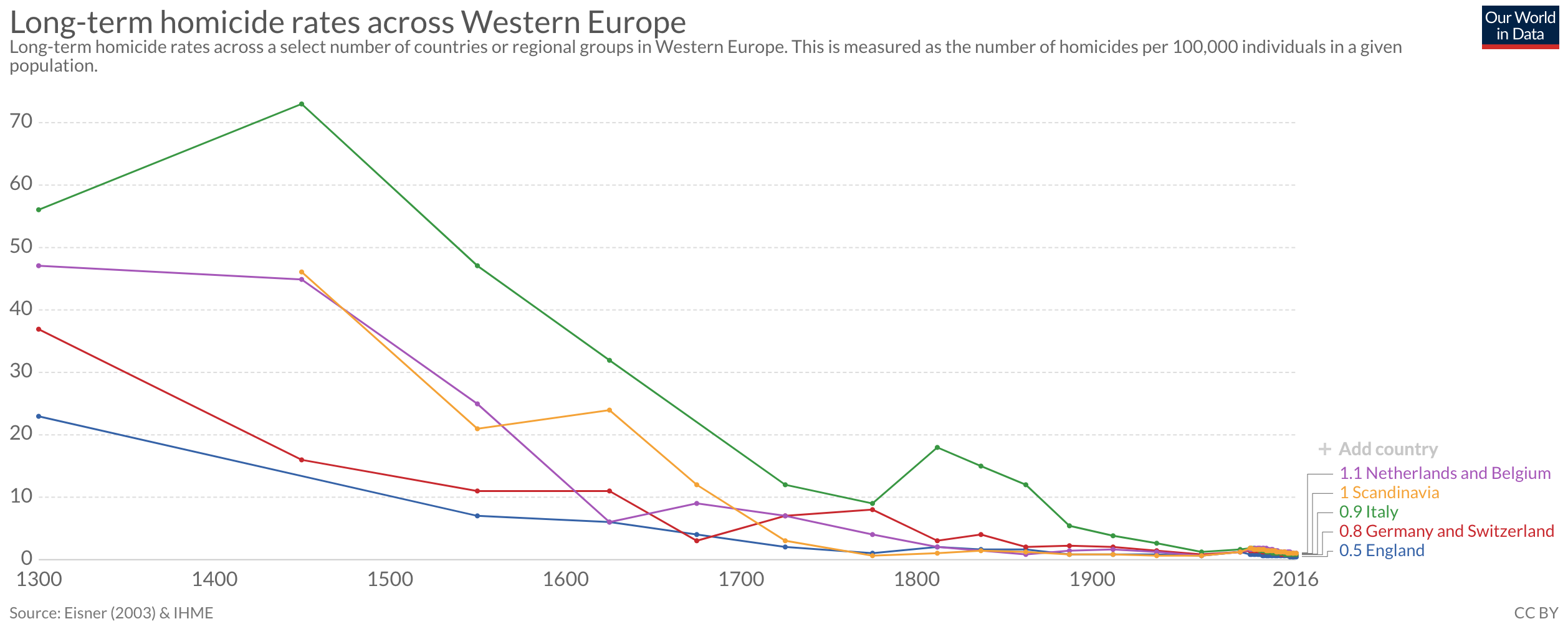
The statement is absurd on its face. Violence has decreased all over the world. The Medieval period was a particularly rough time to be alive. Not only were people dying of things like the Black Death (which killed 1/3 of Europe in the mid-1300’s), homicide rates were incredibly high. (See chart below from Our World in Data.)

As recently as the 20th Century, smallpox is thought to have killed 300-500 million people. Likewise, measles killed millions. But vaccines have prevented millions, if not billions, of deaths.

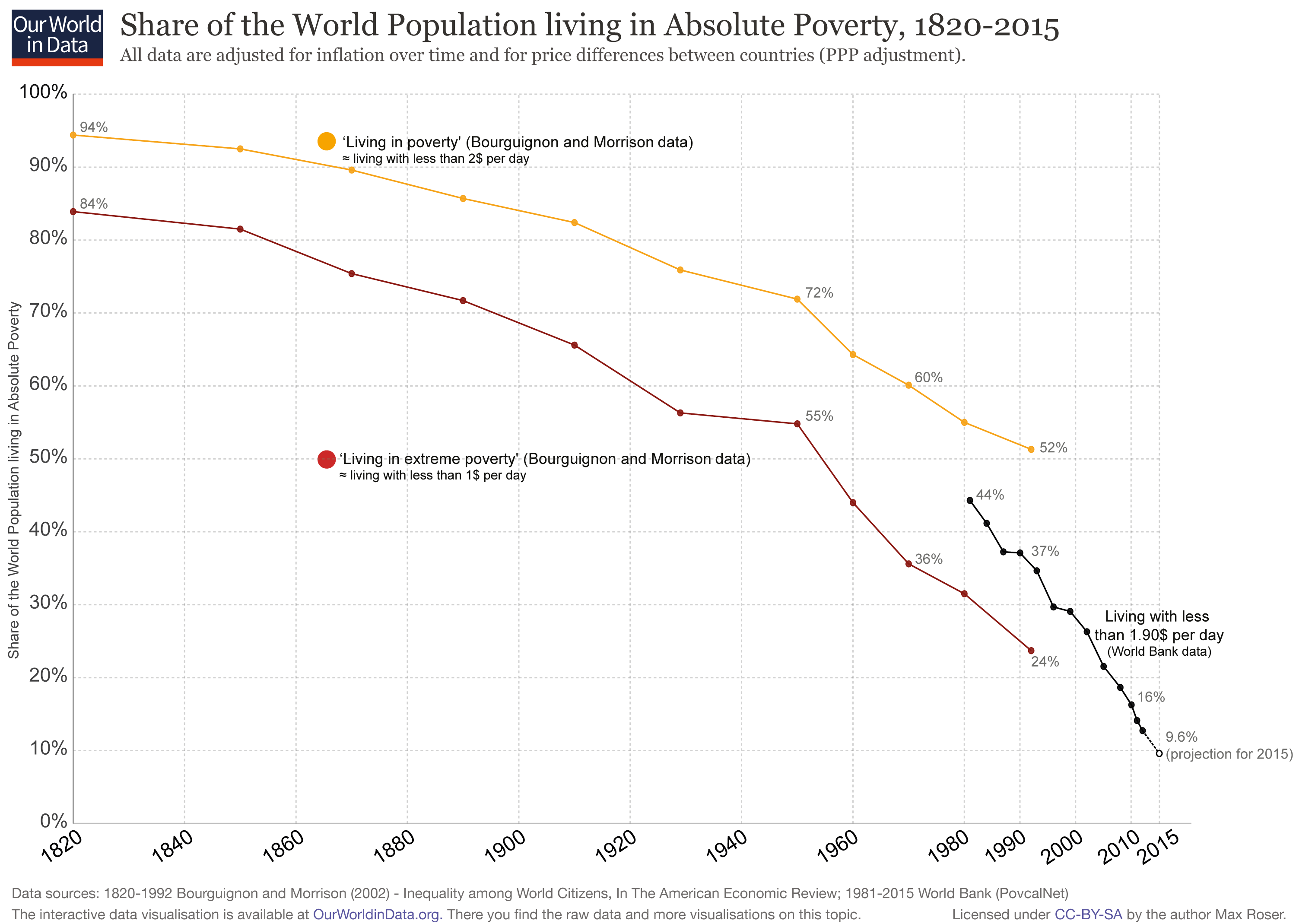
Inequality? Well, that’s getting better, too. Yes, in some places, the rich are getting richer, but in a lot of impoverished regions, the poor are getting richer. In fact, poverty has fallen from around 90% of the global population in 1820 to under 10% today. (See chart below from Our World in Data.)

Putting this all together, it’s easy to see that humanity has never had it better than in 2019. To quote The Beatles, “It’s getting better all the time.” So, what on Earth is The Lancet talking about?

The only possible explanation for the tweet is that the journal decided to ignore the indisputable trends and instead hyped absolute numbers. That’s extremely misleading in this case because there are more people on the planet now than ever before. (It would be like comparing the cost of a TV in 1960 versus 2019 without adjusting for inflation.) The data need to be standardized, which is why percentages are really the only honest way to do this analysis.

Of course, The Lancet knows this. They just chose to put out a sensationalist tweet, instead. That is troubling.

Footnote: Timetable of Lancet Demise

Lancet May 2015 Regarding health and climate, the Lancet published in May 2015 an evidence-based report Gasparrini et al: Mortality risk attributable to high and low ambient temperature: a multicountry observational study.
Cold weather kills 20 times as many people as hot weather, according to an international study analyzing over 74 million deaths in 384 locations across 13 countries. The findings, published in The Lancet, also reveal that deaths due to moderately hot or cold weather substantially exceed those resulting from extreme heat waves or cold spells.

Lancet June 2017 Lancet sets the facts aside in order to prostrate itself before the global warming altar. Lancet says in a press release The Lancet Countdown—delivering on the promise of Paris 
The collaboration is therefore delighted to announce that Christiana Figueres will join as Chair of its High-Level Advisory Board. Much as she did with the Paris Agreement, Christiana Figueres will help guide the Lancet Countdown to maximise its impact and deliver on the promise of the Paris Agreement.

Christiana Figueres, chair of the Lancet Countdown’s high-level advisory board and former executive secretary of the UN Framework Convention on Climate Change, said, “The AR5 report lays bare the impact that climate change is having on our health today. It also shows that tackling climate change directly, unequivocally and immediately improves global health. It’s as simple as that.’’

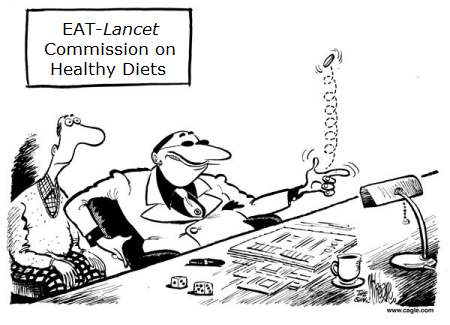
Lancet January 2019 Lancet publishes Food in the Anthropocene: the EAT–Lancet Commission on healthy diets from sustainable food systems.

Following environmental objectives by replacing animal-source foods with plant-based ones was particularly effective in high-income countries for improving nutrient levels, lowering premature mortality (reduction of up to 12% [95% CI 10–13] with complete replacement), and reducing some environmental impacts, in particular greenhouse gas emissions (reductions of up to 84%). However, it also increased freshwater use (increases of up to 16%) and had little effectiveness in countries with low or moderate consumption of animal-source foods.

Nutritional experts immediately took issue with Lancet’s claims:
We all want to be healthy, and we need a sustainable way to feed ourselves without destroying our environment. The well-being of our planet and its people are clearly in jeopardy, therefore clear, science-based, responsible guidance about how we should move forward together is most welcome.

Unfortunately, we are going to have to look elsewhere for solutions, because the EAT-Lancet Commission report fails to provide us with the clarity, transparency and responsible representation of the facts we need to place our trust in its authors. Instead, the Commission’s arguments are vague, inconsistent, unscientific, and downplay the serious risks to life and health posed by vegan diets.

Full critique of this latest Lancet propaganda is at Climate Ideology = Bad Nutritional Advice

eat-lancet-commission