EPA Priorities Announced
During Trump 1.0 the appointed EPA Director summarized the false dichotomy long plaguing the agency: “If you are for the Environment, you must be against Development; and if you are for Development, you must be against the Environment.” In reality, a balance must be struck, and a new administration intends to find it.  There has been much gnashing of teeth in the legacy media over this month’s dismissal of scientists from EPA advisory boards, without mentioning the same housecleaning happened in 2021 when Biden regime took over.  Now we have an official announcement about the new EPA direction and priorities.  Text in italics with my bolds and added images.

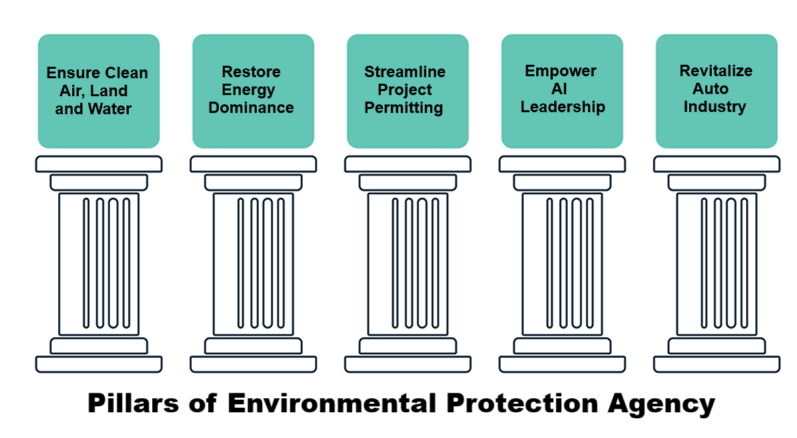
WASHINGTON – On February 4, 2025, U.S. Environmental Protection Agency (EPA) Administrator Lee Zeldin announced the agency’s Powering the Great American Comeback Initiative, to achieve the agency’s mission while energizing the greatness of the American economy. This plan outlines the agency’s priorities under the leadership of President Trump and Administrator Zeldin. The newly announced Powering the Great American Comeback initiative consists of five pillars that will guide the EPA’s work over the first 100 days and beyond:

Pillar 1: Clean Air, Land, and Water for Every American

“Every American should have access to clean air, land, and water. I will ensure the EPA is fulfilling its mission to protect human health and the environment. In his first term, President Trump advanced conservation, reduced toxic emissions in the air, and cleaned up hazardous sites, while fostering economic growth for families across the country. We remain committed to these priorities in this administration, as well as ensuring emergency response efforts are helping Americans get back on their feet in the quickest and safest way possible. We will do so while remaining good stewards of tax dollars and ensuring that every penny spent is going towards advancing this mission,” said Administrator Zeldin.

Pillar 2: Restore American Energy Dominance

“Pursuing energy independence and energy dominance will cut energy costs for everyday Americans who are simply trying to heat their homes and put gas in their cars. This will also allow our nation to stop relying on energy sources from adversaries, while lowering costs for hardworking middle-income families, farmers, and small business owners. I look forward to working with the greatest minds driving American innovation, to ensure we are producing and developing the cleanest energy on the planet,” said Administrator Zeldin.

Pillar 3: Permitting Reform, Cooperative Federalism, and Cross-Agency Partnership
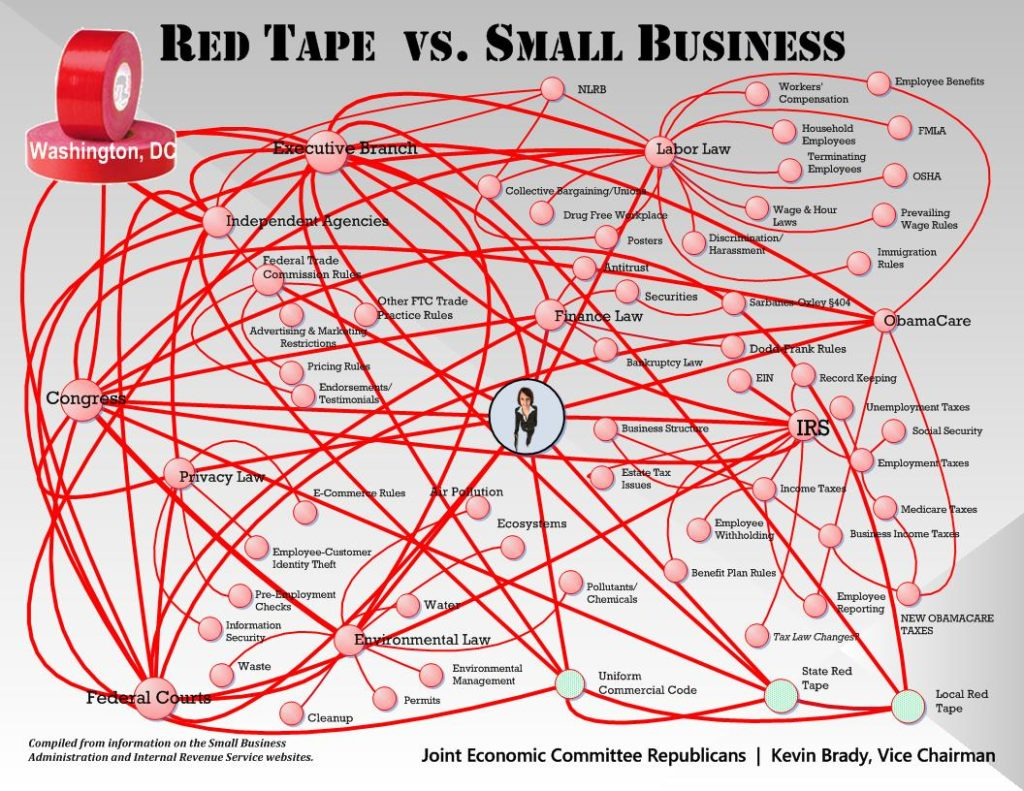
“Any business that wants to invest in America should be able to do so without having to face years-long, uncertain, and costly permitting processes that deter them from doing business in our country in the first place. It will be important for the EPA to work with our partners at the state and federal levels to ensure projects are being approved and companies can invest billions of dollars into our nation. Streamlining these processes, while partnering with businesses to follow the necessary steps to safeguard our environment, will incentivize investment into our economy and create American jobs,” said Administrator Zeldin.

Pillar 4: Make the United States the Artificial Intelligence Capital of the World

“As we rapidly advance into this new age of AI, it is important that the United States lead the world in this field. Those looking to invest in and develop AI should be able to do so in the U.S., while we work to ensure data centers and related facilities can be powered and operated in a clean manner with American-made energy. Under President Trump’s leadership, I have no doubt that we will become the AI capital of the world,” said Administrator Zeldin.

Pillar 5: Protecting and Bringing Back American Auto Jobs

“Our American auto industry is hurting because of the burdensome policies of the past.

Under President Trump, we will bring back American auto jobs and invest in domestic manufacturing to revitalize a quintessential American industry. We will partner with leaders to streamline and develop smart regulations that will allow for American workers to lead the great comeback of the auto industry,” said Administrator Zeldin.

Footnote:

The Trump Administration not only cut “environmental justice” programs at the Environmental Protection Agency, they put nearly 200 staffers on leave.

According to reports, the staffers were called into a meeting on Thursday afternoon where they were informed that they were being placed on leave.

“Effective immediately, you are being placed on administrative leave with full pay and benefits. This administrative leave is not being done for any disciplinary purpose,” the email stated, according to Politico.

“Career staff made determinations on which Office of Environmental Justice employees had statutory duties or core mission functions,” EPA spokesperson Molly Vaseliou said in a statement. “As such, 168 staffers were placed on administrative leave as their function did not relate to the agency’s statutory duties or grant work. EPA is in the process of evaluating new structure and organization to ensure we are meeting our mission of protecting human health and the environment for all Americans.” Source.

Carnage: Trump Cuts ‘Environmental Justice’ Programs, Puts Nearly 200 EPA Staffers on Leave

It’s Better to be Outside Paris Accord

Chris Johnson writes at Real Clear Energy to explain Trump’s Withdrawal From the Paris Agreement Won’t Hurt the Climate.  Excerpts in italics with my bolds and added images.
President Donald Trump withdrew from the Paris Agreement. Cue the leftwing meltdown. Though everyone knew the withdrawal was coming, the left and the “international community” are still decrying America’s alleged abdication of leadership on climate.
But toothless agreements window dressed with international
summits and photo ops are not the same as leadership.
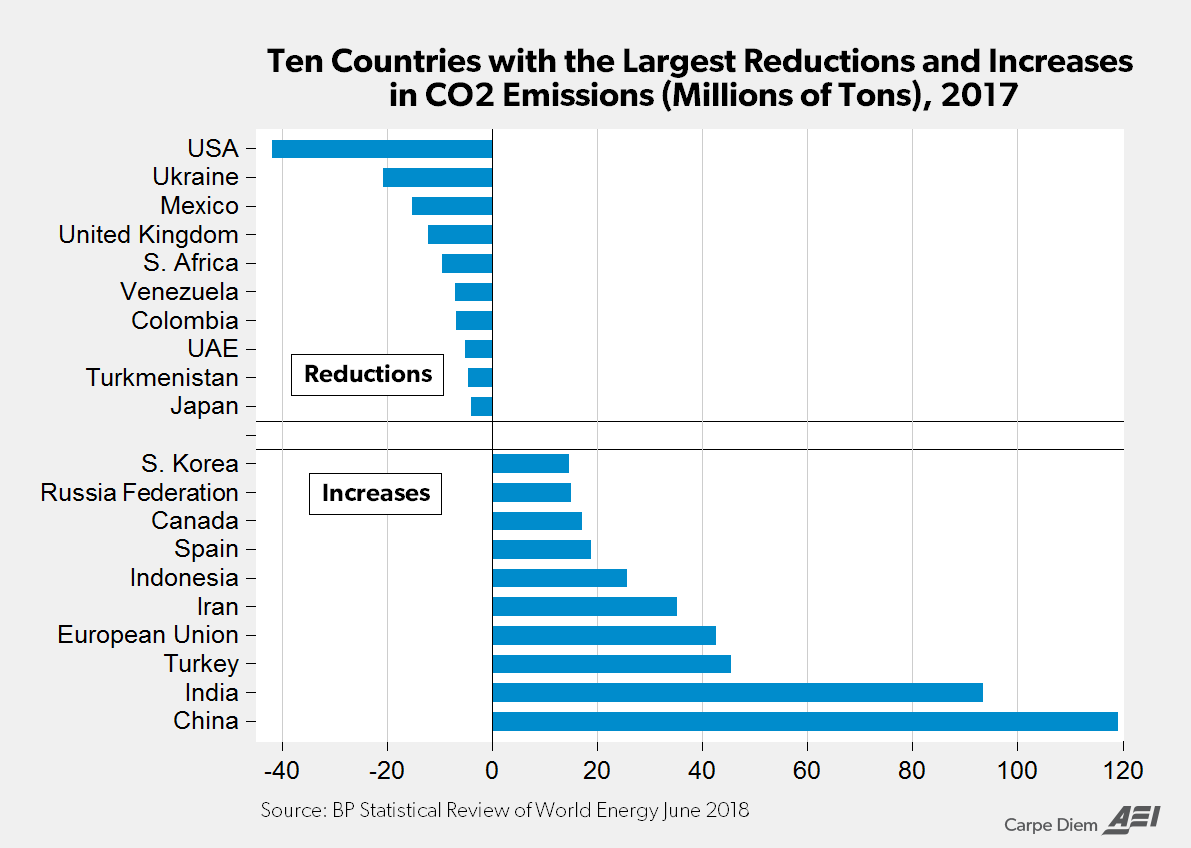
The truth is America has led the world in reducing emissions for years not because of the Paris Agreement, but because innovation and the free market facilitate the deployment of cheaper and cleaner energy.  Let’s review the record.
In recent decades, America has achieved unprecedented — and unexpected — energy production thanks to fracking and horizontal drilling. Since the early 2000s when these twin technologies began to be deployed much more expansively, U.S. natural gas production has more than doubled. By 2016, hydraulically fractured gas wells accessed through horizontal drilling accounted for nearly 70% of all oil and natural gas wells.
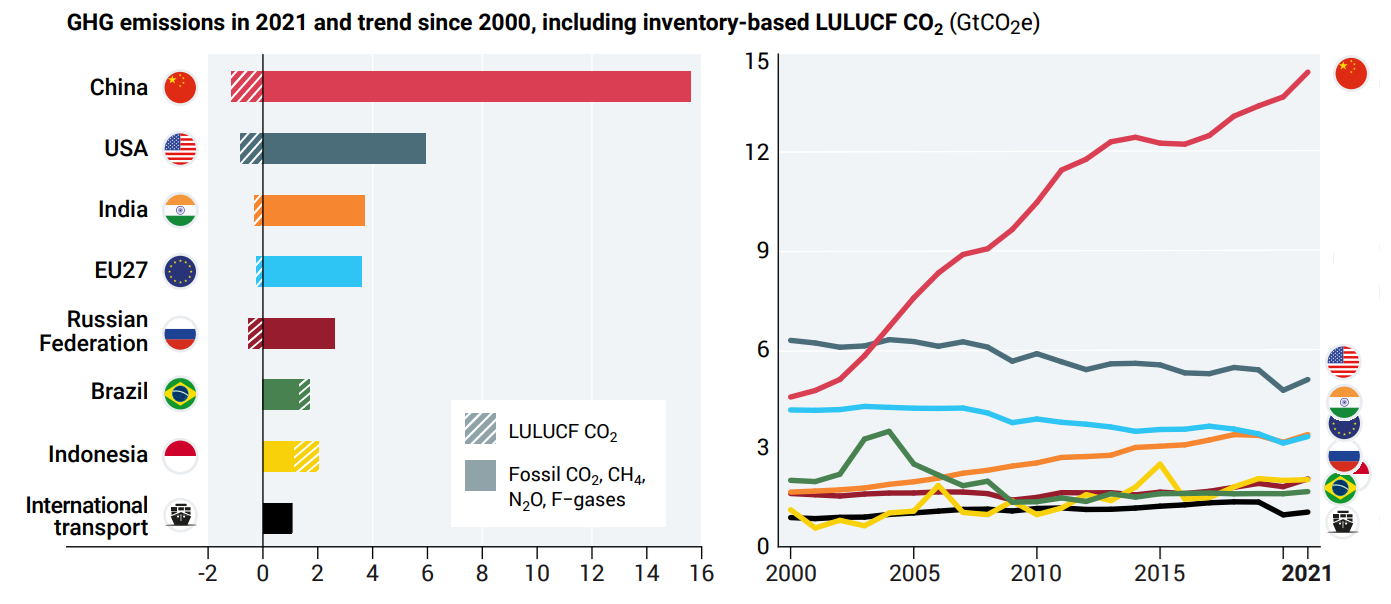
While the left may clutch its pearls at the increased production of a fossil fuel like natural gas, this clean energy source has been a main driver of U.S. emissions reductions. Over the past 15 years when America has massively increased natural gas output, the U.S. reduced carbon emissions more than any other country. We can see this year by year.
For example, from 2022 to 2023, America offset dirtier coal energy generation with natural gas. As coal declined by 121.9 terawatt hours of electric generation over that time, natural gas increased by 118.9 terawatt hours. At the same time, U.S. greenhouse gas emissions declined 1.9%. Notably, 80% of the U.S. carbon emissions reductions were driven by the electric power sector — precisely where natural gas has an outsized impact.
Notice what didn’t cause those emissions reductions? The Paris Agreement.
The American energy sector — powered by innovation and good-old-fashioned free market economics — has been driving down carbon emissions cheaply and effectively before the Paris Agreement was a twinkle in climate activists’ eyes. And it will continue to reduce carbon emissions long after President Trump’s decision to withdraw.

The Paris Agreement is far from the panacea some activists claim it is.
It isn’t even a particularly effective tool to
rally nations toward greater climate success.
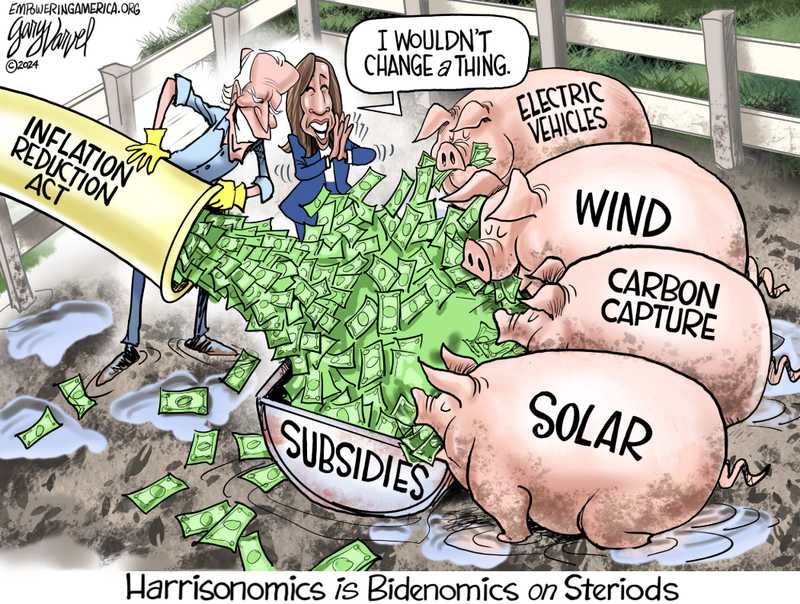
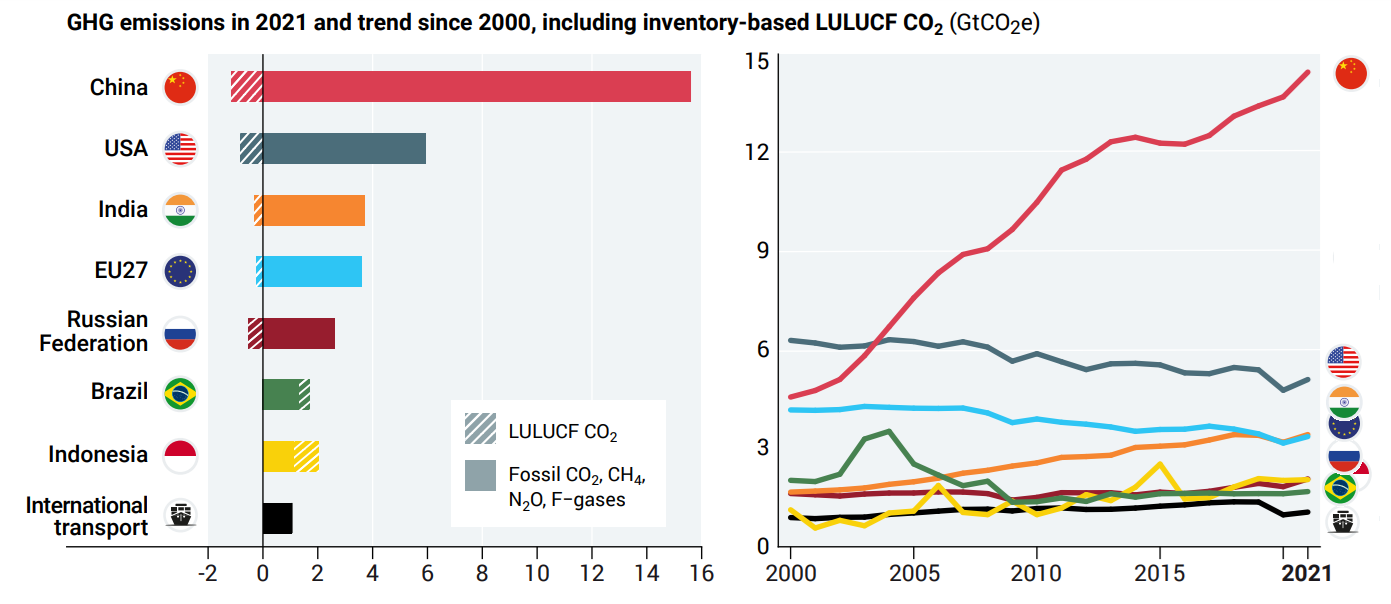
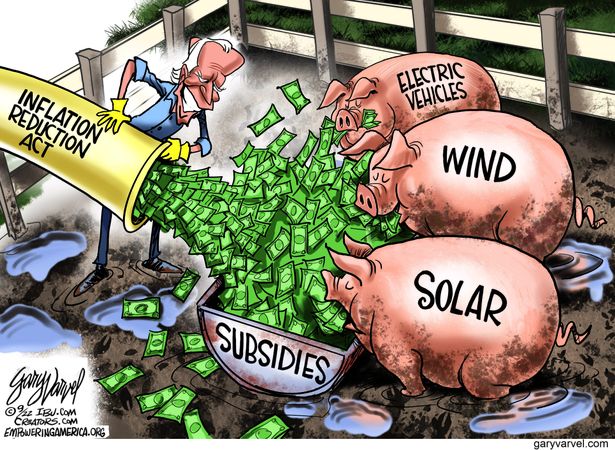
In the middle of the allegedly climate-conscious Biden administration, none of the world’s biggest emitters — America included — had reduced their emissions in accordance with the Paris goals. Apparently, the $1 trillion regulatory and subsidy regime erected by President Biden’s Inflation Reduction Act had little bang for the buck.
What Agreement supporters forget is that no number of high-profile international accords can make command-control tactics work — or instill other nations with the ambition to fulfill their empty promises.

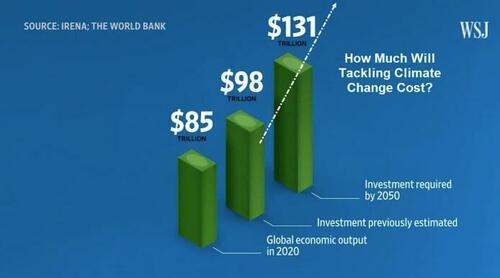
Yes, those are trillions of dollars they are projecting to spend.

The Paris Agreement is the definition of bureaucratic failure, conflating meetings, busyness, and lofty goals as success. Its only achievement is to make climate ideologues and green jetsetters feel good about themselves as they fly to international conferences.
It’s no wonder President Trump withdrew. Talk is cheap. What matters is success. On that metric, the Trump administration is set to actually achieve what Paris Agreement signatories only write on paper.
Trump entered office promising to deregulate the fossil fuel industry, increase permitting for natural gas extraction, approve the construction of energy facilities like natural gas export terminals, and re-establish American energy dominance.
By leaning into America’s carbon advantage and exporting clean American energy abroad, he will boost the U.S. economy, supplant dirty energy from nations like Russia and Venezuela with a clean American alternative, and lower emissions both at home and abroad, all without the jaw-dropping price tag of the failed Biden-era green agenda. We should combine these steps with efforts to actually hold the biggest polluters accountable (which are being discussed by President Trump’s cabinet). This approach would be the antithesis of the Paris Accords’ America-last strategy.
Of course, some are urging President Trump to go further and not just withdraw from the Paris Agreement, but also back out of the UN Framework Convention on Climate Change (UNFCCC). This may seem like an easy choice, seeing as the UNFCCC, like so many UN bodies, acts contrary to American interests. But that’s exactly why America must remain in the UNFCCC.
Climate treaties will be formed whether or not the U.S. is involved, and the UNFCCC will continue to operate as a forum for those negotiations. Staying in the UNFCCC costs America nothing while allowing Trump and his appointees to keep a seat at the table, hold the UN accountable, and counter any deal that would put America at a disadvantage. While the UNFCCC can be harmful, it’s only the Paris Agreement that’s impotent.
The breathless alarm over the withdrawal from the Paris Agreement is overwrought. When President Trump withdrew from the Paris Climate Accord during his first administration, America went on to cut carbon emissions to the lowest level in 25 years. Re-embracing the power of natural gas in his second term, he’ll do it again.
So instead of the UN and international climate activists judging the U.S., we should remind everyone that if you want to put climate first, you should actually put America first.
Chris Johnson is a GOP strategist who organizes the next generation of conservative leaders. He also serves as a senior advisor to the National Federation of College Republicans, focusing on energy issues.


No, Grist, MSN, et al: CO2 Is Not Making Oceans Boil


The Climate Crisis media network is announcing a new claim that rising CO2 is causing recent ocean warming, proving it’s dangerous and must be curtailed.  Examples in the last few days include these:

Finally, an answer to why Earth’s oceans have been on a record hot streak Grist

Ocean warming 4 times faster than in 1980s — and likely to accelerate in coming decades MSN

News spotlight: Fossil fuels behind extreme ocean temperatures, study says. Conservation International

Ocean temperature rise accelerating as greenhouse gas levels keep rising UK Natural History Museum

The surface of our oceans is now warming four times faster than it was in the late 1980s The Independent UK

Oceans Are Warming Four Times Faster as Earth Traps More Energy Bloomberg Law News

All this hype deriving from one study,
and ignoring the facts falsifying that narrative.

Fact:  Historically, ocean natural oscillations drive observed global warming.

The long record of previous warmings prior to the satellite record shows that the entire rise of 0.8C since 1947 is due to oceanic, not human activity.

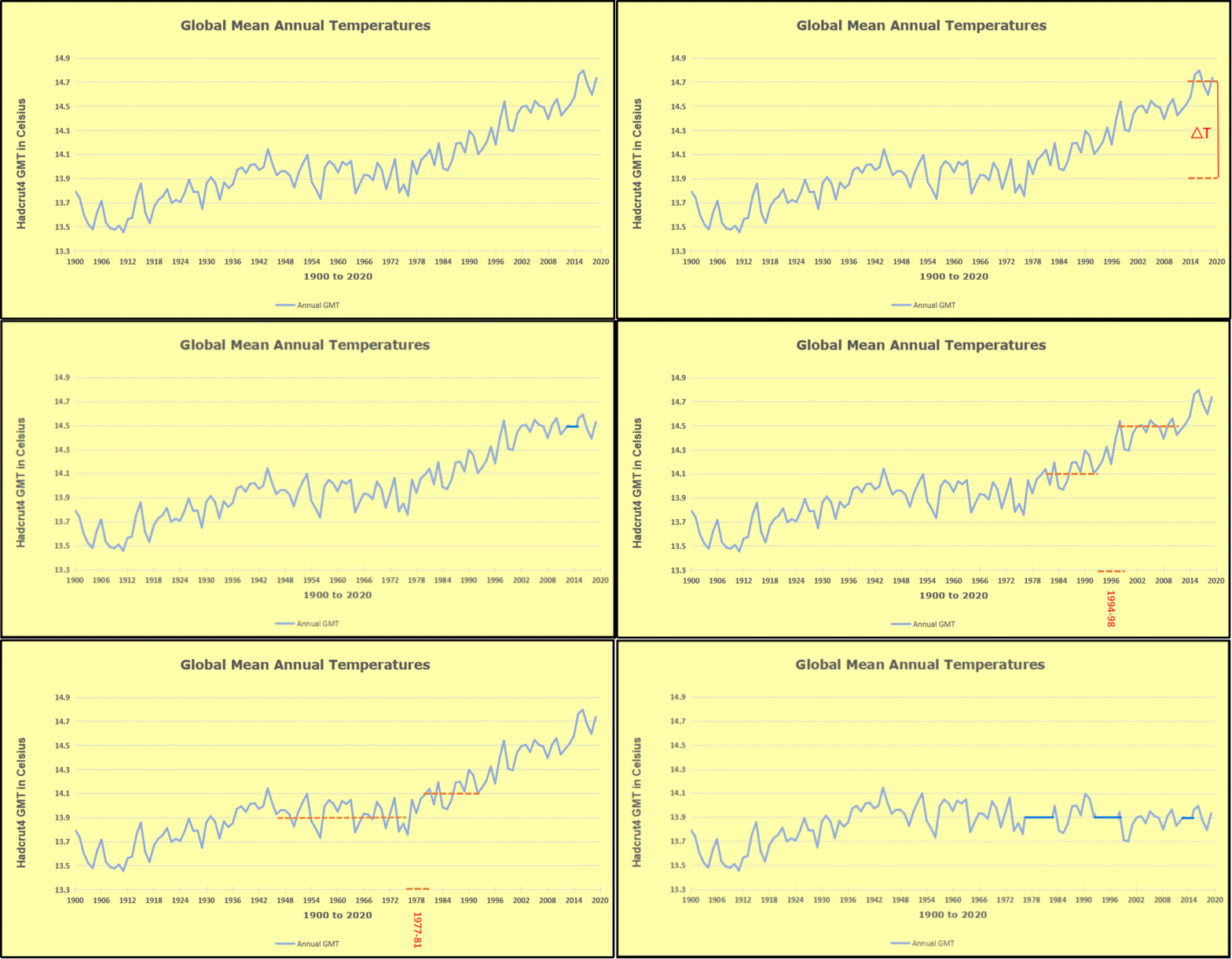
The animation is an update of a previous analysis from Dr. Murry Salby.  These graphs use Hadcrut4 and include the 2016 El Nino warming event.  The exhibit shows since 1947 GMT warmed by 0.8 C, from 13.9 to 14.7, as estimated by Hadcrut4.  This resulted from three natural warming events involving ocean cycles. The most recent rise 2013-16 lifted temperatures by 0.2C.  Previously the 1997-98 El Nino produced a plateau increase of 0.4C.  Before that, a rise from 1977-81 added 0.2C to start the warming since 1947.

Importantly, the theory of human-caused global warming asserts that increasing CO2 in the atmosphere changes the baseline and causes systemic warming in our climate.  On the contrary, all of the warming since 1947 was episodic, coming from three brief events associated with oceanic cycles.

FactRecent rise in SST was driven by ENSO and N. Atlantic Anomalies.

And now in 2024 we have seen an amazing episode with a temperature spike driven by ocean warming in all regions, along with rising NH land temperatures, now dropping below its peak.

The chart below shows SST monthly anomalies as reported in HadSST4 starting in 2015 through December 2024.  A global cooling pattern is seen clearly in the Tropics since its peak in 2016, joined by NH and SH cycling downward since 2016, followed by rising temperatures in 2023 and 2024.

To enlarge, open image in new tab.

Note that in 2015-2016 the Tropics and SH peaked in between two summer NH spikes.  That pattern repeated in 2019-2020 with a lesser Tropics peak and SH bump, but with higher NH spikes. By end of 2020, cooler SSTs in all regions took the Global anomaly well below the mean for this period.  A small warming was driven by NH summer peaks in 2021-22, but offset by cooling in SH and the tropics, By January 2023 the global anomaly was again below the mean.

Now in 2023-24 came an event resembling 2015-16 with a Tropical spike and two NH spikes alongside, all higher than 2015-16. There was also a coinciding rise in SH, and the Global anomaly was pulled up to 1.1°C last year, ~0.3° higher than the 2015 peak.  Then NH started down autumn 2023, followed by Tropics and SH descending 2024 to the present. After 10 months of cooling in SH and the Tropics, the Global anomaly came back down, led by NH cooling the last 4 months from its peak in August. It’s now about 0.1C higher than the average for this period. Note that the Tropical anomaly has cooled from 1.29C in 2024/01 to 0.66C as of 2024/12.

FactEmpirical measurements show ocean warms the air, not the other way around.

One can read convoluted explanations about how rising CO2 in the atmosphere can cause land surface heating which is then transported over the ocean and causes higher SST. But the interface between ocean and air is well described and measured. Not surprisingly it is the warmer ocean water sending heat into the atmosphere, and not the other way around.

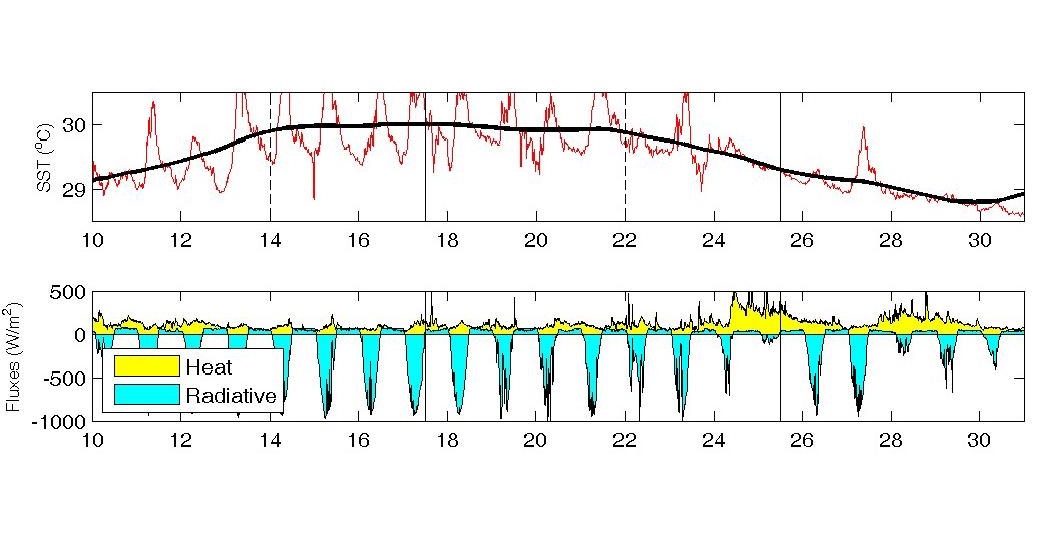
The graph displays measures of heat flux in the sub-tropics during a 21-day period in November. Shortwave solar energy shown above in green labeled radiative is stored in the upper 200 meters of the ocean. The upper panel shows the rise in SST (Sea Surface Temperature) due to net incoming energy. The yellow shows latent heat cooling the ocean, (lowering SST) and transferring heat upward, driving convection. [From An Investigation of Turbulent Heat Exchange in the Subtropics by James B. Edson]

As we see in the graphs ocean circulations change sea surface temperatures which then cause global land and sea temperatures to change. Thus, oceans make climate by making temperature changes.

FactOn all time scales, from last month’s observations to ice core datasets spanning millennia, temperature changes first and CO2 changes follow.

Previously I have demonstrated that changes in atmospheric CO2 levels follow changes in Global Mean Temperatures (GMT) as shown by satellite measurements from University of Alabama at Huntsville (UAH). That background post is included in the posting referenced later below.

My curiosity was piqued by the remarkable GMT spike starting in January 2023 and rising to a peak in April 2024, and then declining afterward.  I also became aware that UAH has recalibrated their dataset due to a satellite drift that can no longer be corrected. The values since 2020 have shifted slightly in version 6.1, as shown in my recent report  Ocean Leads Cooling UAH December 2024.

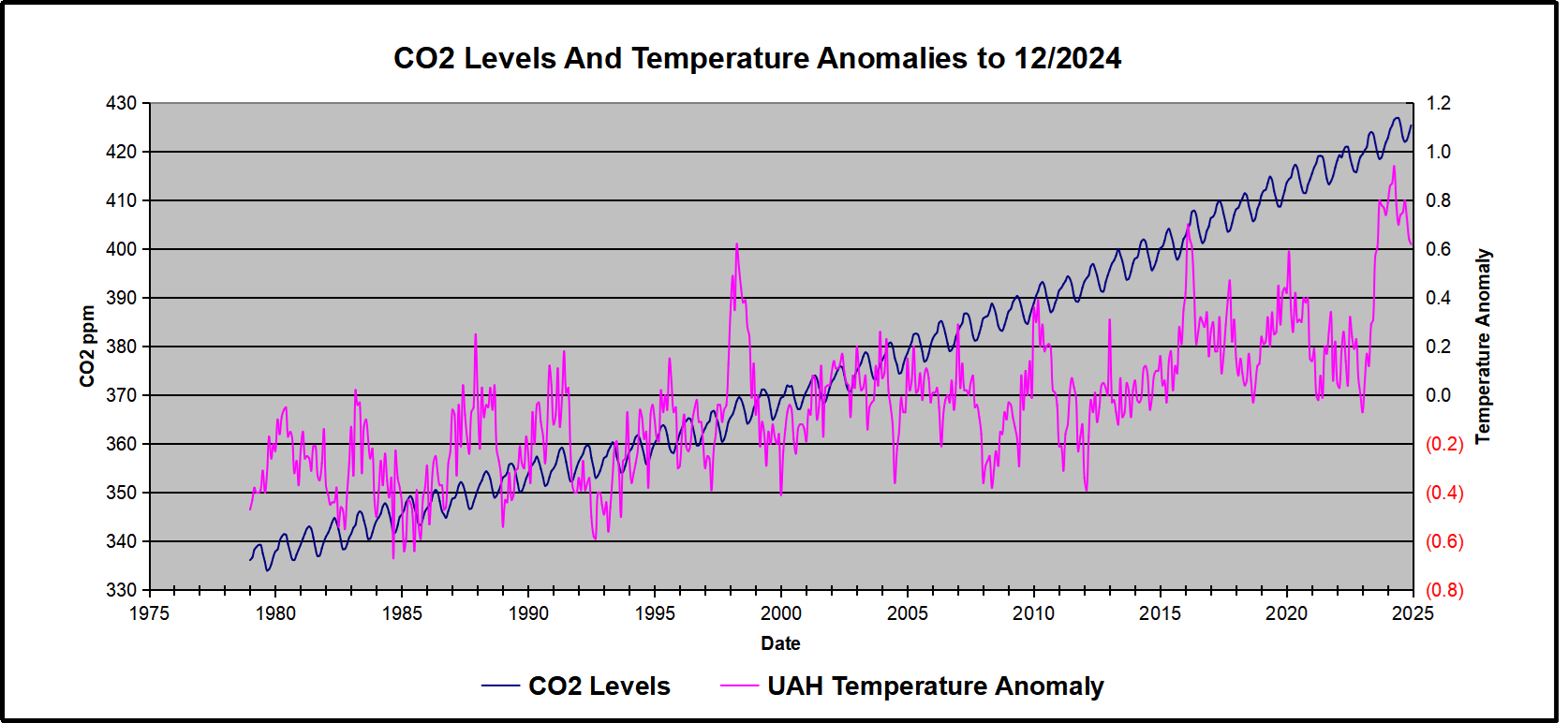
I tested the premise that temperature changes are predictive of changes in atmospheric CO2 concentrations.  The chart above shows the two monthly datasets: CO2 levels in blue reported at Mauna Loa, and Global temperature anomalies in purple reported by UAHv6.1, both through December 2024. Would such a sharp increase in temperature be reflected in rising CO2 levels, according to the successful mathematical forecasting model? Would CO2 levels decline as temperatures dropped following the peak?

The answer is yes: that temperature spike resulted
in a corresponding CO2 spike as expected.
And lower CO2 levels followed the temperature decline.

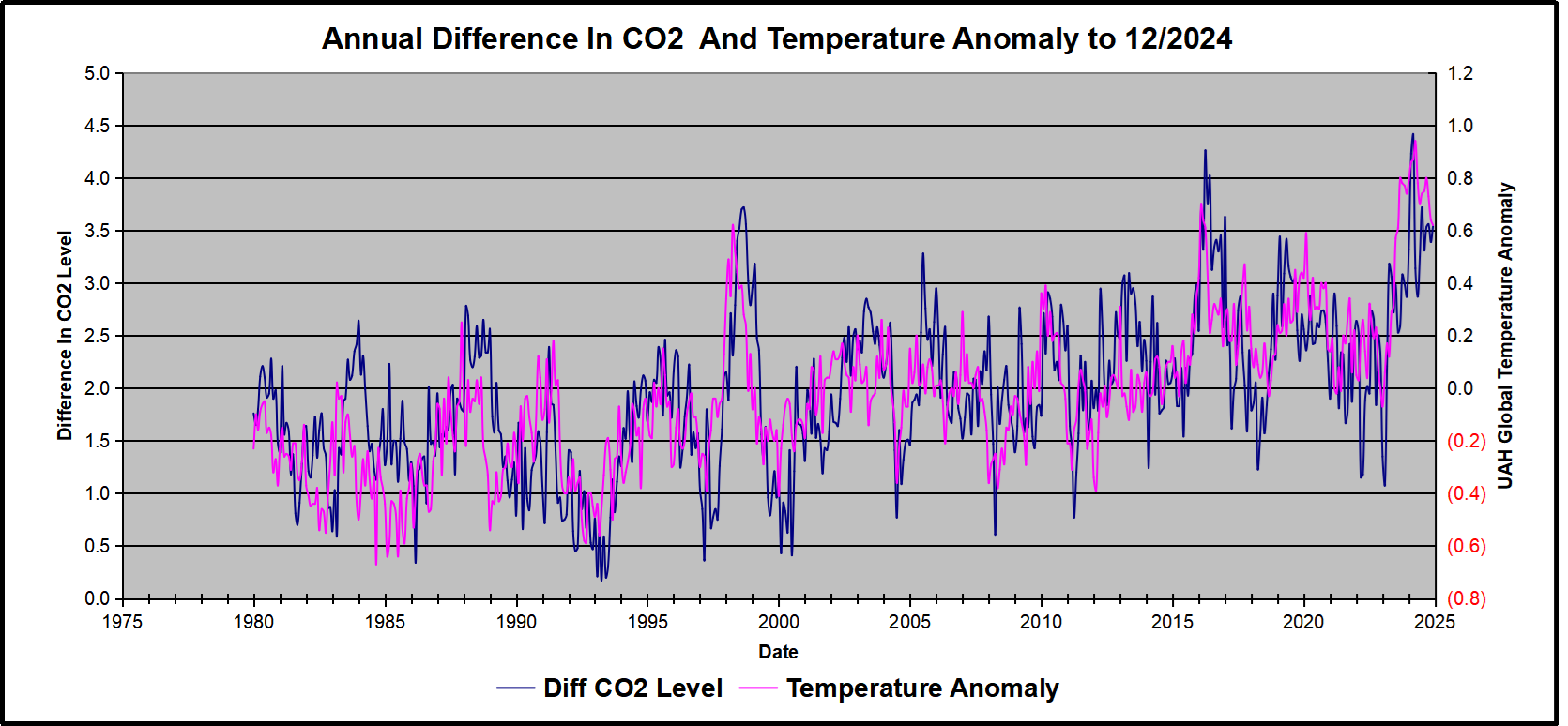
Above are UAH temperature anomalies compared to CO2 monthly changes year over year.

Changes in monthly CO2 synchronize with temperature fluctuations, which for UAH are anomalies now referenced to the 1991-2020 period. CO2 differentials are calculated for the present month by subtracting the value for the same month in the previous year (for example December 2024 minus December 2023).  Temp anomalies are calculated by comparing the present month with the baseline month. Note the recent CO2 upward spike and drop following the temperature spike and drop.

Summary

Changes in CO2 follow changes in global temperatures on all time scales, from last month’s observations to ice core datasets spanning millennia. Since CO2 is the lagging variable, it cannot logically be the cause of temperature, the leading variable. It is folly to imagine that by reducing human emissions of CO2, we can change global temperatures, which are obviously driven by other factors.

12/2024 Update–As Temperature Changes, CO2 Follows


Devious Climate Attribution Studies

Patrick Brown raises the question Do Climate Attribution Studies Tell the Full Story? Excerpts in italics with my bolds and added images, his analysis concluding thusly:

How a cascade of selection effects bias
the collective output of extreme event attribution studies.

Weather and climate extremes—such as high temperatures, floods, droughts, tropical cyclones, extratropical cyclones, and severe thunderstorms—have always threatened both human and natural systems. Given their significant impacts, there is considerable interest in how human-caused climate change influences these extremes. This is the focus of the relatively new discipline of Extreme Event Attribution (EEA).

Over the past couple of decades, there has been an explosion in EEA studies focusing on (or, “triggered by”) some prior notable weather or climate extreme. Non-peer-reviewed reports from World Weather Attribution (e.g., herehere, and here) represent some of the most notable examples of these kinds of analyses, and many similar studies also populate the peer-reviewed literature. The Bulletin of the American Meteorological Society’s “Explaining Extreme Events From a Climate Perspective” annual series compiles such studies, as does the Sabin Center for Climate Change Law, and they are also synthesized in reports like those from the IPCC (IPCC WG1 AR6 Chapter 11.2.3) and the United States National Climate Assessment.

The collective output of these kinds of studies certainly gives the impression that human-caused climate change is drastically changing the frequency and intensity of all kinds of weather extremes. Indeed, Carbon Brief recently published an extensive summary of the science of EEA studies, which begins with the proclamation, “As global temperatures rise, extreme weather events are becoming more intense and more frequent all around the world.”

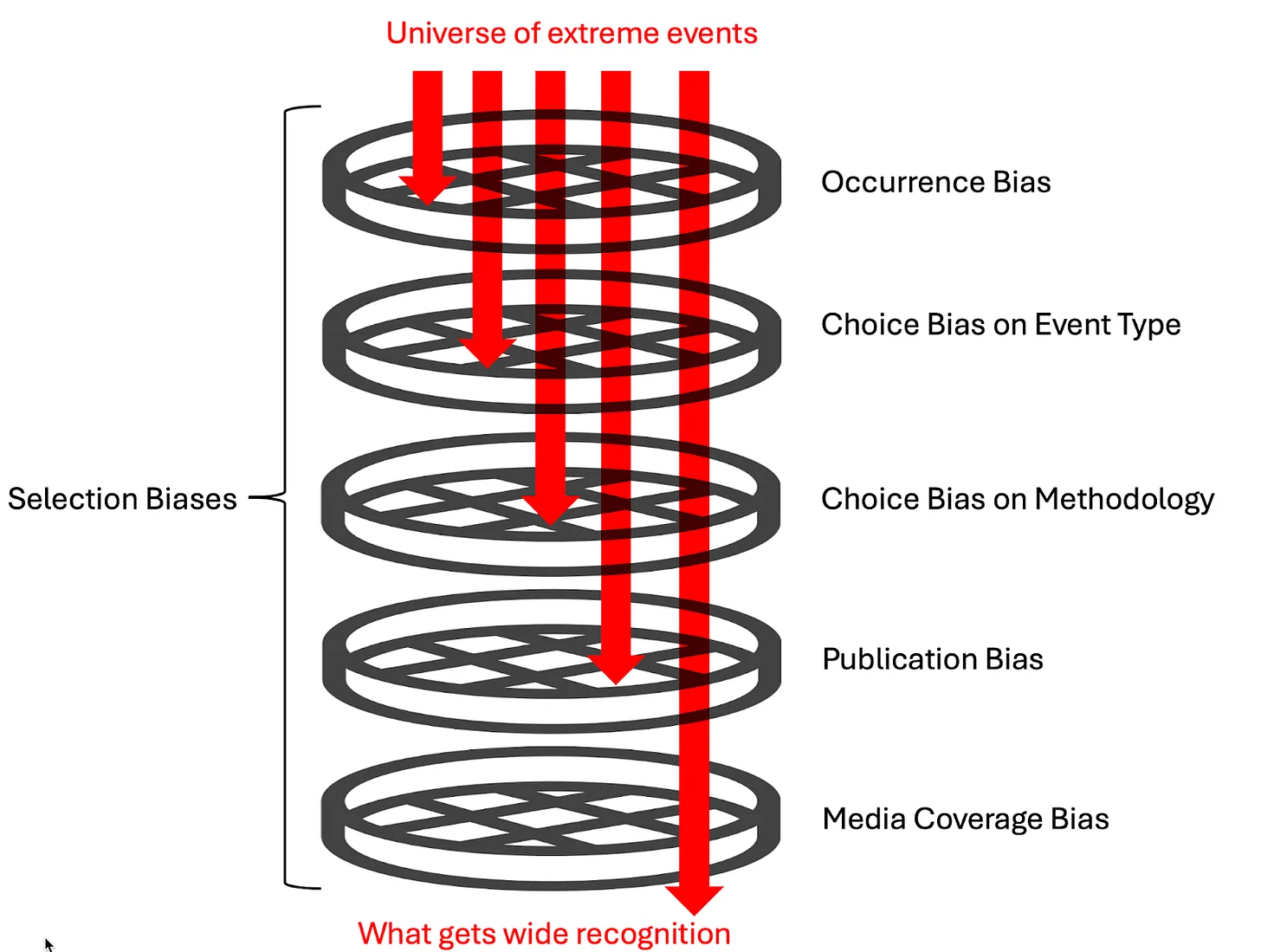
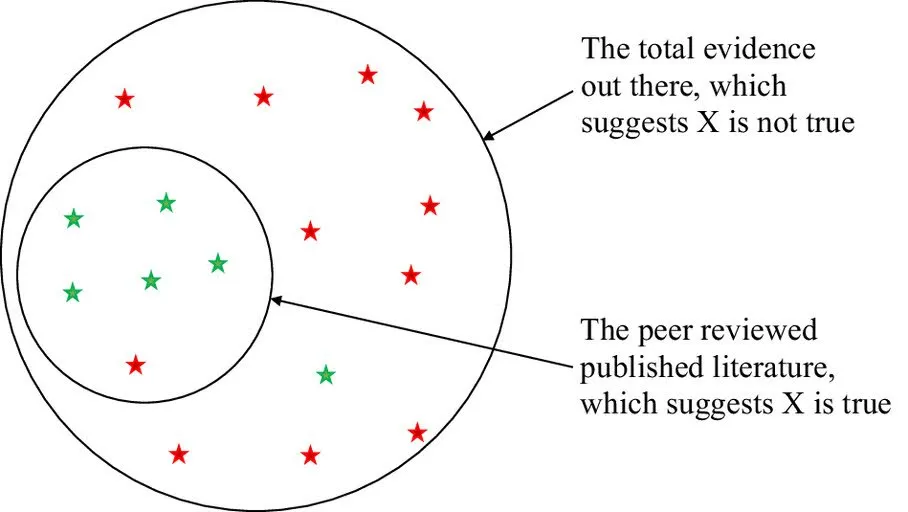
However, these numbers cannot be taken as an accurate quantification of the influence of climate change on extreme weather because they are heavily influenced by a cascade of selection biases originating from the physical climate system, as well as researcher and media incentives. Identifying and understanding these biases is a prerequisite for properly interpreting the collective output of EEA studies and, thus, what implications they hold for general scientific understanding, as well as political and legal questions.

The large apparent discrepancy between the size of the influence of human-caused climate change on extreme weather reported in EEA studies (like those compiled by Carbon Brief) compared to more comprehensive systematic analyses (like those compiled by the IPCC) can, in large part, be attributed to the many layers of Selection Biases that influence the EEA literature’s collective output.

Selection Bias is a broad term that refers to any bias that arises from a process that selects data for analysis in a way that fails to ensure that data is representative of the broader population that the study wishes to describe.

Selection biases in the context of EEA studies include those associated with the physical climate system itself, those concerning proclivities and incentives facing researchers/journals, and those concerning the proclivities and incentives facing the media. They include

Occurrence Bias is a bias introduced by the physical climate system. Since EEA studies tend to be triggered by extreme events that have actually occurred, there is reason to believe that these studies will disproportionately sample events that are more likely than average to be exacerbated by climate change because the events occurred in the first place. Essentially, extreme events that are more likely to occur under climate change—and thus more likely to be observed—are going to be overrepresented in EEA studies, and extreme events that are less likely to occur under climate change—and thus less likely to be observed—are going to be underrepresented in EEA studies.

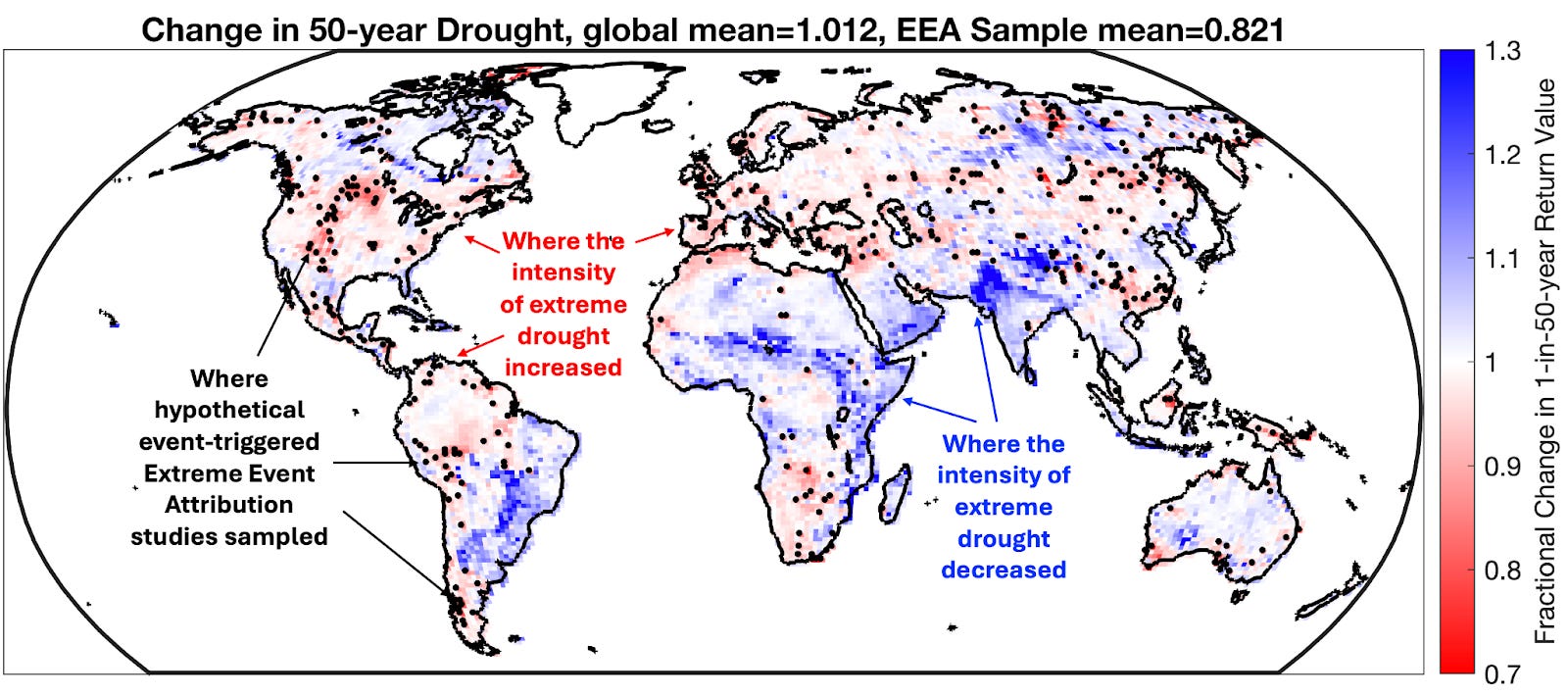
The map below illustrates this phenomenon. It shows changes in the magnitude of extreme drought under climate change. Specifically, it shows the fractional change in the intensity of once-per-50-year droughts (as quantified by monthly soil moisture) between a preindustrial and 21st-century run (SSP2-4.5 emissions) of the highly-regarded NCAR CESM2 Climate Model. Blue areas represent locations where the model simulates that extreme droughts become less frequent and intense with enhanced greenhouse gas concentrations, and red areas represent locations where the model simulates that extreme droughts become more frequent and intense with enhanced greenhouse gas concentrations. It is notable that overall, this model simulates that warming decreases the frequency and intensity of extreme drought in more locations than it increases it (consistent with soil moistening under warming simulated by other models).

Now, here’s the kicker: The black dots show locations where once-per-50-year droughts actually occurred in the 21st-century simulation and thus represent events that would plausibly trigger EEA studies.

What do you notice about where the dots are compared to where the red is? That’s right; the simulated EEA studies overwhelmingly sample areas where droughts are getting more intense and more frequent by the very nature that those are the types of droughts that are more likely to occur in the warming climate. The result is that the EEA sample is majorly biased: warming decreased the intensity of once-per-50-year droughts by about 1% overall, but it increased their intensity within the EEA sample by 18%!

Thus, if you just relied on the EEA sample, you would come away with an
incorrect impression not only on the magnitude of change in extreme droughts
but also on the sign of the direction of change!

Choice Bias arises when researchers use prior knowledge to choose events for EEA studies that are more likely to have been made more severe by climate change. A clear example of Choice Bias pervading the Carbon Brief database is there have been 3.6 times more studies on extreme heat than there have been on extreme winter weather (205 vs. 57). Another example would be the dearth of EEA studies on extratropical cyclones (the kinds of low-pressure systems with cold and warm fronts that are responsible for most of the dramatic weather outside of the tropics). The IPCC states that the number of extratropical cyclones associated with intense surface wind speeds is expected to decrease strongly in the Northern Hemisphere with warming. Yet, it is relatively rare for EEA attribution studies to be done on these types of systems, which results in an exclusion of this good news from the EEA literature.

Publication Bias could be playing a role, too, where researchers are more likely to submit, and journals are likely to publish studies that report significant effects on salient events compared to studies that find null effects.

From Clark et al., 2023

Finally, the climate reporting media ecosystem is characterized by actors whose explicit mission is to raise awareness of the negative impacts of climate change, and thus, there will be a natural Media Coverage Bias with a tendency to selectively highlight EEA studies where climate change is found to be a larger driver than EEA studies that do not reach such a conclusion. These selection biases are apparent at the aggregate level, but there is also strong evidence of their presence in individual studies.

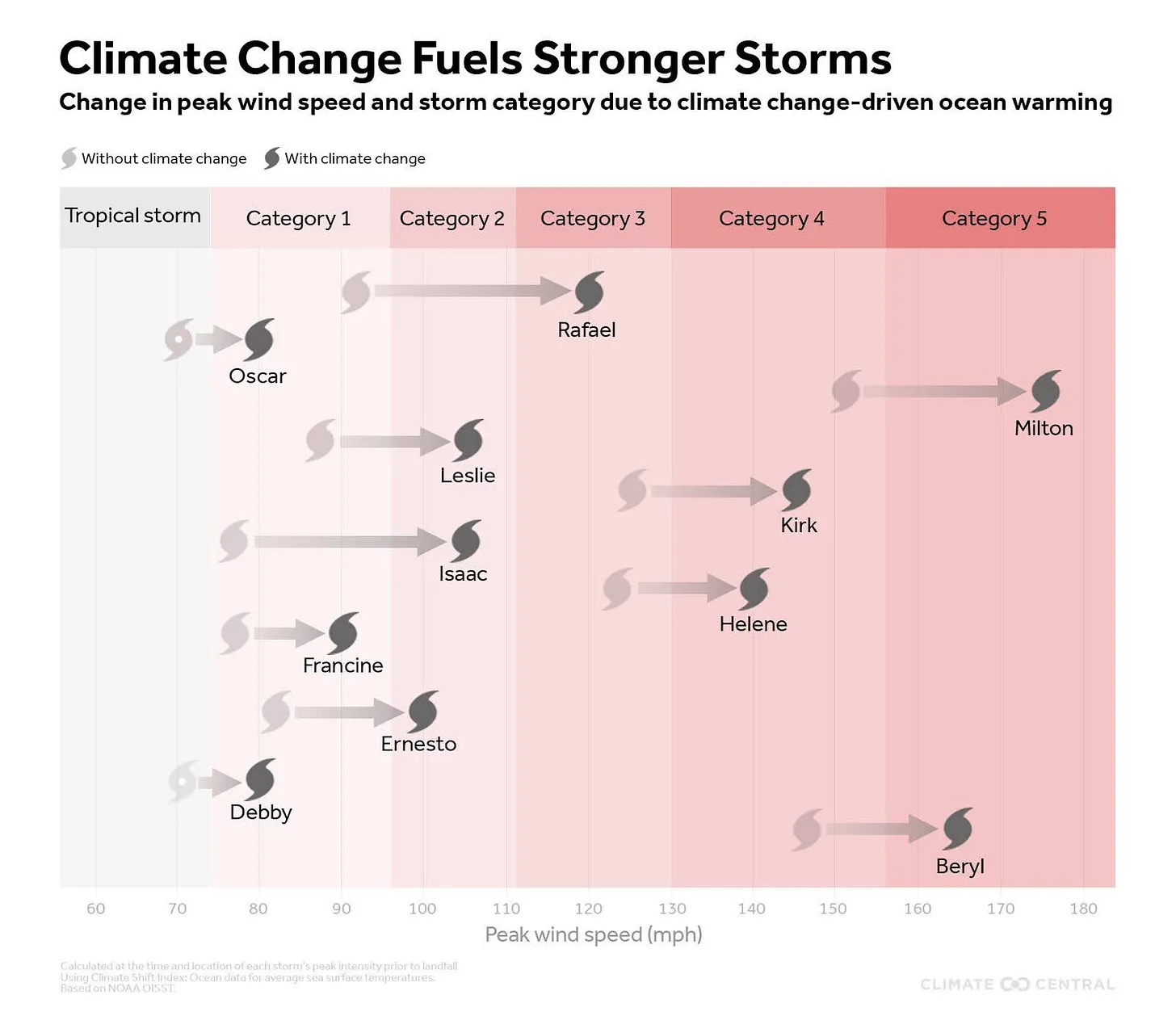
A more recent specific example suggestive of many of these dynamics is a study, Gilford et al. (2024), titled “Human-caused ocean warming has intensified recent hurricanes”. This study was conducted by three researchers at Climate Central, which summarizes the study’s findings with the following infographic:

From Climate Central press release on Gilford et al. (2024).

Essentially, they claim that climate change is enhancing the intensity of all hurricanes and that the enhancement is quite large: Storms today are calculated to be an entire Category stronger than they would have been in a preindustrial climate.

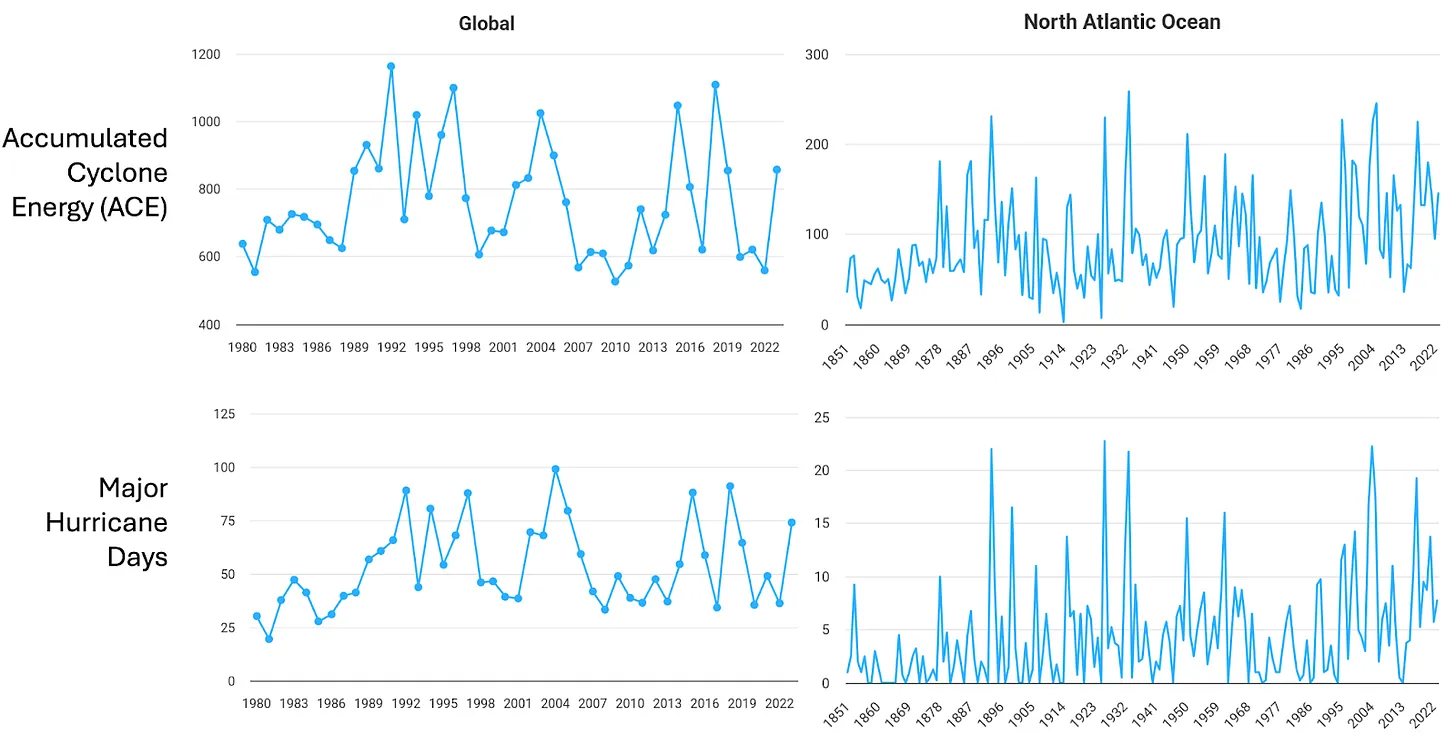
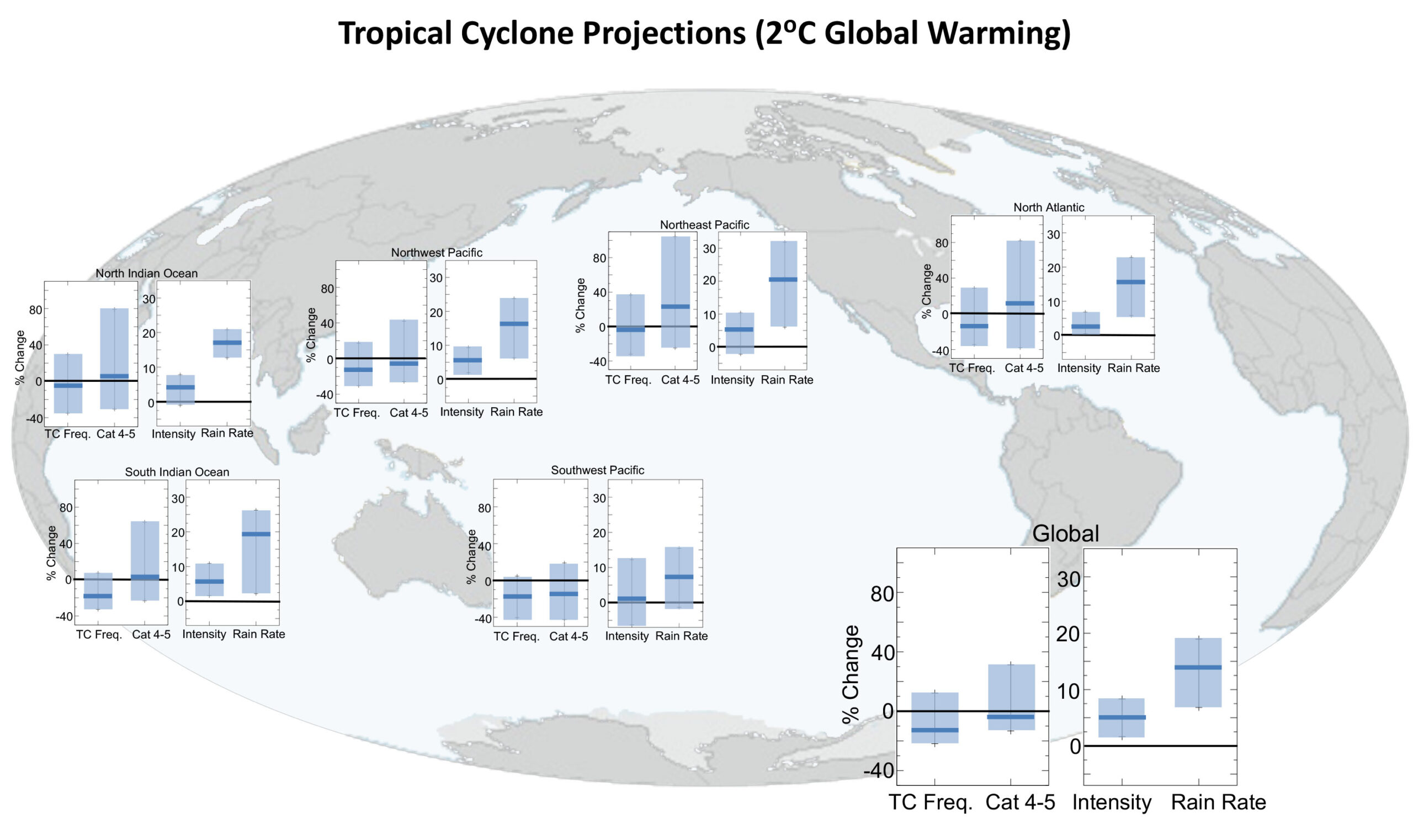
This is a huge effect, and thus, if it were real, it is reasonable to expect to see clear long-term trends in metrics of tropical cyclone (hurricane) intensity like the accumulated number of major (Category 3+) hurricane days or the accumulated cyclone energy from all tropical cyclones (which is proportional to the square of hurricane windspeed accumulated over their lifetimes). However, any long-term trends in such metrics are subtle at best, both globally and over the North Atlantic.

From Colorado State University Department of Atmospheric Science Tropical Meteorology Project.

So, this is a microcosm of the aforementioned apparent discrepancy between more broad quantifications of changes in extremes and their associated EEA counterparts, and again, I’d argue there are several selection biases at play affecting the production and dissemination of the EEA study.

Let’s start with Choice Bias on methodology. Human-caused warming changes the environment in some ways that work to enhance hurricanes and in other ways that diminish them. The main way that hurricanes are enhanced is via the increase in sea surface temperatures (which provides the fundamental fuel for hurricanes), and the main way that hurricanes are diminished is via changes in atmospheric wind shear and humidity.

The net result of these countervailing factors pulling in opposite directions is that we expect fewer hurricanes overall, but when hurricanes are able to form, they can be stronger than they would otherwise. These factors, though, are small relative to natural random variability, and thus, they are difficult to detect in observations.

However, the Climate Central researchers made the methodological choice
to largely exclude the influence of factors that diminish
hurricane development from the study.

Are these Choice Biases in event type and methodology an accident? There are many reasons to believe they are not.

The research paper itself spells out that the motivation of the study is to “connect the dots” between climate change and hurricanes because “landfalling hurricanes with high intensities—can act as ‘focusing events’ that draw public attention” and that “Increased attention during and in wake of storms creates opportunities for public and private discourse around climate and disaster preparedness.”

Then, there is the extensive media coverage of this study. It was picked up by 134 news outlets and ranked in the 99.95th percentile of research articles (across all journals) of similar age in terms of online attention. Further, it was immediately incorporated into seven Wikipedia articles (likely having high leverage on AI queries, which would make its findings indistinguishable from scientific “fact”). This is affected by the aforementioned Media Coverage Bias, but it is also undoubtedly directly influenced by the efforts of Climate Central, which is explicitly an advocacy organization whose self-described specialty is media placement and dissemination. 

The above sheds light on the reasons for certain choice biases in a particular study, but there is plenty of evidence that these selection biases are pervasive in the EEA field. After all, Dr. Myles Allen essentially founded the field with the motivation of answering the question, “Will it ever be possible to sue anyone for damaging the climate?”. This same motivation seems to animate many of the most high-profile scientists in the field today, like Allen’s protege, Dr. Friederike Otto (co-founder and leader of World Weather Attribution). She and her organization are frequently cited as bringing the necessary intellectual authority to credibly sue fossil fuel companies. She states the motivation of her work explicitly:

“Attributing extreme weather events to climate change, as I do
through my work as a climatologist, means we can hold
countries and companies to account for their inaction.”

Given the explicitly stated motivation of those in the EEA field, it is quite reasonable to suppose that there are major selection biases at play, and thus, it is not at all surprising that the collective output of the EEA field would look so different from more broad comprehensive assessments.


Left Coast Climate Delusion Ends in Flames

Satellite images of wildfires burning in Southern California By NBC Staff • Published January 11, 2025

Holman W. Jenkins, Jr. writes in Wall Street Journal End of a Climate Delusion.  Excerpts in italics with my bolds and added images.

Amid California’s fires, voters wake up from the dream that green pork is a solution.

CO2 emitted into the atmosphere is rapidly and, for all practical purposes, uniformly distributed around the planet.

I may be stating the obvious but it needs to be pointed out. Voters and even political leaders are surprisingly poorly informed on this point. Emissions cuts in California don’t have any significant effect on California’s climate. They also have no global effect. California’s cuts are too small relative to the global whole; they also are largely illusory.

Emitting industries leave the state. They don’t stop emitting. If California imports Canadian hydro to charge its electric vehicles, consumers elsewhere have to burn more coal and gas. If Californians drive EVs, more gasoline is free to be burned by others, releasing more CO2 that influences climate change in California and everywhere else.

Green-energy subsidies do not reduce emissions. This will be news to millions of California voters. It contradicts a central tenet of state policy. It isn’t news to the actual enactors of these subsidies. A National Research Council study sponsored by congressional Democrats in 2008 concluded that such handouts were a “poor tool for reducing greenhouse gases” and called for carbon taxes instead.

Unfortunately, the incoming Obama administration quickly discovered it favored climate taxes only when Republicans were in charge. Backers would later engage in flagrant lying to promote Joe Biden’s Inflation Reduction Act, knowingly citing bogus predictions that its trillion-dollar spending profusion would reduce emissions.

A 2019 University of Oregon study had already revealed the empirical truth: Green energy doesn’t replace fossil fuels, it enables more energy consumption overall. That same year the EPA calculated that the potential emissions savings from subsidizing electric vehicles had been offset five times over by the pickup truck and SUV boom Team Obama facilitated to assure the success of its auto bailout.

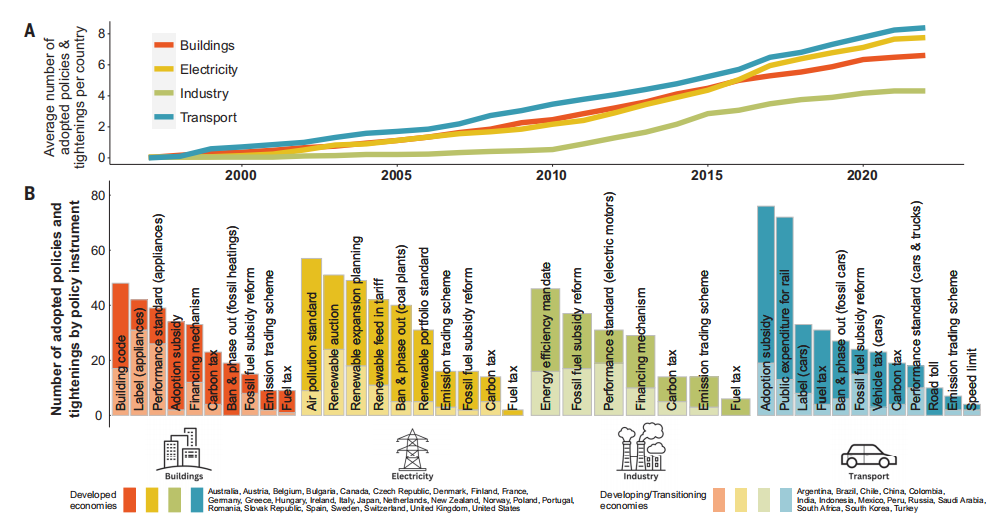
American Association for the Advancement of Science study finds that of 1,500 “climate” policies announced around the world, a mere 63, or 4%, produce any reduction in emissions.

Last year, the premier journal Science put a nail in the question: 96% of policies supported worldwide as “reducing” emissions failed to do so, consisting mostly of handouts to green-energy interests.

And yet certain Journal readers still assail me with the epithet “denier.” They confuse my criticism of Democratic hypocrisy with my imagined views on climate science. As I’ve written back to many, “Don’t think politicians haven’t figured this out about you. That’s why they can give us unsustainable corporate welfare boondoggles and call it climate policy.”

A CNN moderator Saturday urged viewers to vote in an online poll on whether the California disaster should be blamed on climate change or poor leadership. Notice the non sequitur: as if climate change is an excuse for not acting against fire risk.

By all means, let politicians proclaim a “climate crisis” or any other rhetorical flourish if it helps mobilize support for public actions that actually serve a useful purpose. But a prerevolutionary situation has been building in California for two decades, starting with the Third World blackouts in late 2000 not because of any shortage of power but because of large helpings of political cowardice.

A decision in 2019 authorized yet more Third World blackouts instead of reasonably shielding utilities from lawsuit risk over fires their power lines might be accused of contributing to. One result, predictably, has been a proliferation of backyard generators, which increase fire risk.

Californians are stuck adapting in the ways left open to them. Since 2017, half a million have fled Los Angeles County.

Two social technologies might help but the state has been intent on denying itself their advantages. One is a functioning insurance market. If you can’t afford the insurance, you can’t afford the house. Get ready, instead, for a torrent of federal and state money to help residents, some of them wealthy, rebuild in high-risk fire zones.

The other is a functioning market in water. Five gallons to produce a walnut probably isn’t tenable under any realistic system of water pricing. If water were properly valued, municipalities would also rapidly discover the logic of building aquifers to capture seasonal runoff. A thousand things would change if water were priced to flow to its most highly valued uses.

Here’s another concept: Climate change can exist and yet be an insignificant variable.

In Southern California’s Mediterranean climate, anytime 100-mile-an-hour winds start blowing embers toward densely packed housing developments, a conflagration is certain. The only answer then is to have the manpower and resources ready to put fires out as quickly as they start.

I’ve written repeatedly about climate and energy policies in the Western world being a colossal example of “sophisticated state failure,” in which attempts to address complex problems yield only a succession of boondoggles and economic crises. If California voters don’t wise up now, they never will.


Canada’s Choice: Elite Globalist or Common Sense Canadian

Trump will soon fill a 4-year WH vacancy known as the “Biden/Harris Administration.” Meanwhile federal governance in Ottawa is shut down by Trudeau resigning without leaving but also suspending parliament.  There being no one at the helm is eerily similar to the US adrift, and a fitting close to the Trudeau decade. Jamie Sarkonak goes to the core of the upcoming election in his National Post article It doesn’t matter to Mark Carney if Canada survives.  Excerpts in italics with my bolds and added images

As a member of the global elite, he will always be free
from the consequences of his political actions.

The problem Mark Carney, likely Liberal leader-to-be, will always run into is this: his fate doesn’t depend on a successful Canada.

Carney announced his leadership run Thursday. Odds are good he’s going to win. He’s not as recognizable as his only real competition, potential candidate and former finance minister Chrystia Freeland, but he doesn’t share her bruised record of inflating the deficit to multi-billion dollar highs, and last week’s polling shows that more people are open to voting for him than for her.

I hope he wins the party’s support. The Liberals aren’t likely to resonate with the population by running an out-of-touch cabinet minister in the next federal election — and they’re certainly less likely to do so by running an out-of-touch global elite who left small-time federal politics behind for a career at the pinnacle of international poshdom.

Yes, Carney is Canadian. But he’s also a citizen of Ireland,
and through it the European Union,
as well as a national of the United Kingdom.

He can leave this country any time he wants, and he already has: after serving as governor of the Bank of Canada from 2008 to 2013, he moved on to head the Bank of England. Now, he’s embedded in the international ecosystem as a climate finance adviser at the United Nations (among other things, he’s a strong advocate for mandatory climate disclosures by banks).

Oh, and according to his World Economic Forum bio — another mark of borderless eliteness — he is also the following: “an external member of the Board of Stripe, a member of the Global Advisory Board of PIMCO, Harvard University, Rideau Hall Foundation, Bilderberg, the boards of Bloomberg Philanthropies, the Peterson Institute for International Economics, the Hoffman Institute for Global Business and Society at INSEAD, Cultivo, as well as Senior Counsellor of the MacroAdvisory Partners, Advisor of the Watershed, and Chair of Chatham House, the Group of Thirty and also Advisory Board Chair for Canada 2020.”  Us rubes have no idea what most of that even means.

Carney might call himself an “outsider,” and it’ll be true — in the sense that he is not currently in the Trudeau government’s cabinet. But he’s still very much an elite, one who has advised the Liberal party, and one whose well-being doesn’t depend on local happiness and prosperity.

And everyone filling out a ballot next election will know it.

Different people have different terms for this. Freeland wrote a book on the new richesse mondiale, calling them plutocrats. Circa 2013, she was warning the rest of us that the global plutocracy might one day end up turning into a system of crony capitalist “insiders”; perhaps an aristocracy. Carney’s not Bill-Gates rich, but he’s still part of the global upper class.

Chrystia Freeland is also a Trustee on the WEF Board.

Former prime minister Stephen Harper put it in more digestible terms in his 2018 book, “Right Here, Right Now”: there are people who live “anywhere,” and there are people who live “somewhere.” “Anywheres” are cosmopolitan types who usually have professional, internationally oriented careers. “Somewheres” live and work closer to where they grew up, and share more of their values with people of a similar, localized background. The former tends to look down on nationalism; the latter depends on it.

Carney counts among the “anywheres” of Canadian society; yes, he’s got the passport, but he’s got more in common with a foreign banking executive who makes an annual Davos pilgrimage than he does with regular Superstore-shopping Canadians.

We “somewheres,” on the other hand, can’t just up and leave
in the face of turmoil because our entire life is here.

Our friends and families are here. Our savings and investments (if we have them) are in CAD; our partly-paid mortgages are tied to Canadian land; our children’s education depends on the quality of Canadian schools; our safety depends on Canadian laws; our job prospects suffer when low-wage foreign labour is allowed to flood our local markets. We’re not being forced to leave, but the price of relocating is prohibitively high.

Carney’s Monday appearance on Jon Stewart’s Daily Show was revealing in that way: he targeted his pre-audition pitch to the world through an American late-night show that treated him with the same humorous fascination as it would a fuzzy exotic animal. It was a soft and unserious interview because the people our former central banker is campaigning toward aren’t Canadian and aren’t witnessing the country’s dire situation firsthand.

Poilievre’s appearances on Dr. Jordan Peterson’s American-produced podcast were of a whole different category; both men are Canadian and can talk about Canadian issues with the weight and care they deserve.

None of this is to say that the upper crust of society should stay out of politics — many great leaders come from the elite class, including on the conservative side of politics. But after years of regular Canadians being the low-priority afterthought of a trust-fund supported, second-generation prime minister who seemed happiest at G7 photoshoots and Gavin-Newsom meetups, the animal spirits are hungering for a leader who truly has skin in the game.

And yes, I’d count Conservative Leader Pierre Poilievre among the “somewheres.” He’s had an entirely Canadian career, he isn’t gunning for CV-padding UN advisory roles, his ongoing career doesn’t depend on pleasing the moral sensibilities of the world’s politically active, post-national liberals, and he doesn’t seem to think that pre-election media courting should be performed for an international audience.

If the ship that is Canada starts sinking — and it’s been sitting alarmingly low in recent years most of us are going down with it. Not Carney, who has and always will have a premium life raft, ready to isolate him from the consequences of his political actions. Which is exactly why I can’t wait to see him run.

Good Reasons to Distrust Climatists

The most recent case of climatists’ bad behavior is the retraction of a peer-reviewed paper analyzing the properties of CO2 as an IR active gas, concluding that additional levels of atmospheric CO2 will have negligible effect on temperatures.  From the Daily Sceptic:

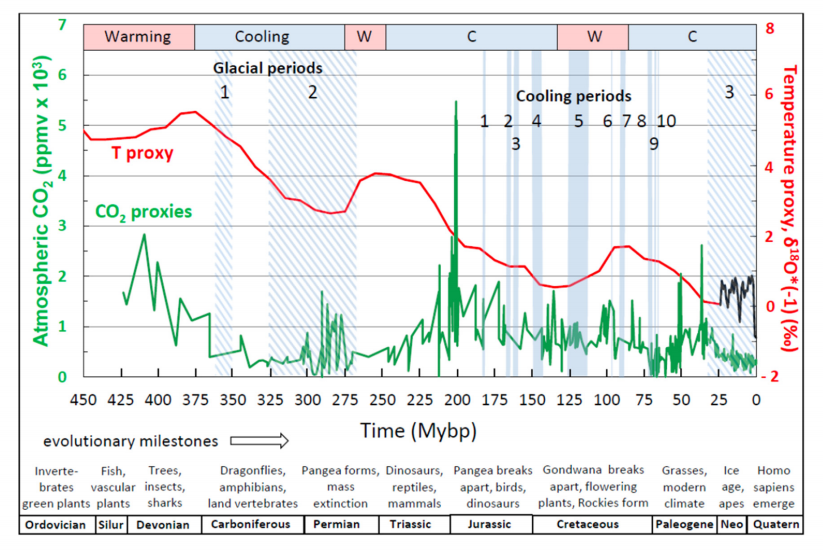
Another important paper taking issue with the ‘settled’ climate narrative has been cancelled following a report in the Daily Sceptic and subsequent reposts that went viral across social media. The paper discussed the atmospheric ‘saturation’ of greenhouse gases such as carbon dioxide and argued that higher levels will not cause temperatures to rise. The work was led by the widely-published Polish scientist Dr. Jan Kubicki and appeared on Elsevier’s ScienceDirect website in December 2023. The paper has been widely discussed on social media since April 2024 when the Daily Sceptic reported on the findings. Interest is growing in the saturation hypothesis not least because it provides a coherent explanation for why life and the biosphere grew and often thrived for 600 million years despite much higher atmospheric levels of greenhouse gases. Alas for control freaks, it also destroys the science backing for the Net Zero fantasy.

Below are some comments responding to a Quora question, text in italics with my bolds and added images:

What are some reasons why some people do not believe in climate change or global warming despite scientific evidence? Is there any additional information that could help us understand their perspective?

Answer from Mike Jonas,  M.A. in Mathematics, Oxford University, UK, 

Good scientists do not lie and cheat to protect their science, they are happy to discuss their evidence and their findings, and they always understand that everything needs to be replicable and verifiable.

When Climategate erupted on the scene, and the climate scientists behind the man-made global warming narrative were found to have lied and cheated, all honest scientists thought that would be the end of it. Instead, what happened was that those climate scientists closed ranks and carried on, supported by a massive amount of government (ie, the public’s) money. One of the first things they did was to deflect Climategate by saying the emails involved had been hacked so should be ignored, but some of the people involved confirmed that all of the emails really were genuine.

It has been about 15 years since Climategate, and study after study has shown virtually all of the components of the man-made global warming narrative to be incorrect, even that none of the computer models used by the IPCC are fit for purpose,

And yet they maintained their closed ranks,
and the government money kept pouring in.

Did you know that the IPCC does not do any research (please do check that, on their web page About – IPCC they state “The IPCC does not conduct its own research”). It is, as its name says, an inter-governmental organisation, and it is run by and for governments. They say lots of persuasive sciency things, but the simple fact is that they cherry-pick and corrupt the science to achieve their ends. Regrettably, almost all the scientific societies are on the gravy train too. This is part of what the highly respected physicist Professor Hal Lewis said in his resignation letter to the American Physical Society (APS):

It is of course, the global warming scam, with the (literally) trillions of dollars driving it, that has corrupted so many scientists, and has carried APS before it like a rogue wave. It is the greatest and most successful pseudoscientific fraud I have seen in my long life as a physicist. Anyone who has the faintest doubt that this is so should force himself to read the ClimateGate documents, which lay it bare.

I don’t believe that any real physicist, nay scientist, can read that stuff without revulsion. I would almost make that revulsion a definition of the word scientist.

So what has the APS, as an organization, done in the face of this challenge?
It has accepted the corruption as the norm, and gone along with it.

If you want to find out more about this “greatest and most successful pseudoscientific fraud”, the website Watts Up With That? is a good place to start (the fraudsters absolutely hate it), and it links to many other good websites. It has the full text of Hal Lewis’ resignation letter at:

Hal Lewis: My Resignation From The American Physical Society – an important moment in science history

Answer from Susannah Moyer

It’s curious that climate science is the rare scientific field where dissenting scientists, those with contrarian views, are unwelcome and even ostracized.

There are some well known climate scientists that have doubts about the role of CO2 and man made global warming as it pertains to global temperature. They have raised the issue that computer generated prediction models have been inaccurate in predicting temperature patterns because the modeling requires assumptions that have not been shown to be accurate.

Here is a contrarian view from climate scientists who have published climate research results in Nature, which is no small feat:

McNider and Christy are professors of atmospheric science at the University of Alabama in Huntsville and fellows of the American Meteorological Society. Mr. Christy was a member of the Intergovernmental Panel on Climate Change that shared the 2007 Nobel Peace Prize with former Vice President Al Gore.

It is not a known fact by how much the Earth’s atmosphere will warm in response to this added carbon dioxide. The warming numbers most commonly advanced are created by climate computer models built almost entirely by scientists who believe in catastrophic global warming. The rate of warming forecast by these models depends on many assumptions and engineering to replicate a complex world in tractable terms, such as how water vapor and clouds will react to the direct heat added by carbon dioxide or the rate of heat uptake, or absorption, by the oceans.

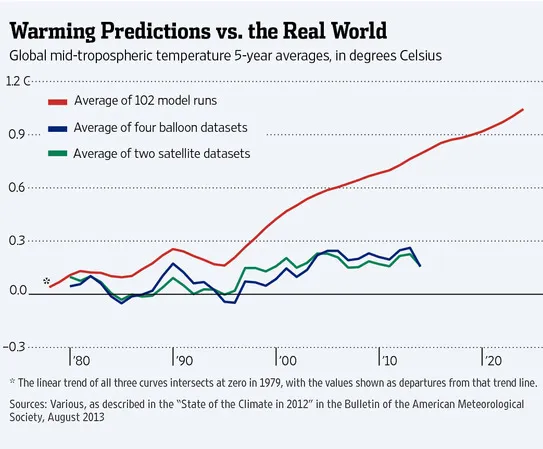
We might forgive these modelers if their forecasts had not been so consistently and spectacularly wrong. From the beginning of climate modeling in the 1980s, these forecasts have, on average, always overstated the degree to which the Earth is warming compared with what we see in the real climate.

For instance, in 1994 we published an article in the journal Nature showing that the actual global temperature trend was “one-quarter of the magnitude of climate model results.” As the nearby graph shows, the disparity between the predicted temperature increases and real-world evidence has only grown in the past 20 years.

“Consensus” science that ignores reality can have tragic consequences if cures are ignored or promising research is abandoned. The climate-change consensus is not endangering lives, but the way it imperils economic growth and warps government policy making has made the future considerably bleaker. The recent Obama administration announcement that it would not provide aid for fossil-fuel energy in developing countries, thereby consigning millions of people to energy poverty, is all too reminiscent of the Sick and Health Board denying fresh fruit to dying British sailors.

Another questioner, Dr. Koonin was undersecretary for science in the Energy Department during President Barack Obama’s first term and is currently director of the Center for Urban Science and Progress at New York University. His previous positions include professor of theoretical physics and provost at Caltech, as well as chief scientist of BP, where his work focused on renewable and low-carbon energy technologies.

But—here’s the catch—those questions are the hardest ones to answer. They challenge, in a fundamental way, what science can tell us about future climates.

Firstly, even though human influences could have serious consequences for the climate, they are physically small in relation to the climate system as a whole. For example, human additions to carbon dioxide in the atmosphere by the middle of the 21st century are expected to directly shift the atmosphere’s natural greenhouse effect by only 1% to 2%. Since the climate system is highly variable on its own, that smallness sets a very high bar for confidently projecting the consequences of human influences.

A second challenge to “knowing” future climate is today’s poor understanding of the oceans. The oceans, which change over decades and centuries, hold most of the climate’s heat and strongly influence the atmosphere. Unfortunately, precise, comprehensive observations of the oceans are available only for the past few decades; the reliable record is still far too short to adequately understand how the oceans will change and how that will affect climate.

A third fundamental challenge arises from feedbacks that can dramatically amplify or mute the climate’s response to human and natural influences. One important feedback, which is thought to approximately double the direct heating effect of carbon dioxide, involves water vapor, clouds and temperature.

Climate Science Is Not Settled

Another group questioning what some consider “settled science”:

  • Claude Allegre, former director of the Institute for the Study of the Earth, University of Paris;
  • J. Scott Armstrong, cofounder of the Journal of Forecasting and the International Journal of Forecasting;
  • Jan Breslow, head of the Laboratory of Biochemical Genetics and Metabolism, Rockefeller University;
  • Roger Cohen, fellow, American Physical Society;
  • Edward David, member, National Academy of Engineering and National Academy of Sciences;
  • William Happer, professor of physics, Princeton;
  • Michael Kelly, professor of technology, University of Cambridge, U.K.;
  • William Kininmonth, former head of climate research at the Australian Bureau of Meteorology;
  • Richard Lindzen, professor of atmospheric sciences, MIT;
  • James McGrath, professor of chemistry, Virginia Technical University;
  • Rodney Nichols, former president and CEO of the New York Academy of Sciences;
  • Burt Rutan, aerospace engineer, designer of Voyager and SpaceShipOne;
  • Harrison H. Schmitt, Apollo 17 astronaut and former U.S. senator;
  • Nir Shaviv, professor of astrophysics, Hebrew University, Jerusalem;
  • Henk Tennekes, former director, Royal Dutch Meteorological Service;
  • Antonio Zichichi, president of the World Federation of Scientists, Geneva.

Although the number of publicly dissenting scientists is growing, many young scientists furtively say that while they also have serious doubts about the global-warming message, they are afraid to speak up for fear of not being promoted—or worse. They have good reason to worry. In 2003, Dr. Chris de Freitas, the editor of the journal Climate Research, dared to publish a peer-reviewed article with the politically incorrect (but factually correct) conclusion that the recent warming is not unusual in the context of climate changes over the past thousand years. The international warming establishment quickly mounted a determined campaign to have Dr. de Freitas removed from his editorial job and fired from his university position. Fortunately, Dr. de Freitas was able to keep his university job.

This is not the way science is supposed to work, but we have seen it before—for example, in the frightening period when Trofim Lysenko hijacked biology in the Soviet Union. Soviet biologists who revealed that they believed in genes, which Lysenko maintained were a bourgeois fiction, were fired from their jobs. Many were sent to the gulag and some were condemned to death.

Why is there so much passion about global warming, and why has the issue become so vexing that the American Physical Society (APS), from which Dr. Giaever resigned a few months ago, refused the seemingly reasonable request by many of its members to remove the word “incontrovertible” from its description of a scientific issue?

There are several reasons, but a good place to start is the old question
“cui bono?” Or the modern update, “Follow the money.”


Scientific Societies Misstate “Climate Change”

Wallace Manheimer provides examples of the errors needing corrections in his American Thinker article Scientific Societies Err on ‘Climate Change’.  Excerpts in italics with my bolds and added images.

Major scientific organizations’ statements on “climate change” and the conclusions therein form the basis of much of the scientific foundation for governmental, scientific, media, and public concerns on the use of fossil fuels. Trillions of public and private dollars are currently being spent on alternative fuels to “save the planet” from the alleged harm of increasing CO2, a gas which is vital for life on earth. If the evaluations of these societies are erroneous, these measures could impoverish much of the world, to say nothing of wasting trillions. Economic damage and social unrest are already evident in some countries, including the United States.

It is therefore imperative for all that their views be based on sound science,
and if not, these societies should change their statements.

A recent publication and podcast have examined the scientific organization’s climate statements, and have found numerous errors, errors which are easy to find by simply comparing the societies’ statements with data from such reliable sources as NOAA, NASA, and others. These societies are:

♦  American Physical Society (APS),
♦  American Meteorological Society (AMS),
♦  National Academy of Science (NAS),
♦  American Chemical Society (ACS), and
♦  American Geophysical Union (AGU).    

[Manheimer refers to paper Science Societies Climate Statements: Some Concerns]

Here is one example. The AGU states “Greater CO2 concentrations in the atmosphere are also affecting the growth and nutritional value of land plants…” Numerous studies, including measurements of terrestrial plant life from space, and measurements of crop production, have shown that if anything, increasing CO2 has increased both plant life and crop production. After all, CO2 is a vital nutrient for plants, and the slight warming we have experienced, possibly in part due to the increased CO2, has increased the growing seasons in the temperate latitudes.

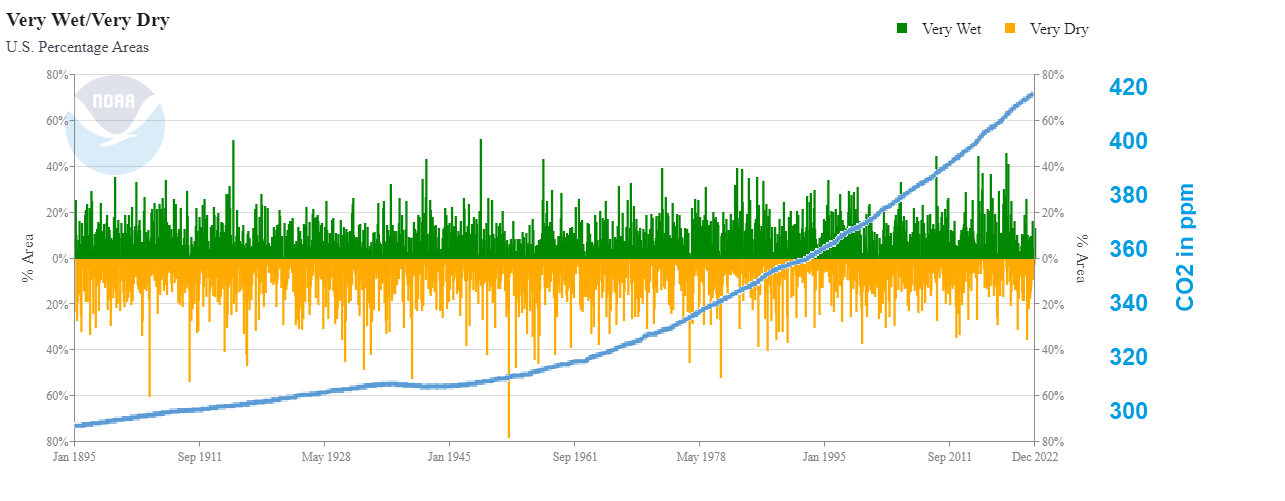
As another example, the ACS statement asserts: “Extreme weather and related events, such as floods, droughts… are increasing in frequency and intensity, threatening Americans’ physical, social, and economic well-being.”. The frequency and intensity of floods and droughts is measured by what is called NOAA’s Palmer drought index and this index is displayed as a graph vs of index versus year. It shows clearly, that in the United States the worst sustained droughts in the U.S. were in the 1930s and 1950s, and the worst sustained floods were in the 1970s through the 1990s.

Tens of thousands of scientists, including over 10,000 with Ph.Ds., have critically examined the evidence, and have concluded that a CO2-induced climate crisis is extremely unlikely. They have willingly and publicly asserted this, by adding their names to document such as, the Oregon petition, Clintel Climate Petition , and the CO2 Coalition. Among other things, the societies should not ignore these, professional conclusions of many of their members.

Accordingly, and with humility, I suggest that these societies do the following:

  1.  Replace their climate statements with ones that say there is most likely an effect humans have on the changing climate, but its importance for humanity is uncertain and it is still being debated.
  2.   Eliminate statements that are demonstrably incorrect, as shown by comparison with easily available and reliable data.
  3. Acknowledge in their statements that fossil fuels cannot be replaced in the next several decades without greatly endangering our civilization.
  4. Acknowledge in their statements that CO2 has obvious obvious benefit for human existence, as well as potential risks.

By changing their statements to ones that are more moderate and scientifically correct, these societies will not only be helping the professions they serve, but more important, will ultimately be aiding humanity. On the other hand, if they keep their statements as they are, they will remain on the wrong side of history, and posterity will not look kindly on them. And posterity may be arriving sooner than they think. With a Republican Congress and President Trump referring to the “green new scam,” these society presidents may find themselves hauled before Congress to receive the university president treatment.

After all, the APS statement says, “Multiple lines of evidence strongly support the finding that anthropogenic greenhouse gases have become the dominant driver of global climate warming observed since the mid-twentieth century.”

    • What will its president say when the congressman puts up a graph showing that for 30 years in the early decades of the 20th century, the warming rate was the same or greater?
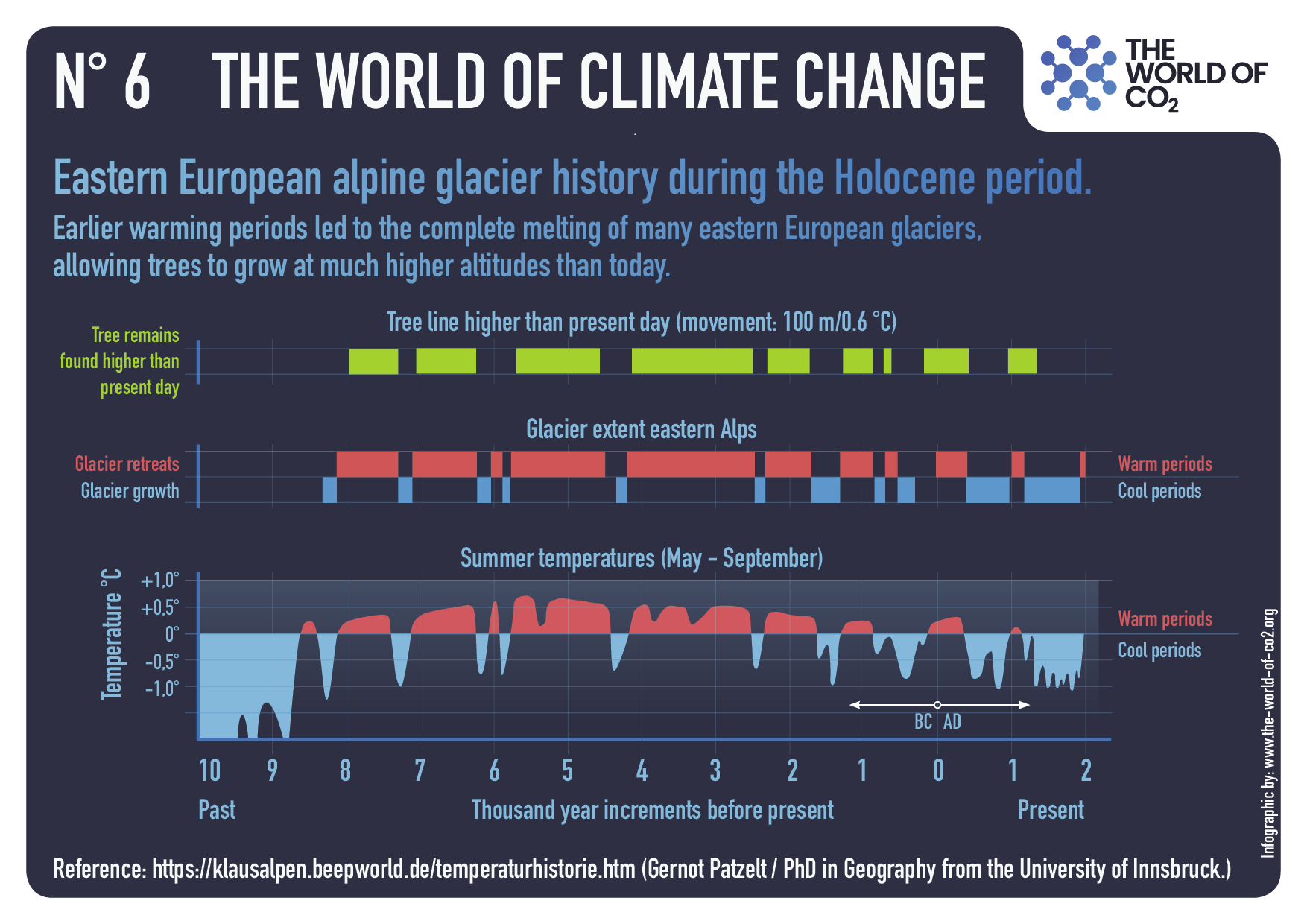
    • Or when he puts up a map proving that the northern forests, 4000 years ago extended about 200 miles further north worldwide than they do today.
    • Or shows that 2000 years ago, the Romans had vineyards in England extending all the way to Hadrian’s wall, millennia before cold weather grapes had been developed.
    • Or when he shows evidence that 1000 years ago the Vikings grew barley in Greenland, something not possible today. Surely this proves that the world had many warmer periods without the help of extra CO2 in the atmosphere.

There are many such statements that Congress can quote, to very publicly humiliate these society presidents. As a committed life fellow of the APS, I hope these societies will change their statements now, before the roof collapses on them.

Background from Richard Lindzen

The above described changes in scientific culture were both the cause and effect of the growth of ‘big science,’ and the concomitant rise in importance of large organizations. However, all such organizations, whether professional societies, research laboratories, advisory bodies (such as the national academies), government departments and agencies (including NASA, NOAA, EPA, NSF, etc.), and even universities are hierarchical structures where positions and policies are determined by small executive councils or even single individuals. This greatly facilitates any conscious effort to politicize science via influence in such bodies where a handful of individuals (often not even scientists) speak on behalf of organizations that include thousands of scientists, and even enforce specific scientific positions and agendas. The temptation to politicize science is overwhelming and longstanding. Public trust in science has always been high, and political organizations have long sought to improve their own credibility by associating their goals with ‘science’ – even if this involves misrepresenting the science.

Professional societies represent a somewhat special case. Originally created to provide a means for communication within professions – organizing meetings and publishing journals – they also provided, in some instances, professional certification, and public outreach. The central offices of such societies were scattered throughout the US, and rarely located in Washington. Increasingly, however, such societies require impressive presences in Washington where they engage in interactions with the federal government. Of course, the nominal interaction involves lobbying for special advantage, but increasingly, the interaction consists in issuing policy and scientific statements on behalf of the society. Such statements, however, hardly represent independent representation of membership positions. For example, the primary spokesman for the American Meteorological Society in Washington is Anthony Socci who is neither an elected official of the AMS nor a contributor to climate science. Rather, he is a former staffer for Al Gore.

Returning to the matter of scientific organizations, we find a variety of patterns of influence. The most obvious to recognize (though frequently kept from public view), consists in prominent individuals within the environmental movement simultaneously holding and using influential positions within the scientific organization. Thus, John Firor long served as administrative director of the National Center for Atmospheric Research in Boulder, Colorado. This position was purely administrative, and Firor did not claim any scientific credentials in the atmospheric sciences at the time I was on the staff of NCAR. However, I noticed that beginning in the 1980’s, Firor was frequently speaking on the dangers of global warming as an expert from NCAR. When Firor died last November, his obituary noted that he had also been Board Chairman at Environmental Defense– a major environmental advocacy group – from 1975-1980 [5].

One could go on at some length with such examples, but a more common form of infiltration consists in simply getting a couple of seats on the council of an organization (or on the advisory panels of government agencies). This is sufficient to veto any statements or decisions that they are opposed to. Eventually, this enables the production of statements supporting their position – if only as a quid pro quo for permitting other business to get done. Sometimes, as in the production of the 1993 report of the NAS, Policy Implications of Global Warming, the environmental activists, having largely gotten their way in the preparation of the report where they were strongly represented as ‘stake holders,’ decided, nonetheless, to issue a minority statement suggesting that the NAS report had not gone ‘far enough.’ The influence of the environmental movement has effectively made support for global warming, not only a core element of political correctness, but also a requirement for the numerous prizes and awards given to scientists. That said, when it comes to professional societies, there is often no need at all for overt infiltration since issues like global warming have become a part of both political correctness and (in the US) partisan politics, and there will usually be council members who are committed in this manner.

Source:  Climate Science: Is it Currently Designed to Answer Questions?

Comment: These bodies all claim to serve society, which as American institutions should primarily be concerned about American society.  Funded by American taxpayers and donors, they should consider first and foremost their own country’s needs.  That means stopping the fuzzy logic and blurring the truth about weather and climate.  Otherwise they must fade into irrelevance.

And they must stop promoting the interests of a few colleagues at the expense of the many ordinary citizens.


Wyoming: Make Carbon Dioxide Great Again–No Net Zero

A bill is progressing through the Wyoming State Legislature, as described by the author in her op-ed Rethinking Carbon Dioxide – Wyoming’s Bold Move.  Excerpts in italics with my bolds and added images.

Torrington, WY (State Senator Cheri Steinmetz) January 7th, 2025 — The people of Wyoming have always believed in the value of questioning conventional wisdom, looking at the bigger picture and finding solutions that are possible and actually work. That’s the purpose of the bill titled “Make Carbon Dioxide Great Again”. This legislation is not about denying science, it is about applying science, thoroughly reevaluating the ‘climate change’ scientific assumptions and advocating for policies grounded in practicality, reality, and achievability – common sense.

Carbon dioxide (CO2) is vital to life on Earth.

Without it, plants could not grow, and without plants, no life would survive. Scientists and farmers alike recognize that higher CO2 levels improve agricultural productivity. Plants thrive with more CO2 – they grow faster, use water more efficiently, and are more resilient to drought. NASA’s own research shows that rising CO2 has contributed to a global “greening” effect, expanding vegetation and helping ecosystems flourish. CO2 is plant food!

Yet, despite its essential role in sustaining life,
CO2 has been demonized as a pollutant.

But what impact are human driven CO2 emissions actually capable of? We are contributing a very small part of the natural carbon cycle. Current CO2 levels are among the lowest Earth has seen over its long history. There were times in the past when ecosystems flourished under much higher CO2 concentrations. Instead of vilifying this essential gas, we should be acknowledging its role in our ecosystems and industries and protect the benefits it has in our lives.

Wyoming is uniquely positioned to lead this conversation.

Our state is vital to energy production, agriculture and food industries, transportation and energy reliability and stability. We understand the real-world importance of CO2. And we understand the benefits of CO2 used directly. Our industries already use it to enhance oil recovery, making energy production more efficient. This technology exemplifies what we are capable of when we treat CO2 as a resource rather than a liability.

The bill Make Carbon Dioxide Great Again shifts how we think about CO2.

It proposes that we stop treating the essential gas as a pollutant or contaminant. It requires a clear-eyed look at how policies aimed at eliminating CO2 emissions, such as decarbonizing the West, making Wyoming carbon negative or popular “net-zero” mandates. They may sound good on paper but often come with high economic costs and questionable environmental benefits, and clearly negative effects on our people and our industries.

Wyoming must refuse to jeopardize our economy and energy security
for initiatives that will yield – at best – questionable results.

Critics of “net-zero” strategies have highlighted the risks of pursuing policy goals without fully considering their consequences. These frequently require massive investments, disruption of reliable energy systems, and the forced undue burdens on families and businesses. Instead, Wyoming advocates for a balanced approach – one that evaluates the risks and possible rewards of any CO2 management plans that will safeguard our economic stability and way of life.

This approach challenges the status quo, and that is precisely the point. Now is the time to rethink how we talk about CO2 and climate change. This bill is not about ignoring environmental concerns; it is about addressing them with clear-eyed pragmatism and truth.

Wyoming is taking a bold step forward to lead a balanced, science-based dialogue. We all stand to benefit from this. Our energy sector, agriculture, transportation and all other industries, and even the broader environment, will gain when we use CO2 wisely.

This conversation is just beginning and must spark
a national debate about the fundamental role of CO2.

It is a debate we need to have – not just in Wyoming, with our own Governor and citizens – but across the nation and with all the organizations leading the charge to “net zero.” Let us challenge the assumptions, ask the hard questions, and make sure our policies truly serve the people, industry and the environment. After all, that is the Wyoming way.

Text of Wyoming Bill     SF0092  Make carbon dioxide great again-no net zero.

AN   ACT   relating to   environmental quality;   providing legislative findings;
specifying that carbon dioxide is not a pollutant and is a beneficial substance;
providing policy statements of the state associated with carbon dioxide;
repealing low-carbon energy standard requirements; repealing conflicting provisions;
making conforming amendments;  specifying applicability;
requiring reimbursement to utility customers as specified;
requiring rulemaking; and providing for an effective date.

Be It Enacted by the Legislature of the State of Wyoming:

Section 1.    W.S. 35-11-215 is created to read:

1             SF0092

35-11-215.     Carbon dioxide;   beneficial treatment; state policy.

(a)   The legislature finds that:

  (i)    Carbon dioxide is  a foundational nutrient necessary for all life on earth. Plants need carbon dioxide along with sunlight, water and nutrients to prosper. The more carbon dioxide available for this, the better life can  flourish;

  (ii)    The carbon cycle, where carbon dioxide is reused and transferred between the atmosphere and organisms on earth, is a biological necessity for life on earth;

  (iii)    Agricultural production worldwide is outpacing population growth and breaking production records primarily due to increasing atmospheric carbon dioxide;

  (iv)    More carbon dioxide allows plants to better resist drought by using water more efficiently;

  (v)     The national aeronautics and space administration has confirmed that global vegetation is increasing from the near-polar regions to the equator. The largest contributor to this greening of  the earth is increasing carbon dioxide;

  (vi)     Carbon dioxide levels are currently at approximately four hundred twenty (420) parts per million, which is  at near-historically low concentrations.   The current carbon dioxide levels are one-sixth (1/6) of the average of  two thousand six hundred  (2,600)  parts per million over geologic time;

  (vii)     It is estimated that carbon dioxide levels  need to exceed one hundred fifty (150) parts per million to ensure the survival of plant life on earth;

  (viii)     The earth needs carbon dioxide to support  life and to  increase plant yields,  both of     which will contribute to  the health and prosperity of  all Wyoming citizens.

   (b)     It is the policy of the state of Wyoming that:

(i)       Carbon dioxide is a foundational nutrient necessary for life on earth;

(ii)       Carbon dioxide shall not be designated or treated as a pollutant or contaminant;

(iii)       The state of Wyoming shall not pursue any targets or measures that support the reduction or elimination of  carbon dioxide,  including any  “net-zero”  targets.

          Section 2.        W.S. 37-1-101(a)(intro) and 37-2-134(a)(i)  and (iv) are amended to read:

37-1-101.       Definitions.

(a)   As used in chapters 1, 2, 3, 12, and 17 and 18 of  this title:

37-2-134.       Electric generation facility closures; presumption; commission review

(a)    As used in this section:

(i)     “Dispatchable” means as defined in W.S. 37-18-101(a)(ii) a source of electricity that is available for use on demand and that can be dispatched upon request of a power grid operator or that can have its power output adjusted, according to  market needs and includes dispatchability;

(iv)    “Reliable” means as  defined in W.S. 37-18-101(a)(iv) generated electricity that is not subject to intermittent availability.

        Section    3.    W.S.    37-1-101(a)(vi)(N), 37-18-101 and  37-18-102 are repealed.

Section    4.   Not later than sixty (60) days after the effective date of this act each public utility that recovered rates from customers under W.S. 37-18-102(c)(i) or (iii),  as repealed by section 3 of this act, shall refund those rates to customers who paid them, provided that the utility shall not be  required to refund rates recovered under W.S. 37-18-102(c)(i) and (iii) that the utility had expended for carbon capture, utilization and storage technology before the effective date of this act. Refunds required under this section shall be in a form and manner specified by the public service commission

Section    5.  The public service commission shall promulgate all rules necessary to implement this act.

Section    6.  This act is effective immediately upon completion of all acts necessary for a bill to become law as provided by Article 4, Section 8 of the Wyoming Constitution.

 (END)

Simpleton’s Guide to Climate Alarmist Protests

Rex Murphy wrote a National Post article in 2023 The simpleton’s guide to climate alarmist protest.  Excerpts in italics with my bolds and added images.

Glue yourself to a masterpiece or throw paint on a building.
If that doesn’t hold off climate Armageddon, what will?

The quality of truth in an existential cause may be measured by the quality of the intellects of its most committed followers. Allow me to illustrate.

Imagine the fumings of a climate alarmist. Here, a representation of what goes on in the alarmist mind.

The world is in deep imminent threat.

It may end.

Our beautiful, blue, penguin-marching-David Attenborough-marble may be no more.

All life will disappear. Farewell soy milk. Farewell shocking pink hair dye. Farewell all.

Climate activists in front of police officers during the Extinction Rebellion protest in London [Henry Nicholls/Reuters]

What can I do?

Why, I can call out from every hollow my comrade eco-warriors. Come in a black mask, or strip to your unsightly nudity when you get there, will be the summons.

And what is the plan that I and my fellow eco-doomsters have to avert planetary extinction?

We are, above all, strategists and tacticians. We know what earns quality
and never-challenged coverage on NPR and festivals of authentication from CBC
.

Protesters march on Russell Street in Melbourne, Australia [Darrian Traynor/Getty Images]

That is why we organize the type of protests that we do. Direct actions and exhibitionist displays — stripping down at awards shows — that speak to the farmer, the logger, the fisherman, the movie star falling from favour, or the sad professor who does not have Jordan Peterson’s reach and fame.

Our protests are aimed at persuasion, credibility, their appeal to Steven Guilbeault. Before Steven became our environment minister, he once climbed atop then-premier Ralph Klein’s home in Calgary to “install” solar panels. Even though it terrified Klein’s wife, who thought it was a home invasion, it was a great moment in the history of climate protest and an example for us even today. Steven, you are a hero, and you looked so good in those orange overalls. Greenpeace forever!

So when we want to avert the gravest challenge humanity has ever had to face, that is why we select actions that will — in the words of a very great writer — “strike home to every bosom.”

Is there a Monet or a Goya or a Munch or a Botticelli or a van Gogh in your city’s art gallery? Well, off to the hardware store and the supermarket. There is glue to be bought and cans of tomato soup to drop into the backpack.

Glue yourselves to the painting or throw the tomato soup over it. Doesn’t matter which.

When the world, on TV and the internet, sees these brave assaults on western art at its highest, you know everyone, just everyone, will park their cars, turn off the heat, refuse to buy anything with a petroleum base and insist that all the heads of oil companies and plastic manufacturers be put on trial for genocide, and Hollywood liberals will forsake their mansions and move to caves.

One of our very keenest moves happened over the weekend in Ottawa. An eco-warrior threw a bucket of pink paint on the Prime Minister’s Office and padlocked herself to a rail after the ritual half-undressing. A whole bucket of pink paint — if that doesn’t hold off climate Armageddon, what will?

A climate activist from On2Ottawa threw a bucket of pink paint on the entrance to the Prime Minister’s Office in Ottawa before chaining herself topless to the office door on April 18, 2023. Photo by On2Ottawa / Twitter

All on camera. So bold.

She did not — it is most necessary to add — honk! End of musing.

California-funded eco-activists sprayed orange paint on Christmas trees in seven German cities in a protest against government inaction on climate change. (2023)

We should measure the value of high-order environmental activism — IPCC stuff, Davos effluvia, anything Al Gore or David Suzuki so stridently say — by the quality of the minds and actions of their most intense supporters.

Climate protesters block traffic on the FDR during the morning commute Oct. 25, 2021 (Credit: Extinction Rebellion NYC)

By which I mean the “gluers” on paintings, the neuron-challenged street-blockaders, simpletons who smear soup on masterpieces, and — a great example — the dimwit(s) who think throwing paint on the PM’s office amounts to a persuasive, consciousness-raising tactic.

Instead of what everyone else knows it to be: a display of desperate intellectual incapacity, delusionary arrogance, and the “Hey-I’m-saving-the-world-so-I-can-be-as-stupid-and-supremely-annoying-to-anyone-as-I-f—-ing-well-choose” attitude of such world saviours.

Climate change protesters block downtown D.C. streets in hours-long protest (2019)

That’s the level of non-thought that supports most energetically and egregiously the high priests and savants of the net-zero fantasy. Measured by the standard of its pathetic protests, environmental alarmism is the religion of children, a sandbox for narcissists — regardless of how old they are.