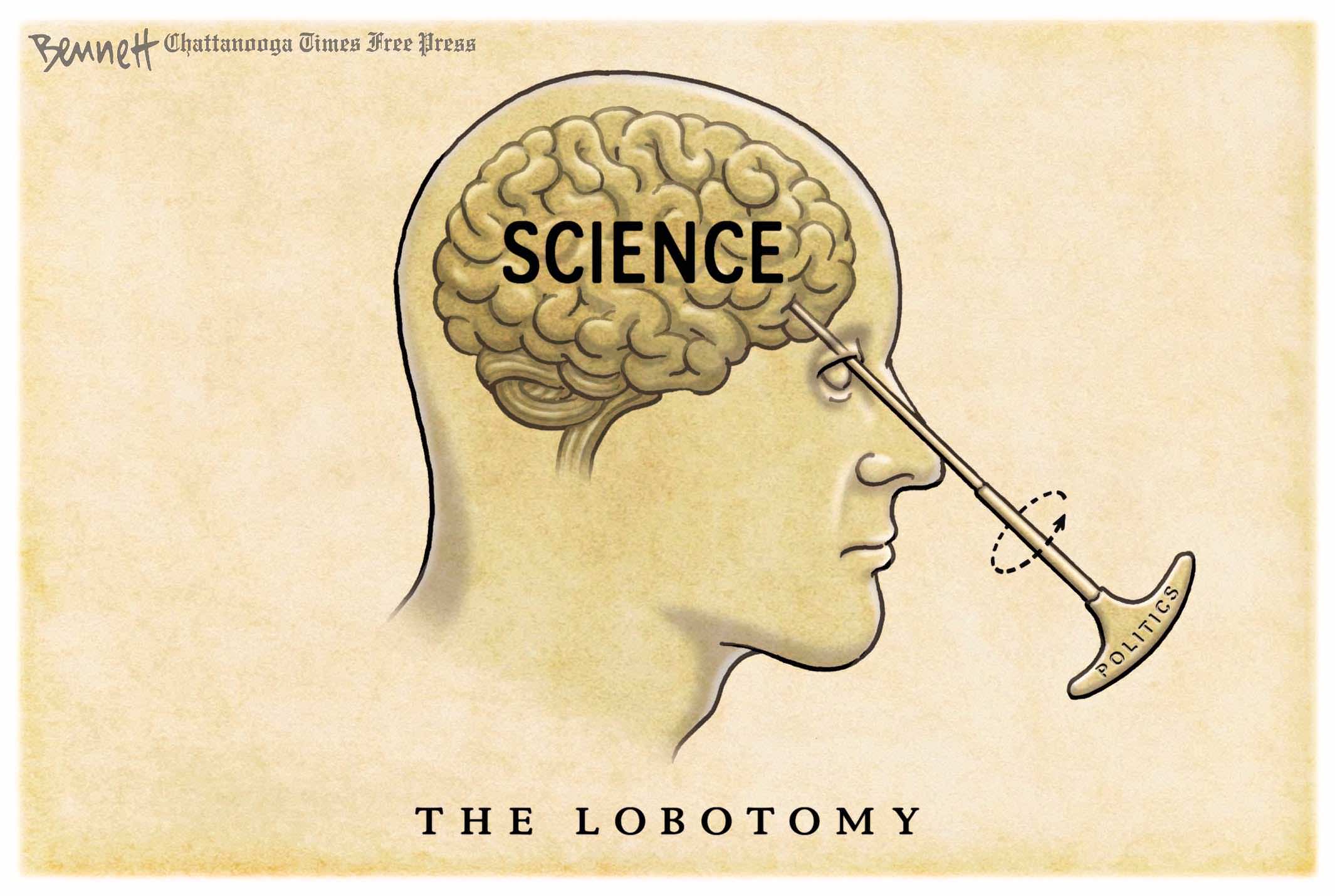
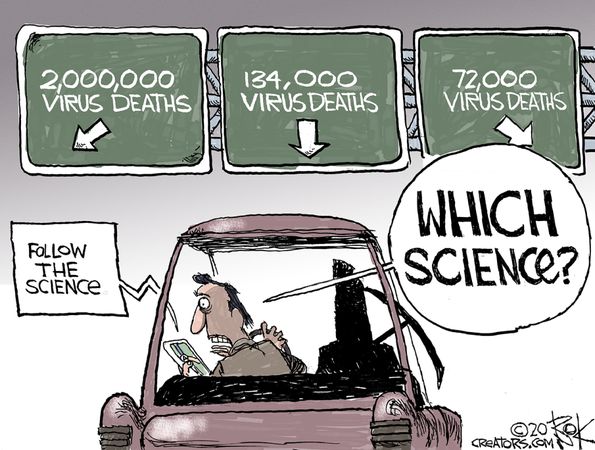
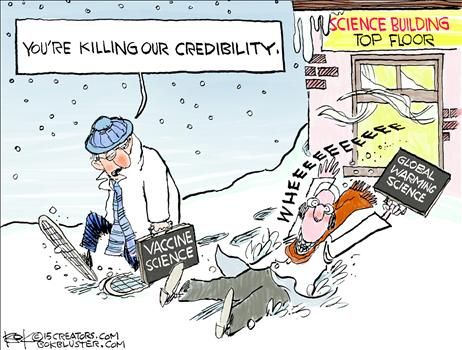
Kids Getting Dumber and Fearful

Even Harvard University is suffering from the scourge of grade inflation, according to a recent report. Photo by JOSEPH PREZIOSO/AFP via Getty Images

Chris Selley points to evidence of our youngsters dumbing down in his National Post article Who will stop our kids from getting dumber?  Excerpts in italics with my bolds and added images.  Later on is a post  regarding the descent of youth into climate insecurity and fanaticism.

It really feels like we could be at a tipping point. We risk creating generations
of people who don’t know how to think critically, laterally, or at all.

Not-so-surprising news arrived recently from the University of California at San Diego: Academically, the kids are not all right. Not even close. “Between 2020 and 2025, the number of freshmen whose math placement exam results indicate they do not meet middle school standards grew nearly thirtyfold,” a report from the university’s senate finds. “A similarly large share of students must take additional writing courses to reach the level expected of high school graduates.”

The university launched a remedial math course in 2016, designed for “a very small number of first-year students (less than 100 students a year or around one per cent of the incoming class) who were not prepared to start in our standard precalculus courses.” As of this autumn, there were 665 students in that course, representing 8.5 per cent of the freshman class.

UCSD is no slouch in the college rankings: U.S. News and World Report pegs it as the sixth-best public university in the country, in the lofty company of Berkeley, UCLA, the University of North Carolina, and Michigan. It picks students from relatively high up the tree. And a fair few of them can’t do middle-school math.

The report tags dead-obvious suspects in this crime: Against its own board of regents’ advice, the University of California system no longer uses the SAT or ACT as part of the admissions process, because standardized tests are supposedly “racist.” That means the associated colleges (including Berkeley, UCLA and UCSD) have to rely more heavily on high-school grades. But high-school grades have inflated so much in recent years that they’re largely meaningless.

And with significant numbers of kids effectively ChatGPT-ing their way
through K-12, the writing problem especially is only bound to get worse.

I’m generally not an alarmist on such matters, but it really feels like we could be at a tipping point. We risk creating generations of people who don’t know how to think critically, laterally, or at all — and couldn’t successfully articulate what they think in a work email, let alone an essay, if they had to. The most frustrating thing is how easily this all could have been avoided, and how simply it could all be solved, if only the education bureaucracy could get its act together.

The solution to the AI crisis is in-class exams, which is what 49-year-old geezers like me used to know as “exams.” Just do it, for God’s sake.  The solution to the standardized-testing issue is standardized testing.

We need to permanently marginalize the well-lettered
and influential voices who see it as a form of violence.

Grade inflation is a tougher nut to crack, perhaps. It’s much easier to inflate than deflate, and the problem goes well beyond high school. Harvard University’s Office of Undergraduate Education released a report this month assailing the scourge of grade inflation at Harvard. This revelation melted some students — the cream of America’s crop, we are led to believe — into a puddle of tears, the Harvard Crimson reports.

The whole entire day, I was crying,” one undergrad told the student newspaper of the day the report dropped. “I skipped classes on Monday, and I was just sobbing in bed because I felt like I try so hard in my classes, and my grades aren’t even the best.”

Universities have all the data they need to at least measure grade inflation at the high-school level. They know which schools their students attended; they know what their grades are; and they find out pretty quickly every autumn whether they’re literate and numerate.

Here in Canada, the University of Waterloo was a pioneer in keeping a list of the worst grade-inflation offenders among Ontario’s high schools — a perfectly defensible practice, though Waterloo seemed almost ashamed of it. It actually went to court to prevent releasing the contents of that list under a freedom-of-information request from Global News, citing dubious concerns about privacy. Yet the people who should be most interested in such lists are students at the most grade-inflated schools and their parents; a mighty shock awaits them the first day they show up for university.

The educational damage caused by pandemic-era school closures and often-slipshod remote learning is, alas, impossible to remedy. “This year’s high-school seniors (graduating 2026) began remote learning in spring of their 6th Grade year, often one of the most critical in student development for math skills,” the UCSD report notes.

In California, as in Canada, absenteeism rates soared during the pandemic and haven’t recovered. That deficit is baked into an entire cohort of students for life, now. And in California, as in Canada, it’s the least advantaged students who took it hardest on the chin.

If there’s nothing we can do about that, we can at least make the people who cheered it on feel bad, and ensure we never again treat school closures and half-assed online learning so casually. Of all the cockamamie arguments flying around during COVID, “kids will be fine” was one of the weirdest. And “we must keep schools closed to protect our children,” who weren’t at any significant risk at all, was one of the most disreputable.

To be fair, we were flying blind in a crisis none of us had lived through before. We can’t say that about grade inflation, or cheating, or standardized testing. Those are longstanding problems that solving simply requires some grownups with an ounce or two of principle and courage to spare.
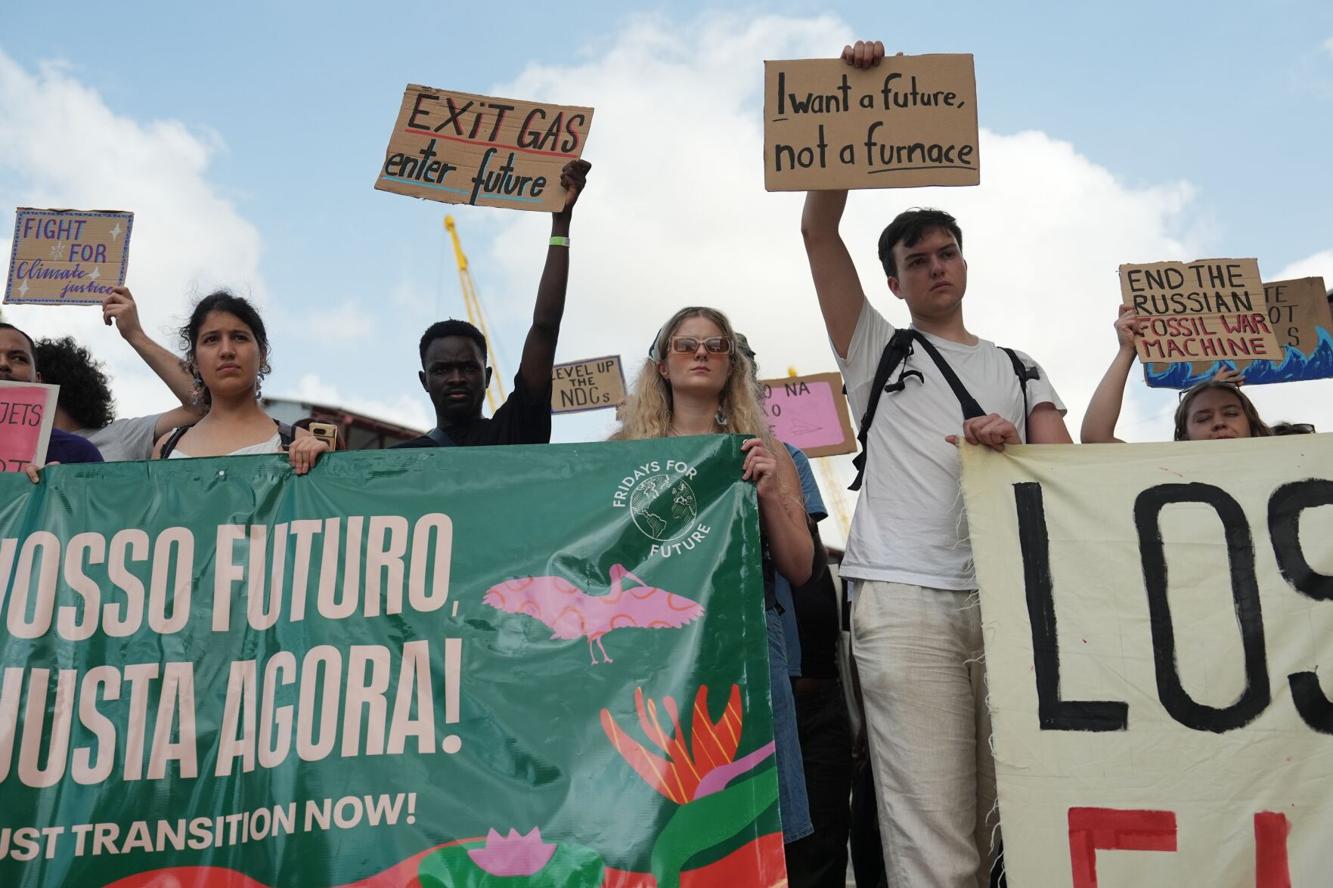
Activists participate in a youth climate demonstration during the COP30 U.N. Climate Summit, Friday, Nov. 14, 2025, in Belem, Brazil. Joshua A. Bickel – AP

Nate Myers reports from COP30: The kids are not alright: COP30’s youth-led “climate crisis” struggle.  Sadly, youth lacking in critical intelligence are at risk of activists exploiting them for an agenda. Excerpts in italics with my bolds and added images.

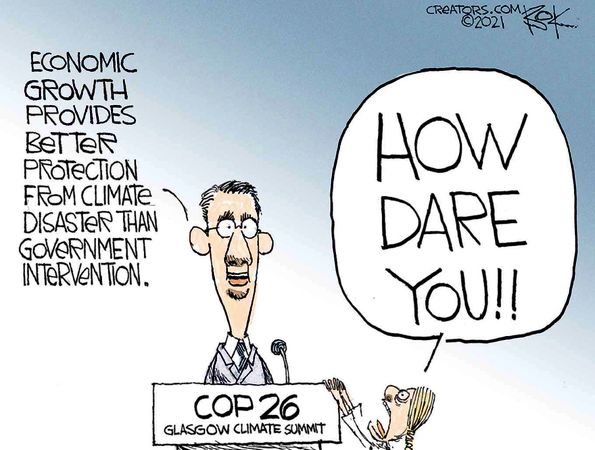
With climate anxiety now affecting an estimated half of young people worldwide, COP30 arrived in Belém, Brazil, promising to “elevate youth voices.” What I witnessed instead, by attending some of the side events, was a well-funded pipeline of fear, guilt, and political indoctrination aimed squarely at children and teenagers who have been convinced the world is ending.
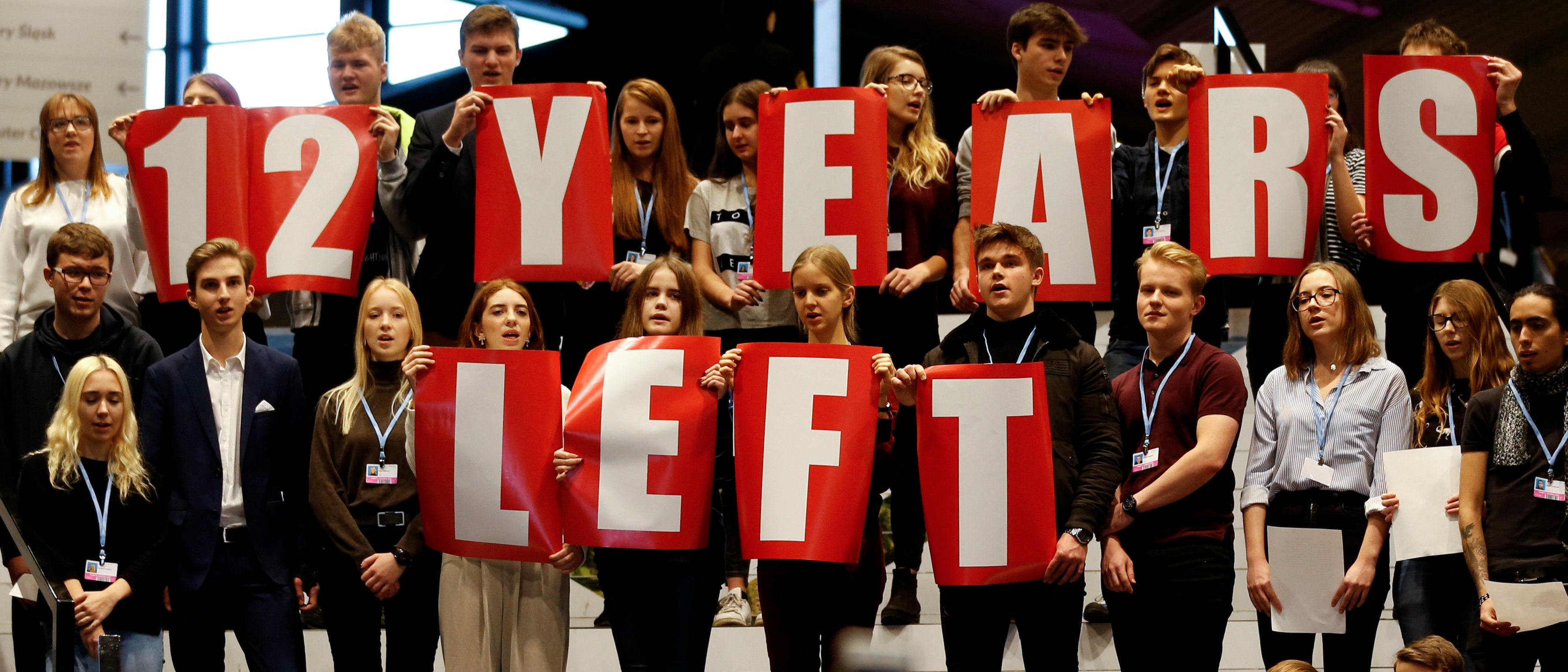
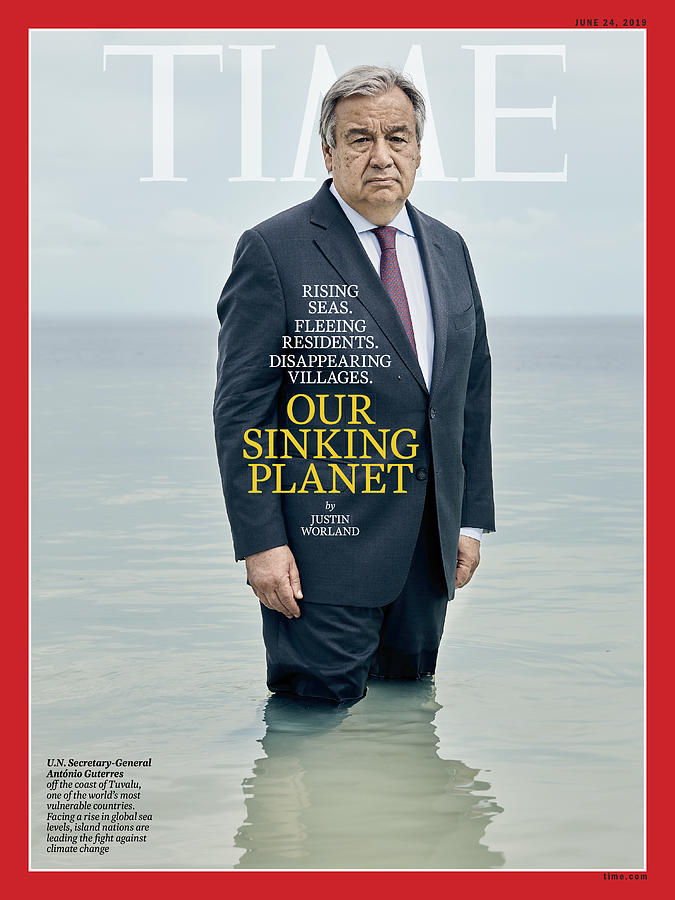
And that was in 2019!

Over several days, I sat through hours of youth-led and youth-themed panels — panels that were supposedly about empowering the next generation but in reality offered little more than emotionally charged rhetoric, self-congratulatory monologues, and wild ideological claims completely detached from scientific or historical context.

By the end, one thing was very clear: The kids are not alright,
and the adults running these sessions know exactly what they’re doing.

Inside the COP30 Youth-Centric Panels:

One of the first sessions I attended was titled “A Legacy for Children and Youth in Climate Policies.” The premise sounded harmless enough — encouraging young people to engage in politics and science. But the execution was anything but.

Representatives from Our Kids Climate, ChildFund Alliance, Child Rights International Network, and Plant-for-the-Planet took turns celebrating how many children their organizations have managed to bring into the movement and how there’s always more work to be done to make the conversation “more inclusive” to “marginalized groups.”

What they didn’t talk about were scientific principles,
energy systems, or practical solutions.

Instead, panelists repeated the talking point that “children are the most affected by climate change” — a phrase that now functions as a moral shield to deflect scrutiny.  The adults paneling the discussion pontificated endlessly about “youth inclusion in climate justice,” never once explaining what “climate justice” actually means or how any of their lofty goals would be achieved. Their message was simple: get more children involved as early as possible.

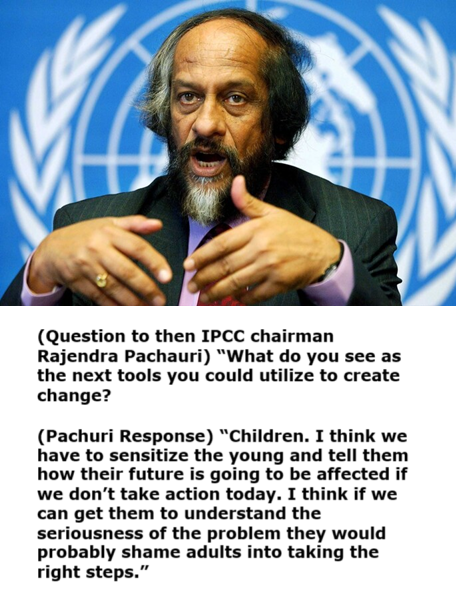
The moderator even closed with an open call to bring more kids to future COPs. She wasn’t subtle about it. The aim is to expose children to the climate-justice worldview before they have the emotional maturity, economic literacy, or scientific grounding to question it — or even properly understand the conversation.
Youth-Led Climate Forum

The flagship youth session at COP30, the “Youth-Led Climate Forum,” made the earlier panels look calm by comparison. Held over the course of the week in four separate installments that felt more like struggle sessions than intellectual debate and conversation, students repeated sweeping, dramatic lines like:

“We’re just trying to save the world,” followed by, “It’s our responsibility to fix this.”

Someone has convinced these kids that the world is ending — and that they are personally responsible for preventing it. That kind of psychological burden would crush an adult, let alone a teenager.

One young woman even described how her entry into the movement began after watching the apocalyptic thriller “2012.” Sometime later, she experienced a perfectly normal flood — an event that has occurred throughout human history — and interpreted it as confirmation that the “climate crisis” was accelerating.

It was the perfect microcosm of what’s happening to young people worldwide:
propaganda scares them into believing natural disasters are unprecedented,
and any routine weather event becomes proof that doom is approaching.

A representative from World Youth for Climate Justice took it a step further, declaring:

“Countries authorizing new oil leases should be held criminally responsible.”

The entire forum was drenched in ideological buzzwords. “Solidarity” and “intersectional” were used dozens of times. References to Indigenous communities, women, and LGBTQ groups were thrown around like confetti, to the point of unintended comedy.

Yet amid all the emotional rhetoric, no one offered scientific nuance, historical context, or even a basic acknowledgment of natural climate cycles. In fact, no one cited or discussed a single statistic, figure, or model.   It was all emotion, no wisdom. All fear, no facts. And these are the voices COP30 proudly elevates as the “leaders of tomorrow” — leading us to what, I wonder?

And Then Came the Demands…

To top it all off, the Child Rights International Network (CRIN) proudly released a global letter of demands allegedly “developed by young people at COP30.” They issued these demands to every nation on Earth.

Among the most extreme:

    • End all fossil fuel leasing and extraction.
    • Replace global energy systems with “justice-based alternatives.”
    • Mandate climate reparations across nations and generations.
    • Create youth committees with power to oversee national climate policy.

The adults behind these groups know exactly what they’re doing. No child wrote this without intense indoctrination and adult influence. The youth participants are being used — emotionally and politically — to advance an agenda they don’t fully understand.

After countless hours of youth programming at COP30, the conclusion was unavoidable:

These are scared children seeking comfort and direction — yet they’re being fed panic, ideology, and guilt. The same groups that claim to “empower” young people are the ones frightening them into the movement in the first place. That’s not stewardship. That’s emotional exploitation.
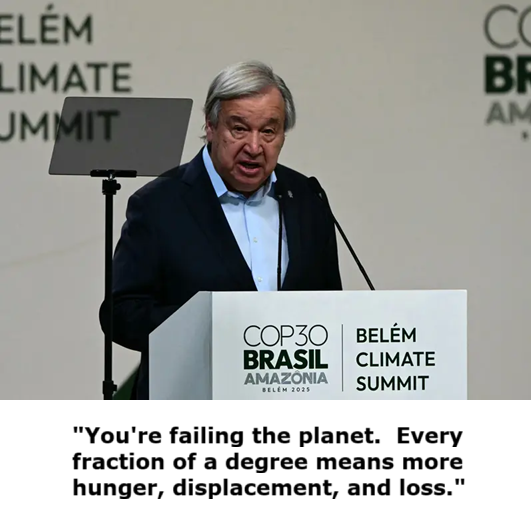
 

Ending Government’s Addiction to Junk Science

In their American Thinker article Junk science and government,  S. Stanley Young and Warren Kindzierski describe the corruption problem and a solution pathway.  The article includes links to research studies exposing how pseudoscience is employed to promote governmental agendas in fields such as climate, environment, medicine and social policies. Excerpts in italics with my bolds and added images.

Science controversies have become left-right wars fought on the internet. These days everything exists, from run-of-the-mill issues such as (fake) climate change or extreme numbers of unsafe vaccines children need to receive — up to 80 by age 18, including boosters, and COVID vaccines saving lives (hardly, but anyhow), to the Tylenol-autism dustup.

Even people with life experience and common sense have problems judging such controversies; and the internet is where sound science competes with junk science.

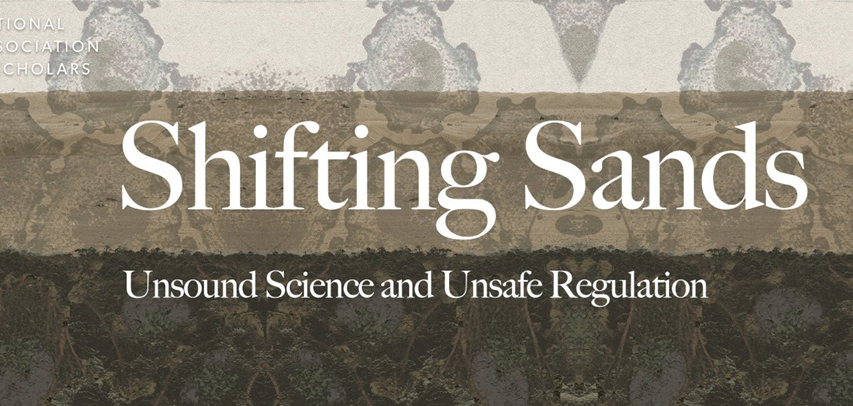
The National Association of Scholars (NAS) spent the past few years examining the methods of four different fields of science that lead to irreproducible (false) evidence used by governments. Flawed methods are big part of what leads to false evidence and junk science. Guess where most of this junk originates? Government-funded academia.

Academic junk science has been allowed to run amuck for decades and with little or no policing from university administrations. Elite universities, e.g., Harvard, seem to be right in there among the infestation. They would have us think they are important for science innovation. They’re wrong: more often than not — key innovations come from private industries and industrial laboratories rather than from universities.
So where does junk science fit in? It works in favor of government policymakers who mostly spend their career on our dime trying to make their jobs more important. They do this by using junk science to create irresponsible polices and regulations that are costly, meaningless, or even harmful to us.

Government policies should be built on transparent and accountable scientific research. Policies (and regulations) developed from research should clear a high barrier of proof. They should be based on reproducible science. Unsurprisingly, too many government science policies fail here.

All this points to a policy crisis in government. The current situation is win/win for government bureaucrats and universities: agency propaganda is supported and universities get grants. The citizens — us — are the ones paying for the loss of freedom.

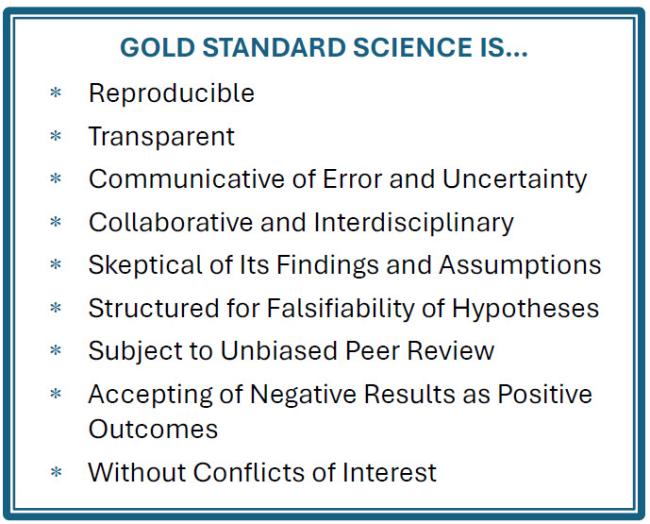
The road to fixing this mess has already started at the top — the White House, with a landmark executive order Restoring Gold Standard Science. This order is a return to foundational scientific principles in government — fostering discovery, innovation, and trust in science. To this end, we offer four reforms to help governments.

Source: NIH Publishes Plan to Drive Gold Standard Science, August 22, 2025

1. Cut the funding of junk science. Federal government agencies need to change their regulatory and funding practices to fix the irreproducibility crisis in academic science and the irresponsibility crisis in our government.

2. Sever the fraudulent relationship between government policymakers and academic junk scientists. Federal and state policymakers need to end the arbitrary procedures of using government-funded scientific research for regulation if it is irreproducible.

3. Fix the process fueling this train wreck. Federal and state policymakers need to change the teaching of undergraduate (and K‒12) science and math to educate properly a new generation of science professionals, policymakers, and informed citizens. They certainly should cover junk science and fossil fuel development, the latter which is linked to our prosperity.

4. Refocus policy institutes to dedicate themselves to sound science policy as a priority. These institutes need to be staffed with people who know the difference between sound and junk science, and the benefits of fossil fuels.

Previous administrations have allowed a cesspit of relationships between government policymakers and academic junk scientists, including radical activists disguised as scientists.

Government experts employed to judge scientific research and academics (whom mostly lean left) are naïve or sly practitioners of political groupthink. They are not our friends.

These reforms will go a long way in reversing the current situation of government bureaucrats and academics jointly using regulation based on junk science to advance corrupt, self-serving policy goals.

S. Stanley Young, PhD, is the CEO of CGStat in Raleigh, North Carolina and is Director of the National Association of Scholars’ Shifting Sands Project. Warren Kindzierski, PhD, is a retired college professor (public health) in St Albert, Alberta.

See Also

Why Federalized Science is Rotten

Government Funding Corrupts Science, How to Stop It

An Insider’s Story How Climatism Subverted Reason

Mark Keenan explains in his American Thinker article The Climate Creed: How Fear Replaced Science.  Excerpts in italics with my bolds and added images.

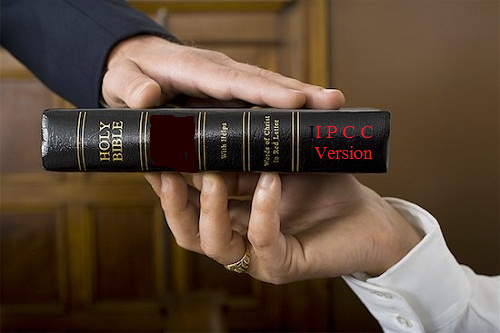
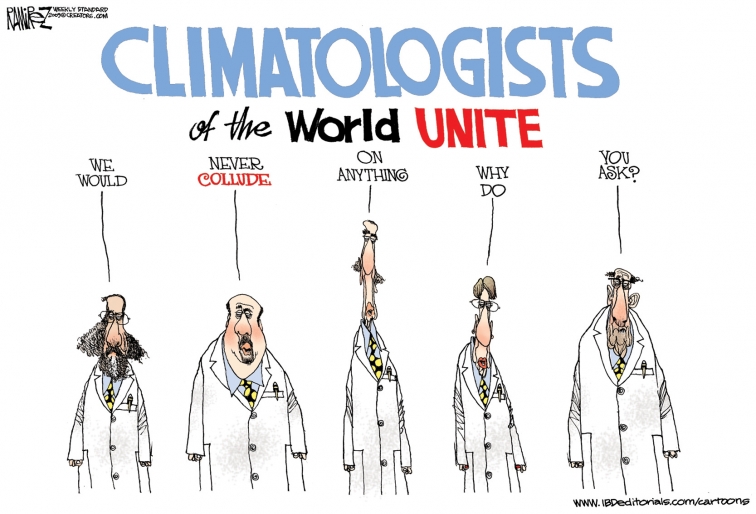
For decades, politicians and pundits have told us that “the science is settled.” Those four words have become a shield for power and a sword against dissent. But real science thrives on inquiry and investigation; not the suppression of it. What has emerged instead is not science at all, but a kind of secular faith — one that demands belief in man-made CO2-induced climate catastrophe and punishes heresy. Yet, many scientists, including scientists that have worked within the climate bureaucracy, know how fragile the claim that “climate change is caused by CO2” really is.

As a former scientist with the UK Department of Energy and Climate Change and later a technical expert for United Nations Environment, I saw firsthand how the modern climate narrative was shaped — not by evidence, but by politics. Uncertainty wasn’t treated as a question to investigate; it was treated as a threat to suppress. Entire careers and institutions came to depend on preserving a preordained conclusion: that carbon dioxide, the same gas that feeds plant life, is destroying the planet.

What began as environmental concern has hardened into climate orthodoxy — a moral creed enforced by bureaucrats, bankers, and media alike. It is a belief system that demands faith rather than understanding, obedience rather than inquiry. None of this means the climate isn’t changing. It means that the conversation about why and how has been systematically narrowed — not by discovery, but by decree.

The Rise of Climate Bureaucracy

By the 1990s, climate science had morphed from an academic discipline into a vast global bureaucracy. The Intergovernmental Panel on Climate Change (IPCC), founded in 1988, became the central authority — linking governments, corporations, and NGOs under a single mission: to define and manage “the problem.”

But the IPCC’s reports were never neutral. The “Summary for Policymakers” — the only section most journalists ever read — was often written before the science was finalized. Conclusions drove the evidence, not the other way around. Scientists who emphasized natural climate drivers such as solar cycles or ocean oscillations were quietly pushed aside. The institution that once claimed to study the climate became invested in proving a single narrative.

The Other Consensus

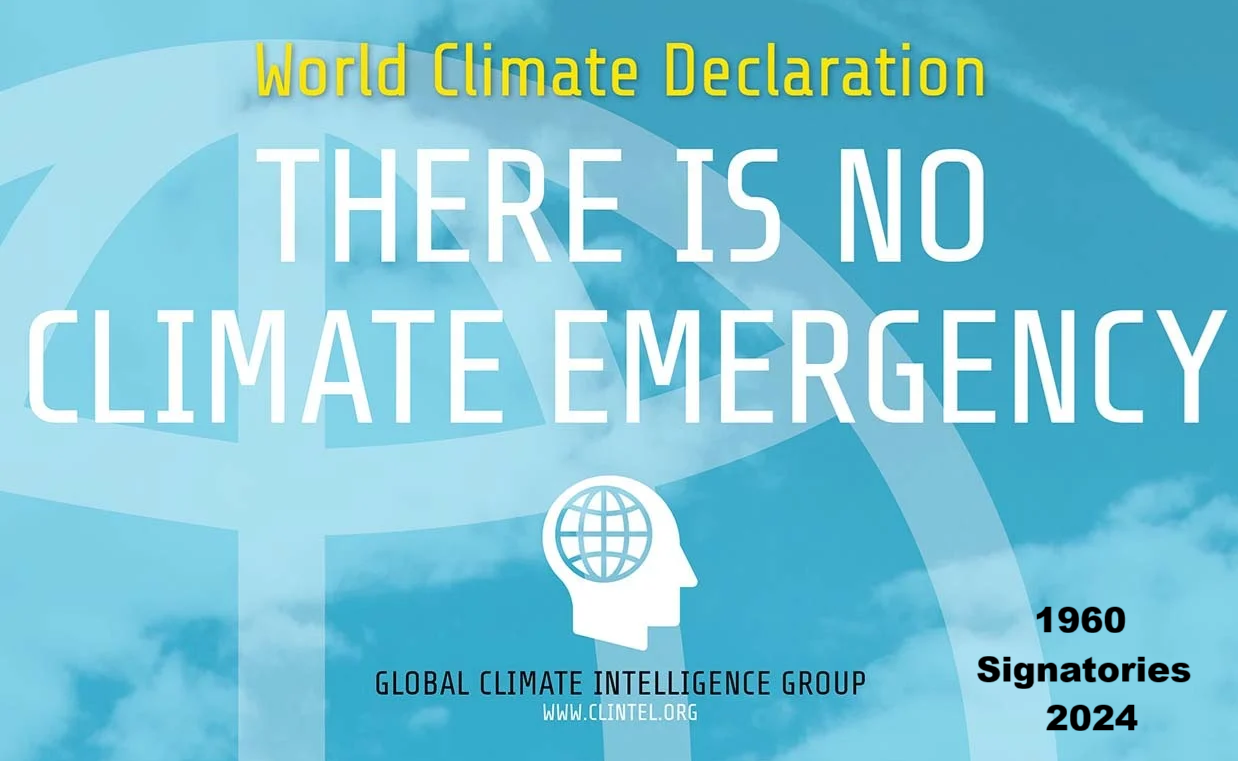
While the UN promotes its “consensus,” thousands of scientists disagree. In 2019, more than 2,000 experts signed the Climate Intelligence (CLINTEL) Declaration, stating bluntly:

“There is no [CO₂-induced] climate emergency. The geological record shows Earth’s climate has always varied naturally.”

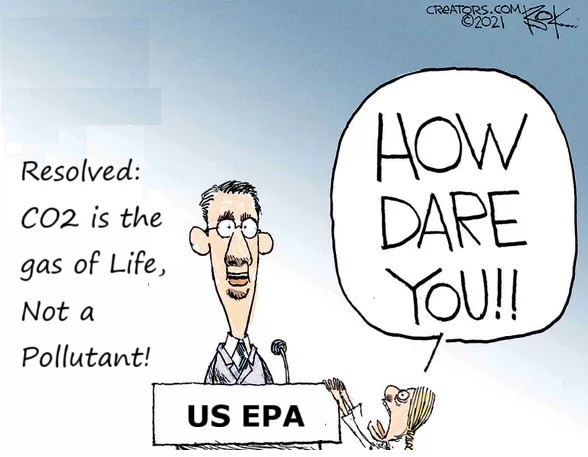
CO2 is not pollution — it is plant food, essential for life and photosynthesis. Yet the UN’s focus on carbon rather than true pollutants such as heavy metals or industrial toxins has diverted environmentalism from its original mission into politics.

I witnessed this distortion firsthand while working within the UN system. My role involved servicing the Pollution Release and Transfer Register Protocol — a multinational agreement that monitors pollutants to air, land, and water. Real pollution exists, and it’s severe. But CO2 is not the problem. Confusing the two has served political and financial ends, not ecological ones.

When Science Becomes Statecraft

The line between scientific advice and political advocacy blurred long ago. Governments needed crisis to justify regulation and taxation. NGOs needed fear to justify funding. And so “consensus science” — a contradiction in terms — entered the lexicon and became the new norm.

Real science advances through dissent and enquiry; consensus is a political construct. But once the term took hold, it became a weapon. Questioning it marked one as a heretic. The language of faith — belief, denial, salvation — replaced the language of analysis. What began as environmental concern hardened into a kind of secular theology: the carbon creed.

Complexity was the enemy. Climate models that showed alarming forecasts were amplified, while those showing uncertainty were ignored. What followed was the moralization of data. The language of faith replaced the language of evidence: belief, denial, salvation, catastrophe. Dissenters weren’t debated — they were denounced. What began as environmental concern hardened into an ideology — one that rewards fear over reason.

Scientists Who Broke Ranks

Many respected scientists have spoken out. Professor John R. Christy, Director of Atmospheric and Earth Sciences, University of Alabama, stated: “The established global warming theory significantly misrepresents the impact of extra greenhouse gases.” MIT’s Richard Lindzen observed, “In Earth’s long history, there’s been almost no correlation between climate and CO₂.” Dr. Nils-Axel Mörner, once with the IPCC, called the carbon narrative “a wonderful way to control taxation and people.” Greenpeace co-founder Patrick Moore declared the crisis “fake science” hijacked by ideology.

Such voices are rarely heard in mainstream media, not because their credentials lack merit, but because they challenge the most politically valuable story of the century.

The Money Behind the Mandate

Follow the money, and the picture becomes clearer. The financialization of carbon—
through emissions trading, carbon credits, and “green investment” funds
— transformed moral urgency into a trillion-dollar industry.

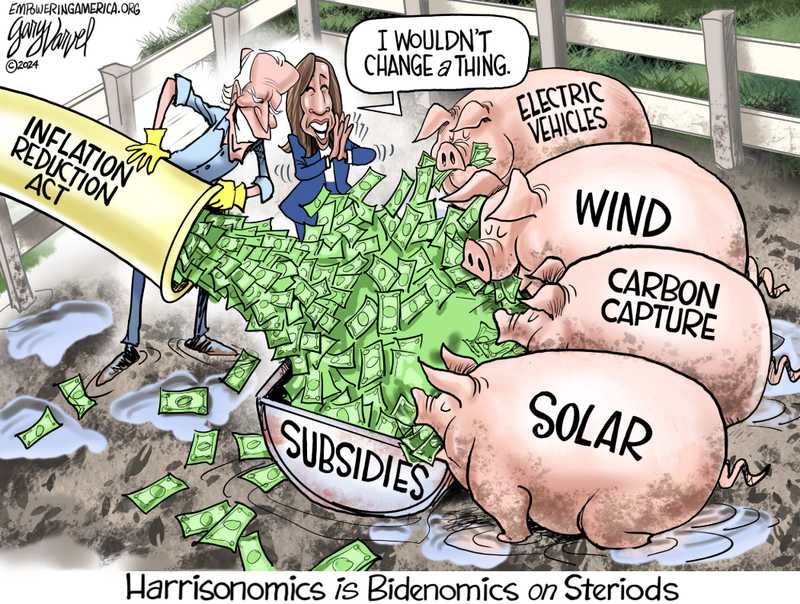
Governments pour billions into renewable subsidies, enriching banks and corporations far more than benefiting the planet. If the climate crisis were truly existential, would its management really be entrusted to those who profit from it?

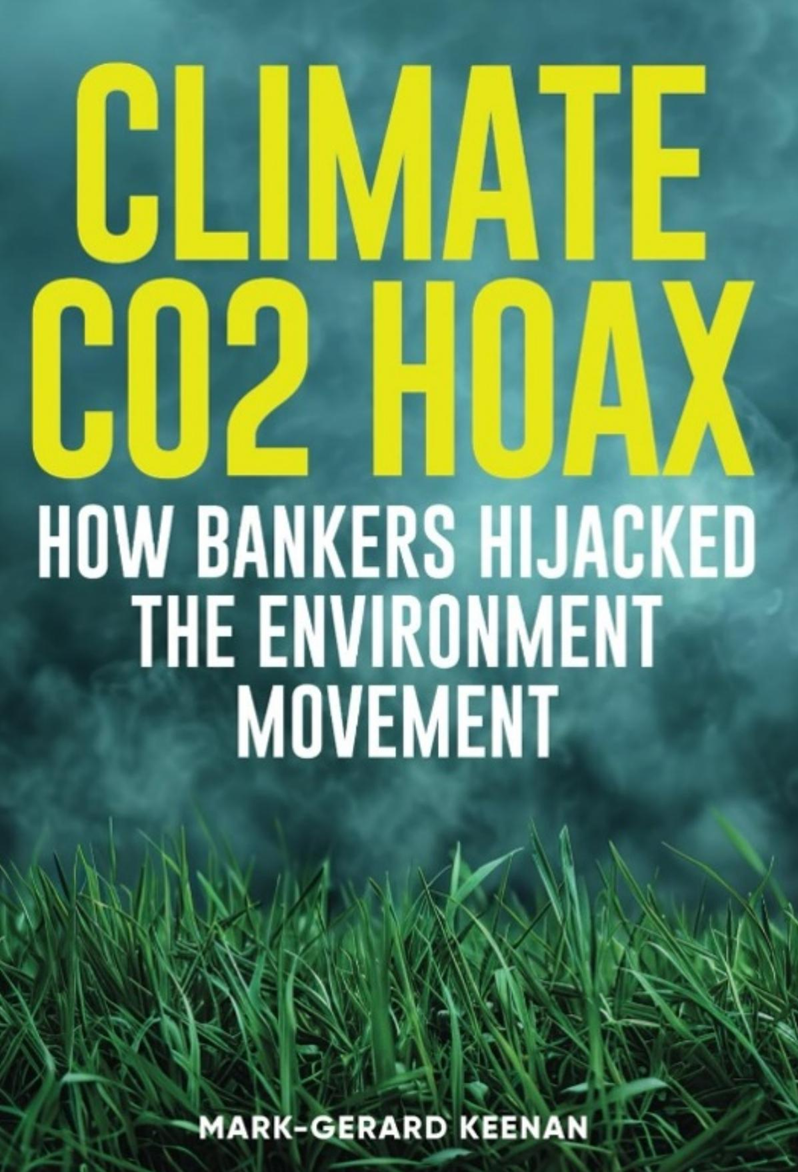
In my book Climate CO₂ Hoax – How Bankers Hijacked the Environmental Movement, I detail how the 1992 UN Earth Summit in Rio marked the turning point — when financial elites effectively captured global environmental policy. Reports and whistleblower accounts later suggested that key policies adopted at the summit were drafted without open debate — policies that subordinated national sovereignty to global ‘sustainability’ goals.”

Net Zero: The Mirage of Green Energy

The world’s economies are being restructured around “net zero,” but the irony is glaring. Building the infrastructure for so-called “green energy” — from solar panels to EV batteries — requires massive fossil-fuel use and destructive rare-earth mining.

Electric cars rely on lithium and cobalt extracted through environmentally devastating processes. The energy required to mine and refine these materials often exceeds what the vehicles save over their lifetimes.

In Germany, the green energy transition has turned a once-stable, low-cost energy grid into one of the most expensive in the industrial world. In Ireland, plans to close the coal-fired Moneypoint power station were reversed in 2022 as the government quietly converted it to burn oil instead — an unspoken admission that “renewables” can’t power modern economies.

Silencing Dissent

In this new orthodoxy, questioning the narrative is treated as blasphemy. Scientists who deviate from the CO2 script face censorship, ostracism, and blacklisting. The term “denier” — borrowed from the lexicon of moral condemnation — equates disagreement with depravity, and scepticism with sin

Dr. Roger Pielke Jr. of the University of Colorado revealed how the IPCC relies on the RCP 8.5 model — one he described as “fantasy land,” completely detached from real-world data. Yet it remains the foundation of global policy and countless policy papers and media headlines.

When truth becomes heresy, science itself collapses.

The Moralization of Carbon

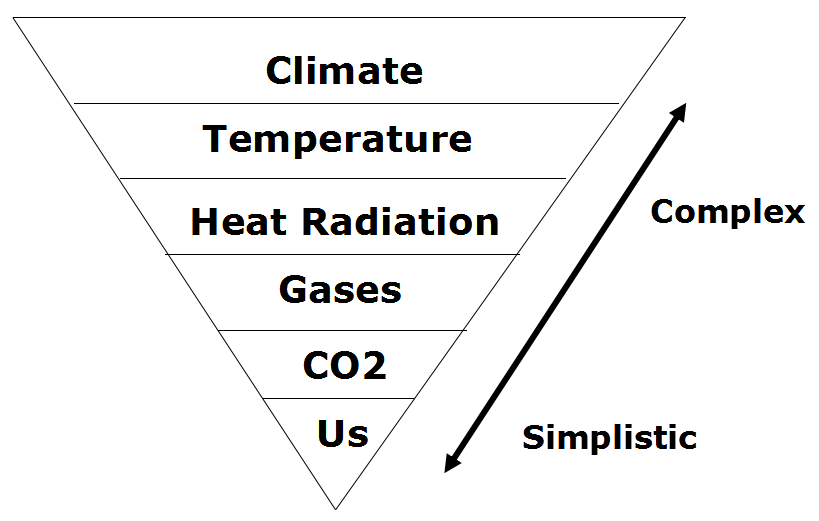
CO2 has been transformed from a molecule into a moral symbol — the embodiment of human guilt. Citizens are told to measure their “carbon footprint” as if it were a sin ledger, redeemable only through “green” consumption. Yet many of these same products — from electric cars to solar infrastructure — depend on the same industrial extraction that environmentalism once opposed.
This framing serves a purpose. Instead of questioning the powerful institutions that profit from pollution and its supposed cure, individuals are encouraged to internalize blame. The message: You are the problem — not the system. It’s an old strategy of control — rule through guilt rather than force.

The Politics of Fear

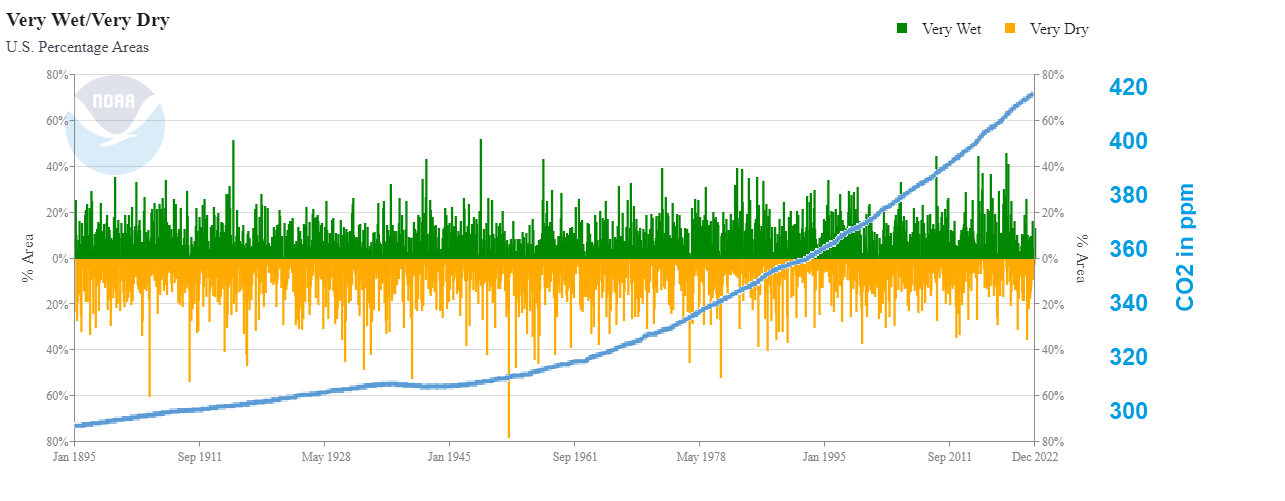
No ideology survives without fear. Apocalyptic imagery — burning forests, flooded cities, “ticking clocks” — has replaced empirical evidence as the main instrument of persuasion. Yet forest fires and floods are as old as the Earth itself.

Children now grow up believing the planet will collapse before they reach adulthood. Politicians invoke “existential threat” rhetoric to justify sweeping economic and social controls. What was once a challenge to power has become a tool of it.

The New Creed

Modern climate orthodoxy is not science but ideology — a sociopolitical construct — a fusion of fear, money, and power that rewards conformity and punishes doubt. Science must never serve politics. When data becomes dogma, truth dies — and with it, freedom. If we truly wish to “save the planet,” we must first save science itself.

Mark Keenan is a former scientist at the UK Department of Energy and Climate Change and a former Environmental Affairs Officer with United Nations Environment. 

It’s the Sun Warming Us, Dummy

Nir Shaviv makes sense in his Daily Sceptic article Global Warming is Mostly Caused By the Sun, Not Humans, Says Astrophysics Professor.  Excerpts in italics with my bolds and added images.

“There’s no such thing as a scientific consensus,” Nir Shaviv, a Professor at the Racah Institute of Physics at the Hebrew University of Jerusalem says in response to a question about what he thinks of the widespread claim that there is a scientific consensus on the anthropogenic nature of climate change. “In science, we deal with open questions and I think that the question of climate change is an open question. There are a lot of things which many scientists are still arguing about,” he explains.
Indeed, there are scientists who say that climate change is caused entirely by humans and the situation is very dire. But then there are those who say that although humans are causing much of the warming, the situation is not as bad as we are being told by politicians and activists through the media. Some think that CO2 plays an important part in the current warming trend and some believe its role is insignificant.

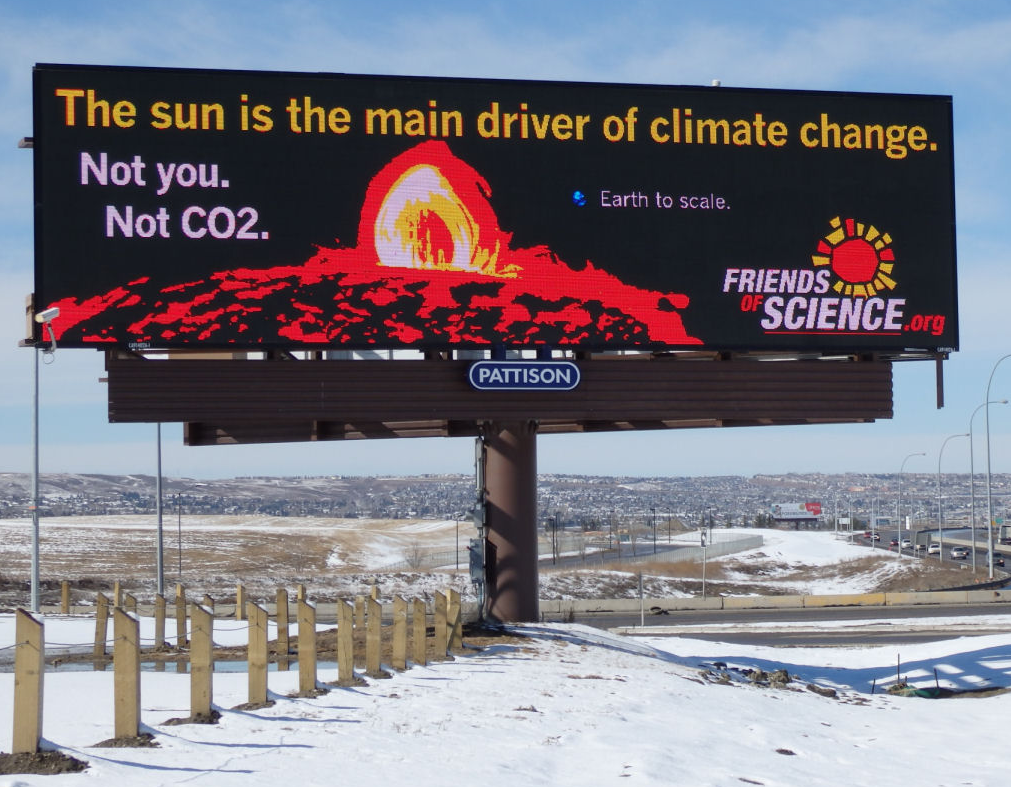
Although Shaviv assesses that some of the warming in the 20th century is indeed the result of increasing atmospheric CO2 concentrations, most of the change is a natural phenomenon. “My research has led me to strongly believe that based on all the evidence that’s accumulated over the past around 25 years, a large part of the warming is actually not because of humans, but because of the solar effect,” he says.

Up to two-thirds of the warming comes from the Sun

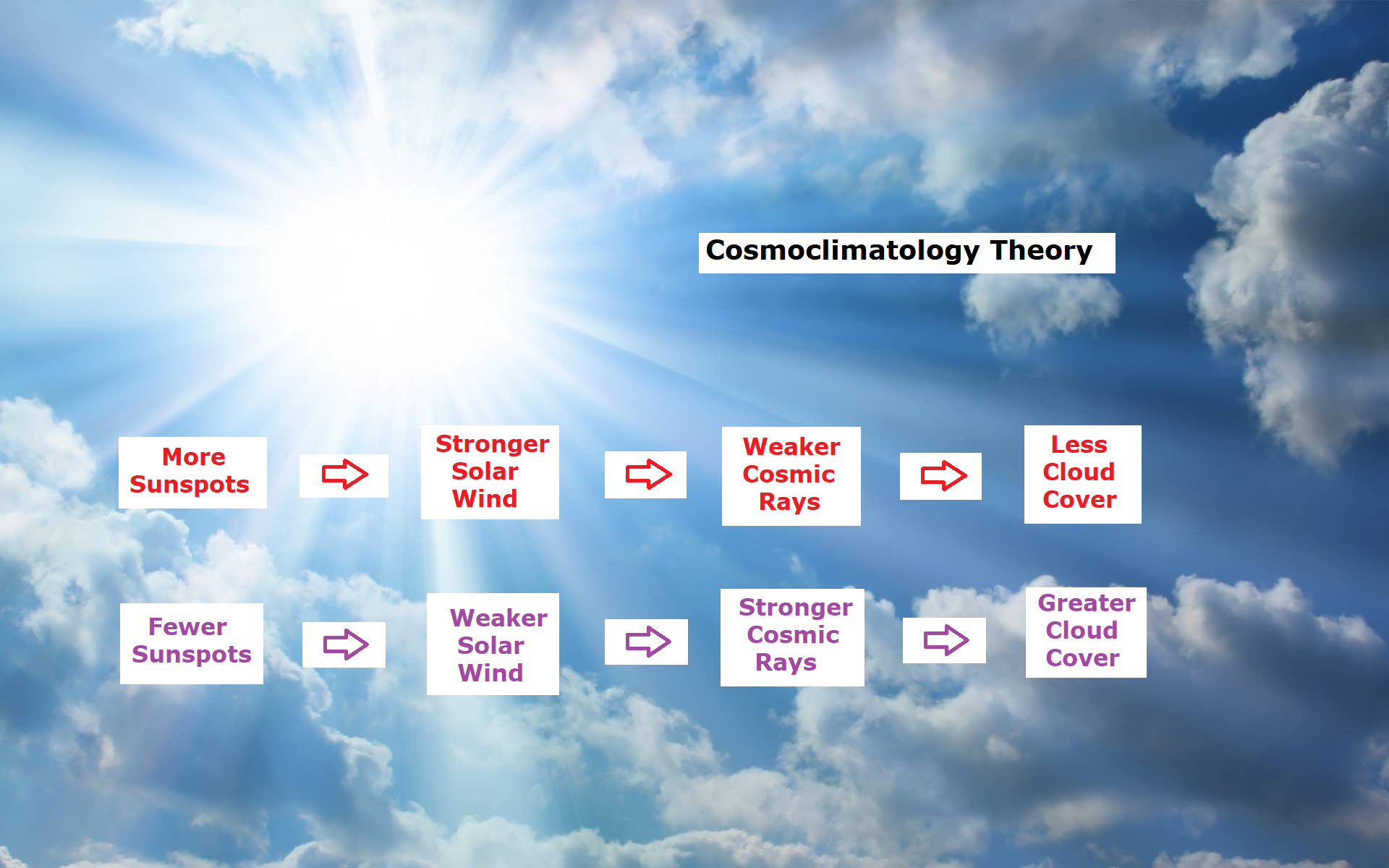
As an astrophysicist, Shaviv’s research has largely focused on understanding how solar activity and the Earth’s climate are linked. In fact, he says, at least half, and possibly two-thirds, of the 20th century’s warming is related to increased solar activity. Shaviv has also shown that cosmic rays and their activity influence cloud cover formation, also causing the climate to change. He has been working on this issue together with Danish astrophysicist Dr Henrik Svensmark.

In any case, Shaviv says, if solar activity and cosmic ray effects are taken into account, the climate sensitivity remains relatively low, or simply put – an increase in the proportion of CO2 in the atmosphere cannot cause much warming. Scientists have long attempted to calculate how much a doubling of atmospheric CO2 would raise the temperature of the Earth. The first attempt was made more than 100 years ago by the Swedish chemist Svante Arrhenius, who suggested an answer of up to six degrees Celsius. Since then, this number has been revised downwards, but not enough, according to Shaviv. “If you open the IPCC [Intergovernmental Panel on Climate Change] reports, then the canonical range is anywhere between one and a half or two, depending on which report you look at, to maybe four and a half degrees increase for CO2 doubling. What I find is that climate sensitivity is somewhere between one and one and a half degree increase per CO2 doubling,” Shaviv says, adding that he does not expect the temperature rise in the 21st century to be very high.

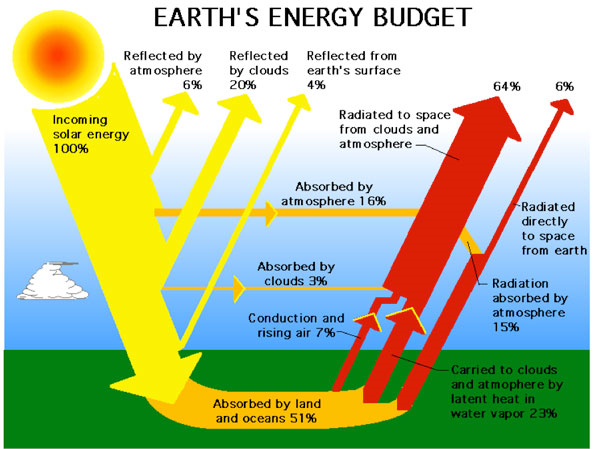
On average, half of sunlight is either absorbed in the atmosphere or reflected before it can be absorbed by the surface land and ocean. Any shift in the reflectivity (albedo) impacts greatly on the solar energy warming the planet.

Explaining the warming that has happened primarily with CO2 is where the IPCC’s scientific reports err, Shaviv says, by failing to account for the solar effect. And because they do not account for it, but there is still a need to explain the temperature rise, the rise in CO2 levels in the atmosphere, which has been attributed to human influences, has been used to explain it. Shaviv explains that this is the wrong answer as it fails to take into account all the contributing factors.

Is the planet boiling?

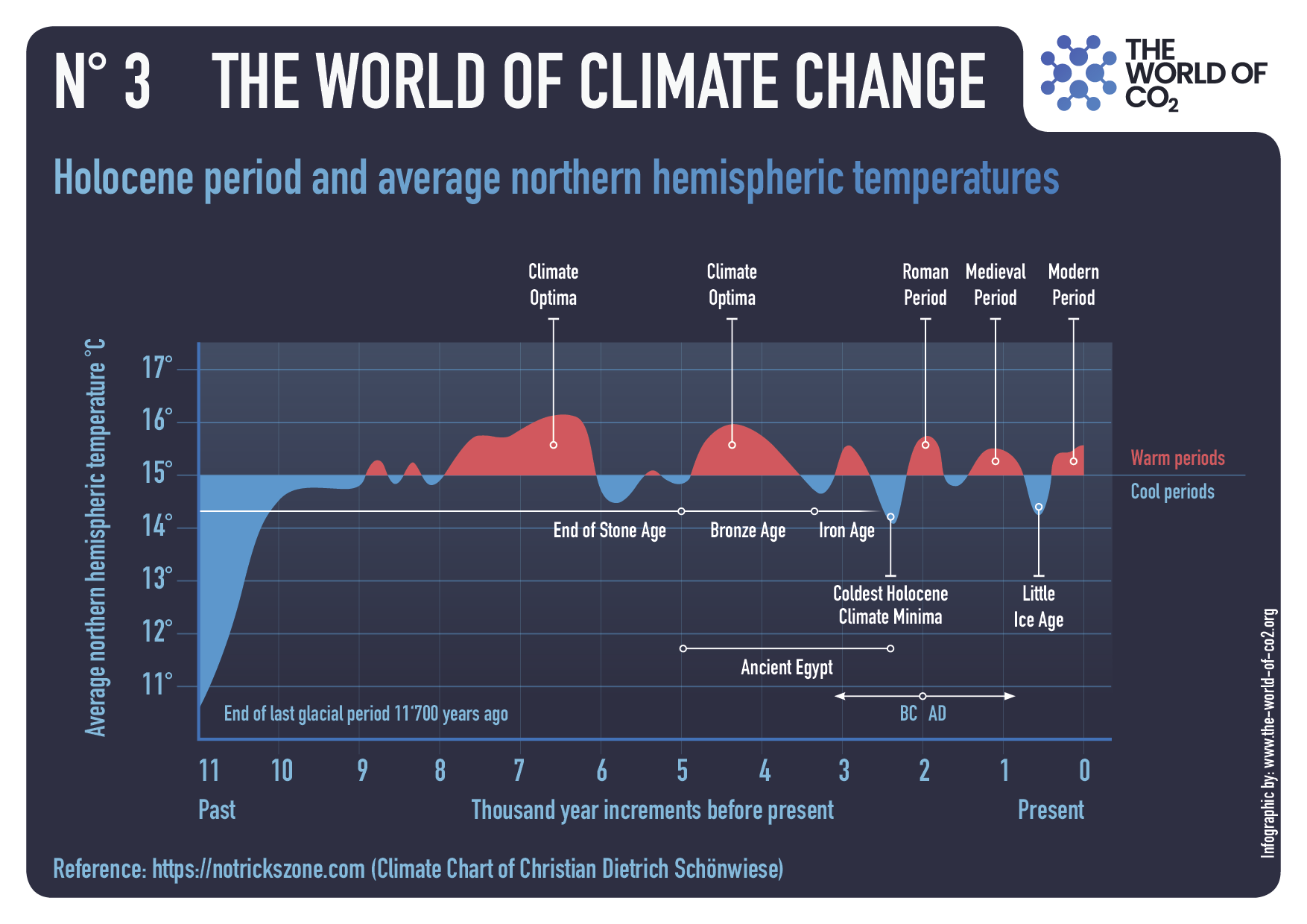
But is this temperature rise causing a climate crisis? Shaviv’s answer to the question is simple and clear: “No.” He explains that the average temperature on the planet has risen by one degree Celsius since about 1900, but this is not unprecedented. We are familiar, for example, with the Medieval Warm Period, when the Vikings charted the coast of Greenland, including its northern part, which today is covered with ice even in summer. “This kind of climate variation has always happened. Some of the warming now is anthropogenic, but it’s not a crisis in the sense that the temperature is going to increase by five degrees in a century and we’re all doomed. We just have to adapt to changes. Some of them are natural and some are not, but they’re not large,” Shaviv explains.

It has been widely reported that both 2023 and 2024 were the warmest years on record. Referring to this rise in temperatures, UN Secretary-General António Guterres already in July 2023 declared that we have entered an “era of global boiling”. Shaviv says that of course, we can have average surface temperatures that are highest if we only look back 100 or 150 years. “If you go back a thousand years it was just as warm. If you go back 5,000 years it was definitely warmer. So, It doesn’t mean much,” he explains.

And if you look at a longer time scale, warmer periods have alternated with colder periods throughout. Also, over the last 100,000 years, the Earth has been in an ice age for most of that time, and the retreat of the ice in Europe and North America happened about 12,000 years ago.

Do extreme weather events prove a climate crisis?

However, it is often claimed in the media that we are in an unprecedented and critical climatic situation and all the reported extreme weather events are said to be proving it.

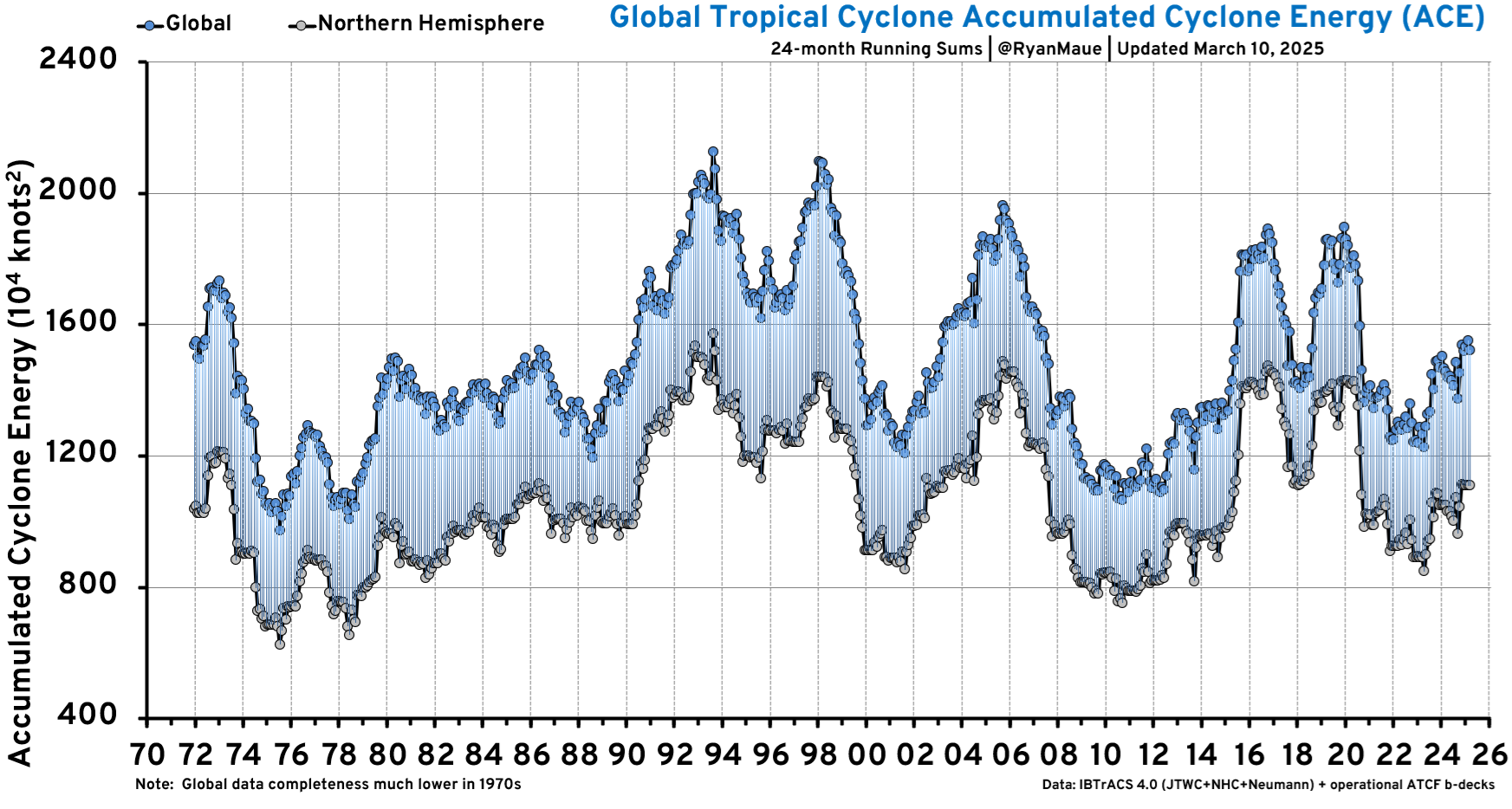
In reality, there is no indication that most extreme weather events are more frequent or in any way more severe than in the past. Take hurricanes, for example. It’s true that the damage they cause has increased over time, but Shaviv says that’s because more people live near the coast. “If you look at the statistics of hurricanes making landfall in the US, which is a relatively reliable record, then you see that there is no significant change,” he says. Shaviv adds that, in reality, there is not even any reason to expect a warming climate to bring more hurricanes. “Sure, you need hotter waters to generate hurricanes, but you also need the gradient, you need the temperature difference between the equator and the subtropics in order to drive the hurricanes. And warmer Earth actually has a smaller temperature difference. So it’s not even clear ab initio whether you’re going to have more hurricanes or less,” Shaviv explains.

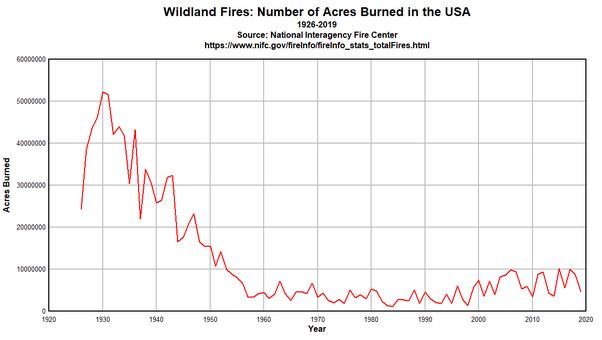
Large wildfires, for example, are also associated with climate warming, but Shaviv says there is no reason for this either. “In the US in the 1930s the annual amount of area which was burnt a year was way larger than what it is today,” he says, adding that the reality is that a large proportion of fires are caused by poor forest management, which fails to clear the forest floor of flammable material.

Towards nuclear energy

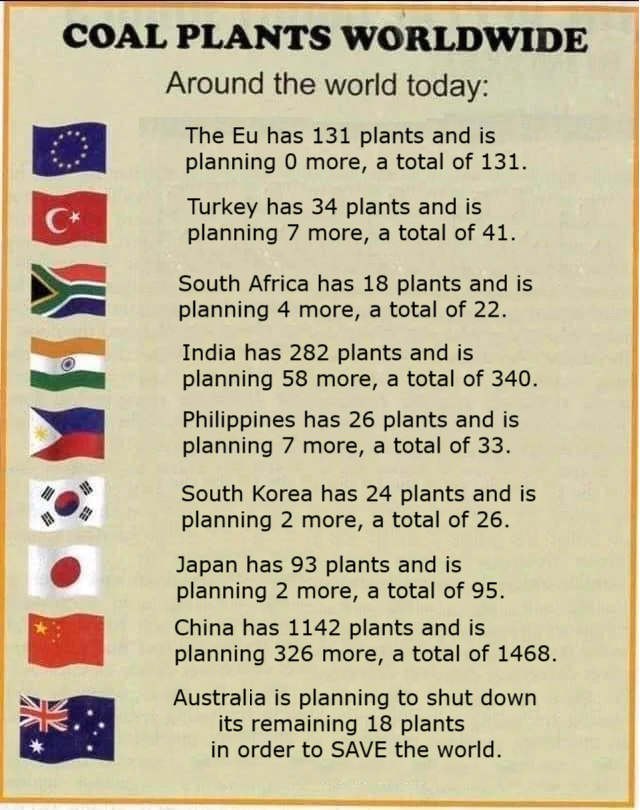
In the light of the above, climate change does not make it necessary to abandon fossil fuels. However, Shaviv says we should still move towards cleaner energy. Firstly, burning fossil fuels causes real environmental pollution – in particular coal, which is still on the rise worldwide. Secondly, fossil fuels will run out one day.

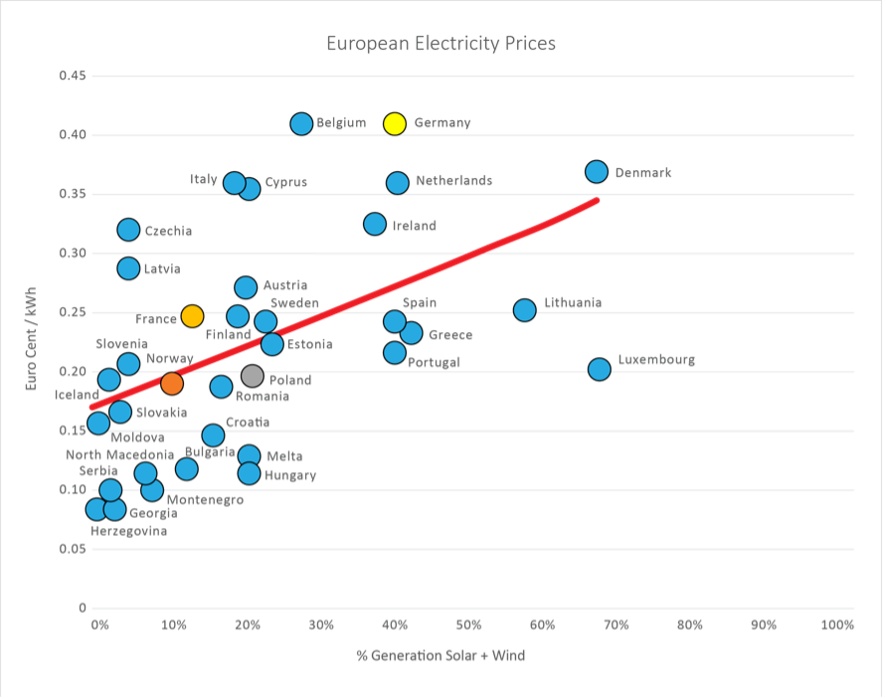
But mankind cannot replace these fuels with wind and solar power. “First of all, it’s very expensive. You can see that any country that has a lot of any of those, they pay much more for electricity,” Shaviv says. He suggests looking at electricity prices in countries such as Germany or Denmark, where wind and solar have been developed with billions of euros of government aid, and comparing them with, for example, France which uses nuclear power. What makes this form of energy so expensive is its intermittent nature – generation takes place when the sun shines and the wind blows. So to guarantee electricity supply, either huge storage capacity or backup systems, such as gas-fired power stations, are needed.

Shaviv believes that in the future, much more reliance should be placed on nuclear power, which does not have the pollution problems of fossil fuels and, unlike wind and solar, can provide a stable energy supply. However, the critics of this plan remind us of past nuclear accidents – Chernobyl in Ukraine, Three Mile Island in the USA and Fukushima in Japan. Each of these accidents had its own causes – in the case of Chernobyl and Three Mile Island, technical defects mixed with human error, and in the case of Fukushima, natural forces, in other words, the earthquake and tsunami. In the case of Fukushima in 2011, however, no one died as a direct result of the accident at the nuclear power plant (though thousands of people died as a result of the tsunami that devastated the coastline).

Shaviv says there is no point in comparing the safety of nuclear plants that have suffered accidents in the past with today’s technology. “I don’t think it’s going to be a problem in the sense that we can have an extremely safe design,” he says, adding that the wider deployment of nuclear power will happen whether the West joins in or not. “If you look at China, which is energy-hungry, they don’t care about public opinion as much as we do in the West. And they don’t have as much problem with regulation. So they’re just going to run forward and instead of building or opening a coal power plant every few weeks, in a few years, they’re going to be opening a nuclear power plant every few weeks,” Shaviv says. He adds that the West would also be wise to participate in this development, rather than moving in the opposite direction.

Politicized Science Case Study: National Climate Assessment

This post incorporates two dimensions of climate science reporting: firstly what and who are involved in the production, and secondly what the Trump administration might do to achieve a more balanced result. A recent article exposes the process by which the US National Climate Assessment (NCA) has been produced while ensuring that true believers control the content. Brent Scher writes at Daily Wire  Meet The Government Consultants Raking In Millions To Spread Climate Doom.  Excerpts in italics with my bolds and added images.

The government is outsourcing the ‘crown jewel’ of
climate change research to liberal climate consultants.

More than three decades ago, Congress launched an initiative called the U.S. Global Change Research Program. Today, it spends billions of dollars a year empowering liberal climate scientists to spread climate change doom. 

The government group says its role is to provide the “scientific foundation to support informed decision-making across the United States” on climate change. It’s done so by producing five National Climate Assessment reports, which are considered the “crown jewel” of climate research.

Despite taking funding from at least ten separate government agencies, producing the report seems to be the group’s sole function. The most recent iteration — published in 2023 and still prominently showcased on its government website — warns that “severe climate risks to the United States will continue to grow.” The next report is due out in the next couple of years, according to E&E News.

The National Climate Assessment is not simply an intellectual exercise, but rather one that carries real policy might. Congress and agencies use it to justify regulations and funding decisions, and states and cities across the country lean on it as the non-partisan scientific foundation for their own climate action plans. In summary, it is the scientific bedrock for directing policy at all levels of government towards liberal climate change goals.

While the U.S. Global Change Research Program states on its website that it has a budget of $4.95 billion in 2025, it only lists two full-time employees. So, who’s getting paid to put the massive and consequential report together?

Sources familiar with past iterations of the National Climate Assessment say the work is largely outsourced to a group called ICF, a massive government contractor that has an active contract to work on the report. The Daily Wire identified at least one active contract from NASA for ICF to “support” the U.S. Global Change Research Program. ICF is set to be paid millions of dollars during the Trump administration to “assist the nation and the world to understand, assess, predict, and respond to human-induced and natural processes of global change.”

The contract was first announced in June 2021, and described as a $34 million, five-year contract to help with the National Climate Assessments. Only $18 million has been paid out, according to the government spending database. But with another assessment on deck and ICF under contract for another year, the additional $16 million could be disbursed in the next year.

A climate scientist who has worked on the National Climate Assessment
in the past says ICF runs the show, virtually controlling
the entire U.S. Global Change Research Program.

“By providing all staff for the USGCRP, a federal agency, the ICF exerts undue influence over the global change narrative and priorities presented by the federal government,” said the official, who requested anonymity to discuss the work. “The ICF, through the USGCRP, exerts an undue influence on the production of the National Climate Assessment every four years. With the exception of its Executive Director and the Director of the National Climate Assessment, the ICF supplies all staff associated with the USGCRP.”

ICF takes in far more in government contracts than its active $34 million from NASA. An analysis of federal spending data found that the consulting firm rakes in hundreds of millions of dollars each year through federal contracts, and took in over $2 billion during the Biden administration.

The consulting firm is likely aware that the scope of its government work could be slashed during Trump’s term, and so are investors. Its stock price was at $171 a share days ahead of last November’s election, but has since cratered to just $77 a share, the lowest it had been since the last time Trump was president.  (Yes, the stock price fell before the current market volatility caused by tariffs).

Houston Keene, a former journalist who now leads a government transparency organization, argues that unnamed government consultants shouldn’t be paid millions to chart the nation’s climate policy.

“The public deserves an honest assessment from the government on the state of climate science,” Keene said. “That requires an objective, nonpartisan author who does not have financial interests in the outcome. ICF appears to be none of these things.”

“There can be no proper assessment with scientific integrity when a clearly partisan and financially conflicted activist organization is holding the pen,” he said.

A top Trump administration official, Russell Vought, has signaled that he wanted to exert more oversight over the next climate assessment. Vought runs the powerful Office of Management and Budget, and has openly stated that he wants to make deep cuts to “woke and weaponized” spending.

Vought has specifically called out the U.S. Global Change Research Program’s report, arguing that the bureaucrats who write it end up with outsized power over government action. He’s called for an investigation of the political leanings of the contractors that assemble the report.

A March 2025 report at SciAm provides background on recent developments regarding the NCA: Trump Official Who Tried to Downplay Major Climate Report Now Will Oversee It.  Excerpts in italics with my bolds and added images.

Stuart Levenbach alarmed scientists years ago when he attempted
to meddle with a congressionally mandated climate report

Stuart Levenbach was tapped last month by administration officials to serve as associate director for natural resources, energy, science, and water in the Office of Management and Budget.

The previous time President Donald Trump was in the White House, Levenbach attempted to tone down the summary conclusions of the National Climate Assessment, a wide-ranging report that relies on the contributions of hundreds of researchers to assess how global warming is transforming the United States.

Scientists say Levenbach tried to downplay climate risks in the fourth installment of the report, which comes out every four years or so. In that edition, Levenbach was concerned especially with the higher greenhouse gas emissions assumptions the report partially relied on and sought to soften the language of the report’s summary, the scientists say.

He was the one that tried to slow it down to the point of it not coming out,” said Don Wuebbles, a climate scientist at the University of Illinois who has worked on all five previous National Climate Assessments.

Levenbach’s delay tactics were ultimately unsuccessful, and the fourth installment of the report was released in 2018 on the day after Thanksgiving.

In response to questions from Politico’s E&E News, a Trump administration official with the Office of Management and Budget described the scientists’ concerns as “fake news.”

The National Climate Assessment is based on a range of emissions scenarios, including those that are not worst-case scenarios. The fourth version of the report concluded the country was not on track to cut carbon dioxide emissions at a pace to avoid some of the worst consequences of climate change.

At the time, Levenbach’s role at NOAA carried more weight than usual because the agency was operating without a permanent administrator, and did so for the entire first Trump presidency.  Reached for comment, OMB spokeswoman Rachel Cauley did not deny that Levenbach tried to alter the report, but she criticized how it was put together.

“The assessment was riddled with the worst case scenario and
the authors weren’t transparent about it,” she said in a statement.”

Levenbach is joining OMB at a time when its director, Russ Vought, wants to suppress climate science throughout the federal government and increase Trump White House oversight over the next installment of the National Climate Assessment, which is due out in 2026 or 2027.

Levenbach’s appointment to a powerful White House role with oversight of the nation’s scientific endeavors comes at a time when the administration is preparing a possible challenge to the endangerment finding, a bedrock ruling which considers greenhouse gases a danger to public health and is a foundation of climate regulations.


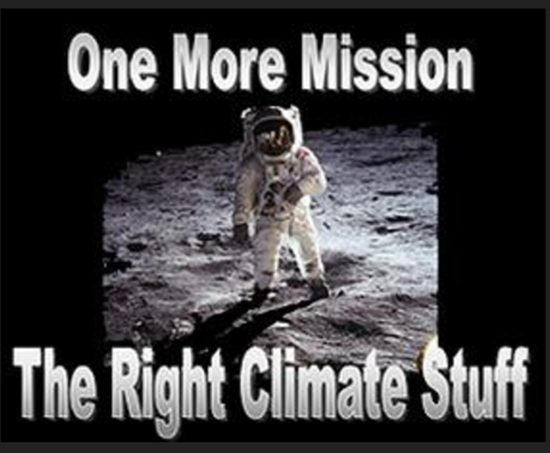
The Right Climate Stuff

Not everyone is aware that the scientists and engineers who made the NASA space program successful disputed the global warming/climate change narrative promoted at the agency by people like James Hansen.

After all the slogan in the NASA workplace was that of Edward Deming, and they were only convinced by the facts rather than feelings or opinions about the future.  Many of them formed the Right Climate Stuff Foundation.

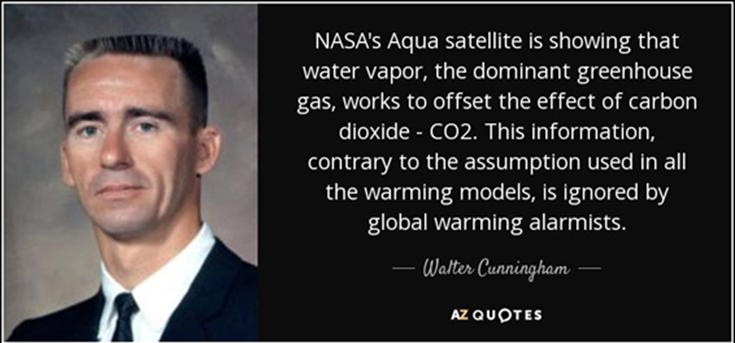
In particular Walter Cunningham explained his reasoning in an article In Science, Ignorance is not Bliss. Excerpts in italics with my bolds and added images.

NASA has played a key role in one of the greatest periods of scientific progress in history. It is uniquely positioned to collect the most comprehensive data on our biosphere.   For example, recently generated NASA data enabled scientists to finally understand the Gulf Stream warming mechanism and its effect on European weather. Such data will allow us to improve our models, resulting in better seasonal forecasts.

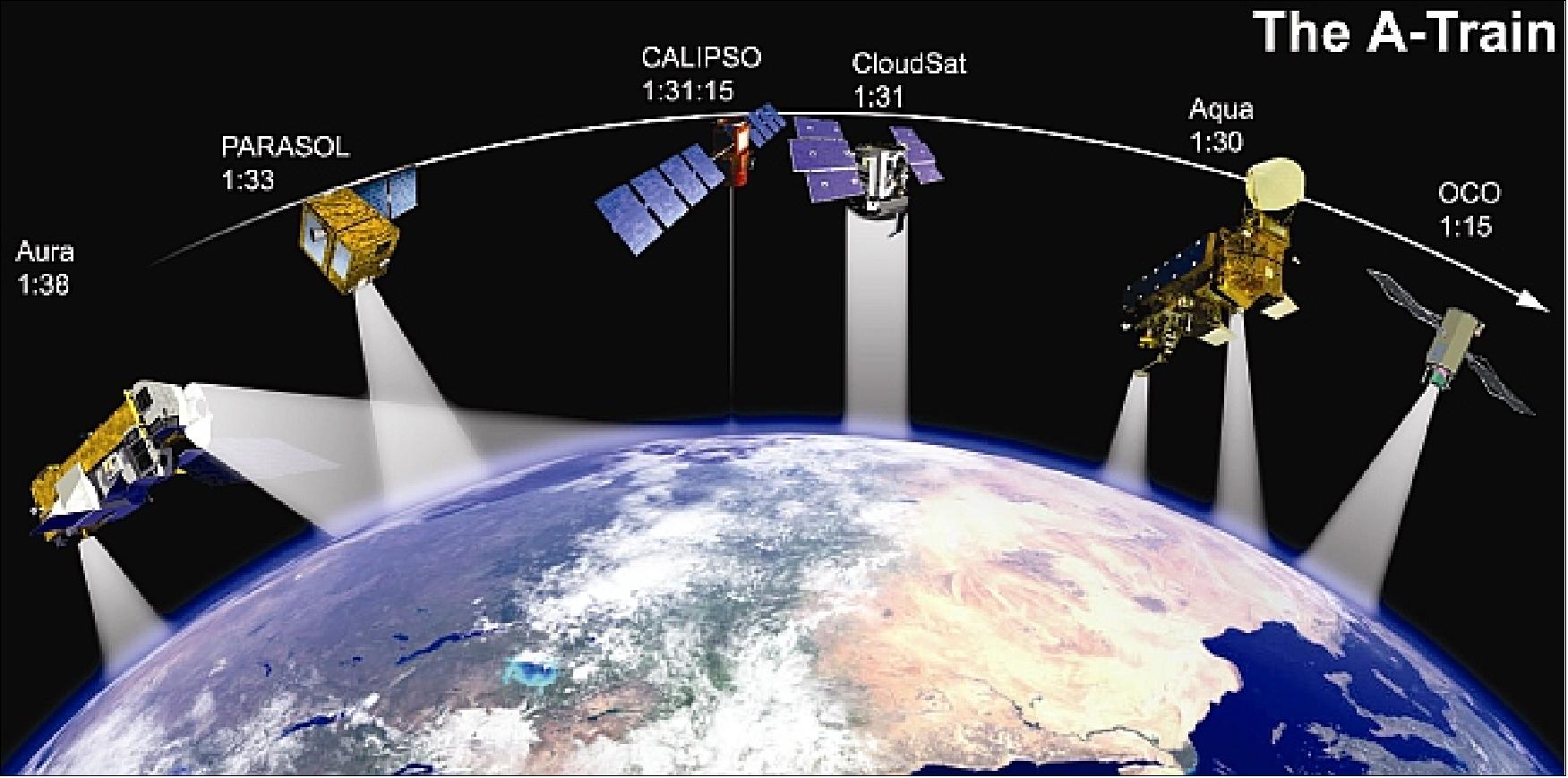
NASA’s Aqua satellite is showing that water vapor, the dominant greenhouse gas, works to offset the effect of carbon dioxide (CO2). This information, contrary to the assumption used in all the warming models, is ignored by global warming alarmists.

Climate understanding and critical decision making require
comprehensive data about our planet’s land, sea, and atmosphere.

Without an adequate satellite system to provide such data, policy efforts and monitoring international environmental agreements are doomed to failure. Our satellite monitoring capability is being crippled by interagency wrangling and federal budget issues. As much as a third of our satellites need replacing in the next couple of years.

NASA should be at the forefront in the collection of scientific evidence and debunking the current hysteria over human-caused, or Anthropogenic Global Warming (AGW). Unfortunately, it is becoming just another agency caught up in the politics of global warming, or worse, politicized science.

Advocacy is replacing objective evaluation of data, while
scientific data is being ignored in favor of emotions and politics.

There are excellent correlations between the regular fluctuations of the Sun and the Earth’s temperature, while scientists can not find a relationship between industrial activity, energy consumption, and global temperatures. But global warming is an issue no longer being decided in the scientific arena.

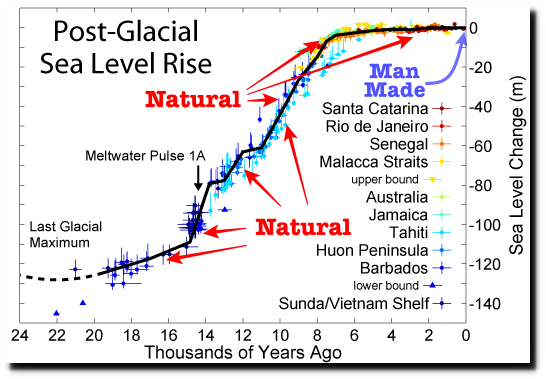
Saying the Earth is warming is to state the obvious. Since the end of the ice age, the Earth’s temperature has increased approximately 16 degrees Fahrenheit and sea levels have risen a total of 300 feet. That is certain and measurable evidence of warming, but it is not evidence of AGW—human-caused warming.

We can track the temperature of the Earth back for millennia. Knowing the temperature of the Earth, past or present, is a matter of collecting data, analyzing it, and coming up with the best answer to account for the data. Collecting such data on a global basis is a NASA forte. I believe in global climate change, but there is no way that humans can influence the temperature of our planet to any measurable degree with the tools currently at their disposal. Any human contribution to global temperature change is lost in the noise of terrestrial and cosmic factors.

Our beautiful home planet has been warming and cooling for the last 4.8 billion years. Most recently, it has been warming—be it ever so slightly—but there is nothing unusual about it! The changes and rates of change in the Earth’s temperature, just since the Industrial Revolution, have occurred many times in our climatic history. While climate scientists generally agree that the Earth’s temperature is always changing, not many of them would say that humans are responsible for those changes.

None of this is to say there are not legitimate reasons to restrict emissions of any number of chemicals into the atmosphere. We should just not fool ourselves into thinking we will change the temperature of the Earth by doing so.

In a December 2007 Senate report, 400 prominent scientists signed a letter pointing out that climate change was a well-known natural phenomenon, and that adapting to it is far more sensible than attempting to prevent it. Their ranks included experts in climatology, geology, oceanography, biology, glaciology, biogeography, meteorology, economics, chemistry, mathematics, environmental sciences, engineering, physics, and paleo-climatology.

Their message: When changes are gradual, man has
an almost infinite ability to adapt and evolve.

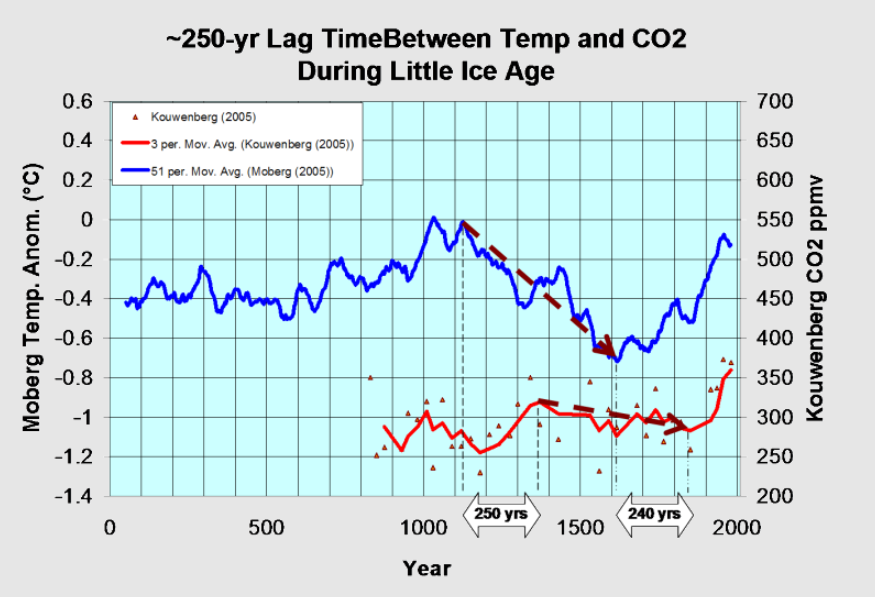
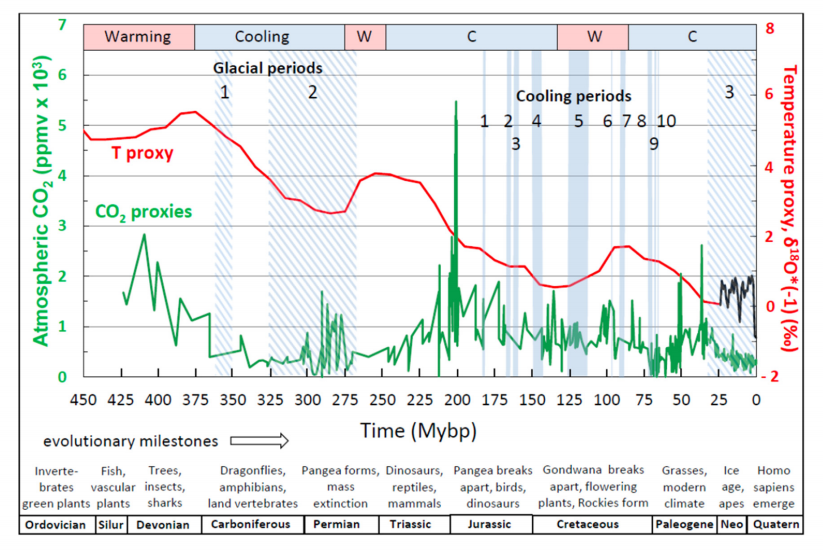
The fearmongers of global warming base their case on the correlation between CO2 and global temperature, even though we cannot be sure which is cause and which is effect. Historically, temperature increases have preceded high CO2 levels, and there have been periods when atmospheric CO2 levels were as much as 16 times what they are now, periods characterized not by warming but by glaciation. You might have to go back half a million years to match our current level of atmospheric CO2, but you only have to go back to the Medieval Warming Period, from the 10th to the 14th Century, to find an intense global warming episode, followed immediately by the drastic cooling of the Little Ice Age. Neither of these events were caused by variations in CO2 levels.

Even though CO2 is a relatively minor constituent of “greenhouse gases,” alarmists have made it the whipping boy for global warming (probably because they know how fruitless it would be to propose controlling other principal constituents, H2O, CH4, and N2O). Since human activity does contribute a tiny portion of atmospheric CO2, they blame us for global warming.

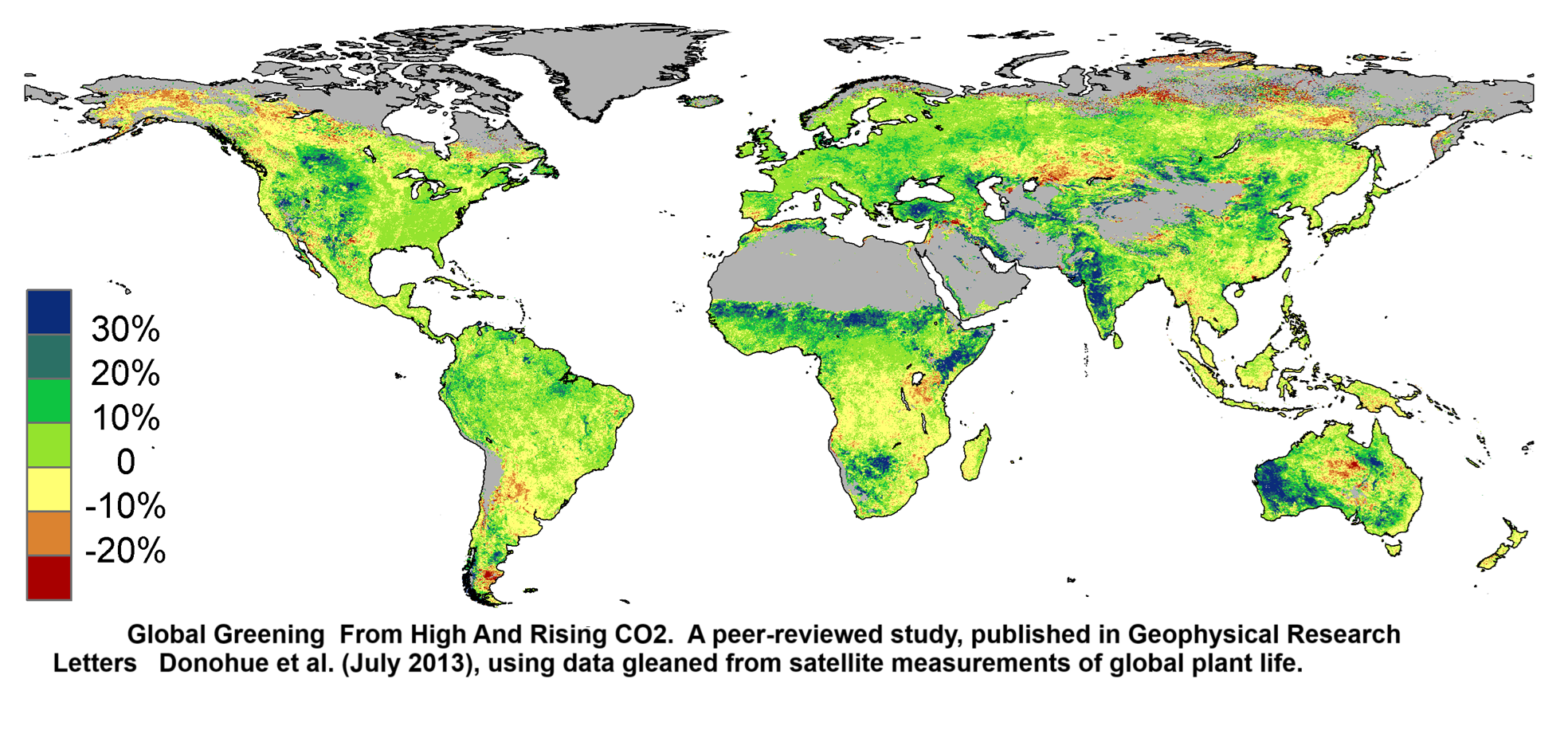
Other inconvenient facts ignored by the activists: Carbon dioxide is a nonpolluting gas, essential for plant photosynthesis. Higher concentrations of CO2 in the atmosphere produce bigger harvests.

In spite of warnings of severe consequences from rising seas, droughts, severe weather, species extinction, and other disasters, the U.S. has not been stampeded into going along with the recommendations of the UN Panel on Climate Change (IPCC)—so far. Even though evidence supports the American position, we have begun to show signs of caving in to the alarmists.

With scientific evidence going out of style,
emotional arguments and anecdotal data are ruling the day.

The media subjects us to one frightening image of environmental nightmare after another, linking each to global warming. Journalists and activist scientists use hurricanes, wildfires, and starving polar bears to appeal to our emotions, not to our reason. They are far more concerned with anecdotal observations, such as the frozen sea ice inside the Arctic Circle, than they are with understanding why it is happening and how frequently it has occurred in the past.

After warnings that 2007 would be the hottest year on record and a record year for hurricanes, what we experienced was the coolest year since 2001 and, by some measures, the most benign hurricane season in the Northern Hemisphere in three decades.

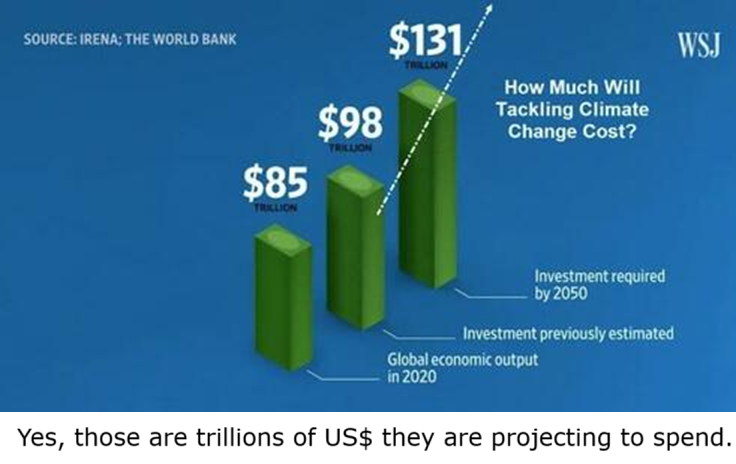
Even though recent changes in our atmosphere are all within the bounds of the Earth’s natural variability, a growing number of people are willing to throw away trillions of dollars on fruitless solutions. Why do we allow emotional appeals and anecdotal data to shape our conclusions and influence our expenditures with the science and technology we have available at our fingertips?

The situation is complex, but the sad state of scientific literacy in America today is partially to blame for belief in AGW. When a 2006 National Science Foundation survey found 25 percent of Americans not knowing the Earth revolves around the Sun, you know that science education is at a new low and society is vulnerable to the emotional appeal of AGW.

And don’t underestimate the role of politics and political correctness.

The public debate should focus on the real cause of global temperature change and whether we can do anything about it. Is global warming a natural inevitability, or is it AGW—human caused?

The conflict over AGW has deteriorated into a religious war; a war between true believers in human-caused global warming and nonbelievers; between those who accept AGW on faith and those who consider themselves more sensible and better informed. “True believers” are beyond being interested in evidence; it is impossible to reason a person out of positions they have not been reasoned into.

It doesn’t help that NASA scientist James Hansen was one of the early alarmists claiming humans caused global warming. Hansen is a political activist who spreads fear even when NASA’s own data contradict him.

Warming in the upper atmosphere should occur before any surface warming effect, but NASA’s own data show that has not been happening. Global temperature readings—accurate to 0.1 degree Celsius—are gathered by orbiting satellites. Interestingly, in the 18 years those satellites have been recording global temperatures, they have actually shown a slight decrease in average temperatures.

Hansen is currently calling for a reduction of atmospheric CO2 by 10 percent and a moratorium on coal-fired power plants, while claiming the Bush administration is censoring him. Other so-called scientists are saying the world must bring carbon emissions to near zero to keep temperatures from rising.

In today’s politically correct environment, many are reluctant to dispute the popular wisdom; when they do, they are frequently ignored. When NASA Administrator Michael Griffin, Hansen’s boss and a distinguished scientist in his own right, attempted to draw a distinction between Hansen’s personal and political views and the science conducted by his agency, he was soon forced to back off.

It is the true believers who, when they have no facts on their side, try to silence their critics. When former NASA mathematician Ferenc Miskolczi pointed out that “greenhouse warming” may be mathematically impossible, NASA would not allow him to publish his work. Miskolczi dared to question the simplifying assumption in the warming model that the atmosphere is infinitely thick. He pointed out that when you use the correct thickness—about 65 miles—the greenhouse effect disappears! Ergo: no AGW. Miskolczi resigned in disgust and published his proof in the peer reviewed Hungarian journal Weather. [See: The Curious Case of Dr. Miskolczi]

For nearly a decade now, there has been no global warming. Even though atmospheric CO2 has continued to accumulate—up about 4 percent in the last 10 years—the global mean temperature has remained flat. That should raise obvious questions about CO2 being the cause of climate change.

Instead, AGW enthusiasts are embracing more regulation, greater government spending, and higher taxes in a futile attempt to control what is beyond our control—the Earth’s temperature. One of their political objectives, unstated of course, is the transfer of wealth from rich nations to poor nations or, as the social engineers put it, from the North to the South, which may be their real agenda.

Climate Lemmings

In the face of overwhelming evidence for natural temperature variation, proponents of AGW are resorting to a precautionary argument: “We must do something just in case we are responsible, because the consequences are too terrible if we are to blame and do nothing.” They hope to stampede government entities into committing huge amounts of money before their fraud is completely exposed—before science and truth save the day.

Politicians think they can reverse global warming by stabilizing CO2 emissions with a cockamamie scheme of “cap and trade.” A government entity would sell CO2 allocations to those industries producing it. The trillions of dollars in new taxes and devastation to the economy would be justified by claiming it will lower the temperature of the Earth. This rationalization is dependent on two assumptions: (1) that CO2 is responsible for the cause of changes in the Earth’s temperature, and (2) a warmer Earth would be bad for humanity.

The reality is that atmospheric CO2 has a minimal impact on greenhouse gases and world temperature. Water vapor is responsible for 95 percent of the greenhouse effect. CO2 contributes just 3.6 percent, with human activity responsible for only 3.2 percent of that. That is why some studies claim CO2 levels are largely irrelevant to global warming.

Without the greenhouse effect to keep our world warm, the planet would have an average temperature of minus 18 degrees Celsius. Because we do have it, the temperature is a comfortable plus 15 degrees Celsius. Based on the seasonal and geographic distribution of any projected warming, a good case can be made that a warmer average temperature would be even more beneficial for humans.

For a tiny fraction of the trillions of dollars a cap-and-trade system would eventually cost the United States, we could pay for development of clean coal, oil-shale recovery systems, and nuclear power, and have enough left over to pay for exploration of our solar system.

By law, NASA cannot involve itself in politics, but it can surely champion the role of science to inform politicians. With so many uninformed and misguided politicians ignoring the available science, NASA should fill the void. NASA is synonymous with science. Allowing our priorities to drift away from hard science is tantamount to embracing decadence. NASA will surely suffer; and politicizing science is killing it.

I do see hopeful signs that some true believers are beginning to harbor doubts about AGW. Let’s hope that NASA can focus the global warming discussion back on scientific evidence before we perpetrate an economic disaster on ourselves.

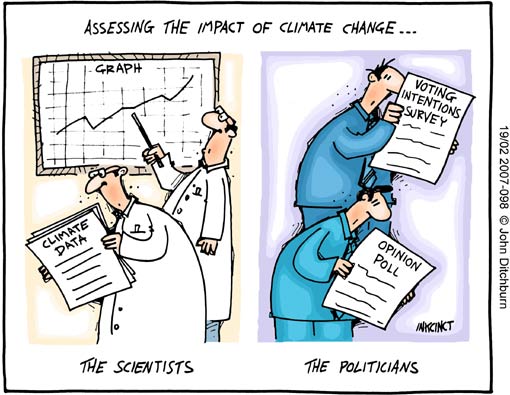
Walter Cunningham, (1932–2023) geophysicist, fighter pilot and Apollo 7 astronaut, who flew the first test flight of the Apollo Program, Apollo 7.  In 2010, Cunningham published a short book titled “Global Warming: Facts versus Faith” His editorial was published in the Houston Chronicle on August 15, 2010,  Climate change alarmists ignore scientific methods.  (When You Don’t Have the Facts, Appeal to Public Opinion).  In 2012, he and other former astronauts and NASA employees sent a letter to the agency criticizing its role advocating a high degree of certainty that man-made CO2 is a major cause of climate change while neglecting empirical evidence that calls the theory into question.

Climate Crisis Talk Obscures Reality

Edward Ring writes at American Greatness Challenging the Climate Crisis Narrative.  Excerpts in italics with my bolds and added images.

The climate crisis narrative ignores real issues like
poor infrastructure and overpopulation, pushing costly policies
that hurt economies while failing to improve resilience
.

According to the United Nations, “Climate change is a global emergency that goes beyond national borders.” From the World Economic Forum, “Urgent global action must be taken to reduce emissions and safeguard human health from the multi-pronged negative impacts of climate change globally.”

From every multinational institution in the world, we hear the same message. From the World Bank, “The world is battling a perfect storm of climate, conflict, economic, and nature crises.” From the World Health Organization, “Between 2030 and 2050, climate change is expected to cause approximately 250,000 additional deaths per year from malnutrition, malaria, diarrhea, and heat.”

A major problem with all this unanimity over this “emergency” is the fact that for at least half of all people living in Western nations in 2025, the UN, WEF, WHO, and World Bank have no credibility. We don’t want to “own nothing and be happy” as our middle class is crushed. We don’t want the only politically acceptable way to maintain national economic growth to rely on population replacement. And with only the slightest numeracy, we see apocalyptic proclamations as lacking substance.

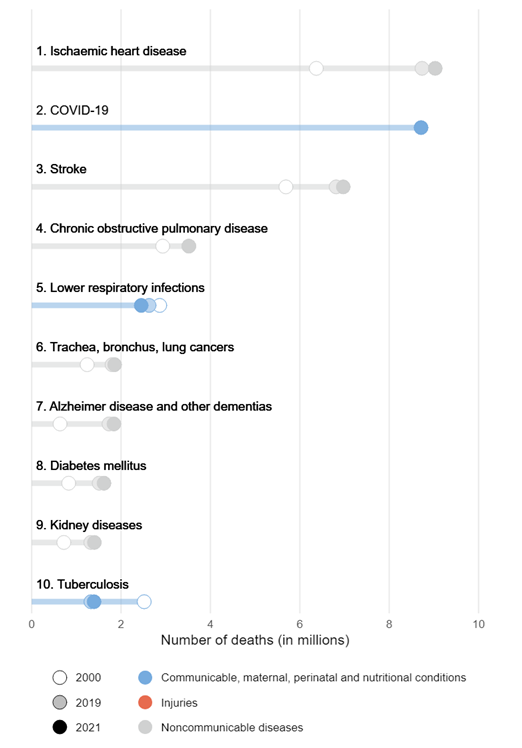
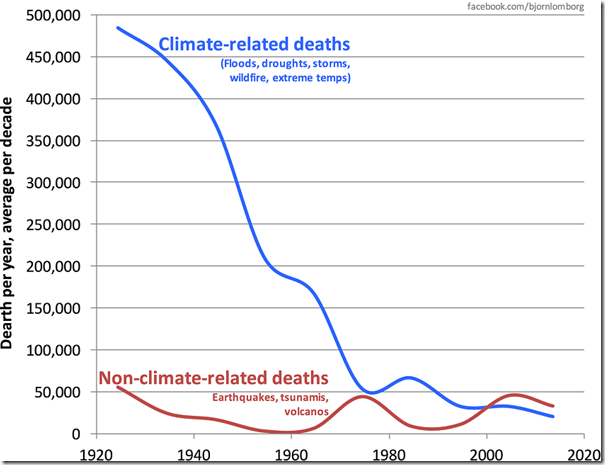
Top Ten Causes of Death Globally 2021

For example, while 250,000 “additional deaths per year” is tragic, worldwide estimates of total deaths are not quite 70 million per year. These “additional deaths” constitute a 0.36 percent increase over that baseline, just over one-third of one percent. Not even a rounding error.

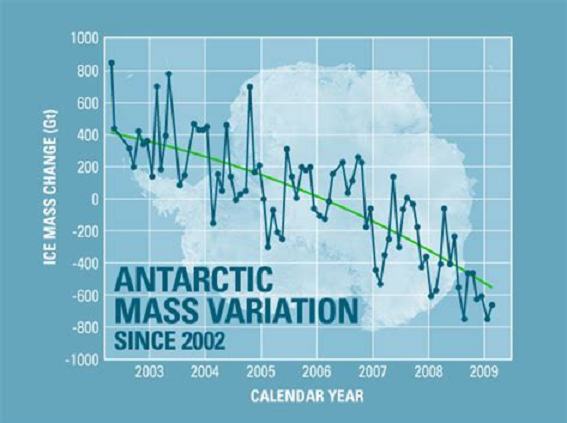
Source NASA

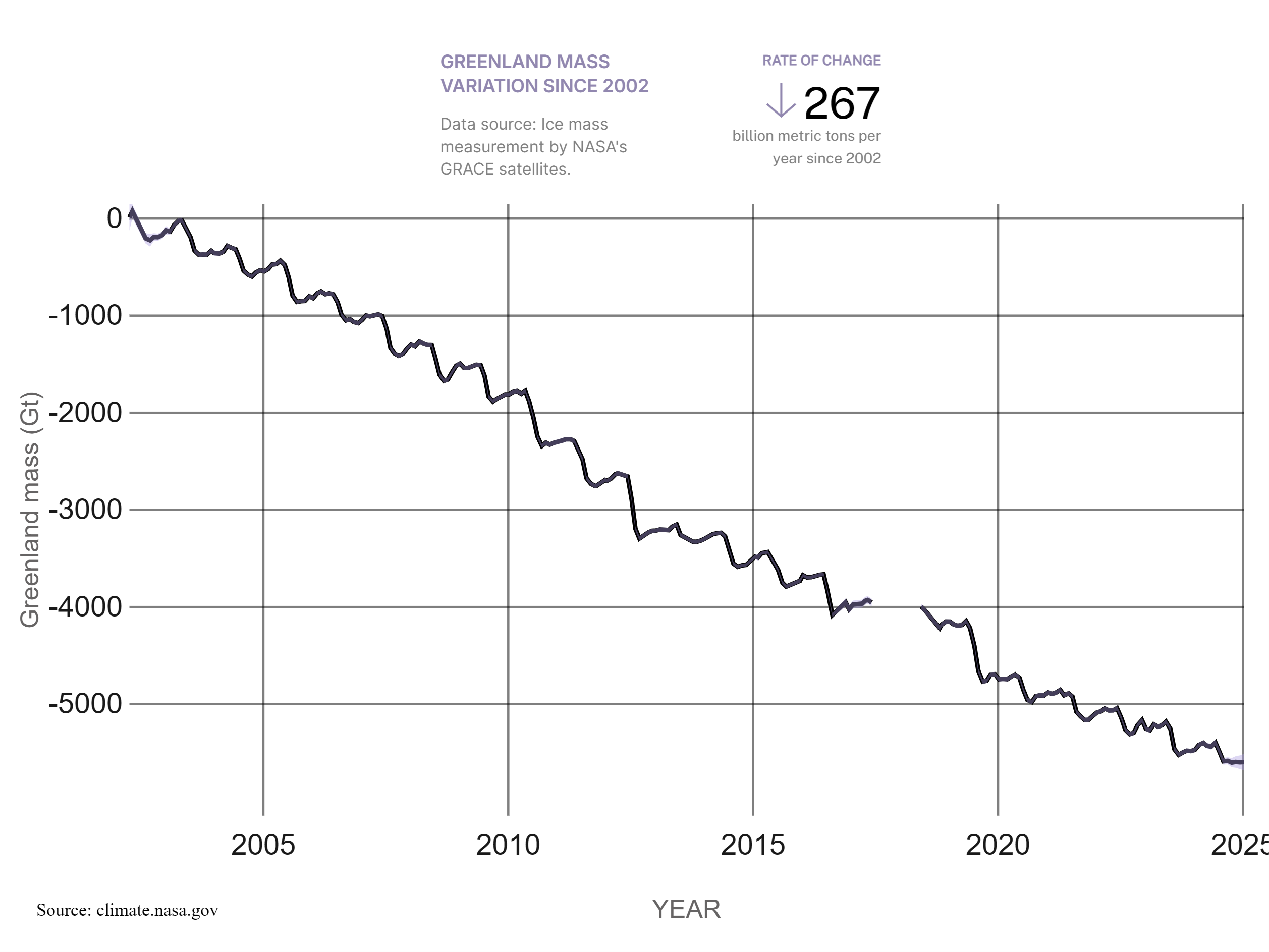
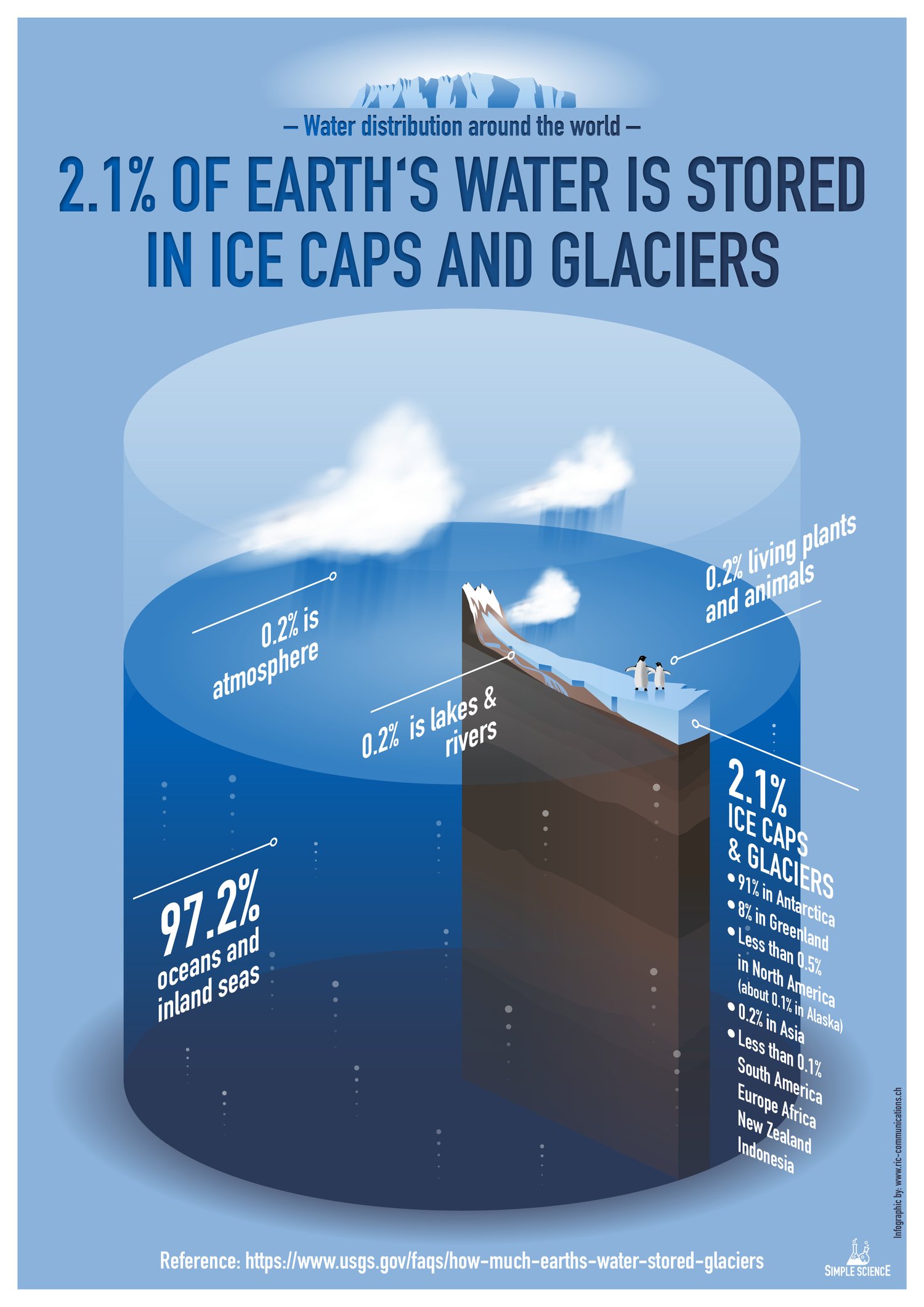
Similarly, an alarmist prediction from NASA is that “Antarctica is losing ice mass (melting) at an average rate of about 150 billion tons per year, and Greenland is losing about 270 billion tons per year, adding to sea level rise.” Let’s unpack that a bit. A billion tons is a gigaton, equivalent in volume to one cubic kilometer. So Antarctica is losing 150 cubic kilometers of ice per year. But Antarctica has an estimated total ice mass of 30 million cubic kilometers. Which means Antarctica is losing about one twenty-thousandth of one percent of its total ice mass per year. That is well below the accuracy of measurement. It is an estimate, and the conclusion it suggests is of no significance.

One may wonder about Greenland, with “only” 2.9 million cubic kilometers of ice, melting at an estimated rate of 270 gigatons per year. But that still yields a rate of loss of less than one one-hundredth of one percent per year, which is almost certainly below the ability to actually gauge total ice mass and total annual ice loss.

What about sea level rise? Here again, basic math yields underwhelming conclusions. The total surface area of the world’s oceans is 361 million square kilometers. If you spread 420 gigatons over that surface (Greenland and Antarctica’s melting combined), you get a sea level rise of not quite 1.2 millimeters per year. This is, again, so insignificant that it is below the threshold of our ability to measure.

These fundamental facts will turn anyone willing
to do even basic fact-checking into a cynic.

What’s really going on? We get at least a glimpse of truth from the above quotation from the World Bank, where they ascribe the challenges of humanity to several causes: “climate, conflict, economic, and nature crises.” There’s value in the distinctions they make. They list “nature crisis” as distinct from “climate,” and at least explicitly, “climate” is not cited as resulting from some anthropogenically generated trend of increasing temperatures and increasingly extreme weather. They just say “climate.”

Which brings us to the point: Conflict and economic crises are far bigger sources of human misery, and we face serious environmental challenges that have little to do with climate change and more to do with how we manage our industry, our wilderness, and our natural resources. And we are face “climate” challenges even when catastrophic climate events have nothing to do with any alleged “climate crisis.”

A perfect example of how the climate “crisis” narrative is falsely applied when, in fact, the climate-related catastrophe would have happened anyway is found in the disastrous floods that devastated Pakistan in 2022. Despite the doomsday spin from PBS (etc.), these floods were not abnormal because of “climate change.” They were an abnormal catastrophe because in just 60 years, the population of that nation has grown from 45 million to 240 million people. They’ve channelized their rivers, built dense new settlements onto what were once floodplains and other marginal land, they’ve denuded their forests, which took away the capacity to absorb runoff, and they’ve paved thousands of square miles, creating impervious surfaces where water can’t percolate. Of course, a big storm made a mess. The weather didn’t change. The nation changed.

The disaster story repeats everywhere. Contrary to the narrative, the primary cause is not “climate change.” Bigger tsunamis? Maybe it’s because coastal aquifers were overdrafted, which caused land subsidence, or because previously uninhabited tidelands were settled because the population quintupled in less than two generations, and because coastal mangrove forests were destroyed, which used to attenuate big waves. What about deforestation? Perhaps because these nations have been denied the ability to develop natural gas and hydroelectric power, they’re stripping away the forests for fuel to cook their food. In some cases, they’re burning their forests to make room for biofuel plantations, in a towering display of irony and corruption.

In California, our nation’s epicenter of climate crisis fearmongering and the subsequent commercial opportunism, the emphasis on crisis instead of resilience has led to absurd policies. Instead of bringing back the timber industry to thin the state’s overgrown forests, the governor mandates exclusive sales of EVs by 2035. Instead of responsibly drilling oil in California’s ample reserves of crude, California imports 75 percent of its oil, and its economy still relies on oil for half the energy that the state consumes.

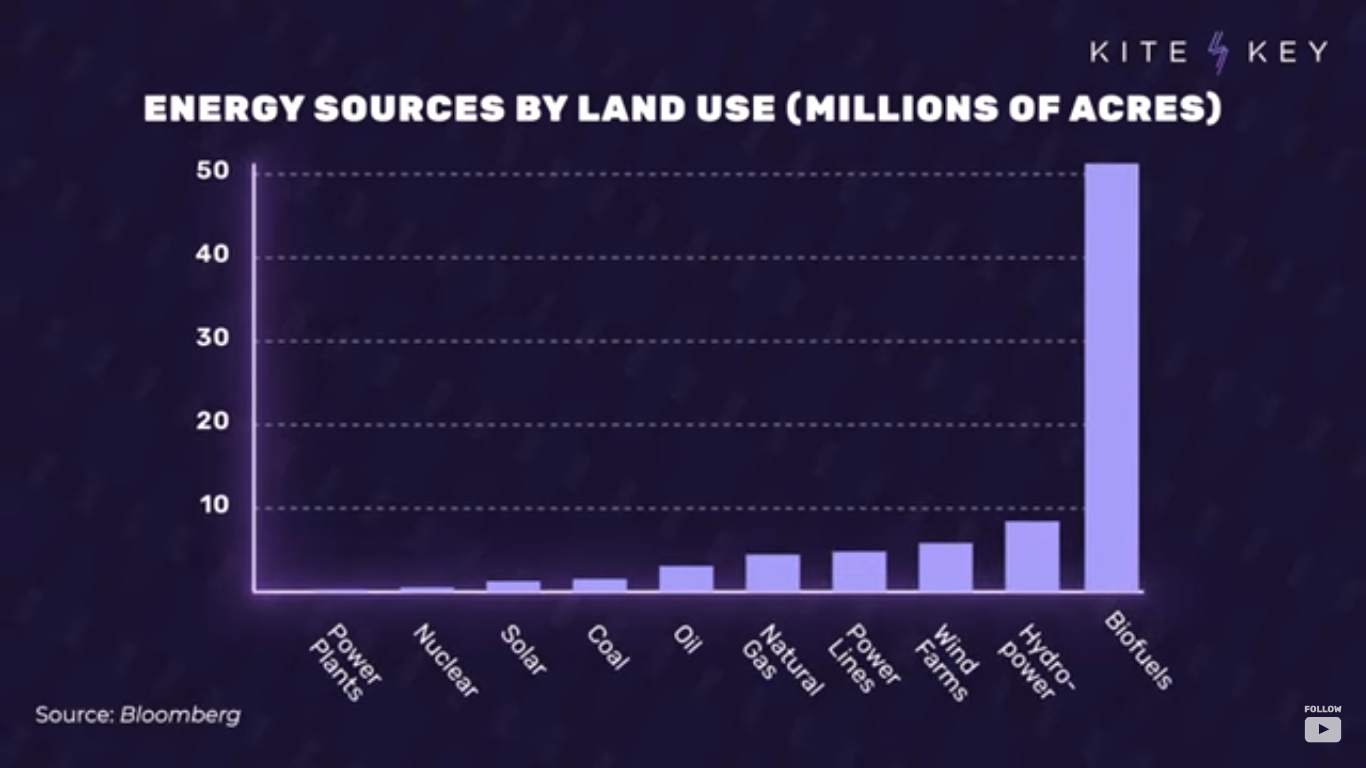
Worldwide, these mistakes multiply. Biofuel plantations consume half a million square miles in order to replace a mere two percent of transportation fuel. A mad scramble across every continent to increase mining by an order of magnitude to meet the demand for raw materials to manufacture batteries, wind turbines, and solar panels. Denial of funds for natural gas development in Africa, condemning over a billion people to ongoing energy poverty.

Simple truths are obscured by the climate crisis narrative. We need to rebuild our infrastructure for climate resilience because much of it is over a century old, at the same time as the US population has tripled. Floods and hurricanes cause more damage because there are more people, and more of them live in areas that have always been hit by floods and hurricanes.

The truths are as endless as they are repressed. We can’t possibly lift all of humanity into a middle-class lifestyle without at least doubling energy production worldwide, and we can’t possibly accomplish that while also reducing our use of coal, oil, and gas. Renewables aren’t renewable (here’s a must-read on that topic). Offshore wind is an environmental disaster, as is biofuel, as is the explosion of totally unregulated mining to feed the renewables industry. On the other hand, extreme environmental laws and regulations are harming economic growth, freedom, and, in no small irony, the innovation and investment that would give us the wealth we need to better protect the environment. And the prevailing economic, environmental, and cultural challenge in the world is not the climate but crashing birthrates among developing nations at the same time as the population of the world’s most undeveloped nations continues to explode exponentially.

We need climate resilience in order to properly protect a global population that has quadrupled to 8 billion in just the last century, spreading to every corner of the earth. That goal would be easier if once-trusted global institutions would allow for honest debate and practical infrastructure development. Instead, they continue to spew transparently misleading climate crisis propaganda, adhering to a mission that can only be described as repressive on all fronts—culturally, economically, and environmentally.


Government Funding Corrupts Science, How to Stop It

William Briggs explains in his blog article The Case For Ending Government Funding of Science.  Excerpts in italics with my bolds and added images.

Direct government funding of science has to end.
Here is why, and what should replace it.

Some are making a big deal of a new paper in which “researchers found that between 1994-2023 not one of the 82 ‘climate science’ papers they identified had a financial or non-financial COI disclosure from at least one author.”

For the last decade, or moreI have been waving my arms around like a deranged monkey shouting that scientists, ante-Trump, did not view money from the government as tainted, biased, interested, dirty, suspicious or, especially, obliging. Instead, they thought of it as a natural and expected reward from the god Beneficence, i.e. Government, giving his people what they deserved, and they deserved because they were smart and spoke the right beliefs. They constantly told each other they were smart, anyway. And awarded credentials to each other to verify it.

Point is, when the moola was from Beneficence,
scientists saw NO conflict of interest.

They could not conceive of it existing. They thought their payoff was natural. And that was just as true when the money came from Beneficence’s brother god NGO. From the same source quoted above: “The research also found that:

“funding from NGOs was a significant predictor of studies reporting a positive association between climate change and hurricane behavior.”

No kidding.

How is it scientists claim purity, innocence, and disinterestedness when it is they themselves who hop on the Acela to DC and sit on the government committees that decide who gets the grant money from Beneficence? Of course the government has interest in the outcomes of research! How could they not? They asked for the research done specifically. They culled from consideration all proposals that were deemed hostile, inadequate, or politically incorrect. They, in cooperation with the gift getters, chose who lived and who died by the grant. Then Beneficence paid out! The government also asked for regular updates on the work which they asked and paid for.

I become exasperated every time I discuss this topic because I can’t see how this is not obvious. But it isn’t! We saw last week the (now) 3,400+ scientists who rage-signed a petition purportedly against Musk, but really to signal the scientists’ waning respect and fear over loss of all that free money they felt they so richly deserved.

Every source of money, save exceedingly rare completely
anonymous no-known-source gifts, has an interest.

When the sole source of funding, or near enough, is the government, the government thus has total interest and total control over the course of science. And those scientists who participate in the process, especially those who serve on grants committees, become part of the government, even though they hold no official position.

This system would be wonderful if the government was truly beneficent and wise. It is not. It is neither. I need only say to you DIE, “pregnant men”, “climate change”, “women in STEM”—and these are only a fraction of what has gone wrong—to prove that single-source behemoth control of science funding leads to absurdities.

And arrogance. Scientists in universities grew, as Eisenhower warned, too used to the largess, too hubristic over the “we pay; you do” system. That is not my phrase, but The Atlantic’s. They report on growing alarm over the new administration breathing Reality back into science (purging DIE), and from the loss of funds (like overhead). They say “The government has funded science and then largely left well enough alone.” This is as false as “pregnant men”. The government funded what it wanted! And it got what it wanted. They didn’t just leave pools of money from which scientists came and freely grazed. They controlled who got every cent.

Scientists are right to be frightened.
The new small cuts should only be the start.

 The entire grants apparatus, except perhaps for rare special exceptions (which I am not here prepared to name), ought to be dismantled. There are too many scientists, fed by too much money, which leads to too much bad science, which drags the entire system down. I have written about this scores of times and won’t justify that opinion more here.

Notice I do not say “do not fund science”. I say the government grants system ought to be abolished. Here are some ideas what could replace it.

If every source of money is interested, then spread the interest around so it’s not concentrated to serve one cracked master. This reduces the chance science becomes degraded and cancerous and calcified as it now is.

I’ve already written a good deal of science can be shunted to private interests, who are free to pursue that which interests them. That is the most obvious route. Pharmaceuticals rely on this, and they ain’t hurtin’ (Trump will soon sign an executive order banning p-values). Stop counting on universities to churn ideas which private interests might use. Instead, do it yourself, homegrown. A larger spend up front, but an even larger return on investment at the end.

Patronage is a traditional route. The best off should indulge in noblesse oblige. Which, of course, many do. But they give the money to universities, which are corrupted to the bone, not least because of all the government money, but also because of misguided Equality (too many kids go to university), and managerialism (universities have more administrators than professors). If, and once, universities are restored to their former glory, the rich can return and have buildings named after them.

For now, fund individual scientists,
who can be anywhere and not just campus bound.

Or not just for now, but forever. This is the idea of Jacob Shell. He would give university scientists large salaries, and no grants. See if you’re not crying “Amen!” at the end of this:

Academic freedom of inquiry is the opposite of the grant system. The two cannot cohabitate the same cosmos. Because academic grants exist, nobody in the academy is really intellectually free. If academics were really intellectually free, then there could not be such a thing as an academic grant.

Scientists would use their own money, however obtained, to fund their own research. Which would be whatever they wanted it to be. Or not. Groups of scientists could form bands and pool their money to do more expensive research. If they wanted. Or not.

This brilliant idea results immediately in far fewer scientists, which brings freedom. It instantly reduces publish or perish, since scientists won’t have to grub for grants. The breathing room bought by this is wonderful to imagine. If this is done at universities, the extra money to pay scientists would have to come from firing administrators and asssistants to the asssistant Deans. A giddy thought.

It’s not that scientists won’t have to beg for money from someone. It’s that they will have to beg from someones. It spreads the interest around. The system becomes more adversarial and independent and thus creative. It would indeed result in a reduction of science. That is a blessing.

It forces the government, which would be out of the business of funding scientists, to find scientists which support whatever programs the government loves, and convince those who have money to fund these scientists. That requires real work, and will be forever a path to corruption. But a tangled one, which slows the rot. Now, government pays scientists directly to give them the support for The Science, so politicians and announce “Follow The Science!” and pretend there is no taint.

Science needs to feel the pain of hugeous cuts. Pain is necessary to grow.
If anybody reading this has access to our new rulers,
get them not just to cut overhead, but cut it all.

See Also

Why Federalized Science is Rotten

Funding for University Wokism Cut

William M Briggs explains in his blog article Trump Slashing The Cancerous “The Science” Bloat: Cut Cut Cut! Excerpts in italics with my bolds and added images.
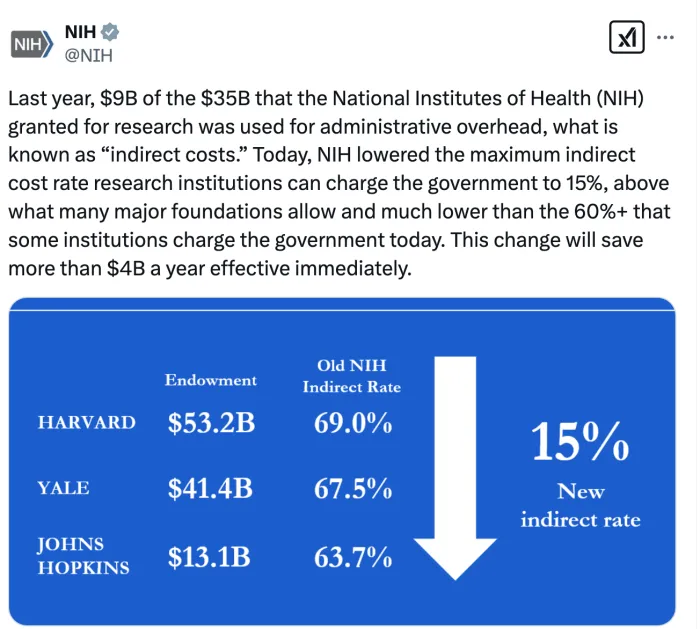
I responded on Twitter (follow me): “You might not know it, but this is a MAJOR VICTORY of outstanding proportions. Overhead is what fed the administrative beast. Overhead paid for DIE. Overhead paid for assistants to the assistants to the assistant Deans for development. Kill the Beast by starving it.”

For those new to grants, the overhead is the amount tacked on by the researchers’ institution to a researcher’s grant. If a Harvard grant is for, say, $1 million, an amount already bloated for all the usual reasons of excess, then the amount NIH pays to Harvard is $1,690,000. That extra $690,000 feeds the Beast. The Beast grows and causes the original grant totals to swell, for reasons not directly related to the research, like increased salaries for all and such like. Bureaucrats are spawned from the overhead funds. They emerge from their pods with gaping maws mewing to be fed—fed—fed! Overhead is a slow-motion monster movie.

(If you want more detail on overhead, this is a good article.)

Now I know this next part will make no sense to you, but not all are taking well the splendiferous news overhead will be treated like a bikinied teenager in a Wes Craven movie. The far-left politics journal Science screamedNIH slashes overhead payments for research, sparking outrage“.

“Outrage”, as we have said many times, is the second of only
two emotions a woke can express. The first being smug self-satisfaction.
They don’t get the first anymore, though.

Or take as representative lead covid panicker Eric Fing-Ding. Through sweet, sweet tears, he tweeted (among other things) that the cuts will “COMPLETELY DECIMATE MEDICAL & PUBLIC HEALTH RESEARCH”.

Bad news, because we’d like the effect to be greater than a mere measly ten percent. We need to whack, with pitiless remorseless brutality, at least half of governmental science funding. The Science article was more hopeful. They said “‘This is a surefire way to cripple lifesaving research and innovation,’ said a statement from the Council on Governmental Relations (COGR)”.

Crippling is much better than decimating.

Bring on the pain. Their pain. Universities have had it good too long. And we’ve had it bad.  It’s not only your old Uncle Sergeant Briggs saying this.

Here’s a ripe pull from “The natural selection of bad science” by Paul E Smaldino and Richard McElreath. These fellas are not critiquing cellar-dwelling simulacra of science, like say sociology, but what’s taken as the good stuff, like medicine.

These are not the only ones on the inside saying these things. The word is out. Science has gone bad: “A 2015 British Academy of Medical Sciences report suggested that the false discovery rate in some areas of biomedicine could be as high as 69 percent.”

Data Republican says: “Universities are among the largest drains on taxpayer money in my dataset. They receive massive funding from NGOs and USAID, and they take more government grants on top of that. Meanwhile, anonymous professors have reported to me that true scientific research is stagnating due to DEI mandates and administrative bloat.”

Understand: universities were ground zero for the DIE zombie invasion. And much worse. A tsunami of bad ideas flowed from universities over the last century. Many of those responsible are still employed there. These people need to be made to go. It’s not only DIE, but the base bloat caused by government micro-managing science. It is government, almost completely, that decided what got funded, and funded to ridiculous levels. This forced consensus-based science upon us. This has stifled much innovation, as we have seen time and again. It must be made to change, for change won’t come from within.

Now that 15% might eventually rise, given the wounded howling coming from universities (an AFMR email said “We have also launched an E-Action Alert to engage the broader scientific community and mobilize support for advocacy efforts to reverse or mitigate these changes.”).  But the rate must fall. The NIH and NSF budgets need to treated like the mess they are.

The only way to rid ourselves of this stuff is to stop feeding those producing it. We need to force a restructuring and rethinking. The old ways need to go. The only way to do this is to cause pain. Minor course corrections are not enough. Cut, cut, and cut some more. Make it sting.

See Also:

Examples of Debased Government Science

Trust Me, I’m a Scientist. Really?

Why Federalized Science is Rotten

Scientific Societies Misstate “Climate Change”

Wallace Manheimer provides examples of the errors needing corrections in his American Thinker article Scientific Societies Err on ‘Climate Change’.  Excerpts in italics with my bolds and added images.

Major scientific organizations’ statements on “climate change” and the conclusions therein form the basis of much of the scientific foundation for governmental, scientific, media, and public concerns on the use of fossil fuels. Trillions of public and private dollars are currently being spent on alternative fuels to “save the planet” from the alleged harm of increasing CO2, a gas which is vital for life on earth. If the evaluations of these societies are erroneous, these measures could impoverish much of the world, to say nothing of wasting trillions. Economic damage and social unrest are already evident in some countries, including the United States.

It is therefore imperative for all that their views be based on sound science,
and if not, these societies should change their statements.

A recent publication and podcast have examined the scientific organization’s climate statements, and have found numerous errors, errors which are easy to find by simply comparing the societies’ statements with data from such reliable sources as NOAA, NASA, and others. These societies are:

♦  American Physical Society (APS),
♦  American Meteorological Society (AMS),
♦  National Academy of Science (NAS),
♦  American Chemical Society (ACS), and
♦  American Geophysical Union (AGU).    

[Manheimer refers to paper Science Societies Climate Statements: Some Concerns]

Here is one example. The AGU states “Greater CO2 concentrations in the atmosphere are also affecting the growth and nutritional value of land plants…” Numerous studies, including measurements of terrestrial plant life from space, and measurements of crop production, have shown that if anything, increasing CO2 has increased both plant life and crop production. After all, CO2 is a vital nutrient for plants, and the slight warming we have experienced, possibly in part due to the increased CO2, has increased the growing seasons in the temperate latitudes.

As another example, the ACS statement asserts: “Extreme weather and related events, such as floods, droughts… are increasing in frequency and intensity, threatening Americans’ physical, social, and economic well-being.”. The frequency and intensity of floods and droughts is measured by what is called NOAA’s Palmer drought index and this index is displayed as a graph vs of index versus year. It shows clearly, that in the United States the worst sustained droughts in the U.S. were in the 1930s and 1950s, and the worst sustained floods were in the 1970s through the 1990s.

Tens of thousands of scientists, including over 10,000 with Ph.Ds., have critically examined the evidence, and have concluded that a CO2-induced climate crisis is extremely unlikely. They have willingly and publicly asserted this, by adding their names to document such as, the Oregon petition, Clintel Climate Petition , and the CO2 Coalition. Among other things, the societies should not ignore these, professional conclusions of many of their members.

Accordingly, and with humility, I suggest that these societies do the following:

  1.  Replace their climate statements with ones that say there is most likely an effect humans have on the changing climate, but its importance for humanity is uncertain and it is still being debated.
  2.   Eliminate statements that are demonstrably incorrect, as shown by comparison with easily available and reliable data.
  3. Acknowledge in their statements that fossil fuels cannot be replaced in the next several decades without greatly endangering our civilization.
  4. Acknowledge in their statements that CO2 has obvious obvious benefit for human existence, as well as potential risks.

By changing their statements to ones that are more moderate and scientifically correct, these societies will not only be helping the professions they serve, but more important, will ultimately be aiding humanity. On the other hand, if they keep their statements as they are, they will remain on the wrong side of history, and posterity will not look kindly on them. And posterity may be arriving sooner than they think. With a Republican Congress and President Trump referring to the “green new scam,” these society presidents may find themselves hauled before Congress to receive the university president treatment.

After all, the APS statement says, “Multiple lines of evidence strongly support the finding that anthropogenic greenhouse gases have become the dominant driver of global climate warming observed since the mid-twentieth century.”

    • What will its president say when the congressman puts up a graph showing that for 30 years in the early decades of the 20th century, the warming rate was the same or greater?
    • Or when he puts up a map proving that the northern forests, 4000 years ago extended about 200 miles further north worldwide than they do today.
    • Or shows that 2000 years ago, the Romans had vineyards in England extending all the way to Hadrian’s wall, millennia before cold weather grapes had been developed.
    • Or when he shows evidence that 1000 years ago the Vikings grew barley in Greenland, something not possible today. Surely this proves that the world had many warmer periods without the help of extra CO2 in the atmosphere.

There are many such statements that Congress can quote, to very publicly humiliate these society presidents. As a committed life fellow of the APS, I hope these societies will change their statements now, before the roof collapses on them.

Background from Richard Lindzen

The above described changes in scientific culture were both the cause and effect of the growth of ‘big science,’ and the concomitant rise in importance of large organizations. However, all such organizations, whether professional societies, research laboratories, advisory bodies (such as the national academies), government departments and agencies (including NASA, NOAA, EPA, NSF, etc.), and even universities are hierarchical structures where positions and policies are determined by small executive councils or even single individuals. This greatly facilitates any conscious effort to politicize science via influence in such bodies where a handful of individuals (often not even scientists) speak on behalf of organizations that include thousands of scientists, and even enforce specific scientific positions and agendas. The temptation to politicize science is overwhelming and longstanding. Public trust in science has always been high, and political organizations have long sought to improve their own credibility by associating their goals with ‘science’ – even if this involves misrepresenting the science.

Professional societies represent a somewhat special case. Originally created to provide a means for communication within professions – organizing meetings and publishing journals – they also provided, in some instances, professional certification, and public outreach. The central offices of such societies were scattered throughout the US, and rarely located in Washington. Increasingly, however, such societies require impressive presences in Washington where they engage in interactions with the federal government. Of course, the nominal interaction involves lobbying for special advantage, but increasingly, the interaction consists in issuing policy and scientific statements on behalf of the society. Such statements, however, hardly represent independent representation of membership positions. For example, the primary spokesman for the American Meteorological Society in Washington is Anthony Socci who is neither an elected official of the AMS nor a contributor to climate science. Rather, he is a former staffer for Al Gore.

Returning to the matter of scientific organizations, we find a variety of patterns of influence. The most obvious to recognize (though frequently kept from public view), consists in prominent individuals within the environmental movement simultaneously holding and using influential positions within the scientific organization. Thus, John Firor long served as administrative director of the National Center for Atmospheric Research in Boulder, Colorado. This position was purely administrative, and Firor did not claim any scientific credentials in the atmospheric sciences at the time I was on the staff of NCAR. However, I noticed that beginning in the 1980’s, Firor was frequently speaking on the dangers of global warming as an expert from NCAR. When Firor died last November, his obituary noted that he had also been Board Chairman at Environmental Defense– a major environmental advocacy group – from 1975-1980 [5].

One could go on at some length with such examples, but a more common form of infiltration consists in simply getting a couple of seats on the council of an organization (or on the advisory panels of government agencies). This is sufficient to veto any statements or decisions that they are opposed to. Eventually, this enables the production of statements supporting their position – if only as a quid pro quo for permitting other business to get done. Sometimes, as in the production of the 1993 report of the NAS, Policy Implications of Global Warming, the environmental activists, having largely gotten their way in the preparation of the report where they were strongly represented as ‘stake holders,’ decided, nonetheless, to issue a minority statement suggesting that the NAS report had not gone ‘far enough.’ The influence of the environmental movement has effectively made support for global warming, not only a core element of political correctness, but also a requirement for the numerous prizes and awards given to scientists. That said, when it comes to professional societies, there is often no need at all for overt infiltration since issues like global warming have become a part of both political correctness and (in the US) partisan politics, and there will usually be council members who are committed in this manner.

Source:  Climate Science: Is it Currently Designed to Answer Questions?

Comment: These bodies all claim to serve society, which as American institutions should primarily be concerned about American society.  Funded by American taxpayers and donors, they should consider first and foremost their own country’s needs.  That means stopping the fuzzy logic and blurring the truth about weather and climate.  Otherwise they must fade into irrelevance.

And they must stop promoting the interests of a few colleagues at the expense of the many ordinary citizens.