Zero-Based Budgeting (ZBB) is a particular approach to managing organizational resources which I have known from previous consulting experience. It doesn’t take a rocket scientist (although Doge has at least one of them) to know that branches of a bureaucracy grow like topsy driven by internal incentives. The game is played by finding a new territory to regulate and add it to the mission scope to justify the added people, dollars and facilities. Managers increase their power, prestige and salaries by adding staff and resources, the bigger the agency budget the better. As one Doge leader put it, government only ratchets upward, nothing is ever taken away.
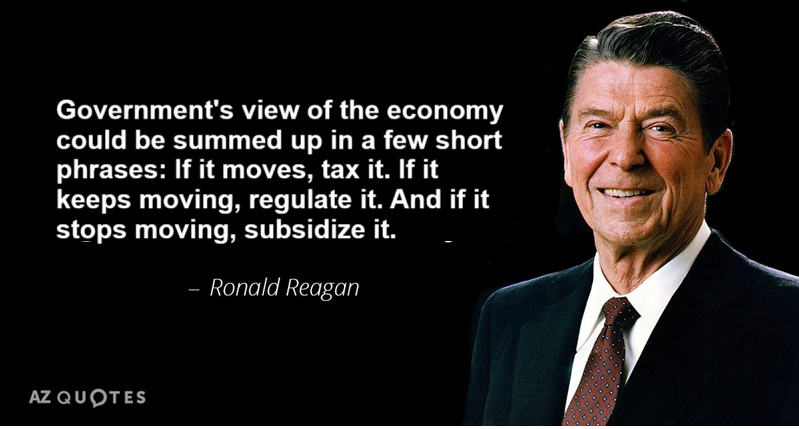
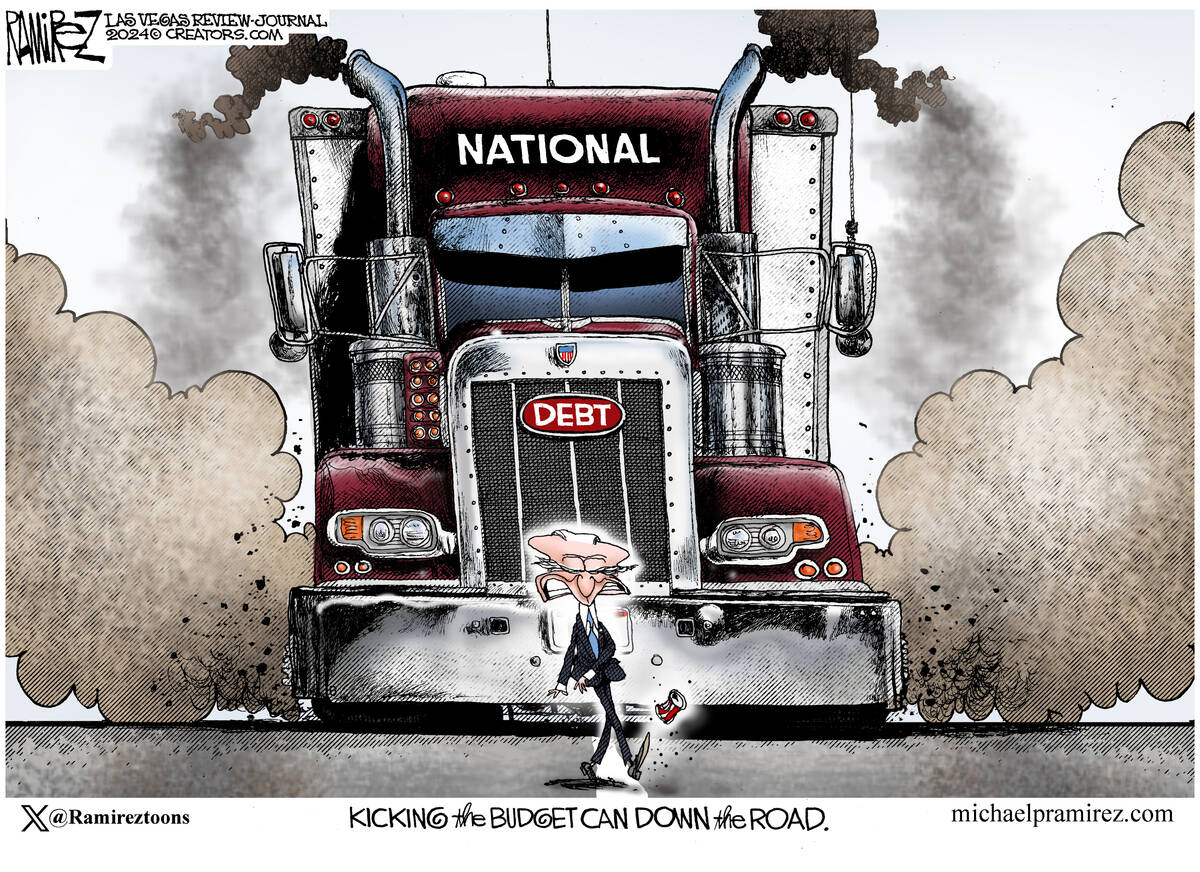
Now that the US is the nation with world’s largest debt, there is no option other than to ratchet downward by streamlining and rightsizing focusing on the essentials, and discarding the rest.
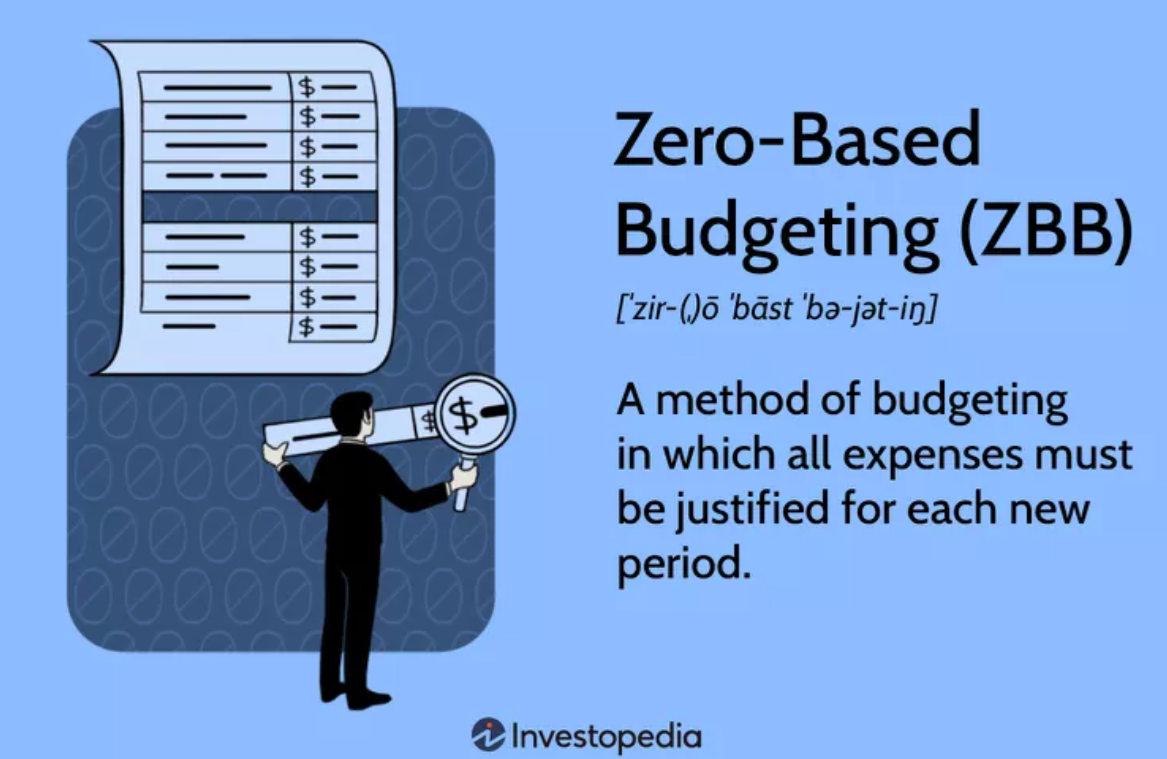
What is ZBB method for meeting the desperate need to trim the US federal government. (Source: Investopedia)
How Zero-Based Budgeting (ZBB) Works
ZBB allows top-level strategic goals to be implemented into the budgeting process by tying them to specific functional areas of the organization. Costs can then be first grouped and then measured against previous results and current expectations.
Zero-Based Budgeting vs. Traditional Budgeting
Traditional budgeting calls for incremental increases over previous budgets such as a 2% increase in spending. Zero-based budgeting requires a justification of both old and new expenses.
Traditional budgeting also only analyzes new expenditures. ZBB starts from zero and calls for a justification of old, recurring expenses in addition to new expenditures. Zero-based budgeting aims to put the onus on managers to justify expenses. It drives value for an organization by optimizing costs, not just revenue.
What Are the Advantages of Zero-Based Budgeting?
Zero-based budgeting starts from scratch, analyzing each granular need of the company instead of using the incremental budgeting increases found in traditional budgeting. This essentially allows for a strategic, top-down approach to analyze the performance of a given project
Zero-based budgeting offers several advantages, including focused operations, lower costs, budget flexibility, and strategic execution. The highest revenue-generating operations come into greater focus when managers think about how each dollar is spent. Lowered costs may result because zero-based budgeting may prevent the misallocation of resources that can happen over time when a budget grows incrementally.
The way forward is explained in the Executive Order issued April 9, 2025, with this intent:
Section 1. Purpose
In our country, laws are supposed to provide the certainty and order necessary to foster liberty and innovation. Instead, our vast regulatory structure often serves to constrict ordered liberty, not promote it. The United States Code itself is more than 60,000 pages. But unelected agency officials write most of the complex, legally binding rules on top of that, often stretching these statutory provisions beyond what the Congress enacted.
In particular, the previous administration added more pages to the Federal Register than any other in history, with the result that the Code of Federal Regulations now approaches a staggering 200,000 pages. These regulations linger in such volume that serious reexamination seldom occurs. This regime of governance-by-regulator has imposed particularly severe costs on energy production, where innovation is critical. The net result is an energy landscape perpetually trapped in the 1970s. By rescinding outdated regulations that serve as a drag on progress, we can stimulate innovation and deliver prosperity to everyday Americans.
This order directs certain agencies to incorporate a sunset provision into their regulations governing energy production to the extent permitted by law, thus compelling those agencies to reexamine their regulations periodically to ensure that those rules serve the public good.
 Science Matters