In this Net Zero Watch video, Colin Brazier takes us on a journey through Britain’s energy transformation as he looks at how energy abundance spawned the modern world. For those who prefer reading, below is a transcript with my bolds and added images. H/T Not a Lot of People Know That.
How did Britain get to where it did? How did this damp little corner of northwestern Europe become the economic superpower of the Victorian age? A lot of people point to our temperament, our system of government, our heritage, our scientific tradition. But I’d offer a rival explanation. It’s because of this.
This battery, like coal before it, represents energy and Britain’s story is a story of energy, a story of how people climbed out of the cold and darkness and built a girdle around the earth. And it’s a story which began here.

This is Ironbridge Gorge, the Silicon Valley of the 18th century, where coke was first smelted with iron and where the industrial age really began.
/cdn.vox-cdn.com/uploads/chorus_image/image/57806463/800px_RumfordFireplaceAlc1.0.jpg)
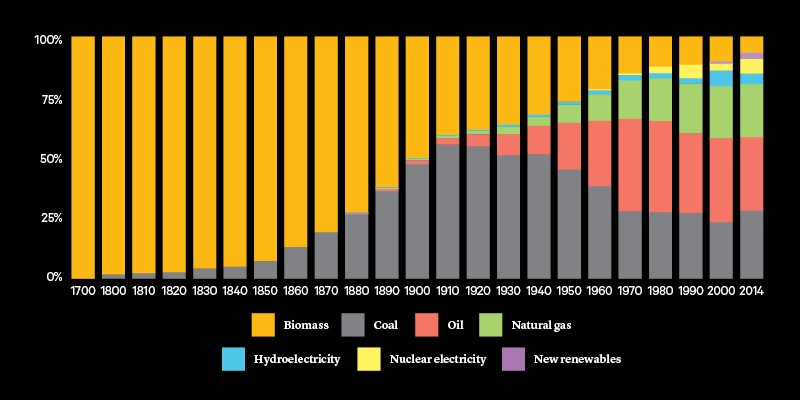
For centuries, life was fragile. Families lived by candlelight, worked the land, subject to storm and famine. In this truly organic green economy, energy was provided by muscle, by wind, water and wood. And life was constantly on the brink of collapse.

Then came something extraordinary, coal. Dense, powerful, reliable. Unlike wood or wind, coal delivered more power, more consistently and with a surplus. That surplus transformed Britain. It wasn’t just fuel, it was freedom.

One of the early steam engine locomotives.
Coal powered factories, cities and ships. It broke the stranglehold of the aristocracy because land was no longer the source of all wealth. Energy abundance spread prosperity, dignity and opportunity far beyond the manor house.
Life expectancy rose, death rates fell, cities grew. Children left fields, found trades, found schools, found new futures. Coal wasn’t just about energy. It was the very beginning of the modern world. Energy abundance spread opportunity, dignity and choice. Energy is the fuel of civilisation.

Freedom requires means, the ability to travel, to act, to think, to choose. All of it depends on energy. Energy is not just another input to the economy. It is the foundation of every input. It’s the key to every human action. This was the way up.

But from the late 20th century onwards, something changed. A new philosophy took hold. Instead of celebrating energy as the lifeblood of prosperity, it was recast as the villain. Coal was demonised. Oil and gas became suspect.
Energy abundance, once a mark of progress,
was rebranded as a threat to the planet.
Net zero requires us to make big changes today. “Net zero is our best chance for a sustainable future.” The logic of net zero spreads into almost every aspect of daily life. What cars we drive, what we eat, how we heat our homes, even how many children we are encouraged to have. Petrol and diesel cars banned. Gas boilers ripped out. Smart meters to ration our use of power. Meat consumption cut. Families told to fly less, to travel less, to live with less.
This is not abundance. This is managed decline. Think about it. Not power when you need it, but when the state sees fit. That’s not freedom. That’s rationing. Net zero isn’t about emissions. It’s about control. It is central planning extended into every aspect of life.

The state tells you what you can and what you can’t eat, how to travel, when to use power. They call it green, but to me it feels like a command economy. And like all command economies across the world, it ends up in the same way, in poverty and in misery.
We cannot let it happen here. Claire Coutinho was Secretary of State for Energy Security and Net Zero and retains the brief in opposition. She knows just what effect such a policy will have on the country. Claire, what does net zero mean for growth overall?
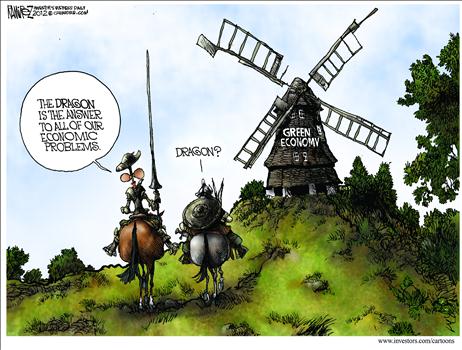
The problem with net zero is it’s making us all poorer. Every time a business leaves this country for another country with more polluting energy regime, we are losing jobs, we are losing growth. And for what? So we can become more reliant on other countries for the products that we used to make here.That means fewer jobs here, but higher carbon emissions. It simply doesn’t make sense. And if we carry on down the route that we’re currently travelling, what does the future from a pessimistic position begin to look like? Higher energy bills, fewer jobs. I mean, it simply is not the right path for this country.
Sometimes this whole conversation can be so steeped in declinism. What is the positive vision if we change direction on net zero?
Look, for the last 200 years, Britain has been at the forefront of every industrial revolution. And we can do that again, whether it’s AI, whether it’s robotics, whether it’s space. There are so many things that this country could do if we have access to cheaper energy. Britain is there. We can do this. But we need ministers and governments to focus on providing that cheap energy the country needs.
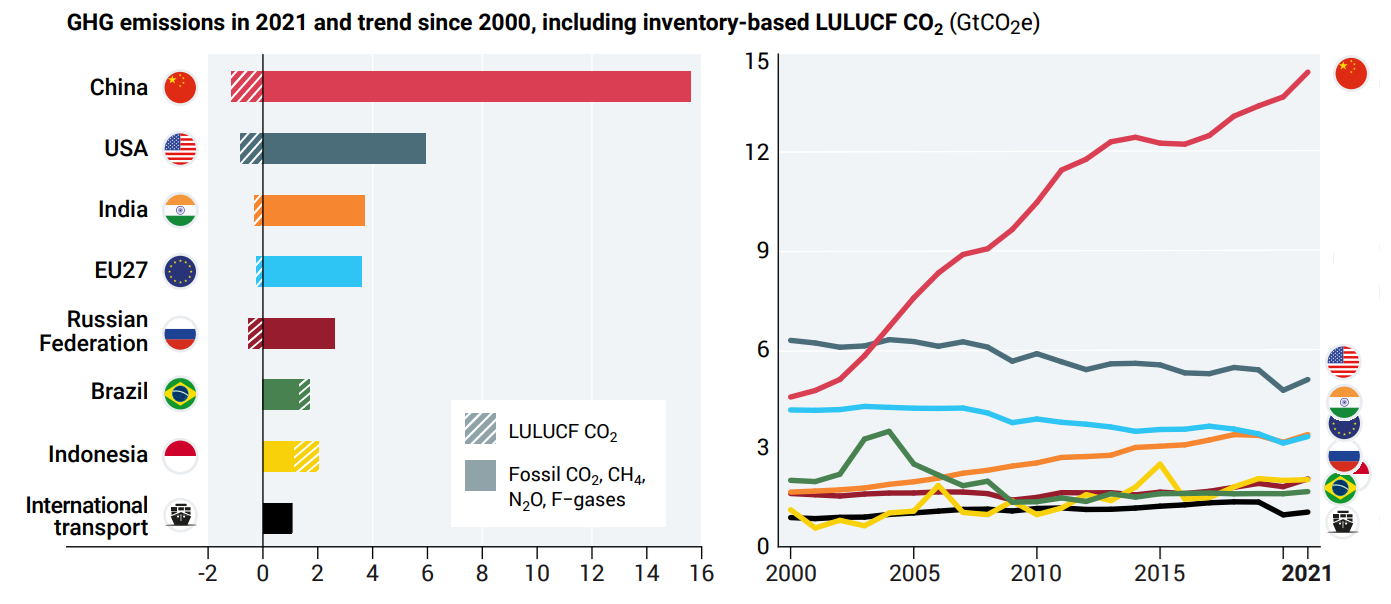
And here is the twist. Britain gets to make the sacrifice while others get to race ahead. Our emissions in the global scheme of things are negligible. China’s annual increase alone dwarfs our entire output.
We get to pay the cost. They get to enjoy the growth. What we’re left with is the worst of both worlds.
Economic decline at home. No meaningful effect on the climate abroad.
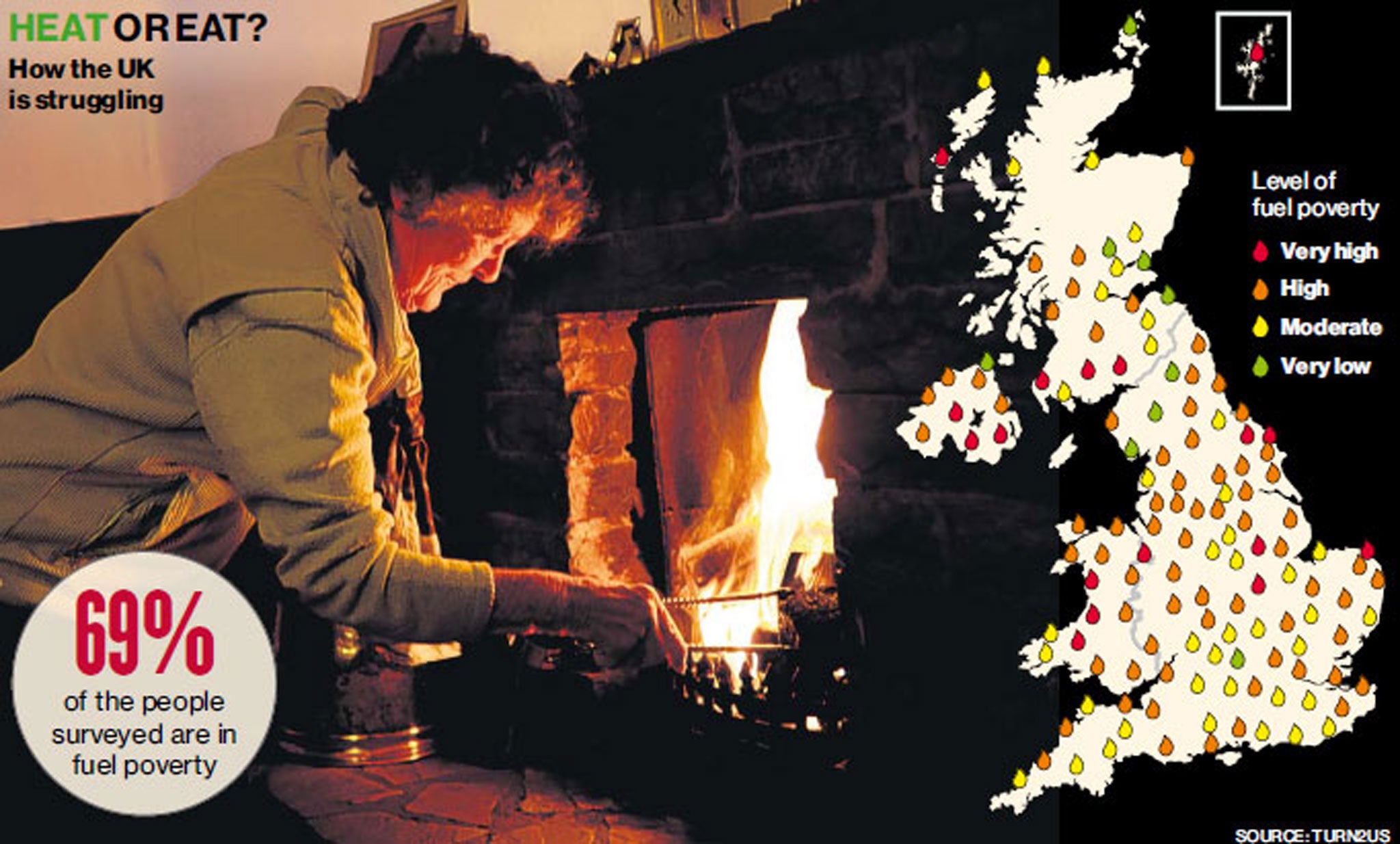
And yet we’re told this is virtuous. That living with less is noble. That accepting decline is moral. But ask yourself, is poverty moral? Is coldness in winter moral? Is telling working families they cannot afford to travel or eat moral? This is not morality. This is coercion dressed up as compassion.
And this is the way down. But decline is not inevitable. We can choose the way up again. Britain has the resources, the ingenuity and the history of leading the world in energy innovation. Coal, oil, gas, nuclear. These are not enemies. They are the foundation stones of modern life. And yes, new technologies can play a part. But they must serve freedom and prosperity, not restrict them.
We need energy abundance, not energy rationing.
Competition, not central planning.
Innovation, not authoritarian diktats.

Britain’s national story really is a story all about energy. Abundance built our freedom. Scarcity may well yet destroy it. We now face a choice. Energy prosperity the way up, or energy poverty the way down. Which future will we choose?
 Science Matters