The interview above explores a world mostly unknown to middle-aged adults and seniors, a world where young people became convinced the world was doomed because of climate change. Lucy Biggers participated in that world as a skilled influencer, but now is a voice for reason and optimism. For those preferring to read, a transcript is below, lightly edited from the captions, with some added images. MS refers to comments by Maya Sulkin of Free Press. LB refers to Lucy Biggers. H/T Raymond Inauen
Confessions of a Former Climate Activist
MS: Lucy Biggers, head of social media at the Free Press and former climate activist, thank you for being here today. We’re going to talk about why you joined the climate movement, why you left, and what gave you the courage to do so. LB: Thank you so much for having me.
Today we’re going to talk about how you went from being a leader, really, in the climate movement to now being one of its most outspoken critics. So before I knew the Free Press, Lucy, you were fighting to ban plastic straws and you were, you know, homies with AOC. Hey Lucy, I hear you’re doing a video on the Green New Deal and I’m thrilled. What happened to you? How did you get into that movement in the first place?
LB: Yeah, so I spent half of my 20s really in the climate movement and it started about when I was 25. I’m 35 now, so I know I look younger, right? MS: You do really give a lot of Gen Z energy, which we’re going to talk about. Yeah, I cosplay as Gen Z, but I’m actually 35, so that’s important to know the timing.
So in 2015 I was 25 and I worked at this newsroom called NowThis News and I was a video producer there, so I was scrolling all the time on Facebook and sort of the beginning of like the scrolling that we know now and my algorithm was just feeding me up environmental stories and I just kind of bought into the climate movement narrative. Some of the things that first got me into it were just documentaries. Before the Flood, which is a Leonardo DiCaprio film, which now, I think why do I trust Leonardo DiCaprio on this topic, but I watched that.
Josh Fox is a big climate activist who’s done films like Gasland, which now I know are very biased. So it was the documentaries and then even in my feed seeing this thing called the Dakota Access Pipeline protest, which was really big in 2016 and activists would comment, cover Dakota Access Pipeline, cover Dakota Access Pipeline, and so I started covering this protest against a pipeline that was being built in North Dakota. The whole year of 2016 I did that and that was really like when I first got into the movement and then over the years after that I built up my social media following on Instagram, covering things like the Green New Deal, interviewing Greta.
What are the personal choices that you make to be more environmentally friendly? Always like being down on single-use plastics, all the normal ideas that you think of when it comes to like the climate movement, that is what I was pushing and at the peak of it I had 50,000 followers on Instagram, which I say it’s like follower inflation because that’s not that much now, but in 2016 or maybe 2018, that was a lot and yeah so I kind of just gained a persona. I got a lot of support for that and next thing you know I’m just like a gung-ho climate activist pushing all these ideas.
MS: So part of being, as you know, an influencer, especially in political spaces, is that it kind of becomes your identity. I wonder while you’re absorbing this information, you’re reporting on it, what kind of led you to say you know what I’m gonna like make this my life really and attached my face, my reputation to kind of pushing this movement forward?
LB: Yeah so in the 20-teens, climate change was not a topic that was covered by the news a lot. It was a very undercovered story and so I saw an opening where I could really be of service to these other activists who were talking and raising the alarm bells about this and cover it and so I felt like I was on the side of justice where you know the scientists are saying the world’s gonna end in 10 years. Why is nobody talking about this? Like I’m gonna start talking about it and also I will say at that time I was very very left-wing and so I was very progressive and my whole newsroom was like that too.
So we were all like Bernie supporters and like this is why the 20-teens, it’s like really important to put yourself in that mindset of what that ideology was like at the time and now when I reflect on it, I think it was this desire to like do good in the world. Like I wanted to make an impact and I thought I could be of service and at the same time a lot of this ideology that we know now really well as woke stuff and the oppressor versus oppressed mindset was coming into my newsroom.
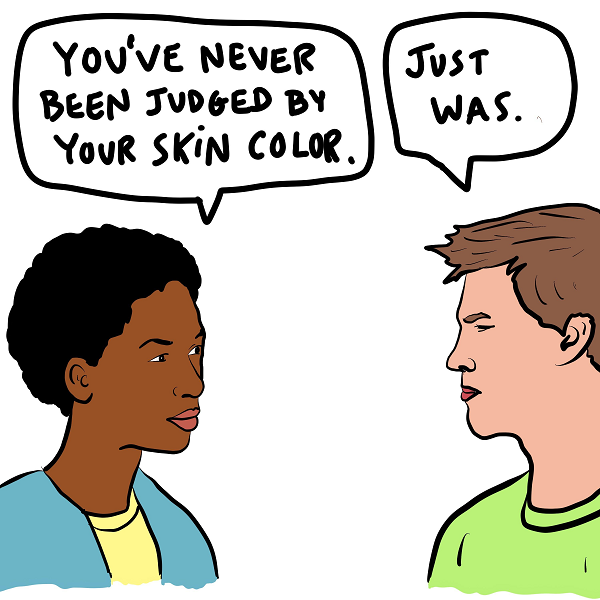
So now it was not just like oh I’m a Bernie supporter and I want free college. It was like oh if you have white privilege you need to sit down. Like if you’re a cis person you need to sit down and so in my, I’m in my mid-20s looking around the newsroom going I’ve got a lot of like privilege. And so when I’m seeing at the same time these Native Americans saying there’s a Dakota access pipeline going on our reservation and it’s evil and we need help fighting it, I’m like great I can be a really great ally.
And so psychologically in retrospect looking back I think it was this desire to like atone for my privileged position that I had in the world and the way I could atone was by propping up these narratives. So it was very emotional, emotiondriven as well as psychologically driven. And then black and white thinking where it was like the Native Americans in this fighting this pipeline are the good guys and the fossil fuels and the American government and just capitalism in general are the bad guys. And so a lot of that was happening at a subconscious level but that is what first drew me to it and I kind of took it on as an armor and it gave me a lot of accolades within the group of my colleagues and in the movement where it was like wow she’s a great ally, she’s doing so good.
MS: I wonder in addition to the social rewards which we’ll talk more about and I think is really common, what were in that time for you the biggest wins? Like whether they were policy changes or people you got to meet or reforms that were made in that moment what were the things that you were realizing, wow I helped make this happen and I’m so happy I did.
LB: So I keep talking about Dakota access pipeline and I don’t know if people watching this would know what it is but it was like the topic of the time. I remember it. Yeah it was right before Trump got elected. Yeah you were like six. But it was right before Trump got elected. So like this was like the beginning of the modern era now with the Trump derangement syndrome and everything. And so this was actually happening Obama’s last year and I guess I keep bringing that up because that was a huge win for me because I got that issue to have 100 million views on Facebook, the videos that I did.
So there were activist Facebook groups that were getting like zero views and I would put them on the this page and they would get 100 million views and there was a point when like Shailene Woodley went up at an environmental rewards show and she said go to Standing Rock. Don’t just tweet about it. Don’t just feed off of me getting arrested. Go to Standing Rock. I made that go viral. It got tens of millions of views like in a day and people went to Standing Rock which was insane.
I went to Standing Rock. There was a snowstorm. It’s on a reservation and I slept on the floor of a of a casino when I was there because like it was insane. But we all went and it like it was just like anything that we’ve now seen with these movements many times pro-Palestine, BLM, this sort of very emotionally driven black and white thinking movement and that’s what the climate movement was in the 20 teens. And the way that we saw with BLM in 2020 and then pro-Palestine since 2023. And so that was like the example of it and I just got swept up into it and it became part of my identity.

MS: At the peak of this movement, I wonder if you can just tell us what like the core tenets of thinking were.
LB: Yeah so the core tenets would be that the world’s going to end in 10 years unless we basically keep fossil fuels on the ground. It’s American imperialist capitalism’s fault and all of the politicians who aren’t doing anything, they don’t care. They’re bought out by fossil fuel industry. Anyone who raises a question of questioning the narrative, they’re a fossil fuel shill or they’re paid off. It’s not just that we have to save the planet, but it’s that the systems we operate in now are inherently evil. And if we just got rid of them we could live in a utopia where everyone would be living peacefully off of the land and we would have harmony and you know so it’s again like very weird.
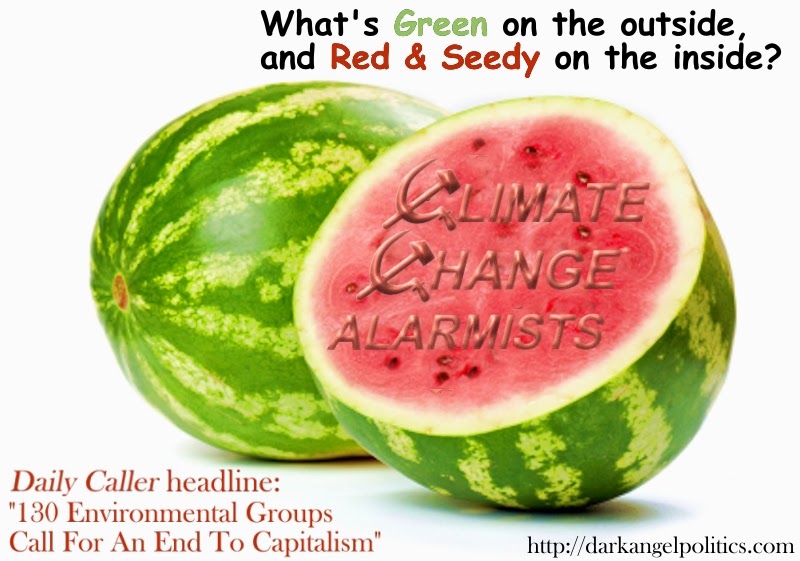
The warmth of collectivism. Yes, there’s a lot of communist and Marxist undertones which I think is intentional by the people who are organizing it. But I am just a useful idiot at the time and just going along with it. When you get pulled into a movement like this, you start off by thinking I don’t want plastic in a turtle’s nose to next thing being “Down with the West”. Later you wonder how did I get here? I don’t know but I was drawn in by the emotions of it and now two years later I’m pushing the green new deal with AOC that says like every American deserves a job and we need no more fossil fuels and things that if they actually got enacted would be devastating.
MS: Like you referenced with Israel, Palestine like with BLM a kind of defining feature of all of these movements is one a sense of nihilism but also a lack of questioning and people who question things are often demonized. I wonder if you can first talk about if there were people when you were part of the in crowd that started to question things that were maybe ostracized or if you ever had a moment where you said this is this is starting to get a little bit freaky for me.
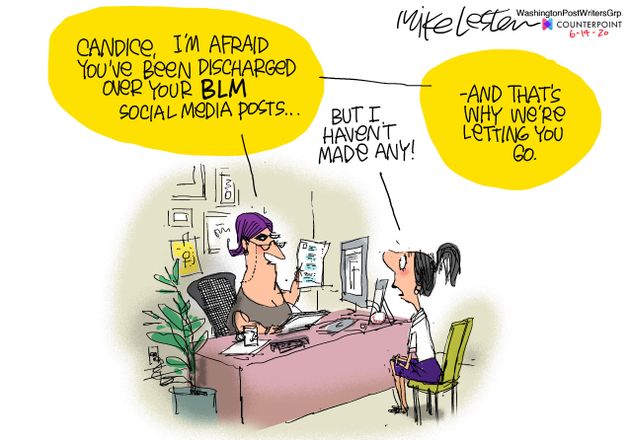
LB: I don’t think I ever saw other people questioning it. I think that every time I would step out of line if I would say something like well this doesn’t really make sense you know. When you say it among people who are true believers I would then go home and and my anxiety would spiral. My god they would think am I not a good ally because I said that plastic has a lower carbon footprint than glass. Which is a fact you know and so there be inconvenient facts and if they were brought up in certain contexts I would just feel so insecure leaving a situation where I might have said something outside of the party line.
Mind you, everyone was actually lovely and nice and this was more a self-inflicted thing. It’s not like people were like putting gun to my head to push climate stuff. It was literally a self-imposed thing, an ideology. I look back on it think that my sense of self was sitting on sand and so it was just so would go with the winds of the group. So I didn’t have a solidness inside of myself. What are my core tenant beliefs and so I just was told well you know capitalism is evil and we’re all going to die from climate change unless we do something now. I’m like okay like I’m gonna buy this and and I didn’t have the the confidence in myself to question it and go against the group.

And so whenever I came up with an idea that was contradictory I would just dismiss it. At this time there were people who even quietly were saying like, hey actually I am not so sure if this is true. The science maybe points to other things.
How were those people talked about within the movement? I don’t think those people are even acknowledged or talked about that stuff never broke through. Even now in my research that I do continually in reading books, I’ll learn about something and think: Oh that study that I thought was true, you know 97 percent of scientists agree that climate change is a problem, that has been so thoroughly discredited. But it never broke through to me because again, anyone who questioned it is like a white privileged nut. The white privilege thing is like I you can’t kind of separate it because again if like there was a scientist who say their identity is like a white man maybe a classic white man like trying to hold up the system.
So even though it’s a scientific movement, it really was completely divorced from science. I never looked up the science of it which is so embarrassing. I didn’t know what percentage of the atmosphere was CO2 until 2019 and that was when I realized it’s 0.04 percent, which is not a lot, which is a good thing you should know. Again all these people that I followed were activists documentary films. And I would just watch that one thing and take it as fact you know and then never question it until years and years later.
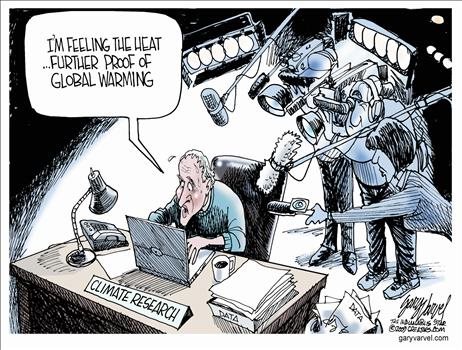
MS: So you’re deeply ensconced in this and then when is the first time that you look around and think something is going on here and I need to learn more. And then how do you make the the quite courageous decision, especially as your public identity is tied to this thing, to start questioning.
LB: I think that the whole time I was part of the movement I always had doubts. And because as I said, my internal sense of self is built on sand, I would get really triggered or have anxiety when someone would bring something up that might like make me question the foundations of these beliefs around the climate. And even a few months after Dakota Access Pipeline happened, I remember having a few glasses of wine with people like at my apartment and feeling like it’s kind of bullshit. When I was covering the Dakota Access Pipeline I was in the role of an advocate for the climate activists and the Native American activists perspective. So I pushed that message: This pipeline is invasive on our land, and it’s going to destroy our drinking water, and that it can’t go through because of climate change.
It was just the party line of the activists, even though inside I could see that there was a lot of problems with the argument. For one, the fact that when you transport oil over a pipeline it’s actually safer and better for the environment than doing it over trains. Because trains can crash and they have a carbon footprint themselves. I would go onto the pipeline website, and I could see a graph they drew and explained how it was going to go under the river and it would not leak into the drinking water. And so I would see the nuance but I almost felt like that wasn’t my role to show it. I have a forward-facing persona: this is what I mean to say and do and even if I see counter information it’s too much of a headache to even include that. Why would I even go down that line because then people are gonna be questioning my loyalty to the cause.
MS: Was there a moment before though when you really did think all of this was true?
LB: I could tell even the way I was covering stories, but I wasn’t covering them honestly or fully. It would almost be like an iceberg and I would show the tip of the iceberg and below the iceberg there’d be nuance and complexity. Or maybe part of it would throw cold water on the theory that I was pushing around this stuff. I would just ignore it and I remember always kind of feeling my coverage is so one-sided and it and it kind of hurt my heart a little bit. But again the cost of going against the group and trying to think of standing on my own I was too much to bear. So I’m just gonna put my trust in the group even though I’m seeing these contradictions. Other people know more than me.
MS: Did you just go with the calculus, I’m a vehicle for this movement and therefore I can only show the tip of the iceberg that they deem acceptable because doing otherwise would ostracize me. Or did you still fundamentally believe that, yes there’s all this other stuff that I’m not portraying in what I’m putting out there, but it’s kind of a distraction from the ultimate end which is creating an awareness or momentum behind this.
LB: I think that’s what it is, and I think that activists still do this. It’s like we don’t have time for nuance, we just have to push for the most extreme narrative because this is a fire alarm situation and the planet is going to be destroyed. We don’t have time to think about the downsides of solar and wind, we have to just keep pushing forward because this is existential.
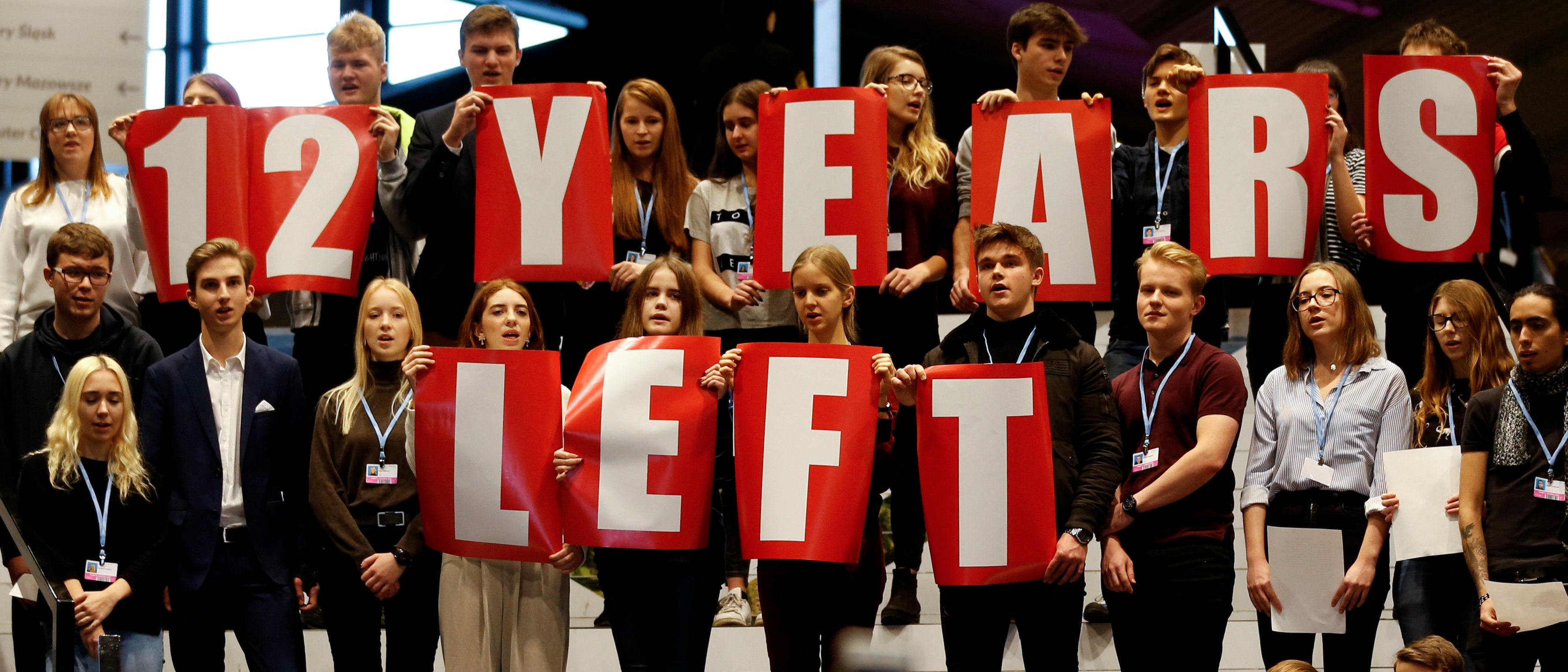
And that was in 2019!
When you subscribe that this is an existential threat and we don’t have time to like look at the details, then we just have to get people to care and to be afraid. Because if they’re afraid they’re going to change their habits. But again the logical thinking was not there. Psychologically I was in such an insecure place with the group think and being in that work environment, the activist environment, that I didn’t use my logical thinking to the end. I would always stop thinking and then give up my autonomy to the group which was saying this this is an existential thing don’t ask questions.
MS: So when does this small hint of doubt are you slipping into something at like a drunk wine night turn you into this complete breakup?
LB: So the timeline is that I was at now this from 2015 to 2021 and so I was there through the COVID stuff too. I was visible, I was an on-camera person the whole time I was there, so the whole world shut down at the peak of COVID. We saw a 17 percent reduction in our carbon emissions with the peak of COVID. And I’m thinking to myself, wait a minute the climate movement wants 100 percent reduction in our carbon emissions. What is it going to extract from our society. We’re literally locked in our home not doing anything and we still have carbon emissions. That was the first moment where I go hold on. I don’t know if I want to live in a world where we have zero carbon emissions because I’m kind of depressed right now at home. This sucks and we have no freedoms and so what does the climate movement mean if you take it to its logical conclusion. No big deal except it’s going to require people to give up their freedoms to lower carbon emissions
So that was one thing and then the other thing was I was very anti-plastic and all of a sudden like the PPEs everywhere the masks the plastic barriers between every table at a restaurant and when you’re checking out your food at the grocery store and I’m like wait a minute I’ve been sweating about single-use plastic straw for the last five years and now we’ve proliferated more plastic in the last few months than I’ve seen in my lifetime and and also looking around we seem like we’re fine it looks like our society was able to absorb that plastic and the world has not ended
That was 2020 and then in 2021 I left my job and so I didn’t really say anything publicly while I was still there because I was in a public role. Then I was at a a non-profit for a year in a behind the scenes role before I came to the free press. I came to the free press end of 2022 I’m behind the scenes now two and a half years and I just started making content this past May. And that was the reason why I went from being behind the scenes that whole time was I was like I’m too afraid, and then my younger son turned one in April and that was when I kind of had a light bulb come back on. And I was like wait a minute like let me reconsider this. Do I really want to go to my grave never talking about the climate stuff that I have issues with, and what actually need to be said about weighing the cost analysis of doing this.
I just made a decision inside myself in May that I was going to make content and so I started making daily content on TikTok in May and then in June I went back to my Instagram where I’d had the following. So that was scarier. I made content there and then from there I’ve just continued to go all year you kind of internally before you go public with this depart from this way of thinking yeah
MS: I wonder if there was any personal confusion or loss of identity you had attached yourself in a public way to something and then even though it was quiet at first walked away right did you have an identity crisis of sorts?
LB: Yes I did because when I was in the climate movement I got my identity from being a good person and from being on the right side of history and so I identified with that. And so good people don’t question the climate movement you know, good people don’t listen to fossil fuel shills or defend fossil fuels, good people don’t question the climate narrative. This identity of being good and I talked a little bit about this idea of atoning right, because everyone’s obsessed with the white privilege and everything. I’m realizing that I’m an oppressor by being a white woman in from America and so I need to atone for my sins by pushing and being part of this movement and that is what makes me good. So if I’m going to leave this I’m no longer going to be seen as good and I’m no longer a good person.
So who am I and then that’s when you have to start doing the work of building up yourself your sense of self and identity in that internal world which again it took me again five years between questioning and leaving that job and then posting this past year.
MS: One thing I think about is like when you’re speaking about COVID and you’re saying we’re producing all this plastic and the world is fine yeah where does like the the agreement on scientific fact kind of end and conspiracy begin? In other words is there an actual downside to producing that much plastic and even if the world will be okay and we can innovate and adapt from it like is that a good thing for us to do, should we still be trying to limit it? Yeah, what are the facts that we should be operating under?
LB: Where I come down on this now is that the traditional environmental movement that was founded in conservation and protecting animals and getting pollution out of our environment is still very solid. But that’s not what the climate movement is. The climate movement is trying to change our energy system from reliable fossil fuels to unreliable solar and taxing us to do it. And getting us to worry about our carbon emissions and all these things.

So it’s very like convoluted, it’s like the demon spawn of environmentalism honestly. Obviously we should always reduce, reuse and recycle like the classic thing we learned in third grade. But that’s not really what the climate movement’s saying. The climate movement’s is guilting you for living a modern life; the climate movement is taxing and over-regulating reliable forms of energy and trying to get us to be dependent on solar and wind which we import those materials from China. The EU now has an energy crisis because of the green movement and so there’s so many negatives about the climate movement that go beyond just conservation and and don’t even get me started on the mental health stuff with the young people.
MS: Well that’s actually what I wanted to ask you about. But first I want to say it also seems like a core tenant actually goes against solutions or innovation. I think about the people that the movement idolizes, and that’s maybe AOC or Greta Thunberg. But they’re very much opposed to someone like Elon Musk for instance who in the creation of EVs has probably made something that’s affordable for people to lower their carbon footprint, whereas most people cannot afford to put solar panels on the top of their house.
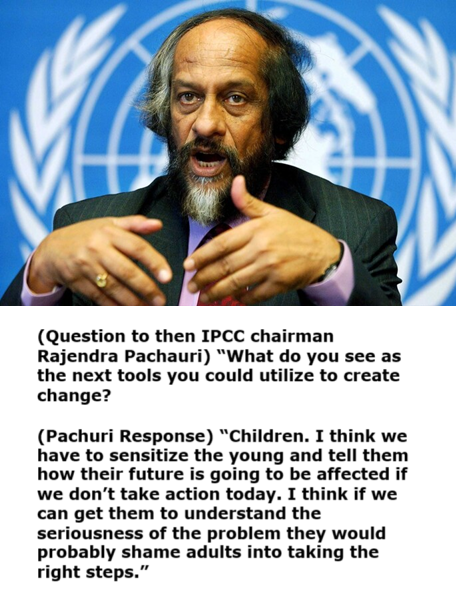
LB: Right, part of it is actually anti-innovation, it’s very anti-innovation anti-human and the fact that the 14 year old Greta became the symbol of this movement should have been a red flag for me back in 2018. Why are we idolizing a 14 year old which shows you it’s not a rational movement, it’s an emotional movement. It has spiritual undertones, they’re kind of putting her up as this prophet. Ultimately from being in the movement for so many years, I realized that it’s an anti-human movement. They would say, well we can’t just innovate our ways out of this, we need to be consuming less and we need to not be using so much energy. So it’s we can’t innovate our way out of this, and you’re thinking, well we’ve innovated our way out of every other thing. You know there used to be piles of horse manure in New York City and now we have cars. Right it’s what humans do, we innovate our way out of everything.
But again this movement is like a lot of group think, they always have something to keep you in and keep you depressed about the state of the world. And I will say another thing that woke me up from it is that we naturally work together. You know I’m a very positive optimistic person and I have a lot of energy and enthusiasm for a life, and this is a very negative movement that basically makes you feel guilty for being alive and living a modern human life. As if we can choose when we’re born, as if oh I had a choice over being born in a modern time. And so that was another thing of self preservation for me where my nature was coming up against a very nihilistic movement and I had to get out for self-preservation.
MS: I want to ask you about one of the things that we’ve touched on, the way this doomerism has affected young people especially. My grocery store is in the building where there’s a climate clock above it saying there’s a countdown until everything’s going to implode. I think it’s one in five young people don’t want to have kids because of climate fears. I wonder if the nihilism is core to the movement and how you’ve seen this affect young people especially. Because it seems like this very convenient thing where you can feel like a good person for speaking out about it, but there’s not really anything that you can do. Because at the end of the day the clock is counting down and that’s what it is.
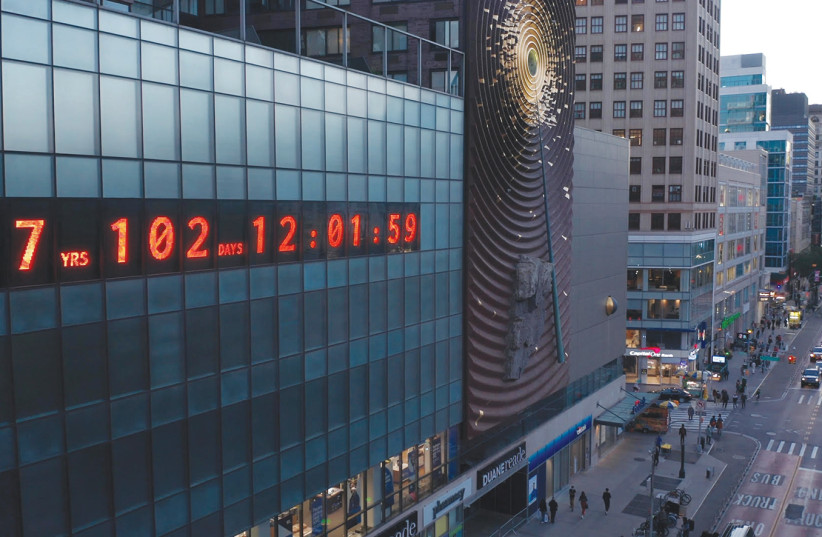
Yeah it’s so nihilistic and that is the thing that pushed me to start talking about this. Because I realized how young people are impacted, the wasted human capital that is happening because of how they’re taught this. You probably were taught it more than I was in school, but when I was in high school in 2006 we watched Al Gore’s movie Inconvenient Truth, and that one day was enough for me to like be freaked out. And I know now it’s even more really part of a the curriculum. Yeah for sure.
Actually one of our co-workers Sasha said to me after seeing one of my videos she was saying,oh my god I loved your video. Even if I didn’t know you, I would have loved seeing one of your videos. Because even when my friends and I are having a good time, there’ll be a pause and someone will say, but the planet’s burning. And I’m thinking, wow, you’re not even activists going anywhere. You just have a subconsciously held belief that you do not question, it is a law that the world is burning. Yeah I think that’s true for most young people. Yes people just assume that the world is burning and that is like common knowledge among younger generations. I don’t think older generations fully realize that.

MS: No it’s actually really random, but I was reporting a story about why young people were getting tattoos so much. And the most common thing all these Gen Z people said to me was: The world is burning. I’m going away, I may as well just get the tattoo I want because like nothing lasts forever. That was their answer.
LB: And these aren’t people who gluing their hands to a highway or covering themselves in paint. These are just normal people and that is the the cohort that I really care about. Because it’s just so sad when people walk through the world believing the world is going to end because of this when it’s so not true.
MS: So what do you think of Greta and AOC? They’re still kind of on this soapbox about maximalist climate doomerism. Why and and what do we make of that?
LB: I actually think they’ve fallen off of it a bit. Honestly AOC doesn’t talk about it as much like she was pushing the Green New Deal in 2019. And it was all about transitioning our electricity to 100% renewable within 10 years and guaranteeing a job for every American, which is hilarious. And then Greta’s gone for the pro Palestine. So they’ve backed off of it but without having a mea culpa, saying I was wrong. I think that’s a problem I had when the life I lived for many years where I had changed all my opinions but I never like corrected the record. So I just kind of faded away and that is also why I have a responsibility to set the record straight. And to counter this fear because I played a part in pushing it.
And we’re seeing the impacts now with these really poorly thought out green policies. Even in New York we know like it’s like electrify the heating here by 2030 and that’s going to cost these small business owners like millions of dollars to electrify apartment buildings or whatever it may be. That’s real world now, working class and middle class people who are now going to be on this bill like or be left to foot the bill for this climate ideology. And it’s really, really destructive even in Africa the World Bank up until a few years ago wasn’t lending to natural gas projects even though natural gas is the cleanest other than nuclear energy. And best way to get people out of poverty is to get them reliable energy. You want to give them natural gas and the world bank wouldn’t fund those projects because of climate change.
MS: Speaking of people like you who have said they were wrong, I’m really astonished by the delta of time between someone saying one thing and another. Especially in the case of Bill Gates who with the Bill and Melinda Gates foundation was funding immense amount of research on climate change. She was very outspoken about it, and then a few months ago he basically said in the New York Times: Actually it’s all fine, this isn’t a real threat. It’s okay everyone, it’s gonna have an impact but it’s not deadly, it’s not the world ending. So I wonder, this is someone who is untouchable whose personal and public life will not really be affected by him changing his mind the way that it was for you. Why is someone like Bill Gates taking so long after we know the science of what is more true now. Why does it take him a decade basically?
LB: Yeah I mean it makes a lot of sense since this whole climate system and all the non-profits and the business models and there’s so many people making money off of this now. So how do you turn that ship, it’s really, really hard. And then you’re around people saying that the consensus is the world ending. So to go against that takes a lot of courage. Just to say for people who don’t know, on my Instagram now I make content that says things like climate change is not dangerous, deaths from natural disasters are down 95 % over the last 100 years. So where’s the emergency here? Some people just like stuff that’s sort of against this common knowledge. And I also get people in my comments saying you’re a fossil fuel shill, this is fake news. It’s just being able to not take every comment so seriously that it like throws me off. Because in the end of the day I’m making the content for the mom who just had a kid and is like really freaked out. And those are the messages I also get saying: Thank you for making your content. I was actually really freaked out about this but I’m not going to worry about this anymore. Again they’re not activists, they’re just normal people and I’m just giving them a signal amongst the noise where they like don’t know what to believe. And I’m ssying, okay I’m just gonna lay out the facts.
MS: It’s something we write a lot about the free press which is like how certain fields academia, medicine, science, the list goes on, has kind of things that are really meant to be rooted in fact, but have completely departed from that. It’s been taken over by an ideology. And maybe it’s naive or too optimistic, but I really do think that each of those things will have a breaking point, or at some point someone will say no, this is not what I signed up for. Do you see what that breaking point might be within the climate movement? Has it already happened?
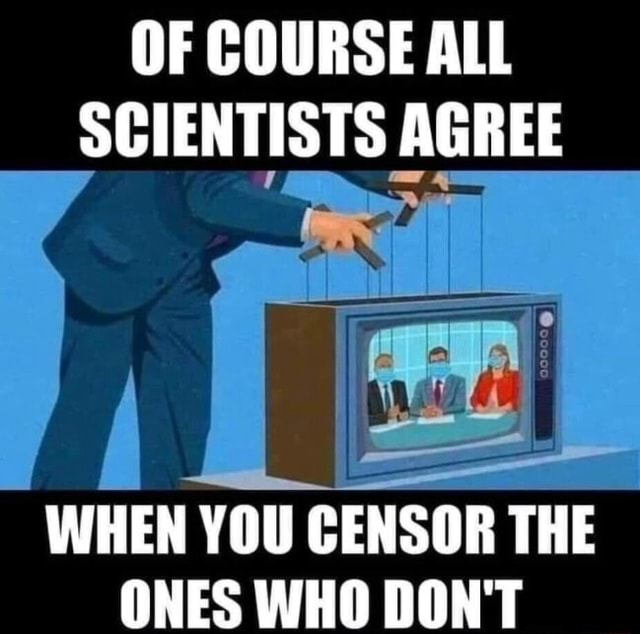
LB: So the climate realist, climate skeptic community has been saying this message since the year 2000. Like there are so many amazing scientists who have been pushed out of their jobs, censored, deplatformed like literally cases against them have been brought up at the universities where they work to like push them out for just saying, you know, climate is not world ending. So, I’m not the first person to say this. That movement has been sort of trying to say this for so long. But before Elon bought Twitter and before Mark Zuckerberg became more based and opened up on the censorship which is less harsh now, these people would just be deplatformed as climate deniers.
Yeah. And so those people have already existed like there’s been scandals for 25 years. And so I think that they are kind of thinking, when is the breaking point? We’ve been trying to say this forever and we are getting ostracized. But the difference is now the censorship has now gone down a bit and it allows my voice to be important in this.
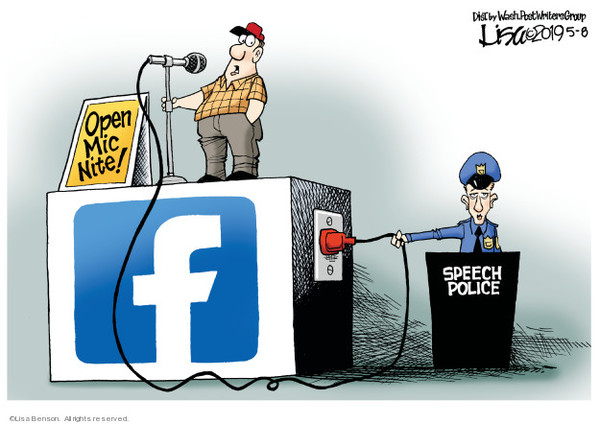
So my videos actually do not get censored on Instagram or Twitter, which they would have 5 years ago, right? And also there’s the scientists who have been saying all this stuff and I read their books. There’s like Patrick Moore who is the head of the Greenpeace. He founded Greenpeace and he’s now like a huge climate skeptic. There’s just so many people to name, but I basically am translating their work that they’ve been saying for years to the online Tik Tok generation. And so I think I think when I talk to them, they say they’re more hopeful than they’ve ever been because of Bill Gates, and the censorship is going down. And then you have Trump and Chris Wright, who’s the Department of Energy, who are just saying like, we’re not dealing with this stuff anymore. We’ve withdrawn from a lot of climate organizations like the IPCC and all these different things like we’re just not in them anymore because the science has been so corrupted. And so everyone’s like thank god this is like finally happened.
So, I think there is a huge turning point, but I do think that there’s like a lack of breaking through to the everyday person who’s not up on it. And again, and then you come across my content and you might just immediately trigger a flag: she’s a climate change denier. She’s a fossil fuel shell, right? Because if you’re still in that group think, you’re dismissing what I’m saying because you just come up with a reason not to trust what I’m saying.
MS: What do the the climate skeptic experts say is actually happening and therefore how we should live our lives accordingly. Do they say buy all the plastic you want, it doesn’t matter? What are they saying?

LB: So I actually spoke to Steve Koonin who is a former energy secretary for President Obama. So this is not like some right-wing person. So I think that’s a really important person to quote and he wrote the book unsettled in that came out in 2022. That just goes into what we know and what is unsettled when it comes to the climate science. He said that we know the planet has warmed 1.3 degrees since 1850. So we know that that is a fact. We are going through a warming period. We also know that we have released CO2 into the atmosphere by burning oil and gas and coal. Now how much of that warming is naturally occurring and how much of it is because of the CO2?
That’s when you now have this debate and that’s okay. There isn’t actually a consensus. Obviously, alarmists are like, “It’s our fault. Everything’s our fault. We’re heading to doom.” But that is not a commonly held belief even among scientists who are still in the space. That’s a media narrative.
Someone like Koonin might say it’s warming. However, that’s not necessarily a factor that would lead to our demise, right? And I will say that warming periods historically, which I’ve just learned in doing more research on this, historically humans flourish during warming periods because you have longer growing seasons. So you can support a population in a city. And the term for this is climate optimum. So that’s actually what geologists and archaeologists and historians would call these periods.
MS: Well, you did one reporting video where you spoke to young people who were at a climate protest, which I loved, and it was quite startling how little they knew about the facts you presented them. But I wonder what you would say to them, or really to the the young people who are saying, “I don’t want to have kids. I don’t want I feel really nihilistic about the future because of this, what do you say to them?”

LB: The number one fact I like to share because it’s just unequivocally true, is that deaths from natural disasters have gone down 99% in the past 100 years. So even with climate change, even let’s say the planet is warming, it’s so scary. Deaths have gone down 99%. So we’re safer than ever. Even with climate change, like we’ve we’ve seen 1.3 degrees of warming, and we’ve seen at the exact same time. It’s almost the exact same chart. Temperatures have gone up, human prosperity, literacy, women’s rights, all of the things. We know this has happened the past 150 years, right? We’ve had this huge boom of prosperity that’s happened during 1.3 degrees of warming. So if climate change was really so dangerous, shouldn’t we see some negative impacts, why is humanity still thriving so much even in the midst of climate change?

And I would also say don’t look at the climate models that say in 10 years the planet’s going to be this, in 30 years it’s going to be that. Those are models that are just computer models. You can put any bit of data in there to get any outcome that you want to prove there’s an apocalypse. And the scientists who do those models are incentivized to find that outcome. And so they’re not solid science. And so I would never base having kids or your future and your outlook on life. Never base it on a computer model.
MS: Lucy, thank you so much for joining me. I learn something new from you every day. So thank you.
LB: Thank you for having me. It was so much fun.
See Also:
 Science Matters
Hi Ron, Thanks for posting this interesting interview. Having read the transcript, I get the impression that Lucy Biggers has seen the light. However, I am going to wait and see how she develops in the coming months and years. I still think she needs more time to reflect on her experience, and to question herself, the movement, and how it has gone so far off course. The cult-like behaviour of the climate change movement has caused a great deal of harm over the past 15 years by promoting bad science and ideology. Lucy might be able to help uncover this divisive movement through her efforts. She’s young, and we need a younger generation of bright minds to counterbalance the loud, dominant voice of the climate movement.
LikeLike