Regulations related to climate risks could prove a costly burden
for Canadian corporations, institutions
The planned reset of global corporate capitalism to save the planet continues to stumble toward the great unknown, in the sense that even after decades of effort the machinery to expand regulatory control over investment and business decisionsremains bogged down in murky conceptual clay. Developments in regulatory and legal circles suggest 2024 will be a pivotal year for the revolutionary ideas that are supposed to lead to a fundamental transition from bad economic policy to green.
The underlying concepts are well known by name. We have corporate social responsibility (CSR), environmental and social governance (ESG), the precautionary principle, and sustainable development. What all these buzz-phrases mean is another question. Looking through the latest developments around the initiatives, however, a certain sense of apprehension, doubt and even a bit of squeamish uncertainty seem to have taken hold.In recent days major global investment firms such as U.S.-based JP Morgan and State Street have pulled away from Climate Action 100+, a global industry-led coalition with grandiose objectives to fight the “systemic risks” of climate change. The claim is that investors must ensure the businesses they own have strategies that “accelerate the transition to net-zero emissions by 2050, or sooner, and align with the goal of the Paris Agreement” set by the United Nations in 2015. Despite decades of talk following the radical Limits to Growth movement of the 1970s, the 1987 Brundtland report and the 1992 Rio Earth Summit’s endorsement of “sustainable development,” the remake of corporations into vehicles for economic and climate control remains far from complete.In New York this week, the International Financial Reporting Standards (IFRS) Foundation held a symposiumto inform corporations, institutions, regulators and advisors on the emerging accounting and reporting standards surrounding sustainable development. “Achieving a truly global baseline of sustainability-related disclosures necessitates a strong focus on supporting implementation across all economic settings, so that all market participants can access its benefits.”One of the symposium sessions was titled: “Get ready for jurisdictional adoption: How regulators are responding to the ISSB” — the International Sustainability Standards Board. Released last June, the ISSB standards will require corporations and investment organizations around the world to adopt common reporting approaches to climate and other environmental issues. It’s an authoritarian, top-down and anti-competitive regime that leaves no country or sector free to set its own rules.
All nations and regulators are to be locked in a global climate-control structure.
Canada is part of that structure through the Canadian Sustainability Standards Board, which this month announced a public consultation to advance adoption of sustainability disclosure standards in Canada. The consultation begins in March and runs through to June. One objective is to determine, with provincial securities regulators, how to impose mandatory reporting to replace voluntary standards on climate and environmental issues.
The Canadian Securities Administrators (CSA), which includes provincial securities commissions, is being pressured to take action on the grounds that Canada could get left behind. A paper released earlier this month by the Canada Climate Law Initiative at the University of British Columbia urged regulators to move forward quickly with new sustainability standards. Failure to act in concordance with the ISSB could cause Canada to lose international investment flows, the report claims.
The document continues through 20 pages of detailed recommendations covering climate-related strategies, investments, metrics, targets, performance, cash flows, scenarios, climate transition plans and science-based taxonomies. How any of this massive effort relates to corporate performance for shareholders is not addressed.
Looking to the future, the Law Initiative suggests the CSA should also begin thinking about requiring future reports related to a corporation’s “relationship to terrestrial, freshwater and marine habitats, ecosystems and populations of related fauna and flora species, including diversity within species, between species and of ecosystems, and their interrelation with Indigenous and affected communities.”
Internationally, Canada must also deal with the uncertainty surrounding the differing emerging global standards, including the still-to-be-determined U.S. Securities and Exchange Commission (SEC) approach to sustainable development. As the consulting firm EY put it in an updated report last month, “Entities with significant operations in multiple jurisdictions need to understand the key differences among the SEC proposal, the ESRS [European Sustainability Reporting Standards] and the ISSB standards because they might be subject to more than one set of requirements.” Another EY report this week warns that sustainable development “continues to face a range of challenges” in terms of costs, technologies and standardization.
The legal proposals would burden Canadian corporations and institutions with massive reporting responsibilities and costs related to climate risks. On corporate governance, for example, the Climate Law Initiative calls for securities issuers to “disclose the governance processes, controls, and procedures it uses to monitor, manage, and oversee climate related risks and opportunities.”
All of this is taking place on a shaky theoretical foundation
in economics and environmental change.
The 1987 Brundtland Commission simplistically defined sustainable development as “development which meets the needs of the present without compromising the ability of future generations to meet their own needs.” Exactly what “needs” are is unclear. Maybe it was intended to capture Marx’s slogan: “From each according to his ability, to each according to his needs.” Meaning: Take from wants of the developed world and give to the needs of the developing world?
The missing fundamentals of the 50-year-old movement to reshape the corporate model should receive a little more attention in the months ahead. Could it be that sustainable development is unsustainable?
Postscript
Meanwhile, the sustainability movement is transitioning to students. In Kelowna, B.C., and Toronto this week the goal is to inspire the next woke generation of environmentally active citizens. At the Toronto event, the organizers summarized their plan. “We welcome high school students and their teachers to this dynamic one-day conference that brings together youth and community organizations from across Ontario to discuss, collaborate and learn how to make sustainable and equitable change in our world.”
IWTs Generating 1.8% of their Capacity then jumping to 80.4% only a few days later
Yesterday, February 9th, 2024, those IWT spread throughout Ontario were impressive generating 94,605 MWhor about what 3.1 million average households would consume in a day suggesting they are the panacea to stop climate change! Mere days before on February 3rdand the first seven hours on February 4th they generated only2,673 MWhwhich was 1.8% of their capacity in those 31 hours.
As the expression goes; they continually demonstrate their “traditional yo yo” tendencies as the followingscreenshot from IESO February 5th to the 10thdemonstrates. They are the “green” in the chart which basically shows their intermittent and unreliable nature whereas the dark blue is natural gas which has the ability to ramp up and down as demand changes and to keep our grid from failing and causing blackouts.
Wind in green, NatGas in dark blue, Hydro in light blue, Nuclear in orange
So, the question one should ask, was the power delivered by
those IWT on the 9th of February needed here in the province?
As it turns out 65.8% of the IWT generation or 62,259 MW were not really needed as IESO’s intertie data (net-exports) shows it went to our neighbours in Quebec, New York and Michigan and the average sale price over the 24 hours was $19.42/MWh and well below what we Ontario ratepayers/taxpayers paid for it. If we assume it was all surplus IWT generation those net-exports, we paid those contracted parties $135/MWh for; suggests the total cost of what was sold to our neighbours came to $8,404,965 but the price we were paid by our neighbours was an average of only that $19.42/MWh. Using the latter average price received over the 24 hours means we earned only $1,227,774!
The net result is we Ontario ratepayers/taxpayers have to eat the loss of $7,177,218 for just that one day’s IWT generation. The foregoing is not the exception particularly when Ontario’s peak demand is relatively low as it was yesterday reaching only 17,057 MW at hour 19.
For the foregoing reasons, we should wonder why the Ontario Minister of Energy is instructing IESO to extend the IWT contracts when their 20-year terms are up as they do nothing but increase our electricity costs. Those costs will be exacerbated by the addition of BESS (battery energy storage systems) as the latter will simply add another costly layer in an attempt to keep our grid reliable!
The IESO current Contracted Generation List associated with BESS (battery energy storage systems) suggests they are expecting to contract for 1,140 MW! BESS are able to provide their rated capacity for four hours meaning the 1,140 MW could provide 4,560 MW before needing to be recharged. It is humorous the megawatts those BESS units may be able to provide is only slightly more then the IWT provided during their peak generation hour yesterday. Today (Feb. 19) at Hour 9 those IWT only generated 316 MW!
At this point we should wonder if the batteries to be utilized by those BESS contracted generators will include CATL batteries, manufactured in China and now banned in the USA as pointed out in a recent article. If so, Canada could be in trouble with its neighbour, the USA, who have security concerns about CATL batteries. That may have a negative impact on our intertie connections with US States, amusingly, where much of our surplus IWT generation went to yesterday!
Oh, what tangled webs we weave!
Footnote More Grid Corrosion from Wind and Solar
Not mentioned above is a slow deterioration of baseload electricity because of renewables unreliables. Gail Tverberg explains in the background post below:
In fact, I have come to the rather astounding conclusion that even if wind turbines and solar PV could be built at zero cost, it would not make sense to continue to add them to the electric grid in the absence of very much better and cheaper electricity storage than we have today. There are too many costs outside building the devices themselves. It is these secondary costs that are problematic. Also, the presence of intermittent electricity disrupts competitive prices, leading to electricity prices that are far too low for other electricity providers, including those providing electricity using nuclear or natural gas. The tiny contribution of wind and solar to grid electricity cannot make up for the loss of more traditional electricity sources due to low prices.
A green nonprofit that is indirectly funded by a foreign billionaire is pressuring broadcasters to drop advertisements that criticize the Biden administration’s massive electric vehicle (EV) agenda.
Climate Power wrote to numerous broadcasters this week demanding that they stop airing American Fuel and Petrochemicals Manufacturers (AFPM)-funded advertisements in swing state markets that rail against President Joe Biden’s plans to impose widespread EV adoption in the coming years. The charitable organization affiliated with Hansjorg Wyss, a Swiss health care mogul and billionaire philanthropist, donates millions of dollars to the Fund for a Better Future, which was the fiscal sponsor for Climate Power until 2023, a spokesperson for Climate Power previously told the Daily Caller News Foundation.
AFPM launched its seven-figure ad campaign designed to highlight and criticize the administration’s EV policies on Tuesday. The ads, which describe Biden’s policies as an EV mandate, are airing in Pennsylvania, Wisconsin, Michigan, Nevada, Arizona, Ohio, Montana and Washington, D.C.
Climate Power’s warning letter to local affiliates states that the broadcasters “must remove these ads from the air immediately” because “there is no pending federal ‘car ban,’ and to claim otherwise is patently false and intentionally misleading.” The letter suggests that AFPM’s ads could be in violation of Federal Communications Commission (FCC) rules, and instructs the broadcasters to contact Climate Power — an Internal Revenue Service-recognized 501(c)4 that is spending more than $80 million to tout Biden’s climate policies ahead of the 2024 presidential election — to confirm that the ads are no longer running on their stations.
What Big Climate Wants to Hide
A recent Wall Street Journal video says it out loud: EVs are not practical for most people. The short video can be seen here. A transcript is below for those who prefer to read.
Hertz announced last week that it is selling one third of its EV fleet, about 20.000 vehicles, and will replace them with gas powered cars, citing weaker demand for electrics and their higher operating and repair costs. The car rental giant had previously vowed to convert 25% of its fleet to electric by the end of 2024. In an interview in Davos this week, President Biden’s soon to be former climate envoy,
John Kerry, blamed recent setbacks in the industry on electric car critics,
accusing them of engaging in “high levels of disinformation.”
Kerry also told the panel at the World Economic Forum that the green energy transition will continue no matter who wins the 2024 presidential race. “You think those CEOs are gonna say, Oh My God, they just elected a new president. Let’s go back and build internal combustion engine cars. Not on your life. This economic revolution is underway and it’s much bigger than any politician, any one person.”
We’re back with Dan Henniger, Kim Strassel, and Wall Street Journal columnist, Allysia Finley. So Allysia, also this week Ford announced that it is cutting back on production of its Lightning 150 electric trucks. So this is a pretty broad cutback in production.
Well, the biggest reason is there’s flagging demand. So there were a lot of, “early adopters. It was people who lived in California and big cities who bought EVs. Especially Teslas which make up about 60% of sales. And so there was a big rush of automakers, and partly propelled by the government mandates, both California’s Air Resources Board and the Biden administration’s coming mandate, which ratchets up to two thirds of all sales to be EVs by 2032.
And so they all rushed in, they started mass producing EVs. And all of a sudden they’re realizing demand’s actually softening for the mainstream public because they’re actually not ready.
And suffering difficulties. And what we saw in Chicago with the lines of people and the cold weather. It’s cold weather and EVs don’t really work in the north very well. It’s repair costs. So it’s not easy to go long distances. It’s charging station availability, and people want sometimes to go long distances. Are those the reasons consumers are resisting?
I mean the costs are still about $20,000 higher on average, and the have to factor repair costs, yes. But also insurance costs, which are about 20% higher. In part because they’re more expensive, but also because the replacement parts are more expensive. And so they’re just not really practical for most people. This isn’t to say that someday then they’ll be much more practical and popular.
Maybe, but it doesn’t make sense to be mandating and subsidizing them at this juncture. Dan, what do you make of John Kerry’s line that this reluctance is just all disinformation by critics?
When Kerry said that, I thought he might take a side trip from Davos, Switzerland, to Germany to see what’s happening with EVs there. In December EV sales in Germany dropped by 50%. The auto industry there is really on the brink of collapse because people are simply not buying electric vehicles. And as Allysia was just describing, it that happens here, and it could, people simply say, “I’m not gonna put up , Ford and GM are really gonna get strung out and hit hard by the refusal of people.
Allysia, the one thing Kerry has going for his prediction is EVs which are being mandated by the government is that the flow of money from the Inflation Reduction Act will be so great, how much money they’re throwing at charging stations and subsidies for consumers and subsidies for production. It’s astonishing, even subsidies for batteries. Will that ultimately push EVs over the top?
Well, that is the risk in my mind, that consumers at the moment don’t want them. But the plan on the left is always that you get something in motion, you make the industry change its standards and retool and regear itself toward this goal. You put money out there as incentive for them to keep doing it and for buyers to get them. And then you can’t reverse it.
And you hope that it trundles along of its own accord. Which is why there’s growing attention in Washington, especially among Republicans, that if they’re going to try to claw back money, it ought to be more out of this area. Because if they really do care about issues like consumer choice, giving people the ability to drive what they want to drive, you’ve got to remove this government distortion that is creating this supposed economic revolution.
It’s not an economic revolution, it’s a government imposed transition.
Allysia, you wrote an interesting column about how CEOs not too long ago were cheering on this and all thinking alike about the great EV future. One of those was the Hertz CEO, another one, the Ford CEO. Are they really having second thoughts?
Well, it’s funny now in recent months, they’ve all been coming out saying, “Oh well, we need to cut production”, and “This is just not sustainable.” Across the industry, they’re definitely having second thoughts, and some of their statements are more public than others. And they’re pleading to the administration. Again this is representative of the auto industry, not the individual automakers, but they’ve sent a letter saying, please, we cannot do this. These aggressive goals are not achievable and auto workers would lose their jobs.
Roy Gilbert exposes the fundamental mistaken thinking regarded global warming/climate change. His Spectator Australia article is Conceptual Error in Climate Change Analysis. H/T John Ray Excerpts in italics with my bolds and added images.
It is often said that the ‘science is in on climate change’. Is it? We should always adhere to the principle of the ‘working hypothesis’ and have an open mind on scientific questions no matter how well-recognised the researchers are. In the study of science, there is always the chance new information can come along to cause a rethink.
A common error in problem-solving and policy development is to confuse
a technical strategy for a desired client outcome.
Our Climate Change Minister could be accused of this. Reducing emissions is a ‘strategy’, not the fundamental desired client outcome. With the mission ‘to reduce carbon emissions’ by increasing renewable energy, the way to assess performance is to concentrate on measuring emission reduction, and then to follow this up with how quickly the renewables are built and their cost (wind farms, solar panels, transmission lines).
Instead of the current strategy-driven mission, a fundamental client outcome statement would be: ‘To protect against, and where possible, prevent damage from extreme off-trend fluctuations in climate.’ How would you go about managing your program using this mission statement?
First, you gather accurate temperature, rainfall, and weather measurements. They are the valid and fundamental ‘outcome’ measures – not data on CO2 emissions. If there is an undeniable and dangerous increase in temperature and rainfall, more cyclones, and a clear and unabated rise in sea level, then the possible cause must be thoroughly identified. Depending on the answer, you would adopt appropriate mitigation strategies, or strategies that adapt to weather patterns and temperature levels.
Another principle of problem-solving is to map out the total picture and not be driven by ideology. The Climate Change Minister should consider possible causes other than human-induced emissions. It was announced in April 2023 that coronal cones 20 times larger than Earth have been discovered and may cause a massive outburst of energy from the sun. What could be the implications for our planet? Ask solar physicists.
Chief scientist in applied helio-physics at John Hopkins, Ian Cohen, has suggested that solar storms could take out satellites, cut power and shut down the internet. In 1972 a solar storm caused 4,000 magnetically sensitive mines in water off Vietnam to detonate. Earth is said to be entering a period of peak activity as part of an eleven-year cycle. It is suggested this potentially could be more violent than the solar cycles of the past three decades. Now that would be something for climate scientists to really worry about…
With respect to the world’s temperature, there are several sources that claim to present the precise figure. One says the 2023 average global temperature was 1.45c above the 1950-90 average. Another says since 1880, Earth’s temperature has increased by 0.08c. Another says during the last 50 years the increase is 0.13c. To the unscientific mind, these temperatures do not appear to be verging on catastrophic boiling us all to death.
As of 2024, data on natural changes in temperature, rainfall, and sea level
do not show any statistically significant difference to historical records.
There are respected scientists who questionthe current climate orthodoxy. Physicist Prof. William Happer of Princeton University and Prof. Richard Lindzen, Earth, Atmospheric and Planetary Sciences at MIT have argued science demonstrates there is no climate-related risk caused by fossil fuels and CO2, and that 600 million years of CO2 and temperature data contradicts the theory that high levels of CO2 will cause catastrophic global warming. They state reliable scientific theories come from validating theoretical predictions with observations, not consensus, peer review, government opinion, or manipulated data.
In July 2023, the International Monetary Fund cancelled a planned talk on climate change by 2022 Nobel physicist John Clauser when they learned he had stated publicly: ‘I can confidently say there is no real climate crisis, and that climate change does not cause extreme weather events. The IPCC is one of the worst sources of dangerous disinformation.’ Clauser pointed out that the US Environmental Protection Authority has charts that show a heatwave Index going back to 1895, showing heatwaves were more common before the 1960s and especially in the 1930s.
In addition to these physicists, there are eminent Australian geologists who challenge the CO2 cause theory. Emeritus Prof. Ian Pilmer of the University of Melbourne, and Prof. Michael Asten of Monash University, have argued that throughout the history of the planet, there have been long periods of major change in climate due to natural forces. This would indicate recent human-based emissions may not be the important factor that we have been led to believe.
With respect to measuring emissions (nitrous oxide and methane), there is an expectation that the Intergovernmental Panel on Climate Change would have collected accurate data. Then one reads an independent 2023 report of these greenhouse gas emissions from farm dams in Australia’s irrigation regions, that the measurements had been massively over-estimated by the IPCC by 4 to 5 per cent.
To add further confusion to the issue, a 2023 research paper submitted to the European Physical Journal Plus claimed climate science has become ‘highly politicised’. Italian scientists analysed long-term data on heat, droughts, floods, hurricanes, tornadoes, and ecosystem productivity, and found no clear trend of extreme events. The statements by these scientists would appear worthy of examination. Unfortunately, comments to the publisher by other climate scientists caused the withdrawal of the article.
If activists are correct, and if temperatures and rainfall start to show a significant increase without any influence from natural factors such as the sun or outer atmospheric disturbances, the second ‘outcome’ mission opens your mind to several strategies that could be compared against each other on cost and effectiveness – renewables, outer space satellites capturing solar energy and transmitting to Earth, small nuclear, carbon capture, examine possibility of amalgamating carbon and turning it into a useful product, lower emission coal-fired power stations, hydro, hydrogen fuel cells, a scientific search for a predator for carbon other than trees (or the planting of more trees), and so on.
A valid client ‘outcome’ statement encourages you not to jump to a conclusion
in the initial stages of critical thinking about the cause of any global warming.
If you make a mistake at that point, there are significant productivity implications. Governments could waste a significant amount of money (a catastrophic amount) on a less than optimum strategy. Rather than relying almost entirely on climate scientists who concentrate on carbon emissions, a politician with a mind focused on validity could bring together an inter-disciplinary team – climate scientists, nuclear physicists, solar physicists, atmospheric physicists, examine the moon’s behaviour, plant technologists, oceanographers, geologists, volcanologists, botanists, bushfire specialists and so on. Has any national government followed this approach? Has any Minister for Energy, in any country, expanded their vision beyond their own narrow ideology is a potential danger to their country…?
There are very obvious reasons why some politicians and many rich investors in renewable energy would oppose a serious questioning of the renewable strategy and switching to nuclear instead. If small nuclear was introduced – as is being done in many countries – it would make current renewable energy strategies redundant. That would mean all the billions of dollars spent on wind and solar would have been a waste of money. We wouldn’t need them. Admitting that would be far too embarrassing for any ideological politician and far too financially damaging to any rich wind farm investor obtaining government grants.
If the Sun is found to be the fundamental cause of the problem (variations in energy output, massive infrequent solar flares, and/or variations in distance between Earth and Sun), or if there is a slight tilting of the Earth on its axis, or the Moon changes position, or even disturbance further out in our solar system, you would evaluate adaptation strategies.
It seemed reasonable for some people to assume the vast flooding in 2022 could be attributed to human-induced climate change. There is however, a different possibility … nature. Environment analyst Graham Lloyd explained.
‘The meteorological processes at play are well understood. Three consecutive La Nina weather patterns have left the eastern seaboard soaked and prone to flooding. Triple La Ninas have happened four times in the Bureau of Meteorology’s 120-year record … The Southern Annular Mode is a climate driver that can influence rainfall and temperature. Although wet, the latest BoM figures show that 2022 was the ninth wettest year on record (not the wettest).’
fWhen the above material, stressing the need to examine the total picture in any critical thinking, was shown to a high school Principal, to a high school science teacher and to an environmental engineer, they were all surprised and quite critical that one would want to show this to students. Annoyed actually. One was emphatic…
‘Why waste the students’ time having them look at irrelevant issues?
We KNOW what the problem is. It is CO2 emissions.
And we KNOW what the solution is. It is 100 per cent renewables.’
My answer to them was:
‘The difference between you and me, is that you want to tell the students WHAT to think. I want to teach them HOW to think. I want them to understand insightful thinking. Not to be indoctrinated’. You can be the judge as to who is on the right track.
Roger Palmer speaks quietly, but with the force of knowledge and logic on the subject of global warming/climate change. Two expressions of his perspective are presented here: firstly a brief video and transcript, and secondly excerpts from his 2024 paper. Transcript in italics with my bolds and added images. H/T Raymond Inauen
1. Trust Climate History, Not Hysteria
I’m Roger Palmer, a retired engineer living in Victoria, British Columbia. Today I want to talk about climate change hysteria. The popular press is overflowing with sensational but scary headlines: the hottest day on record, sea levels are rising, climate catastrophe. It’s never been like this before, climate change is an existential threat, we are declaring a climate emergency, it’s man’s fault.
These hysterical messages are reinforced at disruptions organized by career demonstrators and professional protesters.Politicians are falling over themselves to agree with these claims and position themselves as the only viable saviors of mankind who are able to stop the climate from changing. You can’t get elected if you are perceived as being soft on climate change.
The authors of all this spurious noise unfortunately do not have a good understanding of science or the historical paleoclimatic record. These people are so arrogant and self-centered that they believe that man can control the solar system and somehow cancel the naturally occurring climate cycles, so that the earth’s climate stays just the way they want it.
Let’s start the discussion by outlining a difference between weather and climate. When a person speaks about weather they are referring to how the atmosphere is behaving over the short term hours or days and usually over a small area. The term climate refers to the statistics of weather over a defined large region over a long period of time, decades or more. the atmospheric characteristics being described include temperature, winds, moisture, clouds and precipitation.
But it is the temperature that most people seem to focus on. In the 1970s the concern was about global cooling, but it has now shifted to global warming. An example of a weather statement is: “It will be cooler and windy in downtown Ottawa tomorrow.” An example of a climate statement is: “North America will be warmer over the next two decades.”
Reliable equipment for measuring temperature has been available since the early 1800s, but unfortunately the number and placement of temperature recording stations has changed considerably over time. So it is often difficult to get a complete and consistent record for a specific area temperature history. The period preceding the 19th century must be inferred by analyzing ice cores, tree growth rings, sediments and corals. Ice cores typically from Greenland, Antarctica or the Arctic are the most commonly used proxies. And it is possible to infer temperatures from thousands or millions of years ago. It is also possible to use ice cores to estimate the historical composition of the atmosphere.
Although surface temperature is what humans actually feel on a day-to-day basis, that data can be contaminated by urban heat islands. So it is sometimes more meaningful to talk about the temperature of the troposphere, which is the lowest layer of the earth’s atmosphere about 20 kilometers thick and is where all the weather takes place; the clouds, precipitation, storms, winds etc. Temperatures in the troposphere can be directly measured by balloon-borne radiosondes or inferred from satellite radiometry.
Geological records show that the earth’s average temperature has varied cyclically for many millions of years. Sometimes it has been much hotter than today and sometimes much cooler. This graph estimates variations in temperature during the last 500 million years. The earth is approximately four and a half billion years old; predecessors of man have been on earth for about two and a half million years; and modern homo sapiens have been around for about two hundred thousand years.
Here is what the earth’s temperature has been doing over the past five hundred thousand years and here is the temperature record for more recent times; the last 11, 000 years otherwise known as the Holocene era.
The earth would be a much cooler place if it did not have an atmosphere. The atmosphere contains a number of gases that warm the earth by what is called the greenhouse effect. Which is when solar radiation from the sun can easily pass through the gases to the earth, but outgoing infrared radiation from the earth’s surface is partially blocked from radiating off into space by these same gases. Further details of this mechanism are given in the references.
There are several different greenhouse gases but everyone seems to focus on just one of them: carbon dioxide known as CO2. The concentration of carbon dioxide in the atmosphere is sometimes thought to be the driver of the earth’s temperature, but the geological record shows that there has been no correlation.
The absolutely dominant greenhouse gas is water vapor. The earth’s glaciers and ice caps have grown and shrunk cyclically over time. The earth recently exited the Little Ice Age and is currently warming just as in previous cycles. There is definitely a new ice age coming, but none of us will live to experience it. We are currently in an interglacial, which is a period between ice ages.
As shown by the earlier graphs the earth’s climate is not being driven by changes in the co2 level. Indeed changes in the atmospheric CO2 concentration are probably a result of changes in the earth’s temperature as oceans and land masses release stored CO2 resulting from long-term temperature changes. As the glaciers and ice caps cyclically build and recede, there are corresponding changes in the sea level. The sea level has cyclically varied from today’s levels by as much as plus or minus 200 meters. And these fluctuations are expected to continue for thousands of years to come.
So what is causing these long-term cyclical changes in the earth’s average temperature? A recently posted youtube series entitled Paleoclimatology parts one through three gives an in-depth analysis of the factors at work. Here is a summary of just some of the main factors:
♦ Continental drifts as result of plate tectonics has caused very long-term climate changes as the ocean’s heat carrying currents have been forced to take different paths;
♦ Milankovitch cycles due to changes in the earth’s tilt, precession and orbital eccentricity and cyclical changes in the solar system’s orbital alignments have demonstrably produced corresponding changes in the earth’s climate over both the long term and the short term;
♦ Cyclical changes in the sun’s total output radiated power. cyclical changes in the sun’s output spectral distribution especially the ultraviolet component
♦ Variations in the earth’s magnetic field resulting in changes in the magnitude and position of the earth’s magnetosphere which shields us from incoming cosmic particles and the solar wind
♦ Variations in upper level bacteria which serve as nucleation sites for clouds and precipitation
♦ Changes in the earth’s average cloud cover as a result of changes in many of the factors just mentioned
♦ Changes in the earth’s upper atmospheric wind currents that are used to distribute heat energy throughout the pallet of the planet
Note that carbon dioxide concentration is not a significant cause of these natural cyclical changes. CO2 has some effect on long-term climate changes but it is not the dominant determinant of global temperature. Then why are the agitators and politicians so obsessed with this and why are they arbitrarily blaming man-made CO2 emissions from the combustion of fossil fuels as threatening disruptions to their climate nirvana?
Perhaps there’s a hidden agenda. Current proposals to decarbonize the earth by eliminating fossil fuels will have a minor effect on climate, but will cause extraordinary economic harm. Maybe the true goal of the protesters is to destroy capitalism in the western world.
CO2 is a clear odorless gas. Atmospheric CO2 levels have been much higher in the past and were sometimes much lower. CO2 is not a pollutant–it is essential to life. If the atmospheric CO2 concentration were to drop below 150 parts per million, the earth’s vegetation would not be able to survive and the earth would become a barren wasteland. There have been proposals to use large-scale geoengineering to alter the earth’s climate, such as by surrounding the earth with orbiting reflective particles or mirrors. But such schemes are fraught with political as well as technical dangers.
The Intergovernmental Panel on Climate Change known as the IPCC is often identified as the final authority when it comes to questions about the earth’s climate. However the IPCC does not conduct research; it merely reviews papers in the field. And the IPCC should not be considered as unbiased. Because when they were created by the United Nations they were specifically charged to investigate how mankind is causing the earth’s climate to change.
In other words the conclusion had already been reached that man was to blame before any investigations were performed. The IPCC is a political animal; nothing is published before it has been approved by the representatives of all the participating countries to make sure that it aligns with their governments’ objectives and policies. IPCC has published numerous forecasts of ever increasing global temperatures being driven by rising atmospheric CO2 concentrations. But these are based on incomplete and inaccurate computer models and they have all drastically overestimated the forthcoming temperature rise.
These computer models ignore or inadequately account for many factors, including clouds and solar variations. It is claimed that 97 % of scientists agree that man-made emissions of CO2 are having significant negative effects on the earth’s climate. However consensus is not a valid way to conduct scientific research. Group think is a major problem in this field. Remember Galileo was able to prove that the earth orbited the sun rather than the other way around. But public opinion and the church forced him to recant his findings. Consensus overruled scientific evidence just like it appears to be doing today.
The earth is getting warmer and it will continue to do sountil the temperature trend reverses sometime in the future and we head into the next ice age. Mankind needs to recognize that we are an observer of naturally occurring climate cycles. There is very little that we can do to stop, change or influence these cycles. The best thing that man can do is learn to adapt to these natural cycles. Stop wasting our money and damaging our economy on futile and inefficient schemes to reduce man’s CO2 emissions, appearing to be trying to thwart what are perfectly natural cyclical changes of the earth’s climate.
Learn to live with these changes. Mankind has to adapt. Have a nice day and enjoy the warmth while we have it. Here are links to references providing more details on many of these points
As mentioned above, many governments have decided to pursue the goal of becoming “Net Zero” by 2050 (or possibly later). This means that they want all CO2 emitted by man’s activities either to be eliminated or somehow compensated for by 2050 in the belief that this will slow the current rise in global temperatures, and limit the rise to 1.5°C above pre-industrial levels.
As discussed in previous sections, CO2 concentration is not the primary driver of global temperature, and indeed, rising CO2 levels might actually be a result of warming due to entirely natural factors. Despite the dubious scientific justification, politicians and special-interest groups have embraced the “Net Zero” battle cry, and are falling over themselves with announcements, proclamations, and protests as they attempt to destroy the world’s economy.
The concept of Net Zero is that any continuing emissions of CO2 need to be “offset” by actions to remove the same amount of CO2 from the atmosphere. These “offsets” could be the planting of trees that absorb CO2, or they could involve operating actual equipment that removes CO2 from the atmosphere, and then sequesters it in a safe storage facility (this is called CCS, which stands for Carbon Capture and Sequestration). A marketplace has now developed whereby “carbon credits” are bought and sold, and some rather flimsy schemes have been created.
As an example of how ludicrous this churning process is, consider the example of the DRAX power plant that is located in the U.K. This power plant was built in 1974, and burned coal to generate electricity (in a conventional steam turbine system). Starting in 2013, this power plant was converted to burn compressed wood pellets. The pellets are manufactured in Canada, and shipped to the UK from the port of Prince Rupert, BC. The pellets were originally supposed to use scrap wood left over from existing logging operations, but demand eventually required that trees be specifically grown to feed the process. It was claimed that the entire process (growing trees, converting the wood to pellets, transporting them between continents, and then burning them in a thermal power plant) was “sustainable”, because new trees were planted to replace those that were cut down!
Direct Carbon Capture(DCC)
There are several companies developing technology and equipment for actually extracting (“capturing”) CO2 from the air. The CO2 is then stored (“sequestered”) either as a gas, or converted to some other form. The justification for doing this is that governments and agencies mistakenly believe that CO2 emissions from human activities is causing the world to warm, and that not only must these emissions stop, but some of the CO2 must be removed in order to lower the concentration in the atmosphere, thereby supposedly preventing future temperature rises.
The processes used for DCC are complex, and require large amounts of energy to operate. It is claimed that the energy will come from “sustainable” sources (hydro, solar, wind, nuclear), so the whole process will help a country reach the goal of “net zero”. Funding for these projects effectively comes from selling “carbon credits”, because governments have inadvisably placed a dollar value on CO2. If these proposed projects go ahead, the scale and costs involved will be enormous. And remember, lowering the CO2 concentration in the atmosphere by 1 ppm will only potentially reduce the temperature by between 9 and 15 thousandths of a degree C!
Energy and Transortation
As part of the charge toward the Holy Grail of “Net Zero”, the entire transportation infrastructure is being forced to dispense with the burning of fossil fuels. Governments apply so-called “Carbon Taxes” on the sale of hydrocarbon fuels, and the tax rates are methodically being increased as time goes by, in an effort to get users to switch to another type of energy.
Oil has been a major energy source for over two centuries. It has a high energy density (ie: a small and light weight amount of the substance has the potential to create a large amount of energy). A few decades ago, there was worldwide concern that we were running out of these fuels and only had a limited supply, but new exploration/extraction techniques, combined with more efficient energy use have allayed those concerns.
Fossil fuels are converted to energy by the process of combustion. Almost 40% of the material’s potential energy is extracted in modern gasoline or diesel engines, and almost 55% in modern combined-cycle gas-fired power plants. The remaining energy is turned into waste heat. In building heating applications, the fossil fuel is burned to directly create heat: this process can have efficiencies of over 95%. All of these combustion processes generate CO2, and this is the main focus of politicians, scientists, and environmentalists, despite evidence (as outlined earlier) that climate change is not being primarily driven by increases in CO2 concentration.
Wind turbines and solar cells have received most of the publicity in recent years as large arrays of these devices have been installed around the world. The biggest problem is the intermittent nature of their output. To compensate for this, excess generating capacity has to be installed, and very large energy storage devices (batteries, pumped water, etc) have to be included to ensure a reliable source of supply. If electricity is produced by techniques (such as hydro, solar, wind, or nuclear) that do not emit any greenhouse gases, there is strong political motivation to convert existing consumers of fossil fuels to use electricity as their energy source. Transportation has been a major user of fossil fuels, and the sector is highly visible to the public, so there is considerable pressure to electrify it.
Fossil fuels are an ideal way to power mobile devices (especially road vehicles, aircraft, and ships): the energy density (KW-h per Kg) is very high, and it is easy to quickly refuel as required. There has been much development in electrical technology for road vehicles, but the major problem has been the availability of electrical energy storage devices (primarily batteries) that are small and light enough to fit into the vehicle, and that have sufficient capacity to provide decent range between charges. The energy density (KW-h per Kg) of modern Li-ion batteries is about 2% that of gasoline or diesel fuel. Some electric cars have met with market success, but battery technology needs to develop a major increase in battery energy density before they are considered viable for mainstream applications, and then the problem will be one of installing enough charging infrastructure to allow for unimpeded travel without the drivers suffering from “range anxiety”.
Ships, highway trucks and airliners pose their own problems, and are unlikely to be weaned off of fossil fuels for some time to come. These applications need energy storage devices that have much higher density (both by volume and by weight) than batteries – the use of hydrogen (produced by electrolysis of water) and fuel cells is being vigorously pursued. Hydrogen can also be burned directly in modified jet engines or even reciprocating engines, but hydrogen has storage issues that need to be addressed.
Hydrogen’s energy density (KW-h per Kg) is quite high, but it occupies a large volume, so must be stored at very high pressures if storage tanks are to be kept to a reasonable size. Hydrogen can also be stored in a liquid form, but the extremely low cryogenic temperatures required (-253°C) present significant challenges.
If it were possible to convert all power generation, heating, and transportation applications to non fossil fuel technology, it would be possible to reduce the total amount of man-made CO2 emissions by over 50%, but this would have a negligible effect on global temperature. It would of course still be required to extract oil and natural gas from the ground for the manufacture of synthetic materials, plastics, asphalt, lubricants, and pharmaceuticals.
Summary and Conclusions
The material reviewed so far in this paper confirms that there are a large number of factors that affect the earth’s climate. Many of these are poorly understood by man, and there are some factors that probably haven’t even been discovered yet. A number of conclusions can be taken away from the information presented so far in this document:
a) Climate change is a naturally-occurring, cyclic phenomena, and it has been going on for millions of years. b) Climate change is primarily driven by changes in the energy of the sun that impinges on the earth. The dominant factors driving this are variations in the sun (total output power, spectral distribution, sunspot cycles) Milankovitch Cycles, variations in ocean currents (ENSO, PDO, and AMO). Other factors include the effect of varying cosmic particle influx and high altitude bacteria, causing changes in cloud cover. c) The primary greenhouse gas is water vapour. The effect of atmospheric CO2 on global temperature change is much less. Because of the non-linear effect of CO2 concentration, increases beyond the current level will have a decreasing effect on the earth’s climate. d) Man-made CO2 does have a minor effect on global temperature changes, but it is not the dominant factor. A reduction of man-made CO2 emissions would have a negligible effect on global temperature. e) Man’s understanding of the various climate-influencing factors is very limited. f) Climate models are not effective at forecasting future long-term global temperatures. g) There is very little that mankind can do to affect global temperature change. It does not make sense to introduce regulations that will have a negative impact on Western economies in a pointless attempt to change the natural rate of global climate change. h) Mankind will have to learn to adapt to future climate changes. If mankind is still around in a few thousand years, they will then have to adapt to global cooling and glaciations!
Any legislative efforts to limit man-made carbon dioxide emissions at the local, regional, provincial, or federal levels may be well-intended, but are ultimately futile, and potentially dangerous. These efforts will harm the economy, waste resources, and not significantly affect the naturally-occurring cyclic climatic changes.
The South Dakota Public Utilities Commission told the utility that the “premature closure of these [coal] plants adds to the uncertainty of electrical generation resource adequacy in the upper Midwest.” Some energy experts call the government’s policies “irrational.”
Despite ongoing warnings that the electricity grid of the United States is becoming increasingly unstable, a major utility is moving forward with the elimination of two major coal-fired power plants in the upper Midwest. Energy analysts say the instability is a byproduct of the shutdown of reliable generation sources.
In its latest assessment, the North American Electric Reliability Corporation, a grid watchdog, warned that the MISO region is under some of the highest risks for resource inadequacy, which means that during peak demand periods, rolling blackouts are a possibility. Xcel Energy, according to the Energy News Network, is even looking at variable rates to encourage customers to conserve energy and use it during off-peak periods.
Michigan, Minnesota, Illinois and Nebraska have all set goals to decarbonize their grid by 2040 or 2050, which will mean eliminating coal-fired power plants entirely. These goals are on top of federal green energy mandates.
The Public is Blissfully Unaware–That Needs to Change
Some years ago, a weekly news program aired in the Netherlands on the subject Green Electrical Shocks. It employed images and humor to reveal electrical realities to an audience burdened with misconceptions. The video clip is below with English subtitles. For those who prefer reading, I provide the substantial excerpts from the program with my bolds.
How many of you have Green Electricity? I will estimate 69% And how much nationally? Oh, 69%! So we are very average, and in a good way, because the climate is very important.
Let me ask: Green electricity comes from . . .? Yes, electricity produced from windmills and solar panels. Nearly 2/3 of the Dutch are using it. That’s the image.
Well I have green news and bad news. The green news: Well done! The bad news: It is all one big lie. Time for the Green Electrical Shocks.
Shock #1: The green electricity from your socket is not green. When I switched to green electricity I was very proud. I thought, Yes, well done! The climate is getting warmer, but not any more thanks to me.
Well, that turned out to be untrue. All producers deliver to one communal grid. Green and grey electricity all mix. The electricity you use is always a mix of various sources. OK. It actually makes sense not to have separate green and grey cables for every house. So it means that of all electricity, 69% is produced in a sustainable way. But then:
Shock #2: Green Electricity is mostly fake. Most of the green electricity we think we use comes from abroad. You may think: So what. Green is green.
But that electricity doesn’t come from abroad, it stays abroad. If you have green electricity at home, it may mean nothing more than that your supplier has bought “green electricity certificates”.
In Europe green electricity gets an official certificate, Instead of selling on the electricity, they sell on those certificates. Norway, with its hydro power, has a surplus of certificates. Dutch suppliers buy them on a massive scale, while the electricity stays in Norway.
The idea was: if countries can sell those certificates, they can make money by producing more green electricity. But the Norwegians don’t produce more green electricity. But they do sell certificates.
The Dutch suppliers wave with those certificates, and say Look! Our grey electricity is green. Only one country has produced green electricity: Norway. But two countries take the credit. Norway, because they produce green electricity, and the Netherlands because, on paper, we have green electricity. Get it? That’s a nice deal.
More and more countries sell those certificates. Italy is now the top supplier. We buy fake green electricity from Italy, like some kind of Karma ham.
Now, let’s look again at the green electricity we all think we use. So the real picture isn’t 69%. If you cancel the certificates, only 21% of electricity is really green. Nowadays you can even order it separately if you don’t want to be part of that Norway certificates scam. You may think: 21% green is still quite a lot. But it is time for:
Shock #3: Not all energy is electricity. If you talk about the climate, you shouldn’t just consider electricity but all energy. When you look at all energy, like factories, cars, trains, gas fires, then the share of consumer electricity is virtually nothing. If you include everything in your calculation, it turns out that only 6% of all the energy we use in the Netherlands is green. It is a comedy, but wait:
Trees converted into pellets by means of petroleum powered machinery.
Shock #4: Most green energy doesn’t come from sun or wind, like you might think. Even the 6%, our last green hope, is fake. According to the CBS we are using more sun and wind energy, but most of the green energy is produced by the burning of biomass. Ah, more than half of the 6% green energy is biomass.
Ridiculous. What is biomass really? It is organic materials that we encounter every day. Like the content of a compost heap. How about maize leaves or hay? The idea behind burning organic materials is that it will grow up again. So CO2 is released when you burn it, but it will be absorbed again by new trees.
However, there is one problem. The forest grows very slowly and our power plants burn very fast. This is the fatal flaw in the thinking about biomass. Power plants burn trees too fast, so my solution: slow fire. Disadvantage: it doesn’t exist. So this is our next shock.
Shock#5: Biomass isn’t all that sustainable. It’s getting worse. There aren’t enough trees in the Netherlands for biomass. We can’t do it on our own. We don’t have enough wood, so we get it from America.
In the USA forests are cut at a high rate, Trees are shredded and compressed into pellets. These are shipped to the Netherlands and end up in the ovens of the coal plants. It’s a disaster for the American forests, according to environmental groups.
So we transport American forests on diesel ships to Europe. Then throw them in the oven because it officially counts as green energy. Only because the CO2 released this way doesn’t count for our total emissions.
In reality biomass emits more CO2 than natural gas and coal. These are laws of nature, no matter what European laws say. At the bottom line, how much sustainable energy do we really have in the Netherlands? Well, the only real green energy from windmills, solar panels etc. Is only 2.2%. of all the energy we use.
In Conclusion So the fact that 2/3 of the audience and of all Dutch people use green electricity means absolutely nothing. It’s only 2.2%, and crazier still, the government says it should be at 14% by 2020. They promised: to us, to Europe, to planet Earth: 14 instead of 2.2.
Instead of making a serious attempt to save the climate, they are only working on accounting tricks, like buying pieces of paper in Norway and burning American forests. They are only saving the climate on paper.
Summary Comment
As the stool above shows, the climate change package sits on three premises. The first is the science bit, consisting of an unproven claim that observed warming is caused by humans burning fossil fuels. The second part rests on impact studies from billions of research dollars spent uncovering any and all possible negatives from warming. And the third leg is climate policies showing how governments can “fight climate change.”
It is refreshing to see more and more articles by people reasoning about climate change/global warming and expressing rational positions. Increasingly, analysts are unbundling the package and questioning not only the science, but also pointing out positives from CO2 and warming. And as the Dutch telecast shows, ineffective government policies are also fair game.
Procuring 90+ percent of global energy from wind and solar energy is a fool’s errand.
In the most recent “Conference of the Parties,” otherwise known as the United Nations extravaganza that convenes every few years for world leaders to discuss the climate crisis, several goals were publicly proclaimed. Notable were the goals to triple production of renewable energy by 2030 and triple production of nuclear energy by 2050. Against the backdrop of current global energy production by fuel type, and as quantified in Part One, against a goal of increasing total energy production from 600 exajoules in 2022 to at least 1,000 exajoules by 2050, where does COP 28’s goals put the world’s energy economy? How much will production of renewable energy have to increase?
To answer this question, it is necessary to recognize and account for the fact that most renewable energy takes the form of electricity, generated through wind, solar, or geothermal sources. And when measuring how much the base of renewables installed so far will contribute to the target of 1,000 exajoules of energy production per year in order to realize—best-case scenario—800 exajoules of energy services, the data reported in the Statistical Review of Global Energy is profoundly misleading.
[ Ring is referring to the fanciful projections compared to realities reported in the 2022 consumption statistics from Energy Institute. For example, from that report
The graph shows that global Primary Energy (PE) consumption from all sources has grown continuously over nearly 6 decades. Since 1965 oil, gas and coal (FF, sometimes termed “Thermal”) averaged 88% of PE consumed, ranging from 93% in 1965 to 82% in 2022. Note that in 2020, PE dropped 21 EJ (4%) below 2019 consumption, then increased 31 EJ in 2021. WFFC for 2020 dropped 24 EJ (5%), then in 2021 gained back 26 EJ to slightly exceed 2019 WFFC consumption. For the 58 year period, the net changes were:
Oil 194%
Gas 525%
Coal 178%
WFFC 239%
PE 287%]
If we’re setting a goal of 1,000 exajoules of ultimate world energy production and assuming 80 percent of that 1,000 exajoules of energy input shall be realized as end-user energy services, then we have to examine how much usable energy wind, solar, hydro, and nuclear are actually being generated today. That means we need to know how much electricity they actually generate and send into the grid. An imputed, grossed-up number is not helpful.
It must be again emphasized that it is an extraordinary assumption to project an 80 percent retention of energy from input into the grid to actual end use. For example, we might assume that from the generating plant, 5 percent was lost in transmission, another 5 percent lost from charging and subsequently discharging the electricity to and from utility-scale storage batteries, another 5 percent in the charge/discharge cycle through an onboard battery in an EV, and another 5 percent converting that electricity into traction from the electric motor. Those are extraordinarily optimistic numbers, using a best-case example.
The point here is 1,000 exajoules represents the absolute minimum to which global energy production must grow in the next 25 years if every person on earth is to have access to enough energy to enable prosperity and security. How do we get there? Let’s take the experts at their word and assume that use of coal, oil, and gas will be completely eliminated by 2050.
On the chart below, the assumptions governing the future mix of fuels worldwide adhere to the resolutions just made at the recent Conference of the Parties. That is, nuclear energy will be tripled, and use of oil, natural gas, and coal will be eliminated. To take some of the pressure off of the required expansion of solar and wind energy, for this analysis, the sacrilegious assumption is made to double hydroelectric capacity, double geothermal production, and double biofuel production. It won’t matter much. Here goes:
There’s a lot to chew on in these data, but it’s worth the effort. Because the facts they present are immutable and carry with them significant implications for global energy policy. The first column of data shows how much fuel was burned or generated worldwide in 2022—the raw fuel inputs, which total 604 exajoules.
The second column of data shows the number of energy services that reached end-users in 2022 in the form of heating, cooling, traction, light, communications, etc. It is clear that for thermal sources of energy, the lower numbers reflect the currently estimated degree of conversion efficiency worldwide, about 40 percent. But for non-thermal sources of energy (appended to the right with “gen,” signifying generated energy), these numbers are based on terawatt-hour reports featured in individual sections of the Statistical Review dedicated to those sources of energy. Converted from terawatt-hours to exajoules, these are the actual amounts of electricity that went into transmission lines around the world to be consumed by end users.
The third column of data calculates a hypothetical 2050 global fuel mix based on the agreed COP 28 targets. As seen in column 4 “multiple,” nuclear energy is tripled in accordance with COP 28. Also, in accordance with COP 28, use of coal, oil, and gas is eliminated. Not agreed to at COP 28, but to help reach the 1,000 exajoule target, production of geothermal and biofuel energy are both doubled. That leaves the remainder of the needed power to be provided (in this example) equally by wind and solar. It is reasonable to assume, based on everything they’re saying in Dubai and Davos, that this is the model. This is the logical realization of what they’re calling for.
These calculations yield an overwhelming reality check.
Yet what assumption is incorrect?
The target of 1,000 exajoules is almost certainly too low.Nuclear power is tripled, and hydropower and biofuel are both doubled.None of that is easy; in the case of biofuel, it could be an environmental catastrophe. But even if those other non-thermal sources of energy were to increase two to three times, without coal, oil, and gas, a stupefying expansion of wind and solar would be required. “Tripling” these renewables doesn’t even get us into the ballpark.
To deliver 1,000 exajoules of power to the world by 2050, for every wind turbine we have today, expect to see more than 60 of them. For every field of photovoltaics we have today, expect to see nearly 100 more of them. Is this feasible? Because from Dubai to Davos, this is what they’re claiming we’re going to do.
Confronted with these facts, even the most enthusiastic proponents of wind and solar energy may hesitate when considering the magnitude of the task. Eliminating production of fossil fuel entirely by 2050 ought to be seen, for all practical purposes, as impossible. The uptick in mining, the land consumed, the expansion of transmission lines, the necessity for a staggering quantity of electricity storage assets to balance these intermittent sources, the vulnerability of wind and solar farms to weather events including deep freezes, tornadoes, and hail, and the stupefying task of doing it all over again every 20-30 years as the wind turbines, photovoltaic panels, and storage batteries reach the end of their useful lives—all of this suggests procuring 90+ percent of global energy from wind and solar energy is a fool’s errand.
This brief video provides a key concept in order to think rationally about calls to change society’s energy platform. Below is a transcript from the closed captions along with some of the video images and others added.
We know what the future of American energy will look like. Solar panels, drawing limitless energy from the sun. Wind turbines harnessing the bounty of nature to power our homes and businesses. A nation effortlessly meeting all of its energy needs with minimal impact on the environment. We have the motivation, we have the technology. There’s only one problem: the physics.
The history of America is, in many ways, the history of energy. The steam power that revolutionized travel and the shipping of goods. The coal that fueled the railroads and the industrial revolution. The petroleum that helped birth the age of the automobile. And now, if we only have the will, a new era of renewable energy.
Except … it’s a little more complicated than that. It’s not really a matter of will, at least not primarily. There are powerful scientific and economic constraints on where we get our power from. An energy source has to be reliable; you have to know that the lights will go on when you flip the switch. An energy source needs to be affordable–because when energy is expensive…everything else gets more expensive too. And, if you want something to be society’s dominant energy source, it needs to be scalable, able to provide enough power for a whole nation.
Those are all incredibly important considerations, which is one of the reasons it’s so weird that one of the most important concepts we have for judging them … is a thing that most people have never heard of. Ladies and gentlemen, welcome to the exciting world of…power density.
Look, no one said scientists were gonna be great at branding. Put simply, power density is just how much stuff it takes to get your energy; how much land or other physical resources. And we measure it by how many watts you can get per square meter, or liter, or kilogram – which, if you’re like us…probably means nothing to you.
So let’s put this in tangible terms. Just about the worst energy source America has by the standards of power density are biofuels, things like corn-based ethanol. Biofuels only provide less than 3% of America’s energy needs–and yet, because of the amount of corn that has to be grown to produce it … they require more land than every other energy source in the country combined. Lots of resources going in, not much energy coming out–which means they’re never going to be able to be a serious fuel source.
Now, that’s an extreme example, but once you start to see the world in these terms, you start to realize why our choice of energy sources isn’t arbitrary.Coal, for example, is still America’s second largest source of electricity, despite the fact that it’s the dirtiest and most carbon-intensive way to produce it. Why do we still use so much of it? Well, because it’s significantly more affordable…in part because it’s way less resource-intensive.
An energy source like offshore wind, for example, is so dependent on materials like copper and zinc that it would require six times as many mineral resources to produce the same amount of power as coal. And by the way, getting all those minerals out of the ground…itself requires lots and lots of energy.
Now, the good news is that America has actually been cutting way down on its use of coal in recent years, thanks largely to technological breakthroughs that brought us cheap natural gas as a replacement. And because natural gas emits way less carbon than coal, that reduced our carbon emissions from electricity generation by more than 30%.
In fact, the government reports that switching over to natural gas did more than twice as much to cut carbon emissions as renewables did in recent years. Why did natural gas progress so much faster than renewables? It wasn’t an accident.
Energy is a little like money: You’ve gotta spend it to make it. To get usable natural gas, for example, you’ve first gotta drill a well, process and transport the gas, build a power plant, and generate the electricity. But the question is how much energy are you getting back for your investment? With natural gas, you get about 30 times as much power out of the system as you put into creating it. By contrast, with something like solar power, you only get about 3 1/2 times as much power back.
Replacing the now closed Indian Point nuclear power plant would require covering all of Albany County NY with wind mills.
Hard to fuel an entire country that way. And everywhere you look, you see similarly eye-popping numbers. To replace the energy produced by just one oil well in the Permian Basin of Texas–and there are thousands of those–you’d need to build 10 windmills, each about 330 feet high. To meet just 10% of the country’s electricity needs, you’d have to build a wind farm the size of the state of New Hampshire. To get the same amount of power produced by one typical nuclear reactor, you’d need over three million solar panels, none of which means, by the way, that we shouldn’t be using renewables as a part of our energy future.
But it does mean that the dream of using only renewables is going to remain a dream,
at least given the constraints of current technology. We simply don’t know how
to do it while still providing the amount of energy that everyday life requires.
No energy source is ever going to painlessly solve all our problems. It’s always a compromise – which is why it’s so important for us to focus on the best outcomes that are achievable, because otherwise, New Hampshire’s gonna look like this.
Addendum from Michael J. Kelly
Energy return on investment (EROI)
The debate over decarbonization has focussed on technical feasibility and economics. There is one emerging measure that comes closely back to the engineering and the thermodynamics of energy production. The energy return on (energy) investment is a measure of the useful energy produced by a particular power plant divided by the energy needed to build, operate, maintain, and decommission the plant. This is a concept that owes its origin to animal ecology: a cheetah must get more energy from consuming his prey than expended on catching it, otherwise it will die. If the animal is to breed and nurture the next generation then the ratio of energy obtained from energy expended has to be higher, depending on the details of energy expenditure on these other activities. Weißbach et al. have analysed the EROI for a number of forms of energy production and their principal conclusion is that nuclear, hydro-, and gas- and coal-fired power stations have an EROI that is much greater than wind, solar photovoltaic (PV), concentrated solar power in a desert or cultivated biomass: see Fig. 2.
In human terms, with an EROI of 1, we can mine fuel and look at it—we have no energy left over. To get a society that can feed itself and provide a basic educational system we need an EROI of our base-load fuel to be in excess of 5, and for a society with international travel and high culture we need EROI greater than 10. The new renewable energies do not reach this last level when the extra energy costs of overcoming intermittency are added in. In energy terms the current generation of renewable energy technologies alone will not enable a civilized modern society to continue!
Over the last several years, dozens of dubious climate change lawsuits have
been brought by state and local governments against the oil and gas industry.
They are bringing these cases with help from white-shoe law firms,
funded by non-profit money from Big Philanthropy.
Such attempts at “legislation through litigation” represent yet another example of the deeply regrettable tendency toward the ends-justify-the-means rationalizations common in contemporary political activism. The millions in tax-exempt philanthropic dollars apparently underwriting this lawsuit campaign also raise serious questions about the proper relationship between charity, politics and the judicial system.
Citing recently released tax filings, Fox News reported that theNew Venture Fund, a registered 501(c)(3) charity and the largest constituent member of the giant left-of-center political nonprofit network managed by Arabella Advisors, had granted $2.5 million to the for-profit law firm Sher Edling in 2022. This was after it had funneled $3 million to the firm last year.
Sher Edling is best known for representing state and local governments in a slew of lawsuits against oil and gas companies, accusing them of downplaying or otherwise misrepresenting the impact that their products have on the global climate. The governmental plaintiffs (which include the states of Rhode Island and Delaware, the cities of Charleston, South Carolina and Baltimore, the county of Anne Arundel, Maryland, and others) are suing to force “Big Oil” to pay them compensation for the vast costs that these governments claim they are incurring due to climate change.
None of the plaintiffs have yet prevailed on the merits,
but the catch is they don’t necessarily need to.
Activists hope that if just one case lands before “one judge in one state in one courtroom that sees a path to allowing these cases to go to trial,” discovery and the prospect of a jury trial could give them major leverage over the industry. The activists don’t necessarily need to win a verdict to achieve their ultimate objectives pertaining to future climate policy or legislation.
The money Sher Edling received from the New Venture Fund was apparently routed through one of the nonprofit’s countless fiscally-sponsored projects: the Collective Action Fund for Accountability, Resilience, and Adaptation. It has no website or other public profile, but grant descriptions explain that the fund’s purpose is to funnel charitable dollars to “enable cities, counties, and states hard hit by climate change to file high-impact climate damage and deception lawsuits represented by expert counsel.” This was formerly a project of a different 501(c)(3) called the Resources Legacy Fund, before switching its sponsorship to the New Venture Fund.
Notably, the Collective Action Fund has received
significant support from Big Philanthropy.
In an October 2023 letter responding to congressional inquiries, Sher Edling claimed that this philanthropic money does not underwrite specific lawsuits, but is instead used to support “the firm’s general operations in this area” — that is, climate litigation.
Because it would bypass the legislative process on a major issue of public policy, commentators have aptly labeled this whole phenomenon “legislation through litigation,” or even “lawfare.” They have raised important questions that more people should be asking. At least two overarching issues deserve particular mention.
The first concerns the nature of the lawsuits themselves. Climate change (and what should be done about it) is among the most contentious and consequential public policy issues of our time. The debate surrounding it involves major uncertainties and tradeoffs that carry with them direct personal ramifications for virtually every American. It is exactly the sort of issue that should be resolved though the political process, by voters and their elected representatives in Congress, not through a judicial process, by private lawyers and their ideologically motivated funders.
Moreover, it defies any notion of justice to hold the oil and gas industry civilly liable for producing and selling a product that is utterly essential to humanity’s survival — including these governmental plaintiffs’ own constituents. That is essentially what these lawsuits boil down to.
The second concern relates to the manner in which this litigation is evidently being at least partially financed. Big Philanthropy is routing millions of charitable dollars through a tax-exempt 501(c)(3) nonprofit to a for-profit law firm, for the purpose of supporting a nationwide litigation campaign. Is there a point at which such an arrangement ceases to be “charitable,” in the sense that we collectively understand that term? If so, what should we do about that?
Government lawsuits against the oil and gas industry over the alleged impacts of climate change rest upon an entirely unjust theory of liability. They are an affront to both the civil justice system and the democratic legislative process.
That they are apparently being underwritten by giant private foundations is further evidence of just how far Big Philanthropy has moved away from what most Americans would consider “charity.”
When the World Economic Forum’s conference in Davos wrapped up
it was clear the Davos men were outflanked by the Davos disrupters
By the time the World Economic Forum’s annual conference wrapped up on Friday, it was clear this was the year the Davos men were sidelined by the Davos disrupters.
At the vanguard of these disrupters was Javier Milei, the president of Argentina, whose special address to the conferencemixed dark warnings about the future of the West with optimistic celebrations of free market capitalism.
While Davos attendees gathered to hear panels about creating jobs, harnessing AI and revamping the economy to battle climate change, Milei made headlines with his warnings against “greater regulation which creates a downward spiral until we are all poor.” In his speech, Milei warned the world against creeping towards socialism, arguing that collectivism in any form was the root cause of the West’s problems. The Argentinian president finished his speech with an enthusiastic flourish. “Long live freedom, dammit!”
Core Theme for Davos 2024
The next day Mark Carney, the slick Canadian central banker, joined a panel on monetary policy and argued that his former colleagues deserved “very high marks” for their recent performance battling post-pandemic inflation. To the populist right, which has been resurgent in the West and has trained its ire on Davos in recent years, Carney’s must have seemed like the more eccentric argument.
Federal Conservative Leader Pierre Poilievre has boasted that he sniffed out the inflation problem in early 2022 well before the bankers and economists that Carney praised. Poilievre has also been withering in his criticism of current Bank of Canada governor Tiff Macklem, whom Poilievre has promised to fire if he gets the chance. And Poilievre is no fan of the World Economic Forum (WEF), or what his party refers to as “highfalutin trips” to its annual meeting, or its policies, which “do not align with those of hard-working Canadian families.”
For years, Carney has been trailed by rumours that he wants to succeed Prime Minister Justin Trudeau as Liberal leader, which would set up a showdown with Poilievre. That would see Poilievre, among the new breed of Davos disrupters, facing off against the consummate Davos man.
And if a previous clash between the two men, at a virtual meeting of the finance committee in 2021, is any indication, it would be an ill-tempered contest. That committee meeting was a raucous affair that provoked no less than 10 points of order from other MPs. Poilievre accused Carney’s opposition to Canadian pipelines (while supporting investments in foreign pipelines in his role as as chairman of Brookfield Asset Management) as smacking of “the Davos elite at its worst.”
Although Poilievre has been accused of chasing conspiracy theories about the WEF, his criticism of Carney sounds more like the critique offered in 2004 by Samuel Huntington, the Harvard political scientist who popularized the term “Davos man.”
Poilievre describes Carney as a global elitist who sees the world as an economic playground and national loyalties as an encumbrance or, at best, an irrelevance. While most people have strong patriotic feelings, Huntington described a Davos manthat saw himself as “global citizen” and identified with the world as a whole, in contrast to most people, who describe warm patriotic feelings for their home country.
“Comprising fewer than four percent of the American people, these transnationalists have little need for national loyalty, view national boundaries as obstacles that thankfully are vanishing, and see national governments as residues from the past whose only useful function is to facilitate the elite’s global operations,” wrote Huntington.
Things have changed in the two decades since Huntington wrote his paper about the Davos men. When the London School of Economics Business Review in 2022 analyzed piles of press releases by the World Economic Forum, it found that growth and economic development were falling out of style. Words like “global,” “international” and “world” were also becoming passé. Instead, the World Economic Forum was concerned with the “Earth’s finitude and fragility” and words like “pollution” and “nature” had quadrupled.
It’s this new version of Davos that leaders like Milei want to disrupt.
The Argentinian’s libertarianism may have some overlap with Davos ideas from 20 years ago, but he’s a hostile figure at a conference where the terms “diversity,” “ethnicity,” and “equality” have increased five-fold in six years, according to the LSE Business Review analysis.
In fact, the neoliberal ideas about global trade that Huntington heard at Davos in the early 2000s would probably find some sympathy with both Milei and Poilievre, who are fans of the free market American economist Milton Friedman. Both men have been, somewhat erroneously, compared to former U.S. president Donald Trump but, as long-time libertarians, they more closely resemble each other. Milei’s philosophy even drifts into anarcho-capitalism, a kind of concentrated libertarianism that even Friedman shied away from.
One thing Trump, Poilievre and Milei share, though, is a deep mistrust of the kind of ideas bandied about at Davos and the kind of people who traffic in them. Poilievre has vowed that if he becomes prime minister, his cabinet won’t be allowed to travel to the annual Davos conference, as ministers in the previous Conservative government did.
But given the media reaction to Milei’s performance, which evoked praise from conservative media and curiosity from the mainstream media, Poilievre might be kicking himself that he didn’t think to travel to Davos, to join in person with the new wave of Davos disrupters.
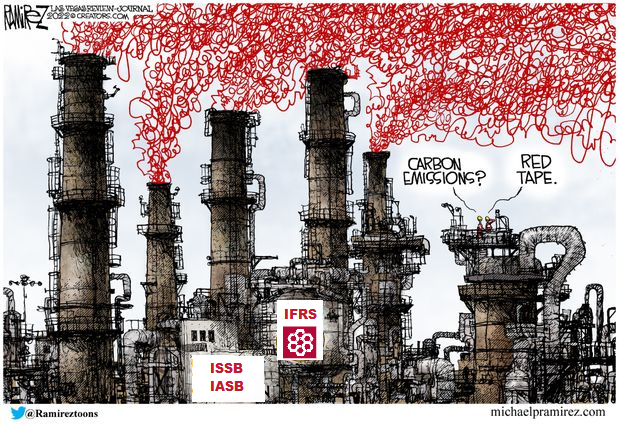


 One of the symposium sessions was titled: “Get ready for jurisdictional adoption: How regulators are responding to the ISSB” — the International Sustainability Standards Board. Released last June, the ISSB standards will require corporations and investment organizations around the world to adopt common reporting approaches to climate and other environmental issues. It’s an authoritarian, top-down and anti-competitive regime that leaves no country or sector free to set its own rules.







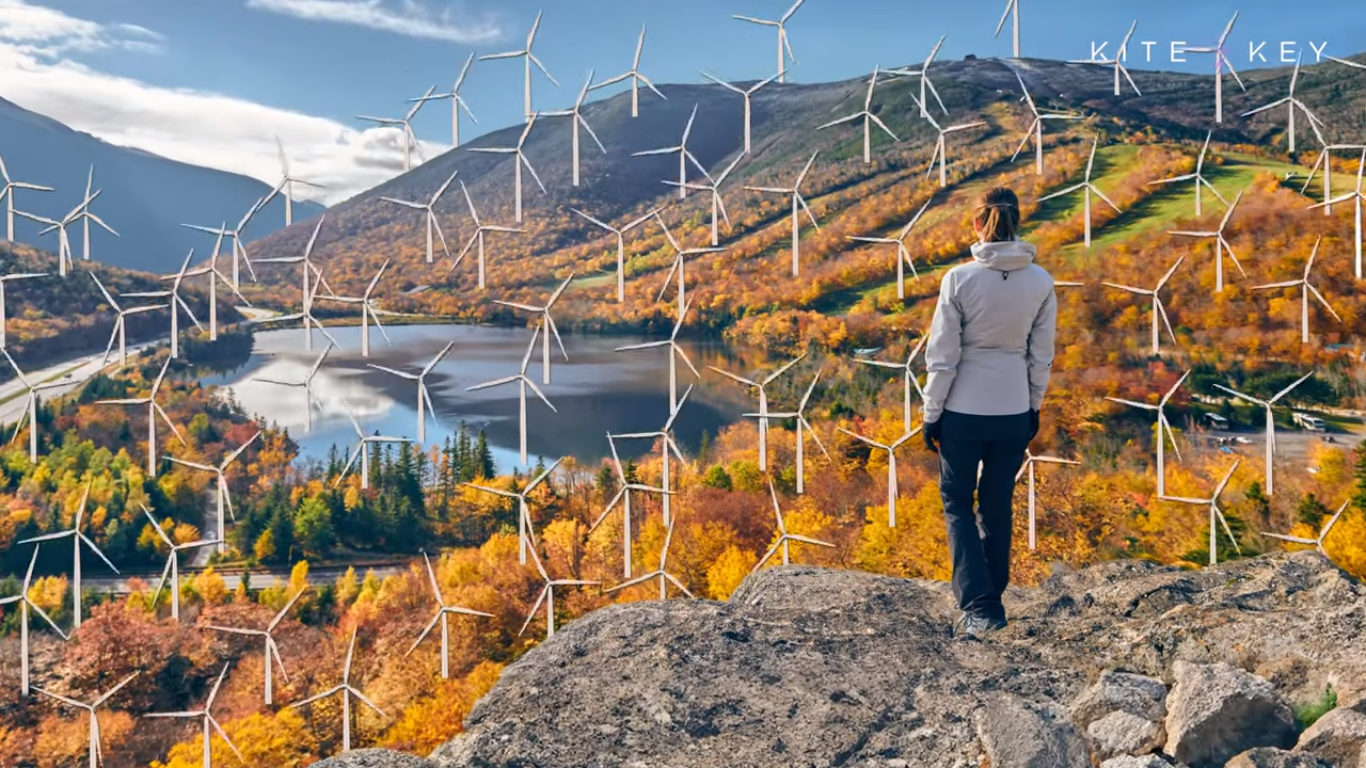


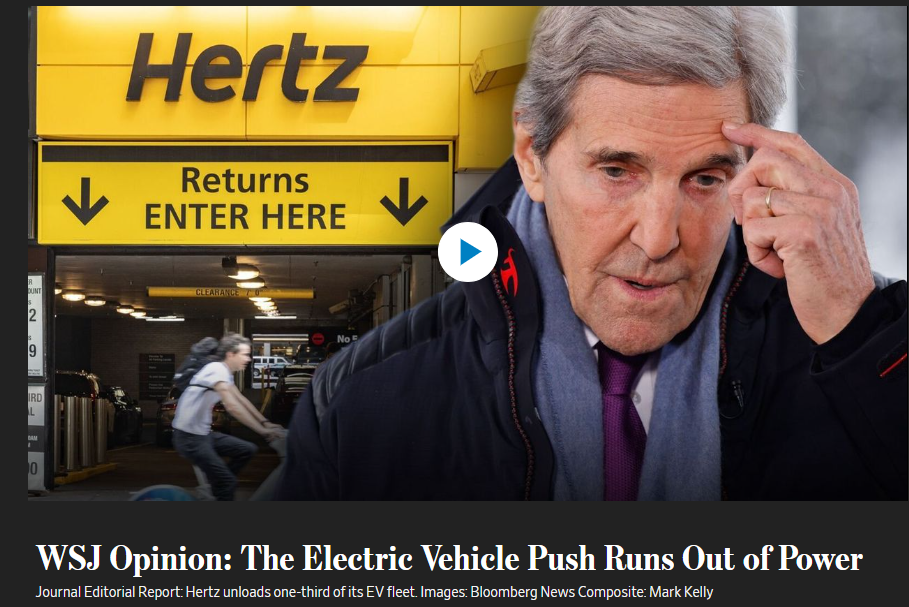
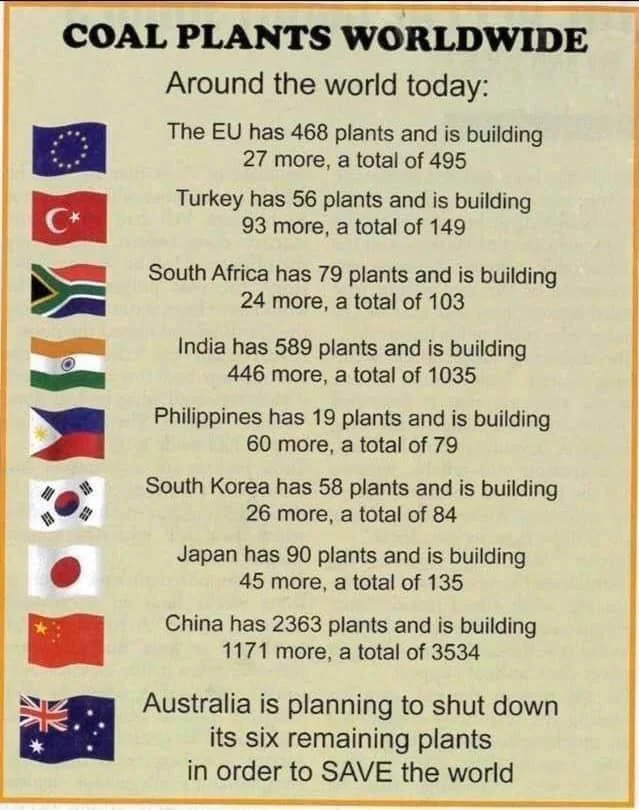
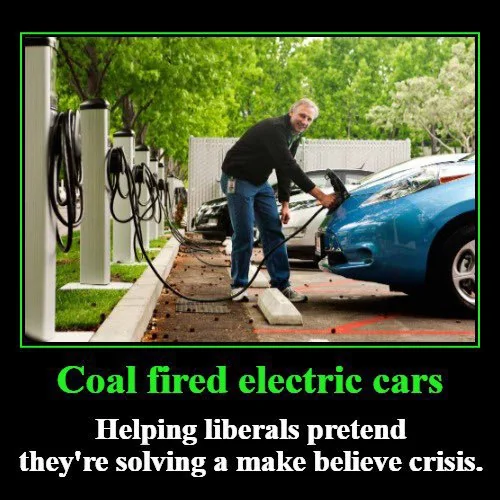



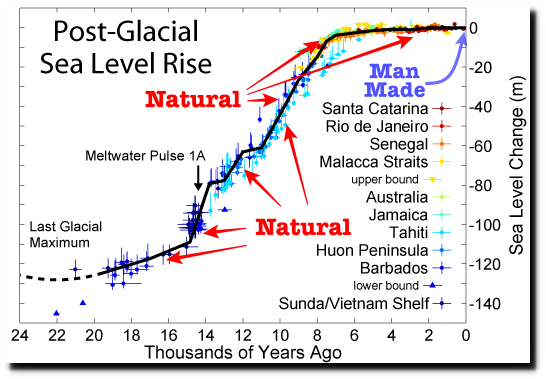

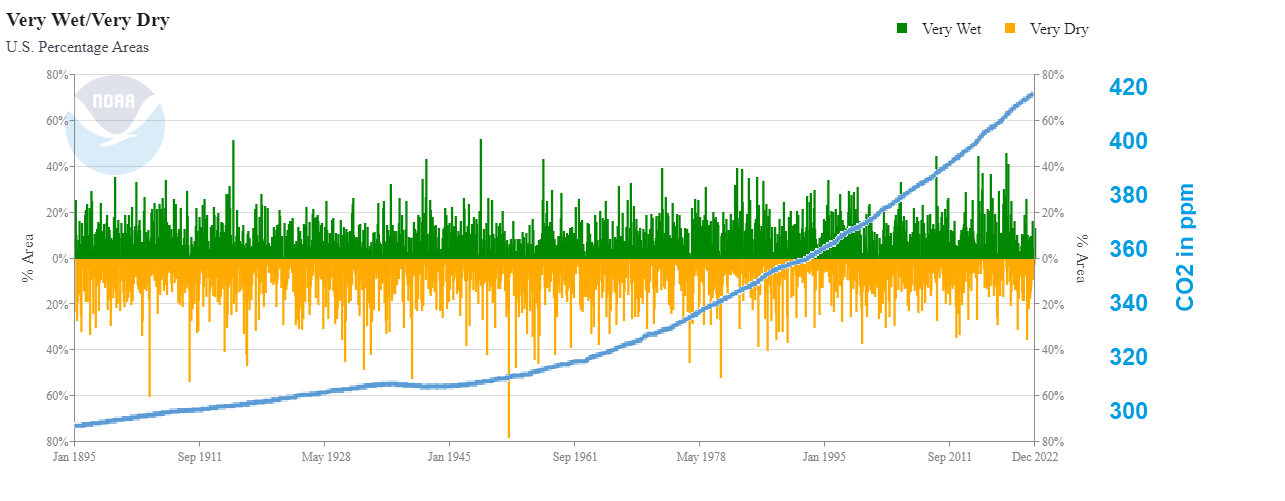
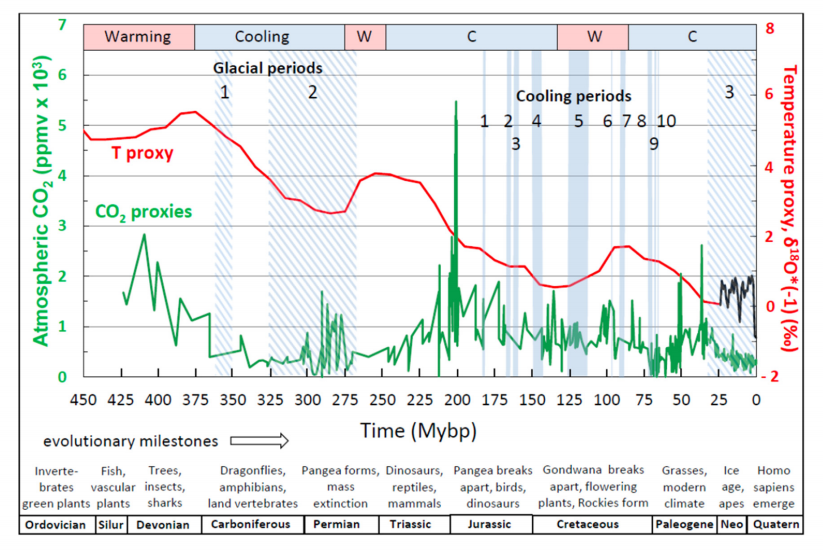
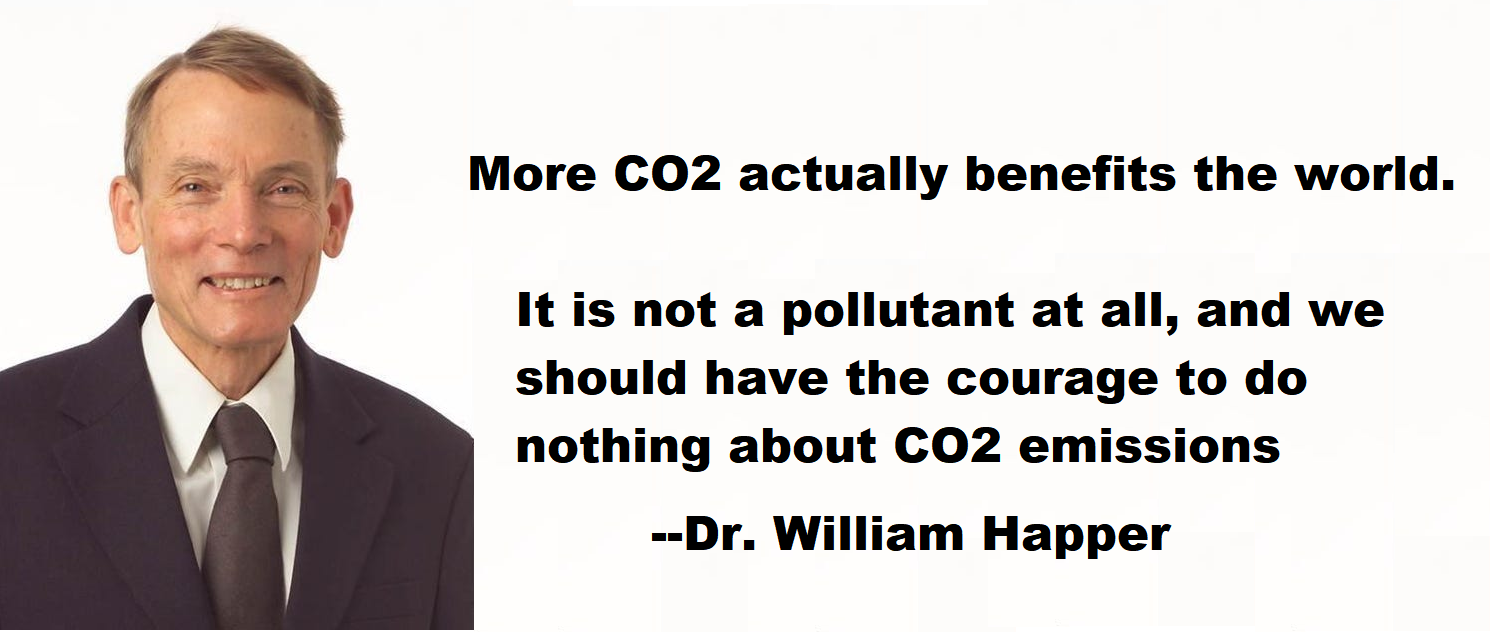

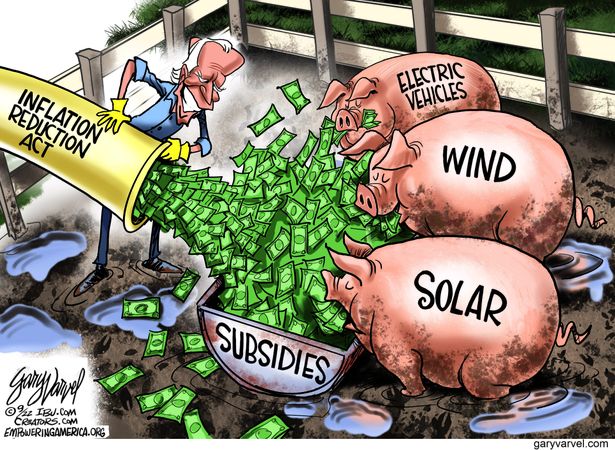
 fWhen the above material, stressing the need to examine the total picture in any critical thinking, was shown to a high school Principal, to a high school science teacher and to an environmental engineer, they were all surprised and quite critical that one would want to show this to students. Annoyed actually. One was emphatic…
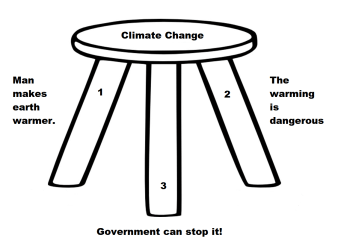
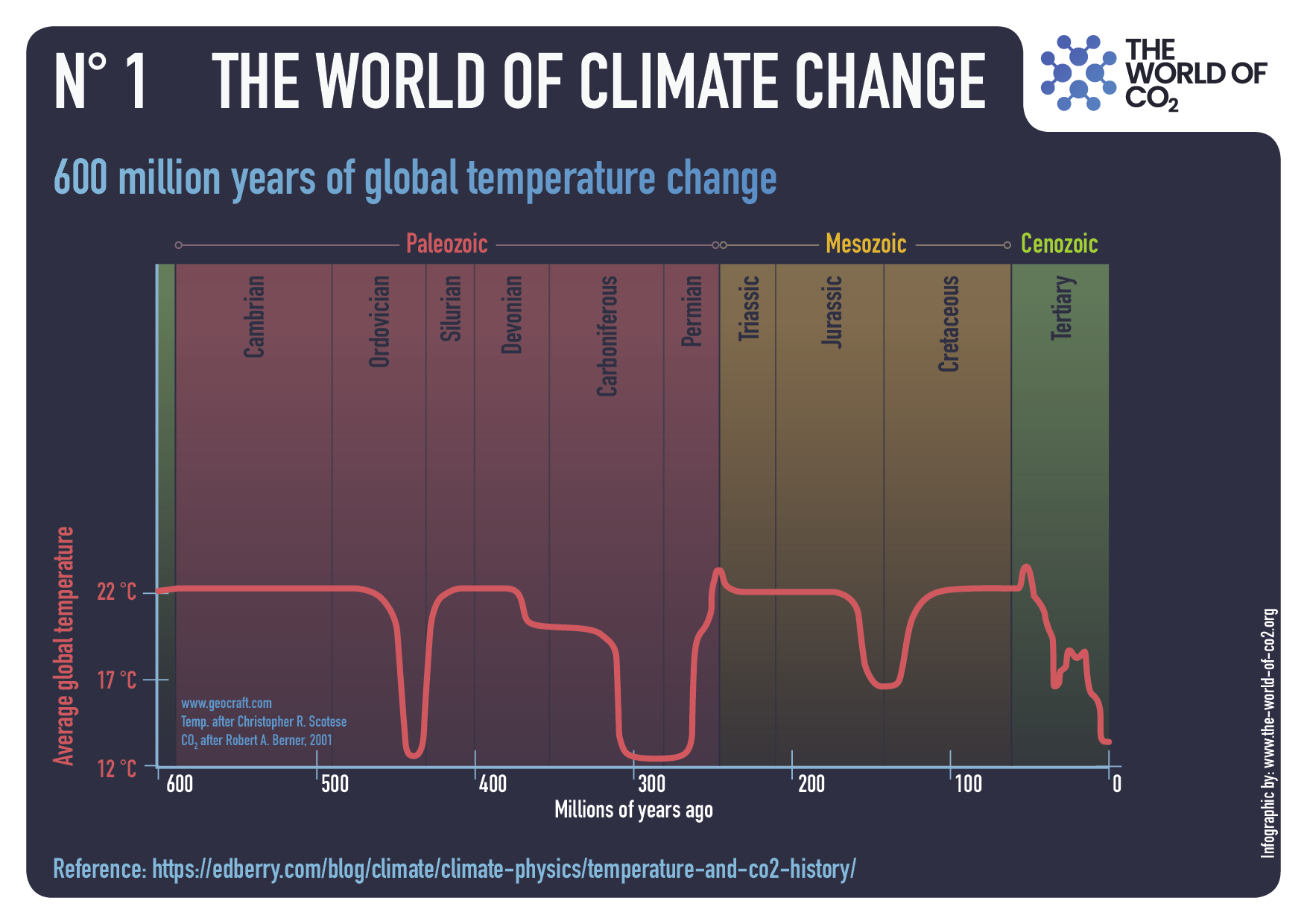
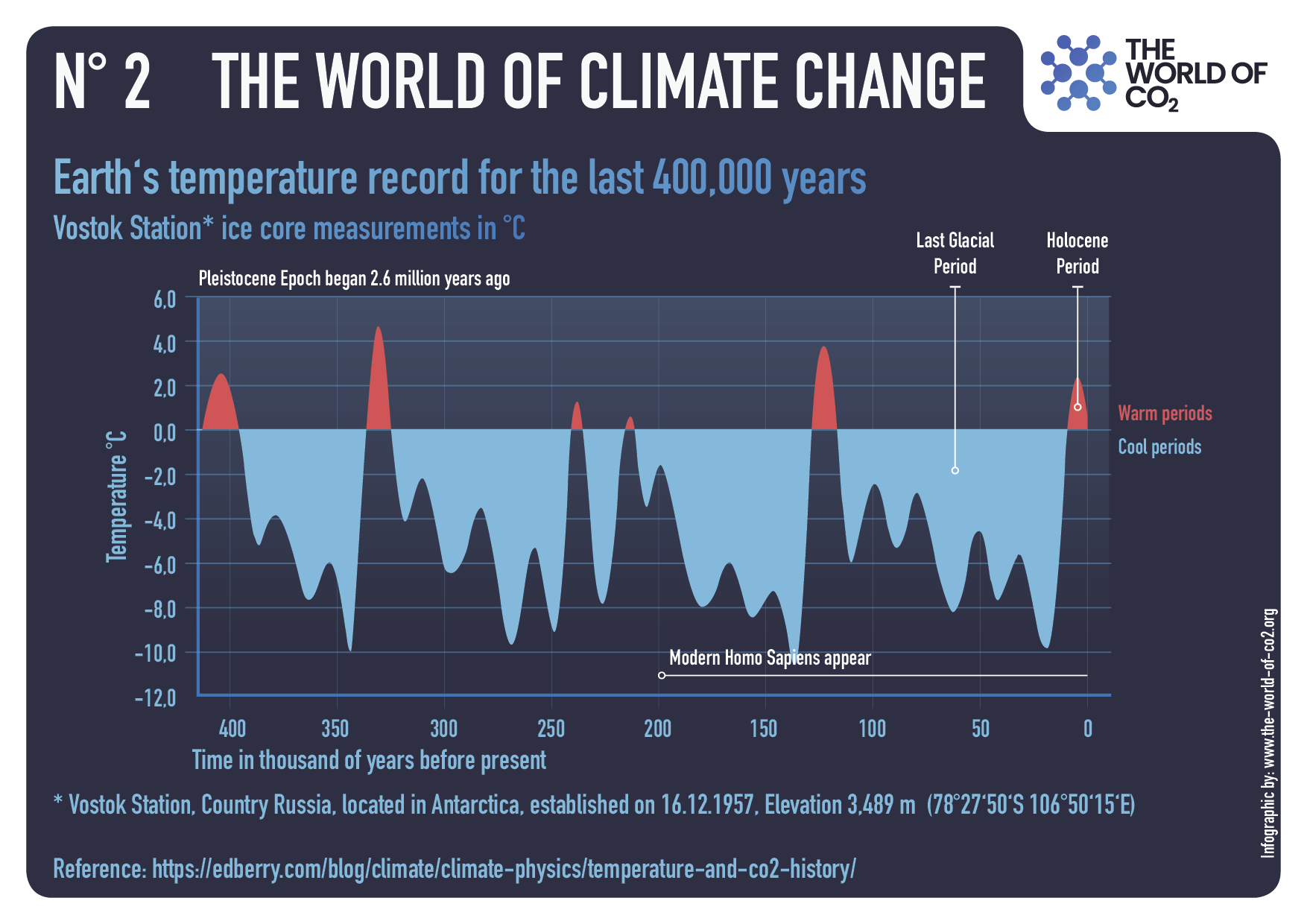
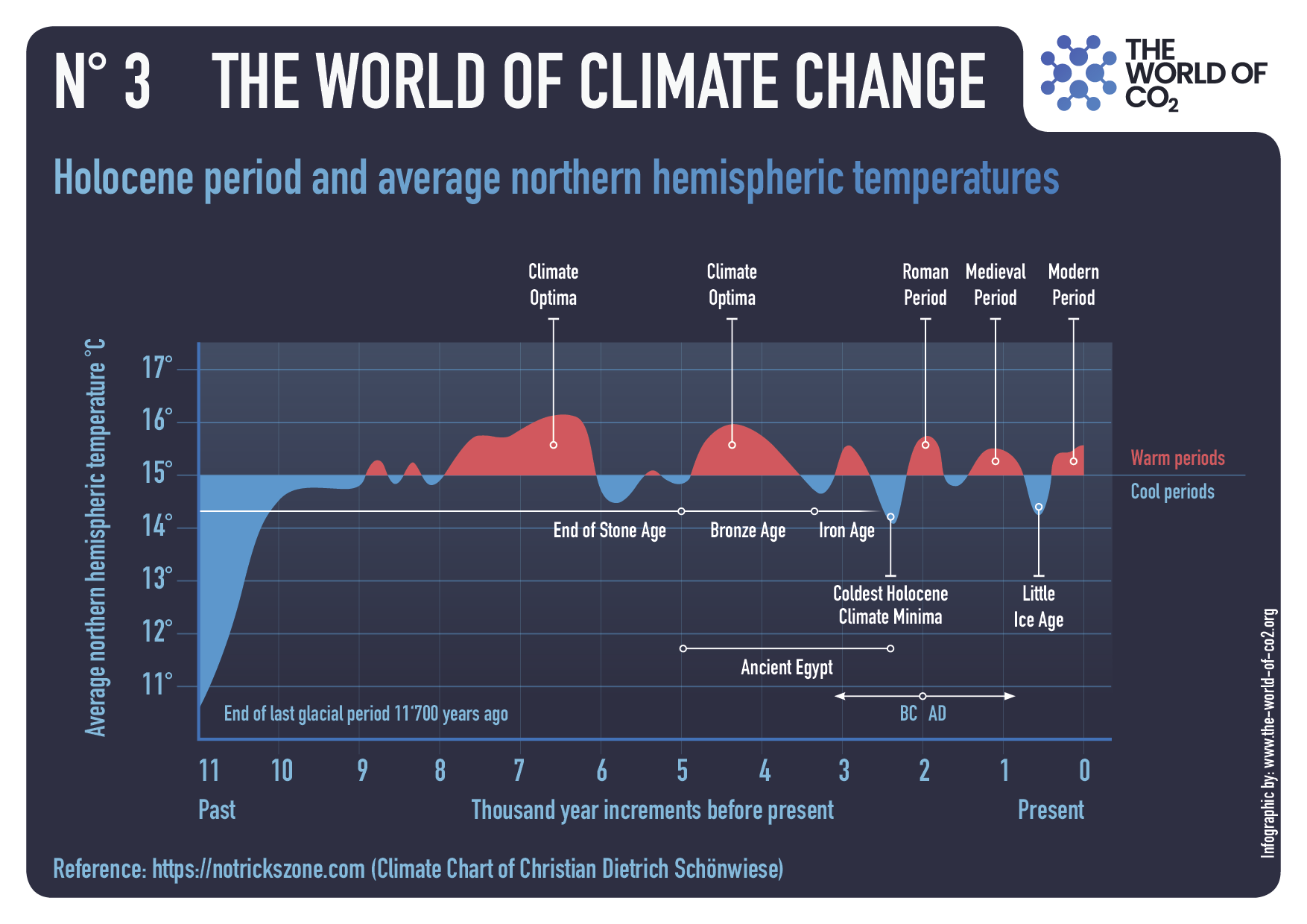
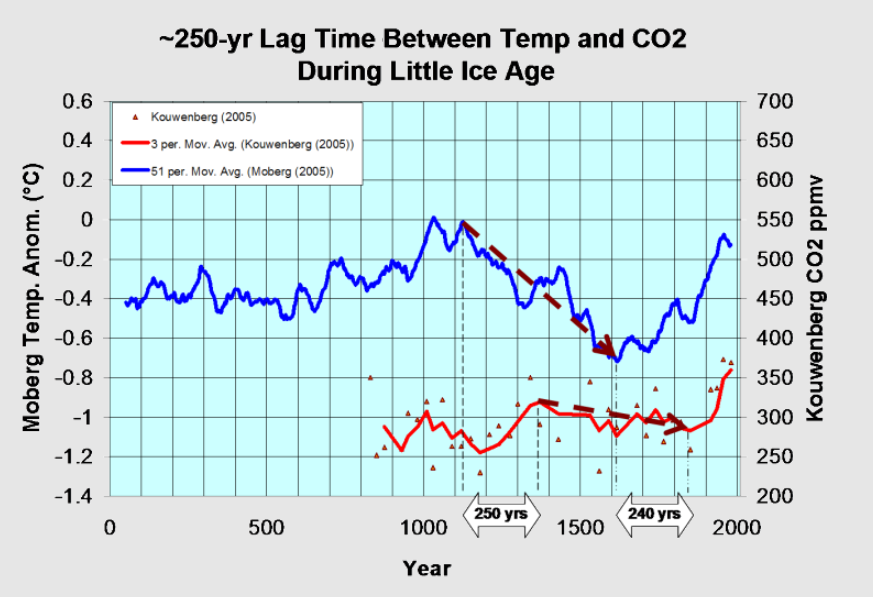
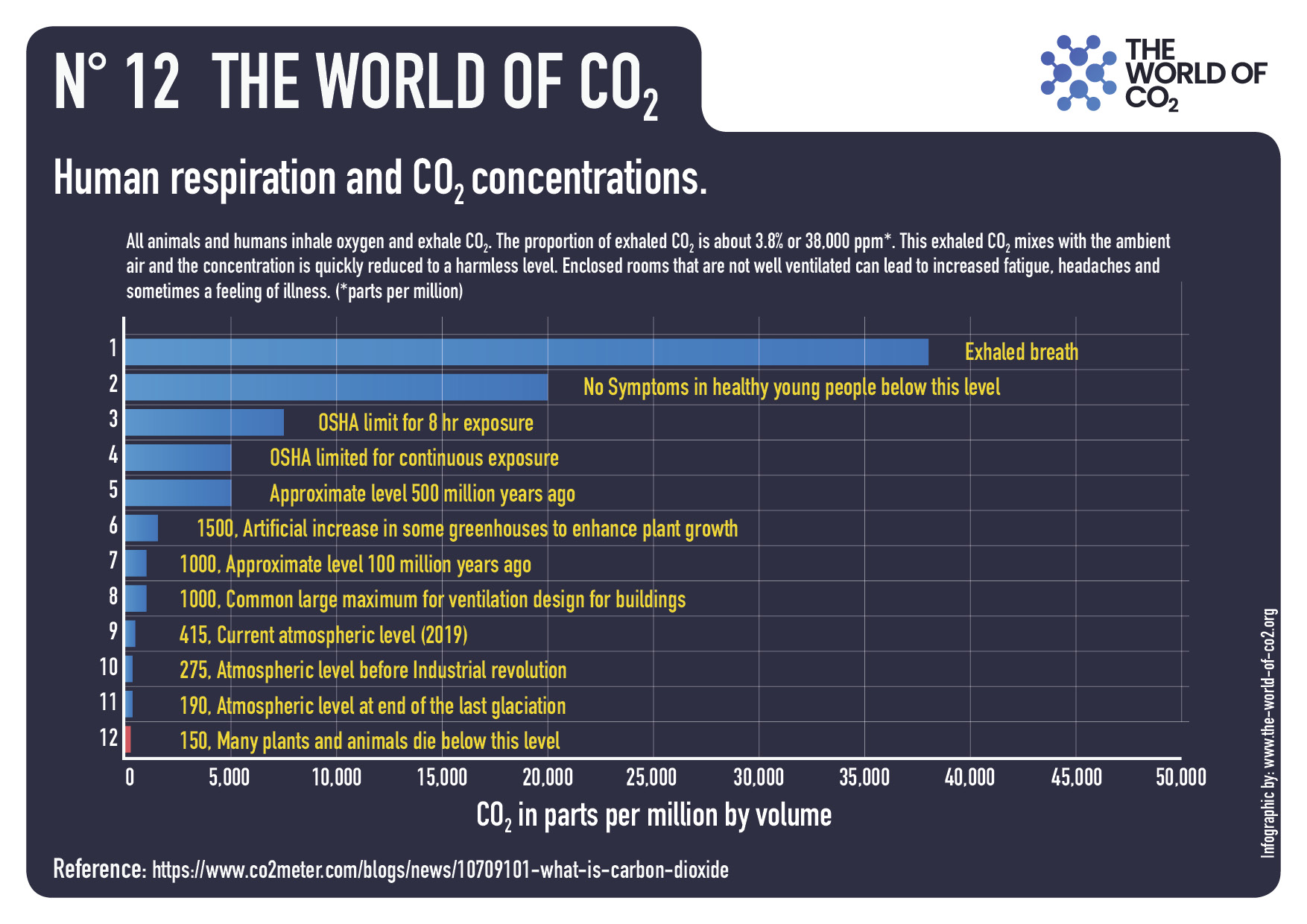


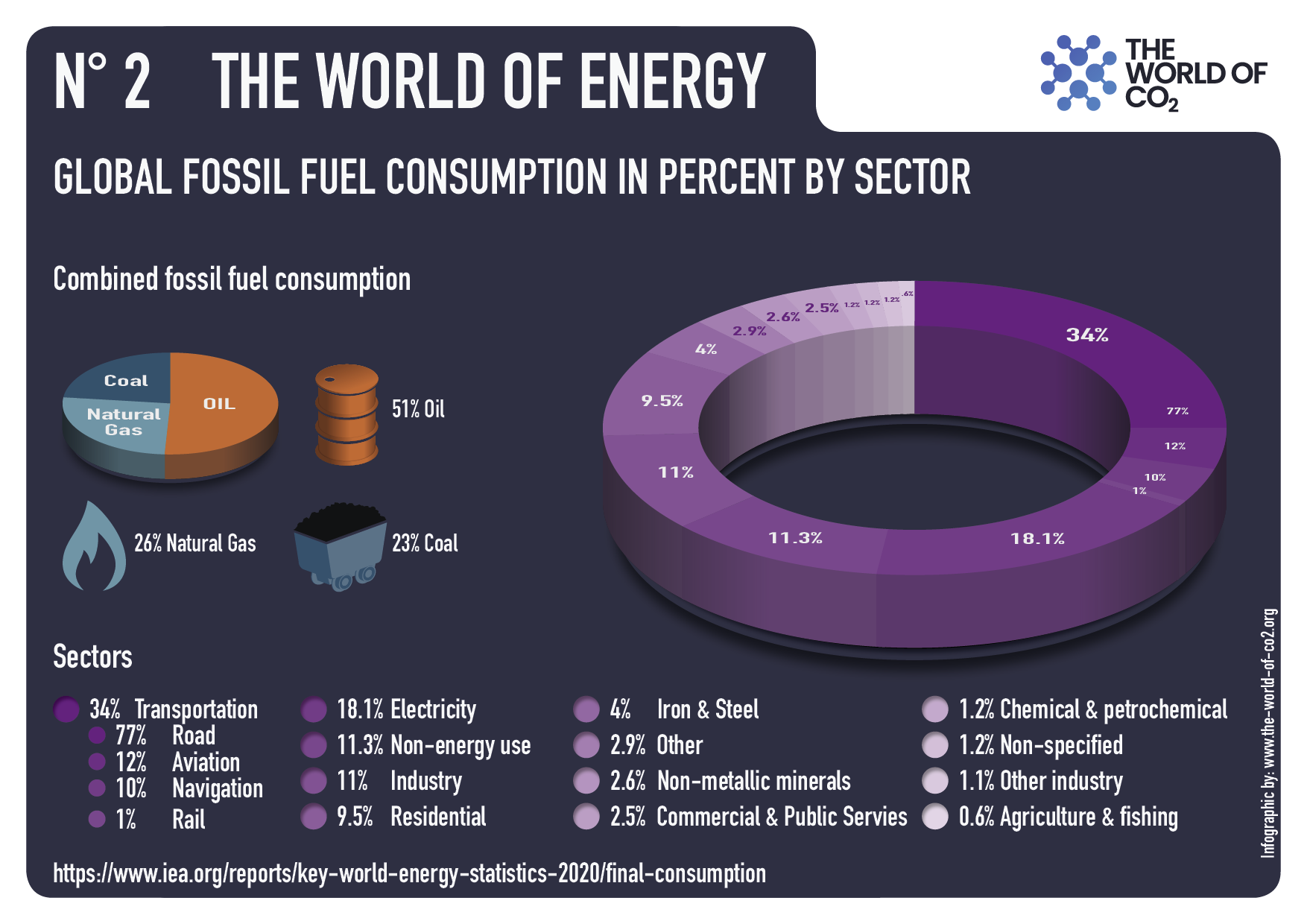
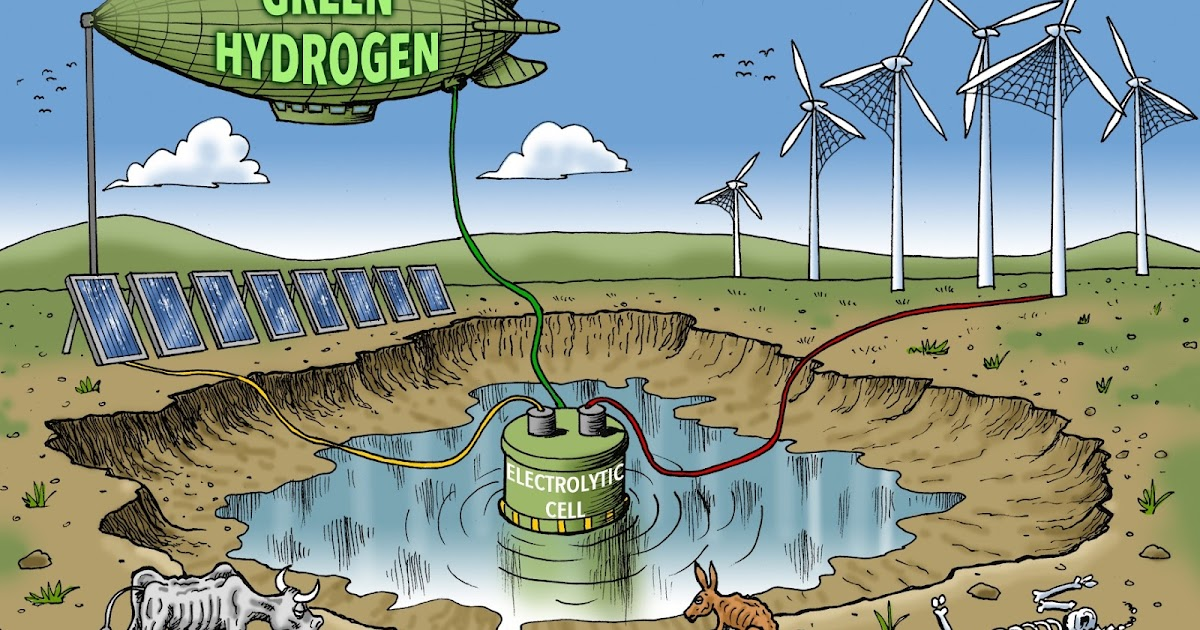


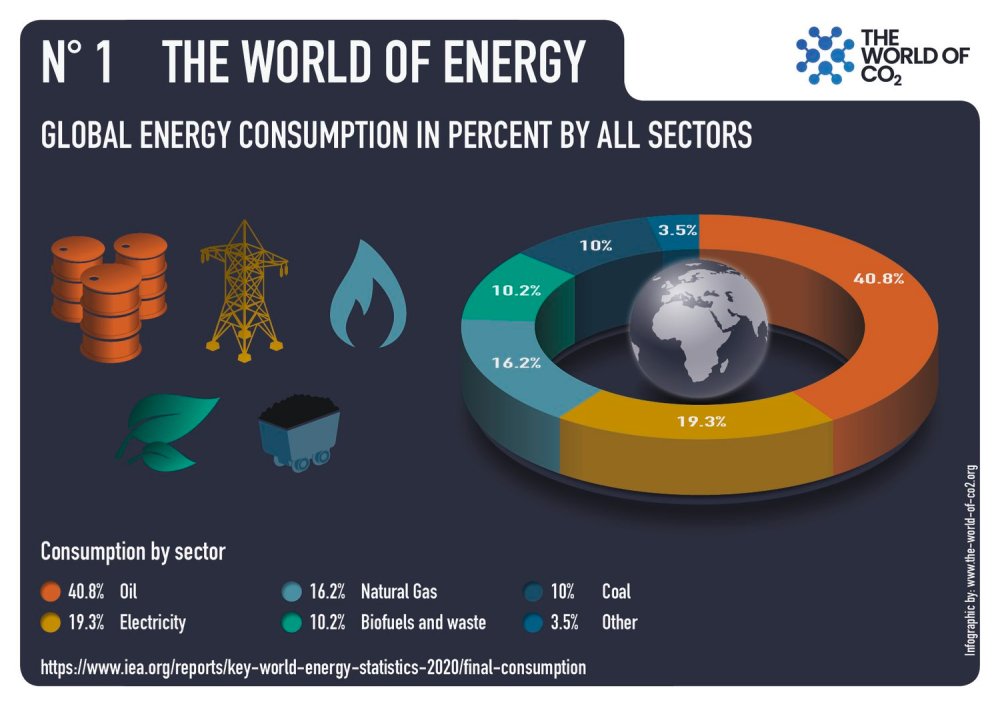

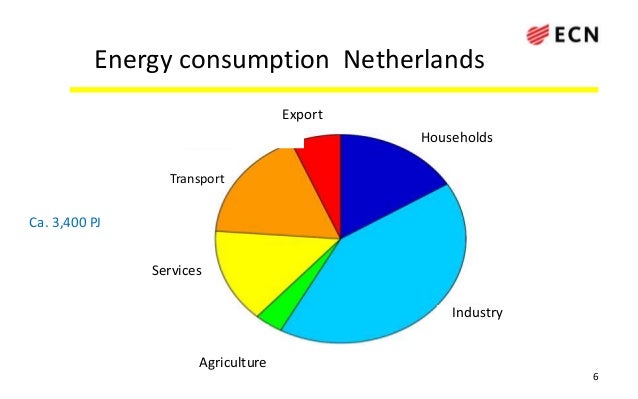


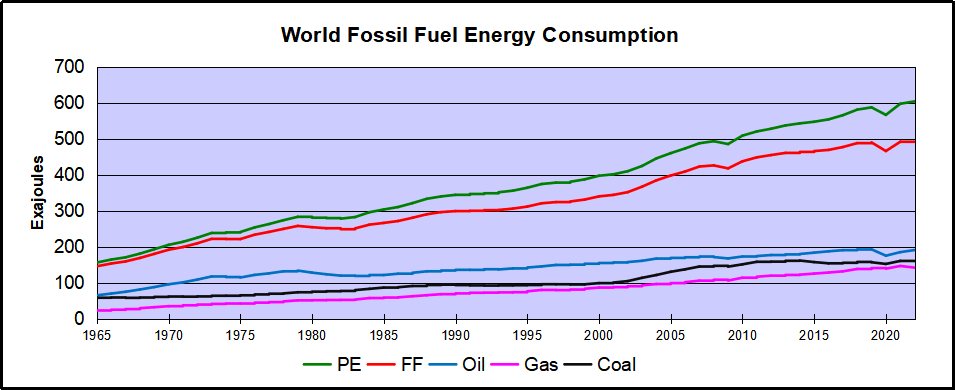
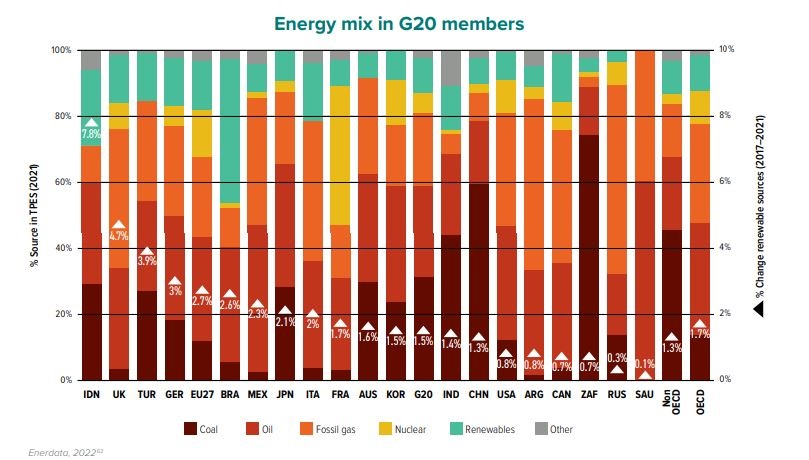


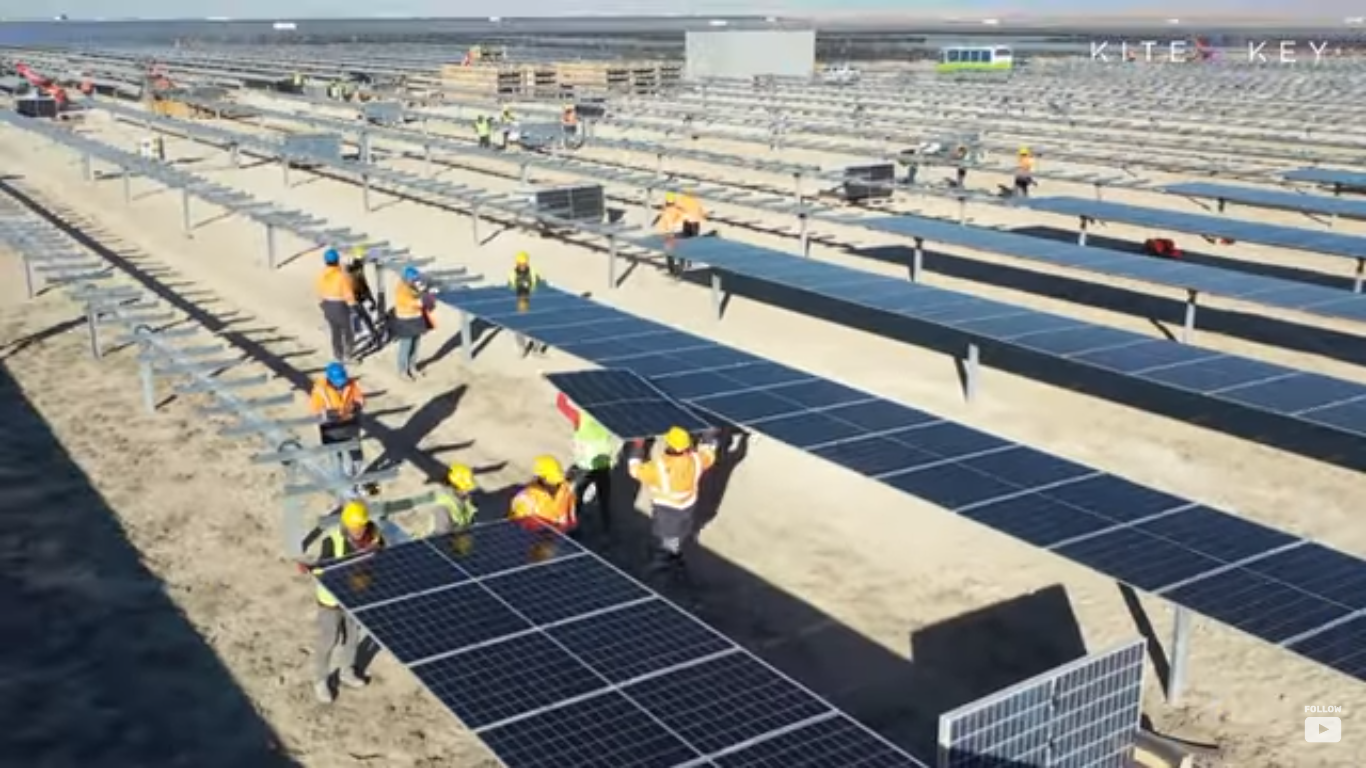
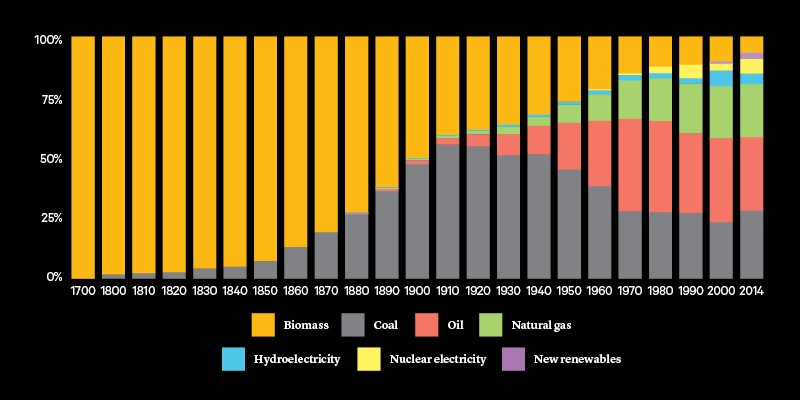


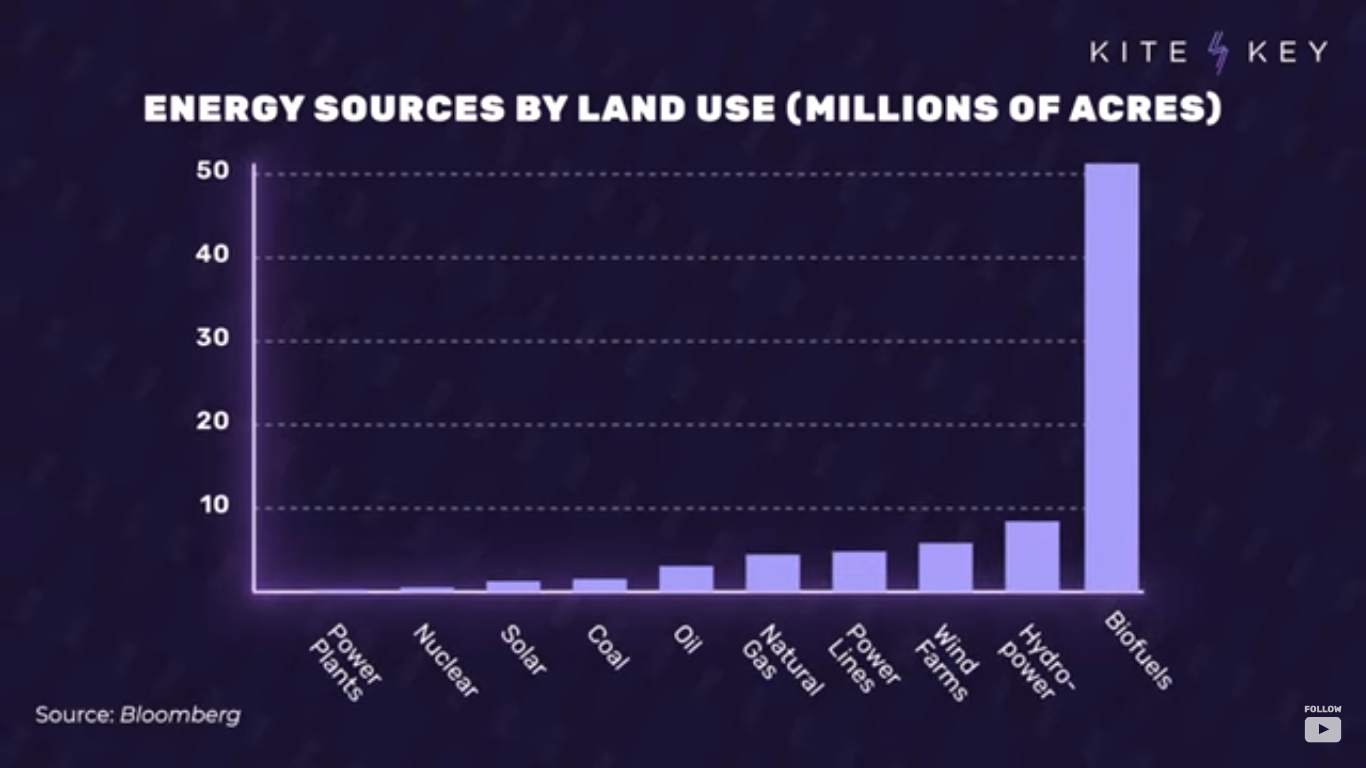
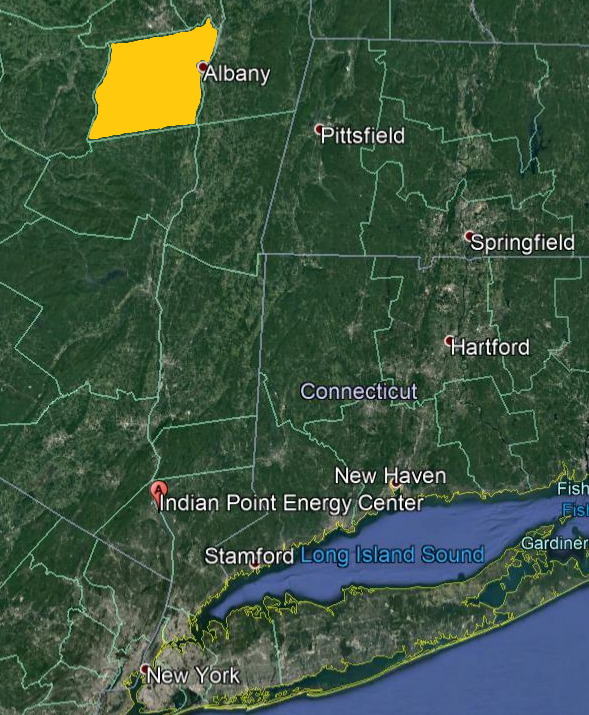


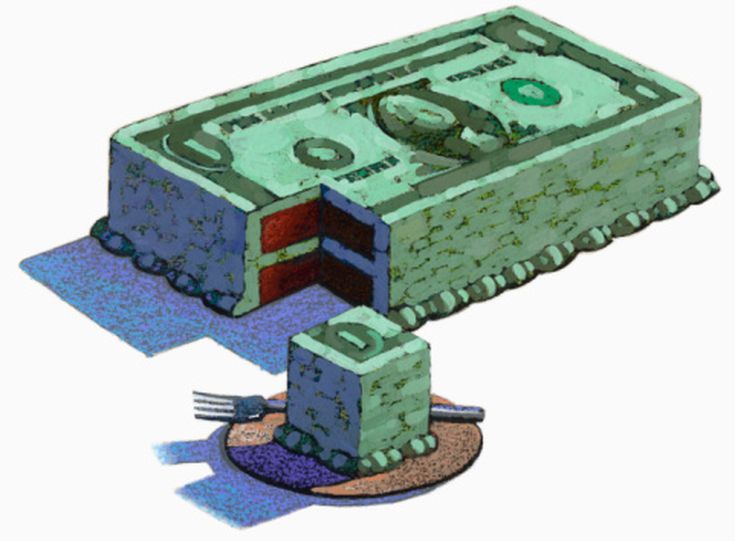






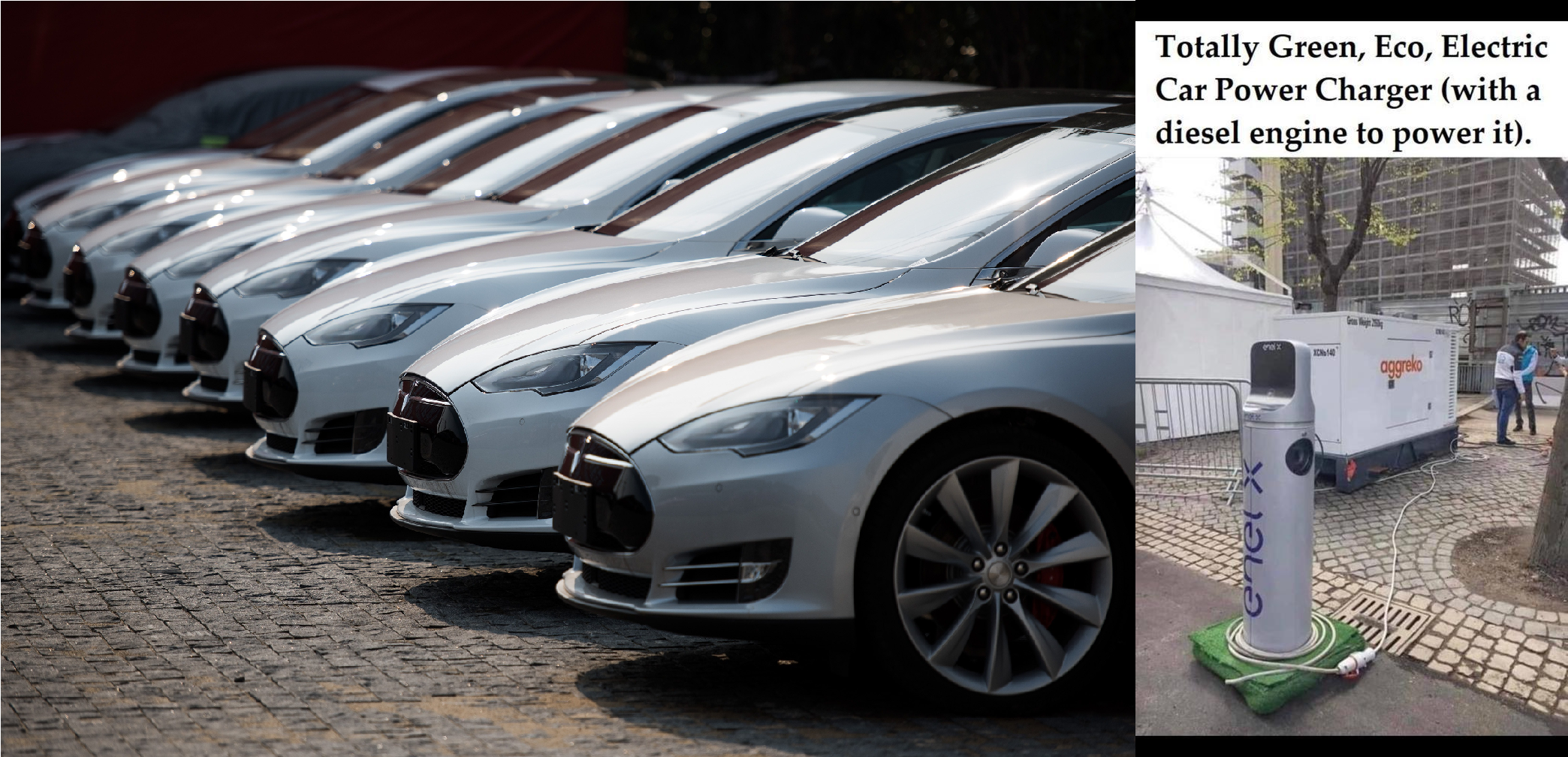


 Science Matters