A part of Battle of Ideas Festival 2025 was the above presentation explaining plainly why UK energy has become so expensive. For those who prefer reading, below is a transcript with my added bolds and images.
Why are our electricity bills so high? We’re told as Craig referenced that it’s all the fault of gas. Now this argument is going to come to somewhat crashing reality in the next year. I was just checking the prices now and from yesterday’s close we’re now87 percent down from the highs in 2022. Now has anybody seen an 87 percent reduction in their bills, hands up, anybody? Oh that’s a huge shock. Next year gas analysts expect that the gas price will return to its long-term average pre-2021.
So the gas crisis actually began in the autumn of 2021, about six months before the invasion of Ukraine and it was to do with the recovery from COVID. Basically during COVID demand for gas fell because industrial activity dropped, a lot of upstream production was shut in and it takes time to bring that back, you can’t just turn on the tap in most cases, it requires quite a bit more work than that. So there was a delay in bringing that production back online and when you have more demand than you’ve got supply then prices go up and then Putin took advantage of this in the following February and well we all know what happened then.
Since then in the upstream sector they’ve been busy bringing new LNG, liquefied natural gas projects, on stream. By the end of this year there’ll be enough new LNG to fully replace all of Russian gas and sometime next year we’re expecting the global gas market to go back into length. So there’ll be more supply globally than there is demand and prices are expected to fall. In fact the only reason why Miliband could possibly deliver the 300 pound reduction in bills would be because of gas prices falling.
Unfortunately I think he’s going to more than offset that with higher subsidy costs. So the first thing is that gas is not expensive and really for 25 years we had very low and very stable gas prices. Gas was cheap, in fact the cheapness of gas was what enabled the energy transition to even begin. I wrote a report earlier in the year about the cost of renewables, if you do a chart that shows the wholesale price of gas, the wholesale price of electricity and then the domestic price of electricity what you find is that the wholesale gas price was low and stable until 2021.
The wholesale electricity price was basically the wholesale gas price plus a little bit which is what you’d expect and then the domestic price was the wholesale price of electricity plus a little bit. And again you’d expect that you buy a wholesale, you pay for it to be delivered to your house, you’ve got to pay the supplier some money for you know doing the admin for that, they want to take a bit of profit, there’s some taxes, that’s what you’d expect.
Figure 4 – International Domestic Electricity Prices (p per kWh). UK has the highest domestic electricity prices in the IEA.
But from 2006 this relationship started to break down and what we saw was a steep increase in what households were paying despite a flat trajectory for wholesale prices. Why was this? It was because we were adding on policy costs. We’re subsidizing renewables, we started using suppliers to do all sorts of other social programs, wealth redistribution, literally the warm homes discount is suppliers. They phone up the department for work and pensions and they find out which of their customers are eligible and then they calculate how much that discount is going to cost and then they add on an admin fee and then they spread that cost out across all our other customers.
They take money from one group of customers to give to another. This is wealth redistribution, it’s not the job of private companies. The energy company obligation, we’ve heard about that in the news this week where I think the National Audit Office has written a report saying how inefficient it is, how low quality the work is. Well guess what, energy companies are not experts in construction. They are being expected to engage in sub contracts to companies that will come in and install insulation and similar things in your home. They don’t know anything about this, this isn’t part of their core business.
Typically as wind and solar power share of supply increases, distribution and transmission costs rise sharply.
It’s a hugely inefficient thing to expect suppliers to do and the cost of all that is added to bills. The smart meter rollout, we’re the only country in the world that expects suppliers, retailers, to install network equipment in people’s homes. Everyone else got the network companies to do it, you know, duh. And what’s even worse is that the supply business was created within the Utility Act 2000. It was the final part of unbundling the energy system and almost immediately both the governments and the regulators started telling everyone that suppliers were greedy profiteers that couldn’t be trusted.
And then they expressed shock that nobody wants these greedy profiteers who can’t be trusted to install devices in their home that would give the greedy suppliers that can’t be trusted lots of information about how they’re using electricity and gas and potentially enable them to change your prices remotely, put you onto prepayment tariffs remotely and do all sorts of other stuff remotely, potentially without your permission. And they were just kind of shocked that people didn’t want to do that. So the whole market is completely dysfunctional.
Now, when we come to the real costs and the real reasons that our bills are so high has to do with renewables. When we build renewable generation, we have to provide a big subsidy. Now, a lot of people think, well, the wind and the sun are free. And this is true. Wind energy and solar energy is free. But the equipment needed to turn that energy into electricity is not free. That’s actually pretty expensive.
Now, imagine that we only had renewables on our grid. And when you’re setting prices, normally, the price at which you sell your goods is linked to your short run marginal operating cost, which for wind and solar is close to zero. Essentially, you’d be giving it away. How are you going to recover your capital costs for that expensive equipment if you have to give away your products? You’re never going to be able to do it. So basic economic theory will tell you that renewables will never be built without subsidies. They are always going to require subsidies because you will never be able to recover the capital costs to selling the electricity at the short run marginal operating cost of that electricity.
So we give subsidies to renewables. And that subsidy is higher than the cost of generating electricity with gas. So the argument about gas pushing your bills up is nonsense. These subsidies are higher than the cost of generating electricity with gas. And the way the new subsidies work is that the generators are guaranteed a fixed price, and they receive that by selling that electricity in the market. And then if that’s lower than this fixed price, they get a top up.
And it’s a one for one relationship. If you lower the wholesale price of electricity by one pound, you increase the subsidy cost by one pound. And the subsidies are added to our bills. They come straight out of our pockets. So when people say, oh, we’ve got to get off gas, we’ve got to stop marginal pricing. People talk about marginal pricing as if we’re some weird outlier in the world markets doing this strange marginal pricing thing, taking the most expensive form of generation to set the price.
Every deregulated power market in the world sets the electricity price through marginal pricing. In fact, most commodity markets do the same thing. This isn’t weird. It’s completely normal.
And if you decided to change price formation to lower the wholesale price, your bill will stay the same. You’re just moving money in different buckets around the bill. Now the bit that says wholesale price will go down, and the bit that says policy costs will go up. But the amount you pay will stay the same. And so this is the whole misinformation that we have.
The other issues with renewables are you’ve got to pay for backup. They have low energy density, so you need a lot more wires to connect them. A good sized gas power station, 800 megawatts. If you wanted an equivalent size wind farm, you need 60 turbines. So that’s 60 times more wires. But to get the same amount of electricity over the year, because your wind is only working about a third of the time compared with about 86% of the time for gas, you need something like 150 times the wires. You need 150 turbines.
All that gets added onto your bills. The cost of backup to make sure you’ve got generation available when it’s not windy and sunny, that goes straight onto the bill. And the real-time balancing cost, where you’re having to even out the impact of clouds and gusts of wind, all goes on the bill. And so this is why our bills are so high.
At the World Prosperity Forum in Zurich—held alongside the World Economic Forum in Davos—climate scientist Anika Sweetland delivers a provocative and deeply personal address that challenges the foundations of modern climate orthodoxy.
Drawing on her own education and professional experience, Sweetland recounts how climate science training fostered fear, despair, and unquestioned consensus rather than open scientific inquiry. She argues that generations of students have been indoctrinated with alarmist narratives that distort climate history, suppress debate, and justify sweeping political and economic control.
In this speech, Sweetland examines:
♦ The psychological impact of climate alarmism on children and students
♦ Media-driven climate narratives and shifting doomsday predictions
♦ Historical climate cycles, ocean dynamics, and orbital forces
♦ The role of international institutions and the concentration of power
♦ Why carbon dioxide is portrayed as a villain—and why she disputes that claim
♦ How climate policy, finance, and governance have become tightly intertwined
Presented as a counterpoint to the centralized, collectivist worldview promoted at Davos, this talk embodies the mission of the World Prosperity Forum: to challenge prevailing narratives, defend sovereignty, and restore open debate on climate, energy, and economic policy. For those who prefer reading, below is a transcription with my bolds and added images.
My name is Annika Sweetland and I trained as a climate scientist and during my time in what was meant to be a world-class education, I learned the world was a fragile system on the brink of collapse and that we were practically doomed. What sets me apart from most climate scientists is this, I’ve realized I was indoctrinated. Going through my old lecture notes now, I see lie after lie after lie, painting a picture that does not and will not ever exist. I was that girl that ticked the box when booking a plane ticket to say yes, I’m willing to pay a higher price to make this an environmentally friendly transaction and offset my carbon emissions.
Airlines saving polar bears, sign me up. But of course the
consensus was always the same, there was nothing
I could really do to solve the climate crisis.
So let me take you through my journey from being a scientist in complete and utter despair to standing here before you today armed with the truth. Today I’m going to be telling you about the realities of climate education, so let’s start at the beginning of the climate merry-go-round, the indoctrination of school children. Do you realize the alleged consequences from climate change are actually similar to those of war? The child’s world is inherently unstable, after all due to extreme sea level rise and extreme weather events, their lives are at risk. But this is what we’re teaching our kids, that the world they live in is no longer a safe and stable environment, that ecosystems are collapsing and their world is on fire. This is an outrage, they promised this is the truth and if they question that narrative the school will write to their parents, no debate allowed. I have been told my whole life that there is impending doom in the form of climate change. It was in the news every day, my teachers schooled me on it, my friends were talking about it, there were even degrees in it.
I can be forgiven for believing it. Why wouldn’t you believe what your teachers are telling you? They’re the ultimate authority at a young age. But the most significant point is this, it is the effect it has on our children.
They are scaring our children with these ghastly stories, they are shaping them to feel powerless because they can’t do anything about it and they are moulding them to be disillusioned and angry because the so-called people in charge don’t appear to be doing anything about it either. This is how you get the Greta Thunbergs of the world, that girl honestly believes her world is burning. Imagine for a second what it truly feels like to believe that.
I was at school in 1999 and this new emergency of global warming made me feel anxious and at that time three percent of school-aged children were diagnosed with anxiety.By 2023 this had escalated to more than 20 percent of school-aged children being diagnosed with anxiety. This is not a coincidence, the psychological impact of this story is crippling children’s mental health and it is simply unacceptable.
It is wrong, it is socially irresponsible and the minute they try and peddle that story on my child, well let me just make this clear, hell will have no fury like a mother who knows the truth and who is also a climate expert. Hell will not have enough fury and this is why I’m angry because I’ve seen the system from within and what I found at university wasn’t a debate, it was a script. So when I call climate change a narrative, I’m not being edgy, I’m being precise.
If you want a quick test for whether something is solid science or nonsense, just look for consistency and this consistency is exactly what’s missing. Firstly, the story keeps on changing. If it were a real story I guess the general facts surrounding it would probably remain the same but in the 60s and 70s the majority of scientists were predicting global warming but if you looked in the newspaper you’d think we’re heading straight into an ice age.
In 1974, Radio Times ran the headline, the ice age cometh. American media followed suit. Every cold weather event was sold as proof that there was an ice age approaching. Sound familiar? It should. It’s how the media still works today. A flood, a heat wave, a storm, completely normal weather, splash it across the front page, call it unprecedented and blame climate change. Everyday weather is rebranded as existential crisis. My point is this, it was never scientists telling the world an ice age was coming, it was the media with their use of selected experts. But why? Let’s dig deeper.
Newsweek warned governments were unprepared for climate driven food shortages and that planners were ignoring climatic uncertainty and that delay would make the coming crisis impossible to manage. This wasn’t just weather reporting, it was a script to create panic about hunger, global instability, they pull the lever for sympathy, for suffering in poorer countries and even today we see images of flooded villages, failed crops, desperate families, all offered up as proof of climate catastrophe and as justification for sweeping political action, urgent action with no time to consider the consequences.
In 1988, there was a rebranding exercise. The New York Times headline read, global warming has begun, expert tells Senate. I read this article, the evidence rests on five months of slightly warm weather and in climate sciences, a trend takes 30 years to establish, not just a season and worse still was the baseline they chose, 1950 to 1980. This is the very cooling period they had just used to scream ice age.
This is a classic case of data manipulation, you take a cold reference point and everything after that is going to look unusually warm. This was never ever science, there was never ever a global warming trend, it was data manipulated to tell a story. The ice age never came, first wrong prediction, but the story of the ice age, that did its job.
The media succeeded in creating a generation of fearful believers. In a speech to the Royal Society in 1988, Margaret Thatcher talked about the fear that people were feeling, the fear that humans were creating a global heat trap that could lead to climatic instability. This fear was gaslit by an NGO, the National Academy of Sciences, who promised the warming would cause a sea level rise of several feet over the next century.
The following year, another NGO, the UN, went on the record and promised entire nations will be wiped off the face of the earth due to climate change induced sea level rise by 2020. Well, we’re still here aren’t we? Second false prediction, none of this sea level rise has eventuated and it’s exactly the same story they preach today. Extreme sea level rise and climate change refugees are nothing but a myth designed to scare people into whatever policy response is waiting in the wings.
This is the first reason that the man-made climate change story is nothing more than a doomsday tale that has been evolving for the last 60 years. Think about it. These were arguably two of the world’s most powerful organisations. They’d had access to satellite data for 25 years, the best scientists, the most comprehensive data analysis in the world, plus the mainstream media at their fingertips. Was it really a coincidence that their story never came true? We now know that they would have known via satellites that the sea level was always rising steadily at 1.2 inches per decade, just like it does today. Plus, this sea rise actually brings sediment with it and increases the land mass at the same time, therefore rendering it impossible for islands to sink due to sea level rise.
However, because it was never a real story, they were never interested in the real data. They could clearly see that there was no unusual sea level rise, but they intentionally chose to mislead the public and put their fraudulent plan into action. They advised the World Meteorological Organisation, another NGO, to create the Intergovernmental Panel on Climate Change.
Now, here’s where it gets juicy. The IPCC is structurally identical to the single world government model I was presented with during my studies as a prescriptive solution to climate change. My professors in global governance assured me that a global problem requires a single world government to fix it, and I admit it. I believed them. I respected my professors. Most of them were published authors in respected journals, and I was promised a world-class education.
But the tragedy is this. They were never training scientists.
They were training socialists to enact their agenda.
And it’s been clear to me for a time now that there’s never been a problem with our climate system, just a smoke screen to establish power and create control. Welcome to the only crisis where their solution is always the same. More control, more taxes, and less debate.
Let me make it clear how the IPCC benefits from maintaining and creating generations of climate change believers. To start with, they sit at the very top of the climate change establishment, and when I say establishment, I simply mean a stable network of institutions that fund, credential, and publish the urgency of man-made global warming. Climate finance reached a record-breaking $1.9 trillion in 2023, and last year saw a record $2.2 trillion in clean energy investment.
That’s more than $4 trillion in a couple of years. Think about who are the main winners here. They’re the unelected officials that sit atop the IPCC hierarchy. These are the people selling, building, financing, and certifying the global transition to clean energy. They are making billions.
The financial victims, the United Kingdom is a victim.
Our economy is on the verge of recession after 30 years of big signatory to international climate agreements. What do we have to show for it? Not only are our energy bills the highest in the developed world, but the economy outside of London is closer to that of Bulgaria’s than Germany’s. Today, 18 to 30-year-olds are the first generation to earn less than their parents. We are getting poorer, both relatively and absolutely. My fellow countrymen are suffering, and this also makes me angry. Because of climate policy, because the IPCC says so, we’re not allowed to drill our own gas fields, which will make us completely reliant for others’ gas in the future.
We have the best quality gas in the world, and its exploration has just been made illegal. For existing projects, for every dollar made, the company is taxed upwards of 78 cents due to unnecessary climate taxation. Let’s take a really good look at just how much power the IPCC have created for themselves. They act as a global risk allocation engine. They determine which technologies reduce subsidies, which activities become legally constrained, which investments are encouraged or stranded.
In the UK, we only have four oil refineries left. These are the basic building blocks of the modern industrial economy, but any company that comes in will not make a profit because the taxes are too high. The IPCC is making us poorer, both as nations and as individuals. Recent blackouts across Europe are just a glimpse into the dystopian future which awaits us.
As long as they continue to make us believe that man-made climate change is going to end life as we know it, we will keep filtering trillions of dollars throughout their organisation without questioning a thing. So what can we do? Firstly, I believe that the average person is more than capable of seeing a situation for what it really is. So please, tune in carefully as I seek to disprove the myth of man-made climate change once and for all.
I’ve got you on tenderhooks now, that’s a good thing. You’re still with me. Let’s bust the first myth. More carbon dioxide causes a warmer planet. Here’s the truth. A recent study by arguably two of the world’s leading atmospheric scientists, both Professor Emeritus, one from MIT, one from Princeton, I mean, these guys are not messing around. They have shown that there is a limit to the amount of heat that is able to be trapped by carbon dioxide and they call this the saturation point. We are at 99% of the saturation point. Relatively speaking, no matter how much carbon dioxide we pump into the air, it will not increase our global temperature. It is but a fallacy. Joe Rogan recently had those authors on his podcast, Dr. Linzen and Dr. Happer. Joe Rogan also wants people to stop drinking the Kool-Aid.
Now let’s bust the second myth, that carbon dioxide is bad for the planet. Guess what? Carbon dioxide is actually good for the planet. That’s right, I said it, the truth. Satellite data shows that plant growth has increased significantly over the last 35 years due to increased carbon dioxide. NASA measured a 10% greening of the earth between 2000 and 2020 alone. Meanwhile, at university, I was taught that trees would starve due to climate change.
They intentionally used the word starve to elicit an emotional response. What actually happens is that when there’s more carbon dioxide available, not only do plants grow faster, but they use less water. We know this because commercial greenhouses pump carbon dioxide to 1400 parts per million because it grows the best plants. It’s called carbon dioxide enrichment. Come on. Carbon dioxide enriches the earth.
And the third myth, carbon dioxide has a direct relationship with temperature. Al Gore was the person responsible for demonizing carbon dioxide, and he said carbon dioxide is the highest it’s ever been. It’s just another lie. It’s actually the lowest it’s been in the last 320 million years. Not only that, but some of the highest levels of carbon dioxide occurred during an ice age 340 million years ago, which just proves that carbon dioxide and temperature have no direct link whatsoever.
Of course, in my training, carbon dioxide and its rise or fall could explain everything that happened in our climatic history through some sort of feedback loop or time lag mechanism. And this is the whole basis of their argument. That more carbon dioxide we put into the atmosphere, the more the temperature will increase. The most important takeaway from this today is that is a lie. The truth is, the earth is just getting greener, and we are simply uneducated as to why the climate actually changes. Indeed, all of us are completely brainwashed to never question it.
So why do the IPCC have a conflict of interest with the truth? Let’s understand exactly how much power this unelected, undemocratic, unaccountable, non-governmental organization are protecting with their lies. The IPCC produce assessments that 195 governments around the world use as an authoritative reference for climate policy. They use IPCC scenarios to set emissions targets, justify carbon budgets. If countries argue for compensation or climate aid, they cite IPCC risk assessments.
The IPCC projections define which regions are at risk and therefore where the money flows. And what they really don’t want you to know is that the most powerful leverage is in financial markets. IPCC scenarios are used in ESG scoring frameworks,climate stress testing for banks, insurance risk models, central bank climate risk assessments, and investment screening criteria. In practice, this means that a company’s ability to access capital increasingly depends on whether its business model is aligned with IPCC-derived pathways.
They have a monopoly not only on the success of entire countries but on individual business interests. In effect, their projections now sit upstream of policy, regulation, infrastructure, and economic structure. And this here, this is why they carry so much power. This isn’t just undemocratic, it’s anti-democratic. I never voted for them to make these decisions. These are people that cannot be held to account by the electorate and that is an unacceptable structure. It is a socialist, globalist agenda that has been carried out right beneath our noses. And it is the spitting image of the one world government framework that was prescribed in my training.
So, with the whole world relying on their projections, with trillions of dollars on the line, you would think that their utmost priority should be the accuracy of those projections. It’s why the believers say, look at the data, you can’t ignore the data. Well, spoiler alert, the data is doctored, just like it’s always been, just like my textbooks were, just like my lecture notes were, this whole thing is indoctrination.
And here is the proof. Hackers leaked emails from IPCC assessment report authors which exposed them freely discussing their efforts in deleting and manipulating the real data because it didn’t quite fit with their doomsday story.
And I quote, I’ll maybe cut the last few points of the filtered curve as that’s trending down. They needed it to be trending upward to fit with their past projections. Another email says, I’ve just completed Mike’s nature trick to hide the decline. These are real emails between the authors of the IPCC report. There are more than 2000 emails like this showing corrupt behavior and they are still the lead authors today. They are unelected, corrupt and have a conflict of interest with the truth. Trillions of dollars of spending rests on fabricated nonsense.
In the UK, if we don’t allocate our national budget to their satisfaction, we’re taken to court. Most recently, we were taken to the European Court of Human Rights because of failure to adequately prepare for extreme heat and flooding. And this, they say, violates fundamental human rights because we are not protecting people against man-made climate change. It is an outrage. So what can we do? It’s time to reclaim our sovereignty.
And we do this by formally leaving all agreements governed by the climate establishment, repeal the Climate Change Act, withdraw from the Kyoto Protocol, withdraw from the UNFCC, leave the Paris Agreement. America withdrew from all United Nations architecture this month. It’s time for the rest of the world to follow suit.
I can already hear the objections, but if we don’t act, aren’t we doomed? As a climate scientist, let me reassure you. The climate is meant to change and it’s meant to change drastically. It is just its natural state and this is very much like the earth. We are in a natural period of warming called the Holocene. We’re still coming out of the Little Ice Age, which was between 1400 and 1900. Our earth’s climate gets warmer and cooler in 1500 year cycles. There is also an ocean pattern called El Nino Southern Oscillation, (ENSO) which drives huge temperature changes. Most global warming is in fact driven by changes in the ocean currents. Other changes are driven by orbital forcings called milankovitch cycles. These cycles change the position of our planet relative to the sun and historically produce an ice age every 100,000 years. There’s nothing man-made about it. There is only natural climate change.
But training experts that the world will listen to and who will enact their agenda is a crucial part of the IPCC’s strategy to retain control. Well, I’m a climate scientist. I’m an expert. So, listen to me. All man-made climate education in schools has to stop. It is not science. It is consensus which is very different to objective scientific fact.
Teach them natural climate change. Teach them about milankovitch cycles, the El Nino. Do not teach them lies that I have just proven wrong. I don’t want my child to gain an ideology. I want him to gain an education. The next generation must be clever. And for this to happen, they need to be learning factual information.
For anyone out there that has ever felt guilty or afraid due to climate change, I want to reassure you, you are not the problem. We have been brainwashed every day by the media. We are being lied to every day. And if we question it, we’re told we’re crazy. We are told we’re in denial because the climate establishment is afraid.
They will tell you that I’m the extreme one because I don’t believe the world is on fire. They will do everything they can to make us fearful. The world as we know it is ending, burning, boiling, to maintain control, constrain us in regulatory burden, and have us accountable to their courts if we spend our taxpayers money the wrong way.
The climate establishment targeted intelligent people who genuinely loved the environment. They taught us the earth was dying and on the brink of collapse. And I believed it. That is not stupidity. That is programming. Because my university lecturers who I respected and the institution of the university itself assured me this was the latest cutting edge research.
I mean I’m thinking I want my money back at this point. They told you it’s settled. They told you it’s urgent. They told you to comply. Well, I’ve told you what they haven’t. The climate is meant to change. The man couldn’t affect the climate system even if he wanted to. Carbon dioxide is good for the planet and will not increase the temperature any. And both children and university students are being brainwashed to blindly perform and enact their agenda.
Well, I am no puppet. For me, once, shame on you. Fool me twice, shame on me. The choice of what to believe is now yours. But the establishment should be afraid because I am a climate scientist who knows the truth. Thank you. Thank you so much. I also just want to thank the Heartland Institute so much for having me speak at the inaugural World Prosperity Forum here in Zurich.
Drone footage shows hundreds of solar panels ripped apart and scattered across farmland after a powerful tornado tore through Wheatfield overnight. Homes in the area also suffered heavy damage as the violent storm carved a path of destruction. Photo credit Joemar Sombero
Energy Bad Boys draw the lessons from an Indiana tornado impacting power supply in their blog article Solar Scattered, Coal Still Standing. Excerpts in italics with my bolds and added images.
What an Indiana tornado revealed about the cost of fragile power
On Tuesday, March 10th, an EF-1 tornado destroyed the Dunns Bridge Solar I and II facilities owned by the Northern Indiana Public Service Company (NIPSCO). The facilities, located outside of Wheatfield, Indiana, had2.4 million solar panels, totaling 700 megawatts (MW) of power capacity, and reportedly cost $1 billion to construct—a little over $1,400 per kilowatt (kW).
The Chief Deputy of Jasper County Sheriff’s Department, Brandon Napier, noted, “Just the path of the tornado that came through, we have several large solar fields to the east of the town here it went right through the solar field and just ripped a lot of them out.”
While the solar panels were damaged by the tornado, we are not aware of any reports of damage at the nearby R.M. Schahfer Generating Station, a 950 MW coal facility that NIPSCO was planning to retire at the end of 2025. However, it is still running thanks to a 202(C) order issued by the U.S. Department of Energy (DOE) requiring the plant to continue operations. Click on the map below to explore the custom Google Map we made this week of the facilities.
To enlarge, open in new tab.
This article will explore the cost of the destroyed solar facility compared to the nearby R.M. Schahfer Plant, and explore how energy costs have changed in the NIPSCO service territory in response to changes in the company’s generation fleet, using some cool data from S&P Global.
According to S&P Global, the Dunns Bridge solar projects were built to “support Northern Indiana Public Service’s goal of becoming coal-free by 2028, reducing carbon emissions by more than 90 percent by 2030, compared to a 2005 baseline, according to the utility.”
The situation begs several questions:
If climate change is going to make the weather more extreme,how does it make any sense to shut down coal plants and build energy generation facilities, like solar, that are destroyed by extreme weather?
Are the company’s coal-free and emissions reduction goals increasing the company’s exposure to costs associated with weather events, and why should ratepayers be saddled with these additional costs?
Was there any damage to the R.M. Schahfer coal plant or the onsite battery storage facility at Dunns Bridge?
What type of insurance policy is in place for the solar facility, and what deductible would the company be required to pay, if any?
What liability, if any, does the company have for the cleanup of the site and surrounding areas?
How is any of this in the best interests of ratepayers?
The Cost of Tornado-Truncated Solar Facility
Let’s be incredibly uncharitable and look at the anticipated levelized cost of energy (LCOE) of the solar facility over its projected 25-year useful lifetime, and its actual, tornado-truncated lifetime.
Dunns Bridge I began generating power in June of 2023, producing a total of 1.3 million megawatt hours (MWh) up until December of 2025, the most recent month for which data are available. Dunns Bridge II began generating power in January of 2025, and through December, it produced 812,439 MW of power, which is good for a 21.3 percent capacity factor.
We calculated the LCOE over two time periods: a 25-year lifecycle, a standard assumption in the industry, and a 2-year lifecycle to account for the facility being destroyed very early in its lifecycle. The results are about what we would expect. Our estimated subsidized costs over 25 years are approximately equal to S&P Global’s reported PPA cost for the facilities, including subsidies.
Is this a fair comparison? Probably not, because the solar facility was almost certainly insured and will likely be rebuilt after the site is remediated. The question is: how much are the cleanup and replacement costs,and what is the insurance deductible for the damaged facility, and who has to pay them?
The Cost of the Nearby Coal Plant
In our upcoming LCOE study for Reliable Energy Inc. in Indiana, we found that the R.M. Schahfer plant was the most expensive coal plant in the state, due primarily to very high delivered fuel costs at the plant ($50 per MWh).
However, the December 2025 data from S&P Global, the most recent available, show the delivered fuel cost was about $27 per MWh, which substantially improves the economics of the plant, although this could possibly be the result of the company assuming the plant would retire at the end of the year, rather than being required to stay open.
At $70 per MWh, the Schahfer plant is competitive with subsidized solar
over a 25-year lifespan, cheaper than the unsubsidized cost over 25 years,
and a bargain compared with our admittedly uncharitable comparison
to the facility’s actual 2-year lifespan.
NIPSCO’s Changing Generation Profile
NIPSCO’s Dunns Bridge solar facilities are part of a larger trend away from coal-fired power generation toward natural gas, MISO market purchases, and increasingly, wind and solar ownership or power purchase agreements (PPAs).
This trend has coincided with a massive increase in the utilities’ estimated rate base. Data from S&P Global show NIPSCO’s rate base has more than doubled since 2016. You’ll notice that the rate base was essentially flat from 2000 to 2010 in non-inflation-adjusted terms. This is because electric companies are supposed to see their rate bases stabilize as their assets depreciate over time.
It’s also interesting to look at what’s causing the rate base growth. In the mid 2000s and 2010s, the growth in NIPSCO’s spending was driven by generation spending. However, transmission and distribution spending began to increase around 2018, and generation spending fell in 2021, but rebounded slightly in 2024.
Conclusion
There are lots of things that break when they get hit by a tornado,
but our power plants shouldn’t be one of them.
The demise of the Dunns Bridge I & II solar facilities by one of the weakest classifications of tornado should be a nudge to Indiana policymakers and utility regulators that shutting down dispatchable thermal plants in favor of flimsier wind and solar facilities is not a prudent course of action.
Frankly, the Trump administration should be lambasting companies like NIPSCO for continuing to pursue their voluntary decarbonization pledges when electricity bills are rising, and demand is soaring due to data centers. A few mean tweets might go a long way toward helping utility executives and their Wall Street investors understand they can no longer Green Plate the grid at the expense of everyday Americans.
Solar panels in field with the sun reflecting on the panels creating a glare. Source: Northern Indiana Public Service Company LLC (NIPSCO),
The PM did abolish the consumer carbon tax,
though only by shifting it to businesses.
Delegates at the first World Climate Conference held in 1979 adopted a declaration calling on governments to “foresee and prevent man-made changes to the climate that might be adverse to the well-being of humanity.” It was, in effect, a declaration of war against the oil and gas industry.
At the time, I was the president of a Calgary-headquartered oil and gas company that I had co-founded, as well as volunteer-president of our industry’s public communication vehicle, the Independent Petroleum Association of Canada. My industry colleagues were reluctant to take on the global climate elite, but I believed doing so was vital to the future of our industry, which was the bedrock of western Canada’s economy. My public commentary was, of course, condemned as evidence that I was only out to save the oil and gas industry.
But it wasn’t just my responsibility as an industry leader that called me to challenge that World Climate Conference declaration. I knew that extremely hot temperatures had been occurring long before that first Kyoto conference. For example, in the 1920s European immigrantssettled in the verdant grasslands of southeastern Alberta. Some of those hopeful settlers were my wife’s grandparents. A decade later, rain stopped falling and temperatures soared as high as 43 C. Hot, dry winds blew precious topsoil away, spawning choking dust storms. The “Dirty Thirties” had arrived. Starving settlers turned to eating rabbits, gophers and anything else edible they could scrounge. Parents took their kids to school in blinding dust storms, clutching fencelines and breathing through bandanas. And the wind kept blowing through the long, cold Alberta winters. Contrary to net-zero zealots’ rhetoric, half of Canada’s 20 hottest days pre-dated that 1979 World Climate Conference.
World Climate Change Conferences continued during the 1980s and 1990s, each featuring more alarmist rhetoric than the last. At the 1997 conference in Japan, 37 industrialized countries adopted the “Kyoto Protocol,” which committed them to reducing green-house gas emissions to five per cent below 1990 levels by 2012. The war on fossil fuels was on in earnest, and it was destined to escalate to ridiculous heights. At the 2012 conference in Qatar, the rich countries committed to reducing emissions by at least 18 per cent below 1990 levels by 2020.
The naivety of those targets is breathtaking. Countries accounting for over half of global emissions, including China, Russia and India, continued their rapid growth without constraint. Virtually all other Asian, Middle Eastern and South American nations had no intention of playing the Kyoto game. Their emissions were going nowhere but up.
The 22nd climate conference was held in Morocco in November 2016, a year after Canadians elected the Trudeau government. In keeping with the new prime minister’s zealous embrace of the cause, environment minister Catherine McKenna led a delegation of 225, one of the largest among the 100 countries assembled. That cost taxpayers a lot in emissions-spewing flights!
Imagine our delegation’s shock when, just 24 hours after the conference opened, they heard the soon-to-be 45th U.S. president, Donald Trump, declare that man-made global warming was a “big hoax” promulgated by China and other countries wanting to steal American jobs.
With all the major players sidelined, who was left to save the planet from climate Armageddon? Just the EU, Japan and Australia, with a combined emission share of 15 per cent. And Canada, adding our minuscule 1.6 per cent. But futility didn’t deter the Trudeau government from saddling Canadians with carbon taxes and taxpayer-funded wind and solar power subsidies in pursuit of its “net-zero” holy grail.
Now we have a new prime minister who is trying to appear less committed to the net-zero mission. But the transformation of the UN Secretary General’s “special envoy on climate action and finance” has been less than biblical. True, one of his first actions on taking power was to remove the despised consumer carbon tax. But that was largely sleight-of-hand, moving the tax out of public view onto beleaguered businesses already struggling with Trump tariffs.
Meanwhile, the foundations of the net-zero emissions religion are crumbling rapidly. In 2021, Microsoft founder Bill Gates wrote a pro-carbon tax book entitled “How to Avoid a Climate Change Disaster.” But four years later, in a letter published on the eve of the most recent UN COP conference, he advised, “too many resources are focused on emissions and the environment. More money should go toward improving lives and curbing disease and poverty.” And he called out the “doomsday view” of climate change, urging world leaders to make a strategic pivot and focus on issues that “have the greatest impact on human welfare.”
Net-zero fatigued Canadians should be asking their prime minister, “Why are you weakening our already struggling economy with carbon taxes and wasting taxpayer money subsidizing wind farms when it will make no perceptible difference to the global climate?” He owes them an answer.
On February 23, 2026, the U.S. Supreme Court agreed to hear arguments in the City and County of Boulder’s climate lawsuit against two major energy companies. This offers the first real opportunity to rein in the nationally-coordinated climate litigation campaign that has sought to force policy outcomes through the courts that elected officials and voters have repeatedly rejected.
What is the Boulder climate lawsuit?
In 2018, the City and County of Boulder and San Miguel County filed a public nuisance climate lawsuit against Exxon Mobil and Suncor, seeking financial damages to pay for the costs of climate change. From the outset, the case raised serious questions about whether local governments should be allowed to use state tort law to extract damages for global phenomena driven by worldwide greenhouse gas emissions that have occurred across decades, across borders, and with the full knowledge and legal sanction of federal and state governments.
Woman on a ducking stool. Historical punishment for ‘common scold’ – woman considered a public nuisance. (Welsh/English heritage)
After San Miguel’s case was separated from Boulder’s in 2021, Boulder spent five years fighting jurisdictional battles – all the way to SCOTUS and back – before finally getting a May 2025 Colorado Supreme Court ruling allowing the case to proceed towards discovery and trial.
The companies appealed, and in February 2026, the U.S. Supreme Court agreed to take up the case.
What questions will the Supreme Court consider and what do they mean?
The Court will hear arguments on two separate questions –
one that goes to the heart of the entire campaign,
and one that could let the justices sidestep it.
The big one: can state law be used to sue energy companies for the effects of international greenhouse gas emissions on global climate change? This is what the climate litigation campaign has always really been about: using tort law as a backdoor emissions regulator, extracting damages that function as a de facto carbon tax that Congress never voted for and voters never approved.
The companies argue that federal law forecloses exactly this kind of state-law end-run, and that issues of greenhouse gas emissions, interstate commerce, national energy policy, and foreign affairs belong at the federal level — not in a patchwork of state courtrooms where judges can impose wildly inconsistent liability on American energy producers.
The second question – added by the Court at Boulder’s urging – askswhether SCOTUS even has jurisdiction to hear the case right now. If the justices rule narrowly on procedure, the broader preemption question stays unresolved and Boulder’s case will continue in state court.
When will the court hear arguments?
Arguments are expected during the October 2026 term, with a decision anticipated in winter 2026 or spring 2027.
What is the likely impact?
This case has nearly three dozen copycats waiting in the wings. Defendants in similar lawsuits across the country are already moving to pause proceedings – several cases, including a homeowner class action in Washington, have been stayed pending SCOTUS’s decision. Others, in Chicago and Washington state have filed similar motions.
If the Court rules broadly for the energy companies — holding that state law cannot be used to impose liability for global and interstate emissions — it would deal a major blow to the entire national climate litigation campaign, as plaintiffs across the country have sought to use state tort law and to have their cases heard in state court.
That would be an appropriate outcome. Allowing dozens of state and municipal governments to impose state-court liability for inherently global phenomena would fragment national energy policy, chill domestic energy production, and circumvent the democratic process by substituting courtroom judgments for legislative ones.
If the justices punt using the jurisdictional question, Boulder’s case would return to state court, but the underlying legal vulnerabilities of the case would remain.
Where do Colorado leaders stand on the case?
The response to the filing of the [Boulder] lawsuit was met immediately with strong opposition from Colorado state leaders, including the Denver Post editorial board and former Secretary of the Interior Gale Norton, who also served as Colorado’s Attorney General.
Then-governor John Hickenlooper and one his top administration officialswarned that litigation was not the best way to pursue an environmental agenda. Hickenlooper’s predecessor, current Governor Jared Polis, also didn’t support the case and remained silent on the issue throughout his entire time in office.
Conservation Colorado, a leading environmental group in the state, also declined to publicly support the lawsuit and The Denver Post editorial board delivered a sharp rebuke to the lawsuit, writing:
“Without fossil fuels, transportation would stagger to a halt, agricultural productivity would plummet, millions would suffer from cold, heat and hunger, and untold legions would suffer premature death. That’s why any comparison between fossil fuel companies and the tobacco industry, whose product is a health disaster with no redeeming economic value, is so wide of the mark…”
Who did Boulder hire as outside counsel?
Boulder’s attorneys have admitted that their true goals for the litigation aren’t financial damages, but rather achieving preferred public policy outcomes.
A lead attorney for EarthRights International, a nonprofit representing Boulder, said that a key goal of the lawsuit is “to raise the price of the products” like oil and gas to shift the behaviors of companies and consumers. Another attorney long involved with the case, David Bookbinder, was even more direct last year, calling the lawsuit an “indirect carbon tax.”
Officials with the Boulder City Council also undercut their own legal arguments by publicly stating their true goal was achieving political and public policy objectives. In 2021, a memo prepared for a study session outlined the goal of “systems-level change”:
“Boulder has also been a national leader in exploring the use of the legal system in pushing for larger systems-level change. Both through its active participation in multi-jurisdiction efforts — like the Clean Power Plan Plaintiffs group — or its climate liability lawsuit with Boulder and San Miguel Counties against ExxonMobil and Suncor, Boulder has demonstrated that there are a range of different levers cities can take hold of to drive more fundamental systems change.” (emphasis added)
Why did the Supreme Court agree to hear the case this time?
Earlier petitions in similar cases, including Honolulu, never made it past the cert stage. This time, several things changed:
The biggest: the Department of Justice proactively weighed in to explain why the Court should take the case – a reversal from the Honolulu petition, whether the Solicitor General argued against review.
Beyond that, the legal landscape has shifted. Since the Honolulu petition was rejected, ten other cases have been thrown out or withdrawn, while two cases have been allowed to proceed – widening the split among state courts that warrants Supreme Court resolution.
Add in the fact that the Colorado Supreme Court’s ruling constitutes a final decision, the companies argue, giving the Supreme Court jurisdictional footing to review it.
Does the EPA’s ruling on the Endangerment Finding impact climate lawsuits?
The EPA has maintainedthe Clean Air Act will continue to preempt state common law claims and statues that try to regulate out-of-state emissions.
As West Virginia’s Solicitor General, Michael Williams, explained:
“Before the Clean Air Act was a twinkle in Nixon’s eye, there was this whole existing body of federal common law that said interstate emissions issues really are issues for the federal government…Ultimately, I think that if you pull the Clean Air Act back, you’re still left with that original preexisting body of federal common law. It’s going to have the same preemptive force that it did before the Clean Air Act ever came to be.”
Some legal observers have noted that revoking the Endangerment Finding could actually help companies in these climate lawsuits. In the case of Boulder, the Colorado Supreme Court rejected defendants’ argument in part because of the Clean Air Act, there’s no federal common law and no preemptions. Without the endangerment finding, there’s a possibility that federal common law could be used in the defendants’ preemption argument.
However, the Endangerment Finding will not go into effect until April 20, 2026 and could change pending legal challenges.
Last year, America was already in a serious electricity reliability crisis. The North American Electric Reliability Corporation—the body charged with assessing grid reliability—found that over half the country is facing the risk of power shortfalls over the next decade.¹
That crisis is far from over. But now, for the first time in years, the economics of building reliable power plants are turning around. And we owe this to a handful of politicians who led the charge to cut solar and wind subsidies in the “Big Beautiful Bill.”
Solar and wind subsidies were defunding reliable power plants
To understand what these politicians accomplished by cutting solar and wind subsidies, you have to understand the condition of the grid as of last year.
For decades, the federal government paid massive subsidies—the “Investment Tax Credit” and “Production Tax Credit”—to solar and wind projects. These subsidies didn’t just take hundreds of billions of taxpayer dollars. They systematically destroyed the economics of the reliable power plants that keep our grid running.
When subsidized solar and wind flood the grid with cheap electricity every time the sun shines or the wind blows, they take away operating time and therefore revenue from reliable power plants.
Thanks to subsidies many reliable plants had no choice but to shut down prematurely, while investors were deterred from investing in building new reliable plants whose revenue under subsidies and unfair market rules would be taken by unreliable generation.
Subsidies were a big reason why as electricity demand increased over the past decade, America saw a decline in reliable capacity.
The IRA accelerated the catastrophic effects of solar and wind subsidies
Then came the “Inflation Reduction Act” of 2022. The IRA increased solar/wind subsidies, and it also extended them for over a decade. These subsidies were projected to cost taxpayers over $1 trillion over that decade.²
But the damage to the grid would have been incomparably greater than the tax bill. The biggest cost by far was the defunding and disincentivizing of reliable power plants.
By 2024, solar and wind “capacity,” which as we saw during a recent winter storm can’t be relied on at all³, represented 70% of all new electricity additions in the US.
Energy Secretary Chris Wright was not exaggerating when he said solar and wind subsidies are “a big mistake,” which “result in higher costs and less reliable electricity.”⁴
A handful of energy freedom fighters cut solar/wind subsidies in the “Big Beautiful Bill”
When the “Big Beautiful Bill” budget negotiations began early last year, the solar/wind subsidy lobby descended on Washington in full force. The expected outcome was that Republicans, despite running on a promise to dismantle the IRA, would keep most of the solar and wind subsidies.
That’s not what happened. Instead, a handful of energy freedom advocates
fought relentlessly to cut the IRA’s solar and wind subsidies—and won.
The initial draft of the budget bill produced by the House Ways and Means Committee included a long “phase-out” of the subsidies that would have allowed new solar and wind projects to continue receiving 10-year subsidies well into the 2030s and even 2040s.⁵
When this bill came to the House Budget Committee for review, Representatives Chip Roy, Ralph Norman, Josh Brecheen, and Andrew Clyde withheld their support (voting “no” or “present”). Because the Republican majority on the committee is very slim, their votes were crucial. This stalled the bill, and they were able to work through the weekend to significantly limit subsidy eligibility to projects that were “placed in service,” i.e., operational, by 2028.
Solar and wind lobbyists threw a fit, claiming that cutting subsidies would raise electricity prices and destroy the grid. But Roy, Norman, Brecheen, and Clyde didn’t back down. And in later stages of the process, they were joined by more energy freedom politicians, including Rep. Scott Perry on the House side, and Senators Mike Lee, Rick Scott, and Ron Johnson on the Senate side.
Unfortunately, a last-second change by the Senate (sneaked in by the solar/wind lobby) weakened the House’s solar and wind subsidy cuts by allowing projects to collect subsidies if they are technically “in construction” (an easy threshold to meet) by July 4, 2026, at which point they have 4 years to be “placed in service.”⁶
Nevertheless, the final “Big Beautiful Bill,” significantly cuts solar and wind subsidies for projects. The upshot: Starting July 5, 2026, virtually no new subsidy-collecting solar/wind projects can be initiated. (They can only collect subsidies if they are actually “placed in service” by the end of 2027, a standard most new subsidy-seeking projects won’t be able to meet.)
Politicians who cut subsidies are wrongly being blamed for rising electricity prices
As soon as the “Big Beautiful Bill” was passed, the solar-and-wind lobby began blaming the politicians who cut solar/wind subsidies for depriving our grid of power and causing electricity prices to rise.
Not only is the timeframe of this claim absurd—the subsidy cuts would not even go into effect for another year—it gets the relationship between subsidies and price increases exactly backwards.
Solar and wind subsidies have contributed to the electricity price increases we’ve seen so far—by forcing the premature shutdown of the reliable power plants our grid needs to function. (And we’re also paying for the subsidies through taxes and inflation.) Cutting these subsidies was necessary to stop price increases going forward.
The energy freedom fighters who cut solar/wind subsidies did not deprive the grid of power; they did more than anyone to ensure that the grid had electricity when it needed it most. They set up a market where new reliable plants can be profitable. And they did not increase electricity prices, they created the necessary conditions for electricity prices to decrease.
In fact, that’s exactly what we’re seeing already.
The solar/wind subsidy cuts in the “Big Beautiful Bill” are already saving our grid
After the passage of the Big Beautiful Bill, investors looked at the electricity market and saw that building reliable power would soon become much more profitable than if the solar/wind subsidies had continued. At the same time, they became more and more aware that they need ultra-reliable power to power AI data centers.
The US nearly tripled its gas-fired capacity in development in 2025, reaching 252 GW—more than any other country⁷. Developers plan to add 18.7 GW of combined-cycle natural gas capacity by 2028⁸. Major utilities are announcing record capital plans to build reliable generation.
This is what happens when you stop paying people to build an inferior product. Capital flows to what actually works: power plants that can run when you need them, in the quantity you need them, regardless of the weather.
The AI data center boom makes the timing of the solar/wind subsidy cuts even more crucial. Data centers need power that is available 24/7, 365 days a year. The subsidy cuts arrived just in time to help redirect investment toward the reliable generation that America’s growing digital economy urgently needs.
The lesson: Energy freedom works
Any energy source that is genuinely cost-effective will thrive without subsidies. The path to affordable, reliable electricity isn’t subsidies for some politicians’ and lobbyists’ preferred energy sources—it’s the freedom to produce and invest in the energy sources that actually work.
A year ago, NERC was warning that more than half the country faced electricity shortfalls. Today, the market is responding to restored price signals by building reliable power at a pace we haven’t seen in decades.
The politicians who cut solar and wind subsidies didn’t just save taxpayers hundreds of billions of dollars. They saved our grid.
Spanish Solar Farms, Where hundreds of thousands of ancient olive trees are being ripped out to build massive solar factories. Trees, bees and insects all wiped out leaving increased temperatures caused by the heat island effect of the panels. Just so sad 😩😩😩. Plus Where will they all go when they are broken, damaged, and no longer function in 15 years time?
Centuries-old olive groves in Spain’s Andalusia region are being uprooted to make way for solar energy projects, sparking resistance from farmers who see their livelihoods and cultural heritage threatened.
The regional government uses a Franco-era expropriation law to seize land “in the public interest,” while farmers and activists accuse authorities of prioritizing corporate profits over local agriculture.
Jaén, known as the “olive oil capital of the world,” could lose up to 100,000 trees, devastating small farmers and cooperatives, with some groves dating back over 1,000 years.
Spain’s aggressive push for 81 percent renewable energy by 2030 is clashing with rural sustainability, as solar projects bring few local jobs and risk depopulation, while also raising transparency concerns.
The groves combat desertification and were considered for UNESCO status, but their destruction threatens ecological balance and forces younger generations to leave, raising ethical questions about green energy transitions.
The regional government of Andalusia, leveraging a Franco-era expropriation law, has declared the land seizures “in the public interest.” This has sparked fierce resistance from olive farmers who see their livelihoods and heritage under threat. With Spain leading Europe’s renewable energy push, the clash highlights the tension between green energy ambitions and the preservation of agricultural and cultural legacies.
The province of Jaén, often called the “olive oil capital of the world,” is at the center of the dispute. Here, olive trees blanket over 600,000 hectares, forming a landscape so vast it’s known as the “Sea of Olives.” Many of these trees are centuries old, with some exceeding 1,000 years. (Source: A crime against nature: Ancient olive trees uprooted for solar farms in Spain )
The EPA’s revocation of the 2009 endangerment finding shifts the burden of proof from federal agencies to state capitals. Governors who declared climate emergencies must now demonstrate with regional data that rising carbon dioxide (CO2) endangers their residents. Wisconsin cannot meet that burden.
In 2019, Wisconsin declared climate change a crisis requiring the state’s electricity to be carbon-free by 2050, citing worsening extreme weather as justification. Since then, the state has spent $6 billion on renewable infrastructure while residents pay 15% more for electricity than the Midwest average.
A new report by the Weiss Energy Policy Institute analyzed 130 years of Wisconsin climate data and found that as atmospheric CO2 rose 45%, Wisconsin experienced 63% fewer days over 90°F,heatwaves 71% shorter in duration, powerful tornadoes down 70%, and significant drought decline since 1894.
This isn’t just absence of evidence, it’s negative correlation.
As CO2increased, climate extremes decreased.
In addition to the improving climate, the report also notably found that rural Wisconsin’s average temperature has not changed since 1894. Urban areas, on the other hand, have warmed about 2.2°F since the late nineteenth century. The report finds that this urban warming is nearly entirely due to the Urban Heat Island effect from concrete and development, not CO2. In many measurable ways, Wisconsin’s climate has become more conducive to human flourishing over the past century.
Even if CO2 were causing harm, Wisconsin’s ability to adapt
to climate change far surpasses its ability to influence it.
The Badger State’s 2023 carbon emissions were 22% below its peak of 110 million metric tons in 2005. Despite its reduction, annual global emissions have increased by over 100 times Wisconsin’s entire annual emissions over the same period. In fact, in 2023, Wisconsin’s carbon emissions made up less than 0.25% of the global total.
While CO2 has not endangered residents of Wisconsin,
the climate-based policies have.
Residential electricity prices continue climbing even as household consumption falls. In fact, Xcel Energy and Alliant Energy have requested cumulative rate hikes approaching 19% over the next two years. Some in Waukesha County are already facing “dramatically higher” energy bills, double from just months earlier. Under Wisconsin’s current policies, this is sure to continue. In fact, Wisconsin is hurtling toward an energy crisis. The latest long term reliability assessment projects the state will enter “high-risk” territory for blackouts by 2028.
This economic burden stems from poor energy policies. Current leadership has forced coal plants into early retirement, blocked critical natural gas infrastructure, mandated carbon targets over grid reliability, vetoed consumer protections against appliance bans, and weaponized the permitting process to strangle traditional energy development.
For example, the state’s climate policies prevented a gas-fired plant that would have brought $1 million in annual tax revenue and 350 construction jobs to northern Wisconsin last year. Its initial permits expired while waiting for more permits.
In the face of unprecedented new energy demand, Wisconsin’s grid might have been able to absorb the new data centers and industrial growth if it weren’t already stressed by climate policy. But solar cannot replace coal megawatt-for-megawatt. In order to replace reliable coal with solar, while maintaining the same reliability, nearly twenty times the capacity must be installed. That means ratepayers pay to build and maintain thousands of acres of solar panels and pay to keep backup plants on standby for when those panels underperform.
Even overturning the carbon mandate won’t be enough to save the grid, because the current regulatory system was not built to accommodate surging industrial demand without punishing ratepayers. Wisconsin lawmakers need to save residents from footing the bill for data center infrastructure by utilizing free markets and private capital rather than heavy-handed subsidies.
This market-oriented solution for Wisconsin is called Consumer-Regulated Electricity (CRE). It allows privately financed utilities to generate and sell power directly to large customers through voluntary contracts, operating independent of the regulated grid. This creates a parallel pathway for new industrial demand, protecting residential ratepayers while giving Wisconsin a competitive advantage over other Midwest states. It attracts industrial capital without subsidies or forcing costs onto families.
The revoked endangerment finding forces a reckoning: will Wisconsin continue its expensive and dangerous energy transition, or will it examine the actual data? New evidence suggests the state should:
♦ rescind its zero-carbon mandate, ♦ restore reliable baseload power to the legacy grid, and ♦ pass Consumer-Regulated Electricity legislation to let private capital serve new industrial demand without burdening ratepayers.
Combined with removing carbon mandates from the legacy grid,
these reforms position Wisconsin a bright energy future.
In the 21st century, affordable and reliable power separates flourishing societies from struggling ones. Wisconsin cannot prove CO2 harms, but its climate policies are already bringing on an energy crisis. Other states that built climate mandates on the endangerment finding should audit their climate data. The burden of proof has shifted to state capitals, and the evidence may not support the mandates.
The expected blowback from invested climatists is underway, as reported by legacy media whose bias is with the alarmists. Examples:
EPA faces lawsuit over scrapping the ‘endangerment finding,’ a pillar of climate regulation, Scientific American
E.P.A. Faces First Lawsuit Over Its Killing of Major Climate Rule, NY Times
Lawsuit: EPA revoking greenhouse gas finding risks “thousands of avoidable deaths”, arstechnica
Public health and green groups sue EPA over repeal of rule supporting climate protections, AP News
The legal battle over EPA finding is underway, Axios
U.S. environment agency sued over scrapping scientific rule behind climate protections, CBC
Etc., Etc.
Outlook for the legal proceedings is provided by David Wojick in his CFACT article EPA’s elegant arguments for endangerment repeal. Excerpts in italics with my bolds and added images. H/T Climate- Science.press
EPA’s arguments for repealing the Obama endangerment finding are simple, clear, and strong. So, they have a likely chance of winning in the Supreme Court (SCOTUS), which is where the final decision will be made.
The primary argument is legal and aimed directly at SCOTUS. The release even cites several relevant prior decisions. The gist of these decisions is that agencies cannot find new meaning in old statutes that suddenly gives them enormous new regulatory powers. Such recklessness is called regulatory overreach.
EPA’s argument is that massive overreach is precisely what the endangerment finding did, and it sure looks that way. It was not mission creep, more like mission explosion.
Gas stoves only the thin edge of the wedge.
The statute in question is Section 202(a) of the Clean Air Act which lets
EPA regulate harmful tailpipe emissions from motor vehicles.
The Obama endangerment finding is entirely based on this narrow rule.
Here is how EPA puts it:
“The agency concludes that Section 202(a) of the CAA does not provide statutory authority for EPA to prescribe motor vehicle and engine emission standards in the manner previously utilized, including for the purpose of addressing global climate change, and therefore has no legal basis for the Endangerment Finding and resulting regulations. EPA firmly believes the 2009 Endangerment Finding made by the Obama Administration exceeded the agency’s authority to combat “air pollution” that harms public health and welfare, and that a policy decision of this magnitude, which carries sweeping economic and policy consequences, lies solely with Congress. Unlike our predecessors, the Trump EPA is committed to following the law exactly as it is written and as Congress intended—not as others might wish it to be.”
This is just the sort of statutory issue the Supreme Court usually deals with.
There is an element of the endangerment finding that is so blatantly wrong that it is hilarious. I would start with it because it certainly makes EPA’s case for repeal, at least in part. EPA mentions it in passing saying this:
“In an unprecedented move, the Obama EPA found that carbon dioxide emissions emitted from automobiles– in combination with five other gases, some of which vehicles don’t even emit – contribute an unknown amount to greenhouse gas concentrations in the atmosphere….”
So they used the tailpipe statute to assess (and then regulate)
gases that tailpipes do not emit. There is clearly no
statutory basis for these endangerment findings.
These are not scientific issues, and SCOTUS does not normally adjudicate science. There are, however, one and a half scientific arguments in case the science comes up. That is, one argument is fully stated in the release while the other is merely alluded to.
Here is the fully stated argument:
“Using the same types of models utilized by the previous administrations and climate change zealots, EPA now finds that even if the U.S. were to eliminate all GHG emissionsfrom all vehicles, there would be no material impact on global climate indicators through 2100.”
This is actually an endangerment finding, namely that there is none.
Here is the alluded to argument:
“….the Obama EPA found that carbon dioxide emissions emitted from automobiles– in combination with five other gases, some of which vehicles don’t even emit – contribute an unknown amount to greenhouse gas concentrations in the atmosphere that, in turn, play a role through varied causal chains that may endanger human health and welfare.”
Lancet: A 2015 study by 22 scientists from around the world found that cold kills over 17 times more people than heat.
The several scientific issues here are the reality of the “varied causal chains” claimed in the Obama endangerment finding. These causal issues include a great deal of alarmism.
As science, the endangerment finding is a complex attribution claim, and these are highly speculative and contentious. These causal chain issues may be elaborated in the technical support documents for the repeal. But if they are at least mentioned, as in the release, it creates a placeholderfor them, in case they come up during the SCOTUS arguments.
Since 1920, deaths each year from natural disasters have decreased by over 90 percent, not only as the planet has warmed, but as world population has quadrupled.
EPA has mounted some elegant arguments for repeal of the endangerment finding. Stay tuned to CFACT as this drama unfolds.
Governments have publicly outlined their post-2020 climate commitments in the build-up to the December’s meeting. These promises are known as “Intended Nationally Determined Contributions” (INDCs).
♦ The climate impact of all Paris INDC promises is minuscule: if we measure the impact of every nation fulfilling every promise by 2030, the total temperature reduction will be 0.048°C (0.086°F) by 2100.
♦ Even if we assume that these promises would be extended for another 70 years, there is still little impact: if every nation fulfills every promise by 2030, and continues to fulfill these promises faithfully until the end of the century, and there is no ‘CO₂ leakage’ to non-committed nations, the entirety of the Paris promises will reduce temperature rises by just 0.17°C (0.306°F) by 2100.
♦ US climate policies, in the most optimistic circumstances, fully achieved and adhered to throughout the century, will reduce global temperatures by 0.031°C (0.057°F) by 2100.
♦ EU climate policies, in the most optimistic circumstances, fully achieved and adhered to throughout the century, will reduce global temperatures by 0.053°C (0.096°F) by 2100.
♦ China climate policies, in the most optimistic circumstances, fully achieved and adhered to throughout the century, will reduce global temperatures by 0.048°C (0.086°F) by 2100.
♦ The rest of the world’s climate policies, in the most optimistic circumstances, fully achieved and adhered to throughout the century, will reduce global temperatures by 0.036°C (0.064°F) by 2100.
Overview in Celsius and Fahrenheit by the year 2100
“Imagine an argument so airtight about science so settled
over technology so reliable that you have to use censorship
to make sure nobody gives a dissenting opinion.” @ProctorZ
Germany is the political engine of the Green Deal, yet it continues to fall short of its own CO₂ reduction targets. Now Germany’s Federal Administrative Court in Leipzig has ordered the federal government totighten its climate targets by the end of March. The ruling follows a lawsuit filed by the German Environmental Aid (Deutsche Umwelthilfe), aimed explicitly at increasing political pressure. Germany is tightening the screws on its own catastrophe.
Germany in 2026: the economy has entered its eighth consecutive year of industrial decline. Companies are shutting down, and hundreds of thousands of jobs have already been lost in the core sectors of the country’s former prosperity—chemicals, mechanical engineering, and above all the automotive industry.
Climate change has struck—or rather, the ideologically skewed and socially unprecedented self-destructive frenzy of German politics has begun
to shred any remaining hope of a return to normal economic conditions.
The attempt to free the country from conventional energy sources such as oil, gas, and coal through a rapid transition to CO₂-free energy—politically and psychologically inflated into a moral crusade to “save the planet”—has failed.
Given the devastating competitive position of the German economy, which now pays energy prices roughly three times higher than competitors in reference locations such as France or the United States, any rational observer would urgently recommend consigning the entire transformation agenda to the dustbin of failed political hubris and collective delusion.
What remains is damage control:
♦ a rapid return to a market-based energy system, ♦ an end to destructive environmental and social experiments, and ♦ an unavoidable restructuring of the welfare state to reflect new economic realities.
Germany is getting poorer, productivity is falling, and GDP per capita
is declining—realities that even the federal government’s massive
debt-financed spending programs can no longer conceal.
Yet Germany in 2026 is no ordinary country. Its political elite, supported by an affirming media ecosystem, has entrenched itself in a self-referential system of emissions-centered economic control—a system now reinforced by judicial authority.
In its ruling, the court mandated that the government sharpen its environmental targets. Under current conditions, a gap of at least 200 million tons of CO₂ would remain by 2045, which must now be eliminated across Germany’s entire economic structure.
Judges who effectively substitute political objectives for democratic
deliberation are now setting the framework for Germany’s continued decline.
The lawsuit was brought by the German Environmental Aid—an organization already known for launching the first serious legal assault on Germany’s automotive industry during earlier battles over particulate emissions in city centers. The pressure on Germany is now coming from within: from a taxpayer-funded NGO complex that appears determined to politically delegitimize key industries, with the state apparatus firmly on its side.
According to Deutschlandfunk, a leaked draft from the SPD-led Environment Ministry outlines a new climate program aimed at achieving climate neutrality by 2045. Spanning more than 330 pages, it appears the government anticipated judicial escalation and preemptively prepared the groundwork for a revised climate law. Political conflict has been outsourced to the courts, to the relief of Berlin’s climate hardliners amid worsening economic conditions.
Among the core measures is the intensified “heat transition” in the building sector. The ministry proposes increasing subsidies for low-income households—up to 40 percent of costs—for heating replacements and heat pump installations. A generous solution for the climate-policy establishment, conveniently rolled out during an election season.
The leaked strategy signals a general increase in transformation pressure. No fundamentally new instruments are introduced; instead, property owners are placed under tighter time constraints to replace heating systems.
Climate policy and financial affordability are colliding ever more sharply. Amid a prolonged recession, the government is deliberately provoking social conflict while attempting to pacify it through ever-expanding subsidies.
Germany’s public debt, at roughly 65 percent of GDP, still appears moderate by European standards. In Berlin, this is interpreted as ample room to finance the transformation through rising debt while simultaneously increasing pressure on the private sector.
Environment Minister Carsten Schneider speaks optimistically of new “climate jobs.” The overall picture, however, increasingly resembles political farce. A state that secures public consent for its transformation agenda through debt, subsidies, and higher taxes acts obscenely and invites long-term economic damage.
Plans even include methane measurement programs for livestock, modeled after New Zealand—yet another blow to farmers. German emissions policy is entering a manic phase, blurring the line between real policy and political satire.
The subsidy machine continues to spin. The government plans to support 800,000 electric vehicles in the coming years. Credit resources remain abundant after Chancellor Friedrich Merz effectively neutralized the constitutional debt brake with the previous parliament. By 2040, electric vehicles are supposed to account for 70 percent of Germany’s car fleet—despite the absence of any credible plan for supplying the required electricity.
Artificial, technocratic necessity has replaced political debate. From the outset, it was clear that the supposed softening of the combustion-engine ban was mere political theater—a sedative for citizens gradually awakening to the scale of the green ideological disaster.
The energy sector faces further tightening. Dozens of reserve gas power plants are to be added, while existing plants are to be converted to hydrogen capability. Offshore wind projects abroad are being accelerated. These measures amount to desperate rescue attempts for a failed energy transition—an assessment implicitly acknowledged even by the Environment Ministry itself. Model-driven hope has replaced rational judgment.
Technocrats Deliver Catastrophes
Germany’s climate policy, entangled in a feedback loop with Brussels, has ossified into an auto-referential system marked by a narrow temporal vision and growing argumentative poverty. Looming over it all is the threat of further litigation by the German Environmental Aid should the final legislation fail to meet its standards.
Germany now finds itself in the grip of green ideologues who have subordinated all parties behind an ideological firewall. The environmental lobby’s greatest success came when it elevated the Net Zero target to constitutional status.
How much greater must the economic pressure become before a majority forms
—even in front of this firewall—to dismantle this manifest political folly?

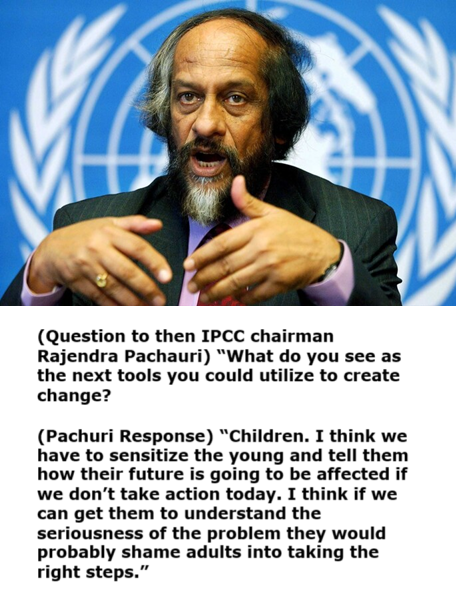

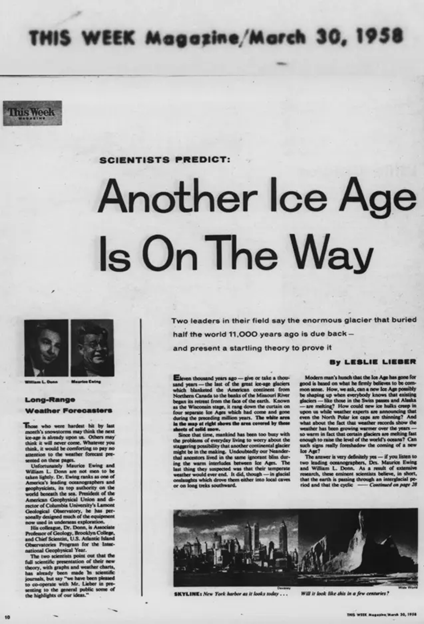


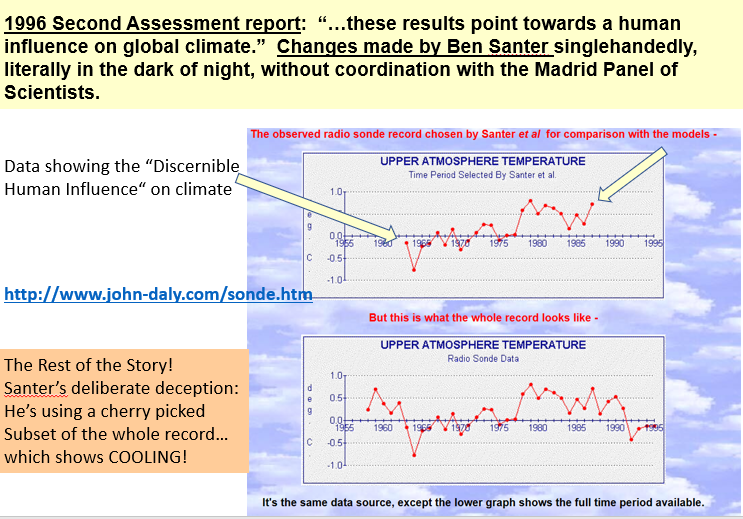
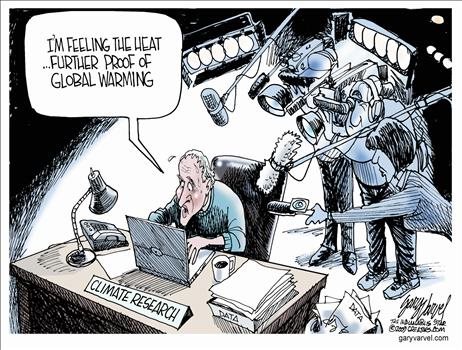
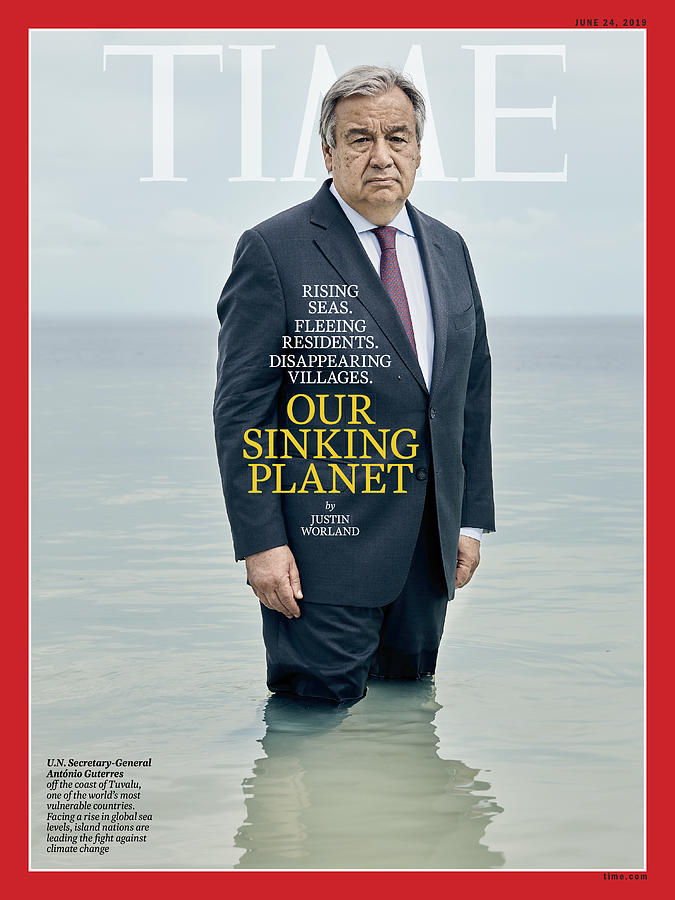


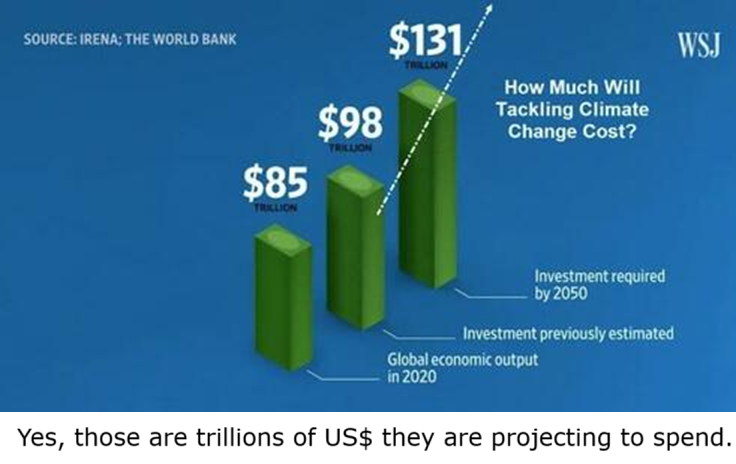
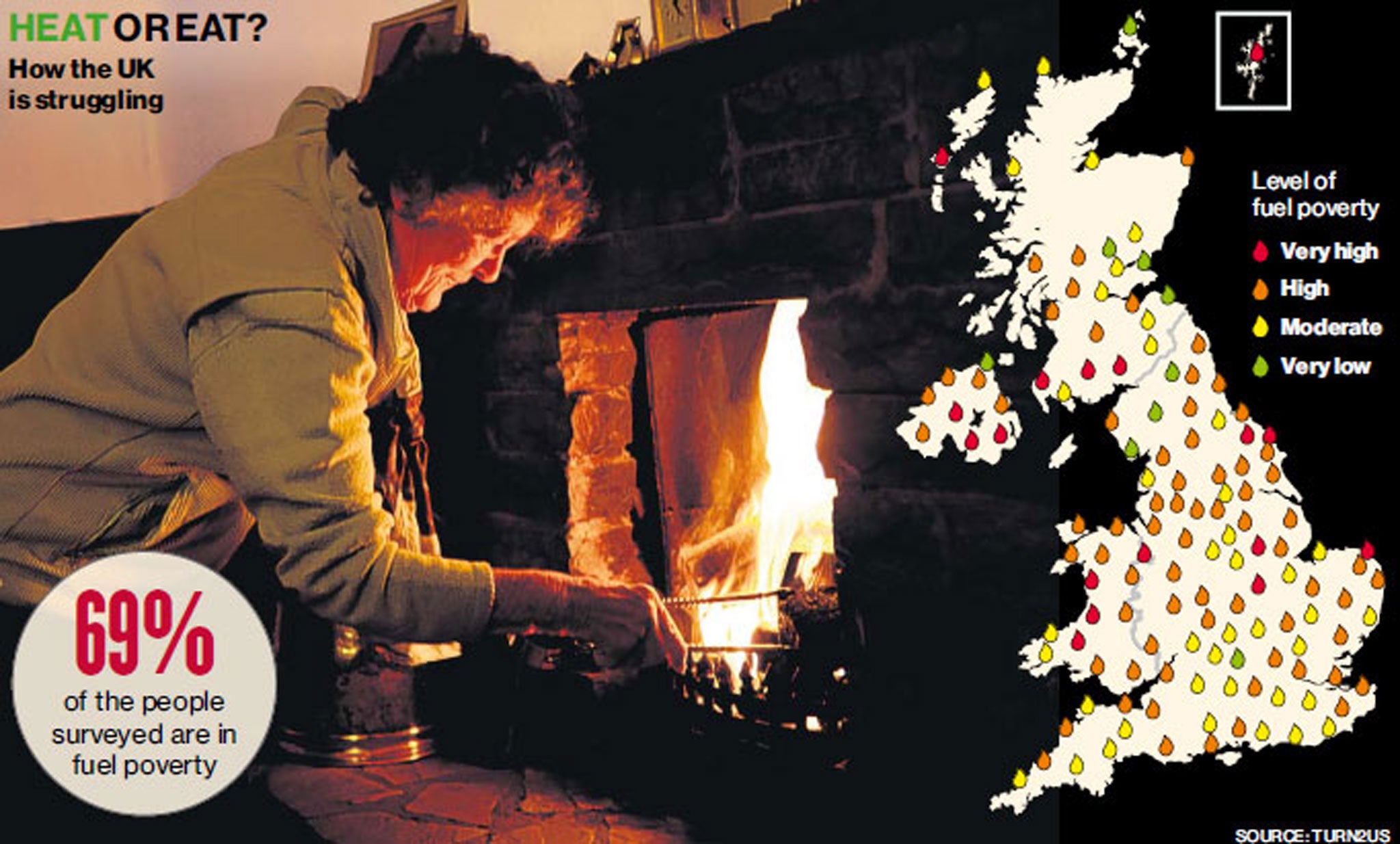

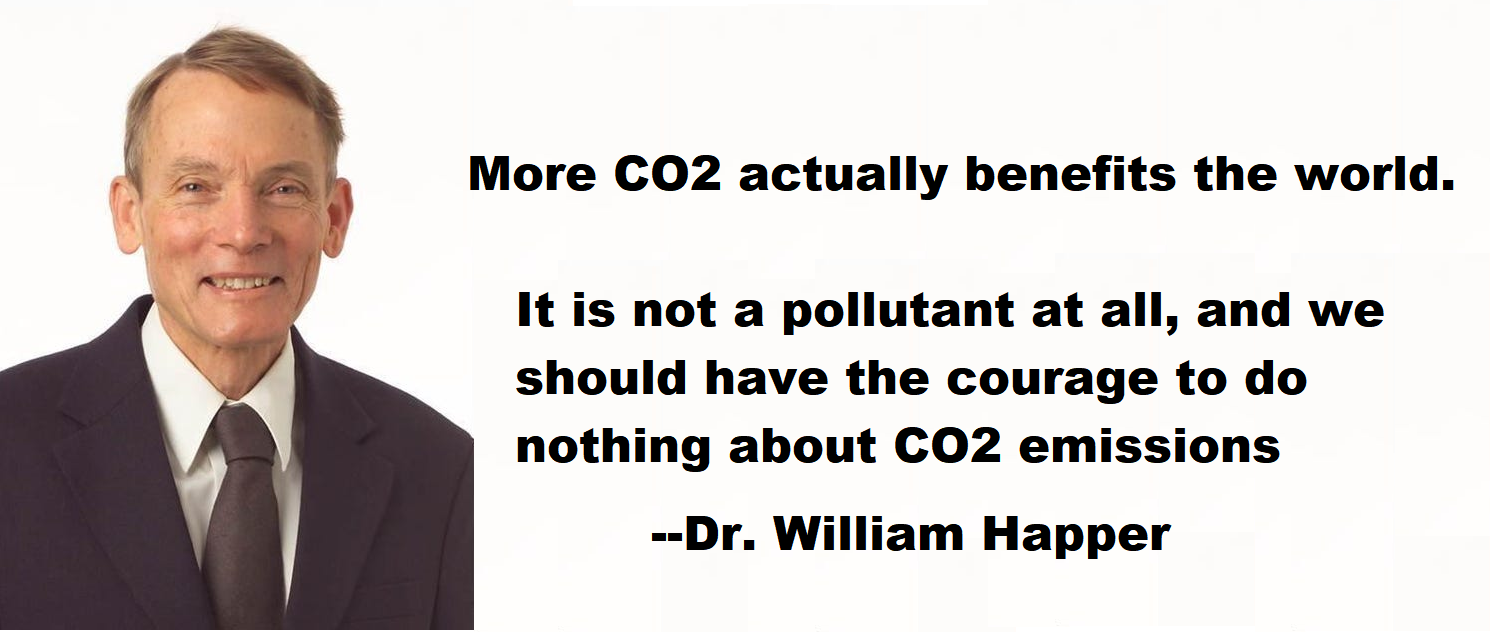
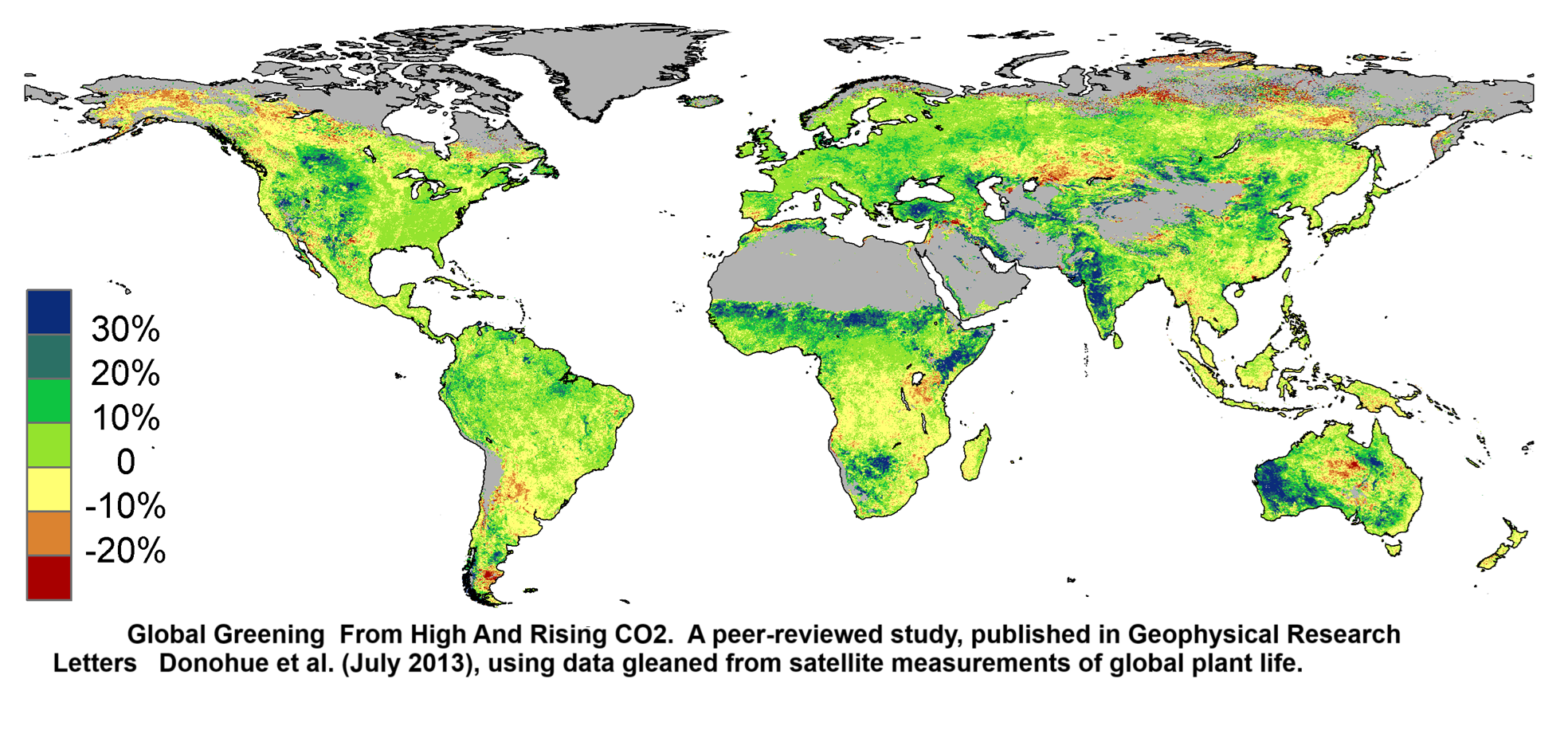
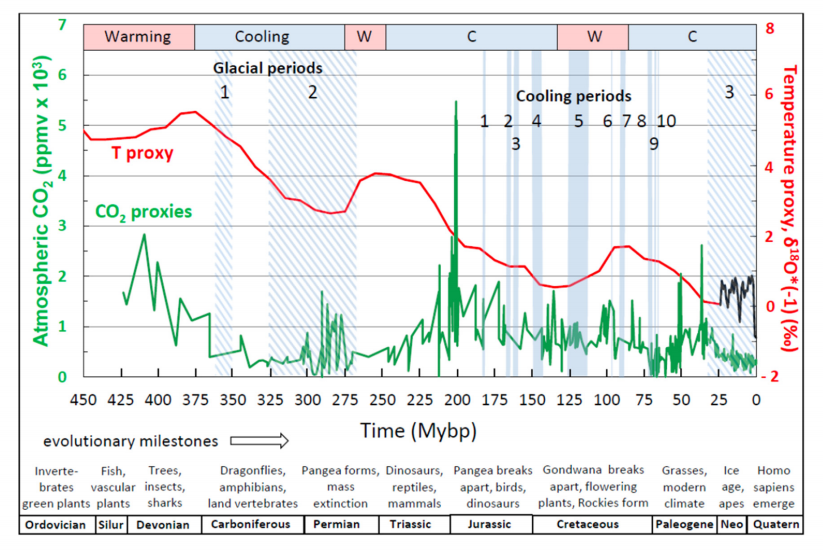
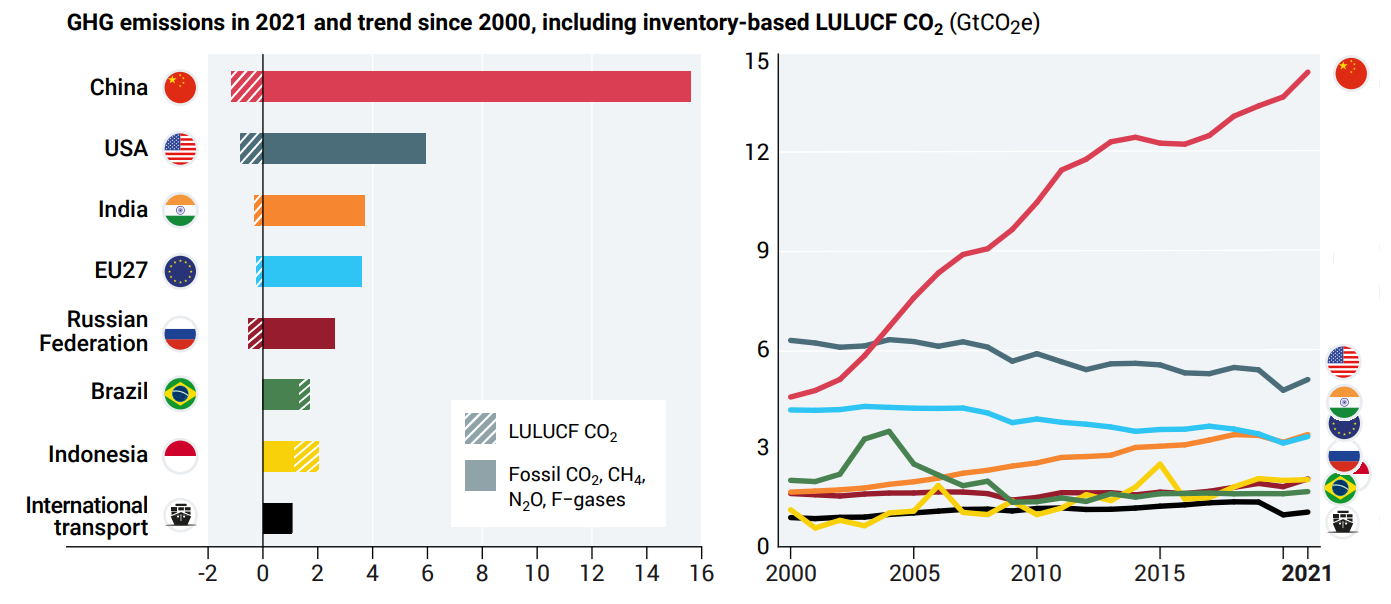

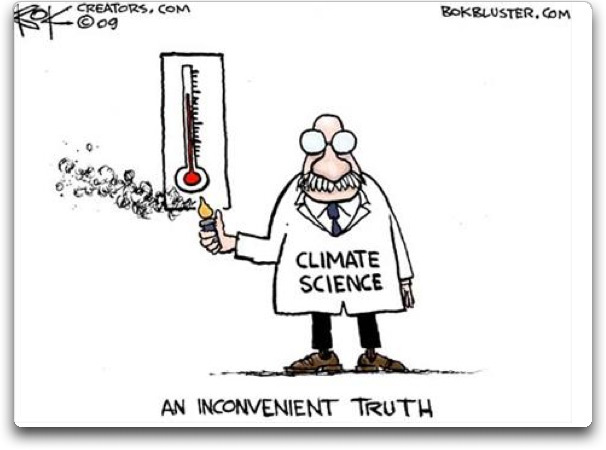





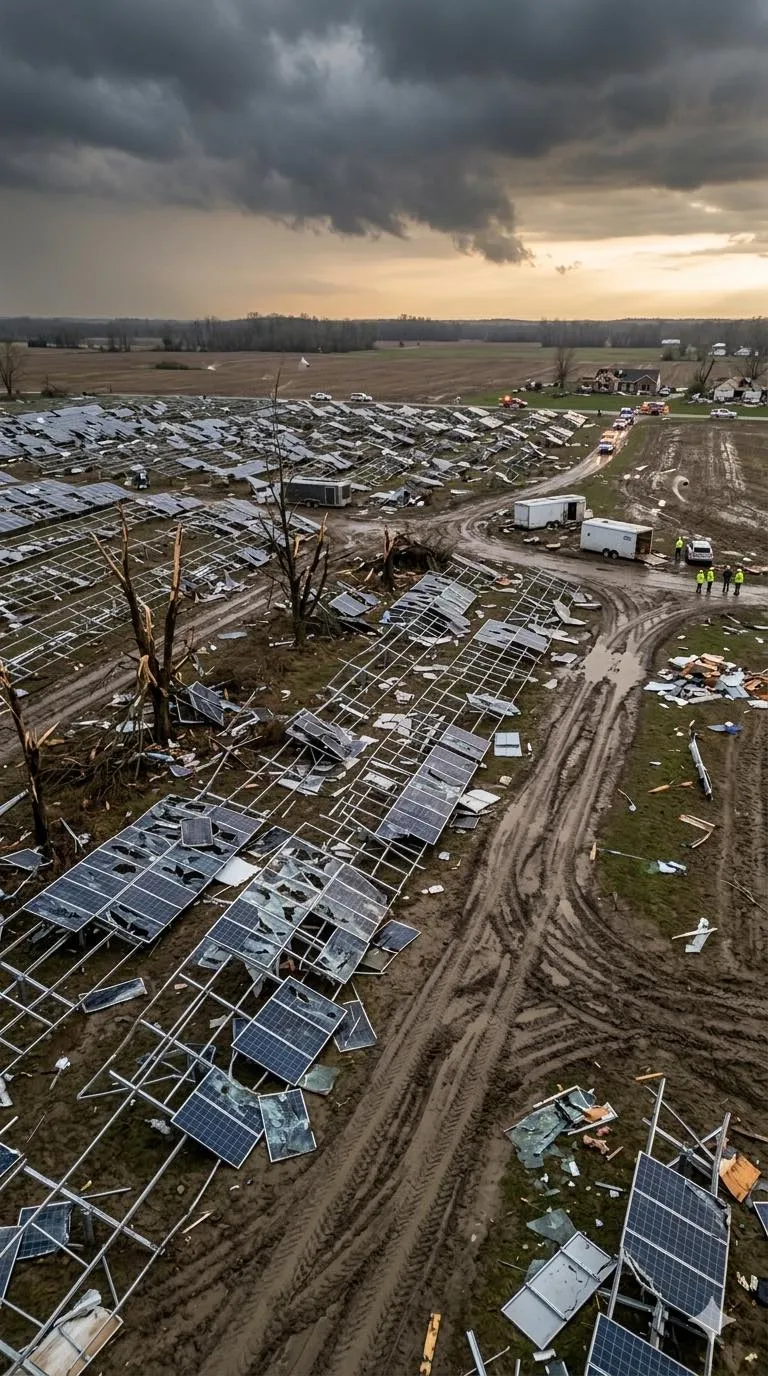
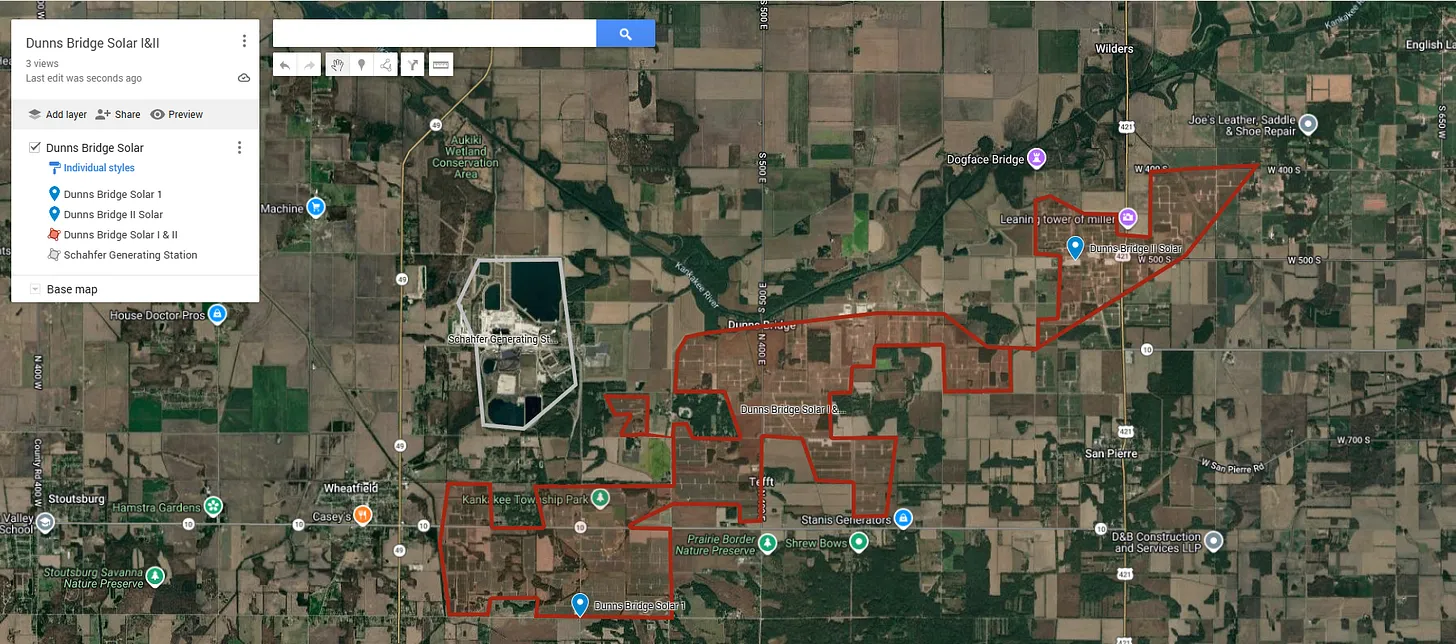
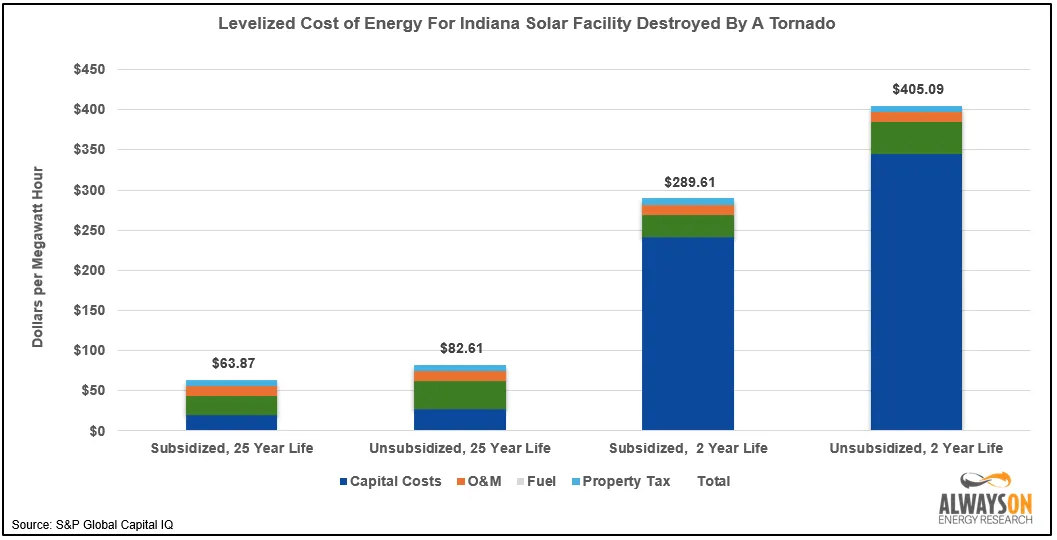
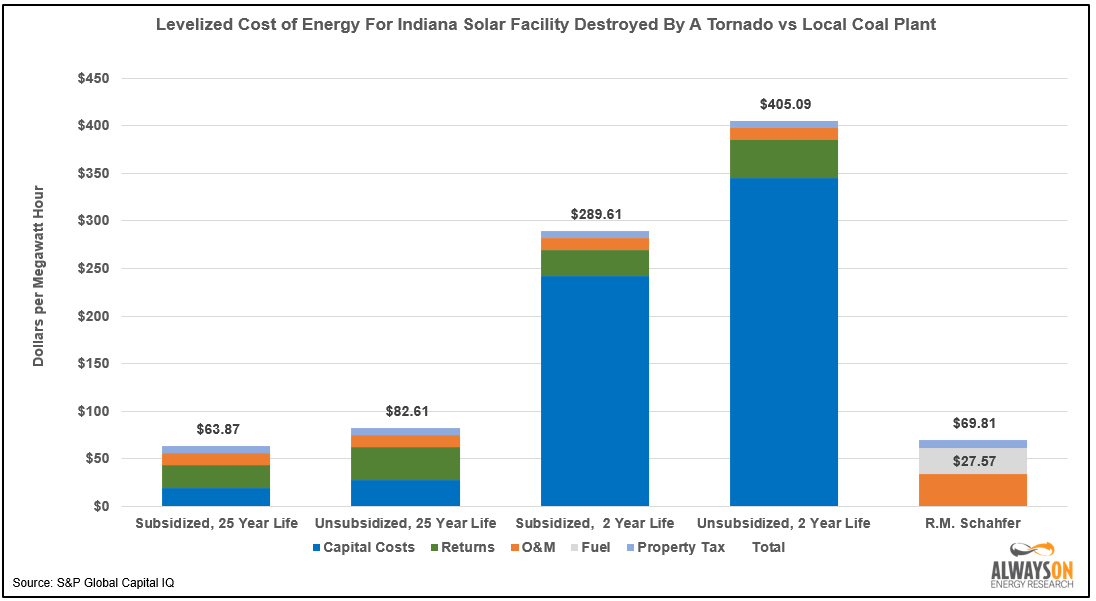
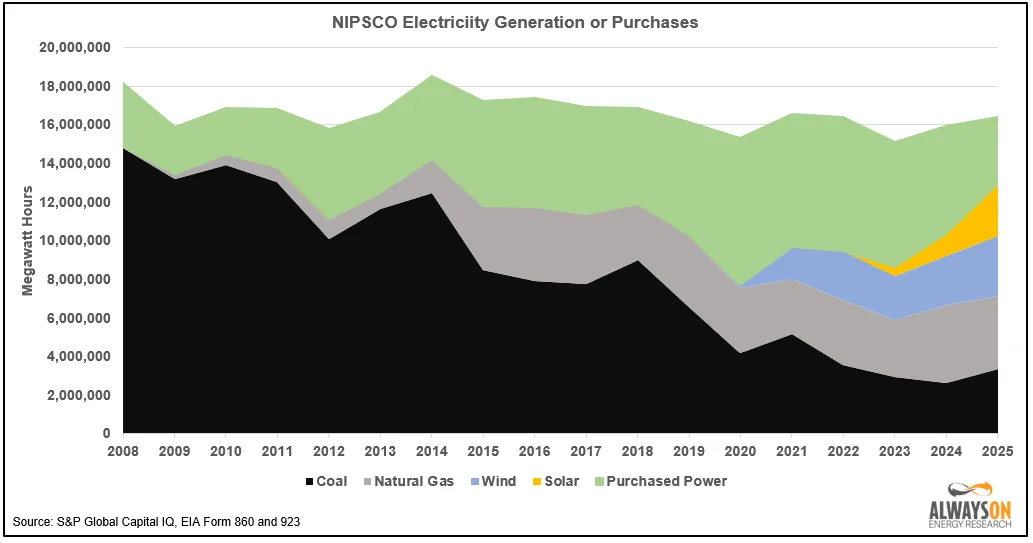
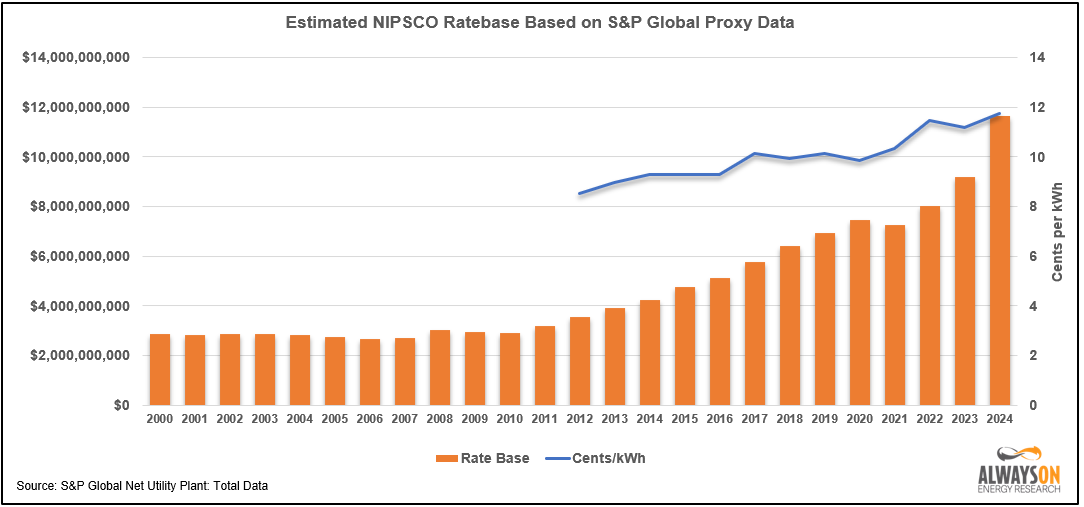


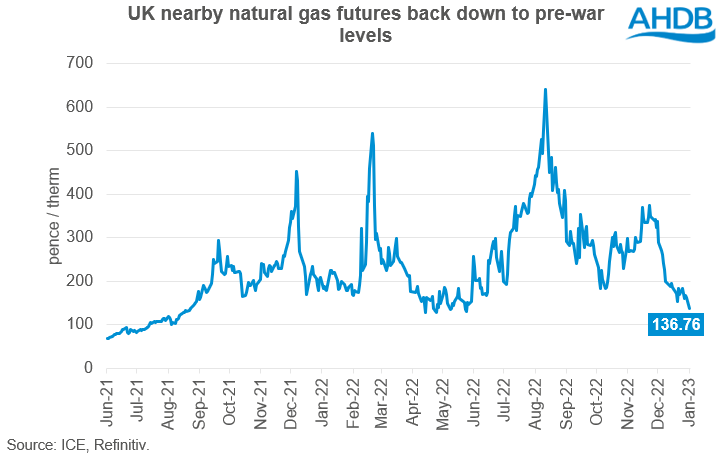

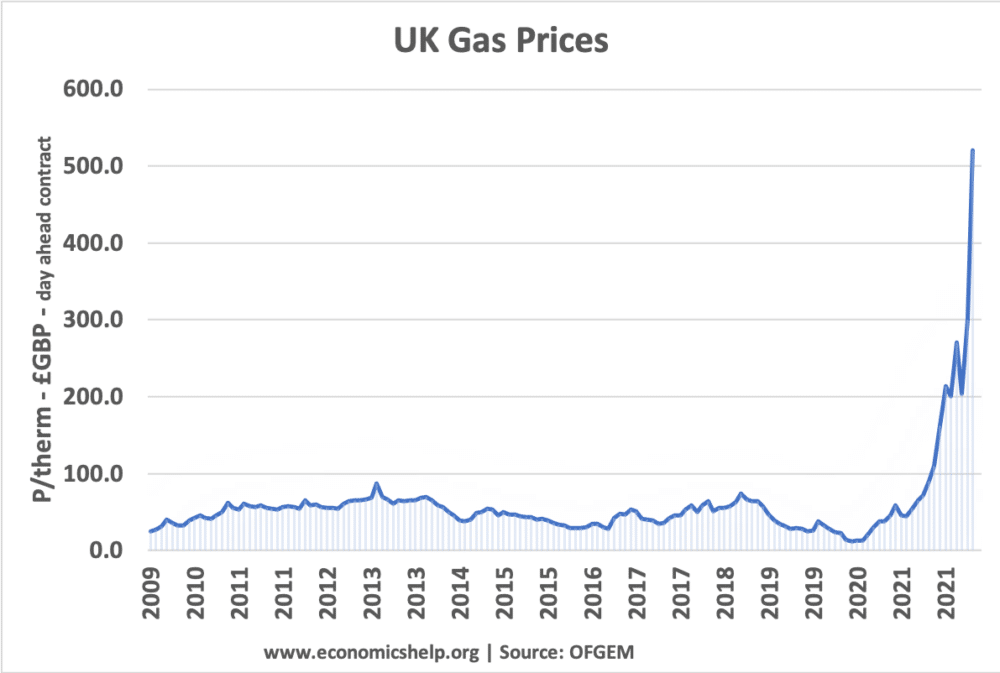

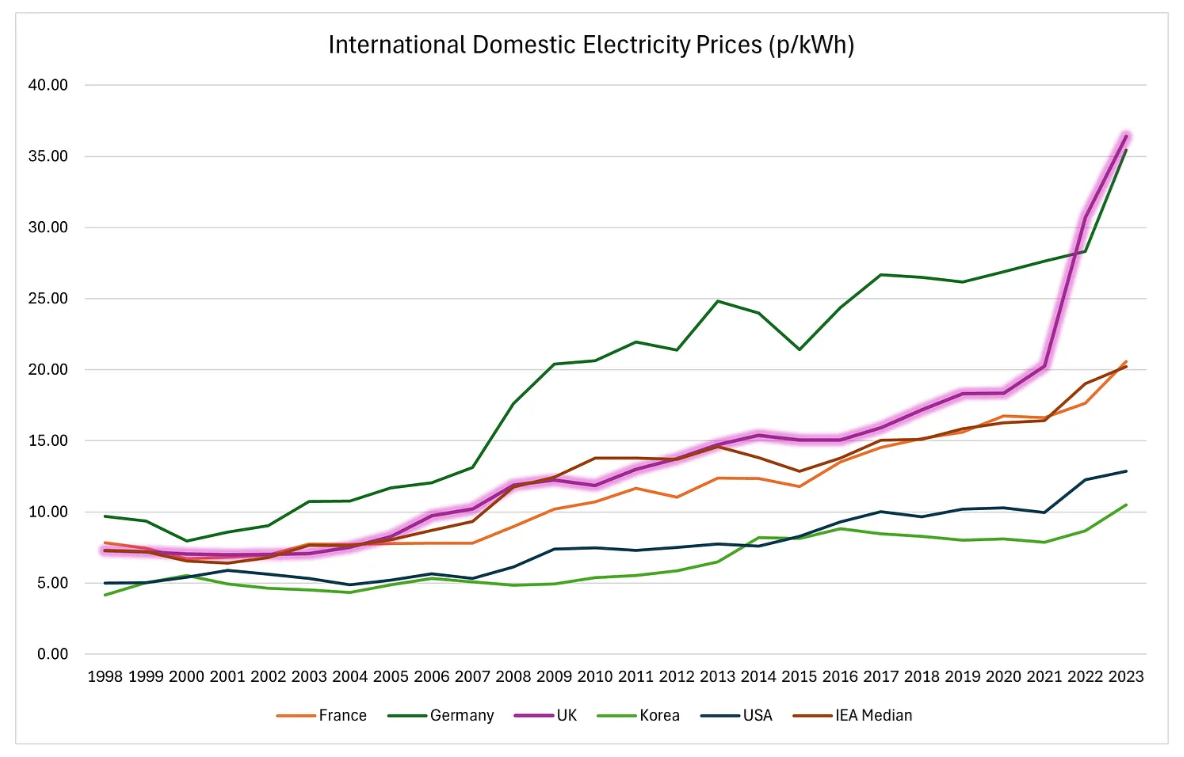

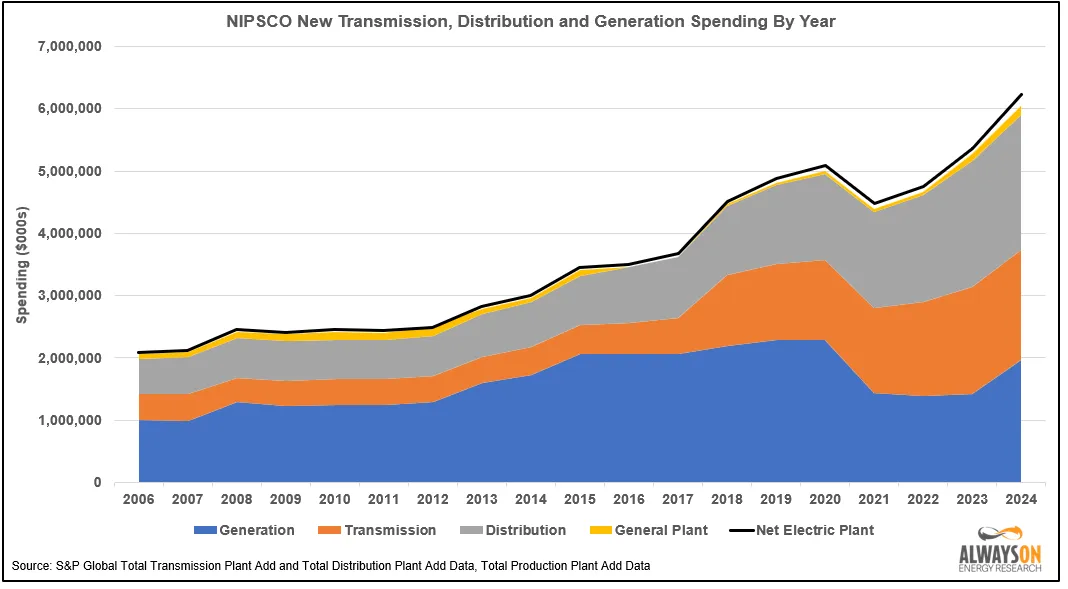

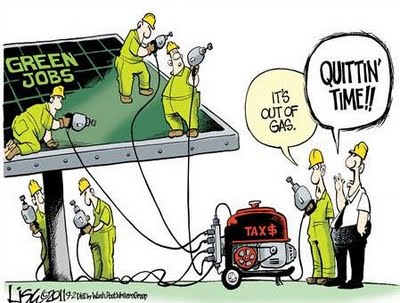


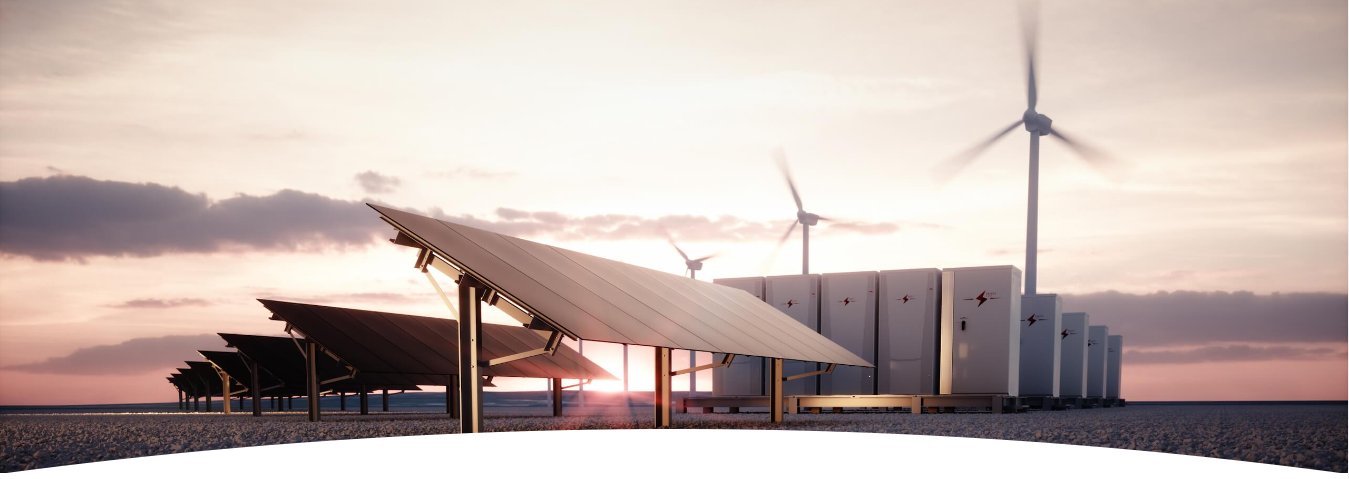
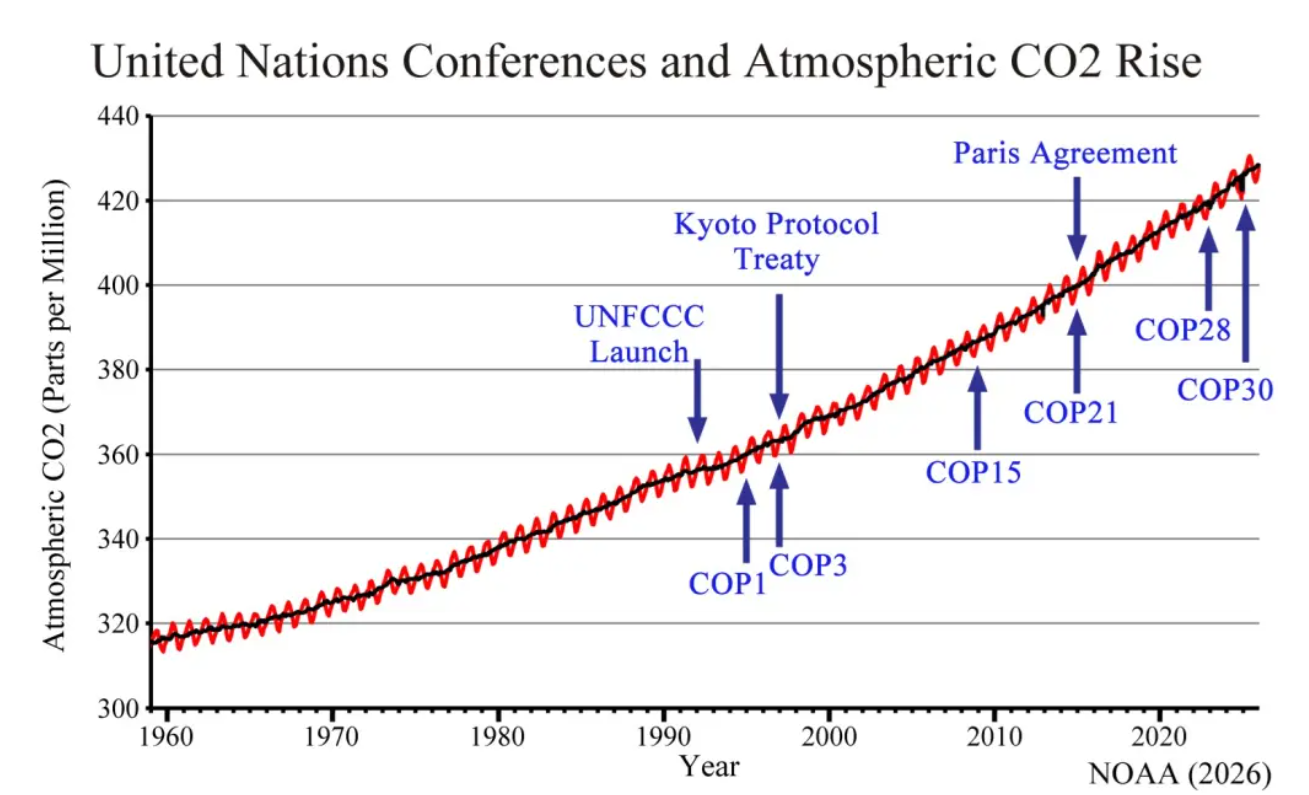

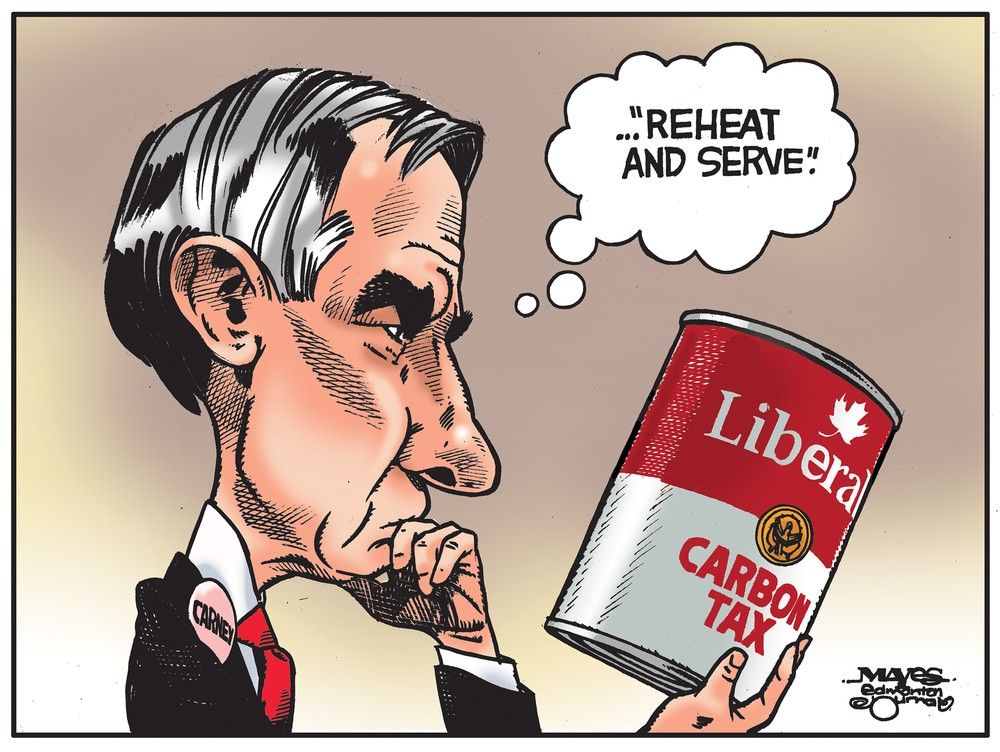
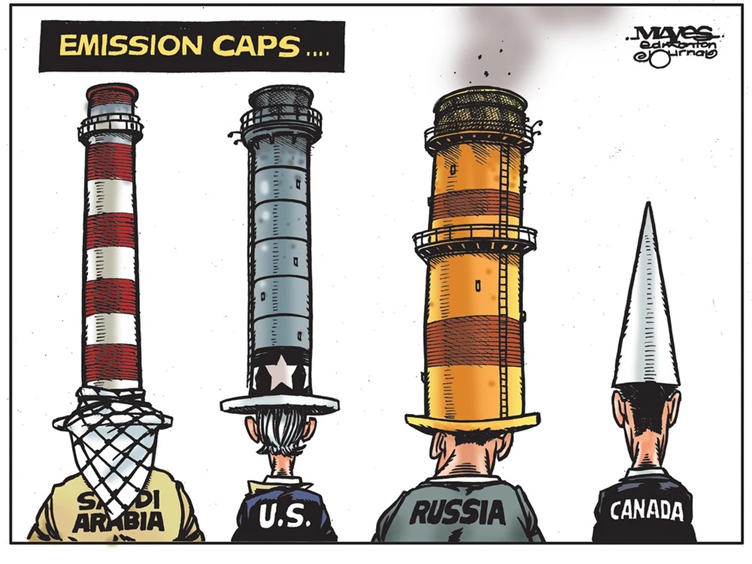




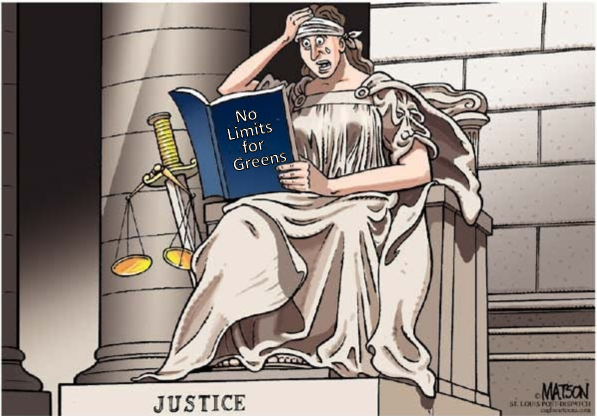


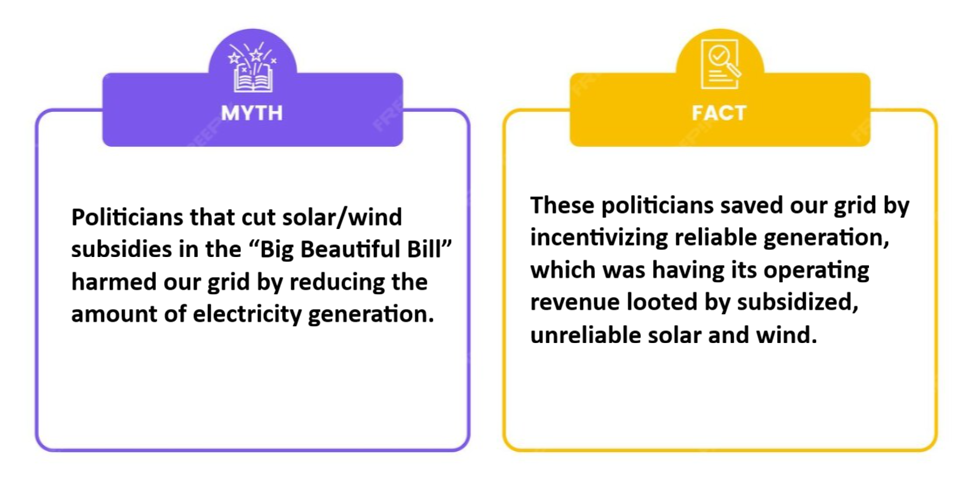
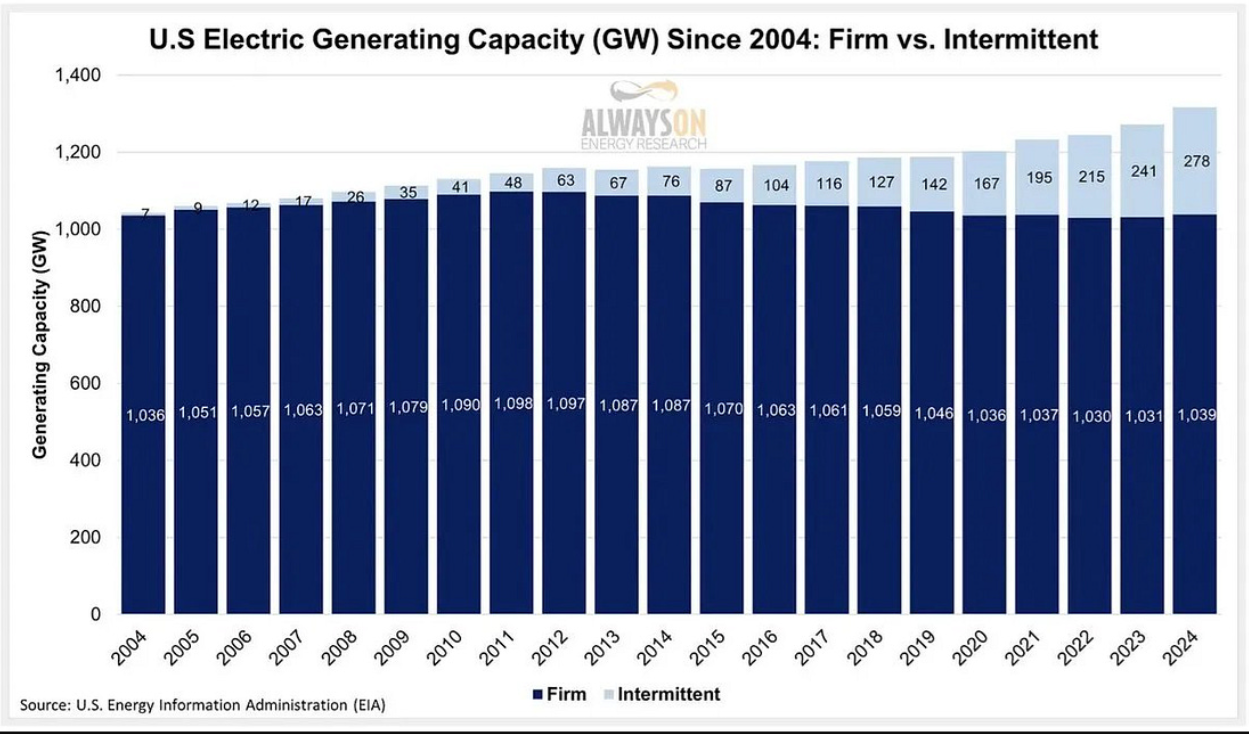
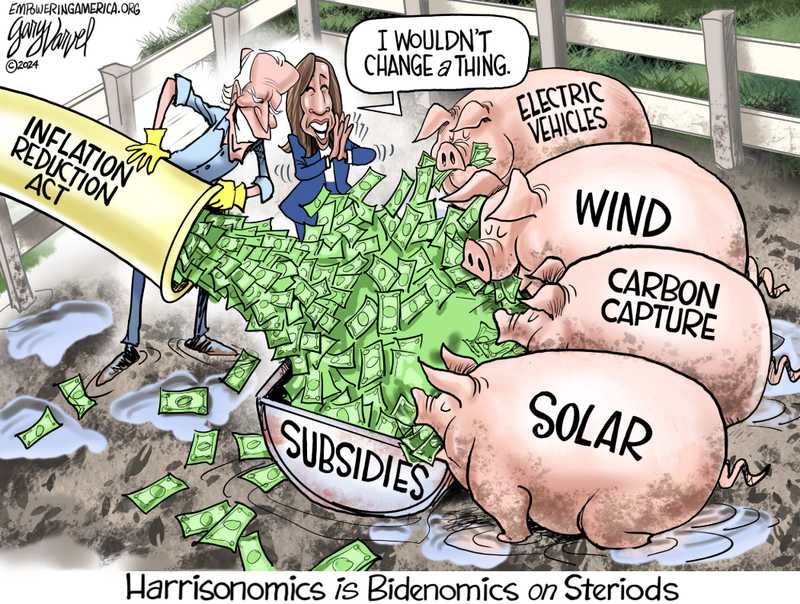
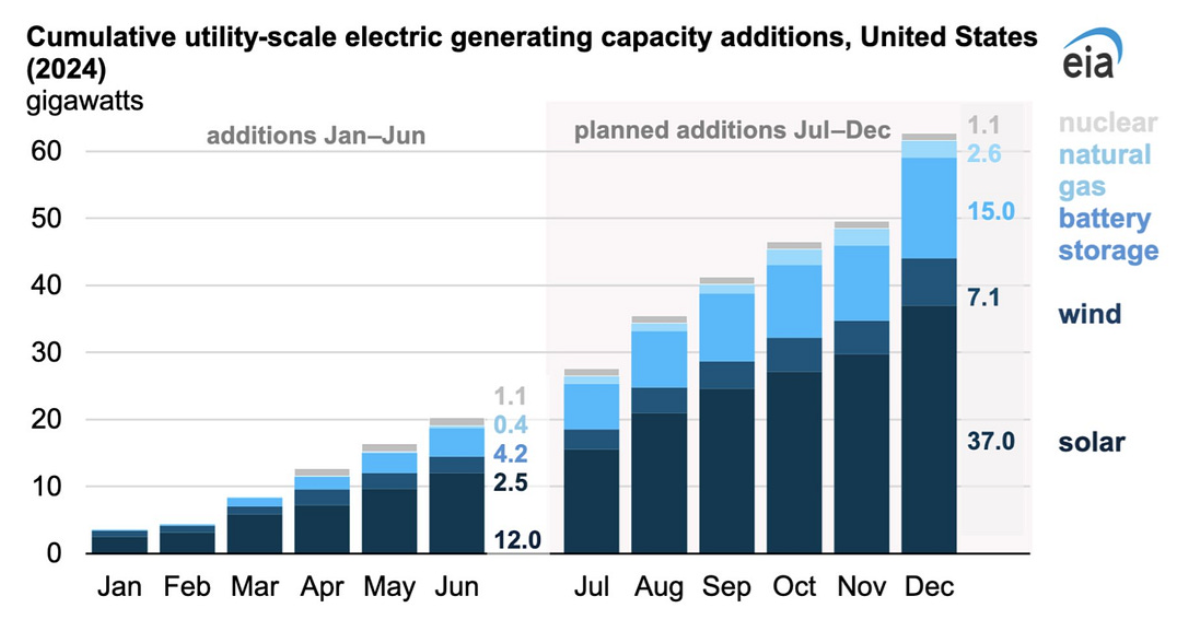

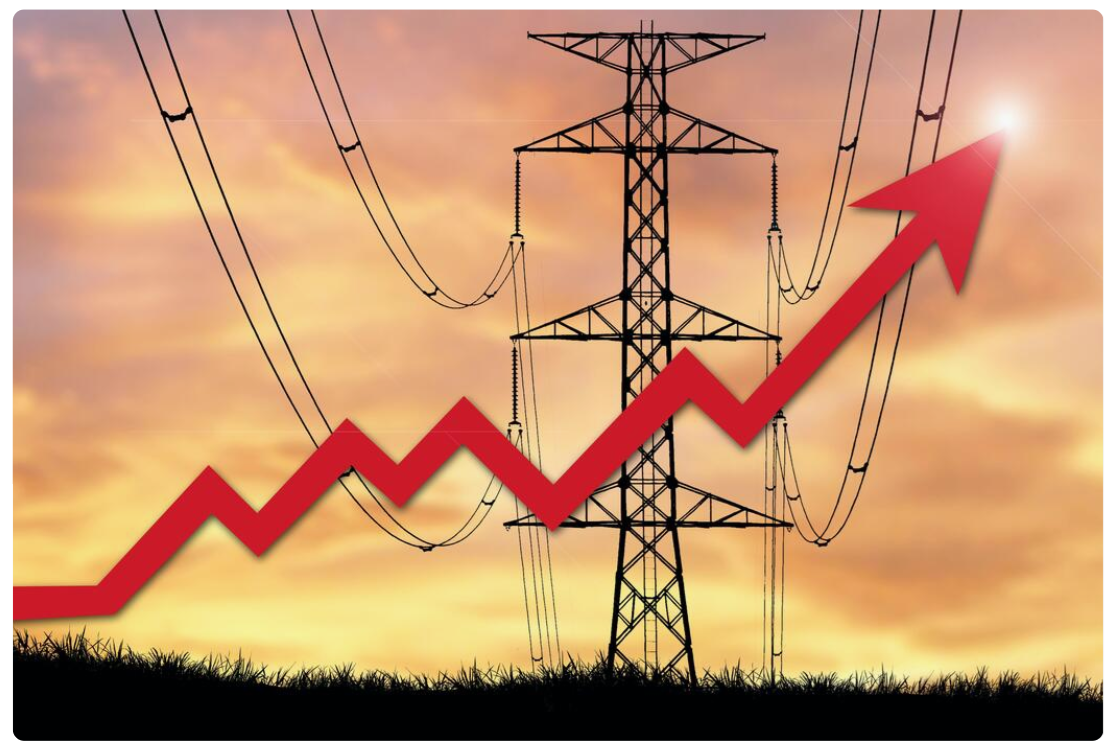
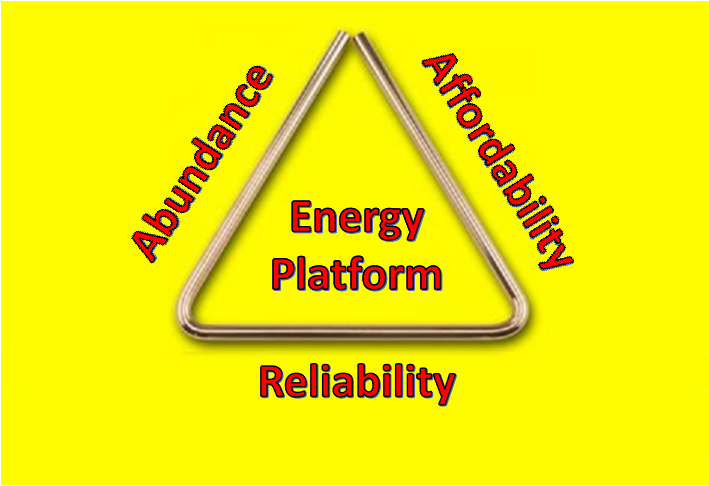

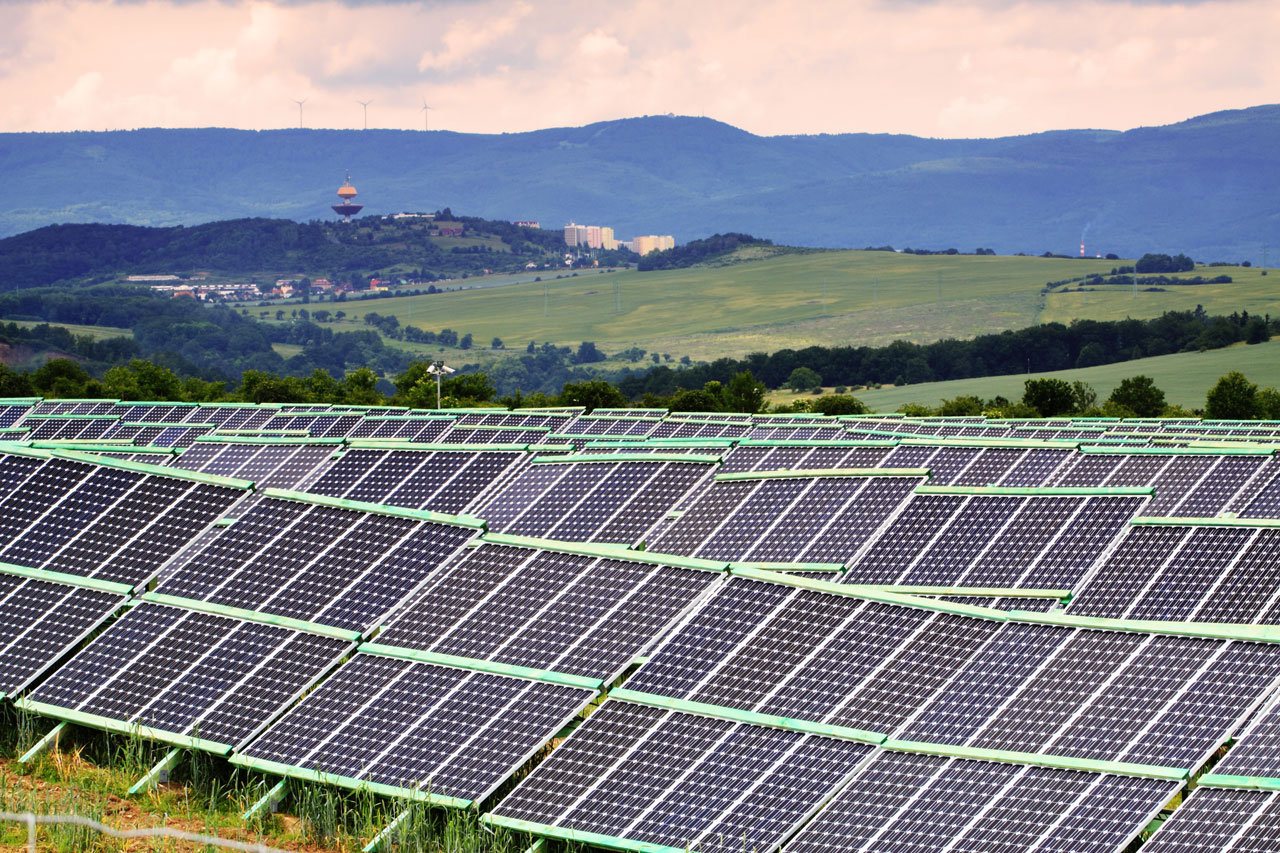


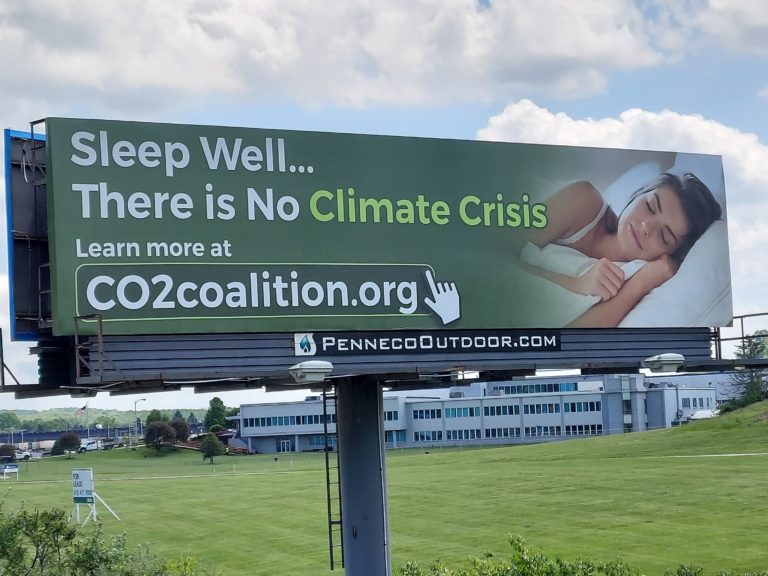
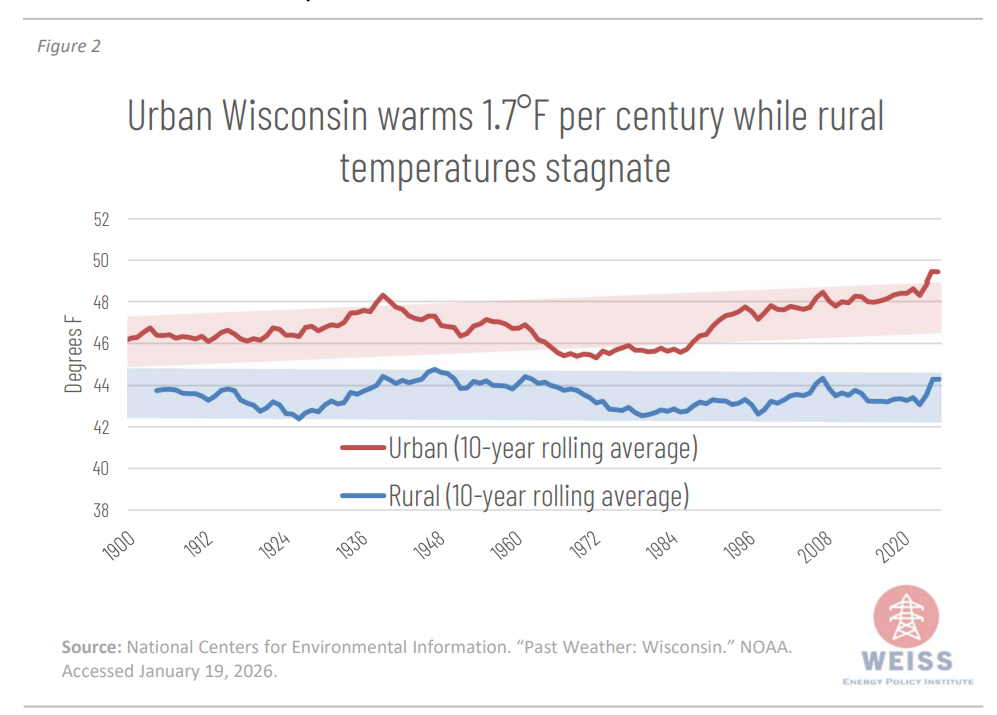
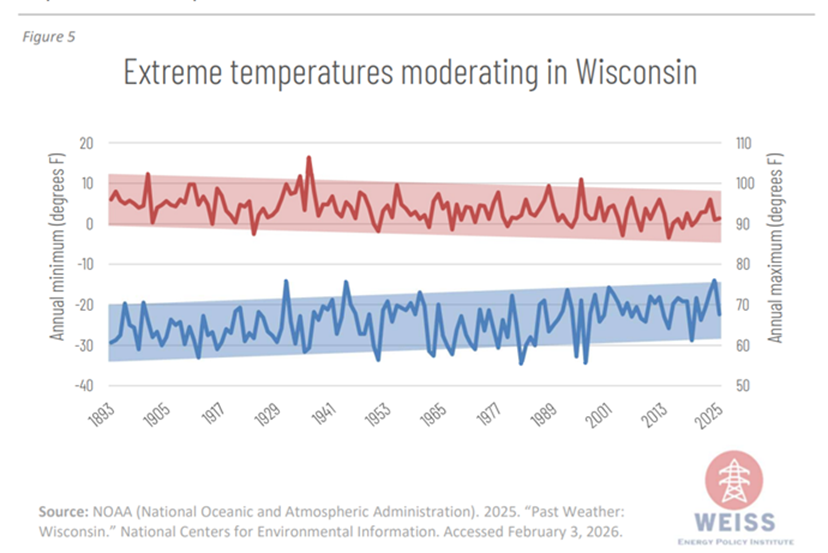
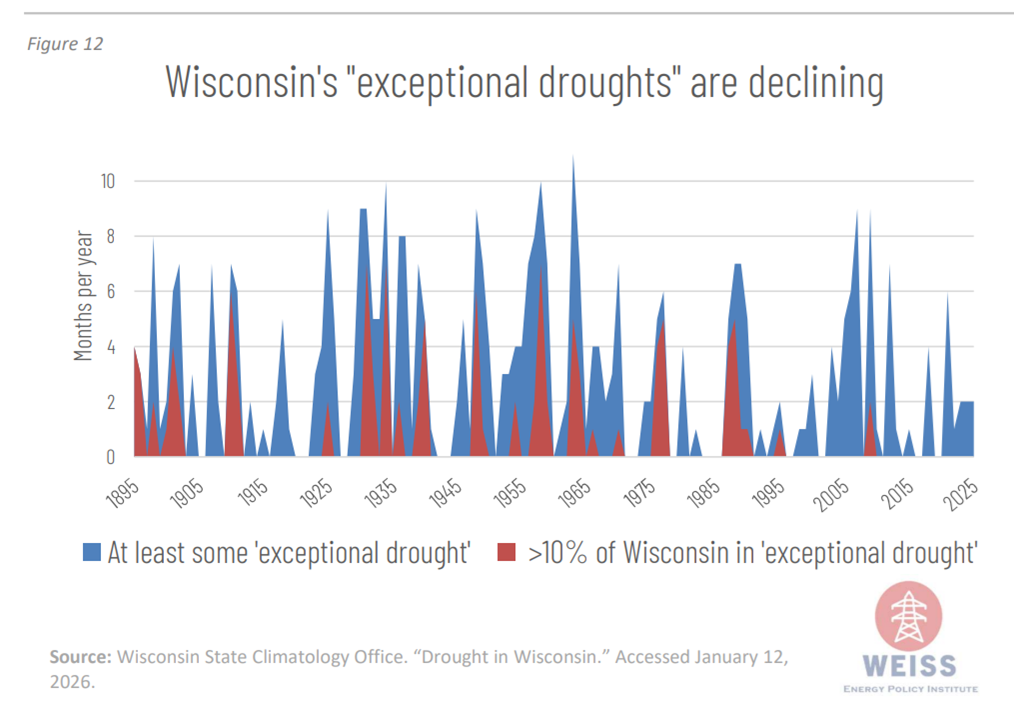
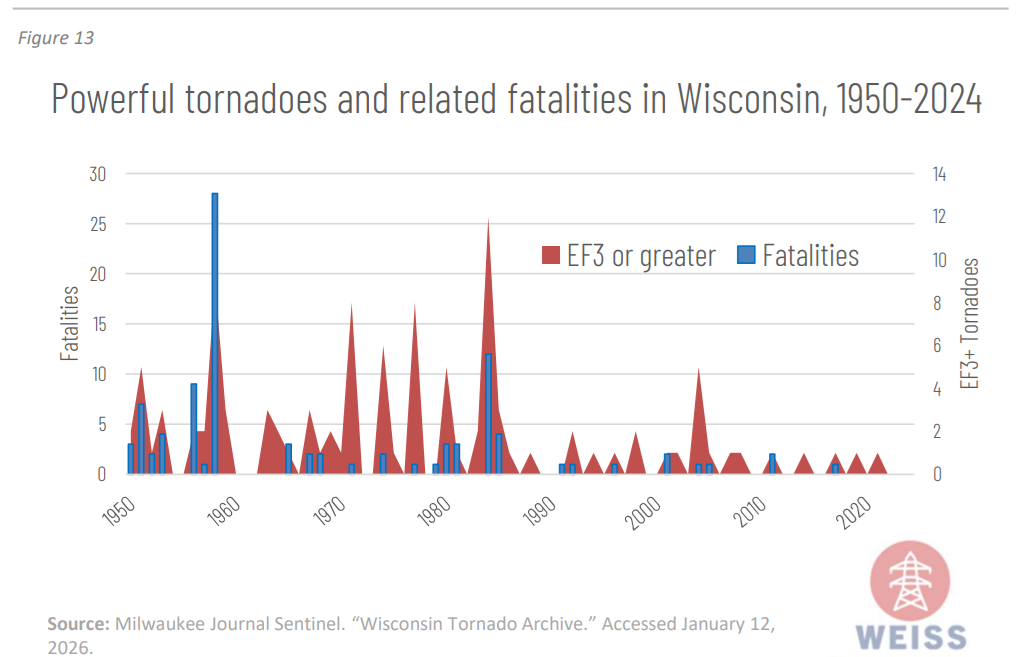
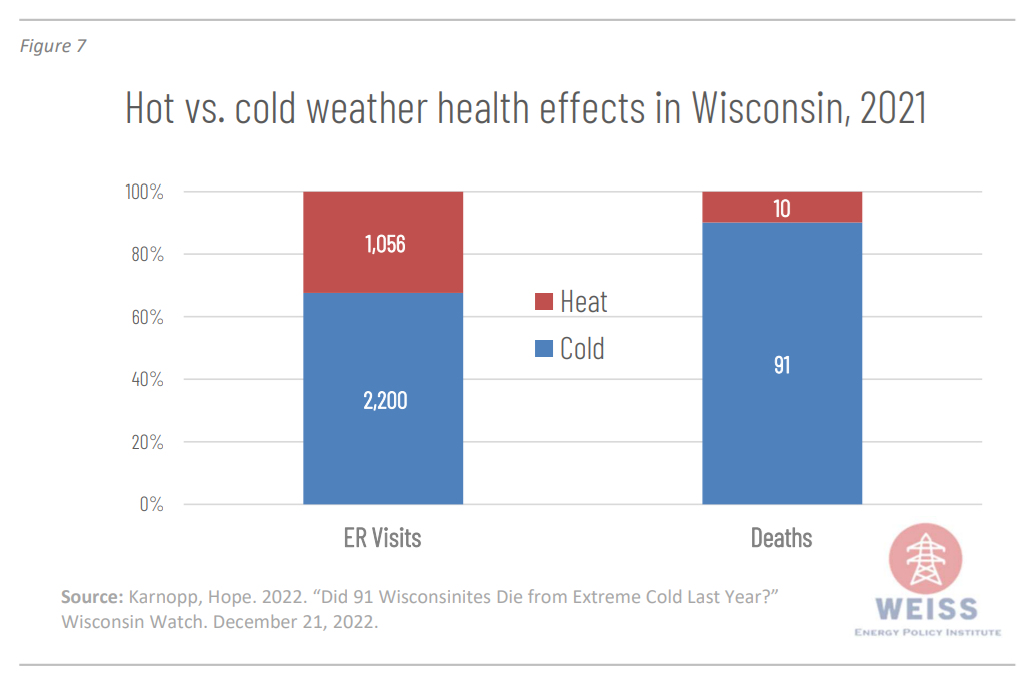
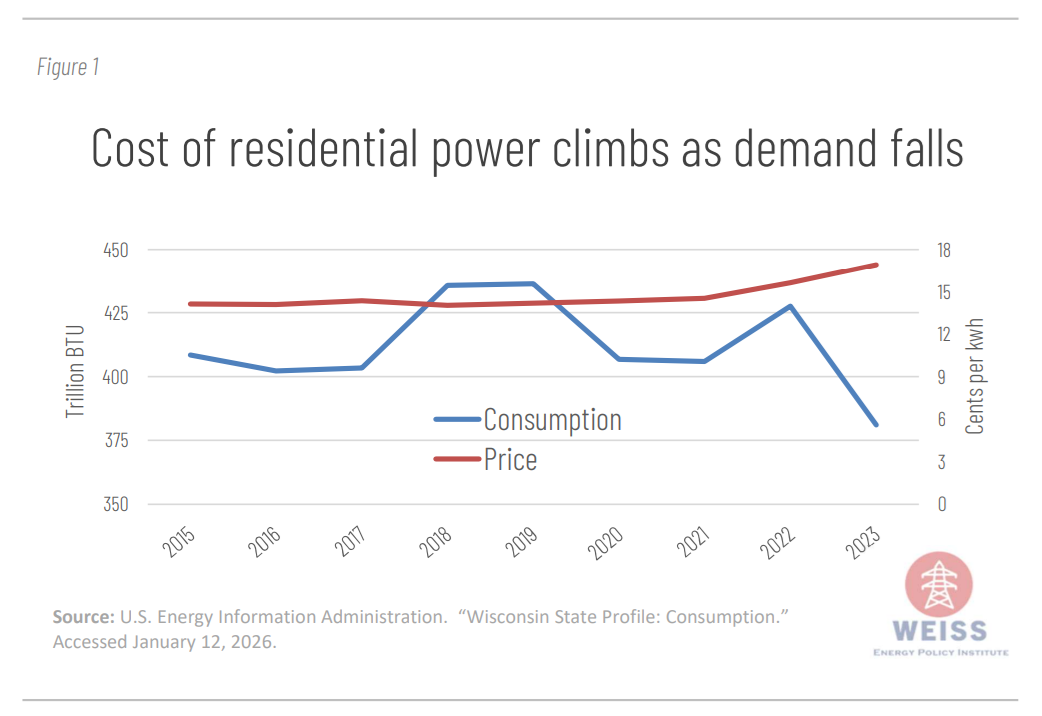
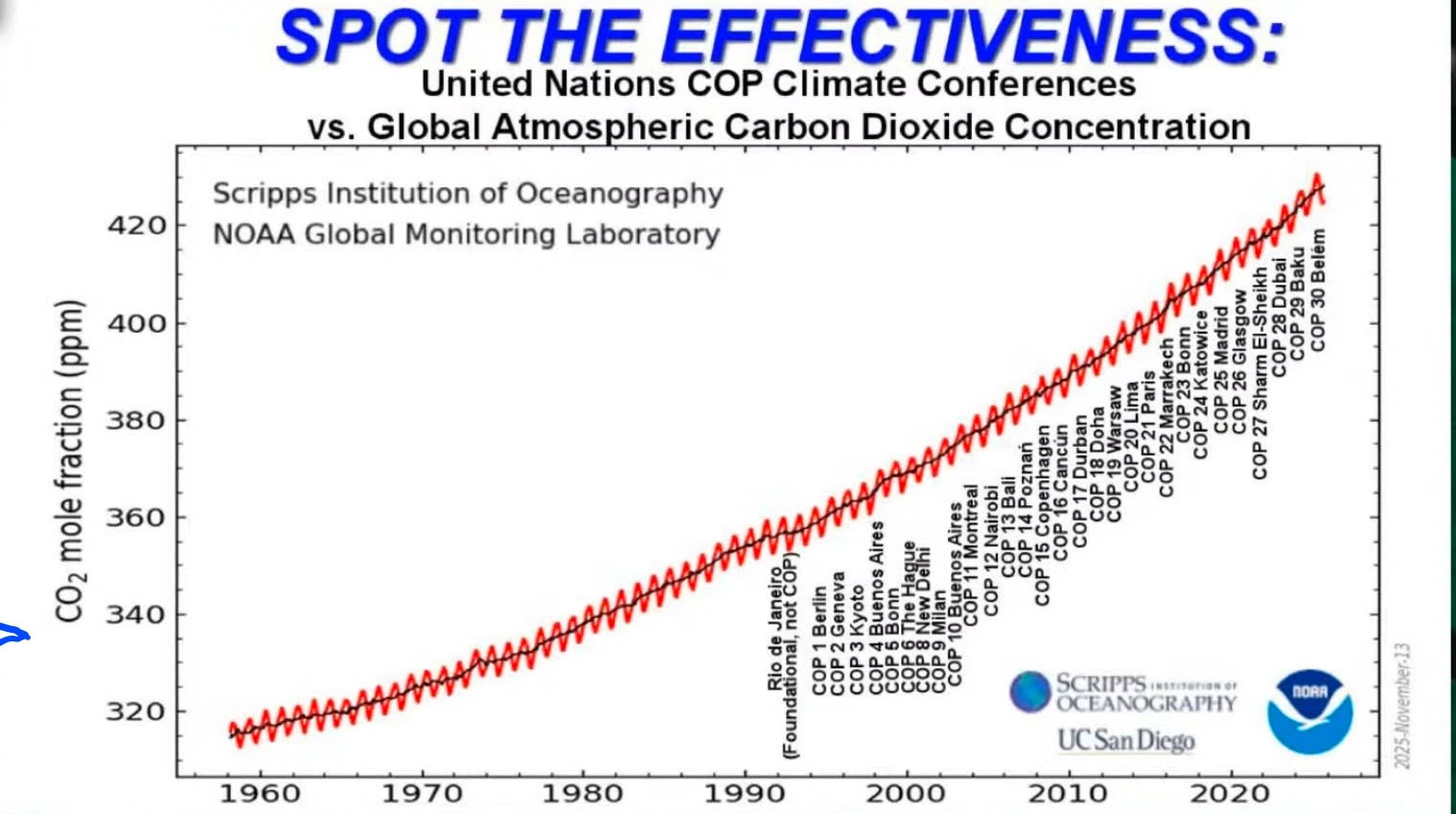




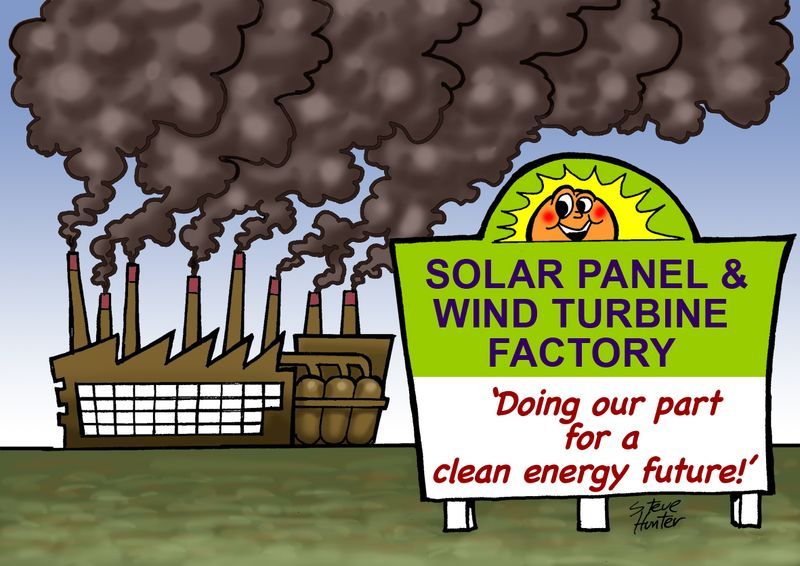


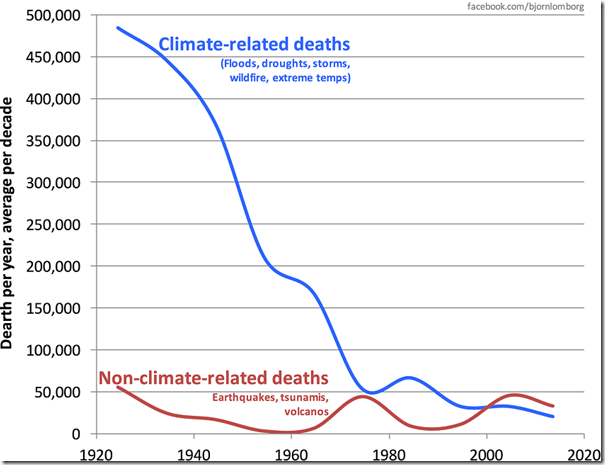
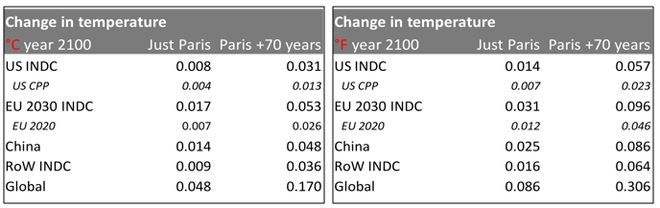
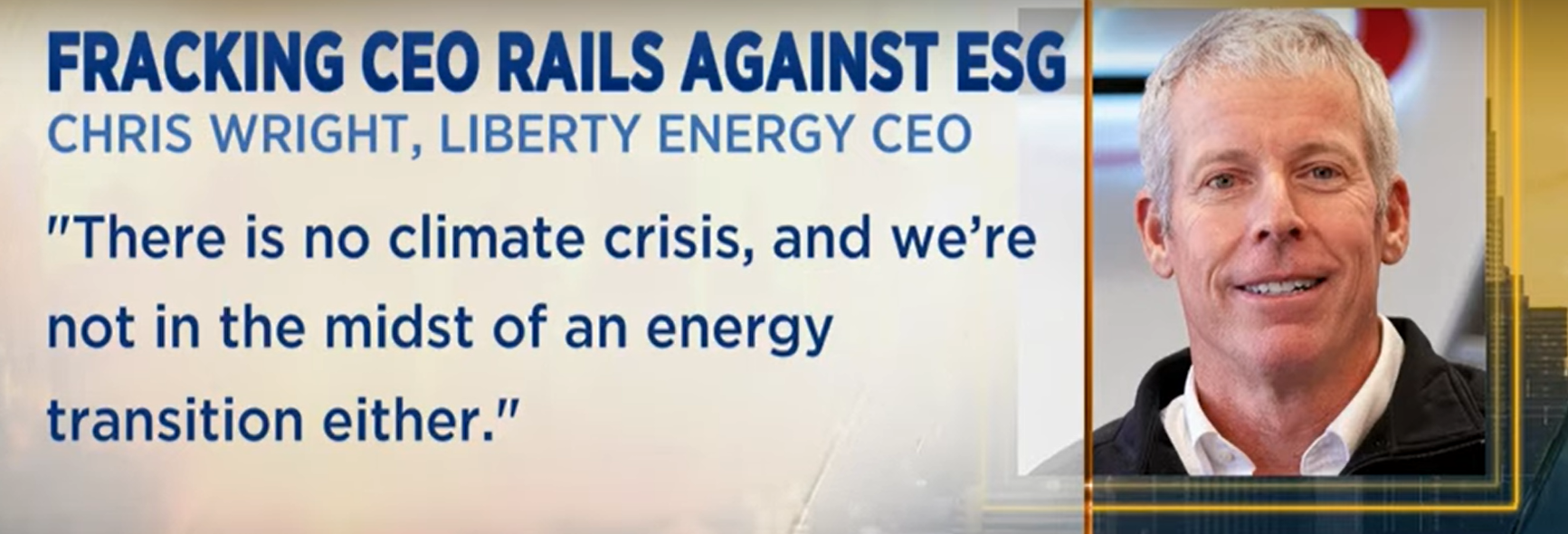
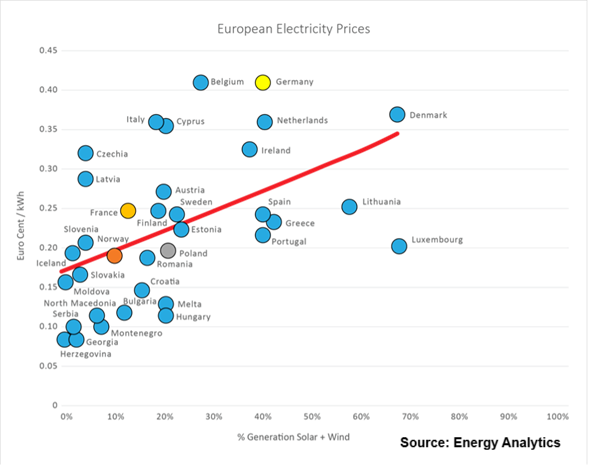
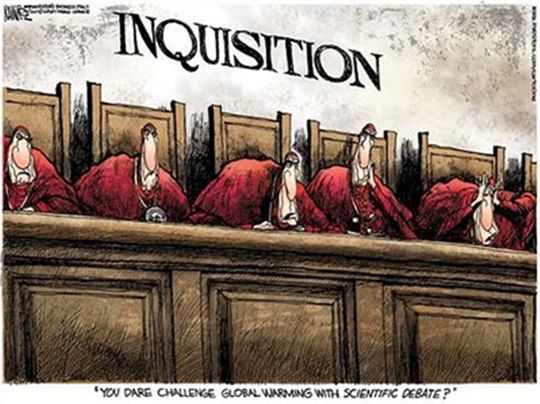


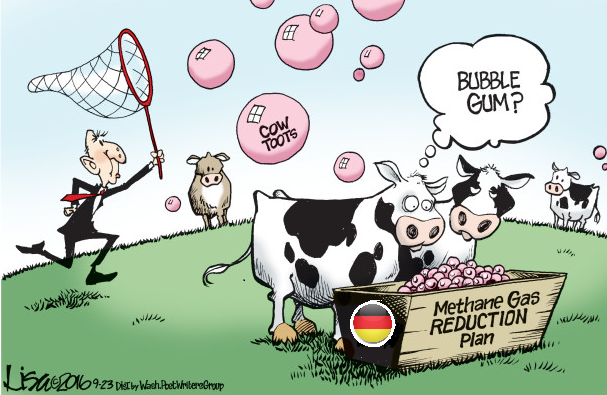


 Science Matters