2024 Culture Bytes from Jimbob

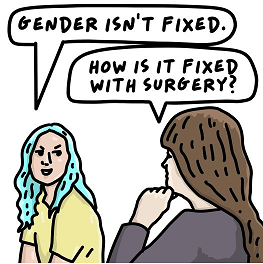
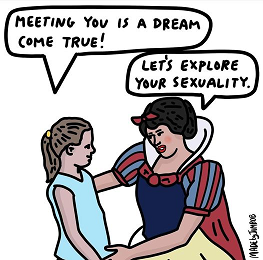
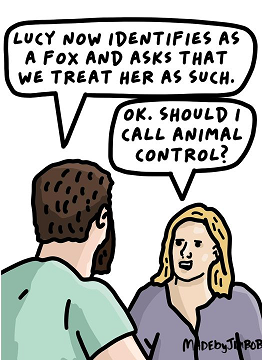
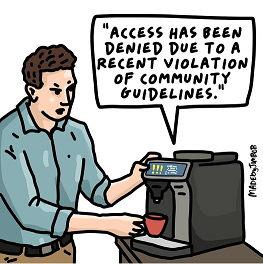
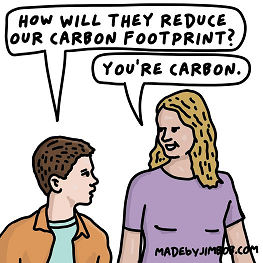
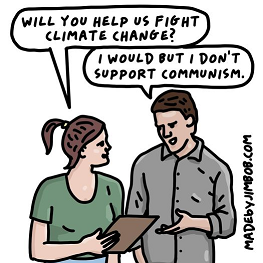
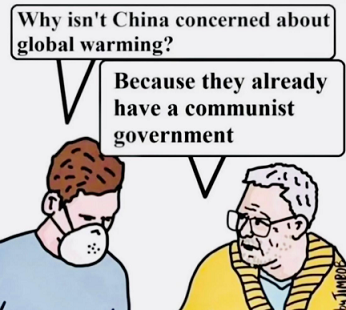
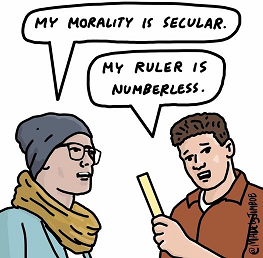
As we venture another year into this strange Brave New World, here’s some observations from a fellow traveler who’s atuned to irony. His cartoons stand on their own, but I added some quips.

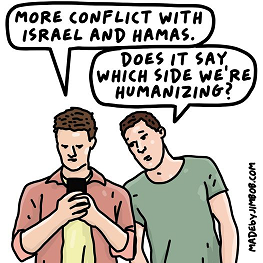
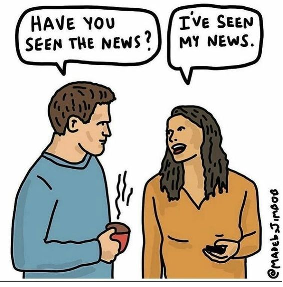
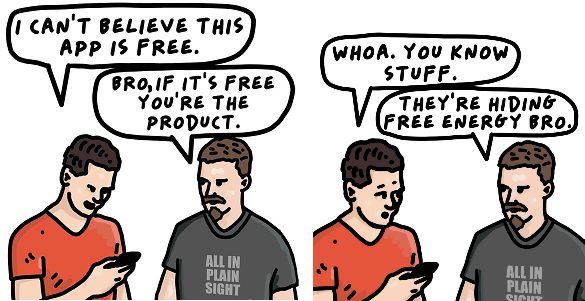
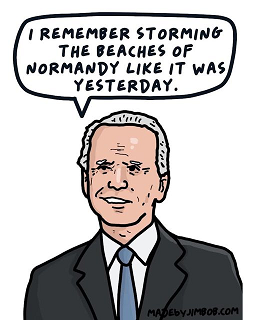
Good Tech, Bad Tech?

Performative Art?

Better the devil you know

So, the other side are the demons?

It’s all Artificial Reality now

It’s all relative now

Hey, Influencers gotta make a living too

So much for “Lived Experience.”

Authority or Storyteller?

So there, Madam Chief Justice

Some things are Irreversible

Truth Hurts

Choices, Choices

Whose children are they, anyway

What’s going on in the library?

Identities Have Consequences

Things can go too far

Anything?

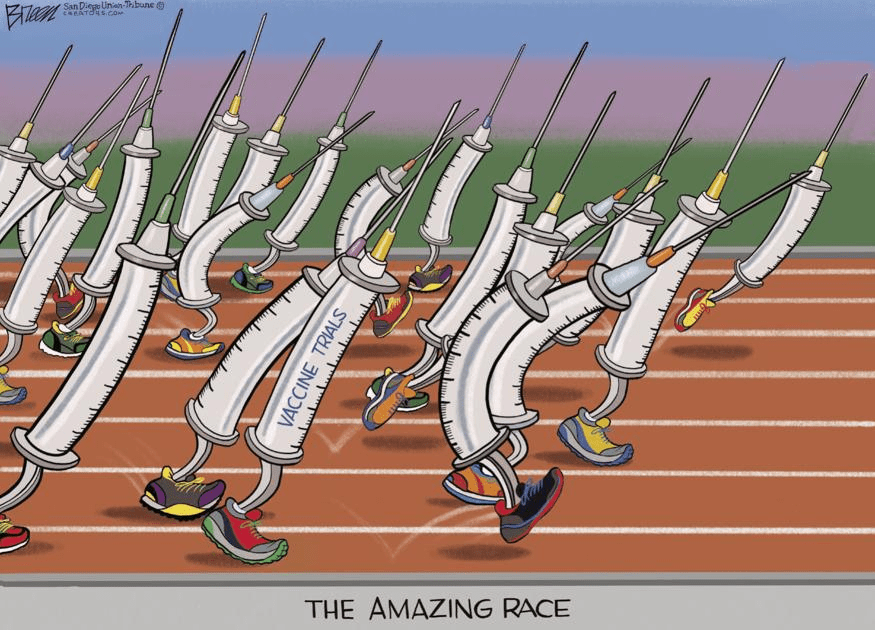
How about a pandemic first?

Take nothing for granted

Hmmmm . . .

Big Picture Guy?

Oh, I get it now

Is believing optional?

See what no standards gets you

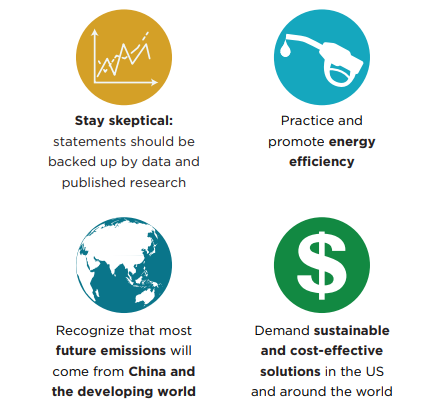
Stay Skeptical, Stay Safe

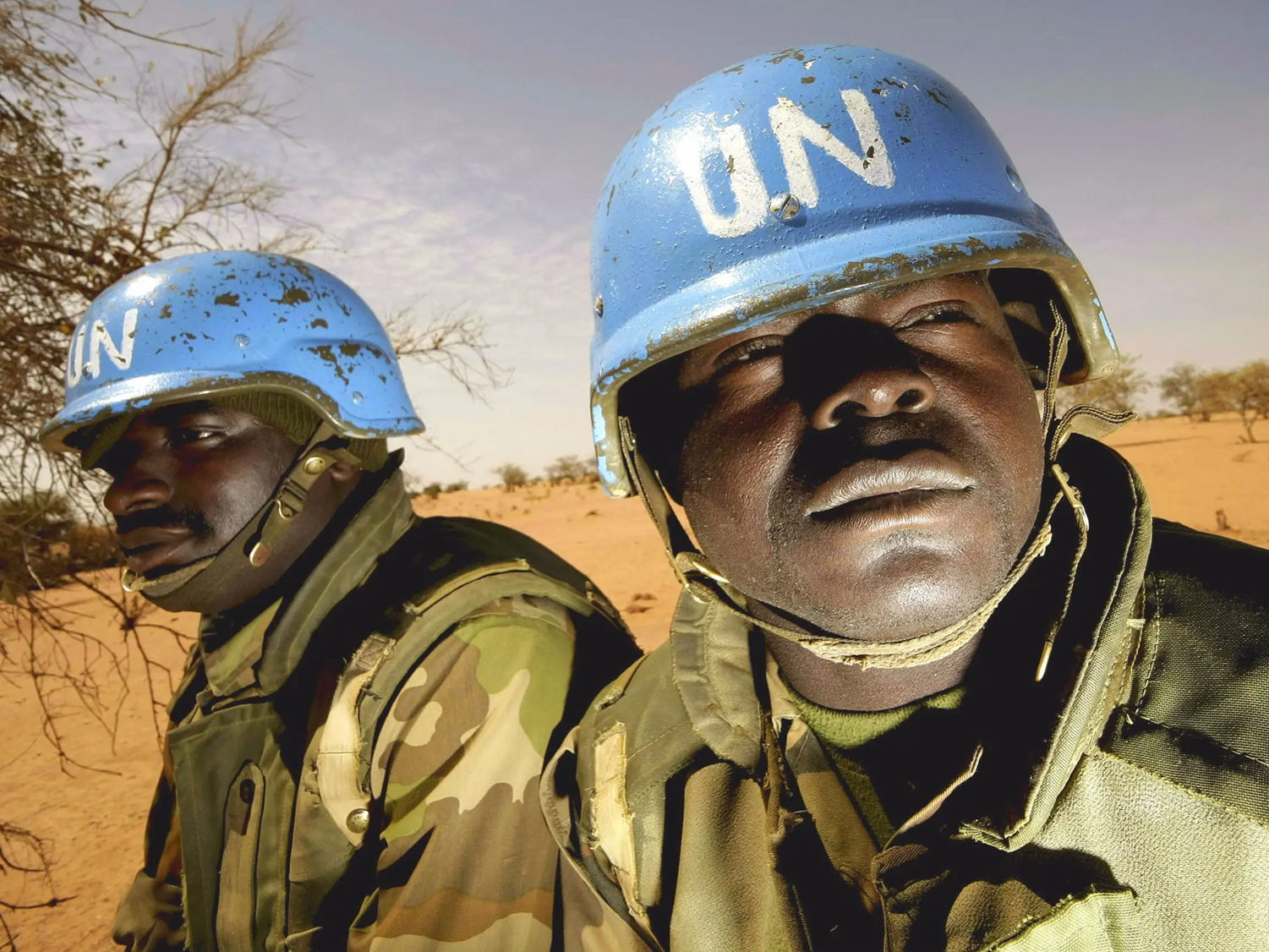
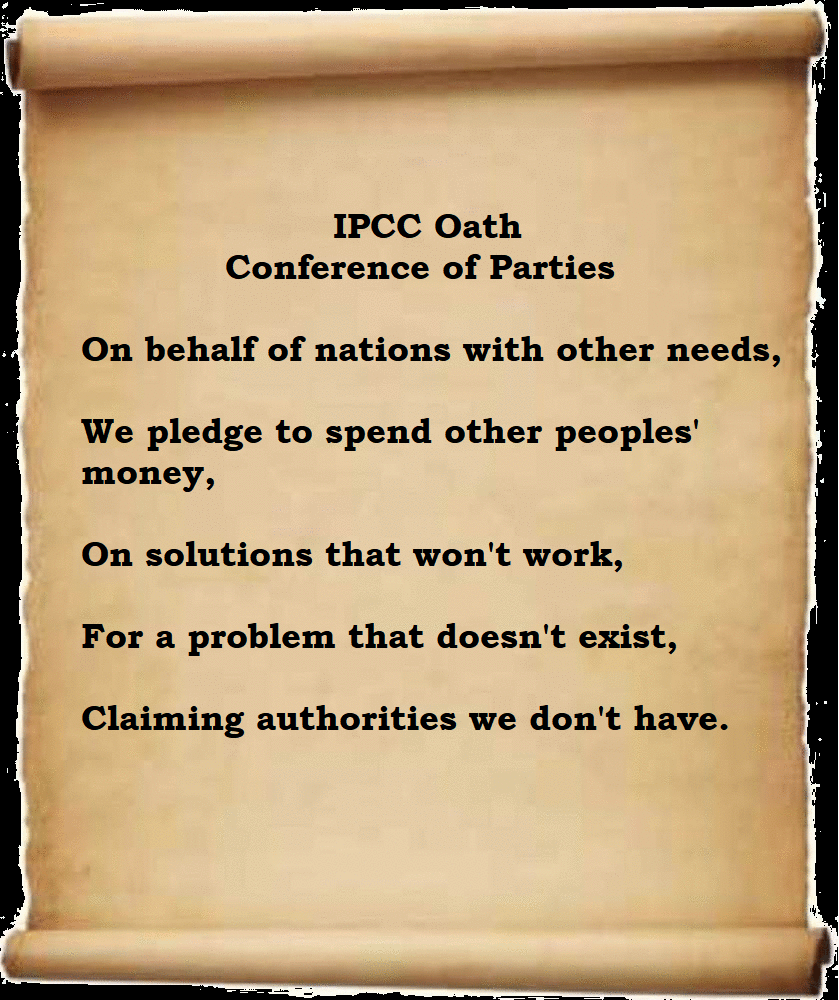
No, NATO Chief, Climates Don’t Start Wars, People do

In his American Thinker article Chris J. Krisinger reports on another distortion proclaimed at COP28  World Leaders’ Terror of Climate Change.  Excerpts in italics with my bolds and added images.

[During his Air Force career, Colonel Krisinger served as military advisor to the assistant secretary of state for European affairs at the Department of State while working from the NATO Policy Office.  He is a graduate of the U.S. Air Force Academy and the Naval War College and was also a National Defense Fellow at Harvard University. ]

Playing to what amounted to a friendly home crowd at the Dubai U.N. Climate Change Conference (COP28), NATO secretary-general Jens Stoltenberg went there to deliver a message touting a relationship between global security and climate change, while emphasizing the necessity of shifting military resources to combat global warming.

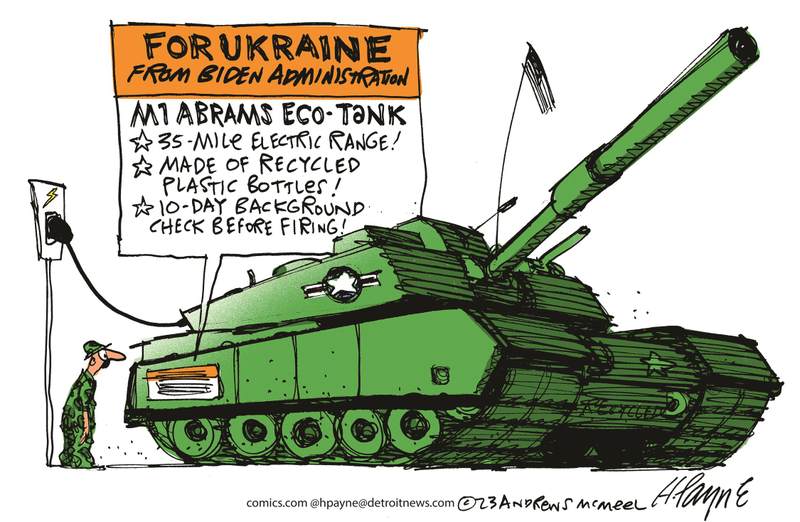
In his speech, set against a backdrop of the Ukraine war, he was adamant about the influence of climate change on international security with conflict actually undermining “our capability to combat climate change because resources that we should have used to combat climate change are spent on our protecting our security with our military forces.”  He would even become apologetic about the Alliance’s reliance on fossil fuel–intensive military machinery, telling the audience, “If you look at big battle tanks and the big battleships and fighter jets, they are very advanced and great in many ways, but they’re not very environmentally friendly.  They pollute a lot, so we need to get down the emissions.”

Stoltenberg’s address at COP28 comes not long after President Biden’s September declaration in Vietnam that “the only existential threat humanity faces even more frightening than a nuclear war is global warming.”  Then, just two days after the October 7 attack on Israel, instead of talking about hostages and the U.S. response, National Security Council spokesman John Kirby went in front of TV cameras defending that statement: “the president believes wholeheartedly that climate change is an existential threat to all of human life on the planet.”

But do world events — present or past — justify such inordinate interest by political leaders in climate change shaping the global security environment who go so far as to deem it an “existential threat to humankind”?  Does the still uncertain and arguable science of climate change cross a threshold to influence, even justify, Alliance or national decision-making to link defense and security policy, actions, and investments?  World events reminds us it does not.

The current century’s major conflicts — Iraq, Afghanistan, Assad’s Syria, Ethiopia’s Tigray war, Yemen’s and South Sudan’s civil wars, and more recently Ukraine and Israel’s war against Hamas — have no compelling environmental or climatological links, just as all other international conflicts in the post-WWII era did not.  ISIL, which once controlled large swaths of some of the planet’s most inhospitable desert areas in Syria and Iraq, professed no regard for “climate change” in its worldview, nor has Hamas or Hezbollah today, both of which also inhabit arid, hot desert lands.

Arguably, no conflict in human history, modern or otherwise, has a causal
(or effectual) relationship with climate change, despite the planet
undergoing periods of both warming and cooling.

Today’s foremost security threats — e.g., great power competition, cyber-attacks, piracy, weapons of mass destruction, terrorism, nuclear proliferation, financial crises, dictatorships, nationalism, drug-trafficking, insurgencies, revolutions, Iran, North Korea, etc. — all continue to fester.  None can be persuasively linked to climate change, even as a worsening effect.  Further, climate change does not appear to drive the agendas or motives of global antagonists like Putin, Xi, Al-Shabaab, the Taliban, Kim, Khomeini, Assad, al-Qaeda, cartels, Hezb’allah, Hamas, the Houthis, Boko Haram, or others.

Instead, consider that environmental factors rarely incite
conflict within or between nations.  

In fact, the opposite — international cooperation — is the more likely outcome in concert with the human race’s innate ability to adapt to its environment.  The climate-security link Stoltenberg wants us to accept can be greatly overstated and instead aimed to serve political agendas and economics more than addressing real security threats.  What climate advocates further ignore or overlook is the slow, gradual process over years, decades, even centuries by which environmental phenomena occur, while ignoring empirical evidence of the pace, causes, and drivers of current events.  Climate change is not the catalyst determining whether conflict occurs or its severity.

Of more practical importance is that, should a military response be required,
military forces must be prepared to operate and prevail in
whatever weather extremes are encountered at that moment. 
 

Their equipment and resources must best perform their military function, regardless of environmental sensibilities.  In one telling example, if U.S. or NATO forces had been required to operate in Russia in 2012 along similar routes as the Wehrmacht in 1941 and Napoleon in 1812, they would have encountered worse cold and weather than in either of those campaigns, so infamously ravaged by winter.

In fact, Russia endured its harshest winter in over 70 years and had not experienced such a long cold spell since 1938, with temperatures 10–15 degrees below seasonal norms nationwide.  Like Russia, China’s 2012 winter temperatures were the lowest in almost three decades, cold enough to freeze coastal waters and trap hundreds of ships in ice.  Even today, had the COP28 conference been held at a European location, Stoltenberg may have become snowbound while traveling, with more of the continent under snow cover in December’s first week than in any year for more than a decade.

A Lufthansa aircraft at the snow-covered Munich airport on Saturday, Dec. 2, 2023. Photograph: Karl-Josef Hildenbrand/AP

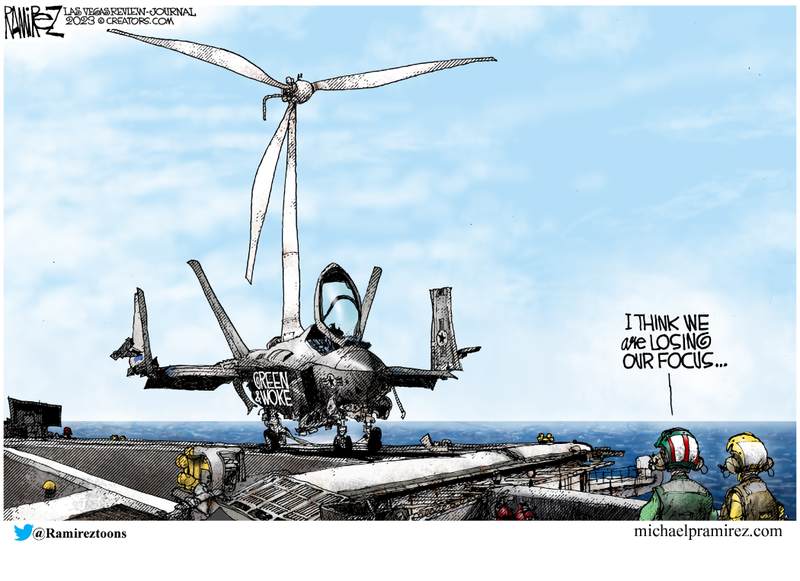
A NATO alliance currently facing epic regional challenges cannot lose focus on core security and defense priorities or its profound grasp of the true origins, causes, and motives for human conflict.  Both military and political leaders cannot be distracted from true security threats — i.e., antagonists and competitors willfully and purposefully directing adversarial, often military, actions against a member nation with malicious intent — or not be prepared to operate and prevail in whatever weather or climatic conditions are encountered at that time.

With such clarity — absent the narrative, politics, uncertainty, and rhetoric of climate changeNATO, its member nations, and their leaders can then best direct its substantial enterprise towards those more numerous, serious, and pressing security threats facing the Alliance.

Background Food, Conflict and Climate

From data versus models department, a recent study contradicts claims linking human conflict to climate change by means of food shortages. From Dartmouth College March 1, 2018 comes Food Abundance and Violent Conflict in Africa.  by Ore Koren.  American Journal of Agricultural Economics, 2018; Synopsis is from Science Daily (here) with my bolds.

Food abundance driving conflict in Africa, not food scarcity

The study refutes the notion that climate change will increase the frequency of civil war in Africa as a result of food scarcity triggered by rising temperatures and drought. Most troops in Africa are unable to sustain themselves due to limited access to logistics and state support, and must live off locally sourced food. The findings reveal that the actors are often drawn to areas with abundant food resources, whereby, they aim to exert control over such resources.

To examine how the availability of food may have affected armed conflict in Africa, the study relies on PRIO-Grid data from over 10,600 grid cells in Africa from 1998 to 2008, new agricultural yields data from EarthStat and Armed Conflict Location and Event Dataset, which documents incidents of political violence, including those with and without casualties. The data was used to estimate how annual local wheat and maize yields (two staple crops) at a local village/town level may have affected the frequency of conflict. To capture only the effects of agricultural productivity on conflict rather than the opposite, the analysis incorporates the role of droughts using the Standardized Precipitation Index, which aggregates monthly precipitation by cell year.

The study identifies four categories in which conflicts may arise over food resources in Africa, which reflect the interests and motivations of the respective group:

  1. State and military forces that do not receive regular support from the state are likely to gravitate towards areas, where food resources are abundant in order to feed themselves.
  2. Rebel groups and non-state actors opposing the government may be drawn to food rich areas, where they can exploit the resources for profit.
  3. Self-defense militias and civil defense forces representing agricultural communities in rural regions, may protect their communities against raiders and expand their control into other areas with arable land and food resources.
  4. Militias representing pastoralists communities live in mainly arid regions and are highly mobile, following their cattle or other livestock, rather than relying on crops. To replenish herds or obtain food crops, they may raid other agriculturalist communities.

These actors may resort to violence to seek access to food, as the communities that they represent may not have enough food resources or the economic means to purchase livestock or drought-resistant seeds. Although droughts can lead to violence, such as in urban areas; this was found not to be the case for rural areas, where the majority of armed conflicts occurred where food crops were abundant.

Food scarcity can actually have a pacifying effect.“Examining food availability and the competition over such resources, especially where food is abundant, is essential to understanding the frequency of civil war in Africa,” says Ore Koren, a U.S. foreign policy and international security fellow at Dartmouth College and Ph.D. candidate in political science at the University of Minnesota. “Understanding how climate change will affect food productivity and access is vital; yet, predictions of how drought may affect conflict may be overstated in Africa and do not get to the root of the problem. Instead, we should focus on reducing inequality and improving local infrastructure, alongside traditional conflict resolution and peace building initiatives,” explains Koren.

Summary:

In Africa, food abundance may be driving violent conflict rather than food scarcity, according to a new study. The study refutes the notion that climate change will increase the frequency of civil war in Africa as a result of food scarcity triggered by rising temperatures and drought.

Reading the study itself shows considerable rigor in sorting out dependent and independent variables.  It is certain that armed conflicts destroy food resources, while it is claimed that food shortages from climate events like drought cause the conflicts in the first place.  From Koren:

Moreover, in addition to illustrating the validity of this mechanism by the process of elimination—that is, by empirically accounting for a variety of alternative mechanisms— figure 2 further highlights the interactions between economic inequality, food resources, and conflict. Here, nonparametric regression plots—which do not enforce a modeling structure on the data and hence provide a more flexible method of visualizing relationships between different factors—show the correlations of local yields and conflict with respect to economic development as approximated using nighttime light levels. As shown, conflict occurs more frequently in cells with more crop productivity, but relatively low levels of economic development, where—based on anecdotal evidence at least—limitations on food access are more likely (Roncoli, Ingram, and Kirshen 2001).

In Addition

https://rclutz.wordpress.com/2017/07/14/updated-climates-dont-start-wars-people-do/


McKitrick: COP28 Worse Threat Than You Think

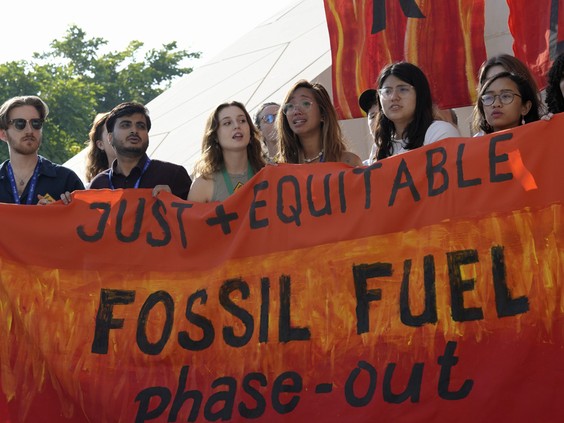
A demonstration against fossil fuels at the COP28 United Nations climate summit in Dubai, United Arab Emirates. PHOTO BY PETER DEJONG/AP

Ross McKitrick writes at Financial Post: The only thing wrong with the globalist climate agenda — the people won’t have it  Excerpts in italics with my bolds and added images.

Phasing out fossil fuels is going to cost way more than ordinary people
will accept.  Delegates to COP28 clearly didn’t understand that

It’s tempting to dismiss the outcome of COP28, the recent United Nations climate change conference in the United Arab Emirates, as mere verbiage, especially the “historic” UAE Consensus about transitioning away from fossil fuels. After all, this is the 28th such conference and the previous ones all pretty much came to nothing. On a chart showing the steady rise in global CO2 emissions since 1950 you cannot spot when the 1997 Kyoto Protocol entered into force (2002), with its supposedly historic language binding developed countries to cap their CO2 emissions at five per cent below 1990 levels by 2012, which they didn’t do. The 2015 Paris Agreement also contained “historic” language that bound countries to further deep emission reductions. Yet the COP28 declaration begins with an admission that the parties are not on track for compliance.

Still, we should not overlook the real meaning of the UAE Consensus.

COP agreements used to focus on one thing: targets for reducing greenhouse gases. The UAE Consensus is very different. Across its 196 paragraphs and 10 supplementary declarations it’s a manifesto for global central planning. In their own words, some 90,000 government functionaries aspire to oversee and micromanage agriculture, finance, energy, manufacturing, gender relations, health care, air conditioning, building design and countless other economic and social decisions. It’s all supposedly in the name of fighting climate change, but that’s just the pretext. Take climate away and they’d likely appeal to something else.

Climate change doesn’t necessitate such plans.

Economists have been studying climate change for many decades and have never considered it grounds to phase out fossil fuels, micromanage society, manage gender relations and so on. Mainstream scientific findings, coupled with mainstream economic analysis, prescribe moderate emission-pricing policies that rely much more on adaptation than mitigation.

The fact that the UAE Consensus is currently non-binding is beside the point. What matters is what the COP28 delegates have said they want to achieve. Two facts stand out: the consensus document announced plans that would cause enormous economic harm if implemented, and it was approved unanimously — yes, by everyone in the room.

The first point is best illustrated by the language around eliminating fossil fuels. Climate policy is supposed to be about optimally reducing greenhouse gas (GHG) emissions. As technology gradually allows emissions to be de-coupled from fuel use, there may eventually be no need to cut back on fuels. But activist delegates insisted on abolitionist language anyway, making elimination of fossil fuels an end in itself. Such fuels are of course essential for our economic standard of living, and 30 years of economic analysis has consistently shown that, even taking account of emissions, phasing out fuels would do humanity far more harm than good. The Consensus statement ignores this, even while claiming to be guided by “the science.”

The second point refers to the fact that all representatives of all governments worldwide endorsed policies that will, if implemented, do extraordinary harm to their own people. Where governments have made even small attempts to take these radical steps, the public has rebelled. This calls into question whom the COP28 delegates actually “represent.” A few elected officials did attend, but no one voted for the great majority of attendees. And have no doubt: even if some heads of state, whether courageous or foolhardy, did go to COP intent on opposing the overall agenda, they would almost certainly be browbeaten into signing the final package.

The UAE Consensus is the latest indication that the real fault line in contemporary society is not right versus left, it’s the people versus (for lack of a better word) the globalists. A decade ago this term was only heard on the conspiracy fringe. It has since migrated to the mainstream as the most apt descriptor of a permanent transnational bureaucracy that aspires to run everything, even to the public’s detriment, while insulating themselves from democratic limits.

A hallmark of globalists is their credo of “rules for thee but not for me.” Thousands of delegates fly to Davos or to the year’s COP, many on private jets, to be wined and dined as they advise the rest of us to learn to do without.

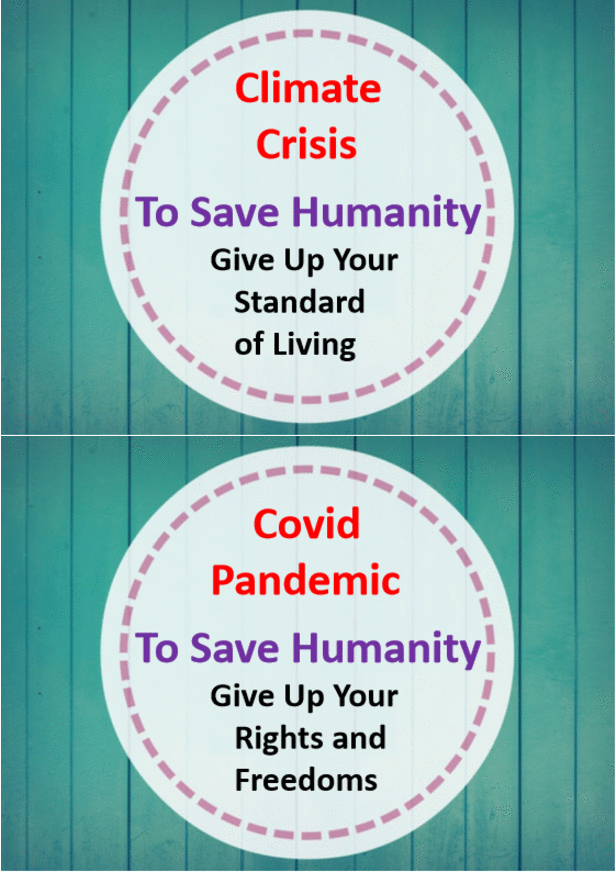
Two sides of the same coin.

On both COVID-19 and climate change, the same elite has invoked “the science,” not in support of good decision-making, but as a talisman to justify everything they do, including censoring public debate. Complex and uncertain matters are reduced to dogmatic slogans by technocrats who force-feed political leaders a one-sided information stream. Experts outside the process are accorded standing based solely on their obeisance to the preferred narrative, not their knowledge or qualifications. Critics are attacked as purveyors of “misinformation” and “disinformation.” Any opposition to government plans therefore proves the need to suppress free speech.

Eventually, however, the people get the last word. And despite nonstop fear-mongering about an alleged climate crisis, the people tolerate climate policy only insofar as it costs almost nothing.

The climate movement may think that by embedding itself in the globalist elite it can accelerate policy adoption without needing to win elections. In fact, the opposite is happening. Globalists have co-opted the climate issue to try to sell a grotesque central planning agenda that the public has repeatedly rejected. If the UAE Consensus is the future of climate policy, climate policy’s failure is guaranteed.

Looking Into the Middle East Abyss

With the chaos erupting in violent conflict in Gaza, and strong reactions around the world, this opinion from three years ago seems prescient.  Bret Stephens wrote at New York Times January 2020  Every time Palestinians say ‘no,’ they lose.  Text in italics with my bolds.

Regarding President Donald Trump’s peace plan for the Israeli-Palestinian conflict, the instant conventional wisdom is that it’s a geopolitical nonstarter, a gift to Benjamin Netanyahu and an electoral ploy by the president to win Jewish votes in Florida rather than Palestinian hearts in Ramallah.

It may be all of those things. But nobody will benefit less from a curt dismissal of the plan than the Palestinians themselves, whose leaders are again letting history pass them by.  The record of Arab-Israeli peace efforts can be summed up succinctly: Nearly every time the Arab side said no, it wound up with less.

That was true after it rejected the 1947 U.N. Partition Plan, which would have created a Palestinian state on a much larger footprint than the one that was left after Israel’s war of independence. It was true in 1967, after Jordan refused Israel’s entreaties not to attack, which resulted in the end of Jordanian rule in the West Bank.

It was true in 2000, when Syria rejected an Israeli offer to return the Golan Heights, which ultimately led to U.S. recognition of Israeli sovereignty of that territory. It was true later the same year, after Yasser Arafat refused Israel’s offer of a Palestinian state with a capital in East Jerusalem, which led to two decades of terrorism, Palestinian civil war, the collapse of the Israeli peace camp and the situation we have now.

It’s in that pattern that the blunt rejection by Palestinian leaders of the Trump plan — the Palestinian president, Mahmoud Abbas, denounced it as a “conspiracy deal” — should be seen. Refusal today will almost inevitably lead to getting less tomorrow.

That isn’t to say that the plan, as it now stands, can come as anything but a disappointment to most Palestinians. It allows Israel to annex its West Bank settlements and the long Jordan Valley. It concedes full Israeli sovereignty over an undivided Jerusalem. It conditions eventual Palestinian statehood on full demilitarization of a Palestinian state and the disarming of Hamas. It compensates Palestinians for lost territories in the West Bank with remote territories near the Egyptian border. The map of a future Palestine looks less like an ordinary state than it does the MRI of a lung or kidney.

Then again, much of what the plan gives to Israel, Israel already has and will never relinquish — which explains why the plan was hailed not only by Netanyahu but also by his centrist rival Benny Gantz. Critics of Israeli policy often insist that a Palestinian state is necessary to preserve Israel as a Jewish democracy. True enough. But in that case, those critics should respect the painful conclusions Israelis have drawn about just what kind of Palestinian state they can safely accept.

More important, however, is what the plan offers ordinary Palestinians — and what it demands of their leaders. What it offers is a sovereign state, mostly contiguous territory, the return of prisoners, a link to connect Gaza and the West Bank, and $50 billion in economic assistance. What it demands is an end to anti-Jewish bigotry in school curricula, the restoration of legitimate political authority in Gaza and the dismantling of terrorist militias.

Taken together, this would be a historic achievement, not the “scam” that liberal critics of the deal claim. The purpose of a Palestinian state ought to be to deliver dramatically better prospects for the Palestinian people, not tokens of self-importance for their kleptocratic and repressive leaders.

That begins with improving the quality of Palestinian governance,
first of all by replacing leaders whose principal interests
lie in perpetuating their misrule.

If Abbas — now in the 16th year of his elected four-year term of office — really had Palestinian interests at heart, he would step down. So would Hamas’ cruel and cynical leaders in Gaza. That the peace plan insists on the latter isn’t an obstacle to Palestinian statehood. It’s a prerequisite for it.

At the same time, it’s also essential to temper Palestinian expectations. The Jewish state has thrived in part because it has always been prepared to make do with less. The Palestinian tragedy has been the direct result of taking the opposite approach: of insisting on the maximum rather than working toward the plausible. History rarely goes well for those who try to live it backward.

For all the talk about Trump’s plan being dead on arrival, it says something that it has been met with an open mind by some Arab states, including Saudi Arabia and the United Arab Emirates. They know only too well that the Arab world has more important challenges to deal with than Palestinian statehood. They know, too, that decades of relentless hostility toward the Jewish state have been a stupendous mistake. The best thing the Arab world could do for itself is learn from Israel, not demonize it.

That ought to go for the Palestinians as well. The old cliché about Palestinians never missing an opportunity to miss an opportunity has, sadly, more than a bit of truth in it. Nobody ought to condemn them to make the same mistake again.

Bret Stephens is a regular columnist for The New York Times.

Heroic Doctors Still Fighting Covid Tyranny

Larry Kaifesh explains in his American Thinker article One Doctor’s Fight for Covid Justice.  Excerpts it italics with my bolds and added images.

Background

A physician with more than 25 years of experience, Dr. Mary Talley Bowden is board-certified in otolaryngology and sleep medicine.  In 2019, she founded BreatheMD in Houston.  Educated at the University of North Carolina in Chapel Hill, the Medical College of Georgia at Augusta University, and the University of Texas Medical Branch, Dr. Bowden completed her residency at Stanford University.  She is one of the few direct care specialists in the U.S. who does not contract with any health insurance companies and strives to offer affordable care with clear pricing.

Dr. Bowden was targeted after speaking out against prescribed protocols for treating COVID-19 and the experimental COVID vaccine.  She has been a target of the Texas Medical Board, the U.S. Food and Drug Administration, and Houston Methodist Hospital for her early treatment of over 6,000 patients with COVID-19, despite her record including no deaths.

Public Health Descent into Covid Madness

In the beginning of the COVID-19 pandemic, Dr. Bowden started using monoclonal antibodies to treat her patients and had great success.  She explained that whenever she needed more, she could order them, and they would be delivered the next day.  However, the government took over the distribution of the monoclonal antibodies.  When this happened, it became harder and harder for her to get them until the government just stopped shipping them.  Dr. Bowden says this was in order to push the COVID-19 vaccine.

The monoclonal antibodies were effective, and she said patients would turn the corner the next day if they were treated early.  She emphasized that early treatments lead to better outcomes.

When she could not get any more monoclonal antibodies delivered by the government, she worried there would not be anything else as effective.  However, she discovered that ivermectin and hydroxychloroquine worked just as well.

Her results highlight the effectiveness of her protocol in direct contrast to the protocols hospitals were using.  The hospital protocols are using are connected with countless deaths, hospitalizations, and adverse effects, according to the government data found on the Vaccine Adverse Event Reporting System (VAERS).

From early on in the pandemic, Dr. Bowden, and other doctors, were using ivermectin, the Nobel Prize–winning medication, in their extremely effective treatment protocols.  In response, the FDA initiated an aggressive campaign against using ivermectin in treating COVID-19.  The FDA used the famous “horse” message stating, “Why You Should Not Use Ivermectin to Treat or Prevent COVID-19,” emphasizing that it is a horse dewormer and should not be used on people.  This message can still be found on the FDA website.

In 2021, the attacks on ivermectin and hydroxychloroquine increased exponentially.  Dr. Bowden and others believe that the more ivermectin, a generic prescription drug, threatened the lucrative pharmaceutical industry, the more enemies it accumulated.

At present, there are more than 17,000 physicians who support
early treatment and the protocol Dr. Bowden uses.

Covid Tyrants Continue to Oppress Doctors and Patients

Dr. Bowden and two other doctors sued the FDA for overstepping their authority and making suggestions for patient treatments.  Judge Don Willett agreed, declaring in his ruling that the “FDA is not a physician.  It has authority to inform, announce, and apprise — but not to endorse, denounce, or advise.”  Currently, this case is going back to the U.S. District Court in Galveston for further debate.

Dr. Bowden has also sued Houston Methodist for defamation.  Although her case was dismissed, she appealed, and the judge reviewed the case on Dec. 12, 2023.  She does not expect to hear anything back on this case for over a year.

Following Dr. Bowden’s success with her protocols, the Texas Medical Board filed a formal complaint against her for violations of the Texas Medical Practice Act.  Now, after a couple of appeals, her next hearing is scheduled to take place April 29, 2024.

Additionally, Dr. Bowden explained that there is now overwhelming data
showing that the spike proteins in the COVID-19 vaccines are causing
four major domains of disease:
cardiovascular, neurological, blood clots, and immunological abnormalities.

Because of this, her priority is to do everything she can to get the COVID-19 vaccine off the market.  She is working with elected officials and political candidates to pull these dangerous vaccines.  She said she is happy to report that every day, more and more are joining the initiative.

Dr. Bowden is also concerned about and focused on the pediatric vaccine schedule, which currently includes the COVID-19 vaccine.  This is scary, she explained, because most parents trust the government and do what they are told.  However, she is hopeful that more parents will wake up to the dangers of the COVID-19 vaccine.  In Dr. Bowden’s opinion, “there is no reason for children to get these shots. … We have no long-term safety data.”

‘Cures’ Worse than the Disease

Dr. Bowden went on to say when she looked at her new patient appointments, over seven percent are for ongoing chronic debilitating health issues that developed following individuals taking the vaccine.  She went on to say it is very hard to diagnose myocarditis in a nonverbal child.  How can a child communicate that he has chest pain, the primary symptom of myocarditis?  Dr. Bowden fears that these babies will get myocarditis — permanent scarring of the heart — and then one day they will collapse on the soccer field.  This is what we are looking at, she emphasized.

Any other vaccine with this record would have been pulled off
the market a long time ago, according to Dr. Bowden.  

She explained that in the 1976 swine flu outbreak, they stopped giving the vaccine after 25 deaths.  Currently on VAERS, there are more than 36,000 deaths reported, which is believed to be only one percent of the real number due to underreporting.  Yet they are still advertising this vaccine.

There is also significant concern with the protocol the hospitals are using to treat COVID-19 patients.  The CARES Act provides incentives for hospitals to use treatments directed solely by the federal government with the backing of the National Institute of Health.  These incentives are financial and provide payments to the hospitals for the following: a diagnosis of COVID, admission to the hospital, use of Remdesivir (a drug shown to cause kidney failure in 25 percent of the people who take it), a patient being put on a ventilator, and if the patient dies and the cause of death is listed as COVID-19.

These incentives were not designed to treat patients and facilitate their health,
but to aid in their demise, warned Dr. Bowden.

Last week, the FDA warned of a catastrophic drop in life expectancy, and in just the last nine months of this year, more than 158,000 more Americans died unexpectedly than in all of 2019, before the COVID-19 vaccine was introduced.  To put that number in context, that is more casualties than in all wars since Vietnam, combined.

Medical Profession Betrayed by Overlords

Dr. Bowden expressed deep concern about what is happening to the medical industry.  Doctors have lost their autonomy and are now employees taking orders from the government and administrators on how to treat their patients, she explained.  Many are sheep, she said, who sit quietly and do what they are told, rather than what is right by the medical doctrine “first do no harm.”  She sympathized that they have families and mortgages but said they cannot allow themselves to be controlled by nefarious forces.

Footnote: Xmas 2020: Twelve Forgotten Principles of Public Health

Dr. Martin Kulldorff, PhD, is a Professor of Medicine at Harvard Medical School. His research centers on developing new epidemiological and statistical methods for the early detection and monitoring of infectious disease outbreaks and for post-market drug and vaccine safety surveillance. This holiday gift remembrance is collected from Dr. Kulldorff’s twitter thread courtesy of AIER, which also includes links to articles adding depth to the 12 points. Tweets in italics with my bolds.

  1. Public health is about all health outcomes, not just a single disease like Covid-19. It is important to also consider harms from public health measures. More. 
  2. Public health is about the long term rather than the short term. Spring Covid lockdowns simply delayed and postponed the pandemic to the fall. More. 
  3. Public health is about everyone. It should not be used to shift the burden of disease from the affluent to the less affluent, as the lockdowns have done. More. 
  4. Public health is global. Public health scientists need to consider the global impact of their recommendations. More. 
  5. Risks and harms cannot be completely eliminated, but they can be reduced. Elimination and zero-Covid strategies backfire, making things worse. More. 
  6. Public health should focus on high-risk populations. For Covid-19, many standard public health measures were never used to protect high-risk older people, leading to unnecessary deaths. More. 
  7. While contact tracing and isolation are critically important for some infectious diseases, it is futile and counterproductive for common infections such as influenza and Covid-19. More. 
  8. A case is only a case if a person is sick. Mass testing asymptomatic individuals is harmful to public health. More. 
  9. Public health is about trust. To gain the trust of the public, public health officials and the media must be honest and trust the public. Shaming and fear should never be used in a pandemic. More. 
  10. Public health scientists and officials must be honest with what is not known. For example, epidemic models should be run with the whole range of plausible input parameters. More. 
  11. In public health, open civilized debate is profoundly critical. Censoring, silencing and smearing leads to fear of speaking, herd thinking and distrust. More. 
  12. It is important for public health scientists and officials to listen to the public, who are living the public health consequences. This pandemic has proved that many non-epidemiologists understand public health better than some epidemiologists. More.

Dr. Martin Kulldorff


After COP28: What Transition From Hydrocarbons?

How Do You Want Your Energy ‘Transition’?

Mario Loyola wrote at The Wall Street Journal The Impossible Energy ‘Transition’.  Excerpts in italics with my bolds.

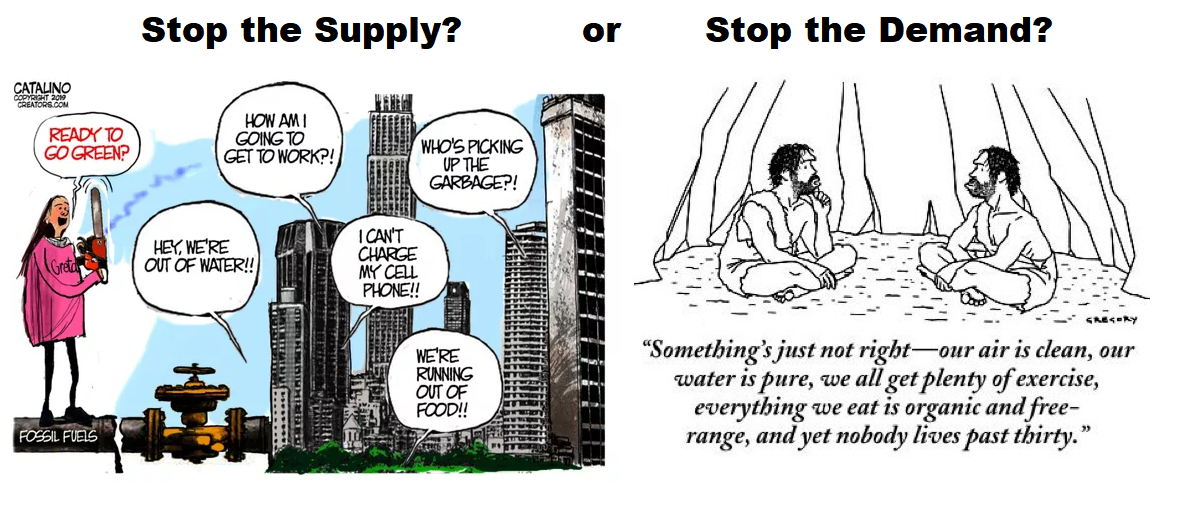
After two weeks of negotiation, the United Nations climate conference in Dubai agreed last week to “transition away” from fossil fuels. Left unanswered is whether governments are supposed to do that by reducing supply, reducing demand or both. A lot rides on the answer, but neither would affect the climate much.

In the demand-side scenario, technology saves the day with cost-competitive renewables. This is the vision of the International Energy Agency, according to which the more rapid the transition from fossil fuels, the more precipitous the decline in fossil-fuel prices. In its “Net Zero Emissions” scenario, oil demand drops faster than supply this decade, pushing oil prices below $30 a barrel soon after 2030, which corresponds to $1-a-gallon gasoline.

Yet even with fossil-fuel prices near historic highs, effective renewable substitutes are nowhere near cost-competitive. They’d have to get cheaper still to compete with $30-a-barrel oil. And in developed countries, especially the U.S., it’s impossible to get permits quickly enough for the staggering amount of renewable capacity that would be needed.

In the supply-side approach, governments would slash oil production or impose rationing, hoping to make fossil fuels so expensive that renewables are the only option. This is the dark vision of “Stop Oil” and Greta Thunberg. But as long as renewable substitutes aren’t immediately available and oil and gas remain necessary, a small reduction in supply causes prices to soar. That means windfall profits for energy companies, scarcity for everyone else, and electoral danger for the governments responsible. Ms. Thunberg claims that climate change is a “death sentence” for the poor, but the poor are far more vulnerable to disruptions in energy supply. In the 1970s, an oil boycott aimed at the U.S. caused famines in Africa.

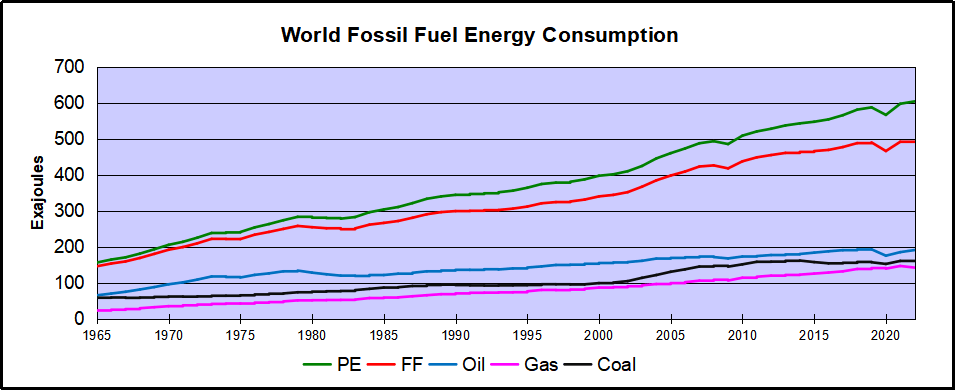
Putting into context the desire to stop consumption of fossil fuels. The graph shows that global Primary Energy (PE) consumption from all sources has grown continuously over nearly 6 decades. Since 1965 oil, gas and coal (FF, sometimes termed “Thermal”) averaged 88% of PE consumed, ranging from 93% in 1965 to 82% in 2022. Note that in 2020, PE dropped 21 EJ (4%) below 2019 consumption, then increased 31 EJ in 2021. WFFC for 2020 dropped 24 EJ (5%), then in 2021 gained back 26 EJ to slightly exceed 2019 WFFC consumption. (Source: Energy Institute)

While the stop-oil view was popular at Dubai, there were enough adults in the room to keep the conference from committing to it. “There is no science out there, or no scenario out there, that says that the phaseout of fossil fuel is what’s going to achieve 1.5 C” (the Paris Agreement’s proposed limit on 21st-century temperature increases), said conference president Ahmed al Jaber, “unless you want to take the world back into caves.” Saudi Energy Minister Abdulaziz bin Salman dared countries to try to choke off the oil supply: “Let them do that themselves. And we will see how much they can deliver.”

Poor countries are clear-eyed about the danger of energy poverty. “We are not going to compromise with the availability of power for growth,” said India’s minister for power, R.K. Singh. China has more coal plants under construction than are in operation in the U.S. Few rich countries have announced plans to stop drilling for oil or gas, and none of those are major producers. Even President Biden ran away from increasing the gasoline tax as soon as prices went above $3 a gallon in the summer of 2021.

The administration’s answer to this conundrum is to defer political consequences via the regulatory state. The Environmental Protection Agency has proposed to require that all coal and natural-gas plants shut down or adopt unproven zero-carbon technologies by 2038. Another EPA proposal would require 62% of all cars sold in America to be fully electric by 2032.

Assuming they survive court challenges and future administrations, they would impose soaring prices and reduced mobility on Americans. They would have almost no impact on global temperatures unless other countries, including China and India, also commit to energy poverty. The question is how much damage these policies will do before they’re abandoned.

Mr. Loyola teaches environmental law at Florida International University and is a senior research fellow at the Heritage Foundation.

Foornote:  Advice from Berkeley Earth

Keep Your Head, Others are Losing Theirs Over Climate

John Stossel’s interview with Bjorn Lomborg is featured in his article at Reason The Media’s Misleading Fearmongering Over Climate Change. Excerpts in italics with my bolds and added images.

“Over the last 20 years, because of temperature rises, we have seen about 116,000 more people die from heat. But 283,000 fewer people die from cold.”

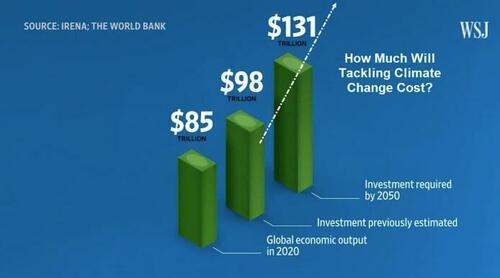
United States Special Presidential Envoy for Climate John Kerry says it will take trillions of dollars to “solve” climate change. Then he says, “There is not enough money in any country in the world to actually solve this problem.”

Yes, they are projecting more than 100 Trillion US$.

Kerry has little understanding of money or how it’s created. He’s a multimillionaire because he married a rich woman. Now he wants to take more of your money to pretend to affect climate change.

Bjorn Lomborg points out that there are better things society should spend money on.

Lomberg acknowledges that a warmer climate brings problems. “As temperatures get higher, sea water, like everything else, expands. So we’re going to maybe see three feet of sea level rise. Then they say, ‘So everybody who lives within three feet of sea level, they’ll have to move!’ Well, no. If you actually look at what people do, they built dikes and so they don’t have to move.”

Rotterdam Adaptation Policy–Ninety years thriving behind dikes and dams.

People in Holland did that years ago. A third of the Netherlands is below sea level. In some areas, it’s 22 feet below. Yet the country thrives. That’s the way to deal with climate change: adjust to it.

“Fewer people are going to get flooded every year, despite the fact that you have much higher sea level rise. The total cost for Holland over the last half-century is about $10 billion,” says Lomberg. “Not nothing, but very little for an advanced economy over 50 years.”

For saying things like that, Lomberg is labeled “the devil.”

“The problem here is unmitigated scaremongering,” he replies. “A new survey shows that 60 percent of all people in rich countries now believe it’s likely or very likely that unmitigated climate change will lead to the end of mankind. This is what you get when you have constant fearmongering in the media.”

Some people now say they will not have children because they’re convinced that climate change will destroy the world. Lomborg points out how counterproductive that would be: “We need your kids to make sure the future is better.”

He acknowledges that climate warming will kill people.

“As temperatures go up, we’re likely to see more people die from heat. That’s absolutely true. You hear this all the time. But what is underreported is the fact that nine times as many people die from cold…. As temperatures go up, you’re going to see fewer people die from cold. Over the last 20 years, because of temperature rises, we have seen about 116,000 more people die from heat. But 283,000 fewer people die from cold.”

A 2015 study by 22 scientists from around the world found that cold kills over 17 times more people than heat. Source: The Lancet

That’s rarely reported in the news.

When the media doesn’t fret over deaths from heat,
they grab at other possible threats.

CNN claims, “Climate Change is Fueling Extremism.”

The BBC says, “A Shifting Climate is Catalysing Infectious Disease.

U.S. News and World Report says, “Climate Change will Harm Children’s Mental Health.”

Lomborg replies, “It’s very, very easy to make this argument that everything is caused by climate change if you don’t have the full picture.”

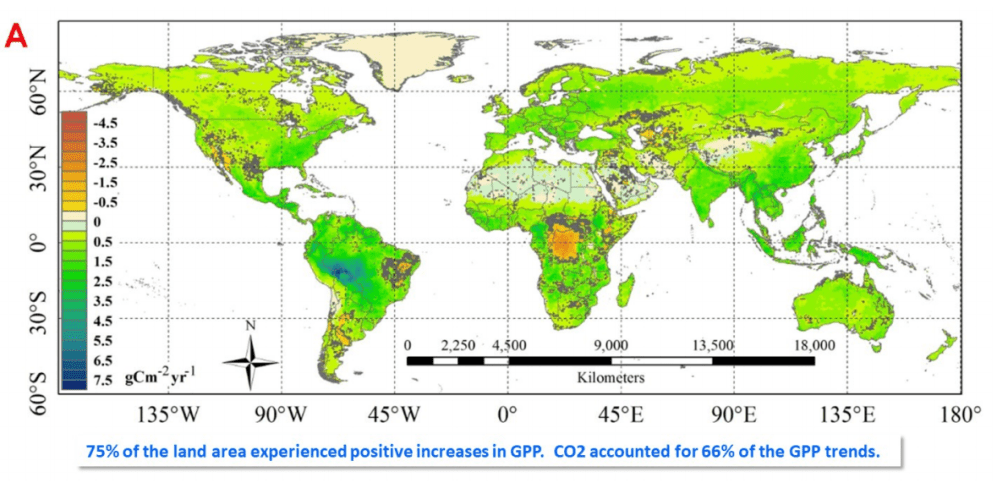
He points out that we rarely hear about positive effects of climate change, like global greening.

Spatial pattern of trends in Gross Primary Production (1982- 2015). Source: Sun et al. 2018.


“That’s good! We get more green stuff on the planet. My argument is not that climate change is great or overall positive. It’s simply that, just like every other thing, it has pluses and minuses…. Only reporting on the minuses, and only emphasizing worst-case outcomes, is not a good way to inform people.”

Synopsis of Lomborg’s Policy Recommendation (excerpted transcription)

If you’re a politician and you look at ten different problems, you’re natural inclination is to say, “Let’s give 1/10 to each one of them.” And economists would tend to say, “No, let’s give all of the money to the most efficient problem first and then to the second most efficient problem, and so on. I’m simply suggesting there’s a way that we could do much better with much less.

Of course if you feel very strongly about your particular area, when I come and say, “Actually, this is not a very efficient use of resources.” I get why people get upset. But for our collective good, for all the stuff that we do on the planet, we actually need to consider carefully where do we spend money well, compared to where do we just spend money and feel virtuous about ourselves.

If we spend way too much money ineffectively on climate, not only
are we not fixing climate, but we’re also wasting an enormous amount
of money that could have been spent on all these other things.

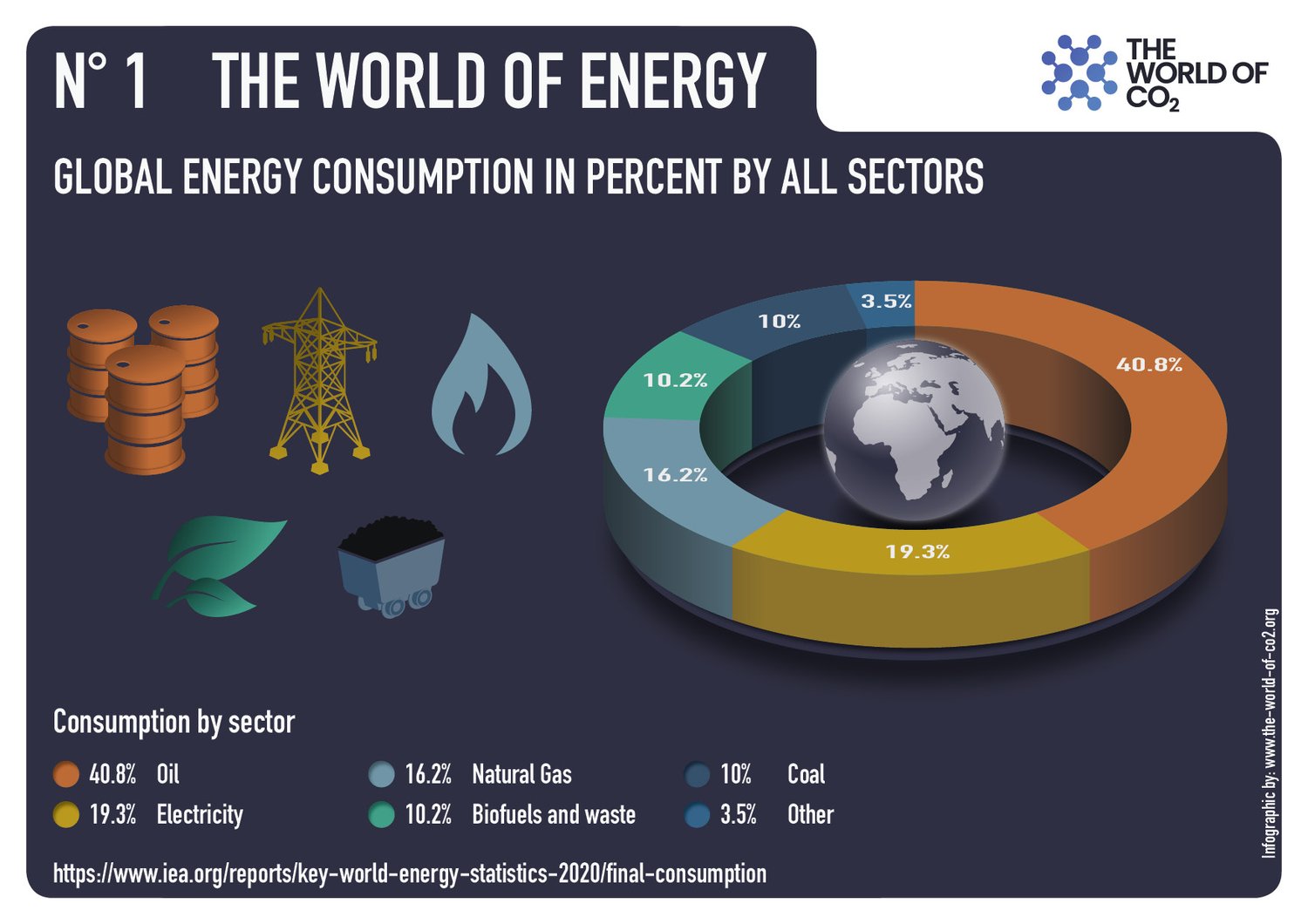
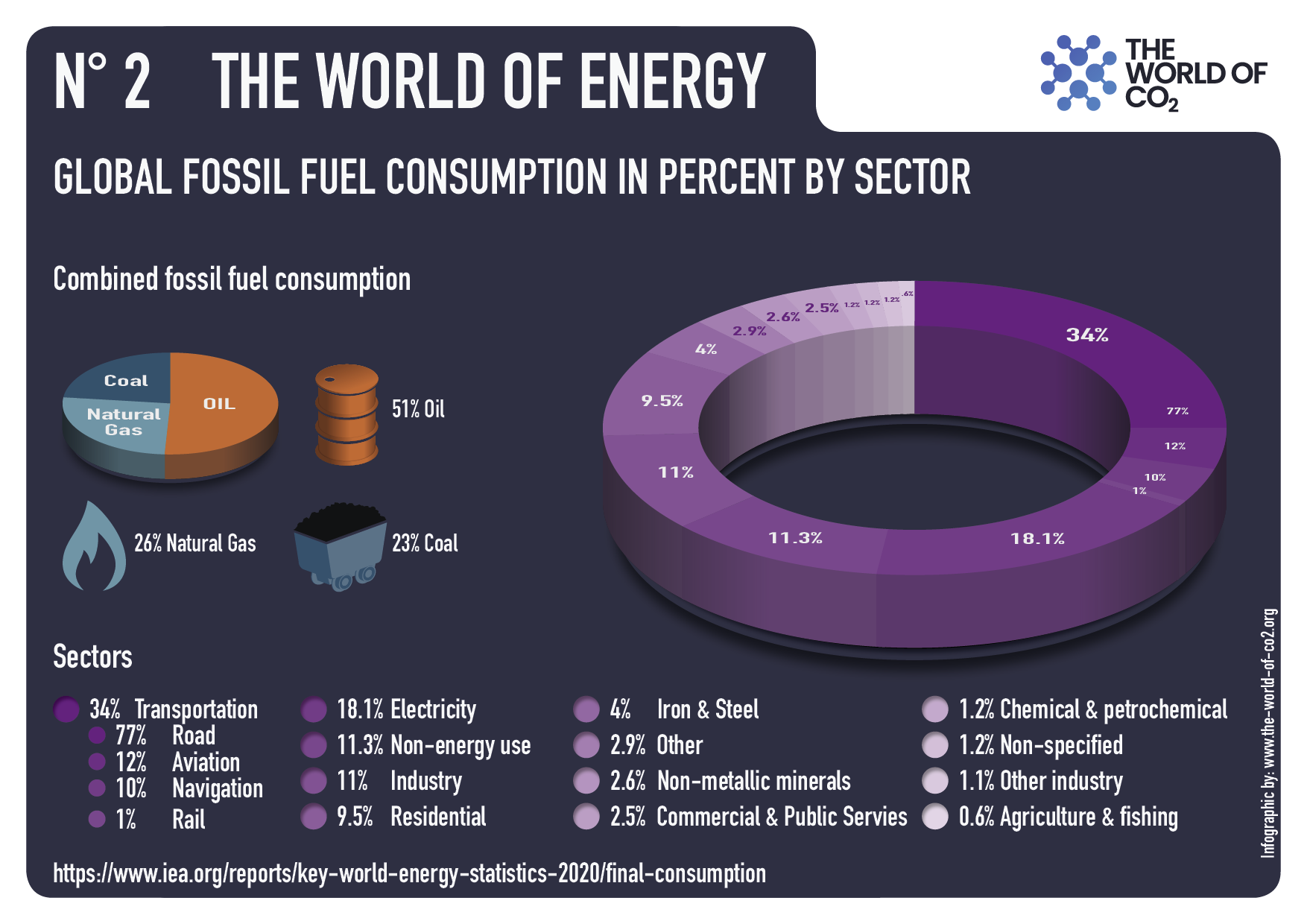
I’m simply trying to make that simple point, and I think most people kind of get that.  Remember, electricity is about a fifth of our total energy consumption. So, all everybody’s talking about is all the electricity, which is the easiest thing to switch over. But we don’t know anything about how we’re going to, know very, very little about how we’re going to deal with the other 4/5. This is energy that we use on things that are very, very hard to replace. So it’s a fertilizer that keeps 4 billion people alive. Making the fertilizer. It’s steel, cement, it’s industrial processes. Most of heating we use comes from fossil fuels, most transportation, that’s fossil fuels.

Know that if the U.S. went entirely net zero today and stayed that way for the rest of the century, consider how incredibly extreme this would be. First of all, you would not be able to feed everyone in the U.S. The whole economy would break down. You wouldn’t know how to get transportation. A lot of people would freeze. Some people would fry. There would be lots and lots of problems. But even if you did this and managed to do it, the net impact, if you run it through the U.N. climate model, is that you would reduce temperatures by the end of the century by 0.3 degrees Fahrenheit. We would almost not be able to measure it by the end of the century. It would have virtually no impact.

Look, again, we’re rich and so a lot of people feel like you can spend money on many different things. And that’s true. I’m making the argument that for fairly little money, we could do amazing good. If we spent $35 billion, not a trillion dollars, just $35 billion, which is not nothing. I don’t think, neither you or I have that amount of money. But, you know, in the big scheme of things, this is a rounding error. $35 billion could save 4.2 million lives in the poor part of the world, each and every year and make the poor world $1.1 trillion richer.

I think we have a moral responsibility to remember, that there are lots and lots of people, so mostly about 6 billion people out there, who don’t have this luxury of being able to think 100 years ahead and think about a little bit of a fraction of a degree, who wants to make sure that their kids are safe.
And so, the next money we spend should probably be on these very simple and cheap policies.


COP28 Showcases Globalist Agenda 2030

Two Sides of the Same Coin

Kit Knightly writes at off-guardian COP28: The Globalist Agenda Has Never Been More Obvious.  Excerpts in italics with my bolds and added images.  H/T Tyler Durden

As of this morning, we are four days into the two-week climate change summit in Dubai.

Yes, as we can all note for the thousandth time, literal fleets of private jets have descended on the desert so that bankers and billionaires can talk about making sure we don’t drive anymore or eat too much cheese.

What’s on the agenda? Globalism – and it’s never been more obvious.

President of Brazil Luiz Inácio Lula da Silva essentially said as much:

The planet is fed up with unfulfilled climate agreements. Governments cannot escape their responsibilities. No country will solve its problems alone. We are all obliged to act together beyond our borders,”

Thursday’s opening remarks were predictably doom-laden, with His Royal Highness Charles III and UN Secretary-General António Guterres falling into a traditional good cop/bad cop hustle.

Charlie warned that we are embarking on a “vast, frightening experiment”, asking “how dangerous are we actually prepared to make our world?”

While Tony offered just the barest, thinnest slice of hope to world leaders:

It is not too late […] You can prevent planetary crash and burn. We have the technologies to avoid the worst of climate chaos – if we act now.”

The rest of the two weeks will doubtless be committed to lobbyists, bankers, royals and politicians deciding exactly how they are going to “act”. Or, more accurately, how they are going to sell their pre-agreed actions to their cattle-like populations.

They are literally telling us their plans, all we have to do is listen.

For example, Friday and Saturday were given over to the “World Climate Action Summit”, at which over 170 world leaders pledged support for Agenda 2030.

Among the agreements and pledges signed at the summit so far is the “Emirates Declaration on Sustainable Agriculture, Resilient Food Systems and Climate Action”. Which, according to the BBC, pledges to:

take aim at planet-warming food”

We’ve all played this game long enough to know what that means, haven’t we?  It means no more meat and dairy, and a lot more bugs and GMO soy cubes.

They never say that, of course. Instead, they just use phrases like “orient policies [to] reduce greenhouse gas emissions”, or “shifting from higher greenhouse gas-emitting practices to more sustainable production and consumption approaches.”  Maintaining plausible deniability via vague language is part of the dance, but anyone paying attention knows exactly what they are talking about.

It doesn’t stop there. World leaders have also agreed to establish a “loss and damage fund”, a 430 million dollar resource for developing countries that need to “recover” after being “damaged” by climate change.

Ajay Banga, head of noted charitable organisation the World Bank, is all in favour of the idea and will be supporting the plan by agreeing to “pause” debt repayments from any government impacted by climate change.

Yes, those are trillions of US$ they are projecting.

We know how this works, we saw the same thing in the IHR amendments following Covid – it’s a bribe pool. One that serves to both further the narrative of climate change and instruct policy in the third world. Any developing nation’s government that wants a slice of that pie will have to publicly talk about all the negative impacts climate change has on their country.  At the same time, to get the money, they will almost certainly have to agree to “adopt climate-friendly policies” and/or submit their climate policies to an “independent panel of experts” appointed by the UN.

Alongside the food pledge and loss fund, we have the Global Renewables and Energy Efficiency Pledge, which aims to increase reliance on “green energy”. Over 120 countries signed that one.

And then there’s the Global Methane Pledge, which has been signed by 155 governments as well as 50 oil companies.  These companies represent around half the world’s oil production, and just want to help the planet, they have no financial stake in this situation at all.

There’s the smaller Declaration on Climate, Relief, Recovery and Peace, which was signed by only 70 countries (and 39 NGOs). That one emphasizes the link between war and carbon emissions and aims to “boost financial support for climate resilience in war-torn and fragile settings”, whatever that means in real terms I’m not sure.

And, of course, 124 countries (including the EU and China) have signed the inevitable ‘Declaration on Climate and Health’.

It is funded to the tune of 1 BILLION dollars from donors such as the Rockefeller Foundation, and supposedly aims to:

better leverage synergies at the intersection of climate change and health to improve the efficiency and effectiveness of finance flows.”

…which might be the worst sentence anyone has ever written.

All this is going to culminate in what they call the “Global Stocktake”. Essentially this is a mid-term report for the Paris Agreements, which can be “leveraged to accelerate ambition in their next round of climate action plans due in 2025”.

Whatever “leveraged to accelerate ambition” turns out to mean, you can be sure all of the attending governments will happily comply.  That includes every government in NATO, the European Union and BRICS by the way.  That includes the USA and China. That includes Russia and Ukraine.  That includes Israel…and Palestine.

It’s basically covid all over again.

♦   We know, just like Covid, the official narrative of climate change is a lie.

♦   We know, just like Covid, climate change is being used as an excuse to usher in massive social control and global governance.

♦   And we know, just like Covid, almost every world government on both sides of every divide is backing it.

Even if they don’t always agree, even if they are happy to kill each other’s citizens in large numbers, they are all on board the same globalist gravy train, all going in the same direction to the same destination, and it has never been more obvious.

Beware Next Genetic Experiment Sold as “Vaccine”

The warning comes from Klaus Steger, Ph.D., is a molecular biologist with a research focus in the genetic and epigenetic regulation of gene expression during normal and aberrant sperm development. Over the past 30 years, his research projects were continuously funded by the German Research Foundation, while he headed several gene technology laboratories regularly applying RNA-based technologies. He served as a professor of anatomy and cell biology at the University of Giessen, Germany, for 23 years before retiring this year. He holds a doctorate in natural sciences from the University of Regensburg. His article is:

Self-Amplifying RNA Shots Are Coming: The Untold Danger  The truth behind RNA-based vaccine technology (Part 3).  Excerpts in italics with my bolds and added images

The next generation of RNA-based injections will contain self-amplifying RNA (saRNA). If the term “self-amplifying RNA” sounds frightening, it should. It likely brings to mind images of scientific experiments run amok.

As discussed in a previous article, “mRNA vaccines” are not made with messenger RNA but with modified RNA (modRNA). These so-called vaccines are actually gene therapy products (GTPs), as modRNA hijacks our cells’ software. We have no possibility at all to gain influence on modRNA (or saRNA) after it has been injected.

What Distinguishes saRNA From modRNA?

The term “self-amplifying” is self-explanatory: saRNA replicates itself repeatedly, which is not natural, as natural mRNA is always (without exception) transcribed from DNA (this is called the “central dogma of molecular biology”).

Compared to modRNA, a small amount of saRNA results in an increased amount of produced antigen; one shot of saRNA-based injection may be enough to generate sufficient antibodies against a virus. Both saRNA and modRNA represent the blueprint for a viral protein, which, after entering our cells, will be produced by our cell machinery (i.e., ribosomes).

Scientists created the genetically modified modRNA sequence by replacing natural uridines with synthetic methyl-pseudouridines to generate a maximum amount of viral antigen. This modification is the basis of Pfizer-BioNTech and Moderna COVID-19 shots.

Unlike modRNA, saRNA does not contain methyl-pseudouridines, but uridines. Why? Since saRNA self-replicates and synthetic methyl-pseudouridines are not available in our cells, saRNA must rely on natural uridines that exist in our cells. Our cells will produce foreign proteins using their own cell machinery and their own natural resources—the main reason these cells finally become exhausted.

However, this causes a significant problem: mRNA is highly unstable and, therefore, has only a short lifespan—too short for our immune system to produce sufficient antibodies. The solution to this problem is the second difference between modRNA and saRNA.

Unlike modRNA, saRNA contains an additional sequence for the replicase, as destroyed (by RNases) saRNA must be replaced by new saRNA. As natural mRNA will never self-replicate, saRNA definitely represents a genetically modified RNA (modRNA).  Put simply, saRNA is just another type of modRNA.
Why the Change to saRNA?

saRNA is the political solution: the same amount (or even more) of antigen in only one shot! The public will likely be told that due to the regular mutations of the virus, yearly adapted boosters will continue to be necessary.

Numerous preclinical and clinical studies applying saRNA technology have already been undertaken. A 2023 review in the journal Pathogens touts saRNA vaccines as “improved mRNA vaccines.” The journal Vaccines published a summary of five years of saRNA study findings. Once the requisite clinical studies are finished, these new vaccines can be approved for use. It can be expected that this process will be as quick as it was for the COVID-19 vaccines. The approval process will become simpler, as it could be argued that the technique (modRNA in lipid nanoparticles) is already approved and that only the modRNA sequence is different. Hence, these new saRNA vaccines could be injected into an unsuspecting public at any time.

While BioNTech performed experiments with saRNA (BNT162c2) but finally focused on modRNA (BNT162b2), Arcturus Therapeutics was the first to announce (in 2022) that its COVID-19 saRNA vaccine candidate ARCT-154—now the most advanced saRNA vaccine in trials—meets the primary efficacy endpoint in a phase-3 study.  In the Arcturus Therapeutics study, participants received two doses, each containing 5 micrograms of saRNA. This is far less than the modRNA concentrations used by Pfizer-BioNTech (30 micrograms/shot) and Moderna (100 micrograms/shot).

saRNA Injections Will Not Solve the Problems With modRNA Injections

As we discovered with modRNA, the spike protein is poisonous to our bodies. We know that modRNA results in the production of more spike protein than would be available during a natural infection, and we know that repeated boosters cause immune tolerance.

Compared to modRNA, a small amount of saRNA results
in an increased amount of produced antigen.

The “dose” of viral antigen that current and future RNA-based vaccines bring about will show large fluctuations from one individual to the next, depending on the cell type producing the desired antigen, genetic predisposition, medical history, and other factors. This fact alone should prohibit the use of RNA-based injections as vaccines for healthy people.

Long-Term Presentation of an Antigen Is Known to Cause Immune Tolerance

After getting vaccinated, our bodies generate antibodies, mostly immunoglobulin G (IgG), including IgG1 and IgG4.

Vaccinated individuals show an antibody class switch starting with the third COVID-19 injection (the first booster). This is from inflammatory IgG1 antibodies (that fight the spike protein) to non-inflammatory IgG4 antibodies (that tolerate the spike protein). Elevated levels of IgG4 antibodies, in the long run, will exhaust the immune system, causing immune tolerance. This may explain COVID-19 “breakthrough” infections, reduced immune response to other viral and bacterial infections, and reactivation of latent viral infections. It may also cause autoimmune diseases and uncontrolled growth of cancer.

Notably, long-term IgG4 responses have been significantly associated with RNA-based injections, while individuals with a COVID-19 infection prior to vaccination exhibited no increased IgG4 levels, even when they received a shot after the infection.

This observation clearly discredits the World Health Organization’s policy that—assuming people have no immunity against novel viruses (completely ignoring the reality of cross-immunity)—people should be vaccinated before they come into contact with the virus.

RNA-Based Injections Are Recognized as Gene Therapy Products

Incomprehensibly, RNA-based injections for protecting against infectious diseases were named “vaccines,” which allowed exclusion from the strict regulations for gene therapy products (GTPs). Again, this happened without providing the public with any scientific justification.  Details on the regulatory issues of RNA-based vaccines are reported in excellent and comprehensive reviews by Guerriaud & Kohli and Helene Banoun.

In 2014, Uğur Şahin, already CEO of BioNTech, co-wrote an article published in Nature about developing a new class of drugs, “mRNA-based therapeutics.” The authors wrote, “One would expect the classification of an mRNA drug to be a biologic, gene therapy or somatic cell therapy.”

In 2021, the author of correspondence printed in Genes & Immunity described RNA-based vaccines created by Moderna and Pfizer-BioNTech as “a breakthrough in the field of gene therapy” and “a great opportunity for the FDA and EMA to revise the drug development pipeline to make it more flexible and less time-consuming.”

Two disturbing pieces of information have now come to light:

The contaminating DNA results from Pfizer-BioNTech’s change in the manufacturing process after finishing the BNT162b2 (Comirnaty) Clinical Trial C4591001. Initially (Process 1), Pfizer-BioNTech modRNA was produced by in-vitro transcription from synthetic DNA and amplified by PCR (polymerase chain reaction). However, to scale up manufacturing (see rapid responses to this BMJ study), modRNA encoding DNA was cloned into bacterial plasmids (Process 2). Put simply, the clinical trial was run on process-1 lots, but the world’s populations received process-2 lots.

This means that individuals who gave consent to be vaccinated
were injected with a substance different from the one approved
by regulatory agencies and to which they had consented.

It is now irrefutable that the RNA-based COVID-19 injections contain DNA.

RNA-based technology—especially when applied as vaccines to healthy individuals—is unjustifiable and unethical. Independent from the tragic number of adverse events or excess mortality rates, it is the technique that is the issue, and the same problems will occur in all future RNA-based “vaccines.”
RNA-based “vaccine” technology goes against the central idea of evolution over the past millions of years. While injected modRNA and saRNA produce antigens without stopping, in fact, the short lifespan of natural messenger RNA (mRNA) is a prerequisite for healthy and specific cell functions. (The short lifespan of mRNA allows our cells to adapt as quickly as possible to changing circumstances and avoid the production of unnecessary proteins.)

A premise of RNA-based “vaccine” technology—that all of our body cells have to
produce a foreign viral protein—goes against fundamental biological principles,
like distinguishing between our own cells and foreign invaders,
and will result in our immune system attacking our own cells.

RNA can be reverse-transcribed into DNA even without the presence of (the enzyme) reverse transcriptase (i.e., by LINE1 elements present in our genome/DNA). Contaminating DNA (in RNA-based vaccines) is the rule rather than the exception. As both RNA and DNA can be integrated into the human genome, the so-called “vaccines” based on RNA technology are actually gene therapy products.

It is in no way justifiable to subject RNA-based GTPs for medical use to strict controls but to exclude RNA-based GTPs, called vaccines, from these regulations even though they are intended for most of the human population. Even in an emergency, no one should be forced to be injected with any substance—least of all by politicians.

What is Genetic Engineering?

What Did COVID-19 Teach Us About Science, Politics, and Society?

For many years, scientists dreamed of manipulating human “software”—that is, DNA or RNA. Ethically, manipulating DNA has always been taboo. In retrospect, COVID-19 may represent the dawn of RNA-based “vaccines” and the end of the taboo against manipulating human DNA.

In a 2023 commentary in the Journal of Evaluation in Clinical Practice, the authors wrote that from the earliest days of the pandemic, it was obvious that some influential scientists and their political allies demonized dissenting scientific views and evidence offering a second opinion. Despite contradictory evidence, national politicians “assured the public that they were adopting COVID-19 policies by ‘following the science.’” However, scientific consent was achieved only by suppressing scientific debate.

Remember: When questions are allowed, it is science;
when they are not, it is propaganda.

So-called “experts” selected by politicians told us that we must be vaccinated to be able to fight a new respiratory virus. This contradicts the science of the human immune system. Our immune systems are dynamic and can clear a virus they have never encountered; they can also develop cross-immunity to identify variants even if the virus mutates. However, since RNA-based vaccines will produce a single antigen, our immune system is deprived of the possibility of developing cross-immunity against virus variants. This applies, in particular, to respiratory viruses exhibiting a high mutation rate. In the long run, this will lead to an increase in both the frequency and the severity of infectious diseases. Thus, politicians interested in protecting the population against future infections would be well-advised to offer health programs that strengthen the immune system before seasonal infections.

Scientists haven’t the faintest idea of how to direct modRNA or saRNA to a specific cell type or how to stop the translation of administered RNA. However, they continue to study how the stability of injected RNA and the amount of generated antigen can be further increased. The current development of RNA-based vaccine technology reminds one of the poem “The Sorcerer’s Apprentice,” which German poet Johann Wolfgang von Goethe wrote over 200 years ago:

“The spirits, whom I’ve careless raised, are spellbound to my power not.”

Source: Disney’s Sorcerer’s Apprentice