Alimonte Strikes Down Climate Alarms (Again)

Gianluca Alimonti, MS Physics, professor and senior researcher, University of Milan

Chris Morrison reports at Daily Sceptic Retracted by Nature, Traduced by Michael Mann – Gianluca Alimonti is Back and He’s Taking No Prisoners.  Excerpts in italics with my bolds and added images.

I’m calling it the ‘Revenge of Alimonti’. In 2023 a group of activists including ‘hockey stick’ inventor Michael Mann, Attribution Queen Frederike Otto and Marlowe Hood and Graham Readfearn from AFP and the Guardian respectively managed to get a paper led by Professor Gianluca Alimonti retracted by Nature because it had spoken the obvious truth that there was little scientific evidence that extreme weather events were getting worse.

It was the high point of ‘settled’ science, a time when it was acceptable
to trash the cherished free speech principles of the scientific process.

But as the Net Zero fantasy starts to collapse and most of the shonky science backing it is facing increasing ridicule, Alimonti 2 is back, bigger and better. In his latest paper on the non-existent climate ‘crisis’, he shows there has been no statistically worsening trends of climate impacts. Indeed there have been many improvements in humans adapting to whatever nature has thrown at them

The publication of the paper is well timed. It should be pinned on the wall of every climate reporting room in mainstream media, starting with the hopelessly biased BBC. Perhaps not the Guardian though, sadly a lost cause beyond redemption. In considerable but easily understood detail, the paper debunks many of the extreme weather claims that remain the mainstay of grossly misleading climate science reporting.

The new Alimonti blockbuster shows it is not difficult to find all the relevant climate data, while the education needed to understand it relies mainly on an ability to read words and comprehend numbers. This climate paper is not breaking new barriers of scientific understanding, rather it is a work of investigation and compilation from freely available sources, many of them to be found in the published output of the Intergovernmental Panel on Climate Change (IPCC). Most extreme weather events are not getting worse, with or without human involvement, whatever alarmists from the climate comedy turn Jim ‘jail the deniers’ Dale to the BBC say. Inconveniently, the IPCC says more or less the same thing.

There is of course no climate ‘crisis’ or ‘emergency’, or at least not one that is evident from current scientific observations. Compared to recent historical experience, the current climate is relatively benign. Slightly warmer, more carbon dioxide leading to higher biomass and no increase in most types of bad weather. The fear of some sort of ‘crisis’, usually prophesised for an ulterior purpose, is ubiquitous in human history. Hysteria rises and falls dramatically, sometimes over long sustained periods, and in the case of climate this is displayed by an interesting graph compiled by Alimonti.
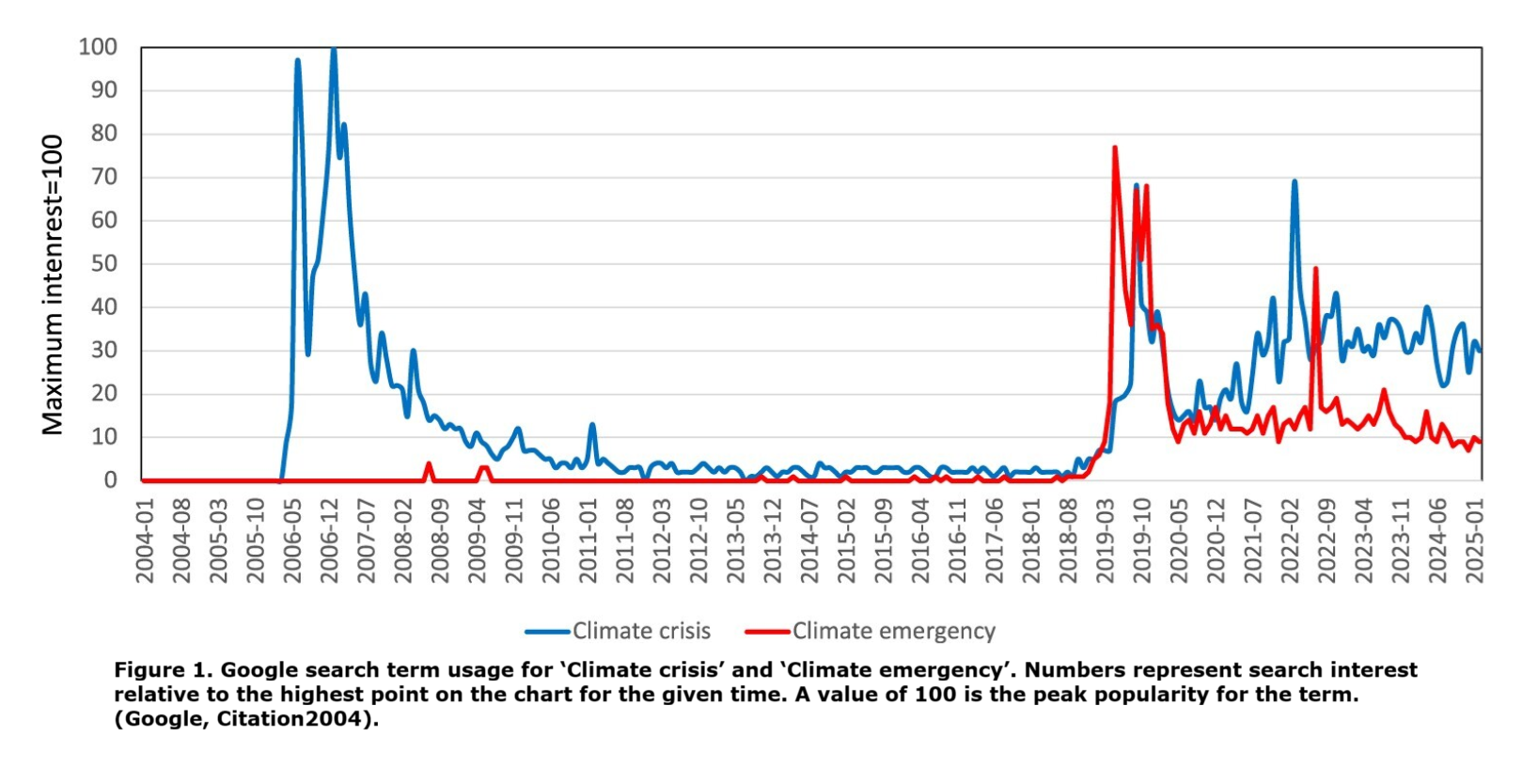
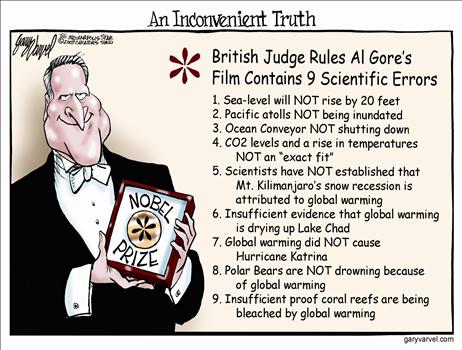
Google searches for climate ‘crisis’ and ‘emergency’ reveal two recent hysteria peaks, namely at the time of the Al Gore agitprop film An Inconvenient Truth featuring the infamous Michael Mann temperature hockey stick, and the Greta Thunberg and Extinction Rebellion-led lunacy at the turn of the current decade.

Professor Alimonti proposes a data-focused toolkit to cut through the hype around a ‘climate crisis’. Instead of the alarmism, it is suggested that clear trackable metrics such as economic damages and health effects are tied to the key climate trends and events. Analysing these metrics shows no strong worsening trends. Any adaption plans for a changing climate should be based on real evidence, not one-size-fits-all panic.

The Article is Quantifying the climate crisis: a data-driven framework using response indicators for evidence-based adaptation policies.  Synopsis below from excerpts in italics with my bolds and added images.

Defining the Concept of ‘Climate Crisis’ Through Measurable Indicators

The paper proposes an analytical approach to the concept of climate crisis through a set of objective, measurable Response Indicators (RINDs), such as environmental anomalies, socio-economic and health impacts, driven by Climate Impact Drivers (CIDs) defined in IPCC AR6. By shifting the focus from subjective interpretations to a quantifiable metrics, this approach provides a critical framework for assessing the situation in an analytical manner. Policymakers can use these indicators to design targeted interventions that address specific environmental changes, ensuring that actions are data-driven and aligned with scientific evidence. This definition avoids alarmism while promoting practical, evidence-based solutions.

Climate Impact Drivers (CIDs)

Climate Impact Drivers (CIDs) are physical climate system conditions (e.g. means, events, extremes) that affect an element of society or ecosystems and are thus a priority for climate information provision. Depending on system tolerance, CIDs and their changes can be detrimental, beneficial, neutral or a mixture of each across interacting system elements, regions and society sectors. Each sector is affected by multiple CIDs and each CID affects multiple sectors. A CID can be measured by indices to represent related tolerance thresholds. (IPCC-AR6-WG1, Citation2021, p. 1770)

The latest IPCC AR6 process led to the development of 7 CID types (heat and cold, wet and dry, wind, snow and ice, coastal, open ocean, and other) and 33 distinct CID categories (CID, Citation2022): they are summarised in Table 12.12 (IPCC-AR6-WG1, Citation2021, p. 1856) which also presents CID emergence in different time periods based on multiple methods as provided by recent literature.
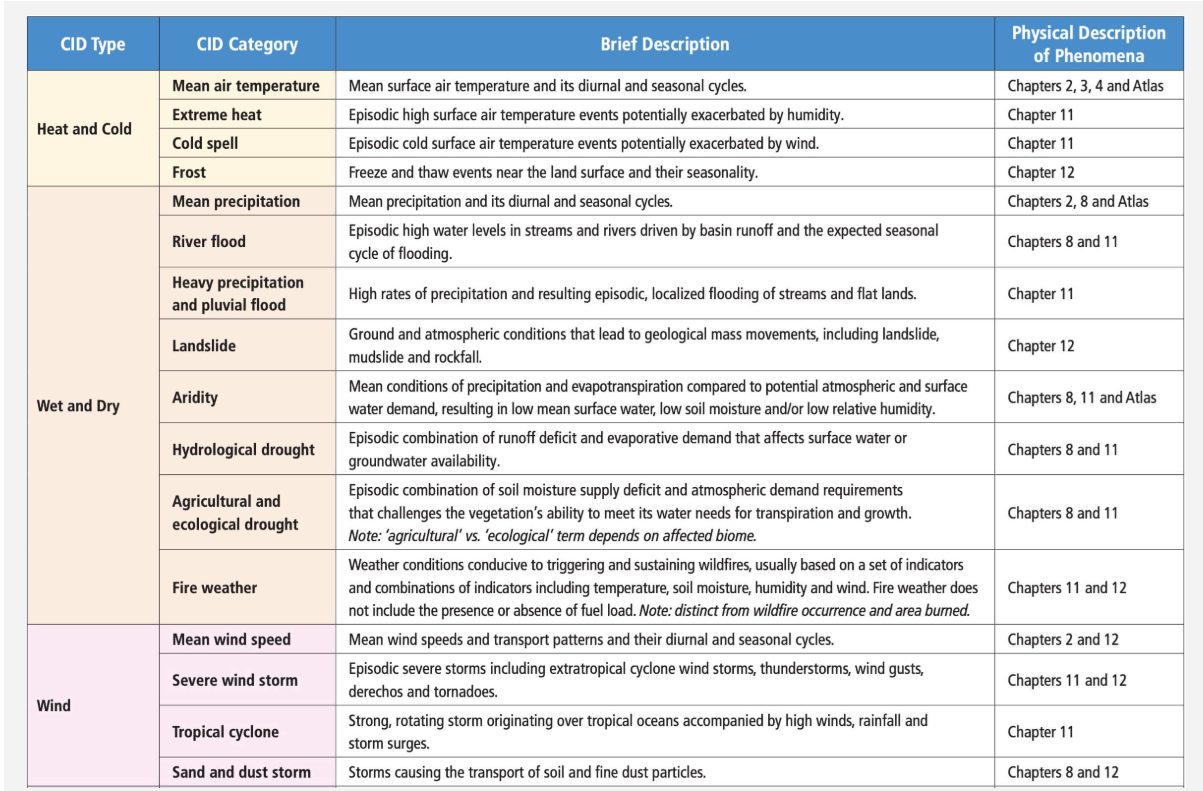
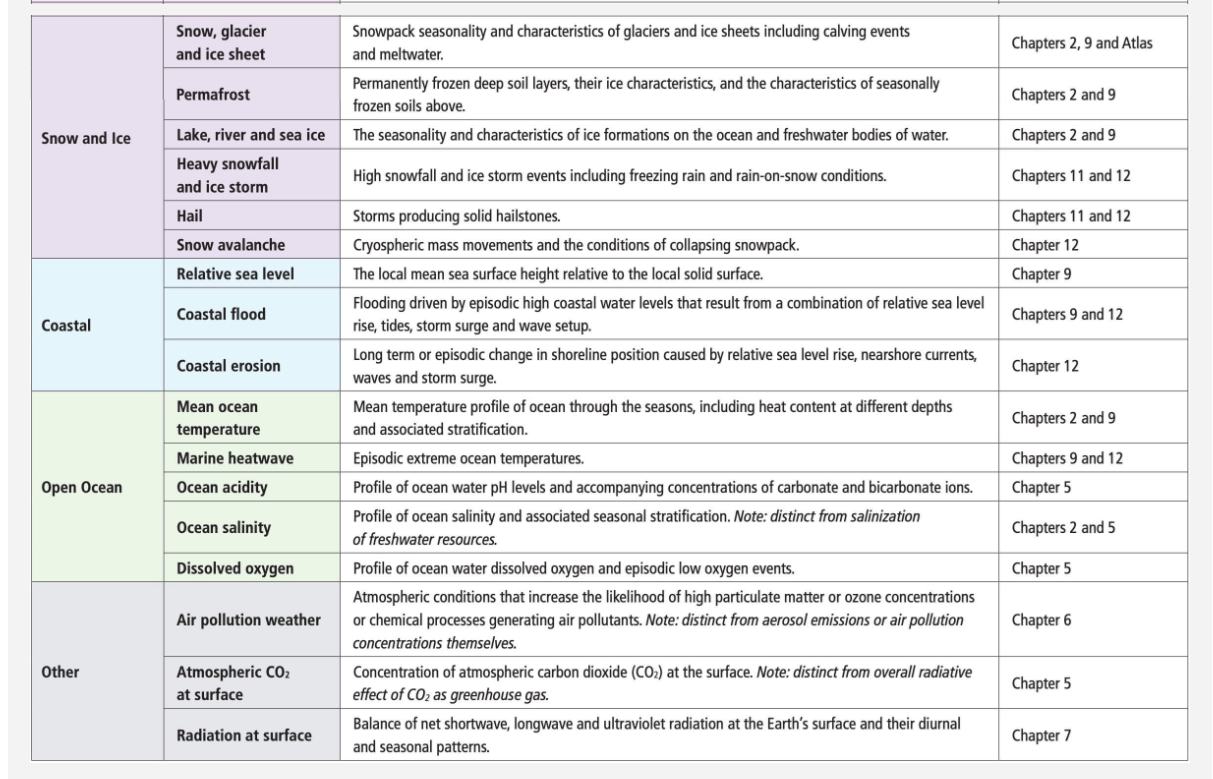
Table 12.1 | Overview of the main climatic impact-driver (CID) types and related CID categories with a short description and their link to other chapters where the underlying climatic phenomenon and its associated essential climate variables are assessed and described. https://www.ipcc.ch/report/ar6/wg1/chapter/chapter-12/#12.2

As shown in Table 12.12, most of the CIDs do not exhibit significant changes before the end of the XXI century even in the most pessimistic RCP8.5 scenario. It is important to note that the RCP8.5 scenario does not represent a typical ‘business-as-usual’ projection but serves instead as a high-end, high-risk scenario while the RCP4.5 scenario is approximately in line with the upper end of aggregate NDCs (Nationally Determined Contributions) emissions levels (Hausfather & Peters, Citation2020; IPCC-AR6-WG1, Citation2021, p. 250; IPCC-AR6-WG3, Citation2022, p. 317) as also confirmed by a recent JRC report (Keramidas et al., Citation2025): our analysis will thus focus on the observation of CIDs time series and not on future scenarios.

Examples of CIDs

Floods
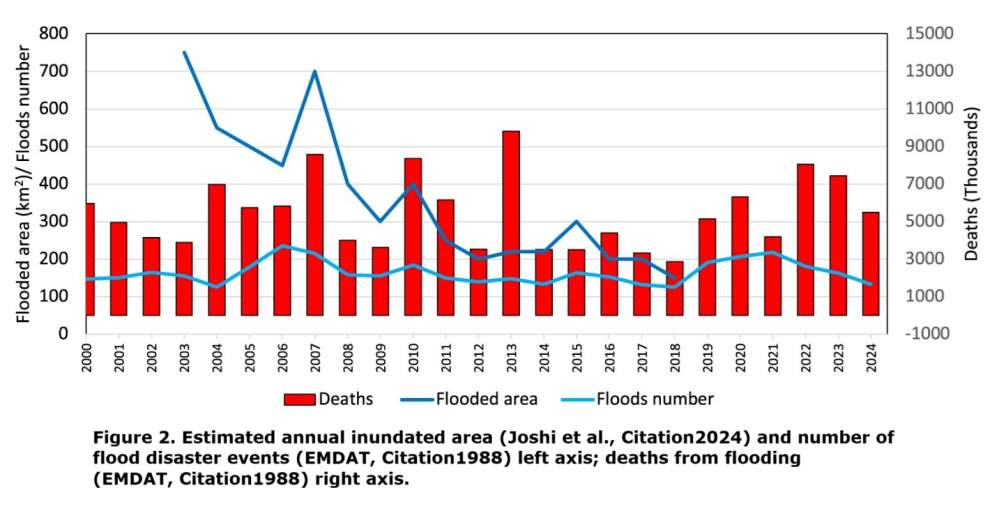
Hurricanes
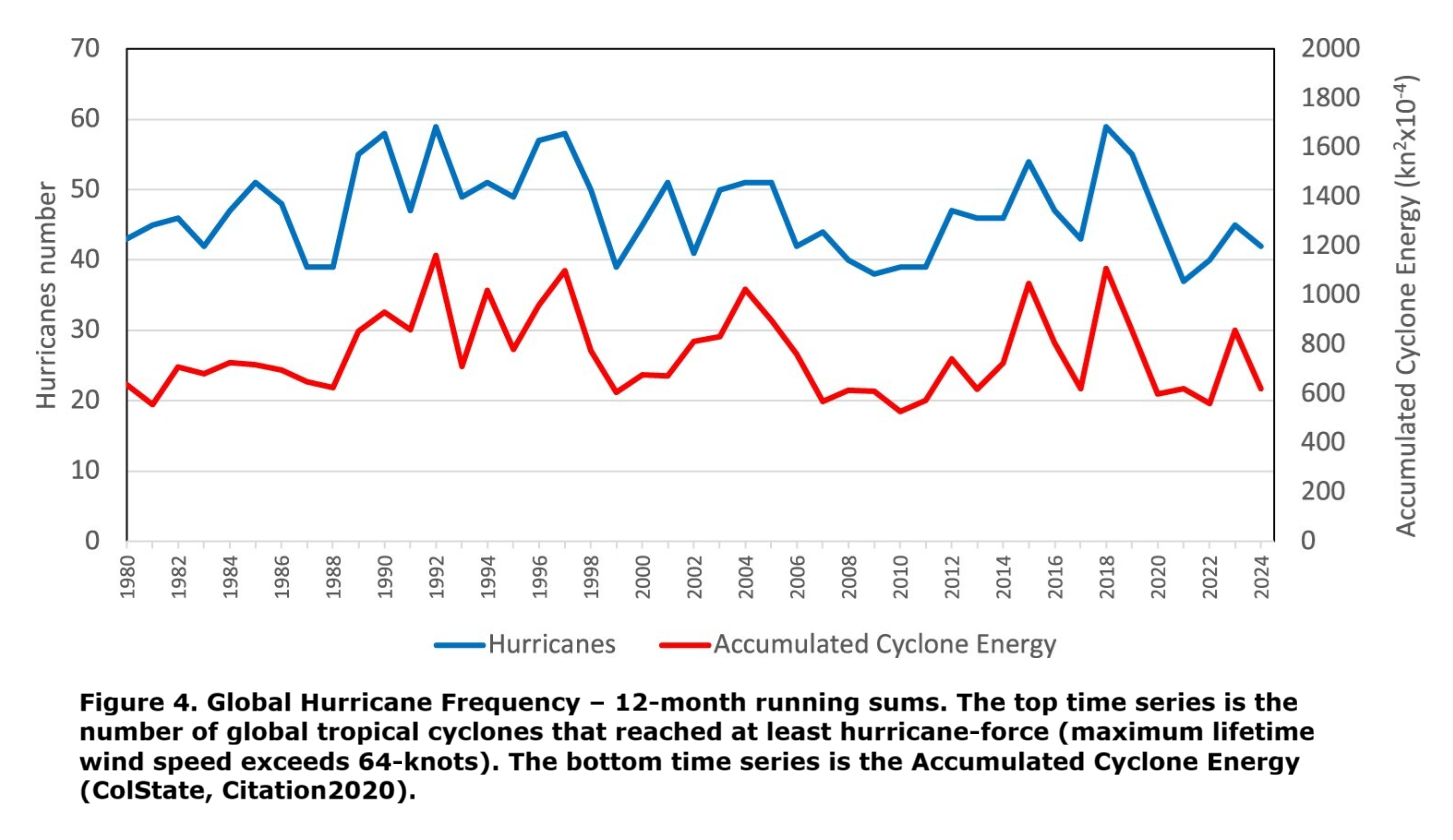
Response indicators (RINDs)

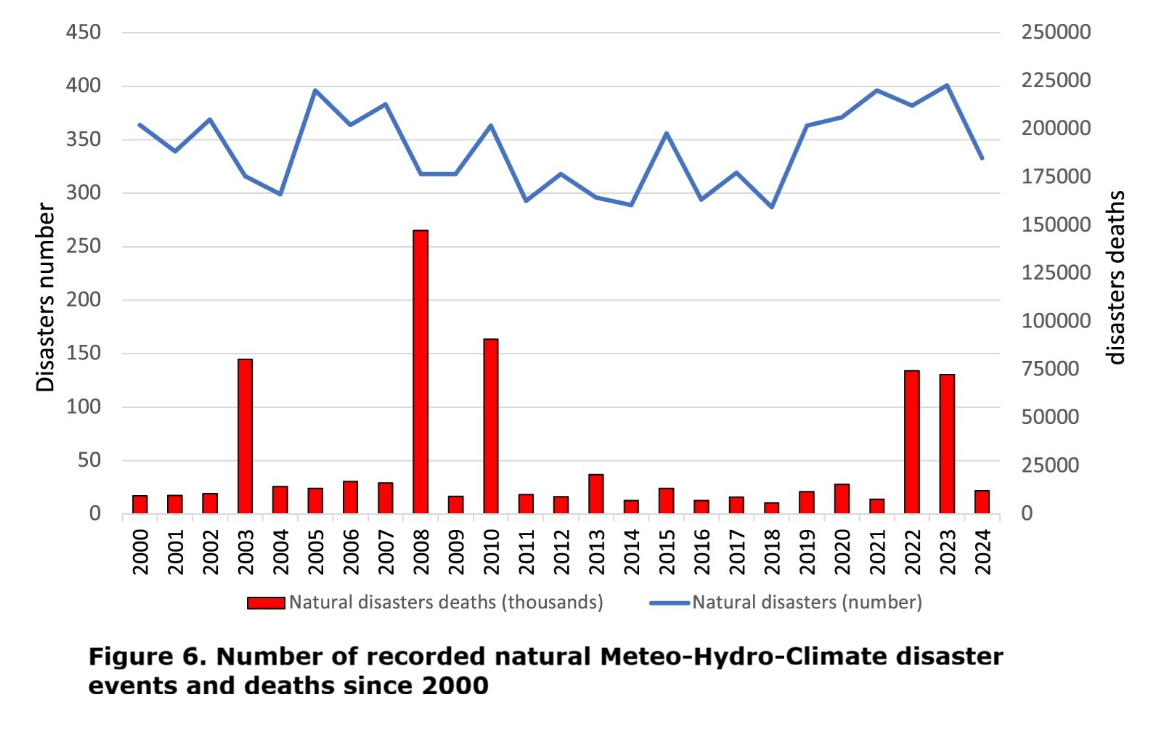
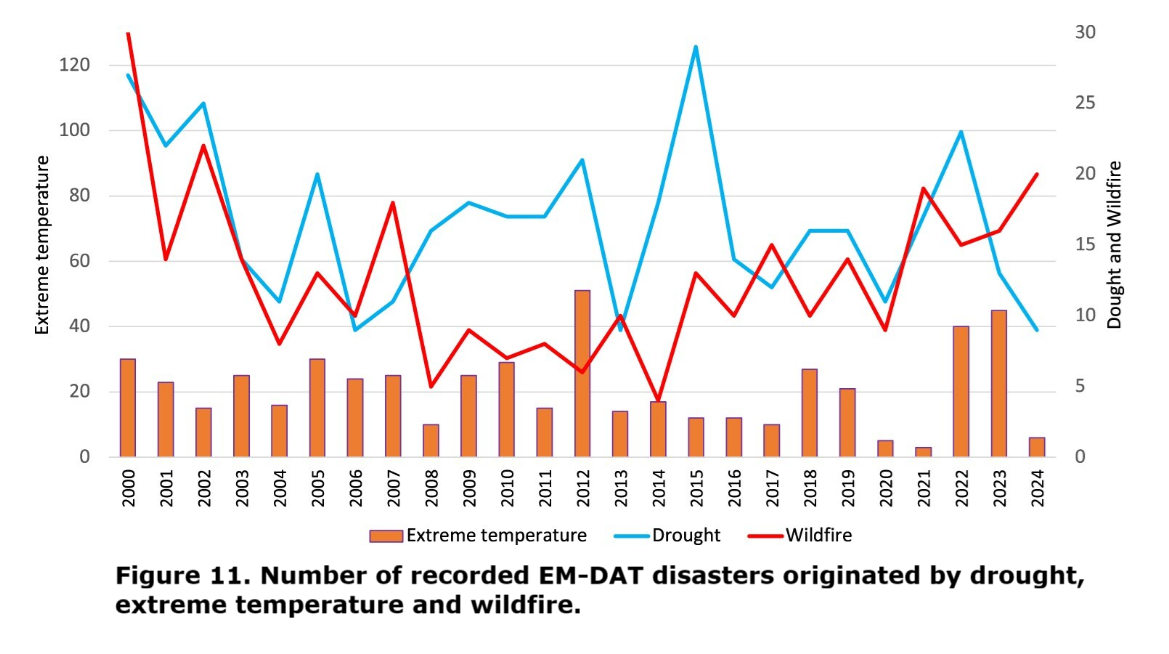
The number of natural disasters caused by weather-related events (e.g. hurricanes, floods, droughts, wildfires, wet mass movements, storms) can be used as a preliminary climate response indicator.

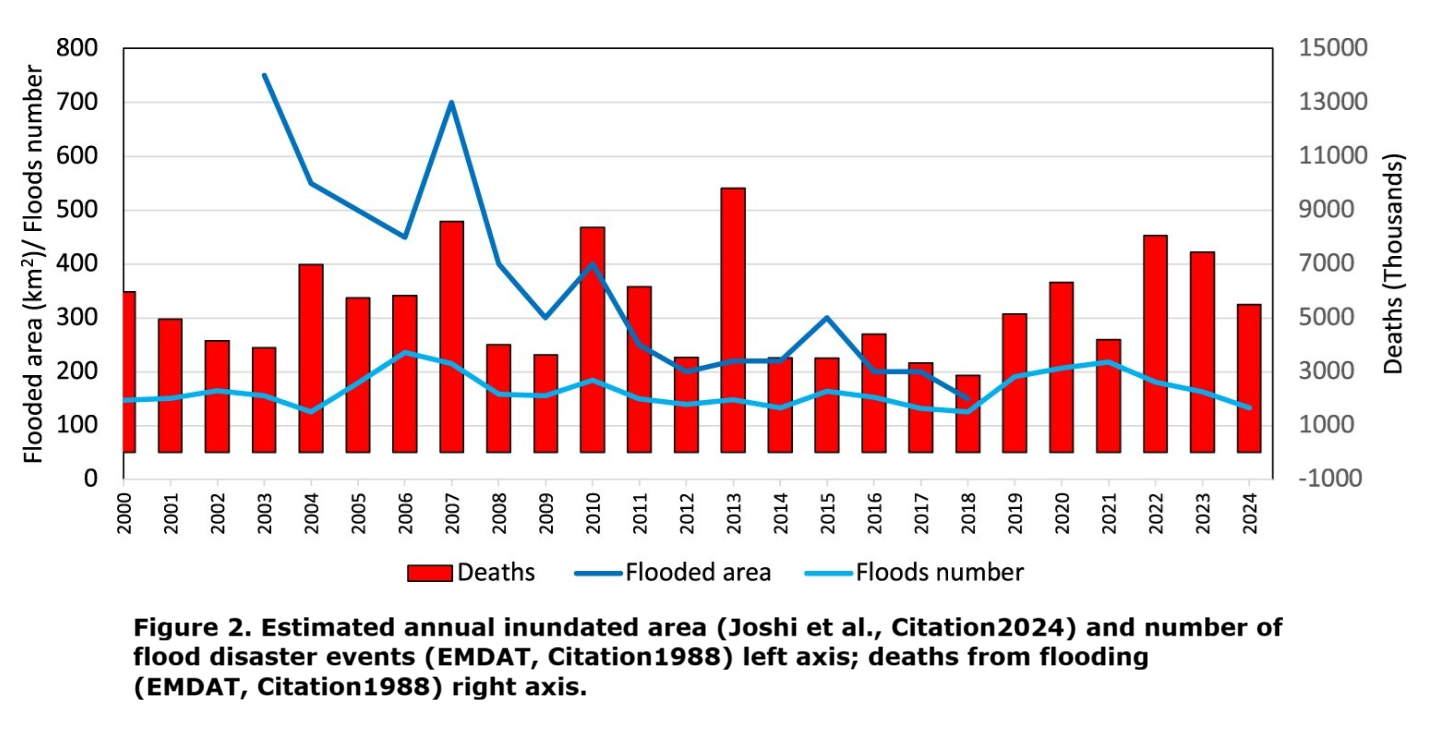
The number of recorded Meteo-Hydro-Climate disaster events and related deaths since 2000 is shown in figure 6 and no clear trend is found by the MK trend analysis, as reported in Table 1.

Natural Disaster Deaths
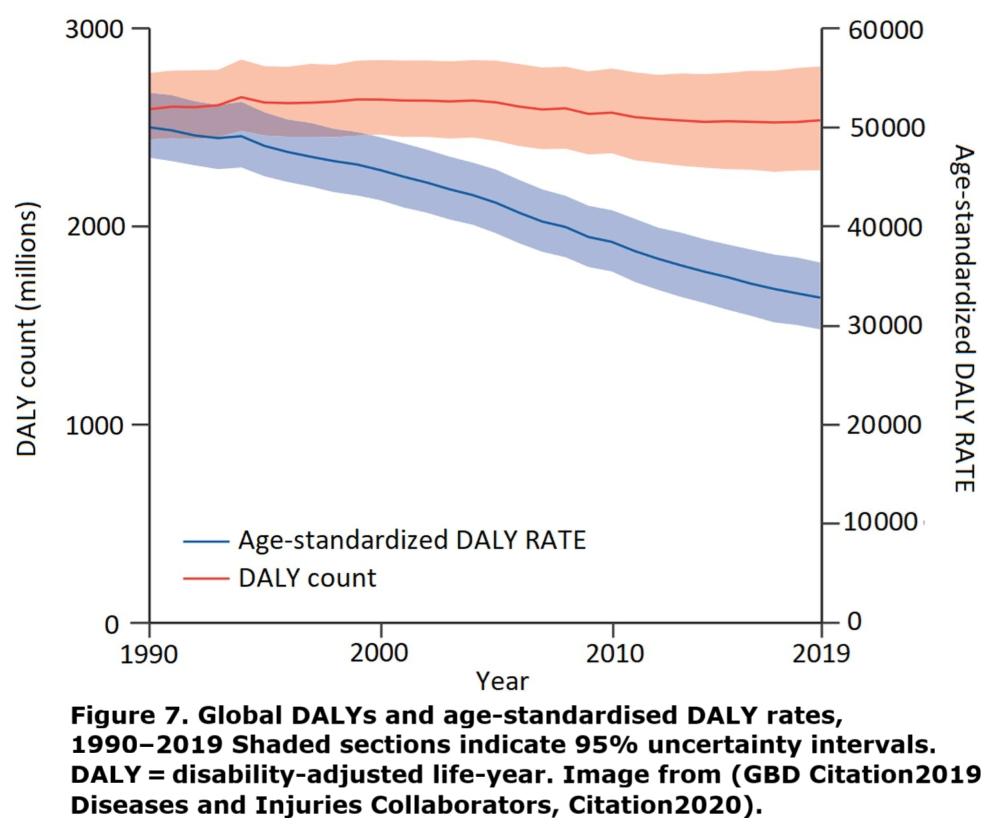
Diseases and Injuries
Disasters from Temperatures, Droughts, Wildfires
Discussion

An analytical approach to the ‘climate crisis’ concept based on CIDs and RINDs has been proposed enhancing the IPCC CID-based framework (CID, Citation2022). This approach is still provisional and reliant on some statistical scientific indicators. The initiative aims to move beyond the qualitative use of the term ‘climate crisis’ by establishing a broad, shared, and quantitative methodology. The final goal is to provide a robust, data-driven assessment through updated time series and standardised statistical analysis, supported by interdisciplinary collaboration.

To this end, we emphasise the importance of:

  • periodic (at least annual) series updates by operational organisations such as FAO, WHO or other international entities that collect and manage time series useful for this purpose;

  • – an alarm criterion based on predefined statistical methodologies (e.g. exceeding specific thresholds, significant trend variations, etc.);

  • multiscale analysis (global, national, regional). All systems on our planet – from the climate system to ecological and socio-economic systems – can be effectively approached from the global scale down to the microscale. While our work has been developed at a global scale with some exceptions, the analysis can be extended to smaller scales (United Nations Statistics Division, Citation2024).

We must emphasise that impact indicator time series often bear
the signature of adaptation, and that other human factors
tend to outweigh climate factors.

For instance, the influence of climate on conflicts is considered minor compared to dominant conflict drivers (IPCC-AR6-WG2, Citation2022, p. 2428; Mach, Citation2019). Similarly, the human footprint on vector-borne diseases may be more significant than climate change, as evidenced in the twentieth century by the decline in malaria endemicity and mortality despite rising global temperatures (Carballar-Lejarazú et al., Citation2023; Climate Adapt, Citation2022; Rossati et al., Citation2016). The reduction in deaths caused by extreme weather events can partly be attributed to improvements in civil protection systems. These examples demonstrate that adaptation often proves more effective than mitigation.

Another example of anthropogenic influence unrelated to climate concerns wildfires: many studies report increases in burned areas linked to a warming climate over recent decades across much of North America. However, the rate of burning sites in the USA in recent decades has been much lower than historical rates across most of the continent, a disparity attributed to aggressive fire suppression and disruption of traditional burning practices (Parks et al., Citation2025). Furthermore, global deforestation trends fit within complex land use patterns where climate plays a secondary role; more specifically, remote sensing data reveal an increase in forest areas at mid-to-high latitudes in the northern hemisphere, while deforestation driven by the expansion of intensive agriculture is observed in subtropical regions (FAO, Citation2022; Pendrill et al., Citation2022; Song et al., Citation2021; Winkler et al., Citation2021).

Most of the time series in Table 1 do not show signs of deterioration. This is important to highlight, as it suggests we still have sufficient time to develop effective and sustainable adaptation policies aimed at enhancing the resilience of socio-economic and environmental systems. For example, in the case of droughts, the use of dry farming techniques, which optimise the exploitation of water resources during periods of scarcity, and the creation of water reservoirs, which can also contribute to renewable energy production and flood mitigation and prevention, can be envisaged. Regarding forest fires, key adaptation measures include the rational management of forest litter, the establishment of firebreaks to prevent the spread of fire, and the maintenance of adequate firefighting services.

Since the observed emergence of most of the CIDs presented in IPCC Table 12.12, and confirmed by the analysed updated time series, as well as most of the RINDs in Table 1 do not exhibit worsening trends, our overall view is that the ‘climate crisis’, as portrayed by many media sources today, is not evident yet.

Nevertheless, it remains extremely important to improve
and standardise monitoring activities and to develop
adaptation strategies based on high-quality data.


Climate False Alarms about Agriculture

Javier Vinós   @JVinos_Climate  Scientist. Molecular neurobiologist and climate researcher

Climate Lemmings


L.A.’s Self-induced Fires Seen From the Ground

E.M. Smith provides a resident-level view of the California Calamity at his Chiefio blog Los Angeles Burning & Did It To Themselves.  Excerpts in italics with my bolds and added images.

Check The News – L.A. Is On Fire

Yes, it is a disaster. Yes, $Billions of real estate going up in flames. Yes, “Stars” Losing everything; and normies too. No, it is not due to Global Warming. This is January and seasonal cool swamps any 1.5 C change.

It looks like not just Malibu, but several places all around Los Angeles, the hills, Hollywood, and more are having major fire problems.

Houses built too close together, using flammable materials. Trees and
shrubs that are flammable too. Then the Santa Ana Winds kick in.

Fire is an absolutely normal aspect of the Southern California landscape. When the Santa Ana winds blow (down slope wind that heats up from compression and gets funneled into a narrower space, so very fast) any fire becomes a blow torch. By then, there is not much you can do. Prevention is what matters, so now we wait for the winds to die down.

One TV Video showed a multi-lane major road, about 6 lanes across by the look of it. All abandoned cars. Folks trying to flee the fire, in a traffic jam, got out of their cars and ran. Firefighters had to take a bulldozer and push the cars off the road to make a lane for firetrucks.

This is the edge of insane.

So instead of mitigating fuel loads, assuring there are enough fire trucks, fire fighters, and water storage, Gavin Newsom & the L.A. area Mayors, were busy working on how to run for POTUS, and Get Trump, and assure the Unions donated a lot of money to Democrats. Hollywood “Names” were busy complaining about Republicans and having Panic Attacks about Global Warming instead of asking if their trees were Towering Infernos waiting to happen and replacing that Shake Roof with a metal one.

Distraction leads to destruction. They all knew they lived in a fire zone. PSAs have been running about it my whole life in California (at least 65 years). They chose parties with All The Right People over Prudent Planning and preparation. They chose “self actualization” over Situational Awareness and adaptation (and hard work).   Now comes the consequences.

In Conclusion

BUT, fire awareness and risk has been true the entire life of California. Either you learn to mitigate fuel, provide for rapid and effective fire suppression, and harden you house against fire; or you burn. Has always been that way. Will be too.

Folks have known for generations how to harden, mitigate, and adapt. Have houses separated from each other by enough space that one can not start the next one on fire. Build with non-flammable materials (cinder block, concrete, stucco over wire with metal 2×4 studs, tile or metal roofs, and metal shutters to prevent IR ignition of drapes inside windows (or even fiberglass drapes). Install water sprinkler fire suppression systems. DO NOT PLANT FLAMMABLE TREES, BUSHES & GRASS around houses. Have wide firebreaks between buildings. And more.

Remaining trees and vegetation on the forest floor are more vigorous after removal of small trees for fuels reduction.

All of this has been known for 100 years.

But you get more houses built, so more money made, if you pack them 12 to an acre. Folks like the “look” of wood shake roofs, asphalt shingles are cheaper, nobody wants “stucco” anymore, but I LIKE eucalyptus! and on it goes.

Nobody wants to “damage the ecology” by taking out scrub and clearing forest liter. Paying for and planning large water sources, big pipes & pumps, and having all necessary equipment on standby for a decade (or two) “for that day” just seems wasteful; until you need it.

So call me hard-hearted. I grew up in Fire Country. I’ve fought grass fires and as a temporary Forest Fire Fighter climbed up and down hills with a Pulaski (axe hoe combo) on my shoulder, sleeping in a shredded newspaper stuffed sleeping bag for a weekend, working a fire. The home I grew up in had a metal roof. My present home has cinder block walls with stucco and faux brick over it. When this roof wears out in a few years, the replacement will be metal. I have hoses and nozzles ready to put out any sparks that blow in (old habits die hard…) Folks either prepare for fire, or they accept the consequences.

A feller buncher removing small trees that act as fuel ladders and transmit fire into the forest canopy.

So when the inevitable bleating and braying about Global Warming Oh Noes! and “More Fires!” starts: Just ask if they know how many of the homes had metal roofs & shutters and stucco over cinder block walls? How many homes had a 20 foot fire break of non-flammable area around them?

And answers came there none.

Democrats: You own this one 100% since you own ALL of California Government. You made all the building codes, water systems, fire departments, roads & infrastructure. Planned all of it. Permitted the “rack ’em, pack ’em & stack ’em” building permits. Made money off cheaper wood & asphalt shingle construction. Now you will reap the results.

Methane False Alarm, Microbes Are to Blame

Home fireplace burning Nat Gas, which is 75% methane (CH4).

Jo Nova explains at her blog Mysterious record methane surge since 2020 was not fossil fuels but “90% due to microbes”.  Excerpts in italics with my bolds and added images.

Nobody checked the carbon-13 ratios!

Wouldn’t you know it — 150 nations signed the Global Methane Pledge without even bothering to check if the methane was man-made.

Methane — the second most hated Greenhouse gas — spiked to record historic levels in the last few years, over 1,900 parts per billion.  In 2019, even the WEF scientists admitted they couldn’t explain the baffling rise, and then in 2020, the world of methane went into the twilight zone.  We shut down the modern world due to the pandemic, and methane levels rose even faster.

It seems many have been blaming fossil fuels for the global
surge in emissions, but forgot to check the C13 isotopes.

Somehow we spend millions on breathalysing cows, measuring their burps, and feeding them seaweed, but didn’t think to do the basic chemistry. How could that be, you might wonder… 158 nations agreed to cut methane emissions by 30% by 2030, but none of them audited the science even though very strange things were happening. (The point was obviously the “pledge”, the junkets, the captive industries and subsidies, anything but the science).

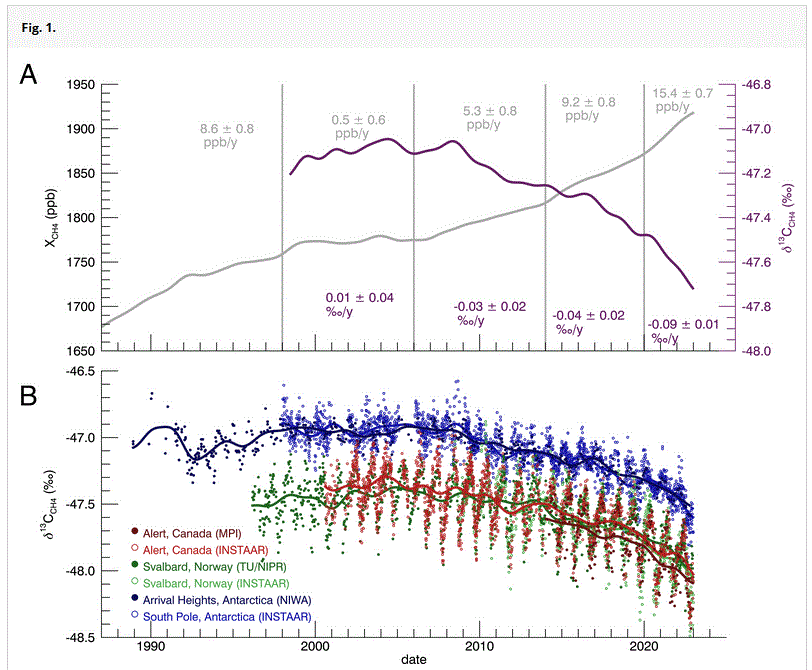
Methane from fossil fuels has a higher carbon-13 ratio, but even though fossil fuel use was rising, the carbon-13 levels of atmospheric methane was rolling down a hill. Indeed this new study shows it’s been falling for 17 years.

It’s not like this snuck up on us….  any inquiring mind should have seen this coming a decade ago. The lab has been recording C13 in methane since 1998 and gets air samples from 22 sites around the world every week or two.

From the press release:

Microbes in environment drove methane emissions more than fossil fuels between 2020 and 2022, analysis finds

They found that between 2020 and 2022, the drastic increase in atmospheric methane was driven almost entirely by microbial sources. Since 2007, scientists have observed microbes playing a significant role in methane emissions, but their contribution has surged to over 90% starting in 2020.

“Some prior studies have suggested that human activities, especially fossil fuels, were the primary source of methane growth in recent years,” said Xin (Lindsay) Lan…

“These studies failed to look at the isotope profile of methane

They go on to mention that in a warmer world, bacteria have a higher metabolism, which means they are happier and work faster. Thus, like CO2, if the world warms for any reason at all, methane will rise — and there is nothing we can do about it.

The one last straw they could clutch is that maybe the microbes were “man-made” :  It remains unclear whether the increased microbial emissions came from natural sources like wetlands or human-driven sources, such as landfills and agriculture. The team plans to delve deeper to identify the exact source of methane.

As if somehow there was a surge in landfill, rice paddies
or cows in the last few years that no one had noticed.

This is a pretty big dealmethane has supposedly caused about 30% of our current temperature rise (says the broken climate models) yet 90% of that recent rise was microbes. It’s yet another slice of the climate we aren’t controlling, but we’re still designing burgers with mealworms and bacon from fungus, in the hope of reducing methane emissions and controlling the weather.  Then it turns out every swamp and square meter of soil is working against us.

Methane concentrations in the air have almost tripled since the 1700s, but that was the Little Ice Age.  It’s easy to believe that as the world warmed up, the planet’s wetlands and soil microbes have just been returning to normal business for the last 300 years.

We skeptics told the experts long ago it was mostly not man-made, Tom Quirk showed that methane rises and falls in time with El Ninos, and was thus largely a natural phenomenon. Willie Soon also pointed out that one of Saturn’s moons has more methane than all the oil and gas deposits on Earth, but has no dinosaurs, cows or leaky wells.

REFERENCE

Michel, Sylvia Englund, et al (2024) Rapid shift in methane carbon isotopes suggests microbial emissions drove record high atmospheric methane growth in 2020–2022, Proceedings of the National Academy of Sciences. DOI: 10.1073/pnas.2411212121

Give Daisy a Break!


Extreme Talk About Weather Events

Brian Sussman ovethrows the prevailing climatist narrative blaming human energy choices for extreme weather events.  His American Thinker article is Climate BS from the Wall Street Journal. Excerpts in italics with my bolds and added images.

My publisher contacted me this week, drawing attention to a Wall Street Journal article claiming climate change is producing shortages of “the finer things in life,” like wine, coffee, cocoa, and olive oil. The implication was clear: your carbon footprint is causing the price of these commodities to sharply rise.

“Total bull-bleep,” I replied.

Specifically, the story speaks of the recent drought in West Africa, which has resulted in a cocoa shortage; dry spells in Vietnam, which have reduced coffee harvests; and parched Italian olive groves and grape vineyards recently destroyed by wildfires.

None of these meteorological events has anything to do with
the use of fossil fuels and the subsequent release of carbon dioxide
into the atmosphere. The truth is that these regions of the world are historically
well known for witnessing wild swings in otherwise natural weather patterns
.

As I explain repeatedly in my new book Climate Cult: Exposing and Defeating Their War on Life, Liberty, and Property, such misinformation feeds into an elaborate propaganda campaign designed to frighten the developed world into demanding a carbon-neutral energy grid that would be about as reliable North Korea’s.

Let’s begin with West Africa, where the climate periodically exhibits large spatial and temporal variabilities that allow for recurrent droughts, some lasting hundreds of years. In fact, the past couple years of dry weather pales in comparison to the West African droughts in the 1970s and 80s. As for the cocoa production, a reality missing from the discussion is that global consumers are demanding more cocoa than ever, so a blip in production impacts retail price and availability like never before.

The recent drought in Vietnam is quite serious, but I’m
happy to report it’s not being caused by your SUV.

While the lack of rain in parts of Southeast Asia is the worst since the 1930s (a decade which remains the hottest on record throughout much of the world), the drought is associated with an El Nino weather pattern. El Nino, and its sister La Nina, are ancient occurrences that possess the dynamics to both enhance or diminish precipitation, depending on a variety of quite ordinary atmospheric circumstances.

Wildfires feeding on extremely dry vegetation have certainly taken a recent toll on olive groves in Italy and drought has impacted wine production there as well. The journal Nature recently published a study, claiming, “Climate change is affecting grape yield, composition and wine quality. As a result, the geography of wine production is changing.” However, the publication’s editorial bias seems to have caused them to ignore the historical record. The worst drought in modern Italy occurred in the 1920s. However, going back further, that region’s most catastrophic precipitation deficiency began in the 1530s and lasted the better part of a decade. It was so extreme that Protestant reformer Martin Luther wondered if it was a sign of the end times. Clergy in Germany, Italy, and England urged the people to beg God for forgiveness and pray for the deliverance of rain.

As I explain in my book, those pushing the climate agenda employ ad hominem arguments that appeal to raw emotions rather than intellect. And, as I also detail, those on the left aren’t fond of examining history. For them, Karl Marx stated it best in his 1844 book, The Holy Family: “History does nothing; it possesses no immense wealth; it wages no battles.” [Marx also said:

Brian Sussman is a meteorologist, author, and podcaster.

For more on history and weather extremes see:

Our Weather Extremes Are Customary in History


Humans Add Little to Rising CO2 March 2024


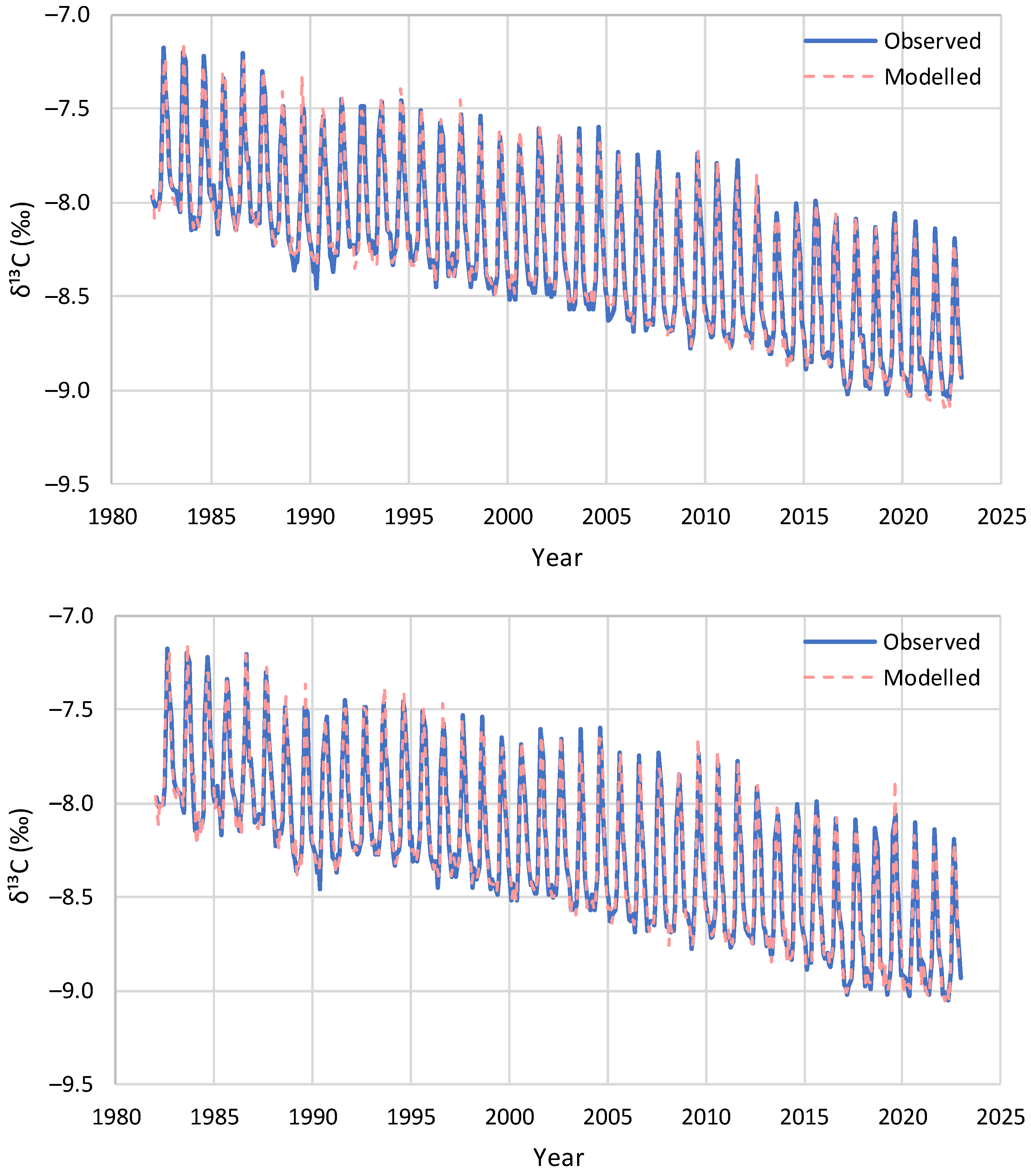
Figure 16. Model reproduction of the monthly observations of evolution of δ13C at Barrow: (upper) without update of initial conditions and (lower) with update of initial conditions in each step by the δ13C observations.

While numerous studies support the title conclusion, the most recent and thorough analysis comes in the paper Net Isotopic Signature of Atmospheric CO2 Sources and Sinks: No Change since the Little Ice Age  by Demetris Koutsoyiannis.  Excerpts in italics with my bolds and added images. H/T notrickszone

Abstract

Recent studies have provided evidence, based on analyses of instrumental measurements of the last seven decades, for a unidirectional, potentially causal link between temperature as the cause and carbon dioxide concentration ([CO2]) as the effect. In the most recent study, this finding was supported by analysing the carbon cycle and showing that the natural [CO2] changes due to temperature rise are far larger (by a factor > 3) than human emissions, while the latter are no larger than 4% of the total. Here, we provide additional support for these findings by examining the signatures of the stable carbon isotopes, 12 and 13. Examining isotopic data in four important observation sites, we show that the standard metric δ13C is consistent with an input isotopic signature that is stable over the entire period of observations (>40 years), i.e., not affected by increases in human CO2 emissions. In addition, proxy data covering the period after 1500 AD also show stable behaviour.

These findings confirm the major role of the biosphere in the carbon cycle
and a non-discernible signature of humans.

Introduction
In recent years, a decrease in atmospheric δ13C has been observed, which is often termed the Suess Effect after Suess (1955) [11], who published the first observations on this phenomenon on trees, albeit using 14C data. He attributed the decrease to human activities, stating:
The decrease [in the specific 14C activity of wood at time of growth during the past 50 years] can be attributed to the introduction of a certain amount of C14-free CO2 into the atmosphere by artificial coal and oil combustion and to the rate of isotopic exchange between atmospheric CO2 and the bicarbonate dissolved in the oceans.
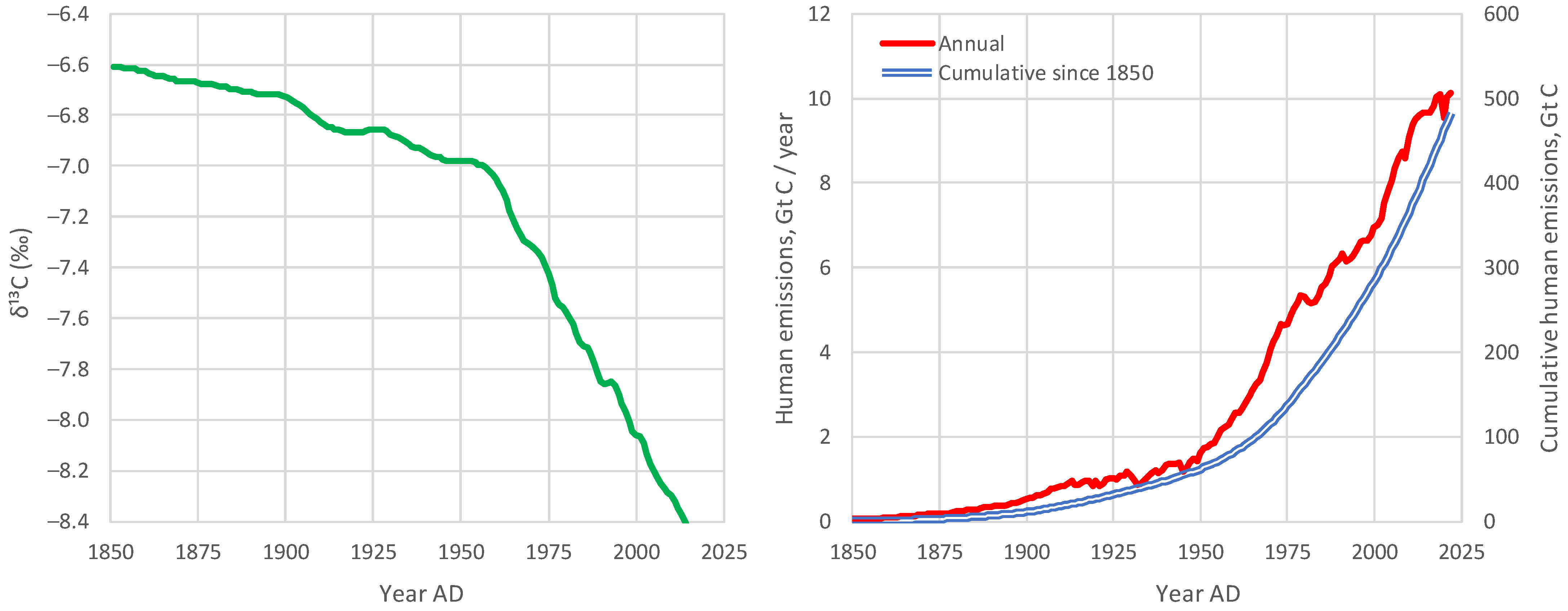
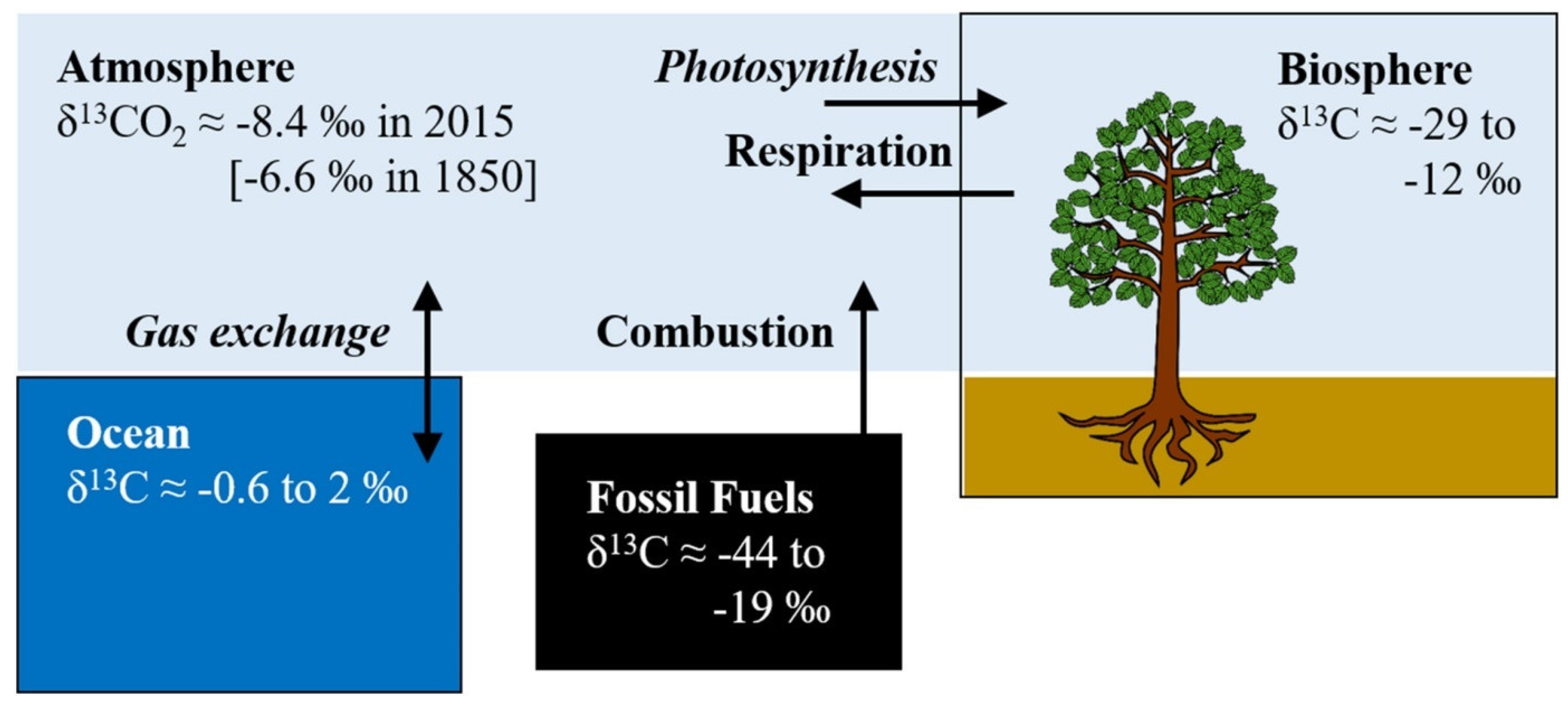
There is no question that δ13C has been decreasing and that human emissions have been increasing since the Industrial Revolution (Figure 2). Also, as seen in Figure 1, the combustion of fossil fuels can have an effect on reducing δ13C, as they are relatively depleted in 13C. This was the line of thought behind Suess [11] (even though the above quotation refers to 14C) and has become a common conviction thereafter. 

Figure 2. (left) Compiled data set of annual mean, global mean values for δ13C in atmospheric CO2, from Graven et al. [12], reconstructed after digitisation of Figure 3 of Graven et al. [8]; and (right) evolution of global human carbon emissions [13,14], after conversion from CO2 to C (dividing by 3.67).

For example, Andres et al. [15,16] stated:

The carbon isotopic (δ13C, PDB) signature of fossil fuel emissions has decreased during the last century, reflecting the changing mix of fossil fuels produced.

Also, in their recent review paper, Graven et al. [8] noted:

Since the Industrial Revolution, the carbon isotopic composition of atmospheric CO2 has undergone dramatic changes as a result of human activities and the response of the natural carbon cycle to them. The relative amount of atmospheric 14C and 13C in CO2 has decreased because of the addition of 14C- and 13C-depleted fossil carbon.

These generally accepted hypotheses, however, may reflect a dogmatic approach, or a postmodern ideological effect, i.e., to blame everything on human actions. Hence, the null hypothesis that all observed changes are (mostly) natural has not seriously been investigated. However, there are good reasons for this investigation. It is a fact that the biosphere has become more productive and expanded [5,17,18,19], resulting in natural amplification of the carbon cycle due to increased temperature. This fact may have been a primary factor for the decrease in the isotopic signature δ13C in atmospheric CO2. Note that the emissions of the biosphere are much larger than fossil fuel emissions (where the latter are only 4% of the total) [5] and, as seen in Figure 1, the biosphere’s isotopic signature δ13C is much lower than the atmospheric (see also Section 6).

Figure 1. Typical ranges of isotopic signatures δ13C for each of the pools interacting with atmospheric CO2, and related exchange processes.

In addition to the biosphere’s action, other natural factors also affect the input isotopic signature in the atmospheric CO2. These include volcano eruptions, among which, in the recent period, the Pinatubo eruption in 1991 is regarded as the most important, as well as the interannual variability related to El Niño—Southern Oscillation (ENSO) [8].

To investigate the null hypothesis and answer the two research questions posed above, we use modern instrumental and proxy data, as described in Section 2. We develop a theoretical framework in Section 3, which we apply to the data in a diagnostic mode in Section 4, and in a modelling mode in Section 5. The findings of these applications are further discussed in Section 6 and the conclusions are drawn in Section 7.

Discussion

With only two parameters, δ13CU and δ13CD, which represent the input isotopic signatures for the seasonal increasing and decreasing phases of [CO2], respectively, we are able to effectively model the isotopic signature δ13C of the atmosphere for the entire observation period. Of these parameters, δ13CD, reflecting the fractionation by photosynthesis, can be assumed as the same for the entire globe, while δ13CU varies, with smaller (more negative) values as we go north and higher (less negative) values as we go south. This spatial variation of δ13CU reflects the differences of the strength of seasonality in [CO2] and δ13C, which is at a maximum toward the North Pole and at a minimum at the South Pole.

The strong seasonality at high latitudes north is probably related to the processes in boreal vegetation, the dominance of snow and ice in winter, and the absence of photosynthesis during the 6-month night (note that Barrow, at a latitude of 71.3° N, is more north than the Artic Circle at 66.6° N). As we go south, some of these features cease to occur, and seasonality becomes less prominent, as photosynthesis occurs throughout the entire year, albeit with varying intensities. The minimal seasonality in the South Pole is probably related to the absence of vegetation due to the minimal appearance of land beyond a latitude of 43° S (with the exception of the frozen continent of Antarctica and a relatively small wedge of land in South America). All these suggest the dominance of terrestrial biosphere processes in driving [CO2] and δ13C.

Considering the fact that, as seen in Figure 2 (above), the human carbon emissions per year have doubled in the observed time period, if these were a key factor, this would somehow be reflected in a trend in the seasonality. Therefore, no sign is discerned that would necessitate an attribution to the influence of fossil fuel emissions. In contrast, continuity suggests that the key processes in CO2 emissions are related to biosphere processes such as respiration and photosynthesis.
.
Despite differences in seasonality, the over-annual input isotopic signature δ13CI remains almost the same globally, as seen in Table 4, which summarizes the results of all analyses, diagnostic and modelling, suggesting similar values, irrespective of the method used. This is not difficult to explain as, in the long run, CO2 is well mixed in the atmosphere; thus regional differences in seasonal δ13CI tend to disappear.

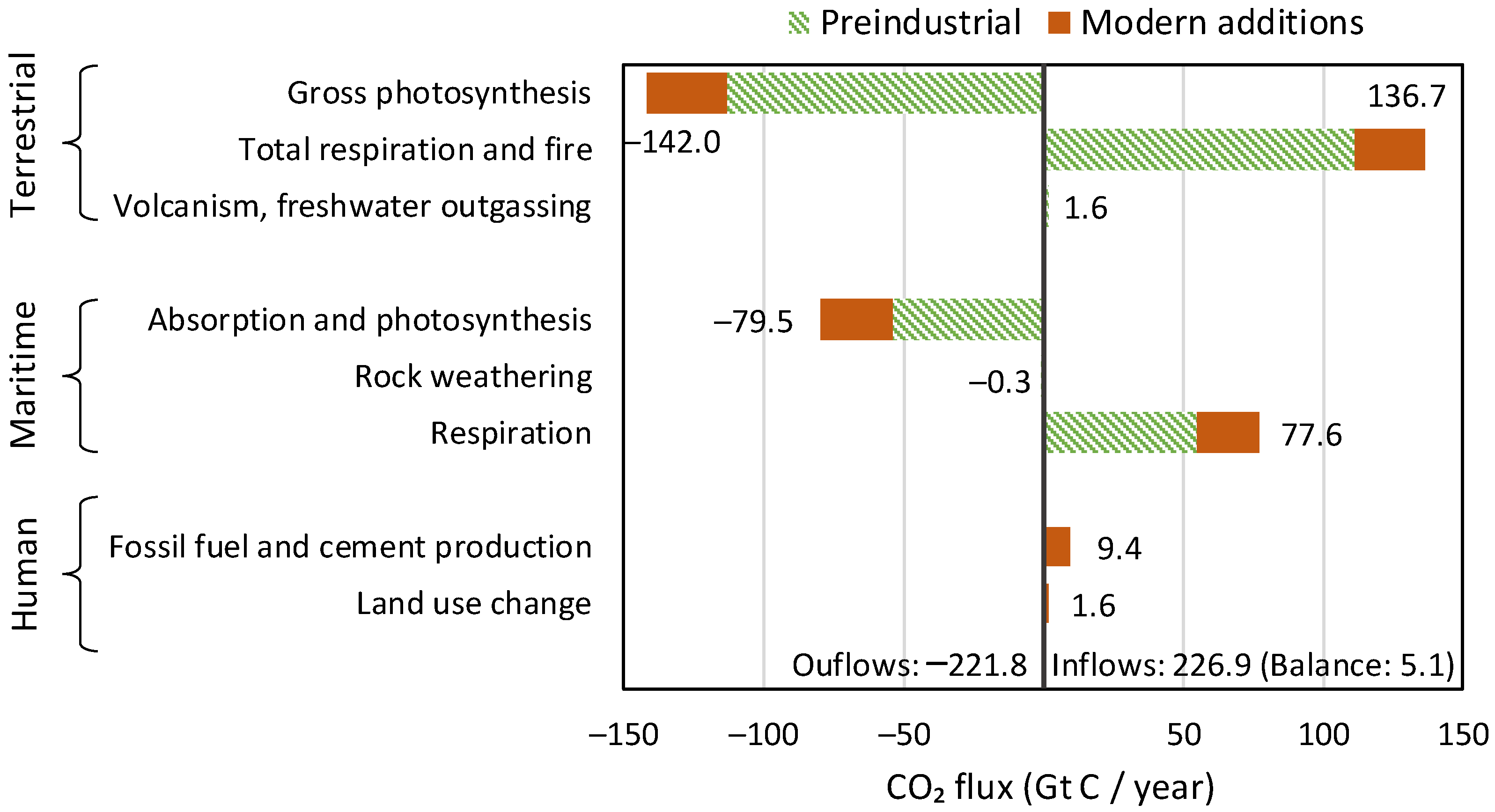
In both the diagnostic and the modelling phases of this paper, the inclusion of human emissions proved unnecessary. This may contrast with common opinion, which blames all changes on humans, but is absolutely reasonable, as humans are responsible for only 4% of carbon emissions. In addition, the vast majority of changes in the atmosphere since 1750 are due to natural processes, respiration and photosynthesis, as articulated in the recent study by Koutsoyiannis et al. [5] and schematically depicted in Figure 22, reproduced from that study.

Figure 22. Annual carbon balance in the Earth’s atmosphere, in Gt C/year, based on the IPCC estimates (Figure 5.12 of [30]). The balance of 5.1 Gt C/year is the annual accumulation of carbon (in the form of CO2) in the atmosphere (reproduced from [5].).

The following observations can be noted in Figure 22: (a) the terrestrial biosphere processes are much stronger than the maritime ones in terms of both production and absorption of CO2; (b) the CO2 emissions by even the ocean biosphere are much larger than human emissions; and (c) the modern (post 1750) CO2 additions to pre-industrial quantities (red bars in the right-hand part of the graph, corresponding to positive values) exceed the human emissions by a factor of ~4.5. These observations provide explanations for the findings of this study.
Furthermore, it is relevant to note the minor role of CO2 in the greenhouse effect. As shown in a recent study by Koutsoyiannis and Vournas, despite the increase in [CO2] by more than 30% in a century-long period, the strength of the greenhouse effect has not changed in a manner discernible in the radiation data. The greenhouse effect is dominated by the presence of water vapour in the atmosphere, rather than CO2. That study is Revisiting the greenhouse effect – a hydrological perspective in Hydrological Sciences Journal, 2023.
Conclusions
The results of the analyses in this paper provide negative answers to the research questions posed in the Introduction. Specifically:
♦  From modern instrumental carbon isotopic data of the last 40 years, no signs of human (fossil fuel) CO2 emissions can be discerned;
♦  Proxy data since the Little Ice Age suggest that the modern period of instrumental data does not differ, in terms of the net isotopic signature of atmospheric CO2 sources and sinks, from earlier centuries.
Combined with earlier studies, namely [2,3,4,5,31], these findings allow for the following line of thought to be formulated, which contrasts the dominant climate narrative, on the basis that different lines of thought are beneficial for the progress of science, even though they are not welcomed by those with political agendas promoting the narratives (whose representatives declare that they “own the science”, as can be seen in the motto in the beginning of the paper).
    1. In the 16th century, Earth entered a cool climatic period, known as the Little Ice Age, which ended at the beginning of the 19th century;
    2. Immediately after, a warming period began, which has lasted until now. The causes of the warming must be analogous to those that resulted in the Medieval Warm Period around 1000 AD, the Roman Climate Optimum around the first centuries BC and AD, the Minoan Climate Optimum at around 1500 BC, and other warming periods throughout the Holocene
    3.  As a result of the recent warming, and as explained in [5], the biosphere has expanded and become more productive, leading to increased CO2 concentration in the atmosphere and greening of the Earth [17,18,19,32];
    4. As a result of the increased CO2 concentration, the isotopic signature δ13C in the atmosphere has decreased;
    5. The greenhouse effect on the Earth remained stable in the last century, as it is dominated by the water vapour in the atmosphere [31];
    6. Human CO2 emissions have played a minor role in the recent climatic evolution, which is hardly discernible in observational data and unnecessary to invoke in modelling the observed behaviours, including the change in the isotopic signature δ13C in the atmosphere.
Overall, the findings in this paper confirm the major role of the biosphere
in the carbon cycle (and through this in climate)
and a non-discernible signature of humans.
One may associate the findings of the paper with several questions related to international policies:
♦  Do these results refute the hypothesis that CO2 emissions contribute to global warming through the greenhouse effect?
♦  Do these findings, by suggesting a minimal human impact on the isotopic composition of atmospheric carbon, contradict the need to reduce CO2 emissions?
♦  Are human carbon emissions independent from other forms of pollution, such as emissions of fine particles and nitrogen oxides, which can have harmful effects on human health and the environment?
These questions are not posed at all in the paper and certainly are not studied in it. Therefore, they cannot be answered on a scientific basis within the paper’s confined scope but require further research. The reader may feel free to study such questions and provide sensible replies. It is relevant to note that a reviewer implied these questions and suggested negative replies to each of them.

Climate Weaponized for War on Meat

Robert Malone writes at Brownstone Institute ‘Science’ in Service of the Agenda.  Excerpts in itallics with my bolds.  H/T Tyler Durden
We all know what climate change is. The truth is that the UN, most globalists, and a wide range of world leaders” blame human activities for climate change. Whether or not climate change is real or that human activities are enhancing climate change is not important to this discussion. That is a subject for another day. [That subject is pursued here GHG Theory and the Tests It Fails.]

Most climate change scientists receive funding from the government. So they must comply with the government edict and policy position that human activity-caused climate change is an existential threat to both humankind and global ecosystems. When these “scientists” publish studies supporting the thesis that human activities cause climate change, they are more likely to receive more grant monies and therefore more publications and therefore are more likely to be academically promoted (or at least to survive in the dog-eat-dog world of modern academe).

Those who produce a counternarrative from the government-approved one soon find themselves without funding, tenure, without jobs, unable to publish and unable to procure additional grants and contracts. It is a dead-end career wise. The system has been rigged.

And by the way, this is nothing new. Back in the day, during the war on drugs, if a researcher who had funding by the NIH’s NIDA (National Institute of Drug Addiction) published an article or wrote an annual NIH grant report showing benefits to using recreational drugs, that would be a career-ending move, as funding would not be renewed and new funding would never materialize. . . The administrative state at NIH does that! And anything that went against the war on drugs was considered a war on the government. Funding denied. 

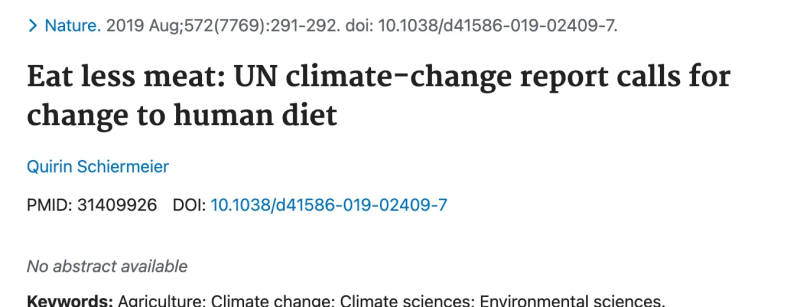
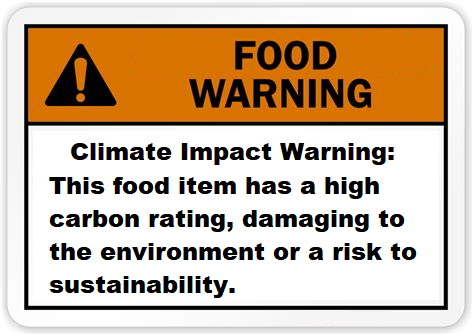
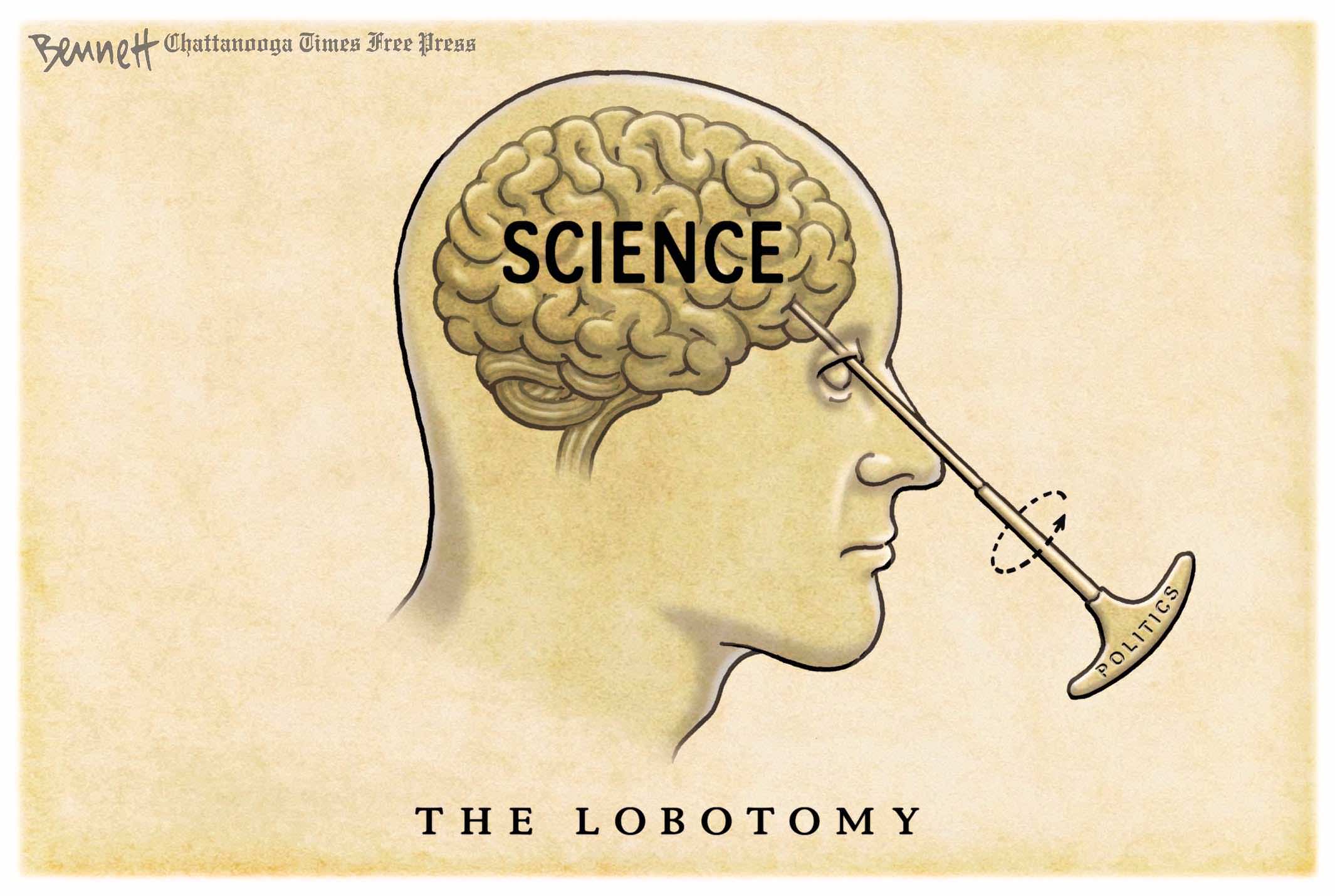
The new wrinkle in what has now happened with corrupted climate change activism/ propaganda/ ”science” is that the manipulation of research is crossing disciplines. No longer satisfied with oppressing climate change scientists, climate change narrative enforcers have moved into the nutritional sciences. This trend of crossing disciplines portends death for the overall independence of any scientific endeavors. A creeping corruption into adjacent disciplines. Because climate change activists, world leaders, research institutions, universities, and governments are distorting another branch of science outside of climate science. They are using the bio-sciences, specifically nutrition science, to support the climate change agenda. It is another whole-of-government response to the crisis, just like with Covid-19.

They are distorting health research to make the case that eating meat is
dangerous to humans. Normal standards for publication have been set aside.
The propaganda is thick and easily spotted.

As the NIH is now funding researchers to find associations between climate change and health, it is pretty clear that those whose research is set up to find such associations will be funded. Hence, once again, the system is rigged to support the climate change narrative.

Some Recent “Peer Reviewed” Academic Publications on Climate Change and Diet:

Enter climate change regulations, laws, and goals – such as those found in UN Agenda 2030. Enter globalists determined to buy up farmland to control prices, agriculture, and eating trends. Enter politics into our food supplies and even the science of nutrition What a mess.

Below are some of the more outlandish claims being made in the name of climate science and nutrition. The United Nations’s World Food Program writes:

The climate crisis is one of the leading causes of the steep rise in global hunger. Climate shocks destroy lives, crops and livelihoods, and undermine people’s ability to feed themselves. Hunger will spiral out of control if the world fails to take immediate climate action. 

Note that “Climate shocks” have always existed and will always exist. The existence of readily observed (and easily propagandized) human tragedies associated with hurricanes, fires, and droughts are embedded throughout the entire archaeological record of human existence. This is nothing new in either written human history or prehistory. This does not equate to a pressing existential human crisis.

In fact, reviewing the evidence of calories and protein available reveals a very different trend. Over time, per capita caloric and protein supplies have increased almost across the board.  Despite clear and compelling evidence that climate change is not impacting on food availability or undernutrition, websites, news stories, and research literature all make tenuous assertions about how the climate change “crisis” is causing starvation.

This is not to say that that the poorest nations in the world don’t have issues with famine; they do. It is an issue, but not a climate change issue. It is a gross distortion of available data and any objective scientific analysis of those data to assert otherwise.

The best way to stop famine is to ensure that countries have adequate energy
and resources to grow their own food supply, and have a domestic
manufacturing base. That means independent energy sources.

If the United Nations and the wealthy globalists at the WEF truly want to help nations with high poverty and famine rates and reduce our immigration pressure, they would help them secure stable energy sources. They would help them develop their natural gas and other hydrocarbon projects. Then they could truly feed themselves. They could attain independence.

Famine is not a climate change issue; it is an energy issue.

Apples and oranges. This is not “scientific.” Rather, it is yet more weaponized fear porn being used as a Trojan horse to advance hidden political and economic objectives and agendas of political movements, large corporations, and non-governmental organizations.  Facts matter.


Antidote for CO2 Hysteria

Preeminent physicist Freeman Dyson (1923-2020) put the CO2 obsession in sharp focus in his foreward to CARBON DIOXIDE  The good news by Indur M. Goklany (2015). Excerpts in italics. with my bolds.

To any unprejudiced person reading this account, the facts should be obvious: that the non-climatic effects of carbon dioxide as a sustainer of wildlife and crop plants are enormously beneficial, that the possibly harmful climatic effects of carbon dioxide have been greatly exaggerated, and that the benefits clearly outweigh the possible damage.

The people who are supposed to be experts and who claim to understand the science are precisely the people who are blind to the evidence. Those of my scientific colleagues who believe the prevailing dogma about carbon dioxide will not find Goklany’s evidence convincing. . .That is to me the central mystery of climate science. It is not a scientific mystery but a human mystery. How does it happen that a whole generation of scientific experts is blind to obvious facts?

Synopsis:  More CO2 Good, Less CO2 Bad

Gregory Wrightstone explains at CO2 Coalition More Carbon Dioxide Is Good, Less Is Bad.  Excerpts in italics with my bolds and added images.

People should be celebrating, not demonizing, modern increases in atmospheric carbon dioxide (CO2). We cannot overstate the importance of the gas. Without it, life doesn’t exist.

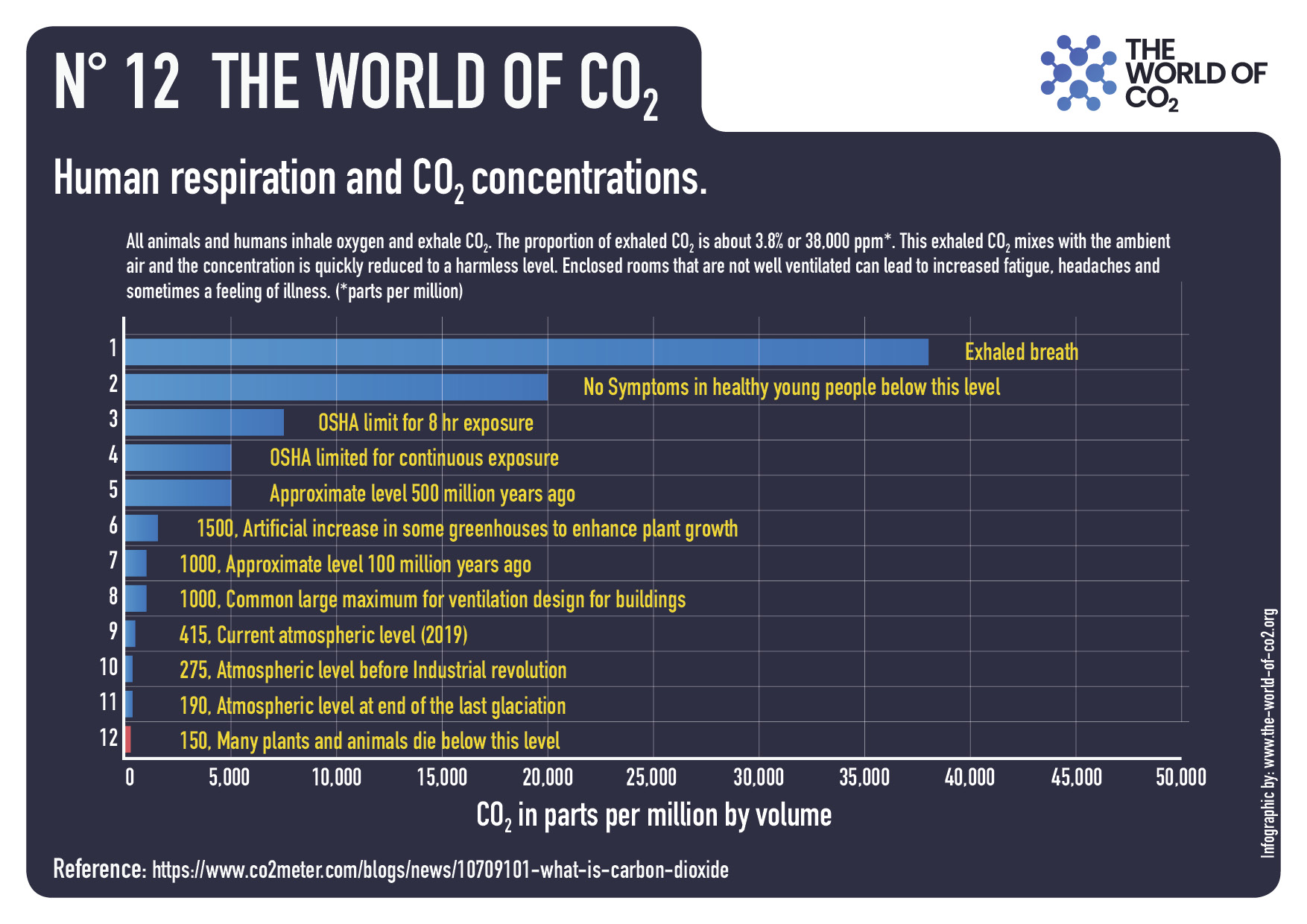
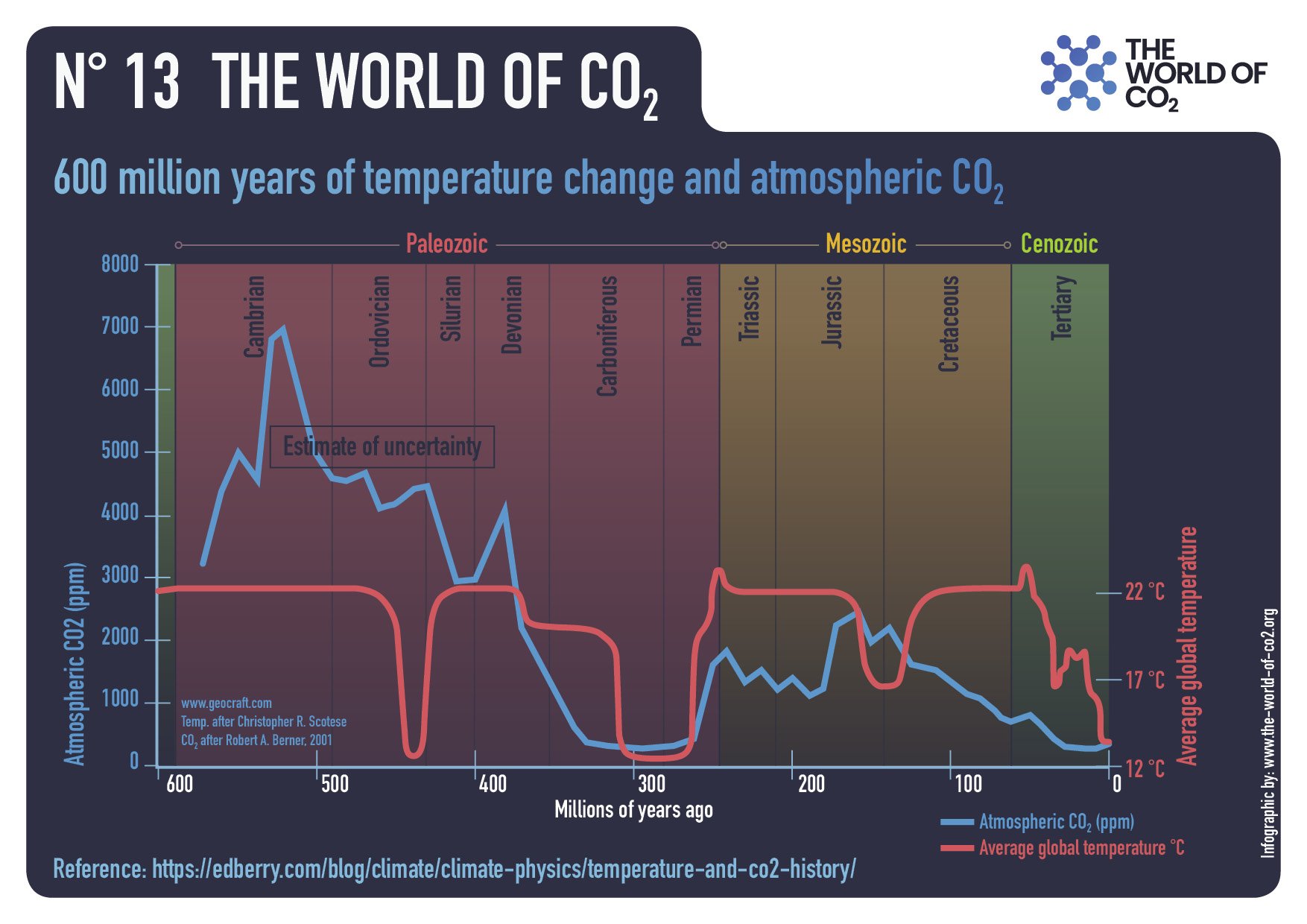
First, a bit of history: During each of the last four glacial advances, CO2’s concentration fell below 190 parts per million (ppm), less than 50 percent of our current concentration of 420 ppm. When glaciers began receding about 14,000 years ago – a blink in geological time – CO2 levels fell to 182 ppm, a concentration thought to be the lowest in Earth’s history.

Line of Death

Why is this alarming? Because below 150 ppm, most terrestrial plant life dies. Without plants, there are no animals.

In other words, the Earth came within 30 ppm in CO2’s atmospheric concentration of witnessing the extinction of most land-based plants and all higher terrestrial life-forms – nearly a true climate apocalypse. Before industrialization began adding CO2 to the atmosphere, there was no telling whether the critical 150-ppm threshold wouldn’t be reached during the next glacial period.

Contrary to the mantra that today’s CO2 concentration is unprecedentedly high, our current geologic period, the Quaternary, has seen the lowest average levels of carbon dioxide since the end of the Pre-Cambrian Period more than 600 million years ago. The average CO2 concentration throughout Earth’s history was more than 2,600 ppm, nearly seven times current levels.

Beneficial CO2 Increases

CO2 increased from 280 ppm in 1750 to 420 ppm today, most of it after World War II as industrial activity accelerated. The higher concentration has been beneficial because of the gas’s role as a plant food in increasing photosynthesis.

Its benefits include:

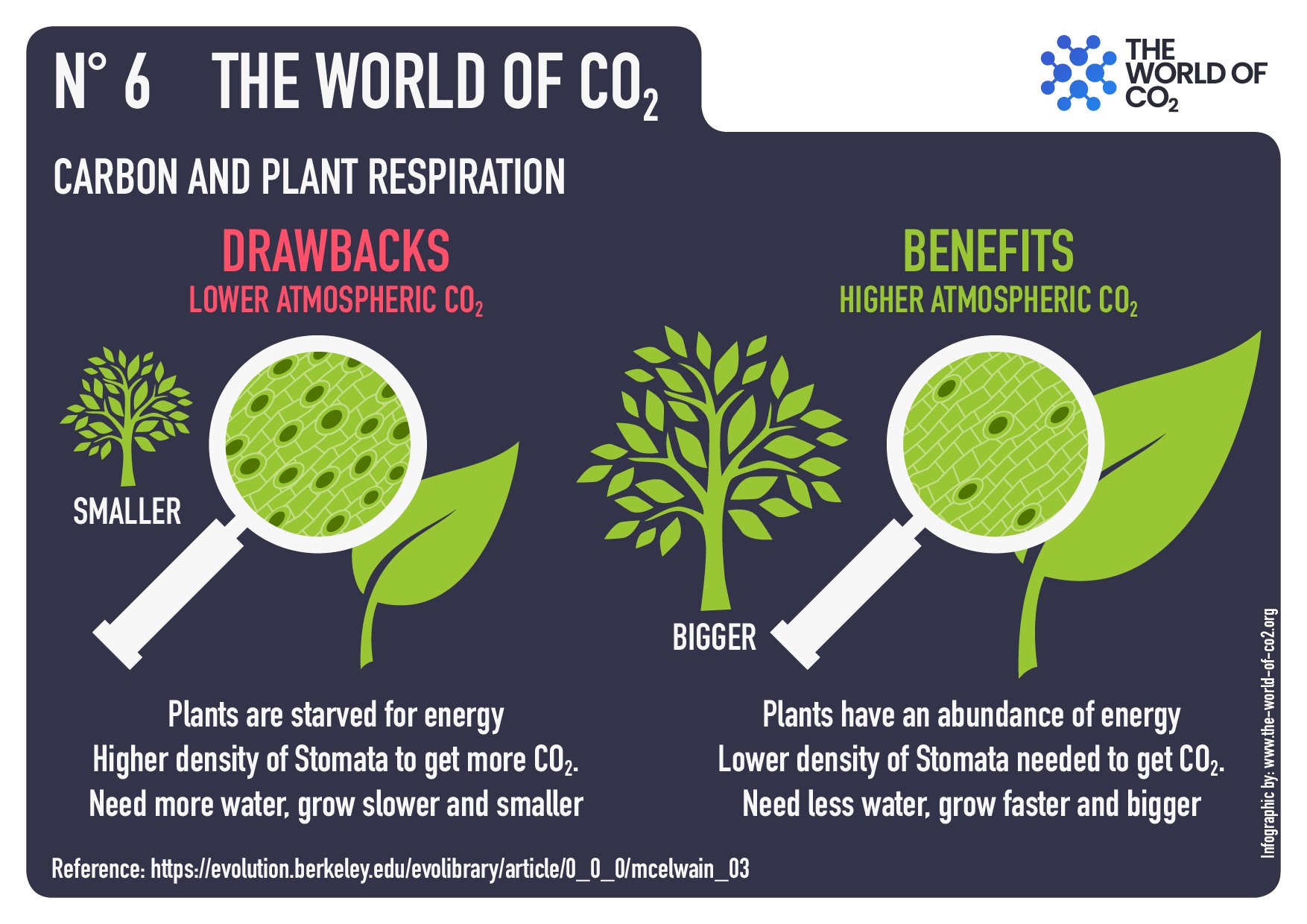
— Faster plant growth with less water and larger crop yields.

— Expansion of forests and grasslands.

— Less erosion of topsoil because of more plant growth.

— Increases in plants’ natural insect repellents.

A summary of 270 laboratory studies covering 83 food crops showed that increasing CO2 concentrations by 300 ppm boosts plant growth by an average of 46 percent. Conversely, many studies show adverse effects of low-CO2 environments.

For instance, one indicated that, compared to today, plant growth was eight percent less in the period before the Industrial Revolution, with a low concentration of 280 ppm CO2.

Therefore, attempts to reduce CO2 concentrations are bad for plants, animals and humankind.

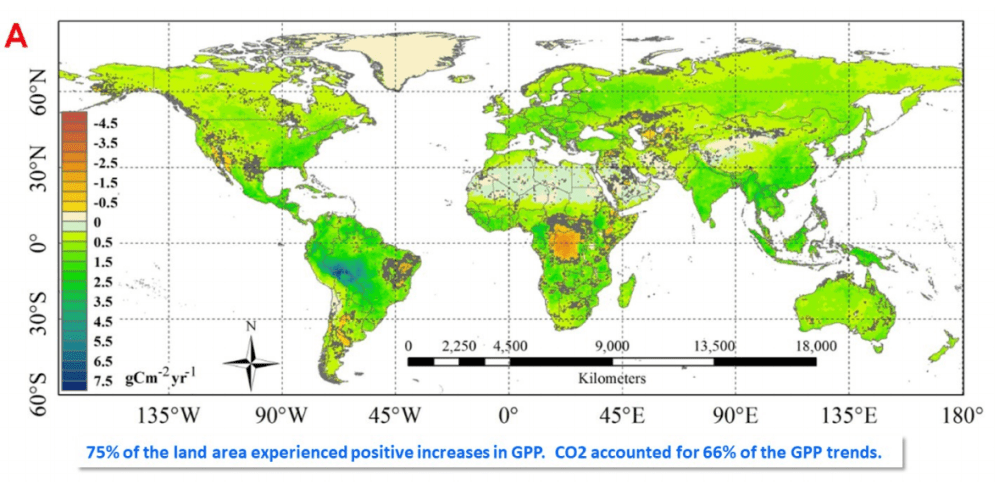
Data reported in a recent paper by Dr. Indur Goklany, and published by the CO2 Coalition, indicates that up to 50 percent of Earth’s vegetated areas became greener between 1982-2011.

Researchers attribute 70 percent of the greening to CO2 fertilization from of fossil fuel emissions. (Another nine percent is attributed to fertilizers derived from fossil fuels.)

Dr. Goklany also reported that the beneficial fertilization effect of CO2 – along with the use of hydrocarbon-dependent machinery, pesticides and fertilizers – have saved at least 20 percent of land area from being converted to agricultural purposes – an area 25 percent larger than North America.

The amazing increase in agricultural productivity, partly the result of more CO2, has allowed the planet to feed eight billion people, compared to the fewer than 800,000 inhabitants living a short 300 years ago.

More CO2 in the air means more moisture in the soil. The major cause of water loss in plants is attributable to transpiration, in which the stomata, or pores, on the undersides of the leaves open to absorb CO2 and expel oxygen and water vapor.

With more CO2, the stomata are open for shorter periods, the leaves lose less water, and more moisture remains in the soil. The associated increase in soil moisture has been linked to global decreases in wildfires, droughts and heat waves.

Exaggeration of CO2’s Warming Effect

Alarm over global warming stems from exaggerations of CO2’s potential to retain heat that otherwise would radiate to outer space. As with water vapor, methane and nitrous oxide, CO2 retains heat in the atmosphere by how it reacts to infrared portions of the electromagnetic spectrum.

However, the gas has saturated to a large extent within the infrared range, leaving relatively little potential for increased warming.

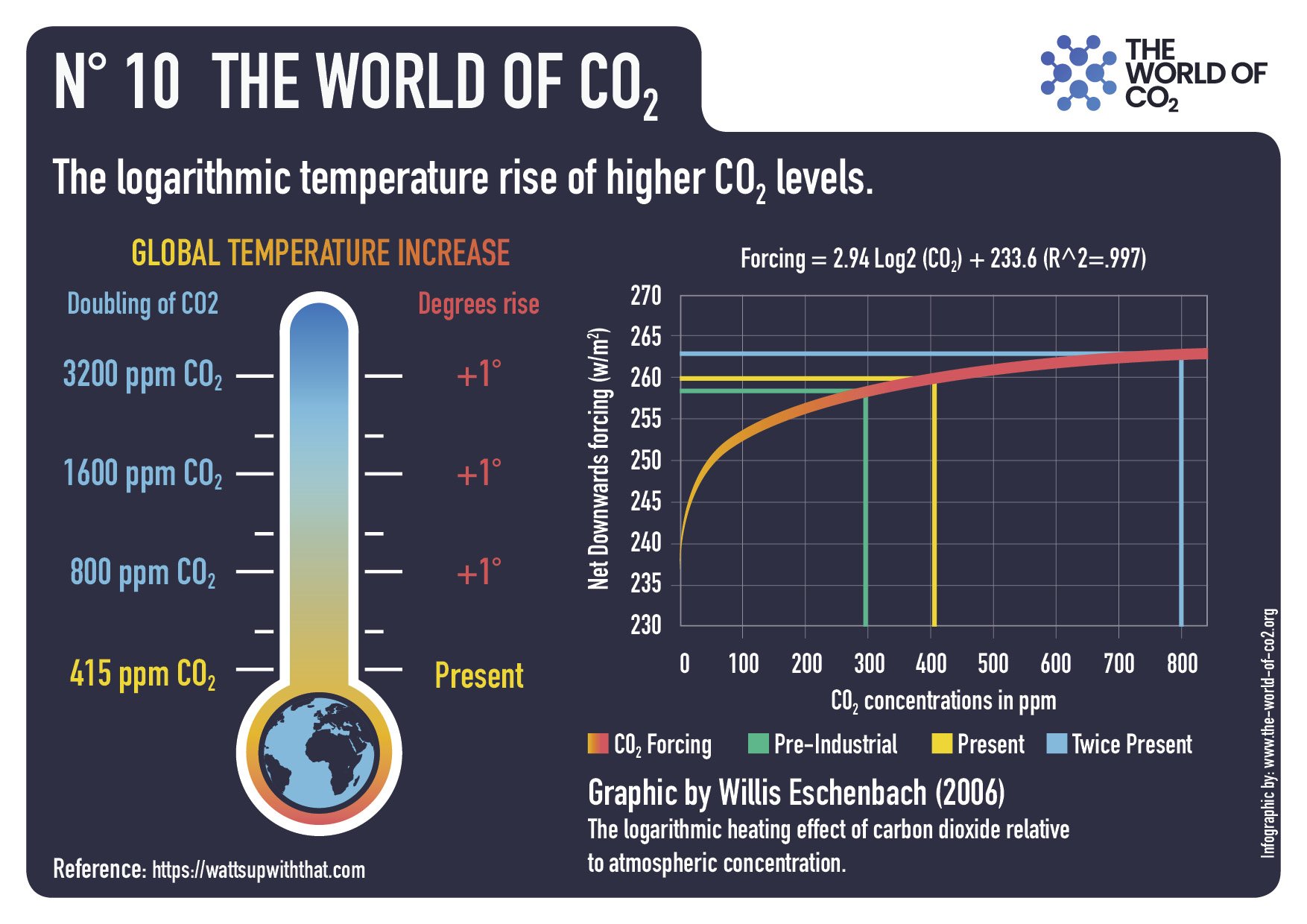
Both sides of the climate debate agree that the warming effect of each molecule of CO2 decreases significantly (logarithmically) as the concentration increases.

This is one reason why there was no runaway greenhouse warming when CO2 concentrations approached 20 times that of today. This inconvenient fact, despite its importance, is rarely mentioned because it undermines the theory of a future climate catastrophe.

A doubling of CO2 from today’s level of 420 ppm – an increase estimated to take 200 years to attain – would have an inconsequential effect on global temperature.

Pennsylvania’s solar-powered fossil fuels

CO2 being liberated today from Pennsylvania coal was removed from the atmosphere by the photosynthesis of trees that fed on sunlight and carbon dioxide and then died to have their remains accumulate in the vast coal swamps of the Carboniferous Period.

Pennsylvania Marcellus and Utica shale hydrocarbons being exploited today were also the likely hydrocarbon source of shallower reservoirs producing since the late 1800s.

The source of those hydrocarbons was algae remains that gathered on the bottom of the Ordovician and Devonian seas.

Like the coal deposits, the algae used solar-powered photosynthesis and CO2 (the algal blooms were likely fueled by regular dust storms) to remove vast amounts of CO2 from the air and lock it up as carbon-rich organic matter.

The provenance of these hydrocarbons spawns two novel ideas. First, there is a strong case that these are solar-powered fuels.

Second, the sequestering of carbon during the creation of the hydrocarbons lowered atmospheric concentrations of CO2 to sub-optimum levels for plants. Therefore, the combustion of today’s coal and gas is liberating valuable CO2 molecules that are turbocharging plant growth.

The plain fact of the matter is that the modest warming of less than one degree Celsius since 1900, combined with increasing CO2, is allowing ecosystems to thrive and humanity to prosper.

Additional information on CO2’s benefits and related topics are available at CO2Coalition.org, which includes a number of publications and resources of interest.

Carbon Capture Boondoggle

John M. Contino explains in his American Thinker article The Contradictions of Carbon Capture.  Excerpts in italics with my bolds and added images.

In May, 2022, the Biden Administration announced a $3.5 billion program to capture carbon pollution from the air, and the money has been flowing copiously. A quick search on LinkedIn for companies engaged in Carbon Capture, Utilization and Storage (CCUS) projects will reveal dozens of companies, most of which are U.S.-based. They are well-staffed and generously funded with millions of up-front taxpayer dollars. [Note the bogus reference to plant food CO2 as carbon pollution.]

Summit Carbon Solutions does have its share of proponents — among them ethanol producers, heads of Chambers of Commerce, and politicians of all stripes from state and local governments. It’s one thing to dangle large sums of other people’s money to induce cooperation, but landowners are apparently being bludgeoned into submission with eminent domain.

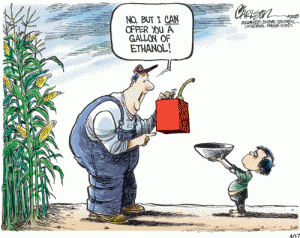
The CCUS projects in the Midwestern faming states are all predicated on the continued, if not expanded, production of ethanol, because ethanol facilities present localized concentrations of CO2 that can be harnessed and disposed of more efficiently than merely sucking carbon dioxide out of the ambient atmosphere.

A Reuters article from March, 2022 reports that

The government estimates that ethanol is between 20% and 40% less carbon intensive than gasoline. But a recent study published in the Proceedings of the National Academy of Sciences found that ethanol is likely at least 24% more carbon intensive than gasoline, largely due to the emissions generated from growing huge quantities of corn [emphasis added].

The production of ethanol results in a net loss of energy: “Adding up the energy costs of corn production and its conversion to ethanol, 131,000 BTUs are needed to make 1 gallon of ethanol…[which] has an energy value of only 77,000 BTU.”

And let us not give short shrift to Power Density. In his 2010 book Power Hungry. The Myths of “Green” Energy and the Real Fuels of the Future, energy expert Robert Bryce compares the amount of the energy produced by various sources in terms of horsepower per acre, or wattage per square meter. An average U.S. Natural Gas Well, for example, produces 287.5 hp/acre. An Oil Stripper Well (producing 10 bbls/day) produces 148.5 hp/acre. Corn Ethanol comes in at a pathetic 0.25 hp/acre (pg. 86).

An Occam’s Razor approach to solving this problem would be
to shut down all the country’s ethanol production and
to not generate all that carbon dioxide in the first place.

Granted, the ethanol industry enjoys wide bipartisan support. But that doesn’t make it rational, or good for the country. Farmers receive substantial revenues by diverting an average of 40% of total corn yields to the production of ethanol. Why not just give that money to the farmers in exchange for them allowing 40% of their corn acreage to lie fallow? We might ask, facetiously, if we really needed all that extra corn to eat or export, why would our government prefer we burn it in our gas tanks?

Think of the savings:

♦  CO2 that would not be generated by growing and harvesting all that corn;
♦  water that would not be drained from our aquifers for irrigation; 
♦  salination of our topsoil that would be abated by not applying unnecessary nitrogen fertilizers; and
♦  most obviously, the absence of the need to capture and bury carbon from ethanol plants.

An advantage of ethanol is that it reduces greenhouse gas emissions (GHG). The Office of Energy Efficiency and Renewable Energy reports that a 2021 Argonne Labs study “found that U.S. corn ethanol has 44%–52% lower GHG emissions than gasoline.” Let’s say ethanol reduces GHG by 50%. So, a tankful of gasoline with 10% ethanol yields a net GHG reduction of only 5% (50% of 10%).

Another advantage of ethanol is jobs in rural areas. The National Corn Growers Association reported that “[I]n 2019, the U.S. ethanol industry helped support nearly 349,000 direct and indirect jobs.”

Even if those advantages were sufficient to maintain or expand the ethanol industry, it sounds almost farcical to ask:

♦  “what is the cost-benefit analysis of spending billions of dollars to capture and sequester the CO2 from those corn fermentation processes, and

♦  to what extent would all that CCUS actually benefit the planet?”

When a John Kerry or a Greta Thunberg utters Climate Change Disaster words to the effect of “the sky is falling, we’re all going to die!” they would have us believe that it’s trivial to worry about boring quantitative cost-benefit ratios and returns on investment when the entire planet is facing an imminent, existential threat.

The hyperbolic language of the climate change crowd has been wearing thin ever since Al Gore’s dire predictions from 2006 have inconveniently not materialized. It’s up to us to make the left realize they’ve overplayed their hand: they cannot ride roughshod over property rights whenever it suits them, just as they cannot force us to drink Bud Light if we don’t wish to do so.


Canada Wildfires: Manage Forests or Lose Them

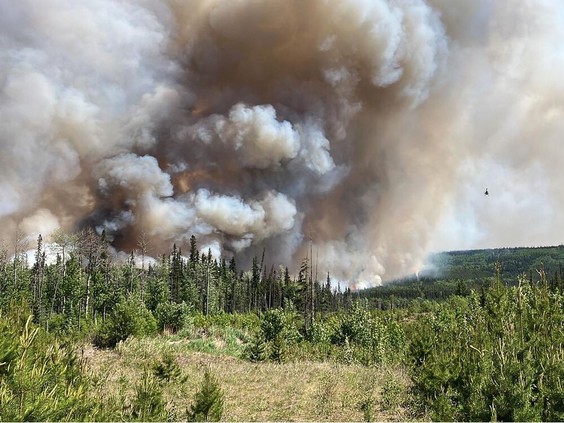
Smoke from the West Kiskatinaw River and Peavine Creek wildfires in the Dawson Creek Zone. PHOTO BY – /BC Wildfire Service/AFP via Getty

Jesse Zeman explains the overdue choice in his Vancouver Sun article A long, destructive summer is coming to B.C. forests.  Excerpts in italics with my bolds.

Until we overhaul forest management, wildfires and smoky skies will become the norm.

B.C. is poised to suffer an historically ruinous fire season, and we have only ourselves to blame.

Warm, dry weather early in the season is part of the problem, to be sure. Climate change is likely making things worse. But B.C.’s history of fire suppression and outdated forest management has turned our forests into a tinderbox that grows more dangerous every year.

At this moment, 23 wildfires are burning out of control in B.C., with dozens more in various stages of being extinguished. Campfire prohibitions are either in effect or planned across the province.

All this nearly a month before Canada Day weekend. It could be a long, hot, destructive summer.  Decades of fire suppression have resulted in huge amounts of fuel littering the forest floor, crowding out biodiversity and putting people at risk.

By putting out every fire on the landscape, we are creating forests
that are bristling with fuel just waiting for a spark.

Fire naturally occurs every five to 200 years in much of B.C. In the central Interior, many areas historically burn every five to 30 years. Under the right circumstances, fire is good. Fire is part of a natural process that rejuvenates grasslands and promotes biodiversity.

In much of the Interior, fire is an integral component of functioning and productive habitat for grizzly bears, moose, elk, mule deer, and sheep, creating food for wildlife by regenerating the soil and letting in sunlight, which creates ideal conditions for new plants and berries to grow.

Broadleaf trees are nature’s fuel break, slowing and reducing the intensity of fires; they also support biodiversity and provide moose with food. Unfortunately, B.C.’s outdated forest policies treat broadleaf trees like weeds in order to promote the growth of merchantable timber.

In parts of B.C., we spray broadleaf trees with the herbicide
glyphosate to kill them off on a massive scale.

What we do after a fire is vital. A post-fire landscape left untouched creates a natural fire break. As new plants and trees grow in, the burned trees that we leave standing are critical for moisture retention and temperature regulation in the soil. In as little as a year, burned areas sound like a symphony, teeming with life from bugs to birds to bears. But our forest practices typically prevent natural succession. Instead, we often log areas burned by fire as quickly as possible, because burned trees are harder to cut at the mill after a couple of years.

Logging after wildfire often leaves behind a barren landscape, with stunted native plants due to a lack of temperature regulation and moisture retention in the soil. Roads for logging invite invasive weeds. The lack of vegetation can also exacerbate erosion, flooding and sedimentation in our watersheds.

B.C. has been so focused on cutting down and selling trees, it has failed to account for the costs of fire suppression, loss of biodiversity, food security, and tourism. Forestry could play a critical role in mitigating the effects of wildfire by reducing fuel loads and thinning forests.

But that will require a new way of thinking. Until we overhaul forest management, wildfires and smoky skies will become the norm. We need to forge a new relationship with our forests, watersheds and wildlife, focusing on sustainability and resiliency.

We have important choices to make: Keep putting fires out and treating native tree species, such as aspen, like weeds until the fuel loading is so bad that the ensuing wildfires are virtually uncontrollable. Or we can invest in our landscapes, have controlled burns in the spring and fall, and let some fires burn to create a natural diverse landscape that mitigates high-intensity wildfires.

National Perspective from National Post Blame Forestry Management, Not CO2 Emissions

Alternative theories as to the source of the 2023 fires have largely cropped up in response to progressive politicians fingering them as irrefutable evidence of the impacts of climate change — and a clarion call for stronger emissions policies.

“We’re seeing more and more of these fires because of climate change … We’ll keep working — here at home and with partners around the world — to tackle climate change and address its impacts,” reads one recent statement by Canadian Prime Minister Justin Trudeau.

Environment Minister Steven Guilbeault rather explicitly used the wildfires as justification for higher carbon taxes, arguing that they’re still far lower than the “social cost of carbon.”

But there is a way to critique this line of reasoning without relying on tenuous evidence of a vast enviro-conspiracy to light Canada on fire for political gain.

Even wildfire specialists have been noting that while hotter, drier summers can supercharge a bad fire season, the immense scale of the 2023 fires is due in part to Canada and the United States dropping the ball on proper forestry management.

A recent Washington Post op-ed by Colorado wildfire scientist Jennifer K. Balch, for instance, suggested that the best way for governments to fight wildfires is a tighter focus on controlled burning in cooler years, and building residential developments away from high-risk areas.

“We have flood plain maps, but we don’t have maps that assess future fire risk to help set insurance costs and direct developers away from vulnerable areas,” she wrote.

The B.C. Wildlife Federation has similarly critiqued the notion that emissions reduction is the most immediate solution to increasingly damaging wildfire seasons.  In a lengthy statement, (above) executive director Jesse Zeman outlined how B.C. forestry policy discourages the growth of broad-leafed trees and immediately logs post-fire landscapes; both of which eliminate what would otherwise be natural fire breaks.

“Until we overhaul forest management, wildfires and smoky skies will become the norm,” he wrote.