Turns out that concern for mankind’s effect on the global climate isn’t much of a concern at Davos this year. It is, after all, the meeting of the World Economic Forum, not the World Climate Forum – the United Nations already has a forum for climate change, and it drew a lot of ignoring this year, too. This year in Davos, Switzerland, though interest in all things climate seemed to be nearing an all-time low.
A recent article at Climate Change News discussing this week’s 2026 World Economic Forum (WEF) meeting in Davos, Switzerland worries that climate change is no longer a high priority for the attending global elites, while also attempting to reassure readers that the topic hasn’t disappeared entirely. It is true that climate change is dropping on the list of elites’ concerns, but it is not a bad thing. The attendees’ concerns are still wildly out of step with the concerns of average people who are impacted the most by the policies discussed and pushed at Davos.
The article, titled “Ahead of Davos, climate drops down global elite’s list of pressing concerns,” was written before the Davos event kicked off Monday, January 19, and focuses on a survey conducted by the WEF’s Global Risks Perception Survey of “experts” and leaders in advance of the meeting. This year, the survey found that for the first time in years, “climate change, pollution, and biodiversity loss have dropped down an international ranking of short-term concerns for high-profile business leaders, academics, and politicians,” as priorities shifted towards more concern over “economic risks like geoeconomic confrontation, economic downturn, inflation, and asset bubbles bursting.” (See the graph, below, from the WEF).
That’s a novel notion. An economic forum worried about economics.
Oh, the climate can have an effect on economics; there’s little doubt about that. A real humdinger of a climate crisis, like a major volcanic eruption, can have dramatic effects on everything from agriculture to fisheries, and if people can’t eat, they have little time to worry about anything other than keeping their belly buttons from rubbing a hole in their backbones.
As far as possible reasons for the shift, a polling form often used by the WEF found that this year the general run of citizens – you know, the people who elect a lot of the “elites” at Davos – are a lot more worried about the price of eggs than their carbon footprints.
Personally, I’d prefer to think that people are just figuring it out.Unless a government is willing to go full Great Britain and tell the subjects – the Brits, we remind you, are not citizens, not as we think of the word – and say, “You’ll have your electric cars and heat pumps, and you’ll bloody well like it or else,”then people just aren’t seeing the point. Giving up the gas stove, the SUV, and the comfortable, gas-heated home, just to keep the Earth’s mean temperature from rising by a degree and a half over the next century? Plenty of regular folks aren’t buying the hype. They just don’t see what the big worry is, and the people at Davos must be wetting their fingers and holding them aloft, because it sure seems like they know which way the wind is blowing.
Thomas Kolbe reports on a major turnabout in his American Thinker article Hour of the Opponents in Davos. Excerpts in italics with my bolds and added images.
Machiavelli is dead, long live freedom.
Wednesday was the day of the opponents at the annual World Economic Forum gathering in Davos. Donald Trump and Argentina’s Javier Milei tore apart the WEF agenda. One declared globalism as officially failed, the other wielded an intellectual-ethical scalpel through the decayed body of the establishment.
Norwegian Børge Brende has been the chairman of the World Economic Forum since last year. He took over after a heated internal personnel debate from the WEF’s founder, Klaus Schwab, who for decades dominated the agenda of this shadowy institution for political will-shaping.
Schwab did so with undeniable success. The WEF has become an ideological melting pot of European politics, from which socialist concepts long proven costly in blood and failure continue to resurface — now repackaged as morally renewed, dressed in green.
Whether it’s the EU’s climate-socialist agenda, peculiar ideas like the 15-minute city to restrict individual mobility, or digital control currencies designed to make hidden capital controls palatable — the WEF has always been a source of centralist fantasies of political power.
Fleet of Teslas at WEF Forum
Take the vision of the digital identity of the new global citizen, who no longer exists as an individual but as a managed dataset — this too originates in Davos think tanks. Every person would possess a centralized, supranational digital existence where financial behavior, health status, and political reliability are consolidated into a controllable unit. The culmination of the “transparent citizen,” the final chapter of individual dignity and freedom.
Mobility, nutrition, housing — all are turned into moral tests. The CO2 footprint replaces personal judgment; deviation is social misconduct. Davos has grown in the haze of its control fetish into the symbol of a leadership claim by a detached pseudo-elite.
Hour of the Antagonists
Informal political organizations like the WEF live on media presence. Continuous coverage is their lifeblood, which makes inviting the most powerful political figures — like U.S. president Donald Trump or South America’s rising star, Argentina’s Javier Milei — practically inevitable.
Brende, Schwab, and the roughly one thousand invited guests
surely anticipated what the appearance of the two might bring.
And they were not disappointed.
Trump, outside his MAGA orbit hardly known as a master orator of refined rhetoric, declared the World Economic Forum agenda officially failed in his own unmistakable way. He mocked European energy policy, spoke openly about the continent’s self-destructive migration policies, and presented an US economic record that made even seasoned technocrats sit up:
♦ 5.4 percent growth in the last quarter, ♦ full deregulation of the energy sector, and ♦ a radical downsizing of the federal bureaucracy by 250,000 employees.
Advertisement
These were blows to the heart of central planners and declared friends of the “big state.” Heavy on main clauses and rich in imagery, Trump dismantled the Davosites’ fantasies of omnipotence one by one. Planning versus growth, moralism versus prosperity, control versus dynamism — every certainty was exposed like a warped political myth.
His ultimate checkmate came with the sober reminder of Europe’s total dependence on the American military apparatus. Those who cannot defend themselves, the unstated message implied, should be cautious in delivering moral lectures. Greenland salutes.
The outraged media response that followed proves one thing: he hit the mark. And, in essence, did nothing less than openly lay out the conditions of this system’s potential capitulation.
Milei Delivers an Ethical Bankruptcy
Where Trump brought a rhetorical sledgehammer,Milei immediately followed with the elegant intellectual foil. The organizers had clearly hoped to tone down the disruption of their feel-good gathering by seating the two opponents consecutively. But the double act only amplified the effect — and the message.
Milei opened with a jarring statement: “Machiavelli is dead.” Its meaning, however, was unmistakable. The politics of public manipulation and technocratic governance, which have become a guiding principle in EU Europe, do not lead to order but to their own crisis. The state, Milei insisted, must beguided by moral principles and make individual liberty the starting point of political action.
This was the maximum confrontation with the WEF agenda.
The gauntlet had been thrown.
He pressed further. One hundred fifty million people, he alleged, had lost their lives in the name of socialism over the past century; the survivors lived in poverty. Justice, he argued, belongs only to free-trade capitalism: voluntary exchange and the absolute respect for property rights, founded on meritocratic values. This is the recipe for a prosperous civilization.
These words carry weight. In two years, Milei literally turned the helm of his nation: he restored Argentina to growth, radically cut the bureaucracy, and brought inflation under control. Who would have expected that intellectual rigor and ethical grounding could one day inhabit the presidency of a nation as significant as Argentina?
Milei also answered the crucial question of our time:
How can the current cultural crisis be overcome?
Only by returning to the sources, he diagnosed — Greek philosophy as the inspiration of thought, Roman law, republican principles, and above all Judeo-Christian values. Together, these civilizational achievements form the recipe for a Western comeback.
Real wages for Argentina’s registered private sector workers reached 107 on the index (base 2023=100) in February 2025, the highest since August 2018, according to the Observatory of Employment and Business Dynamics.
Milei did not miss an opportunity to deliver a late retort to German chancellor Friedrich Merz. A year ago, Merz had called Milei a politician who tramples his own people and promotes a divisive agenda and continues to foster an anti-business climate. For Milei, however, entrepreneurs are precisely those who drive the innovation of a free-market economy. Politics must stop harassing those trying to build a better world.
In this light, Merz and his government are indeed a burden for anyone striving forward in life, living by values, and resisting the rhetorical trap of vulgar WEF-style socialism.
The Turning Point Has Arrived
Trump and Milei are merely the most visible representatives of an increasingly influential conservative turn. Even if the European press still portrays the American president as a deranged villain and destroyer of a socialist utopia, the message he and Milei deliver is gaining traction.
The cultural and economic crisis of our time is above all a crisis of statism and faith in the strong state. Its seductive arts inevitably lead to megalomania and scenarios of submission — with the civilizational fracture we see today as a consequence.
In Argentina and the United States, the repair work is already underway.
The open question is no longer whether a course correction is possible,
but when Europeans will follow the example of these two.
For those who prefer reading, below is an excerpted transcript lightly edited from the interview, including my bolds and added images.
Hey everyone, it’s Andrew Klavan with this week’s interview with Bjorn Lomborg. I met Bjorn, he probably doesn’t remember this, but I met him many, many years ago at Andrew Breitbart’s house. Andrew brought Bjorn over to talk in LA and I listened to him talking about all the simple and inexpensive things that could be done to make actual change and do actual good in terms of climate change, which I think at that point was still global warming.
And you know, we had a small audience, and I asked the question, well, if these are so such smart, cheap ideas, why don’t politicians do them? And Bjorn said, well, because that wouldn’t give them the chance to display their virtue. And I thought, here’s a man who not only knows about science, but actually knows about human nature. And I’ve been following him ever since.
He is a president of the Copenhagen Consensus Center, a visiting fellow at Stanford University’s Hoover Institution, an author of False Alarm and Best Things First, the best writer, I think, on climate issues and other issues. Bjorn, it’s good to see you.
Andrew, it’s great to be here. And I do remember that event, although I remember it for seeing the guy who played on Airplane. Sorry. So I remember that because it was it’s still one of my favorite movies. It’s one of the greatest movies ever made, I think. It really is very, very funny. Yeah.
On a totally different direction. So I was watching with great approval Donald Trump’s appearance at the United Nations. I guess it would be when we’re playing this last week. And he he had this. I’m just going to read just a little bit of the speech. He said in the 1920s and the 1930s, they said global cooling will kill the world. We have to do something.Then they said global warming will kill the world. But then it started getting cooler. So now they could just call it climate change because that way they can’t miss if it goes higher or lower, whatever the hell happens. It’s climate change. It’s the greatest con job ever perpetrated on the world, in my opinion. Do you agree with that?
So I get where he’s coming from. And I think there’s some some truth to this. I mean, Donald Trump always speaks in larger than real life words. Yes. So it’s not a con job. There is a problem. And actually, in some sense, bizarrely, as it may sound, you know, the world is built all of our infrastructure is built to live at the temperature that we’ve had for the last hundred or two hundred years. That’s true in Los Angeles. That’s true in Boston. It’s true everywhere in the world. And so if it gets colder or if it gets warmer, that will be a problem. So there is an issue here.
But obviously, it’s vastly exaggerated when people then talk about the end of the world. You may remember that this was one of the favorite terms of Biden, but not just Biden, but pretty much everyone for the last four years and certainly more as well. That this is an existential crisis. There was a recent survey by the OECD, so in all rich countries in the world, where they found that percent of all peoplebelieve that unmitigated climate change, so climate change we don’t fix, will likely or very likely lead to the end of mankind. And that, of course, is a very different statement.
There is a problem, that’s true. It’s not the end of the world. But the end of the world is a great way to get funding.
And that’s why people are playing it out. But it doesn’t make for good policy. Remember, if you think the end of the world is near, you’re going to throw everything in the kitchen sink at this, which, of course, is what the campaigners would like you to do. But you will probably waste an incredible amount of resources because you’re just going to try everything.
Climate change is a problem. So I disagree with Trump there. But yes, there is an incredible amount of exaggeration. And I agree with him there. So there’s I mean, the climate changes but we’re not living in a glass bubble. And we’ve even in I don’t know, I guess it was the late 19th century, the Thames in London froze over and people went skating on it. It’s so there are these big changes and there have been ice ages, obviously. How much of this or do we know how much of this is is caused by human beings?
I have to preface this with saying I’m a social scientist, so I work a lot on the costs and the benefits of us doing policies against climate change. I’ve met with a lot of the natural scientists who study all this. Please don’t do this at home, but I’ve read the UN climate panel report, most of the pages, not all of them. And it’s incredibly boring, but it’s also very, very informative. So so I have a reasonably good take on this. And what they tell us is that the majority of the recent warming that we’ve seen is due to climate change.
I have no idea to evaluate that, no way of independently evaluating that is due to natural climate change or is manmade, due to mankind. So is it mostly due to us emitting CO from burning fossil fuels?
So there is a significant part of what’s changed over the last century or thereabouts, which is about two degrees Fahrenheit or one degree Celsius. So that’s something and that’s something we should look at. But also, we should get a sense of what’s the total impact of this. Well, actually, climate economics have spent the last three decades trying to estimate: what’s the total cost of everything that happens with climate change.
So, you know, there are lots of negatives. There’ll be more heat waves. There’ll possibly be stronger storms. There’s also going to be fewer cold waves, which is actually a good thing. There’s also going to be CO2 fertilization. So we’ll have more greenery. You know, if you add all the negatives and all the positives, it become a net negative. That’s why it’s a problem. But also get a sense of this.
If you look across all of the studies that we’ve done, we estimate the net negative impact today is about 0.3% of GDP. So yeah, a problem, not the end of the world. And it’s crucial to say, if you look out till 2100 which is sort of the standard time frame, which is a long time from now, we estimate if we do nothing more about climate change, so we end up with three degrees Celsius, so about degrees 5.6 Fahrenheit, then the cost will be about to 2 to 3% of global GDP every year.
That’s certainly not nothing. That’s a lot of trillions of dollars. But again, it’s 2 to 3%. It’s not, you know, the end of mankind, It’s not anywhere near a hundred percent. And this is not me saying this. This is the guy William Nordhaus from Yale university, the only guy to get the Nobel prize in climate economics. And Richard Tol one of the most quoted climate economists in the world. They’ve done separate studies. One to find 2%, the other one to find 3%. That’s the order of magnitude we’re talking about. And just for, for added emphasis, remember by then everyone in the world will be much, much better off.
Just like if you compared people from back in 1925 and until today, the UN on its standard trajectory estimate, the average person in the world by the end of the century will be somewhere around 450% as rich as he or she is today. That’s not the US that will. And you know, people come from Denmark and other rich countries might only be 200% as rich, but many in Africa and elsewhere will be a thousand percent richer. So on average, because of climate change, it will feel like they’re only 435% as rich, which sort of emphasizes, yes, that’s a problem. I would rather have a world that’s 450% as rich trather than one that’s 435%. But it’s not the end of the world.
It’s still a fantastically much better world, just a slightly less fantastically much better world. And that less money that people will have will mean less money you have to spend, what, shoring up buildings. And so the way they measure that is actually in equivalence of how much you would need to get compensated to live with the problems.
So we don’t actually look at whether people will fix it or not. You know, it’s a bit like, if you have a slightly dangerous job, you get more money. And that’s basically a way of saying, but you’ll also have to live with that constant slightly higher risk of dying. Right. So we’re compensating you for that. That’s the, that’s the amount that we’re talking about. So it’ll feel like you’re only % as rich, although you’ll probably in reality, get all that, that slight extra money to get up to 450%, but then you will also have to live with some problems from climate change.
This week I was arguing with a socialist, lovely guy, but just the guy who believes that like all money should be redistributed. And I was pointing out that this was giving a lot of power to the people in power. And one of the things I sent him was this article you wrote in the, in the New York Post, which was exactly the kind of article that makes me angry. And I mean, it makes me frustrated with our politics. I want to read just a couple of sentences. Last year, the world spent over $2 trillion on climate policies. This is Bjorn Lomberg writing in the New York Post. By 2050 net zero carbon emissions will cost an impossible $27 trillion every year. So this, this will choke growth, spike energy costs and hit the poor hardest and still will deliver only 17 cents back on every dollar spent. Meanwhile, mere billions of dollars could save millions of lives. I’d like to take this apart a little bit, but to begin with all the stuff that we are spending this money on, is it doing anything? Will it have any effect?
It will. I mean, what, what are we spending money on and what will it do? So these $2 trillion, that’s sort of the official number from the International Energy Agency and many others. It’s a very soft number because obviously what goes into all this money, surprisingly, it’s also all the cost into EVs or electric cars, which of course gives you a thing that can drive you from place A to B, at least if it’s been charged. So, I mean, there are some benefits to this. It’s also spending on solar panels and wind turbines, which again, obviously gives you electricity when the sun is shining and the wind is blowing. It actually also gives you higher electricity costs all the other times, because you now need to have backup power for when it’s not shining or windy, and that capital is being used less.
So there’s a lot of spending, it’s a very big headline number. There’s $2 trillion, everyone uses it, but it, but it’s not all that informative, because the global economy is about a hundred trillion dollars. It means we’re spending 2% on stuff that we probably wouldn’t have done had we not been scared witless on climate change. And that’s a waste. I mean, remember the total spend on healthcare is perhaps 8%. The total spend on education globally is about 5%.
These are big numbers. This is something that could have done a lot of good elsewhere. But I think the real point here is to say people want to take us to a cost that’s much, much, much higher. Remember all the world’s governments, almost all the world’s government now, not Donald Trump and the US, but most governments have pledged in one form or another that we’re going to go net zero around 2050 or shortly thereafter. But nobody looked at what the cost of this will be, which is a little surprising. Because the numbers I’m going to show you suggest that this one single promise is about a thousand times more expensive than the second costliest policy to which the world has ever committed, which was the Versailles treaty back in 1919, had Germany actually paid all the money it was supposed to. That cost was about half a trillion dollars in today’s money, which of course is why Germany never paid it. But now we’re talking about something that is going to be in the order of a thousand to two to 3000 times more costly.
Yet nobody’s looked at what the cost will be and what will be the benefits?
There’s no official estimate of this.
So two years ago, a professor from Yale university, Robert Mendelsohn, gathered a lot of really smart climate economists to try to estimate what’s the cost, and what’s the benefit of net zero. A lot of those really, really smart economists ended up chickening out. You can understand why it’s a really hard question. You’re also asking what will happen in the next hundred years and you’re trying to put estimates on it. At the end of the day, they published a big study published in the journal of climate change economics, which is a period article.
And they had one benefit estimate and three cost estimates. So this is obviously not great, but it’s the only thing the world has. And so that gives you a sense of how much will this cost and how much good will do. If you take the average of these three cost estimates, that gives you $27 trillion in cost per year throughout the 21st century. That’s where that number comes from. $27 trillion. So that’s about a quarter of global GDP right now, because we’re going to be much richer, that is only going to be about 7% of global GDP across the 21st century. But you know, that’s an enormous cost that’s on the magnitude of bigger than education, a bit smaller than healthcare and for everyone in the world, that’s a lot of money.
Now, if this gave you a lot of benefits that might be worthwhile. I mean, we pay a lot of money for stuff that’s good, but we’ve already established that even if we could entirely get rid of climate change, it would only reduce costs by two to 3%. So spending 7% to get rid of two to 3% is a bad deal, but unfortunately net zero by 2050 means we’ll only get rid of part of it, right? Because we’ll already have cost a lot of climate change. So the net benefit is only about 1% of GDP across the century or about four and a half trillion dollars.
So there’s a real benefit. That’s why climate change is real. There’s a real benefit to net zero, but the benefit is much, much lower than the cost. So $4.5 trillion in benefits, $27 trillion in cost every year in the 21st century, we’ll be paying much, much more than the benefits will generate for the world. That’s just a bad deal. There’s no other way to put it.
And the fact that we’re not honest about this and that most people just are not honest about it is one of the reasons why we’re wasting money and spending it so badly. The last bit of the quote that you just said was we could do so many other good things. Remember, most people in the world are not living in nice countries like the US or Denmark. Most people are not considering, you know, the biggest problem which of the many programs and series they want to follow are, am I going to take first or watch first? Or, you know, what kind of takeout am I going to have? They worry about their kids dying from easily curable infectious diseases, not having enough food, having terrible education, not enough jobs, corruption, all these other things. And the truth is we could solve many of these problems, not all of them, but many of them to save millions of lives at a fraction, a tiny, tiny fraction of this cost. So instead of talking trillions, we’re talking billions.
Why is it that we’re so obsessed with spending trillions to do almost no good a hundred years from now, instead of spending billions and doing a lot of good right now to avoid people dying from tuberculosis and malaria, avoid people having terrible education, getting better economies, all these things that we know work at much lower cost. That’s my central question to all these feel gooders. I mean, I know that they want to feel good about themselves, but in some sense, I would like to believe that they actually want to have done good at the end of the day.
I think it’s much more a question of saying, if I am doing effective policies, there’s not much money to hand out to friends and to buy more votes and all that kind of stuff. Whereas if I am overseeing, you know, an enormous amount of spending on stuff that doesn’t really matter. So I can just spend it on whatever. Then clearly I have a lot more latitude and a lot more opportunity to get people to like me and to show what a good person I am. So I think in some sense, it’s just plain politics. You know, if you’re saying the world is on fire and you’re at risk. But vote for me and I can save your kids. And it’s only going to cost you 7%. I can see, you know, why people want to vote for that. But if you’re saying, look, things are fine and just give me a little bit of money and I’ll fix the rest of the problems. It doesn’t quite have the same ring to it, does it?
So, so if, if we were to get to net zero, wouldn’t that cripple poor countries? I mean, in other words, it seems to me that people who burn the most fossil fuels are the people who are building up most and the people who are developing most. Whereas we’re sort of, we’ve sort of leveled off, haven’t we?
Yes. So the truth about the $27 trillion is that this is an optimistic estimate, sort of assuming that we’re going to be smart. But I don’t know what the climate future is going to look like. I don’t think anyone really knows, but we have a good sense that we’re good at, you know, innovating stuff. And we know how to get CO2 free energy. We can do it with nuclear. We also know we can get some from solar and wind. We’ll probably have more batteries. We’ll have lots of things. I think the world was sort of, you know, stumble through and we’ll be okay. But the point is we could have been much, much better off.
Does that affect your sense of politics at all? Oh, of course it does. And I’m disappointed that half the world would tend to dismiss a lot of this because these are inconvenient facts, With that said though I also talk about all the incredibly important things we could do in the poor part of the world. This is not true for most of the world, this is a very Western, kind of rich world situation where we have this very clear distinction between right and left. And, and a lot on the left, I think have sort of gone off on the deep end on some of these things.
For instance, on climate change, which has become this identifying totem, that they worship, and not in a smart way. Remember a lot of standard left-wing belief was about helping the downtrodden, which I perfectly agree with. And I think a lot of people would agree, we need to get poor people out of poverty. That’s a terrible situation and it destroys human dignity and liberty and all kinds of things. We should absolutely do something about that. But the truth is that’s where, you know, seven eighths of the world’s population is because they know poverty and they want to get out of it.
Although when you go to these events in New York and, and elsewhere, even politicians from Africa and elsewhere, they’ll of course say all the platitudes that come along with getting some funding from rich Western nations. But in the private cocktail conversations afterwards, you know, they don’t look at Germany and the UK and say: oh yes, deindustrialization and incredibly high energy costs, that’s what we want. No, they look at China because they want to get rich like China did.
And China of course got rich famously by dramatically increasing its energy consumption through coal. At its lowest China’s energy from renewables was 7.5%, and now it’s up to about 11%. So people think, oh China is this green giant, but no it’s not. It gets the vast majority of its energy from coal. And not surprisingly, because that has been historically the cheap opportunity to drive your economy and development.
“Oxfam finds that for World Bank projects, many things can change during implementation. On average, actual expenditures on the Bank’s projects differ from budgeted amounts by 26–43% above or below the claimed climate finance. Across the entire climate finance portfolio, between 2017 and 2023, this difference amounts to US$24.28–US$41.32 billion,” the report states.
“No information is available about what new climate actions were supported and which planned actions were cut. Now that the Bank has touted its focus on understanding and reporting on the impacts of its climate finance, it is critical to stress that without a full understanding of how much of what the Bank claims as climate finance at the project approval stage becomes actual expenditure, it is impossible to track and measure the impacts of the Bank’s climate co-benefits in practice.”
“Oxfam’s report doesn’t suggest funds are missing but points to a transparency issue that makes it difficult to know precisely what the Bank is delivering in terms of climate finance: where it’s going and what it’s supporting.”
Thus, “contrary to claims online,” it’s not missing. It’s just not accounted for! At this point, I’m not sure which is the bigger racket: dubious national or supranational funding of projects that fall loosely under the aegis of purported climate change mitigation, or fact-checking. At least this can be said about fact-checking: It costs a hell of a lot less.
Waste #2: Money Spent, Projects Dicey
For an idea of how much money is being gambled on Green Energy or “CleanTech” projects here is a chart for North America from The Big Green Machine:
The answer is all of them, in due time. Here are the latest spectacular failures.
Birds Fry Every Two Minutes
It took 10 years, and hundreds-of-thousands of dead birds, before
the Ivanpah Solar Electric Generating System in California would meet its fate.
Now finally here in 2025 it seems the reckoning has begun. The Las Vegas Review-Journal notes in an editorial that “a major California utility — Pacific Gas & Electric — announced that it will no longer buy power from the Ivanpah solar plant off Interstate 15 near the Nevada-California border. As a result, two of the plant’s three towers will shut down next year — and the third will probably follow.”
Performance has proven so poor that PG&E has exercised its right to terminate the contract, about which negotiations have been completed; there is no doubt that towers 1 and 3 will cease operations within roughly a year. And it appears to be the case that Edison too wants out: “the utility is in ‘ongoing discussions’ with the project’s owners and the federal government over ending the utility’s contract.”
New Jersey Reaps the Wind, Again
It’s not just solar. Also note that Shell just backed out of a wind-energy project despite huge subsidies.
Another offshore wind development stalled this week off the Jersey shore, making it the latest of three such projects to fail despite generous terms from the state. Energy giant Shell wrote off its 50% stake in Atlantic Shores, choosing to take a $1 billion impairment instead of complete the 2,800 megawatt wind farm. New Jersey’s Board of Public Utilities canceled its request for a wind-energy provider, leaving the unfinished project with no prospective customer.
Ratepayers can rejoice. Atlantic Shores would have charged about three times the market price for the power it generated, according to a review by Whitestrand Consulting. That would have raised electricity rates by 11% for residents and 13% to 15% for businesses, forcing them to overpay by $48 billion over the wind farm’s lifetime.
A massive wind turbine blade shattered offshore Massachusetts causing extensive debris, which shut down beaches on Nantucket Island and caused serious concern to fishermen, who worried that the debris could damage their boats. The failure of the massive blade and the resulting debris caused the federal Bureau of Safety and Environmental Enforcement to suspend operations at Vineyard Wind until it could be determined whether the “blade failure” impacts other turbine blades on the development of the offshore wind farm. Power production has been suspended and installation of new wind turbine construction is on hold. And as more green energy trash washes ashore the local town is considering litigation. The facility’s massive wind turbines began sending electricity to the grid this past winter.
Thousands of Old Wind Turbine Blades Pile Up in West Texas Officials in Sweetwater say an out-of-state company has made their town a dump for the seldom-seen trash created by renewable energy.
Let’s return to economic reality. None of these projects are profitable, even with subsidies. That’s why they fail. Meanwhile, consumers face monstrous hikes in energy bills to pay for these boondoggles as mounds of unrecyclable garbage piles up in massive wind graveyards.
The Green Machine provides the project categories in colors denoting Batteries, EVs, Solar and Wind.
The Chinese electric vehicle (EV) boom has turned into a dramatic shakeout. Around 2018, China had more than 500 EV startups registered. These included everything from serious automotive disruptors to local government-backed ventures that never made it past the prototype phase. What do we mean by “EV startup”? In this context, it includes any newly registered Chinese company involved in the design, development, or production of new energy vehicles (NEVs) — including electric, plug-in hybrid and hydrogen cars. Many were speculative projects, created quickly to benefit from generous state subsidies, often with minimal automotive expertise. While a few had serious ambitions and advanced prototypes, the vast majority never got a vehicle on the road. By 2025, only around 100 of these brands remain active. Analysts from McKinsey predict that by 2030, fewer than 50 Chinese EV companies will survive. This is not just a story of collapse, but also of market maturation, consolidation, and strategic realignment.
Waste #5 Green Hydrogen Projects–Absurd, Exorbitant and Pointless
The map above from IEA shows more than 2200 hydrogen fuel projects around the world, intending to replace hydrocarbon fuels to save the planet. They dream of being operational by 2030 claiming that real world obstacles will be overcome if enough taxpayer dollars are thrown at the problems. The whole notion is fantastic (in the literal sense) for reasons detailed in a previous post.
The above table provides a non-exhaustive but representative catalogue of the major green hydrogen projects that have been cancelled, postponed, or significantly scaled back between 2023 and mid-2025, illustrating the global scale of this market recalibration.
NEW YORK — U.S. Ambassador to the United Nations Mike Waltz told Breitbart News exclusively of how President Donald Trump and his cabinet rallied at the 11th hour to thwart globalists from creating a “global green tax” that he argued would have created a “U.N. climate slush fund.”
“They were this close to mandating that we basically have a Green New Deal in our global shipping fleet,” Waltz told Breitbart News on the floor of the U.N. General Assembly in the interview taped on Thursday, Oct. 23. “Eighty percent of our economy is based on trade. It would have been devastating. In fact, it would have added a billion dollars a month to the cost of sending our goods around the world or receiving goods. We got fired up as a cabinet — the EU, Brazil, and others thought this thing was a done deal. We got everybody involved, including the president. He came in off the top ropes, and we defeated that vote. I think we just saved the American consumer a massive, massive — what would have been the first U.N. tax in global history just this past week. So that’s the kind of fighting that we’re doing in the types of these organizations, and the kind of wins that we have to deliver for the American people.”
Waltz further explained that the tax that would have been created would have targeted U.S. ships and forced them either to pay billions in global taxes or go through retrofitting in China to use European-backed power sources — but ultimately this has been stopped. He does expect the globalists who pushed this effort to try again, but he said next time the Trump administration will be even more prepared and will stop it again.
“If we had coal fired, gas fired, oil fired ships, this global organization was going to impose a fine on those shipping companies, of course, and that would have been to the tune of a billion dollars a month globally that would have been passed on to the consumers, obviously,” Waltz said. “That money then would have would have formed a U.N.-run green climate slush fund to the tune of $12 to $15 billion a year that would have turned around and done more and more of this. It really would have been the first global green tax and I think we would have felt it through inflation. We would have felt it on our consumer shelves and it would have been yet another assault on the American oil and gas industry.
Published by European Maritime Safety Agency
“We said there will be consequences if you do this and we laid out what those consequences were. Now, we were accused of being diplomatic gangsters and bullies and what have you. But look, it was they who are being the climate bullies and we’re not going to allow them to do that to our shipping fleet. If it had happened, here was the real secret. The EU was subsidizing all the biofuels that they wanted to push to our ships and the only place we could retrofit our ships were in Chinese ports and shipyards. So this would have been a win for the EU, a win for China, a loss for the United States. We said, ‘We’re not going to have it,’ and we got in there and won.”
So, are they trying again? Of course they’re going to try again. As we came at this, frankly, a little bit last-minute, we won, but we delayed the vote until next year. We’re going to make our position crystal clear, and I don’t think this thing is going to get through now. This is just the tip of the iceberg. It’s what’s happening in these over 80 organizations around the world. What it really amounts to is a climate ideology that is nonsensical. It’s an ideology that just doesn’t make sense. For example, in AI [artificial intelligence], a big piece of that is power. You can’t power AI through wind and solar — you just can’t — and we already know the President’s problems with wind. We already know that the vast majority of solar panels are made where? In China.
But we need an all-of-the-above solution. We need nuclear, we need gas, we need oil, we need coal, and those other renewable forms of energy in order to win. But what we find is even when we reach, say, some kind of trade deal with a country or with the EU, then they try to back door these regulations in favor of them and against us through these international organizations that are often under the U.N. umbrella. That’s why we need fighters in here. I have Tammy Bruce who will be going to the Senate to be the Deputy Ambassador here. We have myself, and we have other members of the team that 100 percent believe in the President’s America first agenda. We’re going to start fighting and blocking and tackling in these organizations.”
Addendum on Biofuels, the worst energy choice, disqualified for “All of the Above”
Put simply, power density is just how much stuff it takes to get your energy; how much land or other physical resources. And we measure it by how many watts you can get per square meter, or liter, or kilogram – which, if you’re like us…probably means nothing to you.
So let’s put this in tangible terms. Just about the worst energy source America has by the standards of power density are biofuels, things like corn-based ethanol. Biofuels only provide less than 3% of America’s energy needs–and yet, because of the amount of corn that has to be grown to produce it … they require more land than every other energy source in the country combined. Lots of resources going in, not much energy coming out–which means they’re never going to be able to be a serious fuel source. Moreover, it cannibalizes arable land needed for food.
Alex Epstein reports regarding Bill Gates latest statement downplaying climate doomsterism, and reminds us that he hasn’t changed his mind so much as he is now able to speak freely. For example, watch this short video of Bill Gates in 2019.
Joining us now to continue this conversation is the founder of Center for Industrial Progress, it’s Alex Epstein. Alex, great to see you here today.
I think that, first of all, we should celebrate that Bill Gates has seen the light, has now understood the truth, but that does lead to the question: Why?
Alex Epstein:
It’s a good question, and actually I don’t think Bill’s views have changed much.
I think he’s held the view that he’s saying now, and I think he’s even less of a climate catastrophist and anti-fossil fuel person than he’s letting on now. I think what’s changed—and this is good news—is the cultural, economic, and political environment.
And in particular what we see are, one, the rise of AI and people recognizing that you’re going to need more fossil fuels to provide the reliable electricity—key: reliable electricity—that AI requires.
Number two, you’ve got a government right now that is pro-fossil fuel and very anti-climate catastrophist.
And number three, to the extent I and some others can take credit, I think we’ve advanced the pro-fossil fuel argument that shows that, hey, we do have impact on climate, but the net effect of fossil fuel use is incredibly positive, including on the livability of climate, or safety from climate.
I think those three factors have created an environment where Bill Gates—who I admire in many ways, but is a very calculating guy—where he feels like it’s in his interest to tell more of the truth about this issue than he has in recent years.
Will Cain:
All right, let’s take your three potential explanations for the change of heart for Bill Gates.
Let’s set aside your personal advocacy and persuasion, which I find compelling. And it’s not just you alone, Alex. It’s really most of the thoughtful scientists and thinkers through the last several hundred years have understood the power of fossil fuels and economic growth in helping the vast majority of people across the world.
Maybe that finally broke through to Bill Gates. Maybe he just sees the writing on the wall and understands what’s happening in modern America under President Donald Trump.
But the first is quite interesting: AI and the rise of AI. Does Gates not have significant investment in AI?
Alex Epstein:
Well, he obviously has investments. I mean, every major tech company is taking into account AI, I think validly, whether their current investment level is right or not. It’s key to their future.
But it’s not even that it’s just of interest to his company, although that’s surely a factor. He thinks it’s a big interest to humanity.
But most importantly, all these things, it’s more okay to talk about it. We already knew that the world needed way more energy, but now it’s okay to talk about it.
That’s why all these tech companies who made net zero pledges are suddenly saying, “No, we don’t need net zero”. Nothing changed really in the information environment, but the cultural environment did change.
Will Cain:
Well, I guess I’m just a little skeptical on the sincerity today and yesterday, and when I notice he can mingle his own personal net worth and benefit with that of what is best for humanity.
And if he convinces himself that AI is what’s best for humanity, and AI needs energy to grow, and therefore AI needs fossil fuels, he can convince himself that using fossil fuels is what’s best for humanity. And I think that is a little more in line with what I would suspect to be the motivation of Bill Gates.
Alex Epstein:
It’s definitely true with the broader tech industry. Again, they made “net zero” commitments just a few years ago when Biden was president, when everyone was on to ESG, and then suddenly their views changed and they never really acknowledged it.
Now I’m grateful, guys. Welcome to the party. I’m glad Zuckerberg is here. I’m glad Bezos is here. I’m glad Gates is here. These are people I admire a lot in many ways. I’m glad they’re changing their views.
But maybe stick to the truth this time instead of being so opportunistic and not really explaining how one day you’re “net zero” and then when it conflicts with your business interests, then you’re suddenly, “hey, yeah, let’s use more fossil fuels, we need it for AI”.
I thought you were worried about a climate catastrophe. It turns out there was never a climate catastrophe.
Will Cain:
I’m glad they’re here too, Alex. I just wouldn’t issue them permanent membership yet in the Club of Truth. Alex Epstein, it’s great to have you here on the show today.
Thomas Kolbe explains the sordid history in his American Thinker article Potsdam climate researchers under fire. Excerpts in italics with my bolds and added images.
Critics of climate policy have long pointed to the problematic dominance of politics in climate science. A recent study from the Potsdam Institute for Climate Impact Research (PIK), which systematically exaggerated the economic consequences of climate change, has reignited the debate over scientific standards and political manipulation in the field.
On April 17, 2024, the science journal Nature published a study by PIK researchers Maximilian Kotz, Anders Levermann, and Leonie Wenz. They calculated that global GDP would shrink by 19% by 2050 due to climate change, regardless whether future emissions were reduced. This projection corresponds to an annual output loss of around $38 trillion — an economic apocalypse, given that no society has the resilience to absorb such a dramatic collapse.
A Solution Delivered Alongside the Doom
The authors also provided a ready-made “solution”: according to their math, the costs of climate damage would be at least six times higher than the expenses required to keep global warming below 2°C. The implication is clear:
This was less a scientific exercise than a political directive for policymakers
to accelerate the fight against alleged man-made climate change.
A year later, the material was “corrected” and republished with slightly toned-down results. The timing was not coincidental: peer review — the scientific quality control process — loomed in the background and threatened to spark controversy.
Peer Review Delivers a Devastating Blow
That controversy soon arrived. Three U.S.-based scientists who reviewed the PIK paper identified serious methodological flaws and faulty data — problems that had been known for over a year. According to their report, PIK’s methodology had no scientific foundation. One reviewer wrote: “I have major concerns about the uncertainty and validity of the empirical model they built and used for the forecasts. It would help this study not to follow the often-exaggerated claims found in the literature.” From the Abstract of paper by Bearpark et al (link in red above):
Kotz, Levermann and Wenz1 (henceforth, KLW) analysed how subnational gross domestic product (GDP) growth responds to year-to-year changes in temperature and precipitation. They reported that if historical relationships continue to hold, global GDP would be lowered by roughly 62% (central estimate) in 2100 under the Representative Concentration Pathway 8.5 ‘high emissions’ scenario, an impact roughly 3 times larger than similar previous estimates,2,3. Here we show that (1) data anomalies arising from one country in KLW’s underlying GDP dataset, Uzbekistan, substantially bias their predicted impacts of climate change, (2) KLW underestimate statistical uncertainty in their future projections of climate impacts, and (3) additional data-quality concerns in KLW’s subnational GDP data warrant further investigation. When Uzbekistan’s data are removed and statistical uncertainty is corrected to account for spatial correlations, KLW’s central estimate aligns closely with previous literature and their results are no longer statistically distinguishable from mitigation costs at any time this century.
Such devastating words cast doubt not just on PIK’s work, but on the broader foundations of climate science itself. Yet papers like this are routinely used to justify green transformation policies, with their web of subsidies, NGOs, regulations, and deep intrusions into economic life.
Finance Dragged Into the Climate Matrix
The significance of this critique lies not only in the study’s flaws but also in the murky financing behind it. These alarmist reports are not just shaping public opinion; they are the cornerstone of a new “climate economy.” The goal is to channel capital flows so that state funds and private wealth are merged into politically favored projects — a carefully orchestrated fusion of financial power and ideology.
International organizations and political institutions amplify these narratives, embedding them into economic governance. The “Network for Greening the Financial System” (NGFS) — closely tied to PIK and consisting of central banks and regulators — projects future climate costs and uses them as a basis for political and financial decisions. The European Central Bank relies on such scenarios for stress tests on banks, forcing higher capital buffers and restricting lending — with direct consequences for growth.
Networks, Obfuscation, and Propaganda
Additional funding flows through organizations like Climate Works, which bankrolls both NGFS and PIK while paying for the calculation of key scenarios. This blurring of lines between sponsor and reviewer, between science and political agenda, opens the door to propaganda. Genuine public debate becomes nearly impossible under such conditions of institutionalized opacity.
The end result is soulless landscapes scarred by wind turbines, the shutdown of modern power plants, and intrusive state regulation extending into private households. The energy sector is sacrificed, home ownership turned into an ideological experiment — all justified by the apocalyptic narrative of man-made climate collapse.
The Origins of CO2 Politics
The roots of this orthodoxy can be traced back to 2009, when the Obama administration declared CO2 a “dangerous pollutant” via the EPA’s Endangerment Finding. This politically-driven decision, made without congressional approval, laid the groundwork for carbon pricing, emissions trading, and sweeping regulatory interventions.
Europe embraced the same model, perhaps even spearheaded it. As an energy-poor continent, the EU saw an opportunity: by making fossil fuels expensive and heavily regulated, it could level the playing field and prevent resource-rich competitors from exploiting their natural energy advantages.
Donald Trump briefly broke with this orthodoxy, scrapping central EPA rules, declassifying CO2 as an existential threat, and freeing coal, gas, and oil. It was a signal to the world: growth and sovereignty take precedence over panic-driven climate politics.
Politicized Science
The PIK case highlights the dangers of academia’s fusion with state agendas. The old saying applies: “Whose bread I eat, his song I sing.” It was only a matter of time before such politically tailored studies surfaced.
Just as with government-influenced modeling during the COVID crisis, climate research now faces the urgent task of disentangling politics from science. On the back of the man-made climate narrative, an entire apparatus of subsidies, NGOs, and Brussels bureaucracy has entrenched itself. Untangling this nexus is no longer just a scientific issue — it is a historic necessity.
A controversial climate study by the Potsdam Institute for Climate Impact Research (PIK) is one of the biggest scientific scandals of recent years. Media outlets like “Tagesschau” and “Spiegel” made it headlines in 2024. “Scientifically completely invalid,” economist Richard Rosen declared. However, politicians and the financial world made far-reaching decisions based on the PIK study. The alleged annual economic damage of $38 trillion shaped global debates. (welt: 25.08.25)
The publication of the PIK study by “Nature” lent its brilliance. But internal documents show that all four reviewers reported serious deficiencies. One expert wrote: “The statistical methodology … [has] no scientific basis whatsoever.” Another emphasized that the forecasts seemed “unintuitively large.”
Roger Pielke Jr. calls it a scandal. Incorrect figures have been known for over a year, yet they continue to shape climate policy and financial decisions. Weinkle criticizes that “Nature” has “turned into a doormat.” This is how science loses credibility.
Just a few weeks after publication, Christof Schötz of the Technical University of Munich presented a detailed critique. He made it clear that the results “do not provide the robust empirical evidence required for climate policy.” Nevertheless, Nature suppressed the analysis for months.
Other researchers from Princeton and the Bank Policy Institute responded. Gregory Hopper describes his unsuccessful attempts to submit comments. Rosen described the PIK study as “completely scientifically invalid.” It has since become clear that while the criticism was suppressed, the NGFS continued to use the data. This resulted in massive economic and political damage.
Under pressure, the PIK researchers published a new version. In this “preprint,” they claimed their core findings remained intact. However, they had to swap methods to produce similar results. For Pielke, this is “a tacit admission… that the original analysis is no longer valid.”
Hopper is even more critical of the new version. “The revised climate damage model is even more flawed,” he explains. The statistical problems persist. This demonstrates that science is serving politics here rather than providing objective results.
‘The diagnosis and likely treatment for it is highly relevant,’
doctor tells Free Beacon
A first-of-its-kind lawsuitaccusing some of the nation’s largest oil companies of causing global warmingand therefore causing a Washington woman’s 2021 heat-wave death left out one critical detail: she had been diagnosed with heart disease.
Juliana Leon’s death certificate, obtained by the Washington Free Beacon, shows she had been diagnosed with hypertensive cardiovascular disease, a condition that stems from unmanaged high blood pressure and increases the risks of heart failure and sudden cardiac death. The medical examiner for King County, Wash., determined that the condition contributed to her death, meaning it wasn’t the direct cause of death, but made her more vulnerable to it.
The wrongful death lawsuit Leon’s daughter filed earlier this year against oil companies, however, failed to make a single mention of her underlying condition. It instead focused entirely on the direct cause of death: hyperthermia.
The revelation, which has not been reported until now, is relevant because it could explain why Leon succumbed to the high temperatures that hit the Pacific Northwest in June 2021, according to doctors interviewed by the Free Beacon. And it is important too because of the lawsuit’s potentially wide-reaching impact.If successful, the lawsuit could lead to dozens of similar wrongful death suits and even future criminal homicide prosecutions against the oil industry.
The lawsuit—the first instance of a case attempting to put oil companies on the hook for heat-related wrongful death—is part of a coordinated effort nationwide to use the courts to cripple the oil industry and usher in a green energy transition. Activists say such litigation will hold the industry accountable, while critics say it is designed to bankrupt the industry, something that would have devastating economic impacts.
“The main reasons for hyperthermia under these conditions include medications or skin conditions impairing the ability to sweat. People with hypertensive cardiovascular disease are likely to be taking such medicines,” said Jane Orient, the executive director of the Association of American Physicians and Surgeons and a clinical lecturer at the University of Arizona College of Medicine.
“I think the diagnosis and likely treatment for it are highly relevant,” she continued. “A body temperature as high as 110 is extremely unlikely without impairment in the body’s temperature-regulating mechanism, at least under the circumstances here. Most people will have dehydration, but not heat stroke, during a heat wave. This lady likely had both.”
Jeffrey Singer, a senior fellow at the Cato Institute and the founder of a private surgical practice in Arizona, agreed that the diagnosis could be relevant. Singer told the Free Beacon:
“Having hypertension and its cardiovascular stigmata, depending on severity, might affect a person’s risk of succumbing to hyperthermia. But it’s the hyperthermia that kills,”
Lawyers representing Leon’s estate and daughter did not respond to requests for comment.
Leon died on June 28, 2021, during an extreme heat wave, which ultimately claimed the lives of 100 people in Washington, state data show. According to the wrongful death lawsuit, Leon died in her car after the vehicle’s air conditioning system broke and as outside temperature exceeded 105 degrees Fahrenheit. Her internal temperature rose to 110 degrees Fahrenheit right before she died.
Two weeks earlier, Leon had undergone bariatric surgery, a weight-loss surgery that helps reduce the risk of heart disease and high blood pressure. As a result, she had been on a liquid diet in the two weeks leading up to her death. In fact, Leon died in her car on her drive home from the doctor’s office where she was informed that morning that she may begin to eat soft foods again.
Still, the lawsuit blames seven oil companies for her death, arguing that they knew their products caused global warming decades ago, but continued selling them anyway. The lawsuit states that the 2021 heat wave in the Pacific Northwest wouldn’t have occurred without human-caused global warming.
A study published in the American Meteorological Society’s journal Weather and Forecasting last year found that there is “little evidence” greenhouse gases amplified the heat wave and emphasized that weather forecasts for the event were “highly accurate.” “Global warming may have made a small contribution, but an extreme heat wave, driven by natural variability, would have occurred in any case,” it concluded. Singer told the Free Beacon:
“You don’t need climate change to have a heat wave. Humans have been experiencing heat spells since the beginning of recorded history,”
The Free Beacon reported last week that an environmental group funded by the powerful Rockefeller Family Fund is quietly steering the wrongful death suit. According to legal filings, Leon’s daughter quietly appointed a climate activist to serve as the agent for her deceased mother’s estate. Those documents were authored by lawyers at the Rockefeller-backed Center for Climate Integrity, a nonprofit leading the coordinated, nationwide plan to “drive divestment” from and “delegitimize” the oil industry through litigation.
Clean Economy Works | total projects cancelled, closed, downsized by sector Aug. 2022-June 2025
*totals will not match overall figures as some projects are categorized into multiple sectors
Businesses canceled, closed, and scaled back more than $22 billion worth of new factories and clean energy projects in the first half of 2025 after cancelling another $6.7 billion in June alone, according to E2’s latest monthly analysis of clean energy projects tracked by E2 and the Clean Economy Tracker.
The latest wave of cancellations — affecting five battery, storage, and electric vehicle factories in Colorado, Indiana, Michigan, New York, and Oregon — follows growing uncertainty among businesses as Congress was making the final push to effectively end federal clean energy tax credits. More than 5,000 jobs were lost to the cancellations and scales backs in June, bringing the total number of jobs lost to abandoned projects in 2025 to 16,500.
June’s cancellations were led by major automakers scaling back electric vehicle production investments. General Motors cancelled a $4.3 billion plan to expand its Orion plant in Michigan to build new electric pickups and instead shift its investments there to build 8-cylinder gas vehicles. Additionally, Toyota scaled back a $2.2 billion plan to retool a manufacturing plant in Indiana that was going to build a new three-row electric SUV, consolidating production to its Georgetown, Kentucky plant instead.
Cancellations, Closures, Downsizes
This tracking includes all projects, plants, operations, or expansions that were cancelled or closed since passage of the IRA in August 2022. This does not include announced layoffs that are not associated with a project downsizing unless there is a stated decease in production output. This list also does not include the transfer of project ownership, if production will continue under the new ownership, power purchasing agreements, or other similar type of announcements. Project delays or idling of facilities are not included unless there in an announced decrease in production or investment or unless the project will need to be restarted to proceed in the future.
What has happened to investment in US clean energy manufacturing and supply chains since Trump took office on January 20, 2025? Our Trump + 7 month tracker below was updated on August 20, 2025. You can also read our 6-month report below or download the report.
The Big Green Machine: Trump + 6 months report (released on July 29, 2025, based on data through July 20, 2025).
Since Donald Trump took office on January 20, 2025, newly announced investments in clean energy manufacturing projects have slowed dramatically, while the number of projects that have been paused, canceled, or closed has skyrocketed. Projects are being paused, cancelled, and closed at a rate 6 times more than during the same period in 2024 and 30 times more than during the same period in 2023.
The Big Green Machine tracks investments in the supply chain, from mine to factory, in the wind, solar, batteries, and electric vehicle industries. Over the past six months, 26 projects, totaling $27.6 billion in capital investment and creating 18,849 jobs, have been paused, canceled, or closed. During the same period, 29 new projects were announced, adding up to $3.0 billion in capital investment and 8,334 jobs.
This marks a dramatic reversal from the first six months of 2024. During that period, 54 new projects adding up to $15.9 billion in capital investment and 25,942 new jobs were announced. In comparison, 8 projects adding up to $4.1 billion in capital investment and 3,820 jobs were paused, canceled, or closed during the first six months of 2024.
That does not mean all activity in the clean energy sector has stopped. Since Trump took office, many previously announced projects have broken ground, started pilot production, or moved into full production. By our count, 39 projects adding up to $21.1 billion in capital investment and 25,269 jobs have advanced in the past six months. But the projects that are advancing are, on average, smaller in size than the projects that are slowing.
Other patterns are emerging with respect to which projects are advancing or slowing. Not surprisingly, projects counting on federal support in the form of loans and grants are more likely to be slowing. In addition, our tracking shows that projects located in communities with lower median household incomes and communities classified as disadvantaged are seeing a higher proportion of slowed projects, meaning that communities in need of opportunity are losing out.
Unlike the two above reports focusing on 2025 contractions, the third report from Canary media details the green energy bloodbath last year The cleantech companies that didn’t make it through 2024. Excerpts in italics with my bolds and added images.
From carbon removal startups to solar icons, the climate world saw a number of corporate flameouts this year. Here are some takeaways and lessons learned.
Examples included (among many others)
Solar sunsets
Arguably the most shocking cleantech corporate demise of 2024 was that of SunPower, a solar industry icon that grew from humble startup roots to a valuation in the billions, only to file for bankruptcy in August. Even as solar installations smash records in the U.S. and the federal government channels capital into onshoring solar panel production, SunPower found itself undone by China’s industrial policy might and its own boardroom missteps. High interest rates and other policy headwinds, like California’s NEM3.0, didn’t help. Also Ubiquitous Energy, Toledo Solar
Here are a few of the larger casualties from this year: Sunworks, a residential and commercial solar installer, filed for bankruptcy in February. Founded in 2002, Sunworks had developed 224 megawatts of solar projects across 15 states and employed 640 people. Titan Solar operated in 16 states and abruptly shut down its operations in June. Utah-based residential solar company Lumio filed for bankruptcy in September.
Energy storage setbacks
Armed with billions in investor capital, scores of storage startups have been aiming to dethrone energy stalwarts like lithium-ion and diesel generators — but in the words of The Wire’s Omar Little, “If you come at the king, you best not miss.”
These companies missed. Sweden’s Northvolt, once valued by investors at almost $12 billion, filed for bankruptcy in November in the year’s biggest battery bust. Ambri, an energy storage aspirant with technology based on the research of MIT professor Donald Sadoway, declared bankruptcy in May. Richmond, California–based Moxion Powerlaid off101 workers in June and shuttered its doors, following a wave of hype for its 75-kilowatt portable lithium-ion batteries that it hoped would replace diesel generators. Two other notable failures in the storage sector: Ionic Materials, a 40-person MIT spin-out developing battery materials, Australian flow battery firm Redflow.
Removing carbon one VC dollar at a time
Running Tide was the largest marine carbon-removal startup and the first to sell ocean carbon credits. Its initial plan of removing carbon dioxide from the atmosphere and sequestering it in the ocean by growing and sinking kelp morphed into sinking wood chips coated with lime-kiln dust. Running Tide announced that it was folding in June after raising more than $54 million.
Unsustainable aviation
Chasing a clean fuels breakthrough, Fulcrum BioEnergy promised to transform municipal waste into sustainable aviation fuel through a low-emissions gasification process. Instead, the company incinerated hundreds of millions in funding from BP, United Airlines, Cathay Pacific, and Japan Airlines — and hundreds of millions more in municipal bonds. The firm ceased operations in May. Also Universal Hydrogen
Charger bankruptcy
Tritium, a major provider of high-speed EV chargers, went bust in April but found a buyer for its insolvent business in India-based Exicom, which claims it will keep Tritium’s U.S. factory in business. Tritium has sold roughly 13,000 chargers in 47 countries and claimed a 30 percent U.S. market share for direct-current fast chargers in 2023.
Zero to 60 and back to zero with EVs
Luxury EV maker Fisker went bankrupt again; electric-van maker Arrival went bankrupt and sold its assets to another struggling EV maker, Canoo, which is currently furloughing employees; Cake, a Swedish e-motorcycle startup, sold 6,000 bikes but filed for bankruptcy in February after raising more than $75 million.
Arcimoto, Faraday Future, Mullen Automotive, and Workhorse Group are publicly traded EV companies but are facing delisting warnings, paltry revenue, and valuations that are rapidly approaching zero. Nikola stock is down by 90 percent year to date.
Comment
These reports are from green energy enthusiasts and promoters, expressing concerns without questioning the so-called transition to zero carbon. They really do want to pave farmland over with solar and wind installations. The rest of us understand that the whole green economy notion is delusional and needs dismantling ASAP. The creative destruction of these misbegotten enterprises is a step in the right direction.
Update August 11, 2025Shares of Orsted, the world’s largest offshore wind developer, plummeted today.
Orsted shares crashed more than 25% on Monday morning, after the wind farm developer said it plans a 60 billion Danish kroner ($9.4 billion) rights issue, following a “material adverse development” in the U.S. market.
The company said this turn of events left it unable to raise funds from a planned partial divestment of its Sunrise Wind project off the coast of New York.
Given the market conditions, Orsted’s board of directors decided to end the process of selling a stake in Sunrise Wind, which would have provided the “required strengthening” of its capital structure to support its investment and business development programs. Source: CNBC
Orsted had planned to sell part of its Sunrise Wind project off the coast of New York to free up capital. However, recent adverse developments in the US offshore wind sector have made completing the partial divestment on favourable terms impossible, the company said. This setback means Orsted will have to fully fund the construction of Sunrise Wind itself, creating an additional 40 billion kroner in financing needs. The project has already been hit by supply chain and construction delays that caused hundreds of millions of dollars in impairments.
Gary Abernathy reports on progress securing the U.S. grid from the load of entanglements from adding wind and solar power supplies. His Empowering America article is Climate Science is Not the Law in the U.S. Exerpts in italics with my bolds and added images.
While not everyone is on board with President Trump’s “America First” philosophy, its importance when it comes to energy is brought into sharp focus when considering where the U.S. would be if it capitulated to the whims of global organizations like the United Nations or obeyed the verdicts of world courts.
The frightening attitudes of believers in global rule were recently on display courtesy of a New York Times opinion piece headlined “Climate Science is Now the Law,” penned by three writers who are all part of something called the Center for International Environmental Law. In their article, the authors claim, “The science on climate change has long been settled. Now the law is, too.” [See post: ICJ Issues Biased Advice on Climate Change]
At about the same time that the International Court of Overstep was issuing its decree for nations to kneel at the feet of the wind and solar gods, the Trump administration took another giant leap in its race to reverse Biden’s disastrous energy policies. On July 7, the Energy Department unveiled its “Report on Evaluating U.S. Grid Reliability and Security,” as required under President Trump’s April executive order to examine the topic. DOE reported:
“This methodology equips DOE and its partners with a powerful tool to identify at-risk regions and guide federal interventions to prevent power outages, accelerate data center deployment, and ensure the grid keeps pace with explosive load growth driven by artificial intelligence and reindustrialization.”
Rather than follow international directives and judgments to rid itself of energy sources like natural gas, which is necessary to power technology, manufacturing and the coming AI data centers, the DOE is, fortunately, doing the exact opposite. Among the biggest DOE findings:
If current plant retirement schedules and incremental additions remain unchanged “most regions will face unacceptable reliability risks within five years.”
Radical change is necessary because otherwise, the magnitude of projected demand from AI data centers and other manufacturing “cannot be met with existing approaches to load addition and grid management.
The coal and gas plant retirements previously planned by 2030 “could lead to significant outages when weather conditions do not accommodate wind and solar generation.”
Even with plans to replace 104 gigawatts of plant retirements with 209 gigawatts of new generation by 2030, “only 22 (gigawatts) come from firm baseload generation sources,” meaning that “the model found outage risk in several regions rises more than 30-fold.” (A gigawatt is equal to 1 billion watts.)
In other words, replacing firm baseload sources like natural gas with alternative sources like wind or solar is not an apples-for-apples proposition, since “renewables” put the grid at greater risk. Establishing arbitrary end dates for our most affordable and reliable energy sources is both illogical and reckless.
On the heels of the international court’s irresponsible and (thankfully) unenforceable decree, and the DOE’s astute recommendation to do the opposite of what the court prescribed, came a story from Reuters declaring that the Trump administration’s actions to end or curtail Biden-era subsidies and credits for “renewables” are, fortunately, having an impact. Boom fades for US clean energy as Trump guts subsidies
“Singapore-based solar panel manufacturer Bila Solar is suspending plans to double capacity at its new factory in Indianapolis. Canadian rival Heliene’s plans for a solar cell facility in Minnesota are under review. Norwegian solar wafer maker NorSun is evaluating whether to move forward with a planned factory in Tulsa, Oklahoma. And two fully permitted offshore wind farms in the U.S. Northeast may never get built,” the news agency reported.
These are among the major clean energy investments now in question after Republicans agreed earlier this month to quickly end U.S. subsidies for solar and wind power as part of their budget megabill, and as the White House directed agencies to tighten the rules on who can claim the incentives that remain.
The key provision in the new law is the accelerated phase-out of 30% tax creditsfor wind and solar projects: it requires projects to begin construction within a year or enter service by the end of 2027 to qualify for the credits. Previously the credits were available through 2032.
The policy changes have also injected fresh doubt about the fate of the nation’s pipeline of offshore wind projects, which depend heavily on tax credits to bring down costs. According to Wood Mackenzie, projects that have yet to start construction or make final investment decisions are unlikely to proceed.
Two such projects, which are fully permitted, include a 300-megawatt project by developer US Windoff the coast of Maryland and Iberdrola’s 791 MW New England Wind off the coast of Massachusetts.
Neither company responded to requests for comment.
President Trump is putting America first and leading an energy renaissance that should be in full bloom on our nation’s 250th birthday on July 4, 2026. It’s difficult to imagine a greater Independence Day gift to the American people than freedom from the cold, dark landscape that would result from following the directives of global agencies and the rulings of international courts.
Postscript: Saving U.S. Farmland from Transmission Lines
Robert Bryce adds the canceling of transmission lines dedicated to wind and solar power in his blog article Transmission Unplugged.
From Missouri and Colorado to Germany and Spain,
high-voltage transmission projects are being stopped by
fierce local opposition, soaring costs, and permitting delays.
The Grain Belt Express project aimed to carry wind-generated electricity from Kansas to the Indiana-Illinois border. Map credit: grainbeltexpress.com
Invenergy neglected to mention that if the project gets built, it will saddle ratepayers with about $500 million in costs to integrate the power it will be delivering into grids on the eastern end of the line. In other words, Invenergy wants to build a merchant high-voltage transmission line and force its way onto the US electric grid. But it doesn’t want to pay any of the costs that its project will impose on the system. Furthermore, Grain Belt Express has faced fierce opposition in Missouri for more than a decade. Earlier this month, Missouri Attorney General Andrew Bailey announced a civil investigation into Invenergy for its “misleading claims and a track record of dishonesty” about the project.
Last week, the Department of Energy gave Polsky some high-amperage clarity from the Trump administration when it canceled a $4.9 billion loan guarantee for the Grain Belt Express that the agency’s Loan Programs Office made last November in the waning days of the Biden administration.


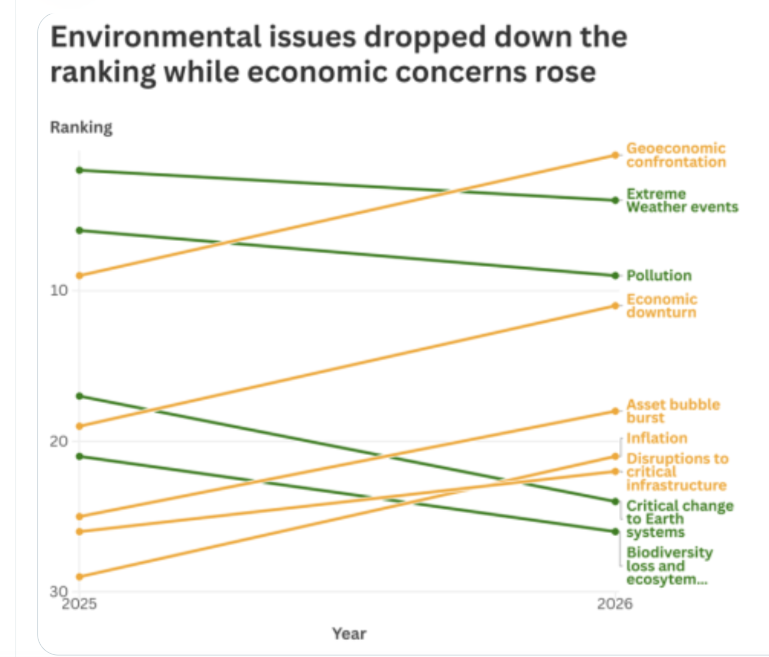
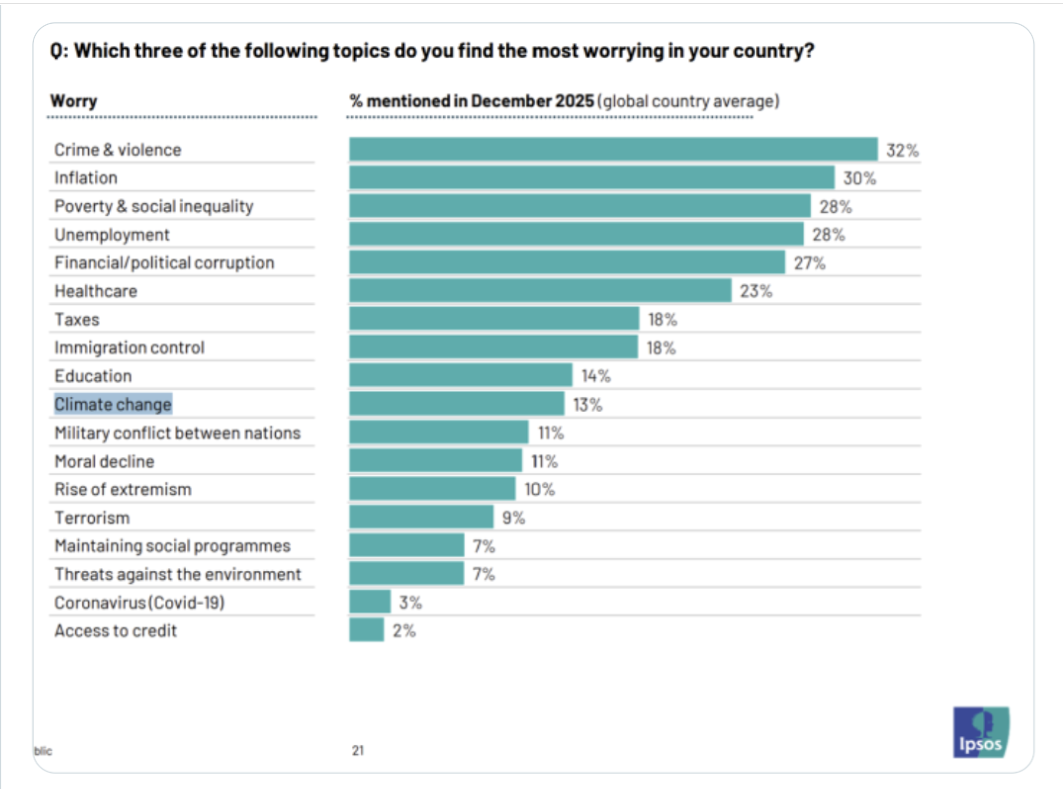
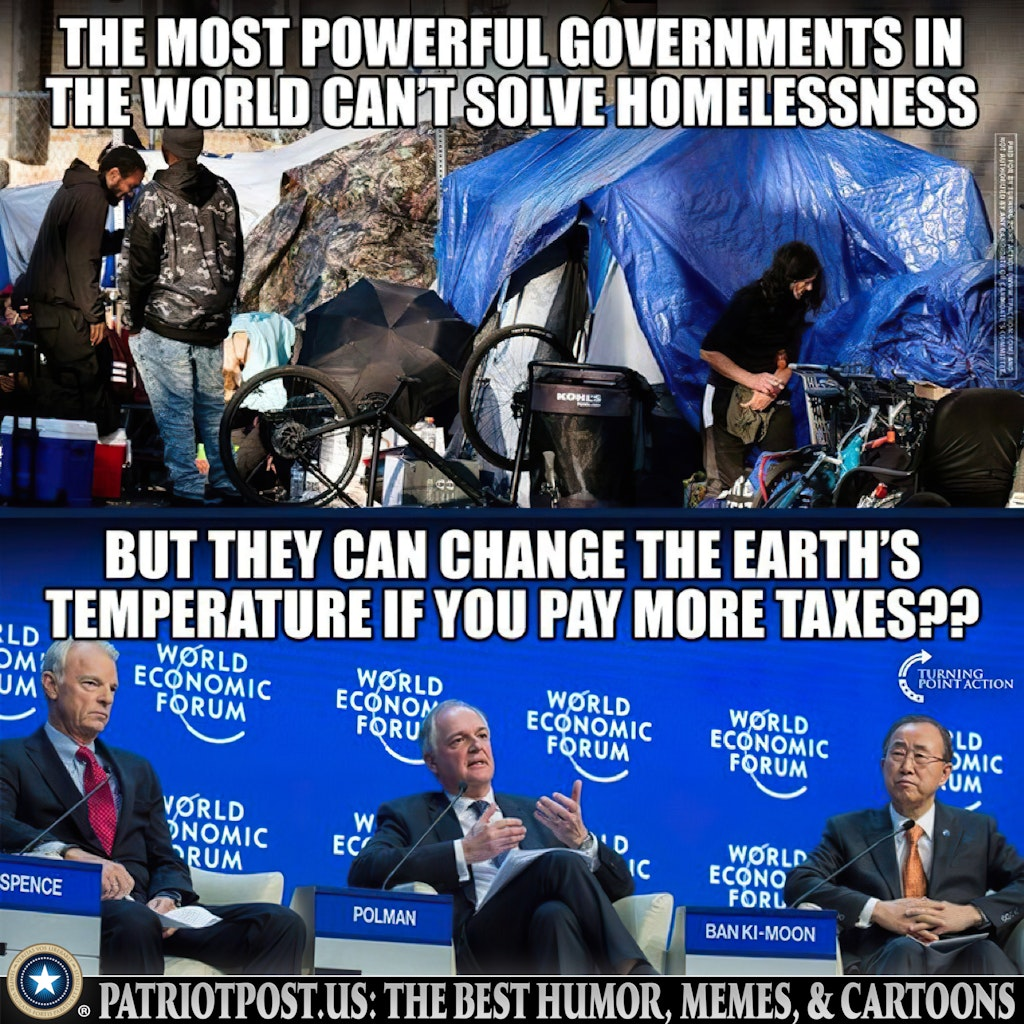


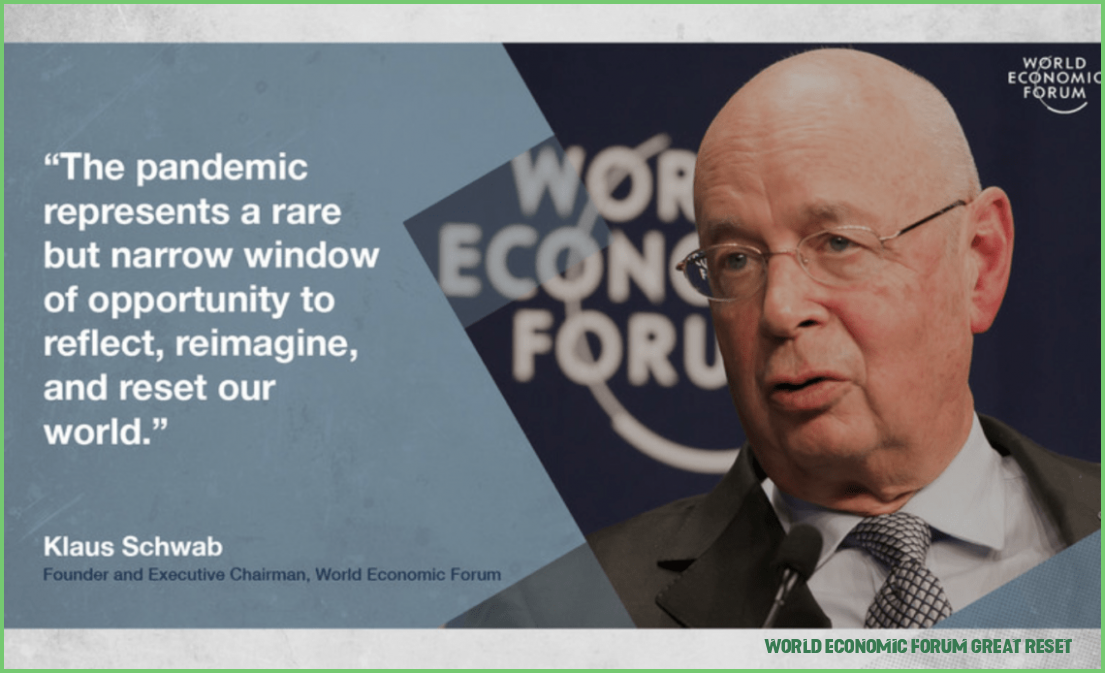
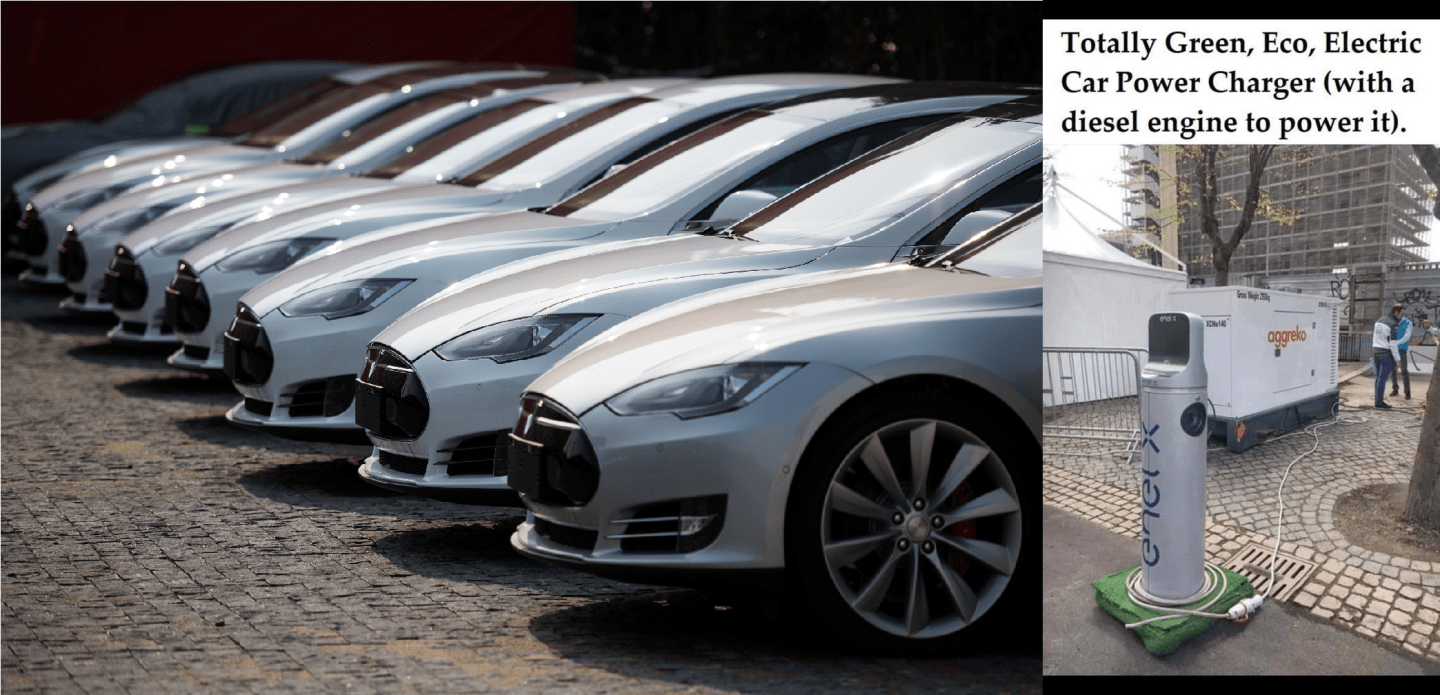


 These were blows to the heart of central planners and declared friends of the “big state.” Heavy on main clauses and rich in imagery, Trump dismantled the Davosites’ fantasies of omnipotence one by one. Planning versus growth, moralism versus prosperity, control versus dynamism — every certainty was exposed like a warped political myth.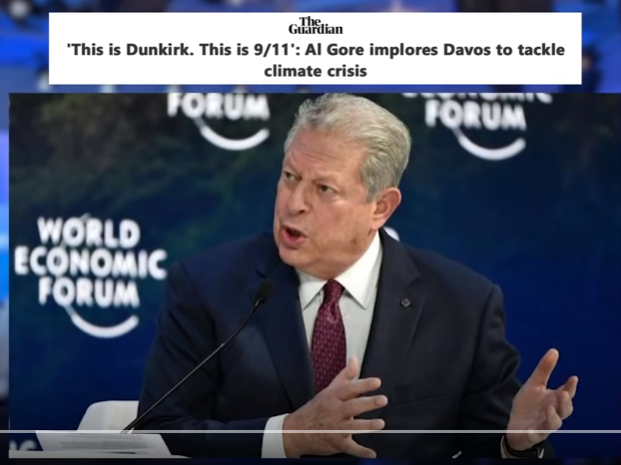


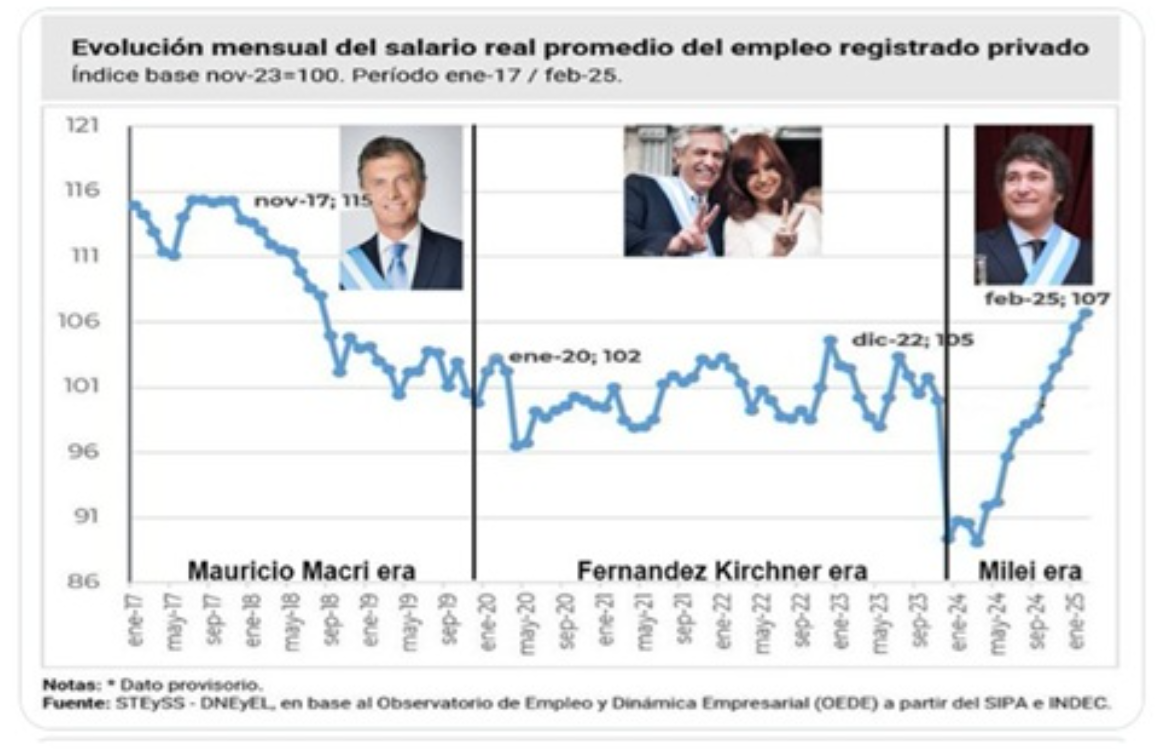


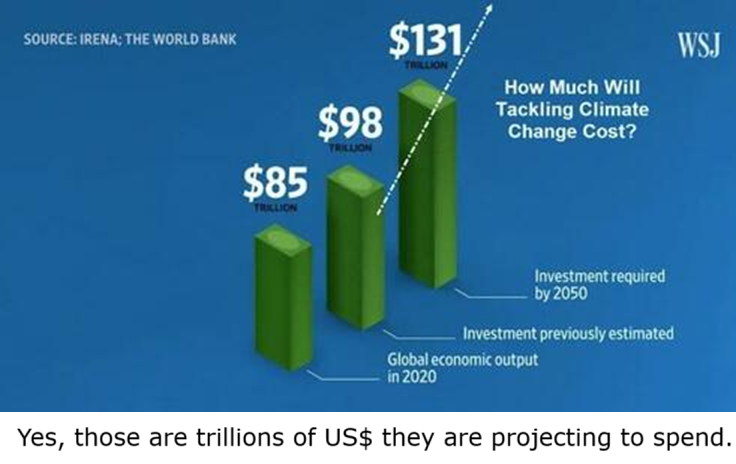


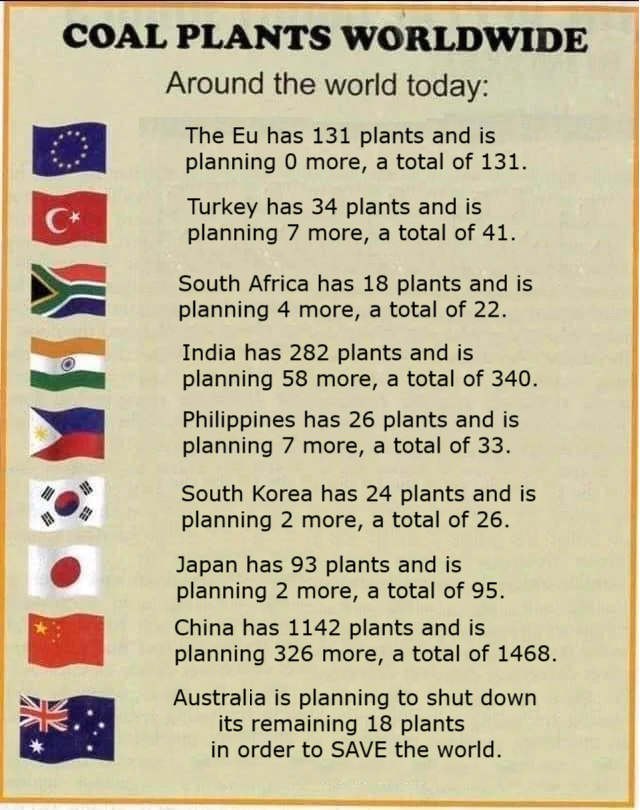


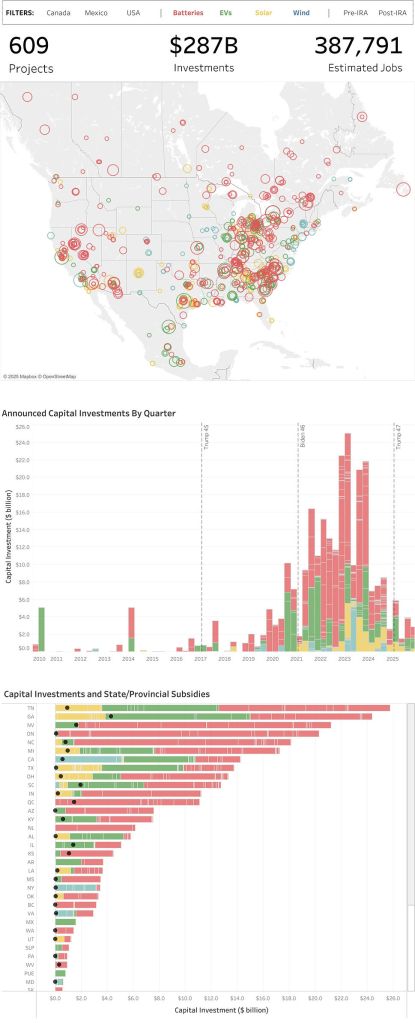

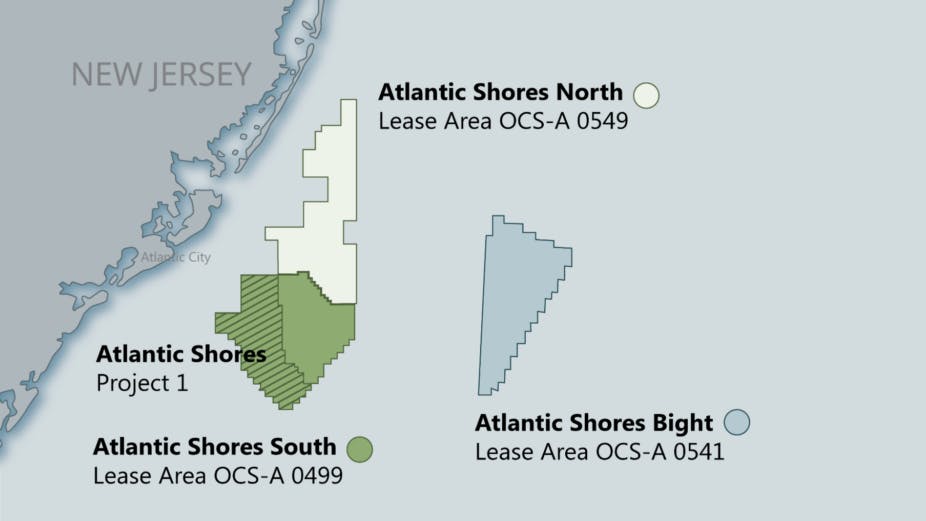



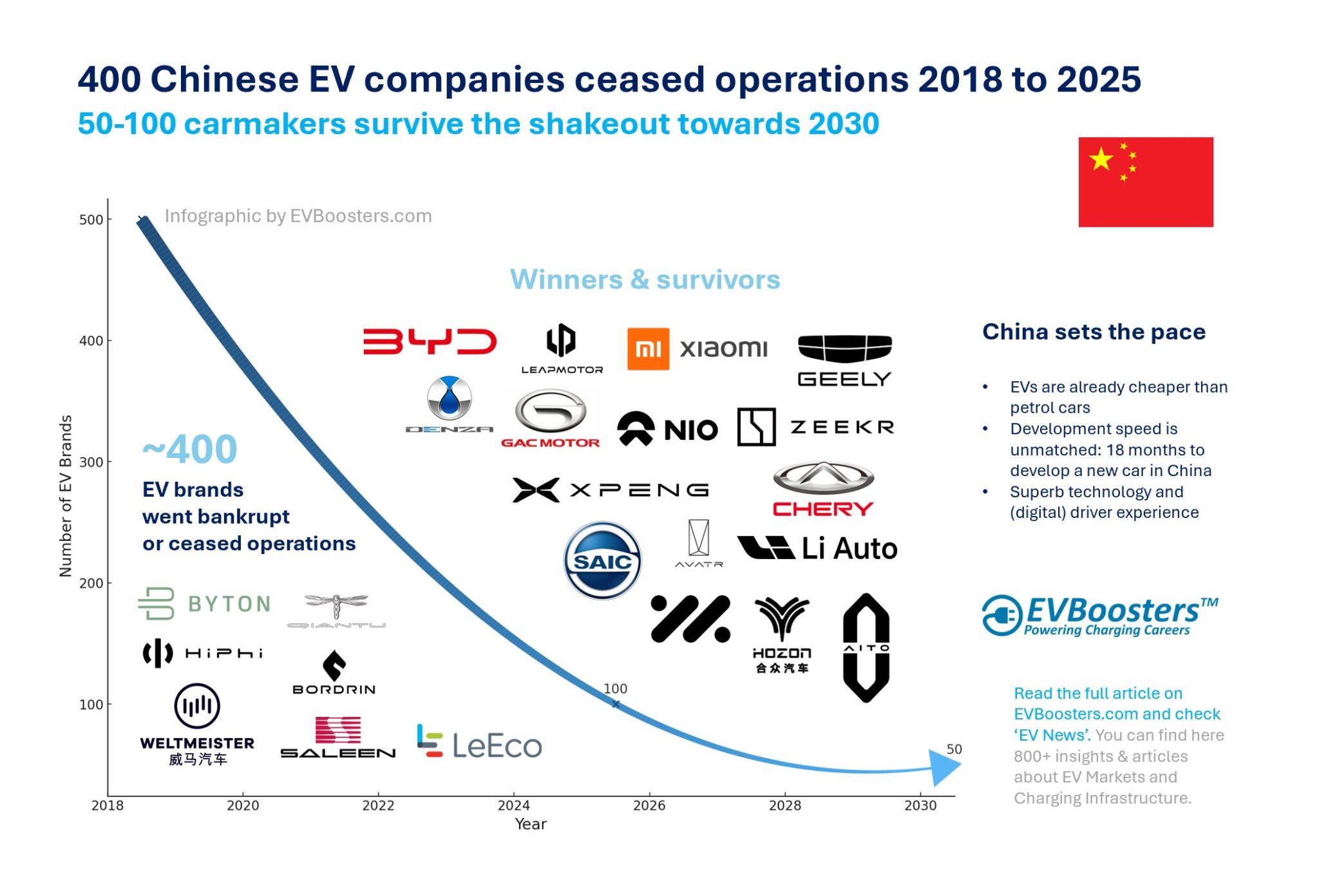 The Chinese electric vehicle (EV) boom has turned into a dramatic shakeout. Around 2018, China had more than 500 EV startups registered. These included everything from serious automotive disruptors to local government-backed ventures that never made it past the prototype phase. What do we mean by “EV startup”? In this context, it includes any newly registered Chinese company involved in the design, development, or production of new energy vehicles (NEVs) — including electric, plug-in hybrid and hydrogen cars. Many were speculative projects, created quickly to benefit from generous state subsidies, often with minimal automotive expertise. While a few had serious ambitions and advanced prototypes, the vast majority never got a vehicle on the road. By 2025, only around 100 of these brands remain active. Analysts from McKinsey predict that by 2030, fewer than 50 Chinese EV companies will survive. This is not just a story of collapse, but also of market maturation, consolidation, and strategic realignment.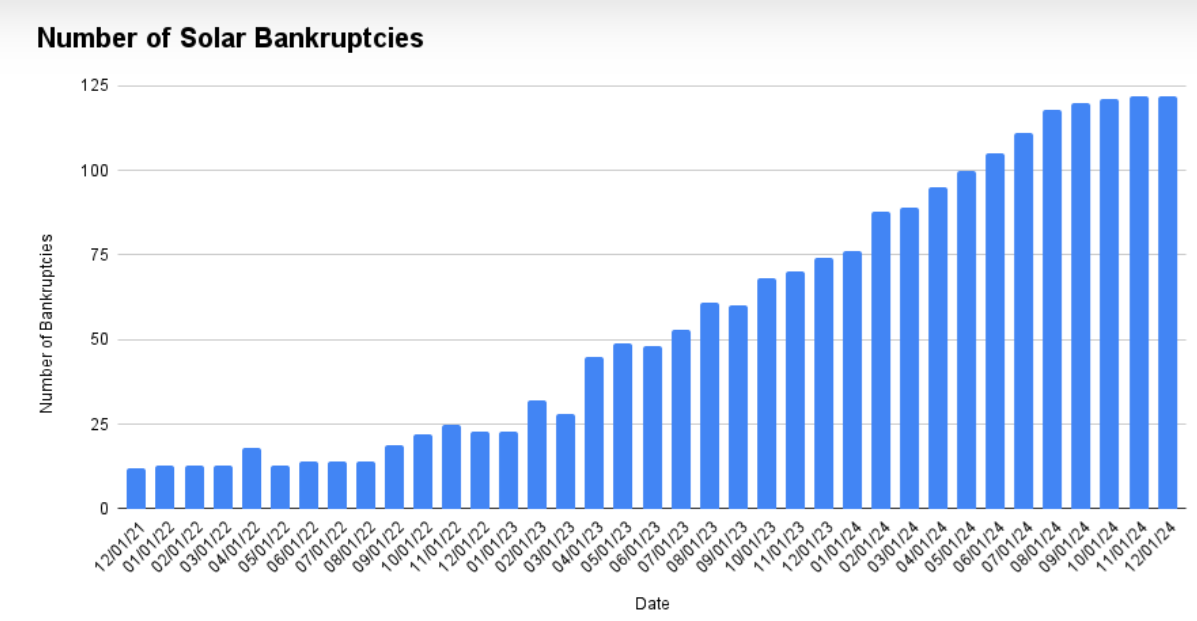
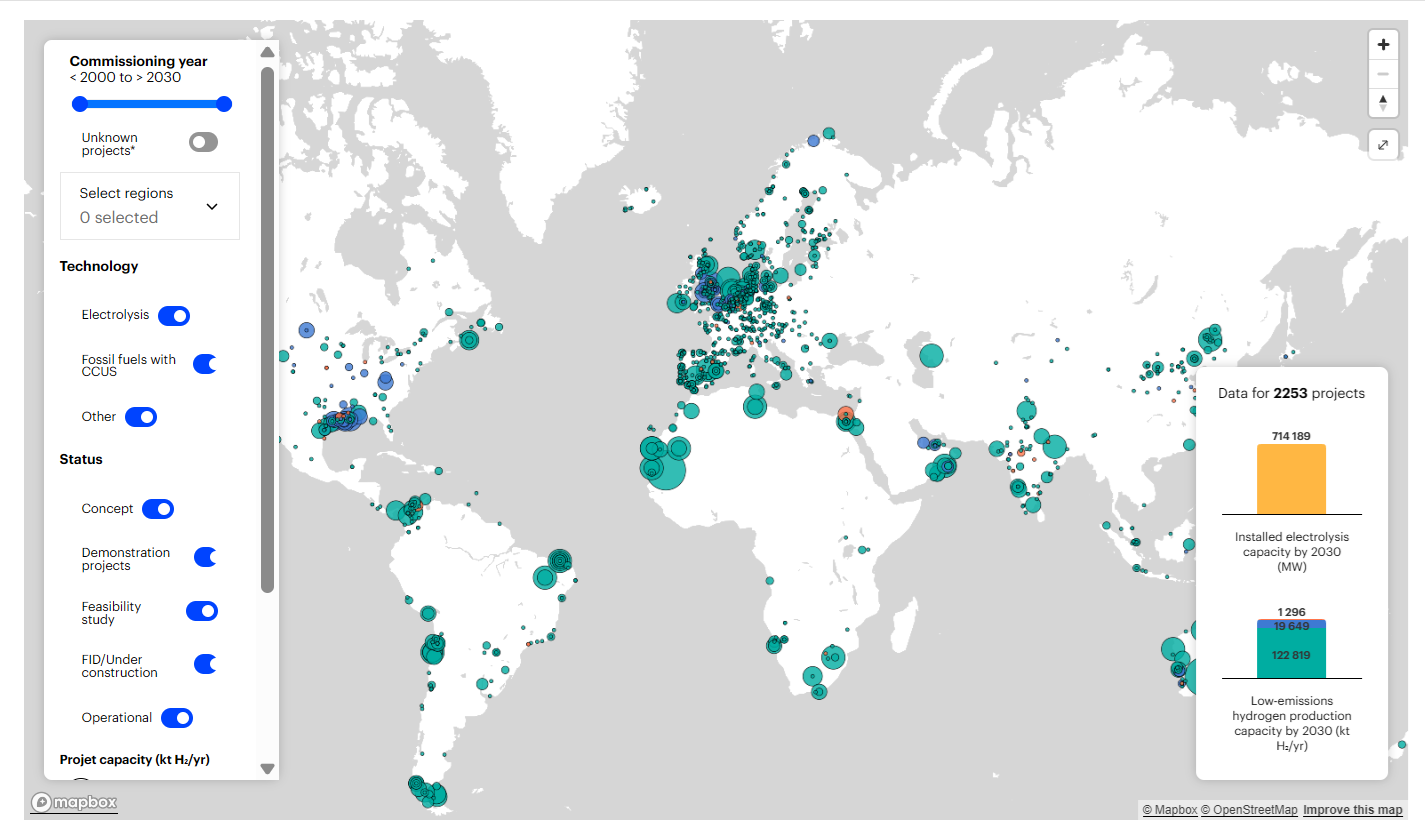
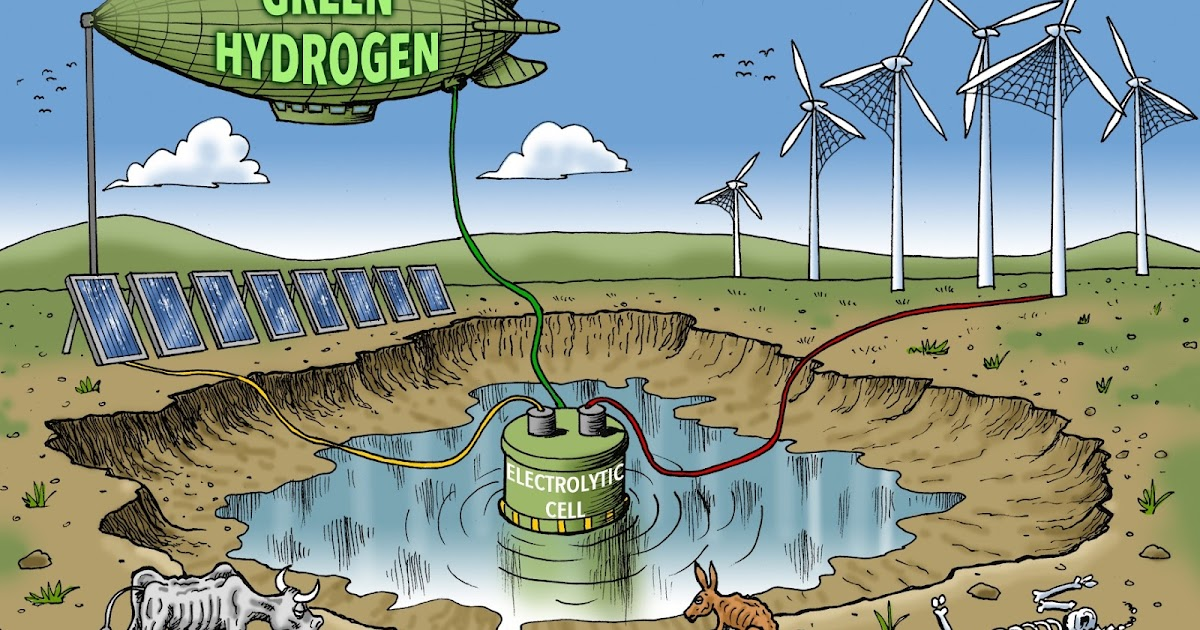
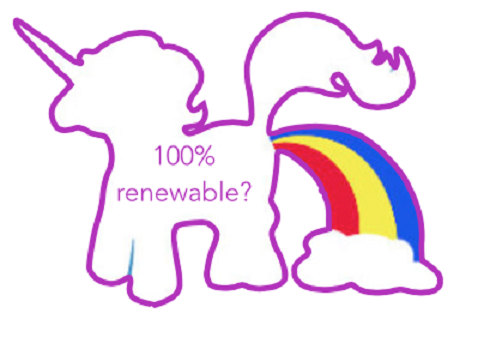


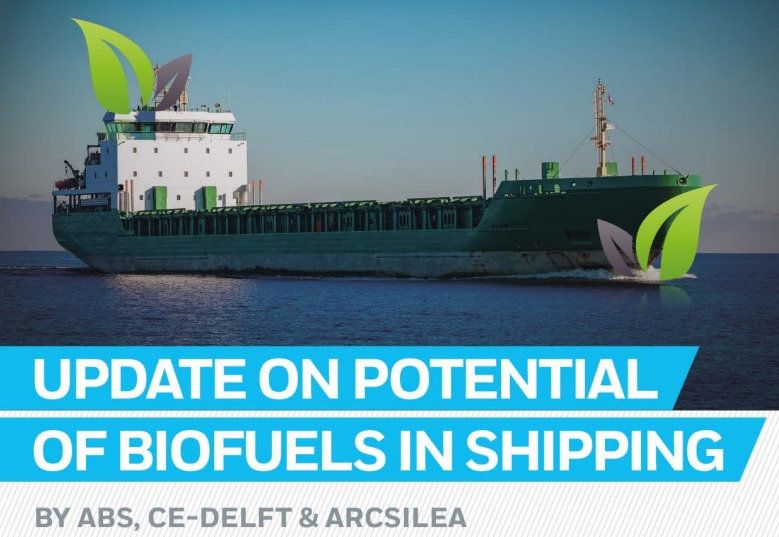
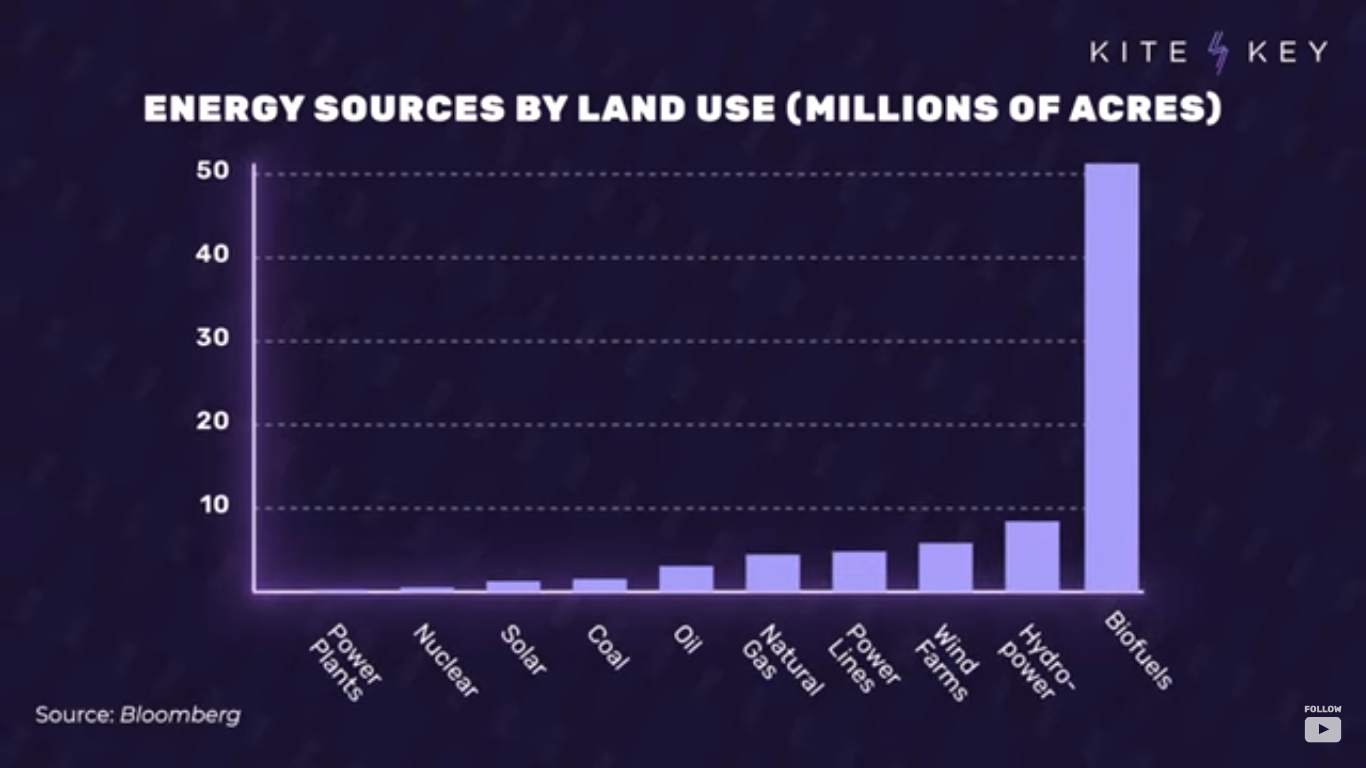
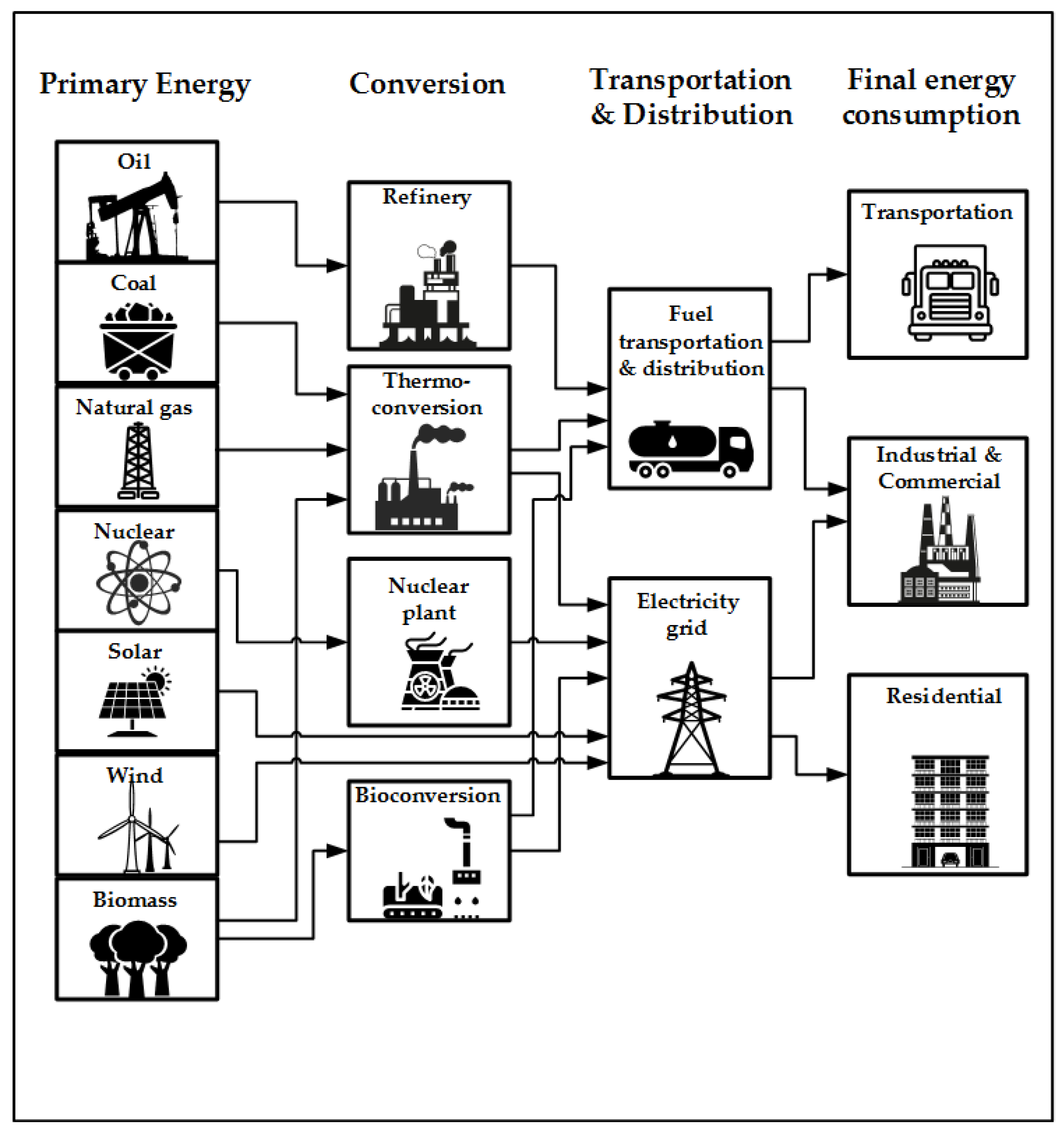

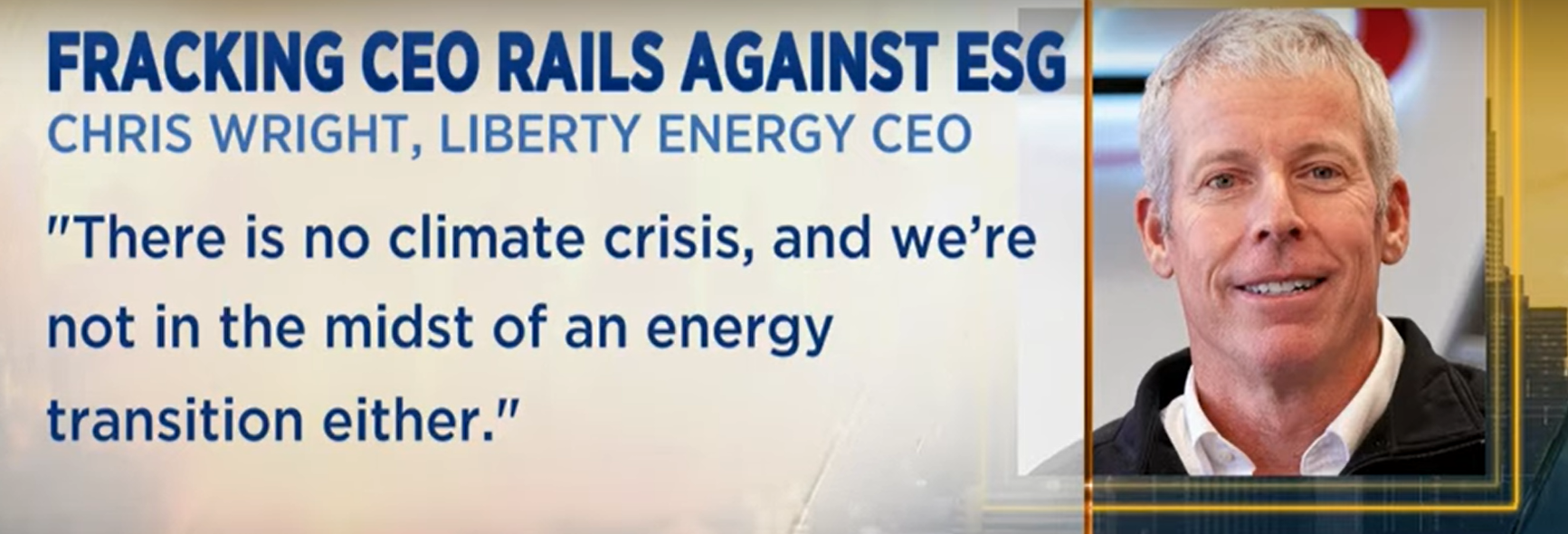
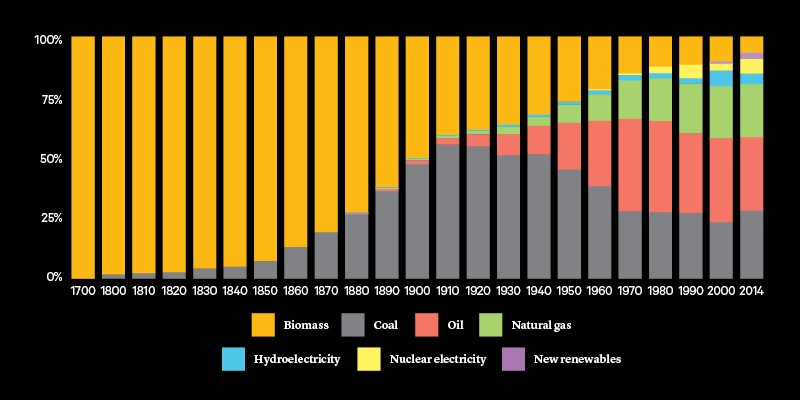

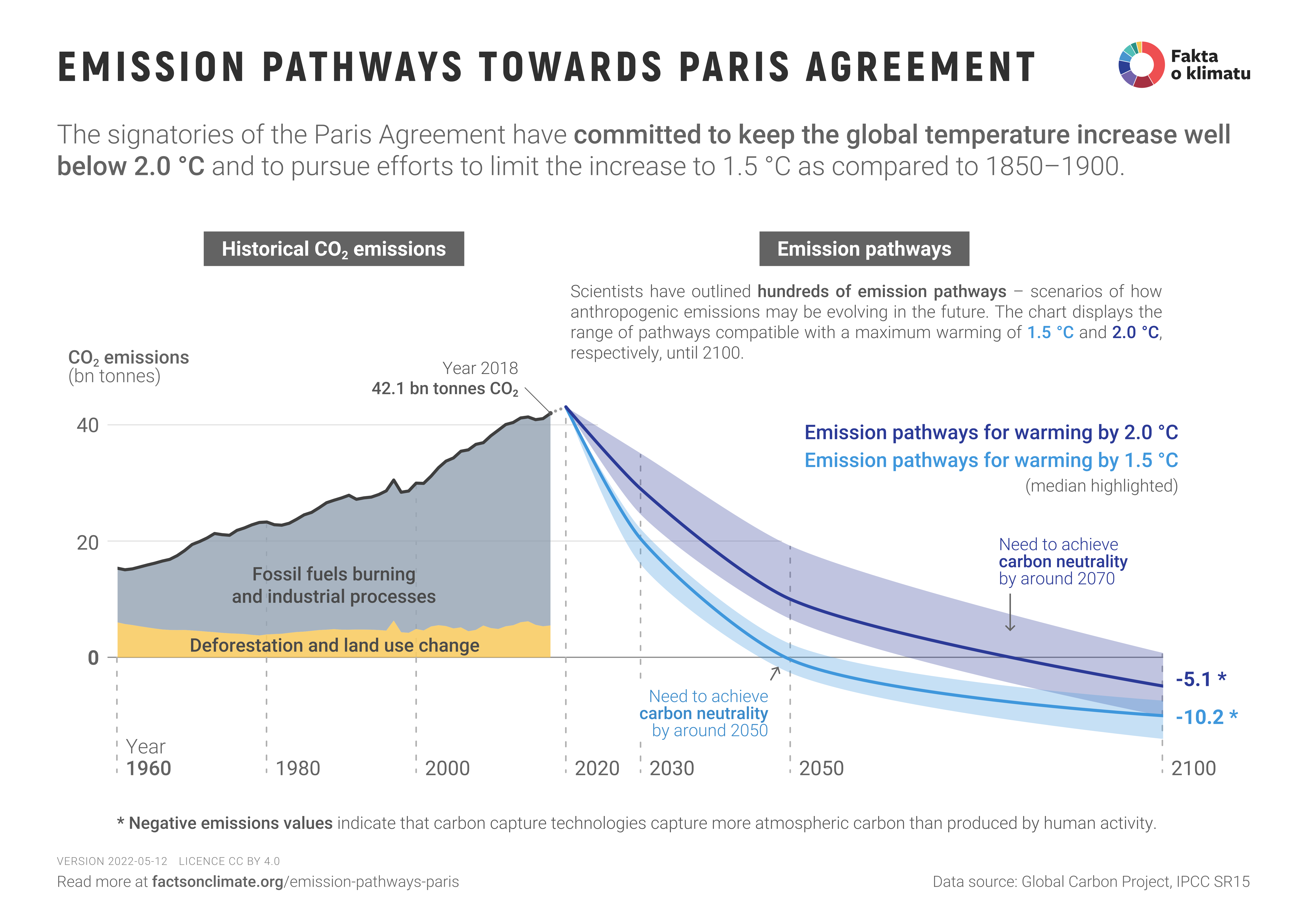
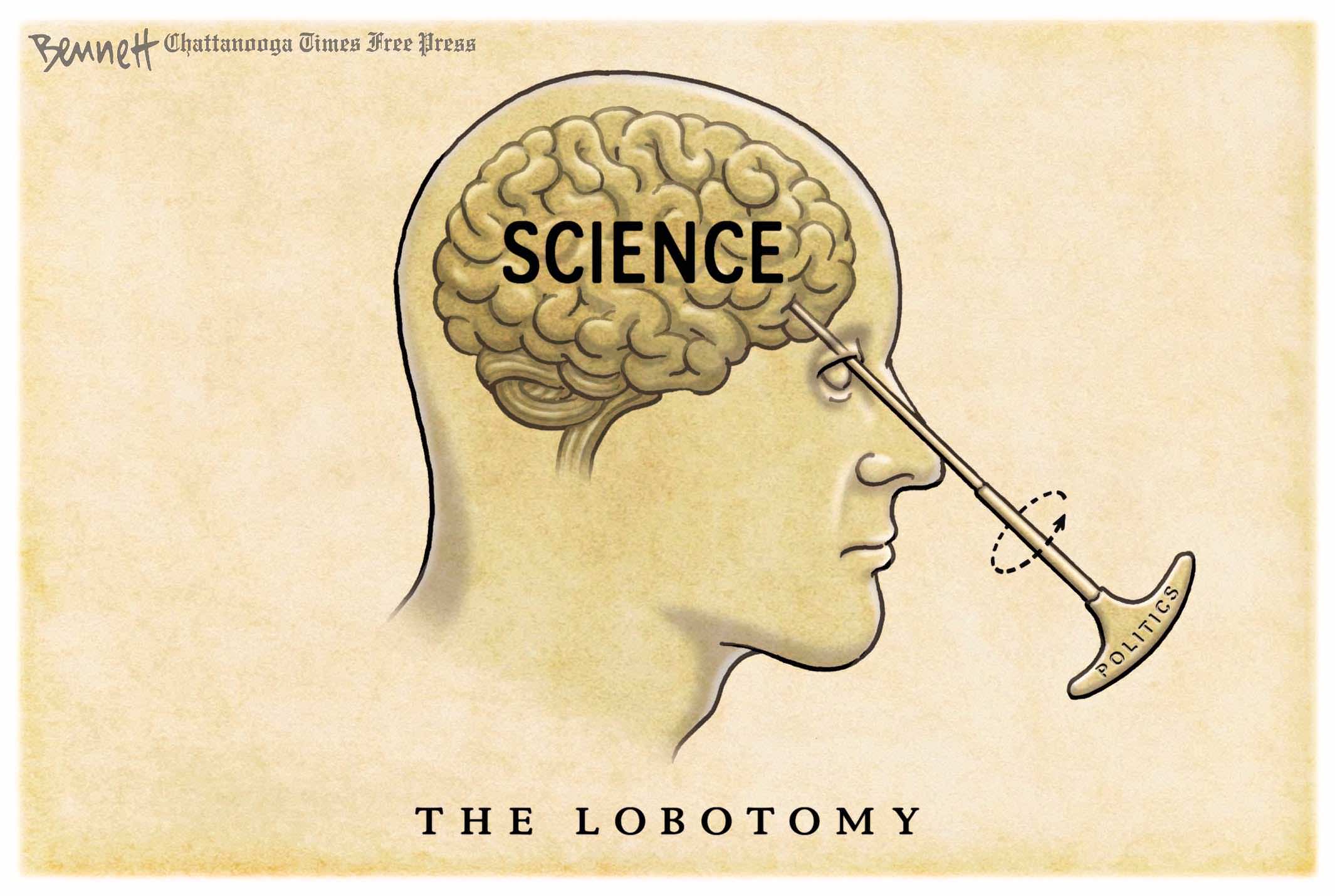
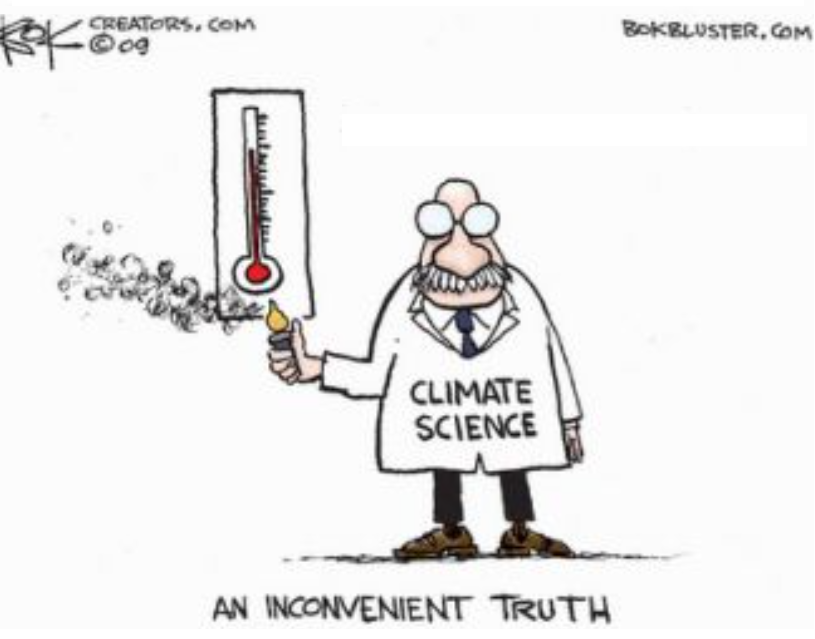


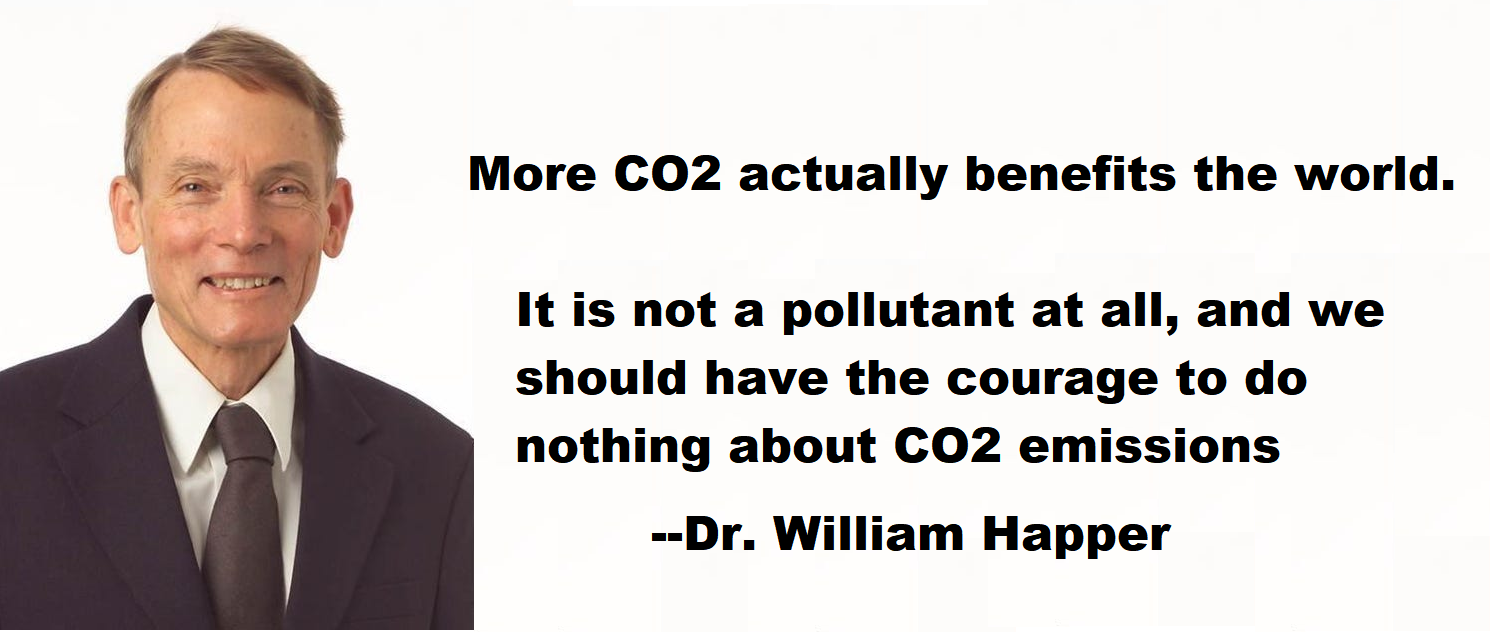
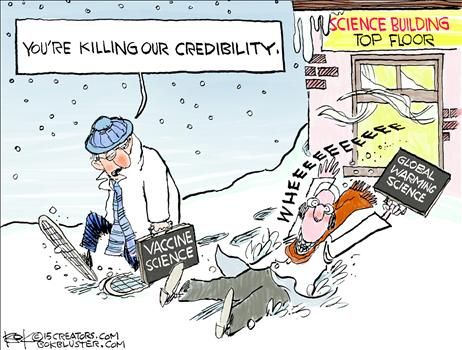
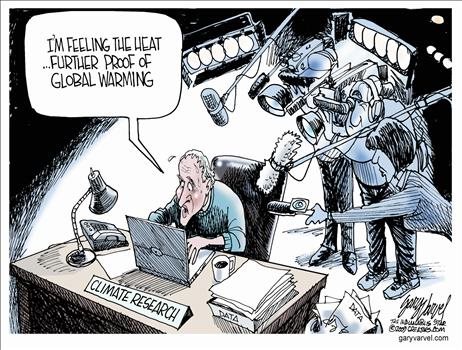
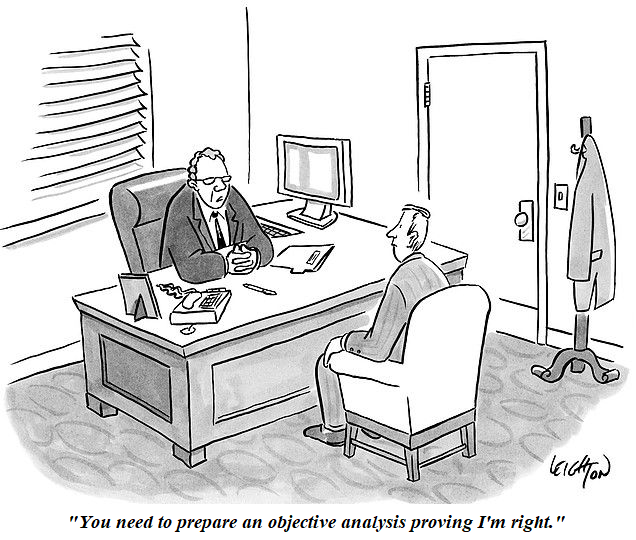

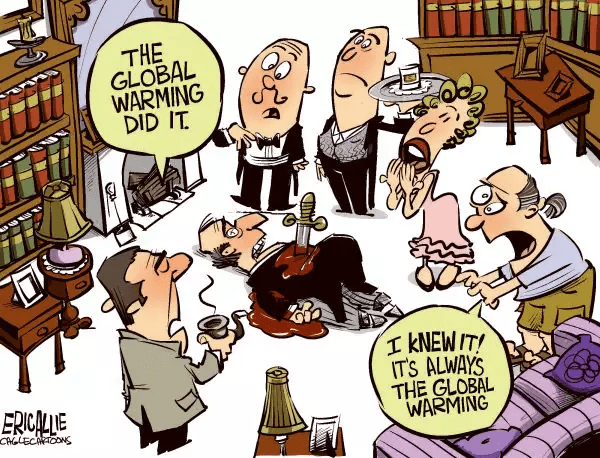
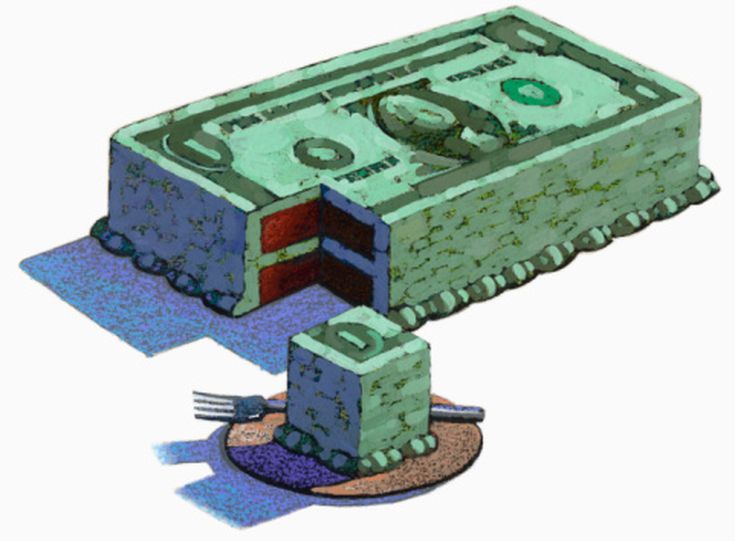


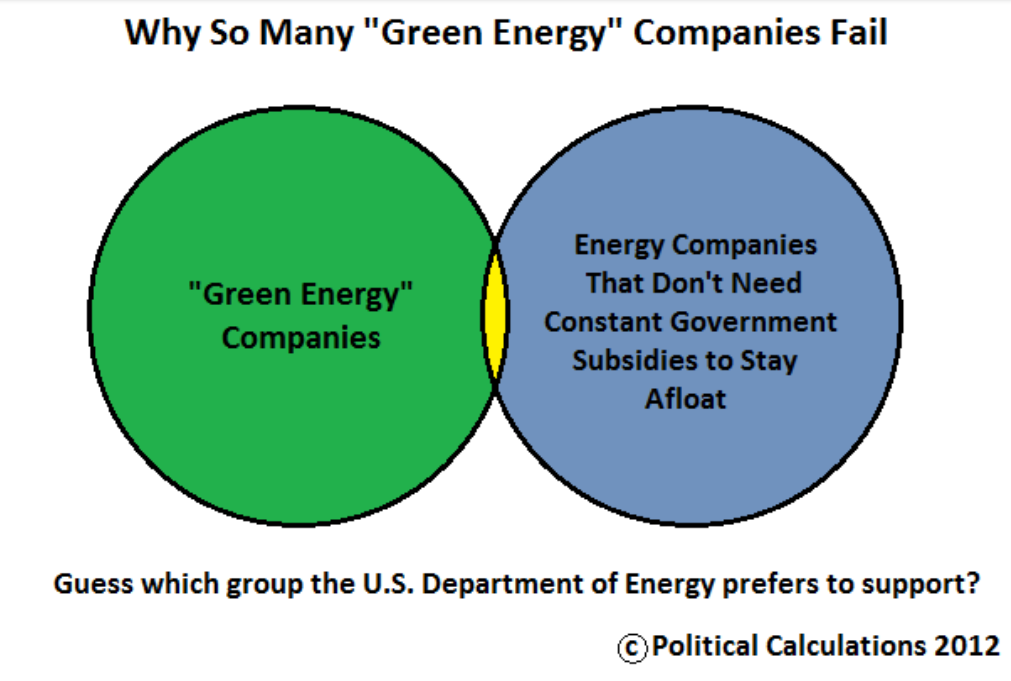
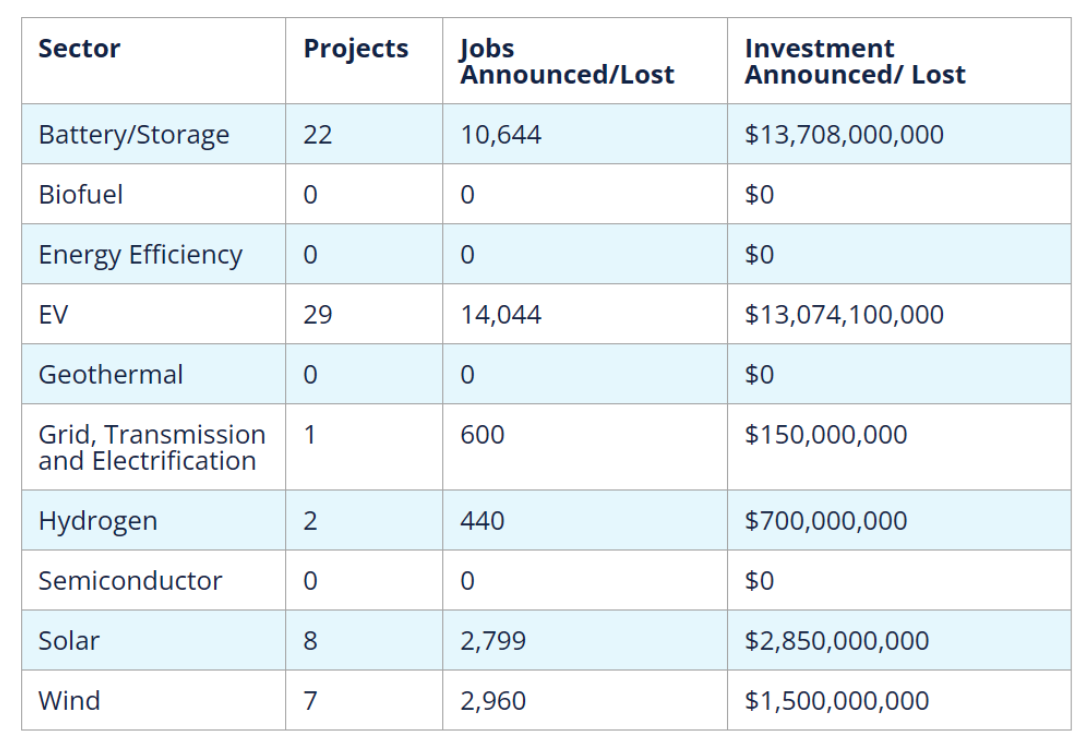
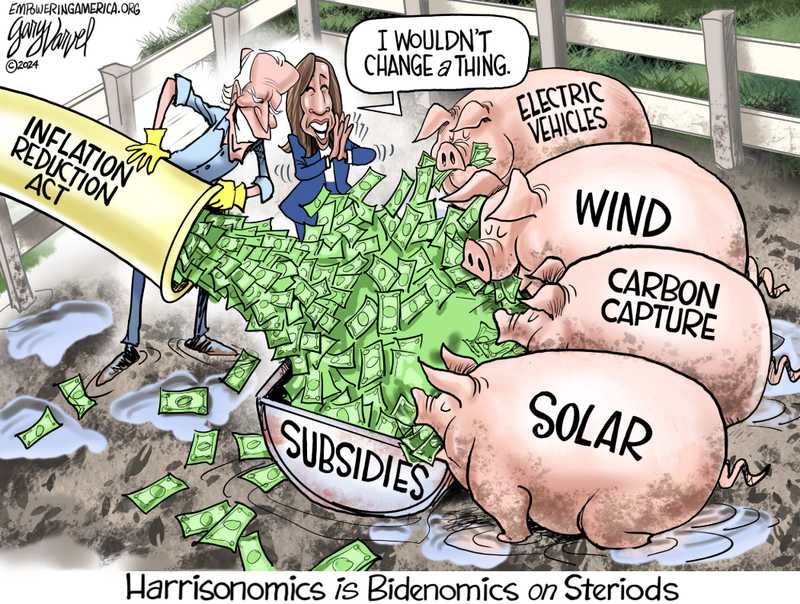
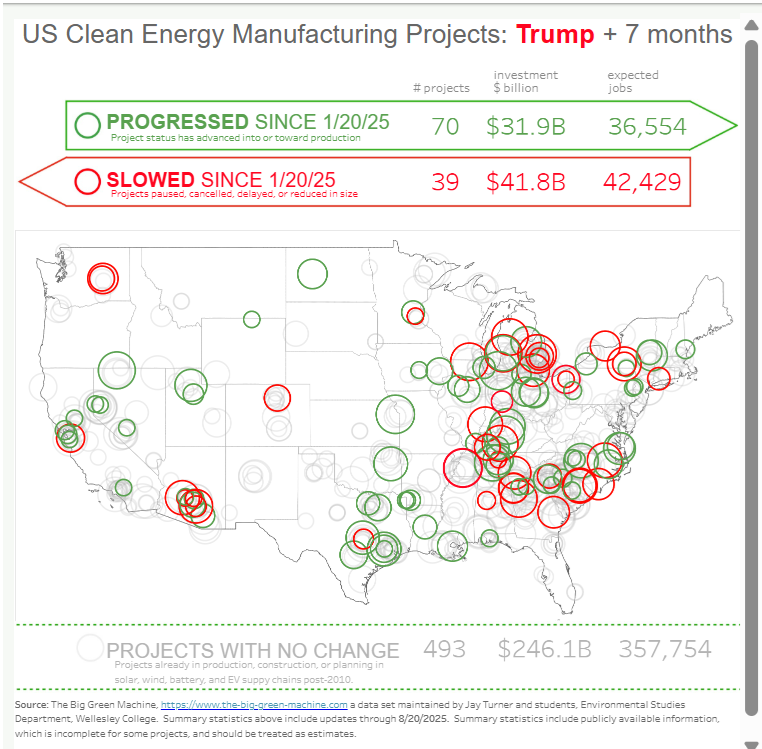
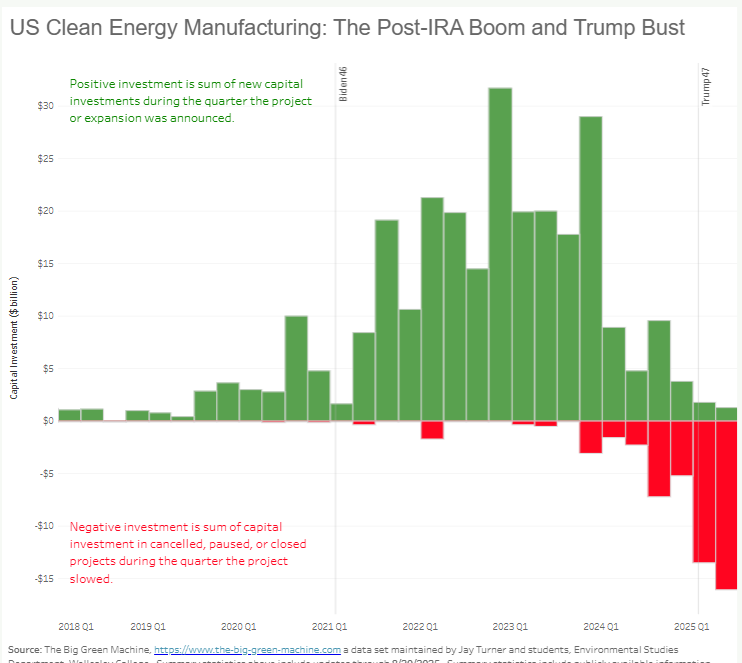
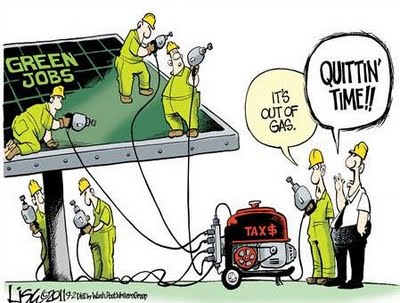
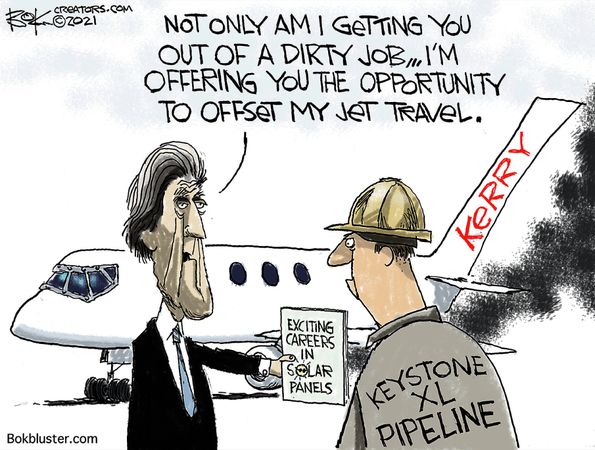
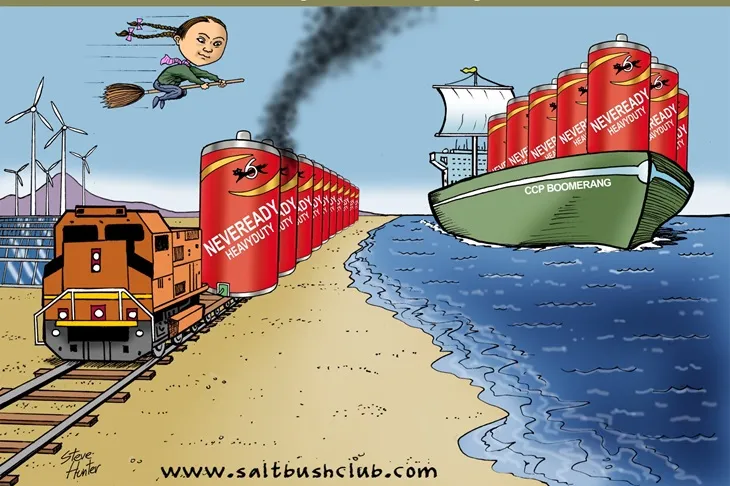

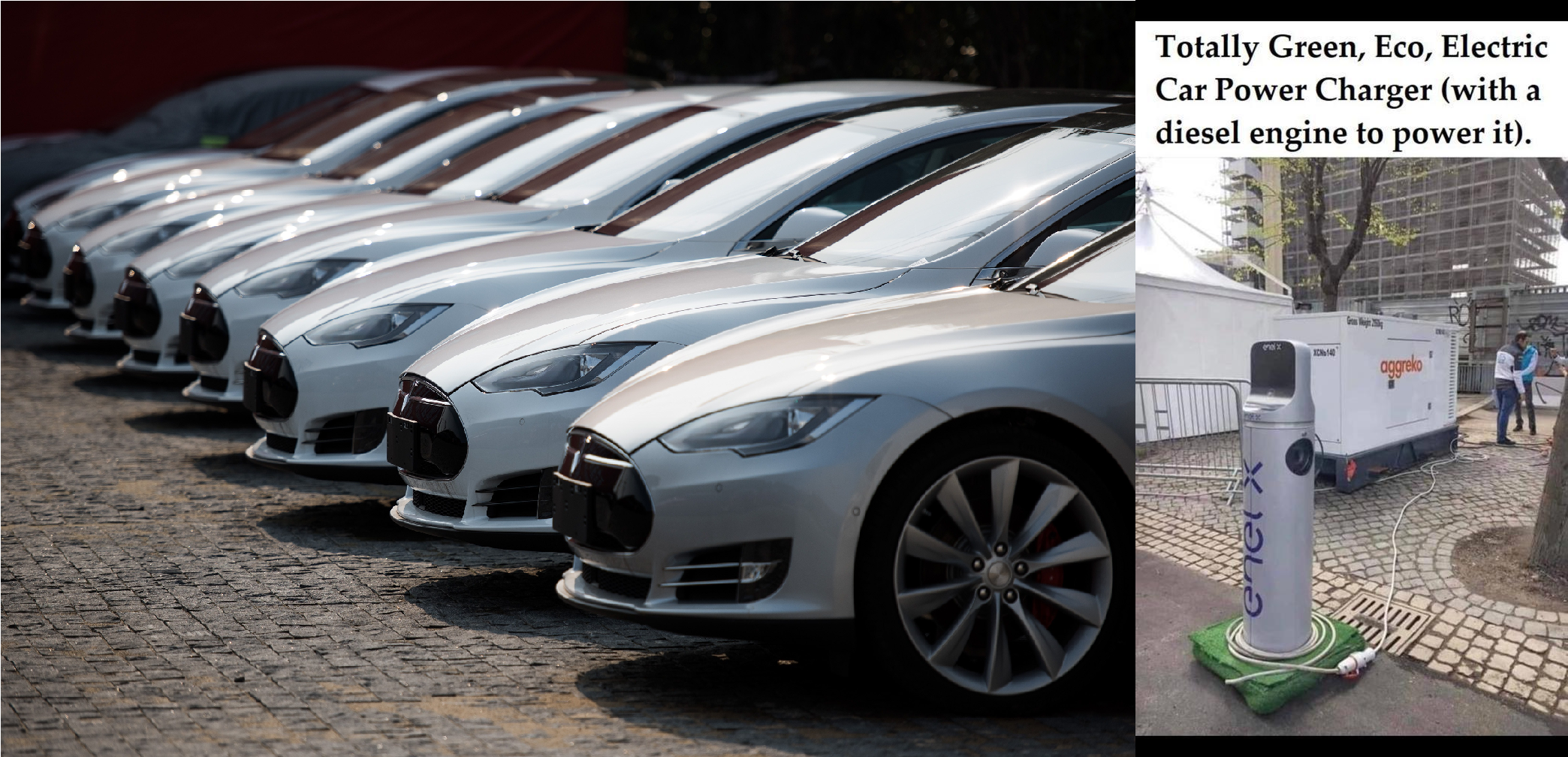
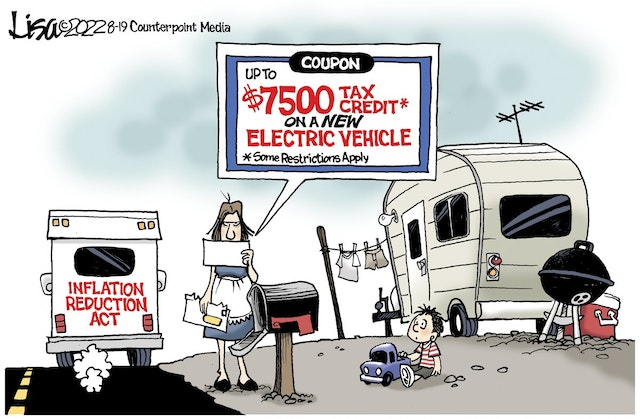





 Science Matters