Climate Ambulance Chasers

Holman Jenkins reports at WSJ Maui Sees Off the Climate-Change Ambulance Chasers.  Excerpts in italics with my bolds and added images.  H/T  climate depot

Making climate policy the answer to weather risks
is a distraction & fraud on the public

It was modestly funny when Hurricane Sandy, after it came ashore in 2012, had to be hurriedly renamed Superstorm Sandy (a title with no formal meteorological meaning) because it was no longer a hurricane.

Local politicians blabbed in the aftermath about climate change to help unlock Obama disaster aid, and also to duck questions about inadequate preparation. But the storm itself was no different from many that had battered the Northeastern seaboard for centuries. The difference was how many people and structures were in its path.

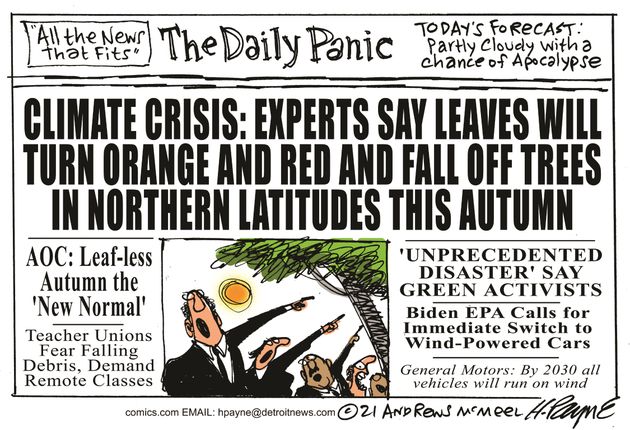
Nothing is funny in the aftermath of the Maui wildfire, which swept through a town and killed at least 115. But it’s noteworthy that Joe Biden refrained from his usual clamor about a climate crisis. He didn’t even mention the word climate in his speech when visiting the island.

Perhaps Mr. Biden’s off-key anecdote about a kitchen fire at his Delaware home was his ad-lib substitution. Whatever the reason, his aides apparently understood that climate talk would come across as criminal and cowardly in the face of the true causes of the Maui disaster.

High winds are a common occurrence. Dry conditions are a common occurrence.
Invasive grasses taking over abandoned pineapple and sugar plantations
were a known menace, complicated by unhelpful land-use policy.

Emergency sirens weren’t sounded. Water wasn’t available due to political squabbles over allocation rights. The local utility was instructed by Hawaii’s Legislature to meet ambitious renewables targets rather than spend on reducing fire risk. Firefighters reportedly left the scene early believing they had extinguished the initial blaze.

Maui itself is an island surrounded by the Pacific Ocean, with vagaries
more immediate and potent than any caused by a 0.3% fluctuation
in the planet’s long-term energy balance due to atmospheric CO2.

Blue-green algae gave us oxygen to breathe and yet we don’t blame blue-green algae for everything oxygen-breathing organisms do. Likewise, nothing very useful comes from trying to explain every weather-related misfortune in terms of human-caused carbon dioxide in the atmosphere.

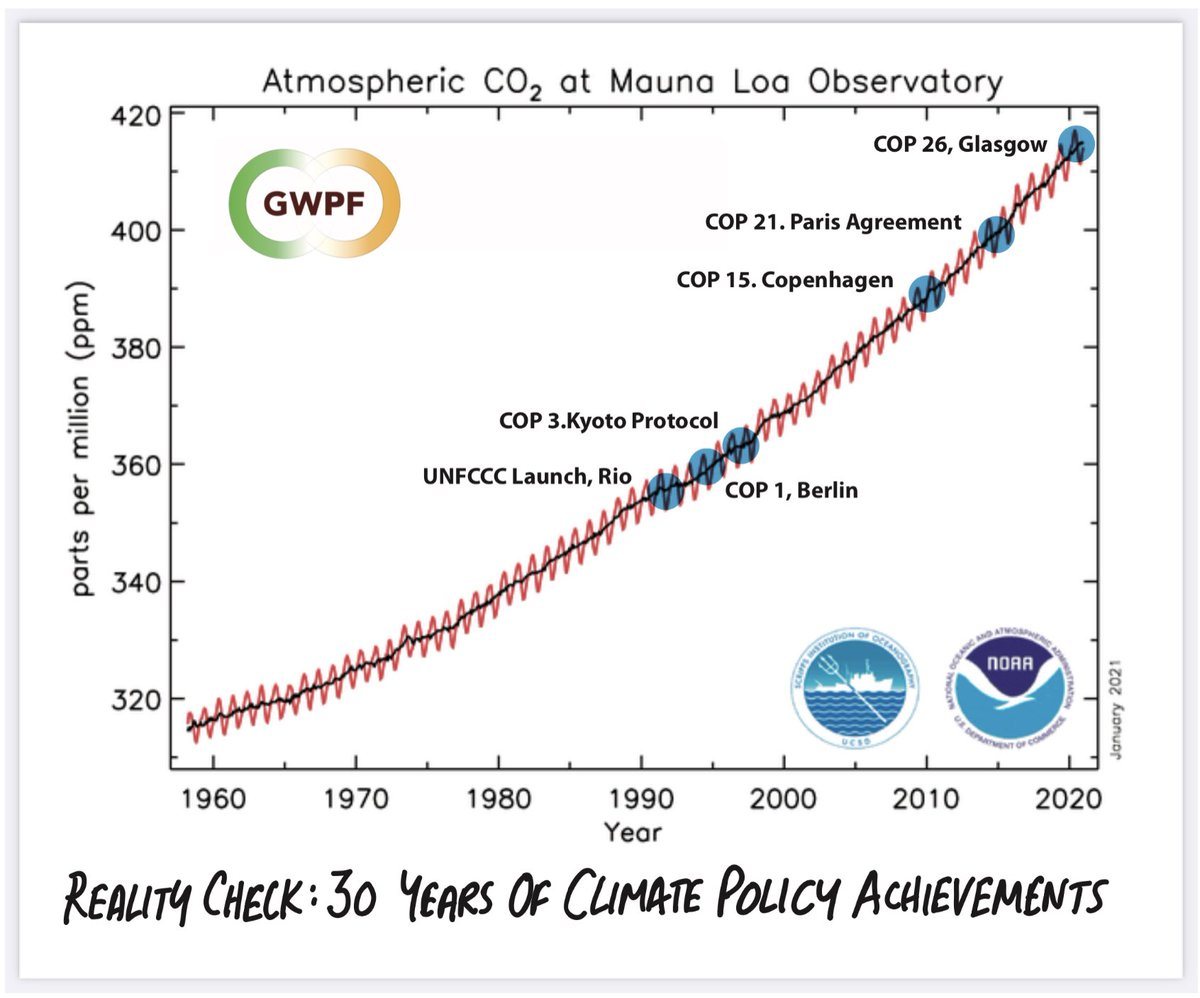
Weather is a product of climate, we should specify; our climate is currently influenced by atmospheric CO2 of 419 parts per million.

But hurricanes, fires, floods and heat waves also occurred when the concentration
was 280 parts per million, and tended to claim more lives than they do now.

Whatever man’s role in climate change, whatever the merits of regulating CO2, making climate policy the answer to weather risks is a distraction and fraud on the public. Nearly one-third of all greenhouse gases have been released since Al Gore won his 2007 Nobel Peace Prize for a climate movie. These emissions have an estimated half-life in the atmosphere of 120 years. Your electric car isn’t going to change that.

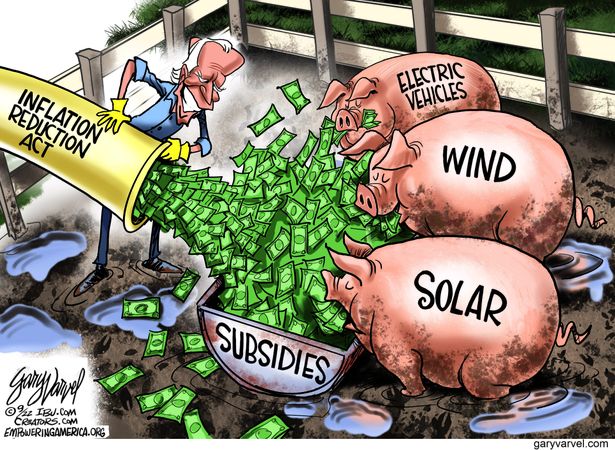
By now, though, activists and lobbyists have a picture on the wall, blown up to five times life-size, of a certain type of voter willing to believe anything, even that Joe Biden’s pork-ridden Inflation Reduction Act meaningfully addresses a warming planet.

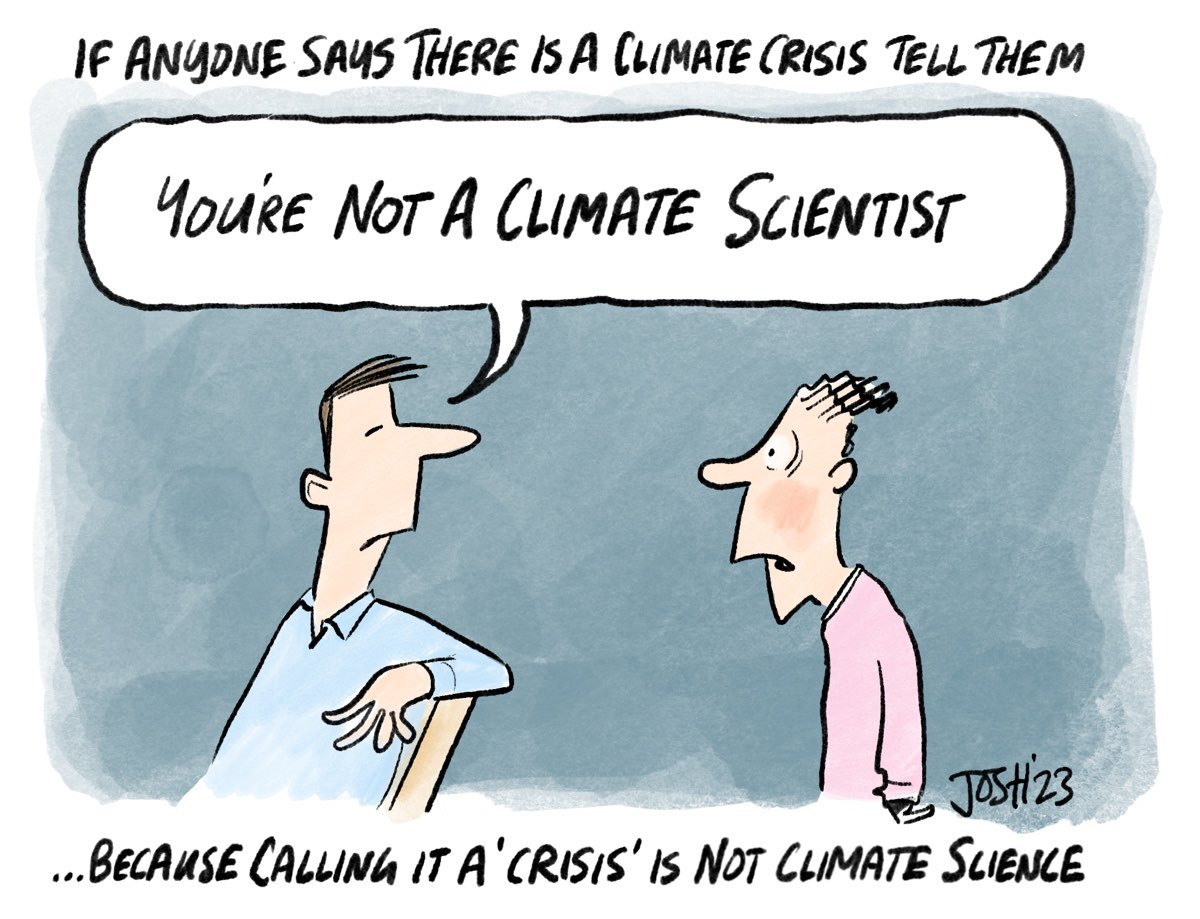
Meanwhile, a Nobel Prize laureate in physics who decries the “application of scientific disinformation for opportunistic purposes” can expect to be disinvited from giving a speech to the International Monetary Fund, as the 2022 laureate John Clauser recently was. His offending words, which are hard to dispute in the dictionary sense: “I believe that climate change is not a crisis” (emphasis added).

A crisis, after all, usually calls for concerted, immediate action. Why is it that nothing is ever seriously proposed or enacted, including Mr. Biden’s bag of handouts for “green” energy interests, that would actually have a detectable effect on weather and climate now or in the future?

To stress something not usually emphasized, the science is still largely a science of computer simulations. For now, though, it suggests a relatively manageable human adaptation to a slowly warming planet, mainly through everyday decisions about where and how to live, build and work. Once again, a weather-related disaster is too important to cheapen for the sake of the ‘narrative.”

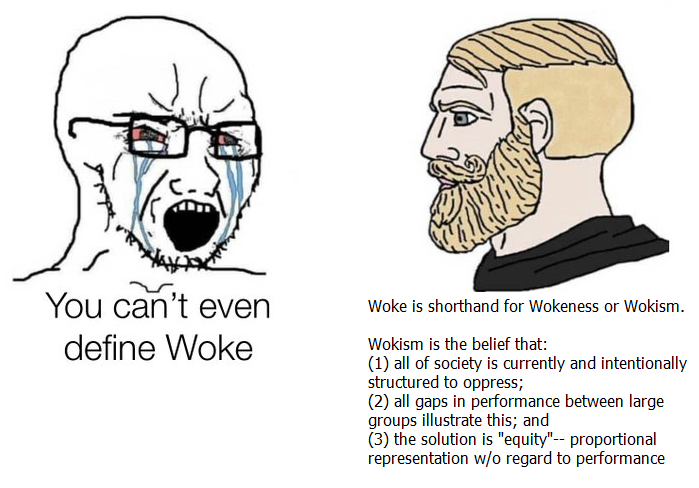
Australia Academy of Science Now a Woke Joke

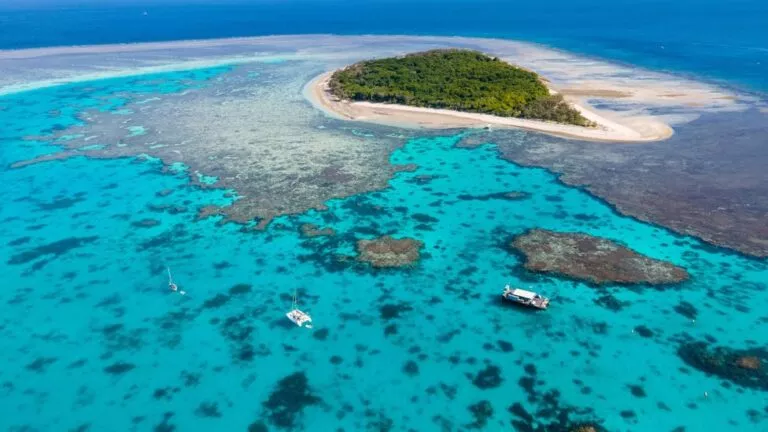
The GBR is the largest reef system on Earth and runs for over 1,400 miles down the eastern side of Australia.

Peter Ridd explains at Spectator Australia The astonishingly woke Australian Academy of Science.  Excerpts in italics with my bolds and added images

The Australian Academy of Science (AAS) recently released a report Reef Futures Roundtable, which is ostensibly about the doomed Great Barrier Reef. However, the report only demonstrates that the AAS, Australia’s peak science body, has become not just unscientific, but anti-scientific. Perhaps unsurprisingly, it has also become astonishingly Woke.

The AAS report predictably concluded that the Great Barrier Reef
could already be ‘irreversibly’ damaged.

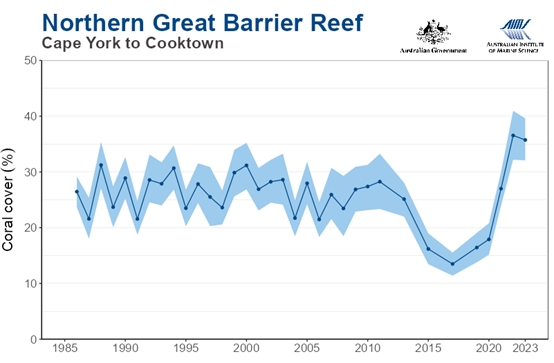
The fact that UNESCO has just declared it not endangered did not rate a mention, and neither did the latest two years of statistics showing the reef is at record high coral levels. Remarkably, the report does not contain a single fact or figure to support any of its claims about the reef – except the area of the reef is 340,000 square kilometres. There are no figures, no percentages.

The recovery in the northern GBR actually started around 2017. Last year the coral declined slightly from 36.5% to 35.7%, and was easily within the margin of error calculated by the AIMS. Typhoon Tiffany passed through at the end of the previous reporting season, and could have been responsible for some loss. Central and Sounthern sections of GBR showed similar gains.

Nowhere does it mention that coral grows 30 per cent faster for every degree increase in water temperatures. Or that there is 100 per cent more coral on the reef today than in 2012. Or that just 1 per cent of the reef has the potential to be impacted by farm sediment, fertiliser or pesticides, even in the slightest way. Or that the sea level has fallen by 1 metre in the last 5,000 years.

The problem with this completely unanalytical approach
is seen in the ‘interventions’ it recommends to fix the reef.

Their impracticality is breathtaking. For example, it suggests ‘solar radiation management’ – shading the reef from the sun with man-made fog and clouds to prevent the water heating up and causing coral bleaching. The only number cited in the entire report – the area of the reef, which is as big as Germany – should have given them a hint that this is crazy. How are you going to make a cloud as big as Germany and keep it anchored over the reef for the whole summer over the next few hundred years? And you will also have to stop hot water flowing into the reef from the Coral Sea at the same time. That would require a dam 2,000 kilometres long and 100 metres high.

While a simple calculation is all that is required to reveal the absurdity of this idea, modern science is full of people who are almost completely non-quantitative and, as such, impractical and virtually useless as scientists.

Next there is rubble stabilisation. The supposed experts worry that the Great Barrier Reef will break up from climate change. Each of the 3,000 reefs is an almost solid lump of calcium carbonate rock (fragments of coral glued together over eons) a few kilometres wide and 100 metres high. How this is going to be broken up by some climate change magic is unexplained. But even if that were to happen, are they seriously suggesting we can wire it back together with steel reinforcing and concrete? Just do the calculation on how much concrete and steel this would entail.

The unscientific nature of the AAS report is largely a result of its anti-scientific approach. The report is actually a parody of wokeness and romantic mythology. This starts with the way the roundtable committees of ‘experts’, whom they questioned about the reef, were formed. Each roundtable had two chairs, a non-Indigenous chair, and a specially selected Aboriginal and Torres Strait Islander chair. The romantic mythology about the special knowledge of any person with Indigenous heritage pervades the entire document, and starts in the foreword by the head of the AAS.

As the Academy approached the task of planning this project it became immediately obvious that there was no separating nature and culture when it comes to the GBR. Land and sea cannot be separated. No priority can be selected on an ecological basis alone. Having a Traditional Knowledges co-Chair in each roundtable allowed for different sources of knowledge to be shared and to form a basis for a number of the observations featured in this report.

Having a diversity of ideas and scientific thought would have gone some of the way to curing the AAS of the groupthink which renders its report risible. And the views and experience of people from the coral islands of the Torres Straits and northern Great Barrier Reef could have been used to great effect. These people tend to be deeply practical about the reef – like almost all seafaring people who live and work on the reef. And practical people know you cannot bolt the reef, which is the size of Germany, down to the seafloor.

But selecting people for their ‘roundtables’ on the basis of their ethnicity
rather than their scientific or real-world experience
is a fundamentally anti-scientific approach.

But it gets worse. The dearth of statistics about the reef are made up for by an abundance of data on the gender identification of all those who participated in the ‘roundtables’. There is also the Indigenous percentage. And not just of those who participated, but also of those who were invited to participate but did not. One could quibble and point out that those claiming to be male or female added up to exactly 100 per cent in all categories, indicating a terrifying lack of diversity on the LGBQTI+++ spectrum. But there is no question, on the important matters for the Woke brigade, that this report is brimming with instructive statistics.

The AAS ascribes such importance to facts and figures on gender and race,
but not to scientific facts.

This demonstrates it is anti-science. Science is about evidence and logic. It does not matter whether one is male or female or whatever else, it is still impossible to make clouds as big as Germany for the next hundred years. That is called a fact, and facts do not vary with race, gender, or any ideology.

I have been saying for some time that many of our science institutions have become totally untrustworthy. By its wilful abandonment of quantitative analysis, the AAS has destroyed its reputation as a source of useful scientific advice. The media loves a bad news story – they should focus on what has happened to a once-esteemed organisation.

The Australian Academy of Science is now a joke.

Peter Ridd is an Adjunct Fellow at the Institute of Public Affairs.

See Also Barrier Reef Great Again

Recently I watched an extraordinary netflix documentary which took us on a journey discovering the rich variety of reef life, including microscopic creatures not shown in videos before. It was highly educational and thoroughly delightful . . . until suddenly it wasn’t. Spoiler Alert: Puff returns as an adult to the reef where he was born after leaving it to mature in a mangrove marsh. Alas, he finds the coral dead and blackened, and the narrator warns us: Warming oceans killed the reef and we must change the way we live for the sake of Puff and the other reef creatures. There may have been more to the fire and brimstone ending, but I was so turned off that I turned it off.

Coral at the Great Barrier Reef (GBR) faces another year of exile from the climate scare headlines with news that the record levels reported in 2021-22 have been sustained in the latest annual period to May 2023. A small drop in the three main areas of the reef was well within margin of error territory, with the Australian Institute of Marine Science (AIMS) reporting that regional average hard coral cover in 2022-2023 was similar to last year at 35.7%. Most reefs underwent little change during the year.

Londoners Vs. ULEZ Cameras

Background: 

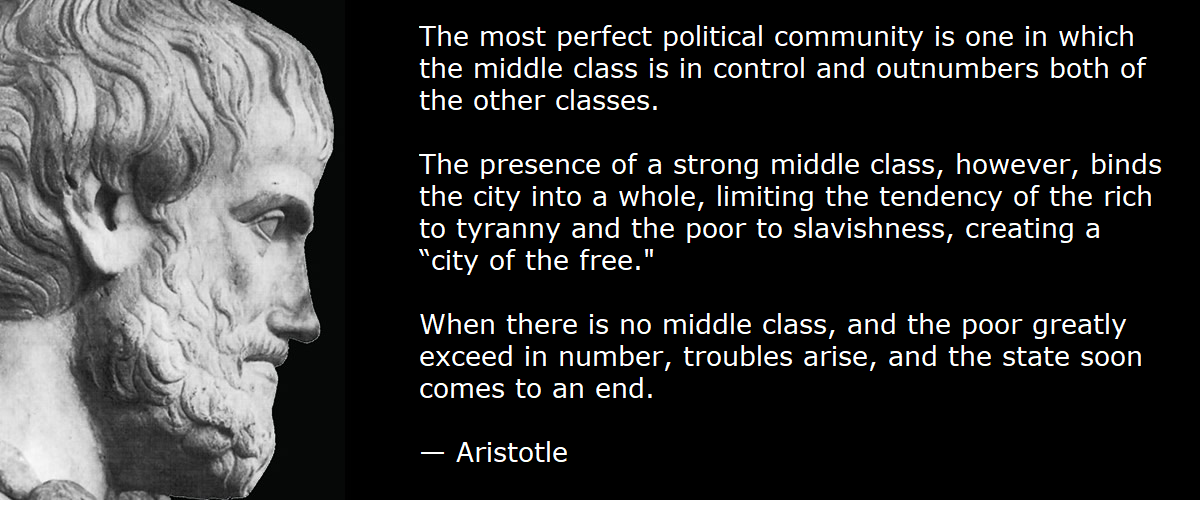
Remember that the World Bank recognizes personal mobility as the defining characteristic of the Middle Class.  Also recall that as Aristotle stated, the Middle Class is the social buffer against tryanny by the elite and slavery of the poor.

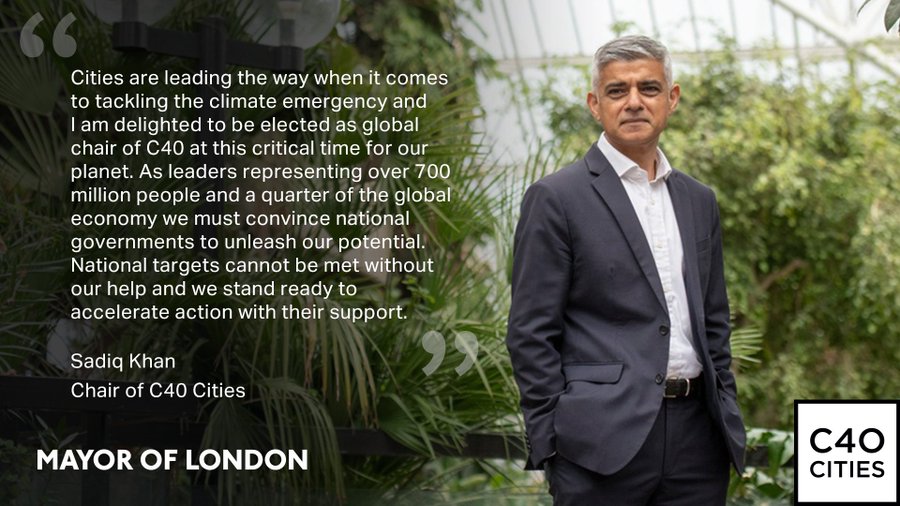
Finally, be informed that C40 is a global network of mayors of the world’s leading cities that are united in action to confront the climate crisis. It was founded in 2005 as C20, and has since expanded to its current network of 96 cities, including London.  More at Daily Sceptic The Green Globalists Behind Ulez – and What They Have Planned Next  (Of course our virtue signalling Montreal Mayor Plante is all in on imposing ULEZ here.)

Freedom Fighters Take to the Streets of London

Within this context comes the report that Londoners are conducting an organized attack on the ULEZ cameras placed to enforce fines for people straying from their home neighborhood. The Remix News article is Hundreds of ULEZ cameras destroyed by vigilante group following wider London roll-out.  Excerpts in italics with my bolds. H/T Tyler Durden

The group intent on disrupting London Mayor Sadiq Khan’s green vehicle tax
has received some political support despite its criminal activity.

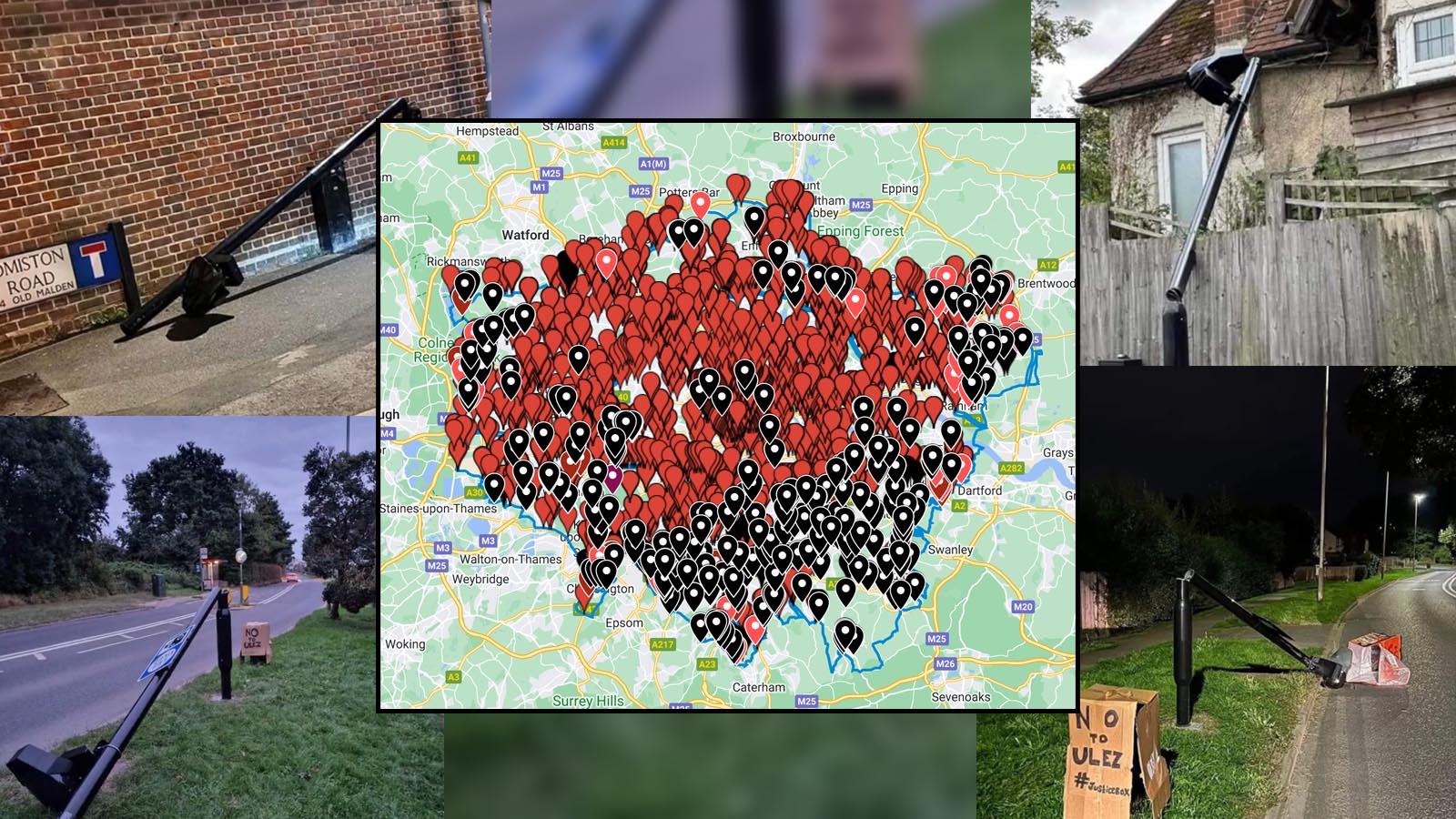
Hundreds of Ultra Low Emission Zone (ULEZ) cameras have been vandalized by a vigilante group that opposes the controversial scheme, which extended across wider London this week and charges road users for traveling in non-compliant vehicles.

The scheme is part of London Mayor Sadiq Khan’s green agenda to enhance the air quality across the U.K. capital; however, many critics of its extension into London’s suburbs consider it to be a regressive tax and cash grab that will hit working families the hardest.

A vigilante group known as the Blade Runners has been targeting newly installed cameras across the capital in a bid to disrupt the implementation of ULEZ as much as possible, and hundreds of cameras have already been hit.

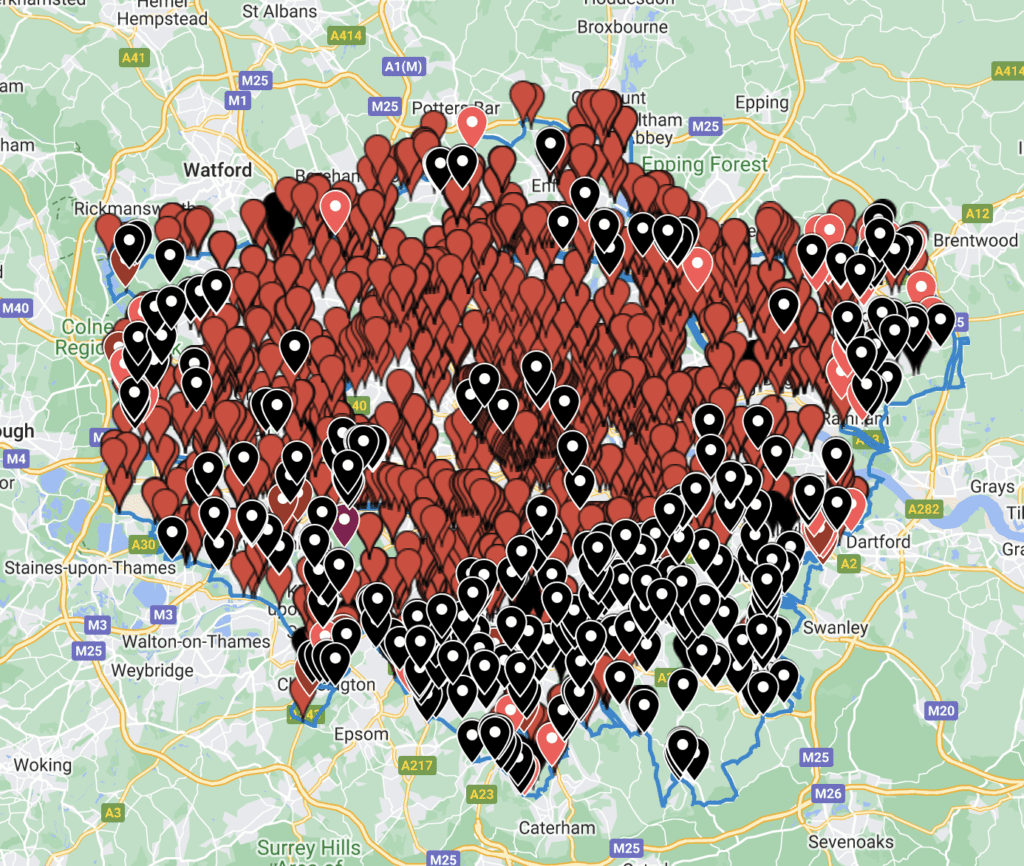
Prior to the roll-out, which came into force on Tuesday, around 500 cameras had been marked as out of action or damaged, according to a map the vigilante group promoted. Many of the cameras targeted were located in London’s southeast with 156 of the 185 cameras around the districts of Sydenham and Sidcup being hit, as well as 18 of the 22 cameras installed in Bromley.

The camera map, published on a popular anti-ULEZ Facebook page, allows users to update it when a camera has been rendered out of action. The black pins represent cameras that are now missing or damaged.

In the southeast town of Orpington, just two of the new number plate recognition cameras were in working order on the day of the ULEZ expansion after vigilantes smashed, spray-painted, or cut the wires of 14 cameras on a single road.

Video footage and photographs of disruptors vandalizing the cameras have been published on social media, much to the delight of those critical of the scheme.

One camera was even installed just meters from a crematorium in order to
pick up funeral-goers, a camera that was swiftly taken care of by locals.

Despite their criminal activity, the vigilantes have received political support, including from a former Conservative Party leader and cabinet minister, Sir Iain Duncan Smith, who insisted he was “happy” for Londoners to fight back because “they are facing an imposition that no one wants and they have been lied to about it.”

“A lot of people in my constituency have been cementing up the cameras or putting plastic bags over them,” he said. “The actions you are seeing show how angry people are at what is being imposed on them. Sadiq Khan has gerrymandered all the information – people have had enough.”

Last November, Khan announced the extension to the scheme, which had previously been reserved for central London, to all London boroughs despite overwhelming opposition to the plan.

It is the latest in a continuous assault by Khan on motorists, following the installation of Low Traffic Neighbourhoods (LTNs), extensive road-narrowing, and the excessive expansion of 20-mph zones.

When he was heckled at a public event back in March over the ULEZ roll-out, Khan suggested that those who opposed the plans were “far-right,” a remark that was met by derision and booing from the Question Time audience.

X-Weather is Climate Scoundrels’ Last Refuge

John Ray posted on his blog an update of climatists power play against scientific facts contrary to their beliefs. The saga is about the Alimonte et al. (2022) analysis of extreme weather events and the lack of evidence to attribute them to global warming.  In italics with my bolds Ray’s post is:

The “extreme events” issue

The very gradual process of global warming that we have seen so far has produced no direct ill-effects that we can see. Crops are more abundant than ever and some Pacific islands are growing rather than shrinking. So “extreme events” are the last refuge of the warmists. Bad weather generally is routinely branded as an extreme event and is attributed to global warming without any shred of evidence for the link.

Any causal statement requires controls.

You have to show that the “caused” event would not have happened without the “cause” specified. But that would require you to show what would have happened WITHOUT global warming — and that is impossible.

Single events might or might not be due to some influence or other but you have no way of showing what the influence was. It is known as the “attribution” problem and is in principle unsolvable where the event is a “one-off”, a hurricane, for instance. You have to have variations in the causal condition to correlate with the alleged caused condition. Would this hurricane have happened in the absence of global warming? We cannot know. We can only surmise. And a surmise is no proof.

So the attribution of individual extreme events to global warming is LOGICALLY false. It CANNOT be shown as be fact. But science is at ease with hypotheses so it remains a hypothesis that COULD be true even if proving it is currently impossible.

And an hypothesis can be tested in various ways. It is commonly tested by asking if it generates accurate predictions. And it could be held as preliminary support for an hypothesis that the incidence of extreme events has systematically increased as the globe has warmed. Is there a correlation? So has it? There are some claims to that effect but how well-founded are they? Have extreme events in fact become more frequent?

A recent study has addressed that hypothesis. They have looked at a big range of reports about extreme events and asked are such events becoming more frequent. For each of a range or event extremes they have gathered published information about whether such events are increasing in frequency over time. An abstract of the report concerned is given below.

It finds no evidence that any extreme event has become more frequent.
So the claimed connections are not only logically false
but they are empirically false too.

The study was published 18 months ago and various climate skeptics have quoted it approvingly. That approval has eventually got under the skin of the Warmists so they have tried to discredit the research concerned. And their antagonism to the paper has borne fruit. The paper was “withdrawn” by its publisher, which counts as evidence that it is faulty.

But is it faulty? A much quoted attack on the paper in “The Guardian” lists a whole array of orthododox Warmists who say it is faulty but detailed evidence of the faults is conspicuously missing. No detailed numbers are quoted and the issue is entirely a matter of numbers. The Guardian makes clear that orthodox scientists disagree with the paper but does not give chapter and verse why. Link to The Guardian below:

Note that some of the attacks from Warmists are of the most intellectually discreditable kind: “Ad hominem” attacks — attacking the motives of the authors rather than the evidence they put forward

And that none of the critics quote the detailed numbers is a major scientific fault.

If a scientist disagrees with the conclusions of a particular paper — as I have often done — he goes over the ground covered by the paper and shows where it went wrong. In this case the paper at issue is a meta-analysis so the data behind it is readily available. Its conclusions are readily tested by repeating the meta-analysis in some more cautious way. Nobody seems to have attempted that. “Do better” is the obvious retort to the Warmists but none seem even to have attempted that.

The next link takes you to an extensive discussion of whether the paper deserved withdrawal:

The abstract of the deplored paper follows:

A critical assessment of extreme events trends in times of global warming

Gianluca Alimonti et al.

Abstract

This article reviews recent bibliography on time series of some extreme weather events and related response indicators in order to understand whether an increase in intensity and/or frequency is detectable. The most robust global changes in climate extremes are found in yearly values of heatwaves (number of days, maximum duration and cumulated heat), while global trends in heatwave intensity are not significant. Daily precipitation intensity and extreme precipitation frequency are stationary in the main part of the weather stations. Trend analysis of the time series of tropical cyclones show a substantial temporal invariance and the same is true for tornadoes in the USA. At the same time, the impact of warming on surface wind speed remains unclear. The analysis is then extended to some global response indicators of extreme meteorological events, namely natural disasters, floods, droughts, ecosystem productivity and yields of the four main crops (maize, rice, soybean and wheat). None of these response indicators show a clear positive trend of extreme events. In conclusion on the basis of observational data, the climate crisis that, according to many sources, we are experiencing today, is not evident yet. It would be nevertheless extremely important to define mitigation and adaptation strategies that take into account current trends.

A 2015 study by 22 scientists from around the world found that cold kills over 17 times more people than heat. Thus the planet’s recent modest warming has been saving millions of lives.

Springer website reports the paper retracted August 23, 2023.  The article was revised by the authors and published at Environmental Hazards journal on August 3, 2023 as reported at Taylor & Francis online

Is the number of global natural disasters increasing?

We analyze temporal trends in the number of natural disasters reported since 1900 in the Emergency Events Database (EM-DAT) from the Center for Research on the Epidemiology of Disasters (CRED). Visual inspection suggests three distinct phases: first, a linear upward trend to around mid-century followed by rapid growth to the turn of the new century, and thereafter a decreasing trend to 2022. These observations are supported by piecewise regression analyses that identify three breakpoints (1922, 1975, 2002), with the most recent subperiod 2002–2022 characterized by a significant decline in number of events. A similar pattern over time is exhibited by contemporaneous number of geophysical disasters – volcanoes, earthquakes, dry landslides – which, by their nature, are not significantly influenced by climate or anthropogenic factors. We conclude that the patterns observed are largely attributable to progressively better reporting of natural disaster events, with the EM-DAT dataset now regarded as relatively complete since ∼2000. The above result sits in marked contradiction to earlier analyses by two UN bodies (FAO andUNDRR), which predicts an increasing number of natural disasters and impacts in concert with global warming. Our analyses strongly refute this assertion as well as extrapolations published by UNDRR based on this claim.

Conclusion Alimonte et al.

Fearing a climate emergency without this being supported by data, means altering the framework of priorities with negative effects that could prove deleterious to our ability to face the challenges of the future, squandering natural and human resources in an economically difficult context, even more negative following the COVID emergency. This does not mean we should do nothing about climate change: we should work to minimize our impact on the planet and to minimize air and water pollution.

Whether or not we manage to drastically curtail our carbon dioxide emissions in the coming decades, we need to reduce our vulnerability to extreme weather and climate events. Leaving the baton to our children without burdening them with the anxiety of being in a climate emergency would allow them to face the various problems in place (energy,agricultural-food, health, etc.) with a more objective and constructive spirit, with the goal of arriving at a weighted assessment of the actions to be taken without wasting the limited resources at our disposal in costly and ineffective solutions.

How the climate of the twenty-first century will play out is a topic of deep uncertainty. We need to increase our resiliency to whatever the future climate will present us.We need to remind ourselves that addressing climate change is not an end in itself, and that climate change is not the only problem that the world is facing. The objective should be to improve human well-being in the twenty-first century, while protecting the environmentas much as we can.  And it would be a nonsense not to do so: it would be like not taking care of the house where we were born and raised.

Tony Thomas describes the climate scoundrels and their machinations at the Quadrant:  How Science is Done These Days

Footnote Add Another Scoundrel


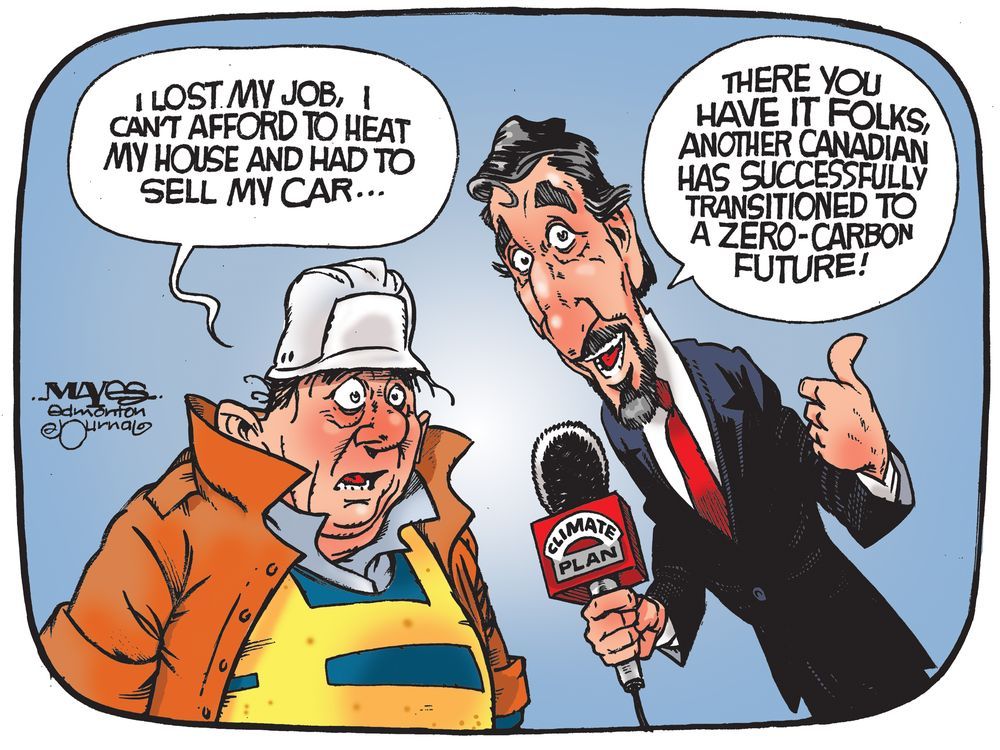
How Leftists Distract from Destructive Climate Policies

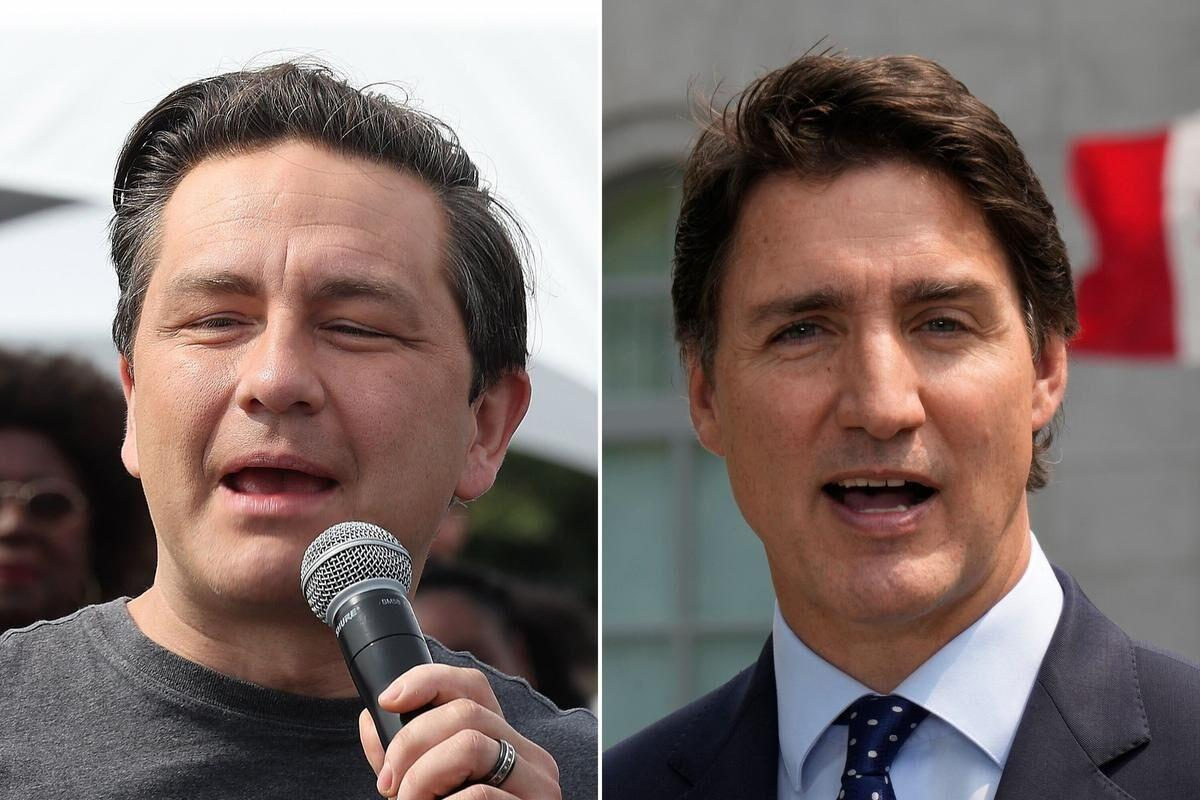
A lesson from Canada on how the left uses insults about trivia to disract from all the damage done by their misguided policies.  The photo above comes from a Star article: Justin Trudeau’s Liberals see lowest approval rating since they formed government, poll shows.  Brief excerpt below

Ottawa, August 9, 2023–  Justin Trudeau may have shaken up the Liberals’ front bench, but a new poll suggests he remains on shaky ground with voters.

Results from a new Abacus Data survey provided exclusively to the Star suggests that if an election were held today, 37 per cent of Canadians would vote Conservative, compared to 28 per cent for the Liberals.

So how do Trudeau’s press lapdogs at the subsidized CBC respond:  Pierre Poilievre drops the glasses as part of an image revamp.  And the acid is thrown by Tristin Hopper at the National Post: Nice try pretending you’re not a poindexter’: Inside the thoughts of Poilievre’s discarded glasses.  Some excerpts of the poison:

Dear Diary: ‘Unfortunately for me, mainstream Canadian women voters apparently like
politicians who conceal their need for corrective vision appliances’

OK, these are those nice Canadians after all. They’re not dropping indictments on the Conservative or blaming him for wildfires.  Still, like journos on the extreme left everywhere, they label the Conservative as Alt-Right, dangerous and irresponsible. But what are they covering up while ignoring the deep, growing unpopularity of this regime?

Here’s a hint from that same issue of National Post: Liberal net-zero scheme heralds dark era of ever-growing government.  Excerpts in italics with my bolds and added images.

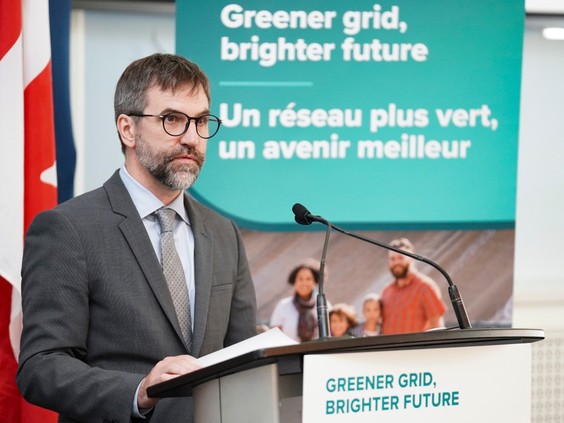
Minister of Environment and Climate Change Steven Guilbeault speaks to media in Toronto on Aug. 10, 2023. PHOTO BY ARLYN MCADOREY / THE CANADIAN PRESS

The draft clean electricity regulations, released last week, serve as a warning that neither the provinces nor industry nor common sense will stand in the way of the federal government’s commitment to meeting the radical emissions targets agreed to in Paris in 2015. Whether the Liberals will successfully force power grids to achieve net zero by 2035 is far from certain, but one thing seems clear:

The climate agenda has put the final nail in the coffin of deregulation.
Big government is here to stay.

The draft regulations were immediately attacked by the premiers of Alberta and Saskatchewan as being “unconstitutional” and “unachievable.” Although there have been varying estimates of how much the transformation will cost — with Environment Minister Steven Guilbeault disingenuously claiming Canadians will save money by switching away from fossil fuels (which his carbon tax has artificially inflated in price) — there can be little question that it would be an expensive undertaking for the Prairie provinces.

Unlike British Columbia, Manitoba, Quebec and Newfoundland, they are not endowed with the geographical features that permit an abundance of hydroelectricity. Nor do they have a legacy of nuclear power, like Ontario does. Saskatchewan currently relies on fossil fuels for more than three-quarters of its electricity supply.

Alberta also relies heavily on fossil fuels, but is considerably greener than a decade ago. The province had planned to phase out coal generation by 2030, but has managed to make the transition ahead of schedule (something that’s almost unheard of in government), with its last coal plant due to be decommissioned later this year.

Lost in all this is any discussion of fostering competitive markets to spur innovation and bring down prices, or of limiting the size and scope of government. In the 1970s and early ’80s, governments were faced with many of the same challenges as they are today: inflation was rampant, economies were stagnating and crime was a blight on many cities. This spurred a wave of deregulation in many western countries, including Canada, which opened up sectors such as telecom and air travel, driving down prices, increasing choice and reinvigorating the economy.

In this country, both Alberta and Ontario experimented with electrical deregulation, with varying degrees of success. Ontario’s competitive market opened in 2002, but was short-lived, with the government quickly succumbing to political pressure over rising prices that were largely caused by unrelated factors. Alberta also caved to pressure that resulted in numerous market interventions before prices had time to stabilize, but was largely successful at creating a competitive electrical generation market and giving consumers some choice on the retail side.

But a competitive market is antithetical to the type of overbearing control
the Trudeau Liberals are looking to exert over electrical generation.

Not only will the new clean electricity regulations dictate what type of generators can be used, preventing companies and governments from striking a balance between the environment and affordability, they represent the latest change in a constantly shifting, and increasingly murky, set of environmental regulations that will only serve to scare away investors.

Not content to let the carbon tax incentivize market players to find ways to reduce emissions, the government has also imposed industry-specific emissions caps on oil and gas, introduced clean fuel standards, banned the sale of new gas-powered vehicles by 2035 and made it virtually impossible to build new energy infrastructure, all while giving tens of billions of taxpayer dollars to favoured industries to produce products demanded by governments, rather than consumers.

Ottawa’s ever-changing rules do not provide the type of stability businesses need to make long-term investments — not just in energy and electrical generation, but in other sectors of the economy, as well. This is likely one of the reasons why Canada has seen a sharp decline in gross business investment since the Liberals took office in 2015.

The contemporary push to displace competitive markets with central planning comes at a time in which clear price signals could serve an important role in the energy transition. Many Canadian households and small businesses are charged for electricity based on the time of day, with prices dropping overnight and hitting a peak in the afternoon or early evening. But those traditional time-of-use patterns are quickly changing, and governments have significant concerns about the coming influx of electric vehicles overloading the grid.

Instead of harnessing the power of competitive markets as a force for good, however, the Liberals have chosen to increase the size of centralized bureaucracies and dictate how individuals, businesses and even other levels of government conduct their affairs. It’s a strategy that’s limiting individual freedom, subverting provincial autonomy, constraining the economy and making life increasingly unaffordable.

Climate Hype Backfires on Greens

Mark Higgie reports Europe’s summer of climate hysteria in Spectator Australia.  Excerpts in italics with my bolds and added images.

But voters continue to move against the Green tide

If the British weather were a person with bank accounts, it would by now likely find itself, like Nigel Farage, ‘de-banked’ for political incorrectness. While the BBC has gone into hysterics over the hot summer in southern Europe, further north the British weather has stubbornly refused to co-operate with the Green warming narrative. Temperatures for much of the summer have barely reached those of a winter’s day in Canberra. Much of the British media has tied itself in knots trying to explain why, if the world just had its hottest July ever, and is, in the words of UN Secretary-General Gutteres, ‘boiling’, everyone in Britain is wearing jumpers and has the heating on.

Where has UK summer gone?

As the media have pulled out all the stops to stir climate fear, Australians will recognise echoes of the ABC’s coverage of the 2019-20 bushfires – especially the silence about revelations that Europe’s recent ‘wildfires’ were fuelled by Green-tinged failures to backburn and were started in many cases by arsonists.

Sadly a watershed moment has been reached: you can no longer trust
Europe’s weather forecasts and readings.

Many of the BBC’s forecasts in mid-July for southern Europe proved wildly exaggerated. For example, on 18 July, it reported Sardinia was expected that day to see a high of 46 degrees and that ‘there are warnings that extreme heat could continue for a further 10 days’. In fact, Sardinia peaked at 40 and temperatures then fell steadily to the low-30s over the following week.

Much of the hyperbole appears to have been based on a swifty pulled by the European Space Agency (ESA), on which many media outlets rely for weather forecasts. On 13 July it issued a press release claiming that the ‘air temperature’ of Sardinia and Sicily was ‘expected’ to climb to 48 degrees, ‘potentially the hottest temperatures ever recorded in Europe’. In Sicily in fact it never went above 35 degrees. Unusually, the 13 July ESA press release, updated five days later, claimed that land temperatures in the 40s and 50s had been recorded across southern Europe in the previous days. The standard measurement of temperature is that of the air, made two metres above the ground. Land temperatures will of course always be many degrees higher, as anyone who has walked barefoot on a concrete footpath in summertime Australia will know. The ESA’s 48 degree forecast of the ‘air’ temperature in southern Italy was obviously an error – in reality it was the forecast land temperature.

The forecast was never corrected, went unnoticed by most in the media
and was repeated around the world.

When the weather map went crazy in Arizona

Yet despite the unrelenting propaganda, European voters continue to defy the climate lobby’s plan to make them colder and poorer. Voters over the past year have given the Green-left a bloody nose at virtually every opportunity – in national and regional elections in Italy, Sweden, Finland, Greece and Germany. The Netherlands might join that list after elections later this year – the Farmer-Citizen Movement recently came out of nowhere against the government’s Green jihad on farming and is on course to influence policy as the country’s equal-largest party. Meanwhile in Spain, the elections in July saw a major swing to the right against the ultra-eco Socialists, even if it wasn’t enough this time to unseat them.

By contrast Britain’s left defeated the Tories at two of last month’s three by-elections – largely because grumpy Conservative voters failed to turn out. But the result which has had the most political impact is the Tories’ surprise retention of Boris Johnson’s former seat in outer London, Uxbridge and South Ruislip. Fought more or less solely on London’s Labour Mayor Sadiq Khan’s planned expansion of the city’s ‘Ultra Low-emission Zone’ (ULEZ) – which would mean owners of older cars would be hit with green levies – it has allowed the Tories to glimpse a possible path to victory at next year’s general election.

While ULEZ is not directly related to the net-zero agenda, it has only now dawned on the Tories that while the vast majority of Britons want a cleaner environment, they oppose Green measures involving cost and/or inconvenience. A recent YouGov poll found that while net zero in principle attracted 70 per cent support, if net zero entailed ‘costs for ordinary people’, support fell to just over a quarter.

Since Uxbridge, Prime Minister Sunak has suddenly started portraying himself as ‘pro-motorist’, now opposing ULEZ-like schemes across the country and the proliferation of 20mph speed limits. He’s also suddenly approving new North Sea oil and gas development projects, while attacking Labour as eco-fanatics in bed with extremists like Just Stop Oil.

Over 40 Tory MPs and peers have told Sunak they want him to go further and to defer Boris Johnson’s ban on the sale of new petrol and diesel cars from 2030 – a planned measure opposed by 83 per cent of Tory members, according to an opinion poll. Sunak and other members of the Tory establishment for the moment flatly reject this.

If the opinion polls don’t shift, panic could lead the Conservatives to shift more dramatically on their net-zero policies. The obvious options are to delay the looming bans on non-electric cars and gas boilers. An even bolder move would be to announce a referendum on net zero, as championed by Nigel Farage and the Daily Telegraph. That would provoke meltdown by much of the British establishment but isn’t inconceivable.

Montana Judge Answers Kids’ Climate Prayer

From Climate Change, Holy Government Deliver us!

As many know, a Montana Judge ruled in favor of the kids in Held vs Montana.  I & I Editorial Board summed up the proceedings in an article Is This The Most Asinine Sentence Ever Written About ‘Climate Change’? Excerpts in italics with my bolds

District Court Judge Kathy Seeley ruled in favor of several young plaintiffs – ranging in age from 5 to 22 – saying they “have a fundamental constitutional right to a clean and healthful environment, which includes climate as part of the environmental-support system.”

As proof of the harm the plaintiffs are suffering, the order has a list of horribles that includes:

  • “Olivia expressed despair due to climate change.”
  • “Badge is anxious when he thinks about the future that he, and his potential children, will inherit.”
  • “Grace … is anxious about climate change.”
  • “Mica gets frustrated when he is required to stay indoors during the summer because of wildfire smoke.”

(Perhaps the judge should have ruled against the adults who are filling these poor children’s minds with climate alarmist fantasies, but that’s another story.)

In any event, it was up to the crack reporters and editors at the once respectable Associated Press to come up with what is perhaps the most asinine sentence ever written about this issue.

“The ruling following a first-of-its-kind trial in the U.S.,” the AP reported, “adds to a small number of legal decisions around the world that have established a government duty to protect citizens from climate change.”

“A government duty to protect citizens from climate change”?
Think about that for a minute.

Someone should take these AP reporters aside and explain to them a basic fact of life: The climate is always changing. Always. Sometimes for the worse. Sometimes for the better.

They might go on to explain to these reporters that the best way to deal with an ever-changing climate isn’t to wish change away, or pretend that denying a drilling permit will make one iota of difference, but to encourage human ingenuity and prosperity.

That’s how you deal with a climate that is always changing. By adapting to it. It’s why deaths from naturally occurring disasters such as earthquakes, hurricanes, and so on, have steadily fallen as mankind has become smarter and more prosperous.

The escape from accountability card widely used by politicians, currently played by Hawaii’s governor regarding Maui debacle.

Childish Appeal to Government to Fix Climate

The nearly religious appeal to government to fix the “climate problem” is childlike, even in the mouths of progressive politicians.  James L. Payne writes at the The Foundation for Economic Education How to Talk to Children about Climate Change.  Excerpts in italics with my bolds.

If in coming years we hope to curb the naive governmental interventions that bring so much ruin to the world, we need to address this belief in the efficacy of government.

We smile at seeing those young faces waving placards out in the rain, urging action on the problem of climate change. But our smile is tinged with frustration, with the feeling that the youngsters live in another dimension and that we don’t know how to reach them intellectually.

How They See It

The natural impulse is to want to explain how crushingly complicated is this issue. First, we point out, there is the uncertainty about the connection between human-released CO2 and storms, floods and fires, and all the other bad things that might happen. Then we want to explain that cutting down on CO2 is not easy, that everyone will have to make great sacrifices.

One has to weigh the different possible benefits that might come from stopping (or slowing) global warming against the costs of trying to counter it. This cost-benefit analysis involves a bundle of economic and moral questions. (For a good overview of the complexities of the climate change issue, read former NASA scientist Roy W. Spencer’s 2008 book Climate Confusion.) For example, would saving butterfly X from extinction (assuming we could guarantee it) counterbalance the harm done to the working poor by taking $1,000 a year from each of them in a carbon tax? And so on.

However, I think this impulse to debate the complexities of the issue is misguided. The activists do not base their position on reasoning and calculations. The Climate Kids don’t come to their demonstrations pushing wheelbarrows full of cost-benefit analyses. Most of them don’t even know what cost-benefit analysis is. More importantly, they don’t think they need to know about it.

This is because, in their way of looking at the world, it is not their responsibility to fix society’s problems. That task belongs to a higher power, to government. Their mission is simply to beseech this higher power to act. Once it decides to act, they believe, government has all the expertise needed to make the correct calculations and the ability to craft policies that solve the problem without significantly hurting anybody—well, anybody except the very rich.

We should not be all that surprised by their deep, instinctive trust of government. It is a social predisposition, one that affects all of us to some degree. The belief in government’s wisdom and power is imparted to children very early in life as an article of faith, like the belief in Santa Claus. As children grow up, they begin to notice that government has flaws and that political leaders are not as wise as originally supposed. As a result, their faith in government declines somewhat, so that by age 30, as traditional wisdom has it, most people grow somewhat skeptical about government’s ability to cure the world’s problems.

But not everyone, and especially not today’s climate activists. Faced with a staggeringly complex cost-benefit analysis that has most of us (older) folks scratching our heads, they are brimming with certainty that catastrophe is coming, and government can fix whatever is wrong.

Government Can’t Save the Planet

We were given a telling illustration of this simplistic faith earlier this year when 29-year-old US Representative Alexandria Ocasio-Cortez presented her “Green New Deal” proposal. This House resolution mentions dozens of dangers and problems that she believes to be connected with climate change, from mass migrations, wildfires, and the loss of coral reefs to declining life expectancy, wage stagnation, and the racial wealth divide.

How are these all problems to be solved? Ms. Ocasio-Cortez does not propose any specific law or regulation. She does not advocate, let’s say, a 16 percent carbon tax and assure us that, according to her calculations, this measure will save 61 percent of the coral reefs, and prevent 53 percent of wildfires while reducing the income of the poor by only 8.2 percent.

Like the schoolchildren demonstrating in the street, she leaves the task of figuring out the specific answers to a higher power. Indeed, her resolution begins with this appeal to the higher power: “It is the duty of the Federal Government to create a Green New Deal.” Thus runs the thoughtless faith in government, a faith so deep that even an activist who literally is the government herself looks to “government” to solve problems she can’t begin to analyze.

testers-will-become-extinct-600x330

If in coming years we hope to curb the naive governmental interventions that bring so much ruin to the world, we need to address this belief in the efficacy of government. We need to urge our young idealists to remember that government is not a god with magical powers to fix any problem we notice but an imperfect agency composed of fallible human beings. One way to begin this conversation is to pose this question: “Given what you know about the people who have been in charge of government, is it reasonable to expect, in the future, a high level of rationality and responsibility from government?”

Dr. James L. Payne is a research fellow at the Independent Institute and author. He earned his PhD in political science from the University of California at Berkeley, and he has taught political science at a number of universities including Yale University.

Summary

As the stool above shows, the climate change package sits on three premises. The first is the science bit, consisting of an unproven claim that observed warming is caused by humans burning fossil fuels. The second part rests on impact studies from billions of research dollars spent uncovering any and all possible negatives from warming. And the third leg is climate policies showing how governments can “fight climate change.”

It has warmed since the Little Ice Age with many factors involved, most of which are orders of magnitude more powerful than CO2.  Secondly, the last 1.5C of warming was a boon to humans and nature, and the next 1.5C will likely also benefit the world.  Finally it is naive to believe in government fixing the climate to prevent further warming.  Expensive, intermittent wind and solar power is the proposed solution, which accounts for just 2% of global energy consumed, and has proven disastrous anywhere it has been tried.  In the meantime the children are appeased by declaring a “climate emergency.”  Wake up and get real.

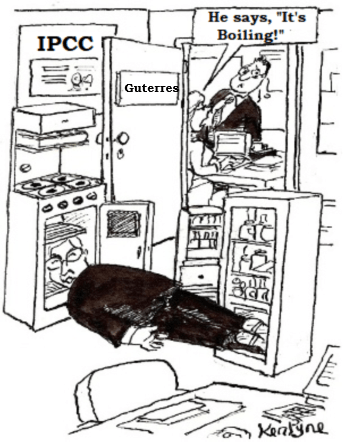
UN’s Guterres: Head in Oven, Feet in Freezer

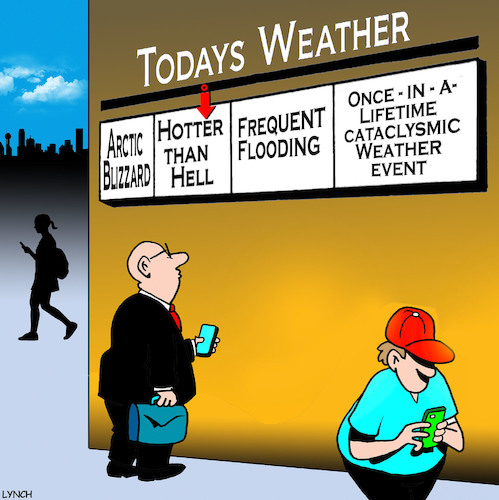
The image is based on a criticism of statisticians:  “If my head is in the oven and my feet are in the freezer, my temperature may be on average normal.”  UN Chief Guterres presumes to speak for the planet when he claims we are experiencing “Global Boiling.”  Apparently, his feet are too numb to register any of the many cold temperatures in places around the world, so he is a victim fearing a runaway average warming.  Let’s inform him and others similarly misled about the facts on the ground they are missing.

Australia

Why Is It So Cold Right Now? A Weather Expert Explains

Temperatures plummeted across southeast Australia this week, with Weatherzone reporting Canberra’s low of -7.2ºC was “its lowest temperature since 2018 and the lowest for June since 1986.”

Sydney experienced its coldest June morning today since 2010, with a temperature of 5.2ºC. In Victoria, temperatures of -7.2ºC were recorded.
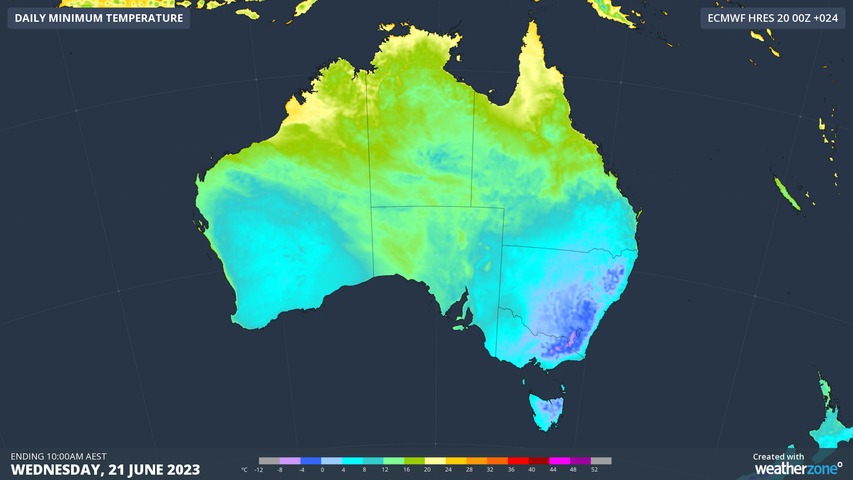
Australia just had one of its coolest and wettest summers of the last decade. 

Snow settled on the Stirling Range in WA on Thursday morning after a frigid polar air mass travelled from Antarctica to Australia.

A long fetch of southerly winds has been blowing across the Southern Ocean during the past week, carrying polar air from the ice sheets of Antarctica into unusually low latitudes.

On Thursday morning, this Antarctic air mass reached the Stirling Range in WA and caused snow to settle on Bluff Knoll.

United Kingdom

Met Office explains why the weather is so miserable this May

‘High-pressure systems have been generally located over southern continental Europe and also to the far east of Europe’, they told Metro.co.uk.

The spokesperson continued: ‘As these high-pressure systems interacted through the season, the UK is positioned between them, leading to periods of cool, cloudy, and wet conditions for the UK.  ‘These have generally either swept in from the Atlantic or slipped between the high-pressure systems to reach the UK.

‘Warmer-than-average sea temperatures also provided the necessary fuel for clouds to develop, which has been quite persistent in spring.’

Met Office meteorologist Clare Nasir said: ‘Showers over the next few days could be heavy with the risk of thunder and hail.’   She added that the risk of thunder and hail persist through Wednesday and Thursday.

Where has the UK summer gone
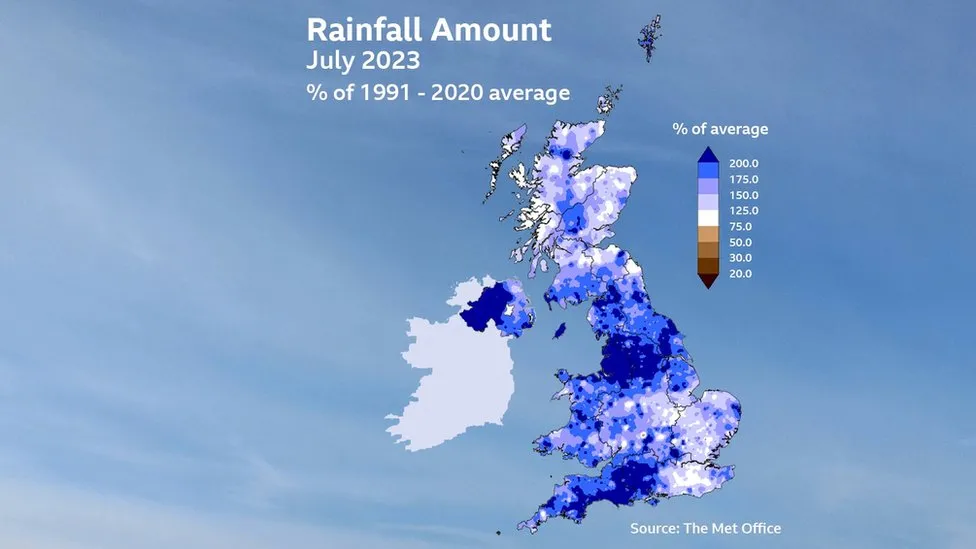
Summer 2023 so far has been one of contrasts – after the warmest June on record we had an exceptionally wet July.  Northern Ireland and much of north-west England had their wettest July on record. Looking ahead there is no immediate end to the distinctly un-summery conditions. So what is going on?

Any spring warmth was hard to come by. After a cool April, very warm weather was distinctly lacking in May. Nowhere reached 24°C until the month was nearly over, on the 27th.

However, that theme changed dramatically in June. Temperatures soared to 32.2°C, with a heatwave being declared in many places and becoming the warmest June on record which, according to the Met Office, bears the “fingerprint of climate change”.

It was all change again in early July with low pressure setting in, and staying put. While much of Europe sweltered in a blistering heatwave the UK sat under cool, wet weather which looks set to stay for the first part of August too.

India

Is January 2023 going to be the coldest year in the 21st century?

There may be no relief from the ongoing spell of cold wave with minimum temperatures hovering below normal limits at most places, reports suggested. If a weather expert is believed, it has been predicted that temperatures in the plains are going to dip as far as -4 degrees Celsius next week.

Large parts of north India are still reeling under numbing cold with the mercury remaining below freezing point at most places in Jammu and Kashmir, while dense fog in the early hours of the morning hit road and rail traffic movement. Cold wave conditions abated in Delhi due to a fresh western disturbance affecting northwest India, even as a dense layer of fog lowered visibility to just 50 metres.

Northern India braces for coldest weather in years as dense fog, poor air quality linger

A new wave of cold weather is headed into northern India and could drop temperatures to levels not seen there in over three years, according to AccuWeather forecasters.

The cold weather shot will be the latest, and perhaps most significant, of many recent waves of chilly weather that have also led to travel-disrupting dense fog and poor air quality over parts of the Indian subcontinent since late December.

The temperature in New Delhi, the capital city of India and home to more than 18 million people, has the potential to drop as low as 2 degrees Celsius (35 degrees Fahrenheit) on Sunday night and Monday morning. While the record low for this coming Monday of 1.3 degrees Celsius below zero (29.7 degrees Fahrenheit) appears safe, it will be well below the average low of 6 degrees Celsius (42 degrees Fahrenheit) for the date.

Temperatures at this level would be the coldest readings in New Delhi since December 2019,” said Nicholls.

Ahead of the cold wave, the IMD has issued a cold wave warning for Sunday and Monday for the northern Indian states of Punjab, Haryana, Chandigarh, Delhi and Rajasthan. The warning was issued to give residents advance notice of a level of cold that could adversely impact human health and property.

Canada

Spring forecast 2023: The La Nina Winter pattern is forecast to extend as we head into Spring despite the breakdown of the cold ocean anomalies

Spring season 2023 is nearing, with forecasts revealing the jet stream pattern over the North Pacific and the Atlantic to be influenced by the diminishing La Nina. A high-pressure system in the Pacific will define the weather patterns over North America, with a potential Stratospheric warming event playing a role early in the season.

The cold ocean phase in the equatorial Pacific is already in breakdown mode. It is expected to decline rapidly towards early Spring.

But, despite the breakdown of these cold ocean anomalies (La Nina), its influence can still persist in global weather circulation. Long-range weather calculations also see this, extending the La Nina jet stream pattern from Winter into Spring 2023.
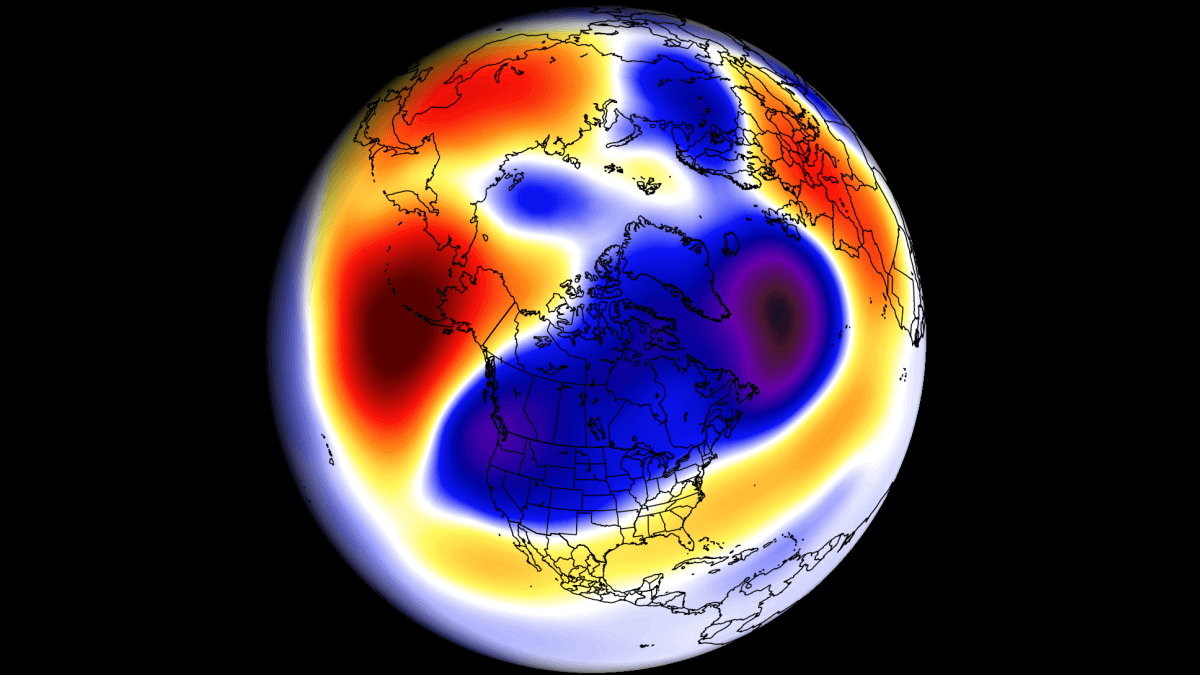
Spring sits on the sidelines with Winter’s wild ride to the finish line

USA

Winter Forecast 2024: The Brrr Is Back
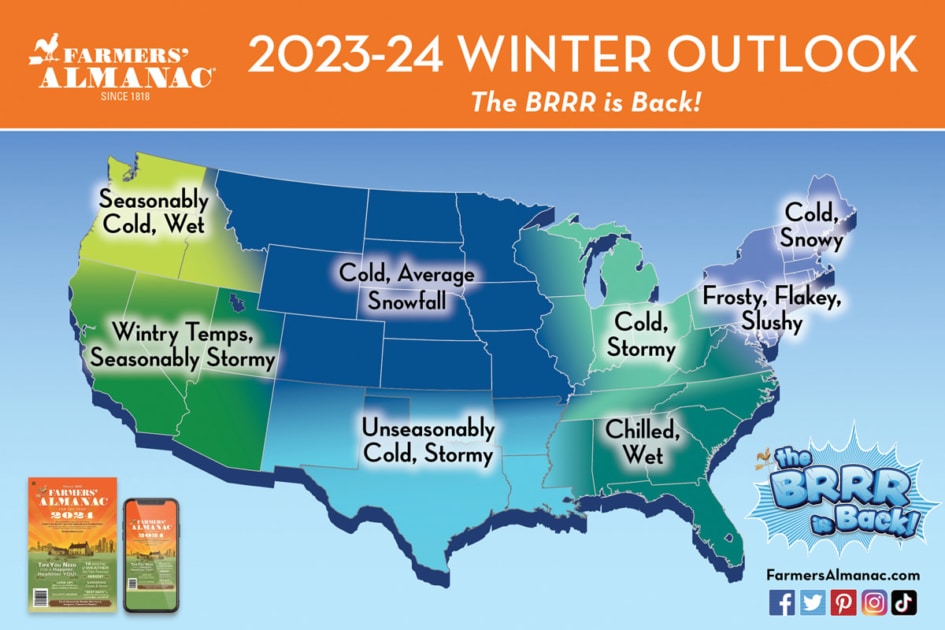
The Brrr is Back!
“After a weird and warm winter season last year, this winter should make cold weather fans rejoice—especially those in the Great Lakes, Midwest, and northern New England areas,” shares editor Pete Geiger, adding “the ‘brrr’ is coming back! We expect more snow and low temperatures nationwide.”

East Coast Snow?
Folks living along the I-95 corridor from Washington to Boston, who saw a lack of wintry precipitation last winter, should experience quite the opposite, with lots of rain/sleet and snowstorms to contend with.

Texans Beware!
According to Farmers’ Almanac 2024, Texans should prepare for an unseasonably cold and stormy winter season ahead

Frosts in Florida?
Winter will be wet in the Southeast region however a few frosts are forecast to bring the “brrrs” to Floridians and its snowbirds.

Asia

As Asian countries hit by extreme cold snap, here’s what life is like at -53C

An intense cold spell is gripping east Asia, with temperatures plunging and hazardous conditions reported across China, the Koreas and Japan.

On Monday one of China’s northern-most cities broke its lowest ever recorded temperature, with the mercury hitting -53C at 7am on the first day of the Lunar New Year in Mohe, Heilongjiang province.

Japan and the Korean peninsula have also issued warnings over freezing temperatures and gales that have killed at least one person, while at least 57 people have been reported dead in Afghanistan as the wintry conditions stretch across into central Asia.

Europe

Record-Challenging Cold Sweeps Europe

It’s been cold — ask a European, ask me…

We’ve enjoyed a ‘comfortably cool’ July here in Central Portugal (thus far), it’s been great. Same with my old haunt, the UK. July 2023 there is on course to be colder-than-average–and vs the historically cool 1961-1990 era that the Met Office still insist on using, no less.

Looking ahead, and particularly at central/eastern nations, those summer chills are about to take another step down.

As per the latest GFS run (shown below), ‘pinks’ and ‘purples’ are forecast to engulf the likes of Poland, Slovakia, Hungary, Croatia, Serbia, Albania, Belarus, Ukraine and Romania this week, sending temperatures crashing by as much as 18C below the seasonal norm.

Record summer lows are expected, an unbiased media would report on them (not holding my breath).

Russia

Extreme cold grips Siberia, as temperatures fall to lowest levels since 2002

The coldest air on Earth plunged into Siberia this week, dropping temperatures to as low as 80 degrees Fahrenheit below zero. An expansion of that cold is expected across eastern Asia into early next week and eventually North America, according to AccuWeather forecasters.

The bitter cold not only allowed temperature benchmarks that have not been hit in decades in some parts of Russia, but the extreme weather also created an icy spectacle as firefighters battled a fire in subzero temperatures on Jan. 8 in Ufa, Russia. Massive icicles clung to the home amid the anomalous cold.

The same Arctic blast dropped temperatures in Moscow to their lowest levels in years this past weekend, while even parts of northern India will get a taste of the cold beginning later this weekend.

Antarctica

Antarctica Plunges to -83.2C (-117.8F)–Earth’s Lowest Temperature Since 2017

While the media tricks the dumb and the gullible into believing the world is on fire –with poverty-inducing CO2 reductions their only savior– Antarctica is shivering through an extreme bout of cold, even by South Pole standards.

The Italian-French research station ‘Concordia’ posted a reading of -83.2C (-117.8F) on July 25. This ranks as the fifth coldest daily value in the operational life of the station, bested only by Aug 2010’s -84.7C; July 2010’s -84.6C; and June 2017’s -83.9C and -83.5C.

As discussed recently, Antarctic sea ice’s tough time of it in 2023 isn’t related to temperature, that correlation simply doesn’t exist. The Antarctic continent continues to cool, the data are very clear on that, yet ice is taking a proverbial beating this season.

South America

Fierce frosts have gripped areas of Argentina and Chile

Some of that aforementioned Antarctic cold has been spun northward over Southern Hemisphere land masses.

Fierce frosts have gripped areas of Argentina and Chile of late, as South America’s topsy–turvy ‘meridional jet stream‘-fueled winter drags on. Looking ahead, more of the same is on the cards, too, as we head into August:

Southern Africa

Southern Africa Freezes, Rare Snowfall Hits Johannesburg

Southern Africa is enduring fierce freeze this week as a blast of polar air engulfs the likes of SA, Namibia, Botswana, Zimbabwe, Mozambique, as well as Angola, Zambia and Malawi.

Coastal regions are struggling to climb above 10C (50F), while at higher-elevations and inland, frosts are proving widespread, with reports of rare snowfall coming out of some unusual spots such as Zimbabwe and South Africa, such as Johannesburg.

Several regions of South Africa are enduring a harsh winter this year, according to local media outlets, with this past weekend delivering an intensification. Sub-zero (C) lows struck Johannesburg and surrounding areas over the past few mornings, with daytime highs of just 4C (39.2F) noted–where the July average is closer to 17C (62.6F).

Temperatures also held low enough to keep the snow lying on the ground throughout the morning, bringing joyous scenes to many a school playground — this would have been the first time many children have seen snow (Prof David Viner take note).

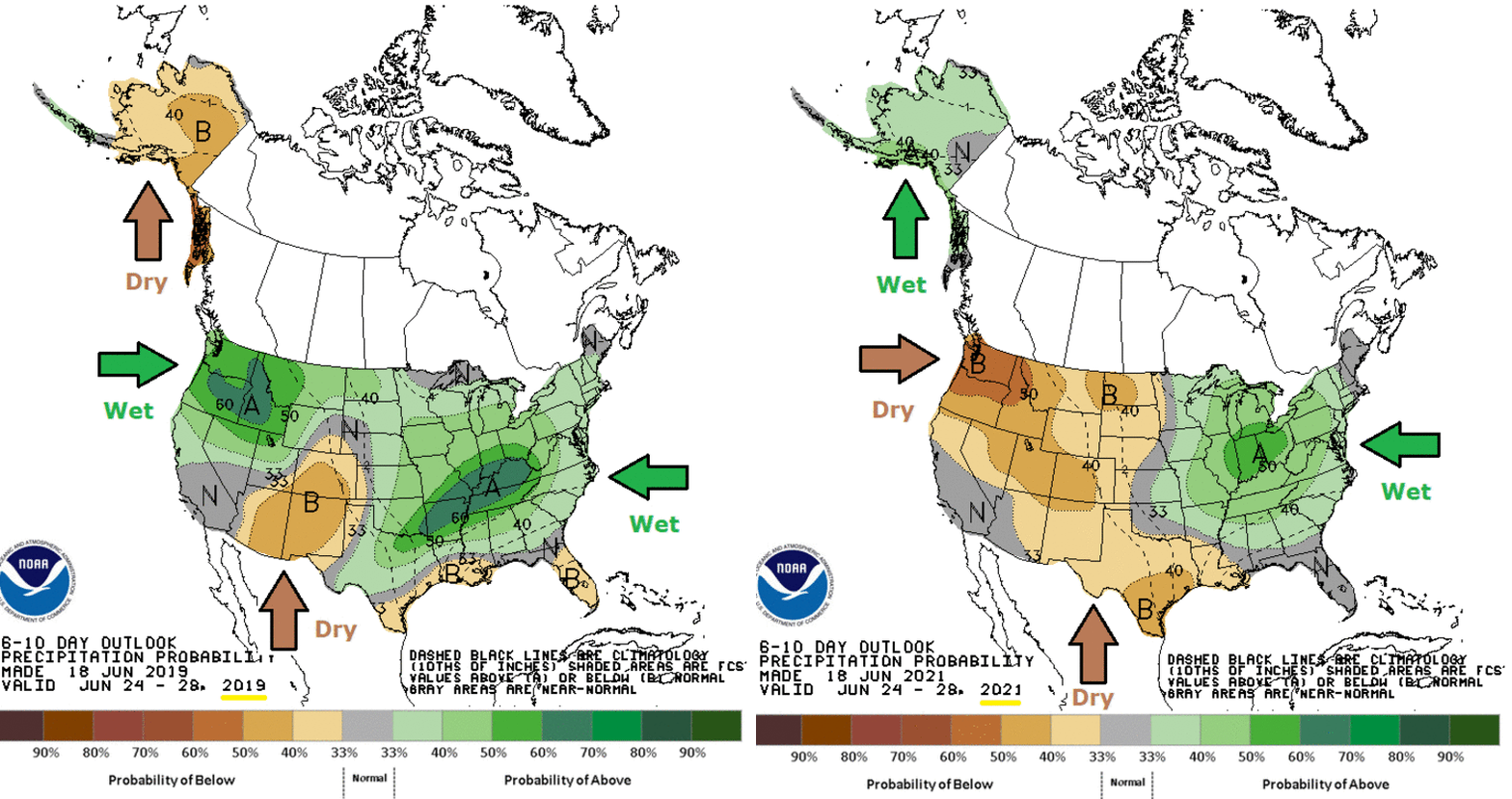
Footnote:  Climate is Dynamic: Hot Today, Cold Tomorrow
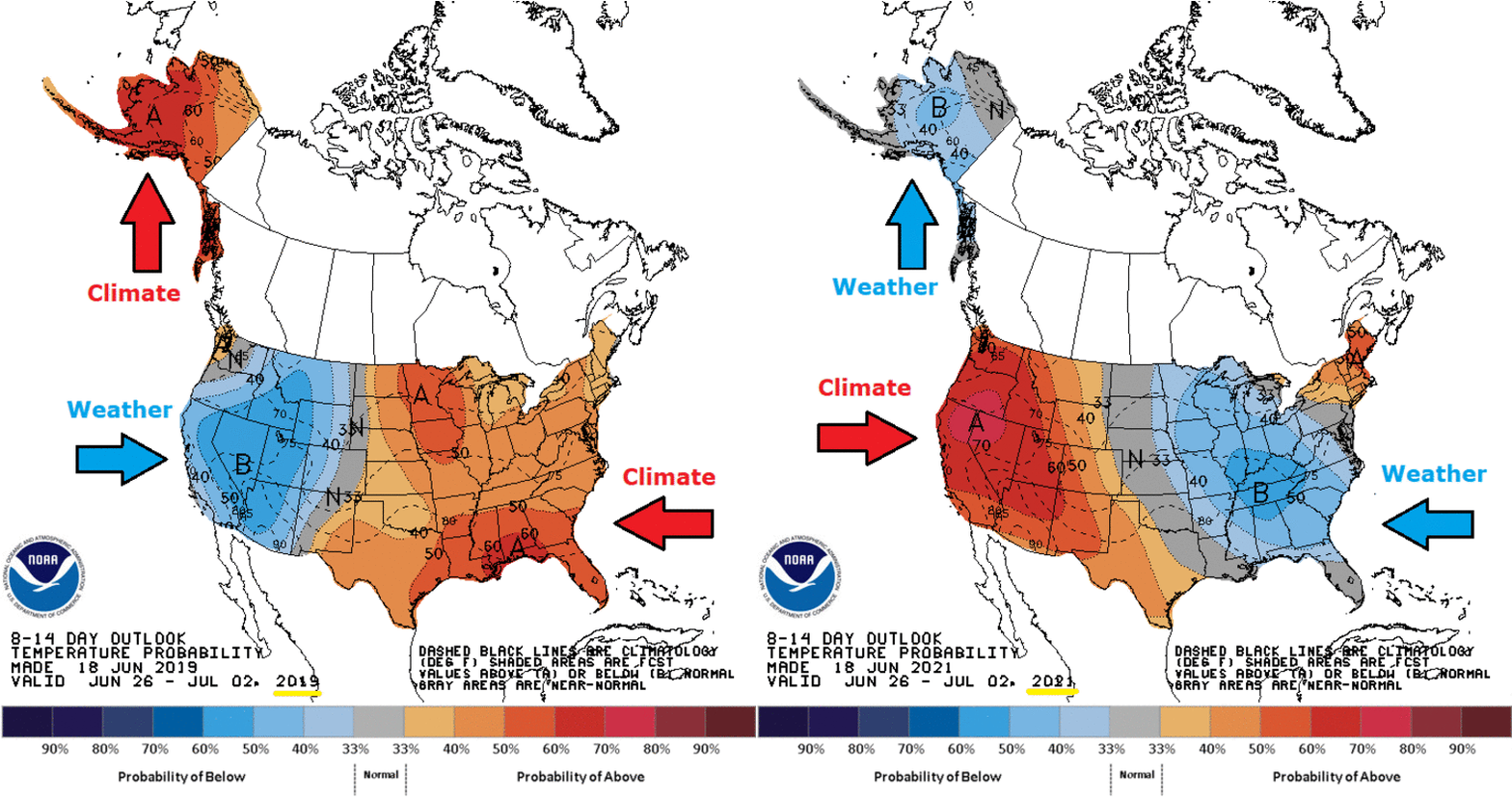
And the same goes for precipitation:


So Many Global Parts Not Boiling

Australia

Why Is It So Cold Right Now? A Weather Expert Explains

Temperatures plummeted across southeast Australia this week, with Weatherzone reporting Canberra’s low of -7.2ºC was “its lowest temperature since 2018 and the lowest for June since 1986.”

Sydney experienced its coldest June morning today since 2010, with a temperature of 5.2ºC. In Victoria, temperatures of -7.2ºC were recorded.

Australia just had one of its coolest and wettest summers of the last decade. 

Snow settled on the Stirling Range in WA on Thursday morning after a frigid polar air mass travelled from Antarctica to Australia.

A long fetch of southerly winds has been blowing across the Southern Ocean during the past week, carrying polar air from the ice sheets of Antarctica into unusually low latitudes.

On Thursday morning, this Antarctic air mass reached the Stirling Range in WA and caused snow to settle on Bluff Knoll.

United Kingdom

Met Office explains why the weather is so miserable this May

‘High-pressure systems have been generally located over southern continental Europe and also to the far east of Europe’, they told Metro.co.uk.

The spokesperson continued: ‘As these high-pressure systems interacted through the season, the UK is positioned between them, leading to periods of cool, cloudy, and wet conditions for the UK.  ‘These have generally either swept in from the Atlantic or slipped between the high-pressure systems to reach the UK.

‘Warmer-than-average sea temperatures also provided the necessary fuel for clouds to develop, which has been quite persistent in spring.’

Met Office meteorologist Clare Nasir said: ‘Showers over the next few days could be heavy with the risk of thunder and hail.’   She added that the risk of thunder and hail persist through Wednesday and Thursday.

Where has the UK summer gone

Summer 2023 so far has been one of contrasts – after the warmest June on record we had an exceptionally wet July.  Northern Ireland and much of north-west England had their wettest July on record. Looking ahead there is no immediate end to the distinctly un-summery conditions. So what is going on?

Any spring warmth was hard to come by. After a cool April, very warm weather was distinctly lacking in May. Nowhere reached 24°C until the month was nearly over, on the 27th.

However, that theme changed dramatically in June. Temperatures soared to 32.2°C, with a heatwave being declared in many places and becoming the warmest June on record which, according to the Met Office, bears the “fingerprint of climate change”.

It was all change again in early July with low pressure setting in, and staying put. While much of Europe sweltered in a blistering heatwave the UK sat under cool, wet weather which looks set to stay for the first part of August too.

India

Is January 2023 going to be the coldest year in the 21st century?

There may be no relief from the ongoing spell of cold wave with minimum temperatures hovering below normal limits at most places, reports suggested. If a weather expert is believed, it has been predicted that temperatures in the plains are going to dip as far as -4 degrees Celsius next week.

Large parts of north India are still reeling under numbing cold with the mercury remaining below freezing point at most places in Jammu and Kashmir, while dense fog in the early hours of the morning hit road and rail traffic movement. Cold wave conditions abated in Delhi due to a fresh western disturbance affecting northwest India, even as a dense layer of fog lowered visibility to just 50 metres.

Northern India braces for coldest weather in years as dense fog, poor air quality linger

A new wave of cold weather is headed into northern India and could drop temperatures to levels not seen there in over three years, according to AccuWeather forecasters.

The cold weather shot will be the latest, and perhaps most significant, of many recent waves of chilly weather that have also led to travel-disrupting dense fog and poor air quality over parts of the Indian subcontinent since late December.

The temperature in New Delhi, the capital city of India and home to more than 18 million people, has the potential to drop as low as 2 degrees Celsius (35 degrees Fahrenheit) on Sunday night and Monday morning. While the record low for this coming Monday of 1.3 degrees Celsius below zero (29.7 degrees Fahrenheit) appears safe, it will be well below the average low of 6 degrees Celsius (42 degrees Fahrenheit) for the date.

Temperatures at this level would be the coldest readings in New Delhi since December 2019,” said Nicholls.

Ahead of the cold wave, the IMD has issued a cold wave warning for Sunday and Monday for the northern Indian states of Punjab, Haryana, Chandigarh, Delhi and Rajasthan. The warning was issued to give residents advance notice of a level of cold that could adversely impact human health and property.

Canada

Spring forecast 2023: The La Nina Winter pattern is forecast to extend as we head into Spring despite the breakdown of the cold ocean anomalies

Spring season 2023 is nearing, with forecasts revealing the jet stream pattern over the North Pacific and the Atlantic to be influenced by the diminishing La Nina. A high-pressure system in the Pacific will define the weather patterns over North America, with a potential Stratospheric warming event playing a role early in the season.

The cold ocean phase in the equatorial Pacific is already in breakdown mode. It is expected to decline rapidly towards early Spring.

But, despite the breakdown of these cold ocean anomalies (La Nina), its influence can still persist in global weather circulation. Long-range weather calculations also see this, extending the La Nina jet stream pattern from Winter into Spring 2023.

Spring sits on the sidelines with Winter’s wild ride to the finish line

USA

Winter Forecast 2024: The Brrr Is Back

The Brrr is Back!
“After a weird and warm winter season last year, this winter should make cold weather fans rejoice—especially those in the Great Lakes, Midwest, and northern New England areas,” shares editor Pete Geiger, adding “the ‘brrr’ is coming back! We expect more snow and low temperatures nationwide.”

East Coast Snow?
Folks living along the I-95 corridor from Washington to Boston, who saw a lack of wintry precipitation last winter, should experience quite the opposite, with lots of rain/sleet and snowstorms to contend with.

Texans Beware!
According to Farmers’ Almanac 2024, Texans should prepare for an unseasonably cold and stormy winter season ahead

Frosts in Florida?
Winter will be wet in the Southeast region however a few frosts are forecast to bring the “brrrs” to Floridians and its snowbirds.

Asia

As Asian countries hit by extreme cold snap, here’s what life is like at -53C

An intense cold spell is gripping east Asia, with temperatures plunging and hazardous conditions reported across China, the Koreas and Japan.

On Monday one of China’s northern-most cities broke its lowest ever recorded temperature, with the mercury hitting -53C at 7am on the first day of the Lunar New Year in Mohe, Heilongjiang province.

Japan and the Korean peninsula have also issued warnings over freezing temperatures and gales that have killed at least one person, while at least 57 people have been reported dead in Afghanistan as the wintry conditions stretch across into central Asia.

Europe

Record-Challenging Cold Sweeps Europe

It’s been cold — ask a European, ask me…

We’ve enjoyed a ‘comfortably cool’ July here in Central Portugal (thus far), it’s been great. Same with my old haunt, the UK. July 2023 there is on course to be colder-than-average–and vs the historically cool 1961-1990 era that the Met Office still insist on using, no less.

Looking ahead, and particularly at central/eastern nations, those summer chills are about to take another step down.

As per the latest GFS run (shown below), ‘pinks’ and ‘purples’ are forecast to engulf the likes of Poland, Slovakia, Hungary, Croatia, Serbia, Albania, Belarus, Ukraine and Romania this week, sending temperatures crashing by as much as 18C below the seasonal norm.

Record summer lows are expected, an unbiased media would report on them (not holding my breath).

Russia

Extreme cold grips Siberia, as temperatures fall to lowest levels since 2002

The coldest air on Earth plunged into Siberia this week, dropping temperatures to as low as 80 degrees Fahrenheit below zero. An expansion of that cold is expected across eastern Asia into early next week and eventually North America, according to AccuWeather forecasters.

The bitter cold not only allowed temperature benchmarks that have not been hit in decades in some parts of Russia, but the extreme weather also created an icy spectacle as firefighters battled a fire in subzero temperatures on Jan. 8 in Ufa, Russia. Massive icicles clung to the home amid the anomalous cold.

The same Arctic blast dropped temperatures in Moscow to their lowest levels in years this past weekend, while even parts of northern India will get a taste of the cold beginning later this weekend.

Antarctica

Antarctica Plunges to -83.2C (-117.8F)–Earth’s Lowest Temperature Since 2017

While the media tricks the dumb and the gullible into believing the world is on fire –with poverty-inducing CO2 reductions their only savior– Antarctica is shivering through an extreme bout of cold, even by South Pole standards.

The Italian-French research station ‘Concordia’ posted a reading of -83.2C (-117.8F) on July 25. This ranks as the fifth coldest daily value in the operational life of the station, bested only by Aug 2010’s -84.7C; July 2010’s -84.6C; and June 2017’s -83.9C and -83.5C.

As discussed recently, Antarctic sea ice’s tough time of it in 2023 isn’t related to temperature, that correlation simply doesn’t exist. The Antarctic continent continues to cool, the data are very clear on that, yet ice is taking a proverbial beating this season.

South America

Fierce frosts have gripped areas of Argentina and Chile

Some of that aforementioned Antarctic cold has been spun northward over Southern Hemisphere land masses.

Fierce frosts have gripped areas of Argentina and Chile of late, as South America’s topsy–turvy ‘meridional jet stream‘-fueled winter drags on. Looking ahead, more of the same is on the cards, too, as we head into August:

Southern Africa

Southern Africa Freezes, Rare Snowfall Hits Johannesburg

Southern Africa is enduring fierce freeze this week as a blast of polar air engulfs the likes of SA, Namibia, Botswana, Zimbabwe, Mozambique, as well as Angola, Zambia and Malawi.

Coastal regions are struggling to climb above 10C (50F), while at higher-elevations and inland, frosts are proving widespread, with reports of rare snowfall coming out of some unusual spots such as Zimbabwe and South Africa, such as Johannesburg.

Several regions of South Africa are enduring a harsh winter this year, according to local media outlets, with this past weekend delivering an intensification. Sub-zero (C) lows struck Johannesburg and surrounding areas over the past few mornings, with daytime highs of just 4C (39.2F) noted–where the July average is closer to 17C (62.6F).

Temperatures also held low enough to keep the snow lying on the ground throughout the morning, bringing joyous scenes to many a school playground — this would have been the first time many children have seen snow (Prof David Viner take note).


Canada Wildfires: Manage Forests or Lose Them

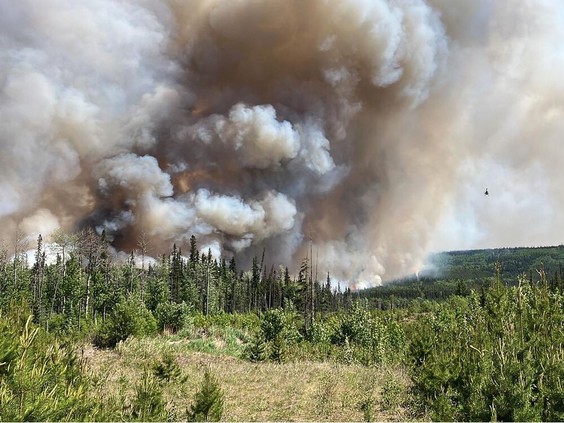
Smoke from the West Kiskatinaw River and Peavine Creek wildfires in the Dawson Creek Zone. PHOTO BY – /BC Wildfire Service/AFP via Getty

Jesse Zeman explains the overdue choice in his Vancouver Sun article A long, destructive summer is coming to B.C. forests.  Excerpts in italics with my bolds.

Until we overhaul forest management, wildfires and smoky skies will become the norm.

B.C. is poised to suffer an historically ruinous fire season, and we have only ourselves to blame.

Warm, dry weather early in the season is part of the problem, to be sure. Climate change is likely making things worse. But B.C.’s history of fire suppression and outdated forest management has turned our forests into a tinderbox that grows more dangerous every year.

At this moment, 23 wildfires are burning out of control in B.C., with dozens more in various stages of being extinguished. Campfire prohibitions are either in effect or planned across the province.

All this nearly a month before Canada Day weekend. It could be a long, hot, destructive summer.  Decades of fire suppression have resulted in huge amounts of fuel littering the forest floor, crowding out biodiversity and putting people at risk.

By putting out every fire on the landscape, we are creating forests
that are bristling with fuel just waiting for a spark.

Fire naturally occurs every five to 200 years in much of B.C. In the central Interior, many areas historically burn every five to 30 years. Under the right circumstances, fire is good. Fire is part of a natural process that rejuvenates grasslands and promotes biodiversity.

In much of the Interior, fire is an integral component of functioning and productive habitat for grizzly bears, moose, elk, mule deer, and sheep, creating food for wildlife by regenerating the soil and letting in sunlight, which creates ideal conditions for new plants and berries to grow.

Broadleaf trees are nature’s fuel break, slowing and reducing the intensity of fires; they also support biodiversity and provide moose with food. Unfortunately, B.C.’s outdated forest policies treat broadleaf trees like weeds in order to promote the growth of merchantable timber.

In parts of B.C., we spray broadleaf trees with the herbicide
glyphosate to kill them off on a massive scale.

What we do after a fire is vital. A post-fire landscape left untouched creates a natural fire break. As new plants and trees grow in, the burned trees that we leave standing are critical for moisture retention and temperature regulation in the soil. In as little as a year, burned areas sound like a symphony, teeming with life from bugs to birds to bears. But our forest practices typically prevent natural succession. Instead, we often log areas burned by fire as quickly as possible, because burned trees are harder to cut at the mill after a couple of years.

Logging after wildfire often leaves behind a barren landscape, with stunted native plants due to a lack of temperature regulation and moisture retention in the soil. Roads for logging invite invasive weeds. The lack of vegetation can also exacerbate erosion, flooding and sedimentation in our watersheds.

B.C. has been so focused on cutting down and selling trees, it has failed to account for the costs of fire suppression, loss of biodiversity, food security, and tourism. Forestry could play a critical role in mitigating the effects of wildfire by reducing fuel loads and thinning forests.

But that will require a new way of thinking. Until we overhaul forest management, wildfires and smoky skies will become the norm. We need to forge a new relationship with our forests, watersheds and wildlife, focusing on sustainability and resiliency.

We have important choices to make: Keep putting fires out and treating native tree species, such as aspen, like weeds until the fuel loading is so bad that the ensuing wildfires are virtually uncontrollable. Or we can invest in our landscapes, have controlled burns in the spring and fall, and let some fires burn to create a natural diverse landscape that mitigates high-intensity wildfires.

National Perspective from National Post Blame Forestry Management, Not CO2 Emissions

Alternative theories as to the source of the 2023 fires have largely cropped up in response to progressive politicians fingering them as irrefutable evidence of the impacts of climate change — and a clarion call for stronger emissions policies.

“We’re seeing more and more of these fires because of climate change … We’ll keep working — here at home and with partners around the world — to tackle climate change and address its impacts,” reads one recent statement by Canadian Prime Minister Justin Trudeau.

Environment Minister Steven Guilbeault rather explicitly used the wildfires as justification for higher carbon taxes, arguing that they’re still far lower than the “social cost of carbon.”

But there is a way to critique this line of reasoning without relying on tenuous evidence of a vast enviro-conspiracy to light Canada on fire for political gain.

Even wildfire specialists have been noting that while hotter, drier summers can supercharge a bad fire season, the immense scale of the 2023 fires is due in part to Canada and the United States dropping the ball on proper forestry management.

A recent Washington Post op-ed by Colorado wildfire scientist Jennifer K. Balch, for instance, suggested that the best way for governments to fight wildfires is a tighter focus on controlled burning in cooler years, and building residential developments away from high-risk areas.

“We have flood plain maps, but we don’t have maps that assess future fire risk to help set insurance costs and direct developers away from vulnerable areas,” she wrote.

The B.C. Wildlife Federation has similarly critiqued the notion that emissions reduction is the most immediate solution to increasingly damaging wildfire seasons.  In a lengthy statement, (above) executive director Jesse Zeman outlined how B.C. forestry policy discourages the growth of broad-leafed trees and immediately logs post-fire landscapes; both of which eliminate what would otherwise be natural fire breaks.

“Until we overhaul forest management, wildfires and smoky skies will become the norm,” he wrote.