Leszek Marks explains how warming and cooling alternated throughout the last 12,000 years and how our modern period is no different in his paper Contemporary global warming versus climate change in the Holocene. Excerpts in italics with my bolds and added images. H/T No Tricks Zone
Leszek Eugeniusz Marks is a Polish geologist, professor ordinarius, currently at the Warsaw University, Department of Climate Geology; and the Polish Geological Institute-National Research Institute, president of Committee for Quaternary Research of the Polish Academy of Sciences. At present, member of editorial boards of scientific journals Boreas, “Litosfera”, “Geography and Geology”, and Studia Quaternaria.
Abstract
Cyclical climate change is characteristic of the Holocene, with successive warmings and coolings. A solar forcing mechanism has steered Holocene climate change, expressed by 9 cooling phases known as Bond events. There is reliable geological evidence that the temperatures of most warming phases in the Holocene were globally higher or similar to that of the current warming period, Arctic sea ice was less extensive and most mountain glaciers in the northern hemisphere either disappeared or were smaller. During the African Humid Period in the Early and Middle Holocene, much stronger summer monsoons made the Sahara green with growth of savanna vegetation, huge lakes and extensive peat bogs. The modern warming is part of a climatic cycle with a progressive warming after the Little Ice Age, the last cold episode of which occurred at the beginning of the 19th century. Successive climate projections of the Intergovernmental Panel on Climate Change are based on the assumption that the modern temperature rise is steered exclusively by the increasing content of human-induced CO2 in the atmosphere. If compared with the observational data, these projected temperatures have been highly overestimated.
Overview
This paper presents the current state of knowledge of the climate change in the Holocene. The geological record of the climate change in this epoch has been verified by the results of archaeological, historical and meteorological investigations (Marks, 2016). Determination of the steering forces of modern warming is among the current scientific priorities in the world and, therefore, geological input is an important contribution to the discussion about human impact on the climate.
The current interglacial of the Holocene started 11.7 ka cal BP (Walker et al., 2018), with progressively increasing human impact on the Earth’s environment, especially strong during the past decades (Gibbard et al., 2021). Geological examination of past climate changes is crucial to distinguish the natural and the human-induced factors of the current climate change. The most important climate-steering factor is solar radiation, subjected to cyclical changes caused by the Sun’s activity that supplies with over 99% of the energy that is responsible for the climate of the Earth. Geological reconstructions show that rises and falls in the temperature on the Earth are dependent on the sunspot cycles (Table 1; Easterbrook, 2011; Usoskin et al., 2016; Usoskin,2023), and these in turn respond to the varying magnetic activity of the Sun.
The natural input of solar energy is transformed by different external and internal factors to modulate climate on the Earth. Latitudinal insolation in the Holocene depended on the Earth’s orbital parameters (Milankovič cycles). In comparison with the present values, summer temperatures in the northern hemisphere were higher in the Early and Middle Holocene (Beer, Van Geel, 2008; Beer, Wanner, 2012). Winter temperatures in the southern hemisphere were higher in the Middle Holocene, followed by higher temperatures in the northern hemisphere in the Late Holocene. In the coming 3 ka, lower temperatures are expected everywhere, except for the intertropical zone where higher winter temperatures are expected (Marks, 2016).
The natural rhythm of climate change during the Holocene was disturbed by large volcanic eruptions. Emission of dust into the atmosphere was responsible for a couple of cold events during the Holocene (Shindell et al., 2003). Such eruptions can be detected by concentrations of SO2 in polar ice core records (Zielinski et al., 1994; Castellano et al., 2004). The extent of the vegetation cover had an important, but very complex, effect on the climate (Foley et al., 2003), because the evaporative cooling by a forest mitigated warmings and limited dust mobilisation (Bonan, 2008). The atmospheric CO2 concentration decreased in the Early Holocene and started to increase since 7 ka, being independent of temperature variations (Palacios et al., 2024a). Ocean-atmosphere interchange was the main source of CO2 until the recent decades when the anthropogenic emission of CO2 became significant (Brovkin et al., 2019).
Fig. 1. Climate change in the Holocene, adapted from Palacios et al. (2024a) and modified: warm periods are in yellow and less warm in pale yellow, and cold in blue; Bond Events are after Bond et al. (1997, 2001) and geochronology after Walker et al. (2019).
Climate change after the Holocene Thermal Maximum
The temperature deduced from the oxygen isotope curve in the Greenland ice core GISP2 shows that several warmings occurred after the Holocene Thermal Maximum (Fig. 1; Drake, 2012). These were periods during which great progress in the development of human societies occurred: Late Bronze Age, Roman Warm Period and the MWP. The separating cold Bond Events, named the Iron Age and Dark Ages Cold Periods respectively, were expressed by economic, intellectual and cultural decline. The temperature history since 900 CE was based firstly on the estimated climate history of central England (Lamb, 1977; IPCC, 1990). This showed a distinct warming of ~1.3°C when compared with the LIA (Moberg et al., 2005; D’Arrigo et al., 2006; Mann et al., 2009). This warming was a result of natural processes, because human activity could not have had any significant effect on temperature changes before 1900 CE. The Roman Warm Period (250 BC–450 CE), the MWP (950–1250 CE) and the Modern Warming Period reflect 1000-cycles with high solar radiation (Table 1; Vahrenholt, Lüning, 2014).
Discussion
The claim of the IPCC (2021) that ‘…the latest decade was warmer than any multi-century period after the Last Interglacial, around 125,000 years ago’ ignores all the knowledge about reconstructed temperatures in the Holocene, based on multi-proxy palaeoclimatic data.
Despite the extensive northern ice sheets, the increased summer insolation in the northern hemisphere caused a warming trend from the beginning of the Holocene and lasting until the Middle Holocene (Palacios et al., 2024a). This warming trend was reversed from 6–5 ka onwards, due to decreased summer insolation in the northern hemisphere. Such general warming or cooling trends in the Holocene were interrupted by short periods with opposite and abrupt temperature changes (Fig. 1).
The modern warming represents a part of the cyclical climate change after the LIA, the last cold episode of which occurred at the beginning of the 19th century. The LIA with low temperatures is named the pre industrial period by the advocates of global anthropogenic warming and such an approach helps them to promote the idea that an increased human emission of CO2 (especially in the 20th century) is the only reason for rising temperatures on Earth. They do not bother with the evidence that the mutual time relations of global temperature and contents of CO2 in the atmosphere in 1980–2019 indicate a leading role of temperature, a rise of which was followed in that time by a 6-month delay in the rise of CO2 (Humlum et al., 2012; Koutsoyiannis, Kundzewicz, 2020).
The official curve of the global mean annual temperature anomalies based on regular measurements (https://data.giss.nasa.gov/gistemp/graphs_v4/) overlaps slightly with the temperature projections in reports of the IPCC (1990, 1995, 2001, 2007, 2014, 2021). These IPCC projections were created by climate models, based on the assumption that the modern temperature rise is steered exclusively by the increasing content of human-induced CO2 in the atmosphere while the role of water vapour as the main greenhouse gas is neglected (cf. Hołyst, 2020). Such an approach makes the IPCC-projected temperature highly overestimated if compared with the observational data (Fig. 3). Despite the lockdowns during the Covid-19 pandemic in 2020–2021, connected with large cutbacks in transport, travel, industrial production and energy generation, no reduction in atmospheric CO2 was noted. This fact suggests that the proposed reductions in global energy use would be most probably highly ineffective in limiting the level of atmospheric CO2.
Fig. 3. Global estimates of mean annual temperature anomalies (1880–2023), based on land and ocean data (https://data.giss.nasa.gov/gistemp/graphs_v4/) and temperature projections to AD 2100 in the successive IPCC reports (1990, 1995, 2001, 2007, 2014, 2021)
Conclusions
The Holocene climate change was characterized by cyclical warmings (such as: Holocene Thermal Maximum, Late Bronze Age, Roman Warm Period, MWP) and coolings (Bond Events: including Iron Age Cold Period, Dark Ages Cold Period and LIA). The IPCC claims that current warming is unprecedented in the last 2000 or even the last 125,000 years; this statement is very unconvincing and it is not supported by the geological data. There is good evidence that both in the last 2000 years as well during the Holocene Thermal Maximum, temperatures were higher or broadly similar to the ones in the current warming period, the Arctic sea ice was less extensive and most mountain glaciers (especially in the northern hemisphere) either disappeared or were smaller. Much stronger summer monsoons in the Early and Middle Holocene made the Sahara green with savanna vegetation, huge lakes and extensive peat bogs. The terms ‘the Holocene Thermal Maximum’ and ‘the Holocene Climatic Optimum’ are avoided by the IPCC (2021), and its popularized statements making the current warming look ‘unprecedented’ and therefore ‘unique’ are false and flatten the climate history (cf. Marcott et al., 2013).
The climate is a product of complicated interdependence of many factors that have not been yet sufficiently recognized qualitatively and quantitatively. It is a great scientific challenge that requires an extensive interdisciplinary research. There is a crucial need to make climate science less political and climate policy more scientific.
Thomas Kolbe explains the sordid history in his American Thinker article Potsdam climate researchers under fire. Excerpts in italics with my bolds and added images.
Critics of climate policy have long pointed to the problematic dominance of politics in climate science. A recent study from the Potsdam Institute for Climate Impact Research (PIK), which systematically exaggerated the economic consequences of climate change, has reignited the debate over scientific standards and political manipulation in the field.
On April 17, 2024, the science journal Nature published a study by PIK researchers Maximilian Kotz, Anders Levermann, and Leonie Wenz. They calculated that global GDP would shrink by 19% by 2050 due to climate change, regardless whether future emissions were reduced. This projection corresponds to an annual output loss of around $38 trillion — an economic apocalypse, given that no society has the resilience to absorb such a dramatic collapse.
A Solution Delivered Alongside the Doom
The authors also provided a ready-made “solution”: according to their math, the costs of climate damage would be at least six times higher than the expenses required to keep global warming below 2°C. The implication is clear:
This was less a scientific exercise than a political directive for policymakers
to accelerate the fight against alleged man-made climate change.
A year later, the material was “corrected” and republished with slightly toned-down results. The timing was not coincidental: peer review — the scientific quality control process — loomed in the background and threatened to spark controversy.
Peer Review Delivers a Devastating Blow
That controversy soon arrived. Three U.S.-based scientists who reviewed the PIK paper identified serious methodological flaws and faulty data — problems that had been known for over a year. According to their report, PIK’s methodology had no scientific foundation. One reviewer wrote: “I have major concerns about the uncertainty and validity of the empirical model they built and used for the forecasts. It would help this study not to follow the often-exaggerated claims found in the literature.” From the Abstract of paper by Bearpark et al (link in red above):
Kotz, Levermann and Wenz1 (henceforth, KLW) analysed how subnational gross domestic product (GDP) growth responds to year-to-year changes in temperature and precipitation. They reported that if historical relationships continue to hold, global GDP would be lowered by roughly 62% (central estimate) in 2100 under the Representative Concentration Pathway 8.5 ‘high emissions’ scenario, an impact roughly 3 times larger than similar previous estimates,2,3. Here we show that (1) data anomalies arising from one country in KLW’s underlying GDP dataset, Uzbekistan, substantially bias their predicted impacts of climate change, (2) KLW underestimate statistical uncertainty in their future projections of climate impacts, and (3) additional data-quality concerns in KLW’s subnational GDP data warrant further investigation. When Uzbekistan’s data are removed and statistical uncertainty is corrected to account for spatial correlations, KLW’s central estimate aligns closely with previous literature and their results are no longer statistically distinguishable from mitigation costs at any time this century.
Such devastating words cast doubt not just on PIK’s work, but on the broader foundations of climate science itself. Yet papers like this are routinely used to justify green transformation policies, with their web of subsidies, NGOs, regulations, and deep intrusions into economic life.
Finance Dragged Into the Climate Matrix
The significance of this critique lies not only in the study’s flaws but also in the murky financing behind it. These alarmist reports are not just shaping public opinion; they are the cornerstone of a new “climate economy.” The goal is to channel capital flows so that state funds and private wealth are merged into politically favored projects — a carefully orchestrated fusion of financial power and ideology.
International organizations and political institutions amplify these narratives, embedding them into economic governance. The “Network for Greening the Financial System” (NGFS) — closely tied to PIK and consisting of central banks and regulators — projects future climate costs and uses them as a basis for political and financial decisions. The European Central Bank relies on such scenarios for stress tests on banks, forcing higher capital buffers and restricting lending — with direct consequences for growth.
Networks, Obfuscation, and Propaganda
Additional funding flows through organizations like Climate Works, which bankrolls both NGFS and PIK while paying for the calculation of key scenarios. This blurring of lines between sponsor and reviewer, between science and political agenda, opens the door to propaganda. Genuine public debate becomes nearly impossible under such conditions of institutionalized opacity.
The end result is soulless landscapes scarred by wind turbines, the shutdown of modern power plants, and intrusive state regulation extending into private households. The energy sector is sacrificed, home ownership turned into an ideological experiment — all justified by the apocalyptic narrative of man-made climate collapse.
The Origins of CO2 Politics
The roots of this orthodoxy can be traced back to 2009, when the Obama administration declared CO2 a “dangerous pollutant” via the EPA’s Endangerment Finding. This politically-driven decision, made without congressional approval, laid the groundwork for carbon pricing, emissions trading, and sweeping regulatory interventions.
Europe embraced the same model, perhaps even spearheaded it. As an energy-poor continent, the EU saw an opportunity: by making fossil fuels expensive and heavily regulated, it could level the playing field and prevent resource-rich competitors from exploiting their natural energy advantages.
Donald Trump briefly broke with this orthodoxy, scrapping central EPA rules, declassifying CO2 as an existential threat, and freeing coal, gas, and oil. It was a signal to the world: growth and sovereignty take precedence over panic-driven climate politics.
Politicized Science
The PIK case highlights the dangers of academia’s fusion with state agendas. The old saying applies: “Whose bread I eat, his song I sing.” It was only a matter of time before such politically tailored studies surfaced.
Just as with government-influenced modeling during the COVID crisis, climate research now faces the urgent task of disentangling politics from science. On the back of the man-made climate narrative, an entire apparatus of subsidies, NGOs, and Brussels bureaucracy has entrenched itself. Untangling this nexus is no longer just a scientific issue — it is a historic necessity.
A controversial climate study by the Potsdam Institute for Climate Impact Research (PIK) is one of the biggest scientific scandals of recent years. Media outlets like “Tagesschau” and “Spiegel” made it headlines in 2024. “Scientifically completely invalid,” economist Richard Rosen declared. However, politicians and the financial world made far-reaching decisions based on the PIK study. The alleged annual economic damage of $38 trillion shaped global debates. (welt: 25.08.25)
The publication of the PIK study by “Nature” lent its brilliance. But internal documents show that all four reviewers reported serious deficiencies. One expert wrote: “The statistical methodology … [has] no scientific basis whatsoever.” Another emphasized that the forecasts seemed “unintuitively large.”
Roger Pielke Jr. calls it a scandal. Incorrect figures have been known for over a year, yet they continue to shape climate policy and financial decisions. Weinkle criticizes that “Nature” has “turned into a doormat.” This is how science loses credibility.
Just a few weeks after publication, Christof Schötz of the Technical University of Munich presented a detailed critique. He made it clear that the results “do not provide the robust empirical evidence required for climate policy.” Nevertheless, Nature suppressed the analysis for months.
Other researchers from Princeton and the Bank Policy Institute responded. Gregory Hopper describes his unsuccessful attempts to submit comments. Rosen described the PIK study as “completely scientifically invalid.” It has since become clear that while the criticism was suppressed, the NGFS continued to use the data. This resulted in massive economic and political damage.
Under pressure, the PIK researchers published a new version. In this “preprint,” they claimed their core findings remained intact. However, they had to swap methods to produce similar results. For Pielke, this is “a tacit admission… that the original analysis is no longer valid.”
Hopper is even more critical of the new version. “The revised climate damage model is even more flawed,” he explains. The statistical problems persist. This demonstrates that science is serving politics here rather than providing objective results.
RIP. You did good science and for that we are grateful.
Roger Pielke Jr. alerts us to a dangerous development in the IPCC effort claiming loss and damage from using hydrocarbons. His blog article is A Takeover of the IPCC.
The IPCC’s longstanding framework for detection and attribution looks DOA in AR7
Pielke: The Intergovernmental Panel on Climate Change (IPCC) has just released the names of its authors for its seventh assessment report (AR7). The author list for its Chapter 3 — Changes in regional climate and extremes, and their causes — suggests strongly that the IPCC will be shifting from its longstanding focus on detection and attribution (D&A) of extreme events to a focus on “extreme event attribution” (EEA).
The IPCC AR6 was decidedly lukewarm to freezing cold on the notion of EEA, and emphasized the traditional D&A framework. Those days may now be over. World Weather Attribution (WWA) co-founder Frederika Otto has been put in charge of the chapter, along with another academic who focuses on extreme event attribution.
Pielke has a series of articles taking exception to EEA methods and claims. This post is a synopsis of work by Patrick Brown on the same issue, which is likely to be featured by climatists in the days and months ahead.
How Climate Attribution Studies Become Devious and Untrustworthy
How a cascade of selection effects bias
the collective output of extreme event attribution studies.
Weather and climate extremes—such as high temperatures, floods, droughts, tropical cyclones, extratropical cyclones, and severe thunderstorms—have always threatened both human and natural systems. Given their significant impacts, there is considerable interest in how human-caused climate change influences these extremes. This is the focus of the relatively new discipline of Extreme Event Attribution (EEA).
The collective output of these kinds of studies certainly gives the impression that human-caused climate change is drastically changing the frequency and intensity of all kinds of weather extremes. Indeed, Carbon Brief recently published an extensive summary of the science of EEA studies, which begins with the proclamation, “As global temperatures rise, extreme weather events are becoming more intense and more frequent all around the world.”
However, these numbers cannot be taken as an accurate quantification of the influence of climate change on extreme weather because they are heavily influenced by a cascade of selection biases originating from the physical climate system, as well as researcher and media incentives. Identifying and understanding these biases is a prerequisite for properly interpreting the collective output of EEA studies and, thus, what implications they hold for general scientific understanding, as well as political and legal questions.
The large apparent discrepancy between the size of the influence of human-caused climate change on extreme weather reported in EEA studies (like those compiled by Carbon Brief) compared to more comprehensive systematic analyses (like those compiled by the IPCC) can, in large part, be attributed to the many layers of Selection Biasesthat influence the EEA literature’s collective output.
Selection Bias is a broad term that refers to any bias that arises from a process that selects data for analysis in a way that fails to ensure that data is representative of the broader population that the study wishes to describe.
Selection biases in the context of EEA studies include those associated with the physical climate system itself, those concerning proclivities and incentives facing researchers/journals, and those concerning the proclivities and incentives facing the media. They include
Occurrence Bias is a bias introduced by the physical climate system. Since EEA studies tend to be triggered by extreme events that have actually occurred, there is reason to believe that these studies will disproportionately sample events that are more likely than average to be exacerbated by climate change because the events occurred in the first place. Essentially, extreme events that are more likely to occur under climate change—and thus more likely to be observed—are going to be overrepresented in EEA studies, and extreme events that are less likely to occur under climate change—and thus less likely to be observed—are going to be underrepresented in EEA studies.
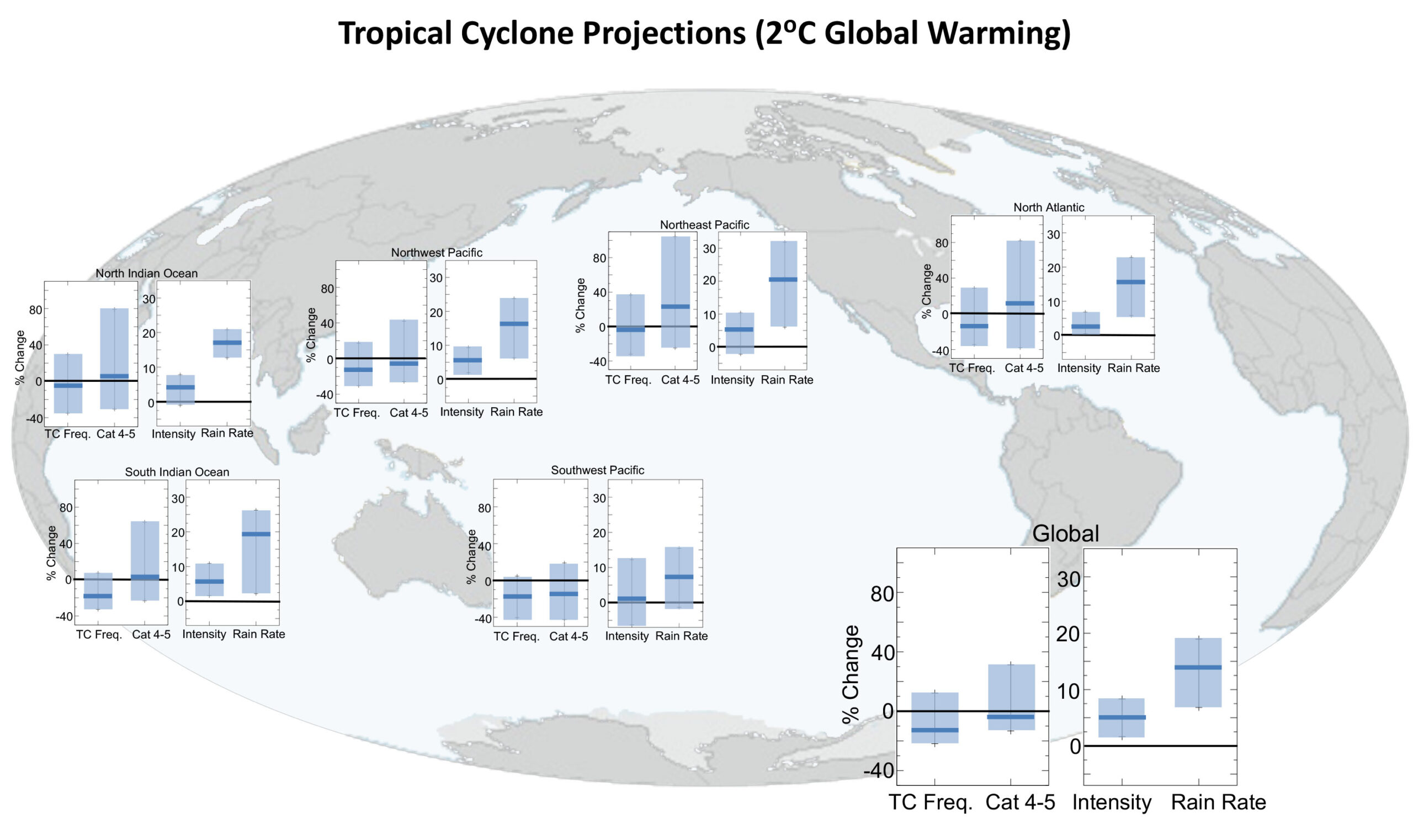
The map below illustrates this phenomenon. It shows changes in the magnitude of extreme drought under climate change. Specifically, it shows the fractional change in the intensity of once-per-50-year droughts (as quantified by monthly soil moisture) between a preindustrial and 21st-century run (SSP2-4.5 emissions) of the highly-regarded NCAR CESM2 Climate Model.Blue areas represent locations where the model simulates that extreme droughts become less frequent and intense with enhanced greenhouse gas concentrations, and red areas represent locations where the model simulates that extreme droughts become more frequent and intense with enhanced greenhouse gas concentrations. It is notable that overall, this model simulates that warmingdecreases the frequency and intensity of extreme drought in more locations than it increases it (consistent with soil moistening under warming simulated by other models).
Now, here’s the kicker: The black dots show locations where once-per-50-year droughts actually occurred in the 21st-century simulation and thus represent events that would plausibly trigger EEA studies.
What do you notice about where the dots are compared to where the red is? That’s right; the simulated EEA studies overwhelmingly sample areas where droughts are getting more intense and more frequent by the very nature that those are the types of droughts that are more likely to occur in the warming climate. The result is that the EEA sample is majorly biased: warming decreased the intensity of once-per-50-year droughts by about 1% overall, but it increased their intensity within the EEA sample by 18%!
Thus, if you just relied on the EEA sample, you would come away with an
incorrect impression not only on the magnitude of change in extreme droughts
but also on the sign of the direction of change!
Choice Bias arises when researchers use prior knowledge to choose events for EEA studies that are more likely to have been made more severe by climate change. A clear example of Choice Bias pervading the Carbon Brief database is there have been 3.6 times more studies on extreme heat than there have been on extreme winter weather (205 vs. 57). Another example would be the dearth of EEA studies on extratropical cyclones (the kinds of low-pressure systems with cold and warm fronts that are responsible for most of the dramatic weather outside of the tropics). The IPCC states that the number of extratropical cyclones associated with intense surface wind speeds is expected to decrease strongly in the Northern Hemisphere with warming. Yet, it is relatively rare for EEA attribution studies to be done on these types of systems, which results in an exclusion of this good news from the EEA literature.
Finally, the climate reporting media ecosystem is characterized by actors whose explicit mission is to raise awareness of the negative impacts of climate change, and thus, there will be a natural Media Coverage Bias with a tendency to selectively highlight EEA studies where climate change is found to be a larger driver than EEA studies that do not reach such a conclusion. These selection biases are apparent at the aggregate level, but there is also strong evidence of their presence in individual studies.
A more recent specific example suggestive of many of these dynamics is a study, Gilford et al. (2024), titled “Human-caused ocean warming has intensified recent hurricanes”. This study was conducted by three researchers at Climate Central, which summarizes the study’s findings with the following infographic:
From Climate Central press release on Gilford et al. (2024).
Essentially, they claim that climate change is enhancing the intensity of all hurricanes and that the enhancement is quite large: Storms today are calculated to be an entire Category stronger than they would have been in a preindustrial climate.
This is a huge effect, and thus, if it were real, it is reasonable to expect to see clear long-term trends in metrics of tropical cyclone (hurricane) intensity like the accumulated number of major (Category 3+) hurricane days or the accumulated cyclone energy from all tropical cyclones (which is proportional to the square of hurricane windspeed accumulated over their lifetimes). However, any long-term trends in such metrics are subtle at best, both globally and over the North Atlantic.
From Colorado State University Department of Atmospheric Science Tropical Meteorology Project.
So, this is a microcosm of the aforementioned apparent discrepancy between more broad quantifications of changes in extremes and their associated EEA counterparts, and again, I’d argue there are several selection biases at play affecting the production and dissemination of the EEA study.
Let’s start with Choice Bias on methodology. Human-caused warming changes the environment in some ways that work to enhance hurricanes and in other ways that diminish them. The main way that hurricanes are enhanced is via the increase in sea surface temperatures (which provides the fundamental fuel for hurricanes), and the main way that hurricanes are diminished isvia changes in atmospheric wind shear and humidity.
However, the Climate Central researchers made the methodological choice
to largely exclude the influence of factors that diminish
hurricane development from the study.
Are these Choice Biases in event type and methodology an accident? There are many reasons to believe they are not.
The research paper itself spells out that the motivation of the study is to “connect the dots” between climate change and hurricanes because “landfalling hurricanes with high intensities—can act as ‘focusing events’ that draw public attention” and that “Increased attention during and in wake of storms creates opportunities for public and private discourse around climate and disaster preparedness.”
Then, there is the extensive media coverage of this study. It was picked up by 134 news outlets and ranked in the 99.95th percentile of research articles (across all journals) of similar age in terms of online attention. Further, it was immediately incorporated into seven Wikipedia articles (likely having high leverage on AI queries, which would make its findings indistinguishable from scientific “fact”). This is affected by the aforementioned Media Coverage Bias, but it is also undoubtedly directly influenced by the efforts of Climate Central, which is explicitly an advocacy organization whose self-described specialty is media placement and dissemination.
“Attributing extreme weather events to climate change, as I do
through my work as a climatologist, means we can hold
countries and companies to account for their inaction.”
Given the explicitly stated motivation of those in the EEA field, it is quite reasonable to suppose that there are major selection biases at play, and thus, it is not at all surprising that the collective output of the EEA field would look so different from more broad comprehensive assessments.
Clean Economy Works | total projects cancelled, closed, downsized by sector Aug. 2022-June 2025
*totals will not match overall figures as some projects are categorized into multiple sectors
Businesses canceled, closed, and scaled back more than $22 billion worth of new factories and clean energy projects in the first half of 2025 after cancelling another $6.7 billion in June alone, according to E2’s latest monthly analysis of clean energy projects tracked by E2 and the Clean Economy Tracker.
The latest wave of cancellations — affecting five battery, storage, and electric vehicle factories in Colorado, Indiana, Michigan, New York, and Oregon — follows growing uncertainty among businesses as Congress was making the final push to effectively end federal clean energy tax credits. More than 5,000 jobs were lost to the cancellations and scales backs in June, bringing the total number of jobs lost to abandoned projects in 2025 to 16,500.
June’s cancellations were led by major automakers scaling back electric vehicle production investments. General Motors cancelled a $4.3 billion plan to expand its Orion plant in Michigan to build new electric pickups and instead shift its investments there to build 8-cylinder gas vehicles. Additionally, Toyota scaled back a $2.2 billion plan to retool a manufacturing plant in Indiana that was going to build a new three-row electric SUV, consolidating production to its Georgetown, Kentucky plant instead.
Cancellations, Closures, Downsizes
This tracking includes all projects, plants, operations, or expansions that were cancelled or closed since passage of the IRA in August 2022. This does not include announced layoffs that are not associated with a project downsizing unless there is a stated decease in production output. This list also does not include the transfer of project ownership, if production will continue under the new ownership, power purchasing agreements, or other similar type of announcements. Project delays or idling of facilities are not included unless there in an announced decrease in production or investment or unless the project will need to be restarted to proceed in the future.
What has happened to investment in US clean energy manufacturing and supply chains since Trump took office on January 20, 2025? Our Trump + 7 month tracker below was updated on August 20, 2025. You can also read our 6-month report below or download the report.
The Big Green Machine: Trump + 6 months report (released on July 29, 2025, based on data through July 20, 2025).
Since Donald Trump took office on January 20, 2025, newly announced investments in clean energy manufacturing projects have slowed dramatically, while the number of projects that have been paused, canceled, or closed has skyrocketed. Projects are being paused, cancelled, and closed at a rate 6 times more than during the same period in 2024 and 30 times more than during the same period in 2023.
The Big Green Machine tracks investments in the supply chain, from mine to factory, in the wind, solar, batteries, and electric vehicle industries. Over the past six months, 26 projects, totaling $27.6 billion in capital investment and creating 18,849 jobs, have been paused, canceled, or closed. During the same period, 29 new projects were announced, adding up to $3.0 billion in capital investment and 8,334 jobs.
This marks a dramatic reversal from the first six months of 2024. During that period, 54 new projects adding up to $15.9 billion in capital investment and 25,942 new jobs were announced. In comparison, 8 projects adding up to $4.1 billion in capital investment and 3,820 jobs were paused, canceled, or closed during the first six months of 2024.
That does not mean all activity in the clean energy sector has stopped. Since Trump took office, many previously announced projects have broken ground, started pilot production, or moved into full production. By our count, 39 projects adding up to $21.1 billion in capital investment and 25,269 jobs have advanced in the past six months. But the projects that are advancing are, on average, smaller in size than the projects that are slowing.
Other patterns are emerging with respect to which projects are advancing or slowing. Not surprisingly, projects counting on federal support in the form of loans and grants are more likely to be slowing. In addition, our tracking shows that projects located in communities with lower median household incomes and communities classified as disadvantaged are seeing a higher proportion of slowed projects, meaning that communities in need of opportunity are losing out.
Unlike the two above reports focusing on 2025 contractions, the third report from Canary media details the green energy bloodbath last year The cleantech companies that didn’t make it through 2024. Excerpts in italics with my bolds and added images.
From carbon removal startups to solar icons, the climate world saw a number of corporate flameouts this year. Here are some takeaways and lessons learned.
Examples included (among many others)
Solar sunsets
Arguably the most shocking cleantech corporate demise of 2024 was that of SunPower, a solar industry icon that grew from humble startup roots to a valuation in the billions, only to file for bankruptcy in August. Even as solar installations smash records in the U.S. and the federal government channels capital into onshoring solar panel production, SunPower found itself undone by China’s industrial policy might and its own boardroom missteps. High interest rates and other policy headwinds, like California’s NEM3.0, didn’t help. Also Ubiquitous Energy, Toledo Solar
Here are a few of the larger casualties from this year: Sunworks, a residential and commercial solar installer, filed for bankruptcy in February. Founded in 2002, Sunworks had developed 224 megawatts of solar projects across 15 states and employed 640 people. Titan Solar operated in 16 states and abruptly shut down its operations in June. Utah-based residential solar company Lumio filed for bankruptcy in September.
Energy storage setbacks
Armed with billions in investor capital, scores of storage startups have been aiming to dethrone energy stalwarts like lithium-ion and diesel generators — but in the words of The Wire’s Omar Little, “If you come at the king, you best not miss.”
These companies missed. Sweden’s Northvolt, once valued by investors at almost $12 billion, filed for bankruptcy in November in the year’s biggest battery bust. Ambri, an energy storage aspirant with technology based on the research of MIT professor Donald Sadoway, declared bankruptcy in May. Richmond, California–based Moxion Powerlaid off101 workers in June and shuttered its doors, following a wave of hype for its 75-kilowatt portable lithium-ion batteries that it hoped would replace diesel generators. Two other notable failures in the storage sector: Ionic Materials, a 40-person MIT spin-out developing battery materials, Australian flow battery firm Redflow.
Removing carbon one VC dollar at a time
Running Tide was the largest marine carbon-removal startup and the first to sell ocean carbon credits. Its initial plan of removing carbon dioxide from the atmosphere and sequestering it in the ocean by growing and sinking kelp morphed into sinking wood chips coated with lime-kiln dust. Running Tide announced that it was folding in June after raising more than $54 million.
Unsustainable aviation
Chasing a clean fuels breakthrough, Fulcrum BioEnergy promised to transform municipal waste into sustainable aviation fuel through a low-emissions gasification process. Instead, the company incinerated hundreds of millions in funding from BP, United Airlines, Cathay Pacific, and Japan Airlines — and hundreds of millions more in municipal bonds. The firm ceased operations in May. Also Universal Hydrogen
Charger bankruptcy
Tritium, a major provider of high-speed EV chargers, went bust in April but found a buyer for its insolvent business in India-based Exicom, which claims it will keep Tritium’s U.S. factory in business. Tritium has sold roughly 13,000 chargers in 47 countries and claimed a 30 percent U.S. market share for direct-current fast chargers in 2023.
Zero to 60 and back to zero with EVs
Luxury EV maker Fisker went bankrupt again; electric-van maker Arrival went bankrupt and sold its assets to another struggling EV maker, Canoo, which is currently furloughing employees; Cake, a Swedish e-motorcycle startup, sold 6,000 bikes but filed for bankruptcy in February after raising more than $75 million.
Arcimoto, Faraday Future, Mullen Automotive, and Workhorse Group are publicly traded EV companies but are facing delisting warnings, paltry revenue, and valuations that are rapidly approaching zero. Nikola stock is down by 90 percent year to date.
Comment
These reports are from green energy enthusiasts and promoters, expressing concerns without questioning the so-called transition to zero carbon. They really do want to pave farmland over with solar and wind installations. The rest of us understand that the whole green economy notion is delusional and needs dismantling ASAP. The creative destruction of these misbegotten enterprises is a step in the right direction.
BREAKING! Alberta DROPS BOMBSHELL After Canada REJECTS U.S. Pipeline Deal! The video explains how ordinary Canadians are taking action to reject climatism ideology in favor of energy realism and freedom. The transcript is below in italics with my bolds and added images.
What happens when a single province challenges an entire nation? Alberta just dropped a political bombshell after Ottawa rejected its 10 billion US dollar pipeline deals.
“Today marks an important step forward in uniting our country as Saskatchewan jumps on board with Alberta and Ontario to pursue our shared goals of economic growth, opportunity, and prosperity.” Alberta Premier Danielle Smith
But Premier Danielle Smith isn’t backing down. She’s fighting back with her crossborder energy corridor, striking partnerships with US states and challenging the decision and power of Ottawa.
“Today, we’re signing a memorandum of understanding that makes Saskatchewan an official signatory and partner as we work together on building oil and gas pipelines and expanding trade corridors to global markets.”
This fight isn’t about a single pipeline anymore. It’s a full-blown showdown over the economic soul of Canada. Who really controls the future? Federal climate crusaders in Ottawa or the oil-driven defiance in Alberta? It started quietly. For months Alberta had been negotiating with US refiners and private investors on a bold plan, a new pipeline corridor linking the oil sands to refineries in Montana, North Dakota, and ultimately to the Gulf Coast.
This wasn’t a revival of Keystone XL, but the logic was the same: move more bitumen and synthetic crude, cut rail dependency, and deliver secure Canadian energy to the hungry markets in America. The numbers told the story. This agreement will see our three provinces advance pipelines and pathways to boost exports of homegrown energy, potash, critical minerals, and agricultural products to markets across Canada and across the world.
The proposed cost was between 8 and 10 billion, almost entirely financed by private industry. There were no bailouts and no federal funding. All Alberta asked from Ottawa was a green light on crossborder approval. For Premier Danielle Smith, this wasn’t just about energy. It was about survival.
And if Prime Minister Mark Carney doesn’t want to work with us, it’s not just myself and Scott Moe he’ll have to worry about. He’ll also have to contend with Premier Doug Ford, who has said many times he’ll be all over him like an 800lb gorilla.
So, it’s time to get rid of the bad laws that have harmed Canada’s ability to grow the energy sector and other industries such as mining and manufacturing. The economy of Alberta is built on oil exports. But without enough pipeline capacity, producers were forced to rely on rail. Rail is slower, more expensive, and more dangerous. The delay of one day meant millions lost. Thousands of jobs at risk, and the Albertan communities paying the price.
Industry leaders were optimistic. US refiners in the Midwest and Gulf were eager for Canadian heavy crude, a more stable and cleaner alternative compared to politically volatile suppliers abroad. The environmental analysts even argued the project would cut per barrel emissions by replacing rail transport with efficient modern pipelines. Everything was lined up perfectly.
But then Ottawa said no. The Canadian Prime Minister Mark Carney rejected the deal outright. He made it clear no new crossborder pipelines would be approved. But why? The answer was climate. Carney and his government had pledged to lead Canada into a net zero future. New pipelines, federal ministers argued, would lock in emissions, heavy oil production for decades. That was incompatible with the climate commitments and international reputation of Canada.
Behind the scenes, politics also played a role. Quebec and large parts of Ontario, crucial bases of support for federal liberals and centrists, have long opposed the construction of new fossil fuel infrastructure. The approval of pipeline in Alberta risked urban climate conscious voters in Montreal, Toronto, and Ottawa.
Rejecting it sent a signal the energy future of Canada will be hydrogen,
renewables, and critical minerals, not the oil sands in Alberta.
For Alberta, the message was brutal. It wasn’t just a policy decision. It was a blockade. But Danielle Smith didn’t wait. Within 48 hours, she called an emergency press conference. Standing beside industry leaders and ministers, she declared Alberta would move ahead with or without Ottawa. Smith announced a bold new plan, a provincially backed pipeline corridor fast-tracked under Albertan jurisdiction, financed by private investors, and supported by 1.2 $2 billion in provincial loan guarantees. The construction preparation is expected to begin within 12 months.
Danielle Smith revealed exploratory agreements with the governors of Montana and North Dakota to coordinate crossborder energy projects, trade facilitation, and infrastructure planning. In short, if Ottawa won’t help, Alberta will work directly with the states in the United States. The message was clear. Alberta wasn’t asking anymore. It was acting.
The stakes are enormous. Albertian oil sands directly support over 140,000 jobs and billions of dollars in export earnings. Without pipelines, producers such as Suncor, Cenovis, and Meg Energy face rising transportation costs, reduced competitiveness, and shrinking investment. For workers, the uncertainty is devastating. Thousands of pipe fitters, welders, truck drivers, and construction crews were counting on jobs tied to the $10 billion project. The communities along potential routes were preparing for growth. Now they’re caught between the rejection of Ottawa and Albertan defiance.
But the ripple effects don’t stop in Canada. Smith framed it bluntly. This wasn’t ideology. It was survival. Alberta wasn’t going to stand by while Ottawa, in her words, choked our future. Once she doubled down by raising the stakes even higher. Alberta would consider tapping the Alberta pension plan to finance its energy infrastructure. The logic? If Ottawa won’t support their priorities, then Albertans’ money should.
The bombshell ignited fury across the West. Saskatchewan and Ontario quickly signed memorandums of understanding with Alberta, pledging to expand pipelines, rail exports, and energy trade. Wexit groups, which had been dormant for a long time, roared back online. Conservative premiers in Saskatchewan and BC echoed the defiance of Smith, accusing Ottawa of sabotaging resource provinces. The Ottawan response was predictable. Federal ministers doubled down on climate goals. So, no more pipelines and no more fossil expansion, only renewables, critical minerals, and electrification. The Canadian government painted Albertan response as reckless and accused Smith of manufacturing a crisis for political gain.
But here’s the truth. This isn’t just a policy dispute anymore. It’s a battle for the Canadian economic soul. The question is, how far will this go? Because what happens next could reshape Canada forever. The fallout is already shaking the political map of Canada. In Western Canada, calls for autonomy are louder than ever. Saskatchewan’s premier joined Smith in declaring that energy independence is no longer optional. It’s survival. Even Ontario, often aligned with Ottawa, signed agreements to boost pipeline and mineral trade with Alberta.
For many, this is more than economics. It’s about fairness. Albertans see the wealth of their province generated from oil exports funding national programs while Ottawa refuses to support the very industry that creates that wealth. The rejection crystallized a long-standing grievance that the federal government takes from Alberta but never gives back.
The tension is spilling into Parliament. Conservative MPs accused Carney of abandoning Canadian workers to please foreign investors and climate lobbyists. They warned that the stance of Ottawa weakens national unity and strengthens separatist sentiment. Meanwhile, Block Quebecois MPs cheered the rejection, saying Alberta should stop holding Canada hostage with oil. The divide is sharper than ever.
South of the border, the reaction is more pragmatic. Governors in Montana and North Dakota see opportunity. By partnering directly with Alberta, they can secure stable energy supplies and create jobs in pipeline construction, refining, and logistics. Quietly, US officials are already signaling support.
But this puts Ottawa in a bind. If Alberta succeeds in striking crossborder deals without federal blessing, it challenges the very structure of Canadian federalism. The energy and trade are constitutionally shared powers. But what happens if a province pushes ahead anyway? The legal challenges are inevitable. Ottawa may try to block Alberta in court, but that could trigger an even deeper political backlash.
So, for now, Ottawa is betting on a green future. Alberta is betting on oil. Both sides are digging in. If Alberta pulls this off, it could change the balance of power in Canada forever. If it fails, the province risks isolation, lost investment, and a deeper rift with Ottawa.
Ted Nordhaus writes at The EcoModernist Why I Stopped Being a Climate Catastrophist, And why so many climate pragmatists can’t quit catastrophism. Excerpts in italics with my bolds and added images.
In the book Break Through, Michael Shellenberger and I argued that if the world kept burning fossil fuels at current rates, catastrophe was virtually assured. I no longer believe this hyperbole. Yes, the world will continue to warm as long as we keep burning fossil fuels. And sea levels will rise. About 9 inches over the last century, perhaps another 2 or 3 feet over the course of the rest of this century. But the rest of it? Not so much.
There is little reason to think that the Amazon is at risk of collapsing over the next 50 years. Agricultural yield and output will almost certainly continue to rise, if not necessarily at the same rate as it has over the last 50 years. There has been no observable increase in meteorological drought globally that might trigger the resource wars that the Pentagon was scenario planning back then.
Figure 3: CMIP6 GCM ensemble mean simulations spanning from 1850 to 2100, employing historical effective radiative forcing functions from 1850 to 2014 (see Figure 1C) and the forcing functions based on the SSP scenarios 1-2.6, 2-4.5, 3-7.0, and 5-8.5. Curve colors are scaled according to the equilibrium climate sensitivity (ECS) of the models. The right panels depict the risks and impacts of climate change in relation to various global Reasons for Concern (RFCs) (IPCC, 2023). (Adapted from Scafetta, 2024).
At the time that we published Break Through, I, along with most climate scientists and advocates, believed that business as usual emissions would lead to around five degrees of warming by the end of this century. As Zeke Hausfather, Glen Peters,Roger Pielke Jr, and Justin Richie have demonstrated over the last decade or so, that assumption was never plausible. The class of scenarios upon which it was based assumed very high population growth, very high economic growth, and slow technological change. None of these trends individually track at all with actual long term global trends.
Fertility rates have been falling, global economic growth slowing,
and the global economy decarbonizing for decades.
As a result of these dynamics, most estimates of worst case warming by the end of the century now suggest 3 degrees or less. But as consensus around these estimates has shifted, the reaction to this good news among much of the climate science and advocacy community has not been to become less catastrophic. Rather, it has been to simply shift the locus of catastrophe from five to three degrees of warming. Climate advocates have arguably become more catastrophic about climate change in recent years, not less.
When Is Weather Climate Change?
For me, the cognitive dissonance began as I became familiar with Roger Pielke Jr’s work on normalized hurricane losses, in the late 2000s. This was around the time that a lot of messaging from the climate advocacy community had started to focus on extreme weather events, not just as harbingers for the storms of our grandchildren, to borrow the title of James Hansen’s 2009 book, but as being fueled by climate change in the present.
If you want to know why Pielke has been so demonized over the last
15 years by climate activists and activist climate scientists,
it’s because he got in the way of this new narrative.
Integrated Storm Activity Annually over the Continental U.S. (ISAAC)
Pielke’s work, going back to the mid-1990s showed, again and again, that the normalized economic costs of climate related disasters weren’t increasing, despite the documented warming of the climate. And unlike a lot of researchers who sometimes produce studies that cut against the climate movement’s chosen narratives, he wasn’t willing to be quiet about it. Pielke got in the way of the advocacy community at the moment that it was determined to argue that present day disasters were driven by climate change and got run over.
Put these two factors together—the outsized influence that exposure and vulnerability have on the cost of extreme climate and weather phenomena, and the very modest intensification that climate change contributes to these events, when it plays any role at all—and what should be clear is that climate change is contributing very little to present day disasters. It is a relatively small factor in the frequency and intensity of climate hazards that are experienced by human societies, which in turn play a small role in the human and economic costs of climate related disasters compared to non-climate factors.
This also means that the scale of anthropogenic climate change that would be necessary to very dramatically intensify those hazards, such that they overwhelm the non-climate factors in determining the consequences of future climate related events, is implausibly large.
A Sting in the Tail?
For a long time, even after I had come to terms with the fundamental disconnect between what climate advocates were saying about extreme events and the role that climate change could conceivably be playing, I held on to the possibility of catastrophic climate futures based upon uncertainty. The sting, as they say, is in the tail, meaning so-called fat tails in the climate risk distribution. These are tipping points or similar low probability, high consequence scenarios that aren’t factored into central estimates. The ice sheets could collapse much faster than we understand or the gulf stream might shut down, bringing frigid temperatures to western Europe, or permafrost and methane hydrates frozen in the sea floor might rapidly melt, accelerating warming.
But like the supposed collapse of the Amazon, once you look more closely at these risks they don’t add up to catastrophic outcomes for humanity. While sensationalist news stories frequently refer to the collapse of the gulf stream, what they are really referring to is the slowing of the Atlantic Meridian Overturning Circulation (AMOC). AMOC helps transport warm water to the North Atlantic and moderates winter temperatures across western Europe. But its collapse, much less its slowing, would not result in a hard freeze across all of Europe. Indeed, under plausible conditions in which it might significantly slow, it would act as a negative feedback, counterbalancing warming, which is happening faster across the European continent than almost any place else in the world.
Permafrost and methane hydrate thawing, meanwhile, are slow processes not fast ones. Even irreversible melting would occur over millennial timescales, fast in geological terms but very slow in human terms. The same is true of accelerated melting of ice caps. Even under very high warming scenarios, broadly acknowledged today as improbable, the Greenland and West Antarctic ice sheets contribute around a meter of sea level rise by the end of this century. Those processes would continue far into the future. But even very accelerated scenarios for rapid disintegration of ice sheets unfold over many centuries, not decades.
Moreover, the problem with grounding strong precautionary claims in these known unknowns is that doing so demands strong remedies in the present in response to future risks that are both unquantifiable and unfalsifiable, a problem made even worse by the fact that “fat tail” proponents generally then proceed to ignore the fact that the unknown, unquantifiable, and unfalsifiable risks they are referring to are incredibly low probability and instead set about centering them in the climate discourse.
Clean Energy Without Catastrophism
Why do so many smart people, most trained as scientists, engineers, lawyers, or public policy experts, and all who will tell you, and I say this not ironically, that they “believe in science,” get the science of climate risk so badly wrong?
There are, in my view, several reasons. The first is that highly educated people with high levels of science literacy are no less likely to get basic scientific issues wrong than anyone else when the facts conflict with their social identities and ideological commitments. Yale Law Professor Dan Kahan has shown that people who are highly concerned about climate change actually have less accurate views about climate change overall than climate skeptics and that this remains true even among partisans with high levels of education and general science literacy. Elsewhere, Kahan and others have demonstrated that on many issues, highly educated people are often more likely to stubbornly hold onto erroneous beliefs because they are more expert at defending their political views and ideological commitments.
The second reason is that there are strong social, political, and professional incentives if you make a living doing left of center climate and energy policy to get climate risk wrong. The capture of Democratic and progressive politics by environmentalism over the last generation has been close to total. There is little tolerance on the Left for any expression of materialist politics that challenge foundational claims of the environmental movement. Meanwhile the climate movement has effectively conflated consensus science about the reality and anthropogenic origins of climate change with catastrophist claims about climate risk for which there is no consensus whatsoever.
Whether you are an academic researcher, a think tank policy wonk, a program officer at an environmental or liberal philanthropy, or a Democratic Congressional staffer, there is simply no benefit and plenty of downside to questioning, much less challenging, the central notion that climate change is an existential threat to the human future. It’s a good way to lose friends or even your job. It won’t help you get your next job or your next grant. And so everyone, mostly falls in line. Better to go along to get along.
Finally, there is a widespread belief that one can’t make a strong case for clean energy and technological innovation absent the catastrophic specter of climate change. “Why bother with nuclear power or clean energy if climate change is not a catastrophic risk,” is a frequent response. And this view simply ignores the entire history of modern energy innovation. Over the last two centuries, the world has moved inexorably from dirtier and more carbon intensive technologies to cleaner ones. Burning coal, despite its significant environmental impacts, is cleaner than burning wood and dung. Burning gas is cleaner than coal. And obviously producing energy with wind, solar, and nuclear is cleaner than doing so with fossil fuels.
There is a view among most climate and clean energy advocates that the risk of climate change both demands and is necessary to justify a much faster transition toward cleaner energy technologies. But as a practical matter, there is no evidence whatsoever that 35 years of increasingly dire rhetoric and claims about climate change have had any impact on the rate at which the global energy system has decarbonized and by some measure, the world decarbonized faster over the 35 years prior to climate change emerging as a global concern than it did in the 35 years since.
Despite some tonal, tactical, and strategic differences, this basic view of climate risk, and corresponding demand for a rapid transformation of the global energy economy is broadly shared by the climate activists and the pragmatists. The impulse is millenarian, not meliorist.
Underneath the real politik, technocratic wonkery, and appeals
to scientific authority is a desire to remake the world.
For all its worldly and learned affect, what that has resulted in is the creation of an insular climate discourse on the Left that may be cleverer by half than right wing dismissals of climate change but is no less prone to making misleading claims about the subject, ignoring countervailing evidence, and demonizing dissent. And it has produced a politics that is simultaneously grandiose and maximalist and, increasingly, deeply out of touch with popular sentiment.
Last week Ben Shapiro interviewed Chris Wright concerning the latest moves by realists against the climatists and what’s at stake in this power struggle over humankind’s energy platform, not only for U.S but for the world. For those who prefer reading, I provide a transcript lightly edited from the closed captions, text in italics with my bolds and added images.
Ben: One of the biggest moves that has been made in modern history in the regulatory state has happened this week. The Environmental Protection Agency on Tuesday, according to the Wall Street Journal, declared liberation day from Climate Imperialism by moving to repeal the 2009 so-called endangerment finding for greenhouse gas emissions. So basically, the Clean Air Act, which was put into place in the 1970s, authorized the EPA to regulate pollutants like ozone, particulate matter, sulfur dioxide, and others that might reasonably be anticipated to endanger public health or welfare.
Well, the EPA suggested under Barack Obama that you could use the Clean Air Act in order to regulate carbon emissions, which is insane. That’s totally crazy. The kinds of stuff the Clean Air Act was meant to stop was again particulate matter. It was meant to stop ozone that was breaking down the ozone layer. It was not meant to deal with carbon and particularly carbon dioxide which is a thing that you know is a natural byproduct, for example breathing. Carbon dioxide in the environment is not a danger to human beings.
You may not like what it does in terms of global climate change, but the idea that the EPA has authority under the Clean Air Act is wrong. If Congress wants to give the EPA that authority, then it certainly could, but it never did. The Supreme Court found in 2007 that greenhouse gases could qualify as pollutants under an extraordinarily broad misreading of the law.
But now the EPA is walking that back. And the EPA is suggesting that this is not correct. The Supreme Court and the EPA under their 2009 ruling said, “There is some evidence that elevated carbon dioxide concentrations and climate changes can lead to changes in aeroallergens that could increase the potential for allergenic illnesses.” Well, the Energy Department has now walked that back. They published a comprehensive analysis of climate science and its uncertainties by five outside scientists. One of those is Steven Koonin, who served in the Obama administration.
The crucial point is that CO2 is different from the pollutants Congress expressly authorized the EPA to regulate. Those pollutants are “subject to regulatory control because they cause local problems depending on concentrations including nuisances, damages to plants, and at high enough exposure levels, toxic effects on humans. In contrast, CO2 is odorless, does not affect visibility, and it has no toxicological effects at ambient levels. So, you’re not going to get sick from CO2 in the air.
And so, the EPA administrator Lee Zeldin and Energy Secretary Chris Wright are taking this on. They have said in our interpretation the Clean Air Act no longer applies to greenhouse gases. Well, what does that mean? It means something extraordinary for the American economy, among other things, which is under a massive deregulatory environment.
The alleged cost of regulating greenhouse gas emissions under the Clean Air Act amounts to something like 54 billion per year. So if you multiply that out over the course of the last decade and a half, you’re talking about a cost of in excess of $800 billion based again on a regulatory agency radically exceeding its boundaries.
Well, joining us online to discuss this massive move by the Trump administration is the energy secretary Chris Wright. Secretary, thanks so much for taking the time. Really appreciate it. Thanks for having me, Ben.
Ben: So, first of all, why don’t we discuss what the EPA just did, what that actually means, how’s the energy department involved, and and what does it mean for sort of the future of things like energy developments in the United States?
The Poisonous Tree: Massachusetts v. EPA and the 2009 endangerment finding
Chris: Well, the endangerment finding, 2007 Supreme Court decision, Massachusetts and a bunch of environmental groups sued the EPA and said, “You must regulate greenhouse gas emissions.” Climate activists, basically. Unfortunately the Supreme Court decided five to four in 2007 that greenhouse gases could become endangerments, and if they were the EPA had the option but not the compulsion to regulate greenhouse gases. In 2009, as soon as the Obama administration came in, they did a tortured kind of process to say greenhouse gases endanger the lives of Americans. And that gave the regulatory state, the EPA, the ability to regulate greenhouse gases that the Obama administration and others had failed to pass through Congress. If you pass a law through the House and the Senate and the president signs it, then you can do that. But they just made it up. They just did it through a regulatory backdoor.
And now those those regulations just infuse everything we do, maybe most famously automobiles, the EV mandates, the continual increasing of fuel economy standards that brought us the SUV and everyone buying trucks because they don’t want to buy small cars. But it’s regulating your appliances and power plants and your and home hair dryers and outdoor heaters. So, it’s just been a huge entanglement into American life.
Big brother climate regulations from the government. They don’t do anything meaningful for global greenhouse gas emissions. They don’t change any health outcomes for Americans, but they massively grow the government. They increase costs and they grow the reach of the government. So, Administrator Lee Zeldin is reviewing that and saying, ” We don’t believe that greenhouse gases are a significant endangerment to the American public and they shouldn’t be regulated by the EPA. The EPA does not have authority to regulate them because Congress never passed such a law.
At the Department of Energy, sorry for the long answer, what we did was to reach out to five prestigious climate scientists that are real scientists in my mind; meaning they follow the data wherever it leads, not only if it aligns with their politics or their views otherwise. And we published a long critical overview of climate science and its impact on Americans. And that was released yesterday on the DOE website. I highly recommend everyone to give it a read in synopsis since it’s a big report obviously.
Ben: What are the biggest findings from that report that you commissioned at the Department of Energy with regard to this stuff?
Chris: Maybe the single biggest one that everyone should be aware of is: The ceaseless repeating that climate change is making storms more frequent and more severe and more dangerous is just nonsense. That’s never been in the Intergovernmental Panel on Climate Change (IPCC) reports. It’s just not true.But media and politicians and activists just keep repeating it. And in fact, I saw The Hill had a piece right away when when our press release went out yesterday morning:
Despite decades of data and scientific consensus that climate change is increasing the frequency and intensity of storms, the EPA has reversed the endangerment finding.
Even the headlines are just wrong. One of my goals for 20 years, Ben, is for people to be just a little more knowledgeable of what is actually true with climate change, and what actually are the tradeoffs between trying to reduce greenhouse gas emissions by top- down government actions and what does that mean for the energy system?
We’ve driven up the price of energy, reduced choice to American consumers,
without meaningfully moving global greenhouse gas emissions at all.
And when I talk to activists or politicians about it, they’re not even that concerned about it. They don’t act as if their real goal is to incrementally reduce greenhouse gases in the atmosphere. Their real goal is for the government and them, you know, a small number of people to decide what’s appropriate behavior for all Americans.
Just creepy, top-down control sold in the name of protecting the future of the planet. If it was really about that, they’d know a little bit more about climate change, but they almost never do.
Ben: Well, this is the part that’s always astonishing to me. I get in a room with with climate scientists from places like MIT or Caltech, and we’ll discuss what exactly is going on. These are people who believe that there is anthropogenic climate change, that human activity is causing some sort of market impact on the climate. But when you discuss with them, okay, so what are the solutions? The solutions that that are proposed are never in line with the the kind of risk that they seek to prevent. I mean, the Nobel Prize winning economist William Nordhaus has made the point that there are certain things you could do economically that would totally destroy your economy and might save you an incremental amount of climate change on the other end. And then there are the things that we actually could do that are practical–things like building seawalls, things like hardening an infrastructure, moving toward nuclear energy would be a big one.
And to me, the litmus test of whether somebody is serious or not about climate change is what their feelings are about nuclear energy. If they’re anti-uclear energy, but somehow want to curb climate change, then you know, one of those things is false. It cannot be that you wish to oppose nuclear energy development, also your chief goal is to lower carbon emissions. That’s just a lie.
Chris: Exactly. I mean the biggest driver of reduced greenhouse gas emissions in the US by far has been natural gas displacing coal in the power sector. It’s about 60% of all the US reduction in emissions. But they hate natural gas, you know, because again they’re against hydrocarbons in order to move toward a society that somehow they think is better.
It is helping that more on the left become pro-nuclear. So, I’ll view that as one of the positive side effects of the climate movement and probably is going to help nuclear energy start going again. Of course, there are plenty that are anti-nuclear and climate crazies. So, there’s plenty of them still left. But, as you just mentioned, Nordhaus said in his lecture we should do the things where the benefits are greater than the cost. Sort of common sense. And in his proposed optimal scenario, you know, we reduce the warming through this century by about 20%. Not net zero, because that means you spend hundred trillion dollars and maybe you get $10 trillion of benefits. You know, that’s not good, and then people tell me, well, it’s an admirable goal. It’s aspirational. I’m saying, turning dollars into dimes is not aspirational. It’s human impoverishing.
And we can look over to the United Kingdom. They very proudly announced that they have the largest percent reduction in greenhouse gas emissions, 40%. They don’t tell you they’ve had an almost 30% reduction in energy consumption in the United Kingdom. So their dominant mechanism to drive down their greenhouse gas emissions is simply to consume less energy in England. That comes from two factors. The biggest one is their energy intensive industry is shut down in the country and all those jobs have gone overseas.
That stuff is now made in China, loaded on a diesel-powered ship,
shipped back to the United Kingdom, and they call that green.
And the other mechanism is they made energy so expensive that people don’t heat their houses as warm in the winter. They don’t travel as much. They don’t cool their houses as much in the hot summer days. They’ve impoverished their people so they can’t afford needed energy. This isn’t victory and this isn’t changing the global future of the world. We just need back some common sense around energy and climate change.
That’s where the Trump administration is headed across the administration, not just administer Zeldin and myself, but everyone in the administration. We just want Americans to have a government that follows basic common sense.
Ben: Now, Secretary Wright, we were discussing a little bit earlier on in the show this this excellent second quarter GDP number, some of which is being driven certainly by mass investment in technologies like AI. If you talk to folks who are in the capital intensive arenas, pretty much all the money right now is going into AI. That’s a race the United States must win. And one of the huge components there is the energy that is going to be necessary in order to pursue the sorts of processing that AI is going to require. The gigantic data centers that are now being built are going to require inordinate amounts of energy. Everybody knows and acknowledges this. China is producing energy at a rate that far outstrips the United States at this point. So if we wish to actually win the AI race, we have to unleash an all of the above strategy with regard to energy production. That’s obviously something you’re very focused on. And if we don’t win the AI race, in all likelihood China becomes the dominant economic power on planet Earth. So how important is AI to this? And what does it mean for the energy sector?
Chris: It’s massively important. As you just said, it’s what I called it Manhattan Project 2.0. Because in the Manhattan project when we developed an atomic bomb in World War II, we could not have come in second. If Nazi Germany had developed an atomic weapon before us, we would live in a different world now. It’s a similar risk here if China gets a meaningful lead on the US in artificial intelligence.
Because it’s not just economics and science, it’s national defense, it’s the military. Now we are under serious threat from China and we go into a very different world. We must lead in this area. We have the leading scientists. We have businesses. We have the ability to invest these huge amounts of capital again from private markets and private businesses, which a free market capitalist like myself loves.
The biggest limiter as you set up is electricity. The highest form and most expensive type of energy there is turning primary energy into electricity. And as you just said, China’s been growing their electricity production massively. Ours has barely grown in the last 20 years. In fact, it grew like two or 3% in the Obama years, but then during the Biden years, they got prices up over 25%. You could say they helped elect President Trump by just doing everything wrong on energy. And they certainly weren’t into all of the above. They were all about wind, solar, and batteries. And congratulations, they got them to about 3% of total US energy at the end of the Biden years.
The graph shows that global Primary Energy (PE) consumption from all sources has grown continuously over nearly 6 decades. Since 1965 oil, gas and coal (FF, sometimes termed “Thermal”) averaged 88% of PE consumed, ranging from 93% in 1965 to 81% in 2024. Source: Energy Institute
Hydrocarbons went from 82% in 2019, when Biden promised and guaranteed he would end fossil fuels, to 82% his last year in office. Zero change in market share. So they just believe and cling to too many silly things about energy. So today in the United States, the biggest source of electricity by far is natural gas. That will be the dominant growth that will enable us to build all these tens of gigawatts of data centers. It’s abundant, it’s affordable, and it works all the time. I’ve never been an all of the above guy because subsidizing wind and solar is problematic. You know, globally, a few trillions of dollars have gone into it, and if you get high penetration, the main result is expensive electricity and a less stable grid.
That’s not good. The crazy amount of money the United States government spent on wind and solar hasn’t grown our electricity production because they’re not there at peak demand time. Texas has the biggest penetration of wind and second biggest penetration of solar, 35% of the capacity on the Texas grid. But at peak demand with these cold or warm high-pressure systems the wind is gone. Peak demand time is after the sun goes down and you get almost nothing from wind and solar.
Parasites is what they really are. Just in the middle of the day when demand is low, and all the power plants that are needed to supply at peak demand just all have to turn down. And then the sun goes behind a cloud and they got to turn up again. And then when peak demand comes, when it’s very cold at in the evening, all the existing thermal capacity and nuclear capacity has to run and drive the grid.
So if you don’t add to reliable production at peak demand time,
you’re not adding to the capacity of the grid. You’re
just adding to the complexity and cost of the grid.
I mean, if Harris had won the election, we would not only have no chance to win the AI race against China. We would have increasing blackouts and brownouts today, let alone with the the extra demand, some extra demand that would have come from AI, even if they had won the race. But because President Trump won, common sense came back in spades, and we’re allowing American businesses to invest and lead in AI, we’re in a very different trajectory.
Ben: A very different trajectory. Well, that’s US Energy Secretary Chris Wright doing a fantastic job over there. One of the big reasons that the Trump economy continues to churn along. Secretary Wright, really appreciate the time and the insight. Thanks so much for having me, Ben. Appreciate all you do.
In this action, the EPA proposes to rescind all greenhouse gas (GHG) emission standards for light-duty, medium-duty, and heavy-duty vehicles and engines under CAA section 202(a). Upon review of the underlying actions and intervening legal and scientific developments, including recent decisions by the U.S. Supreme Court and the scientific information summarized in this preamble, the EPA no longer believes that we have the statutory authority and record basis required to maintain this novel and transformative regulatory program. We seek comment on all aspects of this proposal, including on the legal and scientific developments that are being subject to public comment for the first time in this rulemaking.
The EPA now proposes to rescind the Endangerment Finding and all resulting GHG emission standards for new motor vehicles and engines, including the light-duty, medium-duty, and heavy-duty vehicle and engine standards for model years (MY) 2012 to 2027 and beyond. The remainder of this section describes the need for regulatory action and the scope of the proposed action, including rescission of the Endangerment Finding, repeal of related GHG emission standards, and minor conforming adjustments to unrelated emission standards for new motor vehicles and engines that we are not proposing to alter as part of this rulemaking.
Section II of this preamble sets out relevant background, including the events leading up to the Endangerment Finding, the approach taken in the Endangerment Finding to analyzing the scientific record, and the regulations issued since 2009 in reliance on the Endangerment Finding. We also summarize the premises, assumptions, and conclusions in the Endangerment Finding and the scientific information, including empirical data, peer-reviewed studies, and real-world developments since 2009 that led the Administrator to develop concerns sufficient to initiate reconsideration of the ongoing validity and reliability of the Endangerment Finding.
Section III of this preamble describes our legal authority to rescind the Endangerment Finding and repeal the resulting GHG standards issued under CAA section 202(a). Because this proposed action would not impact fuel economy standards and emission standards for criteria pollutants and hazardous air pollutants regulated under the CAA, we explain the relationship between these regulations to set the outer bounds of amendments at issue in this rulemaking.
Section IV.A of this preamble describes our proposal to rescind these prior actions because the Endangerment Finding exceeded our statutory authority under CAA section 202(a). As explained further below, we propose that the term “air pollution” as used in CAA section 202(a) is best read in context as referring to local or regional exposure to dangerous air pollution, consistent with our longstanding practice before 2009. We further propose that CAA section 202(a) does not grant the Administrator “procedural discretion” to issue standalone findings that trigger a duty to regulate, or, conversely, to prescribe standards, without making the requisite findings for the particular air pollutant emissions and class or classes of new motor vehicles or engines at issue. We also propose that CAA section 202(a) does not authorize the Administrator to make separate findings for endangerment and causation or contribution. Rather, we propose that CAA section 202(a) requires the Administrator to find that the relevant air pollutant emissions from the class or classes of new motor vehicles or engines at issue cause, or contribute to, air pollution which endangers public health or welfare, without relying on emissions from stationary or other sources regulated by distinct CAA provisions. As the Supreme Court made clear in Loper Bright Enterprises v. Raimondo, 603 U.S. 369 (2024), we can no longer rely on statutory silence or ambiguity to expand our regulatory power. And because the Nation’s response to global climate change concerns is an issue of significant importance that Congress did not clearly address in CAA section 202(a), we propose that the major questions doctrine further reinforces and provides an additional basis for our proposed interpretations and actions.
The Agency did not have the benefit of the Court’s decisions in Loper Bright and West Virginia, among other applicable precedents, when issuing the Endangerment Finding in 2009. Finally, we explain that the EPA reached contrary conclusions in the Endangerment Finding by misconstruing the Supreme Court’s decision in Massachusetts v. EPA, 549 U.S. 497 (2007), which vacated our denial of a petition for rulemaking on distinct grounds. Read on its own terms, Massachusetts did not require the Agency to find that GHGs are subject to regulation under CAA section 202(a) and does not support our implementation of the statute since 2009.
The Administrator’s review of the relevant information, including scientific literature, gave rise to serious concerns that our actions taken to regulate GHG emissions from new motor vehicles and engines exceed our statutory authority under CAA section 202(a) and are otherwise inappropriate. Continuing to impose billions of dollars in regulatory costs on American businesses and consumers without an adequate legal basis would threaten to undermine public confidence in our activities and commitment to fulfilling the Agency’s core mission: protecting human health and the environment. The EPA has expended significant resources implementing the GHG regulatory program for mobile sources and attempting to expand its GHG regulatory program to stationary sources with limited success in the courts and no apparent real-world results, often at the expense of programs that fall squarely within our statutory authority. Prompt action is needed to address these concerns with the benefit of public participation.
Relatedly, the Administrator has serious concerns that many of the scientific underpinnings of the Endangerment Finding are materially weaker than previously believed and contradicted by empirical data, peer-reviewed studies, and scientific developments since 2009. This proposal seeks public comment on these developments for the first time. Prompt action is needed to address these concerns, and the Administrator requests stakeholder input on the continuing vitality of the assumptions, predictions, and conclusions animating the Endangerment Finding.
Judges in high courts are all claiming a “Human Right to a Stable Climate,” as though any court, parliament or government can make it happen. The latest proclamations come from the International Court of Justice and the Inter-American Court of Human Rights ( IACtHR )
The 234-page IACtHR advisory opinion sets out the court’s perspective on the climate emergency and human rights, recognizing that states have legal obligations under international law to protect current and future generations from the impacts of climate change, to take “urgent and effective” action to cut greenhouse gas emissions, to adapt, to cooperate, and to guard against climate disinformation and greenwashing.
Question to perplexity.ai: Could courts’ emphasis on human activity overlook natural climate variability evidence?
Answer: (my bolds) Courts’ emphasis on human activity as the primary driver of recent climate change is based on the strong scientific consensus reflected in assessments by bodies like the IPCC, and courts have generally accepted these conclusions as beyond reasonable dispute when adjudicating climate law cases23. This approach often involves taking “judicial notice” of mainstream climate science, meaning courts regard anthropogenic climate change as an established fact, obviating the need to litigate scientific basics repeatedly23.
However, this legal methodology can, in practice, result in underweighting evidence of natural climate variability:
The dominant legal standard centers on whether human-caused disruptions introduce new or heightened risks to rights, rather than parsing the specific historical roles of natural versus anthropogenic drivers6. Thus, courts sometimes set a lower bar for causal linkage, assuming risks to rights where types of harm are deemed foreseeable consequences of climate change, even if local variability or confounding natural factors exist65.
Defense arguments in litigation, such as those in Juliana v. United States, have challenged the ability of current science to disentangle anthropogenic from natural variability (especially for region-specific impacts), but such arguments are usually overruled or considered less compelling compared to the broader trend evidence53.
Some court rulings have acknowledged the complexity and multiple contributors to climate outcomes, yet uphold state obligations for mitigation and adaptation, reasoning that even where natural variability exists, the unprecedented pace and scope of human forcing is sufficient to establish state duties under rights frameworks6.
In summary, while courts do not categorically ignore natural climate variability, their emphasis on human activity is guided by prevailing scientific consensus and the precautionary principle. This can lead to less rigorous scrutiny of the full extent of natural variability’s contribution, particularly where the focus is on the foreseeability and scale of rights-endangering risks from ongoing anthropogenic change. Legalrecognition of these risks typically does not require natural and human factors to be weighed equally—potentially overlooking specific nuances of natural variability in individual cases653.
Caveat: There are exceptions, and courts have dismissed some claims where causal links to human activity were too indirect or not supported by sufficient evidence, especially in jurisdictions with stricter standards for standing or causation6. However, the overarching trend is to defer to consensus science prioritizing human-driven change as the principal legal concern.
Question to perplexity.ai: Could ignoring natural variability lead to misjudging climate damage extent?
Answer: (My bolds)
Ignoring natural climate variability in assessing climate damage could indeed lead to misjudging the extent and nuances of that damage. Scientific and assessment literature on climate impacts and natural resource damage emphasizes that both natural variability and human-driven climate changeinfluence climate-related hazards and ecosystem responses, and failing to account for natural variability can complicate accurate attribution and magnitude estimation of damage.
Key points synthesized from relevant sources include:
Baseline Challenge and Detection Difficulty: Climate change increases variability and the frequency of extreme events such as droughts, floods, and storms, but natural variability also influences these patterns. This complicates establishing a stable baseline for comparison. Ignoring natural fluctuations can lead to an under- or overestimate of true climate-related damages, as it is harder to detect how much harm is caused specifically by human activity versus natural cycles5.
Attribution Complexity: Natural variability introduces uncertainty when attributing specific events or damages to human-caused climate change. Explicitly considering natural variability in event attribution studies increases uncertainty ranges but still supports the conclusion that human activity raises the likelihood and severity of some events. Neglecting natural variability risks oversimplifying cause-effect relationships and could distort the assessment of climate risks and damages6.
Changing Reference Conditions: The selection of appropriate reference or baseline conditions for assessing injury to natural resources needs to factor in both long-term trends and natural fluctuations altered by climate change. Static references ignoring natural variability may mischaracterize damage extent or recovery needs5.
Implications for Risk and Damage Assessment: Failure to incorporate natural variability may lead to misjudging vulnerabilities, underestimating risk likelihoods, and misguided policy decisions. Accurate modeling and impact assessment require analysis frameworks that integrate historical variability alongside anthropogenic warming influences27.
In summary, rigorous climate damage and risk assessments seek to integrate natural variability to improve accuracy and avoid misjudging the scale or cause of damage. While natural variability is not a reason to dismiss anthropogenic climate impacts, acknowledging it refines understanding and strengthens attribution and legal or policy responses.
This nuanced view aligns with the legal and scientific approaches courts rely upon when considering climate damage claims: they defer to comprehensive scientific consensus but remain mindful of uncertainties introduced by natural climate variability.
My Comment:
Not seeing much of that nuance from judges blindly following IPCC nostrums. The right to a stable climate ignores the fact the modern era is full of both warm and cool periods, including many times without any possible human influence.
A coincidental positive correlation is considered evidence of human causality, ignoring periods of weak or negative correlation.
Only 4% of Canadians think climate change is our top problem.
But many of them are hard-core activists ready to block projects.
Over the past several months, public concern about climate change has declined dramatically, replaced by newfound enthusiasm for the development of Canada’s vast oil and gas reserves. The federal government is now under mounting political pressure to expedite the construction of pipelines to tidewater that will bring economic growth, employment, energy security and funding for social programs or tax relief.
What caused the sharp reversal in public opinion?
And will the government actually deliver?
Prime Minister Mark Carney has long championed climate catastrophism and a commitment to net zero, both in his various jobs on the world stage and in his 2021 book, Values. After entering politics, however, he has embraced fossil fuels, and the legacy media have joined him in a head-spinning abandonment of its obsessive focus on global warming’s alleged existential threat to humanity. Whether Carney’s transformation reflects transitory political expediency or is an overdue acknowledgment of economic and scientific reality is now key to Canada’s economic prospects.
Over the past four decades, incessant advocacy from the scientific establishment, media and opinion leaders made first global warming and then climate change the consensus view. Deviation jeopardized reputations and careers, especially for scientists and academics, who risked losing funding or even their jobs. It was no surprise, then, that in 2022, 73 per cent of Canadians believed we were confronting a climate emergency. But now, according to a recent Leger poll, only four per centsay climate change is the number one issue facing Canada.
President Donald Trump’s shocking tariffs and 51st-state talk have diverted Canadians’ attention from climate change. And so have the exorbitant costs of green policies, the growing realization that nothing Canada does can measurably impact global temperatures, and the fact that green policies either weren’t adopted in many countries or have became politically toxic in countries where they were. Despite literally trillions of dollars being spent globally on reducing emissions, hydrocarbons still account for over 80 per cent of the world’s primary energy.
According to McKinsey, achieving net zero globally by 2050 would cost the Western countries a prohibitive $275-550 trillion. That makes it politically untenable.
Wall Street Journal columnist Andy Kessler recently argued that green policies are largely responsible for European GDP falling from equal to American in 2008 to just two-thirds of it today. Soaring energy prices have led to de-industrialization, compounding the effects of high taxes and social spending, intrusive regulations and a protected workforce. Canada also, and for similar reasons, suffered a lost decade: growth of just half a per cent in real GDP per capita — compared with 20.7 per cent in the U.S.
And maybe the public has finally become skeptical of endless prophecies of impending disasters: “endangered” polar bears almost tripled in the past 50 years; hundreds of Pacific islands have increased in land size; death from extreme weather decreased by 99 per cent in the past 100 years; nine times as many people die from the cold as the heat; and so on. The Little Ice Age ended in the late 19th century with a gradual rise in temperatures — if not, we would still be in an ice age. Yet just 14 months ago, UN Climate Change Executive Secretary Simon Stiell said we had only two years to save the planet.
Future psychologists, economists and historians will examine the early 21st-century phenomenon of collective climate hysteria, what drove it, what ended it (if it has ended) and what damage it wrought. One thing is all but certain: there will be no admission of guilt for the enormous harm inflicted on Canada and other economies. Although the public has moved on, a hard-core group of climate militants is prepared to exploit every legal and regulatory impediment to resource development in Canada. The federal government will have to use all its legislative and executive authority to push the new energy projects it says it favours through to completion. Only then will Canadians know whether Mark Carney has truly changed his core beliefs.
1. “From what you’ve read and heard, is there solid evidence that the average temperature on earth has been getting warmer over the past four decades?”
Yes
No
Don’t Know (volunteered)
2. [If yes, solid evidence] “Is the earth getting warmer mostly because of human activity such as burning fossil fuels or mostly because of natural patterns in the earth’s environment?”
Human Activity
Natural Patterns
Combination (volunteered)
Not sure / Refused (volunteered)
So the 79% who said there’s solid evidence of warming the last 40 years got a followup question: mostly caused by human activity or mostly natural? Slightly more than half said mostly human, thus a result of 44% believing both that it is warming and that humans are mostly to blame.

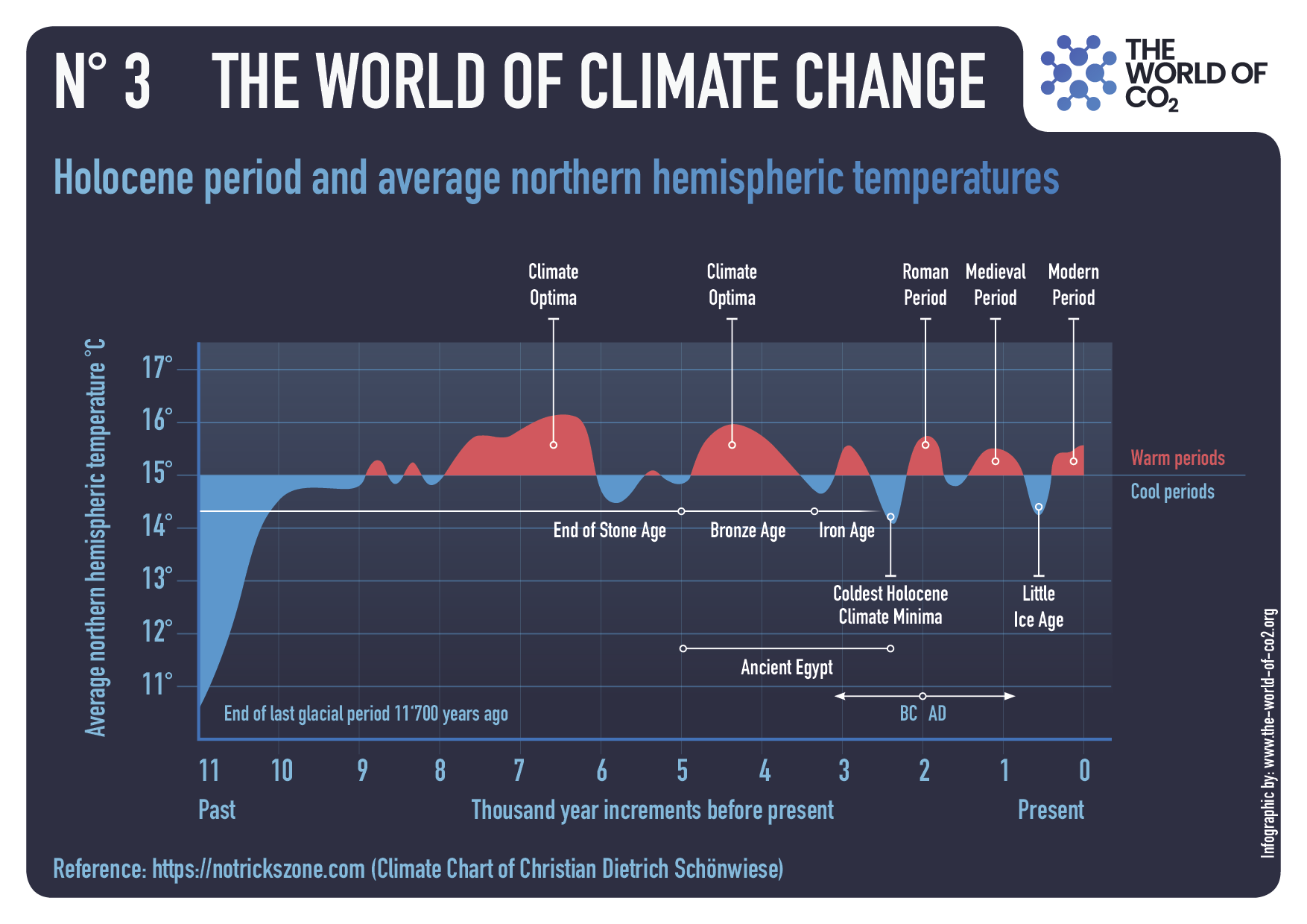
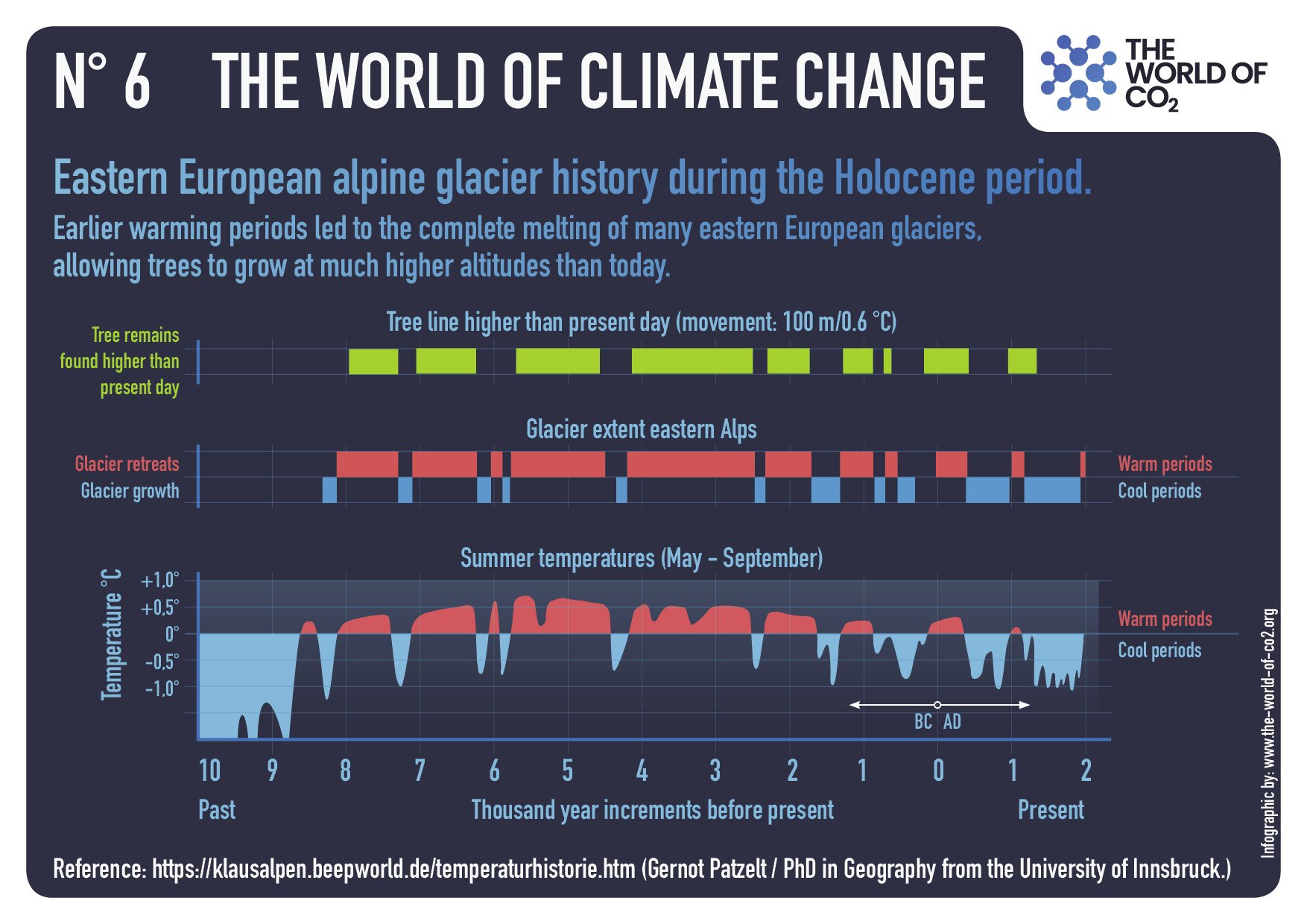
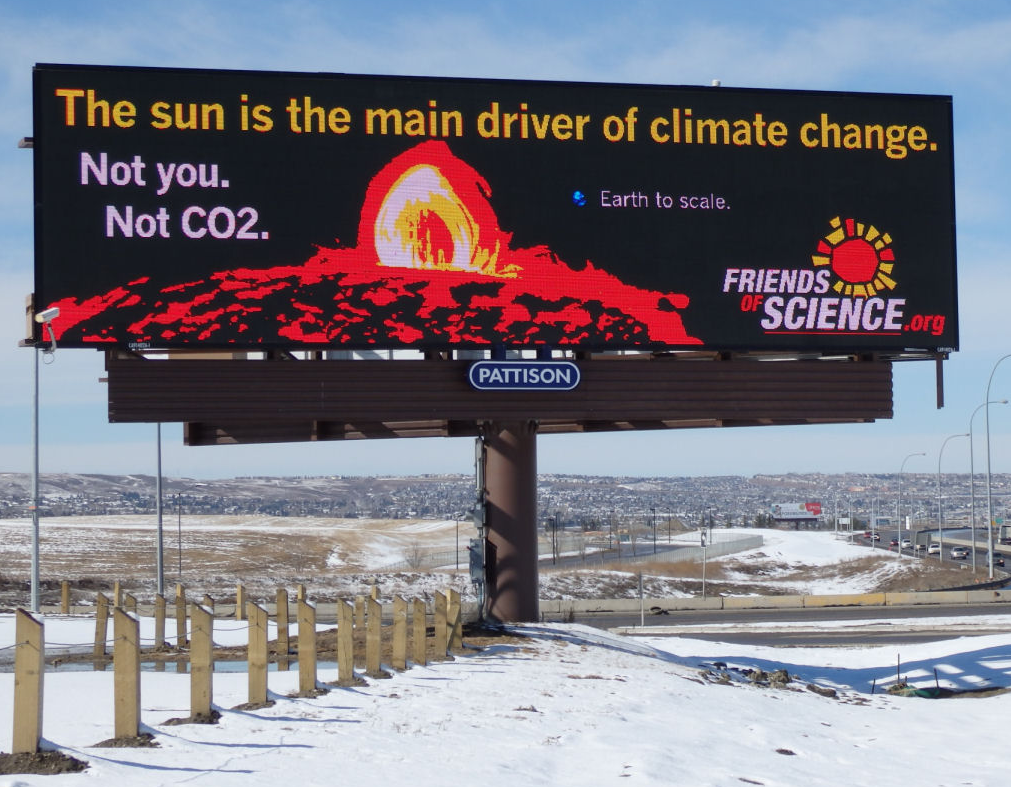


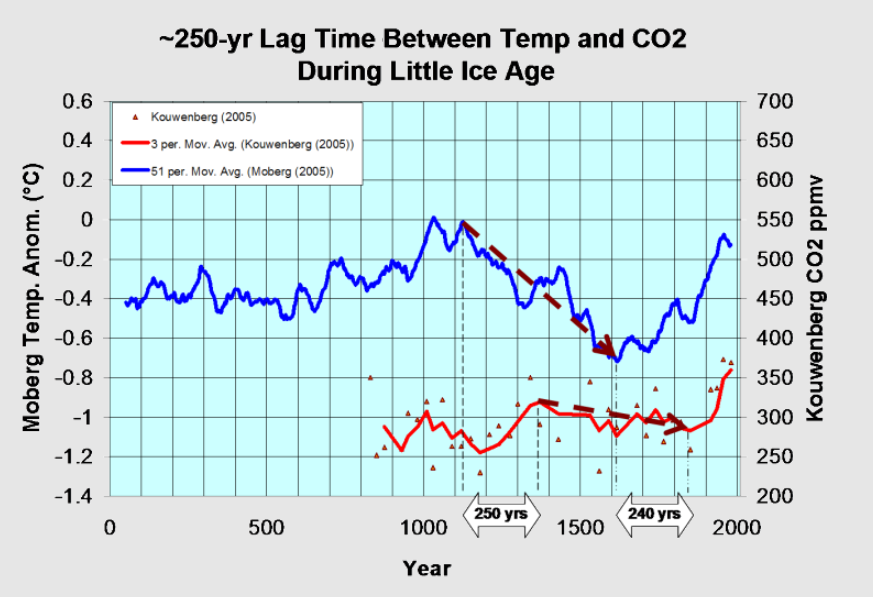
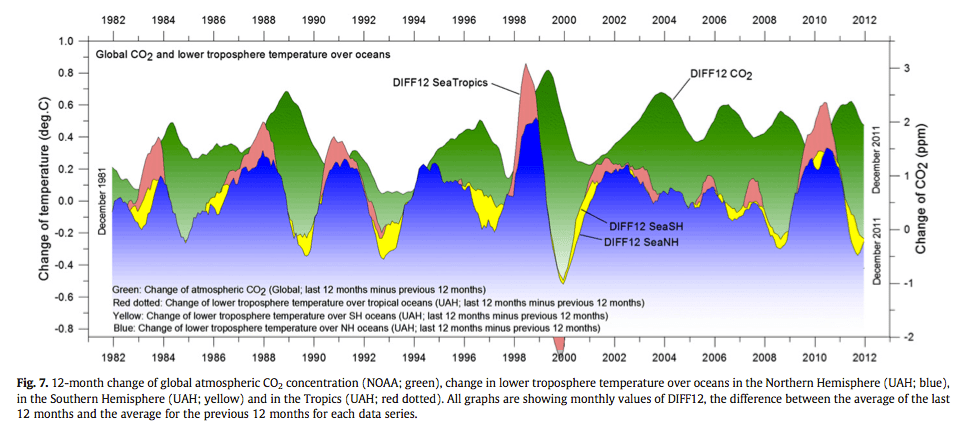
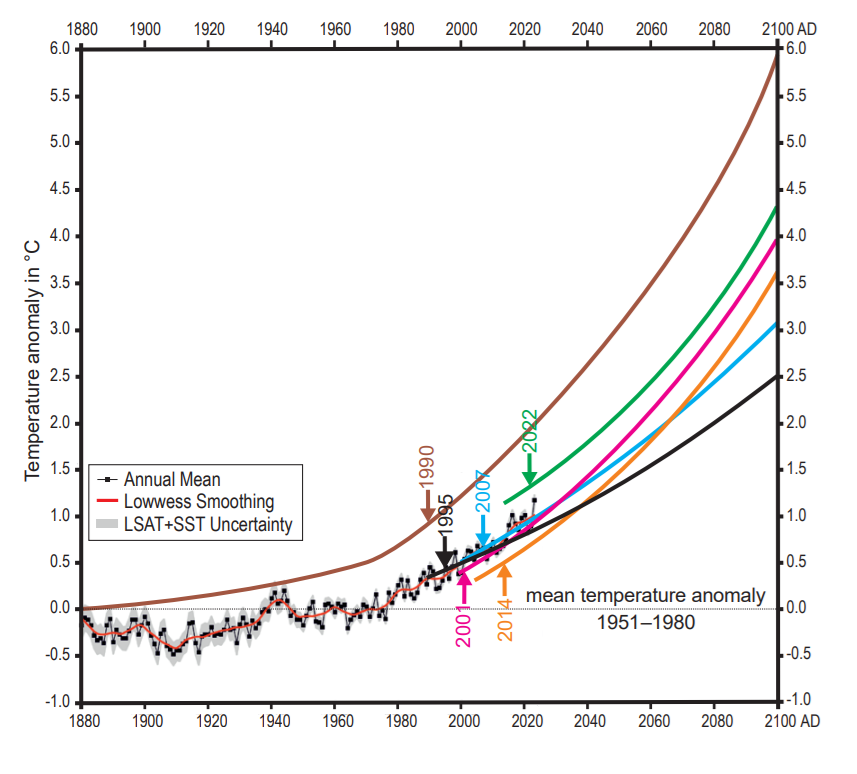
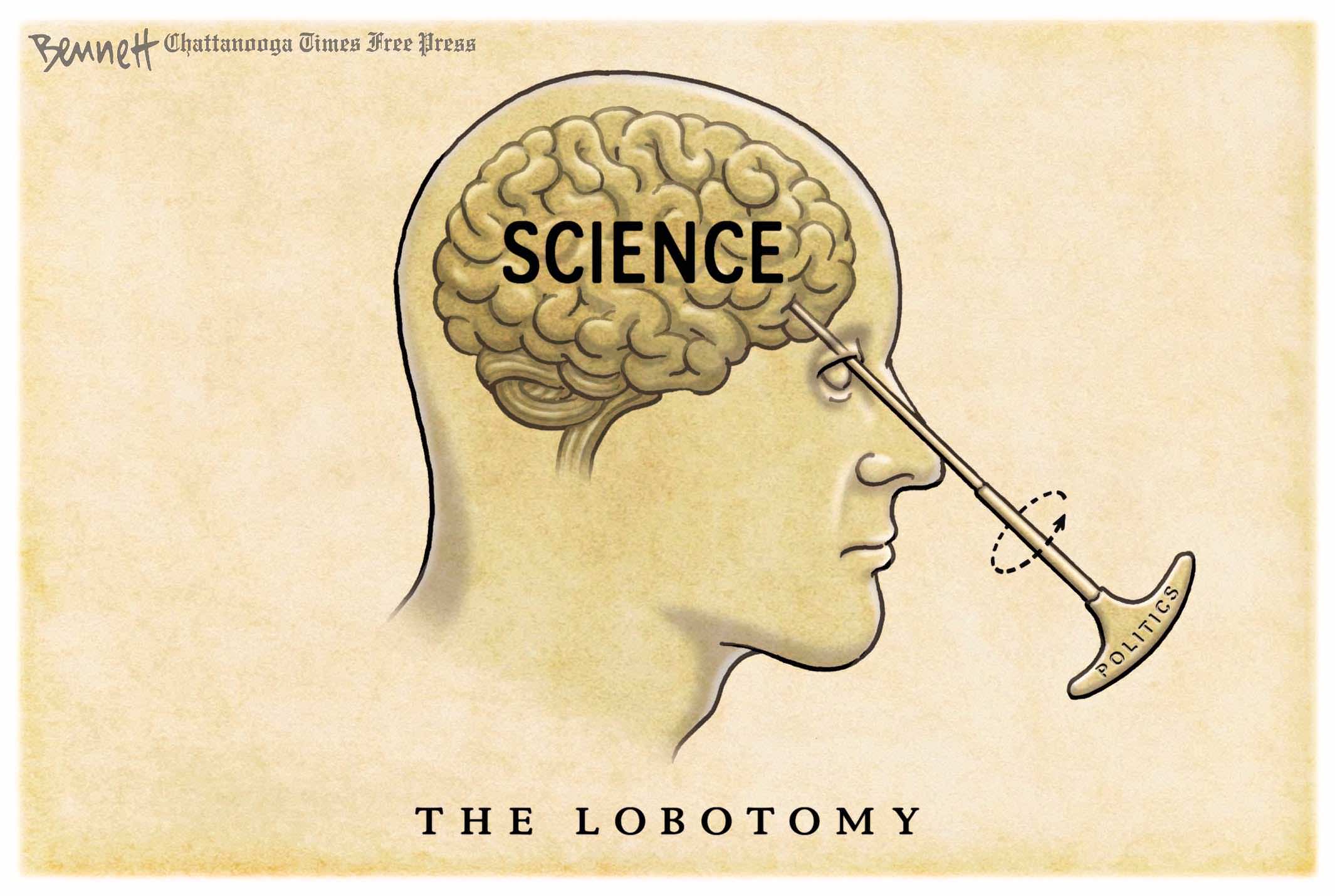
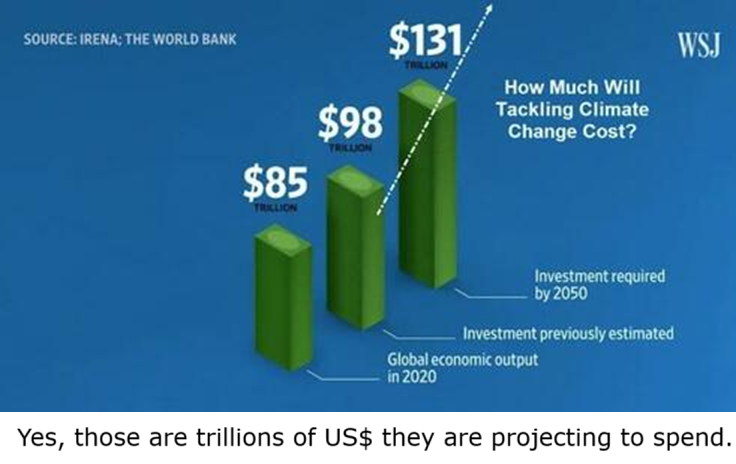
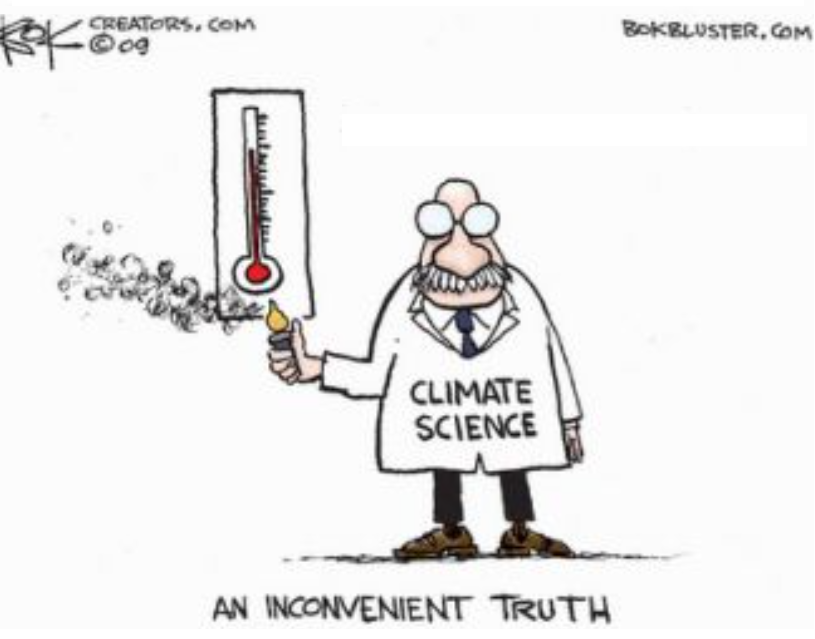



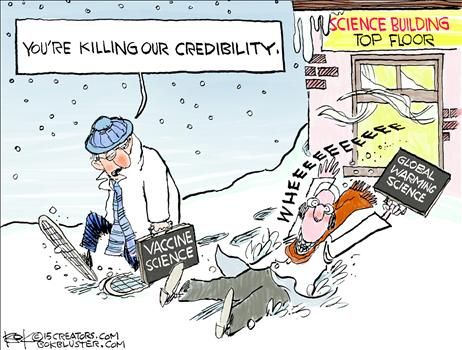

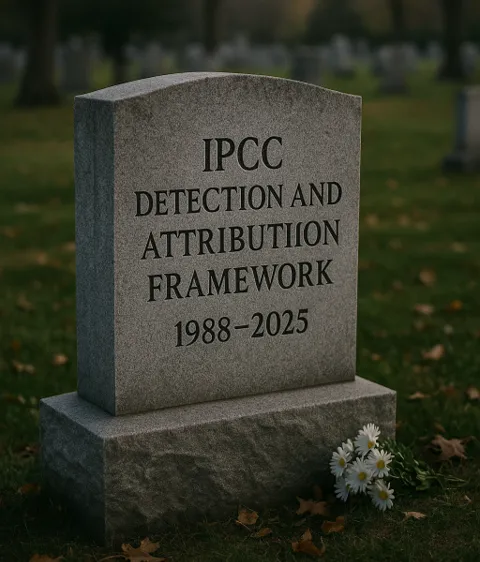



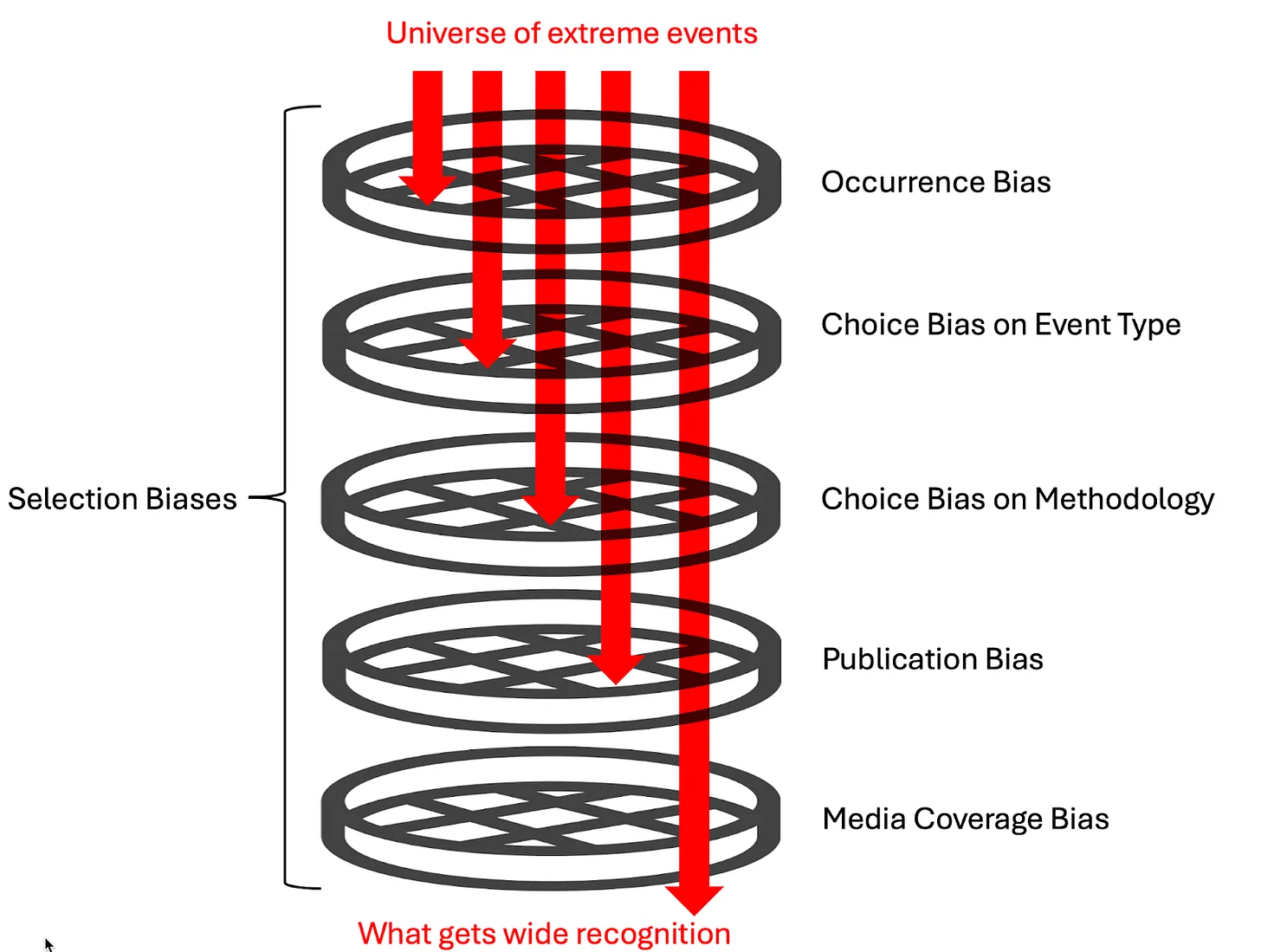
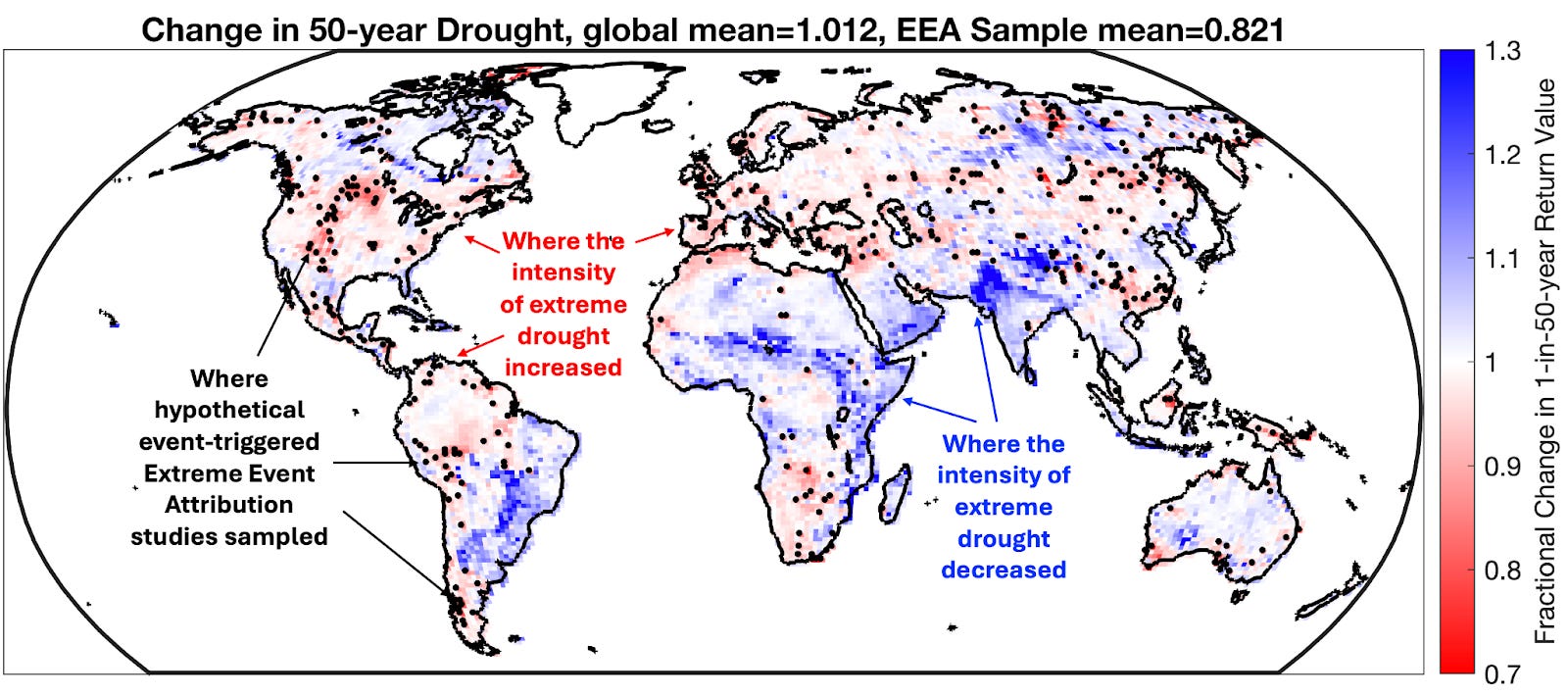

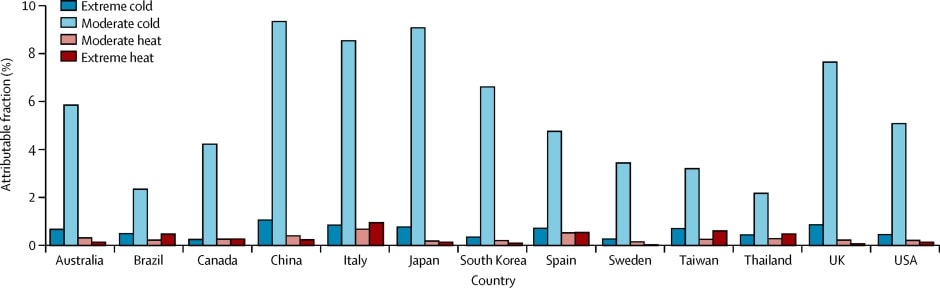
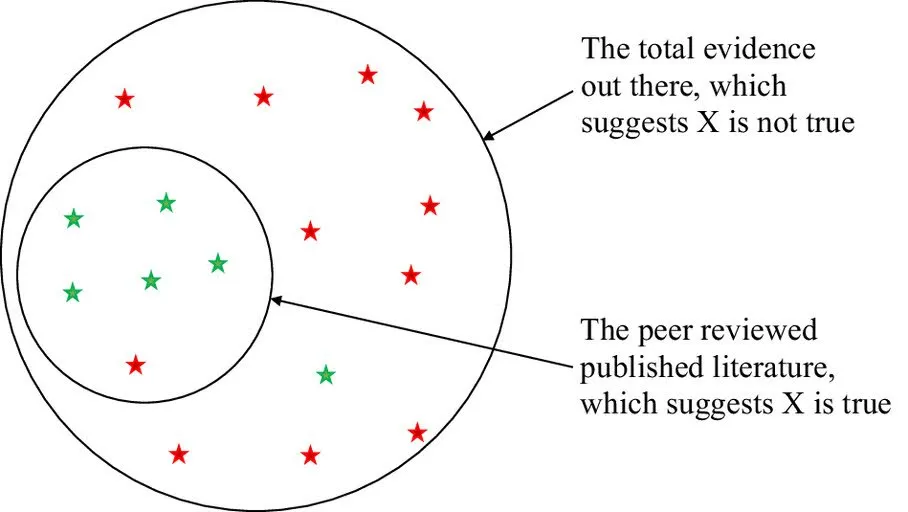
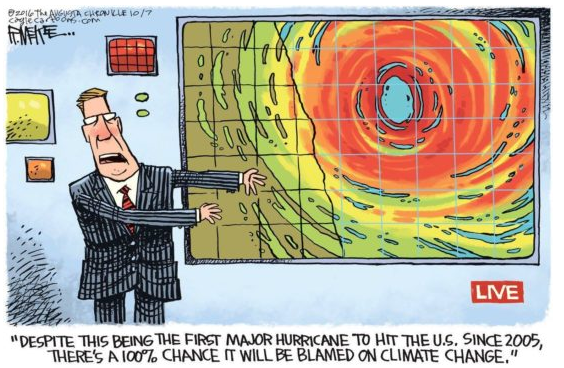
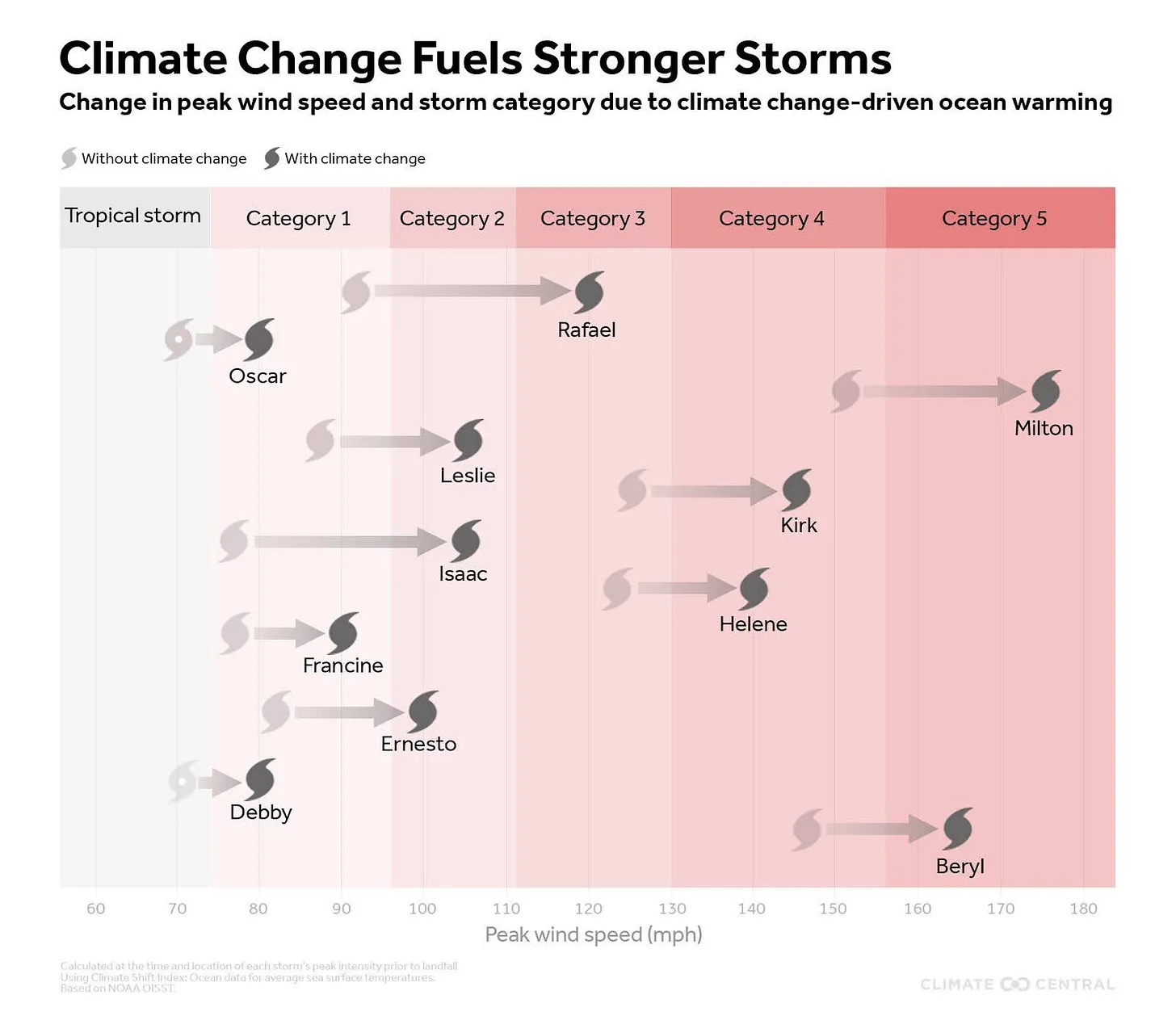
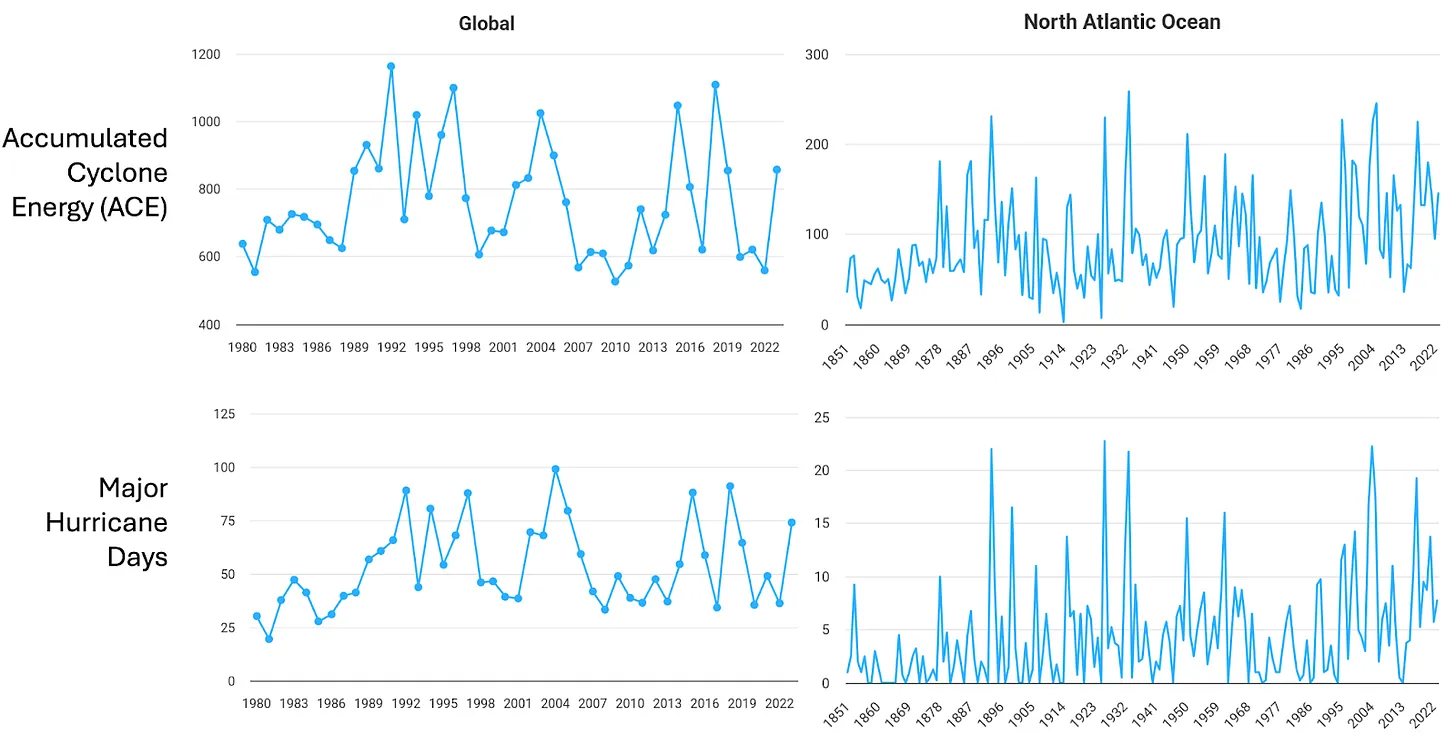

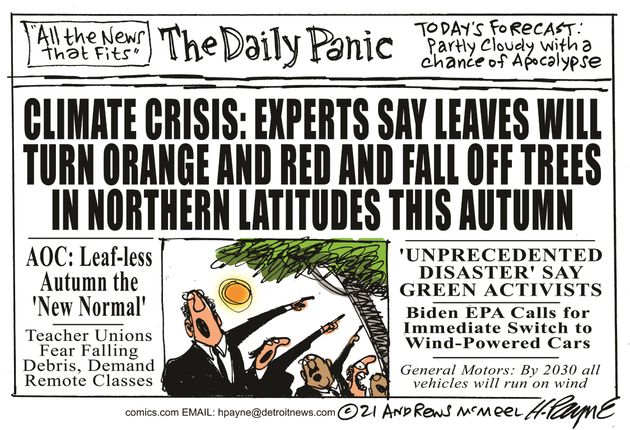
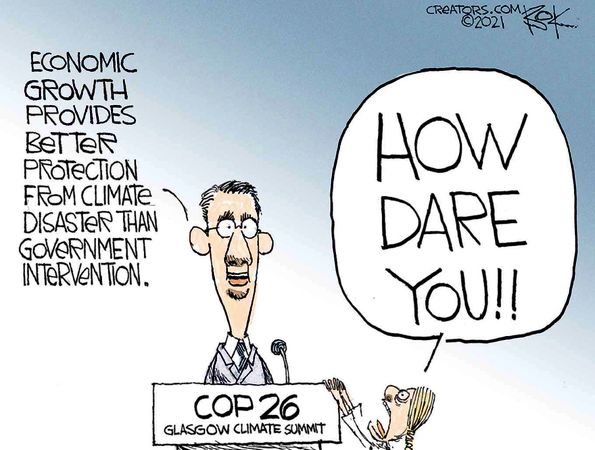

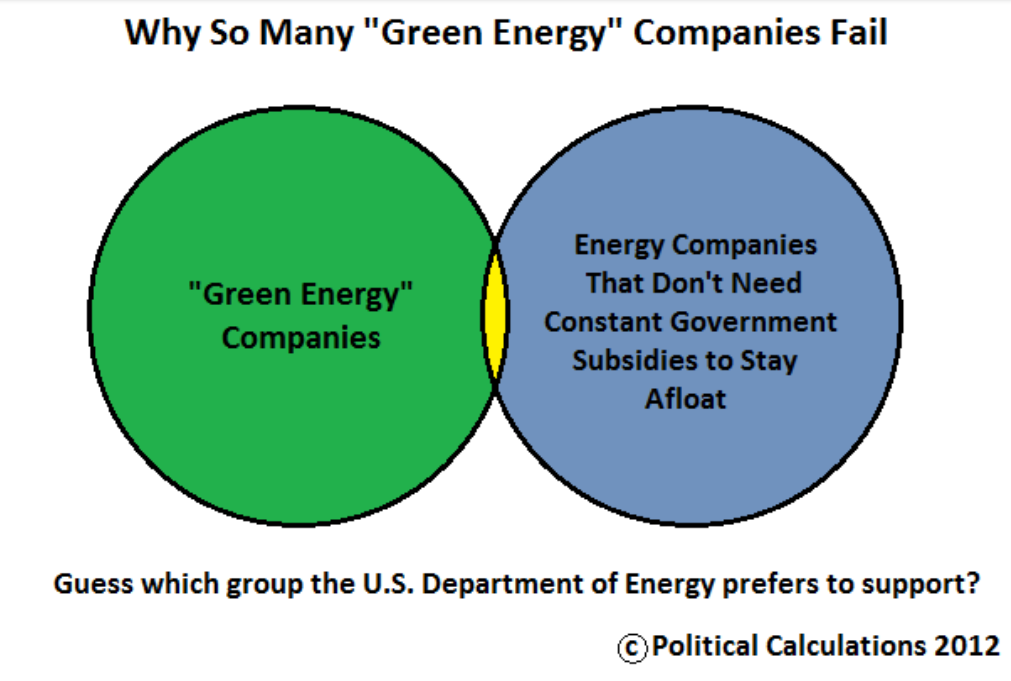
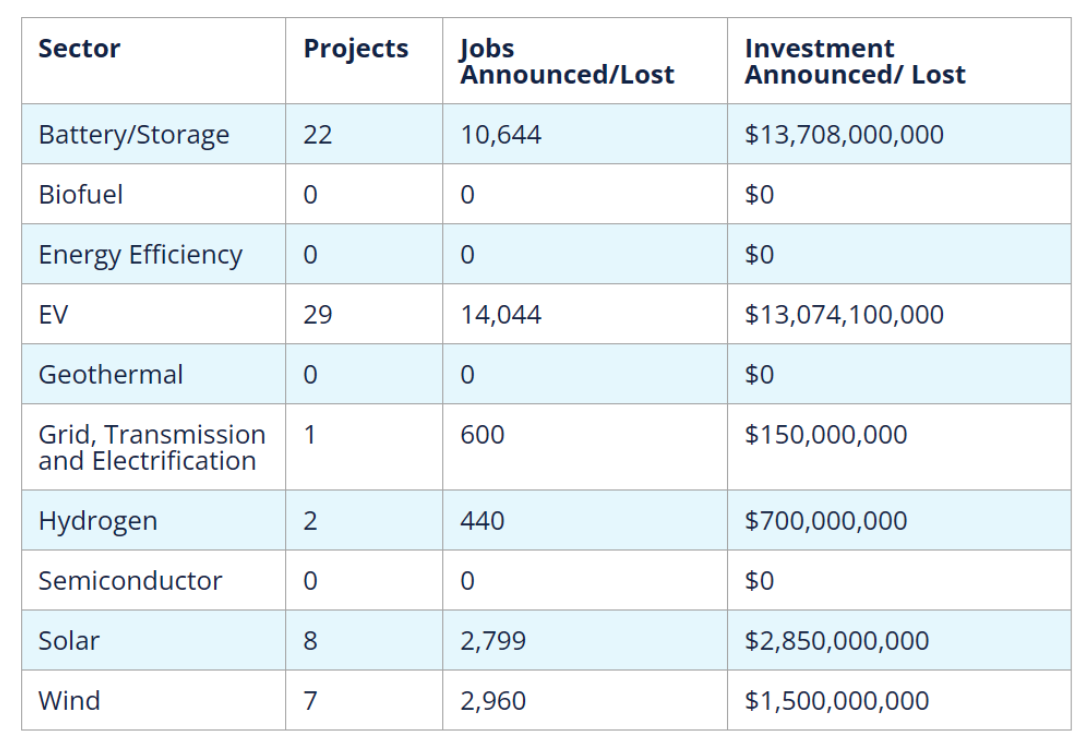
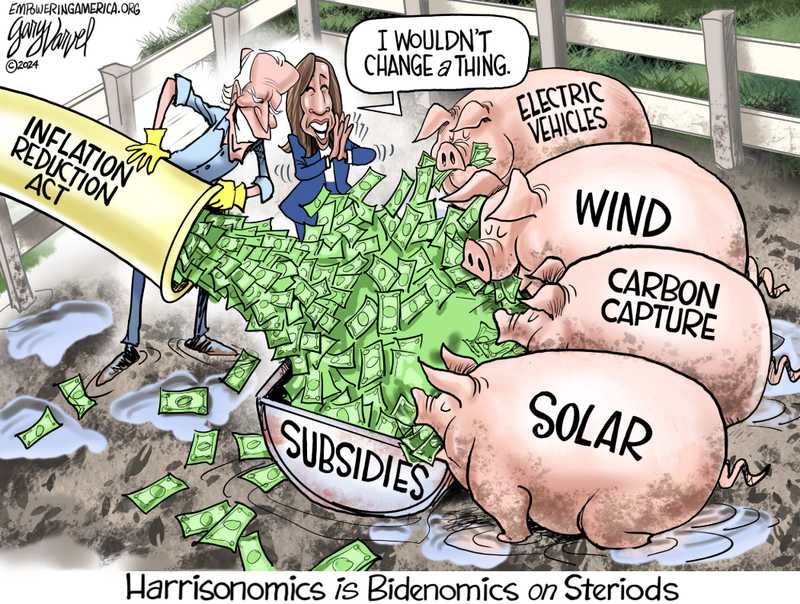
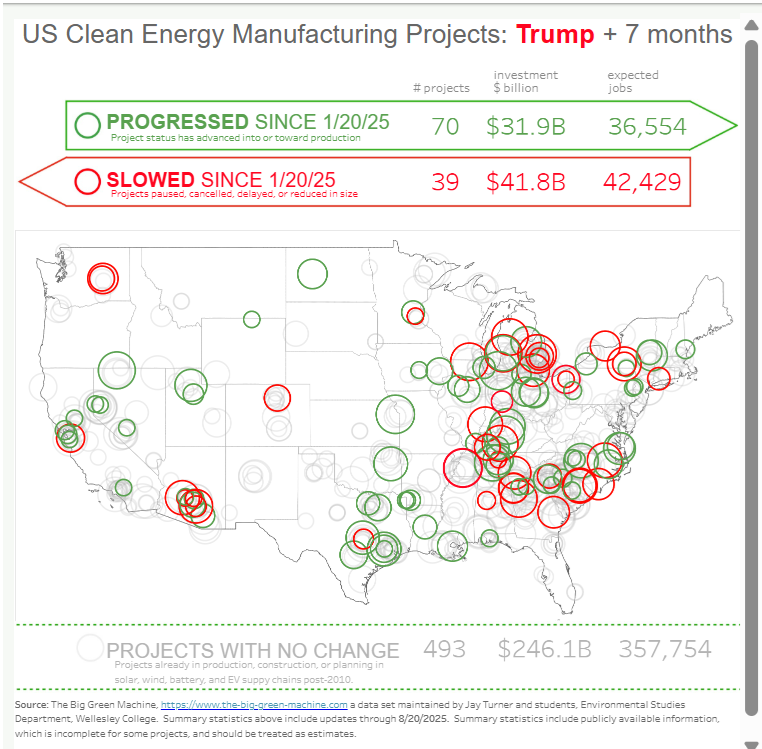
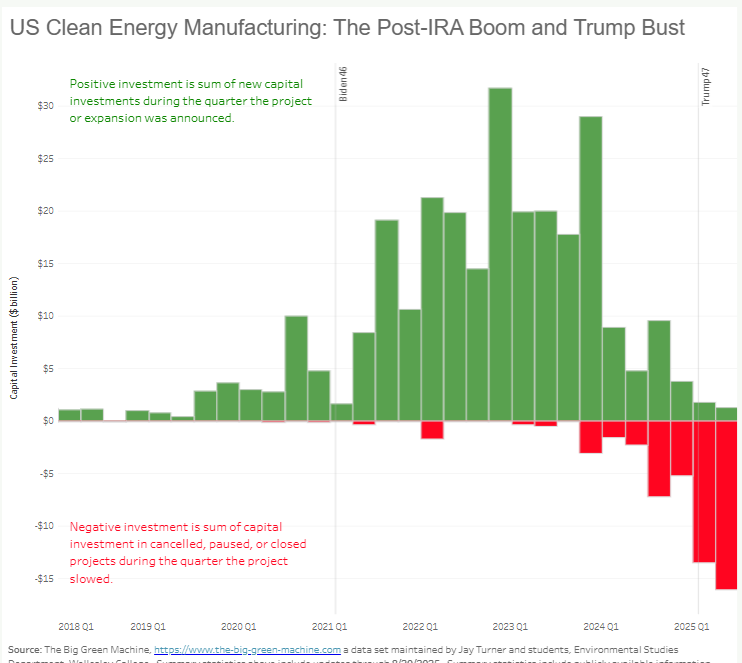

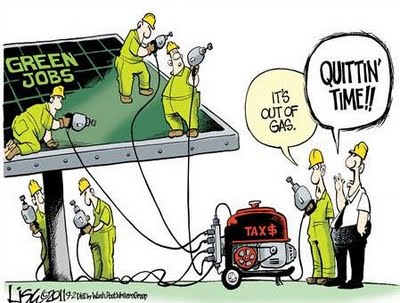
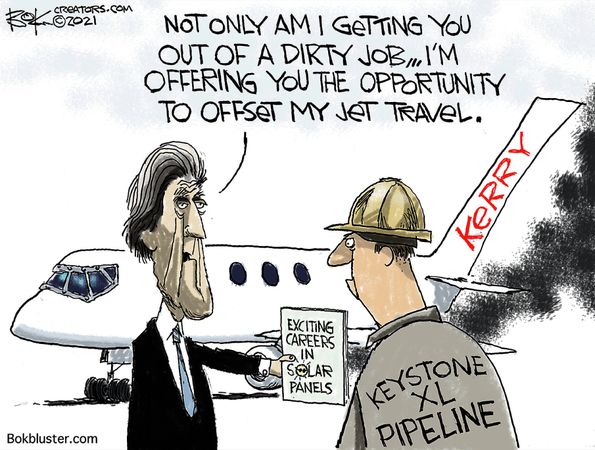
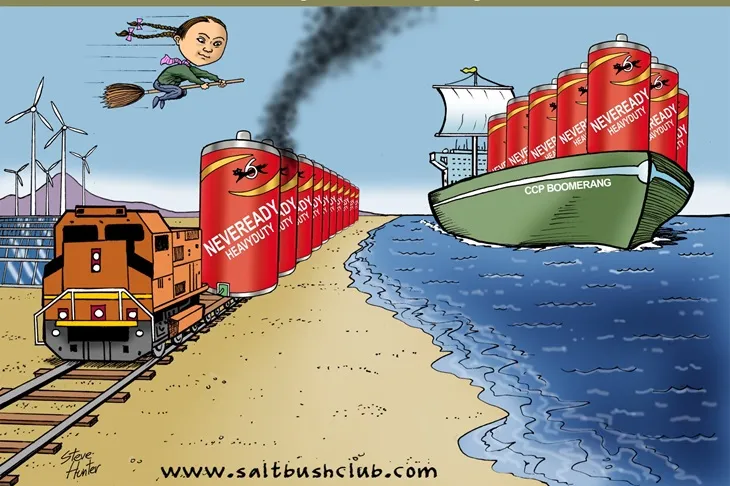

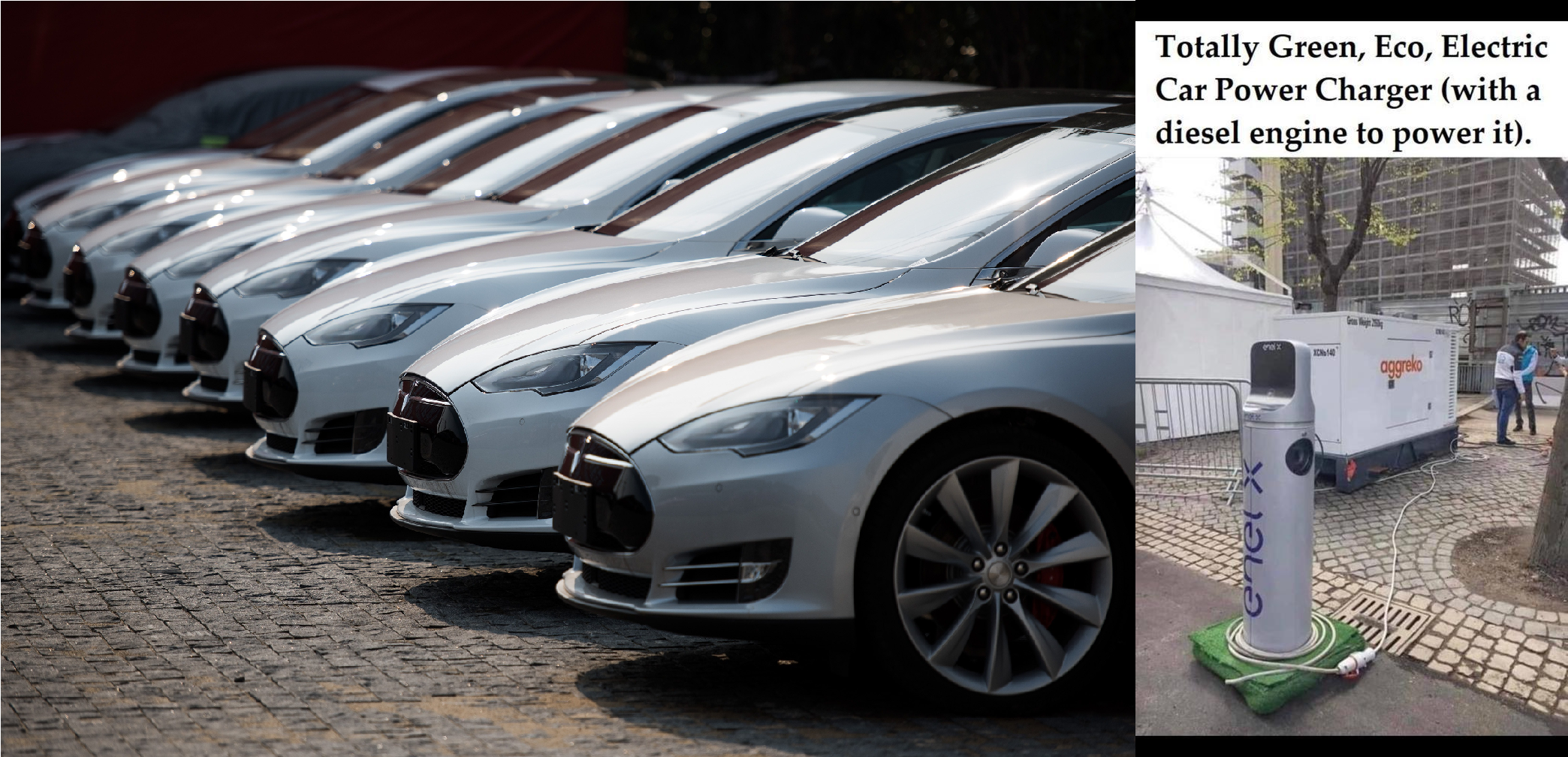
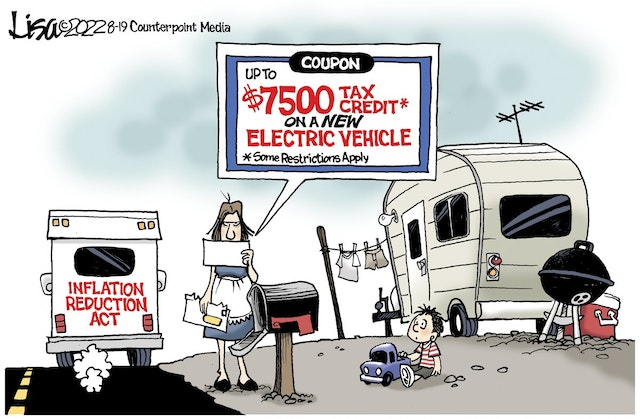

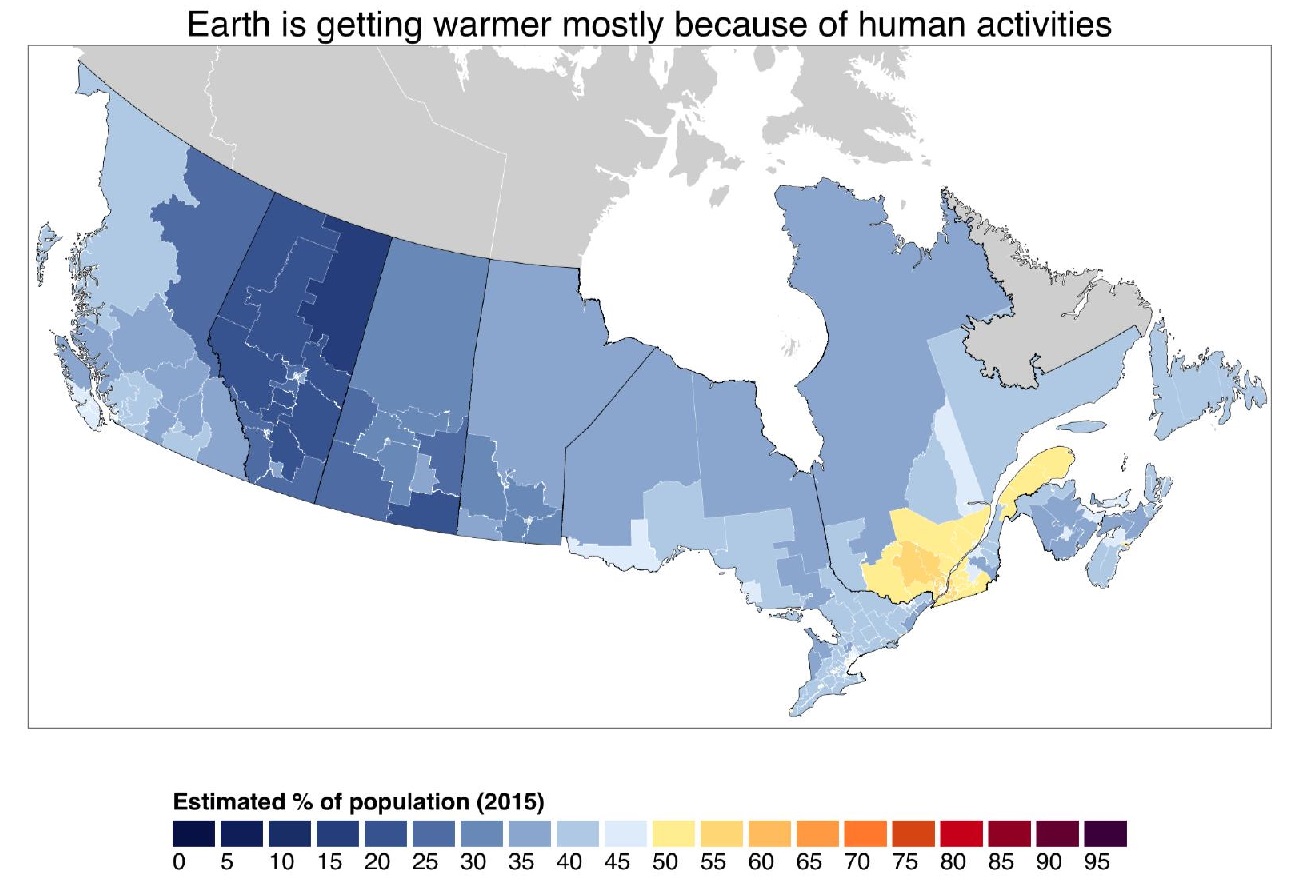


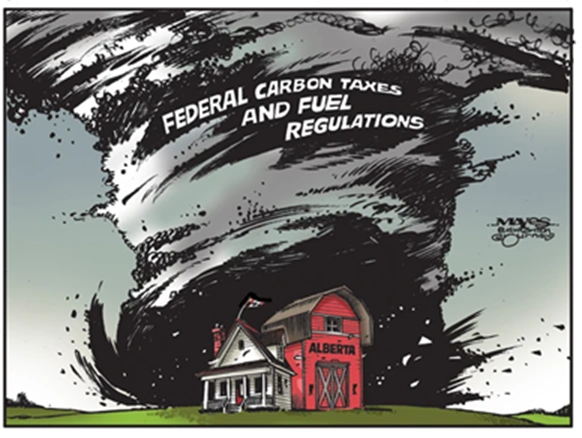
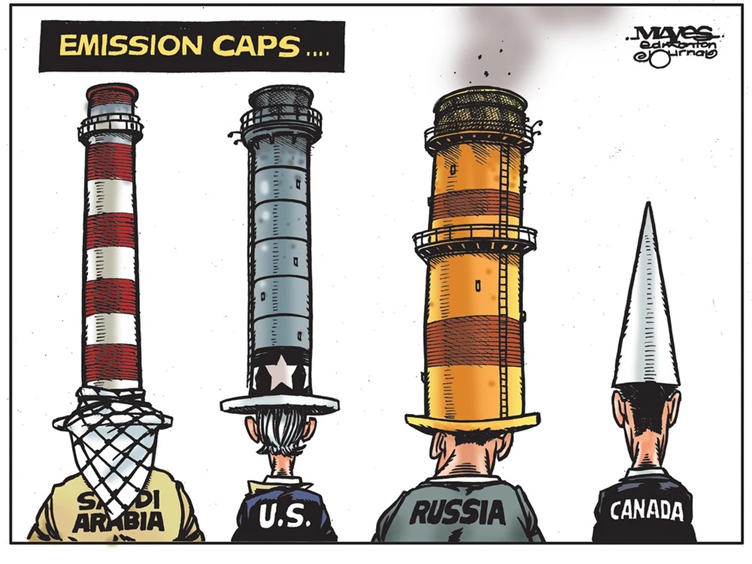
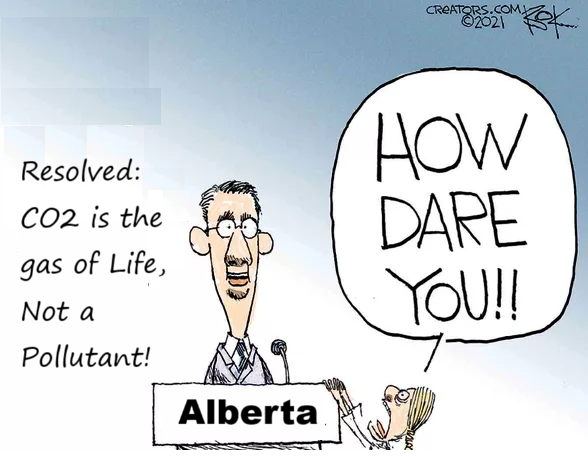
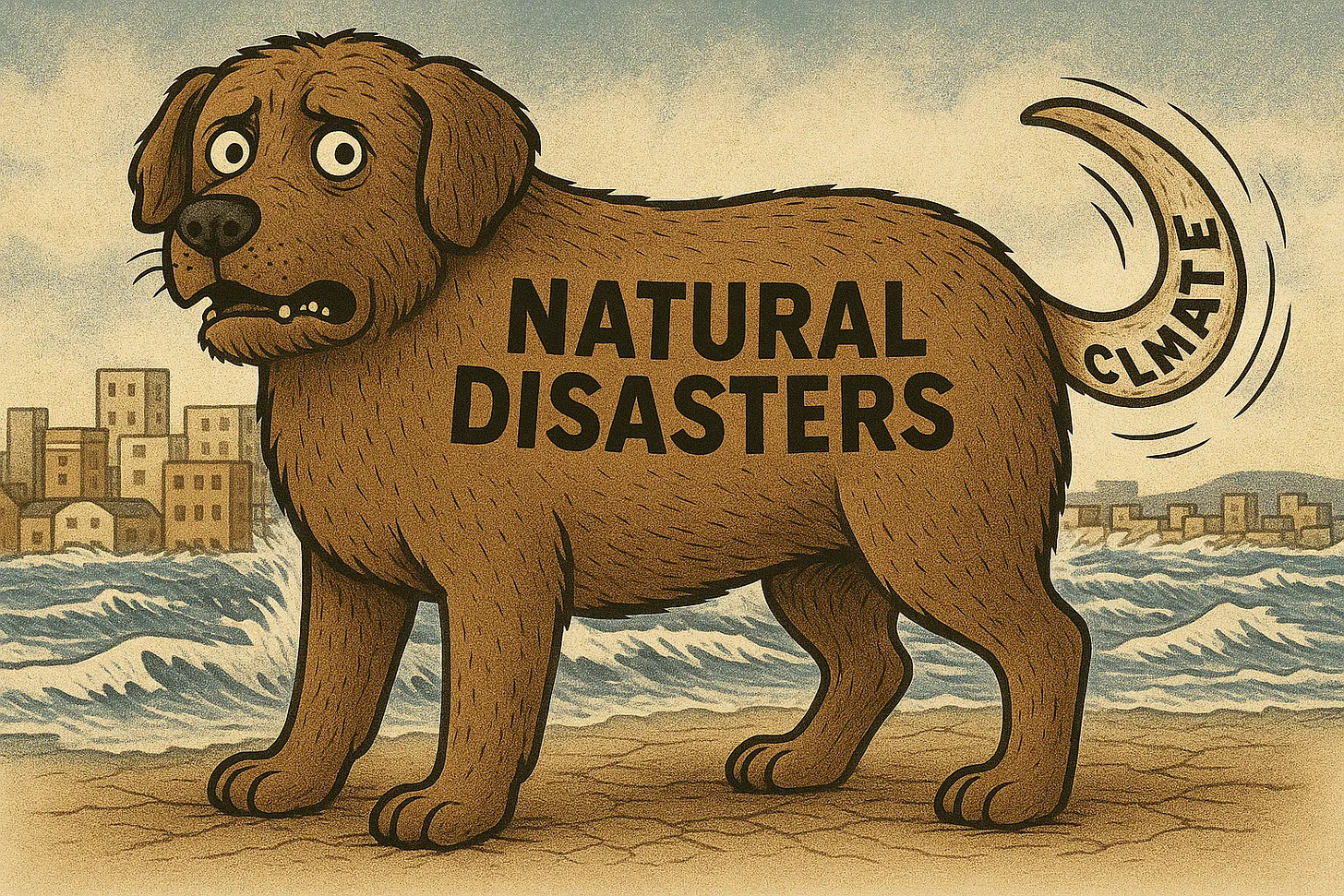
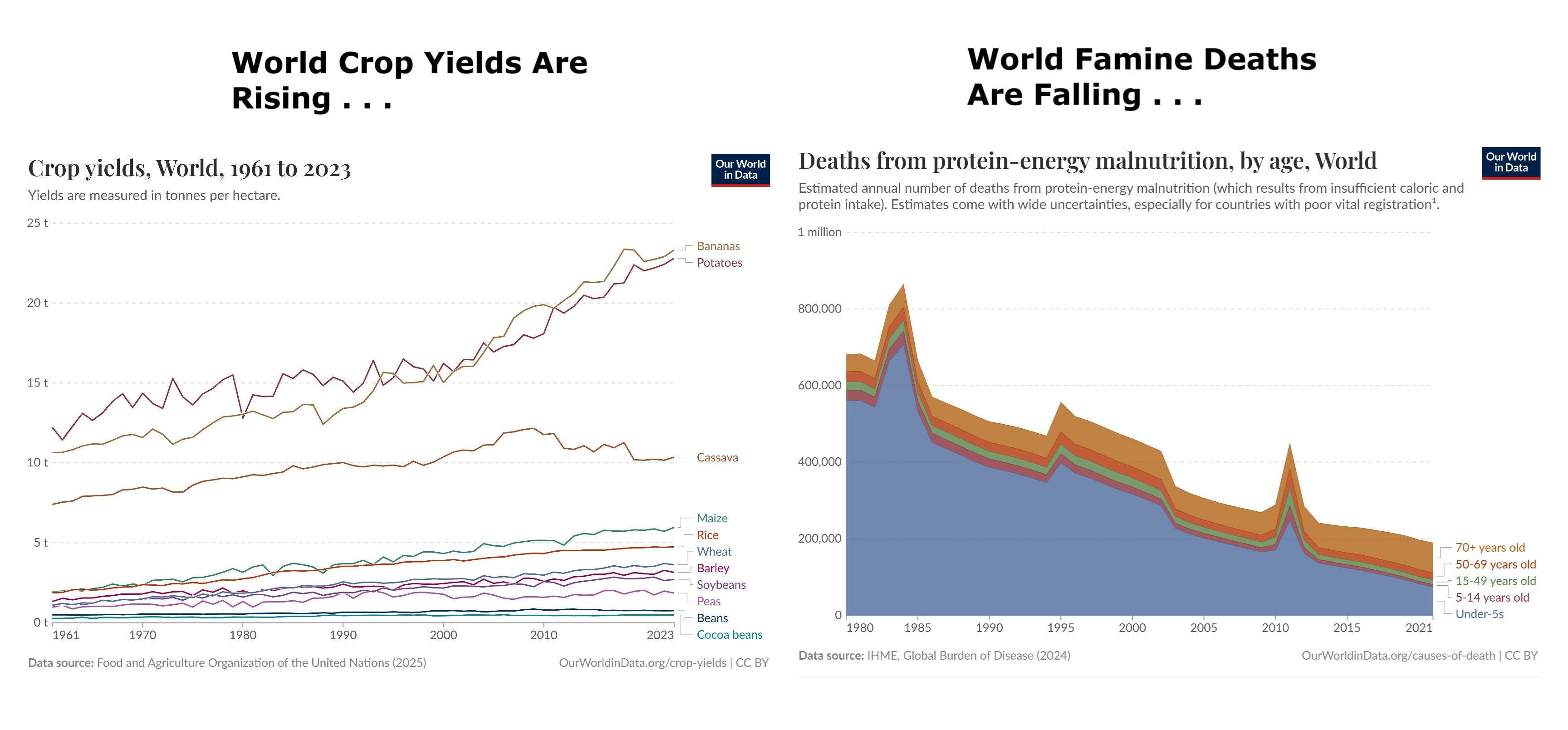
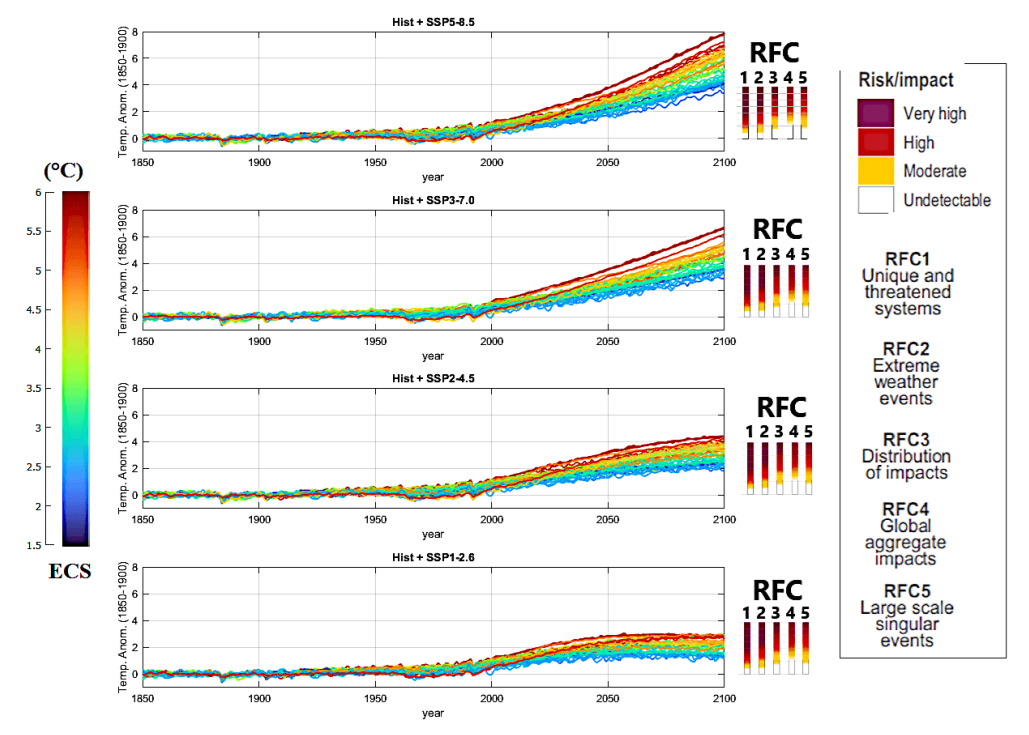
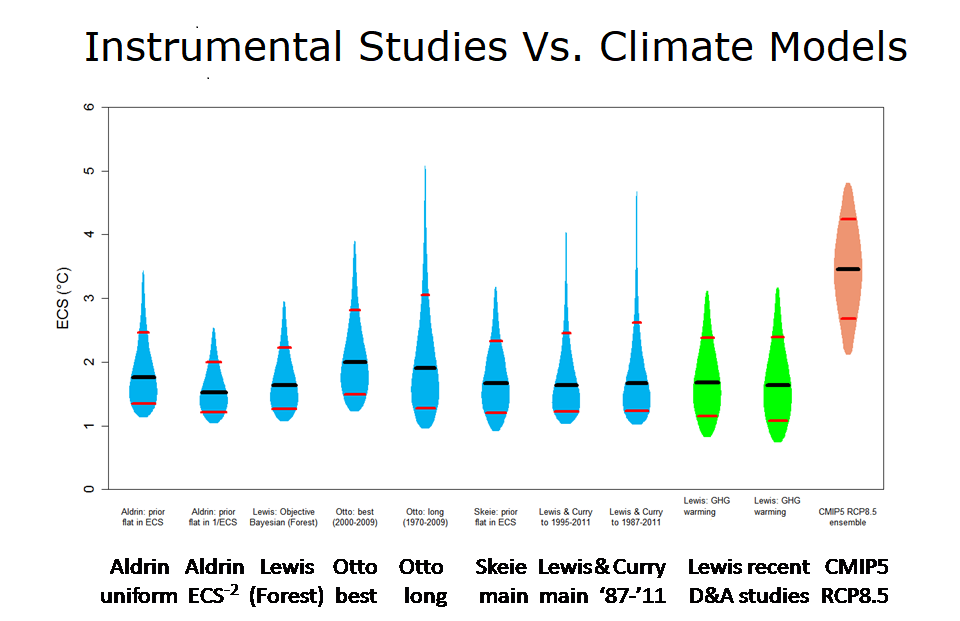

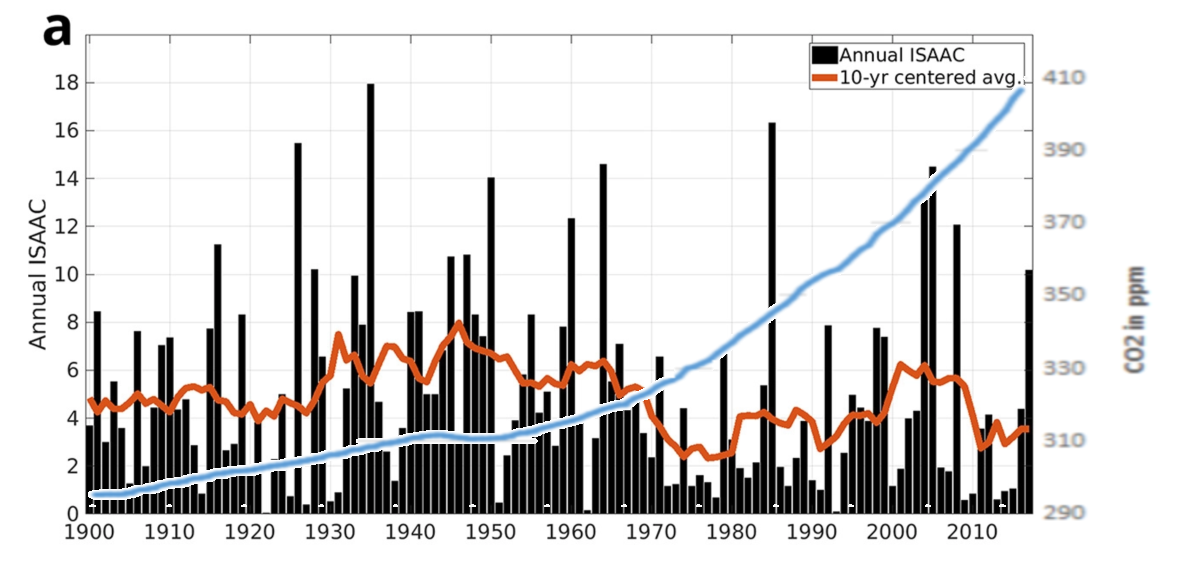
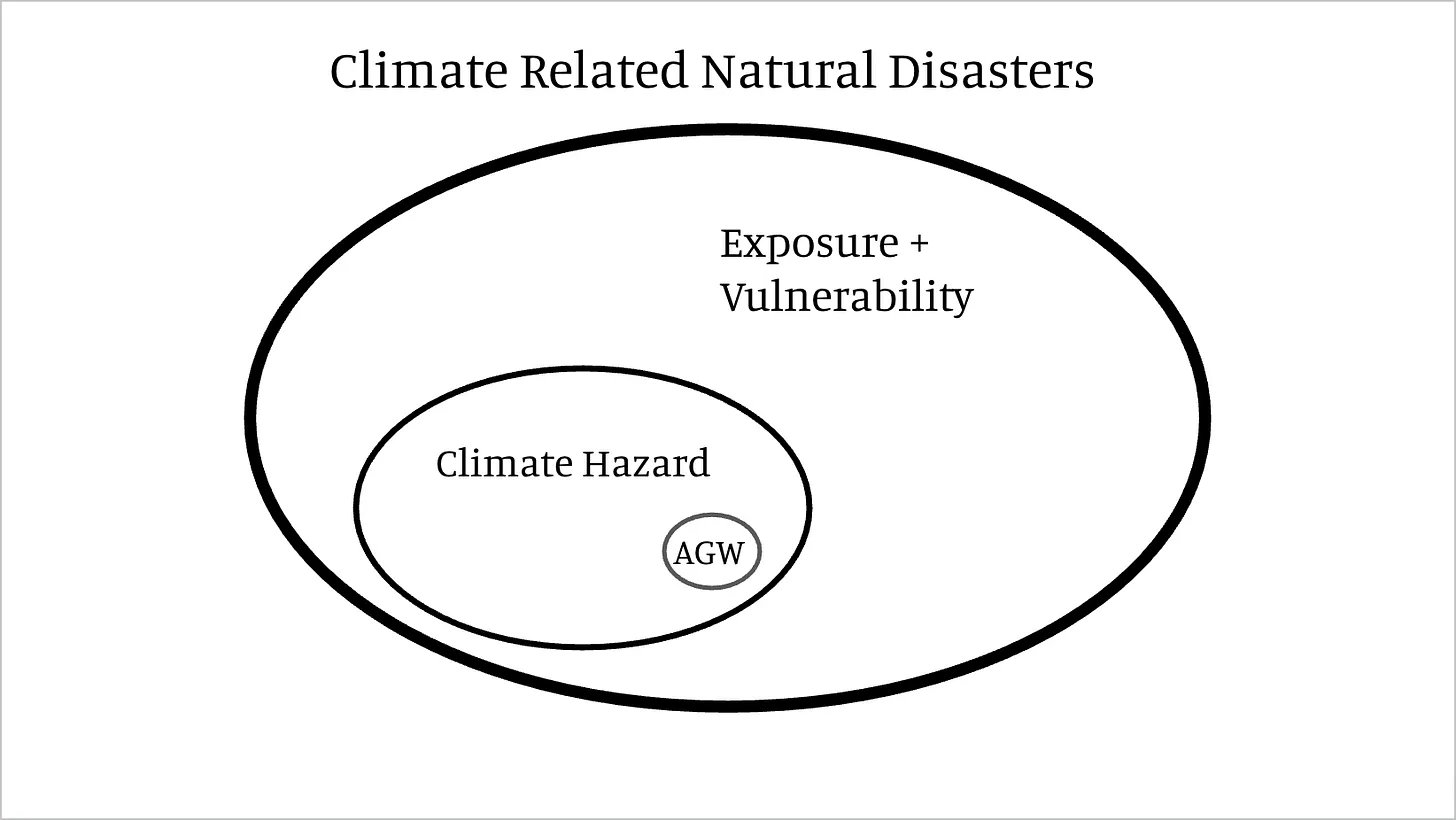

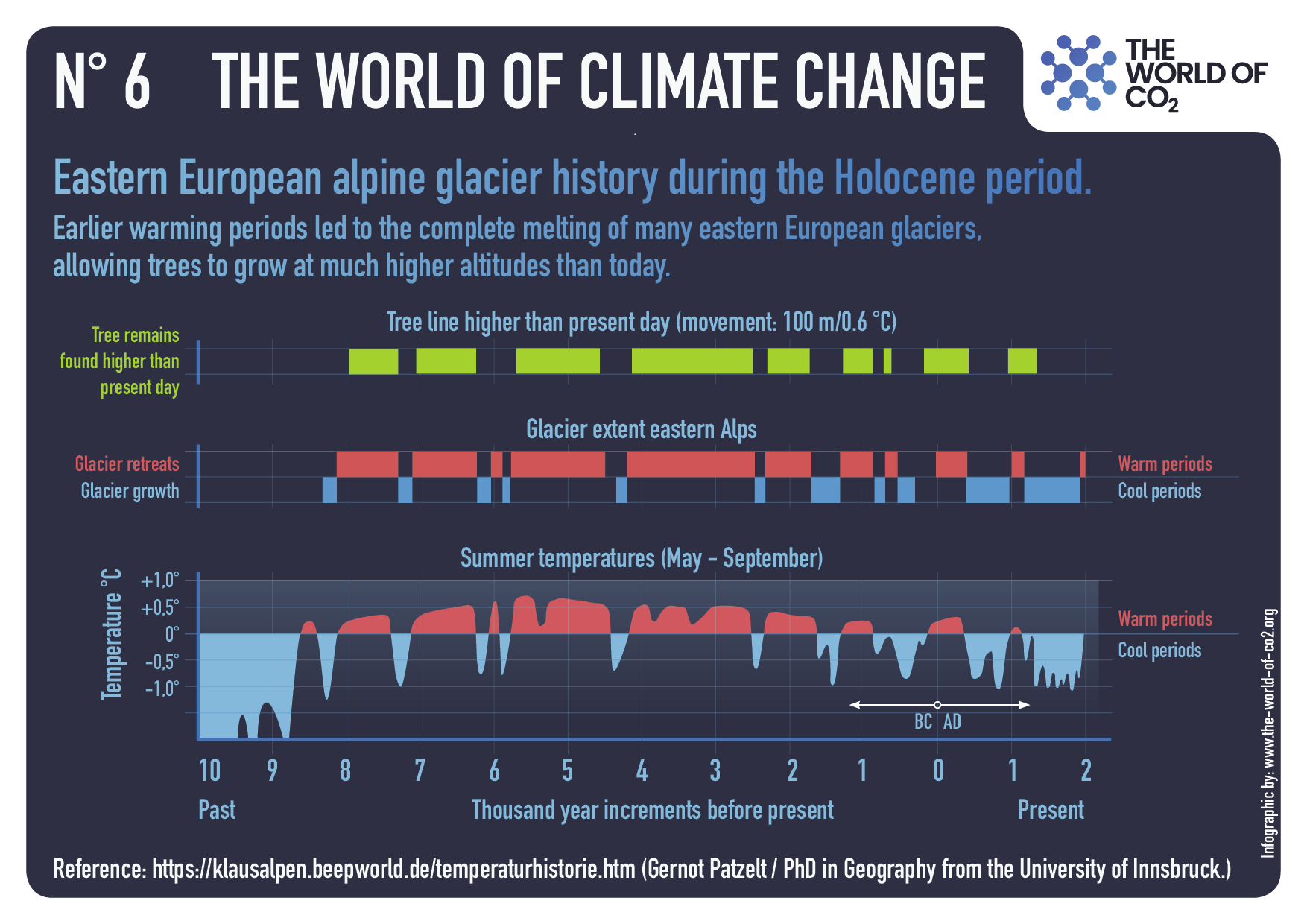





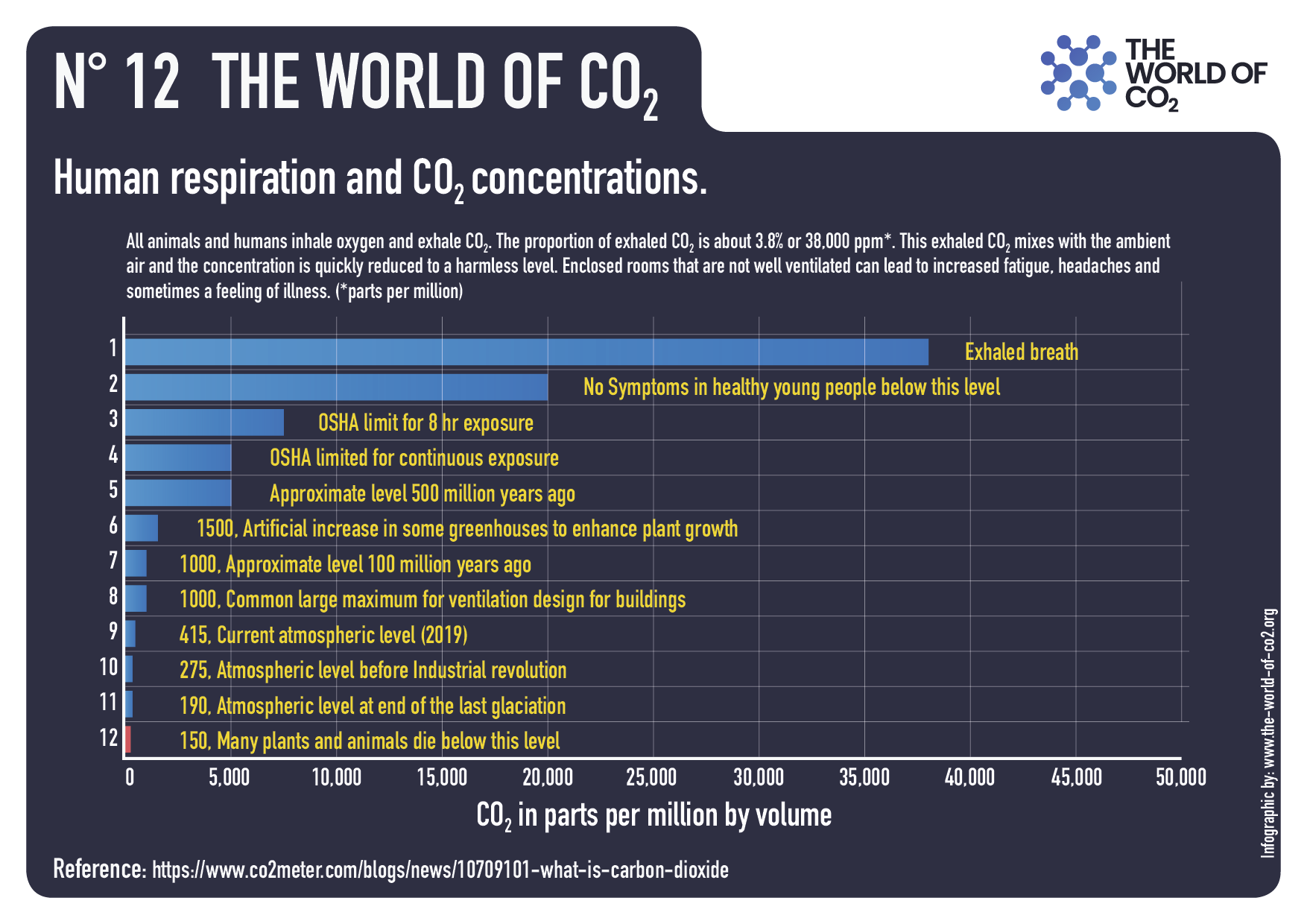
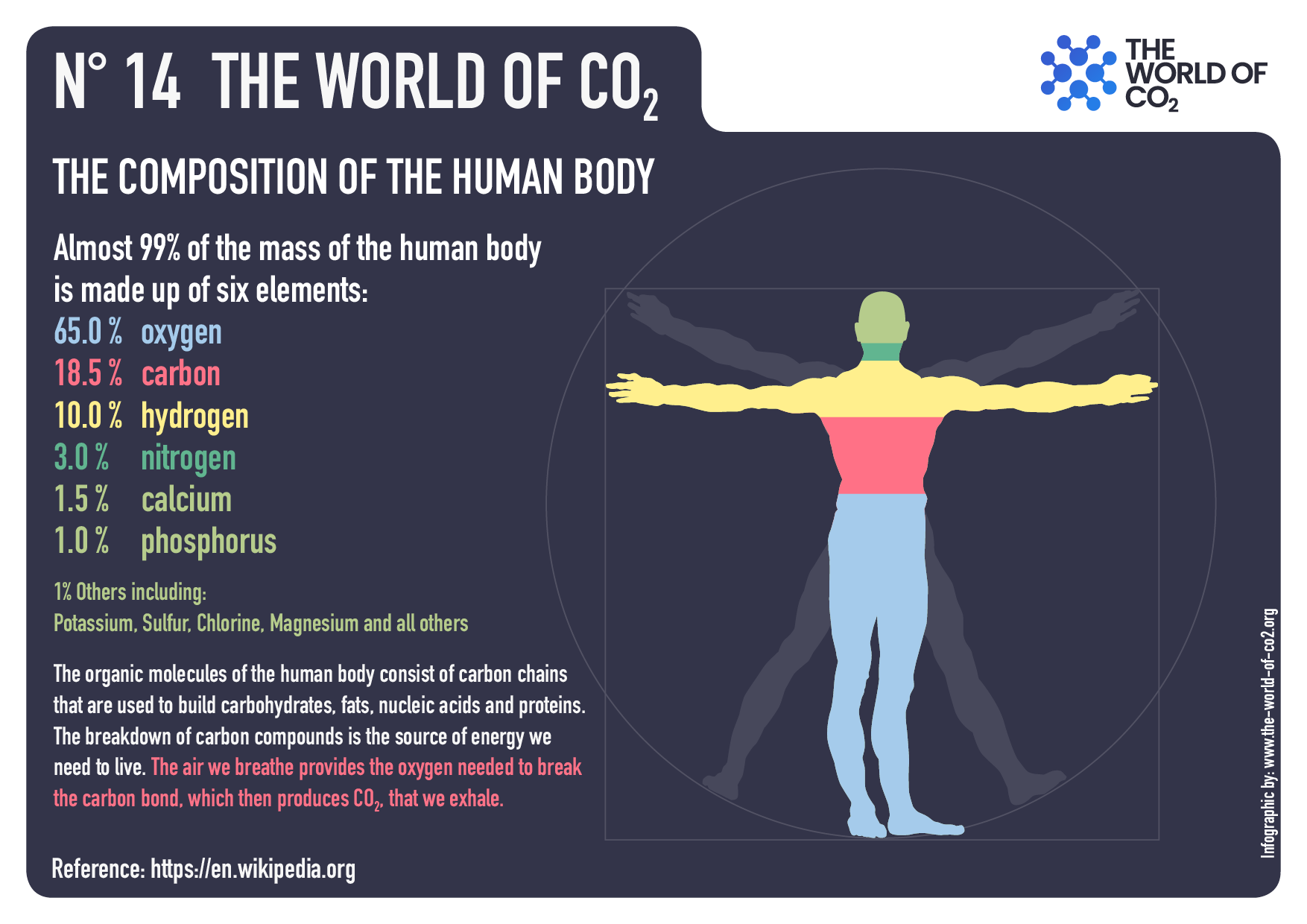



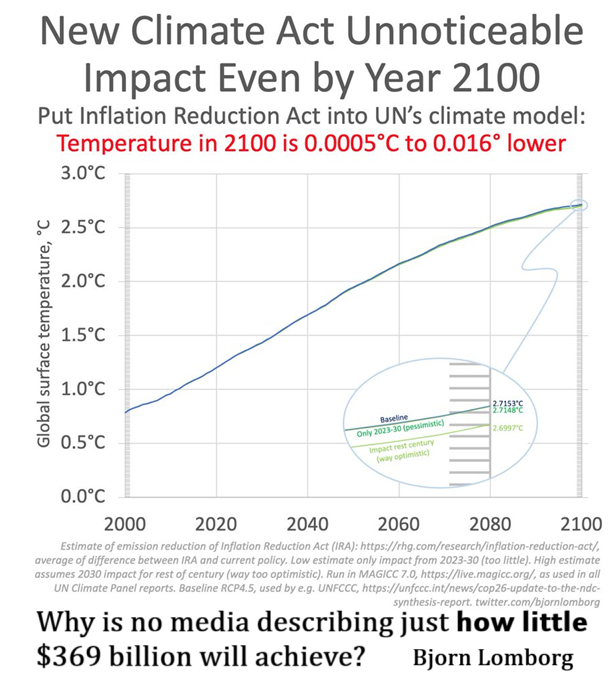
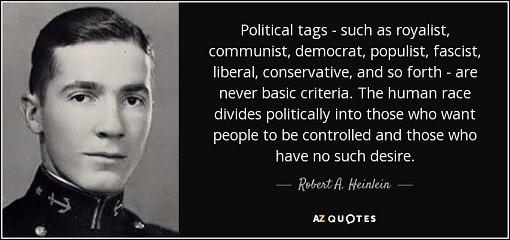

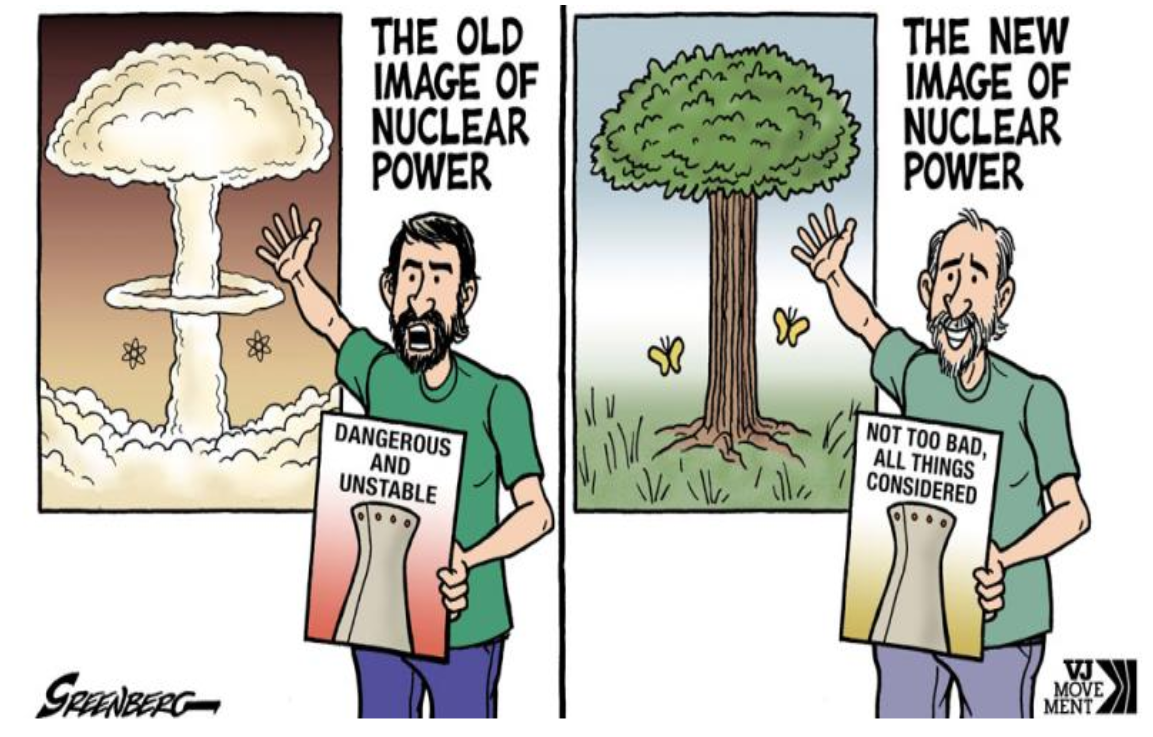

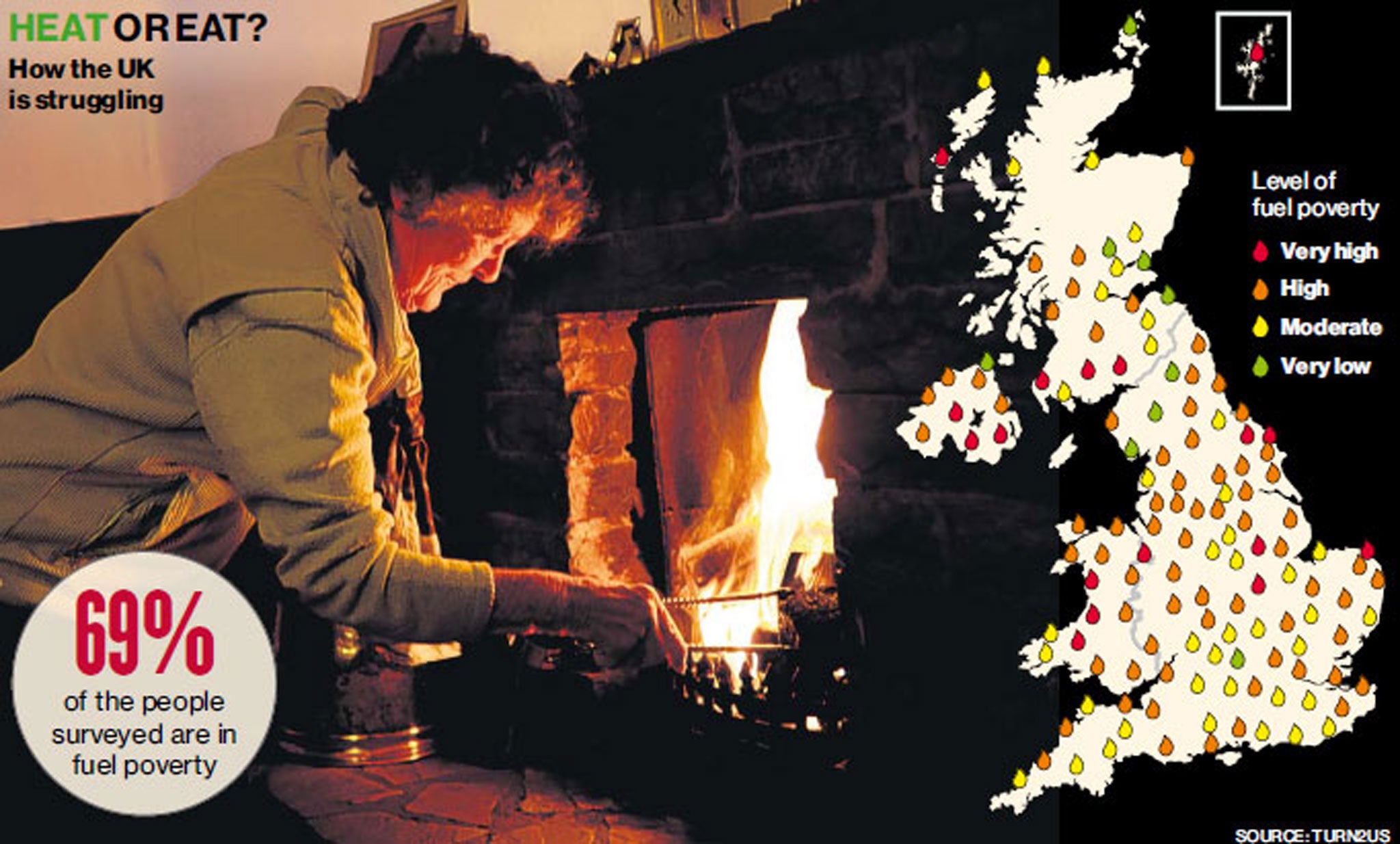

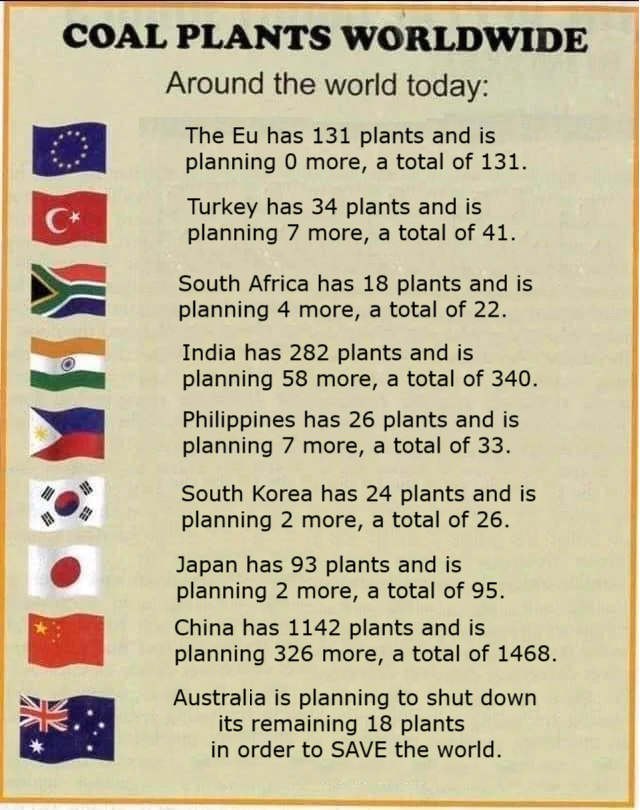




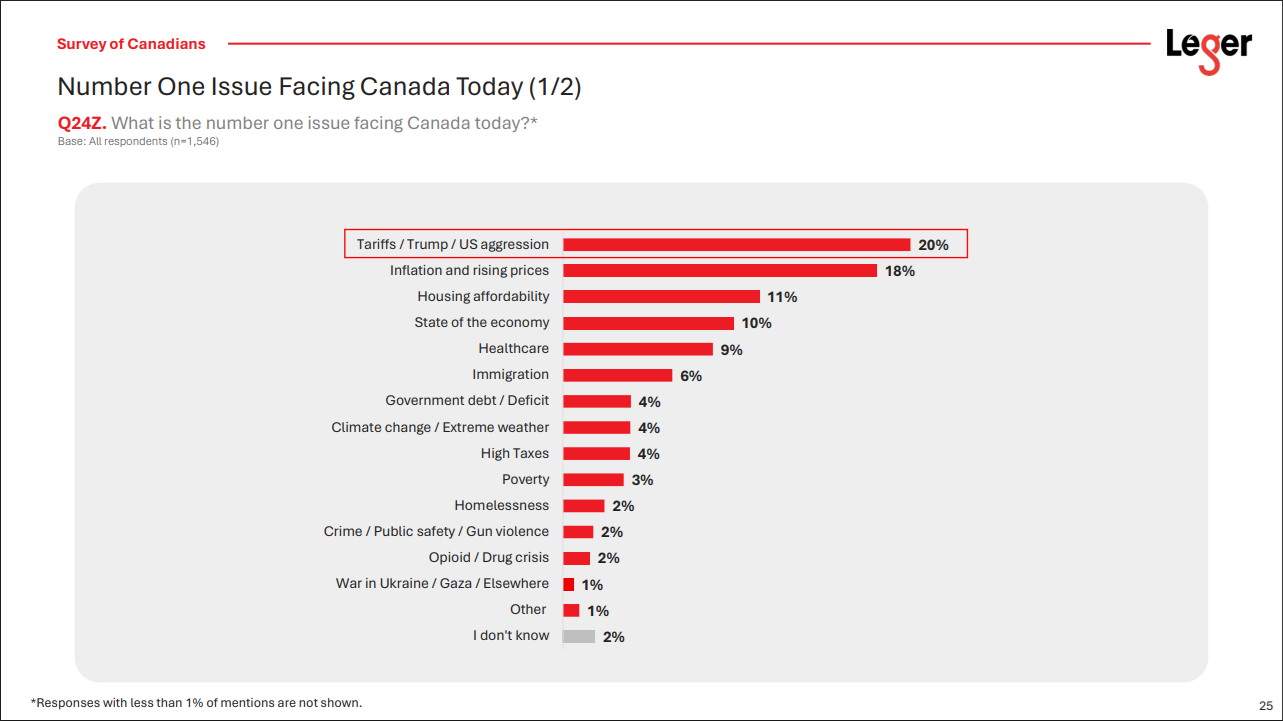
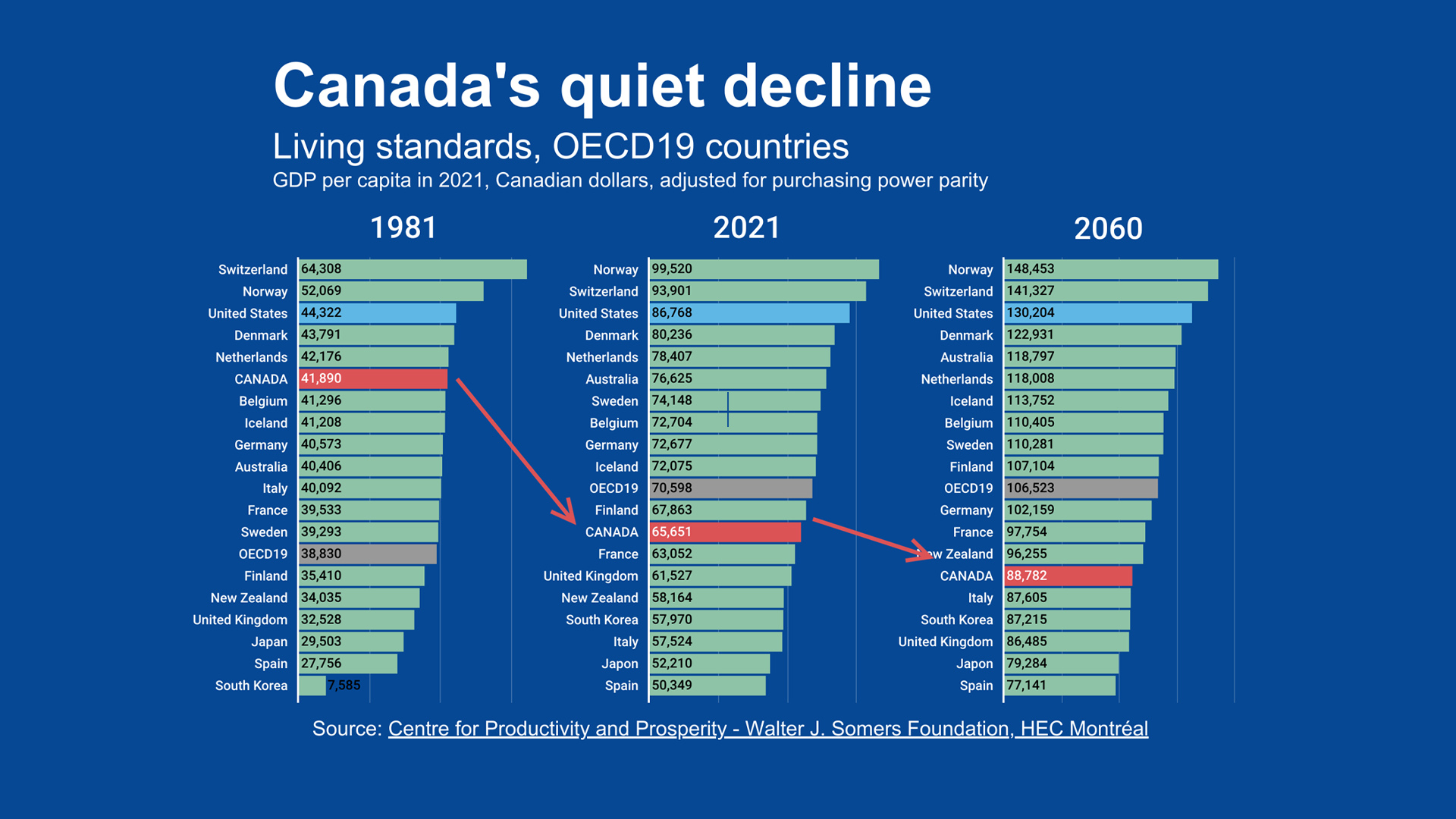
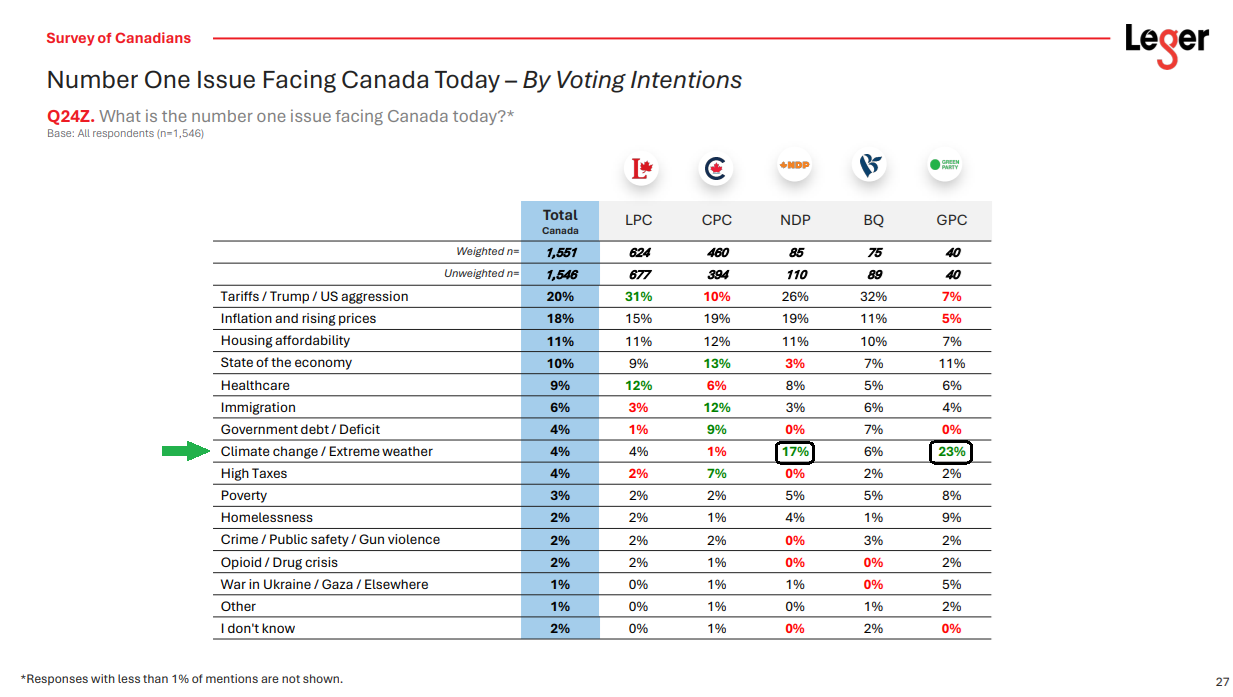
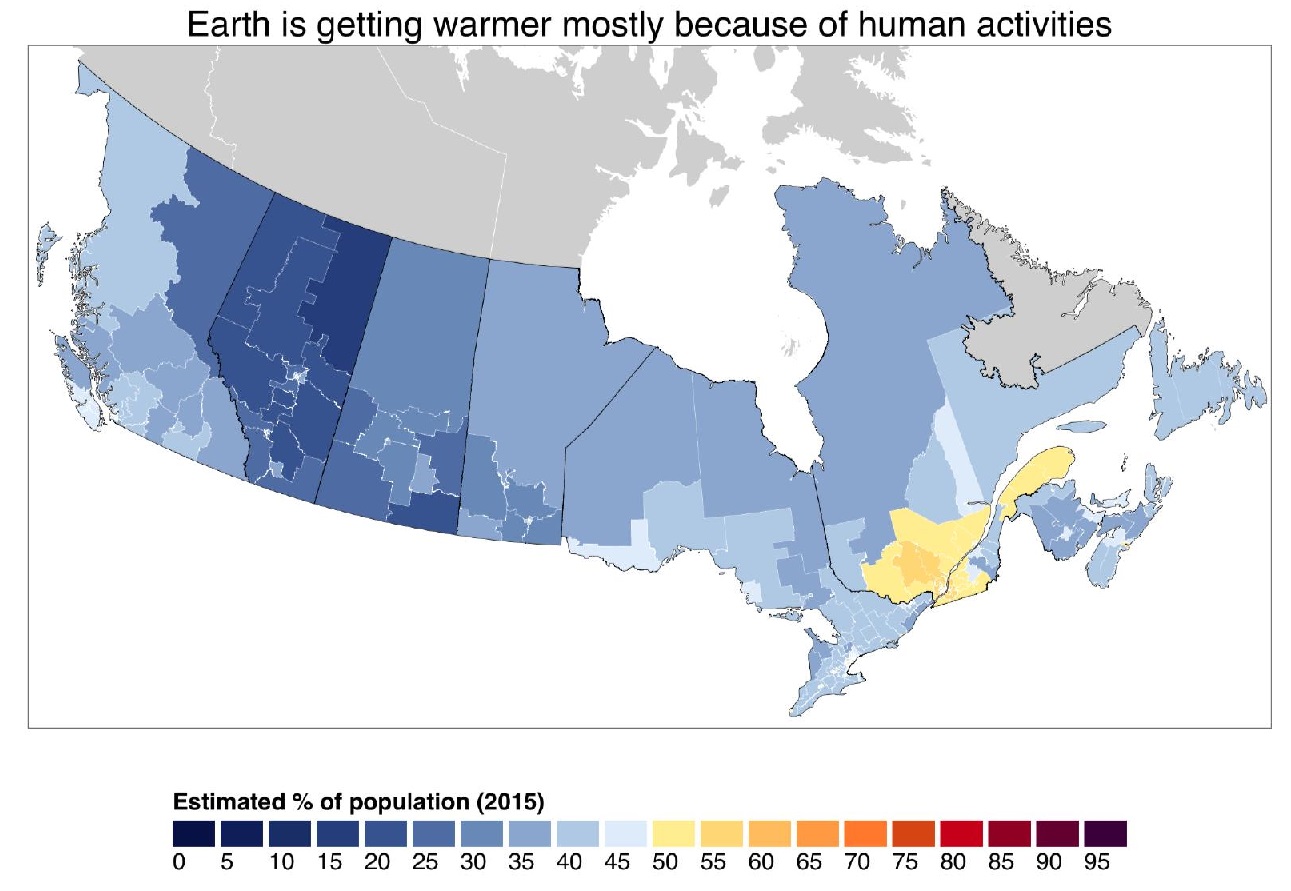
 Science Matters