Why Covid Hospital Numbers are Misleading

David Zweig wrote in the Atlantic Our Most Reliable Pandemic Number Is Losing Meaning.  Excerpts in italics with my bolds.

From the start, COVID hospitalizations have served as a vital metric for tracking the risks posed by the disease. Last winter, this magazine described it as “the most reliable pandemic number,” while Vox quoted the cardiologist Eric Topol as saying that it’s “the best indicator of where we are.” On the one hand, death counts offer finality, but they’re a lagging signal and don’t account for people who suffered from significant illness but survived. Case counts, on the other hand, depend on which and how many people happen to get tested. Presumably, hospitalization numbers provide a more stable and reliable gauge of the pandemic’s true toll, in terms of severe disease. But a new, nationwide study of hospitalization records, released as a preprint today (and not yet formally peer reviewed), suggests that the meaning of this gauge can easily be misinterpreted—and that it has been shifting over time.

If you want to make sense of the number of COVID hospitalizations at any given time, you need to know how sick each patient actually is. Until now, that’s been almost impossible to suss out. The federal government requires hospitals to report every patient who tests positive for COVID, yet the overall tallies of COVID hospitalizations, made available on various state and federal dashboards and widely reported on by the media, do not differentiate based on severity of illness. Some patients need extensive medical intervention, such as getting intubated. Others require supplemental oxygen or administration of the steroid dexamethasone. But there are many COVID patients in the hospital with fairly mild symptoms, too, who have been admitted for further observation on account of their comorbidities, or because they reported feeling short of breath. Another portion of the patients in this tally are in the hospital for something unrelated to COVID, and discovered that they were infected only because they were tested upon admission. How many patients fall into each category has been a topic of much speculation. In August, researchers from Harvard Medical School, Tufts Medical Center, and the Veterans Affairs Healthcare System decided to find out.

The study found that from March 2020 through early January 2021—before vaccination was widespread, and before the Delta variant had arrived—the proportion of patients with mild or asymptomatic disease was 36 percent. From mid-January through the end of June 2021, however, that number rose to 48 percent.

In other words, the study suggests that roughly half of all the hospitalized patients showing up on COVID-data dashboards in 2021 may have been admitted for another reason entirely, or had only a mild presentation of disease.

One of the important implications of the study, these experts say, is that the introduction of vaccines strongly correlates with a greater share of COVID hospital patients having mild or asymptomatic disease. “It’s underreported how well the vaccine makes your life better, how much less sick you are likely to be, and less sick even if hospitalized,” Snyder said. “That’s the gem in this study.”

But the study also demonstrates that hospitalization rates for COVID, as cited by journalists and policy makers, can be misleading, if not considered carefully. Clearly many patients right now are seriously ill. We also know that overcrowding of hospitals by COVID patients with even mild illness can have negative implications for patients in need of other care. At the same time, this study suggests that COVID hospitalization tallies can’t be taken as a simple measure of the prevalence of severe or even moderate disease, because they might inflate the true numbers by a factor of two. “As we look to shift from cases to hospitalizations as a metric to drive policy and assess level of risk to a community or state or country,” Doron told me, referring to decisions about school closures, business restrictions, mask requirements, and so on, “we should refine the definition of hospitalization. Those patients who are there with rather than from COVID don’t belong in the metric.”

Another Problem: Can Hospitals Covid Numbers Be Trusted?

Gateway Pundit published a pertinent article Missouri COVID Whistleblower: Hospitals are Lying to the public about COVID… and I can prove it.  Excerpts in italics with my bolds.

Josh Snider worked in facilities management at Missouri Baptist Medical Center or “MBMC”, “I watched our hospital administrators say in the media that our intensive care units were overflowing with COVID patients, at 98% capacity, knowing that it was a complete and utter lie.”

Snider relates that the MBMC hospital, part of a larger $5.5 billion annual network within the Barnes Jewish hospital system in St. Louis, Missouri, actually shut down three out of four floors of intensive care during COVID because they were UNUSED.

“And even after shutting down three-fourths of our ICU capacity, they were still never more than 50% full with that drastically reduced overall capacity. These medical systems that are saying they are overrun with COVID patients are likely LYING TO THE PUBLIC,” Snider said.

Snider provided documentary proof of the COVID case load of the MBMC system, whose COVID patients do not track national trends, and where the number of COVID patients in ICU were, at many points, a single, solitary person.

“I would have to adjust the airflow in some of the rooms of people in the ICU with COVID, they were fine. I believe in COVID, I know it’s serious, but I also personally saw people who were fine, they had a terminal case of boredom. I spoke with these people and they weren’t sick at all, they felt fine but were told they had to stay there. Many brought their PlayStations with them to waste away the days with video games instead.”


This chart was INTERNAL and distributed to employees of MBMC. In it, you can see that the number of COVID patients in critical care was always under 20. The hospital shut down 3 of 4 ICU wings, and in the remaining one had the capacity for 60 beds/patients. They never came close to being at capacity for COVID ICU patients.

These charts, provided by Snider, show that there was a relatively normal track for COVID infections at the MBMC Center, an acute care facility in St. Louis. Even during periods of infection spikes in the national population, those spikes are not found in the hospital data. As well, the bottom line showing serious cases of COVID requiring intensive care remain significantly small and reduced throughout the months of the pandemic.

Here is the chart generated from information submitted to the US Department of Health and Human Services, as published by the Gannett News Service:
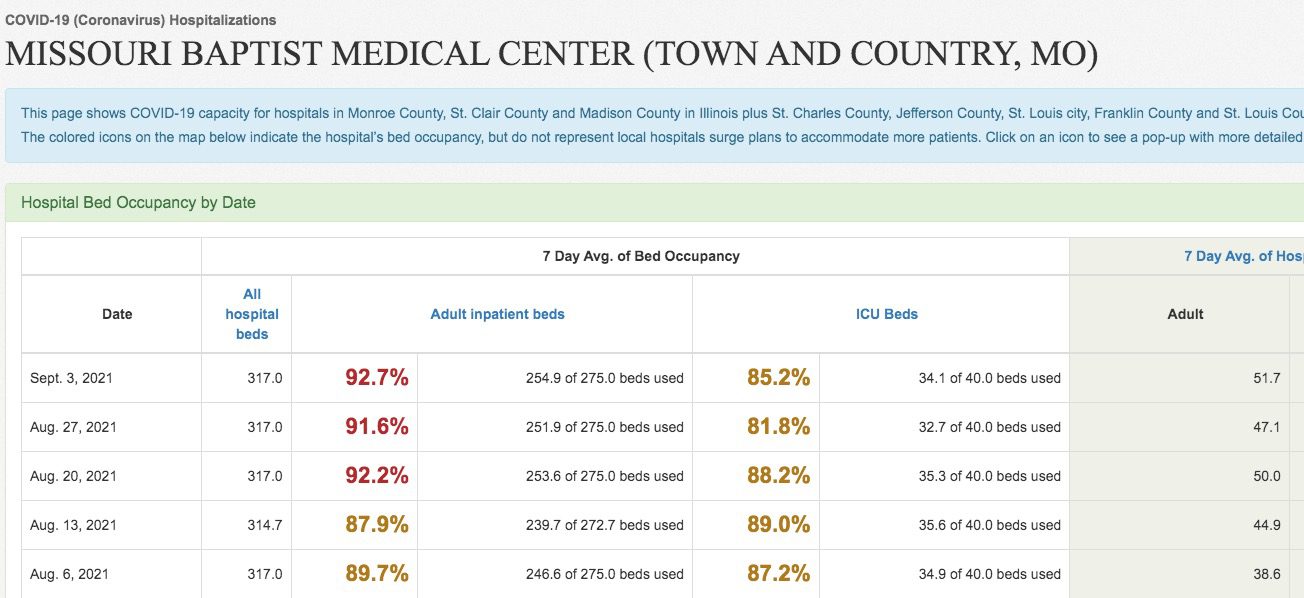
INTERNAL: on August 18, 2021, MBMC said they had 19 COVID patients in ICU.

EXTERNAL: on August 20, 2021, MBMC told the public they had 35.3 COVID patients in ICU.

THE PUBLIC NUMBERS ARE OFF FROM THE INTERNAL REPORTS OF COVID PATIENTS IN THE ICU BY ALMOST 100%

Snider has provided his personal statement, documentary evidence, and clear data discrepancies that all suggest that hospitals are not telling the public the truth about the COVID pandemic.

“The real flu season in the hospital was always more serious than COVID has been,” Snider said. “Flu season in a hospital is very challenging, and even the tamest flu season in years past was still worse than COVID has been so far. The people who have been suffering and sadly dying are clearly people who are hundreds of pounds overweight, and people with multiple other comorbidities like stage 4 cancer. I’m not a Doctor, but the response and panic to this virus is clearly wildly disproportionate to reality.”

 

Editing Science Textbooks for Desired Public Opinion


An article at Science Daily is  Uncertainty on climate change in textbooks linked to uncertainty in students.  The author shows how important it is not to leave students in any doubt regarding politically correct opinions. Excepts in italics with my bolds.

A new study suggests textbook wording that portrays climate change information as uncertain can influence how middle and high school students feel about the information, even for students who say they already know about climate change and its human causes.

The study, published in the journal Environmental Education Research, has implications for how teachers can prepare students to face misinformation about climate change.

“I thought students’ knowledge or social norms surrounding climate change would buffer them from misinformation,” said study author K.C. Busch, an assistant professor of STEM education at NC State. “But it didn’t matter how much knowledge students had; they did not react to the text differently. That’s problematic. We think that if we could improve students’ knowledge, they can integrate that knowledge in the real world to sniff out misinformation or disinformation that’s being presented to them. That didn’t happen.”

In the study, Busch surveyed 453 students in California about how certain they felt about climate change before and after they read one of two articles about climate change. The articles’ wording suggested either low or high uncertainty about climate change.

Busch took the high uncertainty text directly from an earth science textbook published in 2008 in California. For the other reading, she adapted the textbook language to remove uncertainty. For example, she changed “not all scientists agree about the causes of global warming” to “97% of scientists agree about the causes of global warming.”

“The cleanup of what I’ll call the ‘bad text’ was actually super slight,” Busch said. “It was so slight that I was almost thinking that it wasn’t going to have any effect whatsoever. This study showed strategies that are subtly used to cue the reader did have an effect.”

Although students in both groups began the experiment with similar average certainty about climate change, students’ certainty changed after reading the texts. The survey students took used a four-point scale, with 4 meaning students were “extremely sure” climate change is caused by people, and 1 meaning they were “not at all sure.”

For students who read the text framing climate change as uncertain, average certainty decreased from a 2.81 to a 2.67 average on the four-point scale. Meanwhile, students’ certainty increased from an average of 2.89 to 3.16 if they read a text that used a more straightforward wording.

Before the study, the students reported that, on average, they were knowledgeable about the causes and effects of climate change, and very sure it was caused by humans.

They were also moderately concerned about climate change, and confident they could do something about it. However, Busch saw that knowledge and beliefs of students and of the people in their social circle didn’t have a statistically significant impact on how students reacted to the textbook information.

The findings built on a previous study that found language in four sixth grade textbooks adopted in California presented climate change as uncertain in terms of whether it will happen, as well as its human causes. Busch said that there are other signs that climate change topics are absent or mistreated in classrooms. A report from the National Center for Science Education found 10 states received a grade of D or worse for their standards for climate change education, and that included some of the country’s most populous states.

“We chose a sixth grade text for this study, and my son was in sixth grade at that time. This was the textbook that he had in his science classroom,” she said. “Textbooks last in classrooms forever, so it very well could still be in circulation.”

But beyond replacing textbooks, Busch said it could be that educators need to teach students about the process and language that scientists use to describe their conclusions to help them evaluate information in real-time, as well as to bolster their ability to critically evaluate information and misinformation.

“My recommendations for education are teaching more basic skills, including an understanding of how science is done and the language of science and certainty,” Busch said. “Science has often been presented as a book of canonical, established fact. We need students, and the general public, to have a stronger understanding of the scientific process.”

More research is needed to understand how teens use their outside knowledge, beliefs and the beliefs of their friends and relatives to evaluate climate change information, Busch said. Other studies have found that social norms — such as the beliefs and attitudes of their friends and family members — can be very influential for teens, and can predict how accepting young people are of climate change. It could be that the students in the study saw the survey as a test, and it may not reflect their actual views.

The study, “Textbooks of Doubt, Tested: The Effect of a Denialist Framing on Adolescents’ Certainty about Climate Change,” was published online Sept. 9, 2021, in Environmental Education Research. It was funded with a research fellowship from the Stanford Interdisciplinary Graduate Research Fellowship and with a research grant from Stanford Graduate School of Education.

Comment:  Where to start?  The author acknowledges that science is not a canon of beliefs to be adopted, and then seeks to remove any doubt in textbooks which students regard as authoritative.  She edits a text to claim as a fact 97% of scientists agree, apparently unaware this is an activist fabrication.  She presumes a consensus on global warming/climate change, and advocates students should believe this instead investigating the range of viewpoints. She wishes to whitewash away the uncertainties, lest students discover dissonance in their preconceptions from social interactions.

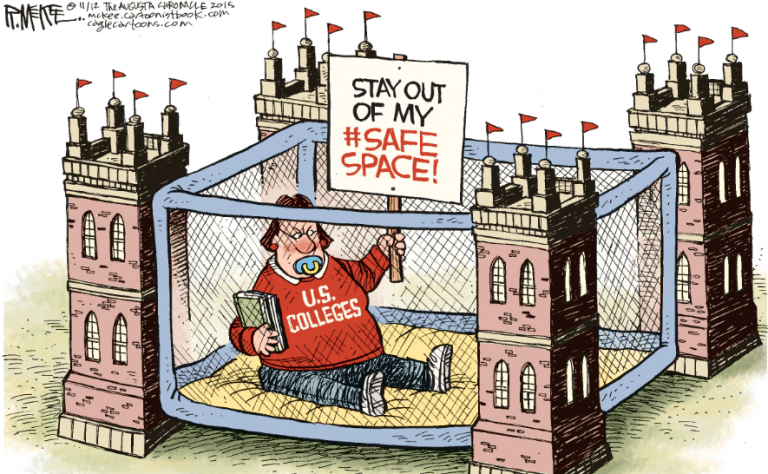
Welcome to the snowflake academy, where critical intelligence is not allowed.

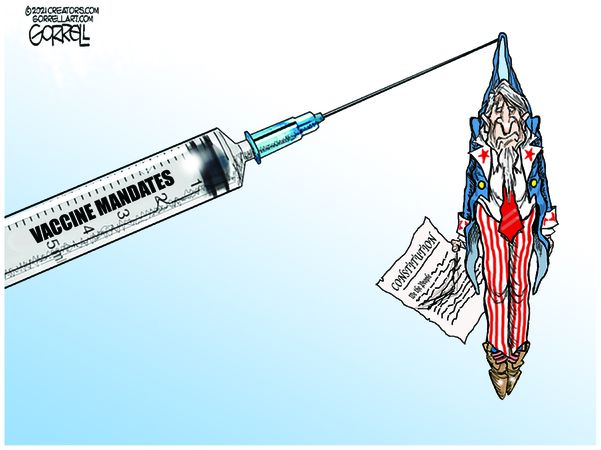
Deeply Political Vaccine Mandates


Charles Lipson offers rich insights into the current controversy over proposed federal vaccine mandates.  Kudos for providing historical context and perspective in this confusing time.  His article at Real Politics is The Deep Politics of Vaccine Mandates.  Excerpts in italics with my bolds.

The debate over President Biden’s vaccine mandates has focused, understandably, on the tradeoff between individual rights to make medical choices and the potential harm the unvaccinated pose to others. That tradeoff is unavoidable. It is simply wrong for Biden to say, “It’s not about freedom.” It is. It is equally wrong for some Republican governors to say it is all about freedom. It’s also about the external effects of each person’s choice. To pretend that tradeoff doesn’t exist is demagoguery. But then, so is most American politics these days.

What’s missing or underappreciated in this debate?

The most important thing is that the Biden administration’s “mandate approach” is standard-issue progressivism. The pushback is equally standard. The mandates exemplify a dispute that has been at the heart of American politics for over a century, ever since Woodrow Wilson formulated it as a professor and then president. That agenda emphasizes deference to

    • Experts, not elected politicians,
    • Rational bureaucratic procedures,
    • Centralized power in the nation’s capital, not in the federal states, and
    • A modern, “living constitution,” which replaces the “old” Constitution of 1787 and severs the restraints it imposed on government power.

Implemented over several decades, this progressive agenda has gradually become a fait accompli, without ever formally amending the Constitution. The bureaucracies began their massive growth after World War II and especially after Lyndon Johnson’s Great Society initiatives of the mid-1960s (continued, with equal vigor, by Richard Nixon).

The judicial shackles were broken earlier, when Franklin Roosevelt threatened to pack the Supreme Court in 1937. Although FDR never followed through, his threat did the trick. The justices yielded to his pressure and began rubber-stamping New Deal programs that, until then, they had rejected as unconstitutional. Gradually, the older judges retired and Roosevelt picked friendly replacements. These judicial issues have reemerged now that progressives no longer dominate the Supreme Court. They are again threatening to pack the court and demanding that today’s justices stick with precedents set by their progressive predecessors (“stare decisis”).

The pushback against vaccine mandates is partly a debate about these progressive issues concerning the president’s authority and constitutional strictures. Mandate opponents say the federal government lacks the constitutional authority to impose these requirements, at least beyond its own workforce. They add that, if the president does wish to impose new rules, he and his executive agencies must go through the normal regulatory process. That process is slow — indeed, too slow to cope with an emergency.

Biden himself seemed to recognize these constitutional limitations before deciding to ignore them — the second time he’s done so in his brief presidency.

That’s a very troubling development, even if the courts overrule his decisions. The first time was his fiat decision to extend the moratorium on rent payments, which had been imposed during the worst days of the pandemic. Biden explicitly stated his unconstitutional rationale: It would take the courts time to rule against him and, until then, he could implement the policy. Of course, he also had a political rationale: to placate his party’s far left, which had mobilized over this issue.

Biden’s extension on the rent moratorium had a second, troubling dimension. It was promulgated by the Centers for Disease Control as a “public health issue.” That was a transparently false rationale in summer 2021 and dealt with housing issues far beyond the CDC’s expertise. The unintended consequence of the moratorium extension, beyond bankrupting small landlords, is to undermine the basic rationale for all progressive rulemaking: that the rules are being made by experts who know much more about their specialized area than do ordinary citizens or their elected representatives. What, pray tell, do experts on infectious disease know about the complexities of the U.S. housing market? Zero.

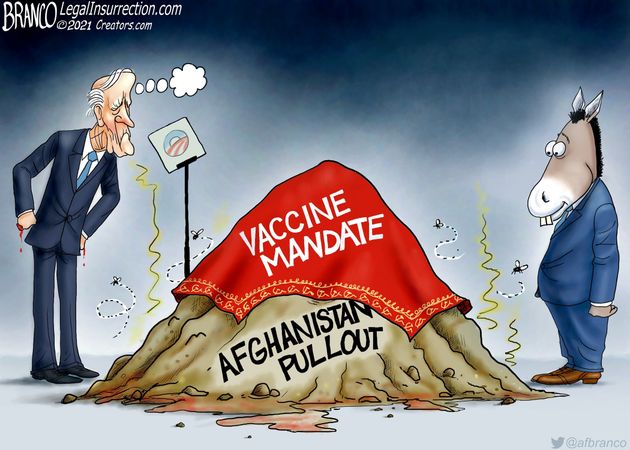
Progressive politics depends on public acceptance that experts really know what’s best and that their decisions will produce good outcomes. But trust in experts has collapsed alongside trust in all American institutions over the past half-century. The turning point was the disastrous war in Vietnam, advocated by LBJ’s Harvard advisers and the Whiz Kids in Robert McNamara’s Pentagon. Their failure was captured in the title of David Halberstam’s 1973 bestseller, “The Best and the Brightest.” The calamitous Afghan withdrawal underscored Halberstam’s sarcastic point.

So did the failure of so many Great Society programs, begun with such hope and fanfare.

The most painful experience was “urban renewal,” especially the massive program of building high-rise towers for welfare recipients. Before those towers were torn down, they had destroyed two or three generations of families. Part of the tragedy was that, like so many federal programs, the towers were built everywhere at once. If they had been tried out in a few cities, the problems would have been obvious, the failures remedied or the program abandoned. But Washington almost never does that. Congress funds and the bureaucracies implement mammoth, nationwide programs with no opportunity for feedback or mid-course corrections.

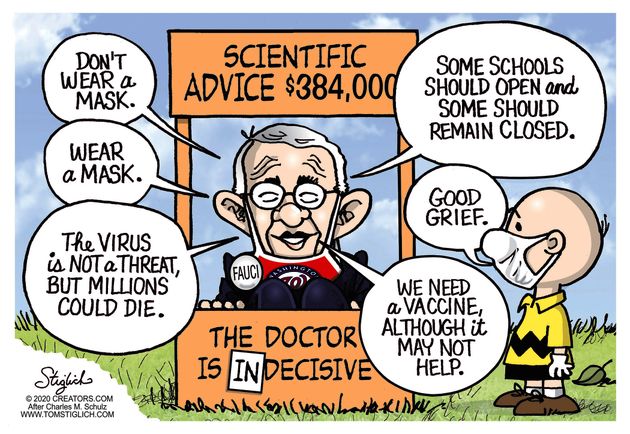
As public mistrust of institutions grew, a few institutions initially escaped the scorn. The military, for instance, was highly regarded until recently. It will take a heavy blow from the Afghan failure and the new, high-priority program of ideological training for troops. Government health officials were also highly regarded, at least until the botched rollout of Obamacare and the scandals at Veterans’ Affairs hospitals. Still, the public trusted the CDC and Dr. Anthony Fauci at the beginning of the pandemic. They trust them far less today, thanks to false and misleading statements, secrecy about funding the Wuhan virology lab, the absence of clear guidance on many issues, and blunt regulations that ignore important variations, such as natural immunity.

The effect of this growing mistrust was painfully apparent in President Biden’s mandate announcement. He didn’t rely on persuasion or trust in federal experts. He hectored, demonized, shamed, politicized, and threatened. That has become his routine, along with his refusal to answer the public’s pressing questions.

Biden’s political problem is that he faces real resistance from voters if he can’t solve the COVID problem, both because it is so serious and because he ran on being able to handle it better than Trump. Since Biden’s speech last week spent a lot of time attacking Republican governors, it was also an exercise in preemptive blame-shifting, in case the mandates fail.

His approach makes political sense, but it has at least two problems beyond the constitutional questions. One is that it politicizes vaccinations, which could have unintended consequences. Among the most obvious, it shifts the issue away from doctors and public health professionals and into the contentious political arena. Another is that it raises questions about the administration’s hypocrisy. Why do all federal employees, including those with natural immunity, need to get vaccinations but not the illegal immigrants arriving from Central America? That’s clearly a political decision, not a medical one, and it undermines the legitimacy of Biden’s whole approach, which stresses public health and medical experts.

The president’s speech had another major feature: It relied on vitriolic “wedge politics.” But Biden was elected partly because he promised to end the vitriol and divisiveness of the Trump years. He hasn’t done that. The poster child for his tendentious governing strategy is the second, $3.5 trillion “human infrastructure” bill. Not only does it have no Republican support, it has met serious resistance from centrist Democrats.

On his signature spending bills, like his vaccine mandates, Biden is pursuing a unilateral, aggressively partisan approach.

There’s no question the delta variant poses serious health risks and that, in general, vaccinations help both the individuals who get the jab and everyone around them. But there are serious questions about whether sticks or carrots are the best way to increase vaccination rates; how to convince people to get the vaccine now that trust in public-health experts has eroded; whether politicizing the issue is self-defeating; and what authority Washington has to impose mandates beyond its own workforce. The questions about the federal government’s authority — its effectiveness, its constitutionality, and its potential overreach — are among the most important in American politics. They have been for a century, and they won’t be resolved anytime soon.

Charles Lipson is the Peter B. Ritzma Professor of Political Science Emeritus at the University of Chicago, where he founded the Program on International Politics, Economics, and Security. He can be reached at charles.lipson@gmail.com.


Science Also a Pandemic Victim

John P.A. Ioannidis writes at The Tablet How the Pandemic Is Changing the Norms of Science. Excerpts in italics with my bolds aand some added images.
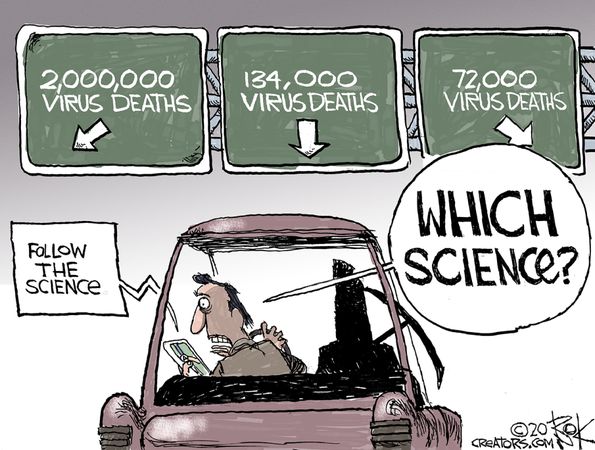
Imperatives like skepticism and disinterestedness are being junked to fuel political warfare that has nothing in common with scientific methodology

Before the pandemic, the sharing of data, protocols, and discoveries for free was limited, compromising the communalism on which the scientific method is based. It was already widely tolerated that science was not universal, but the realm of an ever-more hierarchical elite, a minority of experts. Gargantuan financial and other interests and conflicts thrived in the neighborhood of science—and the norm of disinterestedness was left forlorn.

As for organized skepticism, it did not sell very well within academic sanctuaries. Even the best peer-reviewed journals often presented results with bias and spin. Broader public and media dissemination of scientific discoveries was largely focused on what could be exaggerated about the research, rather than the rigor of its methods and the inherent uncertainty of the results.

Nevertheless, despite the cynical realization that the methodological norms of science had been neglected (or perhaps because of this realization), voices struggling for more communalism, universalism, disinterestedness, and organized skepticism had been multiplying among scientific circles prior to the pandemic. Reformers were often seen as holding some sort of a moral higher ground, despite being outnumbered in occupancy of powerful positions. Reproducibility crises in many scientific fields, ranging from biomedicine to psychology, caused soul-searching and efforts to enhance transparency, including the sharing of raw data, protocols, and code. Inequalities within the academy were increasingly recognized with calls to remedy them. Many were receptive to pleas for reform.

Opinion-based experts (while still dominant in influential committees, professional societies, major conferences, funding bodies, and other power nodes of the system) were often challenged by evidence-based criticism. There were efforts to make conflicts of interest more transparent and to minimize their impact, even if most science leaders remained conflicted, especially in medicine. A thriving community of scientists focused on rigorous methods, understanding biases, and minimizing their impact. The field of metaresearch, i.e., research on research, had become widely respected. One might therefore have hoped that the pandemic crisis could have fostered change.

Indeed, change did happen—but perhaps mostly for the worst.

Lack of communalism during the pandemic fueled scandals and conspiracy theories, which were then treated as fact in the name of science by much of the popular press and on social media. The retraction of a highly visible hydroxychloroquine paper from the The Lancet was a startling example: A lack of sharing and openness allowed a top medical journal to publish an article in which 671 hospitals allegedly contributed data that did not exist, and no one noticed this outright fabrication before publication. The New England Journal of Medicine, another top medical journal, managed to publish a similar paper; many scientists continue to heavily cite it long after its retraction.

The pandemic led seemingly overnight to a scary new form of scientific universalism. Everyone did COVID-19 science or commented on it. By August 2021, 330,000 scientific papers were published on COVID-19, involving roughly a million different authors. An analysis showed that scientists from every single one of the 174 disciplines that comprise what we know as science has published on COVID-19. By the end of 2020, only automobile engineering didn’t have scientists publishing on COVID-19. By early 2021, the automobile engineers had their say, too.

Many amazing scientists have worked on COVID-19. I admire their work. Their contributions have taught us so much. My gratitude extends to the many extremely talented and well-trained young investigators who rejuvenate our aging scientific workforce. However, alongside thousands of solid scientists came freshly minted experts with questionable, irrelevant, or nonexistent credentials and questionable, irrelevant, or nonexistent data.

Social and mainstream media have helped to manufacture this new breed of experts. Anyone who was not an epidemiologist or health policy specialist could suddenly be cited as an epidemiologist or health policy specialist by reporters who often knew little about those fields but knew immediately which opinions were true. Conversely, some of the best epidemiologists and health policy specialists in America were smeared as clueless and dangerous by people who believed themselves fit to summarily arbitrate differences of scientific opinion without understanding the methodology or data at issue.

Disinterestedness suffered gravely. In the past, conflicted entities mostly tried to hide their agendas. During the pandemic, these same conflicted entities were raised to the status of heroes.

For example, Big Pharma companies clearly produced useful drugs, vaccines, and other interventions that saved lives, though it was also known that profit was and is their main motive. Big Tobacco was known to kill many millions of people every year and to continuously mislead when promoting its old and new, equally harmful, products. Yet during the pandemic, requesting better evidence on effectiveness and adverse events was often considered anathema. This dismissive, authoritarian approach “in defense of science” may sadly have enhanced vaccine hesitancy and the anti-vax movement, wasting a unique opportunity that was created by the fantastic rapid development of COVID-19 vaccines. Even the tobacco industry upgraded its reputation: Philip Morris donated ventilators to propel a profile of corporate responsibility and saving lives, a tiny fraction of which were put at risk of death from COVID-19 because of background diseases caused by tobacco products.

Other potentially conflicted entities became the new societal regulators, rather than the ones being regulated. Big Tech companies, which gained trillions of dollars in cumulative market value from the virtual transformation of human life during lockdown, developed powerful censorship machineries that skewed the information available to users on their platforms. Consultants who made millions of dollars from corporate and government consultation were given prestigious positions, power, and public praise, while unconflicted scientists who worked pro bono but dared to question dominant narratives were smeared as being conflicted. Organized skepticism was seen as a threat to public health.

There was a clash between two schools of thought, authoritarian public health versus science—and science lost.

Heated but healthy scientific debates are welcome. Serious critics are our greatest benefactors. John Tukey once said that the collective noun for a group of statisticians is a quarrel. This applies to other scientists, too. But “we are at war” led to a step beyond: This is a dirty war, one without dignity. Opponents were threatened, abused, and bullied by cancel culture campaigns in social media, hit stories in mainstream media, and bestsellers written by zealots. Statements were distorted, turned into straw men, and ridiculed. Wikipedia pages were vandalized. Reputations were systematically devastated and destroyed. Many brilliant scientists were abused and received threats during the pandemic, intended to make them and their families miserable.

Politics had a deleterious influence on pandemic science. Anything any apolitical scientist said or wrote could be weaponized for political agendas. Tying public health interventions like masks and vaccines to a faction, political or otherwise, satisfies those devoted to that faction, but infuriates the opposing faction. This process undermines the wider adoption required for such interventions to be effective. Politics dressed up as public health not only injured science.

It also shot down participatory public health where people are empowered, rather than obligated and humiliated.

There was absolutely no conspiracy or preplanning behind this hypercharged evolution. Simply, in times of crisis, the powerful thrive and the weak become more disadvantaged. Amid pandemic confusion, the powerful and the conflicted became more powerful and more conflicted, while millions of disadvantaged people have died and billions suffered.

I worry that science and its norms have shared the fate of the disadvantaged. It is a pity, because science can still help everyone. Science remains the best thing that can happen to humans, provided it can be both tolerant and tolerated.

John P.A. Ioannidis is Professor of Medicine and Professor of Epidemiology and Population Health, as well as Professor (by courtesy) of Biomedical Science and Statistics, at Stanford University. His complete COVID-19-related publications can be found here.


Twitter an Unreliable Means of Discourse

Jack Butler writes an article The Myth of the Red Pill in the National Review.  I won’t go into all the nuances and various meanings attached to being redpilled, blue- or blackpilled, but want to reblog his discussion about how cyberspace is now awash with tweets from people, left and right, who believe they and they alone are “woke” in either the progressive, post-modern sense, or the opposite. Excerpts in italics with my bolds.

Adherents believe that their apparent online numbers, purportedly sophisticated ideas, and supposed influence in real-world politics point both to their being correct and the emerging conservative paradigm. All of these things are hard to measure, not just because of the amorphous quality of online interaction, but also because of the many layers of irony and memery in which believers conceal themselves. Still, it is undoubtedly true that none of this would have happened at all without the Internet. This fact is often interpreted favorably: The nature of physical reality, it is claimed, makes the kind of conversation they want to have ever harder, so anything worth saying is now being said digitally.

But the Internet is at least as much of a constrictor of thought for the redpilled as it is a facilitator, if not more so.

Many of the redpilled think of themselves as possessing a kind of unique energy, unavailable to the rest of the Right. It is quite easy to convince yourself of that if you spend all day marinating in carefully curated digital environments, associating mostly with people who agree with you, and letting your real-world interactions, such as they are, be flavored either actively or passively by your experiences online. Insularity is an ancient human temptation, one the Internet has, surprisingly, exacerbated.

The Internet may have begun with the promise of freewheeling sharing of information and interaction, but in the realm of the redpilled, Twitter is a place for collectivized, digital mass action. Believing that tweets are a serious and desirable form of political activism, they glory in the dopamine rush of likes and retweets, call for ratios of opinions they deem unacceptable, and take all of these things as signs that they are advancing their cause instead of adding tiny bits of ember to a fiery digital hellscape.

There are some things worth remembering about Twitter.

According to a 2019 Pew Research survey, 22 percent of Americans use Twitter daily. In 2021, Twitter itself measured 199 million daily active users on the site. This sounds like a lot, but only 38 million of those users are in the U.S. (11 percent of our population). By this measure, Twitter’s total active user base is about 2.5 percent of the world’s population. Pew’s 2019 estimate also says that 80 percent of tweets come from 10 percent of users. One study estimates that anywhere from 9 to 15 percent of Twitter users are bots; 66 percent of all links on Twitter come from bots. All of this speaks to a world that is not merely self-referential but also self-reinforcing. It sucks people in, convinces them that it is normal, and then brings out the worst in them as they engage in futile conversations that are hopelessly skewed by unrepresentative samples of human beings and disguised machines.

Like much of modern media, Twitter shrinks our attention spans while bombarding us with things we might not otherwise have ever known or cared about and on which we have no influence. This is to say nothing of the political slant of Twitter. As Brian Riedl put it (in a tweet; Twitter has its uses), “Twitter users are D+15 — which would tie HI & VT for the most liberal state . . . the 10% of Twitter users who post 92% of all tweets are D+43 — which would make it America’s 2nd most liberal House district.”

This skew can breed, in those who believe it to be representative, a highly agitated and combative posture.

It can make them think that America is already lost; this is called a “black pill” (the pill boxes of the redpilled are overflowing). It can make them believe that persuasion and workaday politics are inadequate to the moment, that only desperate action, often involving a departure from the constitutional order necessitated by the one already undertaken by opposing political forces, can bring any hope of salvation. It can make them believe that the political sphere is or should be a source of salvation — if only their enemies can be crushed. And so it can make them believe that only a countervailing force, similarly drawing strength from the online world and sharing many of its opponents’ attributes, can possibly contest it. In this way, the hyperpolarization and acute antagonisms of Twitter feed off each other, require each other, and may in fact reflect each other. Some of what happens on Twitter may be somewhat indicative of the real world. But there’s also the fact that Tay, Microsoft’s AI Twitter account whose personality was formed from Twitter interactions, within a day became a suicidal, sex-crazed, Nazi teenage girl. So much for reflecting reality.

The point of the original red pill in The Matrix was to escape an artificially created digital world. But now, redpilling is a phenomenon that depends on digital interactions. It also deceives its adherents about reality itself, discoloring or even discouraging their existence in the physical world. It is from this key inconsistency that so many of their fallacies flow — not least of which is their compulsive use of online platforms that they deem so pernicious they need to be regulated differently, broken up, or destroyed. Many of us nowadays struggle to restrain our use of technology. But that problem will not be solved by pretending that digital oversaturation is a virtue rather than a vice. Those who have trouble regulating themselves in this sphere make a curious authority for how to regulate it in society.

There is nothing magical about the online world. Like tools throughout mankind’s history, it can be used for good or evil ends. Facilitating communication, simplifying access to information — such things have their uses. But the test of something’s verity is not whether it goes viral. And as a digital form of gnosticism, redpilling has plenty of other defects that have weakened its utility. For one thing, as Shullenberger notes, it now exists in a kind of knowing game with its opponents: “The bluepilled regard the redpilled as deluded by misinformation, while the redpilled regard the bluepilled as dupes of the establishment.” Clearly, viewing the world as trapped in a digital binary is a dead end.

Whatever usefulness the red pill may once have had as a metaphor, it has now become a cliché at the same time that it has become a kind of twisted faith. It does not liberate its believers but rather constrains them, trapping them in digital worlds of their own creation. There are superior forms of conservatism, ones that appeal to reason and to more reliable forms of knowledge and authority. Curious minds would be better served letting the redpilled send themselves down endless rabbit holes, and instead pursue forms of learning and action that have a bit more to do with the world above the ground.


Land and Oceans Cooling August 2021

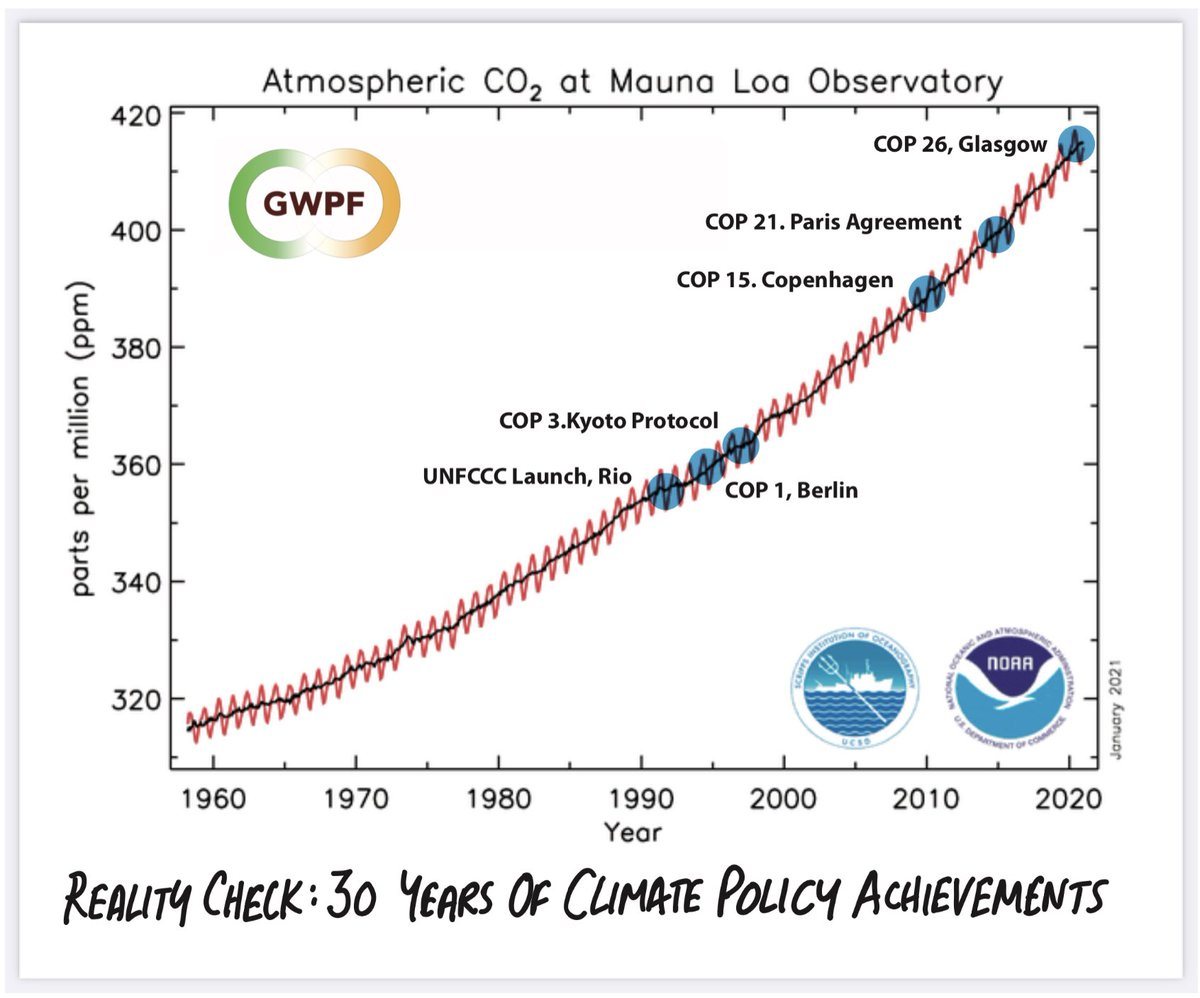
The post below updates the UAH record of air temperatures over land and ocean.  But as an overview consider how recent rapid cooling  completely overcame the warming from the last 3 El Ninos (1998, 2010 and 2016).  The UAH record shows that the effects of the last one were gone as of April 2021. (UAH baseline is now 1991-2020). Now in August, general cooling has reversed an uptick in July mainly due to SH land and ocean warming.For reference I added an overlay of CO2 annual concentrations as measured at Mauna Loa. While temperatures fluctuated up and down ending flat, CO2 went up steadily by ~55 ppm by 2020, a 15% increase.

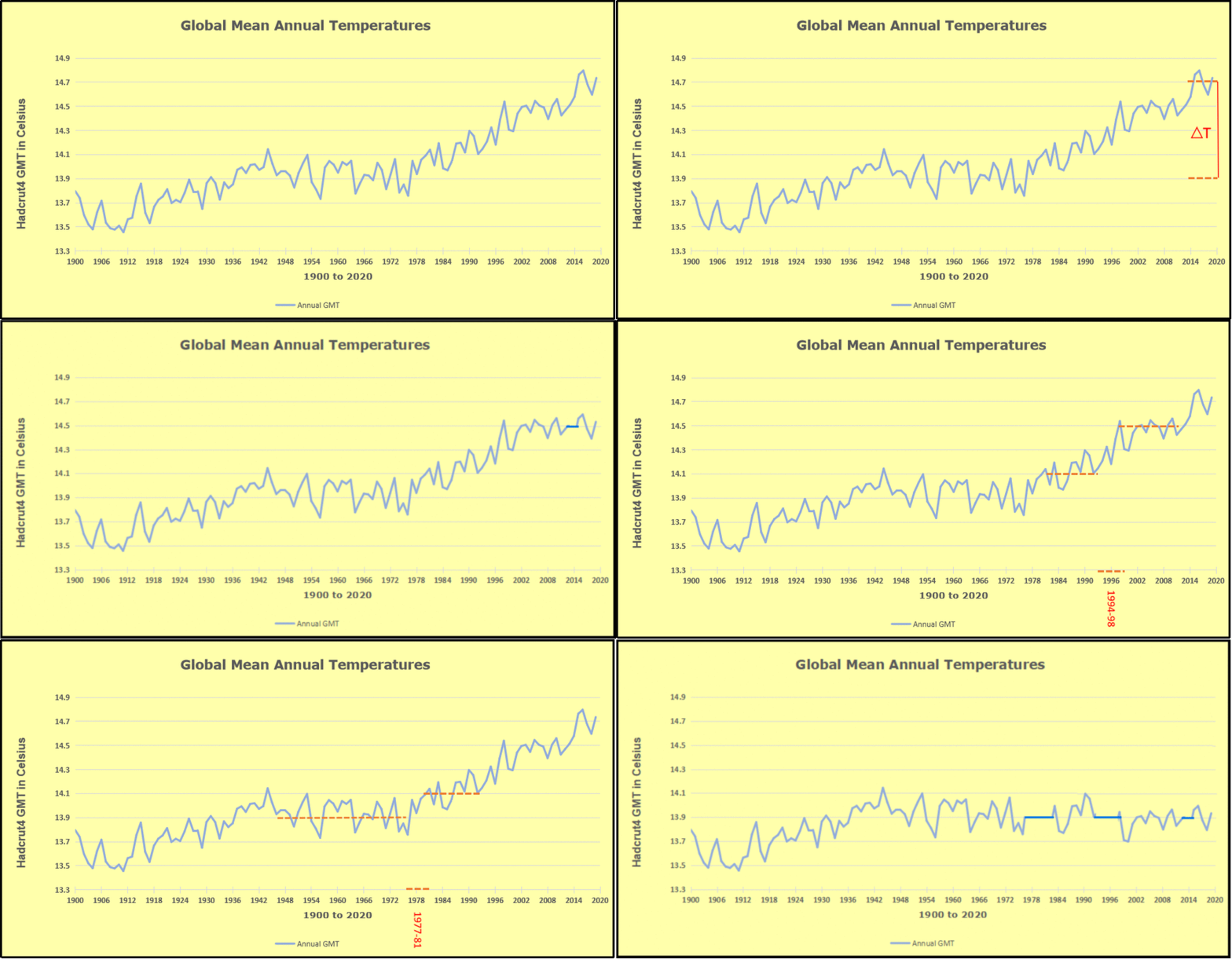
Furthermore, going back to previous warmings prior to the satellite record shows that the entire rise of 0.8C since 1947 is due to oceanic, not human activity.

gmt-warming-events

The animation is an update of a previous analysis from Dr. Murry Salby.  These graphs use Hadcrut4 and include the 2016 El Nino warming event.  The exhibit shows since 1947 GMT warmed by 0.8 C, from 13.9 to 14.7, as estimated by Hadcrut4.  This resulted from three natural warming events involving ocean cycles. The most recent rise 2013-16 lifted temperatures by 0.2C.  Previously the 1997-98 El Nino produced a plateau increase of 0.4C.  Before that, a rise from 1977-81 added 0.2C to start the warming since 1947.

Importantly, the theory of human-caused global warming asserts that increasing CO2 in the atmosphere changes the baseline and causes systemic warming in our climate.  On the contrary, all of the warming since 1947 was episodic, coming from three brief events associated with oceanic cycles. 

August Update Cooler Ocean and Land Air Temps 

banner-blog

With apologies to Paul Revere, this post is on the lookout for cooler weather with an eye on both the Land and the Sea.  While you will hear a lot about 2020 temperatures matching 2016 as the highest ever, that spin ignores how fast has the cooling set in.  The UAH data analyzed below shows that warming from the last El Nino is now fully dissipated with chilly temperatures setting in all regions.  The peak NH summer month of July saw some warming most pronounced in the SH, now reversed by general cooling in August.

UAH has updated their tlt (temperatures in lower troposphere) dataset for August.  Previously I have done posts on their reading of ocean air temps as a prelude to updated records from HADSST3. This month also has a separate graph of land air temps because the comparisons and contrasts are interesting as we contemplate possible cooling in coming months and years. Again last month showed air temps over land moved up sharply, while oceans warmed mildly.

Note:  UAH has shifted their baseline from 1981-2010 to 1991-2020 beginning with January 2021.  In the charts below, the trends and fluctuations remain the same but the anomaly values change with the baseline reference shift.

Presently sea surface temperatures (SST) are the best available indicator of heat content gained or lost from earth’s climate system.  Enthalpy is the thermodynamic term for total heat content in a system, and humidity differences in air parcels affect enthalpy.  Measuring water temperature directly avoids distorted impressions from air measurements.  In addition, ocean covers 71% of the planet surface and thus dominates surface temperature estimates.  Eventually we will likely have reliable means of recording water temperatures at depth.

Recently, Dr. Ole Humlum reported from his research that air temperatures lag 2-3 months behind changes in SST.  Thus the cooling oceans now portend cooling land air temperatures to follow.  He also observed that changes in CO2 atmospheric concentrations lag behind SST by 11-12 months.  This latter point is addressed in a previous post Who to Blame for Rising CO2?

After a technical enhancement to HadSST3 delayed updates Spring 2020, May resumed a pattern of HadSST updates toward the following month end.  For comparison we can look at lower troposphere temperatures (TLT) from UAHv6 which are now posted for August.  The temperature record is derived from microwave sounding units (MSU) on board satellites like the one pictured above. Recently there was a change in UAH processing of satellite drift corrections, including dropping one platform which can no longer be corrected. The graphs below are taken from the new and current dataset.

The UAH dataset includes temperature results for air above the oceans, and thus should be most comparable to the SSTs. There is the additional feature that ocean air temps avoid Urban Heat Islands (UHI).  The graph below shows monthly anomalies for ocean temps since January 2015.Note 2020 was warmed mainly by a spike in February in all regions, and secondarily by an October spike in NH alone. End of 2020 November and December ocean temps plummeted in NH and the Tropics. In January SH dropped sharply, pulling the Global anomaly down despite an upward bump in NH. An additional drop in March had SH matching the coldest in this period. March drops in the Tropics and NH made those regions at their coldest since 01/2015.  In June 2021 despite an uptick in NH, the Global anomaly dropped back down due to a record low in SH along with a Tropical cooling.In July SH and the Tropics went up sharply, pulling up the Global anomaly.  The NH spikes in previous summers is missing in 2021, with August cooling in both NH and the Tropics.

Land Air Temperatures Tracking Downward in Seesaw Pattern

We sometimes overlook that in climate temperature records, while the oceans are measured directly with SSTs, land temps are measured only indirectly.  The land temperature records at surface stations sample air temps at 2 meters above ground.  UAH gives tlt anomalies for air over land separately from ocean air temps.  The graph updated for August is below.
Here we have fresh evidence of the greater volatility of the Land temperatures, along with extraordinary departures by SH land.  Land temps are dominated by NH with a 2020 spike in February, followed by cooling down to July.  Then NH land warmed with a second spike in November.  Note the mid-year spikes in SH winter months.  In December all of that was wiped out.

Then January 2021 showed a sharp drop in SH, but a rise in NH more than offset, pulling the Global anomaly upward.  In February NH and the Tropics cooled further, pulling down the Global anomaly, despite slight SH land warming.  March continued to show all regions roughly comparable to early 2015, prior to the 2016 El Nino.  Then in April NH land dropped sharply along with the Tropics, bringing Global Land anomaly down by nearly 0.2C.  Now a remarkable divergence with NH rising in May and June, while SH drops sharply to a new low, along with Tropical cooling. 

In July SH jumped up nearly 1C from -0.6 to +0.3, causing a spike in Global land anomaly despite little change in NH.  Now in August, Global land temps dropped everywhere excepting the Tropics.

The Bigger Picture UAH Global Since 1995

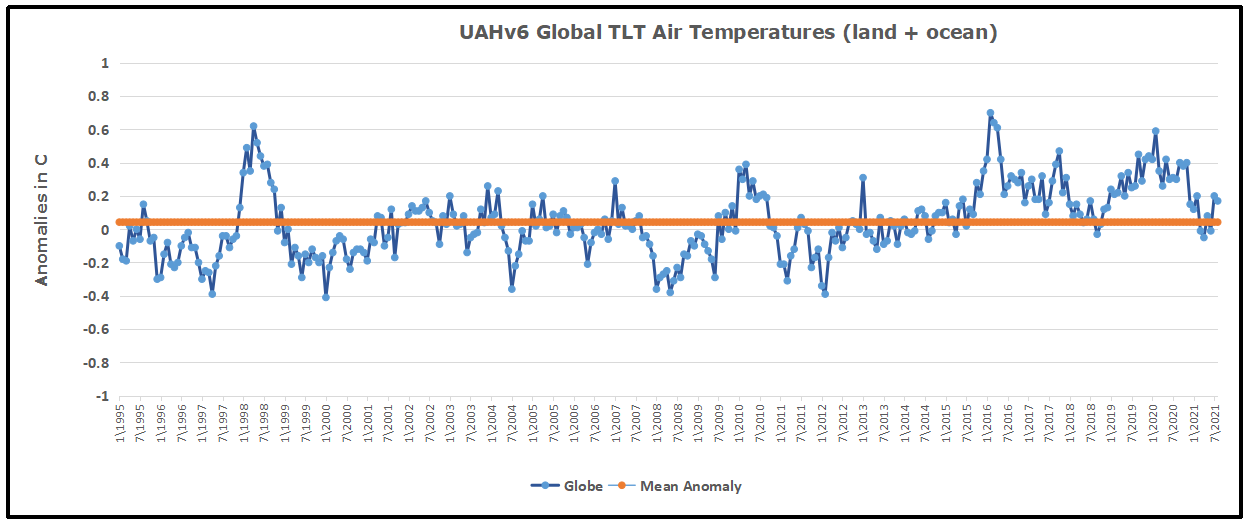
The chart shows monthly anomalies starting 01/1995 to present.  The average anomaly is 0.04, since this period is the same as the new baseline, lacking only the first 4 years.  1995 was chosen as an ENSO neutral year.  The graph shows the 1998 El Nino after which the mean resumed, and again after the smaller 2010 event. The 2016 El Nino matched 1998 peak and in addition NH after effects lasted longer, followed by the NH warming 2019-20, with temps now returning again toward the mean after an uptick in July.

TLTs include mixing above the oceans and probably some influence from nearby more volatile land temps.  Clearly NH and Global land temps have been dropping in a seesaw pattern, more than 1C lower than the 2016 peak.  Since the ocean has 1000 times the heat capacity as the atmosphere, that cooling is a significant driving force.  TLT measures started the recent cooling later than SSTs from HadSST3, but are now showing the same pattern.  It seems obvious that despite the three El Ninos, their warming has not persisted, and without them it would probably have cooled since 1995.  Of course, the future has not yet been written.


No One is Safe from Climate Alarm

Prominent environmentalist Michael Shellenberger deplores the doomster messaging ahead of the Glasgow COP.   In an interview with EpochTV’s “American Thought Leaders,” Shellenberger noted that while climate change is a very “real” thing, the slogan that no one is safe is “misleading” to the general public.  Excerpts in italics below from zerohedge article IPCC’s “No One Is Safe” Slogan Is Deeply Misleading.

The IPCC published a report in August stating that human-caused climate change is accelerating and that radical changes to human behavior are needed to avert disaster.

Following the findings, U.N. Secretary General António Guterres said of the report that the “alarm bells are deafening” and the situation is a “code red for humanity.”

Meanwhile, Inger Andersen, executive director of the United Nations Environment Programme (UNEP), said the findings showed that “nobody is safe. And it is getting worse faster.”

However, Shellenberger, who is the founder and president of the nonprofit Environmental Progress and the author of “Apocalypse Never: Why Environmental Alarmism Hurts Us All,” disagrees with this sentiment.

“Climate change is real. The world is getting warmer, it’s gotten about one degree Celsius warmer since the pre-industrial period. But on so many other environmental metrics, things are going in the right direction,” Shellenberger said.

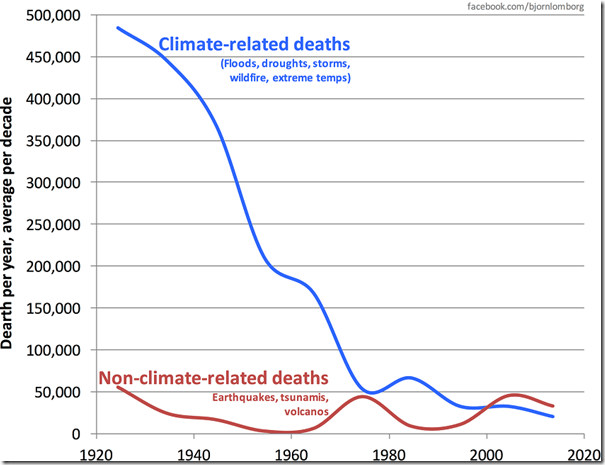
“The hottest the period of worst heat waves, for example, was in the 1930s. It has been a hot decade, but the 1930s remained the highest magnitude of heat waves. The chance of dying from an extreme weather event has declined over 99 percent for the average human being.

“Deaths from natural disasters overall are 90 percent down, we produce 25 percent more food than we need. There’s no estimate of running out of food.”

Sea level rise is something that we’ve done a very good job adapting to and we’ll continue to do a good job adapting to. The Netherlands is a country where many parts of it are seven meters below sea level. The median estimate for sea level rise by the Intergovernmental Panel on Climate Change is about a half a meter,” he continued.

“So what I object to is the painting of humans as sort of fragile or super vulnerable. We’ve never been more brilliant, we’ve never been less vulnerable, at least at a physical level. I think we’re seeing some rising anxiety and depression, particularly [among] young people, probably due to social media. But physically humans are safer than ever.

“But I think the the message that people need to hear that they’re not hearing is that the vast majority of environmental trends are going in the right direction, including on climate change.”

“The communications from the United Nations have been irresponsible. The slogan that they published the day of the IPCC reports publication was ‘no one is safe’ … It’s deeply misleading in that we’re safer than ever,” he said.

“So it’s really in the public relations that the distortions are occurring. However, in this most recent report, there was some bad behavior in the actual scenarios they constructed,” the author continued.

“So about half of the scenarios assume much higher levels of emissions, and therefore higher levels of warming in the future, than really any mainstream expert believes is possible,” he added.

“We just look around us [to see] we have a built infrastructure, go on YouTube and look at what life was like in 1800 or 1900, we were just much more vulnerable to weather events back then.”

The longtime environmental activist said that the public fails to be informed about other aspects that protect them from climate change, such as large increases in food surpluses and incredible flood management systems.

“So we see in all these problems, whether it’s forest fires, or floods, or hurricanes, that what humans do on the ground massively outweighs any increase in wind speed or precipitation or air temperatures,” he explained.

Shellenberger noted that while the natural science reviewed by the IPCC is accurate, “the vast majority of the distortions and the pessimism regarding climate change appears in the summary in the statements by those who helped assemble the report.


Fortunately, there is help for climate alarmists. They can join or start a chapter of Alarmists Anonymous. By following the Twelve Step Program, it is possible to recover and unite in service to the real world and humanity.

Step One: Fully concede (admit) to our innermost selves that we were addicted to climate fear mongering.

Step Two: Come to believe that a Power greater than ourselves causes weather and climate, restoring us to sanity.

Step Three: Make a decision to study and understand how the natural world works.

Step Four: Make a searching and fearless moral inventory of ourselves, our need to frighten others and how we have personally benefited by expressing alarms about the climate.

Step Five: Admit to God, to ourselves, and to another human being the exact nature of our exaggerations and false claims.

Step Six: Become ready to set aside these notions and actions we now recognize as objectionable and groundless.

Step Seven: Seek help to remove every single defect of character that produced fear in us and led us to make others afraid.

Step Eight: Make a list of all persons we have harmed and called “deniers”, and become willing to make amends to them all.

Step Nine: Apologize to people we have frightened or denigrated and explain the errors of our ways.

Step Ten: Continue to take personal inventory and when new illusions creep into our thinking, promptly renounce them.

Step Eleven: Dedicate ourselves to extend our knowledge of natural climate factors and to deepen our understanding of nature’s powers and ways of working.

Step Twelve: Having awakened to our delusion of climate alarm, we try to carry this message to other addicts, and to practice these principles in all our affairs.

Footnote:  For a detailed discussion of unfounded climate fears, see:
                 Climate Problem? Data say no.

Summary:

As the summer heat wanes, let us hope that many climate alarmists take the opportunity to turn the page by resolving a return to sanity. It is not too late to get right with reality before the cooling comes in earnest.
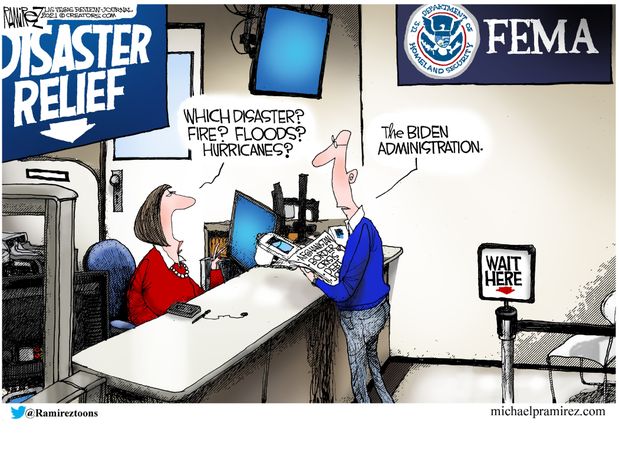
This is your brain on climate alarm.  Just say No!


All About Hurricanes

And there is the University of Miami Hurricanes sports team logo:

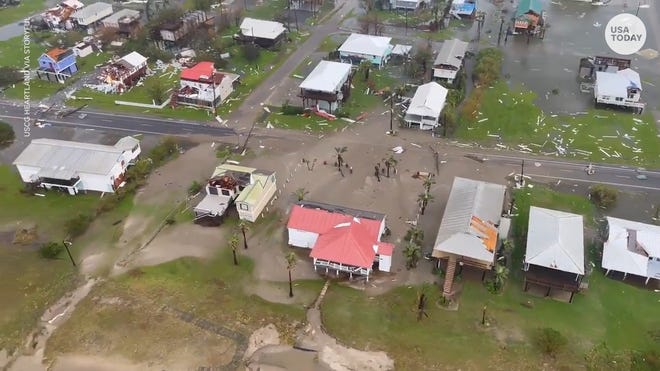
But many are interested in what to make of the latest one, Hurricane Ida.  She did after all flood the US Open tennis venue one night, although matches resumed the next day.

And in Louisiana, the flooding was major, although the new dikes in New Orleans held.

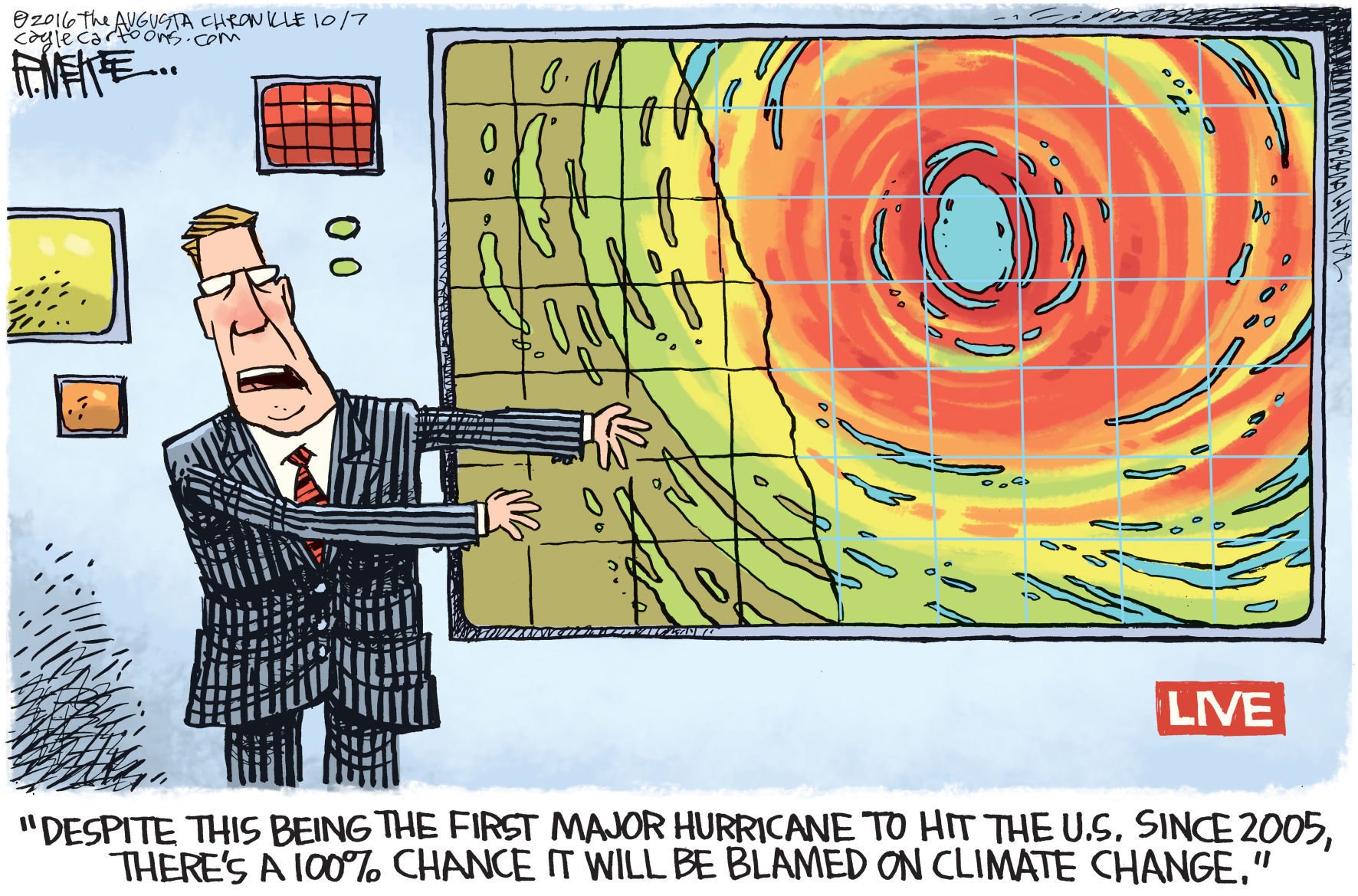
Of course the media, always certain of their story and impervious to contrary facts and details, declared Ida proof positive of a climate “emergency.”

Some anonymous scribbler put the PC words in Biden’s mouth:

Scientists have warned about extreme weather “for decades” and the U.S. doesn’t have “any more time” to confront it, he said.  “Every part of the country is getting hit by extreme weather, and we’re now living in real time what the country’s going to look like,” Biden told reporters.  Hurricane Ida Is An ‘Opportunity’ to Act on ‘Global Warming’ – ‘We either act or we’re going to be in real, real trouble’.

So what to make of these storms and the threat of global warming climate change?

Firstly,these storms are dangerous.  As the joke goes:

Q: Why are storms named after women?
A: Because they come in hot and steamy, then they leave with your house and car.

Of course, this is now considered sexist, in spite of the traditional respect for women as forces of nature.  In fact, nowadays in the age of genderism, some parents name their newborns “Storm” in order to leave their kids’ options open.  But I digress.

This post is really about understanding tropical storms in their historical context.  And for that we have an excellent recent scientific study published in Nature Changes in Atlantic major hurricane frequency since the late-19th century. by Vecchi, Landsea et al. Excerpts in italics with my bolds.

Introduction

Tropical cyclones (TCs) are of intense scientific interest and are a major threat to human life and property across the globe. Of particular interest are multi-decadal changes in TC frequency arising from some combination of intrinsic variability in the weather and climate system, and the response to natural and anthropogenic climate forcing.  Even though the North Atlantic (NA) basin is a minor contributor to global TC frequency, Atlantic hurricanes (HUs) have been the topic of considerable research both because of the long-term records of their track and frequency that exist for this basin, and because of their impacts at landfall. It is convenient and common to consider Saffir-Simpson Categories 3–5 (peak sustained winds exceeding 50 ms−1) HUs separately from the overall frequency, and label them major hurricanes, or MHs. Historically, MHs have accounted for ~80% of hurricane-related damage in the United States of America (USA) despite only representing 34% of USA TC occurrences.

Globally, models and theoretical arguments indicate that in a warming world the HU peak intensity and intensification rate should increase, so that there is a tendency for the fraction of HU reaching high Saffir-Simpson Categories (3, 4, or 5) to increase in models in response to CO2 increases, yet model projections are more mixed regarding changes in the frequency of MHs in individual basins.

Has there been a century-scale change in the number of the most intense hurricanes in the North Atlantic?

Due to changes in observing practices, severe inhomogeneities exist in this database, complicating the assessment of long-term changes.  In particular, there has been a substantial increase in monitoring capacity over the past 170 years, so that the probability that a HU is observed is substantially higher in the present than early in the record; the recorded increase in both Atlantic TC and HU frequency in HURDAT2 since the late-19th century is consistent with the impact of known changes in observing practices. Major hurricane frequency estimates can also be impacted by changing observing systems

Hurricane and major hurricane frequency adjusted for missing storms

Previous work has led to the development of a number of methods to estimate the impact of changing observing capabilities on the recorded increase in basin-wide HU frequency between 1878 and 2008 (ref. 10). We here update the analysis of ref. 10 to build an adjustment to recorded HU counts over 1851–1971, based on the characteristics of observed HUs over 1972–2019. We then extend that methodology to build an adjustment to recorded MH counts over 1851–1971, based on MHs recorded over 1972–2019 (see “Methods”).

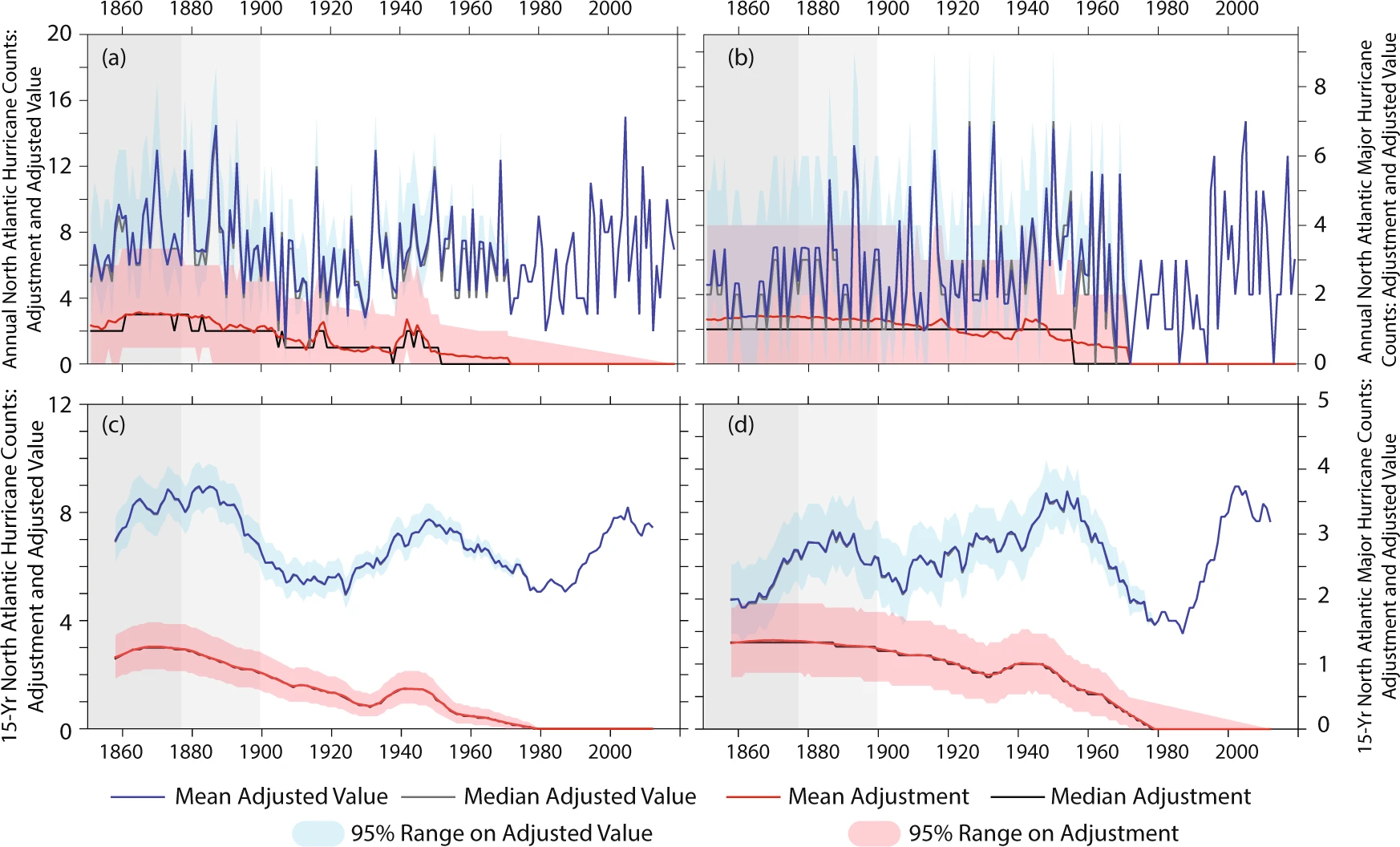
Once the adjustment is added to the recorded number of Atlantic HUs and MHs, substantial year-to-year and decade-to-decade variability is still present in the data, with the late-19th, mid-20th and early-21st centuries showing relative maxima, and the early 20th and late 20th centuries showing local minima (Fig. 2). However, after adjustment, the recent epoch (1995–2019) does not stand out as unprecedented in either basin-wide HU or MH frequency. There have been notable years since 2000 in terms of basin-wide HU frequency, but we cannot exclude at the 95% level that the most active years in terms of NA basin-wide HU or MH frequency occurred in either the 19th century or mid-20th century (blue lines and shading in Fig. 2a, b). Further, we cannot exclude that the most active epoch for NA HU frequency was in the late-19th century, with the mid-20th century comparable to the early-21st in terms of basin-wide HU frequency. The 19th century maximum in activity is more pronounced in overall frequency than in MH frequency, while the late-20th century multi-decadal temporary dip in MH frequency stands out relative to that in the early-20th century.

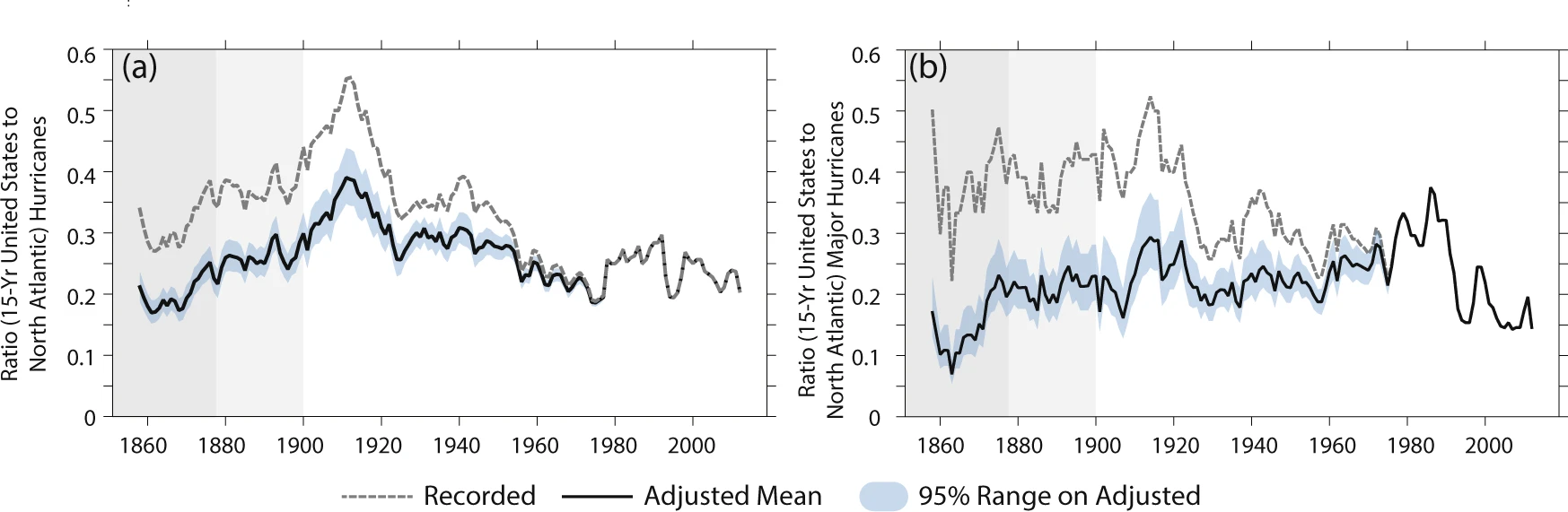
Ratio of the 15-year running count of United States of America (USA) strikes and 15-year running count of basin-wide frequency for hurricanes (a) and major hurricanes (b). Dotted gray line shows the values based on the recorded version 2 of the North Atlantic Hurricane Database (HURDAT2, ref. 33) frequency, while the thick solid line shows the value based on the HURDAT2 recorded USA strikes and the adjusted basin-wide frequencies; blue shading shows the 95% range on the ratio based on a Bootstrap sampling of the adjustment values. Gray background shading is as in Fig. 1, and highlights times where we have reduced confidence in the basin-wide and USA strike frequency estimates even after adjusting for likely missing storms.

Conclusion

Caution should be taken in connecting recent changes in Atlantic hurricane activity to the century-scale warming of our planet.

The adjusted records presented here provide a century-scale context with which to interpret recent studies indicating a significant recent increase in NA MH/HU ratio over 1980–2017 (ref. 14), or in the fraction of NA tropical storms that rapidly intensified over 1982–2009 (ref. 15). Our results indicate that the recent increase in NA basin-wide MH/HU ratio or MH frequency is not part of a century-scale increase. Rather it is a rebound from a deep local minimum in the 1960s–1980s.

We hypothesize that these recent increases contain a substantial, even dominant, contribution from internal climate variability, and/or late-20th century aerosol increases and subsequent decreases, in addition to any contributions from recent greenhouse gas-induced warming. It has been hypothesized, for example, that aerosol-induced reductions in surface insolation over the tropical Atlantic since between the mid-20th century and the 1980s may have resulted in an inhibition of tropical cyclone activity; the relative contributions of anthropogenic sulfate aerosols, dust, and volcanic aerosols to this signal (each of which would carry distinct implications for future hurricane evolution)—along with the magnitude and impact of aerosol-mediated cloud changes—remain a vigorous topic of scientific inquiry. It has also been suggested that multi-decadal climate variations connected to changes in meridional ocean overturning may have resulted in a minimum in northward heat transport in the Atlantic and a resulting reduction in Atlantic hurricane activity.

Given the uncertainties that presently exist in understanding multi-decadal climate variability, the climate response to aerosols and impact of greenhouse gas warming on NA TC activity, care must be exercised in not over-interpreting the implications of, and causes behind, these recent NA MH increases. Disentangling the relative impact of multiple climate drivers on NA MH activity is crucial to building a more confident assessment of the likely course of future HU activity in a world where the effects of greenhouse gas changes are expected to become increasingly important.


Footnote:

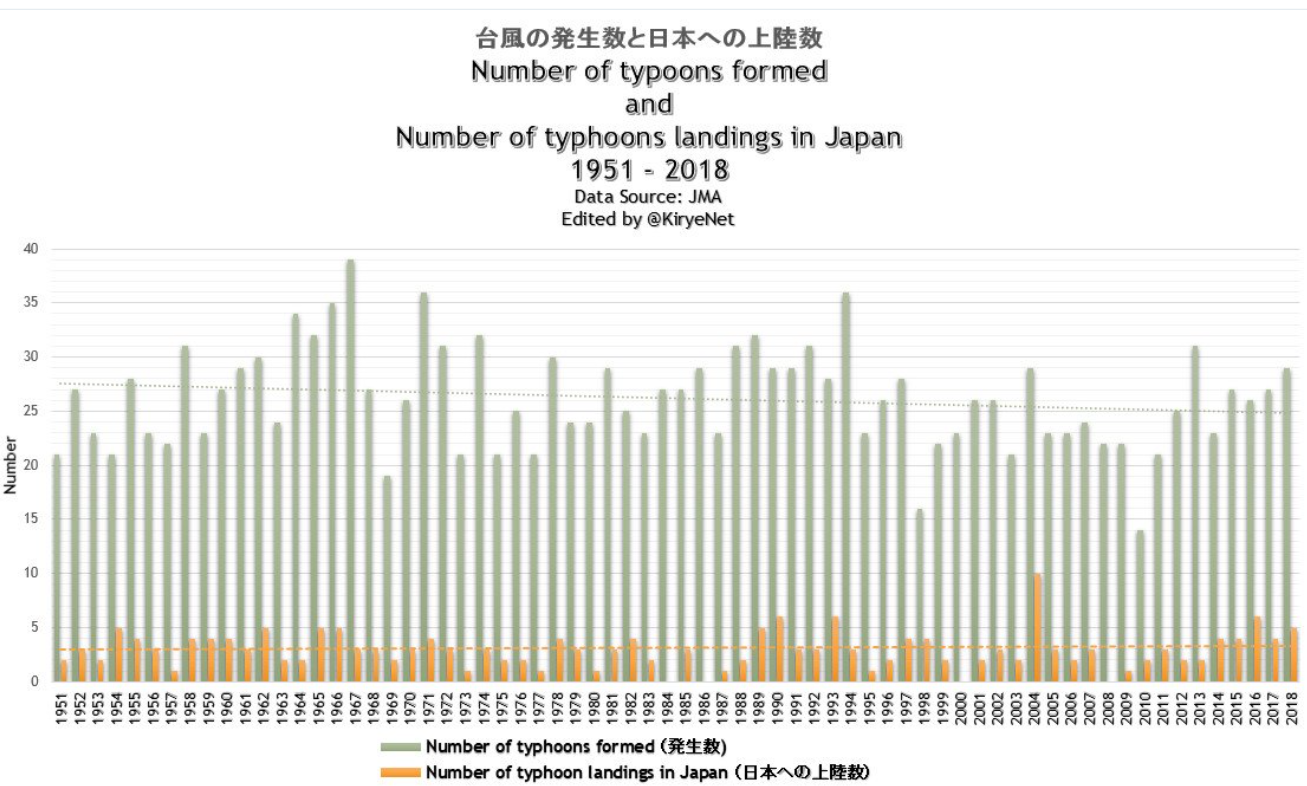
Pacific hurricanes (typhoons) also show no increase with global warming


Italian Climate Conference Cancelled Lest Skeptics be Heard

As reported by Robert Wade at Climate Etc.. Cancel culture in climate change a major scientific conference was cancelled because one of 14 papers to be presented was critical of global warming theory.  As Wade stated:

A microcosm on the ‘morality’ of cancel culture: the aborted conference on ‘Global Warming: Mitigation Strategies’, hosted by the Italian scientific academy the Lincei.

Naturally it seems the skeptical paper is nowhere to be found, but the same authors wrote in 2019 to the political leaders of Italy with their concerns, likely a synopsis of their findings.  The text in English comes from an article Top Italian Scientists Debunk “Man-made Global Warming” at Friends of Science.  Here is what alarmists found so offensive. Excerpts in italics with my bolds.

PETITION ON ‘MAN-MADE GLOBAL WARMING’
To Your Excellences:

President of the Republic

President of the Senate

President of the Chamber of Deputies

President of the Council

PETITION ON ‘MAN-MADE GLOBAL WARMING’

We the undersigned, citizens and scientists, warmly invite our political leaders to adopt environmental protection policies consistent with scientific knowledge. It is particularly urgent to combat pollution where it occurs as indicated by the best available science. In this regard, it is deplorable to see delay in reducing anthropogenic pollutant emissions in both land and sea using the rich knowledge made available by the world of research.

However, we must become aware that carbon dioxide itself is not a pollutant. On the contrary, it is indispensable for life on our planet.

In recent decades, the thesis has spread that the heating of the Earth’s surface of around 0.9° C observed from 1850 onwards would be anomalous and caused exclusively by human activities, particularly by CO2 emissions from the use of fossil fuels in the atmosphere. This is the anthropic global warming thesis promoted by the United Nation’s Intergovernmental Panel on Climate Change (IPCC). They claim it will produce environmental changes so serious as to cause enormous damages in an imminent future unless drastic and expensive mitigation measures are not immediately adopted. In this regard, many nations around the world have joined programs to reduce carbon dioxide emissions and are also pressed by a relentless propaganda to adopt increasingly demanding programs whose implementation place heavy burdens on the economies of individual member states.

They claim that climate control, and therefore the “salvation” of the planet,
would depend on it

However, the anthropic origin of global warming is an unproven hypothesis deduced only from some climate models, that is, from complex computer programs called General Circulation Models.

On the contrary, the scientific literature has increasingly highlighted the existence of a natural climatic variability that such models are unable to reproduce. This natural variability explains a substantial part of the global warming observed since 1850. Therefore, the anthropic responsibility for climate change observed in the last century is unjustifiably exaggerated and the corresponding catastrophic predictions are unrealistic.

The climate is the most complex system on our planet and so needs to be addressed with methods that are adequate and consistent with its level of complexity. Climate simulation models do not reproduce the observed natural variability of the climate, and in particular, do not reconstruct the warm periods of the last 10,000 years. These periods were repeated about every thousand years and include the well-known Medieval Warm Period, the Roman Hot Period, and generally warm periods during the Holocene Optimal. These past periods were also warmer than the present period despite their CO2 concentration being lower than the current one while related to the millennial cycles of solar activity. The models do not reproduce these effects.

It should be remembered that the heating observed since 1900 actually started in the 1700s, i.e., at the minimum of the Little Ice Age, the coldest period of the last 10,000 years (corresponding to the millennial minimum of solar activity, which astrophysicists call Maunder Minimal Solar). Since then, solar activity, following its millennial cycle has increased by heating the earth’s surface. Furthermore, the models fail to reproduce the known climatic oscillations of about 60 years. These were responsible, for example, for a warming period (1850-1880) followed by a cooling period (1880-1910), a heating (1910-40), a cooling (1940-70) and a new warming period (1970-2000) similar to that observed 60 years earlier. The following years (2000-2019) did not see the increase, predicted by the models, of about 0.2° C per decade, but a substantial climatic stability sporadically interrupted by the rapid natural oscillations of the equatorial Pacific Ocean, known as the El Nino Southern Oscillations, like the one that led to temporary warming between 2015 and 2016.

The media also claim that extreme events such as hurricanes and cyclones have increased at an alarming rate. Instead, like many climate systems, these events have been modulated since the aforementioned 60-year cycle. For example, if we consider the official data from 1880 on tropical Atlantic cyclones that hit North America, they appear to have a strong 60-year oscillation correlated with the Atlantic Ocean’s thermal oscillation called Atlantic Multidecadal Oscillation. The peaks observed per decade are compatible with each other in the years 1880-90, 1940-50 and 1995-2005. From 2005 to 2015, the number of cyclones decreased precisely following the aforementioned cycle. Thus, in the period 1880-2015, there is no correlation between the number of cyclones (which oscillates) and CO2 (which increases monotonically).

The climate system is not yet sufficiently understood. Although it is true that CO2 is a greenhouse gas, according to the same IPCC, the climate’s sensitivity to a CO2 increase in the atmosphere is still extremely uncertain. It is estimated that a doubling of the concentration of atmospheric CO2 from the roughly pre-industrial 300 ppm to 600 ppm can raise the average temperature of the planet from a minimum of 1° C to a maximum of 5° C. This uncertainty is enormous. In any case, many recent studies based on experimental data estimate that climate sensitivity to CO2 is considerably lower than estimated by IPCC models.

Now then, it is scientifically unrealistic to attribute to humans the responsibility for the warming observed from the past century to today. Therefore, the alarmist forecasts are not credible because they are based on models whose results contradict the experimental data. All the evidence suggests that these models overestimate the anthropic contribution and underestimate the natural climatic variability, especially the one induced by the sun, moon, and ocean oscillations.

Finally, the media spread the message that there would be an almost unanimous agreement among scientists with regard to the anthropic cause of the current climate change, and that therefore the scientific debate on this point is closed. However, first of all, we must understand that the scientific method dictates that it is facts, rather than the number of adherents, that turn a conjecture into a consolidated scientific theory.

At any rate, the alleged consensus does not exist. In fact, there is a remarkable variability of opinions among specialists – climatologists, meteorologists, geologists, geophysicists, astrophysicists – many of whom recognize that an important natural contribution to global warming was observed from the pre-industrial period and even from the post-war period to this day. There have also been petitions signed by thousands of scientists who have expressed dissent with the conjecture on anthropic global warming. These include the one promoted in 2007 by the physicist F. Seitz, former president of the American National Academy of Sciences, and the one promoted by the Non-governmental International Panel on Climate Change (NIPCC) whose 2009 report concludes that, “Nature, not human activity, rules the climate.”

In conclusion, given the crucial importance of fossil fuels for the energy supply of humanity, we suggest that we do not adhere to policies of uncritical reduction of carbon dioxide emissions into the atmosphere on the illusory pretense of governing the climate.

Rome, June 17, 2019

PROMOTING COMMITTEE

1. Uberto Crescenti, Professor Emeritus of Applied Geology, University G. D’Annunzio, Chieti-Pescara, former Dean and President of the Italian Geological Society.

2. Giuliano Panza, Professor of Seismology, University di Trieste, Accademia dei Lincei and Accademia dei XL (Italy’s National Academy of Sciences), 2018 International Award from the American Geophysical Union.

3. Alberto Prestininzi, Professor of Applied Geology, University La Sapienza, Roma, former Scientific Editor in Chiefof IJEGE international journal and Director of the Italy’s Research Center for Prediction and Control of Geological Risks.

4. Franco Prodi, Professor of Atmospheric Physics, University of Ferrara.

5. Franco Battaglia, Professor of Physical Chemistry, University of Modena; Galileo Movement 2001.

6. Mario Giaccio, Professor of Technology and Economy of Energy Sources, University G. D’Annunzio, Chieti-Pescara, former President of the Department of Economics.

7. Enrico Miccadei, Professor of Physical Geography and Geomorphology, University G. D’Annunzio, Chieti-Pescara

8. Nicola Scafetta, Professor of Atmospheric Physics and Oceanography, University Federico II, Napoli.

[The eight scientists above were joined by an additional 84 signatories to the petition.Their names are included in the linked friends of science article.]


Biden Preaches Climatism

Spencer Brown reports at TownHall Biden Declares Climate Change a Pressing Issue After 48 Years in Government.  Excerpts in italics with my bolds.

Flanked by New York Governor Kathy Hochul (D), Senate Majority Leader Chuck Schumer (D-NY), Senator Kirsten Gillibrand (D-NY), Mayor Bill de Blasio (D), and other local officials, President Biden stood atop Ida’s flotsam to call for radical policies allegedly aimed at addressing climate change.

Beginning with some confusion as to whose congressional district he was in, Biden said “It’s about time we step up” to confront climate change, despite his more than four decades serving in the Senate and White House that apparently failed to accomplish anything meaningful on the climate change front.

“People are beginning to realize this is much much bigger,” he explained of the weather that he says is the result of climate change before he criticized “a whole segment of our population” that he believes is denying climate change. “They don’t understand,” he added. “I think we’ve all seen even the climate skeptics are seeing” that so-called extreme weather is proof of climate change.

“Climate change poses an existential threat,” said Biden, raising his voice. “It’s here, it’s not going to get any better,” he added while insisting “we can stop it from getting worse.” If the Left’s climate agenda isn’t accomplished, Biden threatened, “the storms are gonna get worse and worse and worse.”

For his own record, then-Senator Biden voted against more stringent fuel efficiency standards a handful of times. And Biden’s words Tuesday suggest his time as Vice President in the Obama administration accomplished little to nothing. After all, if American policy could save the planet, wouldn’t eight years of Obama and Biden in the White House — which included negotiating the Paris Climate Agreement — have mitigated damage like that he spent Tuesday surveying?

“We’ve gotta listen to the scientists and economists,” Biden admonished. “They tell us this is code red.”  “The world is in peril,” Biden claimed, insisting “that’s not hyperbole.”

Among Biden’s recommendations to solve the climate change he lamented is to, “by 2020, make sure all of our electricity is zero emissions,” a deadline we passed nine months ago.

“We’re here, we’re not going home until this gets done, we’re not leaving,said Biden shortly before departing to board Air Force One to travel home to the White House.

Earlier during his Tuesday tour of damage from the remnants of Hurricane Ida, Biden was heckled by a local resident who yelled “Resign, you tyrant” as Biden walked nearby.