Inside New Hit Job on Ivermectin Covid Potency

Once again New England Journal of Medicine published a study refuting positive results for Covid patients from Ivermectin.  At least this time, they are not claiming IVM is dangerous to humans, only that it doesn’t help the infected.  Yet that conclusion, welcomed by all invested in big pharma, was the result of data torture.  Similar to previous hit jobs, patients did not get the full treatment protocols so effective around the world, but only Ivermectin without the additional nutrients.  It may even be that the placebo was vitamin C. The many weaknesses of this study are explained by Charles L. Hooper and David R. Henderson in their Cato article Ivermectin and the TOGETHER Trial.  Excerpts in italics with my bolds.

In our recent Regulation article “Ivermectin and Statistical Significance” (Spring 2022), we looked at the empirical evidence and debate over whether the antiparasitic drug ivermectin helps prevent or treat COVID-19 infection. As indicated by the title, much of our article was devoted to the long‐​running issue of the use and misuse of a defined statistical threshold researchers employ to determine if results for the treatment group are genuinely different from results for the control group. We also discussed the incentives that both the pharmaceutical giant Merck (the developer of ivermectin, whose patent has now expired) and the Food and Drug Administration have to dismiss evidence that the drug is effective against COVID-19.

About the time our article appeared, the New England Journal of Medicine (NEJM) published a multi‐​author article on ivermectin’s effects on COVID patients in Brazil. The authors conducted a large‐​scale trial known as TOGETHER that looked at both ivermectin and the antidepressant fluvoxamine as possible treatments, and they concluded that ivermectin is not useful against the disease. According to the article, “Treatment with ivermectin did not result in a lower incidence of medical admission to a hospital due to progression of Covid‐​19 or of prolonged emergency department observation among outpatients with an early diagnosis of Covid‐​19.” Reporting on the article, the New York Times quoted one infectious disease expert who had read the study, Dr. David Boulware of the University of Minnesota, stating, “There’s really no sign of any benefit,” while another, Dr. Paul Sax of Brigham and Women’s Hospital in Boston, said, “At some point it will become a waste of resources to continue studying an unpromising approach.”  Given this negative news, it appeared, ivermectin had reached the end of its COVID road.

However, a careful reading of the NEJM article finds it is not nearly as conclusive and persuasive as the two doctors’ quotes and other media coverage would lead us to believe.

In fact, because the results of the TOGETHER Trial suggest that ivermectin actually did benefit the Brazilians in the treatment group — results that are in agreement with 87% of the other clinical trials that have tested ivermectin — there is still good reason to continue studying the drug as a possible preventative or treatment for COVID-19.

Clinical trials and the truth 

By the very nature of clinical trials, there is only an indirect linkage between their results and the truth. Ideally, a trial uses a relatively small sample to represent a population — say, a thousand people to represent all of humanity — some of whom receive the treatment under investigation while others do not. Investigators then try to determine if the treatment, or “active,” group has a different outcome than the control group,  with the hope that the only difference between the groups is the treatment under investigation and with the further hope that the sample truly is representative of the population.

Running clinical trials on medications is difficult and many things can go wrong. We must scrutinize each trial to see its strengths and weaknesses and then look at the whole body of evidence concerning the possible intervention that is under investigation. Here’s a partial list of factors to consider when evaluating a drug study:

  • Was the correct dose given? If not, was the dose too low or too high?
  • Was the treatment given at the correct time? Was it given too late in the course of the illness to be effective?
  • Was the drug correctly formulated? Was the active ingredient actually active?
  • Were the study participants split properly between active and control groups? Were there material differences between the two?
  • Was something else happening in the background that might have limited the ability of the study to tease out the results of interest?
  • Was the study properly administered or were there errors that could have compromised its integrity?
  • Was the study adequately powered — meaning did it include enough test subjects — to detect the intended result? All studies are powered to a certain level, meaning that even if the drug actually works, there is some probability that the study won’t uncover that efficacy.
  • Were the investigators potentially biased?
  • Did the study truly find a negative result or was it an artifact of how the researchers looked at the data?

With these questions in mind, we offer the following criticisms of the TOGETHER ivermectin trial and resulting report.

Study issues 

Many of the outcomes specified in the TOGETHER trial protocol for ivermectin are missing from the final report. The reason for this, in part, is that several mid‐​trial protocol changes were made. Trial protocols are typically set before a trial begins and are not subsequently changed. Yet, in the case of the TOGETHER ivermectin study, all‐​cause, cardiovascular, and respiratory mortality outcomes were removed, and inclusion/​exclusion criteria were changed from including to excluding vaccinated patients.

Every clinical trial is required to have an independent Data and Safety Monitoring Committee (DSMC). The integrity and independence of the committee are critical. The DSMC for this trial had deep connections to the co‐​principal investigator, McMaster University health science professor Edward Mills, and to a key funder of the study, the Bill & Melinda Gates Foundation. Two other members of the DSMC have also published papers with Mills. In noting this, we do not accuse any of these people of acting unethically, but rather note that they do not appear to be impartial.

The placebo used in the trial was not specified in the NEJM article. An earlier trial announcement said it would be a vitamin C pill. Vitamin C has been studied in 42 clinical trials as a treatment for COVID-19, with some indications of efficacy. Obviously, a potentially efficacious substance is not a good placebo.

Also, this clinical trial was powered at 80%. That means there was a 20% chance of a false negative result even if the trial had been conducted flawlessly.

Background issues 

Ivermectin treatment of parasitic infection is common in Brazil, and researchers needed to take care that trial participants had not recently used the drug. Yet, recent ivermectin use was not a formal exclusionary criterion for the study. The authors say that such patients were excluded via “extensive screening,” but if prior ivermectin use was not part of the official exclusion criteria for the trial (and it wasn’t), then we don’t know how widespread this screening was and what form it took.

Further, ivermectin is widely available in Brazil as an over‐​the‐​counter drug — unlike in most clinical trials, where the drug under study is available only via the trial. Prospective participants who wanted ivermectin because they believed they had COVID could have taken it on their own and thus would have been disinclined to enroll in a trial where they faced a 50% chance of getting a placebo. Further, those who wanted ivermectin likely would have had a serious case of COVID, hence their desire for the drug. Therefore, we can assume that the trial participants skewed toward those who considered themselves at low risk from the illness. This conflicts with the stated goal of the trial, which was to study high‐​risk patients.

Reporting issues 

There are some data inconsistencies in the tables and figures in the NEJM article. In one place, it reports on 288 patients who were studied, but in another it states 228. The article is even inconsistent about the number of patients who died while in the trial.

The subgroup analysis is missing some patient data. For instance, the time since onset of symptoms is missing for 23% of patients. Similar data on patient age are missing. That information is important for good analysis.

The missing data lead to a curious result when the authors compare the outcomes of patients identified as having received early treatment with the outcomes of those identified as having received it later. Both groups did worse than what is shown as the average outcome for treated patients. The only way to explain this result mathematically is if the ivermectin recipients with missing timing data experienced efficacy that was seven times the average — something that is highly unlikely. Many other similar problems are in the analysis.

Trial implementation issues 

The randomization of patients in the trial does not match the protocol. This suggests major problems with the study.

One problem is that the patients in the control and ivermectin treatment groups faced different virus variants because the control group was generally treated earlier in the pandemic than the active group. Based on an analysis over time of the patients on placebo, the case fatality rate may have been twice as high during the period when most ivermectin‐​receiving patients were enrolled — that is, ivermectin recipients faced a more formidable virus.

Another problem: many of the placebo patients were treated when vaccination was an inclusion criterion (patients may or may not have been vaccinated) while many of the ivermectin patients were treated after vaccinations were considered an exclusion criterion (patients were not vaccinated). In other words, there were material differences between the control and active groups other than the administration of ivermectin.

Blinding 

Patients who received a placebo had a treatment duration of one, three, 10, or 14 days, while those who received ivermectin had a treatment duration of three days. This meant that doctors treating patients receiving one, 10, or 14 days of treatment could have figured out that their patients were on a placebo.

Suggesting that did indeed happen, 92% of ivermectin recipients claimed to adhere completely to the dosing regimen, while those on placebo had only 34% or 42% adherence (the NEJM article shows inconsistent numbers). This suggests the clinical trial wasn’t properly blinded.

Treatment timing

Other studies strongly suggest that ivermectin works better when administered early in an infection. The TOGETHER study allowed for and apparently included many patients treated late in their infection. Patients were randomized within seven days but didn’t receive treatment until the next day, meaning that some patients received treatment eight days after symptom onset. Eight days is a very long period for COVID-19. The results of other trials show that the effect of ivermectin drops to about zero at eight days.

Treatment dose

In the TOGETHER trial, ivermectin was administered to patients on an empty stomach, reducing the absorption rate of the drug. That makes the effective dose about 15% to 40% of what current clinical practice suggests. Further, as previously noted, treatment was limited to three days. In addition, the dose of 0.4 milligrams per kilogram of bodyweight was capped for patients weighing more than 90 kg (200 lbs.), meaning that heavier patients got an even lower dose relative to body weight. Half of all patients in the study had a body mass index of 30 or more, suggesting that 30%–50% of patients had their dose capped.

Divergence of data results and study conclusions

If a scientist told you that a study showed that ivermectin “did not result in a lower incidence of medical admission to a hospital due to progression of Covid‐​19 or of prolonged emergency department observation,” you would expect that result to show up in the data analysis. Yet, the TOGETHER study found that ivermectin was associated with a 12% lower risk of death, a 23% lower risk of mechanical ventilation, a 17% lower risk of hospitalization, and a 10% lower risk of extended ER observation or hospitalization. So what gives?

This underscores the discussion in our earlier article about statistical significance. If the confidence level of the results does not eclipse a stipulated threshold, it is often said that the treatment did not work. However, in this case, the results suggest that the drug did work, but the results weren’t as definitive as the researchers might have wanted.

A more accurate interpretation of the findings would be to say that the drug showed promise and that a larger trial may yield the desired statistical significance.

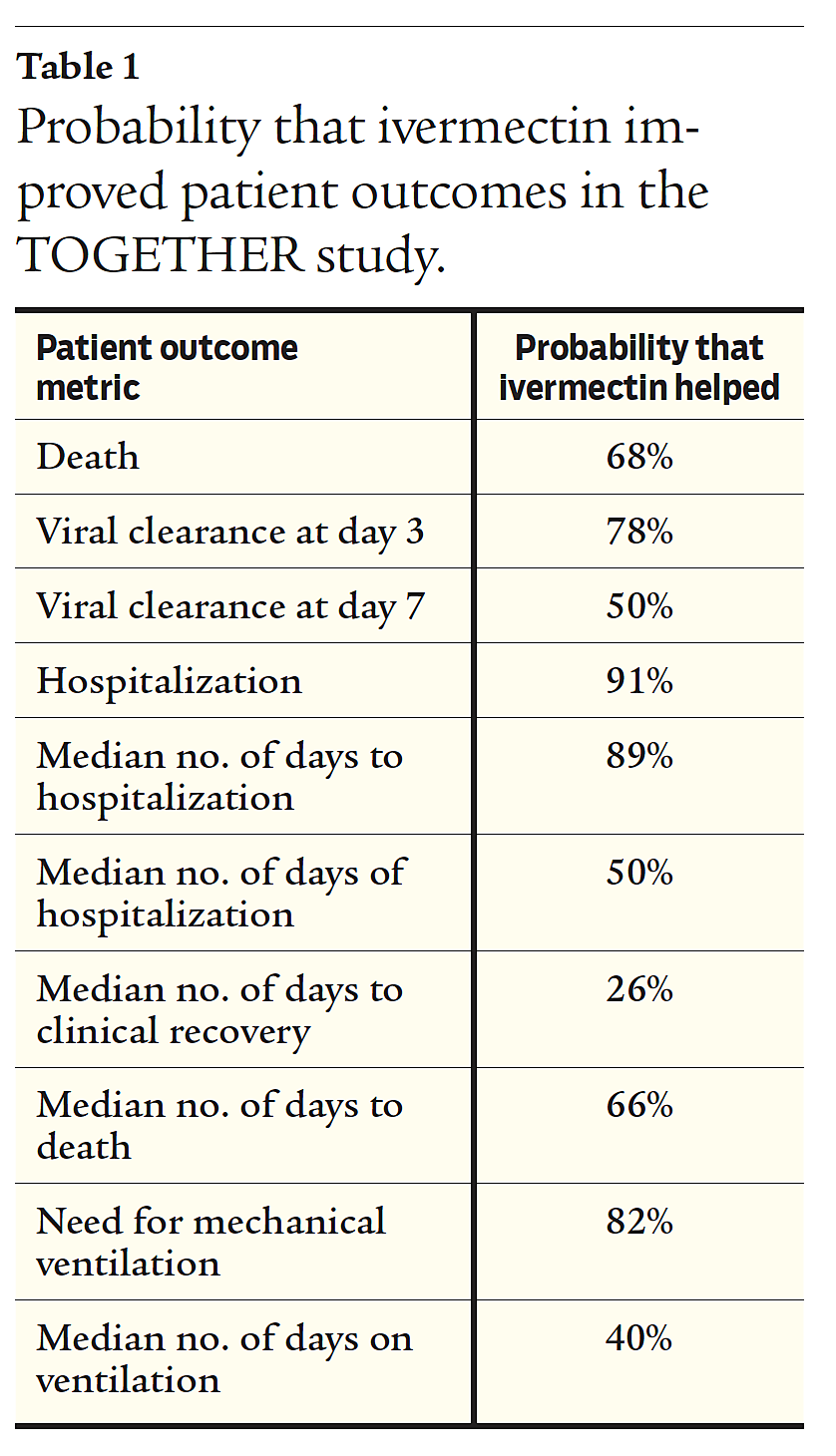
Based on our analysis of the published study results, we have estimated the probability that ivermectin helped patients in the TOGETHER trial. The results are shown in Table 1. To compute these probabilities, we used the point estimates and the 95% Bayesian Credible Intervals from the NEJM article’s Table 3. (To better understand our methodology, see “Metalog Distributions,” by Tom Kreelin, www​.met​a​logdis​tri​b​u​tions​.org.) Based on our results, it is difficult to agree with the conclusion that the TOGETHER trial showed “no sign of any benefit” for ivermectin.
Other studies

When one study produces weakly positive results, we should look at other studies to see if there is any consensus. After all, the TOGETHER trial studied 1,358 patients; that is only about 1% of the patients studied in all trials of ivermectin for COVID-19. When we look at the 81 other trials that have been completed, we see a range of results across studies, but generally the results are positive. In addition, because so many trials have been run, their combined data indicate that the results for ivermectin are positive and strongly statistically significant. Removing the few studies that have been heavily criticized does not change this encouraging picture. In the worst case, 54 of the 82 clinical trials would need to be removed to avoid finding statistically significant efficacy.

Of course, neither the TOGETHER trial nor the other studies are the final, definitive word on ivermectin’s effects on COVID-19, either as a treatment or a preventative. Research goes on, as it should in the fight against this dangerous virus.

Footnote:  Fresh Evidence from Brazil that Ivermectin Works

From Your News New Ivermectin Study Demonstrates 92 Percent Reduction in COVID-19 Mortality Rate.  Excerpts in italics with my bolds.

A new peer-reviewed study concluded that the mortality rate in people who used ivermectin regularly was 92 percent lower than in non-users and 84 percent lower than in irregular users.

Among the authors are Flávio Cadegiani, a board-certified endocrinologist, and Pierre Kory, an outspoken pulmonary and critical care medicine specialist, as well as president and chief medical officer of the Front Line Critical Care Alliance.

The study, published on Aug. 31 in the Cuerus Journal of Medical Science, was conducted via a prospective observational study of a “strictly controlled population” of 88,012 subjects in the Brazilian city of Itajaí.

The individuals that took ivermectin as a preventive medicine prior to COVID infection saw remarkable reductions in hospitalization as well as death, according to the publication.

The citywide program ran through July 7 and Dec. 2 of 2020, and was collected prospectively and systematically.

The method involved giving a smaller dose of ivermectin (proportional to body weight) for 150 days to a group considered the “irregular” group and up to three times or more of that dosage to the “regular” group.

“Comparisons were made between non-users (subjects who did not use ivermectin), and regular and irregular users after multivariate adjustments. The full city database was used to calculate and compare COVID-19 infection and the risk of dying from COVID-19. The COVID-19 database was used and propensity score matching (PSM) was employed for hospitalization and mortality rates,” the study states.

In addition, the study asserts that the hospitalization rate was reduced by 100 percent in the “regular” group.


Energy Inflation Playbook

Rupert Darwall explains the intentional inflation of energy prices world wide in his forward to a Real Energy study by Joseph Toomey Energy Inflation Was by Design.  The title is a link to the pdf.  Darwall’s introduction was published at the Federalist entitled Energy Inflation Isn’t An Accident, It’s A Planned Demolition.  Excerpts in italics with my bolds and added images.

Our current energy crisis was self-inflicted, a foreseeable outcome
of policy choices made by the West, and it’s getting worse
.

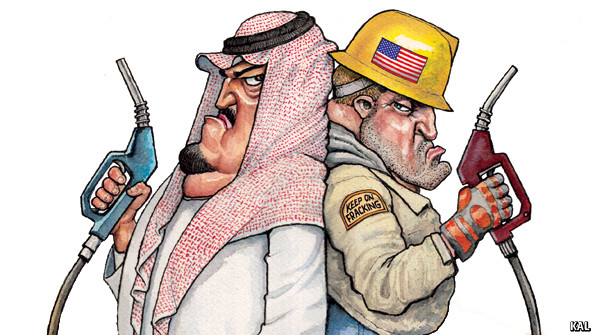
The West is experiencing its third energy crisis. The first, in 1973, was caused by the near-quintupling of the price of crude oil by Gulf oil producers in response to America’s support for Israel in the Yom Kippur war. Their action brought an end to what the French call the trente glorieuses — the unprecedented post–World War II economic expansion.

The second occurred at the end of the 1970s, when Iran’s Islamic revolution led to a more than doubling of oil prices. This again inflicted great economic hardship, but the policy response was far better. Inflation was purged at the cost of deep recession. Energy markets were permitted to function. High oil prices induced substitution effects, particularly in the power sector, and stimulated increased supply.

In the space of nine months, the oil price cratered from $30 a barrel in November 1985 to $10 a barrel in July 1986. It’s no wonder that the economic expansion that started under Ronald Reagan had such long legs.

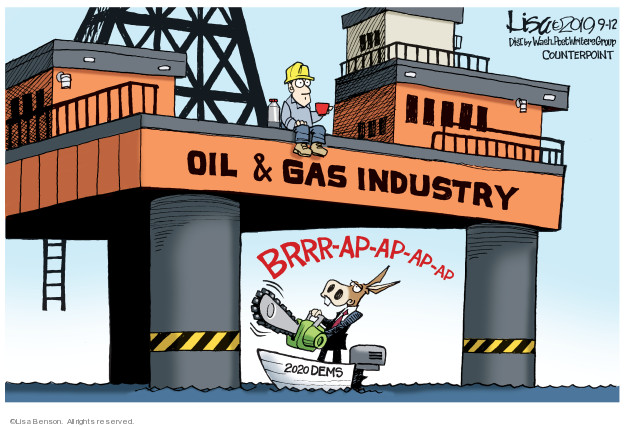
This time is different. The third energy crisis was not sparked by Saudi Arabia and its Gulf allies or by Iranian ayatollahs. It was self-inflicted, a foreseeable outcome of policy choices made by the West: Germany’s disastrous Energiewende that empowered Vladimir Putin to launch an energy war against Europe; Britain’s self-regarding and self-destructive policy of “powering past coal” and its decision to ban fracking; and, as Joseph Toomey shows in a recent powerful essay, President Biden’s war on the American oil and gas industry.

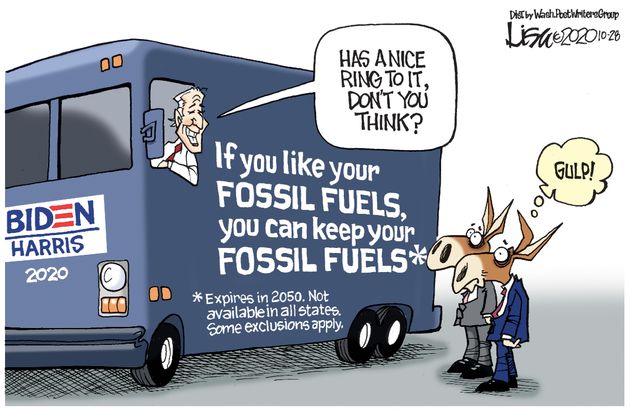
Hostilities were declared during Joe Biden’s campaign for the Democratic presidential nomination. “I guarantee you. We’re going to end fossil fuel,” candidate Biden told a climate activist in September 2019, words that the White House surely hopes get lost down a memory hole. Toomey’s paper has all the receipts, so there’s no danger of that.

As he observes, Biden’s position in 2022 resembles Barack Obama’s in 2012, when rising gas prices threatened to sink his reelection. Obama responded with a ruthlessness that his erstwhile running mate lacks. He simply stopped talking about climate and switched to an all-of-the-above energy policy, shamelessly claiming credit for the fracking revolution that his own Environmental Protection Agency (EPA) tried to strangle at birth.

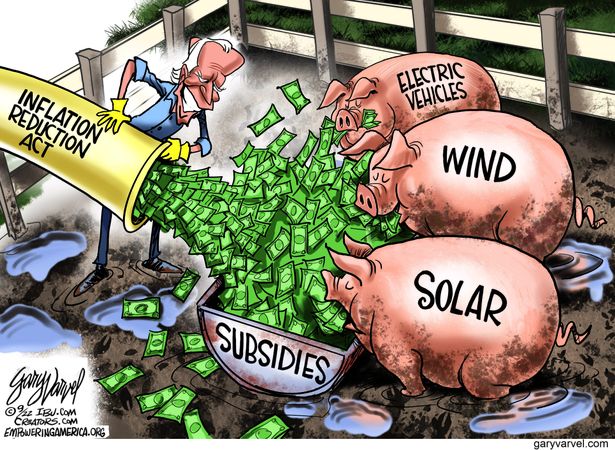
Passage of the comically mistitled Inflation Reduction Act places this option beyond Biden’s reach, even if he were so inclined. Democrats are hardly going to take a vow of climate omertà when they’ve achieved a political triumph of pushing through Congress what they regard as the most significant climate legislation to date.

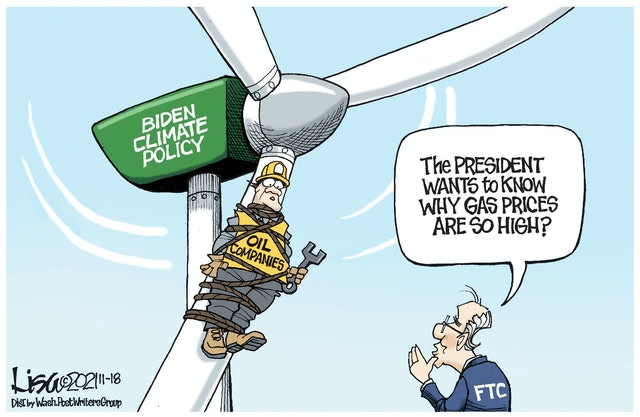
Although the price of oil has slipped back from recent highs, the factors behind high gasoline prices remain in place. Foremost among these is the steep decline in U.S. oil refinery capacity triggered when Covid lockdowns crushed demand but continued after the economy reopened. There has never been such a large fall in operable refinery capacity. Moreover, Gulf Coast refineries were operating at 97 percent of their operating capacity in June 2022. As Toomey remarks, “There isn’t any more blood to be squeezed out of this turnip.”

Toomey identifies five factors driving this decline in refinery capacity.

EPA biofuel blending mandates impose crippling costs on smaller refineries. 

When conventional refineries are converted to processing biofuels, up to 90 percent of their capacity is lost. Biofuel mandates cost consumers far more than federal excise taxes. Toomey demonstrates that the Biden administration’s claim that biofuel mandates protect consumers from oil-price volatility is totally false; biofuel prices, he writes, “are essentially indexed to the price of crude oil.”

Biden could order the reversal of the EPA’s retroactive biofuel threshold rules. That he has not done so demonstrates that the administration isn’t serious about making energy affordable again. High prices for fossil fuel energy are an intended part of the plan.

Corporate and Wall Street ESG policies are another factor driving refinery closures.

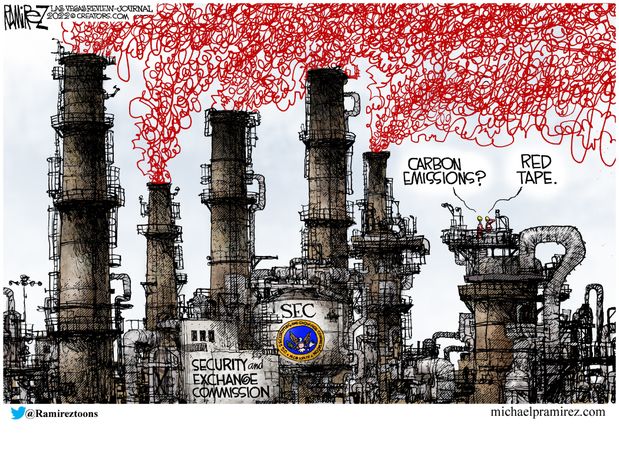
Especially facilities owned by European oil companies have to meet punishing decarbonization targets that will effectively end up sunsetting them as oil companies. If finalized as proposed, the Securities and Exchange Commission’s proposed climate disclosure rules, with the strong support of the Biden administration, will heighten the vulnerability of U.S. oil and gas companies to climate activists and woke investors to force them to progressively divest their carbon-intensive activities, such as refining crude oil, and eventually out of the oil and gas sector altogether.

Aggressive federal policies aimed at phasing out gasoline-powered vehicles.

To these should be added aggressive federal policies aimed at phasing out gasoline-powered vehicles in favor of electric vehicles (EVs); an administration staffed from top to bottom by militants who believe that climate is the only thing that matters in politics; and an increasingly hostile political climate (“You know the deal,” Biden said of oil executives when campaigning for the presidency. “When they don’t deliver, put them in jail”).

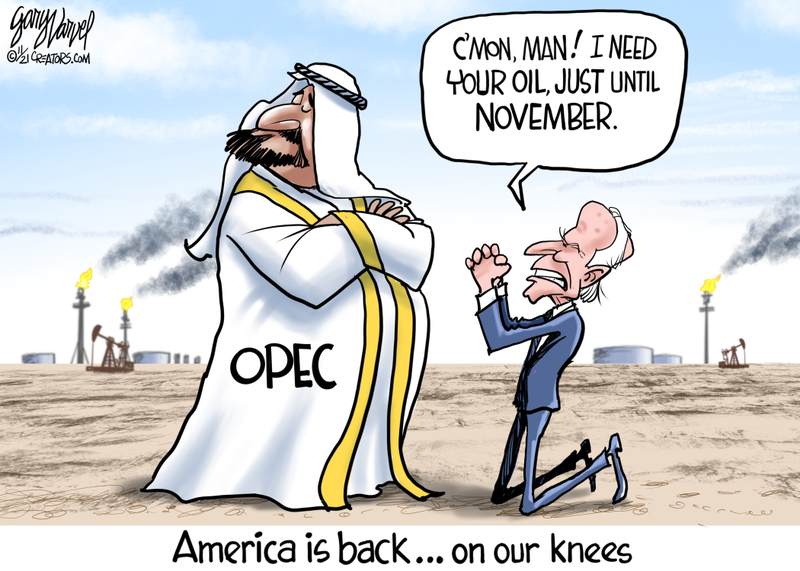
These policies, argues Toomey, will see China become the world’s leading oil refiner for years to come. Will Biden find himself asking China for supplies of refined gasoline? He might well find himself being saved from such an unfortunate position, made more so by Speaker Nancy Pelosi’s recent trip to Taiwan, by help from the other side of the southern border.

Mexico is constructing a $12 billion refinery, due to start producing gasoline next year. Perhaps President Biden’s next foreign trip should be to Mexico City.


Biden Feds Kneecapped Oil and Gas

Report from Just the News After Trump energy ‘renaissance,’ Biden ‘kneecapped’ oil and gas producers: industry spokesman.  Excerpts in italics with my bolds and added images

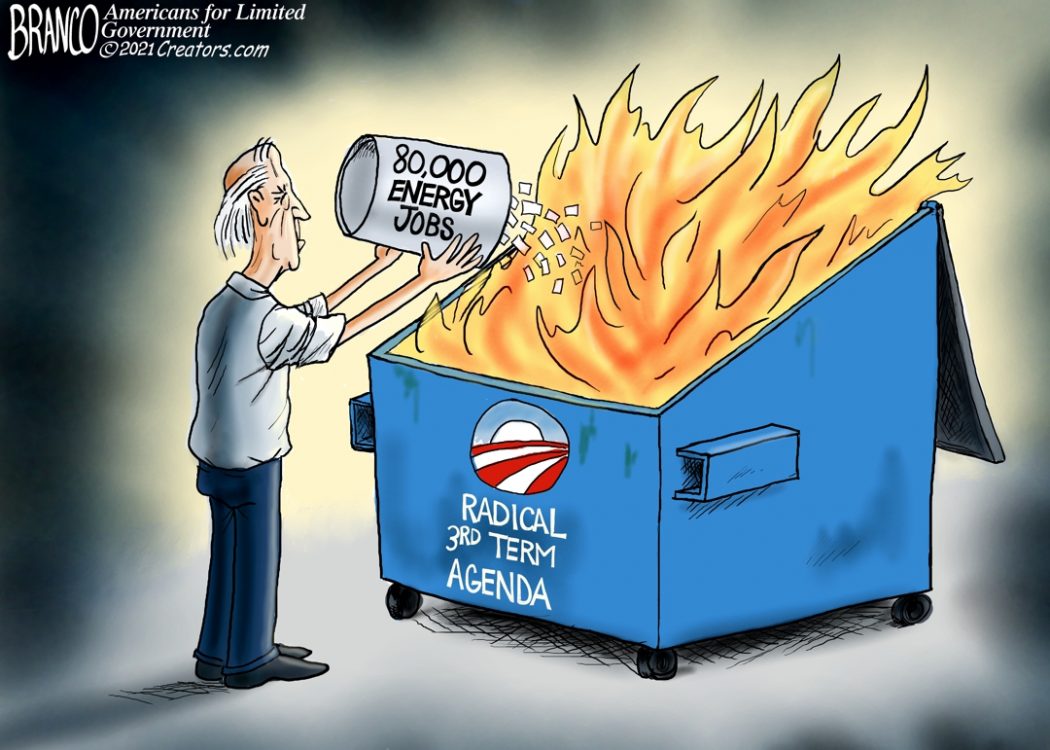
The president of the U.S. Oil and Gas Association contrasted “the greatest energy renaissance in our history” under Trump with “regulatory assault and the attempt to defund us and to debank us on Wall Street” by the Biden administration.

The U.S. oil and gas industry quickly went from a “renaissance” under former President Donald Trump to a new dark age under a Biden administration hostile to traditional energy sources, the head of the industry’s trade association said Friday.

“President Trump, to his credit, presided over the greatest energy renaissance in our history,” Tim Stewart, president of the Oil and Gas Association, said on the the “Just the News, No Noise” TV show. “Right before the pandemic, we were producing 13 million barrels [of oil] a day. For all intents and purposes … we were a net exporter of energy.”

Amid buoyant expectations of increasing U.S. production to 15 million barrels per day, the industry was suddenly rocked by consecutive shocks: the pandemic, followed by the Biden administration war on fossil fuels.

“We came out of COVID right into the Biden administration, which then kneecapped us,” Stewart recounted. “Between their regulatory assault and the attempt to defund us and to debank us on Wall Street, we’re still a million or million and a half barrels behind where we were. And we’re 3 million barrels behind where we could be. And that’s really unfortunate. And that’s unfortunate for our European allies in particular.”

Now, even some Democrats are recognizing the administration has taken its crusade against oil and gas too far, too fast, says Stewart.

“I’ve had some interesting conversations with members of Congress just in the last two weeks, of both the Senate and the House and Republicans and Democrats,” he said. “And there are Democrats who are starting to say, ‘Maybe we went a little too far.’ It’s a year too late. But we welcome that.”

Stewart was asked if the Oil and Gas Association would ever get a call seeking advice from the Biden administration.  “I don’t know if we ever will hear from them to be honest with you,” Stewart answered.

“The number of people who are political appointees in the administration who came out of our industry or who really understand it, you can literally count on one hand.”

See also Wake Up and Smell the Fossil Fuel Insanity


Climatism the Real Threat to Democracy

Philip Cross writes at Financial Post Canada The real threat to democracy.  Excerpts in italics with my bolds

Having failed at the ballot box, millennial climate activists will
pursue any means to impose their will on society

There are a number of important outcomes from Monday’s election in Quebec. Two of the most important are the eclipse of Quebec’s traditional political parties by new ones, including the Conservative Party of Quebec, and the growing gap between voters in Montreal and the rest of Quebec.  But the feature I want to emphasize is the failure of the radical Québec Solidaire (QS) party to significantly expand its base. 

Québec Solidaire based its campaign on the environment. It emphasized the existential threat of climate change that teenage activist Greta Thunberg trumpeted at a much-publicized 2019 rally in Montreal where she made the empty boast, “We are changing the world.” QS co-leader Gabriel Nadeau-Dubois called this election “the last chance” to stop climate change, as if Quebec’s actions could have any significant impact on global emissions.

The failure of Québec Solidaire to mobilize more support shows that even Quebec’s supposedly progressive electorate does not support the wholesale reshaping of our society and economy to combat climate change. The Green Party similarly failed to make the case for environmental supremacy at the federal level, seeing its share of the vote halved in the 2021 election from its already low level of six per cent.

Unfortunately, the failure of parties focused on the environment and climate change to win at the ballot box does not deter activists from looking for other means to impose their views on society. The mainstream media portrays the authoritarianism of populist movements such as Donald Trump’s as the greatest threat to democracy today. But this ignores how environmental groups resort to government regulations and lawsuits to circumvent the popular will and achieve their own goals.

Having failed to make their case in the political arena, environmentalists increasingly are asking the courts to impose restrictions that voters have not supported. In a current case (Mathur v Ontario) six teenagers are asking the Ontario Superior Court to agree that climate change is violating their rights and order the government to implement measures to limit greenhouse gas emissions — even though Ontario only accounts for 0.3 per cent of global emissions. The Supreme Court of Canada recently refused even to hear a similar class action lawsuit from another group of young people.

It is unfathomable that courts would agree to usurp government authority and dictate energy consumption, which is the basis of our civilisation and our economy. Yet not one peep has been heard from the media about the anti-democratic nature of this initiative. Instead, Environment and Climate Change Minister Steven Guilbeault lauded the youths involved in the Supreme Court lawsuit for their “passion” instead of criticizing their attempt to circumvent the democratic process and subjugate Parliament’s will to the courts.

In her book Paradoxes of Prosperity, University of Cambridge economics professor Diane Coyle notes a fundamental difference between the protest movements of the 1960s and those of today’s millennials. Dissidents in the 1960s were fundamentally anti-authoritarian and libertarian, looking for ways to increase personal freedom and individual choice. Millennial movements, by contrast, especially among environmentalists, have a prescriptive agenda they want to impose on others. Columbia University historian Kim Phillips-Fein observed in her book, Invisible Hands, that environmentalists have long been “hostile to the very institutional framework of a free society.” Young people are especially likely to attach diminished importance to democracy: in a 2017 poll only a third of American youths agreed it is important to live in a democracy while 18 per cent said they would welcome a military dictatorship.

Political parties with radical and draconian environmental goals have clearly failed to win significant support from the electorate. What is different and worrisome for the future of democracy is the growing willingness of millennial social movements to impose their narrow agenda on the public by any other means available. The real threat to democracy today is, not the populist right-wing movements that preoccupy mainstream media, but the attempt of frustrated environmentalists to circumvent elections.


Fed Govt./Big Tech Censorship Lawsuit: 47 New Biden People Added

Zachary Stieber writes at Epoch Times 47 New Biden Administration Defendants Named in Government–Big Tech Censorship Lawsuit.  Excerpts in italic with my bolds.

Nearly 50 new government defendants have been added to the lawsuit that alleges the government induced censorship of state officials and others on social media.

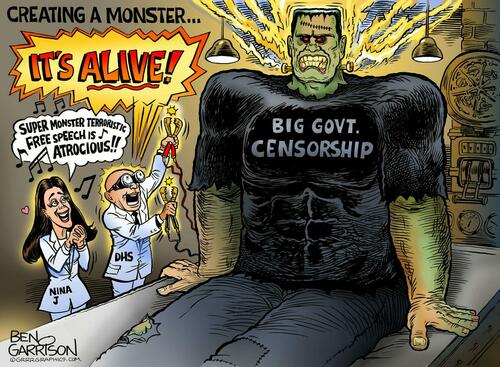
The second amended complaint in the case, Missouri v. Biden, includes six new agencies, bringing the total to 13, and 41 new individual defendants, bringing the total to 54.

Altogether, 67 officials or agencies are accused of violating plaintiffs’ First Amendment rights by participating in a “censorship enterprise” through pressuring Big Tech firms like Facebook, Google, and Twitter to take action against users offering alleged misinformation.

Evidence backing the claims has been produced in discovery, including exchanges between White House officials and Meta, Facebook’s parent company and messages showing meetings between administration officials and the firms.

The new defendants include the FBI; former White House senior COVID-19 adviser Andrew Slavitt; Dana Remus, counsel to President Joe Biden; Elvis Chan, an FBI special agent based in San Francisco; Janell Muhammed, deputy digital director at the Department of Health and Human Services; Allison Snell, an official at the Cybersecurity and Infrastructure Security Agency; the Food and Drug Administration (FDA); the State Department; and Mark Robbins, interim executive director of the U.S. Election Assistance Commission.

One or more of the Big Tech firms that were subpoenaed in the case identified the officials as possibly communicating with them on content moderation relating to “COVID-19 misinformation,” the New York Post’s story about Hunter Biden’s laptop, the administration’s since-disbanded Disinformation Governance Board, and/or “election security, integrity, outcomes, and/or public confidence in election outcomes (not to include issues of foreign interference or related issues).”

Slavitt was named because emails show he was in communication with Facebook regarding the combating of alleged misinformation. The messages show that Facebook was committed to censoring and de-emphasizing posts that were “departing from the government’s messaging on vaccines,” plaintiffs said. Slavitt also called for Twitter to ban Alex Berenson, an independent journalist, previously released messages show.

Muhammed, meanwhile, was in touch with Facebook to ask the company to take down pages and accounts that were allegedly misrepresenting themselves as representing the government. “Absolutely,” one of the Facebook employees responded.

Other discovery suggests the FDA “has participated in federally-induced censorship of private speech on social media about questions of vaccine safety and efficacy, among other subjects,” plaintiffs said.

The agencies that were added to the case did not respond to requests for comment.

U.S. District Judge Terry Doughty, a Trump appointee overseeing the case, recently ordered defendants named in earlier complaints to comply with demands, including Dr. Anthony Fauci, a top medical adviser to Biden. The new documents do not include any more information from Fauci or the White House press secretary’s office.

Footnote: 

From Your news: Biden Admin Showered Millions On Government’s ‘Misinformation’ Czars After 2020 Election

The four groups in question – Stanford Internet Observatory (SIO), the University of Washington’s Center for an Informed Public, the Atlantic Council’s Digital Forensic Research Lab, and social media analytics firm Graphika – comprise the “Election Integrity Partnership,” which exists as a ‘concierge-like’ service for federal agencies such as Homeland’s Cybersecurity Infrastructure Security Agency (CISA) and State’s Global Engagement Center to flag online content for censorship or monitoring by Big Tech using a “ticket” system.

Unsurprisingly, the head of Stanford’s Internet Observatory is a Clinton donor who previously served as Facebook’s Head of Security – while the University of Washington’s Center for an Informed Public is largely funded by the Knight Foundation, whose board exclusively contributes to Democrat or Neocon entities. 

Meanwhile, the Biden administration empowered three liberal groups to file tickets seeking censorship; the Democratic National Committee, Common Cause and the NAACP.


Climate Imperialism

Kelli Buzzard writes Climate Imperialism at American Mind to explain how climatist overlords are oppressing the lives of ordinary people who live in places like the nation of Hungary.  Excerpts in italics with my bolds and added images.

E.U. energy mandates impose needless suffering in the name of elite fantasy.

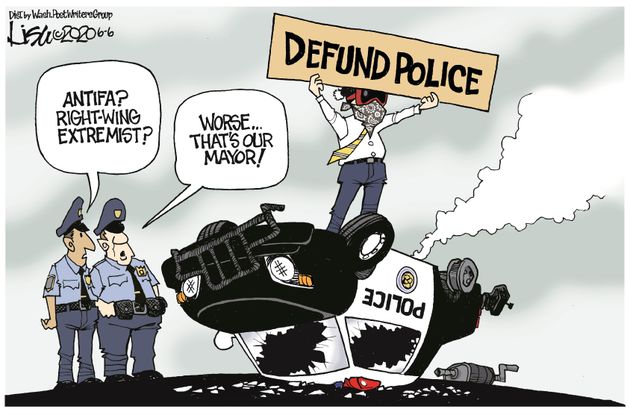
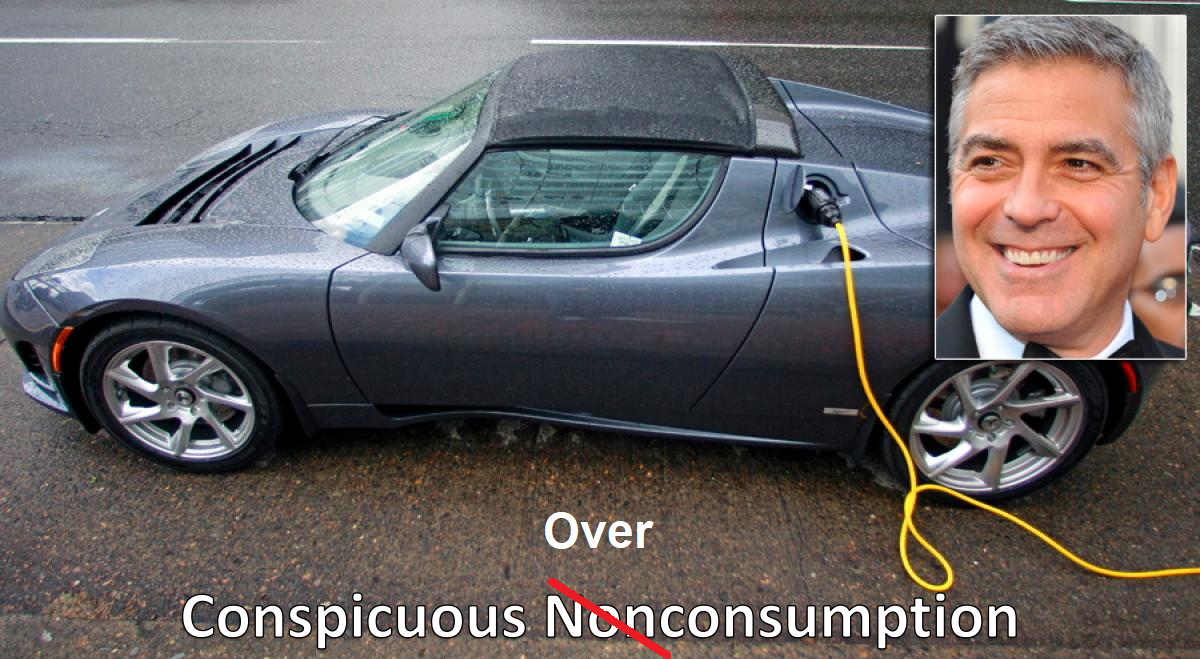
The American intellectual Rob Henderson coined the term “luxury beliefs” to describe the status-conferring ideas and opinions of wealthy elites. Examples of these beliefs include “defund the police,” “dismantle the patriarchy,” and “net zero carbon now.”

Luxury beliefs have the attractive quality that those most likely to promote them rarely face their consequences. For example, the “defund the police” crowd tends not to live in crime-ridden inner-city neighborhoods that count on the police to maintain order. Statistically, those who rage against the patriarchy and traditional marriage eventually marry but divorce at much lower rates than other Americans.

Nowhere is this trend more clear than in the disastrous realm of climate policy.

Climate activists who call for a ban on fossil fuel consumption and a phase-out of the combustion engine almost always live in metro areas where they don’t need a car. If they drive, they can afford $5-a-gallon gasoline or can buy a $66,000 electric vehicle.

Meanwhile, their luxury beliefs become public policy and hurt the rest of us.

In recent months, for example, the U.S. government passed a climate change bill masquerading as a measure to reduce inflation. In Europe, the E.U. has committed to becoming carbon neutral by 2050. The uber-elite internationalist group, the World Economic Forum, linked arms with the Chinese Communist Party in a bid to “radically transform” the world economy and stave off “climate catastrophe,” which amounts to the “real battle of our time.”

The premises of climate alarmism are almost all entirely untrue. Natural disaster-related deaths have declined, not increased, and plastic waste danger is overblown. While the world’s capacity to produce more food has skyrocketed, climate change has contributed minimally to the world’s wars, and the destruction of rainforests has little to do with changes in the climate.

But the fantasies of climate hysteria prompt hasty, radical action, resulting in developing nations being denied the cheap energy sources they need–coal, wood, dung, fossil fuels—to grow wealth, rise out of abject poverty, and enjoy the option of developing green policies in the future.

Hungary and Cold

The case of Hungary, where I work and write, is not as dire as in impoverished places like rural Asia or Sub-saharan Africa. Nonetheless, the carbon-neutral policies from Brussels, London, and Washington have affected every aspect of Hungarian society.

Hungary is a small, landlocked former Soviet-bloc nation located in the heart of Europe. As a member of the European Union, Hungary must adopt European Green Deal policies, which seek to “decarbonize” the continent by 2050. This has resulted in a push to diversify the nation’s energy supply by building solar farms, embarking on new nuclear energy plant projects, and installing solar panels on government and residential buildings. But green energy sources are not only insufficient to meet the nation’s energy demands. They are also unreliable depending on the weather.

So Hungarians, ever-realistic people, rely on fossil fuel sources in the interim.

More than half of Hungary’s energy comes from imported fossil fuels. Like Germany and other Western European nations, Hungary has gotten most of its natural gas and oil supplies from Russia in the past. But Hungary has long sought to diversify its energy sources. Toward that end, during the Trump Administration, the Hungarian government inked a deal to import natural gas from America through a Croatian port. The agreement was promising, as America was an energy-surplus country and a willing trade partner. The deal fell apart, however; the United States canceled the contract on day one of the Biden Administration.

Hungary has also sought to offset its fossil fuel consumption by adding nuclear power to its mix, thus promoting greater energy security by relying less on Russian oil. The nation currently operates four nuclear power plants and is looking for an international partner to build two more. But, ironically, the only company to offer a bid on the project was Russian nuclear power giant Rosatom.

In the wake of the war in Ukraine, Hungary’s Prime Minister Viktor Orbán is routinely called “Putin’s Puppet” or similar derogations. Central to the name-calling is Prime Minister Orbán’s realism. While he supports efforts to reduce carbon emissions and plans to generate up to 90% of his country’s energy from nuclear and solar sources by 2030, Orbán’s more significant concern is how to preserve his nation’s way of life now. The truth is that Hungary needs oil and gas to survive. As a result, the Hungarian Prime Minister roundly rejects calls to cut off those sources, regardless of internationalist green energy policies or Russian aggression in the neighborhood.

At present, the war next door in Ukraine rages on and shows no signs of stopping, NATO sanctions notwithstanding. Russia shopped for new buyers and created new oil trade relationships with countries like China and India. Putin, his coffers burgeoning, recently turned off Europe’s gas supply, promising not to turn it back on until western sanctions are lifted. The action, of course, resulted in skyrocketing fuel costs across the continent, including here in Hungary. Like it or not, Europe, which has allowed itself to be captured by climate extremism, cannot at present survive on green energy sources alone. The continent relies on Russian gas and will for quite some time to come.

Climate Lemmings

Despite the prime minister’s resolve, Hungarians are facing the facts: heating prices are projected to increase at least 6-fold during the winter; a local university is considering closing its dorms; Budapest bridges and public buildings are shutting lights off two hours early every night; Budapest’s trams, trolleys, and escalators may shut down; sharp increases in freight rates threaten to spike the costs of household goods and food; a Hungarian energy company just went bust; the national opera reduced its performance line-up by half; and the tourist sector in Budapest may collapse altogether.

I recently celebrated my first anniversary of living in Hungary by moving into a smaller, more energy-efficient apartment and purchasing the warmest winter comforter money could buy. Because by all accounts, without drastic reductions in use, my energy costs will increase six-fold in the coming months. No luxury belief will change that.

See Punishing Climate Policies to Fix What’s Not Broken

See also my series World of Hurt from Climate Policies 

Briefing for Sharm El-Sheikh COP 2022


Presently the next climate Conference of Parties is scheduled for Sharm El-Sheikh in Egypt this November.  Post Covid pandemic, this gathering could well exceed the estimated record attendance of 40,000 at Glasgow last year. 

Some of the pitfalls this time are suggested by a Yahoo News article :‘Disappointed’ Egypt worried UK will renege on climate promises.  Excerpts in italics with my bolds.

AFP – KHALED DESOUKI

Some 90 heads of state have been confirmed for next month’s UN climate conference, with host country Egypt sending a warning shot to Britain – from whom it will inherit the Cop27 presidency – not to backtrack on its commitments to fight global warming.

An Egyptian government spokesperson said Cairo was “disappointed” by reports that King Charles III, who’d been due to give a speech at the event, had been told not to attend by British Prime Minister Liz Truss.

“The Egyptian presidency of the climate conference acknowledges the longstanding and strong commitment of His Majesty to the climate cause, and believes that his presence would have been of great added value to the visibility of climate action at this critical moment,” the spokesperson said.

“We hope that this doesn’t indicate that the UK is backtracking from the global climate agenda after presiding over Cop26.”

Concerns over net zero

The comments come amid concerns that Britain’s new leadership is less committed to the country’s target of reaching net zero greenhouse gas emissions by 2050.

Truss is already looking to increase domestic gas supplies through increased North Sea drilling

It is hoped that Cop27, taking place from 6-18 November in the resort city of Sharm el Sheikh, will see richer nations finally commit to financing climate adaptation and mitigation efforts in poorer countries already reeling from the impacts of rising temperatures.

Will climate justice be yet another victim of the energy crisis?

Despite climate stress, Africa is in ‘unique’ position to fight global warming

Egypt is pushing to include the so-called “loss and damage” compensation on the summit’s formal agenda.  Securing that money is a thorny issue, with the United States and the European Union last year rejecting calls for a compensation fund at Cop26 in Glasgow.

“We strongly believe that we need all the political will and momentum and direction coming from heads of state to push the process forward,” said Wael Aboulmagd, special representative for the Cop27 presidency, adding the funding issue had become “very, very adversarial”.

Why a COP Briefing?

Actually, climate hysteria is like a seasonal sickness.  Each year a contagion of anxiety and fear is created by disinformation going viral in both legacy and social media in the run up to the autumnal COP (postponed in 2020 due to pandemic travel restrictions).  Now that climatists have put themselves at the controls of the formidable US federal government, we can expect the public will be hugely hosed with alarms over the next few months.  Before the distress signals go full tilt, individuals need to inoculate themselves against the false claims, in order to build some herd immunity against the nonsense the media will promulgate. This post is offered as a means to that end.

Media Climate Hype is a Cover Up

Back in 2015 in the run up to Paris COP, French mathematicians published a thorough critique of the raison d’etre of the whole crusade. They said:

Fighting Global Warming is Absurd, Costly and Pointless.

  • Absurd because of no reliable evidence that anything unusual is happening in our climate.
  • Costly because trillions of dollars are wasted on immature, inefficient technologies that serve only to make cheap, reliable energy expensive and intermittent.
  • Pointless because we do not control the weather anyway.

The prestigious Société de Calcul Mathématique (Society for Mathematical Calculation) issued a detailed 195-page White Paper presenting a blistering point-by-point critique of the key dogmas of global warming. The synopsis with links to the entire document is at COP Briefing for Realists

Even without attending to their documentation, you can tell they are right because all the media climate hype is concentrated against those three points.

Finding: Nothing unusual is happening with our weather and climate.
Hype: Every metric or weather event is “unprecedented,” or “worse than we thought.”

Finding: Proposed solutions will cost many trillions of dollars for little effect or benefit.
Hype: Zero carbon will lead the world to do the right thing.  Anyway, the planet must be saved at any cost.

Finding: Nature operates without caring what humans do or think.
Hype: Any destructive natural event is blamed on humans burning fossil fuels.

How the Media Throws Up Flak to Defend False Suppositions

The Absurd Media:  Climate is Dangerous Today, Yesterday It was Ideal.

Billions of dollars have been spent researching any and all negative effects from a warming world: Everything from Acne to Zika virus.  A recent Climate Report repeats the usual litany of calamities to be feared and avoided by submitting to IPCC demands. The evidence does not support these claims. An example:

 It is scientifically established that human activities produce GHG emissions, which accumulate in the atmosphere and the oceans, resulting in warming of Earth’s surface and the oceans, acidification of the oceans, increased variability of climate, with a higher incidence of extreme weather events, and other changes in the climate.

Moreover, leading experts believe that there is already more than enough excess heat in the climate system to do severe damage and that 2C of warming would have very significant adverse effects, including resulting in multi-meter sea level rise.

Experts have observed an increased incidence of climate-related extreme weather events, including increased frequency and intensity of extreme heat and heavy precipitation events and more severe droughts and associated heatwaves. Experts have also observed an increased incidence of large forest fires; and reduced snowpack affecting water resources in the western U.S. The most recent National Climate Assessment projects these climate impacts will continue to worsen in the future as global temperatures increase.

Alarming Weather and Wildfires

But: Weather is not more extreme.


And Wildfires were worse in the past.
But: Sea Level Rise is not accelerating.
post-glacial_sea_level

Litany of Changes

Seven of the ten hottest years on record have occurred within the last decade; wildfires are at an all-time high, while Arctic Sea ice is rapidly diminishing.

We are seeing one-in-a-thousand-year floods with astonishing frequency.

When it rains really hard, it’s harder than ever.

We’re seeing glaciers melting, sea level rising.

The length and the intensity of heatwaves has gone up dramatically.

Plants and trees are flowering earlier in the year. Birds are moving polewards.

We’re seeing more intense storms.

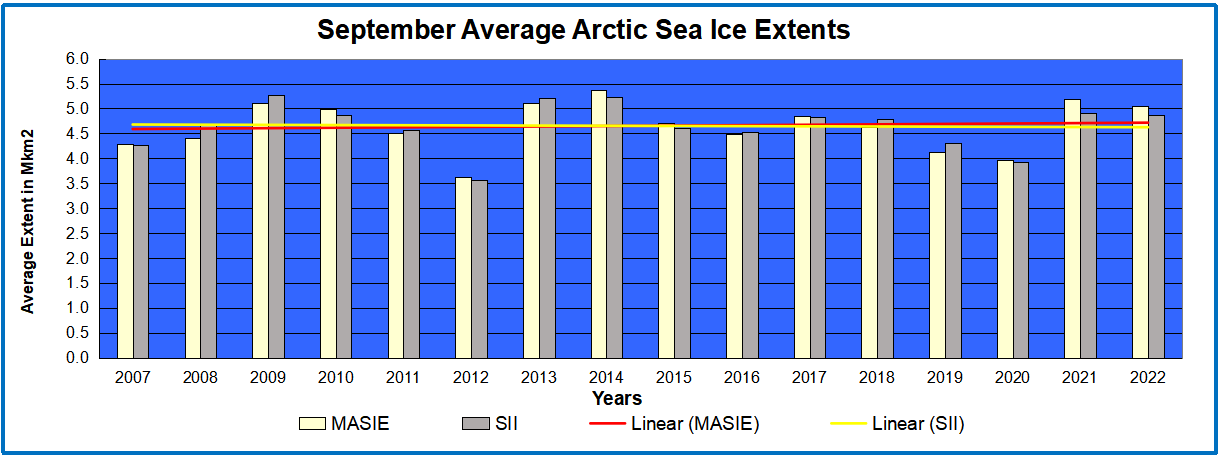
But: Arctic Ice has not declined since 2007.


But: All of these are within the range of past variability.In fact our climate is remarkably stable, compared to the range of daily temperatures during a year where I live.

And many aspects follow quasi-60 year cycles.

The Impractical Media:  Money is No Object in Saving the Planet.

Here it is blithely assumed that the court can rule the seas to stop rising, heat waves to cease, and Arctic ice to grow (though why we would want that is debatable).  All this will be achieved by leaving fossil fuels in the ground and powering civilization with windmills and solar panels.  While admitting that our way of life depends on fossil fuels, they ignore the inadequacy of renewable energy sources at their present immaturity.


An Example:
The choice between incurring manageable costs now and the incalculable, perhaps even irreparable, burden Youth Plaintiffs and Affected Children will face if Defendants fail to rapidly transition to a non-fossil fuel economy is clear. While the full costs of the climate damages that would result from maintaining a fossil fuel-based economy may be incalculable, there is already ample evidence concerning the lower bound of such costs, and with these minimum estimates, it is already clear that the cost of transitioning to a low/no carbon economy are far less than the benefits of such a transition. No rational calculus could come to an alternative conclusion. Defendants must act with all deliberate speed and immediately cease the subsidization of fossil fuels and any new fossil fuel projects, and implement policies to rapidly transition the U.S. economy away from fossil fuels.

But CO2 relation to Temperature is Inconsistent.

But: The planet is greener because of rising CO2.

But: Modern nations (G20) depend on fossil fuels for nearly 90% of their energy.

But: Renewables are not ready for prime time.

People need to know that adding renewables to an electrical grid presents both technical and economic challenges.  Experience shows that adding intermittent power more than 10% of the baseload makes precarious the reliability of the supply.  South Australia is demonstrating this with a series of blackouts when the grid cannot be balanced.  Germany got to a higher % by dumping its excess renewable generation onto neighboring countries until the EU finally woke up and stopped them. Texas got up to 29% by dumping onto neighboring states, and some like Georgia are having problems.

But more dangerous is the way renewables destroy the economics of electrical power.  Seasoned energy analyst Gail Tverberg writes:

In fact, I have come to the rather astounding conclusion that even if wind turbines and solar PV could be built at zero cost, it would not make sense to continue to add them to the electric grid in the absence of very much better and cheaper electricity storage than we have today. There are too many costs outside building the devices themselves. It is these secondary costs that are problematic. Also, the presence of intermittent electricity disrupts competitive prices, leading to electricity prices that are far too low for other electricity providers, including those providing electricity using nuclear or natural gas. The tiny contribution of wind and solar to grid electricity cannot make up for the loss of more traditional electricity sources due to low prices.

These issues are discussed in more detail in the post Climateers Tilting at Windmills

The Irrational Media:  Whatever Happens in Nature is Our Fault.

An Example:

Other potential examples include agricultural losses. Whether or not insurance
reimburses farmers for their crops, there can be food shortages that lead to higher food
prices (that will be borne by consumers, that is, Youth Plaintiffs and Affected Children).
There is a further risk that as our climate and land use pattern changes, disease vectors
may also move (e.g., diseases formerly only in tropical climates move northward).36 This
could lead to material increases in public health costs

But: Actual climate zones are local and regional in scope, and they show little boundary change.

But: Ice cores show that it was warmer in the past, not due to humans.

The hype is produced by computer programs designed to frighten and distract children and the uninformed.  For example, there was mention above of “multi-meter” sea level rise.  It is all done with computer models.  For example, below is San Francisco.  More at USCS Warnings of Coastal Floodings

In addition, there is no mention that GCMs projections are running about twice as hot as observations.

Omitted is the fact GCMs correctly replicate tropospheric temperature observations only when CO2 warming is turned off.

Figure 5. Simplification of IPCC AR5 shown above in Fig. 4. The colored lines represent the range of results for the models and observations. The trends here represent trends at different levels of the tropical atmosphere from the surface up to 50,000 ft. The gray lines are the bounds for the range of observations, the blue for the range of IPCC model results without extra GHGs and the red for IPCC model results with extra GHGs.The key point displayed is the lack of overlap between the GHG model results (red) and the observations (gray). The nonGHG model runs (blue) overlap the observations almost completely.

In the effort to proclaim scientific certainty, neither the media nor IPCC discuss the lack of warming since the 1998 El Nino, despite two additional El Ninos in 2010 and 2016.

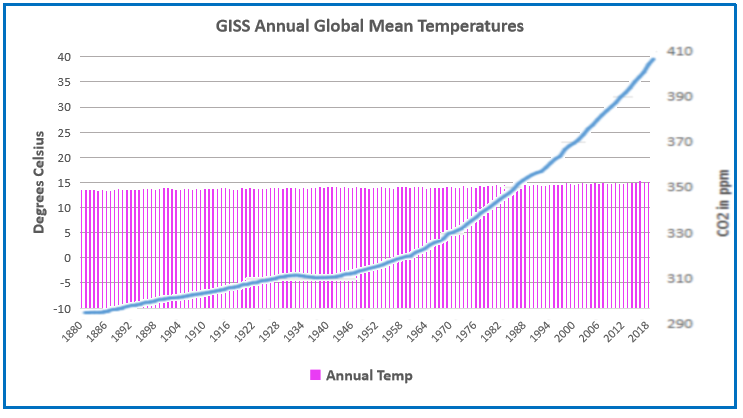
Further they exclude comparisons between fossil fuel consumption and temperature changes. The legal methodology for discerning causation regarding work environments or medicine side effects insists that the correlation be strong and consistent over time, and there be no confounding additional factors. As long as there is another equally or more likely explanation for a set of facts, the claimed causation is unproven. Such is the null hypothesis in legal terms: Things happen for many reasons unless you can prove one reason is dominant.

Finally, advocates and IPCC are picking on the wrong molecule. The climate is controlled not by CO2 but by H20. Oceans make climate through the massive movement of energy involved in water’s phase changes from solid to liquid to gas and back again. From those heat transfers come all that we call weather and climate: Clouds, Snow, Rain, Winds, and Storms.

Esteemed climate scientist Richard Lindzen ended a very fine recent presentation with this description of the climate system:

I haven’t spent much time on the details of the science, but there is one thing that should spark skepticism in any intelligent reader. The system we are looking at consists in two turbulent fluids interacting with each other. They are on a rotating planet that is differentially heated by the sun. A vital constituent of the atmospheric component is water in the liquid, solid and vapor phases, and the changes in phase have vast energetic ramifications. The energy budget of this system involves the absorption and reemission of about 200 watts per square meter. Doubling CO2 involves a 2% perturbation to this budget. So do minor changes in clouds and other features, and such changes are common. In this complex multifactor system, what is the likelihood of the climate (which, itself, consists in many variables and not just globally averaged temperature anomaly) is controlled by this 2% perturbation in a single variable? Believing this is pretty close to believing in magic. Instead, you are told that it is believing in ‘science.’ Such a claim should be a tip-off that something is amiss. After all, science is a mode of inquiry rather than a belief structure.

Summary:  From this we learn three things:

Climate warms and cools without any help from humans.

Warming is good and cooling is bad.

The hypothetical warming from CO2 would be a good thing.


High Tech Detection of Voter Fraud

Jay Valentine writes an encouraging report at American Thinker Where Artificial Intelligence Can Expose Leftist Vote Fraud.  Excerpts in italics with my bolds.

Artificial intelligence is an undefined term people throw around, scaring each other about impending doom. One reads stories about how A.I. applies facial recognition to end privacy. Other scares are about the government profiling people’s writing to find anonymous posters.

Our team has been applying artificial intelligence for over a decade.  There is zero intelligence in artificial intelligence. Zero.

A.I. is the concentration of massive computing power, integrating multiple data streams, really fast, to find subtle patterns or differences in those streams.

Here’s an example: when a customer calls an 800 number with a complaint, voice recognition instantly determines the person’s likely age. Or it can determine agitation. Or if that person speaks with a Spanish accent, it routes him to a Spanish language agent.  This makes for lots of data, hitting large processors, delivering insight, not intelligence.

A.I. is a technology game two can play. Remember those 2020 election voter rolls?

In early 2021, Sherriff David Clarke and Mike Lindell asked our team to load the Wisconsin voter rolls to find “anomalies.” You’ve read the stories about the 23,000 Wisconsin voters using the same phone number and thousands of voters with “codes” that cannot be read by traditional computers as their voter IDs. Our technology, Fractal Programming, found all that stuff for the Wisconsin voter team.

There was nothing “intelligent” in those data.  The only time we found anything coming close to the word “intelligent” was the lack of intelligence from secretaries of state, particularly Republicans.

There were the Alabama voters older than Genghis Khan, registered in 2020, who vote. There were the Missouri voters registered in the Branson hotel. There were the Texans who voted in person but their ballot later changed to absentee.

Remember that hapless Wisconsin voter whose voter ID was a single character, an apostrophe — such a small character that we thought it was a speck on our computer screen?

The original Wisconsin Fractal system grew almost overnight to a dozen or more states. What was supposed to be a limited proof of concept exploded into the largest election database in the world — and that was only for 12 or 15 states. We have the data for 25 more on deck.

We personally funded this growth.  We literally begged legacy election integrity organizations, advertising large voter databases, to use Fractal technology giving local integrity teams this unique compute power.  We offered them Fractal technology for free.  Crickets.

We learned that many legacy “voter integrity organizations” are all about raising tons of dough — zero interest in cleaning voter rolls.

With a dozen state voter integrity teams, we decided to do it ourselves.  Then something happened.

Election integrity teams are a stubborn lot.  Working from kitchen tables, in basements, holding meetings in coffee shops, using small computers and Excel, they share information, and the “intelligence” of what they find explodes.

When these citizen-investigators hit a wall, they don’t stop. They innovate. Their innovation discovered an analysis of voter rolls never before applied!

Snapshot analysis was invented.

Voter integrity teams in Wisconsin, Georgia, and Michigan downloaded multiple copies of voter rolls from different dates.  They started, by hand, parsing millions of records to identify changes across snapshots. Did a voter change his name? If someone moved, where did he go?

This is the equivalent, almost, of trying to count the grains of sand in your flower pot. But they did it.  These teams, mostly very charming ladies, asked the Fractal guys if we could perform snapshot analysis — at scale. Think billions of records!

What could we say?

Fractal analysis took voter rolls, some with 15 million registered voters, and compared each with the same voter roll from a different date. Then we compared them with three subsequent snapshots, then ten. Now some states compare over 50.

There is no conventional technology that can economically deliver this type of computing.

Taking a file of 15 million records, with 40 attributes per record, and comparing every cell against every other cell, across 50 versions is a compute near impossibility. It would require a data center the size of a city block, take weeks, and cost millions of dollars.

The Fractal team and integrity groups are doing this, at scale —
on computers you can hold in your hand.

The result is a new type of data analysis never applied to voter rolls.

Our commercial customers began using snapshot analysis immediately to track changes in how customers modify behavior, across scores of attributes, over time. It became a marketing windfall!

Voter registration data came alive as inactive voters magically became active, for a few days, voted, becoming inactive again. Phantoms lived!

Our diligent voter integrity team pals have no constraints. Their passion is like your dog seeing a squirrel — you cannot restrain them!  These teams recognized that databases from Melissa and NCOA and purchased databases were wildly inaccurate. But that’s all they had.

They introduced property tax records as the source of truth for all things address-related.

You may say your house is a business because you work from your basement, but the tax-collector makes the call.  Comparing property tax records with county voter registration records showed how overwhelmingly out of date and inaccurate voter files really are. And government tax records prove it!

Teams will be publishing numbers (not names) of voters who reside in convenience stores, prisons, flower shops, and laundromats. Every single one is getting a challenge!

When the press challenges the source — they will get to see the county property tax records. Oops!  One election team already challenged over 30,000 possible “phantoms”! Now they can do it with tax records. No appeal there!

We are loading all 3,200 counties’ property tax records — public files — and comparing them with the voter registration records in every county. With snapshots, think trillions of records here.

This is Project Omega.

Project Omega is taking every relevant public database, Fractalizing it, and placing it into the hands of citizens. For the first time, citizens can perform real-time analysis of databases, in the multi-trillions of records, from their phone.

The real fun is that they can compare snapshots and watch identities, locations, registration numbers morph over time. It’s like a movie of your data.

The next time you think artificial intelligence is a bugaboo, remember that it is a game two can play.  And the good guys, citizens, are beginning to use it, at scale, now.


Climate Change is Ordinary and Cyclical, Not Catastrophic and Irreversible


Michael Baume writes at Spectator Climate change policy: a greater risk than climate change?.  Excerpts in italics with my bold. H/T John Ray

Pragmatism is belatedly beating carbon purity as the West seeks to survive the economic consequences of Russia’s monstrous Ukraine war. Only months after its Glasgow swearing of allegiance to the climate catechism that requires faith in scientifically untested computer-programmed prophesies, the West has seen the light – and the energy needed to power it.

    • By grabbing at the vilified, carbon-emitting economic lifeline of fossil fuels,
    • By rediscovering the energizing virtues of the spurned coal,
    • By embracing the scorned fracking in a desperate search for gas,
    • By re-opening the closed off-shore petroleum leases to keep industry working, and
    • By preferring ‘dangerous’ nuclear power to winters of freezing in the dark,

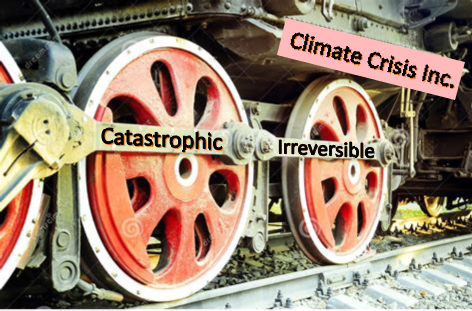
A severe dose of reality has slowed the West’s race to economic destruction. The two wheels of the climate change cart – the scientifically unprovable words ‘catastrophic’ and ‘irreversible’ – that is carrying the democratic world to economic subjugation under a Putin-Xi authoritarian axis, are looking increasingly wobbly.

These two words, the key to the climate debate, have never been
the subject of empirical, observed scientific proof.

There is little disagreement that there is climate change; the climate has always been changing. But ‘catastrophic’ and ‘irreversible’ (beyond a computer-generated ‘tipping point’) that occupy the central role as drivers of the claimed climate crisis, exist only in computer modelling of what many scientists, in good faith, believe to be the likely outcome of observable current trends. The dogma that ‘the science is settled’ on climate change requires a belief not in proven scientific facts but in the accuracy of scientists’ computer projections of the yet-to-be-demonstrated future consequences of observable facts.

So why should these scientists be believed? The traditional ‘scientific method’ of examining a theory provides the best, but by no means certain, prospect of believable outcomes. This involves surviving the ‘falsification’ principle of rigorous endeavours to refute the theory, so that the scientific consensus eventually accepts it as truth. That is the rock on which the climate change crisis rests. But as an article in last week’s Conversation noted, ‘even if scientists have repeatedly tried, but failed, to refute a given theory, the history of science suggests at some point in the future it may still turn out to be false when new evidence comes to light.’

After decades of steadily increasing support for the ‘climate crisis’ theory,
evidence to the contrary is raising its head.

This is in addition to the negative impact of repeated failures of a multitude of past official forecasts of impending climate disaster. Earlier this year, four leading Italian scientists from universities in Milan, Verona and Padua and the National Institute of Nuclear Physics, published a review of historical climate data, finding no clear positive trend of extreme events and concluding that the current fear of a ‘climate emergency’ is not supported by the scientific data.

Fig. 6 Fraction of the global earth under drought conditions D0 (abnormally dry), D1 (moderate), D2 (severe), D3 (extreme) and D4 (exceptional)

This means, they said, that altering our priorities with negative effects ‘could prove deleterious to our ability to face the challenges of the future, (and) squandering natural and human resources’. Their paper, A critical assessment of extreme events trends in times of global warming, is a survey of recent research (mirroring the IPCC’s approach) that appeared in the European Physical Journal Plus. ‘Since its origins, the human species has been confronted with the negative effects of the climate; historical climatology has repeatedly used the concept of climate deterioration in order to explain negative effect of extreme events (mainly drought, diluvial phases and cold periods) on civilisation. Today, we are facing a warm phase and, for the first time, we have monitoring capabilities that enable us to objectively evaluate its effects’.

These show that, ‘On the basis of the observational data, the climate crisis that,
according to many sources, we are experiencing today, is not yet evident.’

The scientists found that rainfall intensity and frequency was stationary in many parts of the world. Tropical hurricanes and cyclones showed little change over the long term, and the same is true of US tornadoes. Other meteorological categories including natural disasters, floods, droughts and ecosystem productivity showed no ‘clear positive trend of extreme events’. Regarding ecosystems, the scientists noted a considerable ‘greening’ of global plant biomass in recent decades caused by higher levels of carbon dioxide in the atmosphere. Satellite data show ‘greening’ trends over most of the planet, increasing food yields and pushing back of deserts

But the scientists nevertheless believe there is a need for action on the climate: ‘We should work to minimise our impact on the planet and to minimise air and water pollution…. How the climate of the twenty-first century will play out is a topic of deep uncertainty. We need to increase our resiliency to whatever the future climate will present us

(But) we need to remind ourselves that addressing climate change is not an end in itself
and is not the only problem the world is facing.’

This cautionary note was echoed in a report quoted in the latest Weekend Australian from some of Australia’s most senior climate scientists led by UNSW Professor Andy Pitman. It warned that bank regulators, with little understanding of the uncertainty inherent in climate model projections, could cause ‘major systemic risk to the global financial system’ by their continued use.’ It is not science designed for the financial sector’, as physical climate models do not represent weather, so imposing a serious limitation in determining future climate risk for the financial sector. Yet Australia’s Reserve Bank will use network-derived climate scenarios in its internal analysis of climate-related risks. Most regulators, banks, insurers and investors are using projection-based scenarios ‘without fully accounting for uncertainty’.

This follows Pitman’s submission to APRA on its draft guidelines on climate risk that the corporate sector could be preparing for the financial costs of climate change based on misleading and flawed advice from the prudential regulator. ‘There is next to no capacity to provide advice to business on how the joint probability of multiple extreme weather events will change in the future.’

The only thing certain about climate science is uncertainty.

Bad Day for a Climate Alarmist


What Divides America (and other places nowadays)

Mark C. Ross writes at American Thinker Thoughts on the new civil war.  Excerpts in italics with my bolds and added images.

The true divide in our ongoing civil war is not geographical but political. It is between those who covet the power to control others and those who want to be left alone. Within this context, the geography comes into view: it is a conflict between metropolitan Washington, D.C. and the whole rest of the country. And it had already been started some years ago during the Obama presidency.

The battles are being fought in the media, the courts, and legislative chambers and occasionally boiling over into the streets.

Agents of the state are becoming increasingly more obvious in their efforts to suppress dissent. Political crimes have emerged as an ostensible new class of offense…where nothing is stolen and no one is actually harmed, but resistance to authoritarian control threatens the well-being of those who covet power.

How can such a small area dominate so vast a continent? They have the power, or at least they think so. When the eleven Confederate states seceded, 70% of the officers of the U.S. Army joined them. For a while then, the tail managed to wag the dog. Then the larger picture began to take shape.

It was into today’s milieu that emerged one Donald J. Trump as a perceived reckless iconoclast — smashing the idols of authority regardless of the consequences. After all, apple carts were meant to be upset. And while the authoritarians have used every weapon in their arsenal, Trump’s stature has grown. Thus, the shoddy tactics being used against him have morphed into clichés, losing much of their effectiveness. Even fear, the most reliable tool in the box, is no longer getting the job done.

First, we were endlessly harangued about how we’re to blame for subtle trends in the weather. Then a strange virus of possible man-made origin is portrayed as an emergency requiring significantly more authority on the part of obviously fallible officials. Statistical deception was employed to the point of reductio ad absurdum.

Add to this the attrition of key members of the media. Bari Weiss, formerly of the N.Y. Times; Matt Taibbi, formerly of Rolling Stone; and Sharyl Attkisson, formerly of CBS, are three of the more notable defectors away from the Orwellian nightmare of modern journalism. There are pro-state authoritarians scattered throughout the nation — just as the Confederacy had supporters in the Union, though they were mostly along the border regions. The difference is that today’s statists have typically been trained by a corrupt education establishment. Over time, some will realize how they’ve been misled.

This conflict is hardly contained within the United States. But socially stratified Europe and Asia were especially more vulnerable to the dogma of Marxist class struggle than the bourgeois paradise we call America. And thus, Americans are more familiar with freedom and are hence more hostile to tyranny. The complaint and the alarm are that the forces of authoritarianism have succeeded as much as they have in the last few decades. Systematic indoctrination in the class rooms accounts for much of this; and from there, it has spilled out through the media.

Ideas and information are the true weapons in this struggle. This explains why the other side is so hell-bent on manipulating the language. Yeah, and we’re wise to that, too. They are so superficial that they actually believe that such nonsense as banning gendered pronouns will be taken seriously.

D. Parker chimes in also at American Thinker It’s time to get rid of the ‘liberal-conservative’ spectrum

One question destroys the liberal/conservative narrative fiction:

Were Stalin, Mao, and Hitler “ultra-liberal”?

Because if this is supposed to be the political spectrum model for the world — and logic presupposes that must be the case — then having it range from ultra-liberal to ultra-conservative poses a big problem: where do the “baddies” belong?

Consider all of this in the context of the political spectrum as the logical arrangement of ideologies based on their level of governmental control, with maximum and minimum levels at each end. It stands to reason that since socialism is the standard leftist ideology, with forced wealth redistribution and a centrally controlled economy, these would require the government to be at a maximum level; thus, this would be the left side of the spectrum. Also consider that it’s going to take the maximum government to take “from each according to his ability.”

Does the authoritarianism of the anti-liberty left along with the negation of property rights and the economic slavery of socialism seem amenable to liberalism?

Contrast that with the fact that the precepts of the pro-freedom right with an emphasis on liberty and limited government would mean minimal control. In fact, with the term “liberal” closely associated with liberty and minimal government, the logical conclusion is that all of these terms belong on the pro-freedom right.

A left-right political spectrum with maximum governmental control on the left and minimal governmental control on the right, easily accommodates these questions. That is not the case with the liberal/conservative canard, since maximum government would not seem to be amenable to an ideology closely associated with liberty.

Finally, consider this from author and engineer Robert A. Heinlein, encapsulating the whole issue with one test:

Political tags — such as royalist, communist, democrat, populist, fascist, liberal, conservative, and so forth — are never basic criteria. The human race divides politically into those who want people to be controlled and those who have no such desire.

It does seem as though most people fall into one of two distinct groups. The first are control-obsessed collectivists who demand that we place the public good ahead of the good of the individual. Then there are those individualists who just want to be left alone.

Footnote: Jordan Peterson has some advice for the elites pushing this mad dash for Net Zero.

Transcript of Peterson’s concluding comments:

A better way forward would be to prioritize the problems that beset all of us on this still green, functional and increasingly abundant planet. With the requisite focus and attention demanded of a true political class elected by the people, capable of and willing to look at everything: Trying to fix where necessary; trying to maintain as much freedom and autonomy as possible. And stop simply capitalizing narcissistically on the mere appearance of action, knowledge and virtue.

We should obtain true cooperative consent from those affected: farmers, truckers, working-class people who have turned an irritated desperation to figures such as Trump. And work with them rather than forbidding them with your power or improving them so they will be finally worthy of your time and attention.

Help replace dirty energy with clean, if you must. But do it on your own dime and make sure that the results are cheap and plentiful, if you want to help the poor and the planet.

The warning bells are ringing. Listen to them before they turn into sirens. We will not advance without resistance through the straits of your enforced privation. We will not allow you to steal and destroy the energy that makes our lives bearable, and that produces our food and shelter and housing and the sporadic delights of modern life, just to address your existential terror. Particularly when it will fail to do so in any case.

We will not allow our children to be criticized, first for having the temerity to merely exist, and then to be deprived of the prosperous and opportunity-rich future we strived so hard to prepare for them.

We remain unconvinced by your frightened and self-congratulatory moralizing and intellectual pretension, ignorance of the limits of statistics and misuse of arithmetic. We do not believe finally and most absolutely that your declared emergency, and the panic you sow because of it, means that you should now be ceded all necessary authority.

So leave us alone: you centralizers of power, you worshipers of Gaia, you sacrificers of the wealth and property of others. You would be planetary saviors, you machiavellian pretenders and virtue signalers, objecting to power all the while you gather it around you madly.

Leave us alone, to prosper or not as a result of our own choices, as a result of our own actions, in the exercise of our own requisite and irreducible responsibility. Leave us alone or reap the whirlwind, and watch in consequence the terrible destruction of what you purport to save. 

See also Washington Capital Overthrowing the United States