North Atlantic Warming June 2023
The best context for understanding decadal temperature changes comes from the world’s sea surface temperatures (SST), for several reasons:

  • The ocean covers 71% of the globe and drives average temperatures;
  • SSTs have a constant water content, (unlike air temperatures), so give a better reading of heat content variations;
  • A major El Nino was the dominant climate feature in recent years.

HadSST is generally regarded as the best of the global SST data sets, and so the temperature story here comes from that source. Previously I used HadSST3 for these reports, but Hadley Centre has made HadSST4 the priority, and v.3 will no longer be updated.  HadSST4 is the same as v.3, except that the older data from ship water intake was re-estimated to be generally lower temperatures than shown in v.3.  The effect is that v.4 has lower average anomalies for the baseline period 1961-1990, thereby showing higher current anomalies than v.3. This analysis concerns more recent time periods and depends on very similar differentials as those from v.3 despite higher absolute anomaly values in v.4.  More on what distinguishes HadSST3 and 4 from other SST products at the end. The user guide for HadSST4 is here.

The Current Context

The chart below shows SST monthly anomalies as reported in HadSST4 starting in 2015 through June 2023.  A global cooling pattern is seen clearly in the Tropics since its peak in 2016, joined by NH and SH cycling downward since 2016. 
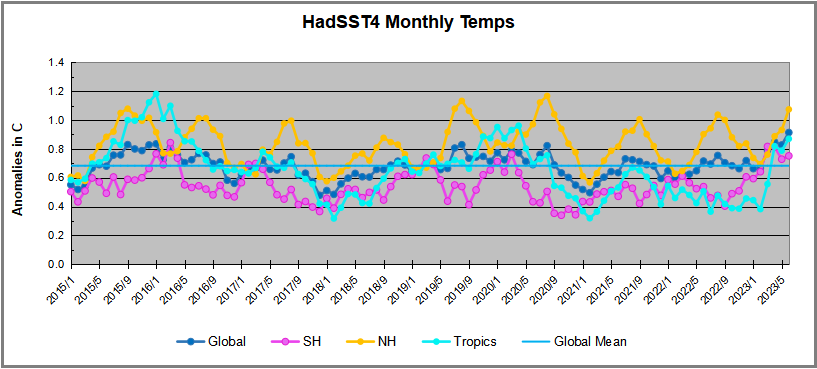
Note that in 2015-2016 the Tropics and SH peaked in between two summer NH spikes.  That pattern repeated in 2019-2020 with a lesser Tropics peak and SH bump, but with higher NH spikes. By end of 2020, cooler SSTs in all regions took the Global anomaly well below the mean for this period.  In 2021 the summer NH summer spike was joined by warming in the Tropics but offset by a drop in SH SSTs, which raised the Global anomaly slightly over the mean.

Then in 2022, another strong NH summer spike peaked in August, but this time both the Tropic and SH were countervailing, resulting in only slight Global warming, later receding to the mean.   Oct./Nov. temps dropped  in NH and the Tropics took the Global anomaly below the average for this period. After an uptick in December, temps in January 2023 dropped everywhere, strongest in NH, with the Global anomaly further below the mean since 2015.

Now comes El Nino as shown by the upward spike in the Tropics since January, the anomaly doubling from 0.38C to now at 0.87C.  Now in June 2023, all regions rose, especially NH up from 0.7C to now 1.1C, pulling up the global anomaly to a new high for this period. 

A longer view of SSTs
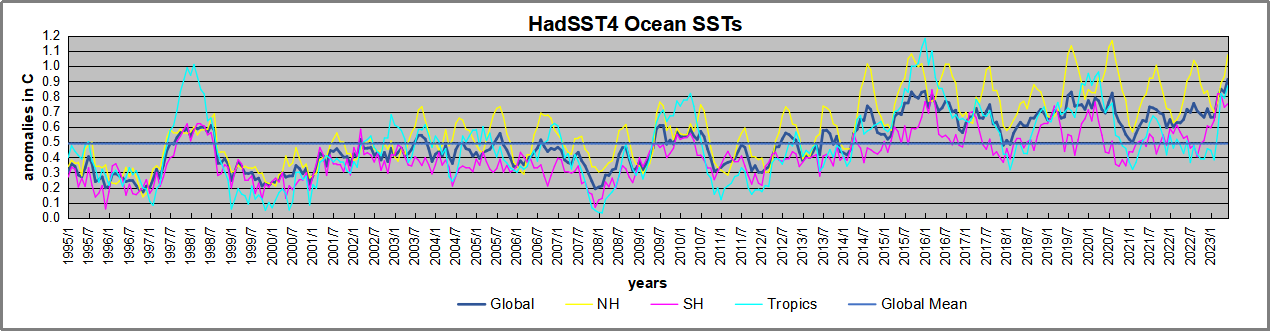
The graph above is noisy, but the density is needed to see the seasonal patterns in the oceanic fluctuations.  Previous posts focused on the rise and fall of the last El Nino starting in 2015.  This post adds a longer view, encompassing the significant 1998 El Nino and since.  The color schemes are retained for Global, Tropics, NH and SH anomalies.  Despite the longer time frame, I have kept the monthly data (rather than yearly averages) because of interesting shifts between January and July.1995 is a reasonable (ENSO neutral) starting point prior to the first El Nino. 

The sharp Tropical rise peaking in 1998 is dominant in the record, starting Jan. ’97 to pull up SSTs uniformly before returning to the same level Jan. ’99. There were strong cool periods before and after the 1998 El Nino event. Then SSTs in all regions returned to the mean in 2001-2. 

SSTS fluctuate around the mean until 2007, when another, smaller ENSO event occurs. There is cooling 2007-8,  a lower peak warming in 2009-10, following by cooling in 2011-12.  Again SSTs are average 2013-14.

Now a different pattern appears.  The Tropics cooled sharply to Jan 11, then rise steadily for 4 years to Jan 15, at which point the most recent major El Nino takes off.  But this time in contrast to ’97-’99, the Northern Hemisphere produces peaks every summer pulling up the Global average.  In fact, these NH peaks appear every July starting in 2003, growing stronger to produce 3 massive highs in 2014, 15 and 16.  NH July 2017 was only slightly lower, and a fifth NH peak still lower in Sept. 2018.

The highest summer NH peaks came in 2019 and 2020, only this time the Tropics and SH were offsetting rather adding to the warming. (Note: these are high anomalies on top of the highest absolute temps in the NH.)  Since 2014 SH has played a moderating role, offsetting the NH warming pulses. After September 2020 temps dropped off down until February 2021.  In 2021-22 there were again summer NH spikes, but in 2022 moderated first by cooling Tropics and SH SSTs, then in October to January 2023 by deeper cooling in NH and Tropics.  

Now in 2023 the Tropics flip from below to above average, and NH starts building up for a summer peak with June already comparable to previous years. In fact, the summer warming peaks in NH have occurred in August or September, so this June number is likely to go higher, perhaps the highest of all.

What to make of all this? The patterns suggest that in addition to El Ninos in the Pacific driving the Tropic SSTs, something else is going on in the NH.  The obvious culprit is the North Atlantic, since I have seen this sort of pulsing before.  After reading some papers by David Dilley, I confirmed his observation of Atlantic pulses into the Arctic every 8 to 10 years.

Contemporary AMO Observations

Through January 2023 I depended on the Kaplan AMO Index (not smoothed, not detrended) for N. Atlantic observations. But it is no longer being updated, and NOAA says they don’t know its future.  So I find only the Hadsst AMO dataset has data through April.  It differs from Kaplan, which reported average absolute temps measured in N. Atlantic.  “Hadsst AMO  follows Trenberth and Shea (2006) proposal to use the NA region EQ-60°N, 0°-80°W and subtract the global rise of SST 60°S-60°N to obtain a measure of the internal variability, arguing that the effect of external forcing on the North Atlantic should be similar to the effect on the other oceans.”  So the values represent differences between the N. Atlantic and the Global ocean.
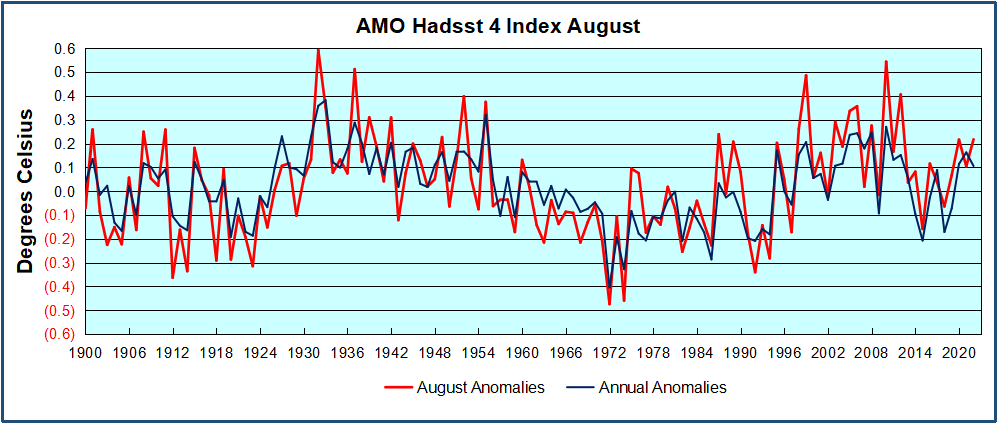
The chart above confirms what Kaplan also showed.  As August is the hottest month for the N. Atlantic, its varibility, high and low, drives the annual results for this basin.  Note also the peaks in 2010, lows after 2014, and a rise in 2021. An annual chart below is informative:
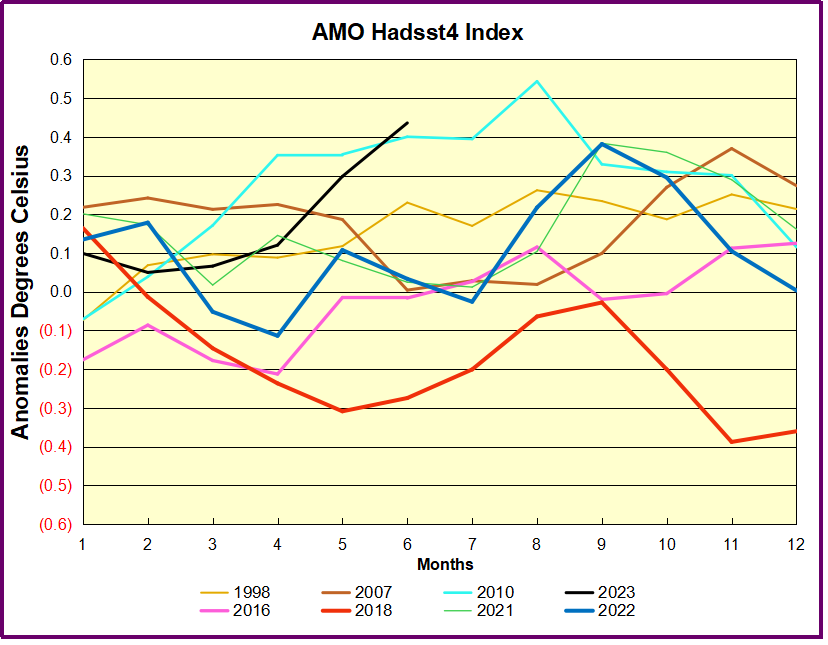
Note the difference between blue/green years, beige/brown, and purple/red years.  2010, 2021, 2022 all peaked strongly in August or September.  1998 and 2007 were mildly warm.  2016 and 2018 were matching or cooler than the global average.  2023 started out slightly warm, and now in May and June has spiked to match 2010.

The pattern suggests the ocean may be demonstrating a stairstep pattern like that we have also seen in HadCRUT4. 
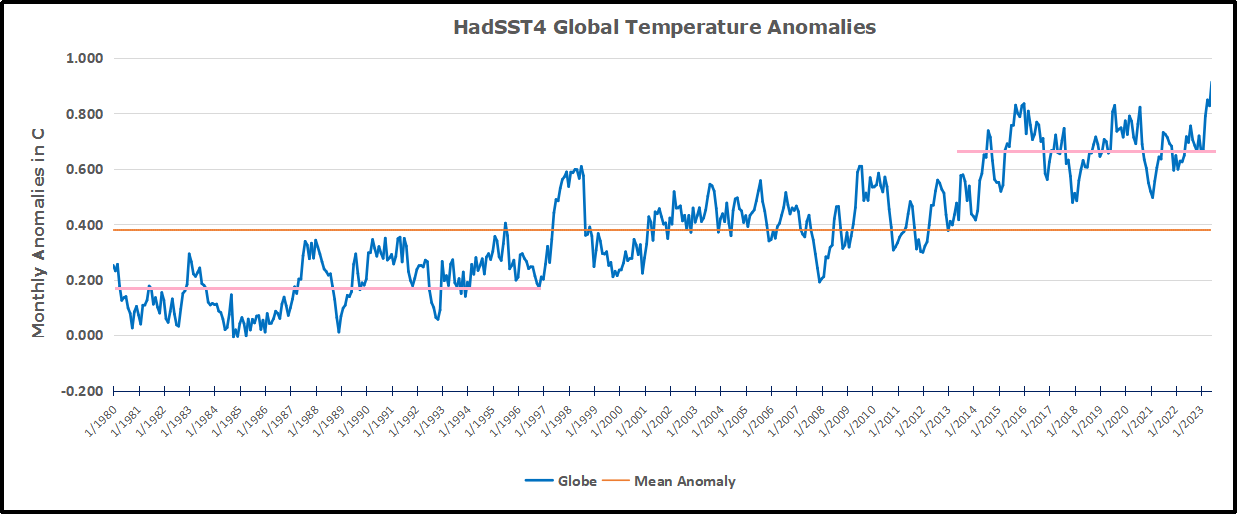
The purple line is the average anomaly 1980-1996 inclusive, value 0.18.  The orange line the average 1980-202306, value 0.38, also for the period 1997-2012. The red line is 2013-202306, value 0.64. As noted above, these rising stages are driven by the combined warming in the Tropics and NH, including both Pacific and Atlantic basins.

Summary

The oceans are driving the warming this century.  SSTs took a step up with the 1998 El Nino and have stayed there with help from the North Atlantic, and more recently the Pacific northern “Blob.”  The ocean surfaces are releasing a lot of energy, warming the air, but eventually will have a cooling effect.  The decline after 1937 was rapid by comparison, so one wonders: How long can the oceans keep this up? 

Footnote: Why Rely on HadSST4

HadSST is distinguished from other SST products because HadCRU (Hadley Climatic Research Unit) does not engage in SST interpolation, i.e. infilling estimated anomalies into grid cells lacking sufficient sampling in a given month. From reading the documentation and from queries to Met Office, this is their procedure.

HadSST4 imports data from gridcells containing ocean, excluding land cells. From past records, they have calculated daily and monthly average readings for each grid cell for the period 1961 to 1990. Those temperatures form the baseline from which anomalies are calculated.

In a given month, each gridcell with sufficient sampling is averaged for the month and then the baseline value for that cell and that month is subtracted, resulting in the monthly anomaly for that cell. All cells with monthly anomalies are averaged to produce global, hemispheric and tropical anomalies for the month, based on the cells in those locations. For example, Tropics averages include ocean grid cells lying between latitudes 20N and 20S.

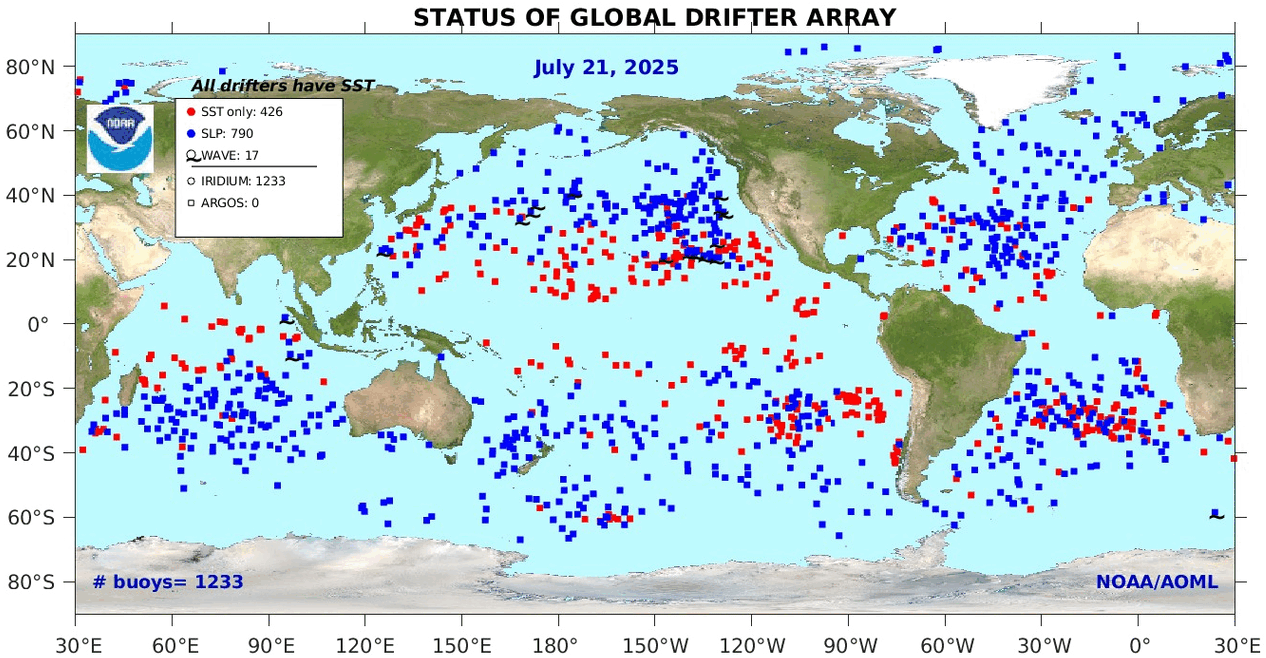
Gridcells lacking sufficient sampling that month are left out of the averaging, and the uncertainty from such missing data is estimated. IMO that is more reasonable than inventing data to infill. And it seems that the Global Drifter Array displayed in the top image is providing more uniform coverage of the oceans than in the past.

uss-pearl-harbor-deploys-global-drifter-buoys-in-pacific-ocean

USS Pearl Harbor deploys Global Drifter Buoys in Pacific Ocean



Refresher: GHG Theory and the Tests It Fails

There continues to be a lot of discussions (arguments?) and confusing statements regarding the Green House Gas theory of global warming, in legacy and social media.  So to clear the air I am reposting a concise explanation of the theory and a summary of various independant attempts to find empirical evidence supporting it.

Overview

Many people commenting both for and against reducing emissions from burning fossil fuels assume it has been proven that rising GHGs including CO2 cause higher atmospheric temperatures.  That premise has been tested and found wanting, as this post will describe.  First below is a summary of Global Warming Theory as presented in the scientific literature.  Then follows discussion of several unsuccessful attempts to find evidence of the hypothetical effects from GHGs in the relevant datasets.  Concluding is the alternative theory of climate change deriving from solar and oceanic fluctuations.

Scientific Theory of  Global Warming

The theory is well described in an article by Kristian (okulaer) prefacing his analysis of  “AGW warming” fingerprints in the CERES satellite data.  How the CERES EBAF Ed4 data disconfirms “AGW” in 3 different ways  by okulaer November 11, 2018. Excerpts below with my bolds.  Kristian provides more detailed discussion at his blog (title in red is link).

Background: The AGW Hypothesis

For those of you who aren’t entirely up to date with the hypothetical idea of an “(anthropogenically) enhanced GHE” (the “AGW”) and its supposed mechanism for (CO2-driven) global warming, the general principle is fairly neatly summed up here.

I’ve modified this diagram below somewhat, so as to clarify even further the concept of “the raised ERL (Effective Radiating Level)” – referred to as Ze in the schematic – and how it is meant to ‘drive’ warming within the Earth system; to simply bring the message of this fundamental premise of “AGW” thinking more clearly across.
Then we have the “doubled CO2” (t1) scenario, where the ERL has been pushed higher up into cooler air layers closer to the tropopause:
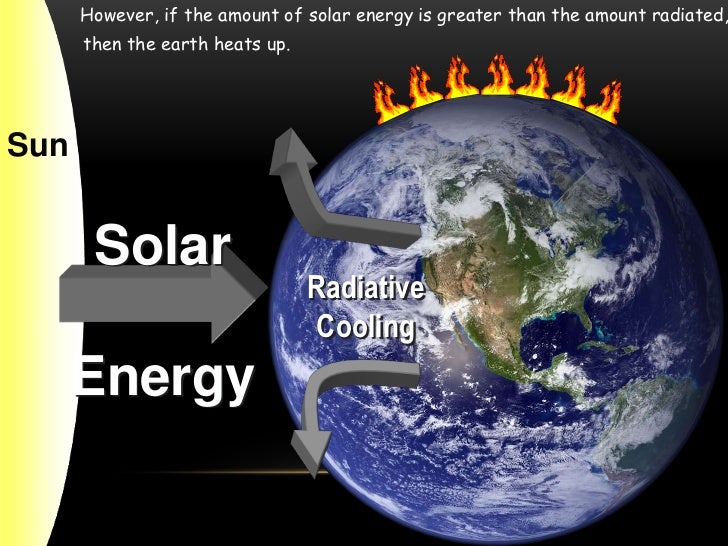
So when the atmosphere’s IR opacity increases with the excess input of CO2, the ERL is pushed up, and, with that, the temperature at ALL ALTITUDE-SPECIFIC LEVELS of the Earth system, from the surface (Ts) up through the troposphere (Ttropo) to the tropopause, directly connected via the so-called environmental lapse rate, i.e. the negative temperature profile rising up through the tropospheric column, is forced to do the same.

The Expected GHG Fingerprints

How, then, is this mechanism supposed to manifest itself?

Well, as the ERL, basically the “effective atmospheric layer of OUTWARD (upward) radiation”, the one conceptually/mathematically responsible for the All-Sky OLR flux at the ToA, and from now on, in this post, dubbed rather the EALOR, is lifted higher, into cooler layers of air, the diametrically opposite level, the “effective atmospheric layer of INWARD (downward) radiation” (EALIR), the one conceptually and mathematically responsible for the All-Sky DWLWIR ‘flux’ (or “the atmospheric back radiation”) to the surface, is simultaneously – and for the same physical reason, only inversely so – pulled down, into warmer layers of air closer to the surface. This latter concept was explained already in 1938 by G.S. Callendar. Feldman et al., 2015, (as an example) confirm that this is still how “Mainstream Climate Science (MCS)” views this ‘phenomenon’:

The gist being that, when we make the atmosphere more opaque to IR by putting more CO2 into it, “the atmospheric back radiation” (all-sky DWLWIR at sfc) will naturally increase as a result, reducing the radiative heat loss (net LW) from the surface up. And do note, it will increase regardless of (and thus, on top of) any atmospheric rise in temperature, which would itself cause an increase. Which is to say that it will always distinctly increase also RELATIVE TO tropospheric temps (which are, by definition, altitude-specific (fixed at one particular level, like ‘the lower troposphere’ (LT))). That is, even when tropospheric temps do go up, the DWLWIR should be observed to increase systematically and significantly MORE than what we would expect from the temperature rise alone. Because the EALIR moves further down.

Conversely, at the other end, at the ToA, the EALOR moves the opposite way, up into colder layers of air, which means the all-sky OLR (the outward emission flux) should rather be observed to systematically and significantly decrease over time relative to tropospheric temps. If tropospheric temps were to go up, while the DWLWIR at the surface should be observed to go significantly more up, the OLR at the ToA should instead be observed to go significantly less up, because the warming of the troposphere would simply serve to offset the ‘cooling’ of the effective emission to space due to the rise of the EALOR into colder strata of air.

What we’re looking for, then, if indeed there is an “enhancement” of some “radiative GHE” going on in the Earth system, causing global warming, is ideally the following:

OLR stays flat, while TLT increases significantly and systematically over time;
TLT increases systematically over time, but DWLWIR increases significantly even more.
Effectively summed up in this simplified diagram.

Figure 4. Note, this schematic disregards – for the sake of simplicity – any solar warming at work.

However, we also expect to observe one more “greenhouse” signature.

If we expect the OLR at the ToA to stay relatively flat, but the DWLWIR at the sfc to increase significantly over time, even relative to tropospheric temps, then, if we were to compare the two (OLR and DWLWIR) directly, we’d, after all, naturally expect to see a fairly remarkable systematic rise in the latter over the former (refer to Fig.4 above).

Which means we now have our three ways to test the reality of an hypothesized “enhanced GHE” as a ‘driver’ (cause) of global warming.

Three Tests for GHG Warming in the Sky

The null hypothesis in this case would claim or predict that, if there is NO strengthening “greenhouse mechanism” at work in the Earth system, we would observe:

1. The general evolution (beyond short-term, non-thermal noise (like ENSO-related humidity and cloud anomalies or volcanic aerosol anomalies))* of the All-Sky OLR flux at the ToA to track that of Ttropo (e.g. TLT) over time;
2. The general evolution of the All-Sky DWLWIR at the surface to track that of Ttropo (Ts + Ttropo, really) over time;
3. The general evolution of the All-Sky OLR at the ToA and the All-Sky DWLWIR at the surface to track each other over time, barring short-term, non-thermal noise.

* (We see how the curve of the all-sky OLR flux at the ToA differs quite noticeably from the TLT and DWLWIR curves, especially during some of the larger thermal fluctuations (up or down), normally associated with particularly strong ENSO events. This is because there are factors other than pure mean tropospheric temperatures that affect Earth’s final emission flux to space, like the concentration and distribution (equator→poles, surface→tropopause/stratosphere) of clouds, water vapour and aerosols. These may (and do) all vary strongly in the short term, significantly disrupting the normal temperature↔flux (Stefan-Boltzmann) connection, but in the longer term, they display a remarkable tendency to even out, leaving the tropospheric temperature signal as the only real factor to consider when comparing the OLR with Ttropo (TLT). Or not. The “AGW” idea specifically contends, resting on the premise, that these other factors (and crucially also including CO2, of course) do NOT even out over time, but rather accrue in a positive (‘warming’) direction.)

Missing Fingerprint #1

The first point above we have already covered extensively. The combined ERBS+CERES OLR record is seen to track the general progression of the UAHv6 TLT series tightly, both in the tropics and near-globally, all the way from 1985 till today (the last ~33 years), as discussed at length both here and here.

Since, however, in this post we’re specifically considering the CERES era alone, this is how the global OLR matches against the global TLT since 2000:
Figure 5.

This is simply the monthly CERES OLR flux data properly scaled (x0.266), enabling us to compare it more directly to temperatures (W/m2→K), and superimposed on the UAH TLT data. Watch how closely the two curves track each other, beyond the obvious noise. To highlight this striking state of relative congruity, we remove the main sources of visual bias in Fig.5 above. Notice, then, how the red OLR curve, after the 4-year period of fairly large ENSO-events (La Niña-El Niño-La Niña) between 2007/2008 and 2011/2012, when the cyan TLT curve goes both much lower (during the flanking La Niñas) and much higher (during the central El Niño), quickly reestablishes itself right back on top of the TLT curve, just where it used to be prior to that intermediate stretch of strong ENSO influence. And as a result, there is NO gradual divergence whatsoever to be spotted between the mean levels of these two curves, from the beginning of 2000 to the end of 2015.

Missing Fingerprint #2

The second point above is just as relevant as the first one, if we want to confirm (or disconfirm) the reality of an “enhanced GHE” at work in the Earth system. We compare the tropospheric temperatures with the DWLWIRsfc ‘flux’, that is, the apparent atmospheric thermal emission to the surface:

Figure 9. Note how the scaling of the flux (W/m2) values is different close to the surface than at the ToA. Here at the DWLWIR level, down low, we divide by 5 (x0.2), while at the OLR level, up high, we divide by 3.76 (x0.266).

We once again observe a rather close match overall. At the very least, we can safely say that there is no evidence whatsoever of any gradual, systematic rise in DWLWIR over the TLT, going from 2000 to 2018. If we plot the difference between the two curves in Fig.9 to obtain the “DWLWIR residual”, this fact becomes all the more evident:

Figure 10.
Remember now how the idea of an “enhanced GHE” requires the DWLWIR to rise significantly more than Ttropo (TLT) over time, and that its “null hypothesis” therefore postulates that such a rise should NOT be seen. Well, do we see such a rise in the plot above? Nope. Not at all. Which fits in perfectly with the impression we got at the ToA, where the TLT-curve was supposed to rise systematically up and away from the OLR-curve over time, but didn’t – no observed evidence there either of any “enhanced GHE” at work.

Missing Fingerprint #3

Finally, the third point above is also pretty interesting. It is simply to verify whether or not the CERES EBAF Ed4 ‘radiation flux’ data products are indeed suggesting a strengthening of some radiatively defined “greenhouse mechanism”. We sort of know the answer to this already, though, from going through points 1 and 2 above. Since neither the OLR at the ToA nor the DWLWIR at the surface deviated meaningfully from the UAHv6 TLT series (the same one used to compare with both, after all), we expect rather by necessity that the two CERES ‘flux products’ also shouldn’t themselves deviate meaningfully overall from one another. And, unsurprisingly, they don’t:

Figure 14.  Difference plot (“DWLWIR residual”)

Again, it is so easy here to allow oneself to be fooled by the visual impact of that late – obviously ENSO-related – peak, and, in this case, also a definite ENSO-based trough right at the start (you’ll plainly recognise it in Fig.14); another perfect example of how one’s perception and interpretation of a plot is directly affected by “the end-point bias”. Don’t be fooled:

If we expect the OLR at the ToA to stay relatively flat, but the DWLWIR at the sfc to increase significantly over time, even relative to tropospheric temps, then, if we were to compare the two (OLR and DWLWIR) directly, we’d […] naturally expect to see a fairly remarkable systematic rise in the latter over the former (refer to Fig.4 above).

Looking at Fig.14, and taking into account the various ENSO states along the way, does such a “remarkable systematic rise” in DWLWIR over OLR manifest itself during the CERES era?

I’m afraid not …

Five Lines of Evidence Against GHG Warming Hypothesis

The above analysis showing lack of GHG warming in the CERES data is added to four other atmospheric heat radiation studies.


1. In 2004 Ferenc MIskolczi studied the radiosonde datasets and found that the optical density at the top of the troposphere does not change with increasing CO2, since reducing H2O maintains optimal radiating efficiency.  His publication was suppressed by NASA, and he resigned from his job there. He has elaborated on his findings in publications as recently as 2014. See:  The Curious Case of Dr. Miskolczi

2.  Ronan and Michael Connolly  studied radiosonde data and concluded in 2014:

“It can be seen from the infra-red cooling model of Figure 19 that the greenhouse effect theory predicts a strong influence from the greenhouse gases on the barometric temperature profile. Moreover, the modeled net effect of the greenhouse gases on infra-red cooling varies substantially over the entire atmospheric profile.

However, when we analysed the barometric temperature profiles of the radiosondes in this paper, we were unable to detect any influence from greenhouse gases. Instead, the profiles were very well described by the thermodynamic properties of the main atmospheric gases, i.e., N 2 and O 2 , in a gravitational field.”

While water vapour is a greenhouse gas, the effects of water vapour on the temperature profile did not appear to be related to its radiative properties, but rather its different molecular structure and the latent heat released/gained by water in its gas/liquid/solid phase changes.

For this reason, our results suggest that the magnitude of the greenhouse effect is very small, perhaps negligible. At any rate, its magnitude appears to be too small to be detected from the archived radiosonde data.” Pg. 18 of referenced research paper

See:  The Physics Of The Earth’s Atmosphere I. Phase Change Associated With Tropopause

3.  An important proof against the CO2 global warming claim was included in John Christy’s testimony 29 March 2017 at the House Committee on Science, Space and Technology. The text and diagram below are from that document which can be accessed here.

IPCC Assessment Reports show that the IPCC climate models performed best versus observations when they did not include extra GHGs and this result can be demonstrated with a statistical model as well.

Figure 5. Simplification of IPCC AR5 shown above in Fig. 4. The colored lines represent the range of results for the models and observations. The trends here represent trends at different levels of the tropical atmosphere from the surface up to 50,000 ft. The gray lines are the bounds for the range of observations, the blue for the range of IPCC model results without extra GHGs and the red for IPCC model results with extra GHGs.The key point displayed is the lack of overlap between the GHG model results (red) and the observations (gray). The nonGHG model runs (blue) overlap the observations almost completely.

4. 2021 Finding from William Happer

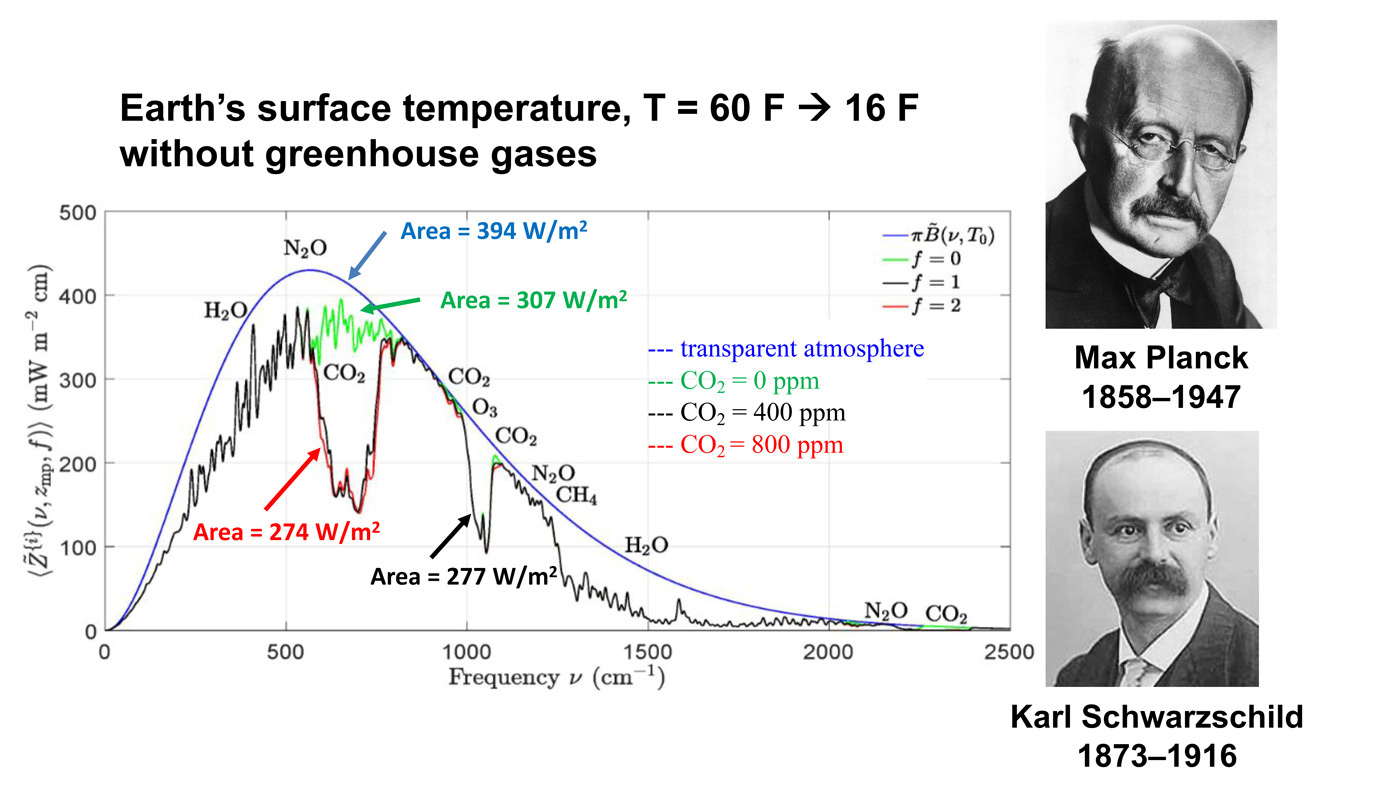
The updating of this previous post is timely following on Dr. William Happer’s additional test of Global Warming Theory, the notion that rising CO2 causes dangerous warming of earth’s climate. A synopsis of that presentation is at Climate Change and CO2 Not a Problem.  For the purpose of this discussion I will add at the end Happer’s finding that additional CO2 (from any and all sources) shows negligible effect in the radiative profile of the atmosphere.

The full discussion of this slide is in the linked synopsis at the top.  In summary here, Happer points to the black line of CO2 infrared absorption at 400 ppm, compared to CO2 IR absorption at 800 ppm.

The important point here is the red line. This is what Earth would radiate to space if you were to double the CO2 concentration from today’s value. Right in the middle of these curves, you can see a gap in spectrum. The gap is caused by CO2 absorbing radiation that would otherwise cool the Earth. If you double the amount of CO2, you don’t double the size of that gap. You just go from the black curve to the red curve, and you can barely see the difference. The gap hardly changes.

The message I want you to understand, which practically no one really understands, is that doubling CO2 makes almost no difference.

An Alternative Theory of Natural Climate Change

Dan Pangburn is a professional engineer who has synthesized the solar and oceanic factors into a mathematical model that correlates with Average Global Temperature (AGT). On his blog is posted a monograph Cause of Global Climate Change explaining clearly his thinking and the maths.  I provided a post with some excerpts and graphs as a synopsis of his analysis, in hopes others will also access and appreciate his work on this issue.  See  Quantifying Natural Climate Change

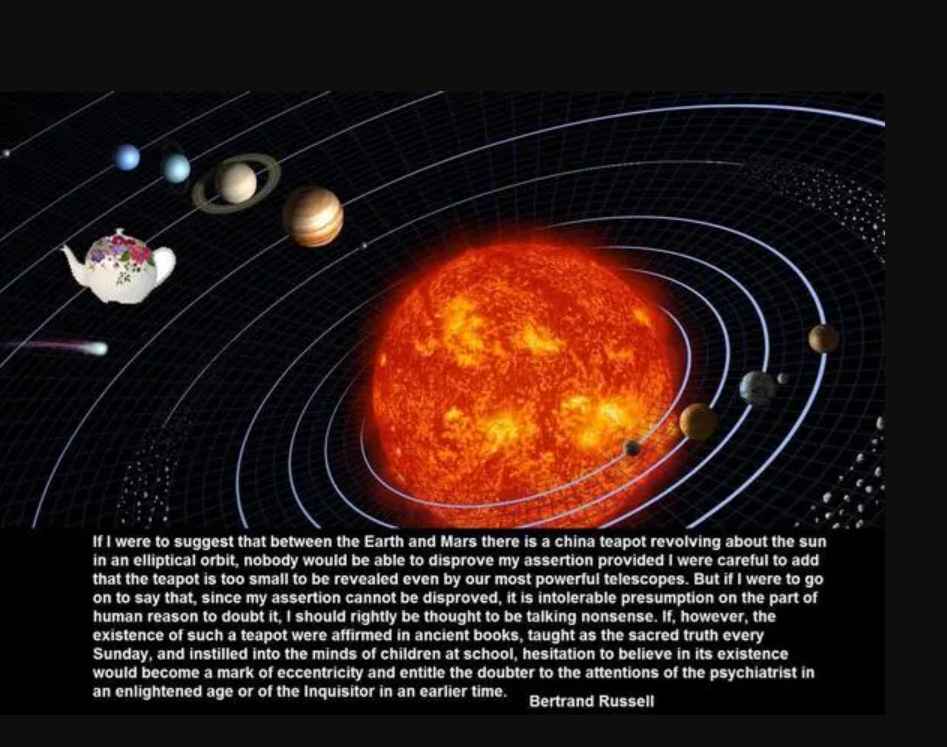
Footnote on the status of an hypothetical effect too small to be measured:  Bertrand Russell’s teapot

Open image in new tab to enlarge.

Postscript:  For an explanation why CO2 has negligible effect on thermal properties of the atmosphere, and why all W/m2 are not created equal, see: Light Bulbs Disprove Global Warming

Normal Arctic Ice Mid July 2023


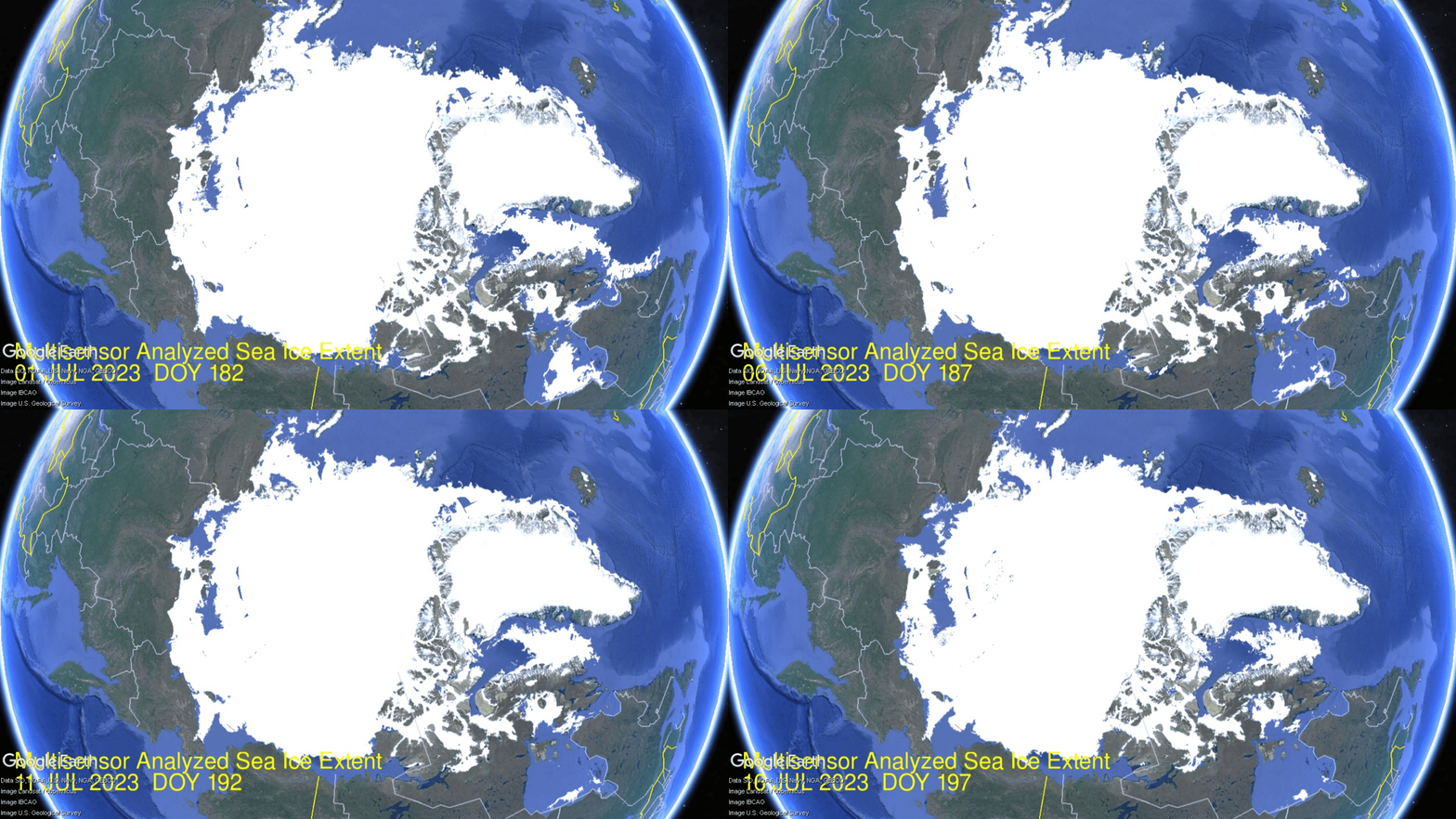
The previous June Arctic ice update showed that shallow basins on the Pacific side lost their ice rapidly.  The animation above shows in the last 15 days how Hudson Bay (bottom right) is nearly all open water. And Baffin Bay (center right) is down to 22% of its March max. The images also show CAA (Canadian Arctic Archipelago–center bottom) is still blocking the Northwest Passage, despite open water in Baffin Bay and in Beaufort Sea to the west.  Also the Russian shelf seas (left) are starting to open. This is all normal melting of Arctic drift ice, presently at 56% (8.4 M km2) of last March maximum, heading toward the September minimum.

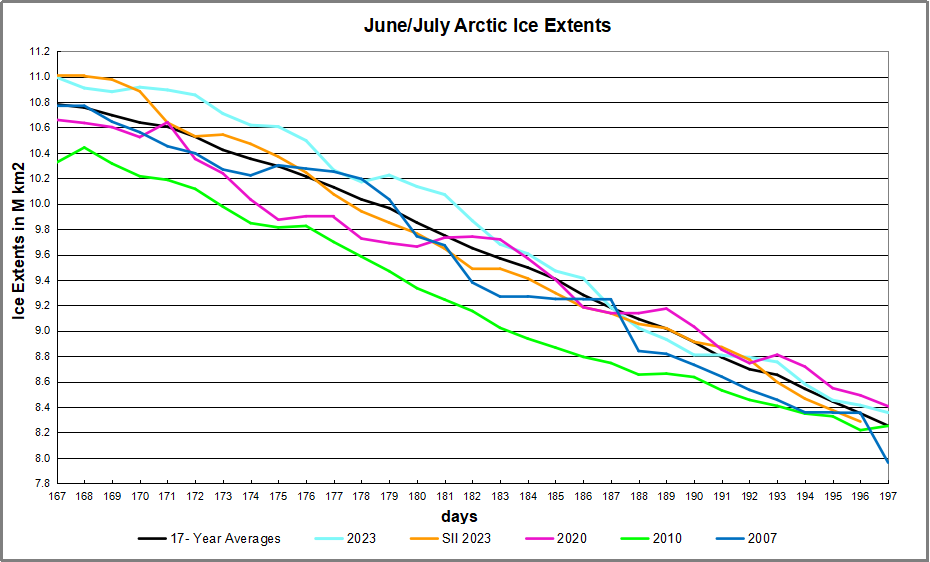
The graph for the last 30 days shows the normal melt is ~2.5M km2 down to 8.3 M km2.  2023 was above average for 3 weeks, and matching average the last week.  SII tracked the MASIE average throughout, as did 2007 in June, but dropped lower toward the end.

The table for day 197 shows how the ice extent is distributed across the Arctic regions, incomparison to 17 year average and 2007.

Region 2023197 Day 197 Average 2023-Ave. 2007197 2023-2007
 (0) Northern_Hemisphere 8356350 8252843  103507  7963047 393303 
 (1) Beaufort_Sea 843873 864156  -20283  825810 18063 
 (2) Chukchi_Sea 736044 627024  109019  550547 185496 
 (3) East_Siberian_Sea 891273 909597  -18324  729250 162022 
 (4) Laptev_Sea 632760 547279  85481  525724 107036 
 (5) Kara_Sea 313437 331825  -18389  401874 -88438 
 (6) Barents_Sea 64976 54022  10954  60637 4339 
 (7) Greenland_Sea 433035 394327  38708  434750 -1715 
 (8) Baffin_Bay_Gulf_of_St._Lawrence 397917 292326  105591  314783 83134 
 (9) Canadian_Archipelago 649440 710624  -61184  711889 -62449 
 (10) Hudson_Bay 165147 348600  -183452  183962 -18814 
 (11) Central_Arctic 3227307 3169018  58289  3222022 5284 

The table shows that Hudson Bay is the anomaly, melting out early, but will soon be matched by the average there.  CAA is also in slight deficit to average, while surpluses appear in Chukchi, Laptev, Baffin Bay and Central Arctic.  2007 was nearly 400k km2 lower than yesterday.

Illustration by Eleanor Lutz shows Earth’s seasonal climate changes. If played in full screen, the four corners present views from top, bottom and sides. It is a visual representation of scientific datasets measuring Arctic ice extents and snow cover.

Watts Up With Warming and CO2

Anthony Watts has a short and to the point video entitled The True Relationship of CO2 and Temperature That the Media Won’t Tell You.  For those who prefer reading I provide below a transcript in italics, lightly edited from the closed captions, along with images and my bolds.  H/T  Geo Rublik

Climate change is in fact real. Climate has changed on the earth for millennia. Okay that’s just the natural order of things–climate is not static in any way shape or form. Let’s start with that.

The first point is: Yes, carbon dioxide does have an effect.

However it is down on the lower side of things, almost minuscule. The reason is the fact that we have reached saturation of the effect of carbon dioxide on warming the atmosphere. It happens in the first 100 parts per million and then after that it’s a logarithmic scale. The effect flattens out at the top, and we’re very nearly at the top of the curve of the effect of carbon dioxide warming the planet. The ability for additional carbon dioxide to affect the temperature is is quickly diminishing to become flat.

This mod trend calculation shows exactly what I’m talking about. In the first hundred parts per million, it’s just a rapid increase. And then it tapers off more and more. So the idea of climate running away due to carbon dioxide isn’t going to happen. So yes carbon dioxide does have an effect which gets smaller as the amount of concentration of co2 gets larger.

The second point is what I brought up in my surface station project.

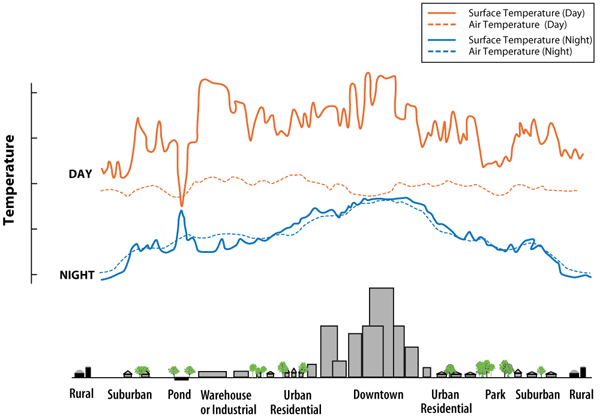
Namely, that we are retaining more and more heat in our local areas due to increased infrastructure, increased concrete, asphalt and so forth. So are locales are retaining heat at night. And the more artificial structures and surfaces we have in the vicinity of the thermometer, the more it warms the temperature at night, it doesn’t get as cold.

Well the climate folks track climate change per se using the average temperature. That average temperature is obtained by averaging between the daily high and the low. So if the low goes up and the high stays the same. then the average is going to go up. That’s the result showing a warming planet, mostly based on the nighttime temperature going up.  [Note the dotted red line for daytime averages changes little compared to the rise of nightime averages shown by blue dotted line.]

That’s due both to carbon dioxide retarding heat going to space and
because we’ve got more localized influences of infrastructure retaining heat
which affects the thermometers. it’s just that simple.

Addendum

Thirdly, there has also been man made warming of the temperature record by making adjustments to the observations.

There’s a third point Anthony didn’t raise, but I will. There has also been man made warming of the temperature record by making adjustments to the observations. And those data alterations always serve to increase the warming trend.

The diagram above comes from KNMI showing how repeated adjustments over time added increments of warming to the GISSTemp record. The blue line is the GISS value for January 1910.  The red line is GISS value for January 2000.  The values for both months change many times between the GISS dataset at May 2008 and the same dataset at June 2023.  The effect is to increase the warming (the difference between January 1910 and 2000) from 0.45 C to 0.67 C, due to lowering the 1910 number and increasing the 2000 number.
Dr. Ole Humlum commented: A temperature record which keeps on changing the past hardly can qualify as being correct.

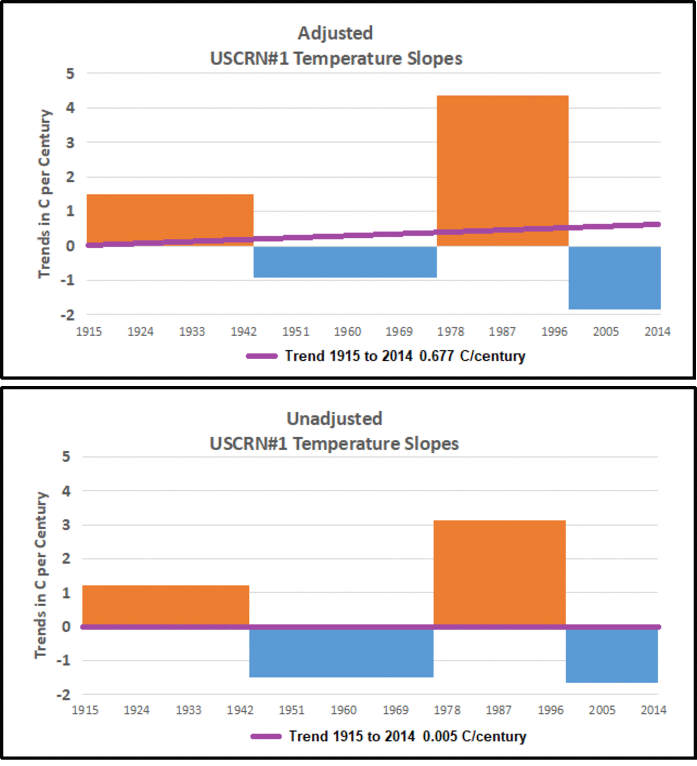
I have also done a study of the records of surface stations rated by Watts’ project as having a #1 rating for siting quality–no urban heat sources nearby. That analysis compared raw data (as reported by the local weather authority) with the adjusted data (reanalyzed before input into climatology models.)  See Updated Review of Temperature Data   which also confirms the problems noted above.

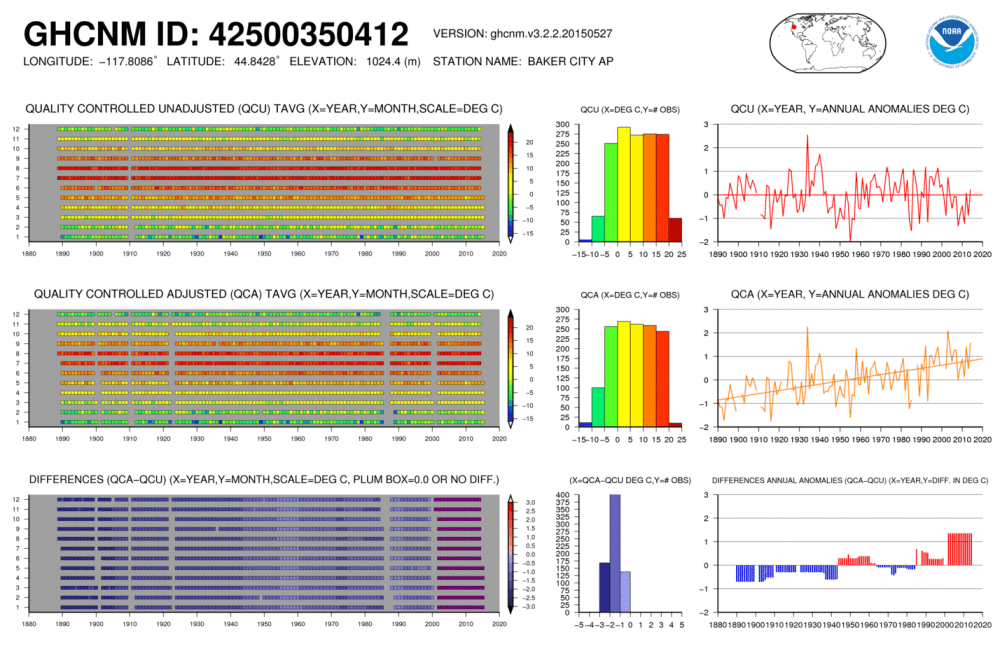
The analysis showed the effect of GHCN adjustments on each of the 23 stations in the sample. The average station was warmed by +0.58 C/Century, from +.18 to +.76, comparing adjusted to unadjusted records. 19 station records were warmed, 6 of them by more than +1 C/century. 4 stations were cooled, most of the total cooling coming at one station, Tallahassee. So for this set of stations, the chance of adjustments producing warming is 19/23 or 83%.  For example, Baker City Oregon


Unbelievable Record Heat

Gregory Wrightstone tells it like it is at CO2 Coalition Data Shows We’re NOT Seeing Record Heat.  Excerpts in italics with my bolds and added images.

Hotter Than the Fourth of July!

It was widely reported recently that July 4th, 2023 was the hottest day in Earth’s recorded history.

Paulo Ceppi, a climate scientist at London’s Grantham Institute stated: “It hasn’t been this warm since at least 125,000 years ago, which was the previous interglacial.” And, of course, it was reported that it was our fault due to our “sins of emission.”

This didn’t meet the smell test for the scientists at the CO2 Coalition. We know that previous warm periods were warmer than our modern temperatures. For example, during the Roman Warm Period there was citrus being grown in the north of England and barley was grown by Vikings on Greenland 1,000 years ago. Why aren’t they grown there now? It’s quite simple: Lower modern temperatures.

So, here at the CO2 Coalition, we did what scientists are trained to do:

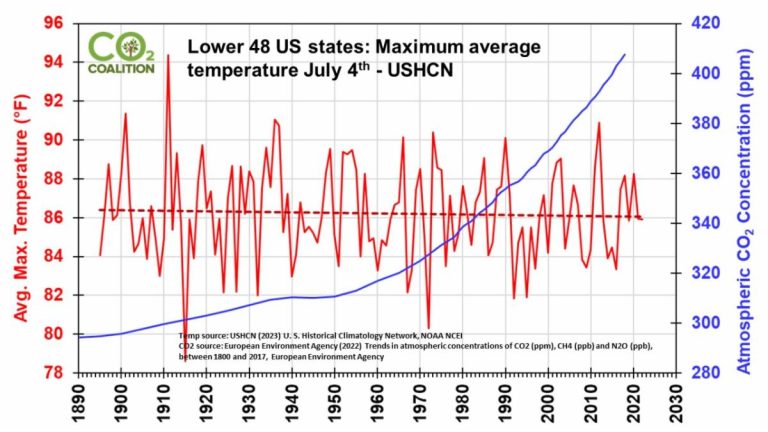
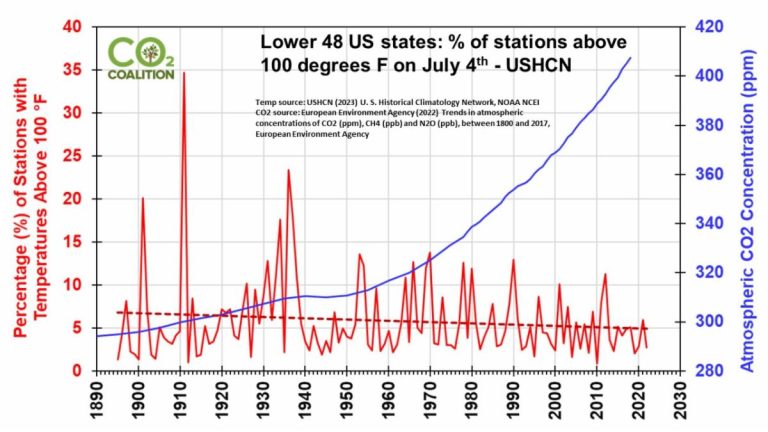
We looked at the available data. Our Science and Research Associate Byron Soepyan reviewed temperature data from the US Historical Climatology Network and found that both the number of weather stations reporting temperature over 100 degrees F and the Maximum Average Temperature for July 4th were slightly declining since the record began in 1895 – not increasing – as Ceppi claimed.

The Great Texas Heat Wave

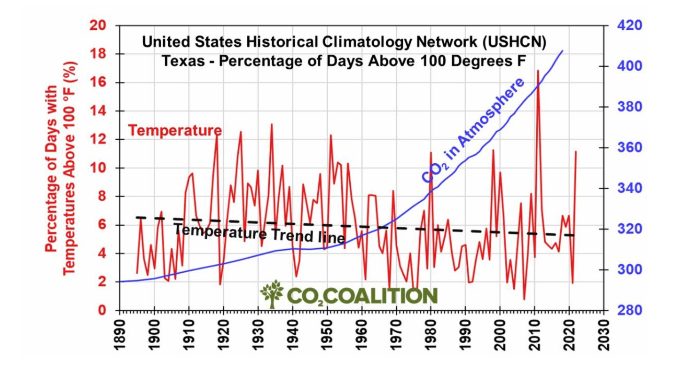
It is summer. It is hot in Texas. It is not unusual or unprecedented. Below is a chart of the percentage of days in Texas that were above 100 degrees Fahrenheit since 1895. Despite a significant and steady rise in CO2 emissions, there has been a decline in the occurrence of very hot days.

Gregory Wrightstone is a geologist; executive director of the CO2 Coalition, Arlington, VA; and author of Inconvenient Facts: The Science That Al Gore Doesn’t Want You to Know.

Wild Weather News Spreads Like Wildfire

New York City Covered in Thick Smoke from Western USA and Canada Wildfires

The Wild Weather meme has gone viral, along with the usual suspects claiming it’s climate change.  Just in the last 24 hours:

Extreme weather is terrorizing the world. It’s only just begun. Yahoo
Heatwaves are one of the deadliest hazards to emerge in extreme weather, and they’re occurring on a global scale.

After Earth’s hottest week on record, extreme weather surprises everyone — even climate scientists CBC.ca
This past week was the Earth’s hottest on record, as extreme weather from wildfires to floods ravaged various corners of the world. Here’s a closer look at what’s happening.

There’s no escaping climate change as extreme weather events abound The Washington Post

Extreme weather highlights need for greater climate action: WMO UN News Centre
Scorching temperatures are engulfing large parts of the Northern hemisphere, while devastating floods triggered by relentless rainfall have disrupted lives and livelihoods, underscoring the urgent need for more climate action,

White House details ‘extreme heat strategy’ amid blistering temperatures in U.S. City News
Crippling heat waves are an annual fixture in the United States — but it’s not every day the White House announces a detailed strategy to confront them. So far, it’s been an extreme-weather summer

U.S. lays out extreme heat plan amid record temperatures. What about Canada? Global News
Like in the U.S., the federal government in Canada has staked much of its reputation on enunciating and enacting a comprehensive response to climate change.

NASA climate adviser warns extreme weather events will persist if temps keep rising. wusf.usf.edu
With much of the U.S. facing extreme weather, NASA chief scientist and senior climate adviser Kate Calvin talks to NPR’s A Martinez about what we can expect as global temperatures continue to rise.

What this summer’s extreme weather events mean for humanity. Public Radio International
As the worldwide heat record fell last week, the acute effects are emerging quickly. Extreme weather events are proliferating across the globe.

Floods, tornadoes, heat: more extreme weather predicted across US. The Guardian
Over a third of Americans under extreme heat warnings as Vermont, still recovering from historic flooding, prepares for more storms

More than 40% of Californians say they were affected by recent extreme weather, poll finds Yahoo Canada Sports
An overwhelming majority of respondents say climate change is impacting their community, but are less confident in government’s readiness to respond.

El Niño is back: Surging temperatures bring extreme weather and threaten lives Euronews
“Early warnings and anticipatory action of extreme weather events associated with this major climate phenomenon are vital to save lives and livelihoods.” Rising sea temperatures are already …

Cities fight to keep the lights on in extreme weather events Politico Europe
More intense and longer-lasting heat waves are a challenge for the electricity grids that power Europe’s urban centers.

Heat: 3 in 4 Californians say climate change is contributing to the state’s extreme weather events East Bay Times
With a heat wave approaching that could send inland temperatures soaring this weekend to more than 105 degrees, a new poll shows Californians’ concerns are rising about climate change and its connections to extreme weather.

Extreme Weather Bakes the South, Soaks the Northeast The Globe and Mail

This extreme weather from coast to coast: Is it ‘a new abnormal’? Yahoo News Canada
Wildfire smoke engulfed the iconic skyline of New York, blotting out the Empire State Building in a dystopian orange haze. A massive heat dome broke temperature records in Texas, straining the power grid and killing 13 people.

This seasonal outbreak of distressing media hype deserves a rational response, so I am reposting wise words from meteorologist Cliff Mass from summer 2021.

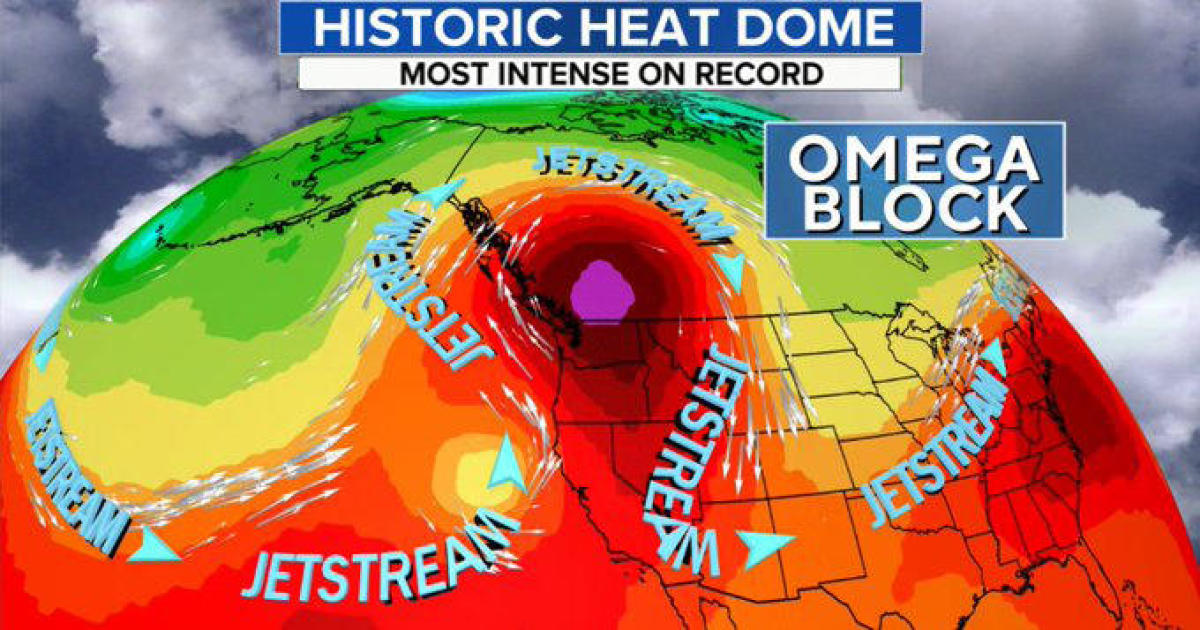
heat-dome-graphic

Reality Check on Extreme Weather Claims

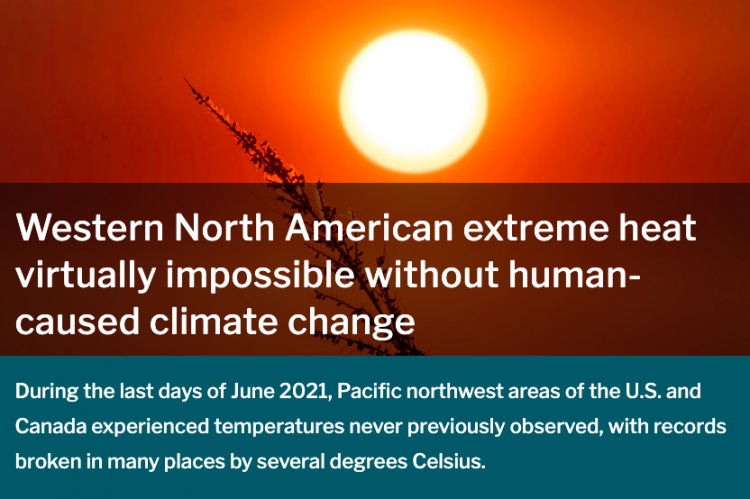
CBS News headline was:  ‘Pacific Northwest heat wave would have been “virtually impossible” without climate change, experts say.’

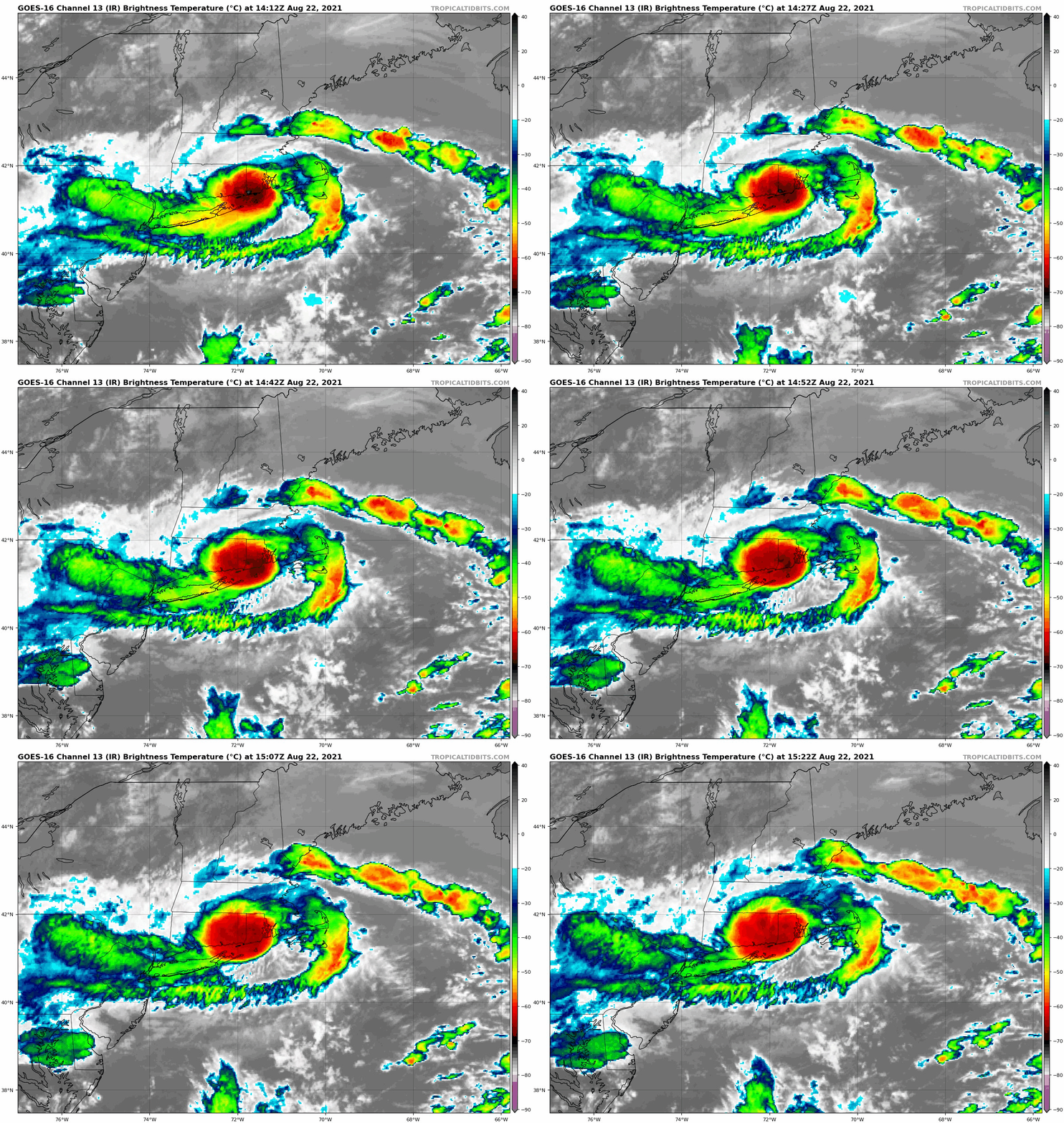
Eric Felton provides a useful reprise of the campaign to exploit a recent Washington State heat wave for climate hysteria mongering.  His article at Real Clear Investigations is Does Climate Change Cause Extreme Weather Now? Here’s a Scorcher of a Reality Check.  This discussion is timely since you can soon expect an inundation of hype saying our SUVs caused whatever damage is done by Hurricane (or Tropical Storm) Henri, shown below approaching Long Island and New England. Excerpts from Felton’s article are below in italics with my bolds.

Henri 20210822

The Pacific Northwest was hit with a record-shattering heat wave in June, with temperatures over 35 degrees higher than normal in some places. On June 28, Portland, Ore., reached 116 degrees. Late last week the region suffered another blast of hot weather, with a high in Portland of 103 degrees. The New York Times didn’t hesitate to pronounce the region’s bouts of extreme weather proof that the climate wasn’t just changing, but catastrophically so.

To make that claim, the Times relied on a “consortium of climate experts” that calls itself World Weather Attribution, a group organized not just to attribute extreme weather events to climate change, but to do so quickly. Within days of the June heat wave, the researchers released an analysis, declaring that the torrid spell “was virtually impossible without human-caused climate change.”

World Weather Attribution and its alarming report were trumpeted by Time magazine, touted by the NOAA website Climate.gov , and featured by CBS News, CNBC, Scientific American, CNN, the Washington Post, USAToday, and the New York Times, among others.

The group’s claim that global warming was to blame was perhaps less significant than the speed with which that conclusion was provided to the media. Previous efforts to tie extreme weather events to climate change hadn’t had the impact scientists had hoped for, according to Time, because it “wasn’t producing results fast enough to get attention from people outside the climate science world.”

“Being able to confidently say that a given weather disaster was caused by climate change while said event still has the world’s attention,” Time explained, approvingly, “can be an enormously useful tool to convince leaders, lawmakers and others that climate change is a threat that must be addressed.” In other words, the value of rapid attribution is primarily political, not scientific.

550856_5_

World Weather Attribution was organized to quickly attribute extreme weather events to climate change.  World Weather Attribution

Inconveniently for World Weather Attribution, an atmospheric scientist with extensive knowledge of the Pacific Northwest climate was actively running weather models that accurately predicted the heatwave. Cliff Mass rejected the notion that global warming was to blame for the scorching temperatures. He calculated that global warming might have been responsible for two degrees of the near 40-degree anomaly. With or without climate change, Mass wrote, the region “still would have experienced the most severe heat wave of the past century.”

Mass has no shortage of credentials relevant to the issue: A professor of atmospheric sciences at the University of Washington, he is author of the book “The Weather of the Pacific Northwest.”

Mass took on the World Weather Attribution group directly: “Unfortunately, there are serious flaws in their approach.” According to Mass, the heatwave was the result of “natural variability.” The models being used by the international group lacked the “resolution to correctly simulate critical intense, local precipitation features,” and “they generally use unrealistic greenhouse gas emissions.”

WWA issued a “rebuttal” calling Mass’ criticisms “misleading and incorrect.” But the gauntlet thrown down by Mass did seem to affect WWA’s confidence in its claims. The group, which had originally declared the heatwave would have been “virtually impossible without human-caused climate change,” altered its tone. In subsequent public statements, it emphasized that it had merely been making “best estimates” and had presented them “with the appropriate caveats and uncertainties.” Scientists with the attribution group did not respond to questions about Mass’s criticisms posed by RealClearInvestigations.

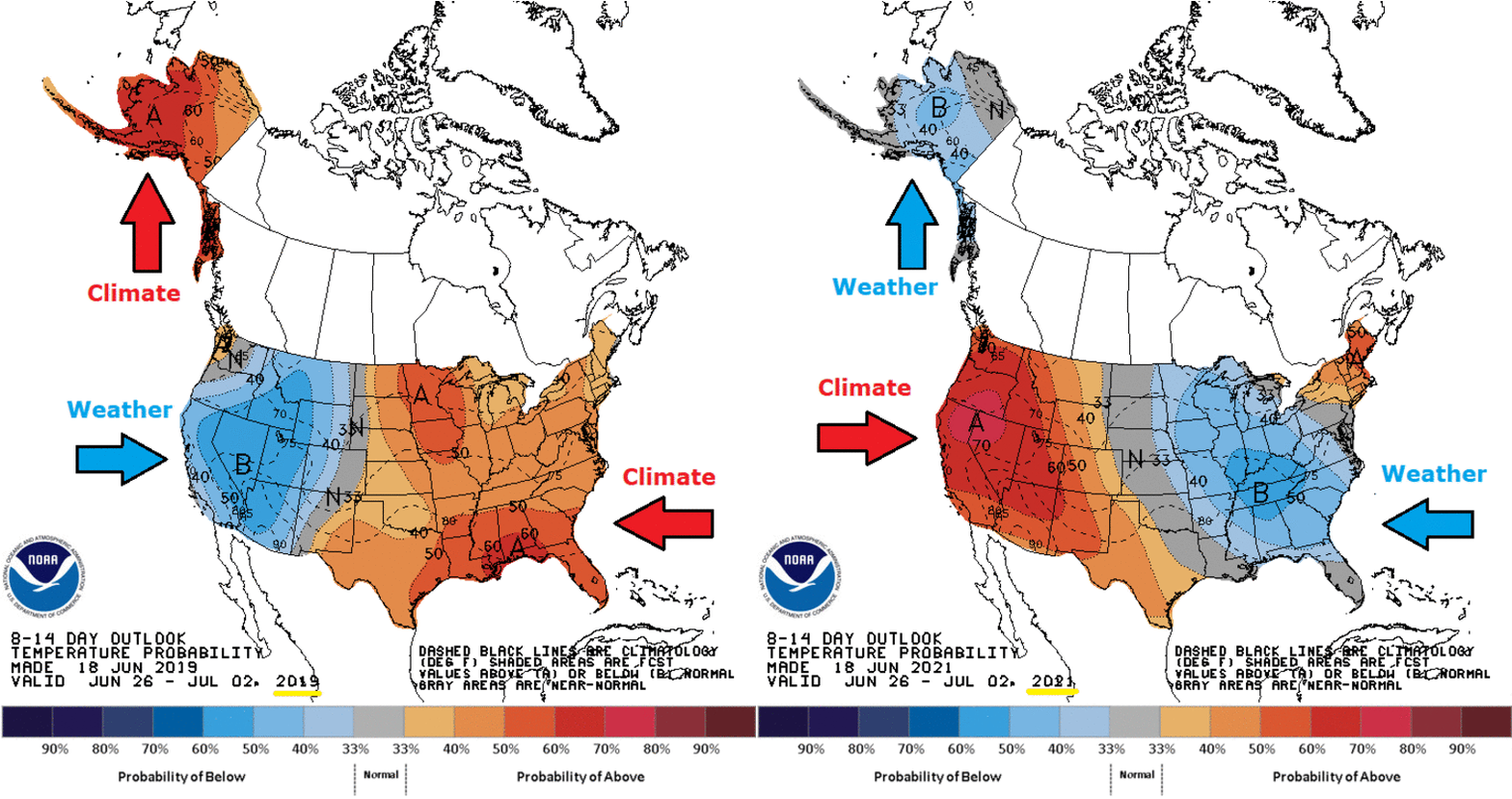
But what of the group’s basic mission, the attribution of individual weather events to climate change? Hasn’t it been a fundamental rule of discussing extreme temperatures in a given place not to conflate weather with climate? Weather, it is regularly pointed out, refers to conditions during a short time in a limited area; climate is said to describe longer-term atmospheric patterns over large areas.

Until recently, at least, climate scientists long warned against using individual weather events to ponder the existence or otherwise of global warming. Typically, that argument is used to respond to those who might argue a spate of extreme cold is reason to doubt the planet is warming. Using individual weather events to say anything about the climate is “dangerous nonsense,” the New Scientist warned a decade ago.

noaa-us-temp-2019-2021

Perhaps, but it happens all the time now that climate advocates have found it to be an effective tool. In 2019, The Associated Press-NORC Center for Public Affairs Research and the Energy Policy Institute at the University of Chicago found that three-fourths of those polled said their views about climate change had been shaped by extreme weather events. Leah Sprain, in the book “Ethics and Practice in Science Communication,” says that even though it may be legitimate to make the broad claim that climate change “may result in future extreme weather,” when one tries “arguing weather patterns were caused by climate change, things get dicey.” Which creates a tension: “For some communicators, the ultimate goal – mobilizing political action – warrants rhetorical use of extreme weather events.” But that makes scientists nervous, Sprain writes, because “misrepresenting science will undermine the credibility of arguments for climate change.”

Which is exactly what happened with the World Weather Attribution group, according to Mass: “Many of the climate attribution studies are resulting in headlines that are deceptive and result in people coming to incorrect conclusions about the relative roles of global warming and natural variability in current extreme weather,” he wrote at his blog. “Scary headlines and apocalyptic attribution studies needlessly provoke fear.”

The blogging professor laments that atmospheric sciences have been “poisoned” by politics. “It’s damaged climate science,” he told RCI.

payn_c18450120210819120100

And not just politics – Mass also says that the accepted tenets of global warming have become a sort of religion. Consider the language used, he says, such as the question of whether one “believes” in anthropogenic climate change. “You don’t believe in gravity,” he says. The religious metaphor also explains why colleagues get so bent out of shape with him, Mass says: “There’s nothing worse than an apostate priest.”

That goes even for those who are merely mild apostates. Mass doesn’t dispute warming, he merely questions how big a problem it is. “We need to worry about climate change,” he has said. “But hype and exaggeration of its impacts only undermine the potential for effective action.”

mle190506c20190506011552

For a more in depth look at the the science of attributing causes of extreme weather events, see:

X-Weathermen are Back!

Hottest Year Misdirection June Report

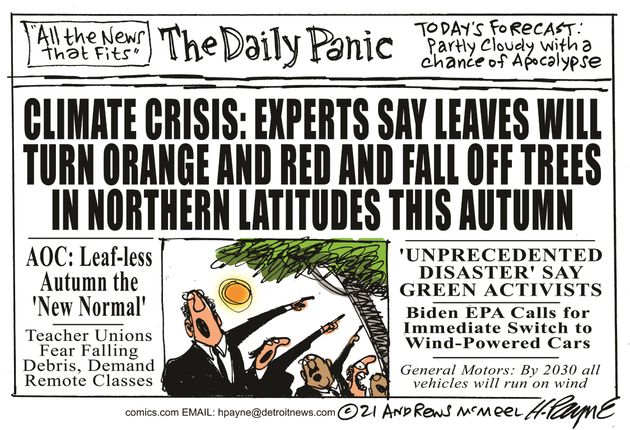
Activists and their media allies are Hell-bent to spoil our summertime joy by stirring up climate fear to further their zero carbon agenda.

The calendar turning to June and the official start to summer triggers the usual alarms that this year will surely be the hottest ever.  Headlines recently:

♦  Is 2023 going to be the hottest year on record?  World Economic Forum

♦  Why 2023 is shaping up to be the hottest year on record New Scientist

♦  Global temperatures in 2023 set to be among hottest on record  The Guardian

♦  2023 will be ‘one of the hottest on record’ says Met Office BBC

And of course you can count on NYT to totally jump the shark:

♦  The Last 8 Years Were the Hottest on Record – The New York Times

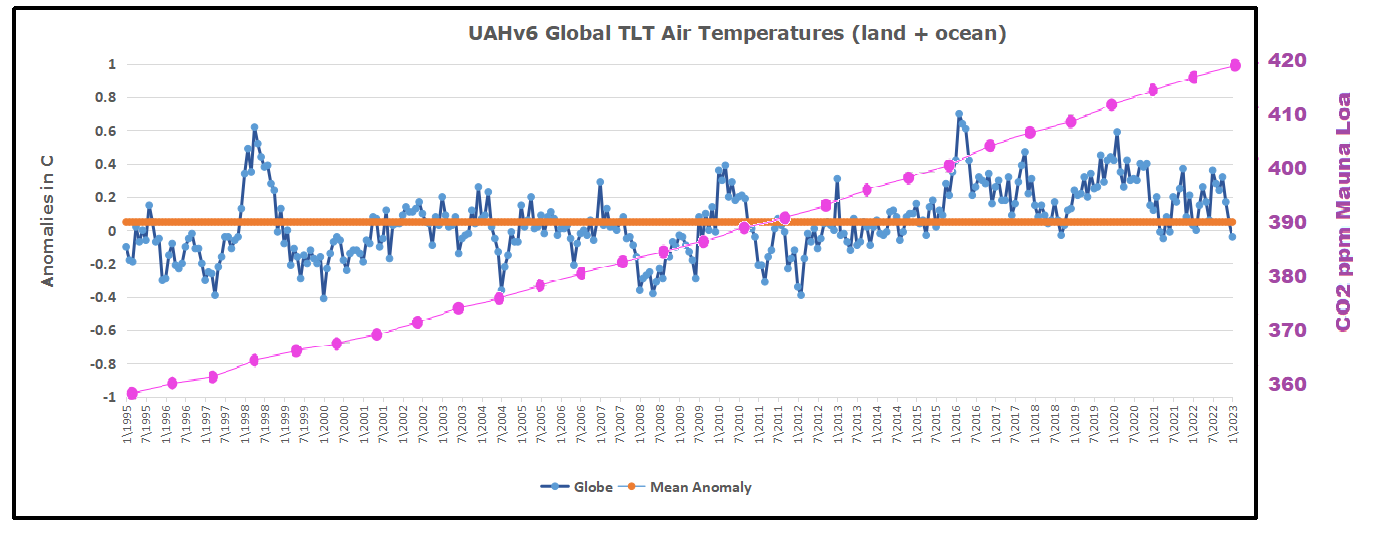
In the past few years, the earth cooled after warming from the 2015-2016 El Nino, and with higher North Atlantic summer anomalies repeating in 2020.  The cooling was significant as shown in the chart below (from the UAH satellite temperature dataset.)

The Global anomaly dropped from +0.7C January 2016 to <0.0C January 2023.  And of course the media ignored that cooling since they are addicted to the global warming narrative: temperatures can only go up, since CO2 keeps rising.  On the contrary, the chart shows CO2 did rise steadily, while temps fluctuated up and down, ending this period of 27 years flat.

Curiously, a lot of us have so far seen unseasonably cool temperatures this year, and wonder where this hottest year could be?  I mean, 60 cm of snow one June day in Jasper Park Alberta?   Suspecting that we have again a weather/climate perception that exists everywhere elsewhere, I turned to NOAA’s Climate at a Glance website to see what their data shows.

Climate reporting is confusing because the scope of temperature averaging gives very different impressions, and at the mega scale rarely corresponds to anyone’s particular experience.  So generalizations are claimed extrapolating from statistics, contradicted by many persons’ direct experience.

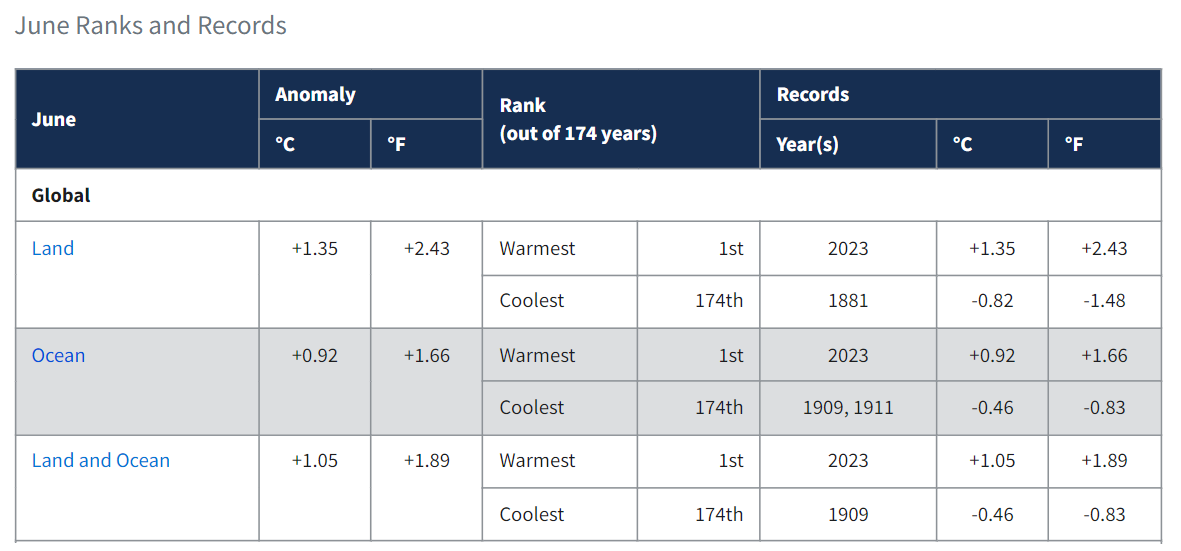
NOAA State of the Climate is another site advocating for the IPCC agenda and illustrates how this works.  First the Global Climate Report:

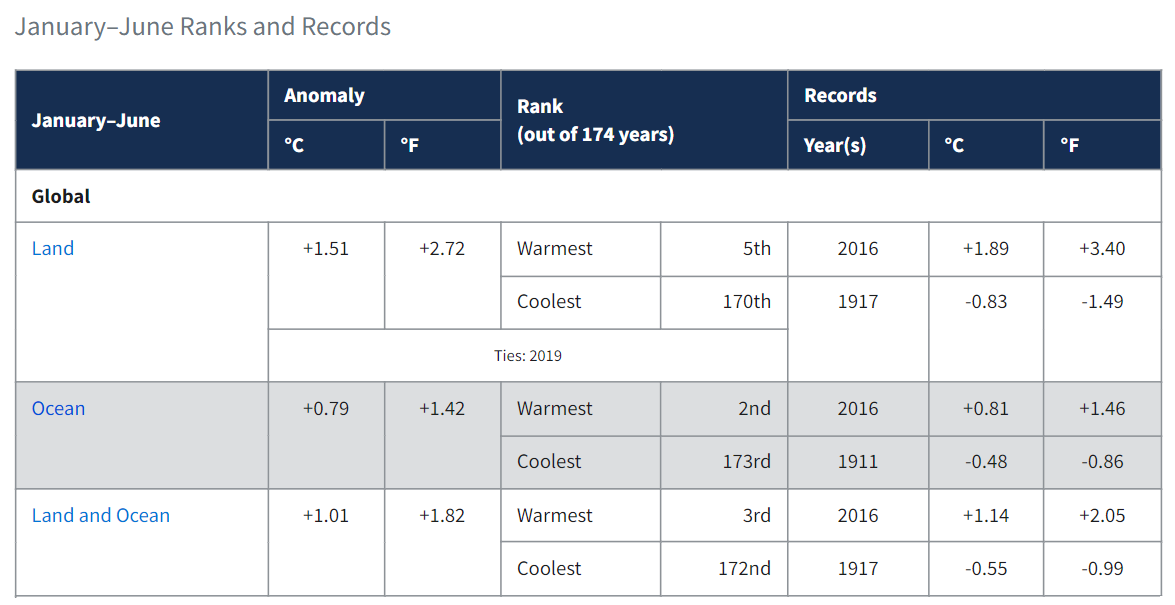
So there is the #1 hottest month out of 174 years–warmest Land, Ocean and combined Global.  Now let’s look at the year to date (YTD):

Whoops, that’s not as scary; the first half of 2023 is not #1.   Rather, the ocean is #2, Land #5, and the Global start to the year is #3.  And the table shows that 2016 was the hottest, consistent with the UAH graph above.  We start to see how media reports are speculating and hoping for this to be the hottest year, despite the first half of the year.

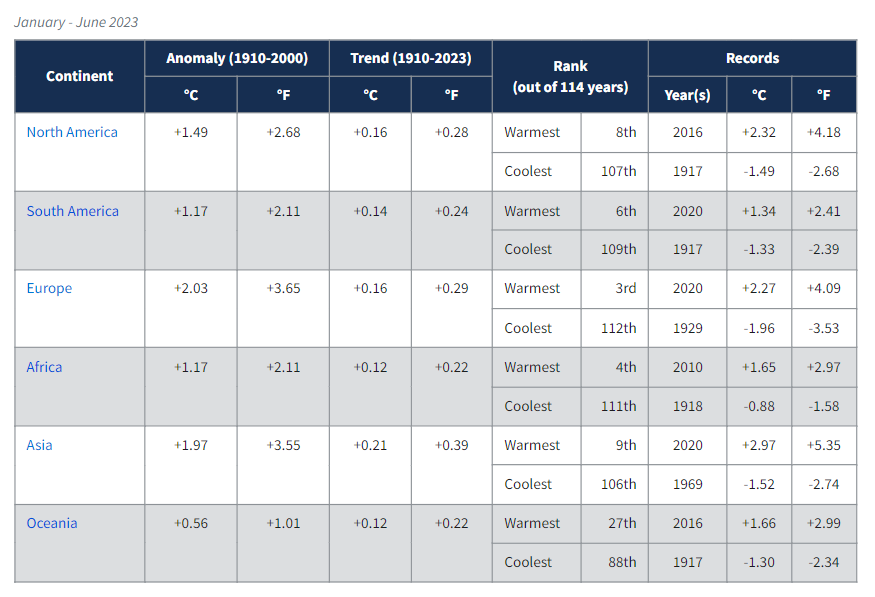
And to understand why most people will be put off by hottest year claims, we go to the Regional Analysis in order to see what the year has been like in various continents (land by definition).

It becomes obvious that no matter where I live, don’t tell me this is the hottest year ever. OK some Africans and Europeans may agree, but those in Oceania (mostly Australians) will boo you out of the room.

Note:  NOAA climatology data

The Extended Reconstructed Sea Surface Temperature (ERSST) dataset is a global monthly analysis of SST data derived from the International Comprehensive Ocean–Atmosphere Dataset (ICOADS). The dataset can be used for long-term global and basin-wide studies and incorporates smoothed local and short-term variations.

The Global Historical Climatology Network monthly (GHCNm) dataset provides monthly climate summaries from thousands of weather stations around the world. The initial version was developed in the early 1990s, and subsequent iterations were released in 1997, 2011, and most recently in 2018. The period of record for each summary varies by station, with the earliest observations dating to the 18th century. Some station records are purely historical and are no longer updated, but many others are still operational and provide short time delay updates that are useful for climate monitoring. The current version (GHCNm v4) consists of mean monthly temperature data, as well as a beta release of monthly precipitation data. [Reported station data are subject to adjustments by way of a procedure, known as the Pairwise Homogenization Algorithm (PHA)]

In addition, a previous post gives directions and links for anyone to get the unbiased climate history where they live, including the example of my locale.  See June 2023 the Hottest Ever? Not So Fast!

Footnote: Everyone has an agenda and packages data in support of their POV.  Those who joined the anti-hydrocarbon crusade are bound to find and amplify any bit of global warming they can find.  My agenda is for people to consider the full amount of relevant data and facts, and to reason accordingly rather than go along with the crowd or their feelings.  My approach is best expressed in this essay:

I Want You Not to Panic

New 2023 INMCM RAS Climate Model First Results

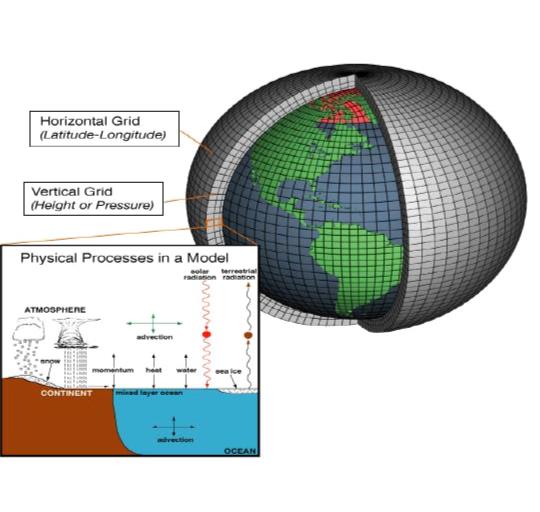
Previous posts (linked at end) discuss how the climate model from RAS (Russian Academy of Science) has evolved through several versions. The interest arose because of its greater ability to replicate the past temperature history. The model is part of the CMIP program which will soon go the next step to CMIP7, and is one of the first to test with a new climate simulation.

This synopsis is made possible thanks to the lead author, Evgeny M. Volodin, providing me with a copy of the article published May 11, 2023 in Izvestiya, Atmospheric and Oceanic Physics. Those with institutional research credentials can access the paper at Simulation of Present-Day Climate with the INMCM60 Model by E. M. Volodin, et al. (2023). Excerpts are in italics with my bolds and added images and comment.

Abstract

A simulation of the present-day climate with a new version of the climate model developed at the Institute of Numerical Mathematics of the Russian Academy of Sciences (INM RAS) is considered. This model differs from the previous version by a change in the cloud and condensation scheme, which leads to a higher sensitivity to the increase in СО2. The changes are also included in the calculation of aerosol evolution, the aerosol indirect effect, land snow, atmospheric boundary-layer parameterization, and some other schemes.

The model is capable of reproducing near-surface air temperature, precipitation, sea-level pressure, cloud radiative forcing, and other parameters better than the previous version. The largest improvement can be seen in the simulation of temperature in the tropical troposphere and at the polar tropopause and surface temperature of the Southern Ocean. The simulation of climate changes in 1850 2021 by the two model versions is discussed.

Introduction

A new version has been developed on the basis of the climate system model described in [1]. It was shown [2] that introducing changes only to the cloud parameterization would produce climate models with different equilibrium sensitivities to a doubling of СО2, in a range of 1.8 to 4.1 K. The INMCM48 version has the lowest sensitivity of 1.8 K among Coupled Model Intercomparison Project Phase 6 (CMIP6) models. The natural question then arises as to how parameterization changes that increase the equilibrium sensitivity affect the simulation of modern climate and of its changes observed in recent decades.

The INMCM48 version simulates modern climate quite well, but it has some systematic biases common to many of the current climate models, and biases specific only to this model. For example, most climate models overestimate surface temperatures and near surface air temperatures at southern midlatitudes and off the east coast of the tropical Pacific and Atlantic oceans and underestimate surface air temperatures in the Arctic (see, e.g., [3]). A typical error of many current models, as well as of INMCM48, is the cold polar tropopause and the warm tropical tropopause, resulting in an overestimation of the westerlies in the midlatitude stratosphere. Possible sources of such systematic biases are the errors in the simulation of cloud amount and optical properties.

In the next version, therefore, changes were first made in cloud parameterization. Furthermore, the INMCM48 exhibited systematic biases specific solely to it. These are, for example, the overestimation of sea-level pressure, as well as of geopotential at any level in the troposphere, over the North Pacific. The likely reason for such biases seems to be related to errors in the heat sources located southward, over the tropical Pacific.

In this study, it is shown how changes in physical parameterizations,
including clouds, affect systematic biases in the simulation of
modern climate and its changes observed in recent decades.

Model and Numerical Experiments

The INMCM60 model, like the previous INMCM48 [1], consists of three major components: atmospheric dynamics, aerosol evolution, and ocean dynamics. The atmospheric component incorporates a land model including surface, vegetation, and soil. The oceanic component also encompasses a sea-ice evolution model. Both versions in the atmosphere have a spatial 2° × 1° longitude-by-latitude resolution and 21 vertical levels up to 10 hPa. In the ocean, the resolution is 1° × 0.5° and 40 levels.

The following changes have been introduced into the model
compared to INMCM48.

Parameterization of clouds and large-scale condensation is identical to that described in [4], except that tuning parameters of this parameterization differ from any of the versions outlined in [3], being, however, closest to version 4. The main difference from it is that the cloud water flux rating boundary-layer clouds is estimated not only for reasons of boundary-layer turbulence development, but also from the condition of moist instability, which, under deep convection, results in fewer clouds in the boundary layer and more in the upper troposphere. The equilibrium sensitivity of such a version to a doubling of atmospheric СО2 is about 3.3 K.

The aerosol scheme has also been updated by including a change in the calculation of natural emissions of sulfate aerosol [5] and wet scavenging, as well as the influence of aerosol concentration on the cloud droplet radius, i.e., the first indirect effect [6]. Numerical values of the constants, however, were taken to be a little different from those used in [5]. Additionally, the improved scheme of snow evolution taking into account refreezing and the calculation of the snow albedo [7] were introduced to the model. The calculation of universal functions in the atmospheric boundary layer in stable stratification has also been changed: in the latest model version, such functions assume turbulence at even large gradient Richardson numbers [8].

A numerical model experiment to simulate a preindustrial climate was run for
180 years,
not including the 200 years when equilibrium was reached.

All climate forcings in this experiment were held at their 1850 level. Along with a preindustrial experiment, a numerical experiment was run to simulate climate change in 1850–2029, for which forcings for 1850–2014 were prescribed consistent with observational estimates [9], while forcings for 2015–2029 were set according to the Shared Socioeconomic Pathway (SSP3-7.0) scenario [10].

To verify the simulation of present-day climate, the data from the experiment with a realistic forcing change for 1985–2014 were used and compared against the European Centre for Medium-Range Weather Forecasts (ECMWF) Reanalysis fifth generation (ERA5) data [11], the Global Precipitation Climatology Project, version 2.3 (GPCP 2.3) precipitation data [12], and the Clouds and the Earth’s Radiant Energy System (CERES) Energy Balanced and Fitted Edition 4.1 (CERES-EBAF 4.1) top-of-atmosphere (TOA) outgoing radiation fluxes [13].

The root-mean-square deviation of the annual and monthly averages of modeled and observed fields was used as a measure for the deviation of model data from observations, for which the observed fields were interpolated into a model grid. For calculating the sea-level pressure and 850-hPa temperature errors, grid points with a height over 1500 m were excluded. The modeled surface air temperatures were compared with the Met Office Hadley Center/Climatic Research Unit version 5  (HadCRUT5) dataset [14].

Results

Below are some results of the present-day climate simulation. Because changes in the model were introduced mainly into the scheme of atmospheric dynamics and land surface and there were no essential changes in the oceanic component, we shall restrict our discussion to atmospheric dynamics.


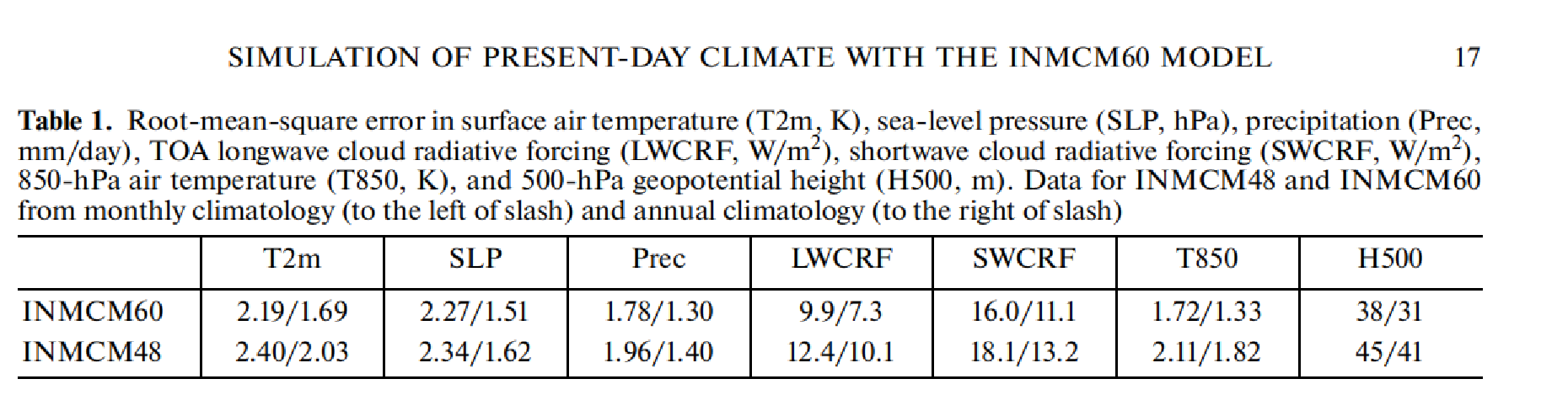
Table 1 demonstrates that the norms of errors in most fields were reduced. Changing the calculation of cloud cover and properties has improved the cloud radiative forcing, and the norm of errors for both longwave and shortwave forcing decreased by 10–20% in the new version compared to its predecessor. The global average of short-wave cloud radiative forcing is –47.7 W/m2 in the new version, –40.5 W/m2 in the previous version, and about –47 W/m2 in CERES-EBAF. The average TOA longwave radiative forcing is 29.5 W/m2 in the new version, 23.2 W/m2 in the previous version, and 28 W/m2 in CERES-EBAF. Thus, the average longwave and shortwave cloud radiative forcing in the new model version has proven to be much closer to observations than in the previous version.

From Table 1, the norm of the systematic bias has decreased significantly for 850-hPa temperatures and 500-hPa geopotential height. It was reduced mainly because average values of these fields approached observations, whereas the averages of both fields in INMCM48 were underestimated.

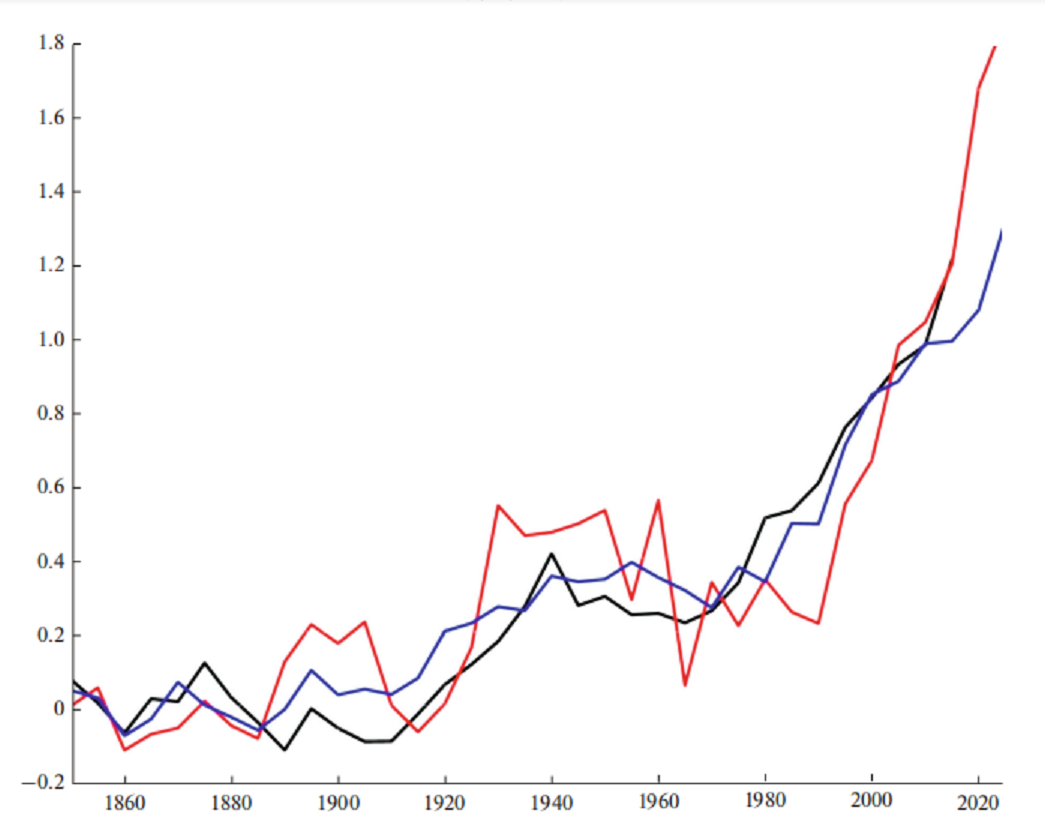
Figure 3 Volodin et al (2023)

We now consider the simulation of climate changes for 1850–2021. The 5-year mean surface temperature from HadCRUT5 (black), INMCM48 (blue), and INMCM60 (red) is shown in Fig. 3. The average for the period 1850 to 1899 is subtracted for each of the three datasets. The model data are slightly extended to the future, so that the most recent value matches the 2025–2029 average. It can be seen that warming in both versions by 2010 is about 1 K, approximately consistent with observations. The observed climate changes, such as the warmer 1940s and 1950s and the slower warming, or even a small cooling, in the 1960s and 1970s, are also obtained in both model versions. However, the warming after 2010–2014 turns out to be far larger in the new version than in the previous one, with differences reaching 0.5 K in 2025–2029. The discrepancies between the two versions are most distinct in the rate of temperature rise from 1990–1994 to 2025–2029. In INMCM48, the temperature rises by about 0.8 K, while the increase for INMCM60 is about 1.5 K. The discrepancy appears to have been caused primarily by a different sensitivity of the models, but a substantial contribution may also come from natural variability, so a more reliable conclusion could be made only by running ensemble numerical experiments.

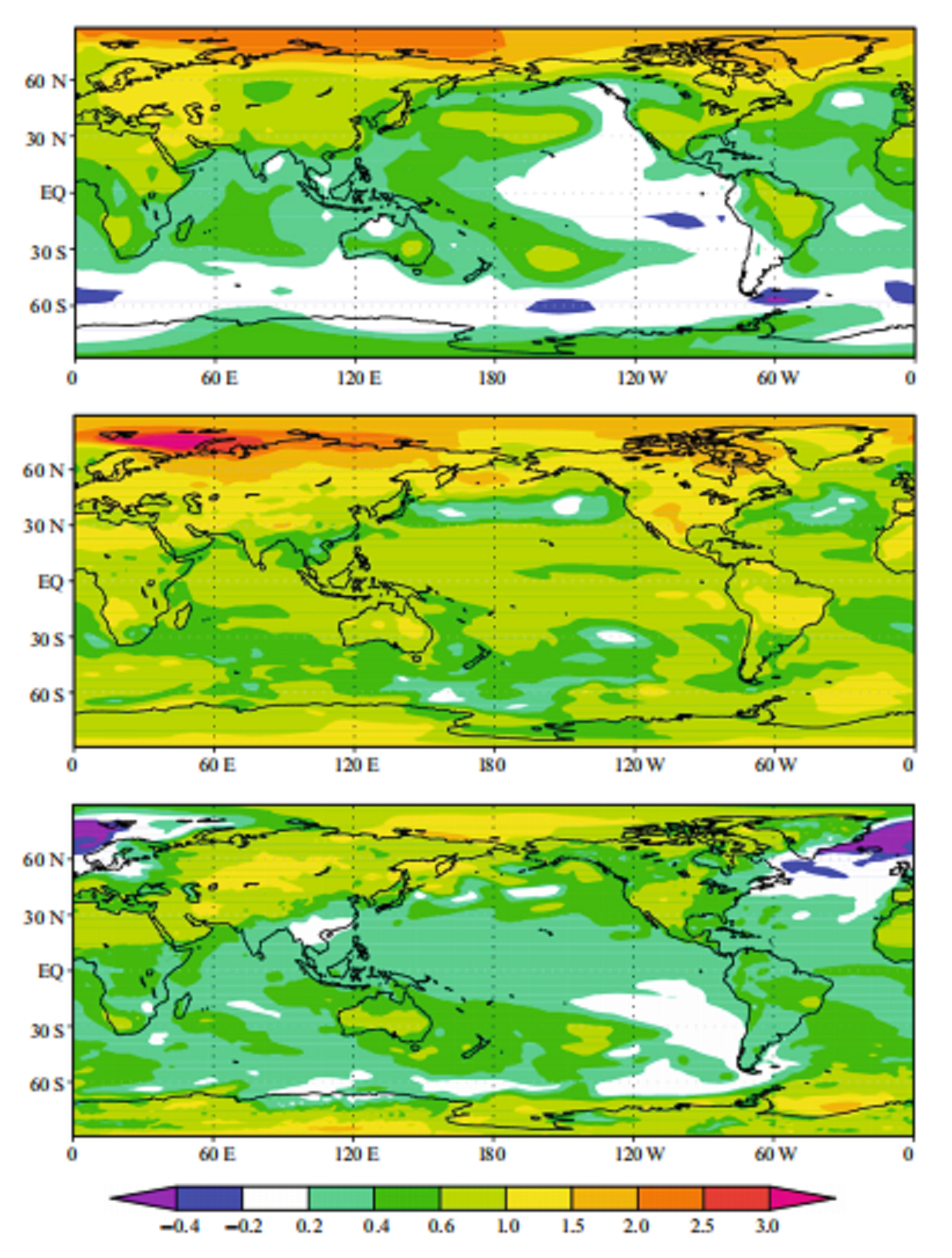
Figure 4 Volodin et al. (2023)

Figure 4 displays the difference in surface air temperature from HadCRUT5 (top), the new version (midddle) , and the previous version (bottom) in 2000–2021 and 1979–1999. It is the interval where the warming was the largest, as is seen in Fig. 3. The observational data show that the largest warming, above 2 K, was in the Arctic, there was a warming of about 1 K in the Northern Hemisphere midlatitudes, and there was hardly any warming over the Southern Ocean. The pattern associated with a transition of the Pacific Decadal Oscillation (PDO) from the positive phase to the negative one appears over the Pacific Ocean. The new model version simulates a temperature rise at high and middle northern latitudes more closely to observations, whereas the previous version underestimates the rise in temperature in that region.

At the same time, over the tropical oceans where the observed warming is small, the data from the previous model version agree better with observations, while the new version overestimates warming. Both models failed to reproduce the Pacific Ocean temperature changes resulting from a positive to negative phase transition of PDO, as well as near zero temperature changes at southern midlatitudes.  Large differences of temperature change in the Atlantic sector of the Arctic, where there is some temperature decrease in the INMCM48 model and substantial increase in the INMCM60, are most probably caused by natural climate fluctuations in this region, so a reliable conclusion regarding the response of these model versions to observed forcing could also be drawn here only by running ensemble numerical experiments.

Conclusions

The INMCM60 climate model is able to simulate present-day climate better than the previous version The largest decrease can be seen in systematic biases connected with an overestimation of surface temperatures at southern midlatitudes, an underestimation of surface air temperatures in the Arctic, and an underestimation of polar tropopause and tropospheric temperatures in the tropics. The simulation of the cloud radiative forcing has also improved.

Despite different equilibrium sensitivities to doubled СО2, both model versions show approximately the same global warming by 2010–2015, similar to observations. However, projections of global temperature for 2025–2029 already differ between the two model versions by about 0.5 K. A more reliable conclusion regarding the difference in the simulation of current climate changes by the two model versions could have been made by running ensemble simulations, but this is likely to be done later because of the large amount of computational time and computer resources it will take.

My Comments
  1.  Note that INMCM60 runs hotter than version 48 and HadCRUT5. However, as the author points out, this is only a single simulation run, and a truer result will come later from an ensemble of multiple runs. There were several other references to tetnative findings awaiting ensemble runs yet to be done.
    For example see the comparable ensemble performance of the previous version (then referred to as INMCM5)

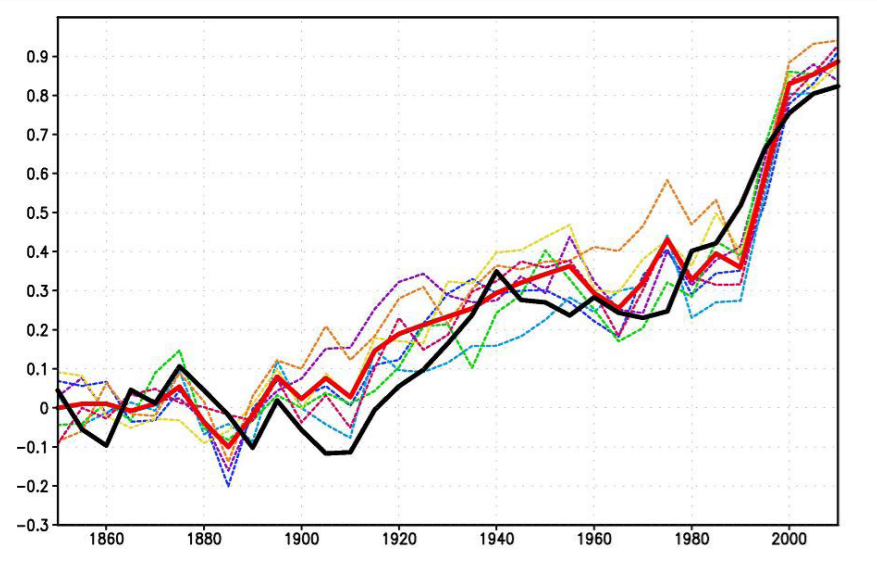
Figure 1. The 5-year mean GMST (K) anomaly with respect to 1850–1899 for HadCRUTv4 (thick solid black); model mean (thick solid red). Dashed thin lines represent data from individual model runs: 1 – purple, 2 – dark blue, 3 – blue, 4 – green, 5 – yellow, 6 – orange, 7 – magenta. In this and the next figures numbers on the time axis indicate the first year of the 5-year mean.


2.  Secondly, this study confirms the warming impacts of cloud parameters that appear in all the CMIP6 models. They all run hotter primarily because of changes in cloud settings. The author explains how INMCM60 performance improved in various respects, but it came with increased CO2 sensitivity. That value rose from 1.8C per doubling to 3.3C, shifting the model from lowest to middle of the range of CMIP6 models. (See Climate Models: Good, Bad and Ugly)

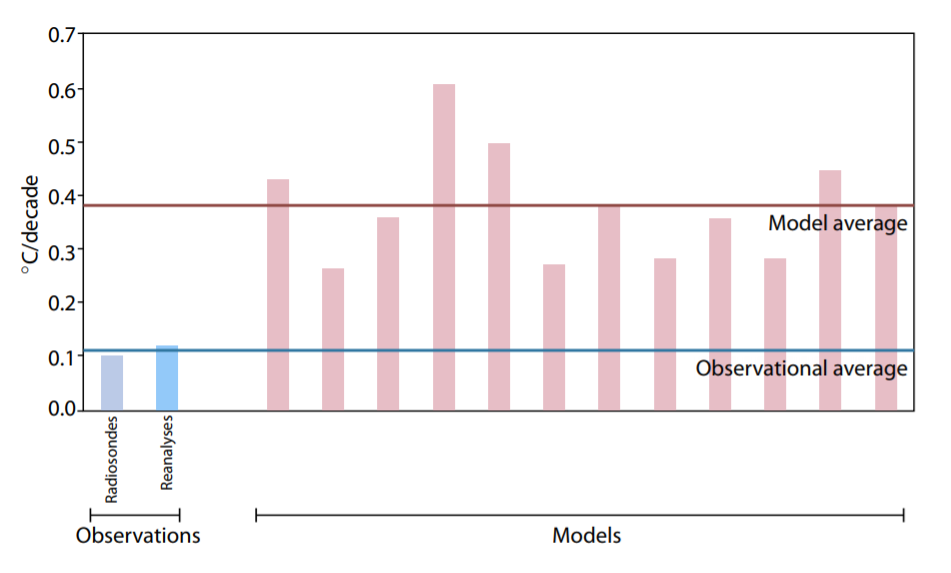
Figure 8: Warming in the tropical troposphere according to the CMIP6 models. Trends 1979–2014 (except the rightmost model, which is to 2007), for 20°N–20°S, 300–200 hPa.

3.  Thirdly, the temperature record standard has changed with a warming bias. See below from Clive Best comparison between HadCrut 4.6 and HadCrut 5.

The HadCRUT5 data show about a 0.1C increase in annual global temperatures compared to HadCRUT4.6. There are two reasons for this.

The change in sea surface temperatures moving from HadSST3 to HadSST4
The interpolation of nearby station data into previously empty grid cells.

Here I look into how large each effect is. Shown above is a comparison of HadCRUt4.6 with HadCRUT5.

Coincidentally or not, with the temperature standard shifting to HadCrut 5, model parameters shifted to show more warming to match. Skeptics of climate models are not encouraged by seeing warming added into the temperature record, followed by models tuned to increase CO2 warming.

4. The additional warming in both the model and in HadCRUT5 is mostly located in the Arctic. However, those observations include a warming bias derived from using datasets of anomalies rather than actual temperature readings.

Clive Best provides this animation of recent monthly temperature anomalies which demonstrates how most variability in anomalies occur over northern continents.

See Temperature Misunderstandings

The main problem with all the existing observational datasets is that they don’t actually measure the global temperature at all. Instead they measure the global average temperature ‘anomaly’. . .The use of anomalies introduces a new bias because they are now dominated by the larger ‘anomalies’ occurring at cold places in high latitudes. The reason for this is obvious, because all extreme seasonal variations in temperature occur in northern continents, with the exception of Antarctica. Increases in anomalies are mainly due to an increase in the minimum winter temperatures, especially near the arctic circle.

A study of temperature trends recorded at weather stations around the Arctic showed the same pattern as the rest of NH.  See Arctic Warming Unalarming

5. The CMIP program specifies that participating models include CO2 forcing and exclude solar forcing. Aerosols are the main parameter for tuning models to match. Scafetta has shown recently that models perform better when a solar forcing proxy is included. See Empirical Proof Sun Driving Climate (Scafetta 2023)

• The role of the Sun in climate change is hotly debated with diverse models.

• The Earth’s climate is likely influenced by the Sun through a variety of physical mechanisms.

• Balanced multi-proxy solar records were created and their climate effect assessed.

• Factors other than direct TSI forcing account for around 80% of the solar influence on the climate.

• Important solar-climate mechanisms must be investigated before developing reliable GCMs.

This issue may well become crucial if we go into a cooling period due to a drop in solar activity.

Summation

I appreciate very much the diligence and candor shown by the INM team in pursuing this monumental modeling challenge. The many complexities are evident, as well as the exacting attention to details in the attempt to dynamically and realistically represent Earth’s climate. It is also clear that clouds continue to be a major obstacle to model performance, both hindcasting and forecasting. I look forward to their future results.

Resources

Top Climate Model Gets Better

Best Climate Model: Mild Warming Forecasted

Temperatures According to Climate Models

Why Trump So Far Ahead of GOP Field?

The best answer comes from John Daniel Davidson writing at The Federalist DeSantis’ Problem Isn’t Trump, It’s That Dems Rigged The Last Election.  Excerpts in italics with my bolds and added images.

How can GOP candidates admit that 2020 was rigged against Trump voters,
and then ask those voters to abandon Trump?

You might have noticed a media narrative taking shape the last few days about how Florida Gov. Ron DeSantis’ presidential campaign has “stalled.” A Politico Playbook item over the weekend described it as a “failure to launch,” noting that polling for DeSantis peaked in January at 40.5 percent and has since settled in the low 20s amid a barrage of attacks from former President Donald Trump.

Playbook also cited other news outlets recently casting doubt on the DeSantis operation, from fundraising struggles to lack of endorsements to difficulties distinguishing himself from Trump on policy. DeSantis super PAC official Steve Cortes added fuel to the narrative fire in an interview Sunday night, bemoaning the polls and admitting, “clearly Donald Trump is the runaway frontrunner.”

One could of course object that it’s only July, that polls don’t mean much this far out from the primaries, and that corporate media want nothing more than to push a DeSantis-is-stalled narrative whether it’s true or not, because they hate and fear him just as they hate and fear Trump.

But maybe there’s something else going on here. If enthusiasm for DeSantis seems lacking, maybe it has little or nothing to do with DeSantis or his campaign. Perhaps what we’re seeing is less about him and still less about 2024 or the upcoming GOP primary scrum, and more about what happened in 2020. Put bluntly, maybe what we’re seeing now is an early sign that what Democrats, Big Tech, and corporate media did in 2020 was inject poison into our political system, and the 2024 election cycle is going to show us just how deadly that poison is. 

Recall that 2020 was unlike any election in American history.

One need not declare that it was “stolen” to admit that it was obviously rigged. After all, the people and institutions that rigged it have freely admitted what they did. They suppressed the Hunter Biden laptop story, censored what Americans could say on social media, introduced unprecedented changes to our voting system under the pretext of pandemic precautions, and poured hundreds of millions of dollars into putatively nonpartisan local election offices through Mark Zuckerberg-connected nonprofits for the sole purpose of turning out Democrat voters in swing states.

Nothing like that has ever happened in American history. And it was all done
for the singular purpose of ensuring that Trump would not serve a second term.

What’s more, all of that came after four years of the permanent regime in Washington discarding every political norm, bending every rule, and breaking more than a few laws in a failed effort to oust Trump from office during his first term.

Now, maybe you think that’s all nonsense, or just water under the bridge. What’s done is done, we can’t go back, and even if the 2020 election wasn’t on the level we all just need to move on and go about the 2024 primary season like it’s business as usual. There’ll be debates and a deluge of political ads and campaign shenanigans. There’ll be a chaotic, rambunctious primary full of zingers and debate moderator tomfoolery, and at the end of it Republicans will have their nominee and we can all get on with the general election.

Sorry, but that’s not going to happen. It won’t happen because Trump supporters are understandably not willing to forget 2020 and just trundle along through 2024 like none of it happened. Plenty of them will always believe, not without reason, that 2020 was stolen outright. Many millions more believe, with even more reason, that it was rigged unfairly against Trump and that the same forces are at work now to rig it against whomever the GOP nominee turns out to be.

Does that mean Trump is somehow entitled to the nomination, or even to another term in the White House? Not necessarily. To the extent that 2020 was stolen, it wasn’t strictly speaking stolen from Trump but from the American people, the voters who cast their ballots for Trump in good faith, trusting that our elections were free and fair. 

Now that their faith has proved misplaced, do you think they’re going to line up for a GOP primary and consider each candidate on his or her merits, giving them all a fair hearing? Of course not. As far as they’re concerned, they were robbed of their votes in the last election by a corrupt cabal of powerful elites who are still in control.

Indeed, we know more today about the astounding level of corruption
and election-rigging in 2020 than we did at the time.

None of the problems have been fixed, and no reparations have been made. You can’t expect these voters to simply move on and act like 2024 is going to be a free and fair election, and accept whatever result the machine coughs up. 

To win over GOP primary voters who supported Trump in the past two cycles, these candidates have to speak to the injustice that was done in 2020, they have to admit what happened, name who did it, and affirm that we cannot have a self-governing republic if that’s how our elections are going to be.

And therein lies the problem for a candidate like DeSantis — to say nothing of such winsome and meritorious gunners like Vivek Ramaswamy or Tim Scott. How can you decry what they did to Trump in one breath and in the next proclaim that you’re the best person to redress those grievances? That Trump should stand aside and let you, Nikki Haley, restore faith in American elections and put Democrats in their place. 

Maybe it can be done, maybe they can come up with a rationale for their candidacies that will appeal to Trump supporters. It certainly would be a neat trick. 

But if you’re trying to explain why an otherwise popular figure like DeSantis isn’t gaining traction among GOP primary voters, the answer has less to do with Trump and more to do with what Democrats did in 2020. No one should expect Trump voters to forgive and forget.

Democrats and their accomplices might have thought they were
getting rid of Trump once and for all, and maybe they will
get rid of him in the end. But right now, it looks like they sowed the wind.