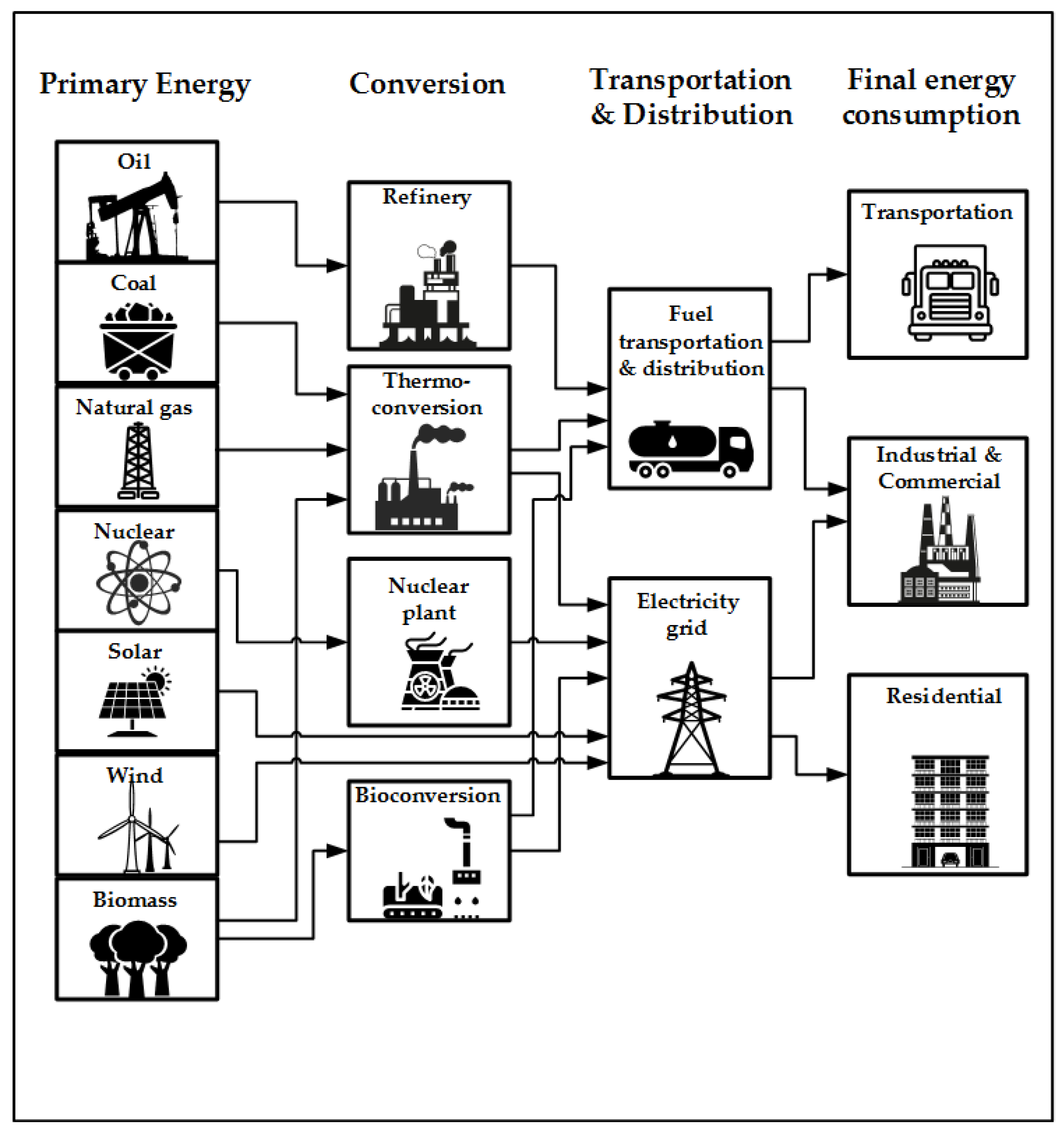
Holman W. Jenkins, Jr. reports at WSJ on observing the Irresistible March of Energy Realism. Excerpts in italics with my bolds and added images.
The publishing gods have smiled on French energy historian Jean-Baptiste Fressoz. His book, whose U.S. edition is coming out in August, is already getting wide notice. Its French title essentially means “there is no transition.” Mr. Fressoz tells a podcaster he’s even happier with the English title, “More and More and More.”
Energy sources are additive and symbiotic, he writes. Coal, oil, gas,
wood, nuclear and renewables all grew together, they didn’t replace each other.
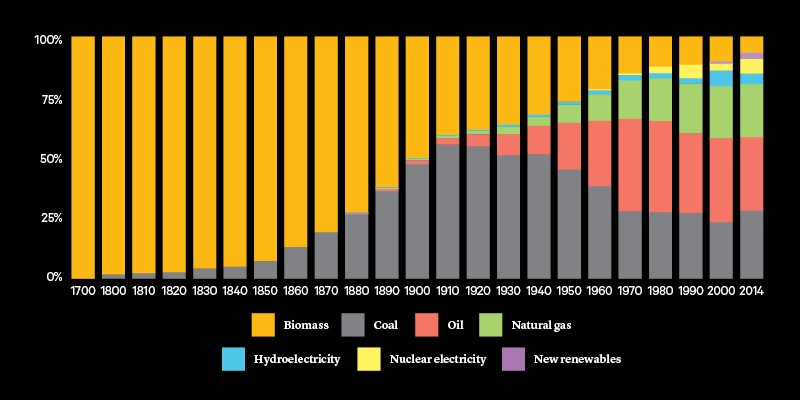
An increase in coal provided steel piping to enable oil and gas production. More wood than ever was consumed to support British coal mines. The world’s biggest maker of wooden barrels at one time was John D. Rockefeller. A car in the 1930s consumed more coal via its required steel than it would consume in fossil fuels in its lifetime.

In the U.K. today, a single wood-burning electric plant consumes more wood than Britain’s entire 18th-century economy and yet accounts for a small fraction of Britain’s current energy output. The only transition has been to more energy consumption.
As this column has pointed out, subsidies for green energy, adopted globally by the Obama imitators in lieu of carbon taxes, only end up subsidizing more energy use, including copious fossil energy to make batteries, wind turbines and solar panels.
 In a blue moon, honest greens will admit as much and argue that when green energy has been sufficiently built up with government aid, the U.S. will lead the nations to introduce carbon taxes.
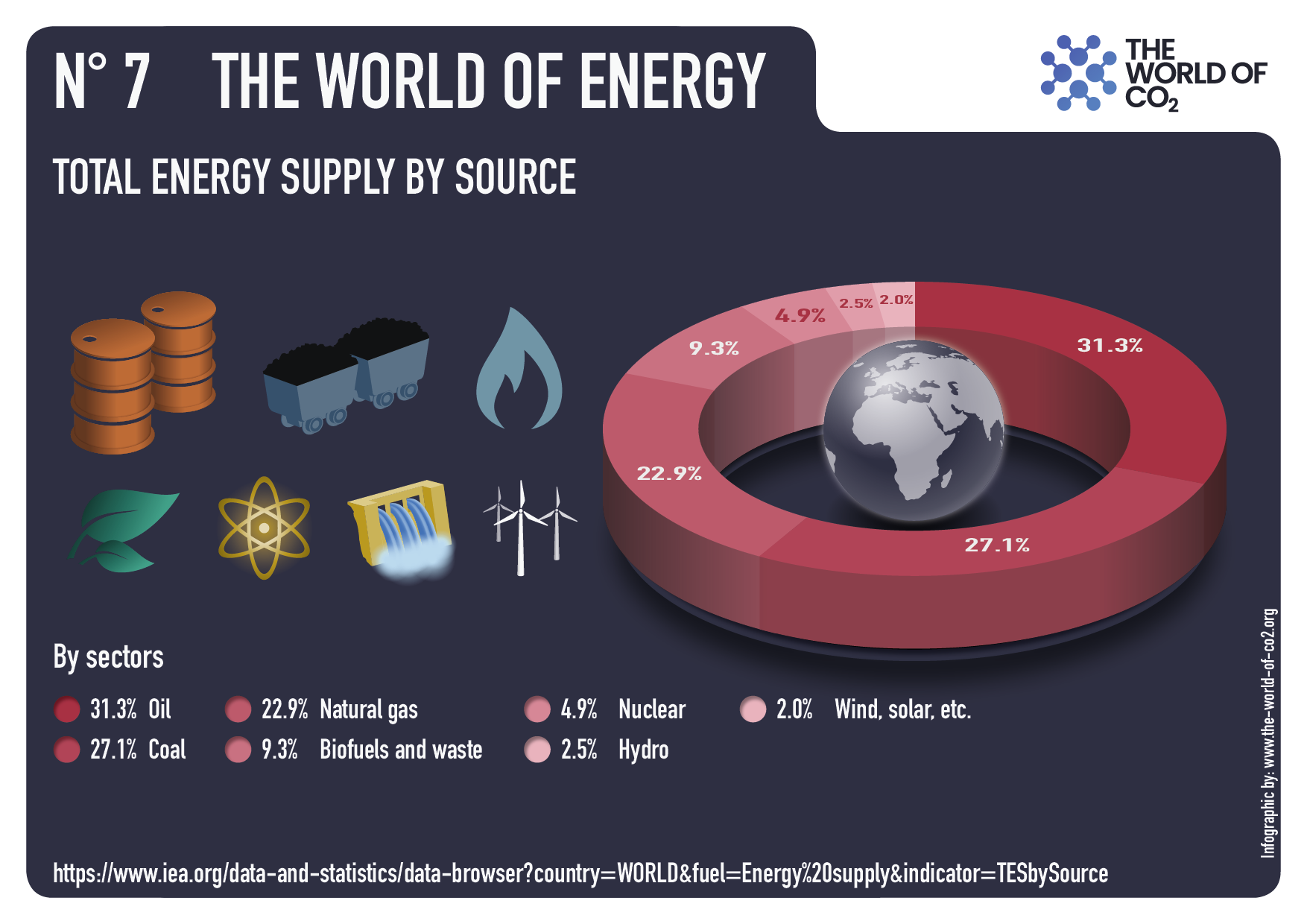
The faulty assumption here is that phasing out fossil energy will be any easier in 50 years when the world is consuming twice as much energy and half is still fossil energy, producing the same emissions as today. A likelier outcome: When the green subsidies stop, as inevitably they must, the result will be a burst of emissions as the formerly subsidized users shift to fossil energy to stay solvent.
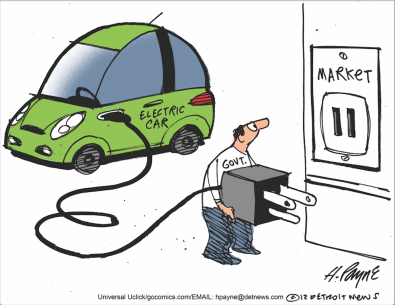
The Trump election poses a special puzzle for domestic U.S. automakers: How much of their $110 billion investment in electric vehicles to write off? In the absence of subsidies and mandates, what’s the natural market for EVs and, importantly, what kind?
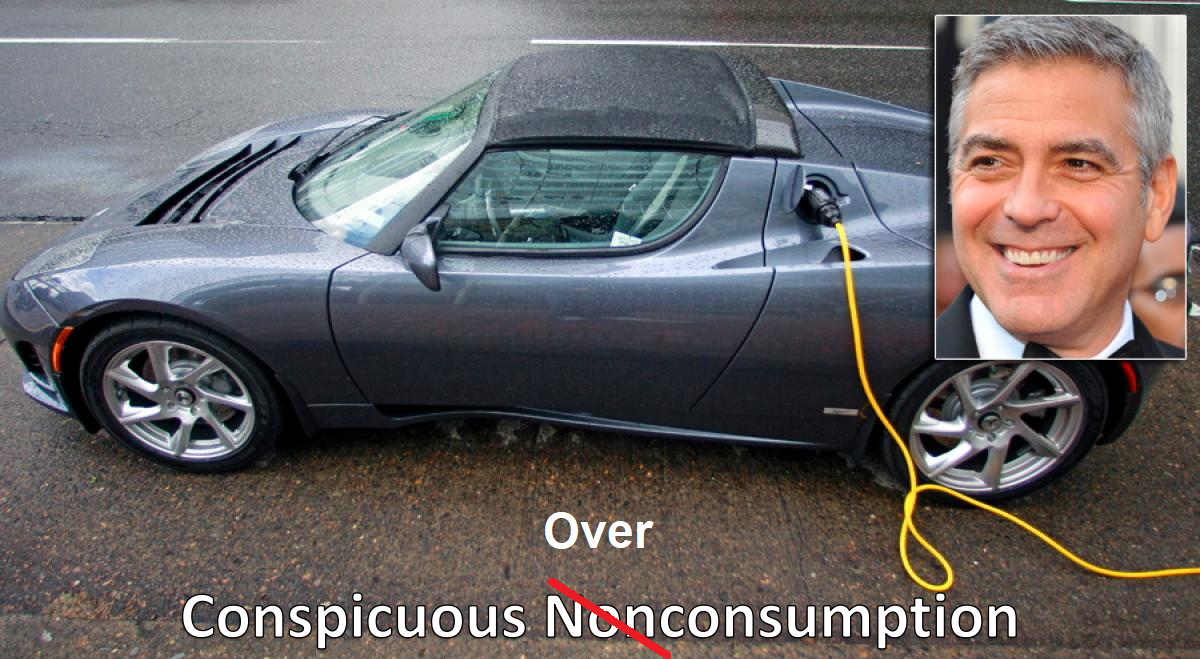
The Rube Goldberg effect of U.S. policy has led to heavily subsidized status pieces for high-end consumers, whose large batteries are mainly used to haul around their large batteries.

These are net losers for the stated goal of reducing CO2 emissions. Unknowables loom. An Oxfam report finds up to $41 billion in World Bank climate spending, backed by U.S. taxpayers, unaccounted for. This is only the beginning. What happens when voters realize not billions but trillions doled out to the green-energy lobby have had no effect on atmospheric CO2 levels or climate?

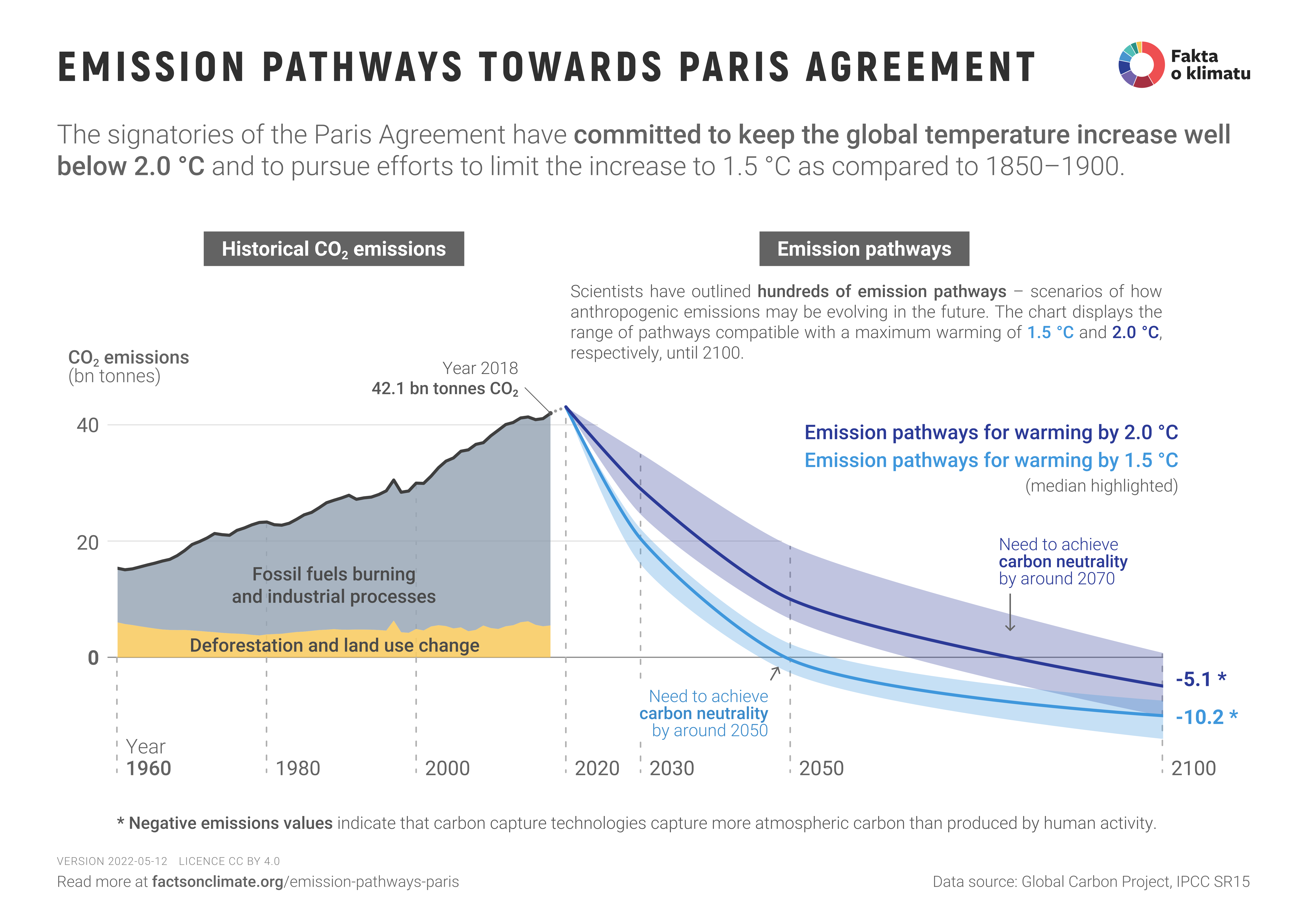
Meanwhile, hard to find are detailed climate or emissions projections that don’t effectively assume successful efforts to stabilize warming at the putative 1.5 or 2 degree Celsius levels.
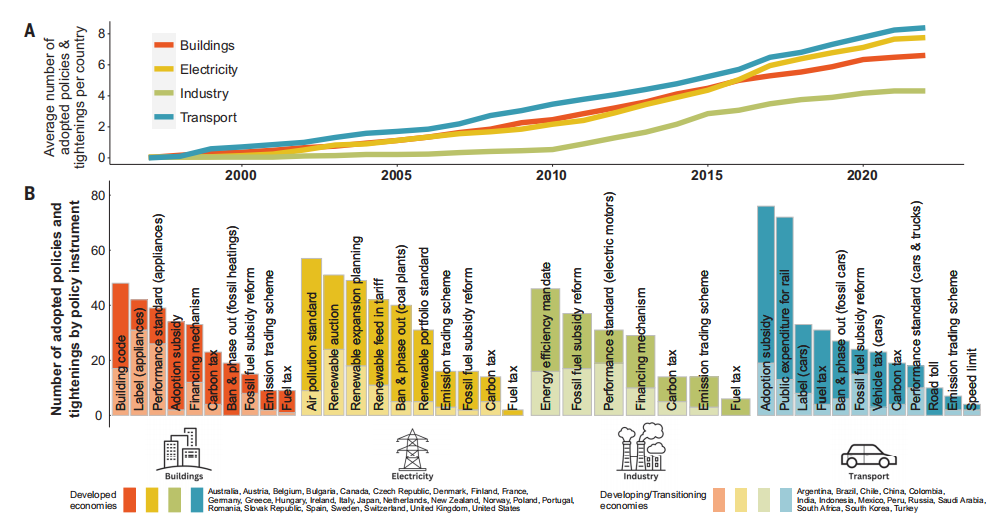
These efforts at stabilization aren’t happening. In the peer-reviewed journal of the American Association for the Advancement of Science, a study finds that of 1,500 “climate” policies announced around the world, a mere 63, or 4%, produce any reduction in emissions.
Mr. Fressoz, in the “Decouple” podcast, delves into the fascinating 1970s. Governments everywhere, along with the oil industry, well recognized the CO2 problem. The British government of Margaret Thatcher realized its emissions were becoming too small a share of the total for reductions to make a difference. A U.S. panel calculated that even a heroic U.S. effort would delay warming only by a few years.
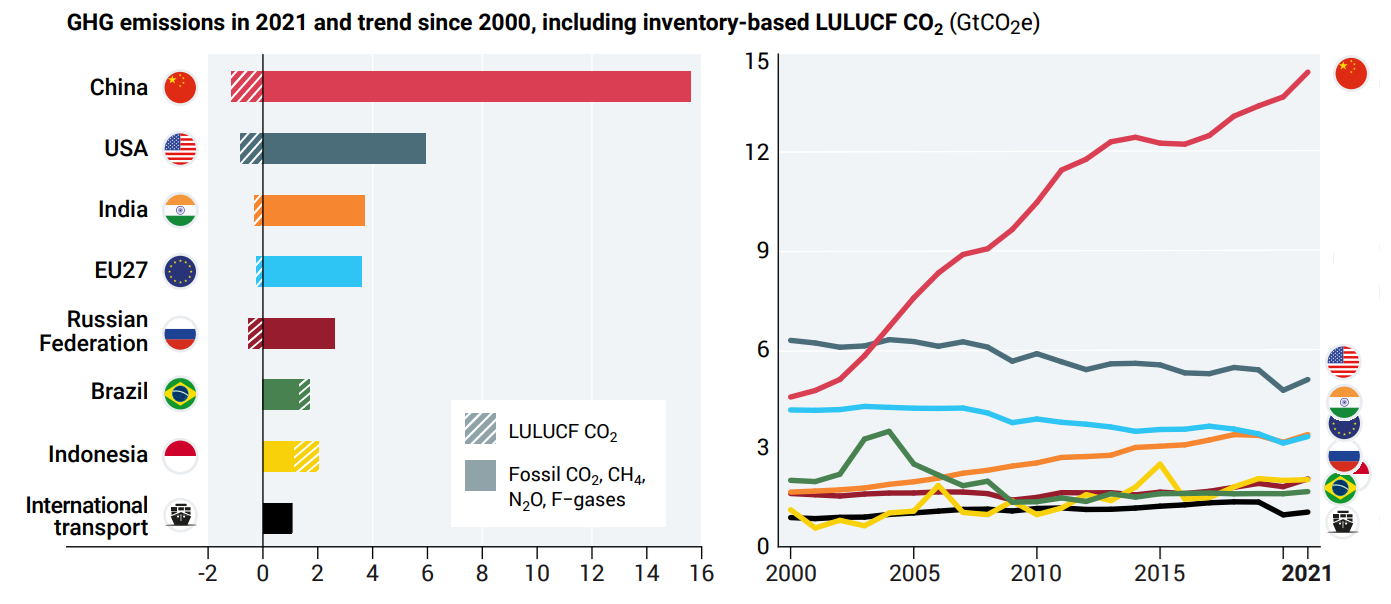
A Chinese representative warned a 1979 conference that by 2000, his country intended to burn more coal than the world’s then-annual total.
Our path—unavoidable adaptation—was laid down long before today’s believer-denier debate, a language effectively developed and deployed to promote climate pork, not meaningful climate action. Last year, by one accounting, global emissions topped 40 billion tons for the first time. I suspect carbon taxes may yet be adopted, albeit for fiscal reasons. Solar geoengineering, using particulates to adjust the amount of sunlight landing on Earth, is probably in the cards at some point.
In Chris Wright, the Liberty Energy CEO, Donald Trump has nominated to head the U.S. Energy Department a determined evangelist for energy realism. This is why I introduced him to readers earlier this year.
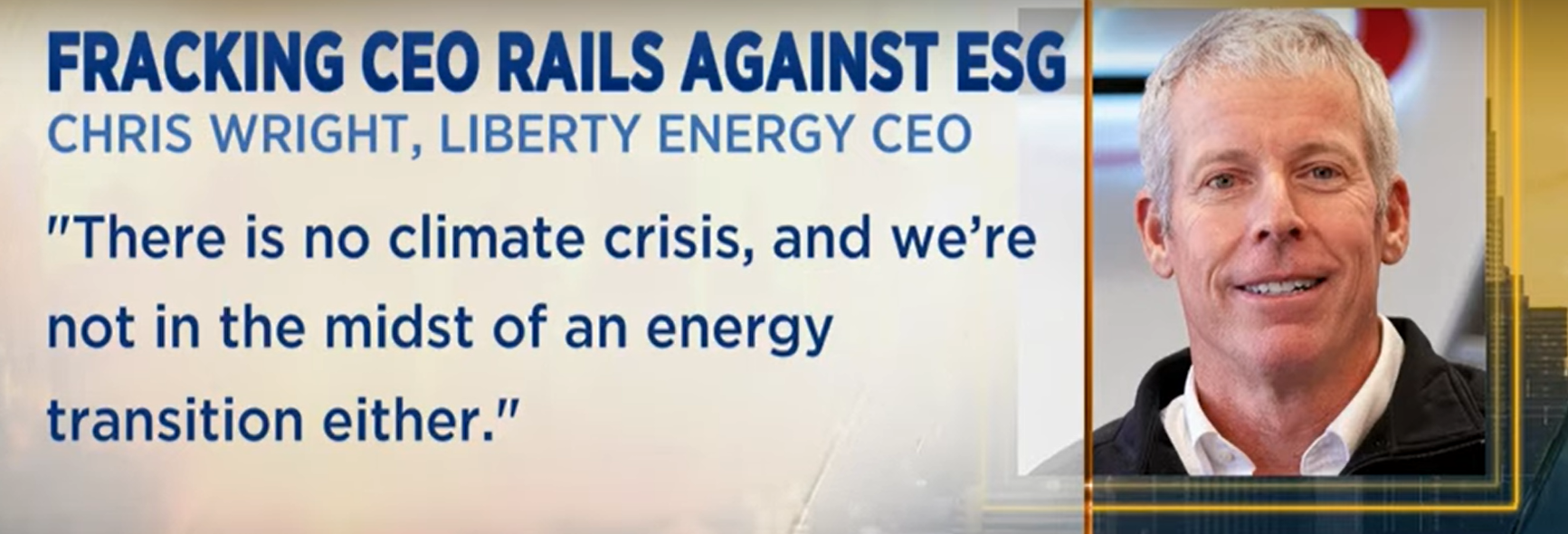
Mr. Wright, founder of a fracking services company, believer in climate change, enthusiast for nuclear energy, is the antidote to what Mr. Fressoz calls the “troubling” politics of climate change, which has consisted entirely of false promises.
Mr. Trump isn’t the climate outlier you think. Any U.S. presidential race in the past 40 years was a contest of two versions of doing nothing about climate change. The only difference: Certain versions of doing nothing were a lot more expensive for taxpayers than others.
 Science Matters
2 comments