
Q: Do Leopards Change Their Spots? A: No,
because it’s chamouflage concealing their real motives.
This National Post editorial gives the game away: The Carney-Smith pipeline of uncertainty. Excerpts in italics with my bolds and added images.
MOU adds as many roadblocks as it clears away
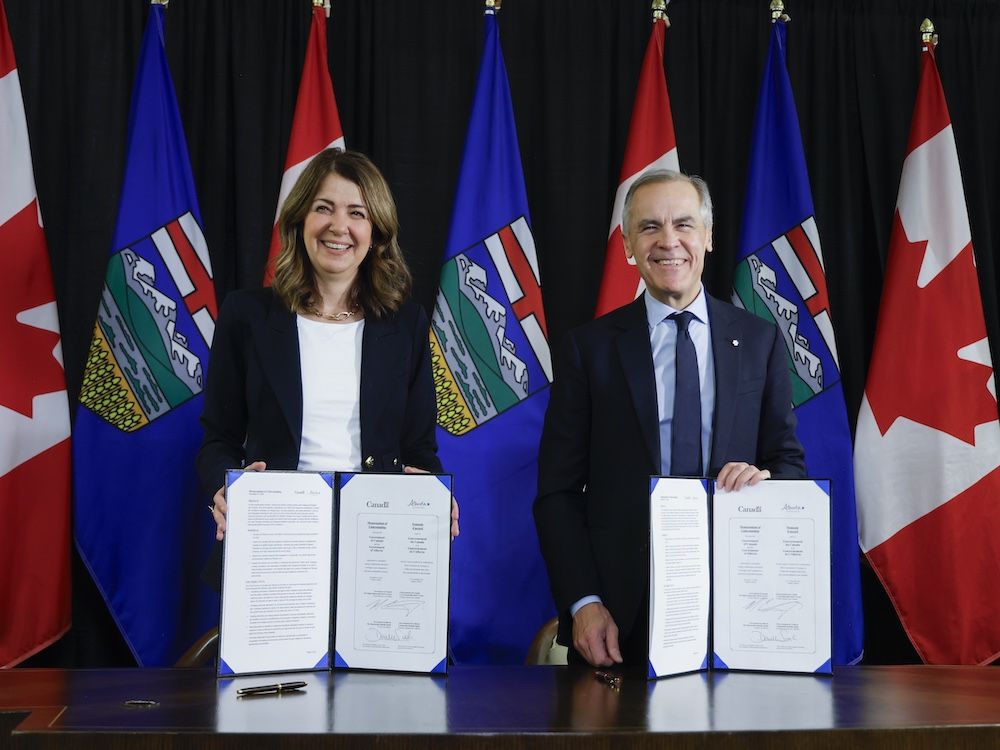
Prime Minister Mark Carney, right, signs an MOU with Alberta Premier Danielle Smith in Calgary, Alta., Thursday, Nov. 27, 2025. THE CANADIAN PRESS/Jeff McIntosh
Had the Great Smith-Carney Pipelines and Climate Pact of 2025 emerged say, five years ago, it would have been considered squarely within the realm of Liberal environmentalism. Instead, because former prime minister Justin Trudeau brought in several anti-business policies, the current prime minister is being feted/scorned as being pro-energy industry by disappointed Liberals and relieved conservatives alike. While Mark Carney deserves credit for negotiating this deal with Alberta Premier Danielle Smith, and bringing a rival onside, we’re skeptical at the chances a pipeline ever gets built.

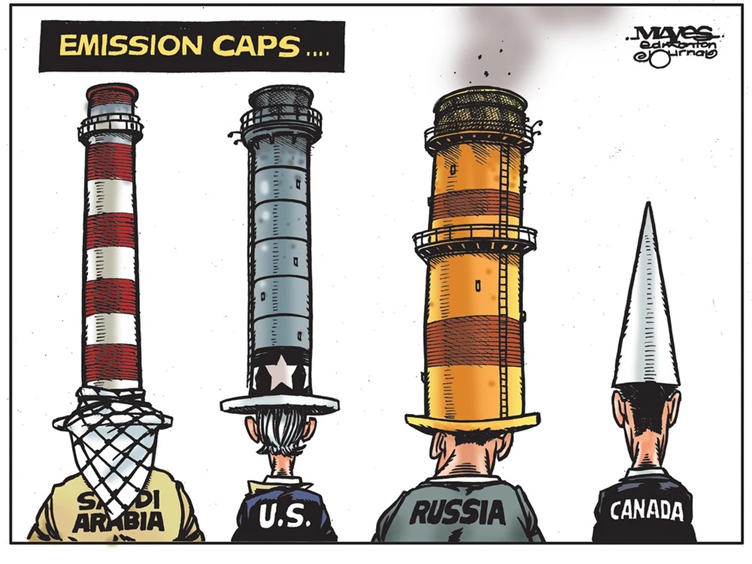
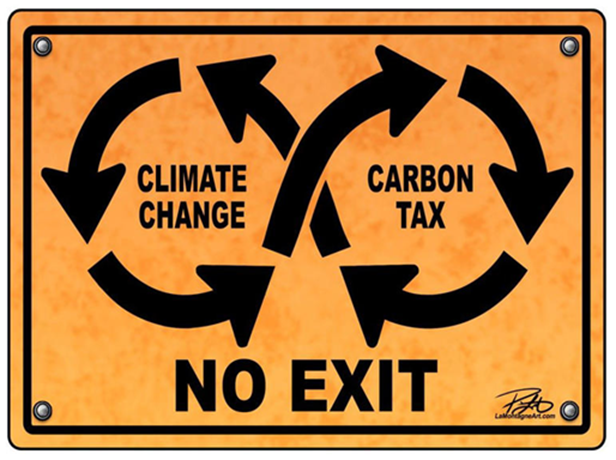
All of these regulations have been points of contention for Alberta, so it is to Smith’s credit that she was able to persuade Carney to budge. But it’s possible this will not accomplish much more than to remove extra layers of regulation, which were unnecessary even by environmental standards. Under the Trudeau Liberals, there was to be a consumer carbon tax, industrial carbon tax, as well as the clean energy regulations and emissions cap. And it did not end there, as the Impact Assessment Act, also brought in under Trudeau, mandates onerous environmental and social review, including the consideration of “Indigenous knowledge” alongside scientific assessment, as well as considering the “intersection of sex and gender with other identity factors.”
If Carney is at all serious about kickstarting investment in Canada,
he should at minimum be willing to clear away some of these extra rules.
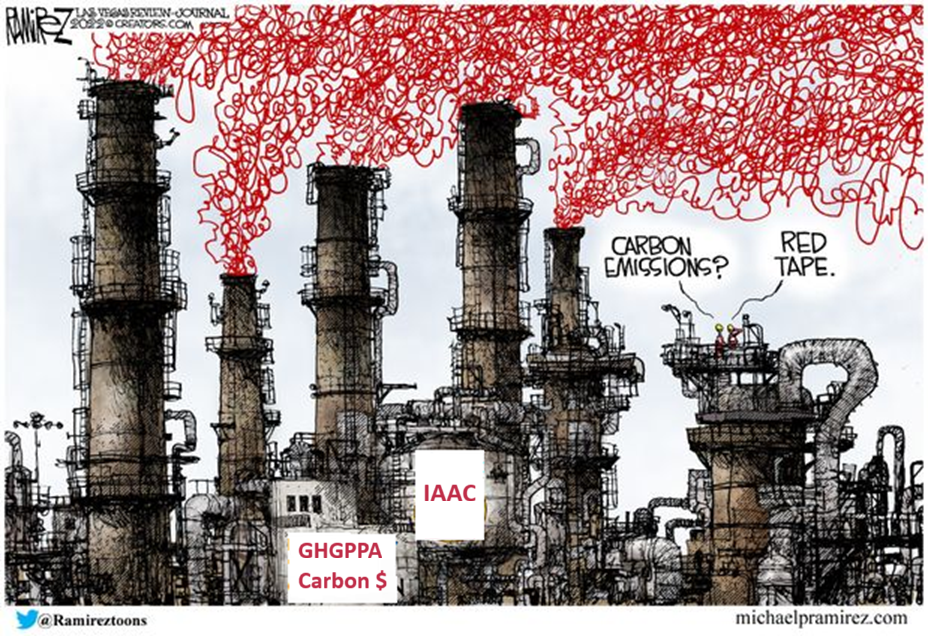
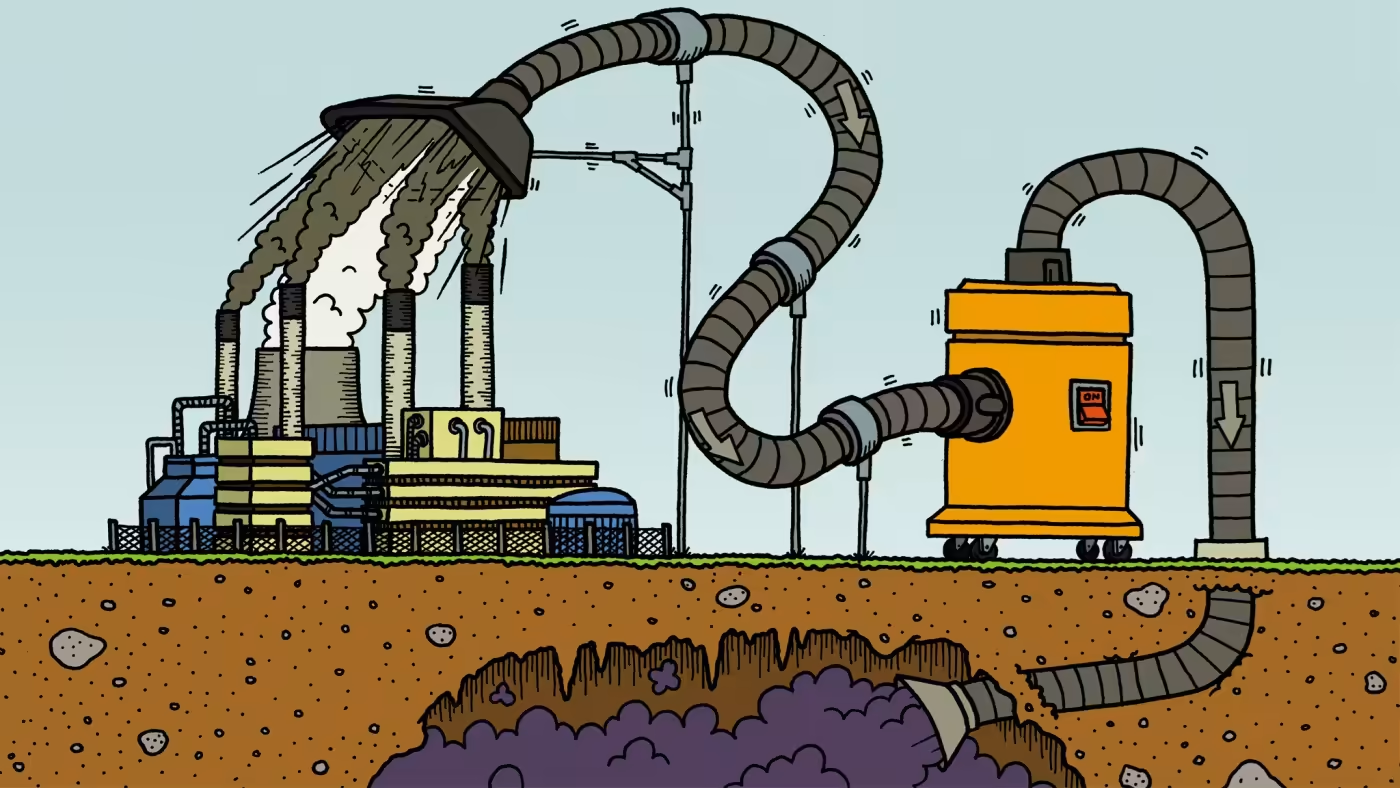
Further to that, the construction of a pipeline is entirely contingent on the simultaneous construction of a massive carbon capture project, presumably so Carney can claim the new pipeline is moving only “low emission” barrels of bitumen. Finally, while the MOU does not explicitly give B.C. a veto, that province is to be included “immediately” in a “trilateral discussion” on the project. B.C. Premier David Eby is opposed to a pipeline and was highly critical of the deal, claiming it would take priority away from other projects, specifically B.C. projects Eby supports. [
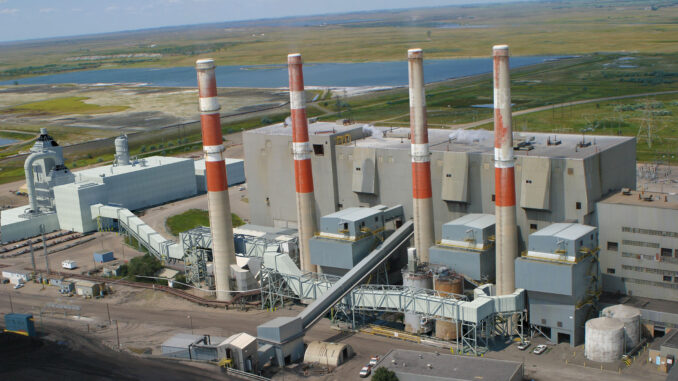
April 30, 2024 (IEEFA) – More than CAD1 billion were spent retrofitting the Boundary Dam 3 (BD3) coal plant in Saskatchewan to add carbon capture technology. After nine years, the project has a consistent history of capturing far less than the 90 per cent promised when the project was built—and all the carbon dioxide (CO2) captured at the plant is used for enhanced oil recovery (EOR) that injects captured CO2 into the ground to extract more oil..Carbon capture at Boundary Dam 3 still an underperforming failure
So being approved through the MPO may give the pipeline certainty that
it will be approved — eventually. That means every investment killing
process under the Impact Assessment Act will have to be passed.
What the Smith-Carney deal does accomplish is to buy both of them time to each satisfy their base. For Smith that is conservatives flirting with separatism, and for Carney, it is environmentalist Liberals, some of whom see this deal as a betrayal, such as former environment minister Steven Guilbeault who quit cabinet in protest. We applaud genuine attempts from Ottawa to work with, as opposed to against, Alberta, but we’re not confident this plan will deliver what is promised.
See Also:
Canada PM Carney Floats Imaginary “Decarbonized Oil” Pipeline
 Science Matters