
Brabim Karki writes from Nepal about the escalating trade war between these two former allies. As a citizen of both nations, I have mixed reactions and welcome a disinterested viewpoint. The article in The Spectator is Trump’s Canada Tariffs Aren’t the Betrayal Ottawa Claims. Excerpts in italics with my bolds and added images.
Mark Carney says Washington ambushed an ally. But Canada’s
protected markets and dependence on US trade tell a different story.
Every diplomatic breakup produces two stories, and the one Ottawa is telling that Washington ambushed a trusted partner at the negotiating table has already won the sympathy of most of the press. It is a good story. It is also incomplete.
What actually happened last week is that trade talks fell apart because the United States asked Canada to accept terms Canada found uncomfortable, and Canada refused. Prime Minister Mark Carney called the American position “unfair” and “uneconomic.” He may be right that it was tough. He is wrong to suggest that toughness, on its own, is grounds for outrage. The United States has run a trade relationship with Canada for decades that gave Ottawa nearly unrestricted access to the world’s largest consumer market while Canada kept its own protections, most notoriously its dairy supply management system firmly in place. Donald Trump’s blunt framing on social media, “Canada wants the benefits of being a State, without being one,” is crude. It is not wrong.

Trade relationships built on one side’s permanent tolerance
of the other’s protections were never going to last forever.
Trump’s tariffs are not an act of aggression against an ally. They are the predictable consequence of a negotiation in which one side finally stopped accepting asymmetrical terms it had tolerated for years.

The asymmetry Trump is pointing to is real, not invented. Canadian dairy tariffs on U.S. products have run well above 200 percent under the country’s supply management regime, even as Canadian goods flow south with comparatively modest friction. American dairy farmers in Wisconsin and New York have complained about this for a generation, through Republican and Democratic administrations alike. Trump did not manufacture this grievance. He inherited it and, unlike his predecessors, chose to act on it rather than manage it quietly. Carney’s own advisers have not seriously disputed that the tariff wall exists; they have argued only that dismantling it now would be politically costly at home. That is an argument about Canadian domestic politics, not about whether the American complaint is legitimate.

The walkout itself weakens Canada’s position more than it strengthens it. Carney told reporters the American side “asked too much and offered too little,” then pulled his negotiators from Washington and out of what by his own account had been a week of real progress. U.S. Trade Representative Jamieson Greer’s account is less charitable: Canada, he said, backed away from terms it had already agreed to. Whichever version proves closer to the truth, walking away rewards Ottawa’s leverage only if the United States needs a deal more than Canada does. It does not. American exports to Canada matter, but Canada sends a far larger share of its own economy south than the reverse. A negotiating partner who breaks off talks from the weaker hand is making a statement, not a strategy.
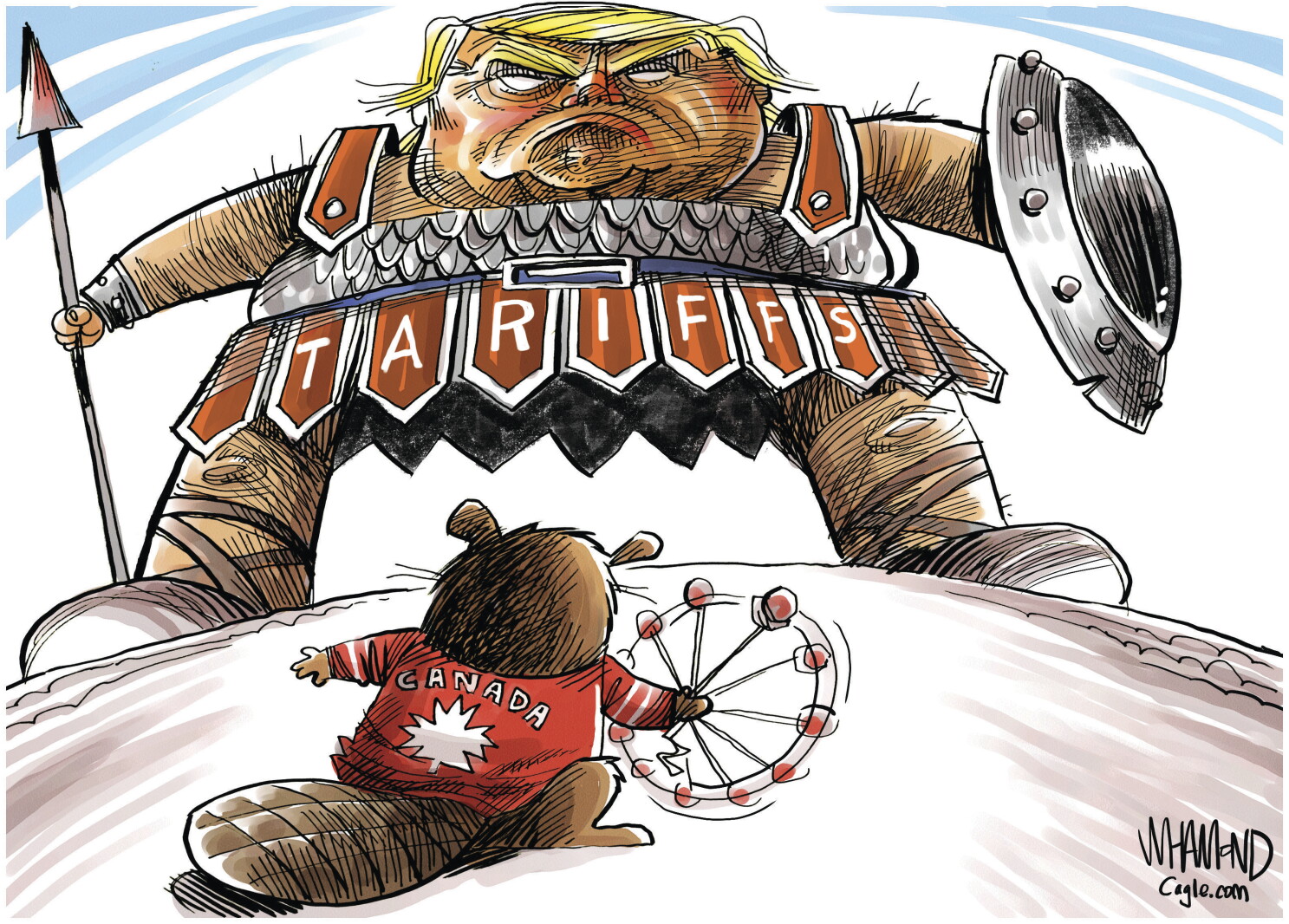
Canada has spent the past several months hedging toward Beijing, and that context matters more than Ottawa would like to admit. A new trade arrangement with China, cutting tariffs on Chinese electric vehicles in exchange for agricultural access, landed in the middle of a fragile American relationship already strained by years of tariff threats. One can defend Canada’s right to diversify its trading partners. One cannot then act surprised when Washington treats that diversification as evidence that Ottawa is playing both sides, and responds accordingly.

The escalating tariffs on both sides will likely raise costs for consumers in both countries, and the U.S. Chamber of Commerce is not wrong that supply chains built over 30 years under NAFTA and its successor don’t unwind painlessly. Businesses in Michigan and Ontario alike will feel this fight before their governments do. That is a genuine cost, and it should temper any triumphalism about the tariffs themselves.

But a cost is not a refutation. Trade relationships built on one side’s permanent tolerance of the other’s protections were never going to last forever, and someone was eventually going to test whether Canada’s dairy walls and Washington’s patience could coexist indefinitely. Trump tested it. Carney blinked first, then called it an attack. Alliances endure disagreement. What they cannot survive indefinitely is one partner mistaking the other’s patience for permanent policy.
Canada is about to find out how much of that patience is left.
