US News Update in Memes









 Jordan Peterson writes at National Post Canada must offer Alberta more than Trump could. Excerpts in italics with my bolds and added images.
We have been terrible friends to the Americans
There is little doubt that one Donald J. Trump has truly and effectively rattled his northern neighbour’s chains. Aren’t the Americans our friends — and vice versa? Is the president serious in his desire to make Canada the 51st state? He certainly seemed serious enough when discussing his proposed takeover of Greenland with the Danish prime minister last week. Such intensity and unpredictability of purpose has sent the leaders of that country, reminiscent of the Canadian Liberals in their political orientation, into a tizzy — one that has extended to their socialist and globalist European compatriots. Who is this horrible orange-haired man, they wonder, and what does he want?
We’re all about to find out — and, not least, in Canada. Why is all this happening, we ask, wringing our hands; and to us, the self-proclaimed greatest best friend and staunch ally of the elephant who parades so theatrically on the far side of our southern border?

We might begin to answer that suddenly so relevant question by scrupulously questioning the nature of that friendship — and on our side. Perhaps we’re not the partners and collaborators we think we are, for starters. It could well be argued, for example, that our much-vaunted Canuck niceness (that second-rate virtue) in relation to the superpower who overshadows us in every manner is and has been a matter of blunt necessity, rather than a consequence of our genuine reliability as well-wisher and supporter. It is true that Canada has made sacrifices alongside the Americans, when freedom and democracy was truly threatened. That was real — but it was a long time ago. Since then, we have played and continue to play a crooked game with regard to our hypothetical U.S. allies in many other important and consequential regards.
My fellow countrymen continually said things that would have been regarded as clearly racist, sexist or ethnocentric had they been uttered to anyone other than an American citizen — assuming, rightly (given the civilized nature of the people in question) that they would take them politely, and without evident offence. Such comments were much more likely to emanate, as well, from precisely the sort of leftists prone to proclaim first that such behaviour is utterly unacceptable and second that such conduct would of course never show its face among people as good in their thoughts as them.

Such behaviour is, sadly, a Canadian norm, particularly wherever the country is left-leaning; particularly wherever everyone believes axiomatically that we have all the virtues of our democratic compatriots to the south, and then some; particularly wherever everyone is inclined to point self-righteously to the wonders of our now-dreadful and even oft-murderous “free” health-care system and its associated highly dysfunctional, expensive and increasingly unsustainable social safety net and compare it to the free-for-all in the U.S. they inevitably resort to if death threatens and they have the money.
We Canadians also pride ourselves on our peaceful — and peacekeeping — nature (take that, Yanks), contrasting that with the war-mongering attitude of the gunslingers we secretly admire but publicly disdain, forgetting ever-so-conveniently that it is nothing but our positioning under the fearsome nuclear umbrella of the U.S.A. and our knowledge of the certainty of their military protection if push comes to shove that allows us to be the sheep of peace who bleat their undeserved self-regard with so little shame.
This is hardly the way to signal to the U.S. either that we are capable of defending ourselves, thank you very much, or that we are grateful for their existence as big brother captain of the high school wrestling team — much-disdained protector of our junior hippy student radical selves. Such things matter, more than we think — and a lot more, now that middle America is in charge, given the well-deserved contempt that lot have for the niceties of hypocritical socialist smartest-kid-in-the-class peaceniks. Remember, Canucks: the U.S. is now run by exactly the kind of Americans that we tempt themselves so unforgivably to treat as our moral inferiors. This is not how friends behave. It is also no way to keep friends, once they have hypothetically been made. And we’ve been put on serious notice in that regard.

And we are only scratching the surface in our analysis of the problems with Canada-U.S. relations, and with Canada itself, with that nothing-but-preliminary analysis. For the last nine years, Canada has been run by exactly the type of contemptible elitists who are, if anything, even more anti-capitalist, anti-nationalist, and anti-industrial state than the typical Canadian. This has set us against our putative American allies, in a manner much deeper than we want to think — and don’t be thinking that any of this is lost on Trump. He clearly despises the recently departed Justin, and has as much respect for those who elected him as he does for the Democrats, so much like them, who tortured, tormented and despised him and the flyover country MAGA middlebrows who were so much wiser in their political instincts than their Ivy League wannabe masters.
Canadians are Democrats, in Trump’s view, except more so..
We think that’s a virtue. It’s not. It’s a liability.
More specifically, it is a liability in relation to the U.S., particularly now. It has also and more seriously (as if irritating our mighty neighbours is not enough) threatened both Canada’s economic viability and the likelihood it will survive as a nation. We might also note, in that regard, that the newly ordained and inevitable grand poobah of the currently wretched but still dangerously powerful Liberals, one Mark Carney, is one of the world’s prime advocates of the insane inanities of net zero.

He is a man who has planned in writing, not least in his bestselling book Values, the complete destruction of the fossil fuel industry (bye, bye, Alberta). If that’s not bad enough, and it is, he is also simultaneously an advocate of the same “post-national” view of Canada defined by Trudeau junior and his moralistic minions. What are we, according to such good thinkers? Nothing: but if anything, the oppressive patriarchal white supremacist identity-less colonial settler state defined by the progressive ideologues in the think-tanks, the elite dining rooms in eastern Canada, and the protest encampments on the campuses of Canadian universities.
None of this fills the MAGA crowd with admiration, in case it has to be said. None of it bodes well, either, for the economy of Canada— doomed to replacement, according to Carney, by hydrogen, solar and wind power that either does not exist (that would be the hydrogen) or that would doom Canadians to starve and freeze in the dark if it ever came to replace the reliable grid and transportation we all so desperately depend on when it’s 40 bloody below. We may when arguing so expensively and incompetently with the Americans continue to congratulate ourselves on our comparative righteousness. That diet will become even thinner gruel, however, in a future characterized by their explosive economic growth and our rapid descent toward comparative poverty and irrelevance (green though that pathway may be argued, however falsely, to be).
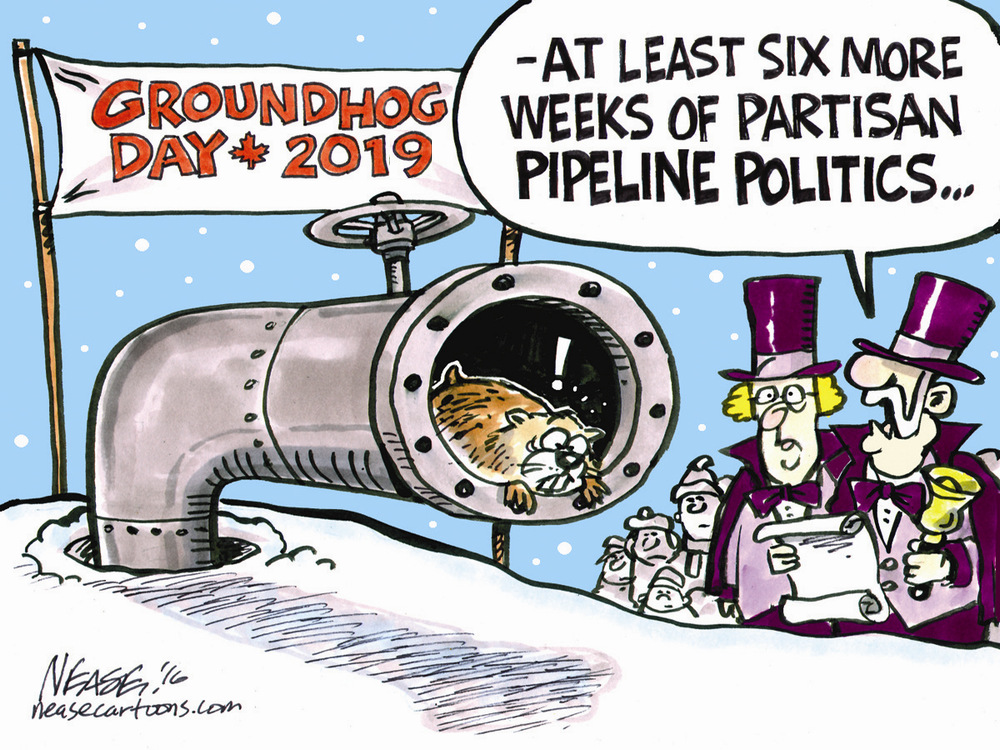
The consequence? No “business case” for the trade deals or infrastructure projects necessary to supply a self-admittedly desperate Europe and Japan with cheap and reliable Alberta energy. No new, plentiful and gratefully received pipelines running west to east in Canada. Abject economic dependence, in consequence, for Albertans (and Canada itself, as we are now finding out) on the purchasing decisions of the mad MAGA Yanks to the south. And now that same Alberta is being called upon to sacrifice its artificially and “morally” limited economy to fight off the looming tariffs of Donald J. Trump, the imposition of which should come as no surprise to anyone the least bit awake. We walked right into this, folks — and boy, we deserved it — but we felt good about ourselves all the way. And what is likely to result?
Trump has offered Canada status as the 51st state. If we had
a well-constituted country, this would have never happened,
or the suggestions would have been laughable.
I see damn few people laughing, however, and more’s the pity. A strong case can be made that such subordinate status would not at all be a good deal for the Great White North as a whole. For Alberta, however — and perhaps for the West as such — the situation is not so clear. Here’s what I might do, given that, if I were in Premier Danielle Smith’s shoes — or at least what I might threaten to do, taking a page from Trump’s art-of-the-deal book, because it’s high time for the Albertans to play hardball. I might travel, say, to Mar-a-Lago (where I did in fact recently encounter that premier). I might have, while there, a forthright, even blunt, chat with Donald J., where I might say to him something like the following:
“Mr. President: My fellow Canadians have for decades compelled us to climb into bed with an eight-hundred pound gorilla. That would be you, Mr. Trump. Now you’ve decided to consummate the deal, so to speak — and we’ve given you the upper hand, on a silver platter (to mix metaphors terribly), while you’re doing so. Canada is unlikely to become the 51st state, however — not even Alberta — as you well know, sir. After all, you’d have to offer us something better than what has been put forward by our fellow Canadians.
“That would be:

And Trump might well say (or perhaps is even right now saying): “I think I could top that offer, Ms. Premier, fine as it is.
“And, if that’s not enough, dear lady — no transfer payments! And the additional psychological advantage for Albertans in foregoing the perpetual and bullying eastern Canadian attitude of grievance and moral superiority, emanating in particular from the Quebec (‘give us what we want forever or we’ll leave!’) who also shamelessly disdains your dirty fossil fuel — such that they made the fracking Alberta’s economy depends upon literally illegal in their jurisdiction, just to make a point, while simultaneously accepting, and not with good grace, the filthy money so generated.”
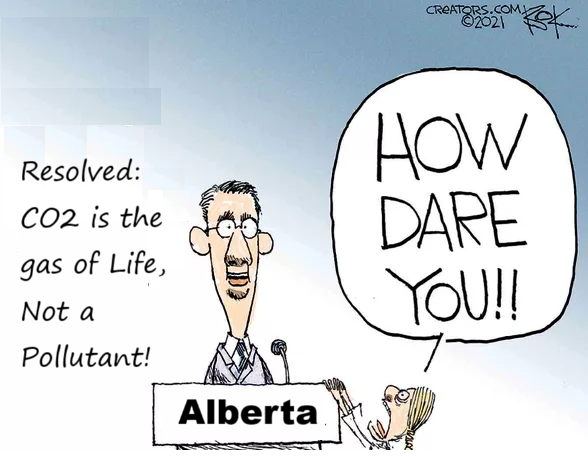
What do you think would happen, Oh Canada, if those were the two choices put forth on a ballot before the citizens of Alberta? And why should Smith not take full advantage of this opportunity, to tell her fellow Canadians, in no uncertain terms, a few things that would both make Canada an attractive place for Alberta (and the rest of the West, perhaps) to stay, and much saner and richer, to boot?
And what would that be:
“Why belong, so expensively, to a country that despises its own history, economy
and people? Make us a better offer, and quickly, my Canadian friends—
or Trump’s tariffs will be the least of your problems.”
And all of this would be not only be good for Alberta — and, by extension, for the working people of Canada — it is also absolutely necessary for Canada, even, perhaps to survive, both economically and politically. There’s a reason we, like the Europeans, now make a measly sixty cents for every dollar made by our American “friends.” That reason has much to do with the attitudes we have adopted ever since the benighted 1960s that have made us not such good friends at all.
Trump is threatening the integrity of Canada, and very effectively. The fact of that threat, and of its effectiveness, might make us think twice. In such thinking, there could be the opportunity to shed the idiocy that is making us poor, weak, irrelevant on the international stage, and contemptible to our neighbours. We could make his sabre-rattling into an opportunity, increase our cross-border trade, get out of our own way on the energy front, rekindle our national pride at least to the point where we regard our country as both viable and valuable, seek the international markets that would make us more truly independent as a nation, strengthen our commitment to the military that would be increasingly and truly necessary if such independence was pursued, and make of the next hundred years Canada’s triumph instead of the story of its contemptible, self-aggrandizing, moralistic, falsely green and socialist demise.

All it takes is saying one word out loud when they’re hiding behind another word.
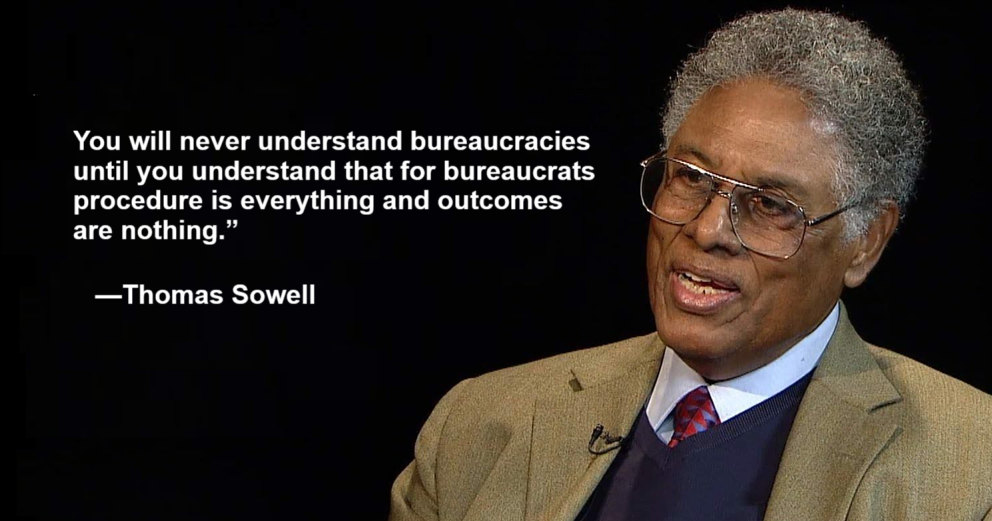
Ludwig von Mises made the perfect quote, describing the lefties of today:
The champions of socialism call themselves progressives, but they recommend a system which is characterized by rigid observance of routine and by a resistance to every kind of improvement. They call themselves liberals, but they are intent upon abolishing liberty. They call themselves democrats, but they yearn for dictatorship. They call themselves revolutionaries, but they want to make the government omnipotent. They promise the blessings of the Garden of Eden, but they plan to transform the world into a gigantic post office. Every man but one a subordinate clerk in a bureau. What an alluring utopia! What a noble cause to fight!
H/T to D. Parker and his American Thinker article Trump’s genius move against the Deep State

Footnote:
Definition of a Bureaucrab:
A creature that appears to making progress, but on closer inspection is only moving sideways.
 Advances in medical science and public health have benefited billions of people with longer and higher quality lives. Yet this crucial social asset has joined the list of those fields corrupted by the dash for climate cash. Increasingly, medical talent and resources are diverted into inventing bogeymen and studying imaginary public health crises.
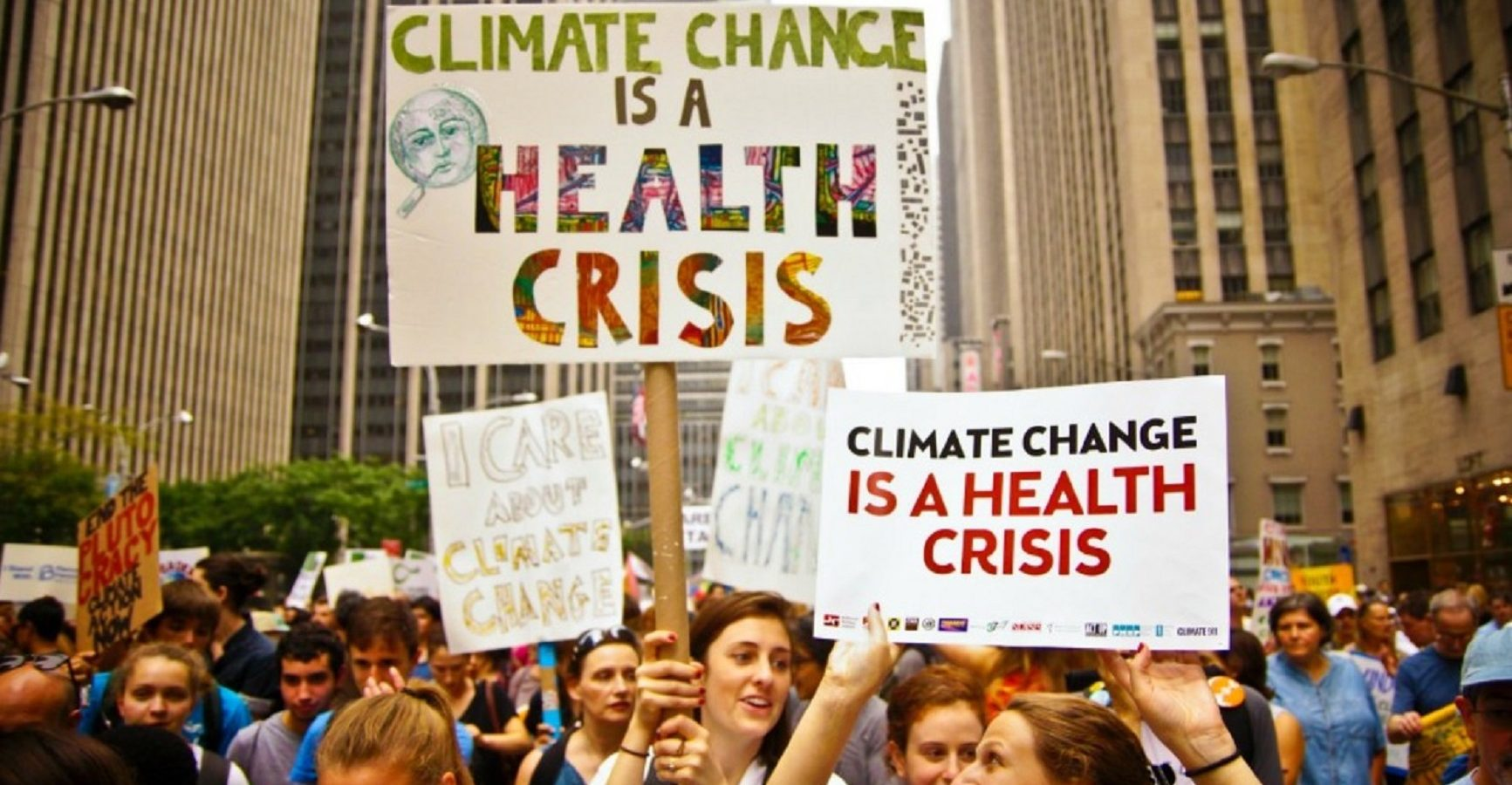
Thus it is welcome news that confirmed Secretary of Health and Human Services (HHS) RFK Jr. has stopped funding of climate medicine at National Institutes of Health (NIH). Mother Jones reported its disapproval RFK Jr., Onetime Environmentalist, Kills NIH Climate Change Programs.
Subtitled: He pulled HHS support from projects that aim to protect Americans’ health. fight climate change. (my correction of MJ subtitle).
On February 14 of this year, his second day as secretary of the Department of Health and Human Services, he ended HHS funding for climate change and health programs at the National Institutes of Health, a move that will likely terminate this work.
That day, Ken Callahan, a senior adviser for policy and implementation in the Immediate Office of the Secretary for HHS, sent an email to Dr. Matthew Memoli, the acting director of NIH, noting that HHS would no longer support three programs run by the agency: the Climate Change and Health Initiative, the Climate Change and Health Research Coordinating Center, and the Climate and Health Scholars Program.
In the email, a copy of which was obtained by Mother Jones, Callahan cited Executive Order 14154, titled “Unleashing American Energy,” which President Donald Trump signed on his first day in office last month to revoke executive orders President Joe Biden had previously issued to implement actions to address climate change.
As Richard Lindzen predicted, everyone wants on the climate bandwagon, because that is where the money is. Medical scientists have pushed for their share of the pie, as evidenced by the Met office gathering on Assessing the Global Impacts of Climate and Extreme Weather on Health and Well-Being (following Paris COP). Not coincidentally, the 2nd Global Conference on Health and Climate was held July 7-8, 2016 in Paris. Following that the American Public Health Association declared: 2017 is the Year of Climate Change and Health.
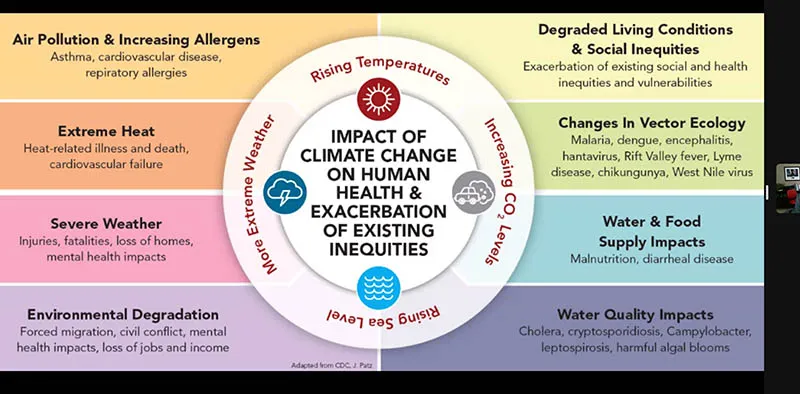
NIH: Why Climate Change Is a Health Threat
The NIH Climate Change and Health Initiative Strategic Framework claims:
For some time, international scientific consensus has been that climate change poses an existential threat to human beings. A report of the Intergovernmental Panel on Climate Change (IPCC), the United Nation’s body for assessing the science related to climate change, concluded in a recent report: “Any increase in global warming is projected to affect human health, with primarily negative consequences (high confidence).” The report further concludes that, “Compared to current conditions, 1.5°C of global warming would nonetheless pose heightened risks to eradicating poverty, reducing inequalities, and ensuring human and ecosystem well-being (medium evidence, high agreement)
and they conclude:
A mounting number of assessments and reports provide undeniable evidence that climate change is resulting in increasingly profound changes to the global environment with direct and indirect consequences for human health and well-being. Closely intertwined with this threat are the more tangible and proximal risks of natural disasters, a global pandemic, societal unrest, and the ever-familiar menaces of poverty and inequity. The need for NIH to lead this science-based initiative, in partnership with communities throughout the world, is now warranted and vitally necessary to address the imminent threat that climate change poses to our health, humanity, and our planet.
Comment:
There are numerous posts here why the IPCC alarmist narrative is speculative and exaggerated, for example:
Thus it is high time to uncouple the globalist push to fuse health care with CO2 hysteria.
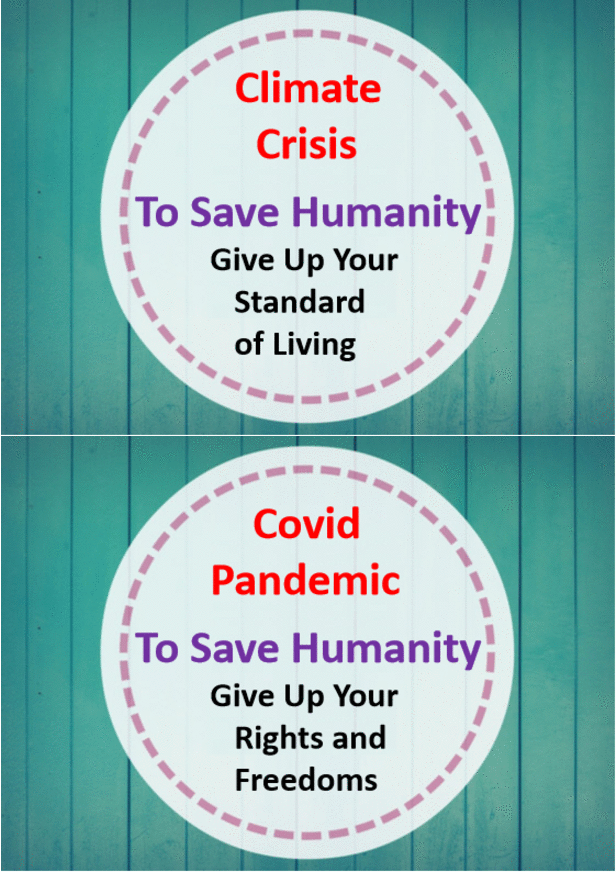
Two Sides of the Same Coin
Background:
Steve Milloy reported on X: President Trump deports “climate change” from the Department of Homeland Security: “Top officials at the US Department of Homeland Security received a memo on Friday ordering an immediate stop to work connected to climate change and the elimination of climate-related terms across the agency. The memo instructs senior office heads to “eliminate all climate change activities and the use of climate change terminology in DHS policies and programs, to the maximum extent permitted by the law,” according to the document seen by Bloomberg News. The changes are meant to bring “alignment” with Trump’s executive orders that reverse multiple climate-related orders by former President Joe Biden, it said.”
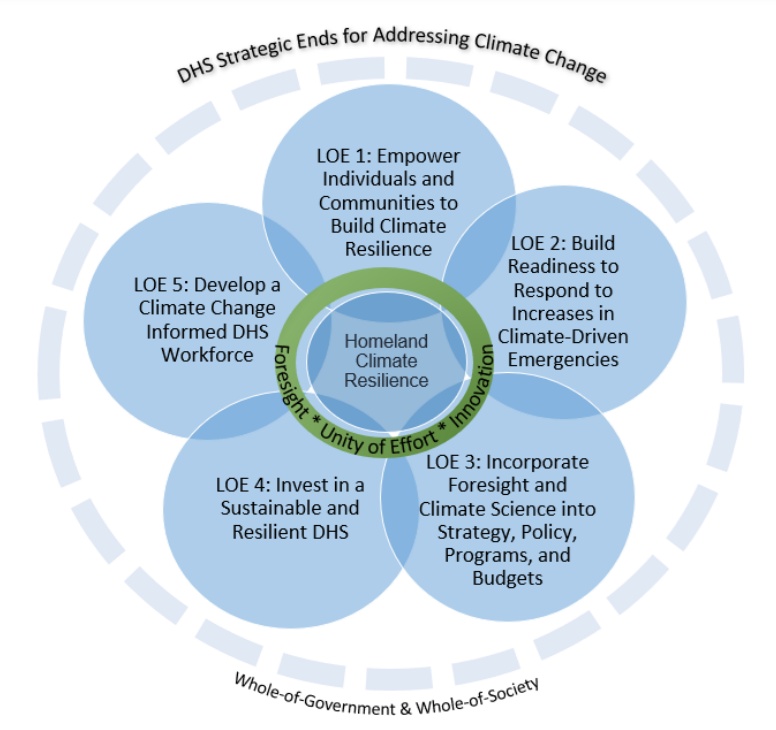
A good place to start is the DHS webpage Climate Literacy at DHS which was updated January 27, 2025, probably only adding a disclaimer “In an effort to keep DHS.gov current, the archive contains outdated information that may not reflect current policy or programs.”
Table of Contents
Further Resources Include:
Conclusion
DHS still thinks it’s very much in the “Climate Change Business” and rooting it out will be an extensive process met with unwelcome resistance.

 As promised, Trump on day 1 (January 20, 2025) issued an Executive Order challenging the presumption “greenhouse gases” (GHGs) endanger public health and safety. The pertinent text is in Section 6 reprinted below with my bolds and added images.
Executive Order 14154 of January 20, 2025 Unleashing American Energy
Sec. 6 . Prioritizing Accuracy in Environmental Analyses. (a) In all Federal permitting adjudications or regulatory processes, all agencies shall adhere to only the relevant legislated requirements for environmental considerations and any considerations beyond these requirements are eliminated. In fulfilling all such requirements, agencies shall strictly use the most robust methodologies of assessment at their disposal and shall not use methodologies that are arbitrary or ideologically motivated.
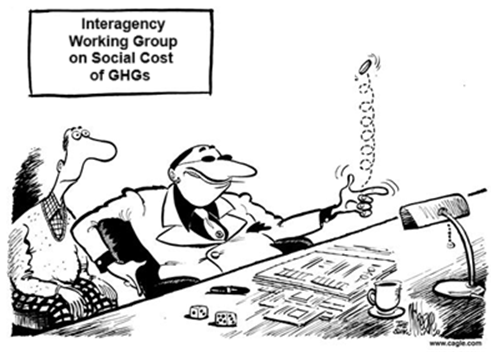
(b) The Interagency Working Group on the Social Cost of Greenhouse Gases (IWG), which was established pursuant to Executive Order 13990, is hereby disbanded, and any guidance, instruction, recommendation, or document issued by the IWG is withdrawn as no longer representative of governmental policy including:
(i) the Presidential Memorandum of January 27, 2021 (Restoring Trust in Government Through Scientific Integrity and Evidence-Based Policymaking);
(ii) the Report of the Greenhouse Gas Monitoring and Measurement Interagency Working Group of November 2023 (National Strategy to Advance an Integrated U.S. Greenhouse Gas Measurement, Monitoring, and Information System);
(iii) the Technical Support Document of February 2021 (Social Cost of Carbon, Methane, and Nitrous Oxide Interim Estimates under Executive Order 13990); and
(iv) estimates of the social cost of greenhouse gases, including the estimates for the social cost of carbon, the social cost of methane, or the social cost of nitrous oxide based, in whole or in part, on the IWG’s work or guidance.
(c) The calculation of the “social cost of carbon” is marked by logical deficiencies, a poor basis in empirical science, politicization, and the absence of a foundation in legislation. Its abuse arbitrarily slows regulatory decisions and, by rendering the United States economy internationally uncompetitive, encourages a greater human impact on the environment by affording less efficient foreign energy producers a greater share of the global energy and natural resource market. Consequently, within 60 days of the date of this order, the Administrator of the EPA shall issue guidance to address these harmful and detrimental inadequacies, including consideration of eliminating the “social cost of carbon” calculation from any Federal permitting or regulatory decision.
(d) Prior to the guidance issued pursuant to subsection (c) of this section, agencies shall ensure estimates to assess the value of changes in greenhouse gas emissions resulting from agency actions, including with respect to the consideration of domestic versus international effects and evaluating appropriate discount rates, are, to the extent permitted by law, consistent with the guidance contained in OMB Circular A-4 of September 17, 2003 (Regulatory Analysis).
(e) Furthermore, the head of each agency shall, as appropriate and consistent with applicable law, initiate a process to make such changes to any rule, regulation, policy or action as may be necessary to ensure consistency with the Regulatory Analysis.
(f) Within 30 days of the date of this order, the Administrator of the EPA, in collaboration with the heads of any other relevant agencies, shall submit joint recommendations to the Director of OMB on the legality and continuing applicability of the Administrator’s findings, “Endangerment and Cause or Contribute Findings for Greenhouse Gases Under Section 202(a) of the Clean Air Act,” Final Rule, 74 FR 66496 (December 15, 2009).
Source E&E News : Trump set a deadline on the endangerment finding. Here’s what might happen.
The finding, issued during President Barack Obama’s first term, holds that greenhouse gas emissions “may reasonably be anticipated to endanger public health or welfare.” It’s the prerequisite for Clean Air Act rules targeting heat-trapping pollutants such as carbon dioxide and methane. The finding originally pertained to climate pollution from vehicles, but it opened the door for regulations on power plants and oil and gas infrastructure. And it could support future regulation on additional sources of climate pollution, such as landfills, refineries and industrial plants.
Getting rid of the finding would make scrapping EPA climate rules a matter of routine paperwork, an expert said. Regulations could be undone through simple, swift rulemakings. No replacement rules would be needed.
“Taking away the 2009 endangerment finding would really make it almost a virtual formality to take down all the greenhouse rules for CO2 and methane,” said Joe Goffman, EPA’s air chief under Biden.
EPA would still need to strip out sector-specific findings from rules written under a key section of the Clean Air Act — known as Section 111 — he said. But when the dust settled, EPA could regulate oil and gas facilities for ozone-forming pollutants alone, and not for methane — greatly reducing requirements for industry. And power plants that burn fossil fuels wouldn’t be regulated for carbon.
Daren Bakst, director of the energy and environment program at the conservative Competitive Enterprise Institute, a think tank that has long advocated getting rid of the endangerment finding, agreed that it would “present legal challenges.” But he said the risk was worth taking.
“If the EPA finds there is no endangerment, and this survives in court, it would have the important effect of stopping the EPA from regulating greenhouse gases,” he said.
Regarding next week’s deadline, he said Zeldin might submit only preliminary recommendations to the Office of Management and Budget, rather than a full-blown decision to challenge the finding, or pass on it.

Jon McGowan reports at Forbes Acting SEC Chair Says Climate-Related Disclosure Rule Is Illegal. Excerpts in italics with my bolds and added images.
Following the Paris Agreement in 2015, a series of global initiatives were pursued to reduce the impacts of climate change and reduce overall greenhouse gas emissions to “net zero” by 2050. The goal included a significant reduction in GHG emissions, but also utilized “offsets” that, through technology and protection of natural resources, would result in overall emissions being at a net of zero. This resulted in a carbon credit market that allowed high GHG emitting countries and businesses to purchase credits from underdeveloped countries that produce little emissions.
 On the financial side, a multi-prong approach was used to influence and regulate businesses. Large investment firms, like BlackRock, used their influence to drive ESG and sustainability. By 2021, it was standard practice for businesses to release annual ESG and sustainability reports. However, there was no standardization of the practice. Claims were unregulated and content was unclear. As a result, reports were focused on what the business thought mattered to investors and were little more than marketing pieces.

This became problematic in the highly regulated financial industry. Funds that claim to be ESG, green, climate friendly, or sustainable must back up those claims with data. As a result of demand and Paris Agreement based initiatives, international regulators began drafting standards for reporting, marketing, and investments relating to climate change and other green initiatives.
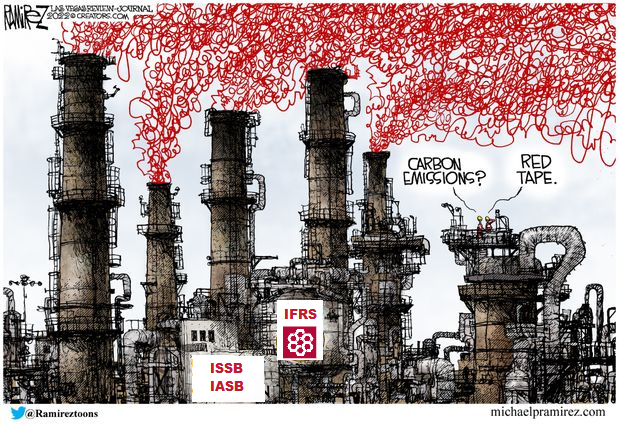
In 2021, the International Sustainability Standards Board drafted the International Financial Reporting Standards Foundation’s Sustainability Disclosure Standards. IFRS is an independent, nonprofit organization that develops financial reporting standards, including international accounting standards. IFRS is not used in the U.S., who uses generally accepted accounting principles, also known as GAAP, but is used in 132 jurisdictions. The IFRS Standards were adopted in June 2023 as the global standard for sustainability and climate change reporting, including greenhouse gas emissions.
In the U.S., the SEC proposed the development of climate-related reporting standards in March 2022. The final rule, adopted on March 6, 2024, required large publicly traded companies to disclose climate action, GHG emissions, and the financial impacts of severe weather events. The Climate-Related Disclosure Rule was initially set to go into effect in 2026. However, it was immediately met with legal challenges and the SEC delayed implementation indefinitely while the cases worked through the judicial process. Now it appears the delay will become permanent.

Rough Seas for Captains of Industry
Under the leadership of Gary Gensler, the U.S. Securities and Exchange Commission saw a wave of regulatory and enforcement actions relating to environmental, social, and governance; sustainability; and climate change. It was clear that his exit, effective the day President Trump took office, would significantly alter the SEC’s approach to those topics.
On February 11, acting SEC Chair Uyeda, a Biden appointee, effectively ended the Climate-Related Disclosure Rule. In the statement, Uyeda said,
“The Rule is deeply flawed and could inflict significant harm on the capital markets and our economy.”
“Both Commissioner Peirce and I voted against the Rule’s adoption. Commissioner Peirce said that then-existing disclosure rules were sufficient and that the ‘[R]ule’s anticipated benefits do not outweigh the costs.’ She argued that ‘only a mandate from Congress should put us in the business of facilitating the disclosure of information not clearly related to financial returns.’ I stated that the Commission was ‘without statutory authority or expertise’ to address climate change issues and that ’this [R]ule is climate regulation promulgated under the Commission’s seal.’”
“The Commission’s briefs previously submitted in the cases consolidated in the Eighth Circuit do not reflect my views… I also question whether the agency followed the proper procedures under the Administrative Procedure Act to adopt the Rule.”
As a result, Acting Chair Uyeda has asked the court for a delay in the proceedings while the SEC takes action to rollback the Climate-Related Disclosure Rule. As a result, climate reporting at the national level is effectively dead. The focus now turns to the states and international actions.
Three days after he was confirmed as US Secretary of Energy, Chris Wright was interviewed on CNBC Squawk Box by Brian Sullivan. The video clip above and one at the end provide his view of the way forward for US energy. For those who prefer to read, I provide a transcript in italics from the closed captions, lightly edited with my bolds and some added images. Brian refers to interviewer Brian Sullivan and Chris to Secretary Wright.
Brian: Let’s get to the topical issues, price of oil. The president says drill, baby, drill. You’re a guy that ran a fracking company. How do we balance out ringing down the price of gasoline, adding to US production, but yet not destroying the oil and gas investments as well? The CNBC audience talks about and looks at that every day.
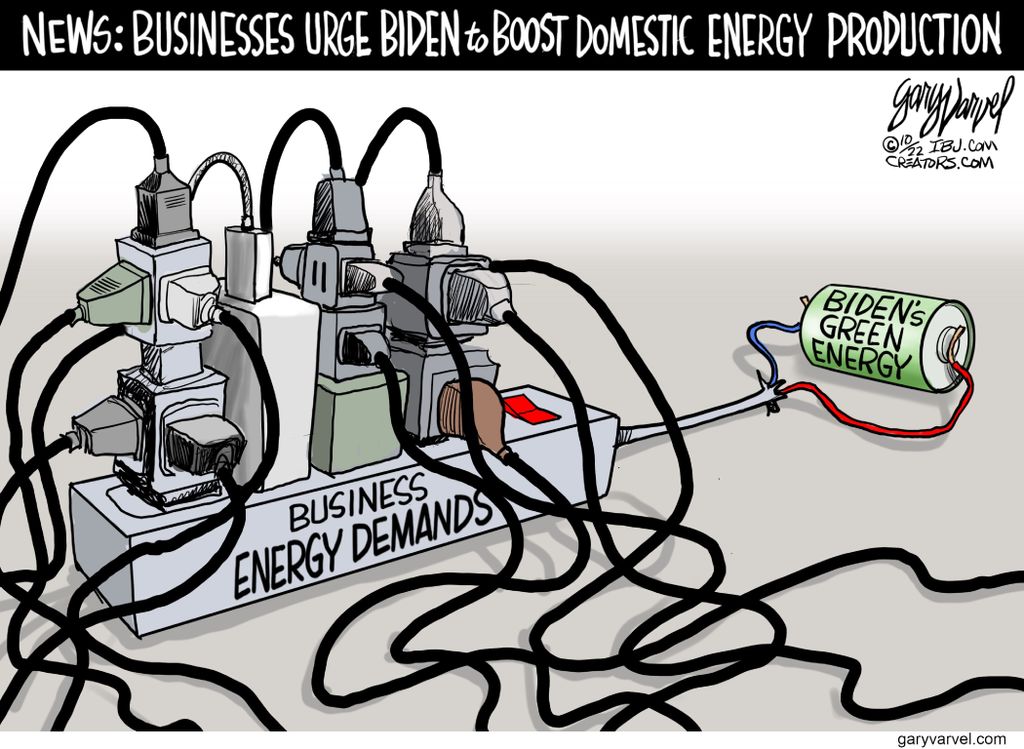
Chris: Yeah, of course it’s a business and prices are dictated by supply and demand. But we’ve had four years of an administration that’s done everything it could to raise the cost to produce a barrel of oil. “We’re not sure if you can get a permit to drill here” or “It’s going to take 18 months. You’ve got uncertainty. You’ve got to build pipelines or gathering lines to move that product to market. “Well, we’re not sure if you can do that. You’ve got to do another study, or another this or that.” So when you add to costs of course you hurt the economics.

Now we’re going to have a more efficient operating environment. I think we’re going to see some efficiencies from scale, some efficiencies from certainty and from more credible Capital Markets. We’ve tried to starve the oil and gas industry globally, somehow thinking that’s going to help climate change. There’s been a lot of nonsense. And I think the agenda of this administration, this president, is to bring back common sense.
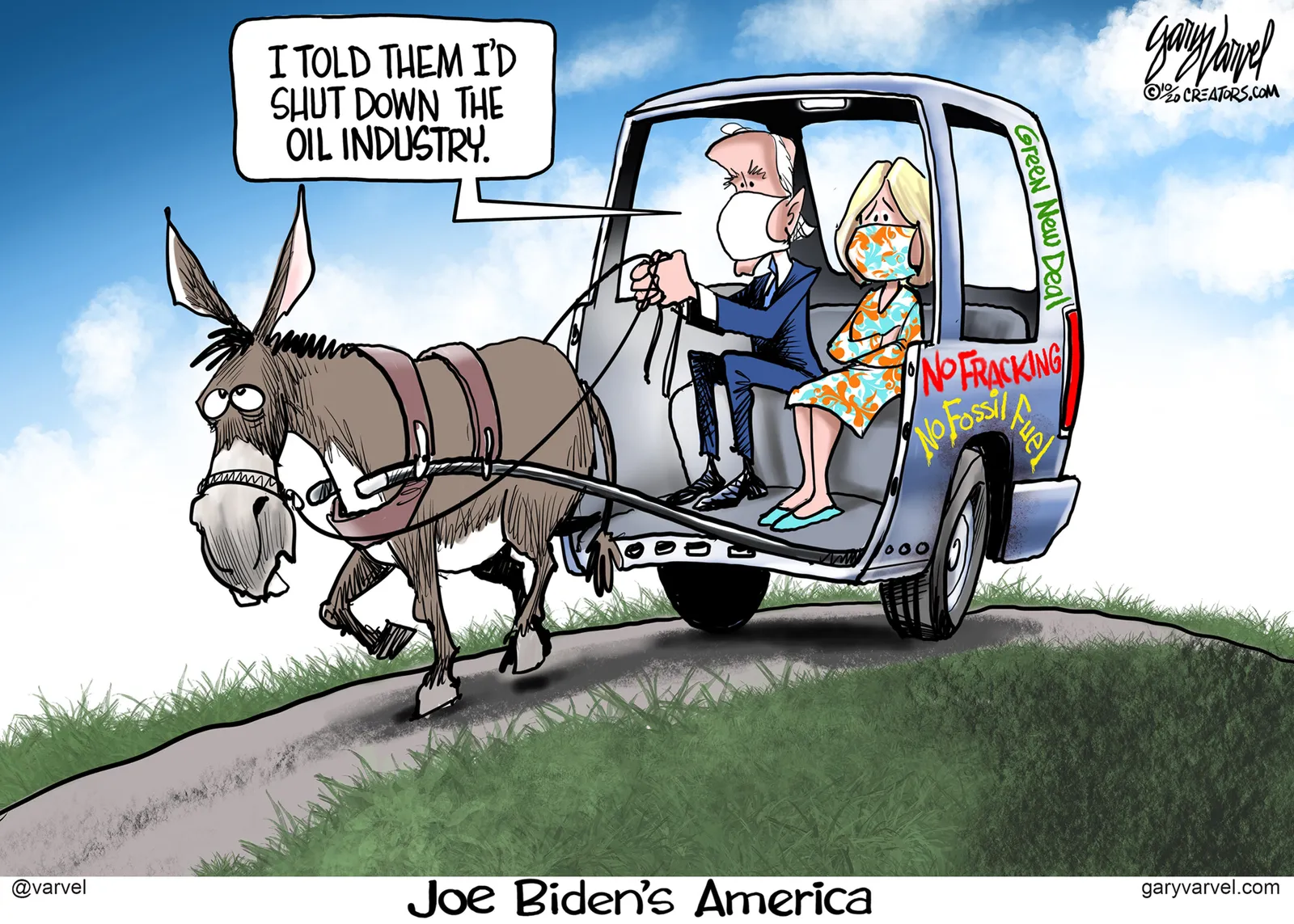
Brian: Can we have lower oil and gas prices and still have stocks that are not much lower than they are right now?
Chris: Oh, absolutely. Look, if you lower the cost of operations, there’s a lot of fat in the cost of operations. If you lower the cost of operations that’s going to flow through to lower prices but not necessarily lower profits.
Rough Seas for Captains of Industry
Brian: And that margin you think can remain steady and thus hold up because you were the CEO of a publicly traded company and on the board of another publicly traded company, which you have now left.
Chris: Absolutely. And look, it’s capitalism and business is driven by profit motives that have driven innovation, that have driven efficiency and driven improvements in our system. And that’s exactly what we want going forward in nuclear and natural gas and oil and geothermal, whatever it is.
Brian: Just before this interview we were talking about tariffs and the impact. They were showing health and beauty stocks down 25%. We know there’s a pause on the potential Canada tariffs, there’s 4.4 million barrels a day we bring in from Canada on average. Much of that goes to where you’re from, the Rocky Mountains, the Denver area, the upper Midwest. What is your view on potential 10% tariffs? If it does happen, what is going to happen to US oil and gasoline prices?
Chris: Well, look. Obviously the Canadian energy system is built and integrated with the United States energy system. Those pipelines come to US refineries that are tuned to refine that heavier, more viscous crude that Canada produces. I don’t think we’re going to see that change. As the president has said, this is a drug war. This is about concerns and security at our border. This is to get everyone’s attention and focus on how can we reduce criminals and fentanyl and drugs that are a threat to American security coming in our borders. I think things are moving in a productive direction.
Brian: It doesn’t sound like you think the tariffs would ultimately occur.
Chris: I don’t know what the future will bring there, but I know we’ve got very productive dialogues right now.
Brian: I’m sure you have many friends in Canada, as do I. And you know, they’re angry about this. They said, “Well, you know what? If they want to tariff our oil, let’s just ship it to Vancouver and we’re going to sell it overseas. I would call that the nuclear option. Do you see anything like that occurring if the tariffs were to occur, Mr. Secretary?
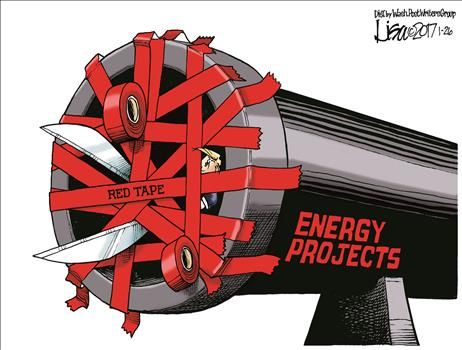
Chris: It’s hard to build new pipeline capacity. Canada does have a West Coast pipeline, which is running today and exporting oil to Asia. But that’s 10% or less of Canadian oil production. But look, this president is aggressive. He doesn’t like the status quo. He wants to change things and improve things. We had a lot of noise and sound and fury last time he was president about tariffs and inflation. Inflation averaged less than 2% in the four years he was president.
His agenda is to lower prices and better American lives, and
I don’t see any reason to believe think that’s not going to happen.
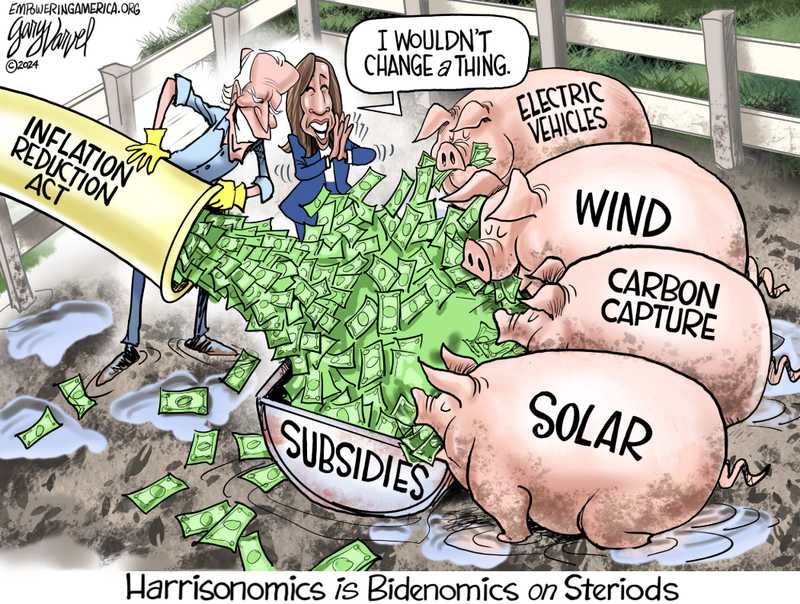
Brian: You mentioned climate a couple of minutes ago. Coming into this Administration, one of the big question marks is: What will happen to the loans and the grants and the IRA Inflation Reduction Act monies that may be already committed to wind, to solar. This matters to CNBC’s audience. In the stock market, a lot of these companies have seen their share price decline by a lot. What is your view on the Inflation Reduction Act and wind and solar projects, and the monies that are required to produce them?
Chris: So look, I’m in this chair three days now. One of the things we are doing is looking at all the projects that are out there. Where are the commitments? Where are the uncommitted funds? What’s the best use to grow the supply of affordable, reliable, secure American energy? Tremendous opportunities there. So there’s upside here as well.
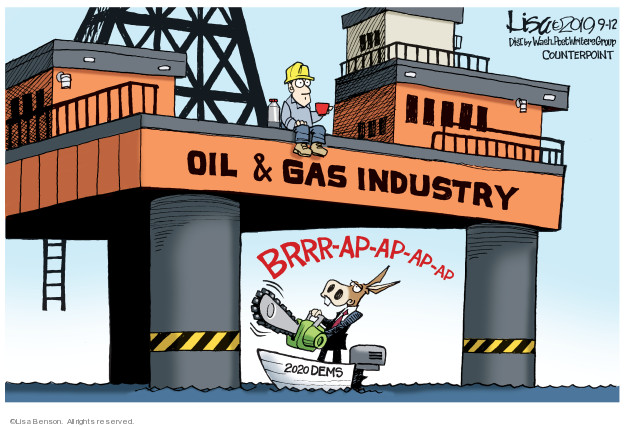
But one thing I will say, Brian, we will not follow the German model. And I think the last administration wanted to go down that road. Germany spent a half a trillion dollars, made their electricity 2 to 3 times more expensive, and they produce 20% less electricity today than they did 15 years ago. We’re not going to go down that road.
We want affordable, reliable, secure energy and
reindustrialization of America, not De-industrialization of America.
Brian: Well, that’s something I’ve obviously personally reported on many times for CNBC. Been over there, seen what’s happened. So just to be clear, because let’s be honest, a lot of Wall Street makes a lot of money investing in wind and solar and even nuclear. You were on the board of a nuclear company. So final question. Should we say that that it’s possible big wind and solar projects are still going to be okay, that they’re not going to be starved of Funds under this administration? What’s the what’s the money situation regarding some of these renewable wind and solar and nuclear type energy programs?

Chris: Look, I think you’re going to see continued development in the United States of all of these energy sources. But obviously, a flow of funds from this administration is all going to be about not what the energy technology is, but will it increase the supply of affordable, reliable, secure energy?
Will it better the lives of American consumers and
encourage businesses to build things in America?
Brian: Well, finally, on building things. The first new nuclear plant in the United States just opened up last year in Georgia, took about 20 plus years to build way over budget. You’re a nuclear guy. You were on the board of Anglo until you resigned that seat. What is the future of nuclear in the United States? Some say it’s the future. Others say way too doggone expensive up front, doesn’t pay off.

Chris: I think the future is very bright, very bright. It’s an energy dense technology that gives reliable energy at all times, with a small amount of land and a small amount of materials. Do we need innovation? Do we need some government out of the way to make it work economically? Absolutely. But that’s what America is about.
Brian: Exclusive interview with the new Secretary of Energy on Day three, Christopher Wright. Thank you very much for your time here.

 Steve Milloy explains the deceptive “Green Agenda” label in his Real Clear Wire article There Is Nothing Green About the ‘Green’ Agenda. Excerpts in italics with my bolds and added images.

Now that the Democrats have lost their lock grip on power, what’s a green activist to do? It’s almost comical how the climate left is trying to cloak their agenda in terms they think will melt in Republicans’ ears. For example, Jennifer Granholm, energy secretary in the Biden administration recently penned an opinion piece arguing that President Trump is playing right into Communist China’s evil hands by killing off America’s green economy.
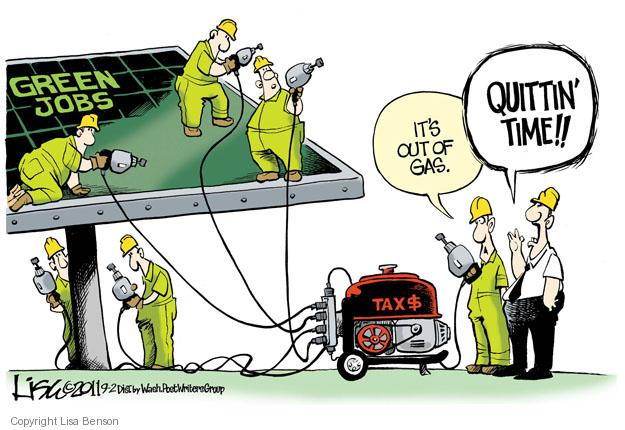
Translation: The left is furious that Trump has halted the flow of billions of taxpayers’ dollars to subsidize electric vehicles that nobody wants and only the well-off can afford. The new president is killing the “green economy,” as Granholm puts it.

There is nothing green about the climate left’s solutions.
If the climate movement was truly sincere and intellectually honest in its desire to stop actions contributing to global environmental degradation, it would stand fast against solar panels and electric vehicles. There is nothing green about the climate left’s solutions.

There is nothing environmentally friendly about using enslaved children in the Congo to mine cobalt for lithium-ion rechargeable batteries used in EVs. They labor with crude tools and bare hands, breathing in cobalt’s toxic dust in cramped pits. Runoff infused with cobalt and other chemicals contaminate the water supply. Meanwhile, on the other side of the world, green activists sit blithely unaware or unconcerned in the comfort of their own homes. They are saving the world, they smugly assure themselves, while children suffer in an environmental hellhole.

Far removed from U.S. environmental standards, Indonesia is the center of mining and refining nickel, an essential component in EV batteries. Pea soup-thick brown emissions shroud nickel smelting operations in the Indonesian island of Sulawesi as well as the coal-fired plants that fuel them. Processing waste and chemicals potentially leach into the ground. Dust residue from both ubiquitously blanket nearby communities, while waterways tainted by mining operations have red cast.
Whatever else climate activists may try to tell us,
there is nothing green going on here.
In Brazil, near the mouth of the Amazon River, a factory refines bauxite into what eventually becomes aluminum. It had been the source of aluminum in the Ford F-150 Lightening, the company’s now cancelled all-electric pickup truck. A lawsuit alleges that toxic elements, including aluminum and other heavy metals emanating from the refinery, have been responsible for cancer, birth defects, neurological dysfunction, digestive disorders, skin conditions, and increased mortality. How can an EV be called green or good for the environment when it’s making thousands of Brazilians sick?
Elsewhere in Brazil this past Christmas season, Brazilian authorities shuttered construction of an EV factory when it was discovered that its builders were working under “slavery”-like conditions. How is that a green virtue? Perhaps green dogma holds that human worth and dignity are small sacrifices that must be made for the common good.
Solar energy, long the prize pig of the climate crowd, isn’t green either.
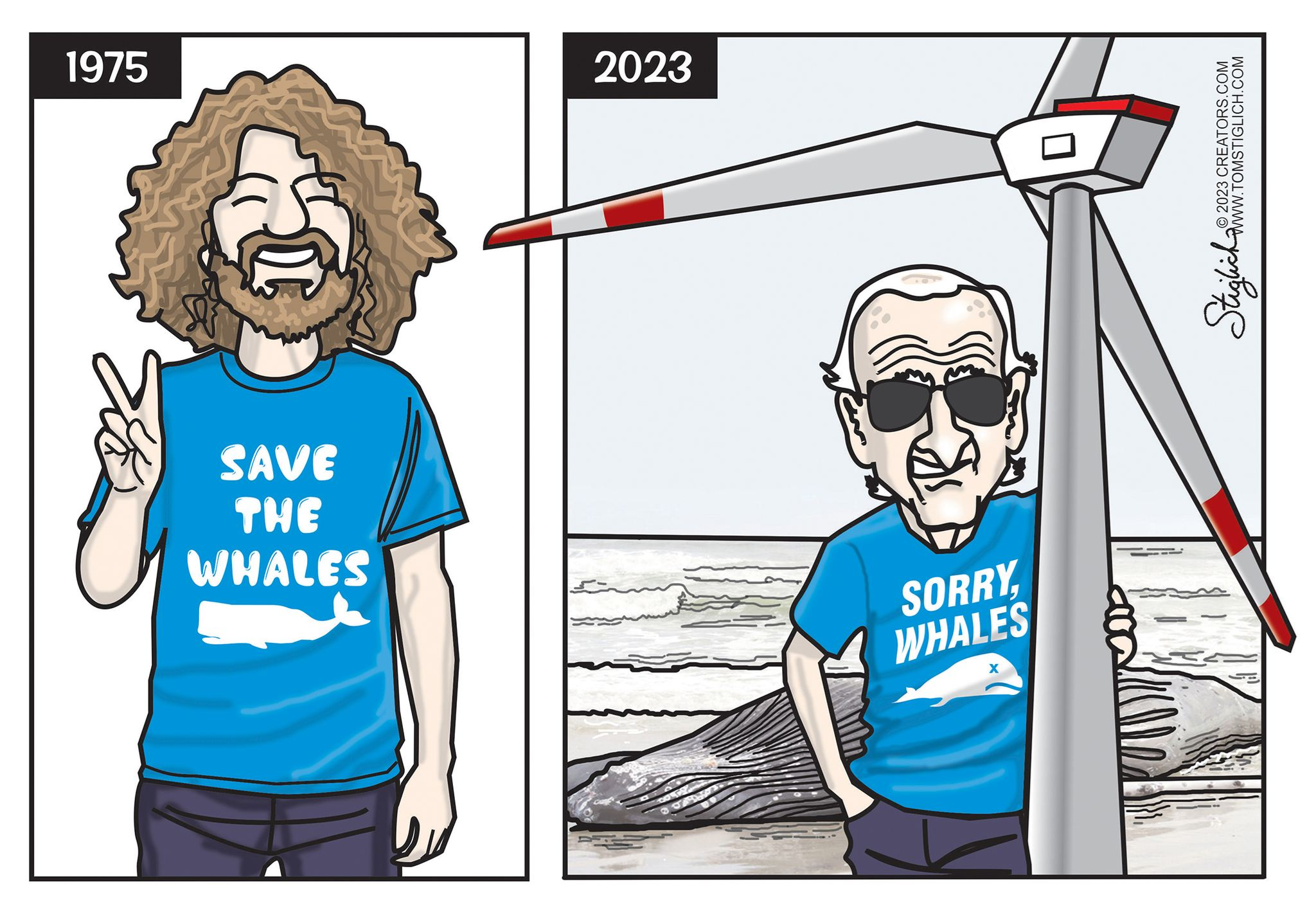
The fact that destroying forest land for solar arrays is bad for the environment should be obvious. Studies have found “the loss of carbon-dioxide gobbling forests for solar installations results in a net increase in greenhouse gas emissions.” Nor should wind farms be considered remotely green when wildlife is being killed and habitats are being disrupted. The same is true offshore, with a number of whale deaths associated with mammoth wind operations.

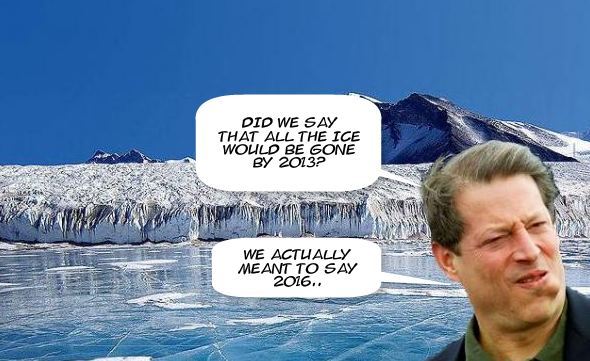
The same folks pushing “green” have been disingenuous from the start. In 1970, they assured us that human activity would cause an ice age by the 21st century and that we’d be under food rationing by 1980. Acid rain was a crisis until it wasn’t. Then global warming became the crisis, with much of New York City to be underwater by 2019. In 2008, Al Gore prophesized that the North polar cap would be gone in five years. It wasn’t. In 2009, UK Prime Minister Gordon Brown proclaimed,” We have fewer than 50 days to save our planet from catastrophe. Spoiler alert: We’re still here and thriving.
Their seemingly endless lies have been accompanied by Orwellian word games, moving from “global warming” to “change.” Now the Newspeak has shifted to “extreme weather and “overheating.
The truth is there is no green energy. No energy is clean. No energy is dirty. There are only challenges, solutions and tradeoffs. At the time of already high energy costs, choosing reliable, fossil fuel-backed energy is of paramount importance. Word sophistry from our friends on the left won’t change that.
During Trump 1.0 the appointed EPA Director summarized the false dichotomy long plaguing the agency: “If you are for the Environment, you must be against Development; and if you are for Development, you must be against the Environment.” In reality, a balance must be struck, and a new administration intends to find it. There has been much gnashing of teeth in the legacy media over this month’s dismissal of scientists from EPA advisory boards, without mentioning the same housecleaning happened in 2021 when Biden regime took over. Now we have an official announcement about the new EPA direction and priorities. Text in italics with my bolds and added images.
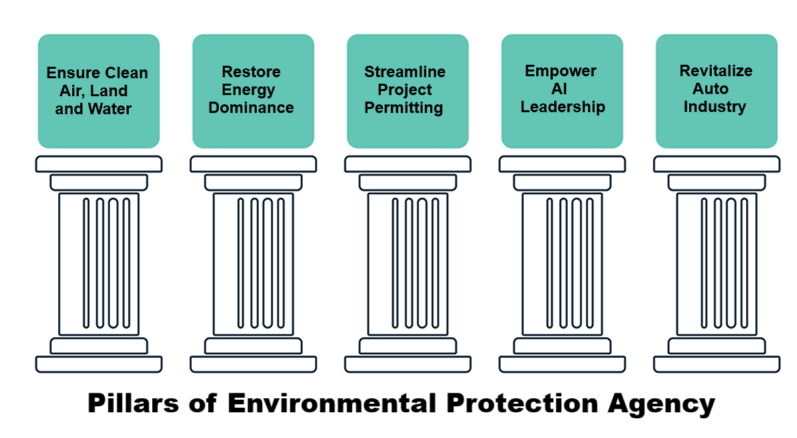
WASHINGTON – On February 4, 2025, U.S. Environmental Protection Agency (EPA) Administrator Lee Zeldin announced the agency’s Powering the Great American Comeback Initiative, to achieve the agency’s mission while energizing the greatness of the American economy. This plan outlines the agency’s priorities under the leadership of President Trump and Administrator Zeldin. The newly announced Powering the Great American Comeback initiative consists of five pillars that will guide the EPA’s work over the first 100 days and beyond:
“Every American should have access to clean air, land, and water. I will ensure the EPA is fulfilling its mission to protect human health and the environment. In his first term, President Trump advanced conservation, reduced toxic emissions in the air, and cleaned up hazardous sites, while fostering economic growth for families across the country. We remain committed to these priorities in this administration, as well as ensuring emergency response efforts are helping Americans get back on their feet in the quickest and safest way possible. We will do so while remaining good stewards of tax dollars and ensuring that every penny spent is going towards advancing this mission,” said Administrator Zeldin.

“Pursuing energy independence and energy dominance will cut energy costs for everyday Americans who are simply trying to heat their homes and put gas in their cars. This will also allow our nation to stop relying on energy sources from adversaries, while lowering costs for hardworking middle-income families, farmers, and small business owners. I look forward to working with the greatest minds driving American innovation, to ensure we are producing and developing the cleanest energy on the planet,” said Administrator Zeldin.
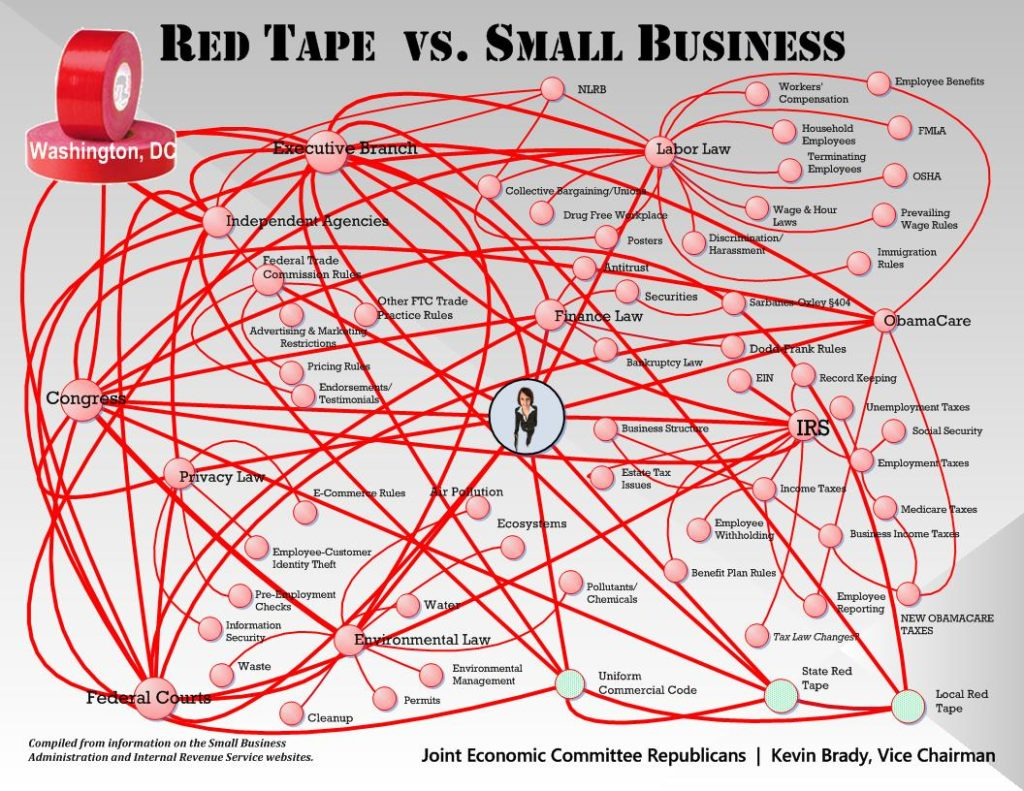
“Any business that wants to invest in America should be able to do so without having to face years-long, uncertain, and costly permitting processes that deter them from doing business in our country in the first place. It will be important for the EPA to work with our partners at the state and federal levels to ensure projects are being approved and companies can invest billions of dollars into our nation. Streamlining these processes, while partnering with businesses to follow the necessary steps to safeguard our environment, will incentivize investment into our economy and create American jobs,” said Administrator Zeldin.

“As we rapidly advance into this new age of AI, it is important that the United States lead the world in this field. Those looking to invest in and develop AI should be able to do so in the U.S., while we work to ensure data centers and related facilities can be powered and operated in a clean manner with American-made energy. Under President Trump’s leadership, I have no doubt that we will become the AI capital of the world,” said Administrator Zeldin.

“Our American auto industry is hurting because of the burdensome policies of the past.
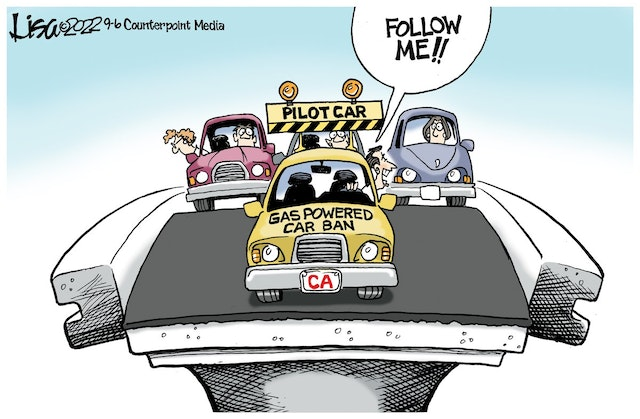 Under President Trump, we will bring back American auto jobs and invest in domestic manufacturing to revitalize a quintessential American industry. We will partner with leaders to streamline and develop smart regulations that will allow for American workers to lead the great comeback of the auto industry,” said Administrator Zeldin.
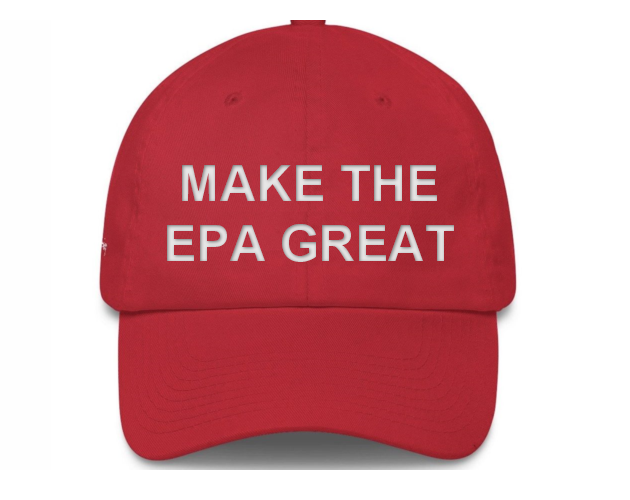
The Trump Administration not only cut “environmental justice” programs at the Environmental Protection Agency, they put nearly 200 staffers on leave.
According to reports, the staffers were called into a meeting on Thursday afternoon where they were informed that they were being placed on leave.
“Effective immediately, you are being placed on administrative leave with full pay and benefits. This administrative leave is not being done for any disciplinary purpose,” the email stated, according to Politico.
“Career staff made determinations on which Office of Environmental Justice employees had statutory duties or core mission functions,” EPA spokesperson Molly Vaseliou said in a statement. “As such, 168 staffers were placed on administrative leave as their function did not relate to the agency’s statutory duties or grant work. EPA is in the process of evaluating new structure and organization to ensure we are meeting our mission of protecting human health and the environment for all Americans.” Source.
Carnage: Trump Cuts ‘Environmental Justice’ Programs, Puts Nearly 200 EPA Staffers on Leave
 Science Matters