Backing away from absurd, grandiose policies would
shift attention toward more practical measures
Is the era of Big Climate over? It may be that Prime Minister Justin Trudeau has implicitly declared as much.
He would not say such a thing, as when Bill Clinton emphatically declared the “era of big government over” in the 1990s. Clinton was trying to show that he was a different kind of progressive, leaving behind the activist government of the 1960s. In contrast, the Vogue-photographed Trudeau was Big Climate’s most glamorous spokesmodel.
His absence at the UN climate jamboree in Dubai is thus striking.
Instead, conservative premiers Danielle Smith and Scott Moe are both on hand to promote oil and gas deals in the petro-state, but not the prime minister. Was it only eight years ago that a newly elected Trudeau descended upon the climate summit in Paris with a bloated retinue of hundreds, all the better to declare that “Canada is back?” He has now backed away.
Canada really isn’t back — we have never been quite so marginal in international relations as we are now — but certainly we were celebrated in Big Climate circles. In the heady days of 2019 Trudeau was even granted an audience with Greta Thunberg.
That was a sign, in retrospect, that Big Climate was in decline.
Inviting a Swedish teenager to indignantly lecture global leaders
indicated that Big Climate was entering its absurd phase.
Big Government, Big Tobacco, Big Pharma, Big Football (FIFA now, NFL in future) are behemoths that seem unstoppable, commanding all they survey. Then they enter their absurd phase, when their excesses become increasingly implausible. They don’t disappear. The advantage of being big is a certain momentum that carries forward, albeit diminished.
There is a point though when there is a qualitative change, even if massive quantity endures for a while. For Big Government, perhaps it was Clinton’s declaration. For Big Tobacco, it was when the assembled chief executives swore under oath that they had no idea that smoking could be addictive.
Big Climate had a good run. Ecological consciousness has been growing since the late 1960s. It’s a relatively easy sell. Everyone desires clean air, clean water, parks and natural beauty. Conservatives like conservation, after all, and progressives like government regulation to get there.
Big Climate was born out of that wider ecological movement, specifically at the 1992 “Earth summit” in Rio. The current Dubai “COP28” conference is the 28th “conference of the parties” that grew out of Rio 1992. Big Climate grew ever bigger, so much so that 70,000 delegates landed in Dubai this year. Along the way were milestones, such as Kyoto 1997 and Paris 2015, in which Big Climate managed to get wide agreement on re-ordering the global economy in principle, if not practice.
This year, though, one gets the sense that Big Climate has become wrapped in too many contradictions, capped off with a farcical conference in the petro-state’s air-conditioned desert. The incongruity of it all was nicely highlighted by the brouhaha that erupted when the Emirati conference chairman blithely declared that there was no real scientific basis to phase out fossil fuels.
Consider the Germans, Big Climate’s biggest booster in the heart of Europe. This year marked the end of German nuclear power, with the last reactors closed. Germany has now moved to a higher carbon future, burning coal and natural gas.
That proved a bit tricky when at war with Russia in Ukraine, so Germany turned to Canada for natural gas supplies. Trudeau refused to sell Germans our natural gas, directing them instead to Qatar. That strikes most folks as absurd.
Canada and Germany Sign Agreement to Enhance German Energy Security with Clean Canadian Hydrogen August 2022. And the hydrogen energy project is still pie in the sky.
Meanwhile, President Joe Biden, who began his administration with an ostentatious cancellation of the Keystone XL pipeline, lest Canadian resources pollute the American energy grid, has now decided to increase imports of Venezuelan oil and gas. That, too, is absurd.
Then there are billions upon billions of dollars — with Canada and the EU scrambling to match American subsidies — being lavished upon electric battery manufacturers, making “green jobs” a giant tax-funded boondoggle. That the great climate villain in the auto sector, Volkswagen, is a beneficiary of such largesse only makes the absurdity more galling.
Yes, those are trillions of dollars they are projecting.
Against all that, Trudeau’s decision to compromise his climate agenda to save a few Atlantic ridings is a rather low-voltage issue. Yet it shows that Big Climate is losing its power.
The end of Big Climate may be good for the climate. Backing away from grandiose and absurd policies shifts attention toward more practical and reasonable measures that will garner wider public support.
COP28 in the desert is a suitable end to Big Climate. It ends with a bang, as it were. And Trudeau withdraws with a whimper.
It is an action which multiple red states in the US undertaken: Blocking carbon controls ingrained in “green power” initiatives conjured by the federal government.
Now it appears the momentum has spread to Canada through Alberta’s conservative leadership as Premier Danielle Smith defies the Trudeau regime by invoking the province’s recently drafted Sovereignty Act.
The Sovereignty Act is designed to give Alberta’s legislative assembly the power to identify any federal programs or actions that violate Alberta’s constitution, the government would then refuse to implement those programs. The implementation of the act means that finally, an open dialogue on the existential threat of the UN’s “sustainable development goals” and Agenda 2030 has begun in Canada.
The reasons for opposition to “Net Zero” objectives have been repeated over and over again by political critics, economic critics and scientific critics alike.
1. Net zero as the UN defines it is impossible using existing green technologies with inefficient and costly power generation.
2. Net zero proponents refuse in most cases to acknowledge the usefulness of nuclear power as a means to reduce reliance on oil and gas.
3. Net zero would require perpetual authoritarian oversight of individual carbon emissions and probably population reduction in the near term.
4. None of the above even matters because there’s no concrete evidence whatsoever man-made carbon causes global warming.
In other words, the supposed crisis is a fraud and there’s no reason
for any nation, province or state to sacrifice their power grids.
Beyond the big con, stagflation has made carbon controls economically impossible. Aggressive price spikes since 2020 make gas, oil and coal more important than ever in maintaining basic services for the populace along with the needs of industry. Reducing available supply in the face of desperate demand would only fuel the fires of inflation further. Even Europe has been reverting back to “villainous” energy sources like coal to keep things running.
When people face the possibility of freezing or starving there is little chance they are going to listen to unfounded claims of climate doomsday from a bunch of ultra-rich yacht sailing private jet-setting carbon-spewing hypocrite elites.
While brandishing the moral cudgel with full force – President Biden describes climate change as “an existential crisis,” i.e., every person and puppy will die if we don’t submit to his agenda – the left also suggests the transition will be easy-peasy: Just build some windmills, install some solar panels, and swap out your car, stove, and lightbulbs for cleaner and cheaper alternatives.
The up front gold is clear and costly, the end of the road in shadows.
Though much of the cheerleading media downplays this fact, it is already clear that Biden’s enormously expensive, massively disruptive goal is a pipe dream. In a recent series of articles, my colleagues at RealClearInvestigations have reported on several of the seemingly intractable problems that the administration and its eco-allies are trying to wish away.
The dishonesty begins with the engine of the green economy – the vast array of wind and solar farms that must be constructed to replace the coal and gas facilities that power our economy. James Varney reported for RCI that the Department of Energy’s official line is that the installations required to meet Biden’s goal of “100% clean electricity” by 2035 will require “less than one-half of one percent of the contiguous U.S. land area” – or roughly 15,000 of the lower 48’s roughly 3 million square miles. However, Varney noted, “the government report that furnished those estimates also notes that the wind farm footprint alone could require an expanse nine times as large: 134,000 square miles. That is equivalent to the land mass of Ohio, Indiana, and Kentucky combined – plus all of New England.
Convert Albany county New York into a wind farm required just to replace the now shuttered Indian Point nuclear power plant.
Echoing the 19th century adage that figures don’t lie, but liars figure, the discrepancy mostly involves estimates of what can be built around the windmills. Each turbine’s footprint is relatively small, but they have to be spaced far apart. The DOE’s smaller number is based on the fanciful assumption that all the surrounding land can be used for agriculture and other purposes, while the larger figure assumes none of it will. The truth probably is somewhere in between. That the government is trumpeting the impossibly small number – while ignoring the additional land needed to build transmission lines which will carry the current to end users – is telling and troubling.
Given Biden’s aggressive timeframes for the build-out – 2035 is a mere dozen years from now – one might expect that the administration has a master plan detailing where and when these green farms will be constructed. It does not. And, as Steve Miller reported for RCI, this challenge already seems insurmountable given the “grassroots resistance … coalescing in varied new state laws and local ordinances that threaten to bog down solar and wind development in a multi-front legal and regulatory war on a scale not seen before.”
In a stinging irony, opponents are routinely invoking arguments regarding
endangered species and wetlands that environmentalists have long deployed
to kneecap pipelines, gas fields, and other fossil fuel projects.
Another largely ignored problem area is charging stations for electric vehicles. John Murawski reported for RCI that California’s first-in-the-nation move to ban the sale of new gas-powered cars after 2035 is highlighting an array of challenges and dislocations. To keep electric cars rolling, the state “may need to install at least 20 electric chargers for every gas pump now in service to create a reliable, seamless network” – or more than 2 million new stations during the next decade, which is about 10 times as many EV ports as gas station nozzles.
It might be hard to convince private businesses to house the chargers, because, as a 2022 report from the California Energy Commission noted, “Revenue from electricity sales alone is often not enough today for chargers to be profitable, especially for stations with lower utilization.” That’s why California is investing at least $14 billion to subsidize this fantasy.
Even if the EV infrastructure gets built, it will require a massive change in behavior. The days of fill ’er up once or twice a week will likely become a distant memory. Most public stations will only be able to provide between five and 60 miles of range for an hour hook-up. Private citizens will need to pony up for their own charging infrastructure at home, while renters and low-income drivers will have to rely on employer and municipal largesse to supply chargers.
The green dream also involves knotty geo-politico issues.Ben Weingarten reported for RCI that America’s transition to renewables is empowering its most formidable economic adversary. “China currently holds a commanding position in the clean energy industry, controlling the natural resources and manufacturing the components essential to the Biden administration’s desired alternative energy transition,” Weingarten wrote. “Energy experts believe that its dominance will become more entrenched in the years ahead because of domestic environmentalist opposition to perceived ‘dirty’ mining and refining operations, and the Biden administration’s ‘clean energy’ spending blitz – which could provide Chinese companies and subsidiaries billions in subsidies.”
What’s more, if the U.S. slows its production of oil and gas in the coming years, hostile or problematic nations that continue to drill – including Iran, Russia, Saudi Arabia, Qatar, and Venezuela – will reap the benefits should renewables fail to become a reliable source of power.
Finally, the systematic erasure of these and other consequential questions
is part of a broad effort to quell dissenting views.
While climate action advocates in the government, media, and academia argue that the science is settled, Murawski reported for RCI that a growing number of experts are courageously challenging this orthodoxy. In August, for example, “more than 1,600 scientists, including two Nobel physics laureates, signed a declaration stating thatthere is no climate emergency, and that climate advocacy has devolved into mass hysteria,” Murawski wrote. “The skeptics say the radical transformation of entire societies is marching forth without a full debate, based on dubious scientific claims amplified by knee-jerk journalism.”
In detailing the central arguments of these skeptics, Murawski reported that few fall into the camp of “climate deniers” – itself a shameful label used to equate climate change with the Holocaust. They acknowledge the Earth is warming. Some, however, question whether human activity is to blame and, if it is, whether the massive human interventions being demanded can make much difference. Others say that the money spent retooling the economy would be better spent spurring economic growth that will allow people to adapt to a changing world.
Murawski reported that many dissenters believe that “[S]logans such as ‘follow the science’ and scientific consensus’ are misleading and disingenuous. There is no consensus on many key questions, such as the urgency to cease and desist burning fossil fuels, or the accuracy of computer modeling predictions of future global temperatures. The apparent consensus of imminent disaster is manufactured through peer pressure, intimidation, and research funding priorities, based on the conviction that ‘noble lies,’ ‘consensus entrepreneurship,’ and ‘stealth advocacy’ are necessary to save humanity from itself.”
A lie is rarely noble. It is almost always evidence of a weak argument and contempt for those it seeks to influence. Those who see climate change as an urgent danger and believe they know how to counter the threat should make their case forthrightly instead of recycling tired myths. Our democracy faces an existential threat when the will of the people gives way to the coercion of the masses.
Excerpted below is a Quora discussion with illuminating commentary from Aaron Brown, former asset risk manager. AB responds to Topic Question and related comments, text in italics with my bolds and added images.
Quora? What will make conservatives accept climate change as real science?
AB: There are scientists who study cloud formation, ocean currents, rainfall patterns and other aspects of climate. Some are good, some not so much. Most people, liberal or conservative, accept that much of this is science.
Then there are scientists who build climate models and make predictions about things like global average temperature from 2081 to 2100 under different assumptions about human emissions and other factors. The people doing this work are considered scientists, but the conclusions are not science in the sense of empirically verifiable facts or consensus theories with strong empirical confirmation.
It’s a semantic game whether you call the conclusions “science” or not, but either way they are not as certain as scientific laws about gravity or momentum. People who like the predictions will embrace them, people who don’t like the predictions will resist them.
Liberals tend to be open to new ideas, conservatives tend to be more skeptical. That means many liberals are more willing to take strong action based on model predictions than are most conservatives. Skeptics tend to accept models if they make useful, non-obvious predictions that turn out to be true. Unfortunately it will take at least a century to gather that kind of evidence for climate models.
One possible breakthrough would be improvements in forecasting weather. You can prove a weather model in months rather than decades or centuries. But the fundamental claim of climate science is that it’s easier to predict global decadal averages in fifty years than next month’s weather in New York’s Central Park. That kind of claim—”I can’t predict the stuff you can check but trust me on stuff you can’t check”—makes skeptics skeptical.
A more likely breakthrough would be the the people making climate predictions proving their modeling ability by making useful, non-obvious predictions in other fields that can be validated. So far we have not seen this—successful modelers in other fields moving to climate science, or climate modelers proving success in other fields. This is a major point of skepticism for skeptics.
Finally, many conservatives are skeptical due to the big money involved in climate change combined with intense government interest and possibilities for vast wealth from subsidies and other programs. This is called Big Science and it’s often been dead wrong in the past, not to mention occasionally threatening all life on Earth. There are some successes of Big Science as well but skeptics will note the temptation to skew climate science for money or to push policies the advocates wanted before any climate support showed up.
None of this is relevant for policy decisions. If we somehow knew for certain today what the global mean temperature would be from 2081 – 2100, it wouldn’t tell us whether it was a good idea to ban coal or impose a carbon tax today. Conservatives are apt to assume any legislation will be written by lobbyists paid by cronies and empire-building bureaucrats rather than any kind of scientist. The laws will have unintended consequences, and send the economy and technology down unpredictable novel paths. We can’t estimate the effect on the human environmental footprint, we have only limited ability to relate the human environmental footprint to climate, and even less to relate climate to human welfare.
In such circumstances, the conservative inclination is to wait until you’re sure you’re helping things before spending a lot of money and writing a bunch of rules. The liberal tendency is to use your best judgement today, and expand the stuff that works tomorrow, while fixing or abandoning the stuff that doesn’t. This choice has nothing to do with climate science.
Comment: A model is just a theory put into numbers.
AB: Agreed, but the problem is lack of data. You can’t check 80 year in the future predictions with 30 years of data; and the global climate is so complex you need far more data even than we have with current measurements.
The data from more than 150 years or so is local data averaged over centuries or longer, useless for predicting global shorter-term data. Prior to 1990 we have very noisy data that is broader and available daily or sometimes even more often, but only since 1990 do we have anything like reliable, consistent global data.
People do calibrate their models to be consistent with the past, sometimes with more success than others. But there are so many parameters to global climate that this is not a useful check.
Comment: The required accuracy of your data and models grows exponentially with the amount of time you are predicting. It’s practically impossible to improve weather models beyond a certain point, so it’s not fair to consider this a failing of climate science.
AB: This is the central claim of climate science, but it remains unproven. Chaotic systems are not inherently unpredictable—for example the multibody solar system—and three or more bodies under gravity are chaotic—appears to have remained stable and pretty easy to predict for billions of years.
Attempts to predict weather in the most straightforward way, breaking the atmosphere down into small parts and applying rules of physics, have not succeeded in precise or long-range predictions—but there clearly are weather patterns that repeat often enough they must have some explanation. Modern weather prediction relies mainly on observed regularities without firm theoretic explanations.
You may be right that weather prediction will always be intractable, but perhaps some out-of-the-box idea will change that. If it did, we’d probably understand a lot more about climate.
It’s not obvious that long-term averages are more stable and predictable than shorter-term ones. In the stock market, for example, prices are pretty close to a random walk and uncertainty increases pretty steadily with the square root of time interval.
If you look at actual temperature measurements over local areas or global, over time scales from days to millions of years, uncertainty seems to increase with time, but slower than the square root. The unit of most certainty seems to be a year—predicting the average temperature over the next year has less uncertainty than predicting tomorrow’s temperature, but also less uncertainty than predicting the average temperature over the next decade or century.
Trajectories of a double pendulum. The simple predictable behavior of a pendulum appears chaotic when a second pendulum is attached. How many factors interact in our climate system?
This is a pure statistical observation, ignoring all climate science. The claim of climate science is models that incorporate things like solar variation, volcanoes, human emissions and so forth can make long-range averages less uncertain than annual averages. But we’ll need a lot of examples of long-range predictions—centuries of data—to confirm that directly, without resorting to climate theory; meaning that’s unlikely to convince skeptics in this century.
Of course you’re right that there seem to be physical limits that cause climate to move in cycles rather than drifting off to entirely new regimes—but regimes do change, and on planets other than Earth perhaps to extremes like losing the atmosphere.
Long exposure of double pendulum exhibiting chaotic motion (tracked with an LED)
But conservation of energy, for example, does not necessarily impose a constraint. There are many ways for energy to be removed from or added to global temperatures. It’s not necessarily true that, say, reducing incoming solar radiation cools the planet. In a simple system, reducing heat input lowers temperature. But in a complex system you could touch off any number of positive and negative feedback effects that could lead to any outcome.
Comment: I think this group is under valuing the large amount of research that has been predicting increases in global temperatures and the effects it will cause. There is ample data on the rate of increase in green house gases [CO2 and Methane] caused by humans lately.
AB: Are you saying that the predictions will convince skeptics? I disagree for several reasons.
1. There have been many predictions, many of which were spectacularly wrong, none of which were spectacularly right. The more catastrophic the prediction, the more often it turned out to be spectacularly wrong. Now you can go back after-the-fact and say the people making the worst predictions were nuts and other people made predictions that were not spectacularly wrong, but skeptics will find this unconvincing—like someone sifting through horoscope predictions to find some that seemed to come true.
2. The more sober predictions have merely been extrapolations of the recent past, too obvious to convince skeptics. Every time anything happens lots of people claim to have predicted it, and that it will continue in the future until disaster. Skeptics think that if temperatures started falling tomorrow, the predictions would quickly shift to predicting global cooling.
3. Yes, atmospheric CO2 levels have gone up, and those could cause temperature increases, and humans are emitting CO2, and there’s no other obvious explanation for the increases in CO2. But those are simple observations. To convince skeptics of your explanations and predictions, you have to do more. If temperature increases tracked CO2 increases—rather than CO2 going up steadily and temperature bouncing up and down with more down months than up months—but an overall increase, the connection is not obvious.
4. Videos like the one you posted that tell us what things will be like decades in the future, something we cannot check, will not convince skeptics.
I think I outlined the main things likely to convince skeptics in my answer.
Comment: Many of the inter related factors determining climate have non linear relationships so modeling is extremely challenging and in order to produce sensible sounding outputs, tuning software is used to produce an answer deemed politically correct. If funding agencies would ban the use of tuning software the model funding would soon stop because of the self evident garbage answers.
AB: I agree and would go even further. I think climate is chaotic, and cannot be usefully modeled.
Everyone agrees that weather is chaotic, so only tentative short-term predictions are useful. But the defining claim of climate science is that if you average parameters like temperature over the entire globe over 20-year periods, it becomes predictable.
But if you check that assumption by comparing the standard deviation of temperature changes over larger regions and longer periods, you see it hits a minimum at single locations over one year. You can predict the average temperature in Central Park over the next year more accurately than tomorrow’s average temperature over New York State, or 20-years’ average temperature in Central Park.
It’s possible that casual models driven entirely by physics could surmount that issue, but so far these have been entirely unsuccessful without statistical tuning—tuning that does not improve ability for future predictions. Moreover you would expect such a model to predict weather better than climate, and no models can do that—they can only claim successful predictions over periods too long for practical testing.
That doesn’t mean climate models are worthless, but they are less reliable than weather reports, not more reliable.
Comment: In the case of climate, it’s the case that a large chunk of conservatives are still conservationists, who don’t get counted as environmentalists because of the heavy left (Marxist, even) bent of the green movement over the last several decades. Why not appeal to this perspective?
AB: I think you’re focusing on the wrong issue. You don’t have to convince anyone that protecting the environment is important, you have to convince them you have a plan that will do more good than harm.
Nuclear power is a great example. It reduces CO2, but also other forms of pollution. It doesn’t require decades and trillions of dollars to build a new power-grid infrastructure, it’s plug-and-play with the existing system (almost, anyway). The technology is well-understood, safe and efficient. You won’t find opposition from conservatives, only from some liberals.
Several MEPs (mainly Greens) hold up anti-nuclear posters at the debate.
But other tactics will require more argument. A carbon tax, for example, would send technology and the economy down an entirely new path, with entirely unpredictable consequences. It would seem to increase uncertainty about future climate rather than decrease it. It has other issues as well. To gain support for one from skeptics, you’ll have to convince them that you can predict the effects of such a tax on human welfare in 2100 well enough to make it a good bet.
Geoengineering is the cheapest and surest way to reduce global temperatures, but it controversial on both left and right for its possible unintended consequences. Here you have to convince people the gain is worth the risk.
The single best no-brainer solution is to work for world peace and cooperation. War is the biggest threat to the environment and climate. Solutions to climate change and dozens of equally consequential global issues will require cooperation—or at least less conflict—among nations. Redirecting military spending to climate research and mitigation would do tremendous good. Best of all, world peace and global cooperation have many direct advantages, not just vastly improving our ability to respond rationally to issues like climate change.
Today, the collapse of FTX and the recent criminal conviction of founder and CEO Sam Bankman-Fried (who is facing a lifetime behind bars) brings Enron, Skilling, and Lay to mind. But, despite the magnitude of SBF’s fraud, it pales in comparison to the ongoing fraud being perpetrated mostly on America and its Western allies in the name of “climate change.”
A bit like FTX, but unlike Enron, there are plenty of warning signs that the “Green Revolution” is about to come tumbling down and its loudest advocates brought to account. The main thing keeping the mirages afloat today is the massive egos and their investments in folly that may leave them going down with the ship.
While the “Green Revolution” has been under way for decades, it is the Biden Administration that has imposed mandates, attacked popular energy sources and transportation options, and waged war against traditional industrial development. Europeans and states like California had earlier imposed their own mandates with supposedly “hard” deadlines for abolishing the use of oil, natural gas, coal, and every tool or vehicle that uses them.
The green war on fossil fuels, as fleshed out in the “Net Zero” campaign,
is perhaps history’s greatest example of philosophical fraud.
And the corollary: Reality is also that which happens instead of what you wanted and expected.
“To dream the impossible dream” and turn it into reality would mean sacrificing an estimated 6,000 useful products that rely on byproducts from crude oil refineries – products that range from asphalt for highways to fertilizers, cosmetics, synthetic rubber, medicines and medical devices, cleaning products, plastics, so many more. The 3 billion who live without the benefits fossil fuels have provided are also the poorest, sickest, and most vulnerable humans on the planet.
Cracks are already developing in the “Net Zero” world, what with countries backing away from the mandates they so recently touted while marching around like peacocks in mating season. In March the European Union reached an agreement with Germany to formally back away from its total ban on internal combustion engines in 2035.
Still, 30 countries are signatories to the Glasgow Declaration that would force all vehicles sold by 2040 to have zero carbon dioxide emissions, and 21 others have crafted plans to ban new ICE vehicle sales earlier than 2040. Dozens of major cities and states, most notably California and the California clone states, intend to disallow new ICE vehicles by 2035.
Several problems stand in the way of their utopian dream. Even EV advocates are now admitting the “EV-olution” has to overcome “serious issues” – like the use of child labor in lithium mining, the woefully inadequate EV charging infrastructure, and an unprepared power grid. Yet the biggest obstacle is that a majority of the Earth’s people object to having EVs – or heat pumps, or electric stoves, and so on — shoved down their throats.
EVs may be fine for short-trip urban travel but not for construction equipment, airplanes, or even urban buses, as evidenced by the recent horrific scene in San Francisco when a Google-operated electric bus lost power and slid backwards downhill into nine vehicles. Today’s EVs are wholly impractical for mountain and prairie residents or others making long trips (worse with children).
Like Ken Lay with Enron, the Green revolution has relied heavily on government subsidies and a “revolution always” business philosophy aimed at making pariahs of anyone who dares oppose the grandiose – but fatally flawed – plan.
During the Obama Administration, Solyndra went under despite a $535 million government-guaranteed loan, none of which was paid back. Forbes, citing OpenTheBooks.com, noted that taxpayers were left holding the notes for $400 million given to Abound Solar, $280 million wasted by CaliSolar, $193 million doled out to Fisker Automotive (with another $336 million canceled), and $132 million to A123 Systems (a failed battery maker).
Undaunted, the Biden Administration’s $2.3 trillion “jobs” package was rife with more subsidies for technologies that by their own admission are unsustainable. Yet despite all the free money, Ford, General Motors, and many other automakers are backing away from multibillion-dollar investments in new EV factories as new EV sales have slowed despite increased rebates.
Ford in March projected a loss of $3 billion on electric vehicles in 2023, offsetting profits of as much as $14 billion from its other divisions. Ford also admitted losses of $900 million in 2021 and $2.1 billion in 2022 in its EV division. Ford and GM believe their EV fortunes will turn around by 2025, but those rosy scenarios seem wholly dependent upon Biden (or an even “greener” Democrat) winning the White House next November.
Even with a Green win in 2024, reality will still bite the EV dream. China has been quietly moving toward total dominance in the global EV marketplace – largely because it controls the lithium battery market. Financial Times wrote in September that China is so far ahead in the EV market that its competitors are trailing in the dust.
Biden’s reliance on huge subsidies to underwrite the “Green Revolution” has brought soaring inflation to the U.S. that is taking away purchasing power faster than it can increase subsidies and Mafia-style “incentives” (you will buy what we want you to buy, or else!).
Lay died of a heart attack shortly after his trial, leaving behind “a legacy of shame” characterized by “mismanagement and dishonesty” that led Politico to rank him as the third-worst American CEO of all time.
America’s doddering President Biden, now facing pre-impeachment hearings for other alleged mistakes, may not live to see his name smeared as Lay’s once was. But does anyone truly believe Biden is calling all the shots here?
Who will, then, get the blame if America’s forced march to
EV subservience to Xi’s China brings an end to
America’s hegemony on the world stage?
Those promoting hydrogen as a substitute for carbon fuels are blind to the physical and economic facts, as well as miscontruing CO2 as some kind of demon gas boiling the planet. Thus their crusade is absurd, exorbitant and pointless.
Hydrogen Replacing Carbon Fuels Is Absurd
The absurdity is explained by Sabine Hossenfelder in the video below: Hydrogen Won’t Save Us. Here’s Why. For those who prefer reading, I provide a transcript in italics with my bolds and added images.
Today I want to talk about something light. Hydrogen. Hydrogen is one of the currently most popular alternatives to fossil fuel in transport. Many companies and nations have put money into it.
In 2021, the number of hydrogen-fueled passenger cars bought in the UK was 12. Does that sound like a booming business? Not exactly. Indeed, a report from the British Science and Technology Committee that just appeared last month warned that “we do not believe that [hydrogen] will be the panacea to our problems that might sometimes be inferred from the hopes placed on it”.
Ouch. So what’s the deal with hydrogen? Hope or hype? That’s what we’ll talk about today.
Hydrogen Basics
Hydrogen is the first element of the periodic table. If you mix it with oxygen and put fire to the mixture you get water. This reaction releases energy, so if you do it under controlled conditions, you can drive a motor or turbine with it. The only exhaust you get is pure water, no carbon dioxide, no nitrogen oxides, no particulates, no radioactive waste, no chopped-up birds. It’s really difficult to complain about pure water.
But let’s not give up that easily, certainly we can find something to complain about. For example, hydrogen is a gas that, at normal atmospheric pressure and temperature, takes up a lot of volume, and it’s somewhat impractical to drag a zeppelin behind your car. That’s why to store and transport hydrogen, one compresses it by putting it under a lot of pressure. Typically, that’s something like 700 bar, or about 700 times atmospheric pressure.
At that pressure, the energy that one gets out of one litre of hydrogen
is one sixth of the energy one gets out of one litre of gasoline.
This means if you power a car with hydrogen, one needs more litres of hydrogen than one needs litres of gasoline to cover the same distance. But litres are a measure of volume. The amount of energy you get out of hydrogen per mass is about twice as high as what you get from gasoline. Then again, since the hydrogen must be kept under high pressure hydrogen tanks tend to be heavy compared to gasoline tanks. When everything is said and done, hydrogen-powered cars end up being somewhat heavier than gasoline-powered ones, but it’s not such a big difference.
Okay, but how do you get the energy out of the hydrogen? The technology for this isn’t new, it’s been around for more than 200 years. The first hydrogen fuel cell was developed by William Grove in 1839 but it was only in the 1960s that two engineers at General Electric proposed a smart way to go about it. They developed what’s now called a Proton Exchange Membrane. Those keep the hydrogen and oxygen largely separate and allow chemical reactions only at the membrane. That way it’s much easier to control the reaction which also makes the system safer.
Those hydrogen fuel cells were then further developed by NASA. One of the first uses was on the Gemini spacecraft, which was launched in the mid-1960s. They were later also used on the Apollo spacecraft that carried astronauts to the moon and for the space shuttle. The International Space Station uses hydrogen fuel cells to generate electricity and also to produce drinking water for the astronauts on board.
The Hydrogen Market
So, hydrogen fuel cells have been around for a long time, but they’ve never been particularly popular. One of the reasons has certainly been that there was simply no need for them, because fossil fuels are considerably more convenient. Unfortunately, they have side-effects, which is why companies like Hyundai and Toyota have been selling hydrogen-fuelled cars for about a decade. BMW, Ford, and other automobile giants have plans for hydrogen cars, and some governments are looking at hydrogen to power their transit systems, for example Scotland and Germany.
The UK with its measly 12 sales in 2021, I admit, is a particularly sad example. For one thing, that’s only passenger cars. They also put about 50 hydrogen-powered busses on the road. And globally the market doesn’t look quite as dire. In total, about 16 thousand hydrogen powered cars were sold in 2021, about three thousand 500 of those in the US. The total number of new cars sold in 2021 was about 67 million, so at the moment it’s about one in four thousand new cars that’s hydrogen powered. It’s a small market, but it’s an existing market.
Some plans are extremely ambitious. For example, in May last year, the European Union rolled out a strategy called REPowerEU, with the goal of replacing up to 50 billion cubic meters per year of imported Russian gas with hydrogen. This’d mean replacing almost 10 percent of the EU’s total gas consumption with hydrogen power. That’s substantial.
It’s not only Europe. Many other countries are also investing in hydrogen production facilities, that includes Japan, Canada, Egypt, China, and the United States. For example, in March last year, the company Green Hydrogen International unveiled plans to create a plant in Texas that’ll use 60 Gigawatt of electricity from solar and wind to produce 2 point 5 billion kilograms hydrogen per year. It’ll be called Hydrogen City. And Individual companies are investing in it, too. Microsoft, for example, wants to use hydrogen fuel cells as climate-friendly backup generators for their data centres. As you see, hydrogen is booming. But.
The Colors Of Hydrogen
The first “but” that might spring to your mind is: But where does the hydrogen come from? Now, hydrogen is the most abundant element in the universe. Indeed, three quarters of all normal matter in the universe is hydrogen, but you normally can’t buy it in the supermarket. So where do you get it? Naturally occurring geological deposits of pure hydrogen are rare on Earth. Most of the hydrogen we have is bound, either in water or in methane. And this is where the problem begins. Because you have to break those chemical bonds to get the hydrogen and that requires energy.
Hydrogen is therefore not really a source of energy, but a storage system.
You use energy to create it in its pure form, transport it,
and then you release this energy elsewhere.
How environmentally friendly this is depends strongly on where the hydrogen comes from. To keep track of this, scientists are using a color scale. You all know this, but this is YouTube, so I have to say this anyway: The hydrogen itself has always the same color, which is transparent. This color scale is just a way of keeping track of the production method.
On this color scale, the rare, naturally occurring hydrogen is white. Hydrogen obtained from water using coal or lignite has the colors black or brown, respectively. Its production emits carbon dioxide and methane; both are greenhouse gases. Grey hydrogen is derived from methane and water; this also produces carbon dioxide and usually some of the methane escapes.
At the moment, almost all hydrogen is produced in one of those ways by using fossil fuels. According to the World Energy Council, in 2019 more than 95 percent of the hydrogen worldwide was assigned one of those colors, black, brown, or grey. This releases about 830 million tons of carbon dioxide per year. That’s 2 percent of the total global emissions and about the same as air traffic.
But there are more colors on the hydrogen rainbow. Next there is blue. Like grey hydrogen, blue hydrogen is made from methane, but the carbon dioxide is stored underground and does not escape into the atmosphere. This method is currently only used for1 percent of hydrogen production, but it could be expanded. The industry association Hydrogen Council has touted blue hydrogen as a climate-friendly initiative. It’s not entirely irrelevant, so let me mention that this council was created by the oil and gas industry. Many of its members have a financial interest in switching from natural gas to hydrogen produced from natural gas.
So maybe one shouldn’t take their argument that blue hydrogen is climate-friendly for granted. Hasn’t someone looked into this? Well, since you asked, in 2021, two American researchers calculated the amount of greenhouse gases released by grey and blue hydrogen technology. They not only took carbon dioxide into account, but also methane, which is a much more potent greenhouse gas. To make comparisons easier, the greenhouse effect from methane is usually converted to a carbon dioxide equivalent, which is the amount of carbon dioxide that would have the same effect.
They came to the conclusion that grey hydrogen has a carbon dioxide equivalent of about 550 grams of carbon dioxide per kilowatt hour and blue only slightly less, 486 grams. That’s about the same as the emissions you get from using natural gas directly to generate electricity. Part of the reason blue hydrogen performs so poorly is that not all the carbon dioxide from hydrogen production is captured and stored. Another reason is that the process of storing the carbon dioxide also requires energy and leads to carbon dioxide emissions. The authors estimate that under the most favourable conditions, it might be possible to reduce those emissions to around 200 grams of carbon dioxide per kilowatt hour by using renewable energy sources. So blue hydrogen doesn’t help much with climate protection.
Then there is green hydrogen, which is produced from water using renewable energy. Again that sounds good, and again, it’s not that simple. According to a calculation by researchers from Australia, greenhouse gas emissions from green hydrogen produced with solar energy are ideally about a quarter of those from grey hydrogen. Under realistic conditions, however, they find that emissions are comparable, particularly due to fluctuations in solar radiation that make hydrogen production inefficient. There is neither data nor any study for hydrogen production from wind but you expect this method to suffer even more from fluctuations because wind is far less reliable than sunlight.
And since these methods are inefficient, they are also expensive. Indeed, producing hydrogen with solar and wind is pretty much the most expensive way you can do it, according to a review in 2019. Now maybe those costs will go down a bit as the technology improves. But seeing that the biggest problem is that energy input fluctuates I doubt it’ll become economically competitive with the “dirty” hydrogen. This problem can be fixed by using nuclear power to generate hydrogen which has been assigned the colors pink and purple. A few projects for this are underway but it’s early days and nuclear power isn’t exactly popular.
OK, so we have seen that it isn’t all that clear whether hydrogen is climate friendly, and also, it’sexpensive. And this is only the production cost. It doesn’t include the entire infrastructure that’d be necessary to fuel a fleet of hydrogen cars. Remember you have to keep the stuff at several hundred bars and you can’t just use a normal gas station for that.
Water Supply
Let’s move on to the next problem that might come to your mind: where do we get the water from? From a distance, the world has no shortage of water, but freshwater can be scarce in certain regions of the planet. According to estimates from researchers at the University of Delaware, however, water supply issues probably won’t stand in the way of a hydrogen economy. They looked at a scenario in which we replace 18 percent of fossil fuels with hydrogen, and found that this would require about 2 percent of the amount of freshwater that’s currently used for irrigation.
Watch out, this figure has a logarithmic scale. You also see on this figure that using fossil fuels requires freshwater too, for cooling, mining, hydraulic fracturing, and refining, and it’s currently actually more than the projection for hydrogen. That’s 2 percent on the global average, but in some regions the fraction can be higher. For example, estimates for Australia are that you’d need about 4% of the water amount used for irrigation. So that seems a manageable amount, but it’s something to take into account if you want to make this work.
The Cold Start Problem
Another problem with water is that it can freeze. This is why you shouldn’t leave the beer in the car in the winter. And it’s also why hydrogen fuel cells like it warm. If the temperature drops more than a few degrees below zero, the water that the fuel cells create at start will freeze immediately, which swiftly degrades the membranes and tubes. It’s known as the “Cold Start” problem of hydrogen fuel cell. And, no, you can’t just pour antifreeze into it, remember the water is created in the fuel cell. So, you’ll either have to stay in California or keep your car warm. The solution that manufacturers pursue at the moment is pre-heating systems.
Rare Metal Shortages
But the biggest problem for a hydrogen economy may be making those proton exchange membranes to begin with. It’s not because it’s so difficult, but because they’re made of platinum and iridium. Platinum you may have heard of, it’s an expensive noble metal that’s also used for jewellery. The reason it’s expensive is that it’s rare. Iridium is also a noble metal. It’s so rare that most people have never heard of it. Both of those metals are difficult to replace with anything else in the hydrogen fuel cells.
That’s a problem because it means that the entire hydrogen economy hinges on the availability of those two metals. There’s only so much of those in the world and they are only in very specific geological formations. Almost all the platinum and iridium supply comes from only three countries: South Africa, Russia, and Zimbabwe, and colonies have gone out of fashion recently. China, which has invested heavily in hydrogen technology is already feeling the consequences.
And we’ve only just barely begun with building the hydrogen economy. This issue has been highlighted recently in reports from various international organizations including the International Energy Agency and the World Bank. According to the business consulting group Wood Mackenzie, the increased demand for platinum might be manageable in the near future, but it looks like by 2030 demand for iridium will be several times higher than the supply. I don’t know much about trade, but I think this isn’t good.
It’s possible to make fuel cells somewhat more efficient and decrease the demand for those rare metals. But this situation isn’t going to change and iridium isn’t going to move to the US even if you ask it really nicely.
Have we learned nothing from the Hindenburg Disaster?
Hydrogen Embrittlement
One final problem that’s worth mentioning is that hydrogen is just nasty to deal with. Hydrogen is the smallest molecule. If you squeeze it into a tank, it’ll creep into the walls of the tank. That destroys the chemical structure of the material and makes it brittle. It’s called “hydrogen embrittlement”. For this reason, hydrogen tanks must be thick and specially coated, which makes them both heavy and expensive. Like the cold start problem, this one’s basic chemistry and isn’t going to go away. And the need to keep the hydrogen under pressure makes the stuff inconvenient to handle. The city of Wiesbaden in Germany, for example, recently retired its six new hydrogen powered buses because the filling station broke down, sinking a few million Euro.
Summary
In summary, hydrogen production at the moment has a high carbon footprint because it’s almost exclusively done using fossil fuels. Reducing the carbon footprint of hydrogen production seems difficult according to estimates, but at the moment there’s basically no real-world data. Hydrogen produced by wind and solar will almost certainly not be economically competitive with that derived from fossil fuels but using nuclear power might be an option. Building infrastructure for a transport-system based on hydrogen would eat up a lot of money. It seems that rare metal supply for hydrogen fuel cells is going to become a problem in the near future which won’t help making the technology affordable. Keeping hydrogen stored and under pressure adds to the cost and makes those systems heavy which isn’t great for transport. And finally, hydrogen-powered cars don’t like cold temperatures.
So. Well, it seems to me that the British Science and Technology committee is right. A hydrogen economy isn’t a panacea for climate change. Indeed, the French have a similar committee that likewise concluded “l’hydrogène n’est pas une solution miracle”. I must admit that I was considerably more upbeat about hydrogen before I started working on this video. How about you? Did you learn something new? Did you change your mind? Let us know in the comments.
Summation: The Hydrogen Crusade is absurd because hydrogen
is not an energy source, but a storage system, and
natural properties and scarcities will not be suspended
for the sake of human ambitions.
The White House has awarded $7 billion dollars of tax money for the first seven U.S. hydrogen hubs. They say it will leverage $43 billion in private money. Yet, the rules only require a 50/50 match. We are far more likely to see a $7 billion private money match. Why put more of your own money at risk than you have to?
It is risky because green hydrogen costs at least five times more to produce than the methane reforming method, which makes 95% today. That is $5 versus $1. All of the regional hydrogen infrastructure will need to be built, and the future hydrogen demand will need to be created and incentivized. Because green hydrogen still costs more. Even with upfront and downstream aggressive subsidies.
Because it is tax money we don’t have, it is added to our unprecedented $33 trillion dollar national debt. We are at an inflection point where interest payments are more than our national defense budget. Debt interest is projected to be more than a trillion dollars by the end of the decade. And the Rich Men North of Richmond just keep spending.
It costs $5 or more to produce green hydrogen through hydrolysis. Which takes super heating, electrocuting, super chilling, and compression. Then additional costs for storage and transportation before it is used somewhere.
And it needs 53 times more water than hydrogen made. Not a good idea in dry California, which is awarded $1 billion in giveaway hub money.
All of this takes lots of full-time energy. Not the part-time unpredictable electricity wind and solar make. Let’s not talk about our stressed national grid with regular blackout and shortage notices. Or the fact that 60% of the electricity made for the grid comes from coal and natural gas.
Paying for full-time and part-time generation, and thousands of miles
of transmission wires will at least triple our electric rates in no time.
This hurts the poor the most, because they use the biggest amount of their budgets on energy costs. Stressing their lives, hurting their ability to live independently. All of this, while Biden and the democrats blather about climate justice and social justice.
We are doing all this subsidizing to stop
the addition of the super plant food CO2.
That is greening our earth, regrowing forests the size of France, and increasing crop yields and harvests around the world. To supposedly stop the warming of the planet that started naturally in 1850. As if we can.
The Rich Men North of Richmond are going to waste 100s of billions on green taxpayer giveaways on top of the $9.5 billion upfront hydrogen give away.
Throwing money at a climate emergency that doesn’t really exist is part of Bidenomics. Fueling inflation by spending money we don’t have, fueling high interest rates by fueling inflation.Making it difficult and expensive to harvest the fossil fuels that supply 80% of our energy. And sending 100s of billions, if not trillions, to our main rival and biggest threat, totalitarian, communist China is the Biden way.
Wind, solar, batteries, and soon EVs made in China with
forced labor, low-cost coal electricity and little environmental protections.
China burns more than half of the world’s 8.5 billion tons of coal used annually and is building hundreds of coal plants that last 50 to 75 years. I am sure they intend to use them for a few decades or 75 years.
For those that think CO2 emissions are important, China emits more than the U.S. and all the other industrialized nations combined. Including India, which is no slouch when it comes to using coal for power, getting even a larger percentage of their energy from coal than China.
We need to end this crazy fantasy of a centrally forced transition to hydrogen, wind, solar, batteries and electric vehicles. It isn’t working and is making everything more costly. Because energy is in everything we eat, buy, use, consume, even Netflix and AI.
Summation: The Hydrogen Crusade is exorbitant because
the costs are unbearable and unsustainable,
a ruinous drain on our energy resources.
Hydrogen Replacing Carbon Fuels Is Pointless
The greatest insanity is that all of this crusade is unecessary. The delusional premise of the Hossenfelder video is that we and the planet need saving from CO2. When in fact throughout history, atmospheric CO2 changes lag Temperature changes on all time scales; from last month’s observations to ice cores showing climate changes over thousands and millions of years. Nothing in nature can be the cause of an effect if it occurs afterward. A thorough debate on this issue occured recently at Dr. Judith Curry’s website Climate Etc. on the topic Causality and climate. My synopsis is below.
I recommend the discussion thread at climate etc. (on going) as a tutorial for the competing paradigms regarding the CO2 cycle. I gained clarity from the lead author (a frequent and constructive participant) as well others on the core misunderstanding that has plagued such discussions for decades. Some comments are below in italics with my bolds.
First, note that the paper had a narrowly defined scope: to demonstrate from available data that changes in atmospheric CO2 lag rather than lead temperature changes. Because the authors recognized that this finding is contrary to IPCC consensus climate science, appendices were supplied to counter the expected objections crediting human CO2 emissions from hydrocarbons as the main, or sole source of rising CO2 since the Little Ice Age (LIA). As Koutsoyiannis explained in a summary comment near the end:
Demetris Koutsoyiannis September 29, 2023 at 4:54 pm
I think I have rebutted all the different critiques ON MY PAPERS. I am not going to reply to critiques on any other issues related to the issue of climate. Please make your critiques SPECIFIC, by quoting phrases in my papers that you think are incorrect. And before it, please read the papers.
For example you say:
> And that would be the cause of the CO2 increase in the atmosphere?
If you read the paper you will see that we write (p. 17): *What is the cause of the modern increase in temperature? Apparently, this question is much more difficult to reply to, as we can no longer attribute everything to any single agent. We do not claim to have the answer to this question, whose study is far beyond the article’s scope. Neither do we believe that mainstream climatic theory, which is focused upon human CO2 emissions as the main cause and regards everything else as feedback of the single main cause, can explain what happened on Earth for 4.5 billion years of changing climate.*
We have proposed a necessary condition for causality, which is time precedence of the cause over the effect. I hope you accept that necessary condition, am I wrong? We make our inference based on this necessary condition. Your numbers make no reference of time succession. When you find a way to test whether the direction in time is reversed, that will be great. But for now, all this looks to me an unproven conjecture. I hope you can excuse me that, being a Greek, I have to stick to Aristotelian logic.
You also say:
> While there is an elephant in the room, human emissions that released twice as much CO2 as measured in the atmosphere…
If this is the elephant, what is (copying from our paper, p. 25), *a total global increase in the respiration rate of ΔR = 31.6 Gt C/year. This rate, which is a result of natural processes, is 3.4 times greater than the CO2 emission by fossil fuel combustion (9.4 Gt C /year including cement production)*.
My Comment: The confounding issue in all this was identified as the mistaken analogy treating CO2 fluxes as though they are cash transactions between bank accounts. Within that notion, a natural source/sink must net out intakes and releases. Yet as others commented, geobiologists know that both absorption and release can be increasing or can be decreasing. The source/sinks function dynamically, not statically as assumed by the analogy.
What It Means: CO2 flows through Dynamic Reservoirs
The other puzzle piece is described by Ed Berry following his peer-reviewed paper Nature Controls the CO2 Increase II. A summary comment ties his analysis into the above discussion. Early in the thread the point was made that all CO2 sources are involved in supporting the level of atmospheric concentration at any point in time. Ed Berry made this point in this way.
He explained that when you look at the flow of carbon dioxide—”flow” meaning the carbon moving from one carbon reservoir to another, i.e., through photosynthesis, the eating of plants, and back out through respiration—a 140 ppm constant level requires a continual inflow of 40 ppm per year of carbon dioxide, because, according to the IPCC, carbon dioxide has a turnover time of 3.5 years (meaning carbon dioxide molecules stay in the atmosphere for about 3 1/2 years). 140 ppm divided by 3.5 is 40 ppm CO2.
“A level of 280 ppm is twice that—80 ppm of inflow. Now, we’re saying that the inflow of human carbon dioxide is one-third of the total. Even IPCC data says, ‘No, human carbon dioxide inflow is about 5 percent to 7 percent of the total carbon dioxide inflow into the atmosphere,’” he said.
[Today’s level of nearly 420 ppm means that 120 ppm of inflow is required annually, or 120 +2 ppm if it is to increase as it has been. Where does 122 ppm of CO2 come from? Well, let’s say we can count on 6 ppm of FF CO2 (5%) and the other 116 being non-human emissions.]
Summation: The Hydrogen Crusade is pointless because
our carbon emissions do not determine either
atmospheric CO2 or the Earth’s temperatures.
Following the Africa Climate Summit in Nairobi this month, I am reposting a pertinent article regarding the world of hurt caused by misguided governmental policies driven by CO2 hysteria.
This is a fourth post toward infographics exposing the damaging effects of Climate Policies upon the lives of ordinary people. (See World of Hurt Part 1 , Part 2, and Part 3 ) And all of the pain is for naught in fighting against global warming/climate change, as shown clearly in the image above. This post presents graphics to illustrate the fourth of four themes:
Zero Carbon Means Killing Real Jobs with Promises of Green Jobs
Reducing Carbon Emissions Means High Cost Energy Imports and Social Degradation
100% Renewable Energy Means Sourcing Rare Metals Off-Planet
Leave it in the Ground Means Perpetual Poverty
The War Against Carbon Emissions Diminishes Efforts to Lift People Out of Poverty
The OurWorldinData graph shows how half a billion people have risen out of extreme poverty in recent decades. While much needs to be done, it is clear that the world knows the poverty factors to be overcome.
That comprehensive diagram from CGAP shows numerous elements that contribute to rising health and prosperity, but there is one resource underlying and enabling everything: Access to affordable, reliable energy. From Global Energy Assessment:
“Access to cleaner and affordable energy options is essential for improving the livelihoods of the poor in developing countries. The link between energy and poverty is demonstrated by the fact that the poor in developing countries constitute the bulk of an estimated 2.7 billion people relying on traditional biomass for cooking and the overwhelming majority of the 1.4 billion without access to grid electricity. Most of the people still reliant on traditional biomass live in Africa and South Asia.
The relationship is, in many respects, a vicious cycle in which people who lack access to cleaner and affordable energy are often trapped in a re-enforcing cycle of deprivation, lower incomes and the means to improve their living conditions while at the same time using significant amounts of their very limited income on expensive and unhealthy forms of energy that provide poor and/or unsafe services.”
The moral of this is very clear. Where energy is scarce and expensive, people’s labor is cheap and they live in poverty. Where energy is reliable and cheap, people are paid well to work and they have a better life.
How Climate Policies Keep People Poor
Note that the vision for 100% access to electric power was put forward by the African Development Bank in 2016. (Above slides come from The Bank Group’s Strategy for The New Deal on Energy for Africa 2016 – 2025). Instead of making finances available for such a plan, an International Cabal organized to deny any support for coal, the most available and inexpensive way to electrify Africa. This is an organized campaign to deny coal-fired power anywhere in the world, despite coal being the starting point in the development pathway for every modern society, and currently the success model for Asia, and China in particular. [Note in Figure 3 above that South Africa, the most advanced of African nations gets the majority of its power from coal.] The chart above comes from IEEFA 2019 report Over 100 Global Financial Institutions Are Exiting Coal, With More to Come. Their pride in virtue-signaling is expressed in the subtitle: Every Two Weeks a Bank, Insurer or Lender Announces New Restrictions on Coal.
How Climate Policies Waste Resources that could Improve Peoples’ Lives
The Climate Crisis Industry costs over 2 Trillion US dollars every year, and is estimated to redirect 30% of all foreign aid meant for developing countries into climate projects like carbon offsets and off-grid wind and solar.
A much better plan is put forward by the Copenhagen Consensus Center. A panel of social and economic development experts did cost/benefit analyses of all the Millenium Goals listed by the UN working groups, including climate mitigation and adaption goals along with all the other objectives deemed desirable. They addressed the question:
What are the best ways of advancing global welfare, and particularly the welfare of developing countries, illustrated by supposing that an additional $75 billion of resources were at their disposal over a 4‐year initial period?
These challenges were examined:
Armed Conflict
Biodiversity
Chronic Disease
Climate Change
Education
Hunger and Malnutrition
Infectious Disease
Natural Disasters
Population Growth
Water and Sanitation
Imagine how much good could be done by diverting some of the trillions wasted trying to bend the curve at the top of the page?
Remember that the World Bank recognizes personal mobility as the defining characteristic of the Middle Class. Also recall that as Aristotle stated, the Middle Class is the social buffer against tryanny by the elite and slavery of the poor.
Finally, be informed that C40 is a global network of mayors of the world’s leading cities that are united in action to confront the climate crisis. It was founded in 2005 as C20, and has since expanded to its current network of 96 cities, including London. More at Daily Sceptic The Green Globalists Behind Ulez – and What They Have Planned Next (Of course our virtue signalling Montreal Mayor Plante is all in on imposing ULEZ here.)
Freedom Fighters Take to the Streets of London
Within this context comes the report that Londoners are conducting an organized attack on the ULEZ cameras placed to enforce fines for people straying from their home neighborhood. The Remix News article is Hundreds of ULEZ cameras destroyed by vigilante group following wider London roll-out. Excerpts in italics with my bolds. H/T Tyler Durden
The group intent on disrupting London Mayor Sadiq Khan’s green vehicle tax
has received some political support despite its criminal activity.
Hundreds of Ultra Low Emission Zone (ULEZ) cameras have been vandalized by a vigilante group that opposes the controversial scheme, which extended across wider London this week and charges road users for traveling in non-compliant vehicles.
The scheme is part of London Mayor Sadiq Khan’s green agenda to enhance the air quality across the U.K. capital; however, many critics of its extension into London’s suburbs consider it to be a regressive tax and cash grab that will hit working families the hardest.
A vigilante group known as the Blade Runners has been targeting newly installed cameras across the capital in a bid to disrupt the implementation of ULEZ as much as possible, and hundreds of cameras have already been hit.
Prior to the roll-out, which came into force on Tuesday, around 500 cameras had been marked as out of action or damaged, according to a map the vigilante group promoted. Many of the cameras targeted were located in London’s southeast with 156 of the 185 cameras around the districts of Sydenham and Sidcup being hit, as well as 18 of the 22 cameras installed in Bromley.
The camera map, published on a popular anti-ULEZ Facebook page, allows users to update it when a camera has been rendered out of action. The black pins represent cameras that are now missing or damaged.
In the southeast town of Orpington, just two of the new number plate recognition cameras were in working order on the day of the ULEZ expansion after vigilantes smashed, spray-painted, or cut the wires of 14 cameras on a single road.
Video footage and photographs of disruptors vandalizing the cameras have been published on social media, much to the delight of those critical of the scheme.
One camera was even installed just meters from a crematorium in order to
pick up funeral-goers, a camera that was swiftly taken care of by locals.
Despite their criminal activity, the vigilantes have received political support, including from a former Conservative Party leader and cabinet minister, Sir Iain Duncan Smith, who insisted he was “happy” for Londoners to fight back because “they are facing an imposition that no one wants and they have been lied to about it.”
“A lot of people in my constituency have been cementing up the cameras or putting plastic bags over them,” he said. “The actions you are seeing show how angry people are at what is being imposed on them. Sadiq Khan has gerrymandered all the information – people have had enough.”
Last November, Khan announced the extension to the scheme, which had previously been reserved for central London, to all London boroughs despite overwhelming opposition to the plan.
It is the latest in a continuous assault by Khan on motorists, following the installation of Low Traffic Neighbourhoods (LTNs), extensive road-narrowing, and the excessive expansion of 20-mph zones.
When he was heckled at a public event back in March over the ULEZ roll-out, Khan suggested that those who opposed the plans were “far-right,” a remark that was met by derision and booing from the Question Time audience.
Steven Koonin shared his honest and wise perspective on global warming/climate change in the interview above. For those who prefer reading, an excerpted transcript from the closed captions provides the highlights in italics with my bolds and added images.
PR: Welcome to uncommon knowledge; I’m Peter Robinson. Now a professor at New York University and a fellow at the Hoover Institution, Steven Koonin received a Bachelor of Science degree at Caltech and a doctorate in physics at MIT during a career in which he published more than 200 peer-reviewed scientific papers and a textbook on computational physics. Dr Koonin rose to become Provost of Caltech. In 2009 President Obama appointed him under Secretary of science at the Department of Energy a position Dr Koonin held for some two and a half years. During that time he found himself shocked by the misuse of climate science in politics and the press. In 2021 Dr Koonin published Unsettled. What climate science tells us, what it doesn’t and why it matters.
In Unsettled you write of a 2014 workshop for the American physical society, which means it’s you and a bunch of other people who I cannot even begin to follow. Serious professional scientists such as you and several colleagues were asked to subject current climate science to a stress test: to push it, to prod, to test it to see how good it was. From Unsettled I’m quoting you now Steve:
“ I’m a scientist; I work to understand the world through measurements and observations. I came away from the workshop not only not only surprised but shaken by the realization that climate science was far less mature than I had supposed.”
Let’s start with the end of that. What had you supposed?
SK: Well I had supposed that humans were warming the globe; carbon dioxide was accumulating in the atmosphere causing all kinds of trouble, melting ice caps, warming oceans and so on. And the data didn’t support a lot of that. And the projections of what would happen in the future relied on models that were, let’s say, shaky at best.
PR: All right. Former Senator John Kerry is now President Biden’s special Envoy for climate. Let me quote from John Kerry in a 2021 address to the UN Security Council:
“Net zero emissions by 2050 or earlier is the only way that science tells us we can limit this planet’s warming to 1.5 degrees Celsius. Why is that so crucial? Because overwhelming evidence tells us that anything more will have catastrophic implications. We are Marching forward in what is tantamount to a mutual suicide pact.”
Overwhelming evidence science tells us. What’s wrong with that?
SK: Well you should look at the actual science which I suspect that Ambassador Kerry has not done. The U.N puts out assessment reports every five or six years. Those are by the IPCC the Intergovernmental Panel for Climate Change and are meant to survey, assess and summarize the state of our knowledge about the climate. The most recent one came out about a year ago in 2022, the previous one in 2014 or so.
Those reports are massive to read; the latest one is three thousand pages and it took 300 scientists a couple years to write. And you really need to be a scientist to understand them. I have a background in theoretical physics, I can understand this stuff. But still it took me a couple years to really understand what goes on. Now Ambassador Kerry and other politicians certainly have not done that.
Likely he’s getting his information from the summary for policy makers, or more likely for an even further boiled down version. And as you boil down the good assessment into the summary, into more condensed versions, there’s plenty of room for mischief. That Mischief is evident when you compare what comes out the end of that game of telephone with what the actual science really is.
PR: All right: what we know and what we don’t. Let’s start with what we know. I’m quoting you again Steve from Unsettled “Not everything you’ve heard about climate science is wrong.” In particular you grant in this book two of the central premises or conclusions of climate science that the Press is always telling us about. here’s one and again I’m going to quote you:
“Surely we can all agree that the globe has gotten warmer
over the last several decades.”
SK: No debunking. In fact it’s gotten warmer over the last four centuries Now that’s a different assertion, but it’s equally supported by the assessment reports. We’ll have to come back to that because the time scale is important. It’s one thing to say this about in my own lifetime the the the climate of the the surface of this planet, and it’s an entirely different thing to say beginning 150 years before this nation was founded temperatures began to rise.
PR: Yes, it’s a different statement but it’s equally true and has some bearing on the warming that we’ve seen over the last century. Here’s the premise that you do grant again I’m going to quote Unsettled
“There is no question that our emission of greenhouse gases in particular CO2 is exerting a warming influence on the planet.” We’re pumping CO2 into the atmosphere, CO2 is a greenhouse gas it must be having some effect of course.”
Absolutely that’s as far as you’re willing to go. But then you say so actually those are pretty two benign premises that you grant: the Earth has been warming and it’s been warming for a long time. CO2 is a greenhouse gas and it must be having some effect it’s coming from human activities and it’scoming from Humanity, mostly fossil fuels. Now now on to what we don’t know okay again from Unsettled
“Even though human influences could have serious consequences for the climate, they are small in relation to the climate system as a whole. That sets a very high bar for projecting the consequences of human influences.”
That is so counter to the general understanding that informs the headlines, particularly this hot summer we’ve had . So explain that.
SK:Human influences as described in the IPCC are a one percent effect on the radiation flow–the flow of heat radiation and sunlight in the atmosphere. That means your understanding had better be at the one percent level or better if you’re going to predict how the climate system is going to respond. And the one percent makes sense because the changes in temperature we’re talking about are three degrees Kelvin right whereas the average temperature of the earth is about 300 degrees Kelvin.
PR:So human influences are a one percent effect on a complicated chaotic multi-scale system for which we have poor observations You seem to you seem to quite relaxed about the original science
SK: The underlying science is expressed in the data and expressed in the research literature the journals the research papers that people produce the conference proceedings and so on. The IPCC takes those and assesses and summarizes them and in general it does a pretty good job at that level. And there’s not going to be much politics in that although they might quibble among themselves about adjectives and adverbs; this is extremely certain or this is unlikely or highly unlikely and so on. But by and large it’s pretty good, this is done by fellow Professionals in a professional manner
Now things begin to go wrong. The next step is because nobody who isn’t deeply in the field is going to read all that stuff, so there is a formal process to create a summary for policy makers which is initially drafted by the governments not by the scientists. Well it’s not of course all of them, there’s some subcommittee to do the summary for policy makers and that gets drafted and passed by the scientists for comment. In the end it’s the governments who have approved the summary for policy makers line by line and that’s where the disconnect happens.
For the disconnect I’ll give you an example. Look at the most recent report and the summary for policy makers is talking about deaths from extreme heat incremental deaths and it says that you know extreme heat or heat waves have contributed to uh mortality okay and that’s a true statement But they forgot to tell you that the warming of the planet decreases the incidence of extreme cold events. And since nine times as many people around the globe die from extreme cold than from extreme heat, the warming from the planet has actually cut the number of deaths from extreme temperatures by a lot. That’s not in there at all.
So the statement was completely factual, but factually incomplete
in a way meant to alarm, not to inform.
And then John Kerry stands up and gives a speech. Maybe he read the SPM I don’t know or his staff read it and probably some of their talking points. And so you get Kerry saying that, you get the Secretary General of the U.N Gutierrez saying, we’re on a highway to climate hell with our foot on the accelerator. But they’re Preposterous of course, even by the IPCC reports they’re Preposterous. The climate scientists are negligent for not speaking up and saying that’s not okay.
PR: Another one of the things going wrong you write about in a way that I have never seen anyone write about computer models. I have never seen anybody make computer models interesting. So congratulations Steve you did something special as far as I know in the entire Corpus of English language.
Here I’m going to quote from a piece you published in the Wall Street Journal not long ago:
“Projections of future climate and weather events rely on models demonstrably unfit for the purpose.”
SK: Well, to make a projection of future climate you need to build this big complicated computer model which is really one of the grand computational challenges of all time.
This is not something I wrote a textbook in 1980s when the first PCS came out about how to do modeling on computers with physics. I do know what I’m talking about okay. And then you have to feed into the model what you think future emissions are going to be and the IPCC has five or six different scenarios, High emissions ,low emissions. If you take a particular scenario and feed it into the roughly 50 different models that exist that are developed by groups around the world
So Caltech has a model, Harvard has a model, yeah Oxford. But the Chinese have several models, the Russians and so on. When you feed the same scenario into those different models you get a range of answers. The range is as big as the change you’re trying to describe itself okay, And we can go into the reasons why there is that uncertainty, and in the latest generation of models about 40 percent of them were deemed to be too sensitive to be of much use.
Too sensitive meaning that when you add the carbon dioxide in and the temperature goes up too fast compared to what we’ve seen already. So that’s really disheartening the world’s best models are trying as hard as they can, and they get it very wrong at least 40 percent of the time.
This is not only my assessment you can look at papers published by Tim Palmer and Bjorn Stevens who are serious modelers in the consensus. And their own phrases are that these models are not fit for purpose. at least at the regional or more detailed Global level .
PR: Quoting Unsettled again, and this is one of the most astonishing passages in the book. Writing about the effects of the increases in computing power over the years:
“Having better tools and information to work with should make the models more accurate
and more in line with each other. This has not happened.
The spread in results among different computer models is increasing.”
This one you’re going to have to explain to me. As our modeling power, as our processing power increases, we should be closing in on reliable conclusions and yet they seem to be receding faster than we can approach them. if I got that correct that’s right how can that be
SK: Because as the models become more sophisticated that means either you made the boxes a little bit smaller in the model the grid boxes so there are more of them or you made more sophisticated your description.
The whole globe is sort of divided into 10 millionslabs really. The average size of a grid box in the current generation is 100 kilometers 60 miles okay and within that 60 miles there’s a lot that goes on that we can’t describe explicitly in the computer because clouds are maybe five kilometers bigand Rain happens here and not there within the grid box we can’t describe all that.
One day we’ll be able to , but not really very soon and let me explain why. The current grid boxes are 100 kilometers so you might say well why not make them 10. well suddenly the number of boxes has gone up by a hundred okay so you need a hundred times more powerful computer but it’s worse than that because the time steps have to be smaller also because things shouldn’t move more than a grid box in one time step and so the processing power actually goes up as the cube of the grid size and so if you want to go from 100 kilometers to 10 kilometers that’s a factor of 10. the processing power required goes up by a factor of a thousand and it’s going to be a long time before we got a computer that’s a thousand times more powerful than what we have.
PR: You and I are speaking in the middle of August I just started collecting headlines thinking I’ll just read this to Steve and see what he says about it.
CBS News this past May “Scientists say climate change is making hurricanes worse.”
Koonin in Unsettled: “Hurricanes and tornadoes show no changes attributable to human influences.”
[The graph above shows exhibit 2a from Truchelut and Staehling overlaid with the record of atmospheric CO2 concentrations. From NOAA combining Mauna Loa with earlier datasets.] To determine Integrated Storm Activity Annually over the Continental U.S. (ISAAC) from 1900 through 2017, we summed this landfall ACE spatially over the entire continental U.S. and temporally over each hour of each hurricane season. We used the same methodology to calculate integrated annual landfall ACE for five additional geographic subsets of the continental U.S.
Well what do you think you’re doing taking on CBS?
SK: Well you know what science does CBS know? The media gets their information from reporters who have no or very little scientific training. (PR: you mean you didn’t graduate people from Caltech who went to work there?) Probably one or so and they do a good job. But they have reporters on a climate beat who have to produce stories the more dramatic the better: If it bleeds It leads. and so you get that kind of stuff I quote
When I say something about hurricanes, I quote right from the IPCC reports and it doesn’t say that at all. Actually the most recent report said it based on a paper which was subsequently corrected
PR:Floods here’s a 2020 headline this is from an article or press release published by the UN environment program quote climate change this is the U.N now not the IPCC but it is a U.N agency:
UNEP: “Climate change is making record-breaking floods.”
Steve Koonin in Unsettled: “We don’t know whether floods globally are increasing, decreasing or doing nothing at all.”
SK: I would say the U.N needs to be consistent and and they should check their press release against the IPCC reports before they say anything.
When I wrote unsettled I tried very hard to stick with the gold standard which was the IPCC report at the time or the subsequent research literature I had available to me when I wrote the book only the fifth assessment report which came out in 2014 as we’ve discussed.
The sixth assessment report came out about a year ago and I’m proud to say there’s essentially nothing in there now that needs to be changed in the paperback edition. I will do an update of course but the paperback edition is not going to be totally rewritten.
PR: All right agriculture. Here’s a 2019 headline
New York Times: “Climate change threatens world’s food supply United Nations warns.”
Steve Koonin in Unsettled: “Agricultural yields have surged during the past Century even as the globe has warmed. And projected price impactsfrom future human induced climate changes through 2050 should hardly be noticeable among ordinary market dynamics.”
SK: It’s not what I said but what the IPCC said. Take current media and almost any climate story, I can write a very effective counter-– it’s like shooting fish in a barrel. I’ve got I’ve actually gotten to the point where I say oh no not another one do I have to do that too. So this is endemic to a media that is ill-informed and has an agenda to set.
The agenda is to promote alarm and induce governments to decarbonize.
I think that probably the primary agenda is to get clicks and eyeballs but and you know there are organizations it’s wonderful there’s an organization called Covering Climate Now which is a non-profit membership organization it’s got the guardian it’s got various other media NPR I believe and their mission is to promote the narrative. They will not allow anything to be broadcast or written that is counter to the narrative The Narrative is: We’ve already broken the climate.
PR: These are headlines in July of 2023. This is last month here as you and I tape this.
New York Times on July 6th: ” Heat records are broken around the globe as Earth warms fast from north to south. Temperatures are surging as greenhouse gases combined with the effects of El Nino.“
New York Times on July 18: “Heat waves grip three continents as climate change warms Earth. Across North America, Europe and Asia hundreds of millions endured blistering conditions. A U.S official called it a threat to all humankind.”
Wall Street Journal on July 25th: “July heat waves nearly impossible without climate change study says. Record temperatures have been fueled by decades of fossil fuel emissions.”
New York Times on July 27th; “This looks like Earth’s warmest month, hotter ones appear to be in store. July is on track to break all records for any month scientists say, as the planet enters an extended period of exceptional warmth.”
Unsettled came out in April 2021 so we will forgive you not knowing in April 2021 what would happen last month July of 2023. But now July 2023 is in the record books, and doesn’t it prove that climate science is settled?
SK: That statement together with all those headlines confuse weather and climate. So weather is what happens every day or maybe even every season; climate the official definition is a multi-decade average of weather properties. That’s what the IPCCand another U.N agency, the World Meteorological organization (WMO) says.
We have satellites that are continually monitoring the temperature of the atmosphere and they report out every month what the monthly temperature is or more precisely what the monthly temperature anomaly is namely how much warmer or colder is it than the average what would have been expected for that month. We have data that go back to about 1979. so we have good monthly measures of the global temperature on the lower atmosphere for 40 something years.
You see month-to-month variations of course but a long-term Trend that’s going up no question about it. I I won’t get the number exactly right, but it’s going up at about 0.13 degrees per decade all right. That’s some combination of natural variability and greenhouse gases. Human influences are more general and then every couple years you see a sharp Spike going up, and that’s El Nino. It’s weather, and so it goes up and then goes back down.
So there’s a long-term Trend which is greenhouse gases and natural variability and then there’s this natural Spike every once in a while, but an eruption goes off you see something, El Ninos happen you see something. And so on the last month in July there was another Spike in the anomaly the anomalies about as large as we’ve ever seen but not unprecedented okay
The real question is why did it Spike so much right? Nothing to do with CO2
CO2 is kind of the well human influences a kind of the base on which this uh phenomenon occurs so because the the CO2 even if you stipulate that CO2 is causing some large proportion of this warming, it’s a slow steady process you would not expect to see spikes you wouldn’t expect to see sudden step functions absolutely not all right and there are various reasons people hypothesize we don’t know yet why we’ve seen the spike in the last month
PR: You better take just a moment to explain what is El Nino
SK: El Nino is a phenomenon in the climate system that happens once every four or five years heat builds up in the equatorial Pacific to the west of Indonesia and so on and then when enough of it builds up it kind of surges across the Pacific and changes the currents and the winds uh as it surges toward South America all right it was discovered in the 19th century and it kind of well understood at this point 19th century means that phenomenon has nothing to do with CO2.
Now people talk about changes in that phenomena as a result of CO2 but it’s there in the climate system already and when it happens it influences weather all over the world we feel it we feel it it gets Rainier in Southern California for example and so on so we had it we we have been in the opposite of an El Nino, a La Nina for the last 3 years, part of the reason people think the West Coast has been in drought and it is Shifting.
It has now shifted in the last months to an El Nino condition that warms the globe and is thought to contribute to this Spike we have seen. But there are other contributions as well one of the most surprising ones is that back in January of 22 an enormous underwater volcano went off in Tonga and it put up a lot of water vapor into the upper atmosphere. It increased the upper atmosphere of water vapor by about 10 percent, and that’s a warming effect and it may be that that is contributing to why the spike is so high. so you’re let me go
PR: Back to New York since you spent you spent July there. I happened to visit in July and we have Canadian wildfires and the Press telling us that the wildfires are because of climate change. And for the first time anybody I know could remember smoke is so heavy and it gets blown into New York And this sky feels as though there’s a solar eclipse taking place for three days it’s so dark in New York
Meanwhile New York is hot it’s really hot and we’re reading reports that Europe is hot and there’s sweltering even in Madrid, a culture built around heat in the midday where they take siestas. Even in Madrid they don’t quite know how to handle this heat and it’s perfectly normal for people to say wait a minute this is getting scary. It feels for the first time as though the Earth is threatening, it’s unsafe in New York of all places where you didn’t have to worry about earthquakes. But the other thing you didn’t have to worry about was breathing the air, but suddenly you can’t breathe the air it feels uncomfortable it’s scary. And you’re saying and your response to that is what?
SK: So we have two responses. First we have a very short memory for weather. Go back in the archives or the newspapers and you can read from even the 19th century on the East Coast descriptions of so-called yellow days when the atmosphere was clouded by smoke from Canadian fires. So look at the historical record first and if it happened before human influences were significant you got a much higher bar to clear to say that’s CO2.
Secondly, there’s a lot of variability. Here in California we had two decades of drought and the governor was screaming New Normal. New Normal. And then what happened last year: historical record torrential rains because people forgot about the 1860 some odd event where the Central Valley was under many feet of water.
PR: So climate is not weather and the weather can really fool you. all right Steve some last questions. From Unsettled:
“Humans have been successfully adapting to changes in climate for millennia. Today’s society can adapt to climate changes whether they are natural phenomena or the result of human influences.”
So you draw the distinction between adapting to climate change on the one hand and the John Kerry approach on the other which is trying to stop climate change. Explain that distinction and why you favor one over the other
SK: Okay. I would take issue though with your description of Kerry’s approach. It’s not trying to stop climate change, it’s to reduce human influences on the climate. Because the climate will keep changing even if we reduce emissions carry the night okay then I would even dream all right go ahead.
Let me talk about adaptation a little bit and give you some examples that are probably not well known, at least it wasn’t really known to me until I looked into it. If you go back to 1900 and you look from 1900 till today the globe warmed by about 1.3 degrees Celsius. That’s This Global temperature record that everybody more or less agrees upon . And before we get to the consequences, the other statement is that the IPCC projects about the same amount of warming over the next hundred years. You might ask what’s going to happen over the next hundred years as that warming happens.
We can look at the past to get some sense of how we might fare,
okay not perfect, but a good indication.
Since 1900 until now:
♦ The global population has gone up by a factor of five, we’re now 8 billion people. ♦ The average lifespan or life expectancy went from 32 years to 73 years ♦ The GDP per capita in constant dollars went up by a factor of seven ♦ The literacy rate went up by a factor of four ♦ The nutrition etc etc
The greatest flourishing of human well-being ever as the globe warmed by 1.3 degrees. And the kicker of course is that the death rate from extreme weather events fell by a factor of 50, due to better prediction, better resilience of infrastructure, and so on. So to think that another 1.3 or 1.4 whatever degrees over the next century is going to significantly derail that beggars belief.
Okay so not an existential threat perhaps some drag on the economy a little bit; the IPCC says not very much at all. So the notion that the world is going to end unless we stop Greenhouse Gas Energy is just nonsense. This is not a mutual suicide pact, not at all.
PR: On August 16th of last year a year ago President Biden signed legislation that included some 360 billion of climate spending, at least the Biden Administration claimed it was climate spending over the next decade. President Biden:
“The American people won and the climate deniers lost and the inflation reduction act takes the most aggressive action to combat climate change ever.”
Curiously enough, they called it the inflation reduction act while it seems to have prompted inflation rather than reduced it. Good legislation or not?
SK: It would be if it focused on useful adaptation, but it’s aimed at mitigation by and large, namely reducing emissions. I think there are parts of it that are good in particular the spur to innovate. New technologies are the only way we’re going to reduce emissions if that is the goal. We need to develop Energy Technologies that are no more expensive than fossil fuels technologies
PR: But our low emission or zero emission goals? Let’s take that one. Because here I have the Provost of Caltech, let’s ask what tech what we can reasonably hope and what we cannot reasonably hope. Can we reasonably hope you and I are talking after 10 days after the internet went crazy with some claim of cold fusion, no it was room temperature superconductivity. Is this a problem we can crack?
SK: So I think it’s going to be really difficult there is one existing solution and that’s nuclear power fission right we know about Fusion separately Fission exists yes uh it can be done right; it’s more expensive than other methods, because of the regulatory order and it’s got a large lead time, but also because at least in the U.S we build every plant to a custom design. So one of the things I helped catalyze when I was in the department of energy was small modular reactors. These are about a tenth the size of the big ones, you can build them in a factory put them on a flatbed truck and this is not a crazy dream. Venture money is going on and there are companies that are on the verge of putting out a test deployment of of commercially constructed power plants.
So why isn’t John Kerry going to one of these hot new startups and doing a photo shoot? I don’t follow Ambassador okay, but you know the nuclear word that is a political hot potato in some quarters. Not to get too much into politics, but I think there is a faction of the left wing that just sees that as anathema and not a solution at all. Meanwhile the Chinese are doing it.
So I like the technology parts of the IRA I do not like the subsidies for wind and solar. One of the things you didn’t mention was I was Chief scientist for BP the oil company for five years. So I learned the energy industry. I never had to make any money in it, but I helped to strategize and kind of systematize thinking for them. So I know from the inside about subsidies to solar and wind. Everybody thinks that’s a solution, but of course wind and solar are intermittent sources of electricity: solar obviously doesn’t produce at night or when it’s cloudy, wind does not produce when the wind doesn’t blow. If you’re going to build a grid that’s entirely wind and solar you better have some way of filling in the times when they’re not producing.
Now if it’s only eight hours or 12 hours you’re trying to fill in, not so hard you can build batteries and so on. But if you need to fill in a couple weeks such as times in Europe, Texas and California when the wind has become still and the solar is clouded out. So you need something else right and that might be batteries although I think that’s unlikely. Gas with carbon capture or nuclear is going to be at least as capable as the wind and solar and since the wind and solar feeds are the cheapest the backup system is going to be more expensive, so you wind up running two parallel systems making electricity at least twice as expensive.
So I say that wind and solar can be an ornament on the real electrical system
but they can never be the backbone of the system.
Let me explain the biggest problem in trying to reduce emissions is not the one and a half billion people in the developed world; it’s the six and a half billion people who don’t have enough energy. And you’re telling them that because of some vague distant threat that we in the developed world are worried about, that they’re going to have to pay more for energy or get more less reliable sources. They should be able to make their own choices about whether they’re willing to tolerate whatever threat there might be from the climate versus having round-the-clock lighting, having adequate Refrigeration, having transportation and so on. Millions of people in India, six and a half billion people worldwide right absolutely they’re energy starved.
Three billion people on the planet of the 8 billion use less electricity every year than the average U.S refrigerator. So first fix that problem, which is existential and immediate and solvable, and then we can talk about some vague climate thing that might happen 50 years from now.
But scientists must tell the truth, absolutely completely lay it all out,
and we’re not getting that out of the scientific establishment.
PR: Unsettled has been out for more than two years now how have your colleagues responded?
SK: Many colleagues who are not climate scientists say thanks for writing the book it gives me a framework to think about these things and points me to some of the problems that we’re seeing in the popular discussion. I got some rather awful reviews from mainstream climate scientists which disappointed me. Not because they found anything wrong in the book, they didn’t. But the quality of the discussion, the ad hominem attacks, the putting words in my mouth and so on, that wasn’t so good. Their argument was, Steve Koonin you’re one of us ; you shouldn’t be saying this. It may be true but you shouldn’t be saying it. Steve how could you?
First of all I’ve been involved in science advice in other aspects of public policy particularly National Defense together with some Stanford former colleagues now passed on. And I was taught that you tell the whole truth and you let the politicians make the value judgments and the cost Effectiveness trade-offs. My sense of that balance is no better than anybody else’s, but I can bring to the table the scientific facts. If you trust democracy, you trust people to elect politicians who can over time make a mistake here, they’ll make a mistake there.
But over time you trust them. Now there are colleagues who say: No don’t tell them the truth we can’t trust them to make the right decision. That’s fundamentally what’s going on. I know scientists who know better than everybody else, and you know it’s even worse because these are scientists in the developed world. And if you ask the scientists in Nigeria or India and so on, you get a very different values calculus, that the primary concern is getting enough energy for folks.
PR: According to a Harris poll in January 2022 a little over a year year and a half ago now 84% of teenagers in the United States agree with both of the two following statements. they agree with:
♦ Climate change will impact everyone in my generation through Global political instability. ♦ If we don’t address climate change today it will be too late for future Generations making some parts of the planet unlivable.
John Kerry, Al Gore, Greta Thunberg and on and on, and countless voices warning that climate change represents a genuine danger to life on the planet. And now millions of Young Americans are really scared. Surely this has some role to play in what we see the the suicidal ideation and the increasing unhappiness.
SK: I’m sure there are all kinds of social factors but surely this is part of what’s going on. There are two immoralities here. One is the immoral treatment of the developing World which we talked about. The other immorality is scaring the bejesus out of the younger generation. And it’s doubly dangerous because it’s mostly in the west and not in China or India. I’ve tried. I go out and talk in universities and of course the audiences I talk to tend to be quantitative and factually driven. So the minds get opened up if the eyes get opened up.
I think in the U.S the problem will eventually solve itself because the route we are headed down is starting to impact people’s daily lives. Electricity is getting more expensive, you won’t be able to buy an internal combustion car in 10 or 15 years. If you’re here in California, people are going to say wait a second, as they already are in Europe, in UK , Germany, France. And I think there will be a falling down to Earth of all of this at some point and we will get more sensible.
PR:Let’s say your audience now is not a colleague of yours but is an 18 to 24 year old American pretty bright, maybe in college maybe not, but bright. Reads newspapers or at least reads them online. Speaking to that person speaking to an American kid or young adult: Do you need, do they need to be scared?
SK:No absolutely not. I would quote the 1900 to now flourishing as an example. And I would say, you probably believe that hurricanes are getting worse, and then point them to the IPCC line. And say you know you were misinformed about that by the media, don’t you think that there are other things about which you’ve been misinformed. You can read the book and find out many of them, and then go ask your climate friends how come it says one thing in the IPCC report but you’re telling me something else.
Ottawa, August 9, 2023– Justin Trudeau may have shaken up the Liberals’ front bench, but a new poll suggests he remains on shaky ground with voters.
Results from a new Abacus Data survey provided exclusively to the Star suggests that if an election were held today, 37 per cent of Canadians would vote Conservative, compared to 28 per cent for the Liberals.
Dear Diary: ‘Unfortunately for me, mainstream Canadian women voters apparently like
politicians who conceal their need for corrective vision appliances’
OK, these are those nice Canadians after all. They’re not dropping indictments on the Conservative or blaming him for wildfires. Still, like journos on the extreme left everywhere, they label the Conservative as Alt-Right, dangerous and irresponsible. But what are they covering up while ignoring the deep, growing unpopularity of this regime?
Minister of Environment and Climate Change Steven Guilbeault speaks to media in Toronto on Aug. 10, 2023. PHOTO BY ARLYN MCADOREY / THE CANADIAN PRESS
The draft clean electricity regulations, released last week, serve as a warning that neither the provinces nor industry nor common sense will stand in the way of the federal government’s commitment to meeting the radical emissions targets agreed to in Paris in 2015. Whether the Liberals will successfully force power grids to achieve net zero by 2035 is far from certain, but one thing seems clear:
The climate agenda has put the final nail in the coffin of deregulation.
Big government is here to stay.
The draft regulations were immediately attacked by the premiers of Alberta and Saskatchewan as being “unconstitutional” and “unachievable.” Although there have been varying estimates of how much the transformation will cost — with Environment Minister Steven Guilbeault disingenuously claiming Canadians will save money by switching away from fossil fuels (which his carbon tax has artificially inflated in price) — there can be little question that it would be an expensive undertaking for the Prairie provinces.
Unlike British Columbia, Manitoba, Quebec and Newfoundland, they are not endowed with the geographical features that permit an abundance of hydroelectricity.Nor do they have a legacy of nuclear power, like Ontario does. Saskatchewan currently relies on fossil fuels for more than three-quarters of its electricity supply.
Alberta also relies heavily on fossil fuels, but is considerably greener than a decade ago. The province had planned to phase out coal generation by 2030, but has managed to make the transition ahead of schedule (something that’s almost unheard of in government), with its last coal plant due to be decommissioned later this year.
Lost in all this is any discussion of fostering competitive markets to spur innovation and bring down prices, or of limiting the size and scope of government. In the 1970s and early ’80s, governments were faced with many of the same challenges as they are today: inflation was rampant, economies were stagnating and crime was a blight on many cities. This spurred a wave of deregulation in many western countries, including Canada, which opened up sectors such as telecom and air travel, driving down prices, increasing choice and reinvigorating the economy.
In this country, both Alberta and Ontario experimented with electrical deregulation, with varying degrees of success. Ontario’s competitive market opened in 2002, but was short-lived, with the government quickly succumbing to political pressure over rising prices that were largely caused by unrelated factors. Alberta also caved to pressure that resulted in numerous market interventions before prices had time to stabilize, but was largely successful at creating a competitive electrical generation market and giving consumers some choice on the retail side.
But a competitive market is antithetical to the type of overbearing control
the Trudeau Liberals are looking to exert over electrical generation.
Not only will the new clean electricity regulations dictate what type of generators can be used, preventing companies and governments from striking a balance between the environment and affordability, they represent the latest change in a constantly shifting, and increasingly murky, set of environmental regulations that will only serve to scare away investors.
Not content to let the carbon tax incentivize market players to find ways to reduce emissions, the government has also imposed industry-specific emissions caps on oil and gas, introduced clean fuel standards, banned the sale of new gas-powered vehicles by 2035 and made it virtually impossible to build new energy infrastructure, all while giving tens of billions of taxpayer dollars to favoured industries to produce products demanded by governments, rather than consumers.
Ottawa’s ever-changing rules do not provide the type of stability businesses need to make long-term investments — not just in energy and electrical generation, but in other sectors of the economy, as well. This is likely one of the reasons why Canada has seen a sharp decline in gross business investment since the Liberals took office in 2015.
The contemporary push to displace competitive markets with central planning comes at a time in which clear price signals could serve an important role in the energy transition. Many Canadian households and small businesses are charged for electricity based on the time of day, with prices dropping overnight and hitting a peak in the afternoon or early evening. But those traditional time-of-use patterns are quickly changing, and governments have significant concerns about the coming influx of electric vehicles overloading the grid.
Instead of harnessing the power of competitive markets as a force for good, however, the Liberals have chosen to increase the size of centralized bureaucracies and dictate how individuals, businesses and even other levels of government conduct their affairs. It’s a strategy that’s limiting individual freedom, subverting provincial autonomy, constraining the economy and making life increasingly unaffordable.



 There is a point though when there is a qualitative change, even if massive quantity endures for a while. For Big Government, perhaps it was Clinton’s declaration. For Big Tobacco, it was when the assembled chief executives swore under oath that they had no idea that smoking could be addictive.
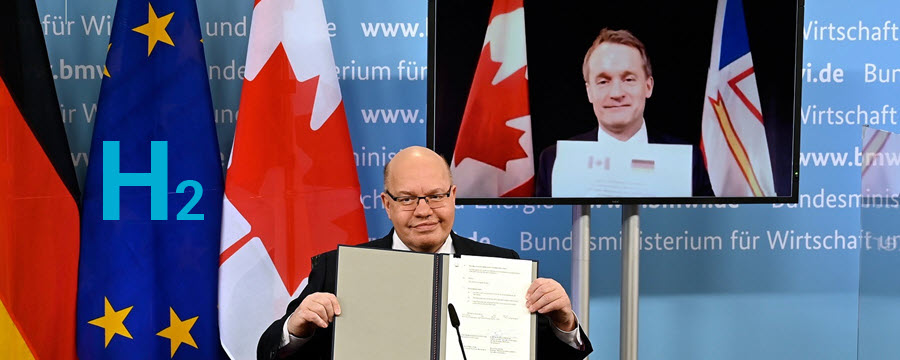
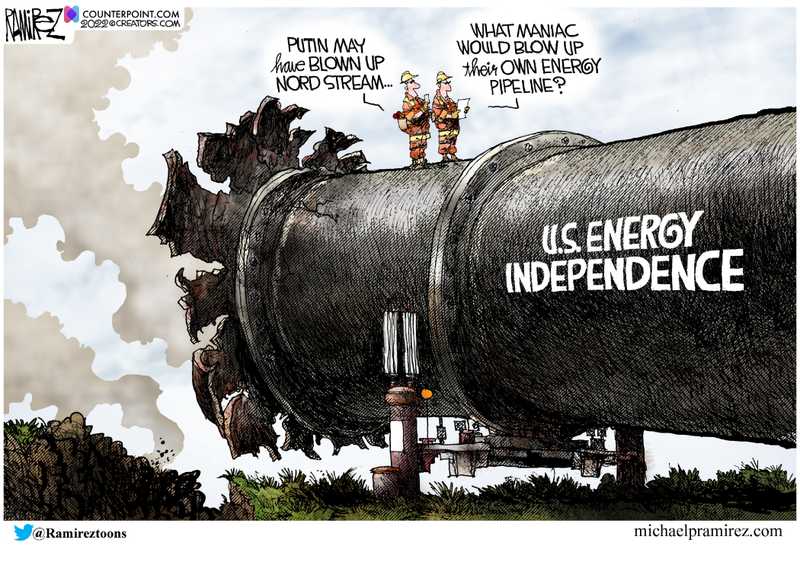 Then there are billions upon billions of dollars — with Canada and the EU scrambling to match American subsidies — being lavished upon electric battery manufacturers, making “green jobs” a giant tax-funded boondoggle. That the great climate villain in the auto sector, Volkswagen, is a beneficiary of such largesse only makes the absurdity more galling.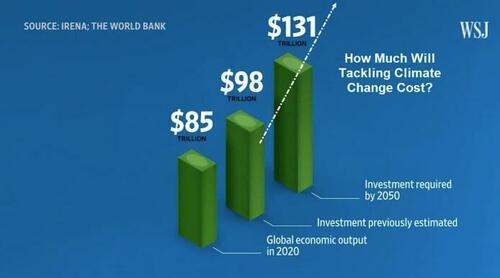
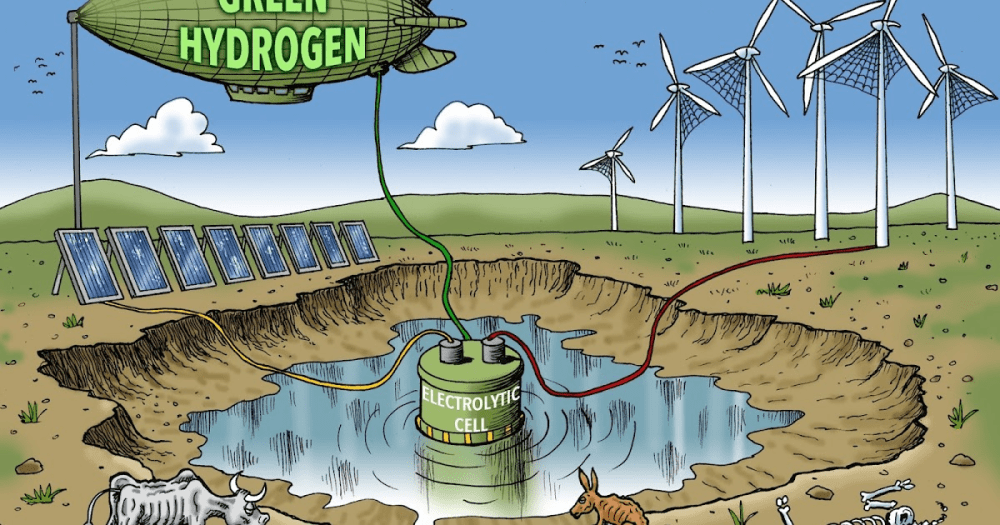


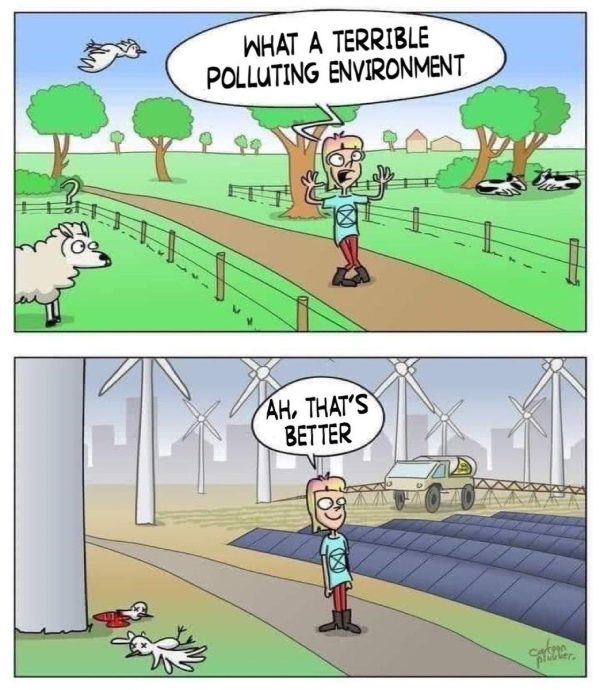
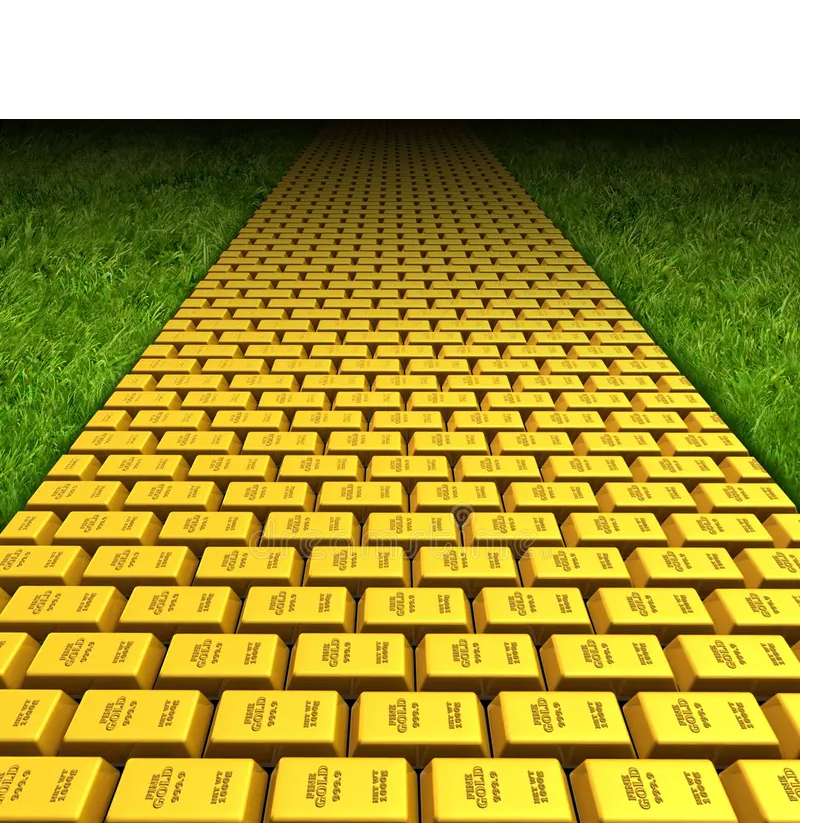

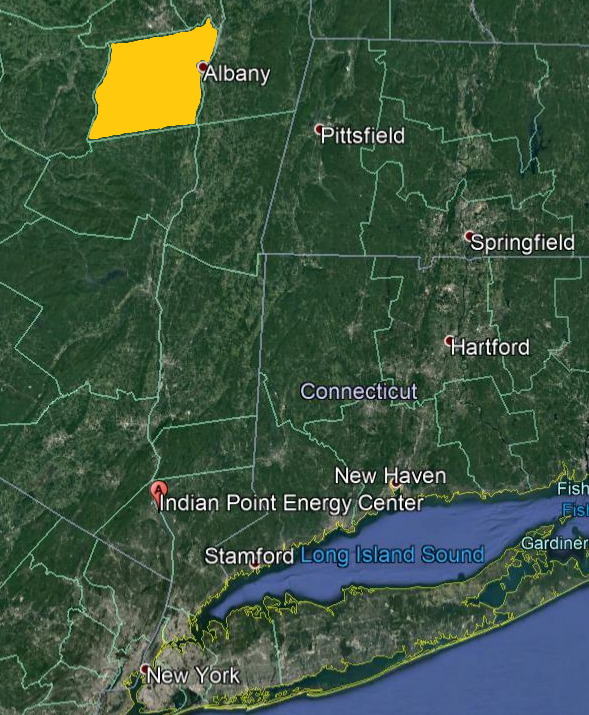





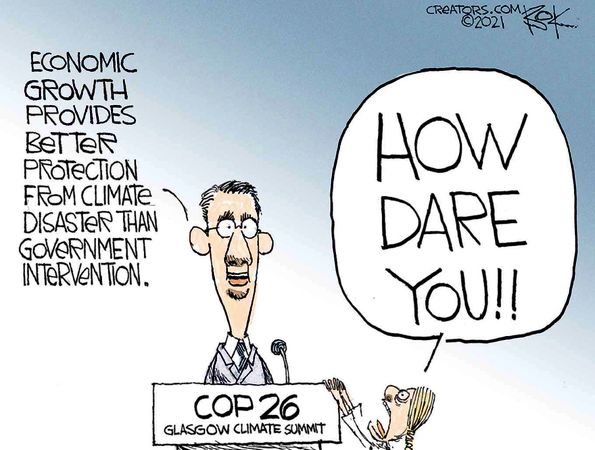




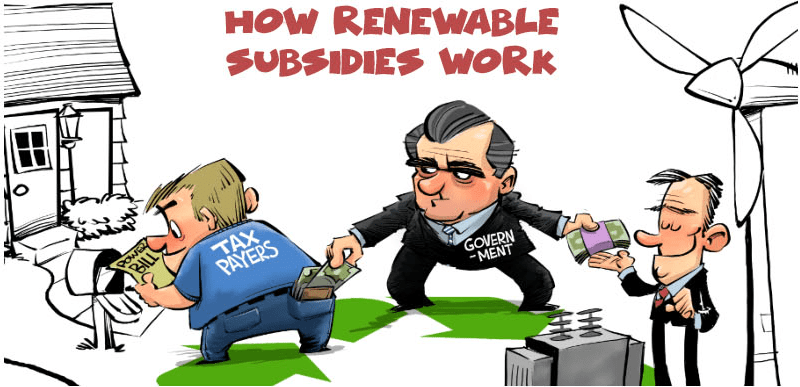
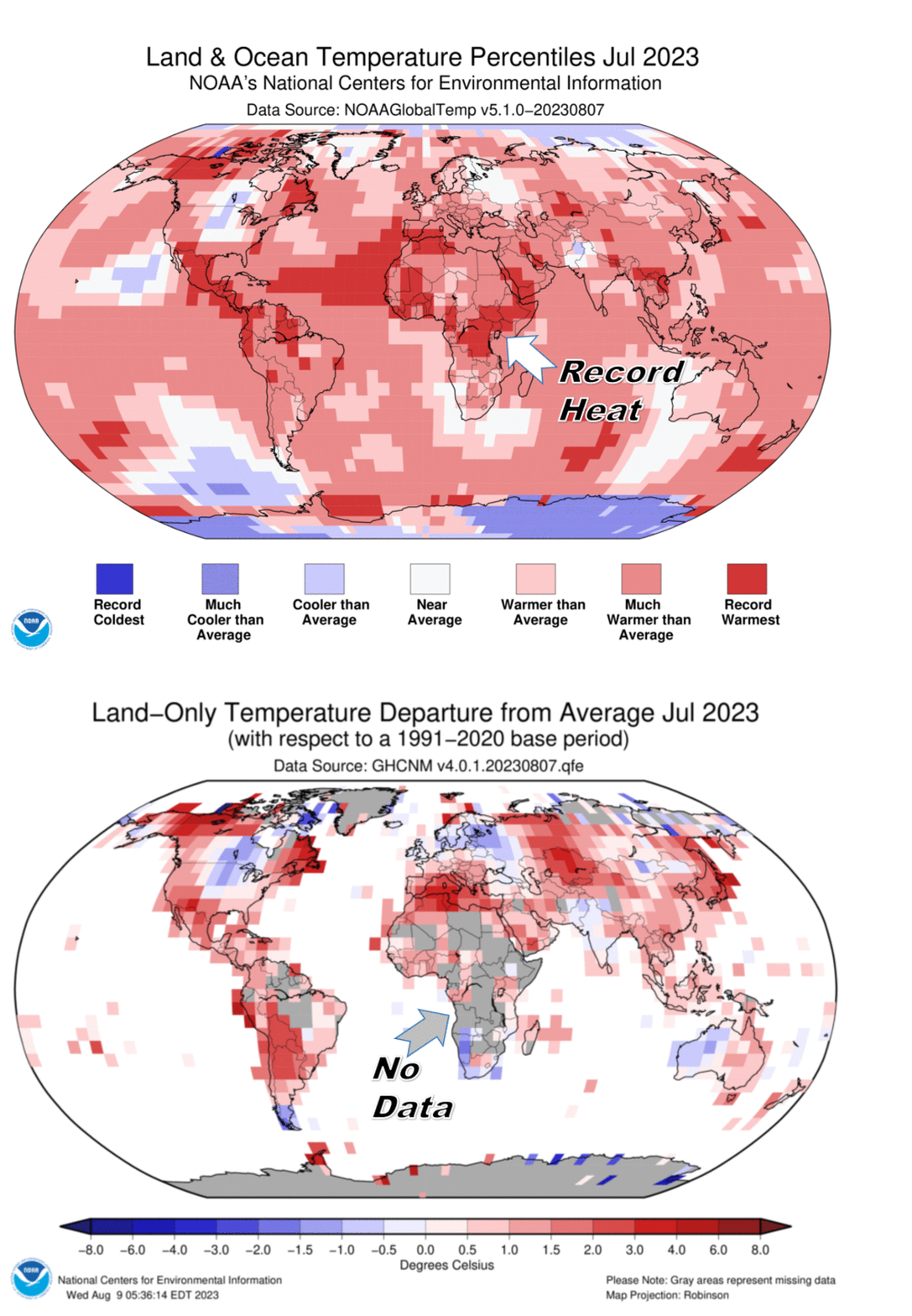




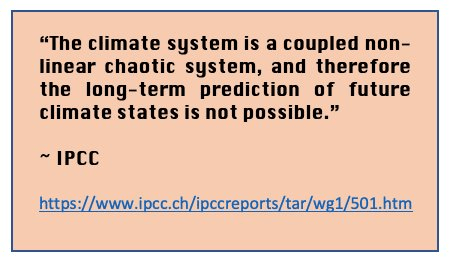
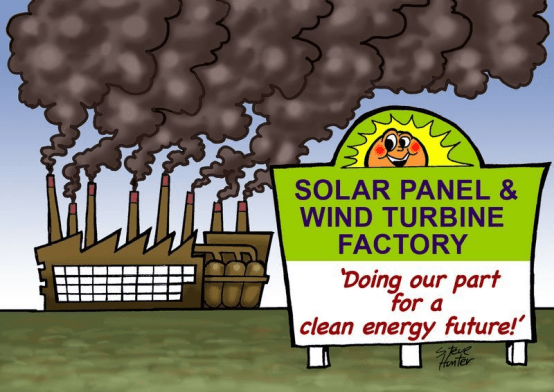
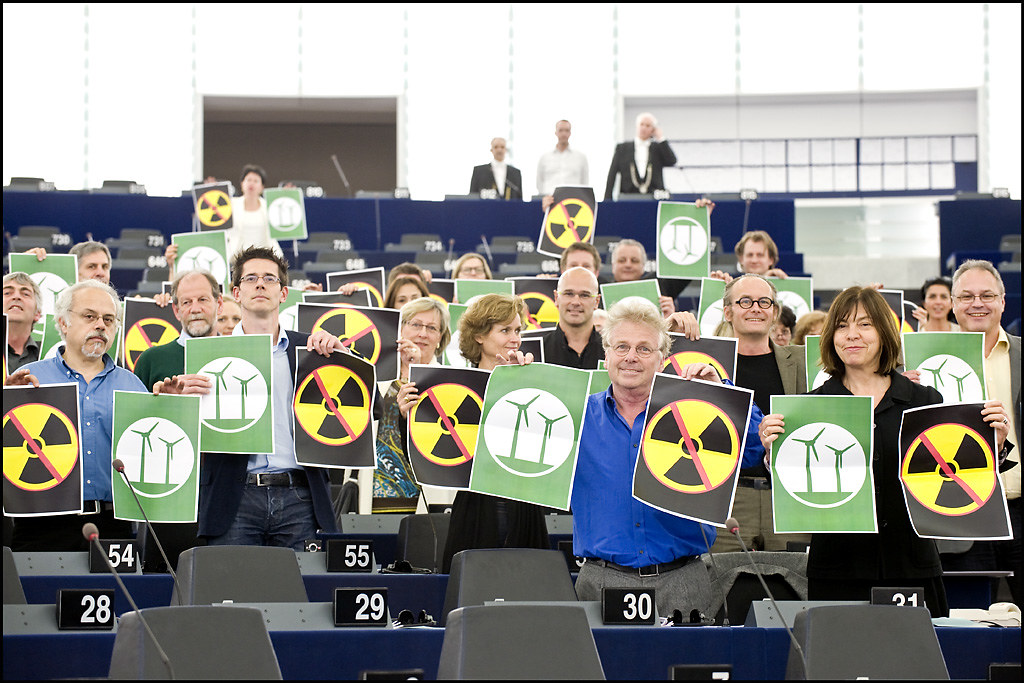



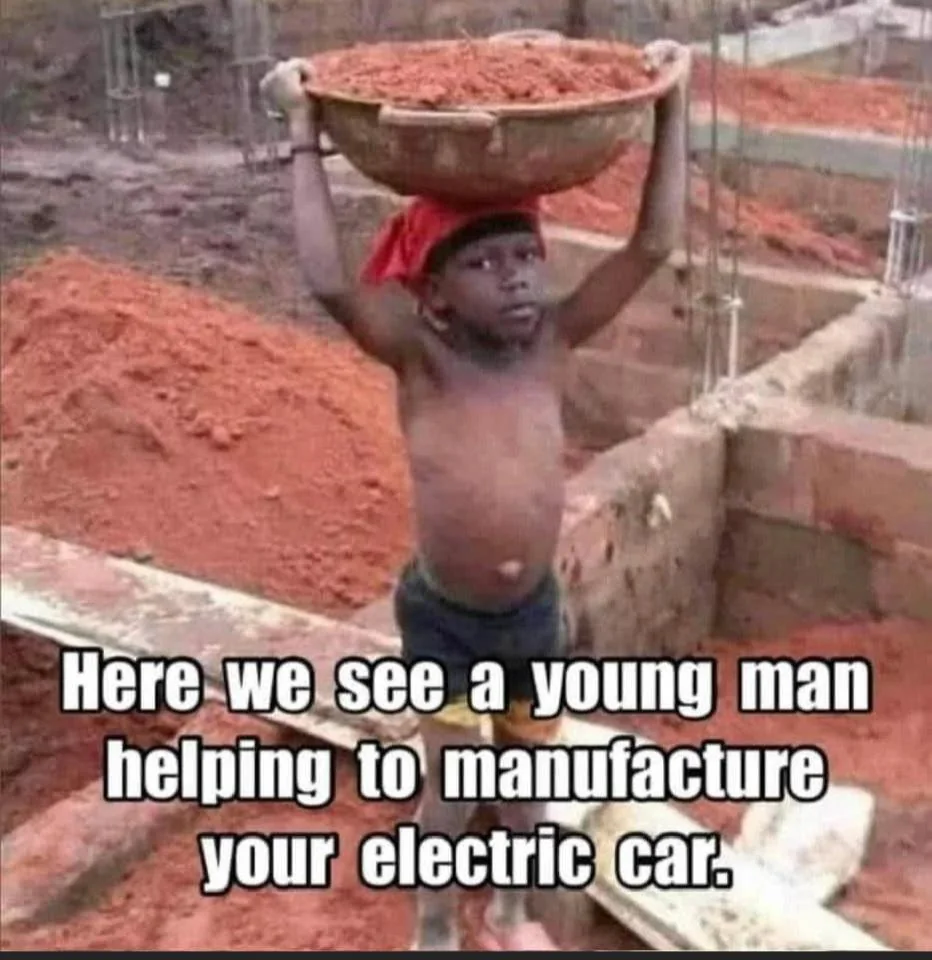
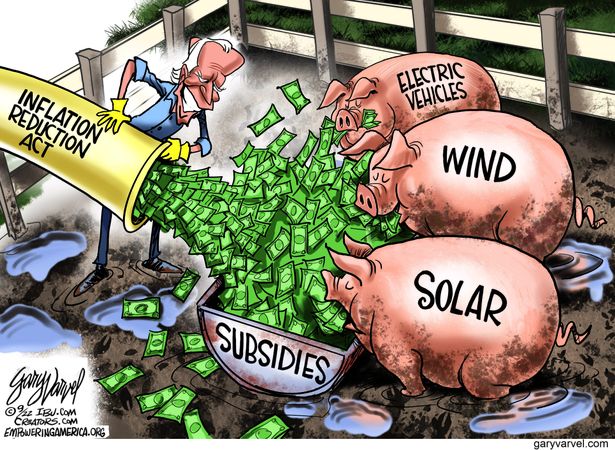
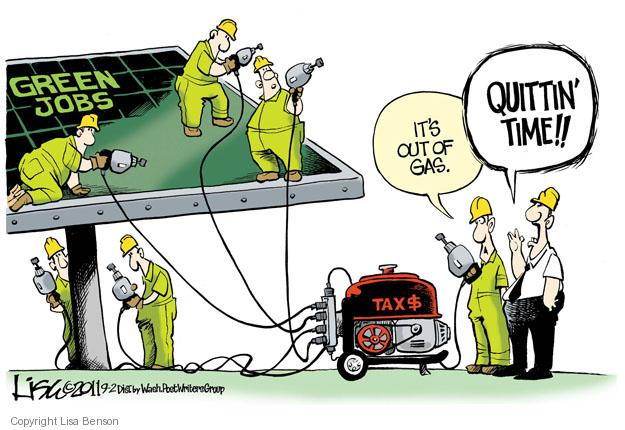
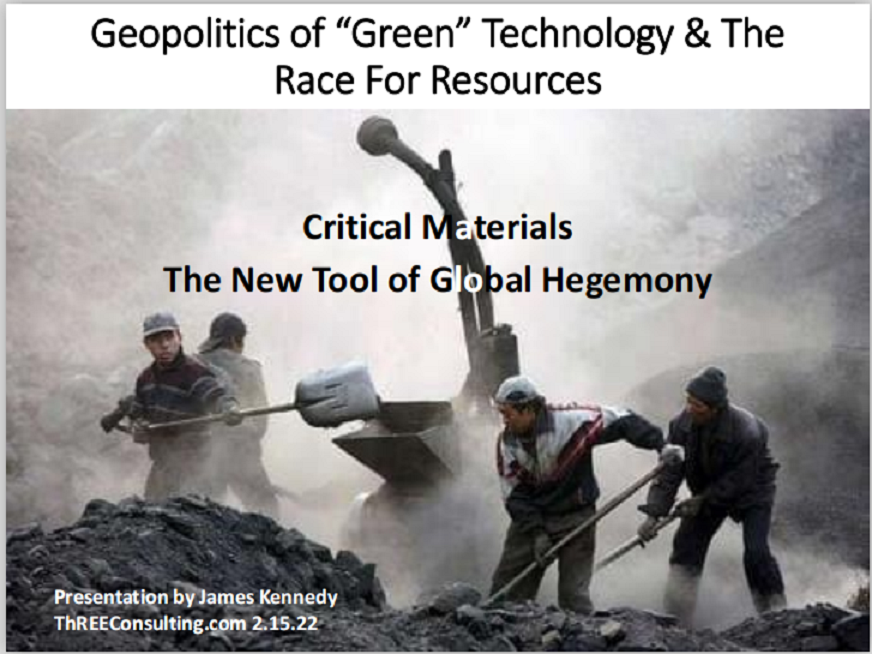
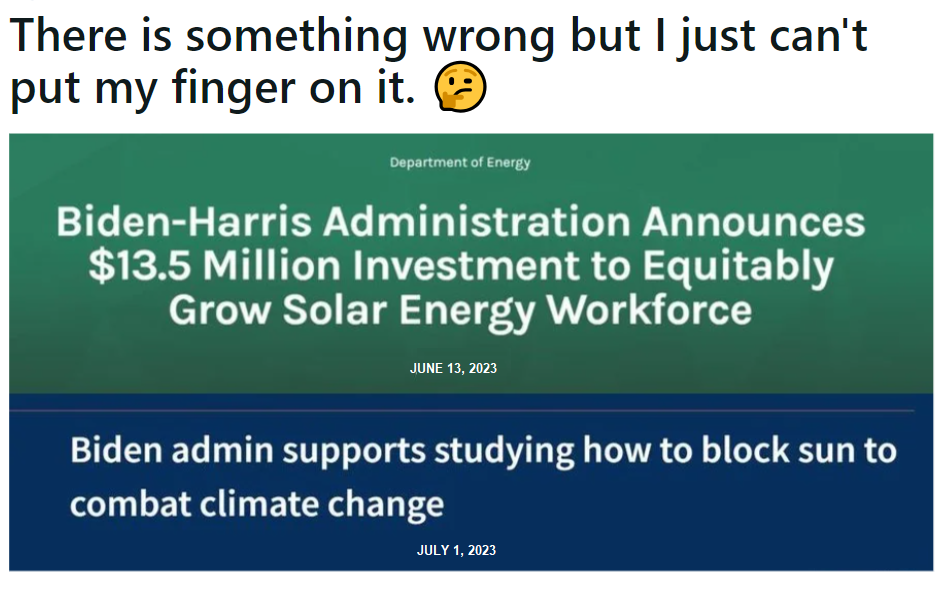
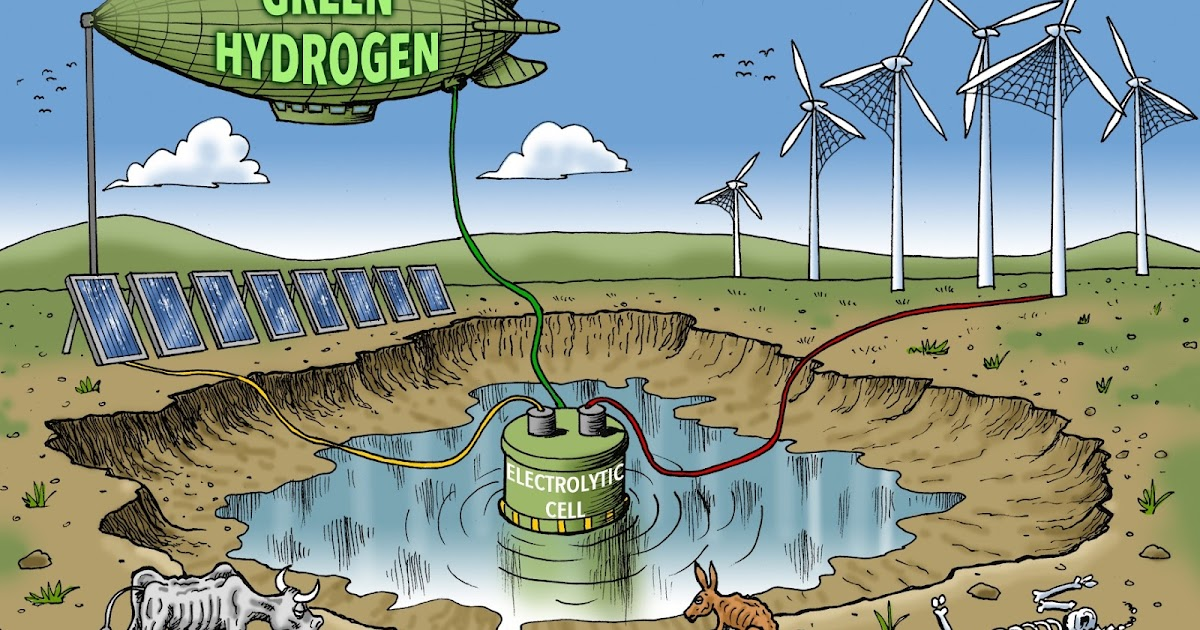
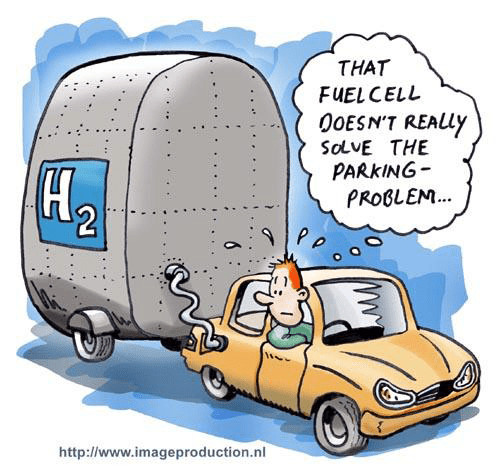


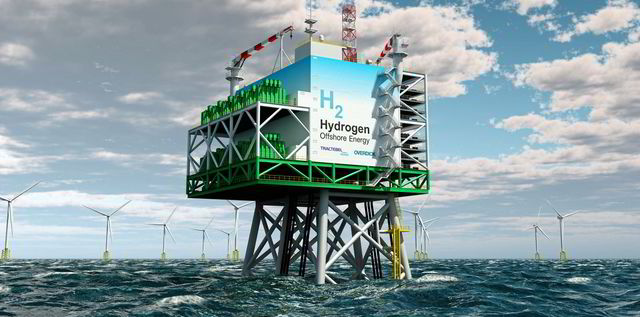
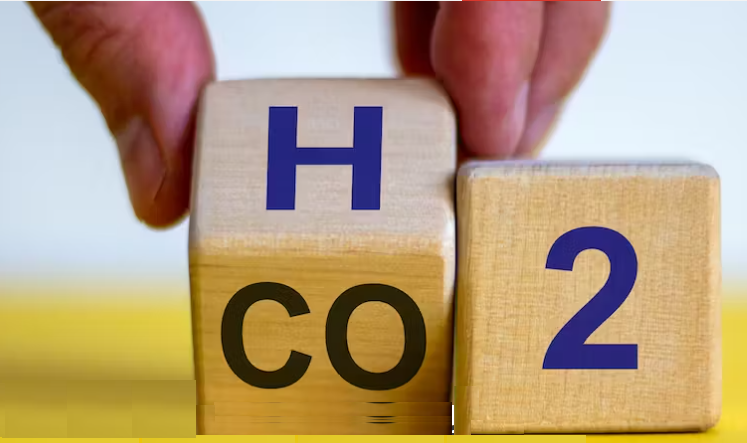

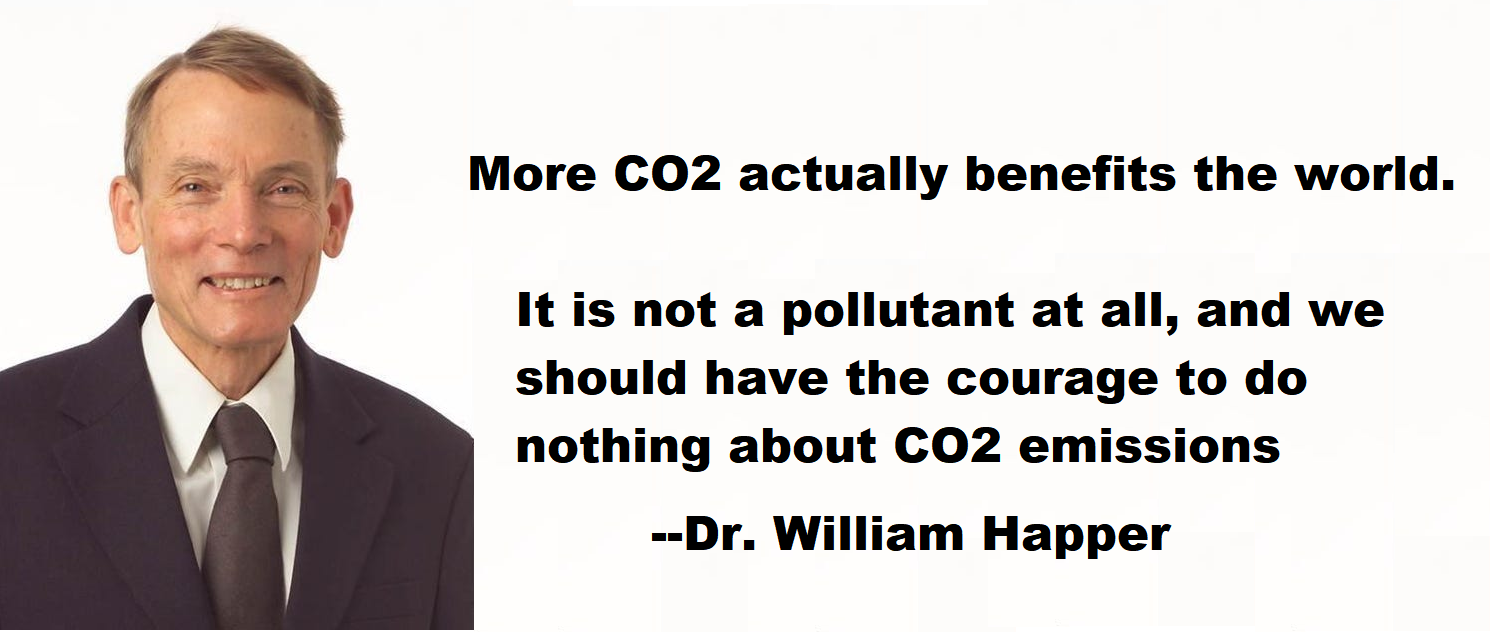
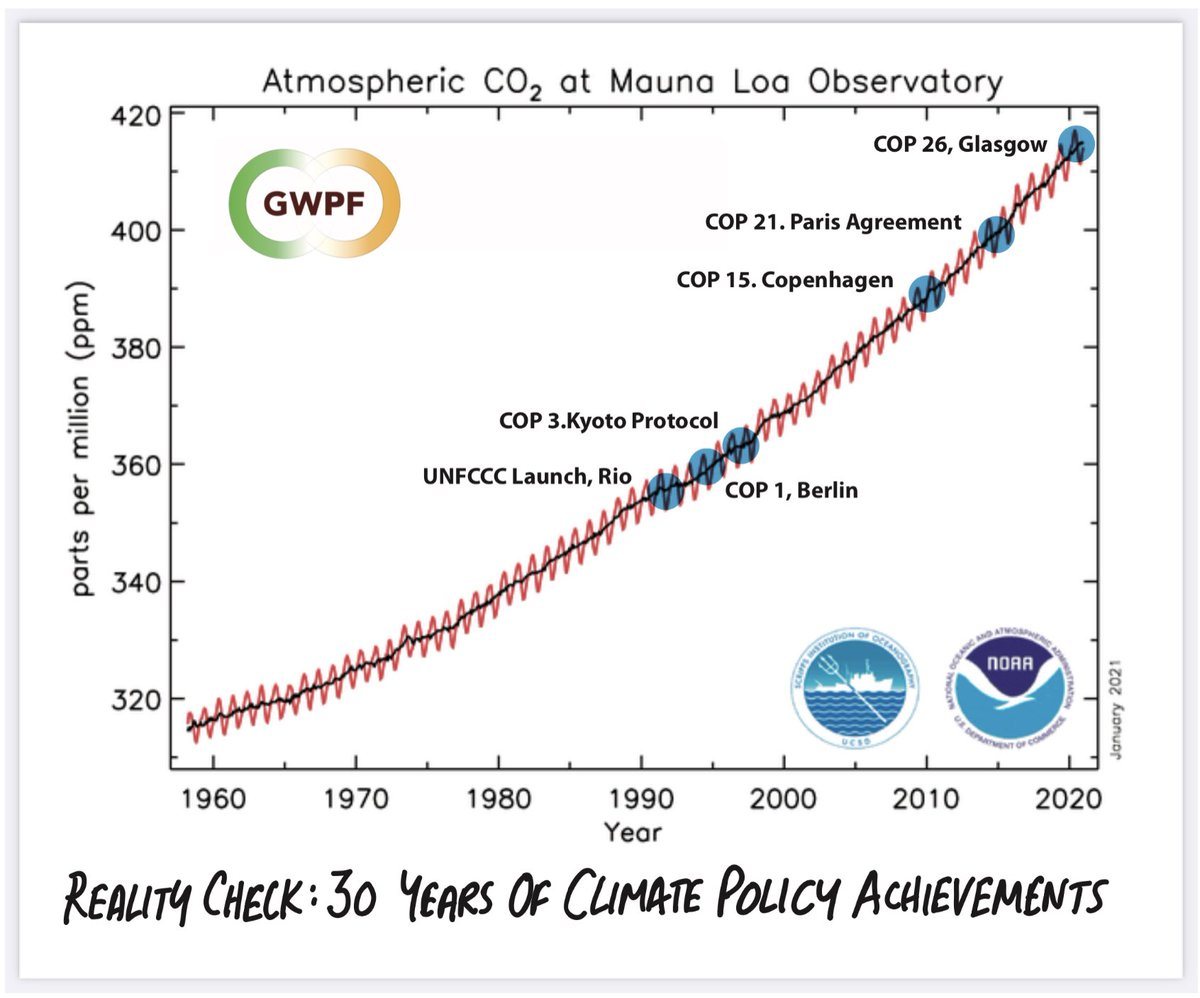
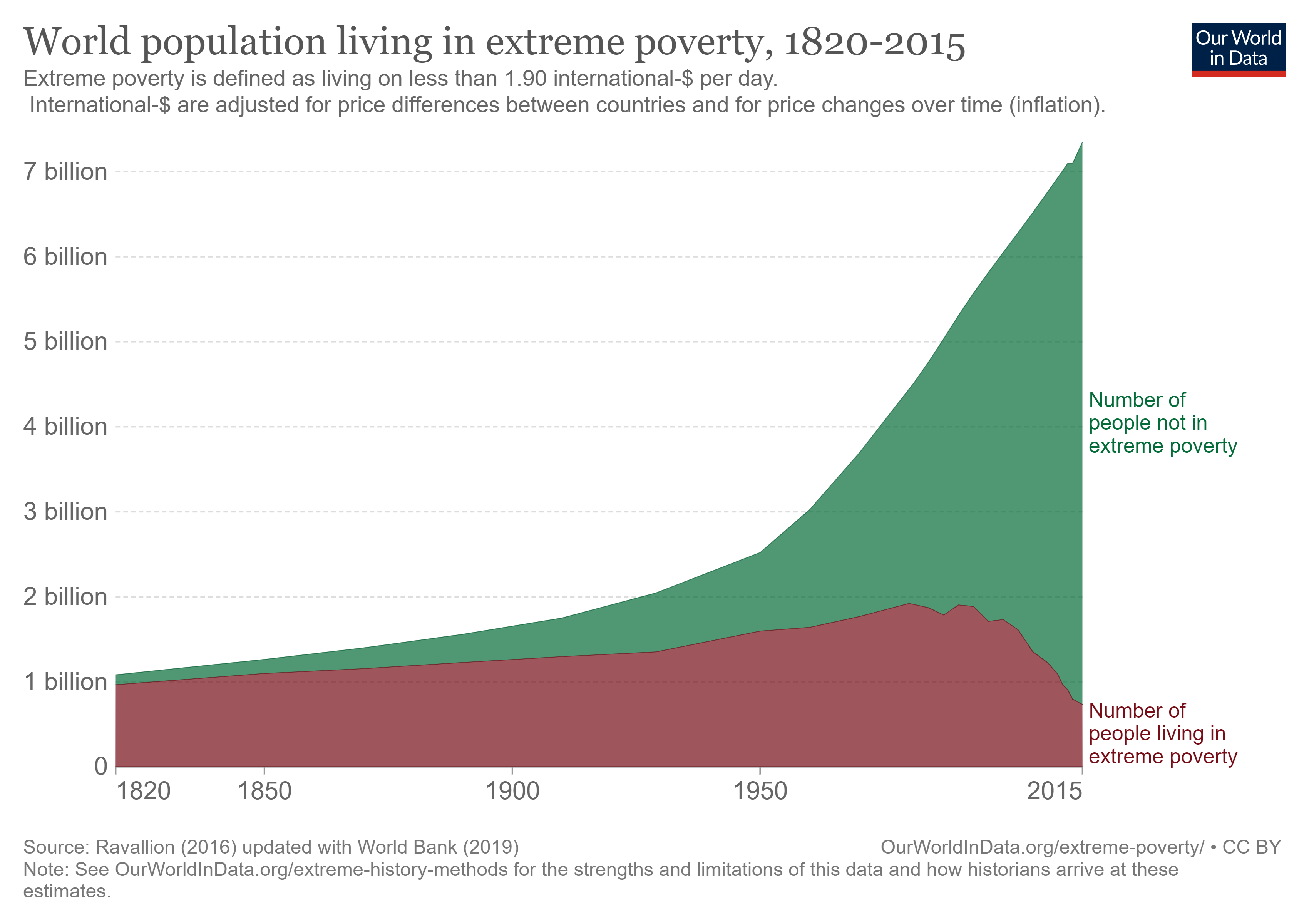
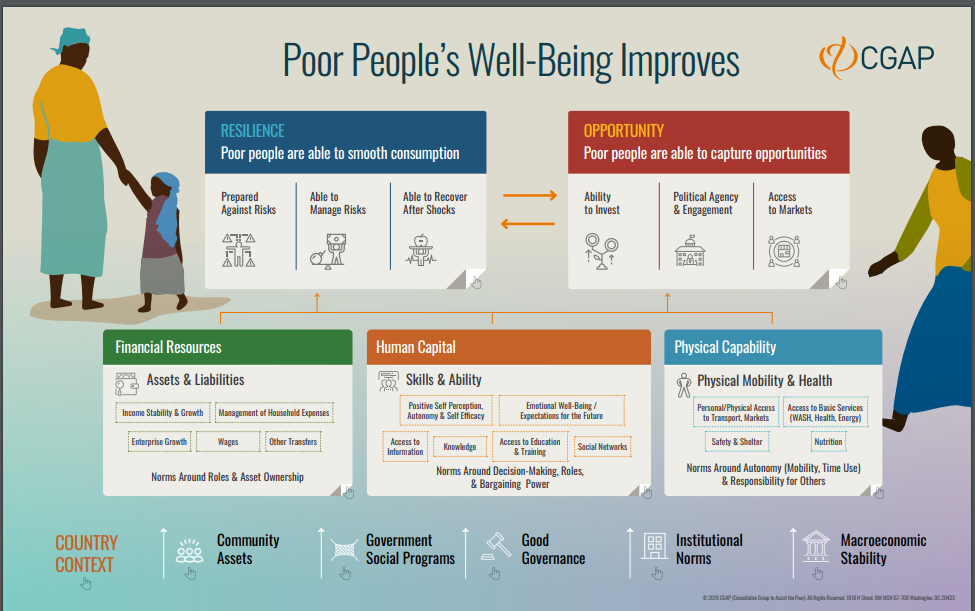
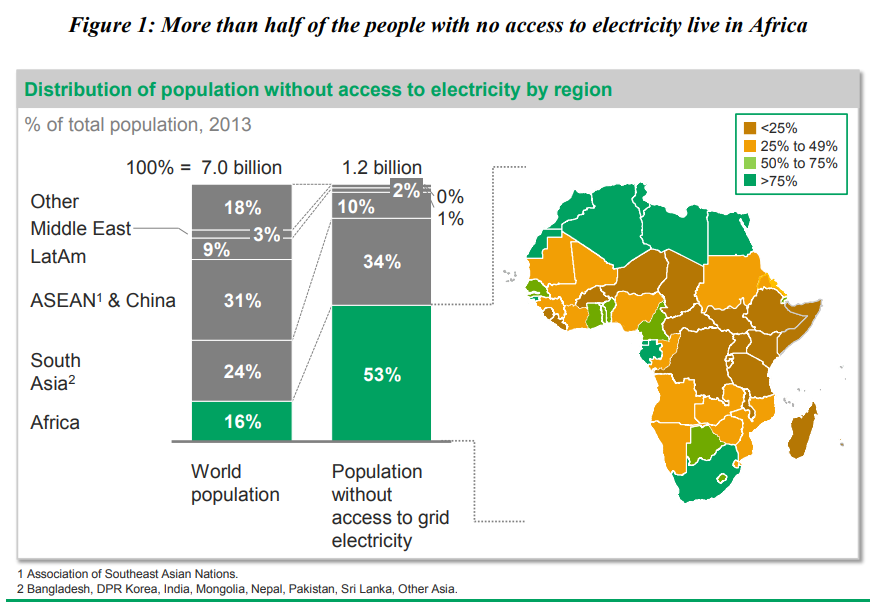
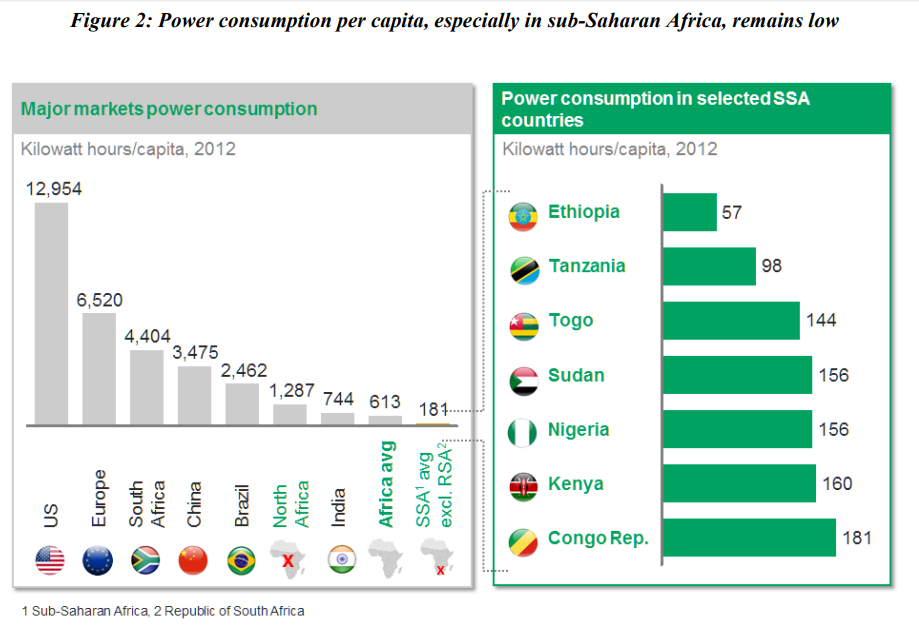
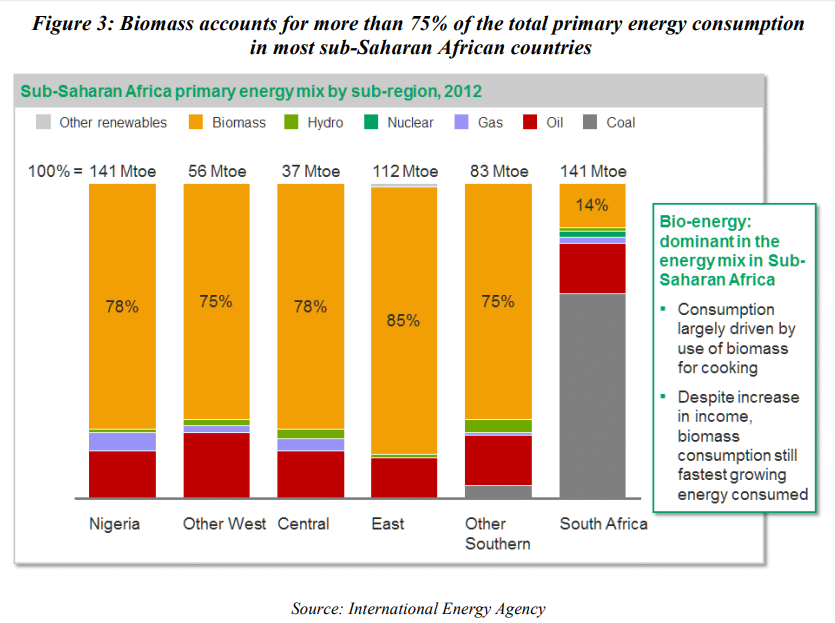
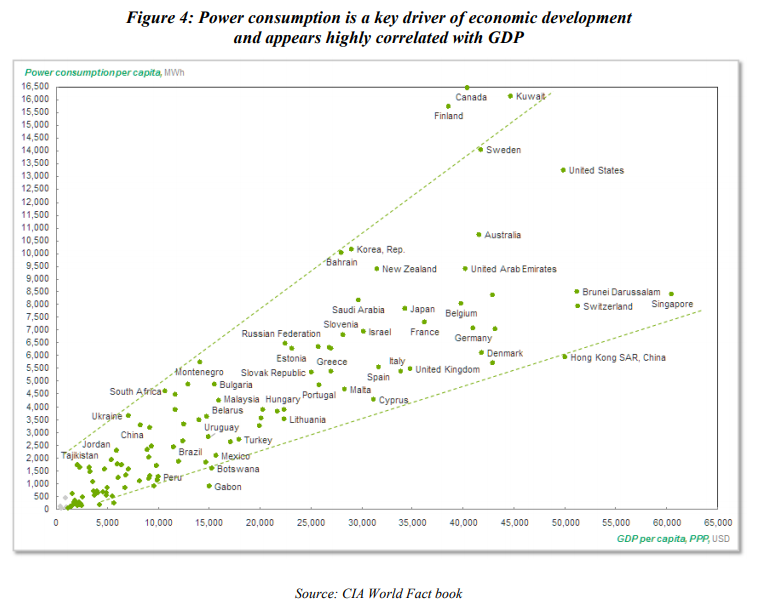
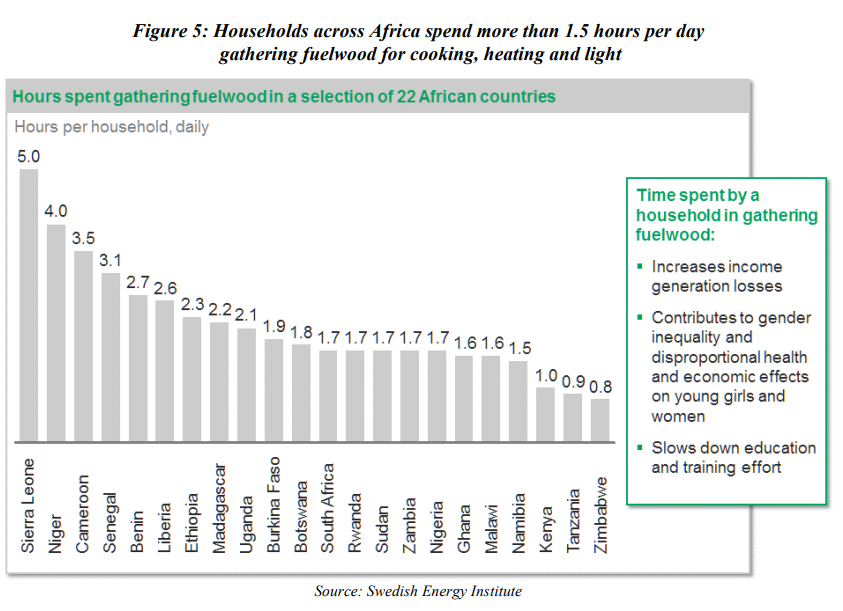

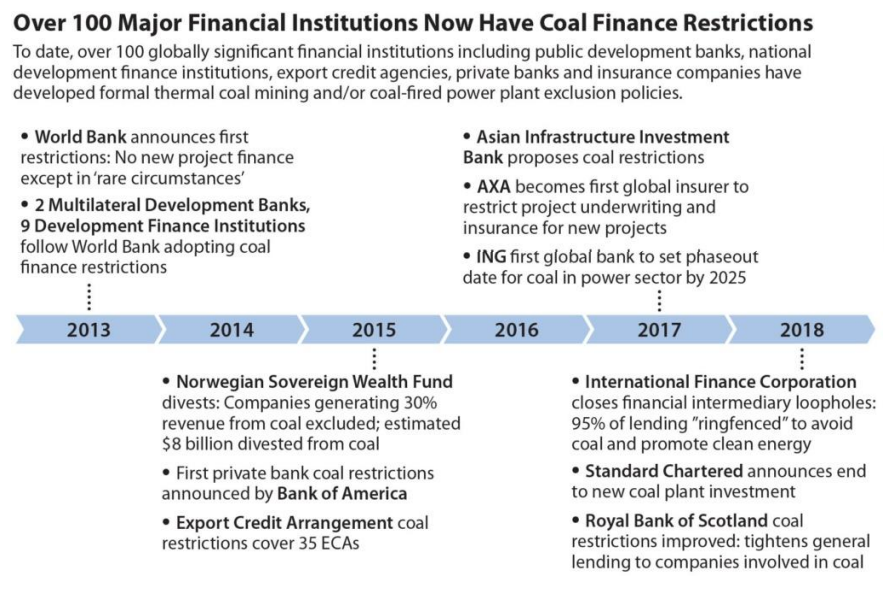 This is an organized campaign to deny coal-fired power anywhere in the world, despite coal being the starting point in the development pathway for every modern society, and currently the success model for Asia, and China in particular. [Note in Figure 3 above that South Africa, the most advanced of African nations gets the majority of its power from coal.] The chart above comes from IEEFA 2019 report
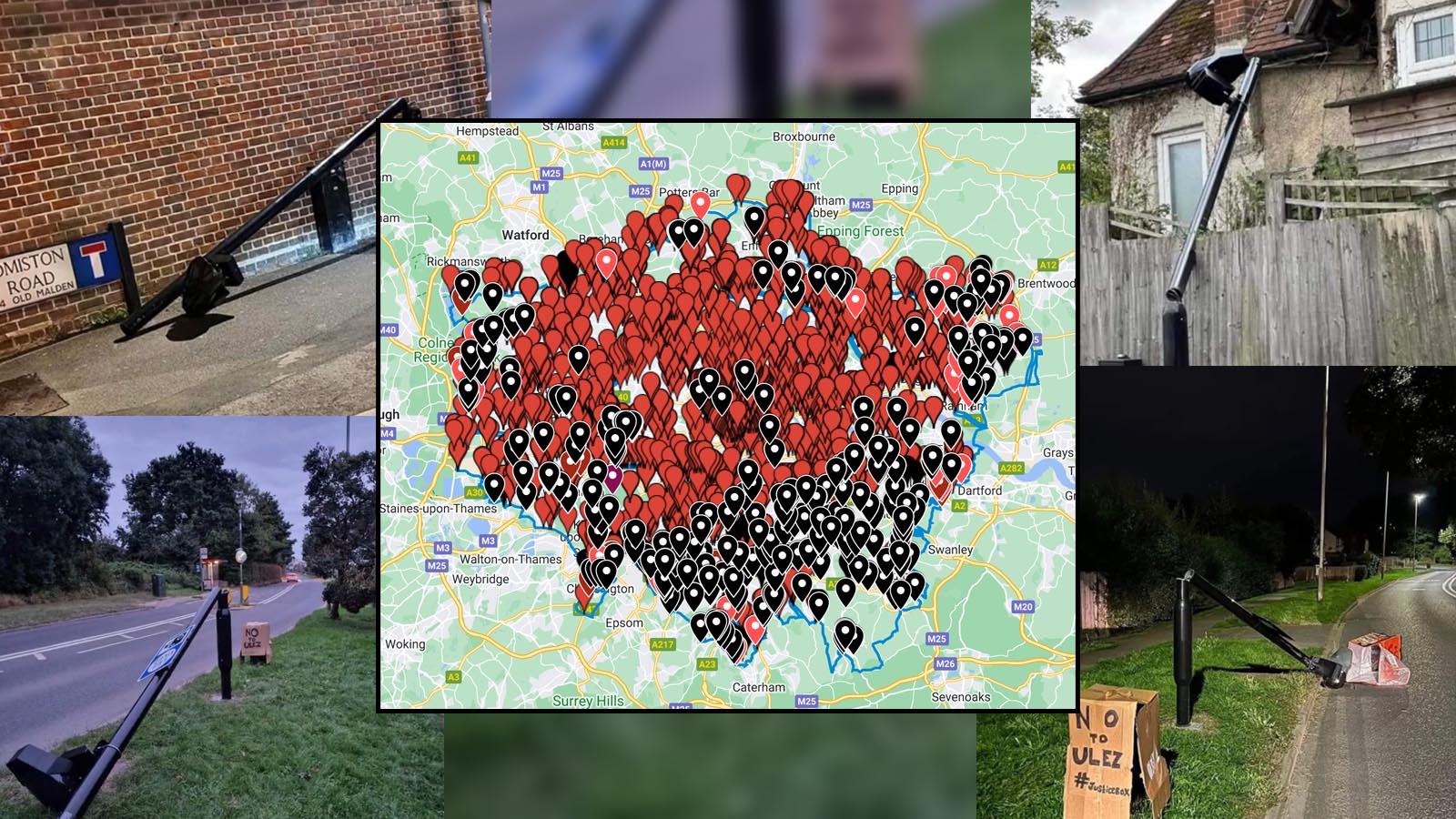
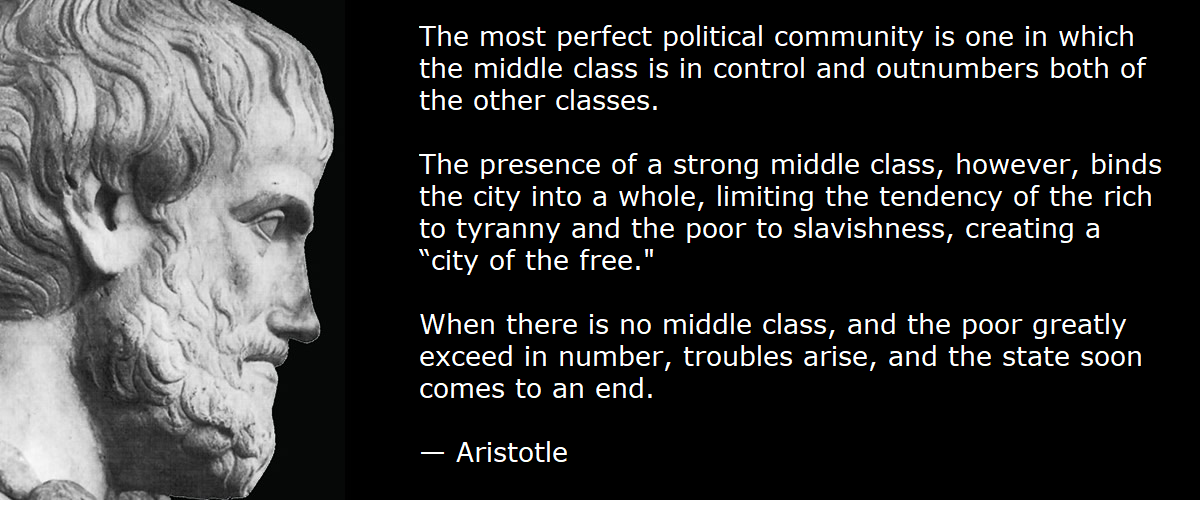
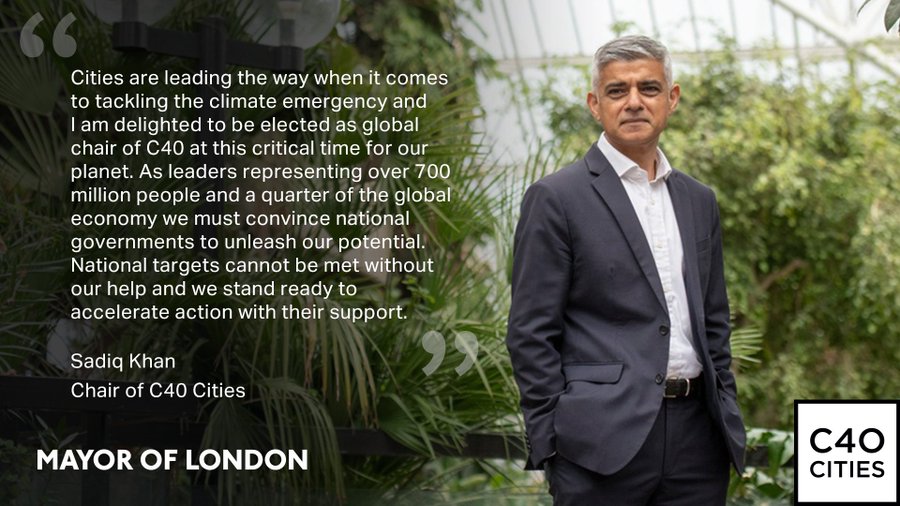
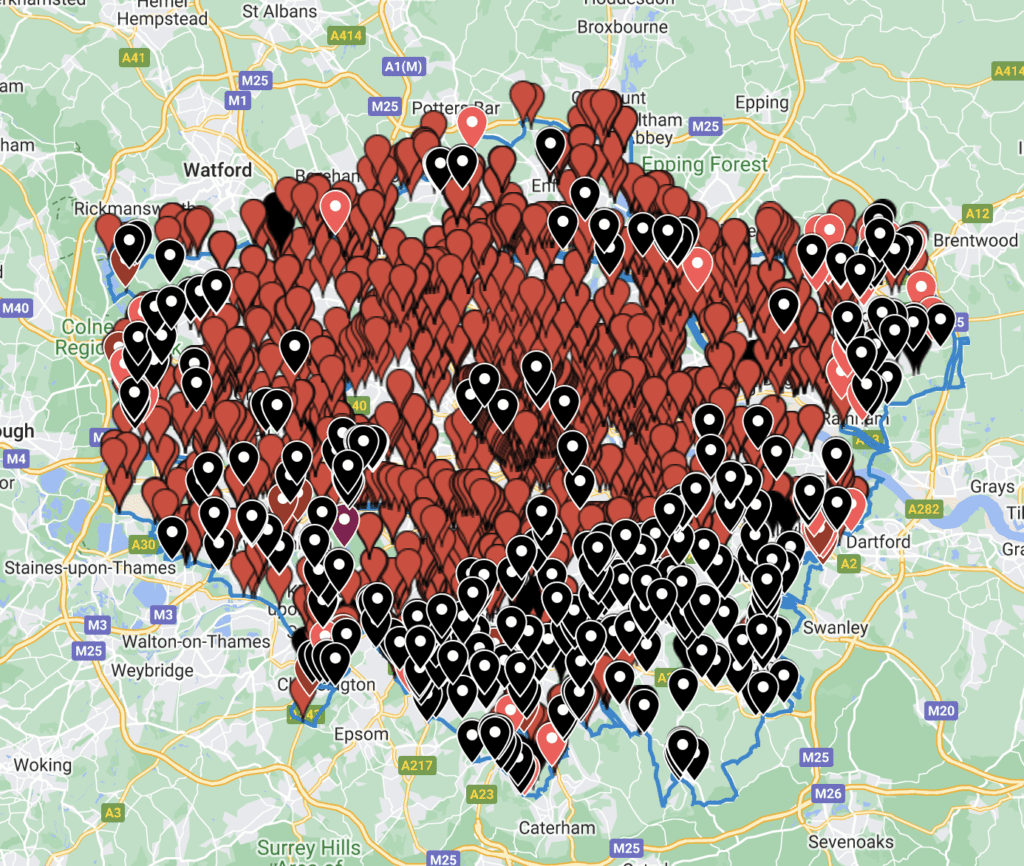

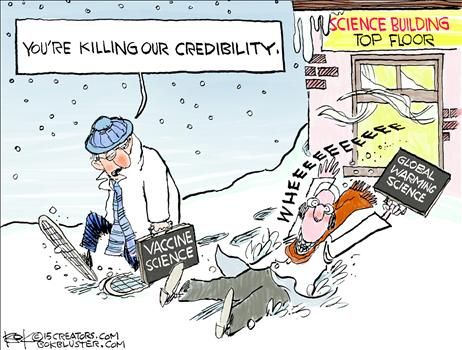

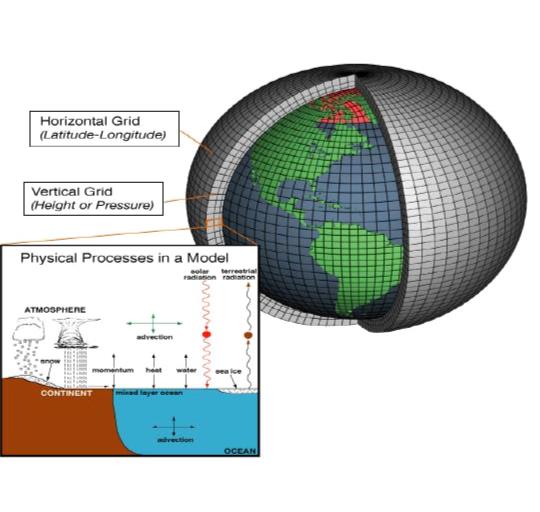
.PNG)
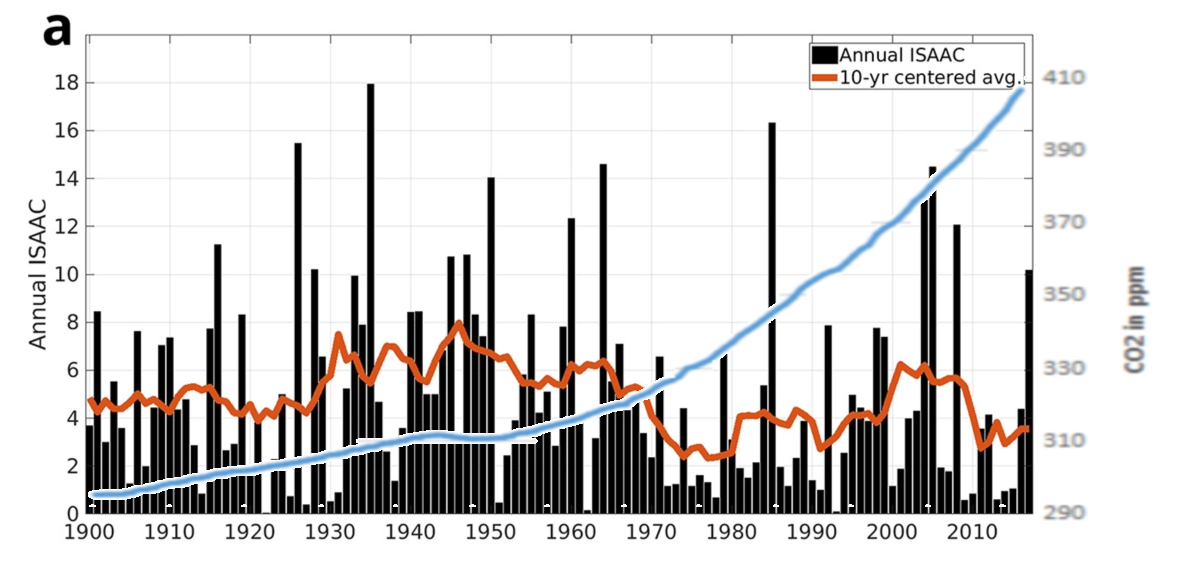
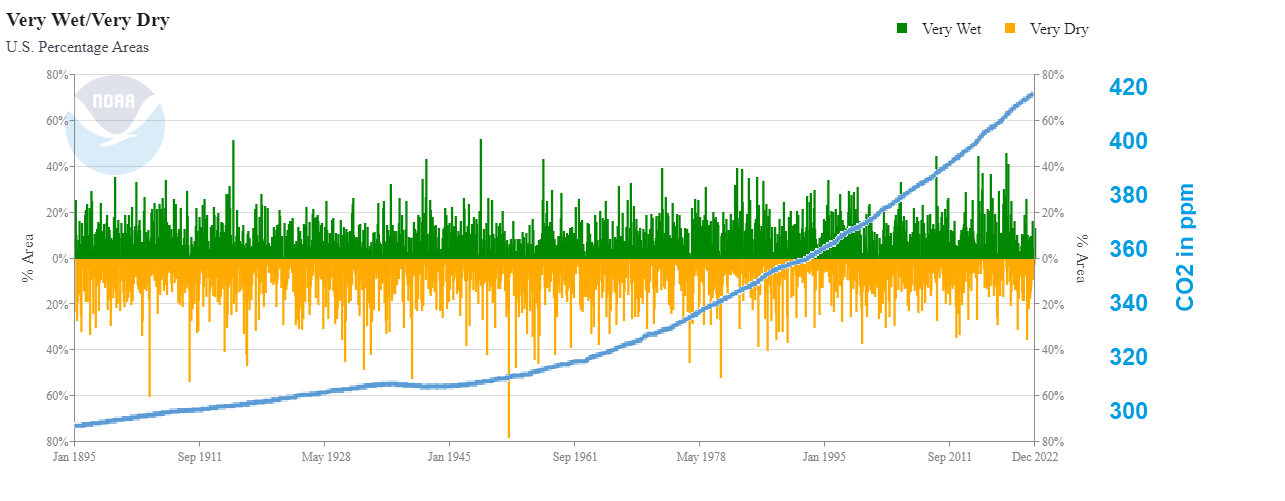

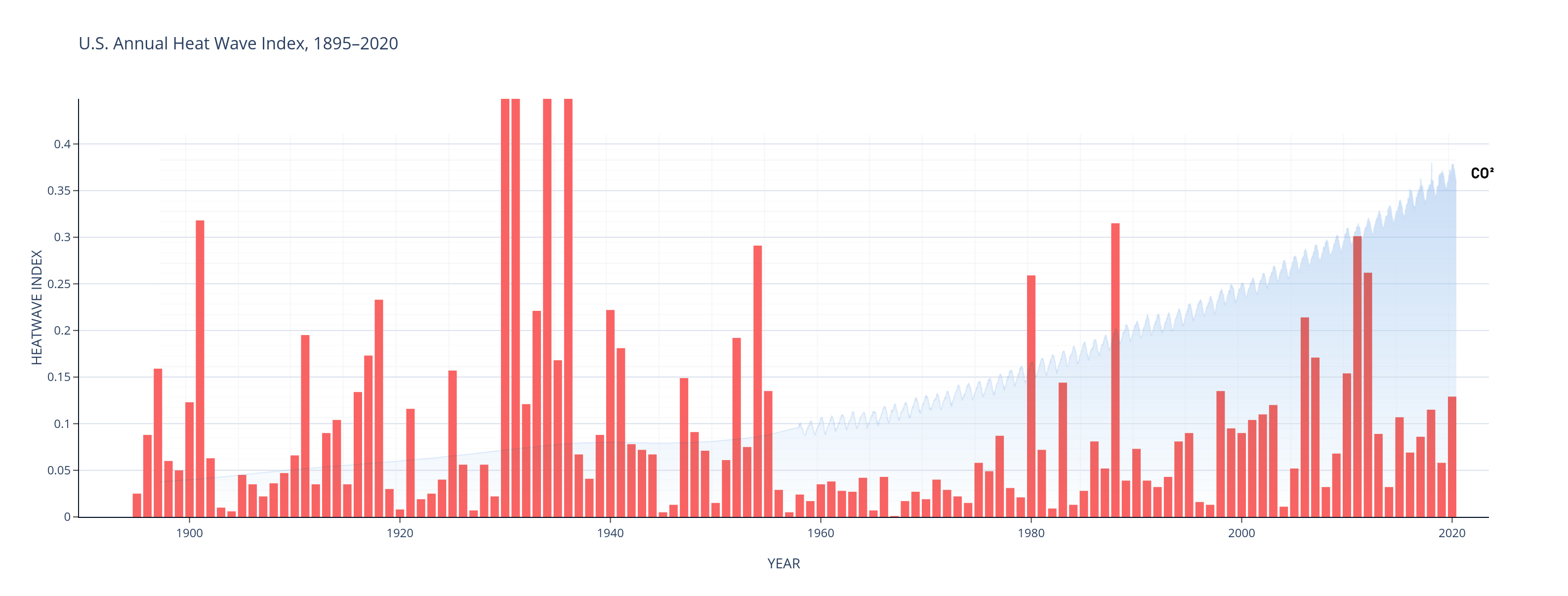
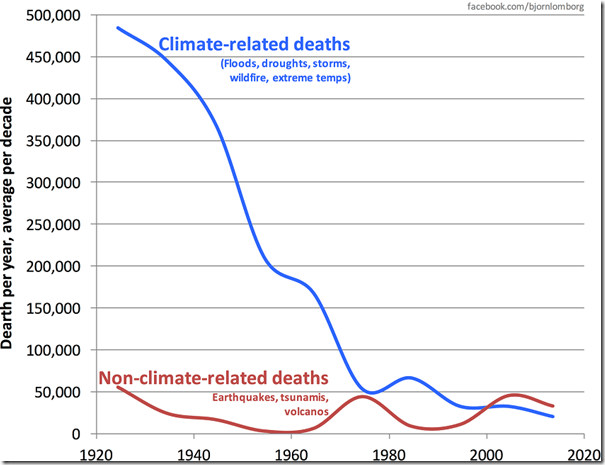
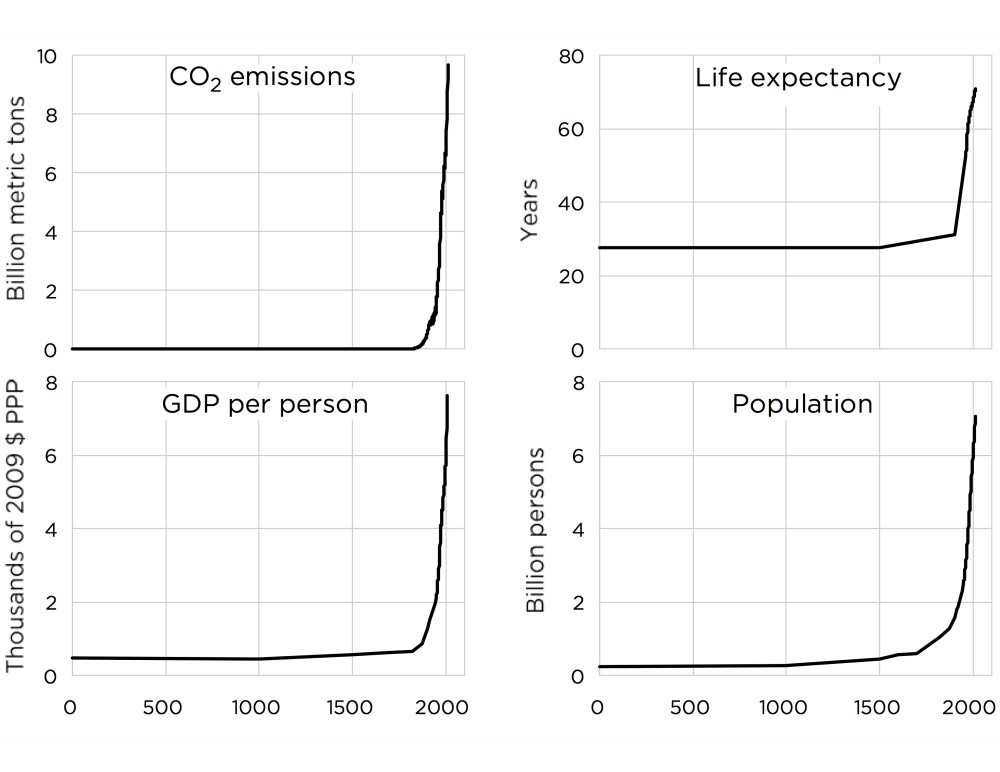
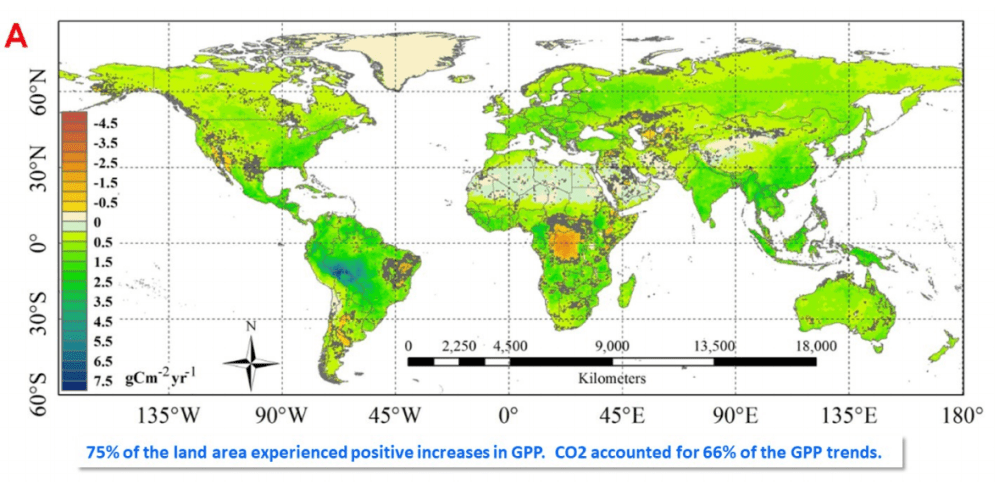

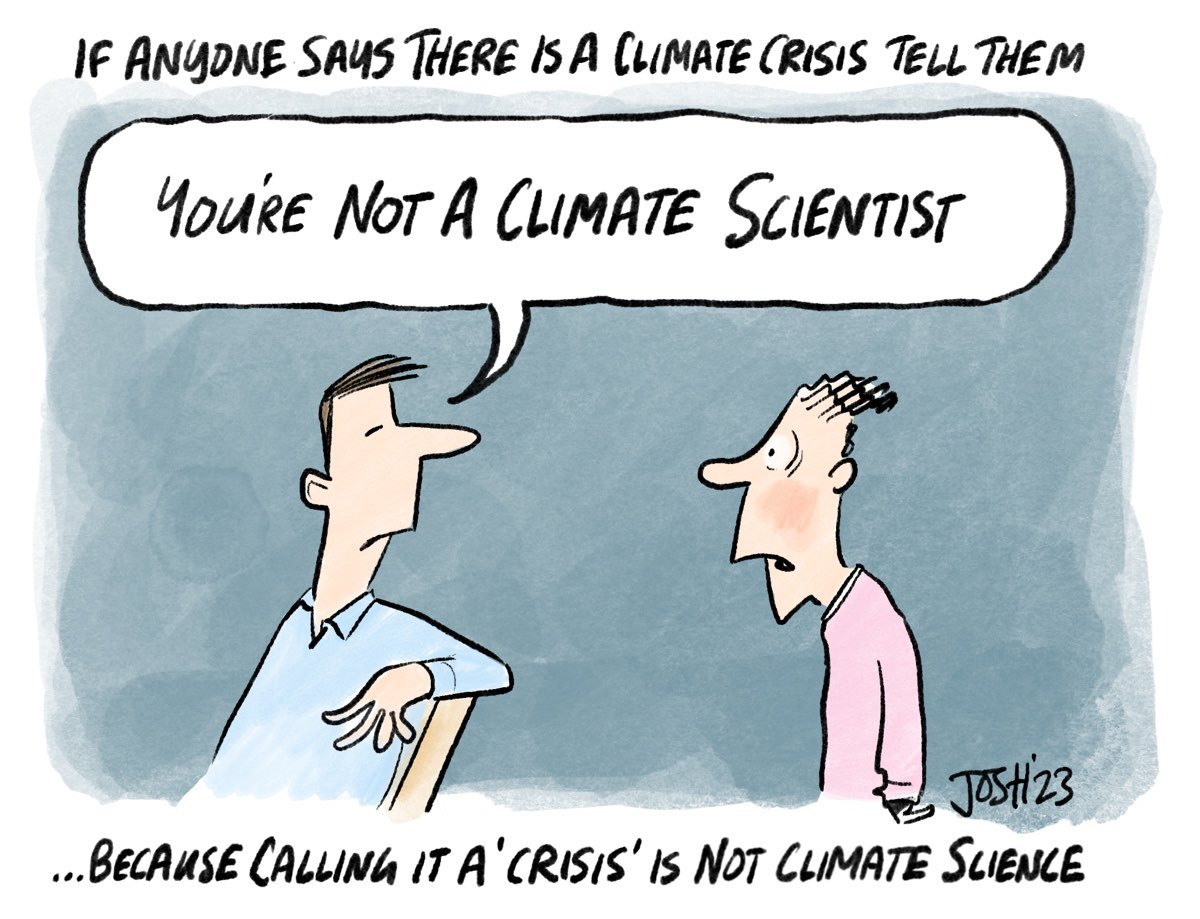


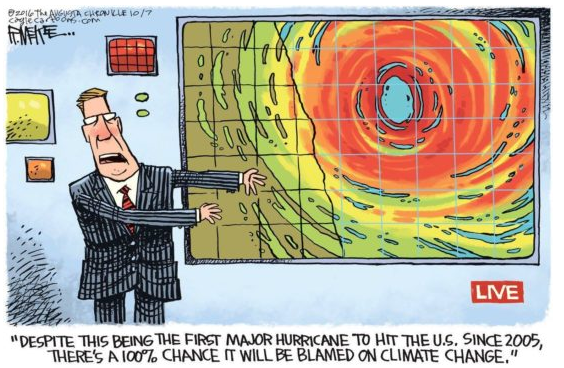




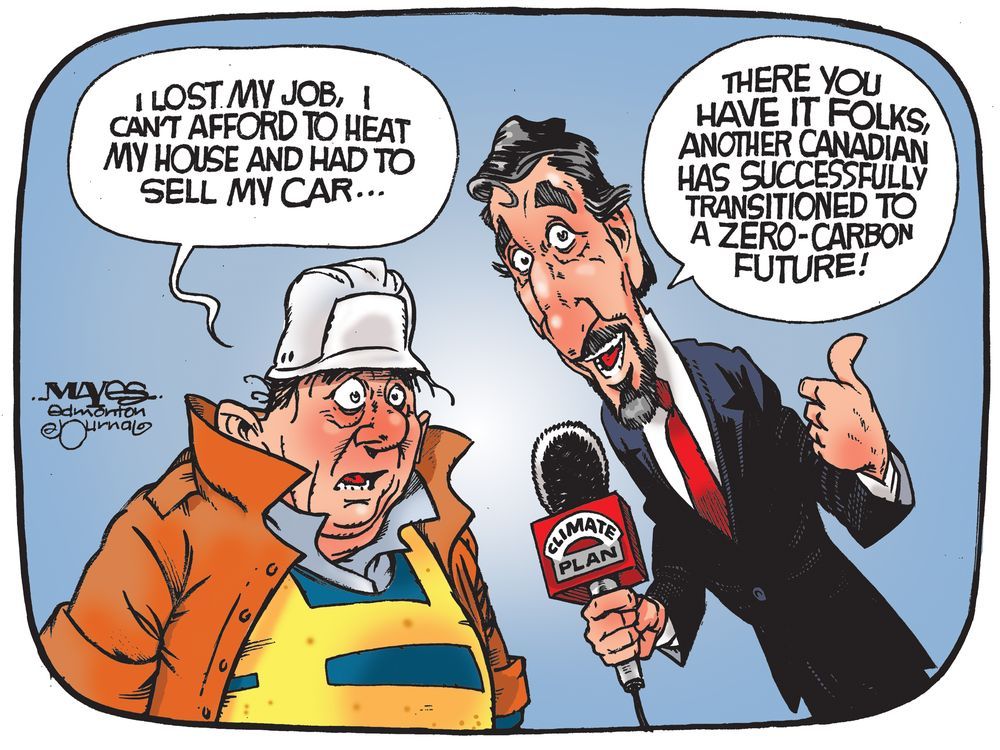
 Science Matters