America’s Energy Scam Exploiting Humanity

Ronald Stein’s article at Eurasia Review is America’s Energy Scam: A Deliberate Exploitation Of Humanity That Only Increases Emissions.  Excerpts in italics with my bolds and added images.  H\T John Ray

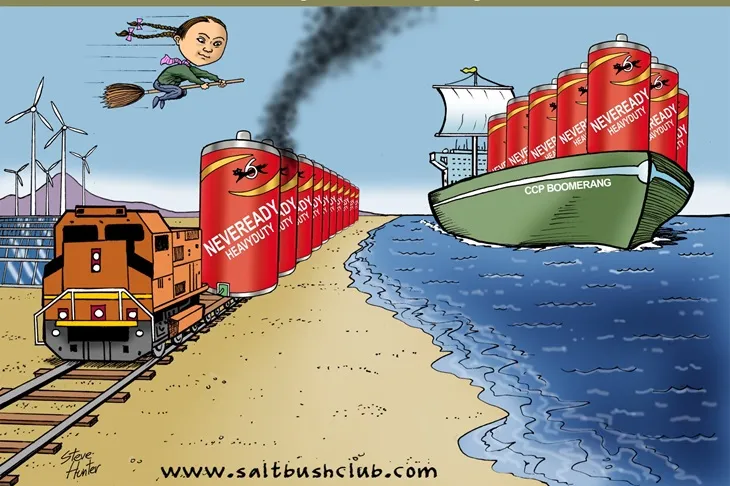
America is aggressively pursuing “green” electricity and actively phasing out of crude oil to reduce emissions generated in America by deliberately increasing worldwide exploitations of humanity, environmental degradation, and increased emissions.

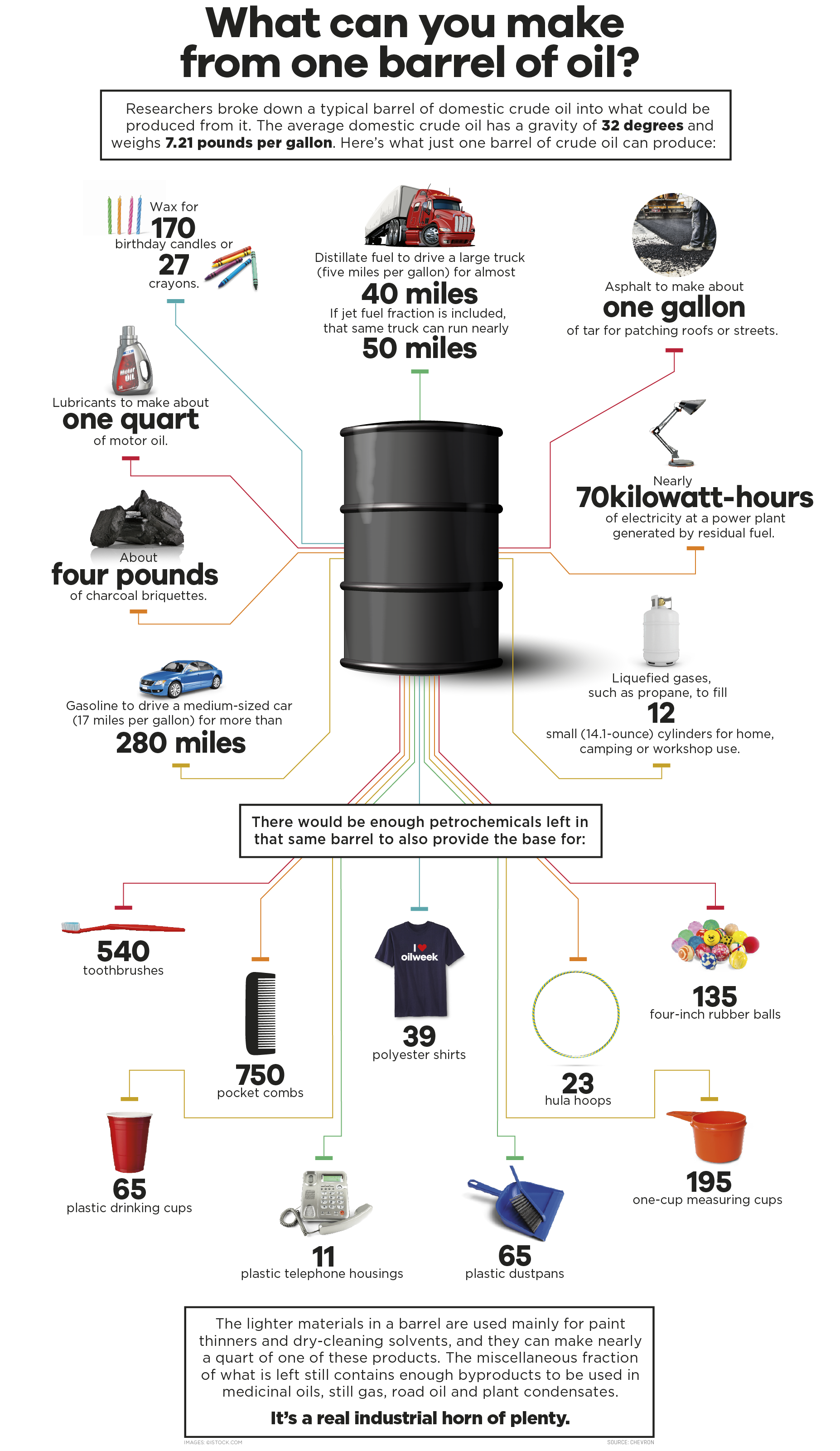
California Governor Gavin Newsom, President Joe Biden, and world leaders are not cognizant enough to know that wind turbines and solar panels only generate occasional electricity and are unable to manufacture tires, cable insulation, asphalt, medicines and the more than 6,000 products now made from the petrochemical derivatives manufactured from crude oil.

Without a replacement for those petrochemical derivatives manufactured from crude oil, phasing out oil would phase out the Medical Industry, Militaries, Transportation, Communications, and the Electrical Power industries, none of which existed before the 1800’s.

Climate changes may impact millions, but without fossil fuels and the infrastructures and products we have today that did not exist before 1800’s, we may lose BILLIONS from diseases, malnutrition, and weather-related deaths.

Eradicating the world of crude oil usage would ground the 20,000 commercial aircraft, and more than 50,000 military aircraft in the world and leave the 50,000 merchant ships tied up at docks and discontinue the military and space programs! Without a backup plan to replace crude oil, the 8 billion on this planet will face the greatest threat to humanity without jets, merchant ships, and space programs.

America’s climate policies being introduced are particularly harmful for developing countries. America is probably the most environmentally controlled county in the world, but by deliberately relying on poorer developing countries for our fuels and products, we are “leaking” to other countries:

    • Leakage of emissions to countries with minuscule environmental laws.
    • Leakage of the exploitations of people with yellow, brown, and black skin to counties with minuscule labor laws.
    • Leakage of environmental degradation to landscapes in developing countries where there are minuscule environmental laws.

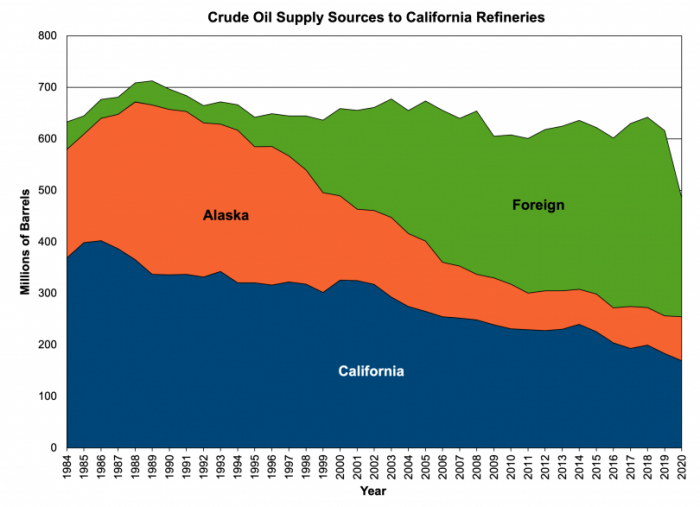
In the aftermath of the 1973 oil crisis in 1977, the Department of Energy was established to lessen our dependence on foreign oil but today, with its 14,000 employees and a $48 billion dollar budget the D.O.E. continues to remain dead silent and has allowed California, the 4th largest economy in the world to increase imported crude oil from 5 percent in 1992 to almost 60 percent today of total consumption

For the past 25 years the amount of oil supplied to California’s refineries has essentially held steady at around 660 million barrels per year, but the source of the supply has changed drastically. In 1995, nearly all of that oil came from within California’s borders and Alaska. Today, the majority of the oil comes from foreign imports as data from the state’s Energy Commission shows.

California is home to 9 International airports, 41 Military airports, and 3 of the largest shipping ports in America. California’s growing dependency on other nations is a serious national security risk for America!

China’s Xi Jinping and Russia’s Vladimir Putin are great War historians. As World War I and II historians, Russia, China, and OPEC know, the country that controls the minerals, crude oil, and natural gas, controls the world!  It’s shocking that of all the Generals that report to President Biden (Army, Navy, Marines, Air Force, Space Program), NONE have asked the President how are we going to run our military ships, planes, vehicles, and supply products to our troops WITHOUT oil?

It’s a no-brainer that an attack on the ports at San Francisco, Los Angeles, or Long Beach could paralyze the American economy with huge reductions in fuels for California’s in-state infrastructures and stagnate the supply chain of products for the entire country.

Meanwhile, California continues to constantly reduce in-state refining capacity that refines fuels and petrochemicals for the materialistic demands of society and continue its growing dependency on foreign oil.

A few notes about ELECTRICITY:

  • Everything that needs electricity, like the basic light bulb, computers, iPhones and iPads, televisions, washing machines, X-ray equipment, etc., are all made with the oil derivatives manufactured from crude oil.
  • Every method of generating electricity, like wind turbines, solar panels, hydroelectric, nuclear, coal, and natural gas power plants all exist only because all the parts and components of the generation system are made with the oil derivatives manufactured from crude oil.

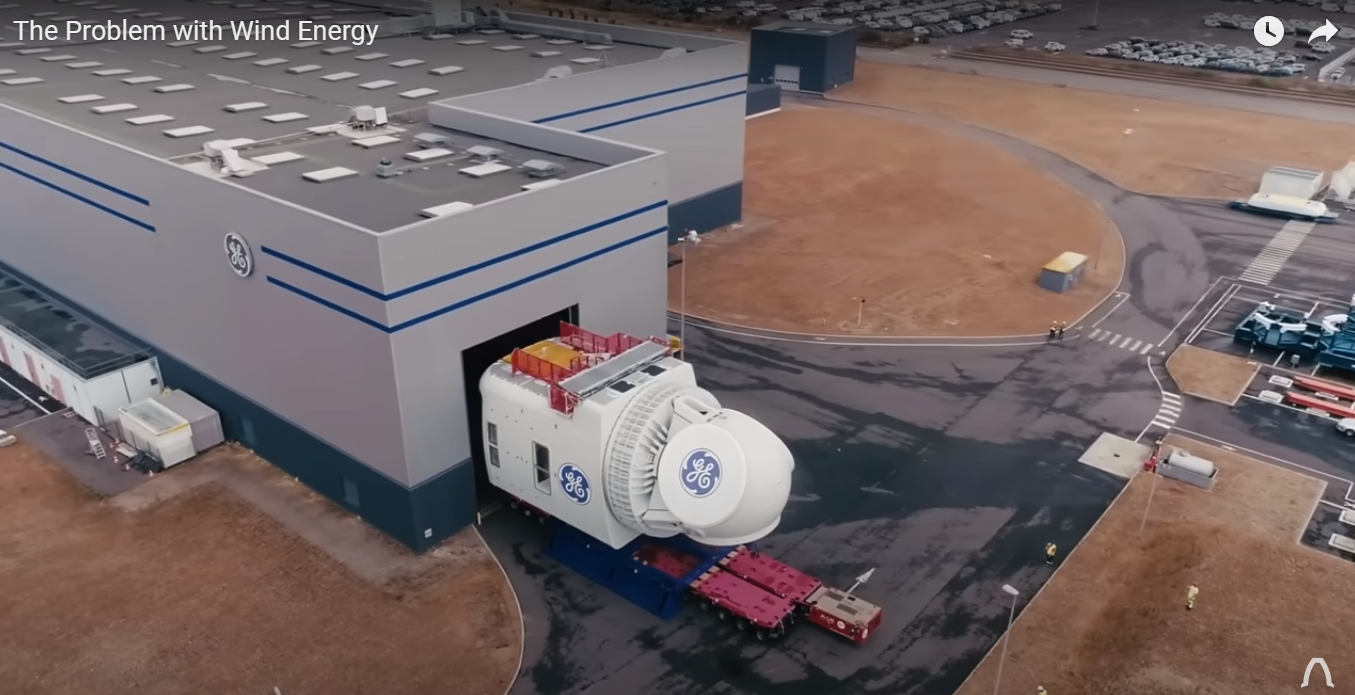
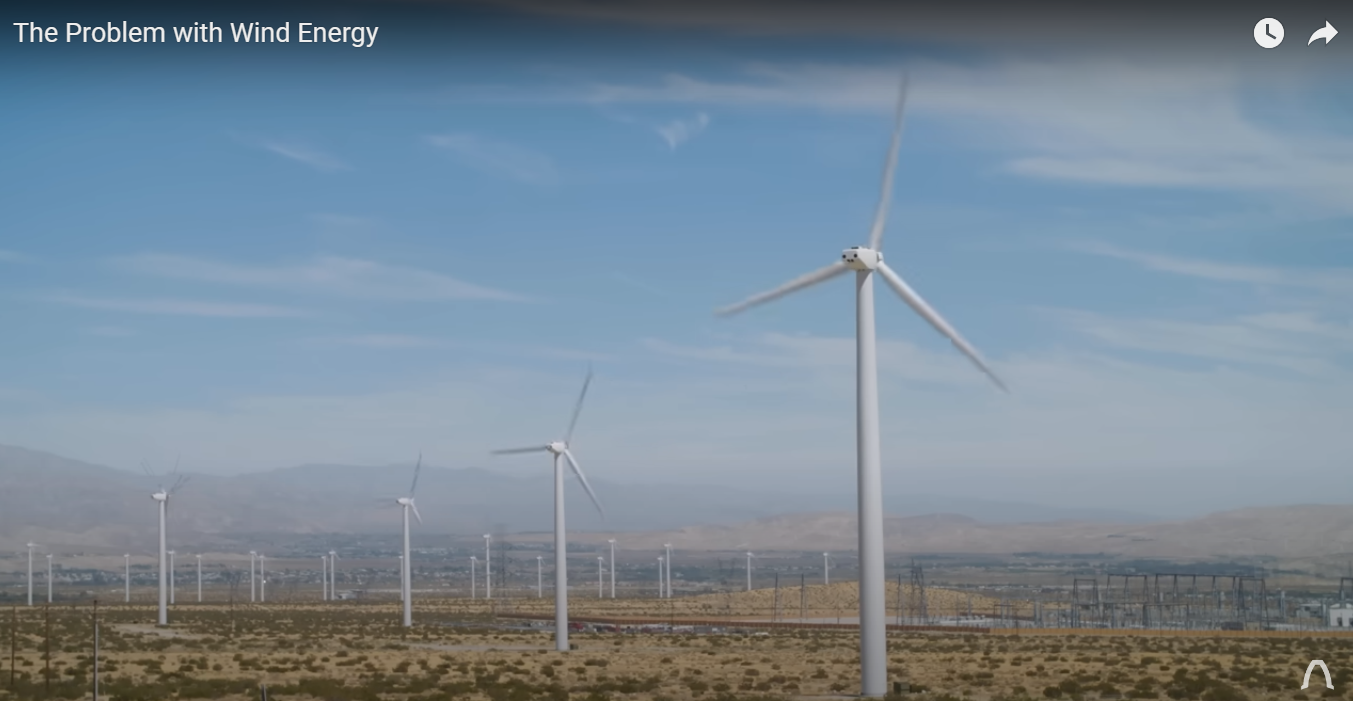
Renewables, like wind turbines and solar panels, only generate occasional electricity from inconsistent breezes and sunshine, but manufacture no products for society. 

Fossil fuels, on the other hand, manufacture everything for the 8 billion living on this planet, i.e., products, and transportation fuels.

And MOST importantly today, there is a lost reality that the primary usage of crude oil  is NOT for the generation of electricity, but to manufacture derivatives and fuels which are the ingredients of everything needed by economies and lifestyles to exist and prosper. Energy realism requires that the legislators, policymakers, and media that demonstrate pervasive ignorance about crude oil usage understand the staggering scale of the decarbonization movement. 

The ruling class and powerful elite have yet to identify the replacement for the oil derivatives that are the basis of more than 6,000 products and all the fuels for the merchant ships, aircraft, military, and space programs that support the 8 billion living on this planet?

The American government provides incentives and tax deductions to transition society to EV’s, but those incentives are financial incentives for the continuation of Child Labor and Ecological Destruction “Elsewhere”. Is it ethical and moral to provide financial support to the developing countries that are mining for exotic minerals and metals to build EV batteries for Americans? 

We’ve become a very materialistic society over the last 200 years, and the world has populated from 1 to 8 billion because of all the products and different fuels for planes, ships, trucks, cars, military, and the space program that did not exist before the 1800’s. Until a crude oil replacement is identified, the world needs a back-up plan that replaces crude oil that will support the manufacturing of the products of our materialistic society.

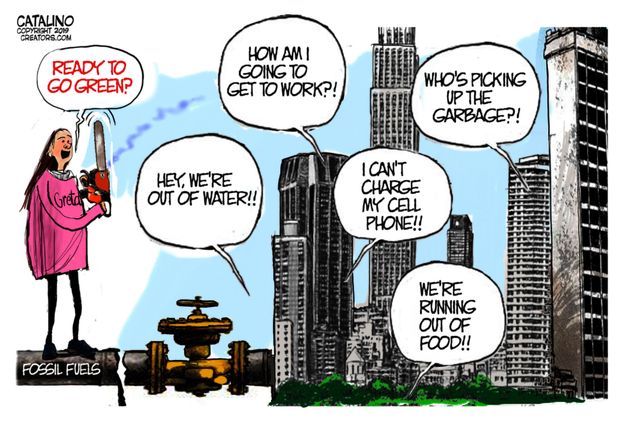
Today’s materialistic world cannot survive without crude oil!  Conversations are needed to discuss the difference between just ELECTRICITY” from renewables, and the “PRODUCTS” that are the basis of society’s materialistic world. Wind turbines and solar panels are themselves MADE from oil derivatives, and only generate occasional electricity but manufacture NOTHING for society.

How dare the ruling class, powerful elite, and media, avoid energy literacy conversations about the “Elephant in the Room”, as the end of crude oil that is manufactured into all the products and transportation fuels that built the world to eight billion people, would be the end of civilization as “unreliable electricity” from breezes and sunshine cannot manufacture anything.

Background Post

Four Ways Net Zero Ruins Us


Four Ways Net Zero Ruins Us

This is a beginning post toward infographics exposing the damaging effects of Climate Policies upon the lives of ordinary people.  And all of the pain is for naught in fighting against global warming/climate change, as shown clearly in the image above.  This post presents graphics to illustrate the first of four themes:

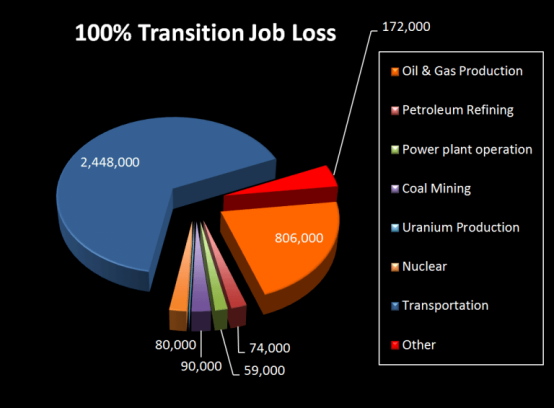
  • Zero Carbon Means Killing Real Jobs with Promises of Green Jobs
  • Reducing Carbon Emissions Means High Cost Energy Imports and Social Degradation
  • 100% Renewable Energy Means Sourcing Rare Metals Off-Planet
  • Leave it in the Ground Means Perpetual Poverty
Part 1:  Zero Carbon will Decimate US Workforce

WHCP fig1r

WHCP fig1ar

WHCP fig2ar

WHCP fig3a

WHCP fig3

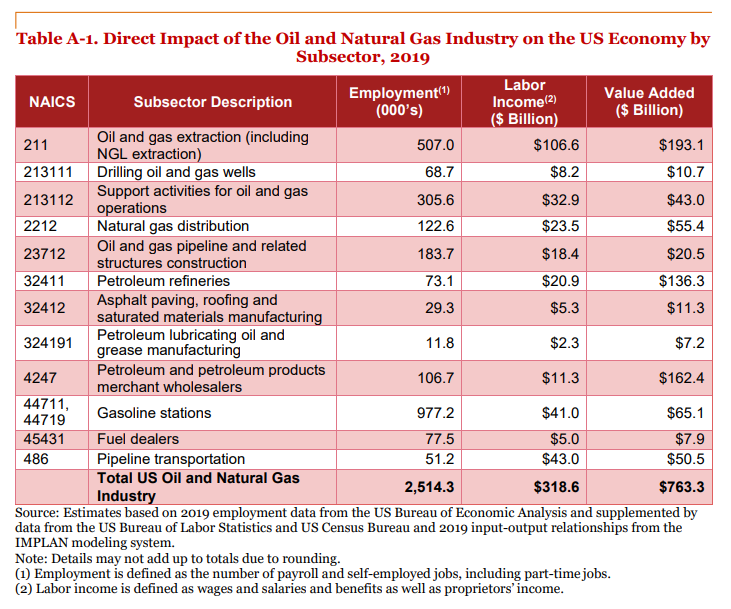
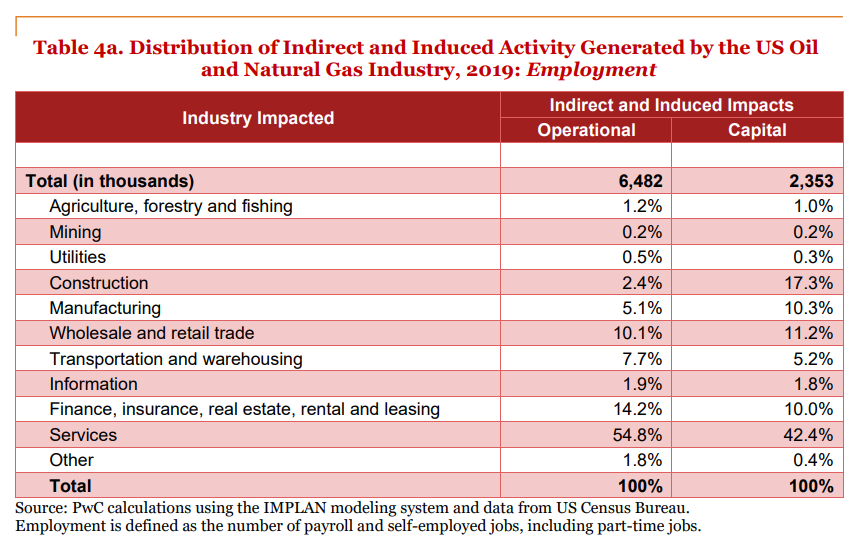
Tables of Oil and Natural Gas Employment and Economic Impact come from API Price Waterhouse Cooper  Impacts of the Oil and Natural Gas Industry on the US Economy in 2019    As for Coal, EIA estimates the industry lost 75% of its workforce down to 53,000 employees (2019) working in coal mines, and the number has stabilized with exports offsetting declines in domestic consumption.  The losses of jobs in oil and gas come from EID (Energy in Depth) CLIMATE ACTIVISTS PUSH STUDY SHOWING 3.8 MILLION LOST JOBS FROM RENEWABLE ENERGY TRANSITION.

“While many experts dispute the feasibility of Jacobson’s plan for a renewables-only energy grid, the severe job losses are far more difficult to dispute, given that they come directly from Jacobson’s research. Those job losses would undoubtedly be devastating for millions of American families.”

cb020621dapc20210206014624

And about Those Promised Green Jobs to replace the lost ones:  

In February 2009, the last time Democrats controlled the White House and both chambers of Congress, President Barack Obama and Vice President Joe Biden flew to Colorado to sign their $787 billion stimulus package into law.

The plan was to invest $150 billion over 10 years that would advance a “clean energy” economy built around biofuels, hybrid cars, low-emission coal plants, and renewable sources such as solar and wind. Obama and Biden promised to create five million green jobs that would specifically benefit low-income earners, claiming that the stimulus package included “help for those hit hardest by our economic crisis.”

mrz041312dapr20120413044622

A decade later, we now know that the 2009 green jobs program was a complete failure. The Department of Labor (DoL) and the Bureau of Labor Statistics (BLS) issued several reports on the green jobs program. Each report was an indictment on the program, as job placement met only 10 percent of the targeted level, and many of those who were hired remained employed for less than six months.

Even the new, redefined green jobs did not reach the five million promised in February 2009. According to a study by the Brookings Institution, the Obama–Biden administration identified nearly 2.7 million green jobs, but most were bus drivers, sewage workers, and other types of work that do not match the “green jobs of the future” that the administration promised. Most of them were preexisting jobs, which were simply re-characterized by the government, apparently in an effort to boost the numbers.  Source: If at First You Don’t Succeed, Try ‘Green Jobs’ Again

See also Green Energy Failures Redux

Parts Two, Three and Four

World of Hurt from Climate Policies-Part 2

World of Hurt from Climate Policies-Part 3

World of Hurt from Climate Policies-Part 4


Wind Power Ripoff Ontario 2024 Update

Parker Gallant explains the cash flow and the grid decay in his blog article Industrial Wind Turbines demonstrate their Unreliable and Intermittent Nature From 2% to 80% of Capacity  H/T John Ray.  Excerpts in italics with my bolds and added images.

IWTs Generating 1.8% of their Capacity then jumping to 80.4% only a few days later

Yesterday, February 9th, 2024, those IWT spread throughout Ontario were impressive generating 94,605 MWh or about what 3.1 million average households would consume in a day suggesting they are the panacea to stop climate change!  Mere days before on February 3rd and the first seven hours on February 4th they generated only 2,673 MWh which was 1.8% of their capacity in those 31 hours.

As the expression goes; they continually demonstrate their “traditional yo yo” tendencies as the following screenshot from IESO February 5th to the 10th demonstrates. They are the “green” in the chart which basically shows their intermittent and unreliable nature whereas the dark blue is natural gas which has the ability to ramp up and down as demand changes and to keep our grid from failing and causing blackouts.

Wind in green, NatGas in dark blue, Hydro in light blue, Nuclear in orange

So, the question one should ask, was the power delivered by
those IWT on the 9th of February needed here in the province? 

As it turns out 65.8% of the IWT generation or 62,259 MW were not really needed as IESO’s intertie data (net-exports) shows it went to our neighbours in Quebec, New York and Michigan and the average sale price over the 24 hours was $19.42/MWh and well below what we Ontario ratepayers/taxpayers paid for it.  If we assume it was all surplus IWT generation those net-exports, we paid those contracted parties $135/MWh for; suggests the total cost of what was sold to our neighbours came to $8,404,965 but the price we were paid by our neighbours was an average of only that $19.42/MWh. Using the latter average price received over the 24 hours means we earned only $1,227,774!

The net result is we Ontario ratepayers/taxpayers have to eat the loss of $7,177,218 for just that one day’s IWT generation.  The foregoing is not the exception particularly when Ontario’s peak demand is relatively low as it was yesterday reaching only 17,057 MW at hour 19.

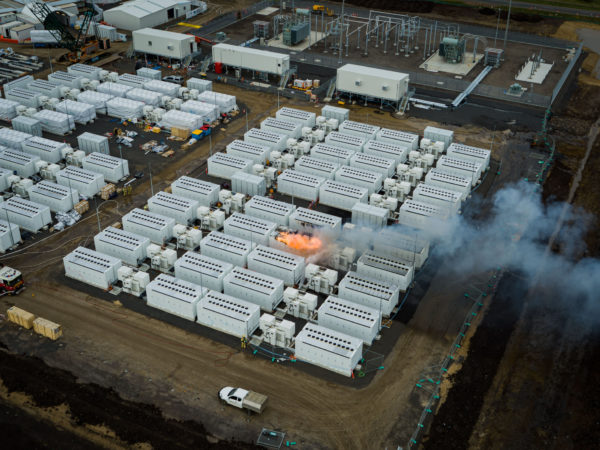
For the foregoing reasons, we should wonder why the Ontario Minister of Energy is instructing IESO to extend the IWT contracts when their 20-year terms are up as they do nothing but increase our electricity costs.  Those costs will be exacerbated by the addition of BESS (battery energy storage systems) as the latter will simply add another costly layer in an attempt to keep our grid reliable!

The IESO  current Contracted Generation List associated with BESS (battery energy storage systems) suggests they are expecting to contract for 1,140 MW!  BESS are able to provide their rated capacity for four hours meaning the 1,140 MW could provide 4,560 MW before needing to be recharged. It is humorous the megawatts those BESS units may be able to provide is only slightly more then the IWT provided during their peak generation hour yesterday. Today (Feb. 19) at Hour 9 those IWT only generated 316 MW!

At this point we should wonder if the batteries to be utilized by those BESS contracted generators will include CATL batteries, manufactured in China and now banned in the USA as pointed out in a recent article. If so, Canada could be in trouble with its neighbour, the USA, who have security concerns about CATL batteries. That may have a negative impact on our intertie connections with US States, amusingly, where much of our surplus IWT generation went to yesterday!

Oh, what tangled webs we weave!

Footnote More Grid Corrosion from Wind and Solar

Not mentioned above is a slow deterioration of baseload electricity because of renewables  unreliables.  Gail Tverberg explains in the background post below:

In fact, I have come to the rather astounding conclusion that even if wind turbines and solar PV could be built at zero cost, it would not make sense to continue to add them to the electric grid in the absence of very much better and cheaper electricity storage than we have today. There are too many costs outside building the devices themselves. It is these secondary costs that are problematic. Also, the presence of intermittent electricity disrupts competitive prices, leading to electricity prices that are far too low for other electricity providers, including those providing electricity using nuclear or natural gas. The tiny contribution of wind and solar to grid electricity cannot make up for the loss of more traditional electricity sources due to low prices.

Climateers Tilting at Windmills Updated


Green Electrical Shocks in 2024

These days electrical grid managers are shocked and sounding alarms, not about climate itself, but about dangerous energy policies by ignorant politicians rendering the grid unstable and supply unpredictable.  For example today’s Just The News article Analysts: ‘Irrational’ policies drive coal plant shutdowns, incentivize overbuilding wind farms.  Excerpts in italics with my bolds

The South Dakota Public Utilities Commission told the utility that the “premature closure of these [coal] plants adds to the uncertainty of electrical generation resource adequacy in the upper Midwest.” Some energy experts call the government’s policies “irrational.”

Despite ongoing warnings that the electricity grid of the United States is becoming increasingly unstable, a major utility is moving forward with the elimination of two major coal-fired power plants in the upper Midwest. Energy analysts say the instability is a byproduct of the shutdown of reliable generation sources.

In its latest assessment, the North American Electric Reliability Corporation, a grid watchdog, warned that the MISO region is under some of the highest risks for resource inadequacy, which means that during peak demand periods, rolling blackouts are a possibility. Xcel Energy, according to the Energy News Network, is even looking at variable rates to encourage customers to conserve energy and use it during off-peak periods.

Michigan, Minnesota, Illinois and Nebraska have all set goals to decarbonize their grid by 2040 or 2050, which will mean eliminating coal-fired power plants entirely. These goals are on top of federal green energy mandates.

The Public is Blissfully Unaware–That Needs to Change

Some years ago, a weekly news program aired in the Netherlands on the subject Green Electrical Shocks. It employed images and humor to reveal electrical realities to an audience burdened with misconceptions.  The video clip is below with English subtitles. For those who prefer reading, I provide the substantial excerpts from the program with my bolds.

How many of you have Green Electricity? I will estimate 69%
And how much nationally? Oh, 69%!
So we are very average, and in a good way, because the climate is very important.

Let me ask: Green electricity comes from . . .?
Yes, electricity produced from windmills and solar panels.
Nearly 2/3 of the Dutch are using it. That’s the image.

Well I have green news and bad news.
The green news: Well done!
The bad news: It is all one big lie.
Time for the Green Electrical Shocks.

Shock #1: The green electricity from your socket is not green.
When I switched to green electricity I was very proud.
I thought, Yes, well done! The climate is getting warmer, but not any more thanks to me.

Well, that turned out to be untrue.
All producers deliver to one communal grid. Green and grey electricity all mix.
The electricity you use is always a mix of various sources.
OK. It actually makes sense not to have separate green and grey cables for every house.
So it means that of all electricity, 69% is produced in a sustainable way. But then:


Shock #2: Green Electricity is mostly fake.
Most of the green electricity we think we use comes from abroad.
You may think: So what. Green is green.

But that electricity doesn’t come from abroad, it stays abroad.
If you have green electricity at home, it may mean nothing more than that your supplier has bought “green electricity certificates”.

In Europe green electricity gets an official certificate,
Instead of selling on the electricity, they sell on those certificates.
Norway, with its hydro power, has a surplus of certificates.
Dutch suppliers buy them on a massive scale, while the electricity stays in Norway.

The idea was: if countries can sell those certificates, they can make money by producing more green electricity.
But the Norwegians don’t produce more green electricity.
But they do sell certificates.

The Dutch suppliers wave with those certificates, and say Look! Our grey electricity is green.
Only one country has produced green electricity: Norway.
But two countries take the credit.
Norway, because they produce green electricity, and the Netherlands because, on paper, we have green electricity. Get it? That’s a nice deal.

More and more countries sell those certificates. Italy is now the top supplier.
We buy fake green electricity from Italy, like some kind of Karma ham.

Now, let’s look again at the green electricity we all think we use.
So the real picture isn’t 69%. If you cancel the certificates, only 21% of electricity is really green.
Nowadays you can even order it separately if you don’t want to be part of that Norway certificates scam.
You may think: 21% green is still quite a lot. But it is time for:

Shock #3: Not all energy is electricity.
If you talk about the climate, you shouldn’t just consider electricity but all energy.
When you look at all energy, like factories, cars, trains, gas fires, then the share of consumer electricity is virtually nothing.
If you include everything in your calculation, it turns out that only 6% of all the energy we use in the Netherlands is green. It is a comedy, but wait:

Trees converted into pellets by means of petroleum powered machinery.

Shock #4: Most green energy doesn’t come from sun or wind, like you might think.
Even the 6%, our last green hope, is fake. According to the CBS we are using more sun and wind energy, but most of the green energy is produced by the burning of biomass.
Ah, more than half of the 6% green energy is biomass.

Ridiculous. What is biomass really? It is organic materials that we encounter every day.
Like the content of a compost heap. How about maize leaves or hay?
The idea behind burning organic materials is that it will grow up again.
So CO2 is released when you burn it, but it will be absorbed again by new trees.

However, there is one problem. The forest grows very slowly and our power plants burn very fast.
This is the fatal flaw in the thinking about biomass. Power plants burn trees too fast, so my solution: slow fire. Disadvantage: it doesn’t exist. So this is our next shock.

Shock#5: Biomass isn’t all that sustainable.
It’s getting worse. There aren’t enough trees in the Netherlands for biomass.
We can’t do it on our own. We don’t have enough wood, so we get it from America.

In the USA forests are cut at a high rate, Trees are shredded and compressed into pellets.
These are shipped to the Netherlands and end up in the ovens of the coal plants.
It’s a disaster for the American forests, according to environmental groups.

So we transport American forests on diesel ships to Europe.
Then throw them in the oven because it officially counts as green energy.
Only because the CO2 released this way doesn’t count for our total emissions.

In reality biomass emits more CO2 than natural gas and coal.
These are laws of nature, no matter what European laws say.
At the bottom line, how much sustainable energy do we really have in the Netherlands?
Well, the only real green energy from windmills, solar panels etc. Is only 2.2%. of all the energy we use.

In Conclusion
So the fact that 2/3 of the audience and of all Dutch people use green electricity means absolutely nothing. It’s only 2.2%, and crazier still, the government says it should be at 14% by 2020.
They promised: to us, to Europe, to planet Earth: 14 instead of 2.2.

Instead of making a serious attempt to save the climate, they are only working on accounting tricks, like buying pieces of paper in Norway and burning American forests.
They are only saving the climate on paper.

Summary Comment

As the stool above shows, the climate change package sits on three premises. The first is the science bit, consisting of an unproven claim that observed warming is caused by humans burning fossil fuels. The second part rests on impact studies from billions of research dollars spent uncovering any and all possible negatives from warming. And the third leg is climate policies showing how governments can “fight climate change.”

It is refreshing to see more and more articles by people reasoning about climate change/global warming and expressing rational positions. Increasingly, analysts are unbundling the package and questioning not only the science, but also pointing out positives from CO2 and warming.  And as the Dutch telecast shows, ineffective government policies are also fair game.

More on flawed climate policies at Reasoning About Climate

Delusions of Davos and Dubai

Edward Ring dispells the smoke and mirrors surrounding renewables in his American Greatness article The Delusions of Davos and Dubai – Part Two: Can Wind & Solar Energy Expand 50-100 Times? Excerpts in italics with my bolds and added images.

Procuring 90+ percent of global energy from wind and solar energy is a fool’s errand.

In the most recent “Conference of the Parties,” otherwise known as the United Nations extravaganza that convenes every few years for world leaders to discuss the climate crisis, several goals were publicly proclaimed. Notable were the goals to triple production of renewable energy by 2030 and triple production of nuclear energy by 2050. Against the backdrop of current global energy production by fuel type, and as quantified in Part One, against a goal of increasing total energy production from 600 exajoules in 2022 to at least 1,000 exajoules by 2050, where does COP 28’s goals put the world’s energy economy? How much will production of renewable energy have to increase?

To answer this question, it is necessary to recognize and account for the fact that most renewable energy takes the form of electricity, generated through wind, solar, or geothermal sources. And when measuring how much the base of renewables installed so far will contribute to the target of 1,000 exajoules of energy production per year in order to realize—best-case scenario—800 exajoules of energy services, the data reported in the Statistical Review of Global Energy is profoundly misleading.

[ Ring is referring to the fanciful projections compared to realities reported in the 2022 consumption statistics from Energy Institute. For example, from that report

The graph shows that global Primary Energy (PE) consumption from all sources has grown continuously over nearly 6 decades. Since 1965  oil, gas and coal (FF, sometimes termed “Thermal”) averaged 88% of PE consumed, ranging from 93% in 1965 to 82% in 2022.  Note that in 2020, PE dropped 21 EJ (4%) below 2019 consumption, then increased 31 EJ in 2021.  WFFC for 2020 dropped 24 EJ (5%), then in 2021 gained back 26 EJ to slightly exceed 2019 WFFC consumption. For the 58 year period, the net changes were:

Oil        194%
Gas      525%
Coal     178%
WFFC  239%
PE        287%]

If we’re setting a goal of 1,000 exajoules of ultimate world energy production and assuming 80 percent of that 1,000 exajoules of energy input shall be realized as end-user energy services, then we have to examine how much usable energy wind, solar, hydro, and nuclear are actually being generated today. That means we need to know how much electricity they actually generate and send into the grid. An imputed, grossed-up number is not helpful.

It must be again emphasized that it is an extraordinary assumption to project an 80 percent retention of energy from input into the grid to actual end use. For example, we might assume that from the generating plant, 5 percent was lost in transmission, another 5 percent lost from charging and subsequently discharging the electricity to and from utility-scale storage batteries, another 5 percent in the charge/discharge cycle through an onboard battery in an EV, and another 5 percent converting that electricity into traction from the electric motor. Those are extraordinarily optimistic numbers, using a best-case example.

The point here is 1,000 exajoules represents the absolute minimum to which global energy production must grow in the next 25 years if every person on earth is to have access to enough energy to enable prosperity and security. How do we get there? Let’s take the experts at their word and assume that use of coal, oil, and gas will be completely eliminated by 2050.

On the chart below, the assumptions governing the future mix of fuels worldwide adhere to the resolutions just made at the recent Conference of the Parties. That is, nuclear energy will be tripled, and use of oil, natural gas, and coal will be eliminated. To take some of the pressure off of the required expansion of solar and wind energy, for this analysis, the sacrilegious assumption is made to double hydroelectric capacity, double geothermal production, and double biofuel production. It won’t matter much. Here goes:

There’s a lot to chew on in these data, but it’s worth the effort. Because the facts they present are immutable and carry with them significant implications for global energy policy. The first column of data shows how much fuel was burned or generated worldwide in 2022—the raw fuel inputs, which total 604 exajoules.

The second column of data shows the number of energy services that reached end-users in 2022 in the form of heating, cooling, traction, light, communications, etc. It is clear that for thermal sources of energy, the lower numbers reflect the currently estimated degree of conversion efficiency worldwide, about 40 percent. But for non-thermal sources of energy (appended to the right with “gen,” signifying generated energy), these numbers are based on terawatt-hour reports featured in individual sections of the Statistical Review dedicated to those sources of energy. Converted from terawatt-hours to exajoules, these are the actual amounts of electricity that went into transmission lines around the world to be consumed by end users.

The third column of data calculates a hypothetical 2050 global fuel mix based on the agreed COP 28 targets. As seen in column 4 “multiple,” nuclear energy is tripled in accordance with COP 28. Also, in accordance with COP 28, use of coal, oil, and gas is eliminated. Not agreed to at COP 28, but to help reach the 1,000 exajoule target, production of geothermal and biofuel energy are both doubled. That leaves the remainder of the needed power to be provided (in this example) equally by wind and solar. It is reasonable to assume, based on everything they’re saying in Dubai and Davos, that this is the model. This is the logical realization of what they’re calling for.

These calculations yield an overwhelming reality check.
Yet what assumption is incorrect?

The target of 1,000 exajoules is almost certainly too low. Nuclear power is tripled, and hydropower and biofuel are both doubled. None of that is easy; in the case of biofuel, it could be an environmental catastrophe. But even if those other non-thermal sources of energy were to increase two to three times, without coal, oil, and gas, a stupefying expansion of wind and solar would be required. “Tripling” these renewables doesn’t even get us into the ballpark.

To deliver 1,000 exajoules of power to the world by 2050, for every wind turbine we have today, expect to see more than 60 of them. For every field of photovoltaics we have today, expect to see nearly 100 more of them. Is this feasible? Because from Dubai to Davos, this is what they’re claiming we’re going to do.

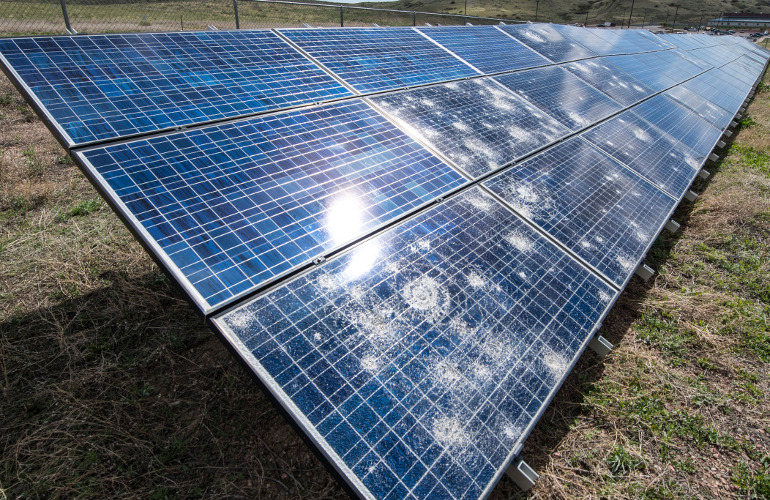
Confronted with these facts, even the most enthusiastic proponents of wind and solar energy may hesitate when considering the magnitude of the task. Eliminating production of fossil fuel entirely by 2050 ought to be seen, for all practical purposes, as impossible. The uptick in mining, the land consumed, the expansion of transmission lines, the necessity for a staggering quantity of electricity storage assets to balance these intermittent sources, the vulnerability of wind and solar farms to weather events including deep freezes, tornadoes, and hail, and the stupefying task of doing it all over again every 20-30 years as the wind turbines, photovoltaic panels, and storage batteries reach the end of their useful lives—all of this suggests procuring 90+ percent of global energy from wind and solar energy is a fool’s errand.

The Key to Energy IQ

This brief video provides a key concept in order to think rationally about calls to change society’s energy platform.  Below is a transcript from the closed captions along with some of the video images and others added.

We know what the future of American energy will look like. Solar panels, drawing limitless energy from the sun. Wind turbines harnessing the bounty of nature to power our homes and businesses.  A nation effortlessly meeting all of its energy needs with minimal impact on the environment. We have the motivation, we have the technology. There’s only one problem: the physics.
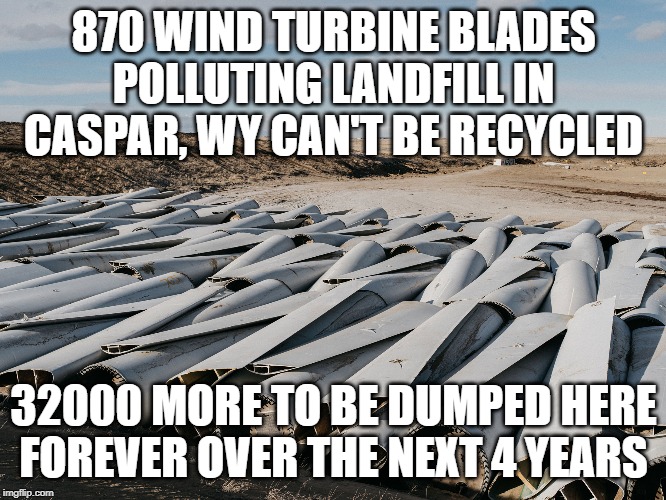
The history of America is, in many ways, the history of energy. The steam power that revolutionized travel and the shipping of goods. The coal that fueled the railroads and the industrial revolution. The petroleum that helped birth the age of the automobile. And now, if we only have the will, a new era of renewable energy.

Except … it’s a little more complicated than that. It’s not really a matter of will, at least not primarily. There are powerful scientific and economic constraints on where we get our power from. An energy source has to be reliable; you have to know that the lights will go on when you flip the switch. An energy source needs to be affordable–because when energy is expensive…everything else gets more expensive too. And, if you want something to be society’s dominant energy source, it needs to be scalable, able to provide enough power for a whole nation.

Those are all incredibly important considerations, which is one of the reasons it’s so weird that one of the most important concepts we have for judging them … is a thing that most people have never heard of. Ladies and gentlemen, welcome to the exciting world of…power density.

Look, no one said scientists were gonna be great at branding. Put simply, power density is just how much stuff it takes to get your energy; how much land or other physical resources. And we measure it by how many watts you can get per square meter, or liter, or kilogram – which, if you’re like us…probably means nothing to you.

So let’s put this in tangible terms. Just about the worst energy source America has by the standards of power density are biofuels, things like corn-based ethanol. Biofuels only provide less than 3% of America’s energy needs–and yet, because of the amount of corn that has to be grown to produce it … they require more land than every other energy source in the country combined. Lots of resources going in, not much energy coming out–which means they’re never going to be able to be a serious fuel source.
Now, that’s an extreme example, but once you start to see the world in these terms, you start to realize why our choice of energy sources isn’t arbitrary. Coal, for example, is still America’s second largest source of electricity, despite the fact that it’s the dirtiest and most carbon-intensive way to produce it. Why do we still use so much of it? Well, because it’s significantly more affordable…in part because it’s way less resource-intensive.
An energy source like offshore wind, for example, is so dependent on materials like copper and zinc that it would require six times as many mineral resources to produce the same amount of power as coal. And by the way, getting all those minerals out of the ground…itself requires lots and lots of energy.

Now, the good news is that America has actually been cutting way down on its use of coal in recent years, thanks largely to technological breakthroughs that brought us cheap natural gas as a replacement. And because natural gas emits way less carbon than coal, that reduced our carbon emissions from electricity generation by more than 30%.
In fact, the government reports that switching over to natural gas did more than twice as much to cut carbon emissions as renewables did in recent years. Why did natural gas progress so much faster than renewables? It wasn’t an accident.

Energy is a little like money: You’ve gotta spend it to make it. To get usable natural gas, for example, you’ve first gotta drill a well, process and transport the gas, build a power plant, and generate the electricity. But the question is how much energy are you getting back for your investment? With natural gas, you get about 30 times as much power out of the system as you put into creating it.  By contrast, with something like solar power, you only get about 3 1/2 times as much power back.

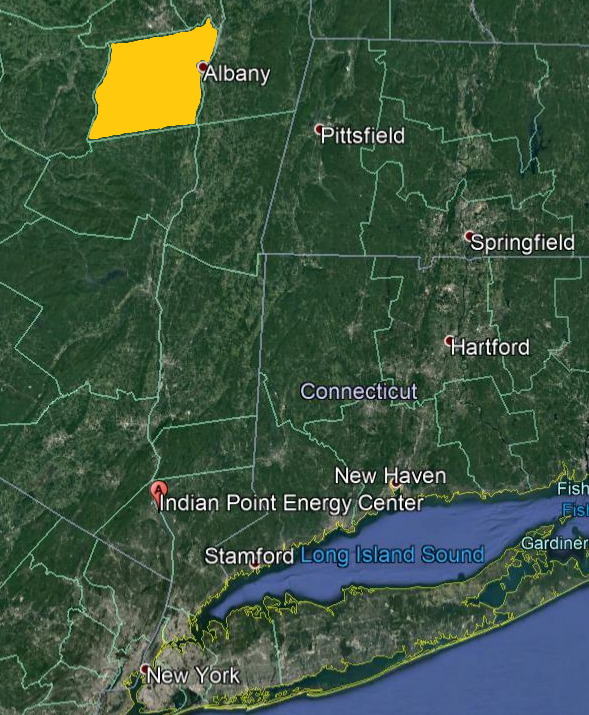
Replacing the now closed Indian Point nuclear power plant would require covering all of Albany County NY with wind mills.

Hard to fuel an entire country that way. And everywhere you look, you see similarly eye-popping numbers. To replace the energy produced by just one oil well in the Permian Basin of Texas–and there are thousands of those–you’d need to build 10 windmills, each about 330 feet high. To meet just 10% of the country’s electricity needs, you’d have to build a wind farm the size of the state of New Hampshire. To get the same amount of power produced by one typical nuclear reactor, you’d need over three million solar panels, none of which means, by the way, that we shouldn’t be using renewables as a part of our energy future.

But it does mean that the dream of using only renewables is going to remain a dream,
at least given the constraints of current technology. We simply don’t know how
to do it while still providing the amount of energy that everyday life requires.

No energy source is ever going to painlessly solve all our problems. It’s always a compromise – which is why it’s so important for us to focus on the best outcomes that are achievable, because otherwise, New Hampshire’s gonna look like this.

Addendum from Michael J. Kelly

Energy return on investment (EROI)

The debate over decarbonization has focussed on technical feasibility and economics. There is one emerging measure that comes closely back to the engineering and the thermodynamics of energy production. The energy return on (energy) investment is a measure of the useful energy produced by a particular power plant divided by the energy needed to build, operate, maintain, and decommission the plant. This is a concept that owes its origin to animal ecology: a cheetah must get more energy from consuming his prey than expended on catching it, otherwise it will die. If the animal is to breed and nurture the next generation then the ratio of energy obtained from energy expended has to be higher, depending on the details of energy expenditure on these other activities. Weißbach et al. have analysed the EROI for a number of forms of energy production and their principal conclusion is that nuclear, hydro-, and gas- and coal-fired power stations have an EROI that is much greater than wind, solar photovoltaic (PV), concentrated solar power in a desert or cultivated biomass: see Fig. 2.

In human terms, with an EROI of 1, we can mine fuel and look at it—we have no energy left over. To get a society that can feed itself and provide a basic educational system we need an EROI of our base-load fuel to be in excess of 5, and for a society with international travel and high culture we need EROI greater than 10. The new renewable energies do not reach this last level when the extra energy costs of overcoming intermittency are added in. In energy terms the current generation of renewable energy technologies alone will not enable a civilized modern society to continue!

On Energy Transitions

More Cold Hard Truths about Solar Panel Farms

George Franklin writes As more & more counties get more solar farms…Here’s some truth about solar farms.  H/T John Ray at Greenie Watch

I should start by telling you what bonafides I have for writing this. I am a retired aerospace engineer. A literal rocket scientist if you will. I worked on MX (Peacekeeper) Space Shuttle, Hubble, Brilliant Pebbles, PACOSS, Space Station, MMU, B2, the Sultan of Brunei’s half billion dollar private 747 with crystal showers, gold sinks and 100 dollar a yard coiffed silk carpets. I designed a satphone installation on prince Jeffry’s 757. I did all of the design work for the structure of Mark 1V propulsion module currently flying on at least 3 spacecraft that I know of. Some of the more exciting projects I have worked on are not shareable.

Solar panels are at best about 20% efficient.

They convert almost 0% of the UV light that hits them. None of the visible spectrum and only some of the IR spectrum. At the same time as they are absorbing light they are absorbing heat from the sun. This absorbed heat is radiated into the adjacent atmosphere.

It should be obvious what happens next. When air is warmed it rises. Even small differences in ordinary land surfaces are capable of creating powerful forces of weather like thunderstorms and tornadoes. These weather phenomena are initiated and reinforced by land features as they are blown downwind. It is all too obvious to me what will happen with the heat generated by an entire solar farm. Solar farms will become thunderstorm and tornado incubators and magnets.

Solar panels are dark and and they emit energy to the space above them when they are not being radiated. This is known as black-body radiation. Satellites flying in space use this phenomenon to cool internal components. If they didn’t do this they would fry themselves.

So solar farms not only produce more heat in summer than the original land
that they were installed on, but they also produce more cooling in winter,
thus exacerbating weather extremes.

So I conclude with this. There is nothing green about green energy except the dirty money flowing into corrupt pockets.  There is no such thing as green energy. The science doesn’t exist. The technology doesn’t exist. The engineering doesn’t exist. We are being pushed to save the planet with solutions that are worse than the problems.

Kansas Shows the Way to Energy Freedom

Posted at Master Resource is a most encouraging development by the Kansas legislature.  The article is Kansas Energy Freedom Now! The whole story is uplifting and I will only repeat here comments on what Kansas resolved and how nearly unanimous support was achieved. Excerpts in italics with my bolds and added images.

Carrie Barth (R-Kansas, District 5) and Dennis Hedke, unapologetic supporter of the U.S. Constitution, acclaimed author of The Audacity of Freedom (2011), geophysicist, and former member Kansas House of Representatives (former Chair of the House Energy Committee), have drafted a clean and accurate Resolution for the Republican Party. This passed with overwhelming support. It appears to acknowledge that wind is not a good corporate citizen.

Representative Barth in an email:

Our Constitution of the United States gives the power to the people and states, not a dictator movement to control people. The “Green Agenda” is a joke. What they call green energy of wind and solar is anything but green other than it takes a lot of money to mine, build and construct, maintenance for the units, along with remediation when blades break off and the turbines catch on fire. It takes more green money from there to then build transmission lines that take people’s green land when eminent domain is used. Then people see transmission line tariffs on their energy bills. Oh, and wait, your rates never go down even though the energy industry tells you how cost effective it is.

I would refer to wind and solar as “brown or black energy”. They are unreliable and cause brownouts and blackouts. This hurts people, it hurts businesses, and even the ground under them turns brown.

Excerpts from the Resolution follow:

  • CO2 is not a dangerous gas, nor a pollutant, to be avoided and scare mongered.
  • The Kansas Republican Party Platform opposes efforts to force communities to engage in sustainable development guidance from the federal government or the United Nations, which are actively attacking our local communities in an effort to implement the Paris Climate Agreement
  • Kansas is not to be victimized by lobbyists guiding KS into blackouts and profiteering from subsidies, and alliances with the UN Global Agenda
  • Kansas (Republican Party) supports alternative energy, while continuing to support oil and gas reserves within the State
  • Kansas will prefer reliable and affordable energy above all
  • Kansas (Republican Party)  will reject the “UN Agenda 2030 “Sustainable Development Goals” to guide their investments in Kansas, even rewarding executives and directors with additional bonuses and stock options for implementing the global climate plan”
  • Kansas (Republican Party) will reject energy projects that are obvious land grabs, funding foreign companies with taxpayer-funded grants and tying up valuable Kansas farmland for decades with projects that no company is ultimately held responsible for decommissioning at the end of their useful lives, even violating property rights of farmers affected by the projects
  • Kansas (Republican Party) opposes so called Cap and Trade schemes

The resolution concludes:

Whereas irrefutable evidence demonstrates that ill-health effects to mankind and the environment are occurring due to the side effects of industrial scale wind installations. These occurrences are widespread, wherever these installations have been constructed;

Therefore, be it resolved, the Republican Party of Kansas, in view of the preponderance of evidence, will support candidates and legislative intent regarding energy policy that will serve to provide protection to our citizens security, physical health, financial health, access to reliable energy and property rights across all Kansas counties.

Master Resource Comment

This is the first time we have seen a legislative body, organize, and nearly 100% agree, that climate change, which it always does and has done, should not be a driver for energy policy. It is the first time we have seen in such a document, a clear rejection of industrial wind and solar profiteers, and references to the irrefutable evidence of harm to the environment, people, and a clear intention to go forward with reliable, responsible, and cost-effective energy policy, while respecting property rights.

Question:

A lot of readers will be wondering how you and Rep Barth achieved a 180-1 vote for this very clear resolution. Given that KS has a pro wind record of placing wind factories in the State, even with a Republican House and Senate, is there a catalyst for this resolution at this time and at this place? Was a lot of lobbying needed, or was this more evolutionary, organic in nature due to the fast paced media pieces on changing perspectives of “renewables and climate”?

Answer: Former Chair, Dennis Hedke:

I perceive much of the reason for the success was due to the fact that the Committee reviewing the Resolution is heavily conservative. They had to present it to the Republican Party Delegates, which are probably also more conservative leaning.

The Legislators, Carrie excluded, are a lot more squishy, caring more about holding on to their seats, than acting with resolve and principle.  There may be some renewed pressure on Legislators to resist the absolutely ridiculous reasons for being ‘green’. That remains to be seen. Many of them simply forget that “The Truth Will Set You Free”.

I forgot to answer your question about cost of electricity. My bills range from about .13/kwh to .14/kwh. Prices have increased by about 55% since wind power has been replacing coal and natural gas, commencing around 2011.

Global Demand for Carbon Fuels to Hit Record High in 2024

Tsvetana Paraskova writes at Oil Price   Excerpts in italics with my bolds.

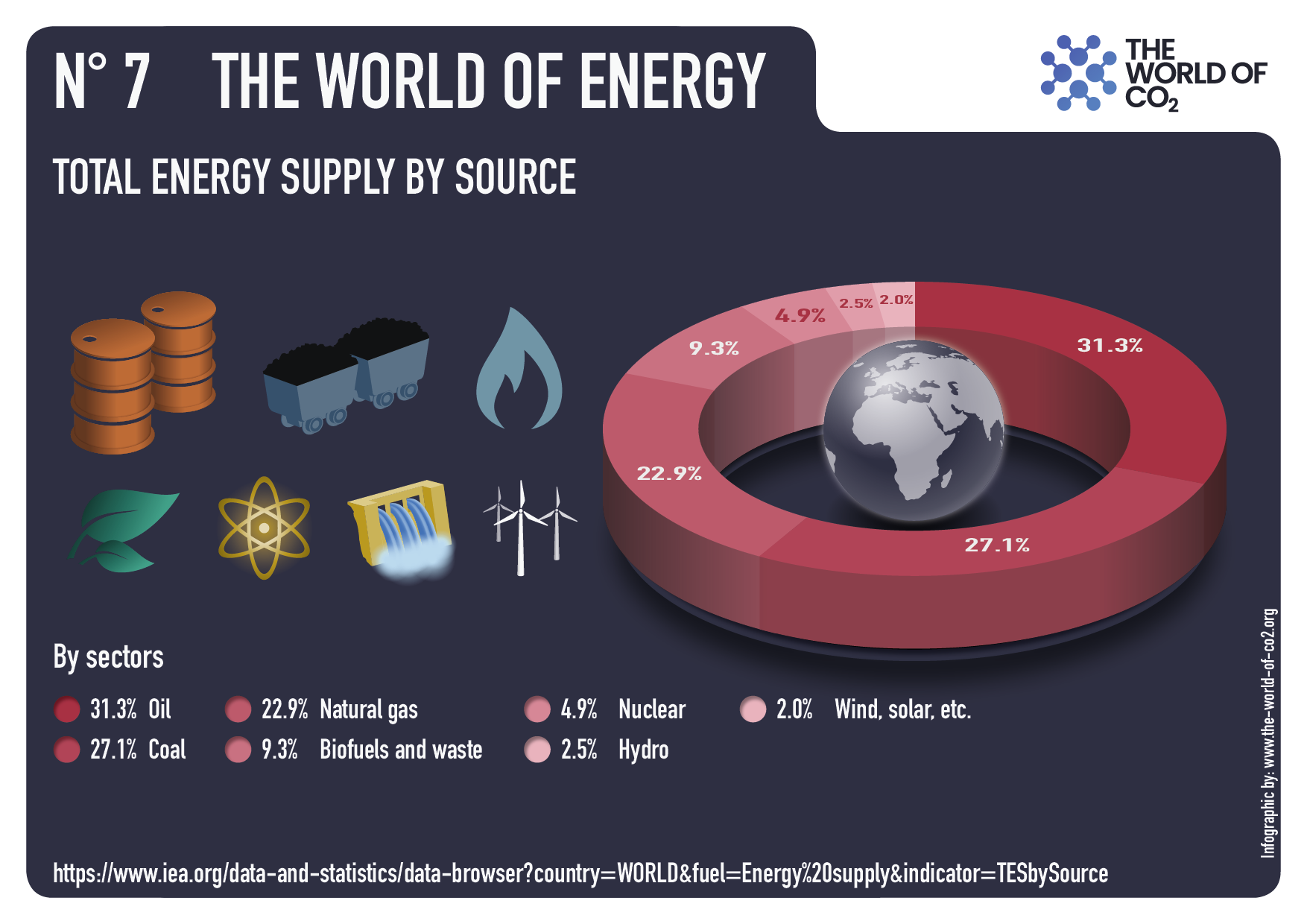
  • A new report from the Economist Intelligence Unit shows global energy consumption rising by 1.8% in 2024, hitting a new record high.
  • Despite high prices and supply disruptions, the report shows crude oil and natural gas demand climbing in 2024.
  • Demand for renewable energy is also expected to rise in 2024, climbing by 11%

Global energy and fossil fuel consumption is set to defy wars and high prices and hit a record high level in 2024, led by strong Asian demand, the Economist Intelligence Unit said in a new report on Wednesday.  Next year, global energy consumption is expected to increase by 1.8%, according to the EIU report.  

“Despite still-high prices and unsolved supply chain disruptions, demand for fossil fuels will reach record levels, but demand for renewable energy will rise by 11%,” the authors of the report wrote.

Oil demand alone is expected to increase by 1.7% next year, per the report. Natural gas demand is set for 2.2% growth, led by Asia and the Middle East, while Europe will continue to see depressed demand as it looks to save gas and energy.

Renewable capacity additions are set for a record high this year at around 400 gigawatts (GW) and will continue to rise in 2024, according to the report. [Note that electricity generated is much lower than capacity ratings.]

Global oil demand is set to rise by 2.4 million barrels per day (bpd) to a new record-high this year and by another 2.2 million bpd next year amid an improving Chinese economy, OPEC said in its latest monthly report earlier in October, leaving its demand forecast for both 2023 and 2024 unchanged, despite fears of slowing economies and demand destruction. World oil demand is set to reach a record average of 102.1 million bpd in 2023, driven by a 2.3-million-bpd demand increase in the non-OECD region, OPEC noted.

Coal demand globally is also expected to remain at record-high levels this year, said none other than the International Energy Agency (IEA) earlier this year.

IEA Tries Self Fulfilling Prophecy Against Carbon Fuels

The IEA Reiterates Its Peak Oil Demand Prediction by Irina Slav.  Excerpts in italics with my bolds.

  • In its latest World Energy Outlook, the International Energy Agency has reiterated its claim that crude oil, natural gas, and coal will peak before 2030.
  • The agency sees the emergence of a new clean energy economy as providing hope for the way forward, emphasizing the economic case for clean energy technologies.
  • The report focuses on the importance of resilience and energy security, particularly due to the geopolitical developments currently disrupting energy markets.

Demand for oil, natural gas, and coal is set to peak before 2030, which undermines the case for increasing investment in fossil fuels.  This is one of the outtakes from the International Energy Agency’s World Energy Outlook, released earlier today.  While the agency does admit that investment in fossil fuels will remain necessary, it claims the growth era is over.

Last month, the agency’s head, Fatih Birol, wrote in an op-ed that
oil, gas, and coal demand were all going to peak before 2030
thanks to the increase in EV adoption and slower Chinese GDP growth.

According to the IEA, “The economic case for mature clean energy technologies is strong” and energy security is an increasingly important consideration, too.

“In 2020, one in 25 cars sold was electric; in 2023, this is now one in 5,” the report also said as part of its case for EVs. However, an EV sales database reveals that for the first half of this year, sales of battery electric vehicles, the true EVs, only represented a tenth of total sales. Combined with plug-in hybrids, EV sales accounted for 14.1% of total sales.

OPEC Takes a Different View

When Birol first mentioned peak oil, gas, and coal, he prompted an immediate reaction from OPEC, which slammed the head of the IEA for making unwise predictions that could threaten the world’s energy supply security.

Such narratives only set the global energy system up to fail spectacularly. It would lead to energy chaos on a potentially unprecedented scale, with dire consequences for economies and billions of people across the world,” OPEC secretary-general Haitham al-Ghais said in September.

The release of the World Energy Outlook may now prompt a similar response from OPEC, which forecast recently that demand for oil is going to continue rising at least until 2045.


The rules of Energy Transition Club

Irina Slav lists the rules strictly followed by leaders of the Great Energy Transition at her substack Irina Slav on Energy.  Excerpts in italics with my bolds and added images.

We call them climate crusaders, climateers, a cult, and other, less polite words. Essentially, however, the transition leadership is a club and I only say this because I’m in a good mood this week, seeing as the local case of global boiling has ended for the year.

Like every club, Transition Club has rules and we all must give its members top marks for following these, not least because following these rules is often quite challenging. Here’s why.

Rule #1: We do not talk about the problems. (Unless we absolutely have to.)

The IEA this week made its fans happy by releasing a new report that said the world needed to replace and build 50 million miles of transmission lines to make the transition work.

This would only take $600 billion annually by 2030, which is double the current investment rate for transmission lines. For context, the global transmission line network is half the length the IEA says we need right now.

The expansion needs to take place by 2040 because Climate Targets. In other words, the world needs to double its transmission line network in a matter of less than 20 years… after it took a century to build all the lines we currently have. Realistic, right?

In fairness, the IEA does hint that there might be a slight problem with securing all of the raw materials necessary for this enormous undertaking. It absolutely had to admit it, what with miners crying shortage all the time, annoying people. But that cannot stop the transition. Else we get global broiling.

Rule #2: Facts are obsolete. Only the transition matters. (Until facts punch you in the face.)

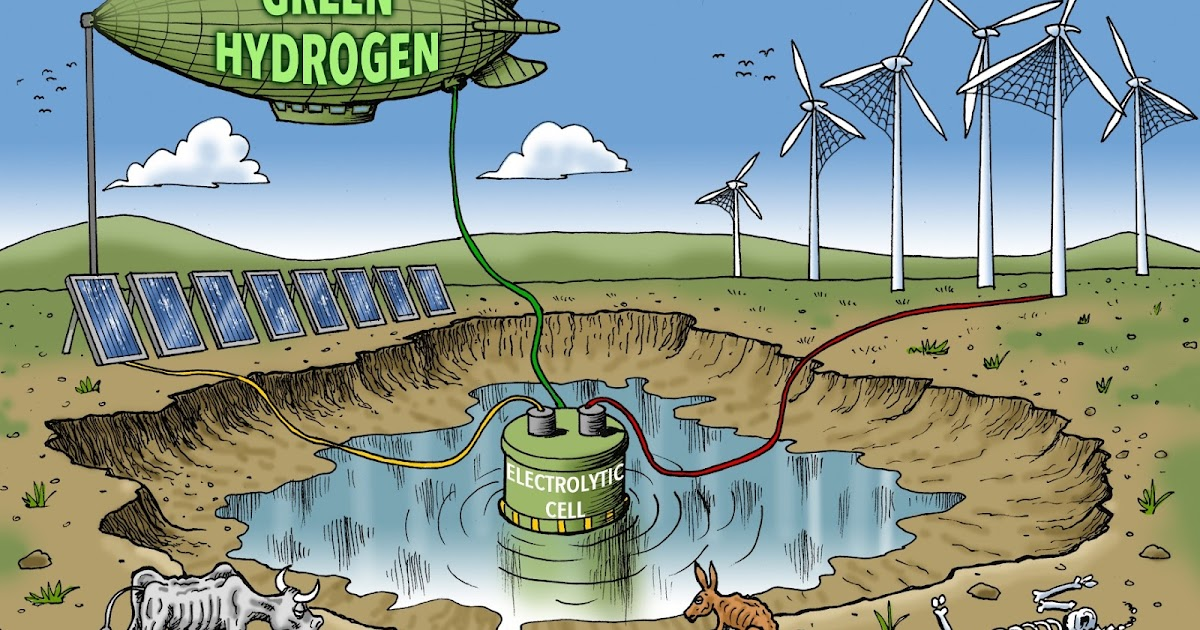
The UK government had a plan to replace gas heating systems in homes with hydrogen. It even scheduled local trials to see if it would work. I know, that’s almost unheard of in transition circles but they did.  Following massive opposition from the target community, the government ditched the trial plan and started mumbling that maybe hydrogen for heating is not such a marvelous idea.

The facts: hydrogen — green hydrogen, that is — is expensive.
All hydrogen is also dangerous, which makes
the green variety even more expensive.

At the time the plans were made, these facts were shunned. The opposition of the locals in the village of Whitby, however, prompted their return to the scene, ultimately leading to this piece of news: Hydrogen for UK home heating should be ruled out, says infrastructure adviser

Summed up, the match between facts and fantasy in hydrogen sounds like this, per the FT: ““We do not see any role for hydrogen in the future of home heating,” said Nick Winser, NIC commissioner, arguing it was “simply not ready at scale” and risked being an inefficient use of green electricity.”

Rule #3: Tell a lie big enough and keep repeating it

Okay, this one is from a quote and here’s the whole quote:

“If you tell a lie big enough and keep repeating it, people will eventually come to believe it. The lie can be maintained only for such time as the State can shield the people from the political, economic and/or military consequences of the lie. It thus becomes vitally important for the State to use all of its powers to repress dissent, for the truth is the mortal enemy of the lie, and thus by extension, the truth is the greatest enemy of the State.”

It kind of feels I can add nothing constructive to this description of the climate change narrative, especially if you consider the source, which appears to be (though not verbatim, I understand) a little book called Mein Kampf. I mean, if a tactic was tried in one context and it worked splendidly, you can totally make it work in another, and I’m not being ironic. The tactic does work.

It’s only too bad “the State” cannot shield the people from
the consequences of the lie for very long.

In Europe, we are witnessing in real time how the consequences, from which governments have been unable to shield their populations, are causing a turning political tide, with voters electing parties that do not prioritise the transition.

Land area required for wind farms to power London UK.

Rule #4: If it’s failing, double down

The countries with the greatest wind and solar power generation capacity in the EU also have some of the highest electricity prices. This is a mystery to absolutely no one with rudimentary mental acuity. And yet the billions continue flowing into wind and solar. And then, once a gas crunch hits, they start flowing into households.

Wind and solar clearly cannot work at the scale their fans want them to work. It is physically and financially impossible for them to make sense at that scale at this point in time. The evidence is there on a daily basis, courtesy of Electricity Maps and, I’m sure, other real-time tracking websites.

Transition Club has no truck with evidence, however, unless it’s the right kind of evidence, such as record-setting wind/solar output for some day or another. The rest is dismissed as irrelevant, disinformation, or simply ignored. And the billions keep flowing because there are targets to be hit in wind and solar installations. Whatever it takes.

Rule #5: Words and numbers are weapons

Old but gold and put to good use by the Club. All the talk about global boiling, the highway to hell, the accelerating extreme weather, the climate catastrophe and all the rest of it are water to the Transition Club agitprop mill. It keeps the lie going.

Numbers are even better: from the 99% of climate scientists who are in agreement about the climate and related catastrophies to all the CO2 emission updates and the horrific temperature readings from this summer we get actual numbers that stoke up fears that the planet is dying and we’re on our way out with it unless we kill the oil and gas industry and go full-wind/solar.

Or unless we check how the authors of the 99% consensus study came to their conclusion and what their sample size was, what the significance of those emission updates is for the total content of CO2 in the atmosphere, and how those temperatures were measured during the summer.

Rule #6: Questions are denial

This rule evolved organically from following all the others and sprouted actual disinformation laws, at least in the EU, for now, and not-so-official reporting rules for the media that require the climate narrative to be reported as fact despite evidence to the contrary, said evidence being dismissed as science denial and denialist propaganda, even when — and perhaps especially when — it comes from actual scientists.

Apparently, these days there are two kinds of scientists,the right and the wrong kind.
The wrong kind are those asking questions,  even though
science is by definition a process that involves a lot of question-asking
.

Per the Oxford Dictionary science means “the systematic study of the structure and behaviour of the physical and natural world through observation, experimentation, and the testing of theories against the evidence obtained.”

Not in the transition era, it doesn’t. In the transition era, there is a right kind of observation and computer modelling to replace experimentation and testing of theories against evidence. Then there is the wrong kind, which is any systematic study of the physical and natural world that questions the right kind, using evidence.

Glory be to the transition.

AFP “fact check” of Clintel Climate Declaration.