Judge Assigns Mar-a-Lago Docs to Special Master

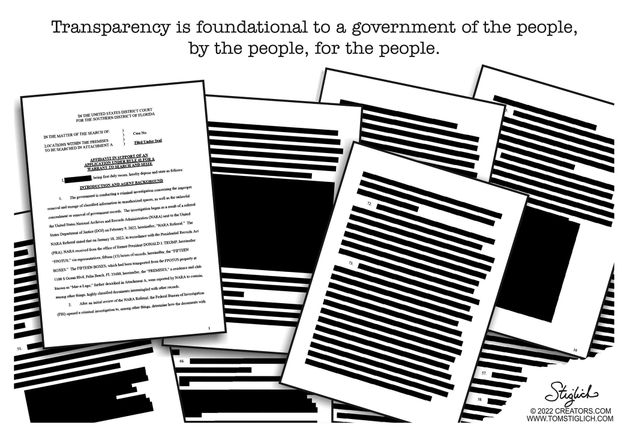
Townhall reports Judge Orders Special Master Review of Documents Seized from Mar-a-Lago.  Excerpts in italics with my bolds and added images.

Judge Aileen M. Cannon, a U.S. District judge from the Southern District of Florida, delivered some bad news to the Department of Justice (DOJ) on Monday, by ordering that a special master be appointed to review the documents seized from the FBI during last month’s raid of Mar-a-Lago. This means that the DOJ must stop their own review. The DOJ revealed last week that they already reviewed documents which would be subject to such oversight by any special master. 

The special master is to “review the seized property, manage assertions of privilege and make recommendations thereon, and evaluate claims for return of property.”

“The Court hereby authorizes the appointment of a special master to review the seized property for personal items and documents and potentially privileged material subject to claims of attorney- client and/or executive privilege,” the order stated. “Furthermore, in natural conjunction with that appointment, and consistent with the value and sequence of special master procedures, the Court also temporarily enjoins the Government from reviewing and using the seized materials for investigative purposes pending completion of the special master’s review or further Court order.”

As Matt highlighted last week, the DOJ had tried to argue against such a request, as a matter of national security. In response, Trump’s attorneys, as Sarah covered, called the DOJ’s request an “extraordinary document” and argued the government “twists the framework of responding to a motion for a Special Master into an all-encompassing challenge to any judicial consideration, presently or in the future, of any aspect of its unprecedented behavior in this investigation.”

The reveal of records seized by the FBI drew much attention and heavy criticism, as Larry O’Connor and Mike Davis, a former law clerk for Justice Neil Gorsuch, highlighted.

Fox News was among the first outlets to report on Judge Cannon’s order. The Hill included a copy of the order in its coverage. 

Judge Cannon was nominated by then President Donald Trump in May 2020 and confirmed by the Senate in November 2020. She’s asked the DOJ and attorneys for Trump to submit a joint filing by Friday with a list of proposed candidates to serve as the special master.


Unaccounted Excess US Deaths in the Time of Covid

Eyal Shahar writes at Brownstone Institute The Mystery of Unaccounted Excess Deaths in the US.  Excerpts in italics with my bolds.

By April 2022, the number of reported Covid deaths (993,739) had accounted for almost all of the CDC estimate of excess deaths (about 1,080,000). The official narrative will tell you that most of the difference is missing Covid deaths – people who died from Covid but were not diagnosed.

That’s a simpleminded summary.

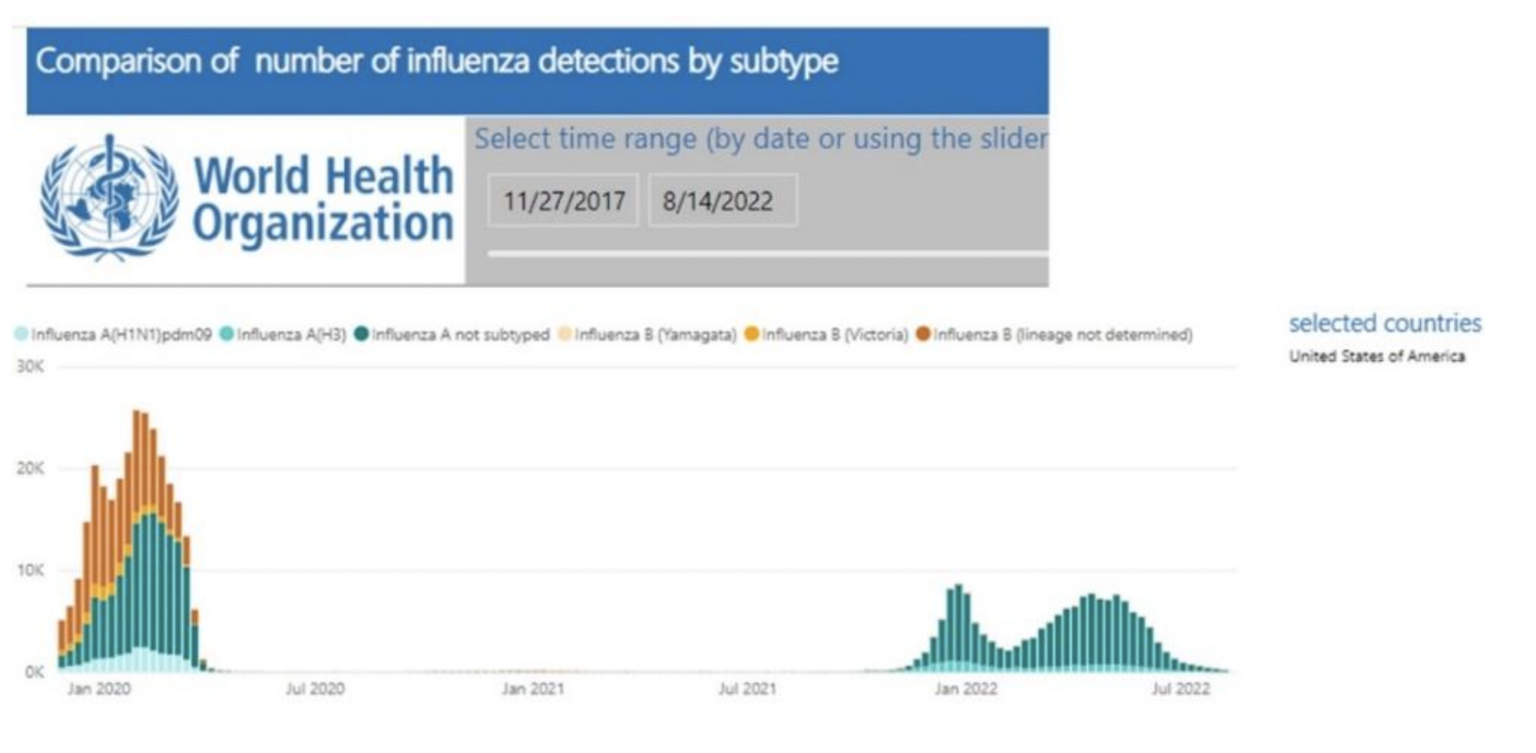
First, flu returned last winter (Figure 1) and its share in excess mortality is unknown. A comparison of Covid deaths with excess deaths must be truncated in September 2021, before the beginning of the flu wave.

Second, Covid deaths might have been missed early on, but it is absurd to assume that they continued to be missed throughout the pandemic. On the contrary, liberal coding rules, financial incentives, extensive testing, and a Covid-oriented mindset must have led to overcounting of Covid-related deaths.

Third, lockdowns, social isolation, fear-mongering, and disruption of normal life took their toll, too. There is no doubt that those baseless interventions have cost (and will cost) lives. So the question is not whether they contributed to excess mortality, but how much? What percentage of the excess mortality in the US is due to panic reaction and official fear-mongering? How many excess deaths are not accounted for by Covid?

Sources of data

Three sources of data were used to check the robustness of the main results (qualitatively), and to obtain a range of estimates: 1) CDC excess death file (weekly estimates), from which it is also possible to compute weekly Covid deaths. 2) CDC Covid death file (cumulative by each day), from which weekly deaths can be computed. 3) Our World in Data (OWID) website, from which Covid deaths and estimated excess deaths can be computed between various dates.

Cutoff dates for selected periods were dictated by weekly end-dates in the CDC excess death file. Available OWID dates were within two days.

Unaccounted excess deaths

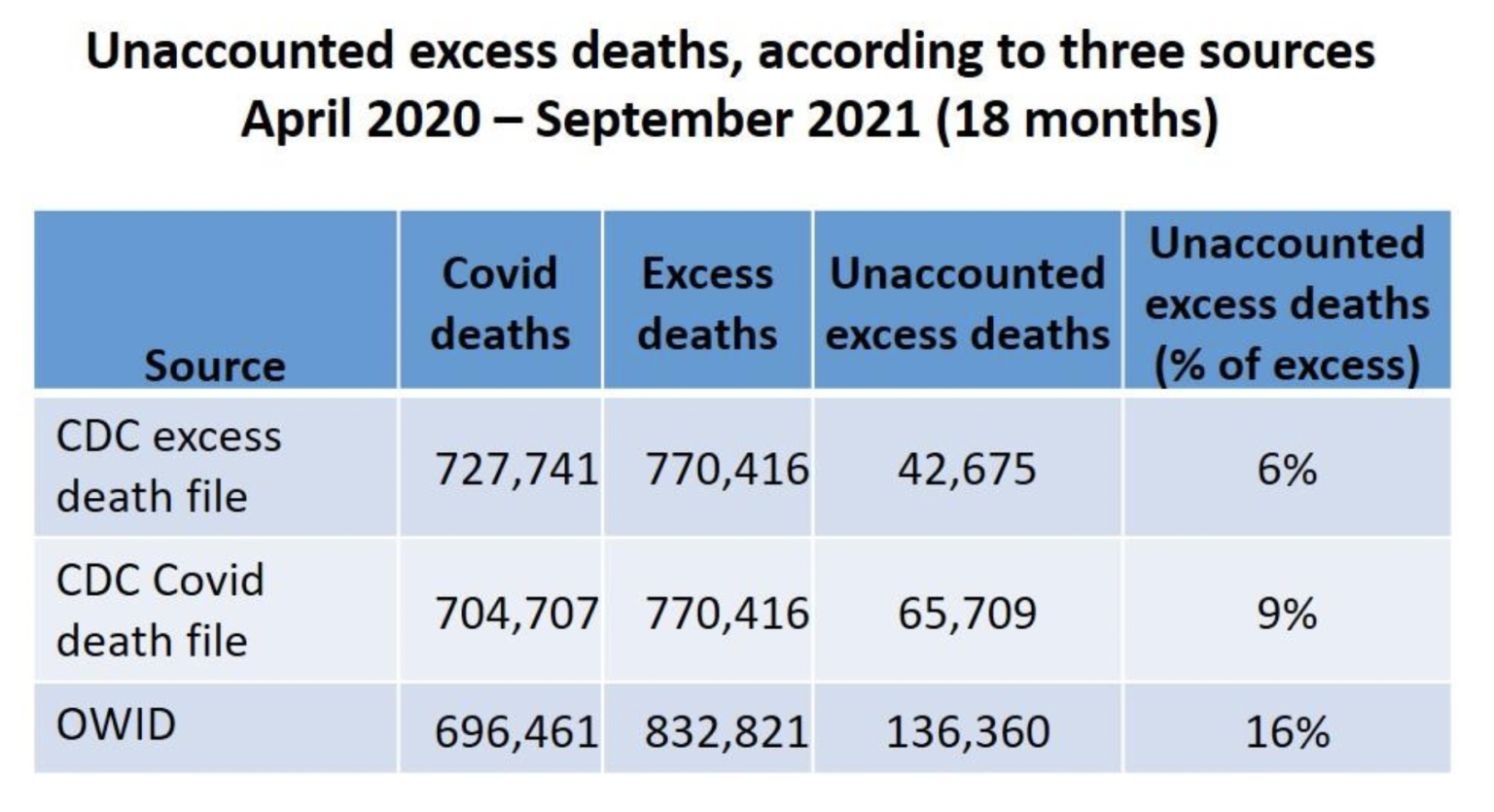
Figure 2 shows data from an 18-month period – April 2020 through September 2021 – terminating the observations before the return of the flu. Counts of Covid deaths are shown from the three sources, and estimates of excess deaths from two. The difference between excess deaths and Covid deaths is unaccounted excess deaths.

Overall, the share of unaccounted excess deaths over the 18-month period was 6-9% (CDC) or 16% (OWID). This summary, however, is hiding important variation over time.

Three consecutive periods

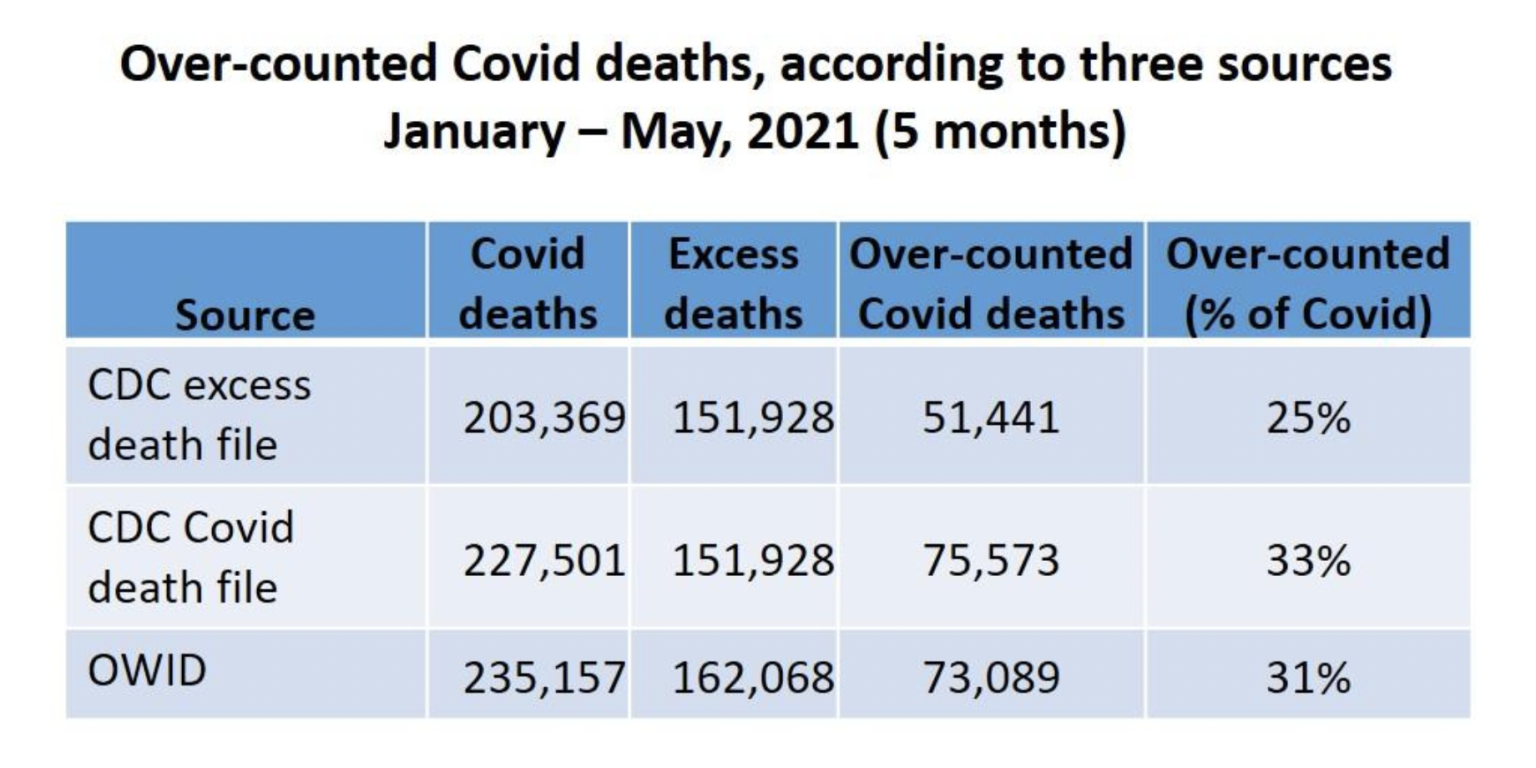
Review of weekly estimates revealed two periods with a significant percentage of unaccounted excess deaths (April-December, 2020 and June-September, 2021), separated by a five-month period (January – May, 2021) in which the opposite was observed: the number of Covid deaths exceeded the estimate of excess deaths. It was seen in 20 of 21 weeks of that period.

The data for each of the three periods is shown next.

First period
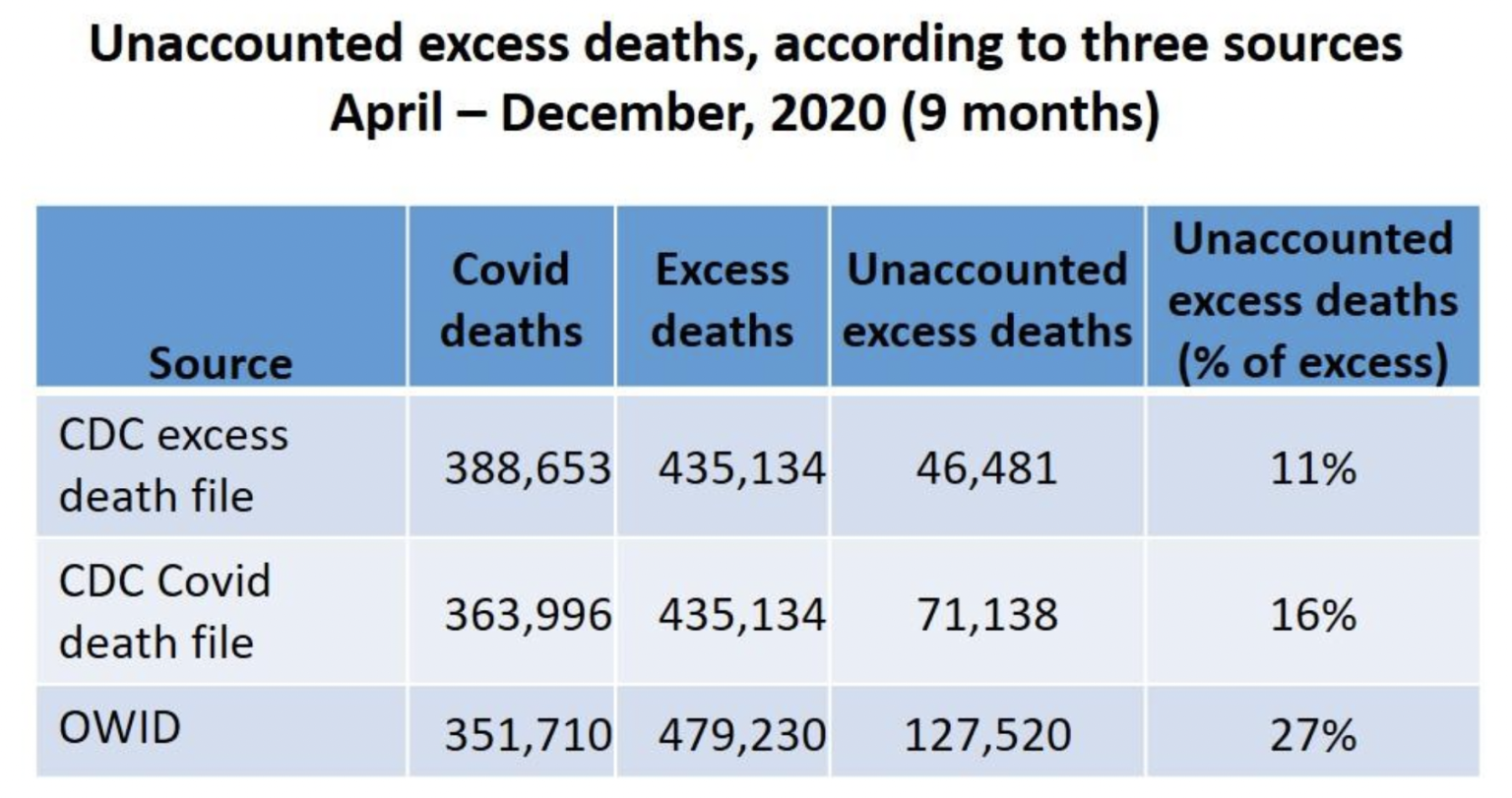
In the first nine months of the pandemic, the share of unaccounted excess deaths ranged from 11% to 27% of all excess deaths, depending on the source of data (Table). The OWID estimate is higher than CDC-based estimates due to a lower count of Covid deaths and a higher estimate of excess deaths (as seen in the entire period.) Notice, again, that the count of deaths in the Covid file is closer to the OWID than to the excess death file.

Interim period
At the beginning of 2021, the pattern was reversed. The number of Covid deaths exceeded the estimate of excess deaths, indicating overcounting of Covid deaths (Table). A so-called Covid death that did not contribute to excess mortality was not caused by Covid. It was death “with Covid,” or sometimes death “with a positive PCR.”

Other than data error, the only alternative explanation to overcounting is overestimation of the “normal” number of deaths (by both sources), resulting in underestimation of excess deaths. There was no drastic change, however, in the CDC estimates of weekly expected deaths, which gradually declined from about 61,000 at the beginning of January to about 55,000 by the end of May.

Misattribution of deaths to Covid during that five-month period was substantial: One-quarter to one-third of reported Covid deaths would have happened regardless of a Covid diagnosis.

Direct evidence of misattribution requires selecting a large sample of death certificates from different times, retrieving the associated medical records, and reclassifying Covid deaths by a panel of experts. Don’t count on the CDC to initiate a study that might shatter the official narrative.

Last period
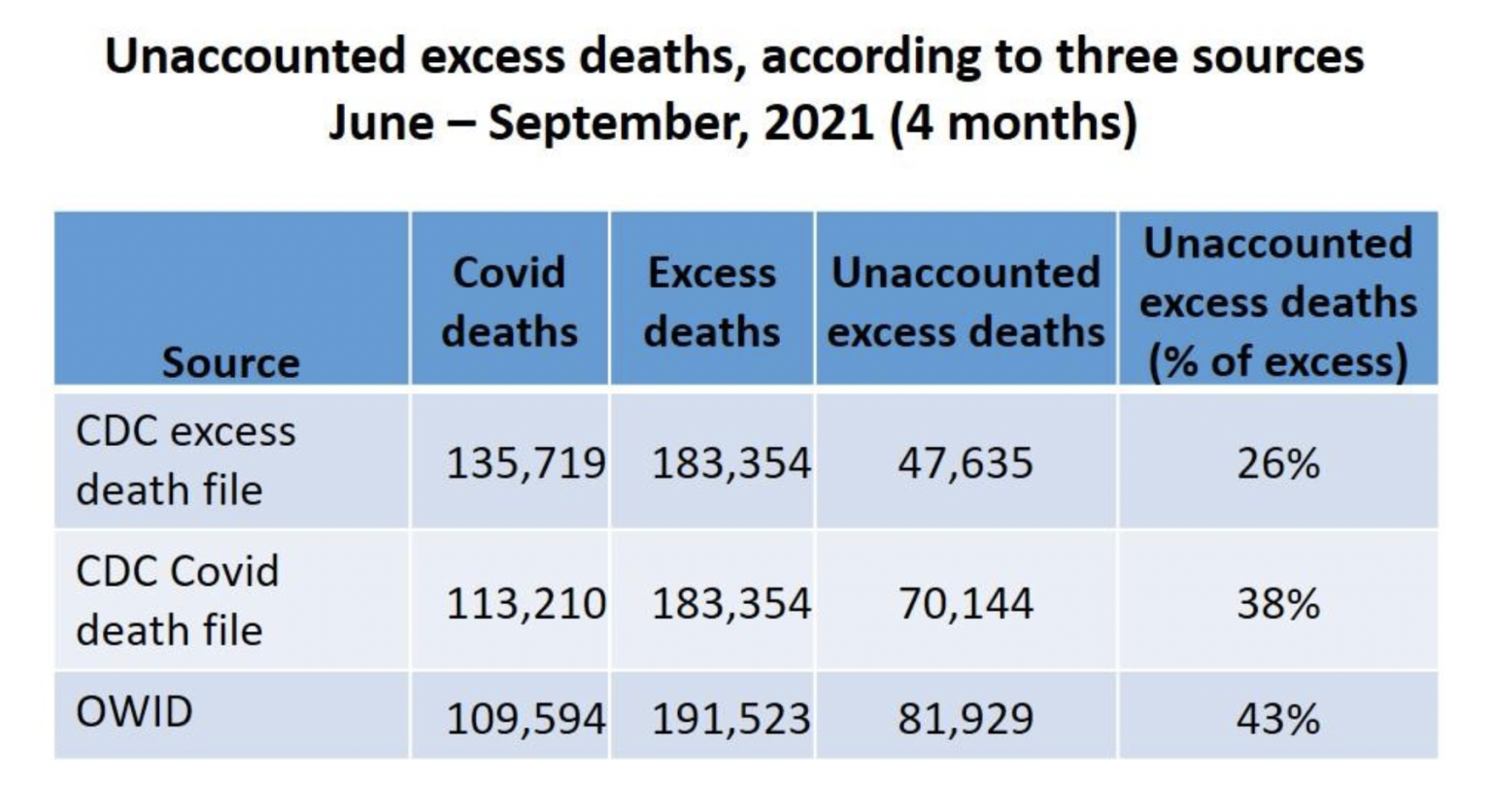
The results for the last period are striking (Figure 5). Not only do we observe, again, unaccounted excess deaths, but their share is substantially higher than in the first part of the pandemic. Unaccounted excess deaths make up 26% to 43% of the excess mortality in these four months, as compared with 11% to 27% in the first nine months. The average number of unaccounted excess deaths per month was doubled (CDC data) or increased by almost 50% (OWID).

What has accounted for these 47,000 to 82,000 excess deaths?

The last period contained the rising part of the Delta wave (as of July). Were some Covid deaths of vaccinated people not attributed to Covid (because the vaccines were promised to be 95% effective)? Did some of those deaths result from the continued effects of panic and fear-mongering? Were some of them vaccine fatalities?

Estimates of unaccounted excess deaths (April 2020 – September 2021)

The first table (Figure 2) showed 6-16% unaccounted excess deaths over an 18-month period. That computation assumed that no death was misattributed to Covid, which is nonsense, of course – on both theoretical grounds and empirical evidence. We just saw substantial overcounting in the first five months of 2021.

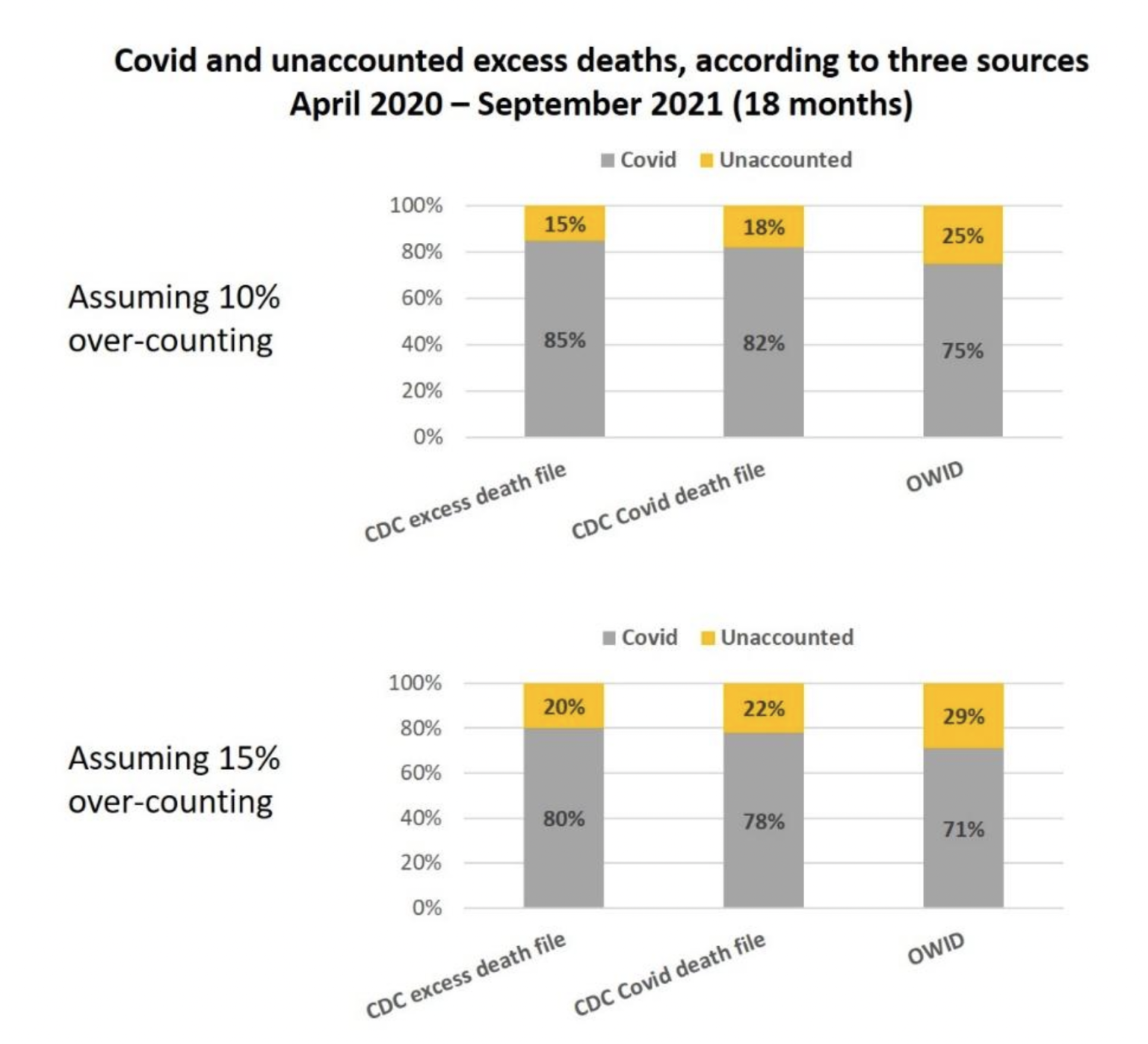
A conservative estimate of misattribution over the 18-month period would allow for just 10%. That is, 90% of reported Covid deaths were true Covid deaths. The remainder belong to the category of unaccounted excess deaths. A realistic estimate might be 15%.

On these two assumptions, unaccounted deaths make up 15% to almost 30% of the excess mortality (Figure 6). The average of the six estimates is 21%.

Were these unavoidable pandemic deaths?

The CDC and other officials will call these deaths “indirect pandemic deaths.” They are not. Most of these deaths would not have happened if the Covid pandemic were handled like a previous flu pandemic – without fear-mongering, without lockdown, without symbolic masks, and without disruption of normal life. One journalist attributed them to “circumstances of the crisis.” Who created these circumstances?

The mystery of unaccounted excess deaths in the US is solved, at least in part. Many of them are accounted for by poorly justified interventions and relentless impositions on normal human activity.

At least 115,000 deaths belong in that category and the true number might be twice as high.

Postscript 2022 Excess Death Statistics

Jesse Santiano, M.D. brings the analysis up to date and adds an element in his article Excess deaths continue in 2022.  Excerpts in italics.

I went to the CDC Wonder website to see if excess deaths are still present in 2022. February 2022 is still incomplete, so I compared only the month of January for each year from 2018 to 2022. Using the same month from 2018 to 2022 removes the seasonal variations in deaths.

2018 and 2019 are the pre-pandemic years and serve as a baseline trend. 2020 is the start of COVID-19, but in January 2020, it was just beginning, and there were only a tiny amount of COVID-19 deaths.

CDC: Coronavirus Disease 2019 Case Surveillance — United States, January 22–May 30, 2020

Since the shots were started in December 2020 (see appendix at the bottom), January 2021 will reflect the excess deaths from (a) COVID-19, (b) its injections for 18 and older, and (c) the effects of the lockdowns like suicides and domestic violence.

January 2022 reflects the excess deaths from the five years and older. Those are primarily due to the COVID injections since the dominant SARS-CoV-2 variant is the Omicron which is much less deadly than previous variants.

I grouped the ages into 10-year groups for simplicity. The years 2018 to 2022 have different features, which are discussed below. The table below is presented and repeated in the lower part of the page. The excess deaths (in red) for 2022 are in the right-most column.

What the table means

2018, 2019, and 2020
The number of deaths for all age groups in 2019 is lower than in 2018. There is a downward trend in mortality based on United Nations projections, as shown by the graph from macrotrends.net below.

A slight increase in deaths in January 2020 is expected, and this is due to population growth. According to the CDC, the rise in fatalities secondary to COVID-19 started in March 2020. (See CDC graph above)

2021
January 2021 shows the deaths from all causes, including COVID-19 and its shots. The age groups 18 and above who started to have the COVID injections in December 2020 will have more deaths in January 2021 than in January 2020.

In contrast, the <1 year to 14 years old who started late in getting the COVID shots (October 29, 2021, for 5-11 years old) have a lower number of deaths in 2021.

2022
The all-cause deaths in 2022 will include deaths from the less lethal Omicron variant and booster shots. The expected number of mortalities should be known for baseline comparison to know if there are excess deaths. The 

In summary, this article shows that in January 2022, the death rates continue to exceed the expected number of deaths. If my assumptions and calculations are accurate, we may be witnessing the lasting effects of experimental gene therapy shots.


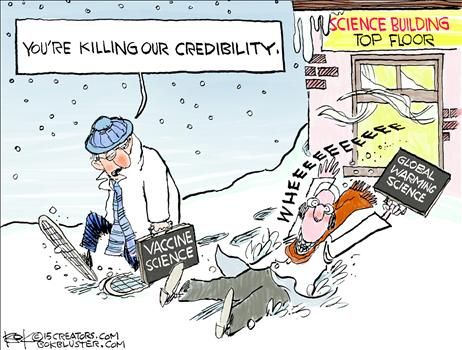
Science Discredited by “Scientists”

Toby Young writes at Spectator How science became politicized. Excerpts in italics with my bolds and added images.

New rules from a leading journal do not bode well

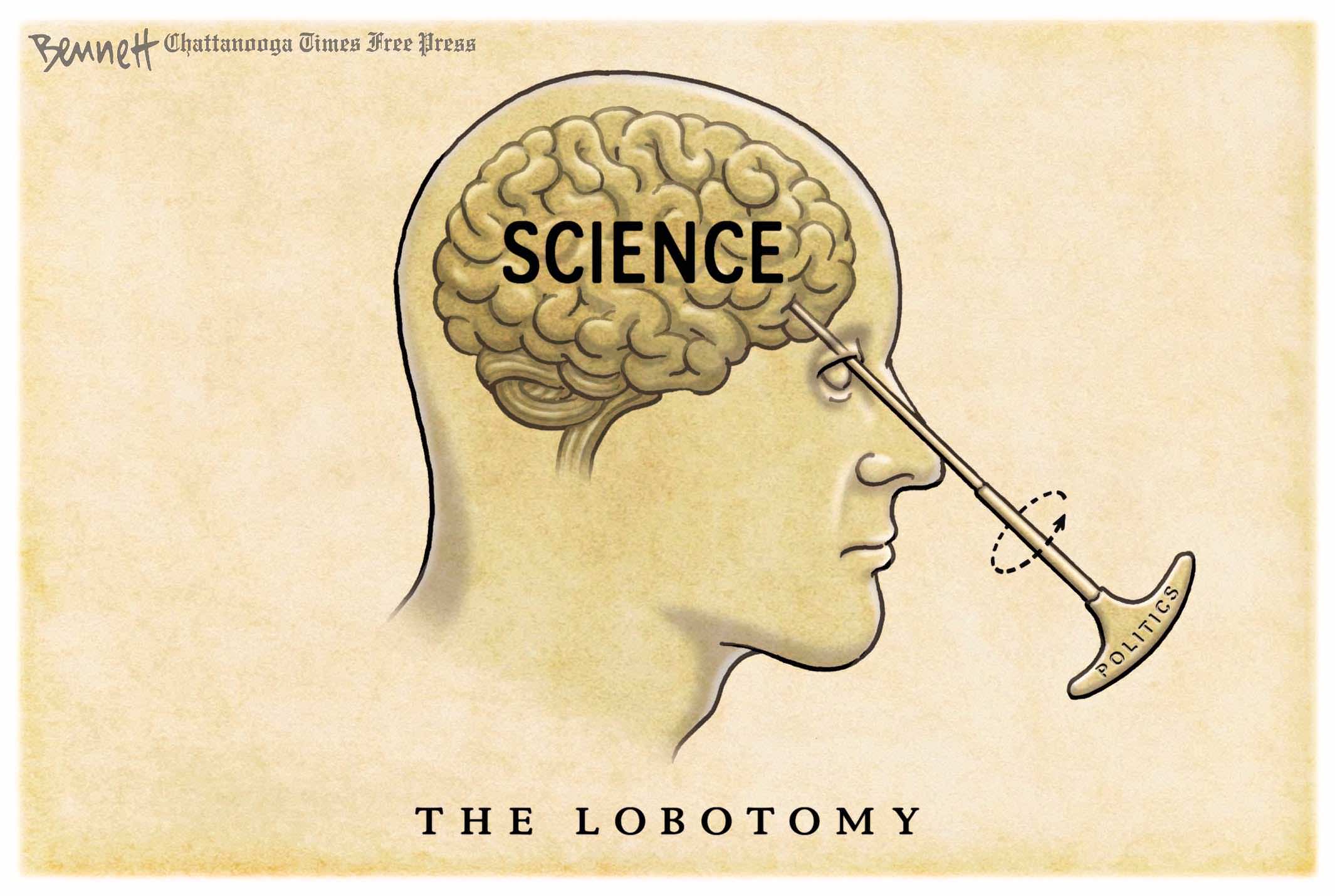
Here’s a paradox. Over the past two-and-a-half years, a cadre of senior politicians and their “expert” advisors across the world have successfully promoted a series of controversial public policies by claiming they’re based on “the science” rather than a particular moral or ideological vision. I’m thinking of lockdowns and net zero in particular. Yet at the same time, this group has engaged in behavior that has undermined public confidence in science.

Why appeal to the authority of science to win support for a series of politically contentious policies — and then diminish its authority?

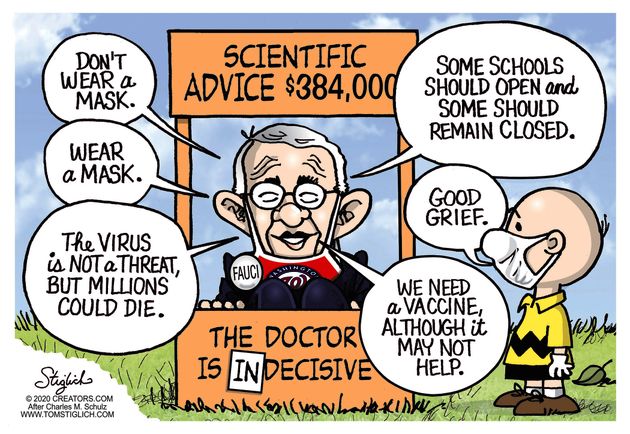
Take Anthony Fauci, for instance, who recently announced he’s stepping down as chief medical advisor to Joe Biden. Even though he once claimed to “represent science” in the eyes of the American people:

♦ he misled them about the likely duration of the lockdowns (“fifteen days to slow the spread”),
♦ overstated the efficacy of the Covid vaccines when they were first rolled out,
♦ refused to countenance the possibility that Covid-19 leaked from the Wuhan Institute of Virology
♦ it later emerged that the National Institute of Allergy and Infectious Diseases, under his leadership, had given a grant to the EcoHealth Alliance, which helped fund “gain-of-function” research at the Chinese lab,
♦  and he conspired with other prominent scientists, such as Francis Collins, to besmirch the authors of the Great Barrington Declaration (“There needs to be a quick and devastating published takedown of its premises,” Collins told Fauci in an email).

A recent editorial in the Wall Street Journal concluded: “His legacy will be that millions of Americans will never trust government health experts in the same way again.”

Another case in point is a recent editorial in Nature Human Behaviour, one of several journals in the Nature Research stable, the world’s pre-eminent publisher of scientific research. “Although academic freedom is fundamental, it is not unbounded,” it begins, and then proceeds to set out rules that future academic papers will have to comply with in addition to meeting all the usual standards for publication, e.g. peer review. It says the journal won’t publish articles that might cause “potential harms” (even “inadvertently”) to individuals or groups that are most vulnerable to “racism, sexism, ableism or homophobia.” “Academic content that undermines the dignity or rights of specific groups; assumes that a human group is superior or inferior over another simply because of a social characteristic; includes hate speech or denigrating images; or promotes privileged, exclusionary perspectives raises ethics concerns that may require revisions or supersede the value of publication,” it says.

It should be obvious that far from being politically neutral, these rules embody a particular ideology and in future the truthfulness of a scientific finding will be subordinate to this perspective.

To see this, you just need to do a simple thought experiment, as Bo Winegard has done in Quillette. Imagine, he says, if this editorial had been written by political conservatives who announced that “any research promoting (even ‘inadvertently’) promiscuous sex, the breakdown of the nuclear family, agnosticism and atheism, or the decline of the nation state, would be suppressed or rejected lest it inflict unspecified ‘harm’ on vaguely defined groups or individuals.” Those progressive scientists applauding Nature Human Behaviour would throw up their arms in horror and point out – correctly — that these rules are at odds with one of the foundational principles of science, which is to pursue the truth, wherever it may lead.


This editorial is a disaster from the point of view of closet ideologues who want to appeal to the authority of science to promote lockdowns and net zero, including, I suspect, its authors. After all, the reason rhetorical phrases like “the science” are supposed to win round those who are skeptical about these policies — conservatives, for the most part — is that they invoke a popular conception of scientists as politically neutral, disinterested “experts” who are basing their guidance on reason and evidence, uncontaminated by value judgments.

Yet here is a group of senior scientific gatekeepers announcing that the only knowledge that will count as “scientific” is that which promotes their agenda.

It’s as if they’re saying that scientific research unconstrained by this progressive straitjacket, i.e. science as conventionally understood, will yield results that are incompatible with their radical egalitarian agenda and so ought to be suppressed. In other words, “the science” is actually at odds with their political views.

How to explain this own goal? As I say, it’s a head-scratcher.


Alarmist Climate Consensus Collapses

‘There is No Climate Emergency’ (1,107 Signatories and Counting)

The World Climate Declaration (Global Climate Intelligence Group) follows:

    • There is no climate emergency Climate science should be less political, while climate policies should be more scientific. Scientists should openly address uncertainties and exaggerations in their predictions of global warming, while politicians should dispassionately count the real costs as well as the imagined benefits of their policy measures.
    • Natural as well as anthropogenic factors cause warming. The geological archive reveals that Earth’s climate has varied as long as the planet has existed, with natural cold and warm phases. The Little Ice Age ended as recently as 1850. Therefore, it is no surprise that we now are experiencing a period of warming.
    • Warming is far slower than predicted. The world has warmed significantly less than predicted by IPCC on the basis of modeled anthropogenic forcing. The gap between the real world and the modeled world tells us that we are far from understanding climate change.
    • Climate policy relies on inadequate models Climate models have many shortcomings and are not remotely plausible as policy tools. They do not only exaggerate the effect of greenhouse gases, they also ignore the fact that enriching the atmosphere with CO2 is beneficial.
    • CO2 is plant food, the basis of all life on Earth CO2 is not a pollutant. It is essential to all life on Earth. More CO2 is favorable for nature, greening our planet. Additional CO2 in the air has promoted growth in global plant biomass. It is also profitable for agriculture, increasing the yields of crops worldwide.
    • Global warming has not increased natural disasters There is no statistical evidence that global warming is intensifying hurricanes, floods, droughts and suchlike natural disasters, or making them more frequent. However, there is ample evidence that CO2 mitigation measures are as damaging as they are costly.
    • Climate policy must respect scientific and economic realities There is no climate emergency. Therefore, there is no cause for panic and alarm. We strongly oppose the harmful and unrealistic net-zero CO2 policy proposed for 2050. Go for adaptation instead of mitigation; adaptation works whatever the causes are.

Our advice to the European leaders is that Science should strive for a significantly better understanding of the Climate System, while Politics should focus on minimizing potential climate damage by priortizing adapation strategies based on proven and affordable technologies

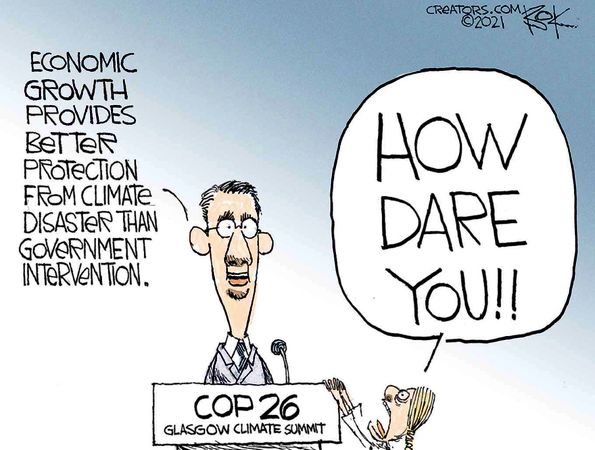
COP27 is several months ahead. The world is recommitting itself to fossil fuels, while only government largesse keeps the wind/solar/battery gravy train going. Global Climate Intelligence Group’s World Climate Declaration stands as a beacon light to a wholly different approach of free-market adaptation, not government mitigation.

See also CLINTEL Declaration Essay


Long Covid: Myth and Grift

Michael Fumento investigates The Myth — and Grift — of Long COVID in his American Spectator article.  Excerpts in italics with my bolds and added images.

Validating people’s fears is a lucrative business.

The would-be monkeypoxalypse isn’t panning out as some would like — no deaths have been reported outside of Africa — and apparently 99 percent of U.S. victims are gay men having sex with gay men.

And, while acute COVID-19 is still spinning off variants and Health and Human Services (HHS) has just extended the public health emergency, people are just plumb tired of hearing about it. But moving in to fill the clickbait quota is the so-called “long COVID” or “long-haul COVID.”

“Do I have Long COVID? As many as 23 million Americans want to know,
as more than 200 symptoms emerge.”

So begins a recent article in Fortune magazine. “It gets stranger,” the piece continues. “Among the 200-plus symptoms identified so far are ear numbness, a sensation of ‘brain on fire,’ erectile dysfunction, irregular menstrual periods, constipation, peeling skin, and double vision.” This is according to a study published a year ago in the British medical journal the Lancet, widely considered the world’s most prestigious medical journal. And, oh yes, “The study identified symptoms involving 10 major organ systems—and the body only has 11.”

If you haven’t recently suffered at least a dozen of these symptoms, it’s bad news for you. You’re dead.

We all know the expression “If it sounds too good to be true ….” Why is there no corollary that says, “If it sounds too bad …”? Do you have to be a genius’ genius, say Albert Einstein level, to recognize that over 200 symptoms in almost all major organ systems have no relationship, that this is just a constellation of symptoms — which has now grown so large that it cannot possibly count as a constellation anymore?

It’s essentially anything bad.  The “search for causes and cures” for “long COVID” will never end, any more than we will ever find Bigfoot or the Loch Ness Monster.

Oh, and this is really important. Official definitions aside, in order to have “long COVID,”
there’s absolutely no need to ever have had acute COVID.

Obviously, some people who contract COVID do have long-term symptoms, as with the flu or other diseases that usually resolve fairly quickly but sometimes have lingering problems.

Yet, as I noted in my first “long COVID” article in The American Spectator last September:

The largest study so far of “long-haulers,” published by researchers at University College London in July, comprised nearly 4,000 subjects from over 56 countries. Participants were over the age of 18 and suffered from symptoms lasting at least 28 days. The researchers acknowledged merely in passing that in the study a mere 27% or 1020 of these “COVID long-haulers” had evidence of exposure to the SARS-CoV-2 virus. That’s whether antigen [during infection] or antibody [post-infection]. The only connection to COVID was the attestation of the sufferers. They “felt” they had COVID, regardless of evidence.

So about three-fourths of the participants don’t fit any of the above definitions. Yet that is the study that Fortune cites.

An August 2021 study of 3,151 British “long haulers” in Pragmatic and Observational Research found that only 17.2 percent were “test-confirmed positive.” A further 12 percent said they were told they had acute COVID, but no test was performed. And over 70 percent admitted it was merely self-diagnosis. An influential and scary article in the Atlantic reported some two-thirds of “long-hauler” patients had negative coronavirus antibody tests without making the obvious inference. An advocacy group study released in May 2020 by the curiously named “Patient-Led Research Collaborative” found that only “[a]bout a quarter of respondents (23.1%) tested positive for COVID-19” but “[i]n our analysis, we included all responses regardless of testing status.”

And the game continues. No, not just with the popular clickbait media. With the vaunted “published, peer-reviewed” medical journals that have names most people don’t even understand, like Annals of Clinical and Translational Neurology. A May 2022 issue reports on a selected cohort of 100 “non-hospitalized COVID-19 ‘long haulers.’” Yet these included “50 laboratory-negative” people. Again, they didn’t just not test positive but rather had tested negative. But this time it was made clear they were included because they were negative!

They didn’t read the WHO, CDC, Mayo Clinic, etc., definitions?

Clearly they had. And rejected them. You see, “it has been advocated that a positive test for COVID-19 should not be a perquisite for diagnosis” (emphasis mine). As I noted in my original article, like so many faux diseases before it, such as the CDC-recognized “myalgic encephalomyelitis/chronic fatigue syndrome (ME/CFS),” so-called “long COVID” has been co-opted by advocacy groups whose main purpose is to engage in what’s called “beating up the numbers.” That is, making them seem greater. This has been going on since AIDS, when beginning around 1984 AIDS was converted from a disease overwhelmingly afflicting male homosexuals and intravenous drug abusers to “An Equal Opportunity Destroyer.”

The difference between AIDS and “long COVID” is that, at the time, you could play games regarding how people contracted the disease, but the definition of AIDS in the U.S. and Europe was quite fixed and absolutely required a positive HIV test. But if we do what “long COVID” advocates want and eliminate the need for a positive COVID test, then, given that absolutely everyone not only has had some of the ever-growing list of 200-plus symptoms but probably still does, we can literally say that everyone is suffering “long COVID.” Of course, that would be going a bit far, as when I saw extrapolations of AIDS cases to a point where people claimed more Americans would die of AIDS than there were Americans. So instead, we see the numbers pumped up to something that’s just on the edge of reason. Or maybe a bit beyond. The Atlantic tells us the U.S. has “at least 56 million long-COVID patients.” Or, as it says, “one for every six Americans.” Do we really believe that?

Disease advocacy groups, of which “long COVID” had at least 50 as of February of last year, have various motives. An obvious one is that more attention means more funding.

Removal of stigma is not universal, but special treatment is. And indeed, in a joint statement last year, HHS and the Department of Justice ruled that “long COVID can be a disability” under the Americans with Disabilities Act, thereby protecting alleged sufferers from “discrimination.” With allegedly over 200 symptoms, pretty much whatever you say your problem is can be protected. The range is broad enough to include demanding more time to take tests. Want a better chance at acing that exam? Claim to have “long COVID.” It does, however, require an “individualized assessment,” which is presumably as easy as calling up a list of alleged symptoms or, actually, just claiming virtually any symptoms.

Advocates also want to make a special exception for alleged sufferers to collect social security disability payments more quickly. As it stands, you don’t need a “long COVID” diagnosis to qualify if your symptoms are among those covered. But there’s a waiting period, and they want that shortened just for those who claim to have “long COVID.”

All that said, the Annals authors’ own data make the case that there’s no such thing as “long COVID.” Table 2 has three separate breakdowns. It kindly separates those who tested positive from those who tested negative, and then breaks them down further into neurologic and other symptoms upon first visit and then upon follow-up. And lo! — it turns out that time and again the ones who tested negative (and, even by the woke standards of the authors, are thereby more likely to never have had acute COVID) are worse off.

So, if nothing else, when you see an article in the popular media cite official or authoritative definitions of “long COVID” and then proceed to discuss what it may be, don’t let them mislead you into thinking they’re going by those definitions. Essentially, they’re going by whatever they think will keep you reading or by what they feel is the “right thing to do.”

But why would there be a difference between the positive and negative groups with the negatives worse off? Because those who actually have had COVID may be suffering extended symptoms from their disease. May. But those who never had COVID, but are convinced they have, are more likely to have psychological problems, and psychological problems are notoriously difficult to treat. Especially if ignored in favor of something else.

That’s why you haven’t seen terminology in this article such as “alleged sufferers.” Because if you think you’re sick, you’re sick. It’s just that, if you had negative tests for acute COVID, you almost certainly don’t have “long COVID.”

Mind, just as “long haulers” who test negative are different from those who test positive, “long haulers” generally have very little overlap with sufferers of acute COVID. While acute COVID is highly contagious and therefore virtually everyone is susceptible to contracting it (some people repeatedly), those who develop severe symptoms fit a very tight profile. Overwhelmingly they are older, with a plurality of deaths over age 80, and have several preconditions or comorbidities such as diabetes and untreated hypertension. According to the CDC, in the U.S. among acute COVID patients, non-Hispanic American blacks are slightly more likely to be diagnosed with the disease, almost three times as likely to be hospitalized, and are twice as likely to have died, compared with non-Hispanic whites.

But “long-haulers,” according to an appendix in the 2021 University College study, “belong to the middle and upper-middle income brackets, with 51.0% of participants in the USA earning more than $85,000/year and 22.5% earning more than $150,000/year.” They are overwhelmingly white and female. In fact, the demographics match pretty well to those diagnosed with the above-mentioned phantom illness, myalgic encephalomyelitis/chronic fatigue syndrome (ME/CFS), for which coincidentally there’s also no cure. The Veterans’ Department says: “[R]esearch suggests that women are 4X more likely to get [ME/CFS] than men. Statistics also show that people between ages 40 and 59 are most affected by the disorder.”

Mostly, as with so many other “syndromes,” these people suffer from depression. My interpretation? No, theirs. In the Annals study, the majority of the COVID-negative patients actually claimed depression as looming large among their symptoms, both upon initial visit and follow-up. Meanwhile, this being a journal of neurology, any symptom they list, such as shortness of breath, can be associated with depression and/or anxiety.

Even the mainstream media have observed the “long COVID” link to depression, as a Google search quickly shows. But they consistently put the cart before the horse. That is, they blame depression on “long COVID” rather than “long COVID” on depression. A typical headline: “How Long Haul COVID Takes a Toll on Your Mental Health.”

And, sadly, the worst thing you can do with depressives is to patronize them. You should tell them that they are suffering from depression and that it is a very real and serious disease (successful suicide has a 100 percent mortality rate), and then you should refer them to an expert who may be able to treat them.

You do not attribute their illness to something that doesn’t exist. That’s not only uncompassionate, it’s downright cruel. Yet, it’s also a great way to sell them snake oil to cure them.

But how many researchers have dared publish the clear reality? Precious few. Or at least few have succeeded; we have no idea what’s been rejected. It’s treated the same as was the case that said AIDS victims are overwhelmingly gay males and drug abusers, as the data clearly showed. I lost two jobs over that and was unemployable for two years. Likewise, did you know that monkeypox victims are 99 percent male and gay before you read it here?

A commentary last year in America’s most prestigious medical journal, the New England Journal of Medicine (NEJM), actually launched a preemptive strike against those who believe “long COVID” to be “likely to have a non-physiological origin.” The opinion piece, titled “Confronting Our Next National Health Disaster — Long-Haul Covid,” declares the authors to be aghast that “[s]ome commentators have characterized it as a mental illness.”

In late 2020, the godfather of America’s acute COVID hysteria, National Institute of Allergy and Infectious Disease (NIAID) Director Anthony Fauci, declared “long COVID” to be “quite real and quite extensive.” That’s the same Fauci who apparently got promoted to that position shortly after essentially kick-starting the “AIDS democratization” campaign in 1983 with an article in the prestigious Journal of the American Medical Association (JAMA), saying that there was evidence of casual transmission. This was long after it had been made clear it was a difficult-to-transmit disease of bodily fluids.

It’s also hardly insubstantial that Congress is paying bounties for discussing the will o’ the wisp, providing “$1.15 billion in funding over four years” for the National Institutes of Health (NIH) to support research. And if you think you’re going to get a grant by labeling it as something other than what the former head of NIH, the current acting director, Fauci, the NEJM, and the medical establishment in general has, hopefully you’re living in a state where smoking those mushrooms is legal.

Over a billion bucks is dedicated to the RECOVER program, under which, as of February,
66 hospitals and health systems had launched post-COVID clinics.

So it’s a massive gravy train. There’s much money in spotting Nessie and Bigfoot, less than nothing in denying their existence. In fact, the few who have published in medical journals suggesting it’s not a real disease have been pounded.  There is precedent for this intimidation. My experience with AIDS, for example. Lost jobs, long-term unemployment, books banned.

But there’s also precedent with others and other diseases. About four years ago, Reuters ran a remarkable article called “Online activists are silencing us, scientists say,” regarding ME/CFS. It noted that researchers seeking answers to actual causes of the syndrome and bona fide treatments said they were abandoning the field because of bullying. “Of more than 20 leading research groups who were publishing treatment studies in high-quality journals 10 years ago,” one scientist said, “only one or two continue to do so.” Their sin was in positing psychological rather than organic explanations and, therefore, appropriate treatments. The campaign to have evidence-backed treatments discredited was “doing a terrible disservice to sufferers from this condition,” said another. He concluded, “Patients are the losers here.”

What Ronald E. Gots wrote of an alleged syndrome, multiple chemical sensitivities (MCS), in 1995 in the Journal of Toxicology holds equally true for “long COVID.” It’s “a dangerous diagnosis,” says the executive director of the Environmental Sensitivities Research Institute in Rockville, Maryland, a clearinghouse for scientific data. He continues:

[T]he diagnosis of MCS begins a downward spiral of fruitless treatments, culminating in withdrawal from society and condemning the sufferer to a life of misery and disability. This is a phenomenon in which the diagnosis is far more disabling than the symptoms.

It’s wickedly cruel! We need to really care about these people, not pretend that we do. We need to tell them they need help, that they quite possibly can be helped, but that, even if they tested positive for COVID, what they have is probably not COVID-related, and, if they tested negative, it almost certainly is not.

But don’t hold your breath waiting for an advocacy group or even the medical journal industry — and indeed it is an industry — to take that position. All the money, fame, and fortune are pointing in a different direction.


Arctic Ice Hockey Stick Reappears August End


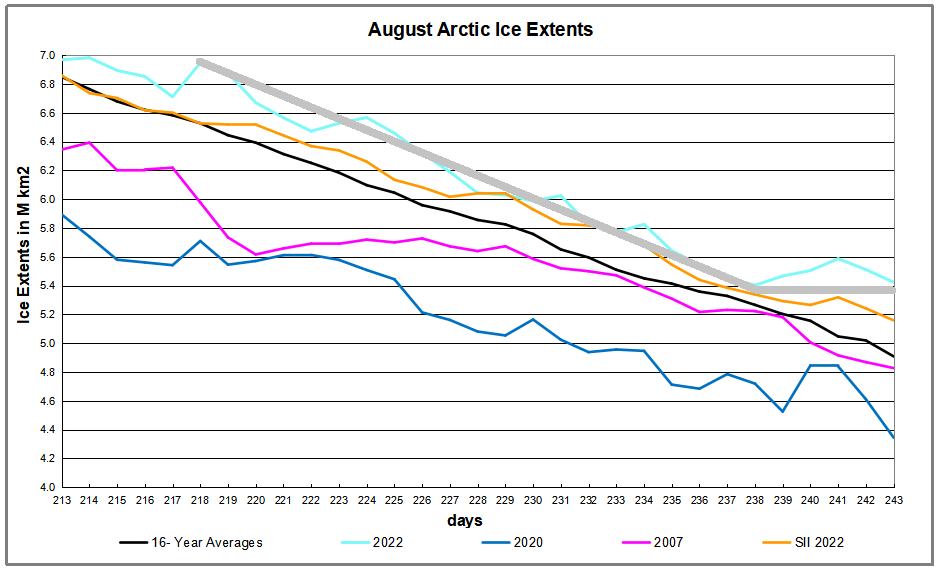
Firstly note that on average August shows ice declining 1.94M km2 down to 4.91M km2. But 2022 started higher and on day 238 was approaching average, before ceasing further ice losses (see HS blade above).  As a result the 2022 August ice extent decline is only 1.54m km2.  The extents in Sea Ice Index in orange  were somewhat lower during the period. The table for day 243 shows a 10% 2022 surplus over average and how the ice is distributed across the various seas comprising the Arctic Ocean.   The surplus this year over 2020 is more than 1 Wadham (1M km2 ice extent).

Region 2022243 Day 243 Average 2022-Ave. 2020243 2022-2020
 (0) Northern_Hemisphere 5423812 4937670 486142 4345398 1078414
 (1) Beaufort_Sea 765946 581575 184371 763281 2665
 (2) Chukchi_Sea 337051 263324 73727 212438 124613
 (3) East_Siberian_Sea 464187 360036 104151 176996 287191
 (4) Laptev_Sea 209309 158411 50898 1029 208279
 (5) Kara_Sea 23665 49416 -25751 23958 -293
 (6) Barents_Sea 0 18330 -18330 0 0
 (7) Greenland_Sea 216732 167036 49696 192361 24370
 (8) Baffin_Bay_Gulf_of_St._Lawrence 38231 25602 12628 5016 33215
 (9) Canadian_Archipelago 301559 311236 -9677 273116 28443
 (10) Hudson_Bay 2870 23416 -20545 23611 -20740
 (11) Central_Arctic 3064128 2978402 85726 2672904 391224

There are only a few small deficits to average overcome by surpluses almost everywhere, especially in BCE (Beaufort, Chukchi, East Siberian seas), as well as Central Arctic, Laptev and Greenland Sea.  And as discussed below, the marginal basins have little ice left to lose.

The Bigger Picture 

The annual competition between ice and water in the Arctic ocean is approaching the maximum for water, which typically occurs mid September.  After that, diminishing energy from the slowly setting sun allows oceanic cooling causing ice to regenerate. Those interested in the dynamics of Arctic sea ice can read numerous posts here.  This post provides a look at  August from 2007 to yesterday as a context for anticipating this year’s annual minimum.  Note that for climate purposes the annual minimum is measured by the September monthly average ice extent, since the daily extents vary and will go briefly lowest on or about day 260.

The large August surplus in 2022 is significant:  In a typical year the overall ice extent will end September slightly higher than at the beginning.

We are close to the annual Arctic ice extent minimum, which typically occurs on or about day 260 (mid September). Some take any year’s slightly lower minimum as proof that Arctic ice is dying, but the image above shows the Arctic heart is beating clear and strong.

Over this decade, the Arctic ice minimum has not declined, but since 2007 looks like fluctuations around a plateau. By mid-September, all the peripheral seas have turned to water, and the residual ice shows up in a few places. The table below indicates where we can expect to find ice this September. Numbers are area units of Mkm2 (millions of square kilometers).

Day 260 15 year
Arctic Regions 2007 2010 2014 2015 2016 2017 2018 2019 2020 2021 Average
Central Arctic Sea 2.67 3.16 2.98 2.93 2.92 3.07 2.91 2.97 2.50 2.95 2.90
BCE 0.50 1.08 1.38 0.89 0.52 0.84 1.16 0.46 0.65 1.55 0.89
LKB 0.29 0.24 0.19 0.05 0.28 0.26 0.02 0.11 0.01 0.13 0.15
Greenland & CAA 0.56 0.41 0.55 0.46 0.45 0.52 0.41 0.36 0.59 0.50 0.47
B&H Bays 0.03 0.03 0.02 0.10 0.03 0.07 0.05 0.01 0.02 0.04 0.03
NH Total 4.05 4.91 5.13 4.44 4.20 4.76 4.56 3.91 3.77 5.17 4.44

The table includes two early years of note along with the last 8 years compared to the 15 year average for five contiguous arctic regions. BCE (Beaufort, Chukchi and East Siberian) on the Asian side are quite variable as the largest source of ice other than the Central Arctic itself.   Greenland Sea and CAA (Canadian Arctic Archipelago) together hold almost 0.5M km2 of ice at annual minimum, fairly consistently.  LKB are the European seas of Laptev, Kara and Barents, a smaller source of ice, but a difference maker some years, as Laptev was in 2016.  Baffin and Hudson Bays are inconsequential as of day 260.

For context, note that the average maximum has been 15M, so on average the extent shrinks to 30% of the March high before growing back the following winter.  In this context, it is foolhardy to project any summer minimum forward to proclaim the end of Arctic ice.

Resources:  Climate Compilation II Arctic Sea Ice

Who Benefits from a Broken, Crippled America?

It’s a struggle to understand the rapid and ruinous demise of USA under the Biden administration.  One obvious but insufficient cause is Incompetence.  Powerful and responsible positions were filled with people based on their group identities, regardless of knowledge or skill qualifications, so stupid mistakes were a foregone consequence.  Beyond this, the raiding of the US Treasury by spending trillions of dollars on unaccountable pretexts suggests Corruption must be added in as a factor.  Still, these two do not explain the willful, ruthless and determined efforts by the federal government to systematically destroy the American Republic, its heritage and reputation.

Qui bono?  (Who benefits?)  Who and What is threatened by American Greatness?  And Why must the MAGA champion, Donald Trump, be disappeared by any means necessary?

Kevin Lewis sorts out a credible answer in his American Thinker article We Have Been Thinking about This All Wrong.  Excerpts in italics with my bolds and added images.

For many of us, the path our governmental leaders have recently taken has been perplexing. Many of the policy decisions that perhaps sounded good (at least to some) have turned out to be not only clearly deleterious, but often catastrophic for our country. Without hyperbole, I mean catastrophic for our economy, our national defense capability, our national sovereignty, the safety and security of citizens, and our standing among other nations of the world.

We hear that inflation is “temporary,” that “we are not in a recession,” that the administration “feels our pain” at the gas pump and is making a historic effort to bring down prices (though we should really focus on the fact that we are in an exciting “Great Transition”). Even though our money doesn’t go nearly as far as it used to, our economy is in the midst of a “booming recovery.” We are told that a massive new spending bill will somehow reduce inflation — (the “Inflation Reduction Bill”). Even the government’s own CBO stated that it will do almost nothing to reduce inflation. Most economists say it will make inflation much worse.

These statements don’t seem to align with empirical evidence — our everyday experience! Sadly, it would not surprise me at all if it were suddenly announced that “due to the racial overtones and white supremacist associations of ‘up,’ in the interest of equity, it will henceforth be considered down.”

One might reasonably ask, “Why are our government officials doing these things and saying these things that don’t seem to help us or our country?” I believe that asking this question would indicate a basic misunderstanding of our current governmental environment, their views and their goals. You’re thinking about this all wrong!

There are some simple, obvious explanations that we can see and hear from various political experts. One such would be the “do the opposite of whatever Trump did” explanation. That mentality certainly exists. We have seen this from various individuals on both sides of the aisle — the desire to distance themselves from whatever Donald Trump did, whether good or bad. Another explanation would be unwavering allegiance to the progressive/Green New Deal contingent of the Democrat party, who, I assume, Joe Biden believes helped get him elected. There is always the “old standby” Democrat position that more government and more spending are always a good thing. With regard to the administration’s complete disregard for and puzzling silence regarding the unsecured southern border, there is the conventional wisdom that if individuals come to the U.S. illegally and are given benefits and, more than likely, the chance to stay, they will be beholden to the Democrat policies of which they are beneficiaries, and therefore be lifelong democratic voters, ostensibly keeping Democratic politicians in power forever.

These are all good possibilities, each with a degree of validity, but they don’t seem like enough.  They might explain some things, but not all of them. When decisions are made that are blatantly unconstitutional, when policies are adopted that do not benefit U.S. citizens, and may even demonstrably hurt them, one might rightly begin to believe that there is more at play here — that there may be an even more insidious agenda afoot. I believe that there is.

I believe that the goal, simply put, is to make America less, in every respect.

If the U.S. is arguably the most powerful, wealthiest, and most independent nation, with safeguards to avoid tyranny and subversion built into its founding documents, it becomes a major (if not the major) obstacle to a globalist one-world government, wherein all nations have equity. Some might consider the idea of a one-world government a conspiracy theory espoused by the Alt-Right or some other equally vilified group. Listening to the narratives from the United Nations’ deliberations or from many of their leaders, it seems clear that it is indeed a real goal. Many of our own leaders, including several U.S. presidents, both Democrat and Republican, have extolled the virtue of the New World Order. Whatever you choose to call it, I believe that many (most?) within our government consider the U.S. too wealthy, too powerful — too privileged. For them, that must change.

The movers and shakers running the government, along with their happily willing figurehead (currently Joe Biden), view all who oppose this “transition” with disgust. They view anything like an “America First” mentality and certainly the “Make America Great Again” mentality merely as primitive tribalism.

If seen from this perspective, Biden’s perplexing decisions and policies align and make some sort of perverse sense. America is not just “transitioning” away from fossil fuel toward green and renewable energy. It is transitioning toward its place as just another nation-state of the world — no better, no worse. For that to occur, the U.S. must be “brought down” from its current position. Since citizens would not voluntarily jump on the bandwagon if this goal were stated clearly, it must be done surreptitiously.

Biden didn’t shut down oil and gas production in America (then plead to buy it from other countries) because of the climate or because he was seeking “green energy” (obviously, because we are still using oil and gas, just paying much more for it, and becoming beholden to other countries). It was done because it was one simple but very powerful way to weaken America (under the pretext of helping the climate or moving toward green energy). Not only has Joe Biden failed to fulfill his oath of office (to defend the U.S. from all enemies, foreign and domestic), but he (and the obviously intricate network of controlling governmental operatives) has intentionally and specifically disparaged and discarded it.

Now it all begins to make sense, and it scares the hell out of me.

Footnote: One candidate for Canadian Prime Minister gets it.