Reasoning About Climate
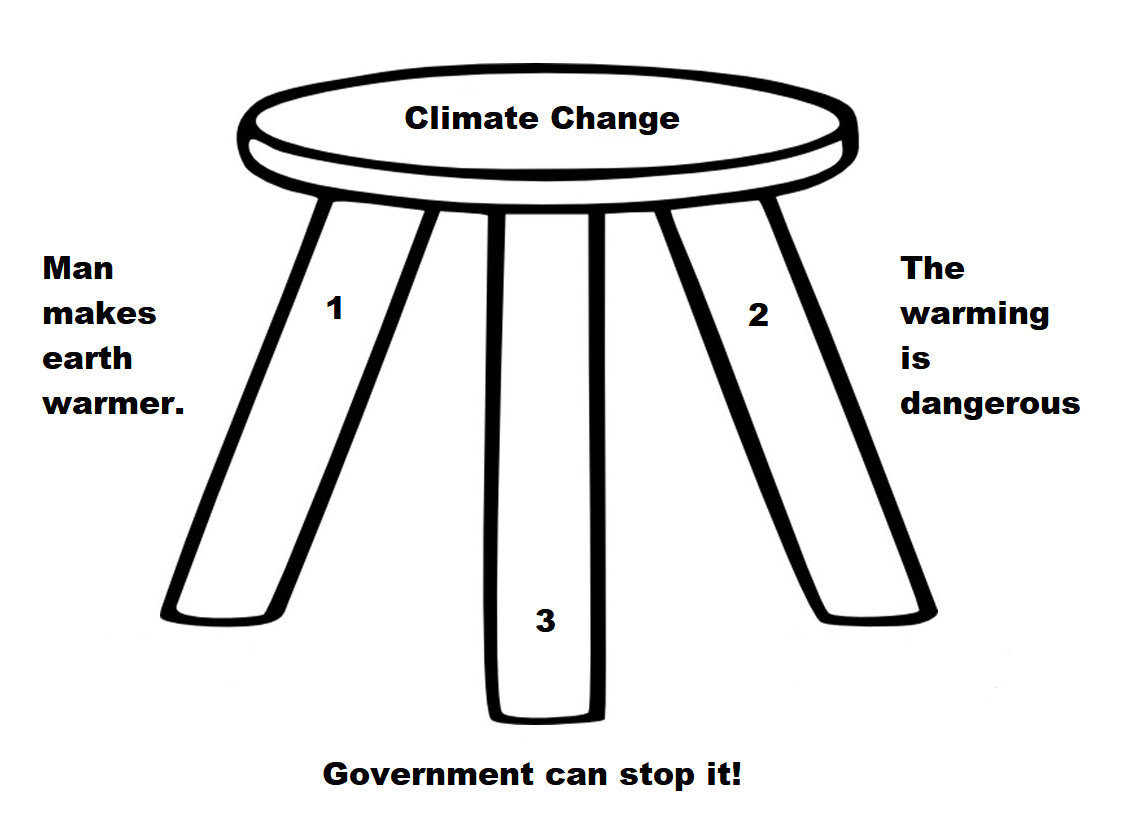
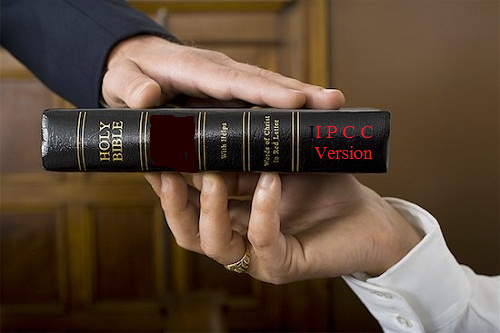
As the stool above shows, the climate change package sits on three premises. The first is the science bit, consisting of an unproven claim that observed warming is caused by humans burning fossil fuels. The second part rests on impact studies from billions of research dollars spent uncovering any and all possible negatives from warming. And the third leg is climate policies showing how governments can “fight climate change.”

It is refreshing to see more and more articles by people reasoning about climate change/global warming and expressing rational positions. Increasingly, analysts are unbundling the package and questioning not only the science, but also pointing out positives from CO2 and warming. And as this post shows, essays are challenging the policy proposals advanced by climate activists. David R. Henderson and John H. Cochrane published at WSJ on July 30, 2017 Climate Change Isn’t the End of the World  Even if world temperatures rise, the appropriate policy response is still an open question.  Complete text below (my Bolds)

Climate change is often misunderstood as a package deal: If global warming is “real,” both sides of the debate seem to assume, the climate lobby’s policy agenda follows inexorably.

It does not. Climate policy advocates need to do a much better job of quantitatively analyzing economic costs and the actual, rather than symbolic, benefits of their policies. Skeptics would also do well to focus more attention on economic and policy analysis.

To arrive at a wise policy response, we first need to consider how much economic damage climate change will do. Current models struggle to come up with economic costs consummate with apocalyptic political rhetoric. Typical costs are well below 10% of gross domestic product in the year 2100 and beyond.

That’s a lot of money—but it’s a lot of years, too. Even 10% less GDP in 100 years corresponds to 0.1 percentage point less annual GDP growth. Climate change therefore does not justify policies that cost more than 0.1 percentage point of growth. If the goal is 10% more GDP in 100 years, pro-growth tax, regulatory and entitlement reforms would be far more effective.

Yes, the costs are not evenly spread. Some places will do better and some will do worse. The American South might be a worse place to grow wheat; Southern Canada might be a better one. In a century, Miami might find itself in approximately the same situation as the Dutch city of Rotterdam today.

Rotterdam–Ninety years thriving behind dikes and dams.

But spread over a century, the costs of moving and adapting are not as imposing as they seem. Rotterdam’s dikes are expensive, but not prohibitively so. Most buildings are rebuilt about every 50 years. If we simply stopped building in flood-prone areas and started building on higher ground, even the costs of moving cities would be bearable. Migration is costly. But much of the world’s population moved from farms to cities in the 20th century. Allowing people to move to better climates in the 21st will be equally possible. Such investments in climate adaptation are small compared with the investments we will regularly make in houses, businesses, infrastructure and education.

And economics is the central question—unlike with other environmental problems such as chemical pollution. Carbon dioxide hurts nobody’s health. It’s good for plants. Climate change need not endanger anyone. If it did—and you do hear such claims—then living in hot Arizona rather than cool Maine, or living with Louisiana’s frequent floods, would be considered a health catastrophe today.

Global warming is not the only risk our society faces. Even if science tells us that climate change is real and man-made, it does not tell us, as President Obama asserted, that climate change is the greatest threat to humanity. Really? Greater than nuclear explosions, a world war, global pandemics, crop failures and civil chaos?

No. Healthy societies do not fall apart over slow, widely predicted, relatively small economic adjustments of the sort painted by climate analysis. Societies do fall apart from war, disease or chaos. Climate policy must compete with other long-term threats for always-scarce resources.

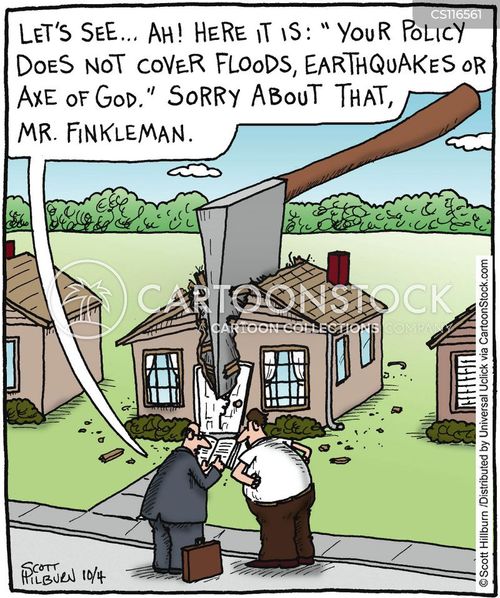
Facing this reality, some advocate that we buy some “insurance.” Sure, they argue, the projected economic cost seems small, but it could turn out to be a lot worse. But the same argument applies to any possible risk. If you buy overpriced insurance against every potential danger, you soon run out of money. You can sensibly insure only when the premium is in line with the risk—which brings us back where we started, to the need for quantifying probabilities, costs, benefits and alternatives. And uncertainty goes both ways. Nobody forecast fracking, or that it would make the U.S. the world’s carbon-reduction leader. Strategic waiting is a rational response to a slow-moving uncertain peril with fast-changing technology.

Global warming is not even the obvious top environmental threat. Dirty water, dirty air and insect-borne diseases are a far greater problem today for most people world-wide. Habitat loss and human predation are a far greater problem for most animals. Elephants won’t make it to see a warmer climate. Ask them how they would prefer to spend $1 trillion—subsidizing high-speed trains or a human-free park the size of Montana.

Then, we need to know what effect proposed policies have and at what cost. Scientific, quantifiable or even vaguely plausible cause-and-effect thinking are missing from much advocacy for policies to reduce carbon emissions. The Intergovernmental Panel on Climate Change’s “scientific” recommendations, for example, include “reduced gender inequality & marginalization in other forms,” “provisioning of adequate housing,” “cash transfers” and “awareness raising & integrating into education.” Even if some of these are worthy goals, they are not scientifically valid, cost-benefit-tested policies to cool the planet.

Climate policy advocates’ apocalyptic vision demands serious analysis, and mushy thinking undermines their case. If carbon emissions pose the greatest threat to humanity, it follows that the costs of nuclear power—waste disposal and the occasional meltdown—might be bearable. It follows that the costs of genetically modified foods and modern pesticides, which can feed us with less land and lower carbon emissions, might be bearable. It follows that if the future of civilization is really at stake, adaptation or geo-engineering should not be unmentionable. And it follows that symbolic, ineffective, political grab-bag policies should be intolerable.

Climate science, impacts and policies also appear as a house of cards.

Mr. Henderson is a research fellow with the Hoover Institution and an economics professor at the Naval Postgraduate School. Mr. Cochrane is a senior fellow of the Hoover Institution and an adjunct scholar of the Cato Institute.

More about Climate Policy Failures

Speaking Climate Truth to Policymakers

Climate Policies Failure, the Movie

Climatists Wrong-Footed

Trump’s Climate Clarity


Delingpole gets the back story from Chris Horner on Trump’s climate position. How Donald Trump Got to be so Amazing on Climate Change  Excerpts:

Horner understands the magnitude of Trump’s achievement so far. Even Trump announcing his plan to pull out of the UN Paris climate agreement required immense determination and moral courage. After all his decision wasn’t only resisted by the usual Democrat suspects and green lobbyists: it also came up against stiff opposition from key members of the Administration, among them, Secretary of State Rex Tillerson and Economics Advisor Gary Cohn.

In fact, argues Horner, probably nowhere in DC is the swamp more heavily defended by the liberal politico-media establishment than the EPA and the climate change industry.

No other GOP presidential candidate – not Rubio, not Cruz – would have delivered on climate change in the same way as Trump has. They would, quite simply, have been overwhelmed by the swamp. So how come Trump has proved so exceptional in tackling the Green Blob? It’s not like he’ll have read lots of books on the subject because his attention span just doesn’t allow for it. No, according to Horner it’s much simpler than that. It’s because Trump does not think like a politician. Rather, Trump made his decision using much the same gut feeling he uses on his business deals – which he wasn’t sidetracked by any of the “green jobs” “save the world” crap which other politicians find so seductive…

Horner: “Here’s what I firmly believe. I’m convinced that the penny dropped for others, as it did me, when Donald Trump gave his editorial board interview to the Washington Post. It’s often mocked – where he said: “I’m not a big believer in global warming. Not a big believer.” And then he continued in a very important way. And if you follow the way Donald Trump speaks it’s perfectly clear what he’s saying. He said, “You know, a lot of people are making a lot of money off of this.”

“He was not saying this as a politician says it. (‘And if we use spoons not shovels we can create even more jobs…’ That sort of playground thinking is very common among politicians.) And whatever anybody thinks about Donald Trump you can be confident of this. At 21, at Le Cirque, somewhere at some point, somebody who is making a killing off the rents of the global warming industry laughed it up a little too loudly or once too many times around Donald Trump. Because what he said to the Washington Post was “You’re robbing Peter to pay Paul. Goldmans is making a killing out of this.” That’s what I heard him say. Politicians normally fall for this. But not Donald.

You can take his Chinese hoax comments, you can take hoax in any context but the fact is the way they’re playing out the global warming industry there are many scams involved and I think he was aware of this. I do think at one point somebody laughed a little too loudly…”

Summary

A politician would have been sidetracked by all the talk of “green jobs” or “saving the planet.” But Trump made his decision using much the same gut feeling he uses on his business deals. “Something about this climate change business stinks,” he probably said to himself at some stage.

And if so, he would have been quite right, it does.

To follow the money see also Climate Crisis Inc.


Green Losers

There is much to like about a recent Daily Beast article by Joel Kotkin, who is no fan of Trump, but sees clearly why he is winning against the greens. In writing Why the Greens Lost and Trump Won, Kotkin encapsulates in a few paragraphs  all the reasons why so many of us detest the climatists. (Article reblogged below with some images added)

When President Trump pulled out of the Paris climate accords, embraced coal, and stacked his administration from people from fossil-fuel producing states, the environmental movement reacted with near-apocalyptic fear and fury. They would have been better off beginning to understand precisely why the country has become so indifferent to their cause, as evidenced by the victory not only of Trump but of unsympathetic Republicans at every level of government.

Yet there’s been little soul-searching among green activists and donors, or in the generally pliant media since November about how decades of exaggerated concerns—about peak oil, the “population bomb,” and even, a few decades back, global cooling—and demands for economic, social, and political sacrifices from the masses have damaged their movement.

The New Religion and the Next Autocracy

Not long ago, many greens still embraced pragmatic solutions—for example substituting abundant natural gas for coal—that have generated large reductions in greenhouse gas emissions. Rather than celebrate those demonstrable successes, many environmentalists began pushing for a total ban on the development of fossil fuels, including natural gas, irrespective of the costs or the impact on ordinary people.

James Lovelock, who coined the term “Gaia,” notes that the green movement has morphed into “a religion” sometimes marginally tethered to reality. Rather than engage in vigorous debate, they insist that the “science is settled” meaning not only what the challenges are but also the only acceptable solutions to them. There’s about as much openness about goals and methods within the green lobby today as there was questioning the existence of God in Medieval Europe. With the Judeo-Christian and Asian belief systems in decline, particularly among the young, environmentalism offers “science” as the basis of a new theology.

The believers at times seem more concerned in demonstrating their faith than in passing laws, winning elections or demonstrating results. So with Republicans controlling the federal government, greens are cheering Democratic state attorney generals’ long-shot legal cases against oil companies. The New York Times’ Thomas Friedman has talked about dismissing the disorder of democracy as not suited to meeting the environmental challenges we face, and replacing it with rulers like the “reasonably enlightened group of people” who run the Chinese dictatorship.

After Trump pulled the U.S. out of the Paris climate accord, China was praised, bizarrely, as the great green hope. The Middle Kingdom, though, is the world’s biggest and fastest growing emitter, generating coal energy at record levels. It won’t, under Paris, need to cut its emissions till 2030. Largely ignored is the fact that America, due largely to natural gas replacing coal, has been leading the world in GHG reductions.

Among many greens, and their supports, performance seems to mean less than proper genuflecting; the Paris accords, so beloved by the green establishment, will make little impact on the actual climate, as both rational skeptics like Bjorn Lomborg and true believers like NASA’s James Hanson agree. In this context, support for Paris represents the ultimate in “virtue signaling.” Ave Maria, Gaia.

The UN climate train wreck.

The California Model

The cutting edge for green soft authoritarianism, and likely model after the inevitable collapse of the Trump regime, lies in California. On his recent trip with China, Brown fervently kowtowed to President Xi Jinping. Brown’s environmental obsessions also seems to have let loose his own inner authoritarian, as when he recently touted “the coercive power of the state.”

Coercion has its consequences. California has imposed, largely in the name of climate change, severe land use controls that have helped make the state among the most unaffordable in the nation, driving homeownership rates to the lowest levels since the 1940s, and leaving the Golden State with the nation’s highest poverty rate.

The biggest losers from Brown’s policies have been traditional blue collar, energy-intensive industries such as home building, manufacturing, and energy. Brown’s climate policies have boosted energy prices and made gas in oil-rich California about the most expensive in the nation. That doesn’t mean much to the affluent Tesla-driving living in the state’s more temperate coast, but it’s forced many poor and middle-class people in the state’s less temperate interior into “energy poverty,” according to one recent study.

that, too, fits the climatista’s agenda, which revolves around social engineering designed to shift people from predominately suburban environments to dense, urban and transit dependent ones. The state’s crowded freeway are not be expanded due to a mandated “road diet,” while local officials repeatedly seek to reduce lanes and “calm traffic” on what are already agonizing congested streets. In this shift, market forces and consumer preferences are rarely considered, one reason these policies have stimulated much local opposition—and not only from the state’s few remaining conservatives.

California’s greens ambitions even extend to eating habits. Brown has already assaulted the beef producers for their cattle’s flatulence. Regulators in the Bay Area and local environmental activists are proposing people shift to meatless meals. Green lobbyists have already convinced some Oakland school districts to take meat off the menu. OK with me, if I get the hamburger or taco-truck franchise next to school when the kids get out.

Sadly, many of these often socially harmful policies may do very little to address the problem associated with climate change. California’s draconian policies fail to actually do anything for the actual climate, given the state’s already low carbon footprint and the impact of people and firms moving to places where generally they expand their carbon footprint. Much of this has taken on the character of a passion play that shows how California is leading us to the green millennium.

Goodbye to the Family

An even bigger ambition of the green movement—reflecting concerns from its earliest days—has been to reduce the number of children, particularly in developed countries. Grist’s Lisa Hymas has suggested that it’s better to have babies in Bangladesh than America because they don’t end up creating as many emissions as their more fortunate counterparts. Hymas’ ideal is to have people become GINKs—green inclinations, no kids.

Many green activists argue that birth rates need to be driven down so warming will not “fry” the planet. Genial Bill Nye, science guy, has raised the idea of enforced limits on producing children in high-income countries. This seems odd since the U.S. already is experiencing record-low fertility rates, a phenomenon in almost all advanced economies, with some falling to as little as half the “replacement rate” needed to maintain the current population. In these countries, aging populations and shrinking workforces may mean government defaults over the coming decades.

The demographic shift, hailed and promoted by greens, is also creating a kind of post-familial politics. Like Jerry Brown himself, many European leaders—in France, Germany, Sweden, the United Kingdom, and the Netherlands—are themselves childless. Their attitude, enshrined in a EU document as “no kids, no problem” represents a breathtaking shift in human affairs; it’s one thing to talk a good game about protecting the “next generation” in the collective abstract, another to experience being personally responsible for the future of another, initially helpless, human being.

Do As We Say, Not How We Live

The pressing need to change people’s lives seems intrinsic now to green theology. Without penance and penalties, after all, there is no redemption from original sin. In the process, it seems to matter little if we undermine the great achievements of our bourgeois economy—expanded homeownership, greater personal mobility, the ability to rise to a higher class—if it signals our commitment to achieve a more earth-friendly existence.

The left-wing theorist Jedidiah Purdy has noted that “mainstream environmentalism overemphasizes elite advocacy” at the expense of issues of economic equity, a weakness that both Trump and the GOP have exploited successfully, particularly in the Midwest, the South, and Intermountain West. Some greens object even to the idea of GDP growth at a time when most Americans are seeing their standard of living drop. No surprise then that the green agenda has yet to emerge from the basement of public priorities, which remain focused on such mundanities as better jobs, public safety, and decent housing.

To further alienate voters, many green scolds live far more lavishly than the people they are urging to cut back. Greens have won over a good portion of the corporate elite, many of whom see profit in the transformation as they reap subsidies for “green” energy, expensive and often ineffective transit and exorbitant high-density housing. Most notable are the tech oligarchs, clustered in ultra-green Seattle and the Bay Area, who depend on massive amounts of electricity to run their devices, but have reaped huge subsidies for green energy.

The tech oligarchs have little interest in family friendly suburbs, preferring the model of prolonged adolescence in largely childless places like college campuses and San Francisco. Oligarchs such as Mark Zuckerberg live in spacious and numerous houses, even while pressing policies that would push everyone without such a fortune to downsize. Richard Branson, another prominent green supporter, may not like working people’s SUVs, but he’s more than willing to sponsor climate change events on a remote Caribbean island reachable only by private plane. One does not even need to plumb the hypocrisy of Al Gore’s jet-setting luxurious lifestyle.

In the manner of Medieval indulgences these mega emissions-generators claim to pay for their carbon sins by activism, buying rain forests and other noble gestures. Hollywood, as usual, is particularly absurd, with people like Leonardo di Caprio flying in his private jet across country on a weekly basis. Living in Malibu, Avatar director James Cameron sees skeptics as “boneheads” who will have “to be answerable” for their dissidence, suggesting perhaps a shootout at high noon.

Summary

In the end, the greens and their wealthy bankrollers may find it difficult to prevail as long as their agenda makes people poorer, more subservient, and more miserable; this disconnect is, in part, why the awful Donald Trump is now in the White House. Making progress on climate change, and other environmental concerns, remains a critical priority, but it needs to explore ways humans, through ingenuity and innovation, can meet these challenges without undermining what’s left of our middle class and faded democratic virtue.

Another wheel flies off Ontario’s green energy bus

Updating Ontario’s energy debacle shows that Toronto and Ottawa have now achieved the highest electricity rates in Canada.  And a new wheel falling off the bus has crushed 340 jobs.  Kelly McFarland reports the news in Another wheel flies off Ontario’s green energy bus, and lands on 340 workers.

When former premier Dalton McGuinty visited the new Siemens Canada plant in Tillsonburg in 2011, he brushed aside protesters and boasted that the plant was part of the Liberal alternative energy plan that would “put us at the forefront in North America.”

The plant made windmill blades. Windmills were the future. Clean energy was what McGuinty’s two-year-old Green Energy Act was all about. It would free the province of old, dirty manufacturing and introduce new, cutting-edge jobs that would make Ontario the envy of the world.

Just six years later the plant is closing. Management says big changes in the wind industry make it no longer viable. The cutting edge plant that was to help lead Ontario into the Valhalla of a clean energy future can’t survive in a market that wants bigger blades.

Siemens Wind Power chief executive David Hickey was careful not to blame the Liberal change in plans for the Tillsonburg closing, but plenty of others were happy to. Companies like Siemens come for the subsidies, and when the subsidies disappear, so do they, said independent industry analyst Tom Adams. Ontario has poured so much into its green energy dream the market is saturated, he said. Hickey said the market is shifting west: Alberta and Saskatchewan are “the key opportunities of the future.”

The impact of all this virtue signaling falls on ratepayers. The detailed accounting is presented in It’s official: Toronto and Ottawa are now the most expensive cities for electricity

Ontario’s electricity price increases were more than double the national average.
Postmedia News

To get a sense of how much more Ontarians pay compared to the rest of the country, consider a comparison of monthly electricity bills between Toronto and Montreal, Canada’s two largest cities. In 2016, the estimated average monthly electricity bill (including taxes) for Torontonians was $201, or roughly $2,400 for the year. Residents of Montreal only paid an estimated $83 per month, or just under $1,000 per year. That’s an extra $1,400 a year that Montrealers can spend on other priorities because of lower electricity prices.

A large part of the blame rests on poor policy choices at Queen’s Park. One such policy has been the government’s poorly structured long-term contracts for renewable energy generation, like wind and solar. These contracts place ever-increasing costs on consumers, despite the fact that renewables accounted for only 6.8 per cent of electricity generation in 2016.

The province’s phase-out of coal-fired electricity has also proved costly and unnecessary. Indeed, noted environmental economist Ross McKitrick found that Ontario could have achieved the same environmental benefits of the phase-out (at one-tenth the cost) by simply completing the retrofitting of Ontario’s coal-fired plants.

Another issue is the imbalance between the supply and demand of electricity in the province. When the province’s energy generation exceeds demand, it must be exported — quite often at a loss — leaving Ontario ratepayers to cover the difference.

Summary

Does anyone remember the last time anything positive emerged from Ontario’s electricity industry, battered and bruised from 13 years of Liberal government manhandling? Hydro rates so punitive the Liberals have applied layer on layer of subsidies, borrowing the money or pushing debt onto future generations to do so. An estimated $45 billion extra in future costs so the government can reduce consumer bills now, as it campaigns for re-election. Billions lost selling power at a loss to the U.S., which will now be made easier by approval of a power line under Lake Erie.

Liberal energy strategy was always predicated on the belief that politicians could dictate to the market and control the outcome. Despite overwhelming evidence that governments do badly when they try to remove the freedom from free enterprise, Wynne and McGuinty ploughed ahead in their determination to impose their vision on Canada’s biggest province and most important economy. The result has been a catalogue of disasters. The $2 billion smart meter program that proved a bust at reducing demand; the gas plant construction projects halted in mid-campaign to protect a few Liberal seats; the doubling of consumer electricity bills; the army of windmills marching across vast expanses of rural Ontario, defacing the landscape while producing pricey, unneeded power.

Business Climate Advice

Climate Activists storm the bastion of Exxon Mobil, here seen without their shareholder disguises.

It’s not only big oil companies under siege from anti-fossil fuel activists. All businesses, small and large, private and publically traded are in the crosshairs.

Robert Bradley has a recent post directed at leaders of businesses, both large and small with respect to global warming/climate change. The article is Climate Alarmism and Corporate Responsibility at Master Resource. It is important advice since the large majority of business people are ethical and want to do the right thing, but their good intentions can be used against them in the current feverish media and political environment.

Everyone including business leaders needs to distinguish between two related but different threats from global warming/climate change. The first is the direct impacts upon one’s business and livelihood from natural conditions. The second is the indirect threat to prosperity from misguided public policies to “fight climate change.”

Climate Science: Where’s the Alarm?

On the outlook for the climate, of course there are both risks and opportunities to anticipate. Corporate plans typically involve assumptions and projections considered to be believable to a “reasonable person.” And as Bradley points out, no reasonable person can be expected to go beyond IPCC science, which is premised on concerns about global warming/climate change. Bradley:

Climate alarmism is not supported by the scientific reports of the Intergovernmental Panel on Climate Change (IPCC) on close inspection. There is no direct linkage between the IPCC finding that “the balance of evidence suggests a discernible human influence on climate” and climate alarmism. In fact, there is ample evidence in the scientific literature that the enhanced greenhouse effect is benign. Top climate economists have gone further to conclude that a warmer and wetter world predicted by climate models would produce net benefits in future decades for the United States and other areas of the world with the free market means to adapt. (my bold)

Corporate policymakers can discount climate alarmism by understanding several key arguments and facts:

  • Increasing atmospheric concentrations of carbon dioxide (CO2), the preeminent anthropogenic greenhouse gas, benefit plant life and agricultural productivity and are not a direct human health issue. It will be centuries before the plant optimum concentration is reached and exceeded, creating a long potential glide path for hydrocarbon energies to “green” planet earth. 
  • The surface warming (“greenhouse signal”) of recent decades shows a relatively benign distribution. Minimum (night, winter) temperatures have been increasing twice as much as maximum (daytime, summer) temperatures.[9] Higher nighttime temperatures and longer growing seasons reinforce the aforementioned carbon fertilization effect to aid plant growth and agricultural productivity.

  • Model-estimated warming from anthropogenic effects has fallen over time. . .The chart above shows IPCC (2007) projecting warming at 0.38C per decade and the last report (2013) dropped to 0.17 C per decade. With a more than 50 percent drop in the IPCC estimate in six years, there is clear evidence that model revision and more realistic forcing scenarios have weakened the alarmist scenario.

  • Today’s lower model-predicted warming estimates may still be too high. At the half way point of the feared doubling of the warming potential greenhouse gases in the atmosphere, the model scenarios are over predicting warming by a factor of two or more.

  • The two global temperature measurements from satellites and balloons in their two decades of existence have not picked up the “greenhouse signal” where it should be most pronounced or at least discernible—the lower troposphere. This suggests that surface thermometers may be overestimating warming and/or the surface warming is primarily the result of other factors than just the enhanced greenhouse effect (such as increased solar radiation). A natural warming trend neuters the case for climate alarmism.

  • The reduced growth rate of greenhouse gas buildup in the atmosphere in the last decade, as much as half the rate of some alarmist scenarios, extends the warming timetable to facilitate adaptation under any scenario. The reduced buildup is primarily related to greater carbon dioxide intake—the “greening of planet earth” phenomenon of robust carbon sinks.

  • Scientists who are confident about pinpointing the greenhouse signal from the surface temperature record have not substantiated a greenhouse signal with weather extremes. “Overall,” concluded the IPCC, “there is no evidence that extreme weather events, or climate variability, has increased, in a global sense, through the 20th century, although data and analyses are poor and not comprehensive.”


Business leaders have to balance the needs and interests of various stakeholders in the enterprise: principally the customers, the employees and the investors, as well as the larger society. Today’s social context presents the hazards of misguided public policies and regulations against fossil fuels, despite the unconvincing science case for them. The main risks are more expensive and unreliable power, more costly energy of all kinds, and a sluggish economy burdened with unnecessary expenses. To cope, Bradley makes some “no regrets” suggestions:

“No regret” policies—policies that are economical whether or not GHG emissions are worth addressing—should be pursued in their own right to help defuse the climate change issue. A prominent example is for businesses to profitably lower their energy usage wherever possible. Energy service companies in recent years have executed long-term contracts with guaranteed savings to completely manage the energy function of commercial and industrial users. Total energy outsourcing improves the allocation of core competencies and creates new incentives for optimal energy usage to benefit each party to the agreement.  (my bold)

Other pro-market “no regret” public policies that would have the effect of profitably reducing greenhouse gas emissions over time include:

  • Reducing criteria air pollutants in urban areas not in compliance with the Clean Air Act. 
  • Modernizing and simplifying the tax code to provide more incentives for capital-intensive businesses to modernize their physical capital, thus lowering energy usage and related GHG emissions. 
  • Maintaining incentives (or removing disincentives) for hydroelectric and nuclear power generation facilities that produce carbon-free electricity.Increasing energy conversion efficiencies of new electric generation capacity and a growing market share of natural gas-fired power relative to coal are natural market processes that will complement the above public policy reforms. Together, they will ensure that GHG emissions are not greater than their free market levels and will continue to fall per unit of output (the decarbonization phenomenon).

Summary

Agenda-driven climate alarmism should be rejected by corporate America on pragmatic and social responsibility grounds. Not only does the balance of evidence point toward net social benefits from a carbon dioxide enriched and moderately warmer and wetter world. Energy reality concludes that any short-term regulatory approach is futile and wasteful compared to perfecting business-as-usual strategies and using the wealth of energy abundance and free global markets to adapt to any weather and climate conditions in the future.


Climate Policies Failure, the Movie
 

H/T GWPF for pointing (here) to this documentary film on how climate change policies are threatening modern civilization.  Trailer can be viewed above.  My recent post on this subject is below.

The Failure of Climate Policies

Primum non nocere” means “First, Do No Harm.”

Medical practitioners know this principle, the closest approximation in the Hippocratic corpus coming from Epidemics: “The physician must be able to tell the antecedents, know the present, and foretell the future – must mediate these things, and have two special objects in view with regard to disease, namely, to do good or to do no harm.”

Every intervention has consequences by which its success is measured. Effectiveness regards the quality of outcomes: Good things happened, Nothing happened, or Bad things happened. Of course, it may be a mixed bag in which the net must be weighed.

In addition, efficiency is considered (“evidence-based” in today’s jargon): It was worth it, It was not worth it, or It was worse than doing nothing. Both attainment of intended consequences, and collateral, unintended damages bear on the judgment.

More and more in the nations “leading on climate change” people are starting to question the actions of policymakers. Recently Robert Lyman, Ottawa Energy policy analyst presented on the theme: Can Canada Survive Climate Change Policy? From Friends of Science

It must indeed seem strange that someone would wonder about the effects of the policies now proposed to reduce greenhouse gas emissions as though the policies themselves are the threat. And yet they are.

I am not here to address the issue of how much human-related greenhouse gas emissions are contributing to increased concentrations of carbon dioxide in the atmosphere nor on the sensitivity of global temperatures and climate to the increases in those concentrations over time. There are others here far more qualified than I to discuss that.

Instead, I want to discuss the policy and program measures that the people of Canada and other countries, especially in the industrialized world, are being urged to adopt and what will be the implications of those policies and programs.

Edmonton one winter night.

Canada is the second largest country in the world, sparsely populated,
with vast transportation needs. We withstand long, cold winters featuring
short days, extremely low temperatures and lots of snow. Our energy and
resource industries would be penalized for providing the 
valuable materials
the rest of the world demands and uses.

The article goes into the history of how we all, including Canada got to this point. Then comes this.

Ladies and gentlemen, these commitments are just the beginning, the mere “foot in the door” for the more radical demands that lie ahead. We are still bound in principle to reduce Canadian GHG emissions by 50% from 2005 levels by 2050. The U.N still wants us to “show leadership” by reducing emissions by 80% from 2010 levels by 2050. A number of environmental groups in Canada and other countries have recently endorsed the Wind, Water and Sunlight, or WWS, vision. This vision seeks completely to eliminate the use of all fossils fuels – coal, oil, and natural gas – in the world by 2050. The New Democratic Party’s LEAP Manifesto endorses this vision, as does the Green Party and most of Canada’s influential environmental organizations. The government of Ontario also has formally committed the province to this vision. So have a number of large Canadian municipal governments.
In practice, consumers pay twice, once for the (expensive) renewable
generation and then for the capital costs of the backup thermal plants.

How can we even begin to understand the magnitude of the changes being proposed? One way is to look at the sources of energy consumption and related emissions today. In 2005, Canadian emissions were 738 megatonnes of carbon dioxide equivalent. In 2014, after six years of the worst recession since the Great Depression, Canadians emitted less, 722 megatonnes. Twenty-six per cent of those emissions were from oil and gas production, 23 per cent were from transportation, and roughly equal portions of around 10 per cent were from electricity generation, buildings, industry and agriculture, with waste and other sources making up a residual 7 per cent. Assuming that emissions do not grow one bit over the next 32 years as a result of increased economic activity or increased population, achieving a 50 per cent emissions reduction from 2005 levels would mean reducing emissions to 369 megatonnes CO2 equivalent. That is comparable to completely eliminating the current emissions from oil and gas production, electricity generation, and all emissions-intensive industries like mining, petrochemicals, auto and parts manufacturing, iron, steel and cement. Gone. Achieving the aspirational goal of 80 per cent reduction recommended by the IPCC would mean reducing emissions to 147 megatonnes CO2 equivalent. That would be comparable to reducing Canada’s per capita emissions and our energy economy to the current levels of Bolivia, Sudan or Iraq. (original bold)

Which benefits would be achieved by incurring such costs?

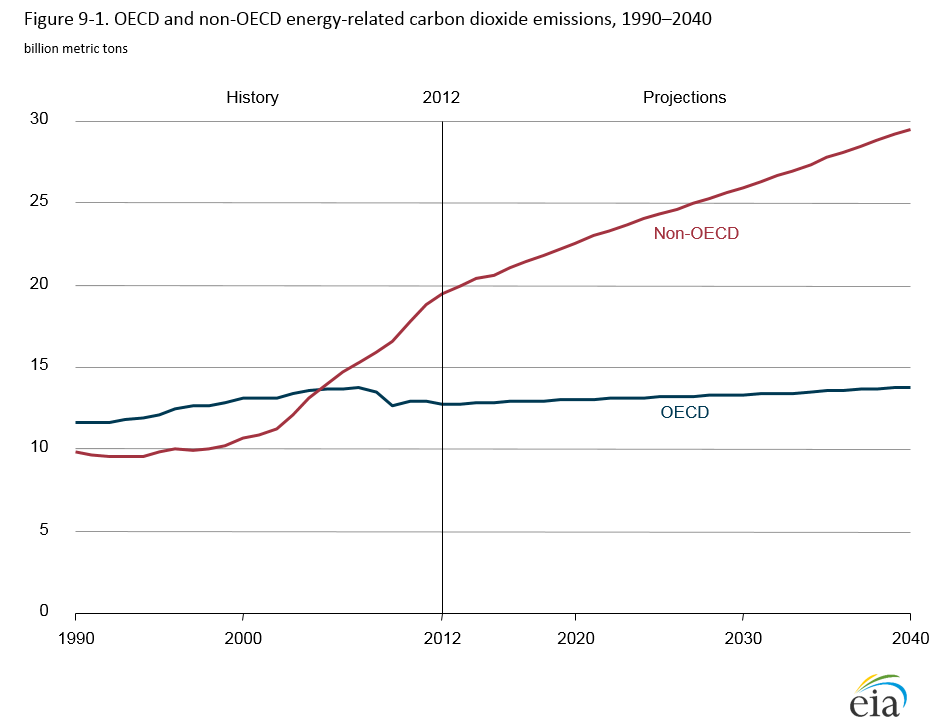
Despite all the rhetoric about reducing world carbon dioxide emissions from fuel combustion and gas flaring, according to the U.S. Carbon dioxide information analysis center, they rose steadily from 16.6 Gigatonnes carbon dioxide equivalent in 1973 to 34.1 Gigatonnes in 2014. So, they more than doubled over that timeframe. Importantly, though, the origins of the emissions changed significantly. In 1973, the countries of the organization for economic cooperation and development, or OECD, accounted for two-thirds of global CO2 emissions from fuel combustion; by 2014, the OECD share had declined to just over a third. So all, or almost all, of the emissions growth occurred outside of the OECD.

So, we have two sharply different perspectives of the future, the EIA’s projections of what probably will happen and the aspirations of the U.N. and many environmental groups as to what in their view should happen. Reducing emissions by 50% by 2050 to meet the U.N.’s vision would mean a global total of about 16 Gigatonnes, in contrast to the EIA’s projection of 43 Gigatonnes (Gt). The OECD countries – the United States, Canada, most of Europe, Japan, Australia and others – could eliminate 100% of their projected emissions of 14 Gt, and the world would still be over its target by 13 Gt.

A Tangled Pile of Wasteful Climate Programs

There is not in Canada a comprehensive list of the measures that have been implemented by all orders of government to reduce greenhouse gas emissions. They have been increasing in number, reach and cost since 1988. I counted 37 different generic types of measures now in use. Large bureaucracies exist to design, implement, and (less frequently) evaluate these measures. They stretch like the tentacles of some vast octopus across every aspect of the Canadian economy and touch everyone’s life. As no one has ever established an inventory of the measures now in place or of those under consideration, no one knows how much these measures already cost Canadians. Two things are certain – they cost billions of dollars annually, and they are not going away soon, regardless of the taxes imposed on carbon. I might add a third certainty, which is that the government will continue to develop and implement more and more programs and regulations as time goes on.

Let me remind you of the conclusions reached by the federal government’s own monitor of program effectiveness, the Commissioner of the Environment and Sustainable Development.  Starting in 1998, the commissioner began to critique the government’s approach to managing emission reduction measures. In the seven reports that followed, there were five consistent themes.

  • First, the government has not created effective governance structures for managing climate change activities. In fact, there have been weaknesses in horizontal governance across departments, accountability and coordination.
  • Second, there has been, and remains, no overall implementation plan. The government has produced no estimate of the emission reductions expected from each sector. Without an implementation plan, industry, consumers and other levels of government lack a solid basis for knowing how to apply technology or make investment decisions.
  • Third, as a result, Canada cannot determine whether the targets for emissions reduction already announced will be met or how much it will cost to do so.
  • Fourth, there are few mechanisms in place to measure the performance of the emission-reduction measures that have been implemented so far.
  • Fifth, the federal and provincial governments do poorly in coordinating their approaches to emissions reduction.

I agree that we need an honest dialogue about climate change mitigation. It should start with the recognition that governments to date have publicly embraced emission reduction targets that are unachievable with present technology and at acceptable economic costs. We should acknowledge that we as a society have multiple goals of which environmental quality, however important one might think it is, represents only one. If we value our prosperity and unity as a federal, geographically diverse country, we must approach the climate change issue with a respect for all our collective goals.

Much of Canada’s current political elite favours the pursuit of international goals over the steadfast promotion of the Canadian interest, whether on issues of trade, security or the environment. Never before, however, have we faced a situation in which commitment to an international objective may well impose enormous and divisive costs on Canada for no discernable global environmental benefit. Climate change thus offers a clear dichotomy between the Canadian national interest and the global environmental agenda.

See also Trump Did the Right Thing in the Right Way

Climate Commandments (short list)

Bill Mckibben is founder of the 350.com movement and a leading prophet of climate doom. He has noticed all the virtue signaling by politicians and celebrities declaring “We are still in”, and is concerned that activists will mistake words for actions. His recent Rolling Stone article is:
How to Tell If Your Reps Are Serious About Climate Change
In the wake of Trump pulling the U.S. out of the Paris Agreement, how serious are your elected leaders about fighting back?

McKibben provides Three Commandments for true believer climatists:

1.  Thou shalt commit to converting to 100 percent renewable energy.

Gail Tverberg, Our Finite World:

In fact, I have come to the rather astounding conclusion that even if wind turbines and solar PV could be built at zero cost, it would not make sense to continue to add them to the electric grid in the absence of very much better and cheaper electricity storage than we have today. There are too many costs outside building the devices themselves. It is these secondary costs that are problematic. Also, the presence of intermittent electricity disrupts competitive prices, leading to electricity prices that are far too low for other electricity providers, including those providing electricity using nuclear or natural gas. The tiny contribution of wind and solar to grid electricity cannot make up for the loss of more traditional electricity sources due to low prices.

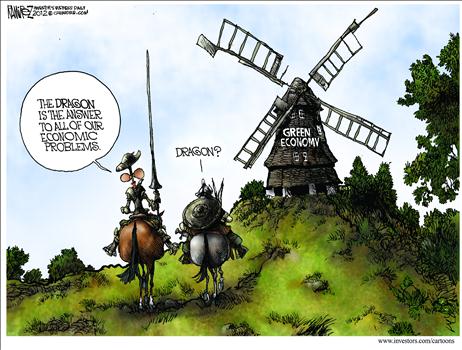
See also: Climateers Tilting and Windmills,

Renewables Devilish Details

2. Thou shalt work to keep remaining fossil fuels in the ground.

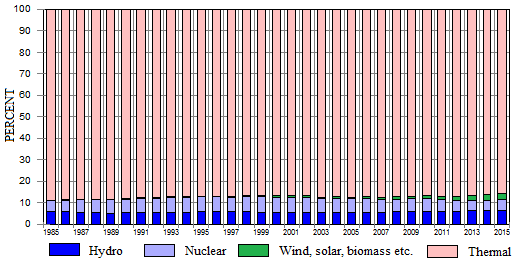
G20 total energy usage including thermal generation illustrating the magnitude of the problem the G20 countries still face in decarbonizing their energy sectors. (thermal refers to burning of fossil fuels)

Roger Andrews at Energy Matters:

While governments fixate on cutting emissions from the electricity sector, the larger problem of cutting emissions from the non-electricity sector is generally ignored. In this post I present data from the G20 countries, which between them consume 80% of the world’s energy, summarizing the present situation. The results show that the G20 countries obtain only 41.5% of their total energy from electricity and the remaining 58.5% dominantly from oil, coal and gas consumed in the non-electric sector (transportation, industrial processes, heating etc). So even if they eventually succeed in obtaining all their electricity from low-carbon sources they would still be getting more than half their energy from high-carbon sources if no progress is made in decarbonizing their non-electric sectors.

3. Thou shalt resist natural gas as the most dangerous fuel of all.

Methane Facts:

Natural Gas (75% methane) burns the cleanest with the least CO2 for the energy produced.

Leakage of methane is already addressed by efficiency improvements for its economic recovery, and will apparently be subject to even more regulations.

The atmosphere is a methane sink where the compound is oxidized through a series of reactions producing 1 CO2 and 2H20 after a few years.

GWP (Global Warming Potential) is CO2 equivalent heat trapping based on laboratory, not real world effects.

Any IR absorption by methane is limited by H2O absorbing in the same low energy LW bands.

Methane has been rising from 1.6ppm to 1.8ppm in 30 years (1980-2010), assuming that it has not stopped rising, this amounts to a doubling in 2-3 centuries. In other words, methane can never have any measurable effect on temperature, even if the IPCC radiative cooling theory were right.

There is no danger this century from natural or man-made methane emissions.

See More Methane Madness

An additional commandment comes from former UN climate chief Christiana Figueres:

4. Thou shalt bring emissions permanently lower by 2020.

Former UN climate chief: Only three years left to save the planet

The United Nation’s former global warming czar has published a paper claiming humanity only has three years left to avert dangerous global warming and meet the goals of the Paris climate accord.

To do that, Christiana Figueres says governments and businesses need to pony up $1.3 trillion a year by 2020 earmarked for “climate action” to decarbonize the global economy. That’s on top of boosting green energy and phasing out fossil fuels, mostly coal:

Clever as it is to substitute a 450 ppm target for 2C, the mathematics are daunting. Joe Romm:

We’re at 30 billion tons of carbon dioxide emissions a year — rising 3.3% per year — and we have to average below 18 billion tons a year for the entire century if we’re going to stabilize at 450 ppm. We need to peak around 2015 to 2020 at the latest, then drop at least 60% by 2050 to 15 billion tons (4 billion tons of carbon), and then go to near zero net carbon emissions by 2100.

And according to the IEA, the clock has already run out. From the 2011 IEA World Energy Outlook:

“If internationally co-ordinated action is not implemented by 2017, we project that all permissible CO2 emissions in the 450 Scenario will come from the infrastructure then existing, so that all new infrastructure from then until 2035 would need to be zero-carbon. This would theoretically be possible at very high cost, but probably not practicable in political terms.”

“If we do not change course, by 2015 over 90% of the permissible energy sector emissions to 2035 will already be locked in. By 2017, 100%.”

Maria van der Hoeven
Executive Director
International Energy Agency.
World Energy Outlook 2011

Background at How Climate Law Depends on Paris

Summary

These initiatives are outrageous to reasonable people, but are perfectly consistent with the agenda of people like McKibben and Figueres. A synopsis of the plan is in a post called The Climatist Manifesto

Mission: Deindustrialize Civilization

Goal: Drive industrial corporations into Bankruptcy

Strategy: Cut off the Supply of Cheap, Reliable Energy

Tactics:

  • Raise the price of fossil fuels
  • Force the power grid to use expensive, unreliable renewables
  • Demonize Nuclear energy
  • Spread fear of extraction technologies such as fracking
  • Increase regulatory costs on energy production
  • Scare investors away from carbon energy companies
  • Stop pipelines because they are too safe and efficient
  • Force all companies to account for carbon usage and risk

Sucking Green Monster

Draining the swamp is one thing, difficult enough to do and then contend with the alligators nesting there. Caleb Rossiter is even more concerned about the infiltration of climate change activists into every branch of federal bureaucracy.  His POV is explained in a Washington Examiner article Trump’s agenda faces climate deep state by John Siciliano | Jun 25, 2017.

Background

Rossiter, whose left-liberal credentials included a stint as counsel to former Rep. Bill Delahunt, D-Mass., who was one of Nancy Pelosi’s lieutenants after she swept to power in 2006, is a fervent supporter of clean fossil fuel development, and is sympathetic to Trump’s agenda. He made a name for himself for being a Democrat who is also a fervent critic of alarmist climate policy. His willingness to reject an article of faith in leftist and Democratic circles got him ousted a few years back from the Institute for Policy Studies, a progressive think tank, where he was an associate fellow.

The Herculean Challenge

“So, there wasn’t much change at EPA this year, not much change at [the] State” Department, Rossiter says. People say Trump will “get it right next time” when it comes to the budget, Rossiter adds, but he isn’t convinced.

“It’s going to be hard … and this stuff is really deeply embedded in the budget. People are doing National Science Foundation studies, transportation studies based on the assumption that carbon dioxide is a clear and present danger to our country.”

Another long-term problem is that Obama planted climate change offices in Cabinet agencies all over the federal government. These climate offices are meant to direct, advise on, and recommend actions that have climate change as their guiding star. Their whole point is to ensure that federal agencies only approve projects that consider the climate consequences of government action.

Deep Green Climate Network

Tentacles are attached everywhere, but Rossiter provides examples of some the most obvious larger and more developed suckers.

The State Department‘s Office of the Special Envoy for Climate Change, or the SECC, which is responsible for negotiating climate deals and implementing U.S. policy on climate change.

The State Department also has an Office of Global Change, which represents the nation in any negotiations under the United Nations Framework Convention on Climate Change, which is the same convention that handled the Paris negotiations with 194 other countries. It also handles negotiations with other international organizations that handle climate change policymaking, including the International Civil Aviation Organization and the International Maritime Organization.

The U.S. Agency for International Development also has its own specialized Office of Climate Change. USAID is the nation’s primary distributor of foreign aid, and climate change is seen by the agency as one of the primary reasons its services are in greater need than ever before. USAID spends more than $300 million per year in 50 countries for “climate-smart development,” according to the agency.

The U.S. Department of Agriculture has its Climate Change Program Office, which also guides the agency’s response by focusing on how global warming will affect agriculture, forests, grazing lands, and rural communities. It works to ensure that climate change is recognized and “fully integrated” into research, planning, and “decision-making processes,” according to the USDA website.

The Energy Department has at least two climate change or climate-related offices within its Office of International Affairs, overseen by the deputy assistant secretary for International Climate and Technology.  First, there is the Office of International Climate and Clean Energy, which coordinates clean energy development programs to reduce greenhouse gas emissions.  Second, there is the Office of International Science and Technology Collaboration, which oversees a number of programs with other countries to develop clean energy programs.

The Department of Transportation is another big Cabinet level agency with climate change policy strewn through it. One of its main initiatives is the Transportation and Climate Change Clearinghouse, which is designed as a “one-stop source of information on transportation and climate change issues,” according to the agency. “It includes information on greenhouse gas (GHG) inventories, analytic methods and tools, GHG reduction strategies, potential impacts of climate change on transportation infrastructure, and approaches for integrating climate change considerations into transportation decision making.”

The list goes on, according to Rossiter. The Department of Justice has its own programs, as does the Centers for Disease Control and Prevention and the Department of Education, he said.

Another large organization that the U.S. government is a part of is the World Bank. It is set up to fund projects all over the world, but has been known to hold up coal-fired power plant projects because of the threat of “climate catastrophe,” Rossiter said.

“A big one is at the bottom of your list at the Department of Transportation,” Rossiter said. “They put a lot of limitations on public transport, what can be approved, and they are very fixated on the greenhouse gas hypothesis.”

Tree growth in Queens sewer.

Next steps for Trump

Trump has taken some actions to disconnect the climate network, primarily by rolling back climate change regulations, land management decisions and international agreements such as the Paris climate change agreement. But all of these actions just scratch the surface, according to critics of Obama’s policies.

They say Trump hasn’t even begun to address the real grip that climate change alarmism had put in place within the government. Trump can turn off the engine, but other presidents can just as easily turn them on again if they are still there, which would leave Trump’s climate agenda in tatters.

Trump is attempting to strike out climate regulations painstakingly one at a time, which will take years, with no guarantee that a new president wouldn’t reverse all Trump’s actions. Revoking the endangerment finding would be a more secure method, because it would eliminate the raison d’etre for carbon dioxide regulation. At least, that’s what climate skeptics hope.

Rossiter said one of the weaknesses in Trump’s decision to leave Paris was that he failed to mention global warming science. “I wish Mr. Trump would have really cut the Gordian Knot by saying for scientific reasons it’s way too premature to restrict our economy on the basis of fears of climate catastrophe,” he said.

Rossiter believes the science isn’t as strong as most people say it is for taking action to stop global warming. “The 98 percent consensus is carbon dioxide is a warming gas. And it has, probably, some impact on the temperature,” but that “doesn’t mean you are immediately creating floods, hurricanes and droughts and locusts.

“This creates a problem because what we are trying to do, what we need to do, is defang the concept that has spread through the federal government. Once it’s defanged, it’s much easier to go through the executive branch agencies and say ‘look, our goal here is clean as possible generation of electricity for the wealth of the United States and the world.'”

Washington’s Future?

Angkor Wat Ta Prohm Temple overgrown with tree roots.

Climate Risky Business

A new theme emerging out of the IPCC Fifth Report was the emphasis on selling the risk of man-made climate change. The idea is that scientists should not advocate policy, but do have a responsibility to convince the public of the risks resulting from burning fossil fuels.

An article illustrates how this approach shapes recent public communications in support of actions on global warming/climate change.  Treading the Fine Line Between Climate Talk and Alarmism (Op-Ed)  By Sarah E. Myhre, Ph.D. | June 23, 2017.  Excerpts:

What is our role in public leadership as scientists? I would suggest a few action items: Work to reduce risk and cost for the public; steward the public’s interest in evidence; and be steady and committed to the scientific process of dissent, revision and discovery. This means communicating risk when necessary. We would never fault an oncologist for informing patients about the cancer risks that come with smoking. Why would we expect Earth scientists to be any different, when we’re just as certain?

As a public scholar with expertise in paleoclimate science, I communicate alarming, difficult information about the consequences to Earth and ocean systems that have come with past events of abrupt climate warming. As the saying goes, the past is the key to the future. 

We are living through a crisis of trust between the American public and climate scientists, and we must extend ourselves, as scientists and public servants, to rebuild transparency and trust with the public. I will start: I want the global community to mitigate the extreme risk of the warmest future climate scenarios. And, I want my kid to eat salmon and ski with his grandkids in the future. I am invested in that cooler, safer, more sustainable future — for your kids and for mine. Just don’t call me an alarmist.

This provides a teachable moment concerning the rhetorical maneuver to present climate as a risky business. The technique typically starts with a particular instance of actual risk and then makes a gross generalization so that the risk is exaggerated beyond reason.  From the article above:

Climate scientists are just as certain as oncologists are.

Herein lies the moral of this tale. The particular risk is the convincing epidemiological evidence linking lung cancer to smokers. The leap was claiming second-hand smoke puts non-smokers at risk of cancer. The statistical case was never conclusive, but the public was scared into enacting all kinds of smoke-free spaces.

Very few passive smoking/lung cancer studies are published these days compared to the glut of the 1980s and 1990s, but the handful that have appeared in recent years continue to support the null hypothesis. For all the campaigners’ talk of “overwhelming evidence”, the link between secondhand smoke and lung cancer has always been very shaky. It tends to be the smaller, case-control studies which find the associations while the larger, cohort studies do not (and, as the JNCI report notes, case-control studies “can suffer from recall bias: People who develop a disease that might be related to passive smoking are more likely to recall being exposed to passive smoking.”)

Gerard Silvestri, MD, of the Medical University of South Carolina, a member of NCI’s PDQ Screening and Prevention Editorial Board said (here):

“We’ve gotten smoking out of bars and restaurants on the basis of the fact that you and I and other nonsmokers don’t want to die,” said Silvestri. “The reality is, we probably won’t.”

To be clear, I don’t want smokers fouling my space in restaurants, and the policies are beneficial to me esthetically. But there was never any certainty about my risk of cancer, just the spoiling of clean air around me.  What was a matter of opinion and personal preference was settled politically by asserting scientific certainty of my health risk.

To draw the point finely, secondhand smoke shows how science is used by one group (anti-smoking activists) against another group (smokers) by mobilizing support for regulations on the basis of a generalized risk, raising concerns among the silent majority who otherwise were not particularly interested in the issue.

Climate as a Risky Business

Environmentalists have often employed risk exaggeration, beginning with Rachel Carson’s Silent Spring full of innuendo about DDT without any actual epidemiological proof. Currently Junk Science provides a list of EPA exaggerations about environmental pollution, for example The scientific fraud that claims air pollution is killing people

In the climate field, any flat Polynesian island is of course at risk of flooding, and thus by extension they produce images of Manhattan under water. Global risk is trumpeted, ignoring all the local particularities of land subsidence, tidal gauge records, terrain drainage features, infrastructure, precipitation patterns, etc.

Any storm, drought, flood, or unusual weather likewise presents a particular risk in the locale where it occurs. The gross exaggeration is to claim that we are increasing the risk of all these events, and by stopping burning fossil fuels we can prevent them from happening.

Sarah Myhre’s research focuses on ocean dead zones (oxygen-depleted waters), which is a real and long-studied risk. Then comes her leap into the fearful future:

The surface and deep ocean will continue to absorb heat and CO2 from the atmosphere. The heating of the ocean will increase the stratification of water (i.e. ocean mixing will be reduced, as will the strength of thermohaline circulation). Ocean heating will also drive the thermal expansion of the interior of the ocean – this is one of the primary contributors to sea level rise.

The absorption of CO2 from the atmosphere will drive changes in the chemistry of surface and deep waters – there are significant biological consequences to acidifying the global surface ocean. Basically, we are looking at the fundamental reorganization of biological communities and ecological provinces in the ocean. These physical drivers (warming, stratification, acidification) all area associated with significant biological consequences.

This is a continuation of a scare called Climate Change Is Suffocating The Oceans.  Once again climate alarmists/activists have seized upon an actual environmental issue, but misdirect the public toward their CO2 obsession, and away from practical efforts to address a real concern. Some excerpts from scientific studies serve to put things in perspective.  See Ocean Oxygen Misdirection

As a paleoclimate expert the author knows the climate and sea levels have changed many times in the past, and often shifted quickly in geological terms.

And yet the evidence shows clearly that CO2 follows as an effect of changing temperatures, not the cause.

Summary

Warmists are of the opinion that because of burning fossil fuels, our modern climate no longer compares to paleoclimates, a claim in fact that humans are overriding natural forces. But the message from the ice cores is clear: Through the ages, CO2 responds to temperatures and not the other way around.

The other message is also clear: Climates change between warm and cool, and warm has always been good for humans and the biosphere. We should concern ourselves with Adaptation, preparing for the cold times with robust infrastructure and reliable, affordable energy.

See also CO2 and Climate Change for the Ages

See also Claim: Fossil Fuels Cause Global Warming
Updated 2017  Fossil Fuels ≠ Global Warming

Footnote:

Actuaries are accountants specialized in risk statistics like morbidity and mortality, usually working in the insurance industry.

Question:  What is the difference between an Actuary and an Auditor?
Answer:  The Auditor is the one with a sense of humor.
(Old joke from days working at KPMG)

Renewables Devilish Details


Matthew E. Kahn , Professor of Economics at USC provided this insightful post:

What Does Energy Economics Teach Us About a Zero Carbon Electricity Grid by the year 2050?

Energy engineers are having an interesting fight over whether the US electricity grid can “easily” be 100% renewables (and thus create 0 GHG emissions) in the next 30 years. A prominent Stanford Engineer and his team says “yes” while some important critics say no. In Today’s NY Times (“Economics Scene”) Eduardo Porter sides with the critics. The interesting thing here is that no empirical microeconomists who study energy are part of either research team or are quoted in the NY Times. Yet, at the end of the day — this is a microeconomics issue.

Here are some of the key issues that both the original study and the critique ignore;

1. The land markets?
It would be terrific if wind and solar and hydro are so low cost by the year 2050 that we can generate all of our power using them. Assuming constant returns to scale, how much land would need to be allocated to each of these to generate our expected power demand in 2050? In a world where land is very valuable close to cities, what land would be set aside for this? Would current property owners be compensated for this land? Or would this be “roof top solar”? I do not believe there is any discussion of land markets in the original 2015 PNAS paper or the new critique. So the opportunity cost of land should be included in all of these calculations.

2. Transmission lines?
Assuming the renewables generation is far from cities, where will the transmission lines be built to bring the power to the cities? How will NIMBY issues be solved? How will potential veto power be bought out here? Or will engineers make a breakthrough such that power can be “emailed” without transmission capacity?

3. Comparative Energy Costs?
How much induced innovation will be needed to make the green energy production technologies cheaper than natural gas in the year 2050? So, we need an estimate of dynamic innovation in the dirty sector vs. the clean sector (see the recent work of Daron Acemoglu and co-authors on the “great race”).

4. Flexible power demand?
What will be aggregate electricity demand in 2050? How many consumers in the residential, industrial, commercial sectors will be signed up for dynamic pricing? How elastic will their demands be for power such that if the price of power rises will they in aggregate reduce their consumption by 2% or by 34% This plays a key role in determining the feasibility of the green grid! If demand is highly responsive to higher prices then the green grid is much more viable! So, now we are back to fundamental issues of the microeconomic determinants of the aggregate demand for electricity.

5. Electric vehicles demand?
Building on #4; what will be the aggregate demand of the transportation sector for energy and electricity in 2050? What % of the fleet will be EVs and how many miles will they drive and how many miles per kwh will they achieve? Some of these are micro-economic questions!

6. Air Conditioning Demand?
Building on #4, what will be aggregate demand for air conditioning during hot summers? What thermostat level will businesses and households cool to? How efficient will air conditioners be then (see the 1999 QJE by Newell, Jaffee and Stavins on induced innovation; see point #3 above).

7. Resistence from Vested Interests?
I appreciate that the engineers want to debate what is feasible but this overlooks important implementation issues that may raise the cost of introducing their valuable ideas. For example,
which interest groups would seek to veto the Stanford “vision”? Coal miners will not favor Jacobson’s equilibrium. If Progressives need to buy out West Virginian Senator support for coal, this cost should be added to the full cost of the green economy. Is it included? I doubt it.

“Pie In The Sky”

From the day of your birth
It’s bread and water here on earth
To a child of light, to a child of light

But there’ll be pie in the sky
By and by when I die
And it’ll be alright, it’ll be alright