The Economic and Health Effects of Mass Covid-19 Vaccination

John Gibson provides this timely analysis at Brownstone Institute: The Economic and Health Effects of Mass Covid-19 Vaccination.  Excerpts in italics with my bolds.

On or about the 1st of December 2021, the world will pass a notable milestone: more doses of Covid-19 vaccines will have been administered than there are people in the world. The two ‘clocks’ that let me predict this date are here and here. Of course, some people have had three (or more) doses, and others none but already a majority of the world’s population have been jabbed at least once with a Covid-19 vaccine.

Given this massive rollout, we should start to see some effects in the aggregate data. Such data provides observational evidence—correlations rather than causal relationships. Yet these correlations can be informative, especially as pivotal randomized control trials for Covid-19 vaccines, that might be expected to reveal causal effects, were not designed to answer the questions many people have about the vaccines.

It was therefore disingenuous, dishonest even, for health bureaucrats Walensky, Walke, and Fauci to write a “Viewpoint” in JAMA in February 2021 that claimed:

“…Clinical trials have shown that the vaccines authorized for use in the US are highly effective against COVID-19 infection, severe illness, and death.”

Quite rightly, Dr Peter Doshi, a BMJ editor and expert on critiquing clinical trials, wrote a comment showing the claim is false.

Of course this claim, along with many others purportedly based on the trials, is untrue. Given that the clinical trials have been so prone to misinterpretation, and that they were unblinded early, meaning that efficacy beyond six months cannot be established from the trial data, we have to look elsewhere for evidence.

Irrespective of reasons for this prior invisibility, economists are now starting to emerge from their cocoons and their analyses of the aggregate data are becoming available. In terms of the global vaccine rollout, it seems that economic conditions matter more than health conditions. Across 112 countries, the rollout was faster for richer not sicker countries. Amongst OECD countries, which have timely and reliable mortality data and are highly vaccinated, rollout was faster for countries where the negative economic shock in 2020 had been bigger, but not where the health shock (excess mortality) had been bigger.

Evidence is also emerging on aggregate effects (and non-effects) from mass vaccination. For 68 countries with full data available, a simple scatter plot shows there was no relationship between the percentage of the population fully vaccinated (by early September, 2021) and new Covid-19 cases in the last 7 days. A concern with such cross-sectional studies is that omitted factors drive the correlations.

A standard economics approach to these issues is to use panel data (repeated observations on the same countries). With such data we can remove the effect of (time-invariant) unobserved characteristics of countries and (spatially-invariant) unobserved features of time periods to mitigate the impact of omitted factors in driving correlations.

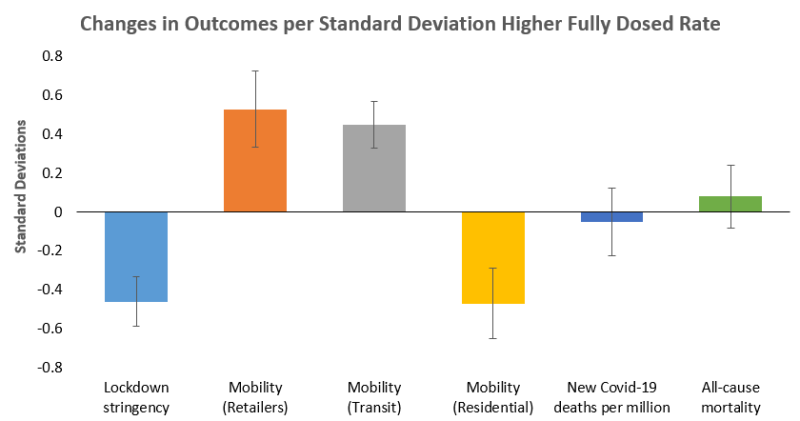
Such panel data for 32 highly vaccinated OECD countries (over 1.3 billion doses to date) that also have high frequency all-cause mortality data indicate that aggregate effects of mass vaccination are showing up in the political-economy sphere but not in health terms. The chart below shows relationships between the fully-vaccinated rate and two health outcomes (deaths from Covid-19 and from all-causes), three economic outcomes (personal mobility to various types of places tracked by Google), and one policy outcome (stringency of lockdown rules).

The outcomes are the change from the same month of 2020, when vaccines were unavailable, versus 2021, when mass vaccination was underway (for each month to September). The units for the chart are standard deviations, to allow comparisons across outcomes in various native units (an index for lockdowns, percentage changes for mobility, rates for deaths).

A standard deviation higher fully vaccinated rate is associated with lockdown stringency of one-half a standard deviation lower. This reflects politicians of all stripes tying lockdown to vaccination rates. For example, in September 2021 the New Zealand Prime Minister said “We’re in lockdown because we do not have enough New Zealanders currently vaccinated…” Earlier in the year, UK Prime Minister Boris Johnson said “The way to ensure this [lockdown easing] happens is to get that jab when your turn comes, so let’s get the jab done.”

The rebound in economic activity, as measured by change in consumer mobility compared to the same month of 2020 (so accounting for seasonal factors) is more than one-half a standard deviation higher per standard deviation of the fully vaccinated rate, for retail and recreational locations (and almost as large for transit stations). Conversely, time spent in residential places is about one-half a standard deviation lower, compared to the same month of 2020, in months or countries where the fully vaccinated rate is one standard deviation higher.

Is this rise in being out-and-about due to the vaccines per se, perhaps by making people feel safer, or is it just the response to relaxed lockdown controls? It turns out that it is just the relaxation in lockdown stringency that drives the rise in consumer mobility. Once this is accounted for, there is no independent effect of the vaccination rate on the Google Mobility indicators.

So we can think of the jabs as being a jab in the arm of politicians to relax their iron grip on the freedom of movement for people.

While the correlations for mobility (as an economic activity proxy) and lockdown stringency are large and precisely estimated, the corresponding effects on aggregate health indicators are not apparent. Specifically, for these countries through September 2021, vaccination rates have no relationship with changes in new Covid-19 deaths per million, nor with changes in all-cause mortality. After 1.3 billion doses for these countries (and seven billion doses worldwide), one would expect to see some reduction in deaths. Yet such an effect does not show up in these data.

From these results it seems that mass vaccination is some sort of get-out-of-jail card, as a way to get out of ruinously expensive lockdowns and allow some rebound in economic activity. Yet it was politicians and health bureaucrats who put us in jail in the first place. At any time they could undo what they imposed, with or without mass vaccination. As lockdowns failed to control the virus, and did not reduce excess mortality, politicians could have undone these costly and ineffective interventions without needing to rely on mass vaccination.

Click to access 2111-johngibson.pdf


Bill Gates Thinks Vaccines Are Anti-virus Software

Jeffrey Tucker explains Bill Gates’confusion in his Brownstone article Why Bill Gates Is Pivoting on Existing Covid Vaccines. Excerpts in italics with my bolds.

In a surprising interview, Bill Gates said the following: “We didn’t have vaccines that block transmission. We got vaccines that help you with your health, but they only slightly reduce the transmission. We need new ways of doing vaccines.”

It’s odd how he speaks of medicines as if they are like software. Try it out, observe how it works. When you find a problem, put the technicians to work. Every new iteration is an experiment. Free to try until you finally buy. Surely over time, we’ll find the answer to the problem of blocking or blotting out pathogens.

Software. Hardware. Applications. Subscriptions! This is how he thinks, as if the human body and its deadly dance with viruses is a recent problem and we are only at the very beginning of finding solutions, without realizing that this reality has been present for the whole of human existence and that we had tremendous success in the course of the 20th century minimizing bad pathogenic outcomes without his guidance and benefaction.

Essentially, he has long promoted the idea that traditional public health praxis was for the analog age; in the digital age, we need government planning, advanced technology, mass surveillance, and the ability to control human beings the way a software company manages personal computers.

Most people have no idea how such a rich and smart person could be so dim on essential matters of complex cell biology. Hacking the human body, improving it with uploads and downloads, is surely a more ominous challenge than inventing and managing man-made computers. So herein I try to present the reasons for Gates’s way of thinking.

Let’s travel back in time to examine his career at Microsoft and his shepherding into existence the Windows operating system. By the early 1990s, it was being billed as the essential brain of the personal computer. Security considerations against viruses were not part of its design, however, simply because not that many people were using the internet so the threat level was low. The browser was not invented until 1995. Security of personal computers was not really a question that Microsoft had dealt with.

The neglect of this consideration turned into a disaster. By the early 2000s, there were thousands of versions of malware (also called bugs) floating around the internet and infecting computers running Windows worldwide. They ate hard drive. They sucked out data. They forced ads on people. They invaded your space with strange popups. They were wrecking the user experience and threatening the future of an entire industry.

The problem of malware was dubbed viruses. It was a metaphor. Not real. It’s not clear that Gates ever really understood that. Computer viruses aren’t anything like biological viruses. To maintain a clean and functioning hard drive, you want to avoid and block a computer virus at all costs. Any exposure is bad exposure. The fix is always avoidance until eradication.

With biological viruses, we have evolved to confront them through exposure and let our immune system develop to take them on.

A body that blocks all pathogens without immunity is a weak one that will die at the first exposure, which will certainly come at some point in a modern society. An immune system that confronts most viruses and recovers grows stronger. That’s a gigantic difference that Gates never understood.

Regardless, the advent of the army of computer pathogens fundamentally threatened his proudest achievement. Microsoft frantically searched for a solution, but the creativity of the malware army moved too fast for its engineers.

Others sensed an opportunity. Companies specializing in anti-virus software had been doing business since the 1990s but grew more sophisticated in the early 2000s. Once the internet became fast enough, these software packages could be updated daily. There were ever newer companies, each with a different method and a different marketing and pricing model.

Eventually, the problem was mostly solved on the personal computer, but it took ten years. Even now, Microsoft’s products are less protected than Apple’s, and Microsoft has yet to come close to mitigating the problem of spam on its own native email client.

In short, keeping viruses out of computers constitutes the single biggest professional struggle in Gates’ life. The lesson he learned was that pathogen blocking and eradication was always the path forward. What he never really understood is that the word virus was merely a metaphor for unwanted and unwelcome computer code. The analogy breaks down in real life.

After finally stepping back from Microsoft’s operations, Gates started dabbling in other areas, as newly rich people tend to do. They often imagine themselves especially competent at taking on challenges that others have failed at simply because of their professional successes. Also by this point in his career, he was only surrounded by sycophants who would not interrupt his descent into crankiness.

And what subject did he pounce on? He would do to the world of pathogens what he did at Microsoft: he would stamp them out! He began with malaria and other issues and eventually decided to take on them all. And what was his solution? Of course: antivirus software. What is that? It is vaccines. Your body is the hard drive that he would save with his software-style solution.

At the beginning of the pandemic, I noted that Gates was pushing hard for lockdowns. His foundation was now funding research labs the world over with billions of dollars, plus universities and direct grants to scientists. He was also investing heavily in vaccine companies.

Early on in the pandemic, to get a sense of Gates’s views, I watched his TED talks. I began to realize something astonishing. He knew much less than anyone could discover by reading a book on cell biology from Amazon. He couldn’t even give a basic 9th-grade-level explanation of viruses and their interaction with the human body. And yet here he was lecturing the world about the coming pathogen and what should be done about it. His answer is always the same: more surveillance, more control, more technology.

Once you understand the simplicity of his core confusions, everything else he says makes sense from his point of view. He seems forever stuck in the fallacy that the human being is a cog in a massive machine called society that cries out for his managerial and technological leadership to improve to the point of operational perfection.

The rich, their pretenses, their influence: sometimes charming, sometimes beneficent, sometimes deeply malicious. Gates’s influence over epidemiology has been tremendously baneful, but it’s unclear whether he even knows it. In fact, I don’t think that he does. In some ways, that’s even more dangerous.

Readers might be quick to point out that Gates has benefited enormously from lockdowns and vaccine mandates, both seeing his former company grow to enormous size and from his stock ownership in vaccine makers. So yes, his ignorance has been rewarded handsomely.

As for his influence on the world, history will not likely be forgiving.

How Much Does Ivermectin Fight Covid19? The Count is 20 ways.

A new paper explains The mechanisms of action of Ivermectin against SARS-CoV-2: An evidence-based clinical review article June 2021The Journal of Antibiotics by Asiya Zaidi and Puya Dehgani Mobaraki  H/T Jo Nova.  Beware the Big Pharma has already got the article retracted elsewhere, so this link may not last long.  Excerpt in italics with my bolds.

Abstract
Considering the urgency of the ongoing COVID-19 pandemic, detection of various new mutant strains and future potential re-emergence of novel coronaviruses, repurposing of approved drugs such as Ivermectin could be worthy of attention. This evidence-based review article aims to discuss the mechanism of action of ivermectin against SARS-CoV-2 and summarizing the available literature over the years. A schematic of the key cellular and biomolecular interactions between Ivermectin, hostcell, and SARS-CoV-2 in COVID-19 pathogenesis and prevention of complications have been proposed.

Summary (from Jo Nova)

Three ways to stop that virus getting in:

Ivermectin binds to the spike (at leucine 91), but it also binds to our ACE2 receptors as well (at histidine 378). It clogs up the lock-and-key from both ends, and when compared to Remdesivir and hydroxychloroquine, ivermectin bound more strongly to the spike than any of them.

“The free binding energy of the spike protein (open) was higher in Ivermectin (−398.536 kJ/mol) than remdesivir (−232.973 kJ/mol).” (Ewaes 2021)  In this case “higher” means more negative. The higher it is, the more strongly something binds. Negative binding energies mean that binding is spontaneous, and doesn’t need an external energy source.

Ivermectin also binds to TMPRSS2 — it’s not a celebrity molecule like ACE2 — perhaps because someone didn’t think through the PR campaign and call it “Empress2” or something pronounceable — but it is just as important apparently as ACE2. It seems SARS-2 can’t get into cells which have ACE2 on the surface but don’t also have the TMPRSS2 enzyme there as well (Parmar 2021). Think of TMPRSS2 as a pair of secateurs wandering around the cell surface that need to prune the Covid spike before it can use ACE2 to get into a cell. TMPRSS2 is the not so catchy name for Transmembrane serine protease 2.

Ivermectin also had the highest binding affinity for TMPRSS2. By binding so well to all three — the spike, the ACE2 receptor and the TMPRSS2 secateurs that prune or prime the spike, ivermectin makes it much harder for the virus to get inside a cell.

Once inside a cell, the virus gains access to most resources and tools it needs to produce “baby viruses”, but there’s much more strategy to this war than just a hijacking. Some viral proteins will be sent like trojan gifts to get inside the cell nucleus — which is effectively the command centre. To get through the locked “gates” into the nucleus, these proteins must get tagged by two labels called importin-α and importin-β — they mark “the cargo” as something headed for the nucleus. But ivermectin also binds to importin-α, competing with it for spots, and again foiling the virus, clogging up the system and making it hard for SARS2 to send these proteins through the gates.

This is especially important because the nucleus will send out warning signals to other cells — and the viral proteins aim to stop that alarm system being triggered.

Ivermectin is a multipronged anti-inflammatory

The Covid virus isn’t the only virus that attacks our interferon signally system, though it is a real hallmark of SARS-2, and ultimately the virus wreaks havoc with cytokines on many levels.  Luckily ivermectin also works on several parts of the immune network and mostly the effect appears to be to slow down the key amplifiers that tend to run off the rails in bad Covid infection. Sorry, immunology is acroynm-hell, so bear with me, you’ll get some idea of just how many pathways are affected. For starters, ivermectin slows down the Toll- like-Receptor-4 (TLR4)– these are ancient guards that have been around for a long time. They watch out for signs of spare parts of both bacteria and viruses and even just chemicals that are bad, and have a “pivotal role as an amplifier”. We need our TLR4, we just don’t want it to get “stuck on”.

Strap yourself in, there is so much more. Ivermectin also blocks the NF-κB pathway (Nuclear Factor-κB). It suppresses the Akt/mTOR signalling, which inhibits PAK1 which reduces STAT3 and IL-6.  STAT3 induces C-reactive protein (or CRP), so less STAT3 means less CRP. These are big names in the world of immunology. Your doctor measures your CRP as a sign of inflammation. People interested in living longer talk about the mTOR system  — it’s a is a kind of master controller for the whole cell cycle. Meanwhile IL-6, or interleukin 6 is another messenger that goes “inflammatory” in diseases like diabetes, depression, Alzheimers, and atherosclerosis.  Obviously, it’s better to face Covid without having “raised inflammatory markers” at the start.

The safety tests have already been done

If ivermectin was a new drug discovery, and we read this paper, we might be spooked that ivermectin is so intimately and intricately involved with our core biochemistry. Wise researchers might warn that it may have significant unpredictable side effects and we should research it carefully — but most of those tests have already been done. Thanks to 30 years of mass human use with 3.8 billion doses we are aware there are only a few situations where ivermectin is dangerous, and doctors know all about that. People can still do damage through overdosing. Doses always matter. Ivermectin can bind to our GABA receptors if it can get across the blood brain barrier. In normal healthy people the blood-brain-barrier is intact and and the drug is actively excluded. Doctors should be free to prescribe this “off label”.

Fig. 1 A schematic of the key cellular and biomolecular interactions between Ivermectin, host cell, and SARS-CoV-2 in COVID19 pathogenesis and prevention of complications.

Ivermectin; IVM (red block) inhibits and disrupts binding of the SARS-CoV-2 S protein at the ACE-2 receptors (green). The green dotted lines depict activation pathways and the red dotted lines depict the inhibition pathways.

The TLR-4 receptors are directly activated by SARS-CoV-2 and also by LPS mediated activation (seen during ICU settings) causing activation of NF-Kb pathway and MAP3 Kinases leading to increased intranuclear gene expression for proinflammatory cytokines and chemokines (responsible for cytokine storm) and NO release (responsible for blood vessel dilatation, fluid leak, low blood pressure, ARDS and sepsis).

The NF-Kb and STAT-3 pathway activation is central to the pathogenesis and sequelae of COVID-19. STAT-3 physically binds to PAK-1 and increases IL-6 transcription. The annexin A2 at the cell surface converts plasminogen; PLG to plasmin under the presence of tPA. Plasmin triggers activation and nuclear translocation of STAT-3. An upregulation of STAT-3 stimulates hyaluronan synthase-2 in the lung cells causing hyaluronan deposition leading to diffuse alveolar damage and hypoxia.

STAT-3 also directly activates TGF-beta initiating pulmonary fibrosis; a typical characteristic of SARS-COV-2 lung pathology. The damaged type 2 cells express PAI-1 and an already hypoxic state also causes an upregulation of PAI (through Hypoxic inducible factor-1) along with direct stimulation by STAT-3. Simultaneous STAT-3 and PAI-1 activation inhibits t-PA and urokinase-type plasminogen activator leading to thrombi formation.

Also, the SARSCoV-2 spike protein binds to the CD147 on red blood cells and causes clumping. IVM in turn, binds to SARS-CoV-2 Spike protein and hence prevents clumping.

T cell lymphopenia in COVID-19 can also be attributed to the direct activation of PD-L1 receptors on endothelial cells by STAT-3. IVM directly inhibits the NF-kb pathway, STAT-3, and indirectly inhibits PAK-1 by increasing its ubiquitin-mediated degradation.

The natural antiviral response of a cell is through interferon regulatory genes and viral RNA mediated activation of TLR-3 and TLR7/8- Myd88 activation of transcription of interferon-regulator (IRF) family. For a virus to establish an infection, this antiviral response needs to be inhibited by blocking interferon production. The proteins such as importin and KPNA mediate nuclear transport of viral protein and subsequent IFN signaling.

The SARS-CoV-2 proteins (ORF-3a, NSP-1, and ORF-6) directly block IFN signaling causing the surrounding cells to become unsuspecting victims of the infection. IVM inhibits both importin a-b (green) as well as the KPNA-1 receptors (brown) causing natural antiviral IFN release.
IVM also inhibits viral RdrP, responsible for viral replication.

Abbreviations:
IVM Ivermectin,
ACE-2 angiotensin-converting-enzyme 2,
LPS Lipopolysaccharide,
TLR Toll-like receptor,
t-PA tissue-like plasminogen activator,
PLG Plasminogen,
IMPab Importin alpha-beta,
Rdrp RNA dependant RNA polymerase,
KPNA-1 Karyopherin Subunit Alpha 1,
NF-kB nuclear factor kappa-light-chain-enhancer of activated B cells, Map3Kinases Mitogen-activated Kinases,
PAK-1 P21 Activated Kinase 1,
STAT-3 Signal transducer and activator of transcription 3,
PAI-1 Plasminogen activator inhibitor-1,
HIF-1 Hypoxia-Inducible Factor

The role of Ivermectin against the SARS-CoV-2 virus

The targets of activity of Ivermectin can be divided into the following four groups.

The direct “antiviral targets” may be useful in the early stages while the anti-inflammatory targets might be addressed in the later stages of the disease.

A. Direct action on SARS-CoV-2

Level 1: Action on SARS-CoV-2 cell entry
Level 2: Action on Importin (IMP) superfamily
Level 3: Action as an Ionophore

B. Action on host targets important for viral replication

Level 4: Action as an antiviral
Level 5: Action on viral replication and assembly
Level 6: Action on post-translational processing of viral polyproteins
Level 7: Action on Karyopherin (KPNA/KPNB) receptors

C. Action on host targets important for inflammation

Level 8: Action on Interferon (INF) levels
Level 9: Action on Toll- like-Receptors (TLRs)
Level 10: Action on Nuclear Factor-κB (NF-κB) pathway
Level 11: Action on the JAK-STAT pathway, PAI-1 and COVID-19 sequalae
Level 12: Action on P21 activated Kinase 1 (PAK-1)
Level 13: Action on Interleukin-6 (IL-6) levels
Level 14: Action on allosteric modulation of P2X4 receptor
Level 15: Action on high mobility group box 1 (HMGB1),
Level 16: Action as an immunomodulator on Lung tissue and olfaction
Level 17: Action as an anti-inflammatory

D. Action on other host targets

Level 18: Action on Plasmin and Annexin A2
Level 19: Action on CD147 on the RBC
Level 20: Action on mitochondrial ATP under hypoxia on cardiac function


We Can’t Vaccinate This Pandemic Away

Dr. Robert Clancy writes at Quadrant We Can’t Vaccinate This Pandemic Away.  The author is Emeritus Professor of Pathology at the University of Newcastle Medical School. He is a member of the Australian Academy of Science’s COVID-19 Expert Database.  Excerpts in italics with my bolds.

Thirty frontline doctors in Australia recently treated over 600 patients with COVID-19. The treatment strategy was ivermectin (IVM) with doxycycline and zinc. Five patients required admission to hospital for progressive symptoms. There were no deaths. In a similar number of contemporary Australian patients not treated with IVM, 70 were hospitalised and six died.  See Ivermectin Proven Successful in Australia

This is consistent with world data bases: 31 randomised controlled trials show 62 per cent benefit with IVM, and seven meta-analyses recorded a reduction in death of between 57 and 83 per cent. Experienced clinicians have moved on to combine IVM with additional drugs, usually a broad-spectrum antibiotic such as doxycycline, and zinc, which has viricidal activity.

A logical conclusion would be that these results demand attention. With “freedom day” in NSW expected to be followed by increases in COVID-19 infections and hospital admissions, an IVM roll-out would be a logical outcome. That this has not happened may well prompt the question ‘Why is that so?’ The mainline press, which continues in its refusal to report and interrogate the evidence, also fails the public by presenting IVM as the antichrist of the medicine cabinet. A complex set of events has come together. These events and how they affect COVID-19 management and patient outcomes form the basis of this article.

1. Bureaucrats Usurped Medical Choice from Doctors and Patients

FIRST, as patients were being treated with IVM in Sydney and Melbourne with the impressive results mentioned above, the Therapeutic Goods Administration (TGA) made an extraordinary move to shut down the prescribing of IVM by frontline doctors for the treatment and prevention of COVID-19. The TGA has form, as it made a similar ruling on hydroxychloroquine (HCQ), the other re-purposed off-patent drug shown to be effective in treating COVID-19. Importantly, the reasons given by the TGA to justify its decision were not correct.

The main TGA concern stated was that IVM would confuse the public and lead to hesitation to be vaccinated. That, too, is incorrect. Doctors overwhelmingly support vaccination against COVID-19. The combination of safe and effective IVM with a vaccination programme will enhance viral clearance, reduce disease severity, reduce hospital admissions and reduce deaths. However, groupthink quickly led to professional bodies such as the AMA uncritically accepting the TGA policy. Even the Australian Academy of Science weighed in with political support for the TGA’s decision, doing so without any evaluation of the science.

Then came the coup: the regulatory body responsible for registration of doctors, the Australian Health Practitioner Regulation Agency, warned that prescribing, dispensing, or even publicly discussing IVM, “compromised expected standards of practise”, leaving open disciplinary measures which have since resulted in doctors having their licences revoked. A crescendo of intimidation has ensued, all based on a failure to interrogate the data and understand the clinical circumstance, with perhaps a touch of group hysteria thrown in.

The conclusion to be taken from these collective authoritarian decisions is that medical choice is no longer the prerogative of the doctor-patient relationship in Australia. Bureaucrats for any reason can decide and enforce medical issues without discussion with relevant medical experts. This is a problem throughout the Western world, but perhaps there is a light in the tunnel. Nebraska’s attorney general recently ruled that the prescription of IVM for COVID-19 is a matter for the doctor and patient, not government.  See Nebraska AG Frees Doctors and Patients to Use HCQ and IVM

2.  Evidence for Early Treatment is Stronger and Critiques Discredited

THE SECOND development is a changing balance in evidence relevant to early treatment. Negative critique has been rebutted, and support has become stronger.

First, there has been a rebuttal of a misleading “Cochrane report“. Traditionally, a Cochrane is considered the highest bar for drug efficacy, and the outcome of a Cochrane has profound influence on acceptance. The existing Cochrane report on IVM was ambivalent. . . Recently, a group of respected non-aligned epidemiologists in the UK reviewed the Cochrane report and found it wanting. They showed defects in method, an exclusion of data points and studies, and a failure to include substantive regional and national experiences where IVM had been successfully adopted.

Not to be dismissed, IVM naysayers took a new tack: play the man (or the woman), not the ball. Their trick is to label IVM studies that do not fit their viewpoint as “fraudulent” while disparaging IVM’s medical supporters as, among other insults, “New Age quacks”. The value of the naysayers’ critique, indeed their motivation, has been challenged in detail (see IVMMETA.com), failing on numerous counts that include an absence of evidence and misinformation.

The mainline press welcomed claims supporting the anti-IVM narrative, with the BBC News plumbing new lows in journalism by combining false conclusions with bias that included misrepresentation of a highly regarded epidemiologist. A recent Sydney Morning Herald article was little better, distorting the science with ideology and bias. The reporter involved has not responded to a request to host a debate on the topic. They never do!

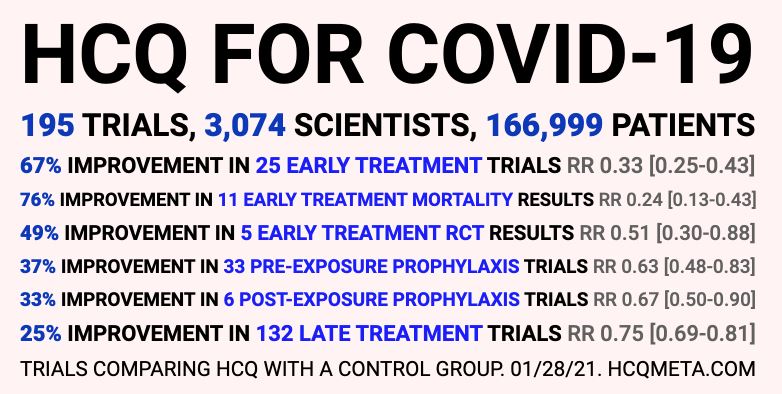
Second, and more positive, is the accumulation of evidence supporting the benefit from early treatment. Two recent and compelling studies further support the value of both IVM and HCQ , the latter having been “cancelled” after being cited by Donald Trump as a potential treatment. All this came despite a meta-analysis of 32 early-treatment studies showing 64 per cent protection.

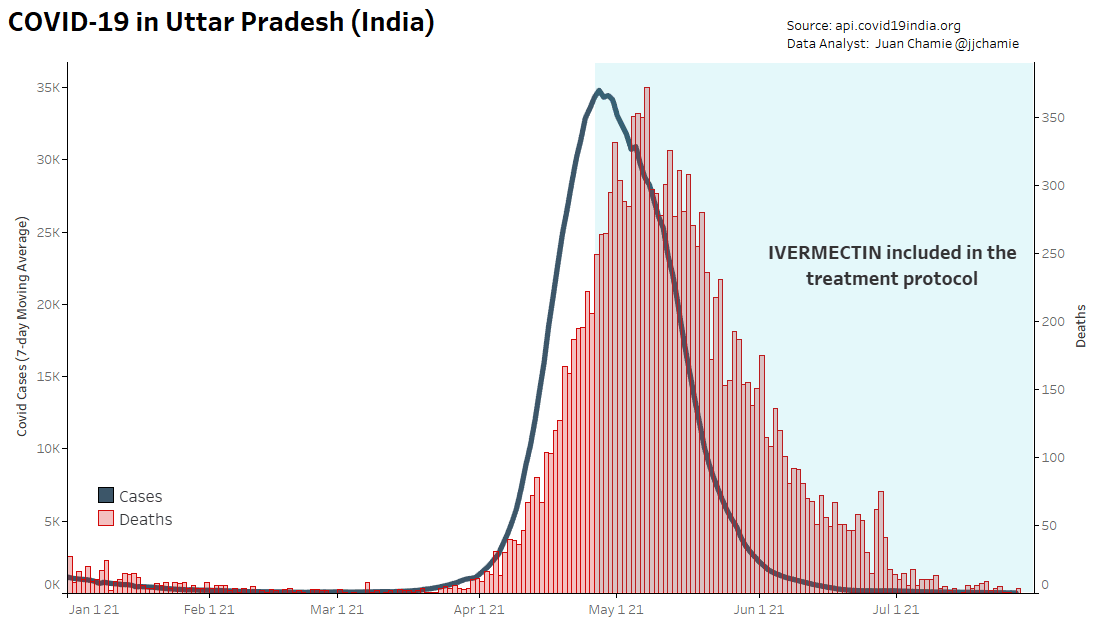
The first of those is a WHO study in Uttar Pradesh, India’s most populous state (230 million people). Medical teams visited 98,000 villages, providing kits (similar to those used in the Australian study) containing IVM for the treatment of those with COVID-19. Within five weeks, new cases had dropped by 97 per cent. Meanwhile in another Indian state, Kerala, with eight per cent the population of Uttar Pradesh, IVM was not used and as many as 31,000 COVID cases were recorded per day. Similar results are reported in areas of Peru, Mexico and elsewhere.

The second recent study treated 8,300 French patients with HCQ. There was a 93 per cent reduction in mortality. A meta-analysis by the same authors included 32,000 patients from five countries and showed early HCQ treatment reduced mortality by 69 per cent.

The inevitable and unavoidable conclusions to be drawn are that Cochrane negativity can no longer dominate an honest argument about IVM’s use and, further, that the medication must be accepted in Australia as a safe and effective treatment capable of reducing the expected post-lockdown load on health systems.

3.  Merck Pill is Inferior IVM Substitute: Less safe, less effective and Expensive

THE THIRD development has been the frenetic response by media and government to an orchestrated campaign by pharmaceutical giant Merck promoting its re-purposed antiviral agent, Molnupiravir, before significant data assessment has been completed. Merck is now joined by Roche and Pfizer with their versions of re-positioned “wonder drugs”. All have limited and conflicting data yet make extravagant claims. These antivirals are less effective than IVM and none have acceptable safety profiles. However, we see the Australian government making extraordinary claims and committing large sums to acquire these unproven oral therapies.

Who can be advising government to allow such dubious claims and acquisitions at the expense of IVM and the Australian taxpayer?

The charge of hypocrisy and cynicism must first be directed at Merck, but also at “the experts”, Dr.Tony Fauci, governments and, of course, the media. Merck stated IVM had no clinical value mere days before receiving a US$300 million grant to develop Molnupiravir. Available data suggests it provides eight-fold less protection than that found for IVM in the Australian study. Merck acquired Molnupiravir, originally developed by Emory University, after it failed against other RNA virus diseases. Questions about undisclosed data remain to be answered. The drug is a “son of Remdesavir”, a RNA polymerase inhibitor that failed randomised controlled trials (RCT). The Australian government has bought 300,000 courses of Remdesivir (the US government pays US$1,000 per course). This is beyond logic, certainly not based on science. As the TGA prevented doctors prescribing IVM because it would reduce vaccination rates, the question is simple: How will the TGA draw a distinction between Merck’s Molnupiravir and IVM?

The elephant in the room for Molnupiravir is safety. The drug creates lethal mutants to terminate virus replication. Cell biologists express concern that some live mutants with resistance to vaccines are released into the environment. DNA mutations also occur, which could lead to disturbed growth and cross-generation transmission of genetic changes.

The TGA will now have to wrestle with pressure from Big Pharma and government to register a drug with scant clinical data and untested safety concerns after denying the Australian public a cheap, safe and more effective treatment with IVM.

4.  Realizing the Limitations of Genetic Vaccines

THE FOURTH issue is the recognition that genetic vaccines have limited value. While doctors support the current vaccine roll-out, reported “danger signals” must be clarified. Both the DNA-vector vaccine (AstraZeneca) and mRNA vaccines (Pfizer and Moderna) behave as predicted by biology relevant to airways’ protection (something not understood by the vast majority of “experts”): short duration of protection limited to control of systemic inflammation, with little impact on infection of the airways.

Israel was used as a laboratory for the Pfizer vaccine. Six months after vaccination, there was essentially no protection against infection or mild disease, although protection against severe disease remained at 85-to-90 per cent. Thereafter came a rapid and progressive loss of protection against more severe disease. Infected vaccinated and unvaccinated subjects have similar viral loads and transmission capacity. Immunity following natural infection is better and more durable than that induced by vaccination, so there is no sense in immunising those who have had COVID infection in the preceding six months.

In an Australian context, by New Year 2022, it is estimated about two million vaccinated Australians will have lost protection against infection and mild disease. Infections will increase as borders are opened and we re-enter the international community.

Our lockdown policy has limited the acquisition of natural immunity. Although we can expect high levels of infection with less severe disease, pressure on hospitals will increase. The experience of Israel and Iceland, each with high vaccination rates of 85 per cent or more, provides a possible scenario for Australia. In Israel, with a population of less than 10 million, the “third wave” continues, with 1500 new cases and 30 deaths a day (at the time of writing). More concerning are reports of high COVID mortality in older vaccinated subjects in some jurisdictions. Variants such as the further-mutated Delta variant in the UK will continue to appear, with unknown infectivity, response to current vaccines and pathogenicity. Perhaps of greatest concern is the observation in the UK, and now in Sweden, that older vaccinated individuals have a higher incidence of COVID infection than those who are unvaccinated. At the same time others are describing a state of immune deficiency following vaccination with genetic vaccines.

At this stage it is unclear as to whether this “deficiency” of the immune response is limited to the antibody response to COVID virus. This should not be a surprise to anyone who has done “Immunology 101”, as enhancing antibody (ie antibody that promotes infection, rather than limits it) is well recognised in RNA virus infections, and “antigen excess causing a downregulation of immunity” is a basic tenet of immunology. Forgotten by most, is that genetic vaccines cause a large and unregulated amount of antigen (ie the spike protein) to be synthesised within the cells of the body, and the immune response will be a function of those unknown dynamics. These facts and the concerns they raise should be front and centre for regulators as they examine data to make decisions in regard to booster shots. The duration of protection following boosters is completely unknown, as is whether genetic vaccine boosters distort the immune system with net suppression. Are we setting ourselves up for monthly boosters, higher incidence of infections, more serious adverse events, or even more concerning immune outcomes. We just do not know!

If ever there was a need for a safe , cheap effective oral therapy, now is it.

Protocols including IVM or HCQ + nutrients fill the need for early home treatment.


Ivermectin Proven Successful in Australia

Update October 27, 2021 at end

Palmer Foundations reports by way of Trial Site News Combination Therapy For COVID-19 Based on Ivermectin in an Australian Population.  Excerpts in italics with my bolds.

Background

The immediacy of “real-world” data in the pre-hospital treatment of Covid-19 using re-purposed drugs has been the keystone to the development of effective therapy in a pandemic situation. The sense of a “common-message database” for the therapeutic use of ivermectin (IVM) collated by clinicians over a time frame of little more than 12 months, involving patients and research workers across geographic and social lines, is extraordinary.

From over 20 countries there are 63 controlled studies accepted for meta-analysis, that have included 47,500 subjects with 625 authors.

While this compelling database on the effectiveness of IVM would not be possible without “real-life” studies, at an individual level, these trials give additional value such as information on dosage and combination therapies. They also give confidence to local doctors and regulators as they seek optimal management strategies.

Here, we report successful pre-hospital treatment of Covid-19 patients in Sydney and Melbourne, Australia, using an ivermectin-doxycycline-zinc combination with an important set of observations on symptom resolution and oximetry.

The Study

Six hundred Australian residents with positive PCR symptomatic Covid-19 were treated with a combination of ivermectin (24 mg per day), doxycycline (100 mg bd), and zinc (50mg per day), for 10 days within 48 hrs of obtaining a positive PCR test for Covid-19. The treatment period was from June to September 2021. Seven percent (7%) were given additional vitamins and nutritional supplements. Only 7% identified adverse events from the therapy, mainly minor gut symptoms of nausea, diarrhoea and heartburn. No patient stopped therapy due to adverse drug events.

A subgroup in hotel and home quarantine was available for a more detailed assessment of symptoms and oxygenation status. This cohort of 126 was assessed for 10 symptoms according to a visual analogue scale (ranging from “0” for no symptoms, to “10” for most severe symptoms). Descriptive statistics are summarised in Table 1. P-Values were calculated using Wilcoxon matched-pairs signed-rank t-tests. Chi Squared analysis was used to analyse rates of hospitalization in the 600-patient cohort.

The Outcome

A total of 600 patients with positive PCR tests were treated with the ten-day course of “Ivermectin Triple Therapy” (ITT), which was fully completed in over 90% of those treated. None discontinued therapy as a result of drug side effects. Two visited the hospital for less than 24 hours following a transient arrhythmia and then went home, while five were admitted to hospital (0.83%). There were no deaths.

In an equivalent control group of 600, not treated with triple therapy, 70 were admitted to hospital (11.5%), with 6 deaths (1%). Chi-squared analysis of hospitalisation rate shows a significant decrease (P<0.001) in the presence of ivermectin triple therapy intervention. The control data was from contemporary infected subjects in Australia obtained from published Covid Tracking Data.

The subgroup of 126 in quarantine had more detailed documentation. They had an average age of 42 (range: 17-94). The results of symptom analysis are in Table 1. For the 10 symptoms analysed, 98% had a total symptom score severity reduction by the end of the treatment period (P< 0.0001). Symptoms that were most persistent were loss of taste and smell, cough, and fatigue. Oximetry readings in 71 subjects were consistent with mild disease in most (Table 1), though the range extended to the low 70’s indicating severe disease in some individuals. At the completion of the 10 -day treatment programme, all subjects had normal oximetry readings.

Comment

This successful study of 600 consecutive subjects treated within 2 days of testing positive on PCR for Covid-19 infection, emphasises the value of early treatment. The results are consistent with the study by Hazan et al, further supporting the value of ITT therapy (ivermectin, doxycycline and zinc).1 The current study differs from that of Hazan et al who successfully used lower doses of IVM and a shorter treatment duration. The current study also confirms the value of oximetry in monitoring response to therapy, with all hypoxic patients having normal oximetry levels following the treatment protocol. Few become hypoxic in the first 48 hours of symptoms. The rapid increase in oximetry values following IVM, noted by Hazan1, confirms significant hypoxia was likely avoided in this treated group. Combining oximetry with visual analogue scales to monitor symptoms, is suggested as a valuable tool for future studies.

Visual analogue scale monitoring of symptoms of Covid-19 infection showed a fall from a median total symptom severity score of 37 (range: 0-100) at the onset of treatment to 3 (range: 0-62) at the conclusion of treatment (P<0.0001). The main persistent symptoms were loss of smell/taste, cough and fatigue, recognised to persist for longer periods, however, all displayed significant severity score reductions during the treatment period (P<0.0001). The impact of early treatment with ITT on subsequent “long Covid” will be an important question to pursue. Symptom resolution with untreated Covid-19 is generally 2-4 weeks, emphasising the value of visual analogue scale assessment.

The major differences in admission to hospital and death following ITT therapy compared to contemporary controls is consistent with the large and increasing body of data measuring the impact of ivermectin-combination therapy.1–3 The results from this study invites comparison with recently announced data by Merck from a study of their re-cycled antiviral polymerase inhibitor, Molnupiravir. The Merck study with 385 treated patients involved a similar group to that treated in the current Australian study judged by near-identical hospital admission and mortality rates in both control groups. In the Merck study, the hospital admission rate was halved (7.3% of treated patients) with no deaths, similar to data for the “first cousin” of Molnupiravir, Favipiravir, which is used extensively in Russia. The important point is that the admission rate in the Merck study is 8-fold greater than the 90% reduction in hospital admissions recorded in the current ITT study (P<0.0001).

The public health impact of these findings with a cheap, safe and available therapy, in terms of reduction of load on a health system that will be further stressed as country borders are re-opened, cannot be ignored.

The current study included “real-life” data on consecutive patients thus avoiding selection bias. Therapy was given in two states of Australia, involving over 30 front-line doctors. This compelling data reinforces the value of information from a range of sources and trial methodologies in assessing treatment options, especially in a pandemic situation. The number of patients in this report was capped at 600, as the Australian regulatory body (the TGA) intervened in the middle of Australia’s third Covid wave, to prohibit further prescription of ivermectin for Covid-19 by General Practitioners.

Update October 27, 2021

From medRxiv paper Effectiveness of Ivermectin-Based Multidrug Therapy in Severe Hypoxic Ambulatory  COVID-19 Patients:

Regarding strategies in the development of combination therapies, intracellular coronavirus replication requires several active drugs to inhibit viral replication. IVM, doxycycline and zinc  all individually inhibit coronavirus replication and, although there are other candidates, we have proposed the above combination based on efficacy, component safety profiles, inexpensive nature, and lack of drug-drug interaction. The combination of IVM and doxycycline has also  been demonstrated to act in synergy against COVID-19 [33]. This combination also appears to  overcome the need for high doses of IVM identified by Caly and colleagues when used  alone[34]. Further, given that zinc plays a key role in antiviral activity [34536] it would combine  well with the ionophores (IVM and doxycycline) to increase its intracellular concentration and expedite viral clearance [37].

We have also assessed drug-drug interactions and found that the combination of zinc with IVM and doxycycline has no reported interactions. Additionally, each of these drugs has a low adverse side effects profile and no QT prolongation as reported with azithromycin.

Overall, based on the current literature, a 10-day combination therapy of IVM, doxycycline and zinc will not only improve symptoms [6,7] but also accelerate recovery from COVID-19. We have chosen a safe IVM dosage approved for parasites of 36mg over 10 days, and this dose has been shown to be both effective and safe in COVID-19 treatments [38]. The staggered IVM dosage over 10 days is proposed based on the half-life clearance of the drug in plasma (up to 66 hrs.)[39]. The proposed duration would allow constant availability of adequate plasma level IVM  to facilitate zinc entry into the cells. Hence, the above rationale explains why some publications have already shown that IVM alone is not adequate to cure COVID-19 [6,18,19] while a multidrug regimen is likely to be more efficacious [40].

What’s Obstructing the Supply Flow, How to Unblock It

A wholistic analysis comes from an interview by Doug Blair with Joel Griffith at Daily Signal What Is the Root Cause of Our Supply Chain Problems? Excerpts in italics with my bolds and added images.

Blair: So Joel, if there is one thing that is dominating the news cycle right now, it is that there are massive supply chain issues. Americans are seeing images of empty store shelves and prices for things like electronics and gasoline have just completely shot through the roof. With all of this in mind, what exactly is the problem with the supply chain right now?

Griffith: Well, we have unprecedented demands placed on that supply chain. We talk about that chain—when we go to our grocery store, fill up our cars, we’re often not thinking of that process by which we actually get that merchandise. But in our interconnected global economy, which gives us a lot of benefits, we have a much higher standard of living now than we did a few generations ago, but we also really rely immensely on the ability to transport goods from point A to point B. And actually, in between point A and point B, you have a multitude of destination points.

You could be importing a suit from, let’s say, Vietnam. And from Vietnam, you have to go ahead, load it on a ship, get it to LA, to get it from LA all across the country. And if just one part of that process goes awry, you can be talking about delays for months on end. Because even prior to getting that finished product, you have a whole manufacturing product that also has its own supply chain. So one weak link in that chain can mean we don’t see the merchandise that we are in demand of.

Blair: So a lot of different explanations have been given for what the supply chain root cause is, what the root cause of these issues with the supply chain is. Are these basically COVID problems left over from the pandemic? Is this government policy? Is it both? Where are we seeing the root causes of this problem?

Griffith: Well, there’s a multitude of root causes to this problem. Going back the past 18 months, on the manufacturing side, we have many restrictions that were put in place that impacted even the ability to run a factory—distancing restrictions, shutdowns on occasion. And then to get that merchandise transported, there were a lot of restrictions that were placed on not just the cargo shipping sector, but also in the trucking sector as well.

If you back up a year ago, year and a half ago, truckers, especially in places like California, faced so much difficulty in even operating their profession—from not being able to get a shower, not being able to get food. You had instances in which those that wanted to get CDL licenses to drive couldn’t because those facilities were closed. And during that downtime, you had a lot of truckers retire. So we’re paying for those repercussions now.

But in the immediate term, even though the United States has largely reopened from COVID, that’s not the case across the entire world. You see, even in China, most recently in August, you had the world’s third-largest port that was in effect shut down for two weeks because of one single COVID case. And you multiply that across all of China and across Southeast Asia where you’ve had these ports that were shut down on occasion or you had capacity restrictions in place, well, that really compounded that, really made it difficult to ship the same number of items as we did just a year ago prior to the pandemic.

And even here in the United States, in the port of New Jersey, New York, New Jersey ports, we had a lot of COVID restrictions in terms of social distancing guidelines that were in place even throughout much of the summer. And we’re still dealing with the consequences of that.

So that’s just the COVID aspects of these shutdowns. But we can get into the detail about some of the other government actions that have really exacerbated this problem.

Blair: You’ve mentioned a little bit about the COVID issues and that there were other root causes. I’d like to go in-depth a little bit more on the specific government policies that are to blame for this issue. Obviously, the government does have a role to play in the supply chain crisis. What are some of the policies that have been exacerbating this problem?

Griffith: Oh, well, on the COVID front itself, social distancing restrictions that were put in place both in California but also across New Jersey, that really impacted the number of workers that could be on-site at any one time. And then restrictions too in terms of the testing, the quarantine impact on number of workers that you would have on-site. And now, of course, we’re facing a possible vaccine mandate, which is discouraging quite a few, possibly upwards of 10%, of that workforce from participating.
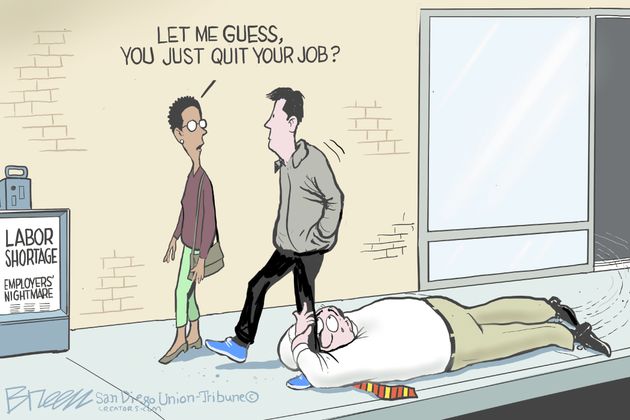
But if you go back to during the shutdown component of this, for quite a time, up until late this summer, you had the federal government that was providing massive unemployment bonuses to individuals. And a lot of warehouse workers, a lot of dockhands, a lot of truck drivers found that when you’re dealing with all of these hassles to actually earning a living, for them it was more personally worthwhile to just be unemployed and take those unemployment benefits, which might have been personally the right decision for them but, of course, that created a further backlog because you have to be able to transport that merchandise once you actually get it into the shipping, the dock facility. So that was a big issue.

On top of that, we had government putting in policies that were suppressing the supply of goods, but that were increasing massively the demand for goods.

If you look at the retail sales numbers right now, we see that our retail sales are at all-time highs. Our retail sales are actually around 15% higher now than they were prior to the pandemic. So we have immense demand for goods, and that is contributing to that backlog.

But that immense demand for goods isn’t really spurred by the free market at this point, that’s spurred in large part by the federal government borrowing and printing hundreds of billions of dollars and juicing up demand. So we see this artificial pressure put on that supply chain as well, which, once again, … the government [is] responsible for.

Blair: Do labor unions in any way, shape, or form have anything to do with this? I know we’ve talked a little bit about how labor and employment shortages are affecting these supply chain issues like dockhands and retail workers. Do unions have any part in this problem as well?

Griffith: Well, organized labor has played a significant role in the delays in relation to the ports in California in particular. Now, usually you have a maximum of one or two cargo ships that are stranded off the Port of Los Angeles. And I say stranded, waiting, waiting to unload the merchandise. And we saw those numbers increase to over 70 just several weeks ago. And that was due in large part to the organized labor groups refusing to expand their work hours and work on weekends.
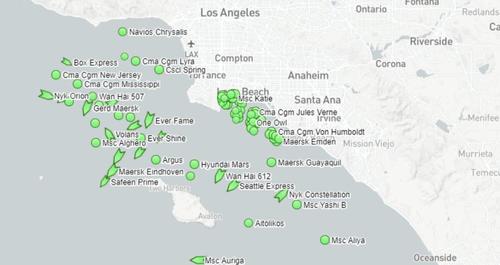
Container ships off Los Angeles/Long Beach on Wednesday. Map: MarineTraffic The time ships are stuck waiting offshore continues to lengthen. There are simply too many vessels arriving with too much cargo for terminals, trucks, trains and warehouses to handle. There were 103 container ships at Los Angeles/Long Beach terminals or waiting offshore on Wednesday, an all-time high.  This suggests that the cargo currently waiting off the ports of Los Angeles and Long Beach is worth around $22 billion, roughly the equivalent of the annual revenues of McDonald’s or the GDP of Iceland.

So this delay was growing and growing. And about last week, the ports in Florida, they offered to jump in and start taking in some of that excess shipping demand. And I think that’s why you saw those labor leaders finally bend just a few days ago and say, “OK,” they’re going to agree to run those ports 24/7 for the time being in order to catch up.

Blair: We’ve discussed some of the implications of the supply chain issues in terms of massive hikes in common consumer goods and services, price hikes on those certain things as well. What are some of the other implications of the supply chain issues that you see if this isn’t tamped down on?

Griffith: Yeah, well, you mentioned that price. I think it is important to underscore just how much those prices have risen for the shipping side. You’ve seen cargo costs to ship a big container have increased from around $1,500 back in 2017, it’s gone up 1,000%, to about $25,000 today. And those cargo ships, even though most of us have never visited a port in LA or New Jersey, [account] for over 10% of all global trade, just the container ships themselves. So there’s a lot riding on this.

So if these supply chain disruptions continue, that’s going to have a real impact on us as a country, both in terms of the price of goods continuing to rise, which we’ve all noticed, also, just the very ability to gain access to these goods, which I think too we’ve noticed. It’s harder to get shipments in on time with Amazon Prime. You go to Costco, go to your grocery store, oftentimes items are out of stock. So that’s another repercussion.

But something that might not be as evident is the fact that we have a number of manufactured goods that are relying on shipments, on components to finish those processes. And when you see a delay in that, well, that can cause an entire assembly plant to close, which can result in labor disruptions and layoffs.

Those are all big economic concerns, but there’s also a national security component as well. Our military relies on a lot of shipments as well from across the world, just-in-time inventory, lean inventory standards, where they don’t want to have a lot of stockpile on hand, it’s more efficient to ship these items in and have them just in the nick of time.

So I think this is going to really be something the military will have to focus on and ultimately have to reassure Congress that our national security interests aren’t being threatened by the possibility of continued disruptions.
Blair: In order to maybe tamp down on some of these problems, recently, President Joe Biden announced that he was going to be keeping the Port of LA open 24/7. Do you find that this is going to be maybe an effective government response? And if this is something that we should be doing, what else should the government be doing to maybe fix this problem?

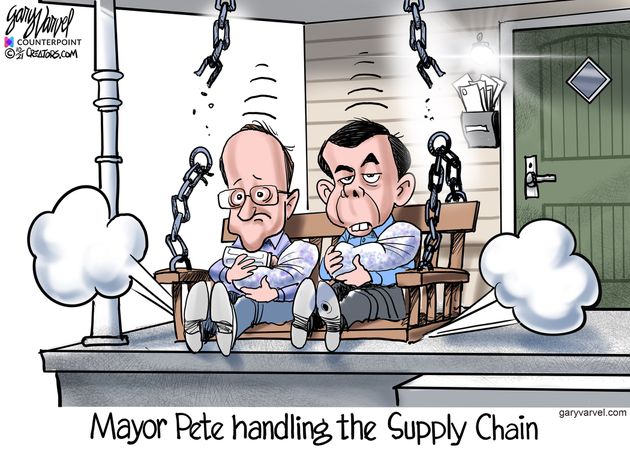
Griffith: Sure. Well, the ports being open 24/7, that’s a commonsense measure. This should have been something that was really dealt with months ago. And I think it’s important to note that our secretary of transportation, Pete Buttigieg, has been pretty much off the job for two months. He is a new father and has taken paternity leave. But two months off the job in the midst of the biggest transportation crisis of most of our lifetimes and generations, that’s something we should not be applauding.

So I’m glad they’re open 24/7, but longer term, other measures are going to have to be taken because in California, where we rely on a lot of the shipping, there are a number of issues that are going to threaten our supply chains going forward.

One of these is an outright ban the state has proposed through Assembly Bill 5, an outright ban on independent owner-operators of trucks. And these are business owners. People work hard to be able to buy a truck and earn a living off that. And there’s a lot of special interests involved that want to deny the right of these independent truckers to operate.

The Legislature in California has already passed that bill, it’s hung up in court right now. But if the court decides that that doesn’t violate the California Constitution, you’re going to see a crisis in the trucking sector nationwide, because a lot of folks won’t be able to operate in California. Second of all, you have California moving to outright ban diesel trucks in the coming years, that too is going to impact supply chains, going to impact our prices.

So my hope is that, if California doesn’t wake up and stop passing such absurd legislation, my hope is that places such as Alabama, in Mobile; Savannah, Georgia; Texas; and Florida, which have far more sane policies, my hope is that the ports there over the coming years will be able to pick up the slack. But that is going to take time. You can’t just dredge a bigger harbor and build a new railway system overnight. That takes time.

And we are going to be dealing, I think, with the consequences of a lot of this California legislation in the coming years, separate and apart from the pandemic.
Blair: I do want to follow up on that. Switching gears slightly, I read a report in ABC News that says we probably won’t be seeing the end of these supply chain issues for a while. In your opinion, how long do you think this could last? And to maybe quote a phrase from the vice president, do parents need to start buying Christmas gifts for their kids now?

Griffith: It’s tough to prognosticate, but there is a substantial backlog and we still see these disruptions continuing across parts of the world, particularly in China with these rolling COVID shutdowns. So this is going to be something that’s going to take months to resolve.

But on the bright side, I’ve heard a number of retailers, including Best Buy today, talk about how they were working in advance to stock the shelves in time for Christmas. And Best Buy was saying that they’re actually running ahead of prior years in terms of the merchandise that they have stockpiled ready for Christmas. So that’s a positive.
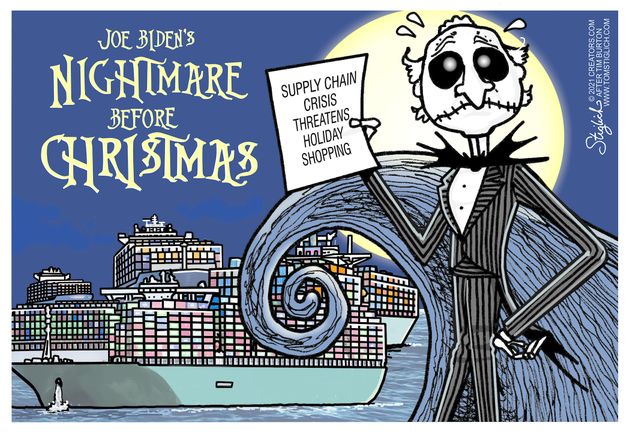
On the negative side … there’s a real important ratio called inventory to sales that measures how much inventory you have on hand relative to your average monthly sales. And those numbers are still near all-time lows or at least generational lows, suggesting we’re not quite out of the woods yet.

Blair: I want to focus on something that I’ve been curious about about these issues. It seems like we’ve been talking about this in the U.S. for quite a while now. Are these issues something that the rest of the world is experiencing as badly as we are? I know you mentioned the ports in China that got closed down due to one case of COVID. But are other countries experiencing supply chain issues just as badly as we are?

Griffith: Yes, we are not alone in this. I don’t know if that should give us comfort. But other parts of the world are struggling with this as well. And in fact, other parts of the world are still struggling with lockdown measures, which are an absolute affront to human liberty. So in that respect, at least we are outperforming because we do have, in most of the country, a greater respect for human dignity and basic of human rights.

Also … with some of these other countries that rely more on the export side, their economies are really being hammered on that because they are much more reliant on manufacturing for the employment of their populace.

Blair: Now, moving back to the domestic side, is this supply chain issue something that affects rural and urban Americans equally, or is this affecting one segment of the population more than another segment of the population?

Griffith: That is a great question, Doug, that I don’t know that I have an answer to. I do know this, that regardless of where you are living, if you are looking to buy a new washer, dryer, vehicle, clothing, so much of that is reliant on imports. Even if it’s manufactured here, it’s reliant on components that come from overseas. And you’re facing some either mild inconvenience—for instance, if your washer machine goes out, you might have to wait a week or two, maybe that’s a modest inconvenience. But let’s say you need a new vehicle, spending 30% more, 40% more for a car compared to a year ago, that’s a major problem, especially for a middle-class family.

So these issues, they really do impact rural areas, urban areas as well. If you’re looking to buy food, all of us, whether we live in the countryside or whether we live in a big city, unless we’re growing our own food, and 98% of us aren’t, well, a lot of that food comes from across the border as well, whether Mexico, Canada, or even overseas for a lot of our vegetables, and those have been increasing double digits, too. So that’s impacting all of us. We are, not to use that phrase, but we are all in this together.

Blair: In a way it’s kind of refreshing that this is something that Americans are going to have to deal with together. So on that topic, what can the American government do, if anything, to help end the supply chain crisis? I know we talked briefly about you were in favor of President Biden’s announcement that he was going to be keeping the Port of LA open 24/7. You mentioned it was a commonsense measure. What are some of the other things that the government can be doing to help end the supply chain crisis?

Griffith: Yeah, and to be clear, with those ports, President Biden can’t just flip the on/off switch on that, but he did encourage them to do that. And I think that should be applauded.

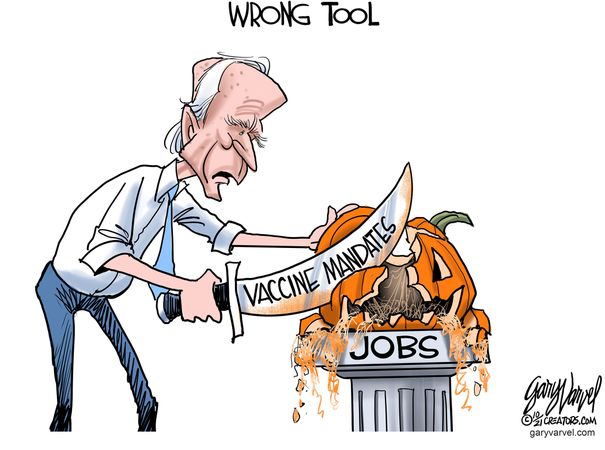
But something that government could do is roll back some of these remaining onerous COVID restrictions that aren’t really grounded in science. And No. 2, this is a real big one, the Biden administration has proposed a vaccine mandate for employees at companies larger than 100. That’s 80 million people that are impacted by that. And there are possibly 5%, 10%, maybe even more, of individuals that have indicated they would rather not work than be subjected to those vaccine mandates.

Now, 10% of the workforce might not sound like a lot, but that’s millions of individuals. And many of them do work in the transportation sectors, whether they are truck drivers or they work at docks. Well, that’s going to not just be a burden on their families if they find themselves required to no longer work because of this mandate, that’s going to impact all of us. Even if a few percentage points of people decide to sit at home, that work in these vital sectors, that’s going to impact all of us.

So the administration could also forego it’s unconstitutional, unlawful vaccine mandate.
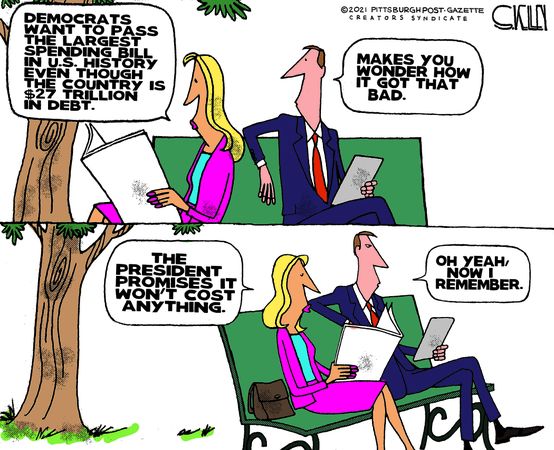
Thirdly, and this is a big one, the federal government should stop juicing demand artificially. We have a supply problem. We need to have more items produced, need to have more items shipped. The last thing we need right now, and really ever, is for the government to be printing and borrowing more money and artificially simulating demand at a time especially when supply just simply is constricted because of all these delays and restrictions.
So that’s three things right there the federal government could do to alleviate this problem.

And I want to add one more thing going forward, states have a role to play here longer term. With California looking to impose even more onerous restrictions on people in the shipping industry and in the trucking industry and diesel requirements, well, this gives opportunities for other states—we mentioned Alabama, Florida, Georgia, Texas in particular—to go ahead and pick up the slack. It’ll benefit their state economies. It’ll also benefit the country as well.

 

Meet the Runny Nose Coronaviruses

Background from A brief history of the coronavirus family excerpts in italics with my bolds.

Scientists have known of the human coronavirus since the 1960s. But only rarely has it garnered wider recognition over the past half a century.

One example was in 2003, when the severe acute respiratory syndrome coronavirus (SARS-CoV) caused an outbreak of the disease severe acute respiratory syndrome (SARS) in mainland China and Hong Kong. Another was in 2012, when the Middle East respiratory syndrome coronavirus (MERS-CoV) led to an outbreak of Middle East respiratory syndrome (MERS) in Saudi Arabia, the United Arab Emirates and the Republic of Korea, among other countries.

In both cases, the coronaviruses were new to science. Happily, both outbreaks were contained thanks to a combination of human intervention and still unknown natural circumstances.

Scientists know a great deal about human coronaviruses. But we don’t know it all. And there is a chance that scientists failed to identify a coronavirus pandemic in the 19th century. This brief introduction looks at the growing dynasty, as well as the one that we may have missed which could have a lot to teach scientists about COVID-19 and the human immune response.

The International Committee for the Taxonomy of Viruses has approved the naming of more than 40 coronaviruses. The vast majority of these infect animals. The COVID-19 outbreak has brought the number of identified coronaviruses that infect humans to seven.

Four of these are community acquired and have circulated through the human population continually for a very long time.

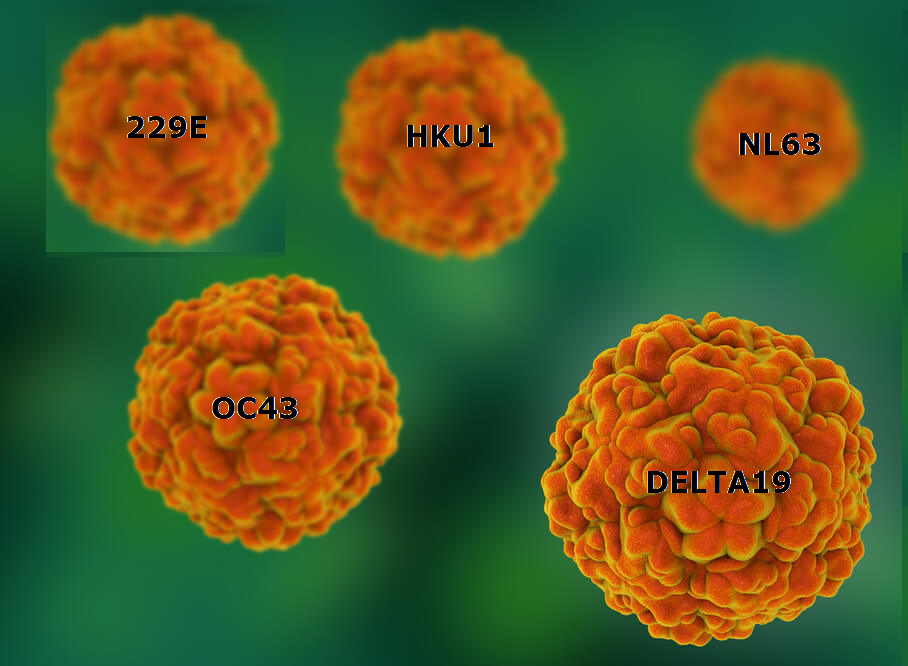
The four community-acquired human coronaviruses – meaning that they are acquired or arise in the general population – typically cause mild cold-like symptoms in humans. Two of them, hCoV-OC43 and hCoV-229E, have been responsible for between 10% and 30% of all common colds since about the 1960s.

While the discovery of novel coronaviruses like 229E and OC43 generated great media interest at the time—one article boldly proclaimed that “science has tripled its chance for eventually licking the common cold”—Dr. McIntosh recalls that the scientific community didn’t actively focus on investigating coronaviruses again until the emergence of SARS in 2003. Because 229E and OC43 caused relatively mild illnesses in people, doctors could treat them much like colds caused by other viruses: fever reducers, cough suppressants and the occasional bowl of chicken soup.

Since then, two more coronaviruses that also cause colds—NL63 and HKU1—have been discovered. And it wasn’t until 2012—nearly 50 years after its discovery—that the complete genome of 229E was finally sequenced. In the meantime, a number of case reports were published showing that 229E could potentially cause severe respiratory symptoms in patients with compromised immune symptoms, though for most healthy people its impact is mostly limited to a cold.

DELTA19: The Fifth Runny Nose CV?

Lubos Motl makes the case that the now dominant Delta variant has mutated to a more infectious, less deadly form, and should be managed as we do with the other four, and as Scandinavians are already doing. His article is Most Covid deaths are not due to Covid now.  Excerpts in italics with my bolds.
A simple calculation showing that Covid-delta is far less lethal than flu

One of the points that those of us who opposed the uncontrolled Covid hysteria emphasized from the beginning was the fact that the people who got a positive PCR test were not necessarily ill.

In practice, what matters are the fractions. It is a quantitative question. Some of the Covid-positive people have been ill, some of those were hospitalized or they died. But some of the PCR tests are false positives and many truly infected people with a positive PCR test are asymptomatic (or their illness is so mild that it is not worth mentioning).

A related statement was that In most countries, a Covid death only means a “death with a positive PCR test” which doesn’t mean that the death was fully or mostly caused by the Fauci virus.

Again, that is an important point to have in mind. But a year ago when the Czech daily casualties became substantial, I finally became certain that the distinction didn’t matter in the 2020-2021 winter season. One can look at the total weekly numbers of deaths. In Czechia (10.7 million people), there were numerous weeks in which the normal weekly number of deaths (2100) was doubled (4000+). In fact, the 2020 excess deaths (17k) surpassed the number of Covid deaths by dozens of percent. Some of the other deaths could have been either due to the lockdown and a less inaccessible healthcare; or they could have been deaths that were secretly due to Covid, too.

But this situation (“Covid deaths are mostly real deaths due to Covid” and “the excess of deaths is even higher than the official Covid deaths”) has profoundly changed when delta and derived variants have become the dominant versions of Covid. Four months ago I emphasized that Delta SARS-CoV-2 is strictly a common cold virus because it causes a running nose (this is true for all the derived variants, it is not useful for epidemiological purposes to distinguish them). A running nose is a cosmetic trait that makes the disease more infectious (you shoot droplets on others by your nose) but it also makes the disease far less serious because the nose’s reaction helps you to reduce the dose in your body quickly, perhaps before it becomes substantial in the lungs.

So the virus (overwhelmingly delta and derivatives) may also be PCR-found in 2% of the hospitalized people, 2% of ICU patients, and 2% of the people who died yesterday. For 16 weeks in a row, weeks 21-36, the total number of deaths in Czechia was below the normal (2015-2019 average). You may check that the deaths are below the normal even in a half of Europe right now. At any rate, we get about 300 deaths every day. If you assume that Covid is just spread randomly among these people (Covid doesn’t deliberately avoid the people who have serious cancer or heart attack etc.), it is unavoidable that 2% of 300 i.e. 6 people a day are dying with Covid even if Covid doesn’t contribute to the death at all!

So Covid delta simply is less dangerous than flu!

Right now, despite the growth from the early summer by 1.5 orders of magnitude, the number of active people is still just 150 per 100,000 or so, below the number 1,600-1,800 per 100,000 that normally defines a flu epidemics. So we are one order of magnitude below a flu epidemic’s threshold now; and the flu-like disease, Covid delta, is less dangerous than flu, too! Those are reasons why the non-standard and emergency policies (and the hysteria) are absolutely unjustifiable by the facts. Thank God, at least the 3 Germanic Scandinavian countries have understood that it is silly to “fight against Covid now” and they ended all restrictions. In fact, you don’t even need face masks inside airplanes, during flights inside Scandinavia.

Meanwhile, tons of other countries controlled by hopeless unhinged crackpots who actually believe that Covid delta is an exceptionally serious disease; or evil people who know very well that it is not but who just want to exploit the fabricated fear for their personal benefits are leading their nations into a suicidal, war-like behavior. The situation is most shocking in Australia but countries like Lithuania, Slovenia, and even Italy etc. have gotten close to this Australian insanity. In practice, if whole nations may be brainwashed to believe that the situation deserves a state of emergency now, they may be brainwashed even when the numbers are going to be even smaller than today (even if it is by extra 3 orders of magnitude smaller!). Because the “number of cases” is almost certain not to go to zero in whole affected countries for a year or many years (and reasonably likely, never), these brainwashed nations may expect quite a long, dark future.


Stop Big Pharma Using Little Pharma Against Ivermectin

For decades Big Pharma co-opted physicians to prescribe their products over those from competitors.  The biggest winnings came when a new patent drug had no competition.  And of course, when the patents run out, the generics take over the supply.  With the Covid pandemonia, a new dynamic arose to protect vaccine profits against anti-viral generic drugs, especially HCQ and Ivermectin.  Daniel Horowitz explains at Blaze Media Louisiana AG Jeff Landry warns pharmacies against blocking COVID treatment.  Excerpts in italics with my bolds.
“Never have pharmacists been allowed to practice medicine and get between a doctor and his patient,” stated Louisiana Attorney General Jeff Landry in an interview with TheBlaze. “Most certainly not in middle of a pandemic.”

State attorney general might not be the elected position that comes to mind when assessing the pandemic response, but Landry believes that his counterparts in other states have a vital role to play in ensuring that pharmacies, medical boards, and licensing boards are following the laws.  Earlier this month, Landry became the first attorney general to publicly warn pharmacists against blocking COVID-related prescriptions, particularly for ivermectin.

His letter was in response to an August memo from the Louisiana Board of Pharmacy titled, “Do not Use Ivermectin to Treat or Prevent COVID-19.”

In the letter to the board, Landry notes that the FDA has given clear guidance that physicians can always prescribe off-label FDA-approved drugs “when they judge that it is medically appropriate for their patient.” In fact, the FDA has made it clear that there is a particularly strong rationale for prescribing off label if there is no “approved drug to treat your disease or medical condition.” In this case, we are in middle of the pandemic, and pharmacy and licensing boards are not offering patients any other options for treatment of inflammation and thrombosis, two of the main COVID ailments for which there are numerous therapeutics that have been proven effective.

Landry also cites the Louisiana Medical Practice Act, which clearly precludes pharmacists from actively diagnosing and practicing medicine, something many of them have done by asking doctors for a diagnosis before filling the prescription. “Upon reviewing this act, I find nothing that would allow the board to second guess the sound medical judgement of a physician when it comes to prescribing legal drugs to their patients, nor do I see anything that allows pharmacists generally to object to off-label use of FDA approved drugs,” warned the conservative stalwart.

Ivermection or HCQ + nutritional supplements provide the early home treatment needed by people vaccinated or not.

Landry believes that fighting back against woke censorship of lifesaving prescriptions is important to preserving health and freedom. “What’s always been great about American health care is that we allowed our doctors to practice their trade freely and do what’s best for their patients. What’s happening now is that big chain pharmacies are making the determination of whether to treat this virus. That was never, ever the job of the pharmacist.

After verifying it’s a legitimate prescription by a licensed doctor, they no longer have any license to do anything but fill the prescription.”

Unfortunately, with the higher viral loads of the virus in recent months, patients have precious few days to obtain a prescription before potentially facing the dangerous cytokine storm that causes the pulmonary inflammation.

Doctors in all 50 states have reported problems getting prescriptions filled for their patients.

“It’s not just ivermectin,” warned Dr. Mollie James, a Missouri ICU doctor, in an interview with TheBlaze. “I’ve had patients refused for any reason. Pharmacists have told them the scripts were ‘flagged’ as for COVID and ‘kicked out’ all of the scripts. I’ve had pharmacists refuse to fill an antibiotic for someone because they ‘think we’re using it to treat COVID.'”

In Louisiana, the board has updated its guidance in response to Landry’s inquiry and has stated that the board has no policy regarding ivermectin. “As a reminder, pharmacists have the right to exercise discretion when presented with any prescription, including ivermectin,” wrote Malcolm Broussard, executive director of the Louisiana Board of Pharmacy, in a follow-up memo.

However, that sounds like they are still winking and nodding at policies percolating throughout the big pharmacy chains to obstruct as many prescriptions as possible, as I’m hearing from desperate patients throughout the country. Also, with the war on supply making the product more scarce, the price is rising well beyond what a generic, off-patent drug should cost. With insurance companies balking at ivermectin prescriptions, many people cannot afford the cost if they are forced to go to a smaller pharmacy that will gouge them.

For his part, Landry is monitoring the war on treatment for legal violations across the spectrum of health care in his state, which includes medical boards that are threatening doctors who are treating COVID. “We absolutely are monitoring both the medical board and licensing board for malicious prosecution beyond their purview because I believe that government actors who engage in that behavior are engaging in malfeasance,” he said.

Japan Urges WHO Change Name to Chinese Health Org.

Report from Gateway Pundit Japanese Vice President Says WHO Should Be Renamed the CHO or the “Chinese Health Organization” .  Excerpts in italics with my bolds.
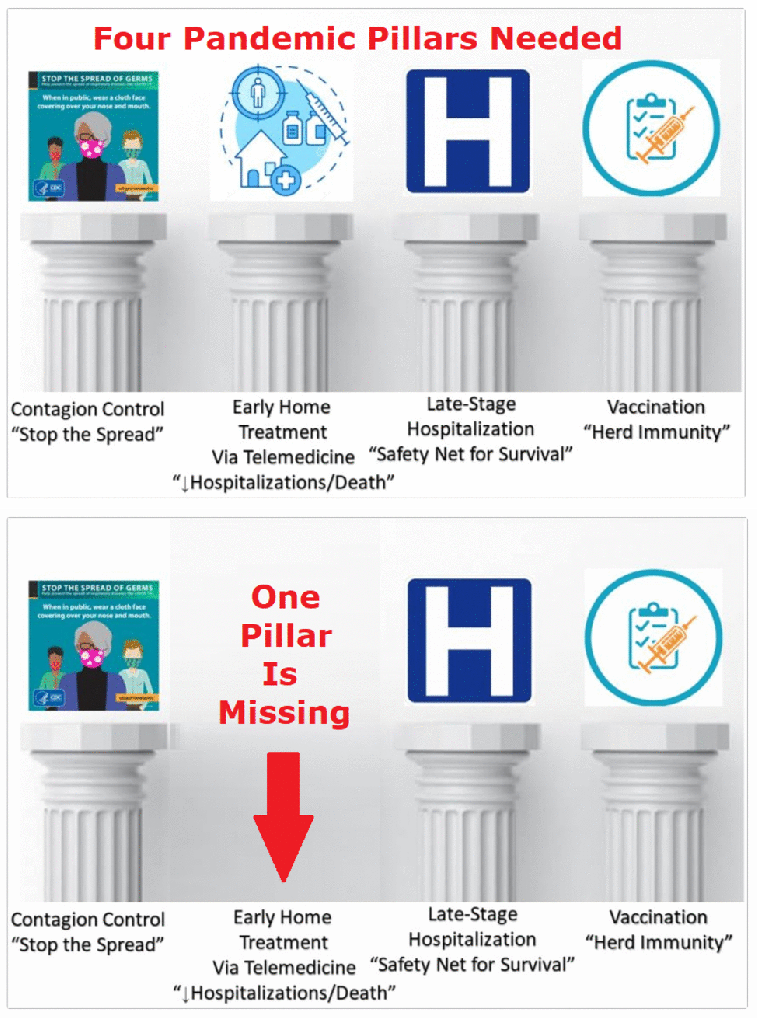
Japanese Deputy Vice President Aso Taro told reporters the World Health Organization should change its name to the Chinese Health Organization.

So far 500,000 people have signed the petition for the name switch.

Pro-Taiwan Japanese politician Aso Taro blasted the World Health Organization for bowing to China and excluding Taiwan as a member state. Speaking to Japanese lawmakers, Aso Taro, the deputy prime minister, said the WHO should change its name to the “CHO,” or China Health Organization.

Taro said being excluded from the global health body, Taiwan was driven to become a world leader in combating the coronavirus. The coronavirus pandemic has led to the postponement of the 2020 Olympics in Japan.

Speaking in Japan’s parliament, the country’s deputy prime minister leveled fresh criticism against China. Although the details are murky, the WHO’s previous director-general was a Chinese national and at the time, there were complaints all around. The current petition has gathered 500,000 signatures. People think the World Health Organization should change its name. It shouldn’t be called the WHO. It should be renamed the CHO. This appeal is truly resonating with the people.