In twenty-first-century America, ordinary people are at the mercy of well-paid, unelected government experts who wield vast power.
That is, we live in the age of the technocrats: people who claim to have special wisdom that entitles them to control, manipulate, and manage society’s institutions using the coercive power of the state.
We’re told these people are “nonpolitical” and will use their impressive scientific knowledge to plan the economy, public health, public safety, or whatever goal the regime has decided the technocrats will be tasked with bringing about.
These people include central bankers, Supreme Court justices, “public health” bureaucrats, and Pentagon generals.
The narrative is that these people are not there to represent the public or bow to political pressure. They’re just there to do “the right thing” as dictated by economic theory, biological sciences, legal theory, or the study of military tactics. We’re also told that in order to allow these people to act as the purely well-meaning apolitical geniuses they are, we must give them their independence and not question their methods or conclusions.
We were exposed to this routine yet again last week as President Joe Biden announced he will “respect the Fed’s independence” and allow the central bankers to set monetary policy without any bothersome interference from the representatives of the taxpayers who pay all the bills and who primarily pay the price when central bankers make things worse. (Biden, of course, didn’t mention that central bankers have been spectacularly wrong about the inflation threat in recent years, with inflation rates hitting forty-year highs, economic growth going negative, and consumer credit piling up as families struggle to cope with the cost of living.)
Conveniently, Biden’s deferral to the Fed allows him to blame it later when economic conditions get even worse. Nonetheless, his placing the economy in the hands of alleged experts will no doubt appear laudable to many. This is because the public has long been taught by public schools and media outlets that government experts should have the leeway to exercise vast power in the name of “fixing” whatever problems society faces.
The Expert Class as a Tool for State Building
The success of this idea represents a great victory for progressive ideology. Progressives have long been committed to creating a special expert class as a means of building state power. In the United States, for example, the cult of expertise really began to take hold in the late nineteenth and early twentieth centuries, and it led directly to support for more government intervention in the private sector. As Maureen Flanagan notes in “Progressives and Progressivism in an Era of Reform,”
Social science expertise gave political Progressives a theoretical foundation for cautious proposals to create a more activist state…. Professional social scientists composed a tight circle of men who created a space between academia and government from which to advocate for reform. They addressed each other, trained their students to follow their ideas, and rarely spoke to the larger public.
These men founded new organizations—such as the American Economics Association—to promote this new class of experts and their plans for a more centrally planned society. Ultimately, the nature of the expert class was revolutionary. The new social scientists thought they knew better than the patricians, religious leaders, local representatives, and market actors who had long shaped local institutions. Instead,
Progressives were modernizers with a structural-instrumentalist agenda. They rejected reliance on older values and cultural norms to order society and sought to create a modern reordered society with political and economic institutions run by men qualified to apply fiscal expertise, businesslike efficiency, and modern scientific expertise to solve problems and save democracy. The emerging academic disciplines in the social sciences of economics, political economy and political science, and pragmatic education supplied the theoretical bases for this middle-class expert Progressivism.
In the Progressive view, business leaders and machine politicians lacked a rational and broad view of the needs of society. In contrast, the government experts would approach society’s problems as scientists. Johnson felt this model already somewhat existed in the Department of War, where Johnson imagined the secretary of war was “quite free from political pressure and [relied] on the counsel of the engineers.” Johnson imagined that these science-minded bureaucrats could bring a “really economic and scientific application” of policy.
“Disinterested” Central Planners
Johnson was part of a wave of experts and intellectuals attempting to develop “a new realm of state expertise” that favored apolitical technocrats who would plan the nation’s infrastructure and industry. Many historians have recognized that these efforts were fundamentally “state-building activities … [and that] their emergence marked and symbolized a watershed in which an often-undemocratic new politics of administration and interest groups displaced the nineteenth century’s partisan, locally oriented public life”.
In short, these efforts sowed the seeds for the idealized technocracy we have today: unresponsive to the public and imbued with vast coercive power that continually displaces private discretion and private prerogatives.
Indeed, the Progressive devotion to expertise followed “the core pattern of Progressive politics,” which is “the redirection of decision making upward within bureaucracies.” Thus, in contrast to the populist political institutions of an earlier time, decision-making in the Progressive Era became more white-collar, more middle class—as opposed to the working-class party workers—and more hierarchical within bureaucracies directly controlled by the state’s executive agencies.
Who Should Rule?
In many ways, then, this aspect of Progressive ideology turned the political agenda of laissez-faire classical liberalism on its head. Liberals of the Jeffersonian and Jacksonian variety had sought to increase outside political influence in the policy-making process through elections and the appointment of party activists loyal to elected representatives. This was because liberals feared that an insulated class of government experts would function more in its own interests than those of the taxpayers.
The Progressives, however, imagined they could create a disinterested nonpolitical class of experts devoted only to objective science.
The fundamental question, then, became who should rule: insulated experts or nonexpert representatives with closer ties to the taxpayers. We can see today that the Progressives largely succeeded in granting far greater power to today’s technocratic class of experts. The technocrats are praised for their allegedly scientific focus, and we are told to respect their independence.
If the goal was ever to protect public checks on state power, however, this was always an unworkable ideal. By creating a special class of expert bureaucrats with decades-long careers within the regime itself, we are simply creating a new class of officials able to wield state power with little accountability. Anyone with a sufficiently critical view of state power could see the danger in this. Interestingly, it was anarcho-communist Mikhail Bakunin who recognized the impossibility of solving the problem of state power by putting scientific experts in charge. Such a move only represented a transfer of power from one group to another. Bakunin warned:
The State has always been the patrimony of some privileged class or other; a priestly class, an aristocratic class, a bourgeois class, and finally a bureaucratic class.
It is not necessary, of course, to have full-blown socialism to create this “new class.” The modern state with its mixed economy in most cases already has all the bureaucratic infrastructure necessary to make this a reality. As long as we defer to this ruling class of “scientists and scholars,” the Progressives have won.
Confidence in the judiciary depends on whether people perceive courts to
be genuinely neutral, not merely within a narrow band of progressive consensus
The trucker convoy that protested COVID vaccine mandates in Ottawa in February has been both joyously acclaimed and bitterly criticized. According to an April 9 article in Le Devoir, Supreme Court Chief Justice Richard Wagner has added his voice to those who have condemned it. If the account in Le Devoir is accurate, his comments starkly illustrate the degree to which judges feel at liberty to embrace progressive consensus at the expense of judicial neutrality. In mid May, a group of lawyers filed a complaint with the Canadian Judicial Council, arguing that Wagner’s criticisms undermine confidence in the impartiality of the courts, in particular on the issue of the government’s invocation of the Emergencies Act and the right to protest.
The trucks had been in Ottawa for two weeks when, on Feb. 14, the federal government invoked the Emergencies Act. It cited “the threat or use of acts of serious violence” as the rationale, even though the protests had been largely peaceful throughout and the government had received no intelligence about impending violence or the presence of weapons. Within a few days, police had cleared the trucks and supporters away and the bank accounts of several hundred Canadians had been frozen. On February 23, the use of the Emergencies Act was revoked.
At least four legal challenges to the government’s invocation of the act have been launched, one or more of which could easily wind up on appeal to the Supreme Court, with the chief justice sitting in judgment on the case.
In his interview with Le Devoir, Wagner characterized the protest on Wellington Street, where Parliament and the Supreme Court are located, as “the beginning of anarchy where some people have decided to take other citizens hostage.” The article reports Wagner as having declared that “forced blows against the state, justice and democratic institutions like the one delivered by protesters … should be denounced with force by all figures of power in the country.”To become a judge means to take on onerous responsibilities. “Justice should not only be done,” Lord Chief Justice Hewart famously said in a 1923 UK King’s Bench judgment, “but should manifestly and undoubtedly be seen to be done.” The Canadian Judicial Council, which oversees the conduct of judges on the country’s highest courts, and which the chief justice of the Supreme Court chairs, states in its Ethical Principles for Judges that “statements evidencing prejudgment … may destroy the appearance of impartiality,“ and so judges “should avoid using words or conduct, in and out of court, that might give rise to a reasonable perception of an absence of impartiality.”In a 2015 decision in which Wagner himself participated, the Supreme Court agreed. “Judges are required — and expected — to approach every case with impartiality and an open mind,” the court wrote, and must be perceived to do so. Traditionally, judicial comment on political matters is regarded as inappropriate. In 2016, U.S. Supreme Court Justice Ruth Bader Ginsburg apologized for making “ill-advised” criticisms of Donald Trump, who at the time was the presumptive Republican presidential nominee.
How then are the chief justice’s comments to be explained? At his first press conference in 2018 as the court’s chief, as reported in the Toronto Star, Wagner agreed that his court was “the most progressive in the world,”with a leadership role to play in promoting (progressive) moral values. Wanjiru Njoya, a legal scholar at the University of Exeter and formerly at Queen’s University in Kingston, has strongly criticized the fact that in the modern legal firmament, the range of what is considered reasonable has been narrowed to progressive ideals alone. In the courts and within the legal academy, as she puts it, the dominant perspective “delineates the boundaries of what progressives consider to be reasonable, measured, and balanced interpretations of the demands of justice.” Perspectives falling outside these boundaries, she says, are perversely defined as unreasonable and therefore regarded as not worthy of respect.
Through a progressive lens, in other words, impartiality means having an open mind to all reasonable perspectives — but only progressive perspectives are reasonable.
Progressivism is the ideology of collectivism, equity, wokeness, safetyism,and the managerial state. COVID has been progressivism’s perfect storm and sweeping pandemic bureaucracy its pinnacle achievement. Yet where the line is to be drawn between individual liberty and collective responsibility is a matter of legitimate dispute. Confidence in the judiciary depends on whether people perceive courts to be genuinely neutral, not merely within a narrow band of progressive consensus but on all matters of controversy within a pluralistic society.
Had the chief justice declared the truck convoy to be courageous, vaccine mandates illegitimate, and invocation of the Emergencies Act an outrageous violation of civil liberties, the federal government would justifiably perceive that he had prejudged the case.
Instead, his words reflect the government position that the protest was beyond the bounds of civilized behaviour and was properly crushed with state force. The question is not whether his views are correct, but whether they are premature and in the wrong forum. Should any of the Emergencies Act challenges make their way to the Supreme Court, the chief justice will sit in judgment on a dispute about which he appears to have already formed an opinion.
Having made his public comments, the chief justice could announce that he will recuse himself from the case to avoid a reasonable perception of bias. However, Wagner is not merely one of many federally appointed judges, but the chief justice of the highest court in the land. His opinion carries influence that cannot be nullified by simple recusal. The harm done to judicial impartiality on the issue of the invocation of the Emergencies Act cannot easily be remedied.
Bruce Pardy is executive director of Rights Probe and professor of law at Queen’s University. He was one of the lawyers on the complaint filed with the Canadian Judicial Council.
♦ mRNA vaccines promote sustained synthesis of the SARS-CoV-2 spike protein.
♦ The spike protein is neurotoxic, and it impairs DNA repair mechanisms.
♦ Suppression of type I interferon responses results in impaired innate immunity.
♦ The mRNA vaccines potentially cause increased risk to infectious diseases and cancer.
♦ Codon optimization results in G-rich mRNA that has unpredictable complex effects.
Overview
The mRNA SARS-CoV-2 vaccines were brought to market in response to the public health crises of Covid-19. The utilization of mRNA vaccines in the context of infectious disease has no precedent.
The many alterations in the vaccine mRNA hide the mRNA from cellular defenses and promote a longer biological half-life and high production of spike protein. However, the immune response to the vaccine is very different from that to a SARS-CoV-2 infection.
In this paper, we present evidence that vaccination induces a profound impairment in type I interferon signaling, which has diverse adverse consequences to human health. Immune cells that have taken up the vaccine nanoparticles release into circulation large numbers of exosomes containing spike protein along with critical microRNAs that induce a signaling response in recipient cells at distant sites.
We also identify potential profound disturbances in regulatory control of protein synthesis and cancer surveillance.
These disturbances potentially have a causal link to neurodegenerative disease, myocarditis, immune thrombocytopenia, Bell’s palsy, liver disease, impaired adaptive immunity, impaired DNA damage response and tumorigenesis. We show evidence from the VAERS database supporting our hypothesis.
We believe a comprehensive risk/benefit assessment of the mRNA vaccines questions them as positive contributors to public health.
Conclusions
In this paper, we call attention to three very important aspects of the safety profile of these vaccinations. First is the extensively documented subversion of innate immunity, primarily via suppression of IFN-α and its associated signaling cascade. This suppression will have a wide range of consequences, not the least of which include the reactivation of latent viral infections and the reduced ability to effectively combat future infections.
Second is the dysregulation of the system for both preventing and detecting genetically driven malignant transformation within cells and the consequent potential for vaccination to promote those transformations.
Third, mRNA vaccination potentially disrupts intracellular communication carried out by exosomes, and induces cells taking up spike glycoprotein mRNA to produce high levels of spike-glycoprotein-carrying exosomes, with potentially serious inflammatory consequences.
Should any of these potentials be fully realized, the impact on billions of people around the world could be enormous and could contribute to both the short-term and long-term disease burden our health care system faces.
In the end, billions of lives are potentially at risk, given the large number of individuals injected with the SARS-CoV-2 mRNA vaccines and the broad range of adverse outcomes we have described. We call on the public health institutions to demonstrate, with evidence, why the issues discussed in this paper are not relevant to public health, or to acknowledge that they are and to act accordingly. Furthermore, we encourage all individuals to make their own health care decisions with this information as a contributing factor in those decisions.
With each passing day, the news connected to the COVID shots grows worse. That the injections don’t prevent COVID — or even its spread — has been known for months, and post-injection problems encompass almost everything that can go wrong with a body.
“Not a single organ, not a single bodily function, is unharmed” after one of these shots, said Arne Burkhardt, a professor of forensics at Reutlingen’s Pathological Institute.
So little has been written about why “side effects” such as myocarditis have popped up that one can’t help but wonder: Does anybody understand how these shots work?
In the space below, let’s pick three of the harshest complications and explore how COVID shots could be driving the mechanics of each.
1 – Myocarditis
The pale-yellow fluid of the Pfizer or Moderna vial contains billions of microscopic fat globs called lipid nanoparticles. Each is an incredibly tiny envelope, used to conceal the novel drug: messenger RNA. Once injected, the combination of nanoparticles and mRNA becomes a well-camouflaged predator.
According to Pfizer’s own data, less than half the nanoparticles stay in the arm where they were injected. Most slip through tiny cracks in muscle tissue and enter the bloodstream. Venous blood speeds them to the heart, which pumps and disperses them to the entire body.
Depending on the level of exercise, from 5 to 25% of these particles wind up in coronary circulation. Why is this important? Consider the rather large number of nanoparticles that must slip into human heart tissue: 50 to 250 million out of each billion that enter the veins of the arm.
Coronary circulation branches into microscopic capillaries that rush nutrients to heart muscle cells. And since the nanoparticles designed by Pfizer and Moderna masquerade as triglycerides, heart muscle cells are apt to snatch them out of circulation as food.
Now imagine the shock for any hard-charging heart cell that engulfs one of these particles. Expecting a meal, the cell unwraps the envelope, and voilà! Freshly unveiled messenger RNA seizes the cell’s protein-generating apparatus, forcing out a known toxin — the COVID spike protein.
Very soon, with urgent biochemical signals, the afflicted cell telegraphs news of its hijacking to the immune system, which will marshal what it takes to destroy the cell.
An immune-mediated attack on heart muscle cells is, of course, the very essence of myocarditis.
Foreign RNA takes control of a cell’s protein production, transforming these cells into enemies of the body, and the immune system converts them into useless scar tissue. The process is irreversible, as heart muscle cells do not regenerate.
According to CDC, myocarditis from COVID jabs is “rare” and “mild,” but where is the evidence for this proclamation? Pfizer’s data shows every shot — at least in part — entering the bloodstream, so CDC has interesting notions about the word “rare.” Clinical myocarditis is never “mild.” A phenomenon that kills thousands of heart muscle cells is better classified as “serious” or “severe.” And even if the subject doesn’t die right away, how is that person not permanently injured? And how is the process not cumulative with each subsequent jab?
Given that about 40% of CDC income comes from vaccine patents and products, how can we be assured these experts are not self-serving?
2 – Vascular Damage and Heart Attack Risk
Now let’s turn attention from lipid nanoparticles to their end-product, the COVID spike protein. Having been forced into production by messenger RNA, spike protein peels off cell membranes and drops into general circulation. From there, it stabs and deactivates ACE-2 protein, which is displayed on the innermost lining of blood vessels.
Deactivating ACE-2 has enormous consequences for the body: Its loss leads to oxidative stress on blood vessels, putting the patient at risk for organ damage and blood clots over time.
Can oxidative stress persist for months, or even longer? A study of spike-injected hamsters showed that damaged ACE-2 was not replaced by mammalian cells. Either the cells never sensed that ACE-2 was “spiked” or didn’t generate a signal to replace spiked ACE-2 with a fresher version. To put it a more scientific way: Injected spike protein down-regulated ACE-2, probably for as long as the cells stayed alive.
Does any of this apply to humans? Using the PULS lab score to study a large group of at-risk patients, investigators found that future risk for heart attack remained almost triple two and a half months after two mRNA shots.
3 – Neurodegenerative Disease
Is the COVID jab really associated with premature Alzheimer’s and Parkinson’s disease? Evidence continues to mount, and spike protein is once again the culprit. Circulating spike targets the brain in a variety of ways:
♦ by exposing brain cells to unnecessary toxins through crowbar-like effects on the blood-brain barrier. ♦ by inducing susceptible proteins to misfold and become pathogenic. ♦ by attacking ACE-2 protein-rich environments in the brain. ♦ by forcing mitochondria (the energy-producing organelles of cells) into less efficient processes, so that injured brain cells take on the eerie characteristics of cancer and Alzheimer’s cells.
Long-term outlook
Messenger RNA technology has been around for over 20 years, and multiple vaccines have been attempted. Each failed because the experimental animals failed to thrive.
Last February, spike protein was found to inhibit type 1 interferon, the powerful regulator of the immune system. Hindering type 1 interferon reduces the body’s ability to defend against:
(1) malignancies
(2) autoimmune diseases
(3) viral infections
Over the next year, we will continue to observe how impaired interferon affects the great COVID shot experiment. But while we study the pathology, let us further develop the mechanisms associated with mRNA injections, so that new approaches to the injuries they inflict may be devised.
This post extracts from the above interview a clear conservative view of governing a contemporary nation, in particular Canada. The visionary is Pierre Poilievre ( pronounced pwa-lee-evre), who is not from Quebec as you might expect. Adopted son of Saskastchewan teachers, he grew up in Alberta, served since 2004 as a Member of Parliament from that province, and is contesting for leadership of the Conservative Party of Canada. Below is a transcript I produced from the captions in italics with my bolds.
Let’s look at Canada at this moment: What are our problems?
The the central underlying illness is a monstrous growth in the power and cost of the state
at the expense of the agency and freedom of the people.
That is the override and then there are specific examples of how that plays out. Take monetary policy. There’s no way Justin Trudeau could get away with spending all of the money he has in the last two years if he had to use real cash. Because people would never accept the many thousands of dollars of tax increases that it would require. So he has basically turned our central bank into an ATM machine for his spending. They’ve created 400 billion dollars of new money in two years which has given us a 30-year high in inflation and bumped up boosted real estate prices by 50 percent.
How does that compare to previous expenditures by governments? Well if you look at the balance sheet of the bank of Canada during the Harper era (PM 2006-2015), even during the great global recession there was a minor bump in the assets it held. That indicates how how much money it was injecting. Whereas right now that figure has shot off the charts.
The balance sheet of the central bank is up something like 350 percent and all that cash is particularly in ballooned asset prices. That’s the unspoken story.
Here everyone thinks about consumer inflation which is horrible enough. But then there’s asset price inflation and what that’s doing is creating an aristocratic economy where the bigger the asset value you had before the inflation, the richer you’ve become after it. It is almost like the housing is attached to a balloon and it’s being lifted higher and higher up. And anybody who’s not already in the house will never be able to grab it and get inside.
It is all the result of this massive expansion of the money supply. So we’re basically seeing a transfer of wealth from the the have-nots to the have-yachts, as I like to say. And it benefits those in the managerial class, the CEOs whose stocks have been artificially inflated. They’ve been able to give themselves share buybacks with exceptionally low interest rates. So they can borrow money and then buy back shares which increases share value and gives them a bonus. These are the folks who own mansions and live in neighborhoods that are protected by zoning laws against anyone else moving in. They have done exceptionally well over the last two years.
And yet the people who are doing the nation’s work are now having their salaries destroyed by inflation. And then at the local level you have municipalities bringing in our zoning laws that prevent new construction. So they’re making invisible gates, creating gated communities. But the gates are invisible because it’s government bureaucracy that prevents construction.
So we have fewer houses per capita than any country in the G7
even though we have the most land to build on
What I’m proposing is stop printing money and start building houses. I’m going to tell the big city mayors that if they don’t remove their bureaucratic zoning rules and let builders build, then I’m going to cut back on some of their infrastructure funds. Because I think it’s going to need something that drastic to get these gatekeepers out of the way and actually build houses so that our youth have a place to call home.
But you know it’s across the economy. Ironically all of these big government interventions seem to hurt the most disadvantaged. Our immigrants come here as doctors and engineers but they can’t work in those fields because of occupational licensing, more protectionism. Government is not enabling, they’re the gatekeepers. So I want to incentivize provinces to speed up recognition of foreign credentials so an immigrant doctor can actually work as a doctor.
And let’s remove the gatekeepers from our energy sector so we can build pipelines
and dig for resources and become energy self-sufficient.
And then remove the gatekeepers in speech. As you know the government is now pushing new censorship laws on the internet. I promise very clearly that I’m going to get rid of all of those laws and restore freedom of expression on the internet. There is a great need to remove the governmental gatekeepers to restore our freedom. Let people take back control of their lives
Now let’s delve into economic policy. The OECD recently predicted that Canada’s economy will be the worst performing advanced economy over 2020 to 2030. How lovely for us. So compared to many other countries that in some sense are peers, that’s a pretty damn gloomy forecast right because at that rate 40 years out we’re going to be the worst performing advanced economy in the world.
So what can we do differently and let’s focus on energy in particular because that’s a killer topic for everyone in the world at the moment
What did the conservatives do wrong, what has Canada done wrong what have the liberals done wrong apart from printing money like mad men and instituting these arbitrary rules?
Well I would respectfully disagree on the conservative economic track record. If you look at the 2008-09 financial crisis, we came through better than any of the other G7 countries, certainly way better than the Americans. We didn’t have a housing crash nor did we have a banking crisis. Not a single bank was bailed out and we had very modest inflation, which never cracked four percent, and was above three percent for only one or two quarters in the entire 10-year period.
When Harper was around, unemployment stayed relatively low and you could buy the average house. At the time Harper left office, in Canada average cost of a house was 434 thousand dollars. It’s almost unimaginable now.
But turning to energy, we need to repeal C69, the bill that makes it effectively impossible to build an energy project in Canada today. Because it introduced a whole series of sociological questions into the process that make no sense. You know Trudeau has said that energy projects cause gender imbalances. And therefore when someone applies to build one they have to write a sociological report on what the pipeline or the mine will do for gender relations.
In addition to being ridiculous pop culture sociology, it introduces massive uncertainty for investors. Because they don’t really know how and why a project will be approved or rejected. And they don’t have seven years to sit around, so they’ll take their money and invest it in other parts of the world. And that’s why the projects aren’t happening here.
We don’t mine lithium in Canada even though we have lots of lithium. In this electric car battery era, we’re importing lithium from China because they actually get projects built. However they burn coal to refine their lithium. So ironically we’re just inducing pollution in other countries when we buy electric cars that are made with lithium refined in that country. So if we could approve a lithium mine in Canada we could actually mine the stuff, refine it, manufacture it here.
We have the third biggest supply of oil on planet earth,
but we’re importing 130 000 barrels of overseas oil every day.
The solution is so obvious because right next door to the Saint John port where we bring in the oil, we have St John’s Newfoundland, capable of adding another 400 000 barrels of Canadian production. By just approving that production, we could ban foreign overseas oil from Canada all together. And that would mean the dollars wouldn’t be leaving our country for overseas dictatorships, but would be staying here paying Canadian wages instead.
On to natural gas. We have 1 300 trillion cubic feet of natural gas. And you know what you have to do to get natural gas onto a ship? You have to freeze it down to a liquid. So with our cold weather, it takes a hell of a lot less energy to liquefy natural gas here in Canada.
And we have another geographic advantage: The closest point in North America to Asia is from BC; The closest point in North America to Europe is Newfoundland. So we have a shorter shipping distance, less energy needed to liquefy gas, and yet we haven’t succeeded in building a single major liquefaction facility in Canada despite the fact that in 2015 there were 18 proposed projects. Approve those projects and we could be bringing hundreds of billions of dollars of opportunity to our people, and particularly our first nations people.
But it takes getting those regulatory gatekeepers out of the way to let it happen.
How do you take on the woke crowd who like to say: What about the planet? What about the climate crisis? If you turn back to fossil fuels you’re going to demolish the globe. In the next 30 years we should be moving towards net zero. You’re going to doom the poor to catastrophe while you’re pretending to elevate them economically. You’re going to be like cut into ribbons by that crowd, and so let’s talk about climate change and the Paris accords and all that. You we want to promote canadian energy, and you made a case for liquefication, so what should canada’s position regarding climate change?
The development of our energy infrastructure as well as our resources are not the problem, they’re the solution.
For example we export our natural gas we can displace foreign coal burning electricity. The energy hungry Asian markets are desperate for non-coal sources of electricity, but they need things like natural gas to replace coal.
As well as having that gas, we also have the biggest supply of civilian grade uranium in the world right in Saskatchewan. That could be used to export to regenerate emissions-free pollution-free nuclear energy. We have an over-abundance of hydroelectricity in Manitoba and Quebec that we could be exporting to the northern united states to displace their coal-fired electricity. We could be using small modular nuclear reactors to de-carbonize the electrical grid.
As for the oil sands, right here in Canada we have carbon capture and storage techniques in in our home province of Alberta that are second to none. For example White Cap Resources is a mid-sized company that says it’s actually a now a carbon negative company; in other words they bury more carbon in the ground than they put into the air.
So we have the technology and the resources to do it but right now what we’re doing is punishing our own resource sector to the advantage of heavily polluting foreign dictatorships with no environmental standards and who use the money to do great harm.
We would be better off to displace their energy with ours
and use that as a method of fighting for the environment
while enhancing the well-being of our working class at the same time.
Because we can make progress on the economic front and on the climate front at the same time. I would like to point out that America’s turn to natural gas has knocked their carbon dioxide output substantially down over the last 15 years, which is not a statistic you hear from the typical environmentalist types okay. If the world could turn to Canadian energy, as a consequence the net impact on the carbon economy would be positive.
If it means reduce reducing carbon carbon dioxide output and we could get wealthier in doing so, then why in the world aren’t the liberals already doing this?
It is hard to understand. I think it’s because their environmental policies seem mostly designed to give the state more control of the economy than they are designed to deliver an environmental outcome. By attacking the energy sector it gives them the ability to to create more of a command and control economy, which is what they believe in, and to redistribute wealth between industries and towards political friends in a very parasitical manner. You know we have a total nut as our environment minister right now. Steven Guilbeault is bonkers and he’s against nuclear power. It’s not just oil and gas, he would get rid of nuclear as well. So I don’t know what would be left. Maybe he thinks all you have to do to get electricity is put a plug in the wall.
The Trudeau policies are definitely designed to basically make the entire media apparatus dependent on the funding and the good will of the state. The government bureaucracy determines what is considered to be a qualified journalistic company. And they pick and choose based on their own political views who then qualifies and therefore gets the subsidy. This is intended to again create more dependency on the government and curry more favor with the state.
I haven’t made an announcement on exactly how I’m going to fix that problem yet but stay tuned. I want to de-politicize that and basically restore the freedom of the press in this country again by getting the state out of it.
What do you think of Mr. Trudeau?
So i think he’s an egomaniac and everything he does is comes back to his egomania, even his political ideology.. When you think about his his expansionist role of the state, it never comes back to serving an individual objective, only to make him more powerful or his legacy more grand.
Let me give you a few examples. So he slashed the amount you can put into a tax-free savings account but then he simultaneously increased the amount you were forced to pay into the state savings plan. He killed multiple pipelines then he invested state money in a pipeline. He attacked parents’ ability to take care of their own children by by removing tax fairness for families of the stay-home parent and then he brings in a government program to replace it.
In all cases what he does is take away the ability of business or individuals or families to do things for themselves and then require they do things through him and through the state.
His ideology is always about creating a pretext in order to justify the state garnering more control over every aspect of your life: how you raise your kids; how your business functions; what you see and say on the internet.
What actually happens in socialist models is that the rhetoric about economic equality never actually comes to pass. It was used as a tool to mobilize the masses, but ultimately the outcome was to concentrate power more in the hands of the political elite. Look government is really legalized force. So if you believe in big government, you believe in expanding force relationships always favoring the powerful. And so in reality those who have more political power then benefit from a bigger government. And those people are all rich and disproportionately powerful in the system.
So when this big beast called government gets bigger and more powerful, those who have the ability to steer that beast are the ones who are going to profit from it.
I think that we’re we’re divided right now in Canada because of a deliberate strategy of divide and conquer governments that want to enhance their control. They have to turn citizens against each other they have to make you afraid of your neighbor, your co-worker, your trucker, so that you’ll turn to the state for protection against your fellow citizens. That’s the oldest trick in the book: divide and conquer.
Control is by its nature divisive because it’s a zero-sum game. If one gets more control another must have less freedom. While the contrary is not the same. If your neighbor gets more freedom you don’t get less freedom. It’s likely you’ll have more as well
So if your friend has more freedom of speech, well you’ll have freedom of speech. If you are the immigrant who has the freedom to work as a doctor, then you’ll have the freedom to have a doctor. If the local small businessman has the freedom to function without red tape, then you’ll probably have the freedom to buy his products more affordably or your teenager might get a job. If a Muslim or Jewish person gets more religious freedom, then the Christian does as well.
That’s why freedom is a unifying principle: it brings people together because it allows each of them to be masters of their own destiny without taking anything from each other. We fight over control whereas we fight for freedom, that is the difference.
I believe we can bind up the nation’s wounds by reinstating the ancient freedoms that we inherited from our ancestors
And so I really see my role as quite an unimportant one: I’m here simply to restore what already belongs to Canadians by virtue of their 800-year inheritance of liberties going back to the Magna Carta. I’m just among the the common people who are custodians of that freedom while we’re alive. You know Edmund Burke said it’s a contract between the dead and the living and the yet to be born. We’re the living generation having the duty to pass on that inheritance. I want to re-kindle that inheritance and pass it on to my kids and so they can pass it on to their kids. I’ll pass on one day and fade away into the past, but hopefully we’ll have secured the freedom that we inherited for many more generations to come. That’s what I mean when I want to give people back control of their life in the present, and to extend it into the future.
Dr. Ted Noel explains the present situation clearly in his American Thinker post What Do We Know About COVID So Far? Excerpts in italics with my bolds and some headers and added images.
With all the thousands of studies bombarding the medical community, it’s helpful to set our microscope aside and look at the bigger picture. It’s virtually certain that the virus was engineered in Wuhan with financial and technical assistance directed by that highly competent bureaucrat, Anthony Fauci. But that doesn’t tell us what we should expect as the virus moves through society. For that, we must look at the science. And I don’t mean “I am science” Fauci. I mean real scientific data, something with which Fauci has little acquaintance.
Falsehoods Exposed
Perhaps we should start with that great scientist, Oprah Winfrey, who recently opined that ending the mask mandate on airliners was “premature.” As John Adams noted at the Boston Massacre Trial, “Facts are stubborn things.” They aren’t “my truth” or “your truth.” Facts don’t care who you are or what you think. When we state facts, we are presenting a verbal picture of reality. And the fact is that public mask-wearing has never been demonstrated to have any public health benefit. The only time that mask-wearing does any good is when health care workers in high exposure environments wear properly fitted, donned, and disposed of N-95 or better respirators.
Anything else is virtue signaling that denies the fact that public masking (a) doesn’t work and (b) has serious downsides.
The next great scientist is Bill Gates, who recently opined that we are in for another COVID wave that is likely to be more transmissible (true) and more deadly (false). Every variant of COVID has followed Muller’s Ratchet, becoming more contagious and less deadly. Even Delta was a bit less virulent than Alpha, but Omicron showed that more mutations encourage virus survival by infecting more people without killing them. This is the natural course of viruses, but anyone with a vested interest in vaccine profits or lockdown power simply cannot allow this fact to be known.
And that brings us to Saint Fauci. The Supreme Lord of NIAID popped up recently announcing that we might need more lockdowns to prevent the spread of some new variant.
The experience of the last two years should have proved to everyone that lockdowns are bad. They kill people with other medical problems due to foregone care. As then-Governor Cuomo of New York learned, sixty percent of NYC cases were directly caused by lockdowns. When people are stuck in recirculated air with infected victims, they get sick, as the Kirkland, Washington, nursing home tragedy proved. But tyrants can’t learn, and Cuomo multiplied New York’s headstone count bysending COVID patients to assisted-living facilities to kill others. All that could have been avoided if our public “health” authorities had taken a few minutes to read the epidemiology literature.
We knew that lockdowns were bad long before COVID was invented.
The occupant of the White House and the Chief Cackler are our next scientists. They both live in a protective bubble and are multiply vaccinated and boosted. They periodically opine that we may all need another “booster.” But Kamala’s re-infections prove that the booster will not work. In fact, we now know that Canada, Israel, Gibraltar, and others have increased infection rates in vaccinated individuals. This appears to be true in the US as well, but the CDC is reluctant to release the data.
This vaccine failure is due in part to direct immune suppression by the shot.
The military has made it clear to Senator Johnson’s committee that not only does it not prevent infection, but it also triples the rate of breast cancer, with even higher multiples for other cancers. Yet that great scientist, SecDef Lord Austin, mandated that all military personnel get the Fauci Ouchy. He is oblivious to the fact that many highly trained (translation: expensive) warfighters such as Special Forces and pilots have been rendered unable to serve due to the mental and physical effects of the spike protein presented by the shots.
Another reason for vaccine failure is that the virus has mutated to forms that have spike proteins markedly different from the alpha variant in the vaccine. In short, they’re different diseases, just like flu is actually a host of different diseases. The vaccine and boosters don’t have any meaningful benefit against the current ailment.
I could list a host of other “scientific” authorities who are making false claims, but all that would do is bore you. In particular, we should regard anything from the CDC or Big Pharma with great suspicion, since it is contradicted by most evidence. I’ll simply leave you with a set of bullet points, all supported by large volumes of scientific data.
Facts From Our Covid Experience
♦ COVID-19 is a mild disease with almost zero mortality for people under age 55.
♦ Serious co-existing disease is the best predictor of mortality in all age groups.
♦ Public masking has zero effect on transmission of airborne diseases, including COVID.
♦ The “vaccines” do not protect you from getting COVID or transmitting COVID. They do not lessen the severity of COVID when you get it. That is a result of the newer variants being less severe to start with. The vaccines and boosters are directed at a disease that doesn’t exist anymore.
♦ The “vaccines” reduce your immunity, making you more likely to catch symptomatic disease. This also makes it much easier for numerous cancers to grow.
♦ Natural immunity from disease recovery is far better than any supposed benefit of shots. If you got the vaccine and then got sick, your immunity afterward is less than if you didn’t get the shot at all. Remdesivir (Fauci gets $$ when it’s used) does not improve survival and probably causes other problems.
♦ Molnuvirapir, the new oral agent, isn’t as effective as Ivermectin, which the CDC steadfastly refuses to support. If you do get sick, get immediate treatment with Ivermectin. If your illness is from a different virus, it will probably help against that as well.
♦ Locales that opened up early generally have disease and death rates better than others.
♦ The safest place is outdoors, where the sun destroys viruses and they are dispersed into infinity.
I’m sure I left something out, but I’ll leave you with a couple of key items. First, don’t get the shot. It has no benefits and a host of bad effects I don’t have space to talk about. Second, take vitamin D3 and zinc. They have been shown to reduce viral infections a lot. Third, get a stock of Ivermectin. If you do get sick, start it immediately on your way to your urgent care. And don’t stop taking it even if they say to. They can lose their licenses if they agree with you taking it.
Government-based authorities are lying to us.
I know that’s strong, but it’s the truth.
The version of COVID that’s around now is a minor illness that is largely preventable and easily treated. That is a far better choice than getting a potentially deadly shot that a bunch of power brokers love. There will be many more variants, but the final variant is communism.
Ted Noel MD is a retired Anesthesiologist/Intensivist who podcasts and posts on social media as DoctorTed and @vidzette. His DoctorTed podcasts are available on many podcast channels.
IVM and HCQ protocols provide the missing pillar in places where they are made accessible.
Two very perceptive reports remind why we should not fall for the Biden regime’s attempt to use Ukraine to distract from their horrific governance. First is an interview with Jacques Baud, a retired Swiss Army officer who served in a variety of international posts, including a stint with NATO. H/T Gateway Pundit. Excerpts in italics with my bolds. The full interview is at the Postil Magazine, introduced in these words:
In this penetrating interview, Jacques Baud delves into geopolitics to help us better understand what is actually taking place in the Ukraine, in that it is ultimately the larger struggle for global dominance, led by the United States, NATO and the political leaders of the West and against Russia.
As always, Colonel Baud brings to bear his well-informed analysis, which is unique for its depth and gravity. We are sure that you will find this conservation informative, insightful and crucial in connecting the dots.
In 2014, during the Maidan revolution in Kiev, I was in NATO in Brussels. I noticed that people didn’t assess the situation as it was, but as they wished it would be. This is exactly what Sun Tzu describes as the first step towards failure. In fact, it appeared clear to me that nobody in NATO had the slightest interest in Ukraine. . . .we tend to portray the enemy as we wished him to be, rather than as he actually is. This is the ultimate recipe for failure. This explains why, after five years spent within NATO, I am more concerned about Western strategic and military capabilities than before.
The current war has its roots in the events of the Maidan in 2014. Simply put, the United States and the United Kingdom facilitated a coup that removed the democratically elected President and replaced him with someone the U.S. and the U.K believed they could control. It was in the aftermath of this coup that the people of Donetsk and Luhansk declared their independence One impetus for this move was the vote of the Ukrainian policy abolishing the law that permitted Russian to be used as the second official language in those regions that were Russian speaking.
Once the Donbas “republics” declared their independence, the Ukrainian Government declared them terrorists and dispatched its army to take control of the region. Despite having numerical and materiel superiority, Ukraine utterly failed to dominate Donetsk and Luhansk. Baud offers this insight:
After 2014, Ukrainian armed forces’ command & control was extremely poor and was the cause of their inability to handle the rebellion in Donbass. Suicide, alcohol incidents, and murder surged, pushing young soldiers to defect. Even the British government noted that young male individuals preferred to emigrate rather than to join the armed forces. As a result, Ukraine started to recruit volunteers to enforce Kiev’s authority in the Russian speaking part of the country. These volunteers ere (and still are) recruited among European far-right extremists. According to Reuters, their number amounts to 102,000. They have become a sizeable and influential political force in the country.
The Western narrative of a Russian intervention in Ukraine got traction, although it was never substantiated. Since 2014, I haven’t met any intelligence professional who could confirm any Russian military presence in the Donbass. In fact, Crimea became the main “evidence” of Russian “intervention.” Of course, Western historians ignore superbly that Crimea was separated from Ukraine by referendum in January 1990, six months before Ukrainian independence and under Soviet rule. In fact, it’s Ukraine that illegally annexed Crimea in 1995. Yet, western countries sanctioned Russia for that…
Think about this for a minute–if the Ukrainian Army could not defeat the militias in the republics of Luhansk and Donetsk over the last 8 years, how in the world is that Army going to defeat the Russian Army? It is delusional.
Three Points Deserve to be Highlighted by Way of Conclusion
1. Western Intelligence, Ignored by Policymakers
Military documents found in Ukrainian headquarters in the south of the country confirm that the Ukraine was preparing to attack the Donbass; and that the firing observed by OSCE observers as early as February 16 heralded an imminent outbreak in days or weeks.
Here, some introspection is necessary for the West—either its intelligence services did not see what was happening and they are thus very bad, or the political decision-makers chose not to listen to them. We know that Russian intelligence services have far superior analytical capabilities than their Western counterparts. We also know that the American and German intelligence services had very well understood the situation, since the end of 2021, and knew that the Ukraine was preparing to attack the Donbass.
This allows us to deduce that the American and European political leaders deliberately pushed the Ukraine into a conflict that they knew was lost in advance—for the sole purpose of dealing a political blow to Russia.
The reason Zelensky did not deploy his forces to the Russian border, and repeatedly stated that his large neighbor would not attack him, was presumably because he thought he was relying on Western deterrence. This is what he told CNN on March 20th—he was clearly told that the Ukraine would not be part of NATO, but that publicly they would say the opposite. The Ukraine was thus instrumentalized to affect Russia. The objective was the closure of the North Stream 2 gas pipeline, announced on February 8th, by Joe Biden, during the visit of Olaf Scholz; and which was followed by a barrage of sanctions.
2. Broken Diplomacy
Clearly, since the end of 2021, no effort has been made by the West to reactivate the Minsk agreements, as evidenced by the reports of visits and telephone conversations, notably between Emmanuel Macron and Vladimir Putin. However, France, as guarantor of the Minsk Agreements, and as a permanent member of the United Nations Security Council, has not respected its commitments, which has led to the situation that the Ukraine is experiencing today. There is even a feeling that the West has sought to add fuel to the fire since 2014.
Thus, Vladimir Putin’s placing of nuclear forces on alert on February 27 was presented by our media and politicians as an irrational act or blackmail. What is forgotten is that it followed the thinly veiled threat made by Jean-Yves Le Drian, three days earlier, that NATO could use nuclear weapons. It is very likely that Putin did not take this “threat” seriously, but wanted to push Western countries—and France in particular—to abandon the use of excessive language.
3. The Vulnerability of Europeans to Manipulation is Increasing
Today, the perception propagated by our media is that the Russian offensive has broken down; that Vladimir Putin is crazy, irrational and therefore ready to do anything to break the deadlock in which he supposedly finds himself. In this totally emotional context, the question asked by Republican Senator Marco Rubio during Victoria Nuland’s hearing before Congress was strange, to say the least: “If there is a biological or chemical weapon incident or attack inside the Ukraine, is there any doubt in your mind that 100% it would be the Russians behind it?” Naturally, she answered that there is no doubt. Yet there is absolutely no indication that the Russians are using such weapons. Besides, the Russians finished destroying their stockpiles in 2017, while the Americans have not yet destroyed theirs.
Perhaps this means nothing. But in the current atmosphere, all the conditions are now met for an incident to happen that would push the West to become more involved, in some form, in the Ukrainian conflict (a “false-flag” incident).
There’s a strong case to be made that since the end of World War II, Americans have grown increasingly narcissistic on average – more entitled, with an inflated sense of self-importance.
Psychologists Jean Twenge and W. Keith Campbell are most responsible for collecting data and creating a narrative to support this claim. According to the duo, the rise began with the Baby Boomers, who grew up in an era of relative ease and plenty after their grandparents endured a Great Depression and their parents soldiered and sacrificed through World War II. By the time they were college-aged, Boomers eschewed the collectivist mindset of their elders in favor of individualism.
The trend continued with Boomers’ kids. As Dennis Shen wrote for the London School of Economics’ Phelan United States Centre, “One study comparing teenagers found that while only 12% of those aged 14-16 in the early 1950s agreed with the statement “I am an important person”, 77% of boys and more than 80% of girls of the same cohort by 1989 agreed with it.”
And, of course, the rise in narcissism has persisted since. In 2008, Twenge published a study comparing college students’ scores on the Narcissistic Personality Inventory scale to scores from students in 1979, finding that levels of narcissism had risen roughly 30 percent.
Additional research has evinced this increase. “59% of American college freshmen rated themselves above average in intellectual self-confidence in 2014, compared with 39% in 1966,” Shen wrote.
Owing to the elevated prevalence of social media services over the past decade, it’s highly likely that the rise in narcissism has only accelerated of late.
We see it on Twitter, where users flock to share their ‘brilliant’ opinions. We see it on Instagram and TikTok, where people carefully curate their online personas. We also see it in traditional media sources, where elite-educated journalists often make themselves the story and focus on tending their Twitter profiles. Narcissism also reigns on television news. Gone are the days of humble correspondents and “just the facts” anchors, replaced by talking heads and opinionated hosts more interested in their ratings than the truth.
Of course, while narcissism has risen, that doesn’t mean we are all narcissists. It exists both as a trait, which is on a spectrum, and a personality disorder, which is much more extreme and debilitating. Narcissistic personality disorder has actually remained fairly stable in the U.S. over the past decades. This means that the average American is more self-centered than they used to be, but decidedly not stuck in their own head.
What are the wider effects of this psychological transition?
As Shen speculated, partisanship has exploded as people have grown more enamored with their own beliefs and less open to others’. Debt-financed conspicuous consumption “to elevate one’s status in front of others, rather than out of necessity” has risen. And an increasing disdain for government could partly be attributed to a focus on somewhat arrogant self-sufficiency.
There is also another way to look at the rise in narcissism – as a defense mechanism. Narcissism is often driven by low self-esteem and insecurity. Since the 1950s, wealth inequality has risen, cost of living has exploded, especially for housing, and puchasing power has stagnated. Combine these economic pressures with the competitive, pressure-filled media environment since the turn of the century and you have a recipe for a rise in narcissism. And sadly, narcissism is linked to elevated hostility and aggression towards others. One hopes that Americans can find a way to cool their collective narcissism before it boils over.
Narcissism Linked to America’s Political and Economic Crises
Dennis Shen tracks narcissism’s rise, the potential link to economic conditions and discusses consequences. Moreover, he notes the striking phenomena now comparably evolving in China and abroad.
At extremes, narcissism undermines institutions that underpin a strong society, with links to shallow values, less intellectual interest and value on hard work, aggression and relationship complications, and lack of empathy and concern for others. When we consider political or economic dilemmas, we should not avoid discussion of the role that cultural factors and social psychology might have.
A multi-generational change
In the aftermath of the Second World War, a rare consensus within America emerged, the result of existential crises in the form of the World War and looming Cold War. In an era when the United States’ hegemony was unchallenged in the West, a type of groupthink existed within the nation’s borders—the ‘Greatest Generation’ emphasized conformity and discouraged individuality. This was supported by earlier shared struggles and the decline of class differences during the Great Depression and war era. This post-war era of togetherness saw unprecedented economic stability and trust in the state as the steward of the people. The nation backed global reciprocity, exemplified during the founding of the United Nations, Bretton Woods institutions and Marshall Plan.
As the Baby Boomers came of age in the 1960s and 70s, the grey society of the post-war consensus had begun to vanish in favor of a more individualistic focus on self-expression and self-identity.
The problem is that this change in the narrative furthered henceforth. It became pronounced enough by the 1970s that Tom Wolfe in 1976 titled this “The ‘Me’ Decade”. The cohorts that were raised in the 70s and 80s—Generations X and Y—continued this trend: to the extent that one study comparing teenagers found that while only 12% of those aged 14-16 in the early 1950s agreed with the statement “I am an important person”, 77% of boys and more than 80% of girls of the same cohort by 1989 agreed with it. This evolution has accelerated since the 1990s and 2000s, with the rise of the internet and social media influencing the social milieu of the Millennials and Generation Z.
Cultural roots of the modern crisis
Many of the extant crises in the United States can be traced to some extent to such cultural factors and entitled behavior. The racial and ideological tensions, and consequential partisanship in Washington—which supported the election of Donald J. Trump, have been exacerbated by the self-focused and competitive behavior of separate interest groups in society and politics, with not enough of the requisite empathy to reassess the world from one another’s vantage points. The financial crisis can be explained in part by the narcissistic behaviors of bankers and consumers alike—creating a “time-delay trap” of near-term greed over long-term logic. America’s trade deficit has been exacerbated by debt-financed “conspicuous consumption”—goods purchased to elevate one’s status in front of others, rather than out of necessity. And the crisis of confidence in government can be ascribed in part to the philosophical “hunkering down” and focus on self-sufficiency, rather than on mutual dependence.
Methods to address narcissism are not simple, however, even if society is malleable. During times of economic growth and stability, narcissism tends to grow. This is due to how success and prosperity impacts people, how that then filters to more accommodating parenting norms, and how we’re affected by urbanization and changes to smaller family sizes. Conversely, economic hardship and economic down-cycles tend to support group-minded, non-self-centered people, by enforcing modesty and hard work. In that, there may be both an inherent cyclical dynamic between business cycles and narcissism, and a structural dynamic between economic development and narcissism—with too much societal hubris only correctable in the end through a form of economic or national crisis.
A crisis around the world
The issue has not been isolated to the United States. Rather, the evolution of narcissism has advanced around corners of the world.
In China, there’s been an economic revolution experienced within the span of half a lifetime—with hundreds of millions lifted out of poverty since 1980 and living standards transformed and modernized. But, with the economic miracle has come the sudden upheaval in former collectivistic norms. The rise of the ‘Little Emperors’ and ‘Precious Snowflakes’ is now evident in younger generations that have grown up in only-child households amongst growing economic abundance. Research notes the role of sociodemographic factors in this increase in narcissism. In the decades ahead, societal, political and economic dilemmas could manifest, if such trends in China advance absent pushback.
A recognition of the problematic associations with narcissism is critical to solving domestic and international issues impacted by it. In addition, greater attention needs to be placed in policy circles on how economic and political development can be furthered whilst preserving or inducing characteristics of a cohesive, self-critical community.
Tesla’s billionaire CEO Elon Musk, who submitted a $43 billion bid to buy Twitter on Thursday, said later in the day at a TED conference in Vancouver that he has “sufficient assets” to buy the social media company and already has a “Plan B” ready if the board decides to reject his offer.
KEY FACTS
♦ “I can do it if possible,” Musk said at the conference when asked if he could actually afford to buy Twitter, adding that he has “sufficient assets” to carry out such a deal, amid doubts that he has enough liquidity given almost all his wealth is tied up in SpaceX and Tesla stock.
♦ The Tesla billionaire also said that he “has a Plan B” if Twitter’s board of directors, which will meet to discuss his attempted acquisition, reject his offer.
♦ The comments notably contrast with what Musk said earlier in filings with the Securities and Exchange Commission, when he described his $43 billion takeover bid for Twitter as his “best and final offer.”
♦ Musk reiterated that he wants to buy the social media platform as it has become the “de facto town square” and it remains imperative for there to be “an inclusive arena for free speech” in society.
♦ “I don’t care about the economics at all,” Musk responded when asked about making money on Twitter, adding that he wants to convert the platform to an open-source algorithm where users could review the code, instead of “having tweets sort of be mysteriously promoted and demoted with no insight.”
Musk’s bid to buy Twitter was met with mixed reactions from Wall Street analysts on Thursday. Some experts are adamant that Twitter will have a hard time rejecting the $43 billion offer or that this is just the beginning of a hostile takeover battle. Others remain highly skeptical, with some analysts calling Musk’s latest moves a “distraction” from challenges at Tesla.
Yes, Fauci has never worried about consistency or even contradicting himself one day to the next, often without explanation. Too often his doling out “the science” has felt like performance art. Still, the record is that Fauci and all his compatriots either downplayed or denied natural immunity for two years. That has been the source of vast confusion.
In fact, this might have been the most egregious science error of the entire pandemic. It amounted to giving the silent treatment to the most well-established point of cell biology that we have. It was taught to every generation from the 1920s until sometime in the new century when people stopped paying attention in 9th-grade biology class.
There’s no question that this effort to deny natural immunity
was systematic and pushed from the top.
How has this changed? In February 2022, the CDC finally published on the topic that they could not forever deny. And now, Fauci himself let the following slip in an interview on March 23, 2022:
“When you look at the cases they do not appear to be any more severe [than Omicron] and they do not appear to evade immune responses either from vaccine or prior infection.”
What’s critical here is not his debatable claim about vaccines but rather his offhand remark about prior infection. It was tossed off as if: “Everyone knows this.” If so, it is no thanks to him, the CDC, or WHO.
To be sure, everything we’ve known since two years ago – if not 2.5 thousand years – is that immunity from prior Covid infection is real. Vaccines have traditionally been a substitute version of exactly that. Brownstonehas assembled fully 150 studies that demonstrate that immunity through infection is effective, broad, and lasting.
Had that messaging been around during lockdowns, the attitude toward the virus would have been very different. We would have clearly seen the present reality from the beginning, namely that endemicity generally arrives in the case of a new virus of this sort due to exposure-induced population immunity. This is how humankind evolved to live in the presence of pathogens.
If we had widespread public awareness of this, the public-health priority would not have been locking down people who can manage exposure but rather alerting those who cannot to be careful until herd immunity in one’s own circle of contacts has been realized via meeting the virus and recovering.
To those who say that is dangerous, consider that mass exposure is precisely what happened in any case, stretched out over two years rather than occurring in a single season. This delaying of the inevitable might be what allowed for variants to emerge and take hold in successive rounds, each new one hitting naive immune systems in ways that were difficult to predict. Flatten the curve amounted to “prolonging the pain,” exactly as Knut Wittkowski predicted in March 2020.
A widespread understanding of natural immunity would have changed the entire calculus of public perception of how to manage one’s life in the face of a new virus. Instead of just running and hiding, people might have considered tradeoffs, as they had always done in the past. What is my risk of infection and under what conditions? If I do get the thing, what happens then? It might also have changed the priorities from disease avoidance and vaccine subsidies and mandates to thinking about the crucial thing: what should people do if they get sick? What should doctors recommend and prescribe?
The neglect of therapeutics figures into this very highly.
If people believe that locking down, staying away, masking up, stopping travel, and generally giving up all choices in life were the right way to make a pathogen magically disappear, plus they are under the impression that the risk of severe outcomes is equally distributed across the whole population, plus they believe that 3-4% of the population is going to die from Covid (as was suggested in the early days), you end up with a much more compliant people.
If natural immunity had been rightly seen as the most robust and broad form of immunity from the beginning, and we instead followed the idea of focused protection, the vaccine mandates would have been out of the question.
In other words, the silence of this topic was critical to scaring people all over the world into going along with an unprecedented attack on rights and liberties, thus losing up to two years of childhood education, closing millions of small businesses, and denying people basic religious liberties, in addition to the collapse of public health that resulted in record-breaking alcohol and opioid-related deaths, not to mention lost cancer screenings, childhood vaccinations, and general ill-health both physical and mental.
This stuff is not without consequence. Once might expect some contrition. Instead we get a passing comment and nothing more. After all, frank talk about this subject might be risky: it would imply that their entire mitigation strategy was wrong from the beginning and should never be attempted again.
Time to get real. Ukraine is an equal opportunity crisis because it provides politicians of both parties a chance to be wrong, although it allows the Democrats the opportunity to do what they do best and be much, much more wrong. For the Republicans, it lets them indulge the desire of some to return to a time when America could focus its moral firepower – if not its firepower firepower – upon a readily-identifiable baddie like it did during the Cold War or the War on Terror. For the left, it allows them to create a moral panic to replace COVID, which, naturally, requires that we Americans “sacrifice” even more of our freedom and money.
From the perspective of someone who actually trained Ukrainian troops in Ukraine, commanded US forces, and attended the US Army War College – though it’s kind of the Chico State of war colleges – the whole way our elite is approaching the crisis is an epic clusterfark.Don’t believe anything anyone tells you – and certainly, sanity check whatever I’m telling you, too – most of these insta-experts on intra-Slavic conflict know absolutely squat-ski. Moreover, their remarkably dumb observations and credulous acceptance of conventional wisdom, which has proven long on conventional and short on wisdom, are being presented without any kind of strategic context. They don’t know where this crisis came from and certainly have no clear notion of where they want it to go beyond the vague and unhelpful idea that they want Putin (which they use interchangeably with Russia) to “lose” without knowing what that even means.
Biases are important, and here are mine. I sympathize with the Ukrainian people, partly because I worked with them and partly because I was an end-stage Cold Warrior who came up training to fight Russians. I understand that this mess is not merely the result of Putin being bad or Trump being insufficiently anti-Putin, like LTC Sausage and the rest of the failed foreign policy elite and regime media insist. Putin’s badness plays a part, but he’s merely exploiting thousands of years of bloody history, of ethnic hatred, and of Orthodox mysticism, as well as totally misguided and poorly-considered Western interference. The idea that we could just make Ukraine part of NATO and the Russians would just lump it is remarkable for its dumbness, but it is fully in keeping with our foreign policy elite’s unbroken track record of failure since the old-school military’s victory in the Gulf War – something I discuss in-depth in my upcoming Regnery book “We’ll Be Back: The Fall and Rise of America.”
My bottom line is that the Ukrainians are imperfect, and regardless of whether the Russians have some quasi-legit beefs in some cosmic sense, you don’t solve them by sending in a couple hundred thousand mechanized soldiers.
The expectation was that the Russian forces would smash through, surround the Ukrainian forces pinned down facing the Russians in the occupied regions to the east, and isolate the main cities. I did not expect them to go into the cities immediately since Russians 1) generally bypass hard defenses; 2) they have bad experiences with city fighting (Stalingrad, Grozny); and 3) that would not necessarily be necessary. It would not be necessary if the idea was to neutralize the main Ukrainian combat formations and force the government in the cities to capitulate, then have the West pressure the Ukrainians to accept a ceasefire and “peace” that recognized Russian gains and ended the idea of Ukrainian allying with the West. In fact, that is pretty much what the Russian “peace plan” consists of.
But that did not work for a couple of reasons.
First, the Russians did not fight as well as expected. You should always treat the enemy as if it is the best possible enemy. We did in the Gulf. We prepared to fight elite Republican Guard divisions of highly trained and motivated soldiers using top-shelf Soviet equipment and tactics. None of that was so; we crushed an entire national army in 100 hours.
The Russians are poorly-led, with very weak synchronization among maneuver forces and fires. Their plan is okay – in fact, you look at a map, and it’s obvious what they would do. But their gear is badly-maintained, and their troops are unsuited to the task of supporting a rapid advance. Look at all the evidently intact gear simply abandoned by the side of the road. Lots of it looks like it broke down (note all the flat tires). Much of it seems to have run out of gas. And, of course, lots of stuff had been blasted apart.
That’s the second part of the equation – the Ukrainians fought back hard. If you are a Lord of the Rings nerd, think of the Ukrainians as the dwarves. Not super-sophisticated but tough and ready to fight, and also often drunk.
If you want to see the future of this war, look at videos of Ukrainian infantry patrolling near the front. Every second guy has an anti-tank weapon, like a Javelin or some other system, and the rest are carrying spare missiles. Mechanized forces unprotected by infantry are vulnerable to ambush by anti-tank teams. The Russian armor outstripped its ground pounders and is getting pounded itself. Further, Ukrainians seem to have success with drones firing anti-tank weapons.
The war is not going to be won by conventional battalions of Ukrainians operating with conventional aircraft. It will win with light infantry and drones armed with missiles.
This is why the whole Polish MiG thing is so silly and why Republicans are so wrong to get behind it. So, the Poles will (in return for F-16s and F-15s) give up their 30-year-old MiG-29s to the US, which will then give them to Ukraine, which will then fly them to victory. No. Let’s leave the escalation part aside – and that’s a pretty big consideration. Putin has nukes, and escalation is not in our interest. If America is using a base in Germany to assemble a bunch of fighters that will be attacking Russians, are they a target and thereby a trigger for WW3? Yeah, I know the argument that it’s not an escalation, but guess what? We don’t get a vote. Putin – who we have been told is an amalgam of crazy, stupid, and evil (the third is undeniable; the first two wishful thinking) gets to decide. He’s the guy with the finger over a button, and it doesn’t say “Reset.”
Let’s look at the practical part. Fighters are part of a conventional war, which Ukraine should not fight since Russian conventional forces are so much larger. A couple of dozen hand-me-downski fighters are going to turn the tide? If the Ukrainians’ own jets flown by their top pilots got shot down already by Russia’s formidable air defenses, which is probably true (don’t buy the “Ghost of Kyiv” stuff), what’s going to happen to a bunch of planes that – assuming they are even flyable – are being flown by the Ukrainian equivalent of Randy Quaid in “Independence Day”? It’s the Bad News Bears squadron; they might as well plaster “Sponsored by Chico’s Bail Bonds” on the tails.
This war gets won by cheap drones and little groups of armed Ukrainians packing AKs and plinking tanks and IFVs with portable missiles.
But what does “won” mean? Has anyone in the US government articulated what conditions we are seeking to achieve? Is it to “beat the Russians?” What’s that mean? Our establishment is gung-ho to help, and I don’t mind, but what are we helping to do? Ukraine’s interests involve pushing Russia out of its territory. But time for some hard truth – continuing this economically disastrous war until every boot is off Ukrainian soil is not necessarily in America’s interest, and America’s interests need to come first. We could live with resolutions that the Ukrainians might not want to live with.
And if our elite can’t articulate a short-term end-state, it sure can’t articulate one for five years from now. It is in America’s interest to wean Russia from China over the long term, but are we aiming at that? Do we want to do such damage to Russia that we can never hope to recover it from China’s orbit? After all, China is the big enemy. Russia is just a Shell station guarded by Paul Blart, except instead of a whistle, he’s got H-bombs.
“Putin bad” is true, but it’s insufficient. It’s time for some real talk about America’s interests, which may not be Ukraine’s interests, and how we are pursuing them. Except no one wants to talk about that because that’s not fun. Moral panics are, and stopping for a second to think strategically spoils the party for many in both parties.
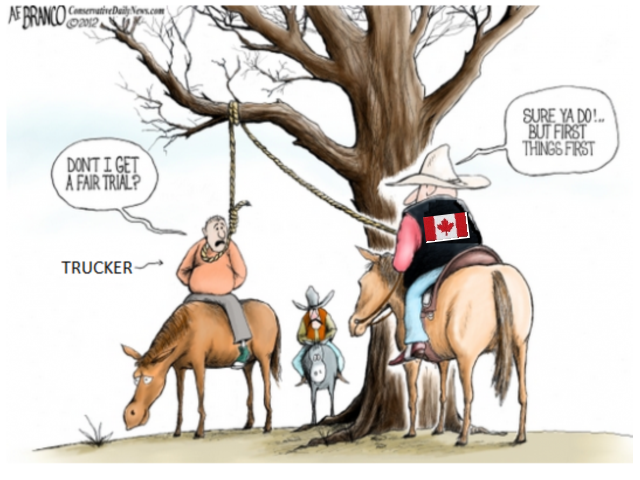
 Ryan McMaken explains at Mises Why Progressives Love Government “Experts”. Excerpts in italics with my bolds and added images H/T zerohedge


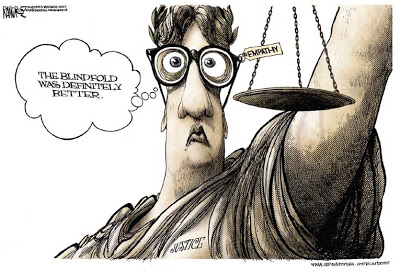


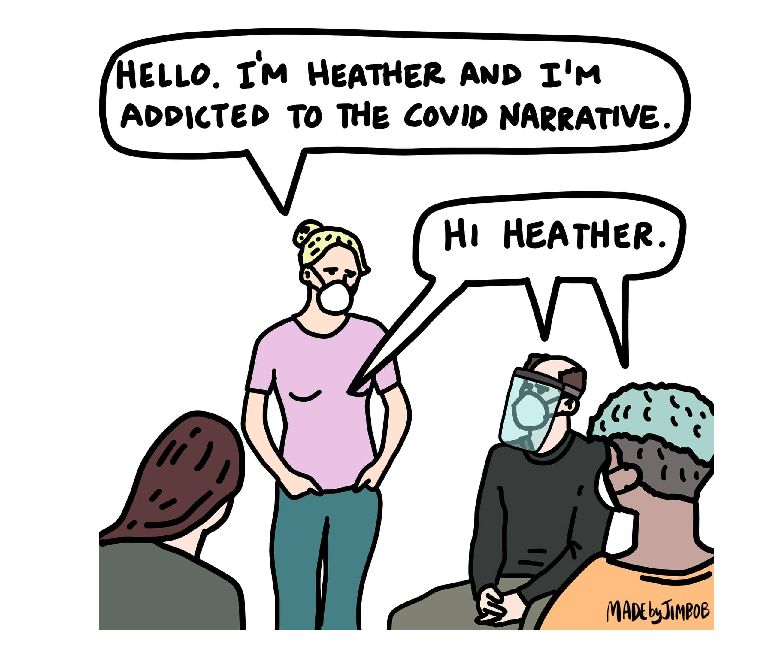
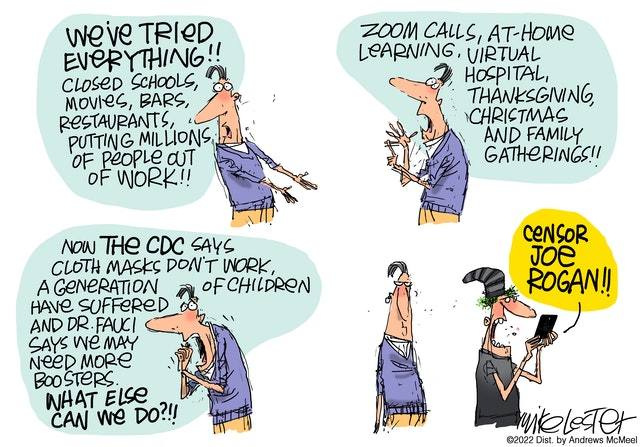
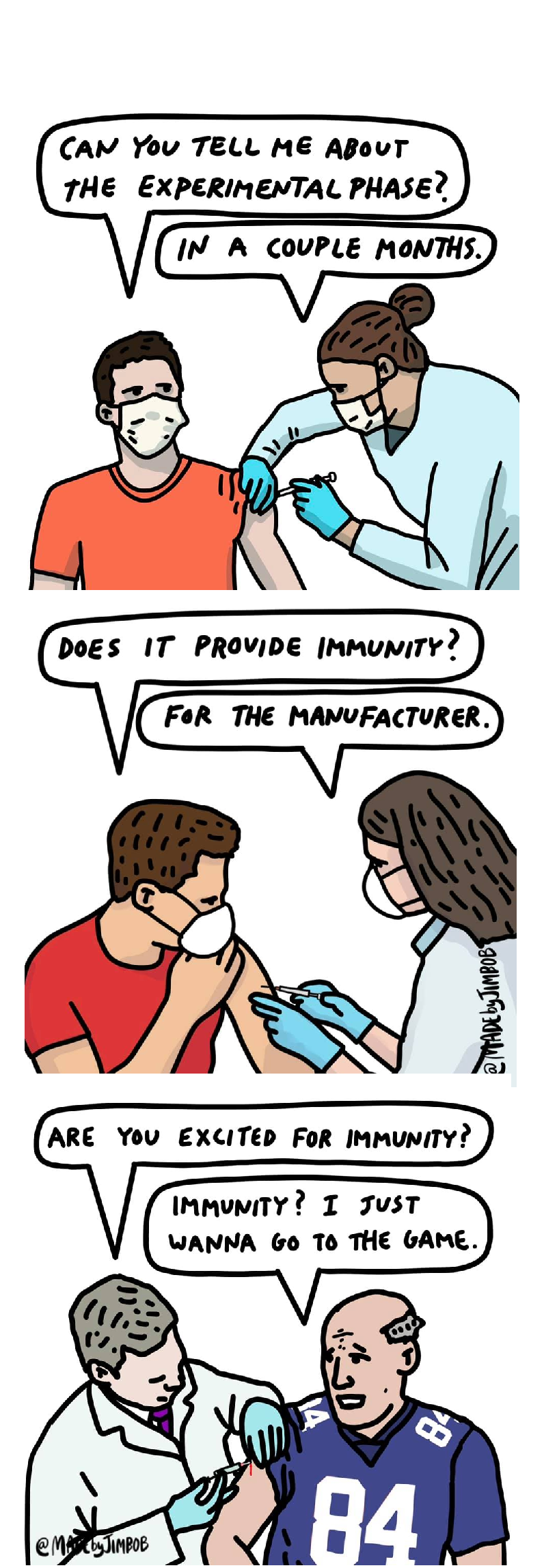
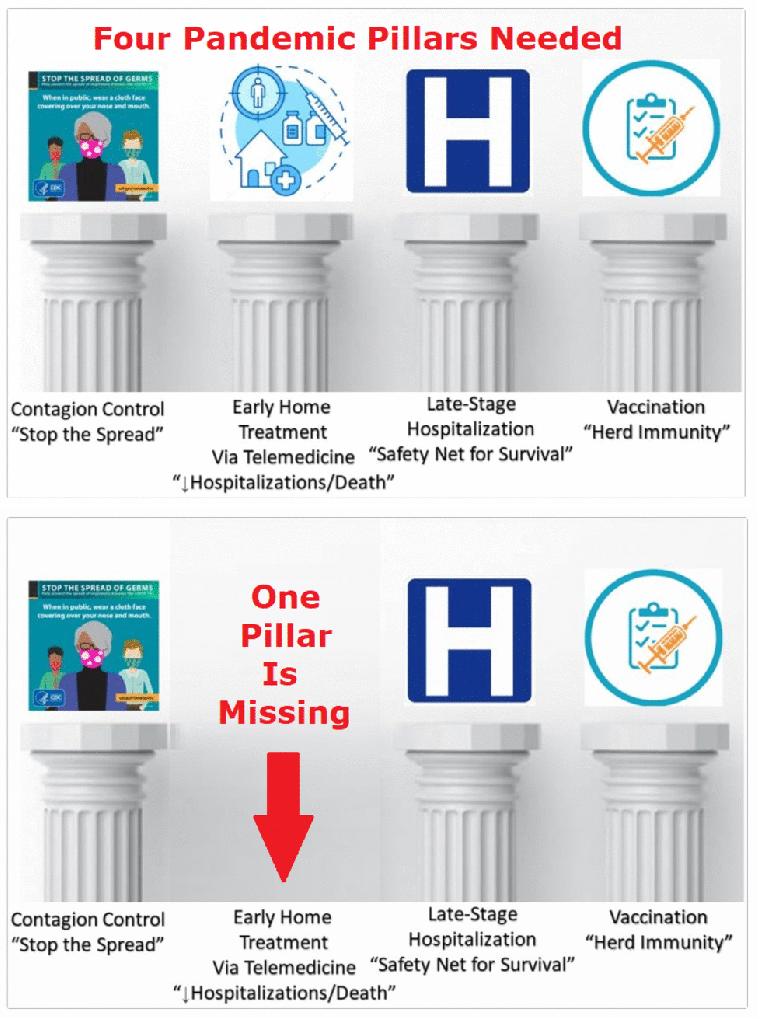
 Ross Pomeroy writes at Real Clear Science




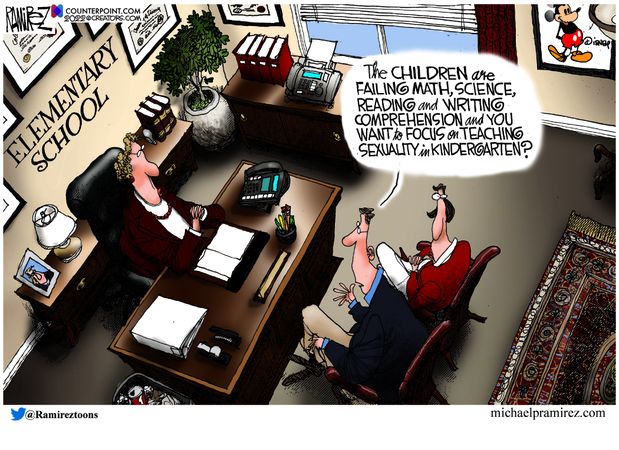
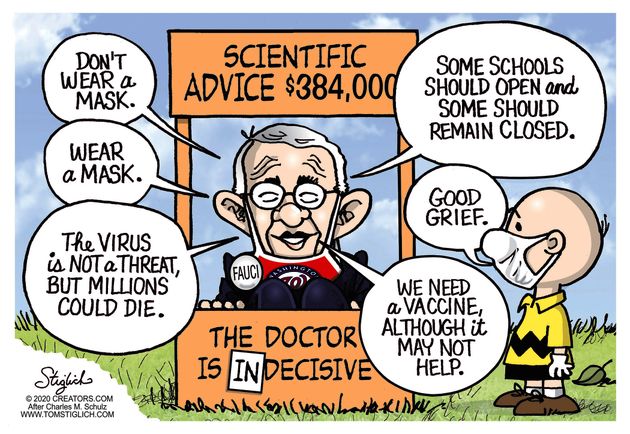


 Science Matters