Stop Fake Science. Approve the PCCS!

John Droz makes some good points writing at Town Hall.Stop Fake Science. Approve the PCCS! Excerpts in italics with my bolds, images and header questions.

Shouldn’t We Get Independent Advice Before We Spend Trillions of Dollars?

Not to date myself, but in my day the “$64,000 Question” represented a lot of money!

Today I’m proposing to you a $64 Trillion question: “Should the United States conduct a full, independent expert scientific investigation into the models and studies that say we face a serious risk of manmade global warming, climate change and extreme weather disasters?”

That independent expert investigation is what’s being proposed by Dr. Will Happer, President Trump’s Senior Director for Emerging Technologies, in the National Security Council. Specifically, a brand new Presidential Committee on Climate Science (PCCS) will do this analysis. The decision about launching the PCCS will be made in the next few days. America’s support for President Trump is urgently needed.

(For the sake of brevity – and to use the most commonly employed term – when I say “global warming,” I mean all the climate changes that are supposedly caused by fossil fuel use and other human activities.)

$64 Trillion is actually at the lower end of estimates of what it will cost the USA over the next decade to replace all our fossil fuel use with (supposedly) green, renewable, sustainable wind, solar and biofuel energy – in order to (supposedly) stabilize Earth’s climate (which has never been stable).

Many say the obvious answer to this $64 Trillion question is YES, of course. However, many other parties are saying NO. What are the arguments against the PCCS, and do they hold water?

If the case for alarm is so convincing, what’s the problem?

1) It’s a waste of money to have this PCCS investigation. If the US was about to spend an enormous amount of money – such as $64 trillion or more – would you say an investigation costing one-billionth(!) of that monumental expenditure would be a waste of money? That’s what we are talking about here.

2) It’s a waste of time. President Trump has already stated that (without new facts confirming that we actually face imminent manmade climate chaos) he’s not going to do anything consequential about global warming. So since the USA is in a holding period on this issue, how is any time being wasted?

In fact, since the President is asking for an independent investigation, the end result could be that the PCCS would recommend that Mr. Trump take a different global warming policy position, and actually support action against fossil fuels. One would think those clamoring for exactly that would be ecstatic!

3) Human responsibility for climate change and extreme weather has already been scientifically resolved. That is simply not so. A genuine scientific assessment has four necessary components. It must be: a) comprehensive, b) objective, c) transparent, and d) empirical. There has never been a true scientific assessment of global warming claims, anywhere on the planet.


How about the many scientists who have valid questions about the evidence?

What about the position of 97% of the world’s scientists? That’s a good question, because we constantly hear that virtually the entire scientific community agrees that humans are causing climate catastrophes.

Fact one: there never has been a survey of the world’s 2+ million scientists on anything – certainly not on this vital issue, which is being used to demand the immediate end to all use of fossil fuels that today provide over 80% of all the energy the United States and entire world use.

Fact two: There may indeed be a majority of certain subsets of scientists who hold an opinion about global warming. However, many who support climate cataclysm claims receive government or other grants that would be terminated if they began to “question the science of global warming.” And not one of them has ever conducted a genuine, evidence-based scientific analysis of the global warming matter.

Fact three: Science is never determined by a vote. Do you think that Einstein’s Theory of Relativity was accepted due to a poll? Or was it because his theory survived extensive scientific scrutiny?

What about the UN Intergovernmental Panel on Climate Change’s voluminous Assessment Reports?

Another good question. However, if we compare the reports to the four necessary requirements for Real Science, as practiced for centuries, they actually fail on at least three of the four criteria that I just presented a few paragraphs ago!

If the global warming cataclysm proponents’ scientific arguments were as unassailable as they say they are, then those scientists should relish this high-profile opportunity to publicly upstage the skeptics and prove to the world that “dangerous manmade climate change” is real.

On the other hand, those alarmist scientists might fail spectacularly. They might be shown to have no real-world evidence to back up their computer models and assertions. I submit that they are scared to death this would happen. That is why they oppose the PCCS so stridently.

How about our long history of coping with changes in climate and weather extremes?

4) Global Warming is a national security threat. This is another three-card-Monte trick being played on the technically-challenged public. Multiple studies have shown there is little correlation between extreme weather events (e.g. hurricanes, tornadoes, floods) and global warming. Moreover, our military – indeed our entire country and civilization – have been dealing with these problems for centuries, and today we have far better technologies to do so than ever before.

On the other hand, one of the key “solutions” to Global Warming (industrial wind energy), has a well-documented history of interfering with the missions and operational readiness of our military. Where is the outcry against that?

What’s wrong with asking questions about actions being promoted?

5) President Trump is acting irrationally regarding global warming. Surprisingly, President Trump, as a skeptic, is actually taking a more scientific position than many scientists who hold PhDs. Skepticism is the primary pillar of Real Science. So being labeled a “skeptic” is high praise to real scientists.

Unless we pay close attention, it may not be apparent that America’s Left is frequently in favor of exactly the opposite of what they are now saying. For example:

* The people who say they want more unity – are actually instigating divisiveness.

* The people who say they are protectors of the environment – are actually doing the most to ravage the environment, by demanding energy systems that require far more land, far more raw materials, and far more environmental damage than fossil fuels have ever caused.

* The people who say immediate, extraordinary, highly disruptive changes are needed to prevent global warming catastrophe – are promoting feeble, inadequate solutions: like wind and solar energy.

So when these same people clamor that they want President Trump to reverse his position on global warming (and the Paris Climate Accord – in reality they actually want President Trump to continue with his present climate policies and skepticism. Why is that?

Because they think that will give them political ammunition to use against him in the 2020 election.

 Shouldn’t we try to separate private interests from the public good?

The bottom line is very simple. President Trump should be applauded for proposing the PCCS, and for being open-minded enough to reconsider global warming claims – before our nation accepts them as gospel … and rushes headlong into disrupting our energy, economy, living standards and lives … probably for no climate benefit whatsoever.

We citizens need to support him against the very vocal (and often very self-interested) people and organizations that strongly oppose the Presidential Committee on Climate Science. We need to take immediate action to support President Trump on this vitally important initiative.

Send him a quick note. Real, evidence-based climate science demands that we have this PCCS review. So does the future of our country and our children.

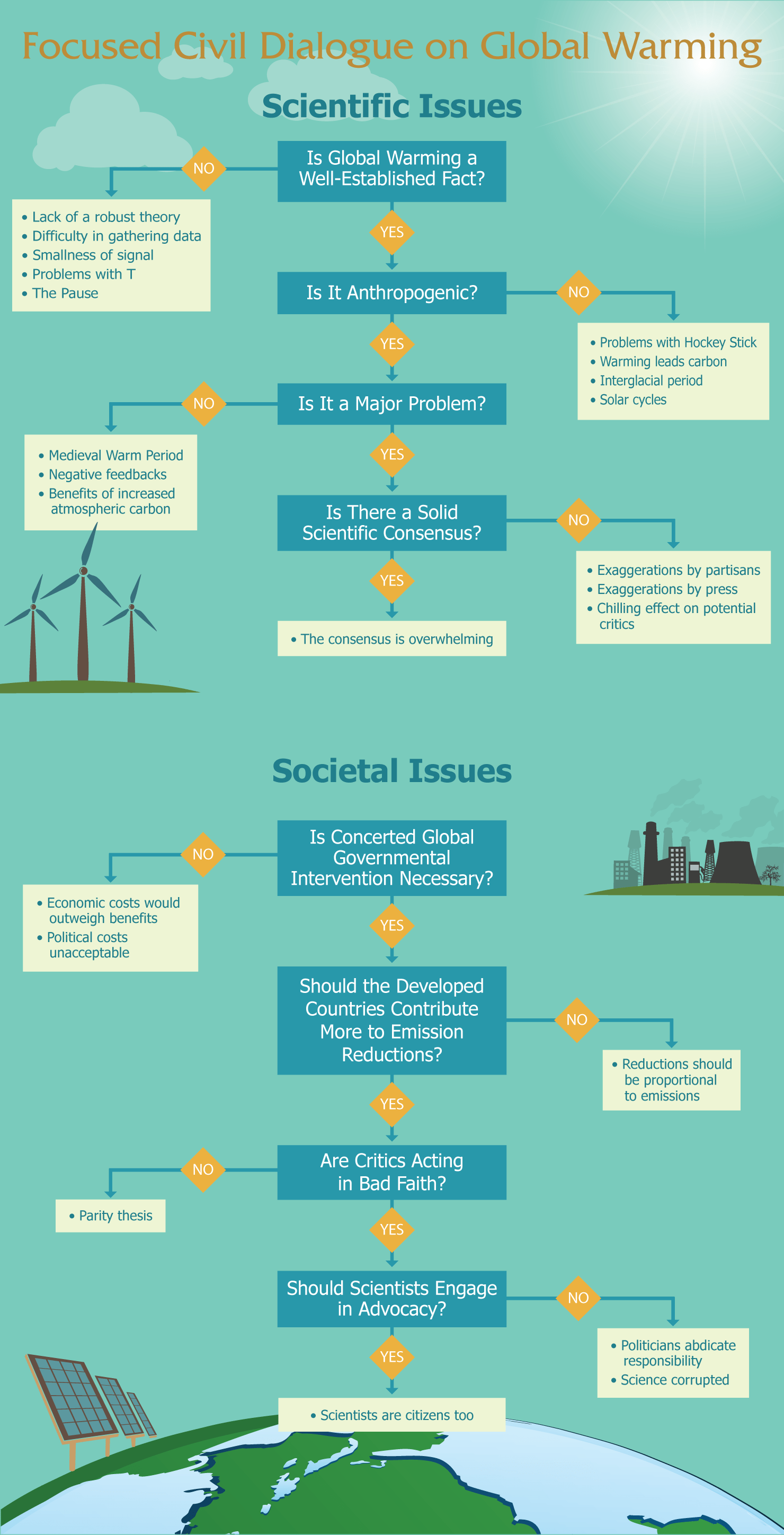
A Critical Framework For Climate Change

This dialogue framework was proposed for a debate between William Happer and David Karoly sponsored by The Best Schools.  As you can see it reads like an high hurdle course for alarmists/activists.  There are significant objections at every leap in connecting the beliefs.

Happer’s Statement: CO₂ will be a major benefit to the Earth

Earth does better with more CO2.  CO2 levels are increasing

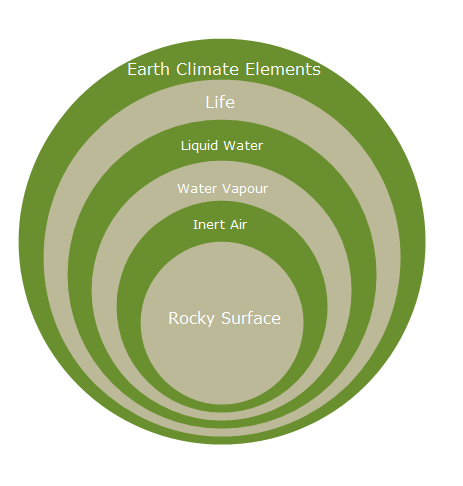
Atmospheric transmission of radiation: Tyndall correctly recognized in 1861 that the most important greenhouse gas of the Earth’s atmosphere is water vapor. CO2 was a modest supporting actor, then as now.

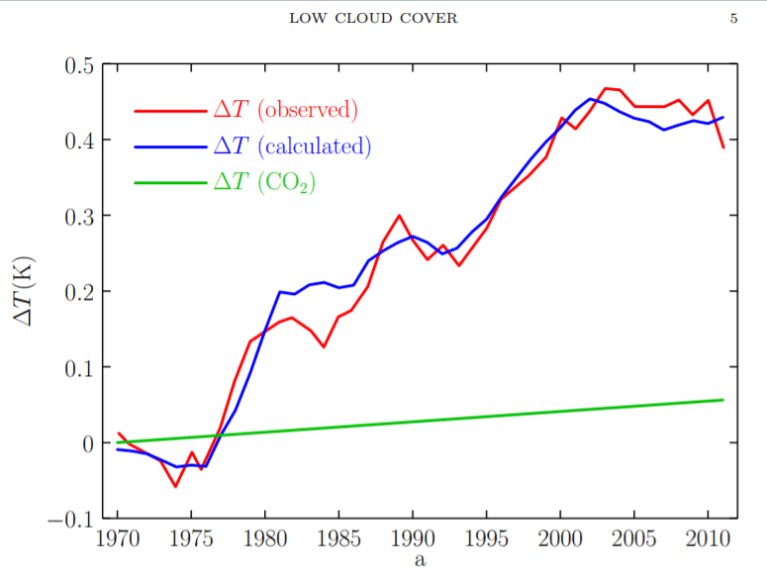
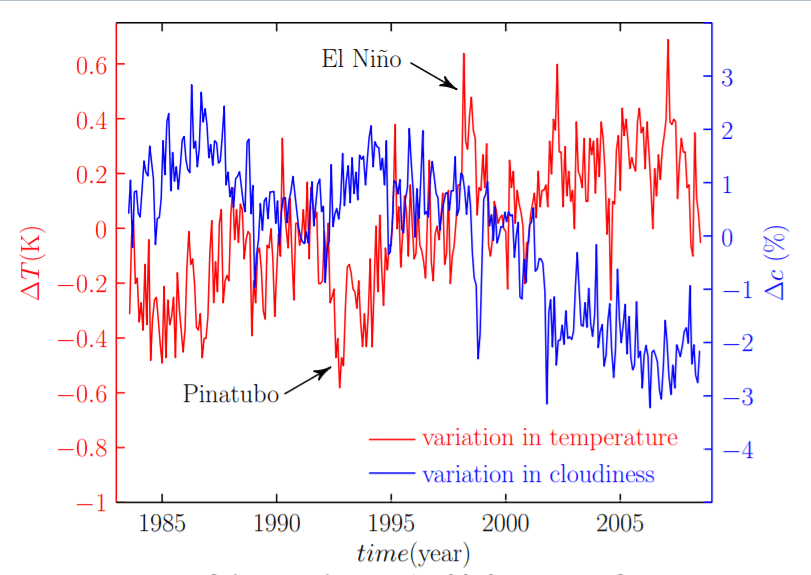
Radiative cooling of the Earth: Clouds are one of the most potent factors controlling Earth’ s surface temperature.

The Schwarzschild equation:  The observed intensity I of upwelling radiation comes from the radiation emitted by the surface and by greenhouse gases in the atmosphere above the surface. The rate of change of the intensity with altitude is given by the Schwarzschild equation.

Logarithmic forcing by CO2:  The intensity for a doubling of CO2 concentrations from the present value of 400 ppm to 800 ppm makes little difference, and simply leads to a slight broadening of the width of the band.

Convection:  Radiation, which we have discussed above, is an important part of the energy transfer budget of the earth, but not the only part.

Numerical Modeling:  Predictions about what more CO2 will do to the Earth’s climate are based on numerical modeling of the fluid flows in the atmosphere and oceans.  Including water vapor, clouds, and precipitation further complicates the modeling considerations outlined above. Climate model builders have a hard job.

Equilibrium Climate Sensitivity: If increasing CO2 causes very large warming, harm can indeed be done. But most studies suggest that warmings of up to 2 K will be good for the planet.  More than a century after Arrhenius, and after the expenditure of many tens of billions of dollars on climate science, the official value of S still differs little from the guess that Arrhenius made in 1912: S = 4 K. Could it be that the climate establishment does not want to work itself out of a job?

Overestimate of S:  Contrary to the predictions of most climate models, there has been very little warming of the Earth’s surface over the last two decades.  If one assumes negligible feedback, where other properties of the atmosphere change little in response to additions of CO2, the doubling efficiency can be estimated to be about S = 1 K. The much larger doubling sensitivities claimed by the IPCC, which look increasingly dubious with each passing year, are due to “positive feedbacks.”

Benefits of CO2:  More CO2 in the atmosphere will be good for life on planet earth. Few realize that the world has been in a CO2 famine for millions of years — a long time for us, but a passing moment in geological history.

More bogeymen: The earth has stubbornly refused to warm nearly as much as demanded by computer models. To cope with this threat to full employment, the climate establishment has invented a host of bogeymen, other supposed threats from more CO2.  One of the bogeymen is that more CO2 will lead to, and already has led to, more extreme weather, But extreme weather is not increasing.  We also hear that more CO2 will cause rising sea levels to flood coastal cities, large parts of Florida, tropical island paradises, etc.

Climate Science:  Too much “climate research” money is pouring into very questionable efforts, like mitigation of the made-up horrors mentioned above. It reminds me of Gresham’s Law: “Bad money drives out good.”

Summary

The Earth is in no danger from increasing levels of CO2. More CO2 will be a major benefit to the biosphere and to humanity.

Karoly’s Statement: Climate change is harming nature and humanity

1. Observed global warming is beyond reasonable doubt

2. Increases in greenhouse gases are due to human activity

3. Most of the observed global warming since the mid-twentieth century is due to human activity

4. Global warming will continue over the twenty-first century

5. Many adverse impacts result from global warming

6. Substantial reductions in greenhouse gas emissions are needed to minimize dangerous global warming

Summary

The key points presented above are just a small fraction of the vast body of evidence that support the scientific conclusions on global warming accepted by all the scientific Academies and by all the governments around the world.

Science has established that it is virtually certain that increases of atmospheric CO2 due to burning of fossil fuels will cause climate change that will have substantial adverse impacts on humanity and on natural systems. Therefore, immediate stringent measures to suppress the burning of fossil fuels are both justified and necessary.

Happer’s detailed response to Karoly on climate change

Dr. Karoly begins his Statement, not with evidence to support the title, “Climate change is harming nature and humanity,” but with a summary of what happened in the “21st Conference of Parties to the United Nations Framework Convention on Climate Change in December of 2015.” What a mouthful!

As I pointed out in my Interview and Statement, there is no scientific evidence that global greenhouse gas emissions will have a harmful effect on climate. Quite the contrary, there is very good evidence that the modest increase in atmospheric CO2 since the start of the Industrial Age has already been good for the Earth and that more will be better.

Some climate scientists, including Dr. Karoly, are doing praiseworthy work. I especially admire high-quality, year-by-year measurements of properties of the atmosphere and oceans. But if they have doubts about climate hysteria, most practicing climate scientists keep these to themselves because of the ferocity of the attacks they know will come to those who question the party line.

In my Interview, I mentioned the attacks on me by Greenpeace. No wonder there is a consensus of climate scientists, or that few scientists from other fields are willing to question the established dogma!  Even though creative scientists are not greatly impressed by them, claims of consensus work wonders with educated elites.

A brief discussion of those key points of Dr. Karoly’s Statement with which I disagree:

3. “The observed large-scale increase in surface temperature across the globe since the mid-twentieth century is primarily due to human activity, the increase of greenhouse gases in the atmosphere, and other impacts on the human climate system.”  This statement is based on excessive faith in computer models.

Trends in global mean surface temperature. a. 1993-2012. b. 1998-2012. Histograms of observed trends (red hatching) are from 100 reconstructions of the HadCRUT4 dataset. Histograms of model trends (grey bars) are based on 117 simulations of the models, and black curves are smoothed versions of the model trends. The ranges of observed trends reflect observational uncertainty, whereas the ranges of model trends reflect forcing uncertainty, as well as differences in individuals model responses to external forcings and uncertainty arising from internal climate variability.

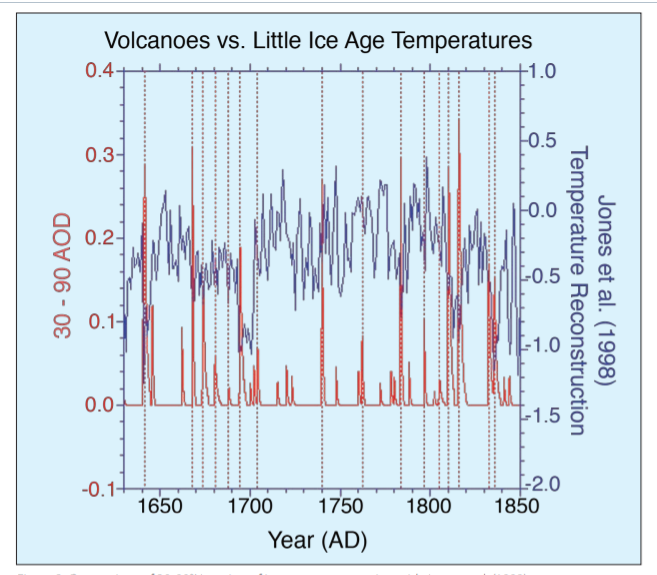
4. “There will continue to be significant global warming over the 21st century with its magnitude depending on the emissions of greenhouse gases from human activities.”  Again, this is a statement based on computer models. No one knows how the temperature of the Earth will change over the twenty-first century. It is just as likely that the Earth will cool, since whatever mechanism caused the Little Ice Age could act again and could overwhelm the small warming expected from increased CO2. In both my Statement and my Interview, I pointed out how much most models overestimated the warming of the Earth since the year 2000, when there was a hiatus or pause in warming, which may not be over yet.

5. “There are substantial adverse impacts on human and natural systems from global warming.” I disagree. I don’t know of a single adverse impact that can be confidently ascribed to more CO2. There are plenty of phony claims of damage, which quickly fall apart when scrutinized.

6. “Rapid, substantial, and sustained reductions in greenhouse gas emissions from human activities are needed to slow global warming and stabilize global temperature at a level that would minimize dangerous human influence on the climate system.”  I disagree. We are being exhorted to “reduce our carbon footprint,” although to Dr. Karoly’s credit, he does not use this silly slogan. To the extent that “carbon footprint” includes soot (small particles of elemental carbon), and CO, carbon monoxide molecules, I would be glad to be part of the crusade.

General Comments

My Statement had 64 citations. I, too, cited many government reports, including those of the IPCC, but I also cited at least 16 peer-reviewed papers by independent scientific researchers. Dr. Karoly’s overwhelming focus on government reports looks like fully developed groupthink. Or maybe it is better described by the old Russian proverb:

Сила есть, ума не надо.

We have power, no need for intelligence.

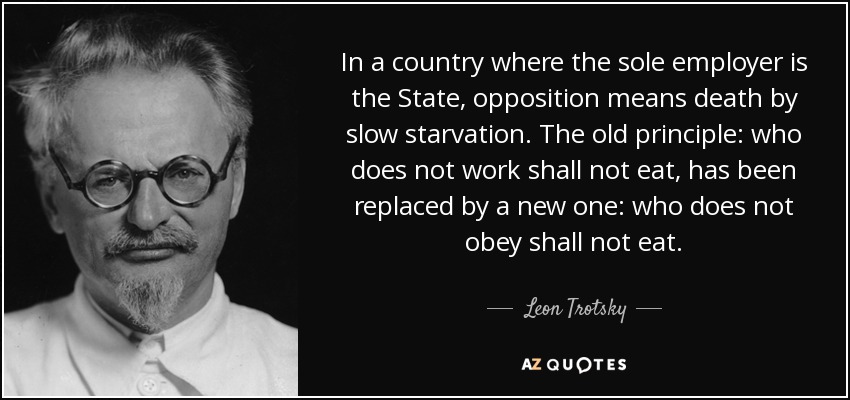
Trotsky refers to the old principle which St. Paul states in 2 Thessalonians chapter 3:10 “We gave you this rule: if a man will not work, he shall not eat.” And before that Deuteronomy 25:4: “Do not muzzle an ox while it is treading out the grain.”

Enormous imagination has gone into showing that increasing concentrations of CO2 will be catastrophic. Cities will be flooded by sea-level rises that are 10 or more times bigger than even the IPCC predicts. There will be mass extinctions of species; billions of people will die; “tipping points” will render the planet a desert.

If you wrote down all the ills attributed to global warming, you would fill up a very thick book. And all of this despite the fact that in the history of higher life forms on Earth (the Phanerozoic), CO2 levels were four or more times higher than today, but life nevertheless flourished at least as abundantly on land and in the sea as it does today. It’s an ill wind, indeed, that blows no good.

In summary, Dr. Karoly is a good scientist who means well. But he lives in an echo chamber of like-minded people who are convinced that they are saving the world.

The scholars of the floating island of Laputa had much in common with many promoters of global-­warming alarmism


No “Gold Standard” Climate Science

Claims this week that climate scientists have “5-sigma” certainty for their findings are pure hype and extremely false adverrtising.  Lubos Motl explains at his website Reference Frame “Five-sigma proof” of man-made climate change is complete nonsense  Excerpts in italics with my bolds.

Notorious climate fearmonger Gavin Schmidt tweeted the following:

40 years since:
– the Charney report
– Hasselmann’s paper on detection & attribution
– the satellite erahttps://rdcu.be/bowzn @NatureClimate

Put it together and what have you got?
Greater than 5σ detection of anthropogenic climate change.

Lubos Motl:

He picks about 3 scientific teams and praises them for reaching the “gold standard” of science (which is how the journalists hype it) – a five-sigma proof of man-made global warming. The signal-to-noise ratio has reached some critical threshold, it’s those five sigma, so the man-made climate change is proven at the same level at which we needed e.g. the Higgs boson to be discovered by CERN’s particle physicists.

It sounds great except it’s complete nonsense. When we discover something at five sigma, it means something that clearly cannot be the case in climatology. When we discover new physics at five sigma, it means that we experimentally rule out a well-defined null hypothesis at the p-level of 99.9999% or so. Note that a “well-defined null hypothesis” is always needed to talk about “five sigma”.

In the case of the man-made climate change discussion, there is clearly no such “well-defined null hypothesis”. In particular, when Schmidt and others discuss the “signal-to-noise ratio”, they don’t really know what part of the observed data is “noise” and how strong it should be. The assumption must be that the “noise” is some natural variability of the climate. But we don’t really have any precise enough and canonical enough model of the natural variability. The natural variability is undoubtedly very complex and has contributions from lots of natural and statistical phenomena and their mixtures. Cloud variations, irregular seasons, solar variability, volcanoes, even earthquakes, annual ocean cycles, decadal ocean cycles, centennial ocean cycles, 1500-year ocean cycles, irregularities in tropical cyclones, plants’ albedo variations, residuals from a way to compute the average, butterfly wings in China, and tons of other things.

So we can’t really separate the measured data to the “signal” and “noise”. Even if we knew the relevant definition of the natural noise, we just don’t know how large it was before the industrialization began. The arguments about the “hockey stick graph” are the greatest tangible proof of this statement. Some papers show the variability in 1000-1900 AD as 5 times larger than others – so “5 signa” could very well be “1 sigma” or something else.

Just like before Schmidt’s tweet, it is perfectly possible that all the data we observe may be labeled “noise” and attributed to some natural causes. There may obviously be natural causes whose effect n the global mean temperature and other quantities is virtually indistinguishable from the effected expected from the man-made global warming.

If the people observed some amazing high-frequency correlation between the changes of CO2 and the temperature, a great agreement between these two functions of time could become strong evidence of the anthropogenic greenhouse effect. But it’s clearly impossible because we surely can’t measure the effect of the tiny seasonal variations of the CO2 concentration – these variations are just a few ppm while the observed changes, seasons, are hugely pronounced and affected mostly by other things than CO2 (especially by the Sun directly).

So the growth of the CO2 was almost monotonic – and in recent decades, almost precisely linear. Nature may also add lots of contributions that change almost monotonically or linearly for a few decades. So the summary is that Gavin Schmidt and his fellow fearmongers are trying to make the man-made climate science look like a hard science – perhaps even as particle physics – but it is not really possible for the climate science to be analogous to a hard science. The reason is that particle physics and hard sciences have nicely understood, unique, and unbelievably precise null hypotheses that may be supported by the data or refuted; while the climate science doesn’t have any very precise null hypotheses.

At most, the attribution of the climate change is as messy a problem as the attribution of the discrepancies between Hubble’s constant obtained from various sources. It’s just not possible to make any reliable enough attribution because the amount of parameters that we may adjust in our explanations is larger than the number of unequivalent values that are helpful for the attribution and that we may obtain from observations. In effect, the task to “attribute” is an underdetermined set of equations: the number of unknowns is larger than the number of known conditions or constraints that they obey (i.e. than the number of observed relevant data).

Gavin Schmidt and everyone else who tries to paint hysterical climatology as a hard science analogous to particle physics is simply lying. Particle physics is a hard science and “five sigma proofs” are possible in it, climatology is a soft science and “five sigma proofs” in it are just marketing scams, and cosmology is somewhere in between. We all hope that cosmology will return closer to particle physics but we can’t be sure.

Update March 1, 2019

Ross Mckitrick posted at Climate Etc. Critique of the new Santer et al. (2019) paper
H/T Philip Dean

“I will discuss four aspects of this study which I think weaken the conclusions considerably: (a) the difference between the existence of a signal and the magnitude of the effect; (b) the confounded nature of their experimental design; (c) the invalid design of the natural-only comparator; and (d) problems relating “sigma” boundaries to probabilities.”

“The authors’ conclusions depend critically on the assumption that their “natural” model variability estimate is a plausible representation of what 1979-2018 would have looked like without greenhouse gases. The authors note the importance of this assumption in their Supplement.”

“Thus, it seems to me that the lines in Figure 1 are based on comparing an artificially exaggerated resemblance between observations and tuned models versus an artificially worsened counterfactual. This is not a gold standard of proof.”

“I’ll just point out that if time series data have unit roots they are nonstationary and you can’t use them in an autoregression because the t-statistics follow a nonstandard distribution and Gaussian (or even Student’s t) tables will give seriously biased probability values.”

“I ran Phillips-Perron unit root tests and found that anthro is nonstationary, while Temp and natural are stationary.  .  . A possible remedy is to construct the model in first differences.  .  .  The coefficient magnitudes remain comparable but—oh dear—the t-statistic on anthro has collapsed from 8.56 to 1.32, while those on natural and lagged temperature are now larger. “

Conclusion

“The fact that in my example the t-statistic on anthro falls to a low level does not “prove” that anthropogenic forcing has no effect on tropospheric temperatures. It does show that in the framework of my model the effects are not statistically significant.”

“In the same way, since I have reason to doubt the validity of the Santer et al. model I don’t accept their conclusions. They haven’t shown what they say they showed. In particular they have not identified a unique anthropogenic fingerprint, or provided a credible control for natural variability over the sample period. Nor have they justified the use of Gaussian p-values. Their claim to have attained a “gold standard” of proof are unwarranted, in part because statistical modeling can never do that, and in part because of the specific problems in their model.”


See also: The Limitations of Climate Science

Clouding the Climate Issue


The alarmist media are promoting a new scare this week: “OMG, the warmer it gets, the fewer clouds blocking the sunshine, still warmer it gets, ad infinitum.” That is the narrative beneath headlines like these from the usual suspects (in alphabetical order for Monday, Feb. 25, 2019)

A World Without Clouds Quanta Magazine11:08 Mon, 25 Feb

‘A World Without Clouds. Think About That a Minute’: New Study Details Possibility of Devastating Climate Feedback Loop Common Dreams17:11 Mon, 25 Feb

At High Enough CO2 Levels, Clouds Will Start to Physically Break Apart ScienceAlert01:40

Atmospheric Carbon Dioxide Could Make Clouds Vanish Newsweek11:28 Mon, 25 Feb

Low-level clouds that cover the oceans could disappear as a result of rising CO2 Daily Mail18:17 Mon,

Carbon dioxide ‘could destroy clouds’ and turn our planet into a ‘Hothouse Earth’ Yahoo! UK & Ireland07:15

Climate change kills off clouds over the ocean in new simulation TechCrunch18:16 Mon, 25 Feb

Climate Change Could Make These Super-Common Clouds Extinct, Which Would Scorch the Planet Live Science17:32 Mon, 25 Feb

Climate Change Is Eliminating Clouds. Without Them, Earth Burns Futurism16:32 Mon, 25 Feb

Cloud break-up linked to high CO2 levels (Nature Geoscience) Nature Asia04:53

Cloud Loss Due To High Carbon Dioxide Levels Could Make Earth 14 Degrees Hotter, Climate Change … Tech Times09:42

Cloudy, with a chance of fewer clouds Cosmos11:08 Mon, 25 Feb

Clouds’ cooling effect could vanish in a warmer world Nature.com15:32 Mon, 25 Feb

Extreme CO2 levels could trigger clouds ‘tipping point’ and 8C of global warming Carbon Brief11:11 Mon, 25 Feb

Fluffy clouds may disappear by 2100, causing 8 degree warming i News06:12

Global warming imperils clouds that deter hothouse Earth GMA News02:46

Global warming imperils stratocumulus clouds that deter hothouse Earth: scientists The Japan Times14:30 Mon, 25 Feb

High CO2 levels can destabilize marine layer clouds Phys.org11:01 Mon, 25 Feb

If climate change makes the clouds disappear, we’re screwed Grist Magazine19:07 Mon, 25 Feb

If Carbon Dioxide Levels Get High Enough, They’ll Break Up Planet-Cooling Clouds IFLScience11:05 Mon, 25 Feb

I’ve Got to Admit I Didn’t See the Death of Clouds Coming Esquire14:39 Mon, 25 Feb

Striking study finds a climate tipping point in clouds Ars Technica18:16 Mon, 25 Feb

Study finds increasing carbon dioxide levels threaten marine stratus clouds Slashgear09:13

The loss of clouds could add another 8°C to global warming MIT Technology Review07:43

Very high carbon dioxide could suppress cooling clouds, climate change model warns The Washington Post11:12 Mon, 25 Feb

We Could Be On The Verge Of Killing Off Clouds And Returning To A ‘Hothouse Earth’ Forbes16:24 Mon, 25 Feb

Isn’t it impressive how Climate Crisis Central can blanket the world with a scary message, with enough variety in titles to disguise the robotic repetition? Yet just reading the headlines already suggests to anyone with critical intelligence what is false about this alarm. Let me list some of the obvious flaws before digging into this issue.

1. It’s a projection from a climate model, not a finding from observations.

2. It is based on highly uncertain supposed mechanisms.

3. It presupposes CO2 concentrations 3 times the present level.

4. The possible effect will occur after almost all readers will be dead of natural causes.

5. It claims a runaway warming “tipping point” which the earth has suppressed until now.

6. It contradicts the logic of a warmer world increasing the hydrology cycle with more clouds and precipitation.

7. It stokes fear of “hothouse earth” when presently we are slowly emerging from “severe icehouse earth.”

The above image comes from esteemed paleoclimatologist Christopher Scotese.  It shows the range of earth’s climate history, and that we are presently slowly emerging from Severe Icehouse.  It also shows that the world warms by rising temperatures at higher latitudes toward the poles, while the equator remains the same, thus reducing the gradient.  Tossing around the word “Hothouse” is nonsensical in today’s situation. See also: Fact: Future Will be Flatter Not Hotter

As it happens, the first article in the list is the most informative: A World Without Clouds Excerpts in italics with my bolds

A state-of-the-art supercomputer simulation indicates that a feedback loop between global warming and cloud loss can push Earth’s climate past a disastrous tipping point in as little as a century.

Clouds currently cover about two-thirds of the planet at any moment. But computer simulations of clouds have begun to suggest that as the Earth warms, clouds become scarcer. With fewer white surfaces reflecting sunlight back to space, the Earth gets even warmer, leading to more cloud loss. This feedback loop causes warming to spiral out of control.

Climate physicists at the California Institute of Technology performed a state-of-the-art simulation of stratocumulus clouds, the low-lying, blankety kind that have by far the largest cooling effect on the planet. The simulation revealed a tipping point: a level of warming at which stratocumulus clouds break up altogether. The disappearance occurs when the concentration of CO2 in the simulated atmosphere reaches 1,200 parts per million — a level that fossil fuel burning could push us past in about a century, under “business-as-usual” emissions scenarios. In the simulation, when the tipping point is breached, Earth’s temperature soars 8 degrees Celsius, in addition to the 4 degrees of warming or more caused by the CO2 directly.

The huge range in the models’ predictions chiefly comes down to whether they see clouds blocking more or less sunlight in the future. As Marvel put it, “You can fairly confidently say that the model spread in climate sensitivity is basically just a model spread in what clouds are going to do.”

The problem is that, in computer simulations of the global climate, today’s supercomputers cannot resolve grid cells that are smaller than about 100 kilometers by 100 kilometers in area. But clouds are often no more than a few kilometers across. Physicists therefore have to simplify or “parameterize” clouds in their global models, assigning an overall level of cloudiness to each grid cell based on other properties, like temperature and humidity.

But clouds involve the interplay of so many mechanisms that it’s not obvious how best to parameterize them. The warming of the Earth and sky strengthens some mechanisms involved in cloud formation, while also fueling other forces that break clouds up. Global climate models that predict 2 degrees of warming in response to doubling CO2 generally also see little or no change in cloudiness. Models that project a rise of 4 or more degrees forecast fewer clouds in the coming decades.

But vastly more important and more challenging than high clouds are the low, thick, turbulent ones — especially the stratocumulus variety. Bright-white sheets of stratocumulus cover a quarter of the ocean, reflecting 30 to 70 percent of the sunlight that would otherwise be absorbed by the dark waves below. 

Suppositions:  First, when higher CO2 levels make Earth’s surface and sky hotter, the extra heat drives stronger turbulence inside the clouds. The turbulence mixes moist air near the top of the cloud, pushing it up and out through an important boundary layer that caps stratocumulus clouds, while drawing dry air in from above. Entrainment, as this is called, works to break up the cloud.

Secondly, as the greenhouse effect makes the upper atmosphere warmer and thus more humid, the cooling of the tops of stratocumulus clouds from above becomes less efficient. This cooling is essential, because it causes globs of cold, moist air at the top of the cloud to sink, making room for warm, moist air near Earth’s surface to rise into the cloud and become it. When cooling gets less effective, stratocumulus clouds grow thin.

On the Other Hand:

Joel Norris is one of the world experts in studying clouds in relation to climate, and he has published findings in partnerships with Martin Wild of ETH Zurich, where the global dimming and brightening database is located. See: Nature’s Sunscreen for background.

Norris provides an informative context in this pdf presentation Observed Cloud Cover Trends and Global Climate Change

He notes these Uncertainties in Feedbacks

• general theories do not exist for quantifying most individual climate feedbacks

• observations lack sufficient detail and comprehensiveness

• competing climate processes cannot be distinguished using observations

• global climate models have insufficient spatial resolution to simulate climate processes

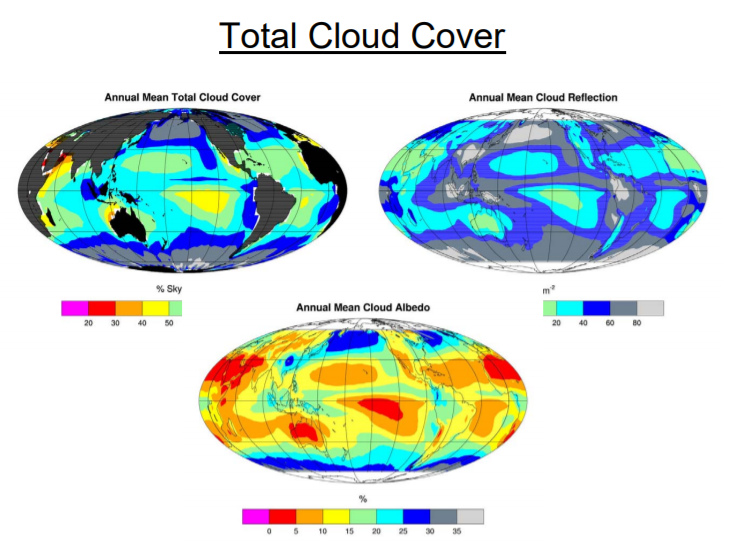
From analyzing the data, Norris concludes that Total Cloud Cover has been Net Cooling:

• satellite radiation and surface cloud data have been combined to produce the first-ever multidecadal estimation of radiation variability due to clouds

• the role of clouds in the climate system is one of the biggest uncertainties in understanding future climate change

• upper-level cloud cover has decreased and outgoing LW radiation has increased over most of the global ocean

• low-level stratiform cloud cover and reflected SW radiation have increased over midlatitude oceans

• cloud changes since 1952 have had a net cooling effect on the Earth

See also: No GHG Warming Fingerprints in the Sky

Monotonic Climate Science

The Greek word for “one tone” is monotonia, which is the root for both monotone and the closely-related word monotonous, which means “dull and tedious.” Monotone is a droning, unchanging tone. A continuous sound, especially someone’s voice, that doesn’t rise and fall in pitch, is a monotone. Nothing can put you to sleep quite as effectively as a teacher talking in a monotone.

Monotonic climate science was on full display this week as journalists, pundits and tweeters freaked out over a comment by the new US ambassador to Canada.  Her offense:  saying there were two sides on the climate issue and she respects them both.

The story from CBC:  The new U.S. ambassador to Canada said Monday that she believes “both sides” of climate change science.

In an interview with Canada’s CBC News, Kelly Knight Craft said that she believes there is “accurate” science on “both sides” but did not specify what sides she was referring to.

“I believe there are sciences on both sides that are accurate,” Craft said. “Both sides have their own results from their studies, and I appreciate and respect both sides of the science.”

President Trump appointed Craft, a prominent GOP fundraiser, to the ambassadorship earlier this year.

Craft told CBC that even though Trump has pledged to pull the United States out of the Paris climate agreement, she thinks the U.S. can “absolutely” fight climate climate change.

“We all have the same goal, and that is to better our environment and to maintain the environment,” she said. “I feel like our administration has been on top of this regardless of whether or not they’d be pulling out.”

It is true Ambassador Craft had the look of a deer in the headlights.  She is from Kentucky where one doesn’t encounter sanctimonious warmists as frequently as in Ottawa, and especially not ones determined to get a “gotcha” quote from her.

All the comments at alarmist websites are dissing her for thinking the issue could have two differing points of view. Going further, they repeatedly claim “science” does not have two sides, not now, not ever. And, of course, she offends them by saying she respects people on both sides of the matter. As an Ambassador, she sought common ground without going into the specifics of how the US is actually reducing its CO2 emissions while Canada has not.

The damage here goes beyond climate science to the degradation of all scientific disciplines.  These smug journalists and their audiences know that on all kinds of issues reasonable people can disagree.  But somehow they have been brainwashed with the notion that science is a catechism with only one right answer.  That idea is false and a threat to modern civilization.

They hear only about Jim Hansen, Al Gore, Mike Mann and their ilk, and think their pronouncements are universally and eternally true.  Many, many scientists see things differently. Hard as it is to go from simplicity to complexity, let us enlighten these folks to some of the other sides of climate science .  First, meet Richard Muller who shares some concerns and not others.  Below in italics is his answer to a question raised on Quora:   What are some widely cited studies in the news that are false?

Answer by Richard Muller, Professor of Physics at UC Berkeley.

That 97% of all climate scientists accept that climate change is real, large, and a threat to the future of humanity. That 97% basically concur with the vast majority of claims made by Vice President Al Gore in his Nobel Peace Prize winning film, An Inconvenient Truth.

The question asked in typical surveys is neither of those. It is this: “Do you believe that humans are affecting climate?” My answer would be yes. Humans are responsible for about a 1 degree Celsius rise in the average temperature in the last 100 years. So I would be included as one of the 97% who believe.

Yet the observed changes that are scientifically established, in my vast survey of the science, are confined to temperature rise and the resulting small (4-inch) rise in sea level. (The huge “sea level rise” seen in Florida is actually subsidence of the land mass, and is not related to global warming.) There is no significant change in the rate of storms, or of violent storms, including hurricanes and volcanoes. The temperature variability is not increasing. There is no scientifically significant increase in floods or droughts. Even the widely reported warming of Alaska (“the canary in the mine”) doesn’t match the pattern of carbon dioxide increase–it may have an explanation in terms of changes in the northern Pacific and Atlantic currents. Moreover, the standard climate models have done a very poor job of predicting the temperature rise in Antarctica, so we must be cautious about the danger of confirmation bias.

My friend Will Happer believes that humans do affect the climate, particularly in cities where concrete and energy use cause what is called the “urban heat island effect.” So he would be included in the 97% who believe that humans affect climate, even though he is usually included among the more intense skeptics of the IPCC. He also feels that humans cause a small amount of global warming (he isn’t convinced it is as large as 1 degree), but he does not think it is heading towards a disaster; he has concluded that the increase in carbon dioxide is good for food production, and has helped mitigate global hunger. Yet he would be included in the 97%.

The problem is not with the survey, which asked a very general question. The problem is that many writers (and scientists!) look at that number and mischaracterize it. The 97% number is typically interpreted to mean that 97% accept the conclusions presented in An Inconvenient Truth by former Vice President Al Gore. That’s certainly not true; even many scientists who are deeply concerned by the small global warming (such as me) reject over 70% of the claims made by Mr. Gore in that movie (as did a judge in the UK; see the following link: Gore climate film’s nine ‘errors‘).

inconvenientprize9

The pollsters aren’t to blame. Well, some of them are; they too can do a good poll and then misrepresent what it means. The real problem is that many people who fear global warming (include me) feel that it is necessary to exaggerate the meaning of the polls in order to get action from the public (don’t include me).

There is another way to misrepresent the results of the polls. Yes, 97% of those polled believe that there is human caused climate change. How did they reach that decision? Was it based on a careful reading of the IPCC report? Was it based on their knowledge of the potential systematic uncertainties inherent in the data? Or was it based on their fear that opponents to action are anti-science, so we scientists have to get together and support each other. There is a real danger in people with Ph.D.s joining a consensus that they haven’t vetted professionally.

I like to ask scientists who “believe” in global warming what they think of the data. Do they believe hurricanes are increasing? Almost never do I get the answer “Yes, I looked at that, and they are.” Of course they don’t say that, because if they did I would show them the actual data! Do they say, “I’ve looked at the temperature record, and I agree that the variability is going up”? No. Sometimes they will say, “There was a paper by Jim Hansen that showed the variability was increasing.” To which I reply, “I’ve written to Jim Hansen about that paper, and he agrees with me that it shows no such thing. He even expressed surprise that his paper has been so misinterpreted.”

A really good question would be: “Have you studied climate change enough that you would put your scientific credentials on the line that most of what is said in An Inconvenient Truth is based on accurate scientific results? My guess is that a large majority of the climate scientists would answer no to that question, and the true percentage of scientists who support the statement I made in the opening paragraph of this comment, that true percentage would be under 30%. That is an unscientific guestimate, based on my experience in asking many scientists about the claims of Al Gore.

Then esteemed climate scientist Richard Lindzen, in a short video introduces you to more sides to the climate change issue:

Summary

Science in general, and climate science in particular is not monotonic, but polyphonic.  There are and have always been differing voices and tones in the search for objective truth.  Only the illiterate think otherwise.

No, CO2 Doesn’t Drive the Polar Vortex

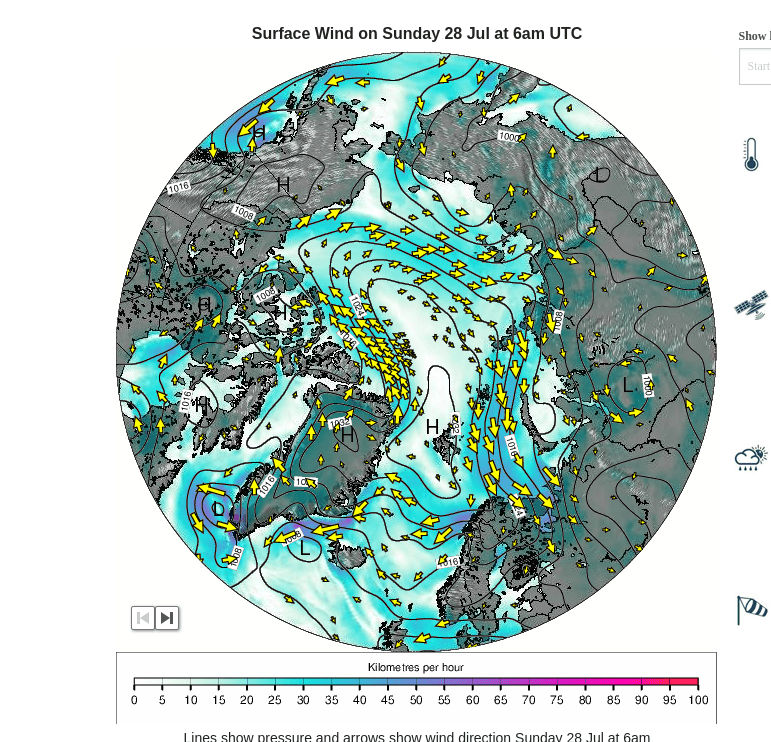
Simulation of jet stream pattern July 22. (VentuSky.com)

We are heading into winter this year at the bottom of a solar cycle, and ocean oscillations due for cooling phases. The folks at Climate Alarm Central (CAC) are well aware of this, and are working hard so people won’t realize that global cooling contradicts global warming. No indeed, contortionist papers and headlines are warning us all that CO2 not only causes hothouse earth, overrun with rats and other vermin. CO2 also causes ice ages when it feels like it.

For example, a recent article by alarmist Jason Samenow at Washington Post is Study: Freak summer weather and wild jet-stream patterns are on the rise because of global warming. Excerpts in italics with my bolds

In many ways, the summer of 2018 marked a turning point, when the effects of climate change — perhaps previously on the periphery of public consciousness — suddenly took center stage. Record high temperatures spread all over the Northern Hemisphere. Wildfires raged out of control. And devastating floods were frequent.

Michael Mann, climate scientist at Pennsylvania State University, along with colleagues, has published a new study that connects these disruptive weather extremes with a fundamental change in how the jet stream is behaving during the summer. Linked to the warming climate, the study suggests this change in the atmosphere’s steering current is making these extremes occur more frequently, with greater intensity, and for longer periods of time.

The study projects this erratic jet-stream behavior will increase in the future, leading to more severe heat waves, droughts, fires and floods.

The jet stream is changing not only because the planet is warming up but also because the Arctic is warming faster than the mid-latitudes, the study says. The jet stream is driven by temperature contrasts, and these contrasts are shrinking. The result is a slower jet stream with more wavy peaks and troughs that Mann and his study co-authors ascribe to a process known as “quasi-resonant amplification.”

The altered jet-stream behavior is important because when it takes deep excursions to the south in the summer, it sets up a collision between cool air from the north and the summer’s torrid heat, often spurring excessive rain. But when the jet stream retreats to the north, bulging heat domes form underneath it, leading to record heat and dry spells.

The study, published Wednesday in Science Advances, finds that these quasi-resonant amplification events — in which the jet stream exhibits this extreme behavior during the summer — are predicted to increase by 50 percent this century if emissions of carbon dioxide and other greenhouse gases continue unchecked.

Whereas previous work conducted by Mann and others had identified a signal for an increase in these events, this study for the first time examined how they may change in the future using climate model simulations.

“Looking at a large number of different computer models, we found interesting differences,” said Stefan Rahmstorf from the Potsdam Institute for Climate Impact Research and a co-author of the study, in a news release. “Distinct climate models provide quite diverging forecasts for future climate resonance events. However, on average they show a clear increase in such events.”

Although model projections suggest these extreme jet-stream patterns will increase as the climate warms, the study concluded that their increase can be slowed if greenhouse gas emissions are reduced along with particulate pollution in developing countries. “[T]he future is still very much in our hands when it comes to dangerous and damaging summer weather extremes,” Mann said. “It’s simply a matter of our willpower to transition quickly from fossil fuels to renewable energy.”

Mann has been leading the charge to blame anticipated cooling on fossil fuels, his previous attempt claiming CO2 is causing a slowdown of AMOC (part of it being the Gulf Stream), resulting in global cooling, even an ice age. The same idea underlay the scary 2004 movie Day After Tomorrow.

Other scientists are more interested in the truth than in hype. An example is this AGU publication by D.A Smeed et al. The North Atlantic Ocean Is in a State of Reduced Overturning Excerpts in italics with my bolds.

Figure 3
Indices of subsurface temperature, sea surface height (SSH), latent heat flux (LHF), and sea surface temperature (SST). SST (purple) is plotted using the same scale as subsurface temperature (blue) in the upper panel. The upper panel shows 24 month filtered values of de‐seasonalized anomalies along with the non‐Ekman part of the AMOC. In the lower panel, we show three‐year running means of the indices going back to 1985 (1993 for the SSH index).

Changes in ocean heat transport and SST are expected to modify the net air‐sea heat flux. The changes in the total air‐sea flux (Figure S4, data obtained from the National Centers for Environmental Prediction‐National Center for Atmospheric Research reanalysis; Kalnay et al., 1996) are almost all due to the change in LHF. The third panel of Figure 3 shows the changes in LHF between the two periods. There is a strong signal with increased heat loss from the ocean over the Gulf Stream. That the area of increased heat loss coincides with the location of warming SST indicates that the changes in air‐sea fluxes are driven by the ocean.

Whilst the AMOC has only been continuously measured since 2004, the indices of SSH, heat content, SST, and LHF can be calculated farther back in time (Figure 3, bottom). Over this longer time period, all four indices are strongly correlated with one another (Table S5; correlations were calculated using the nonparametric method described in McCarthy et al., 2015). These data suggest that measurement of the AMOC at 26°N started close to a maximum in the overturning. Prior to 2007 the indices show variability on a time scale of 8 to 10 years and no trend is evident, but since 2014 all indices have had values lower than any other year since 1985.

Previous studies have shown that seasonal and interannual changes in the subtropical AMOC are forced primarily by changing wind stress mediated by Rossby waves (Zhao & Johns, 2014a, 2014b). There is growing evidence (Delworth et al., 2016; Jackson et al., 2016) that the longer‐term changes of the AMOC over the last decade are also associated with thermohaline forcing and that the changed circulation alters the pattern of ocean‐atmosphere heat exchange (Gulev et al., 2013). The role of ocean circulation in decadal climate variability has been challenged in recent years with authors suggesting that external, atmospheric‐driven changes could produce the observed variability in Atlantic SSTs (Clement et al., 2015). However, the direct observation of a weakened AMOC supports a role for ocean circulation in decadal Atlantic climate variability.

Our results show that the previously reported decline of the AMOC (Smeed et al., 2014) has been arrested, but the length of the observational record of the AMOC is still short relative to the time scales of important decadal variations that exist in the Atlantic. Understanding is therefore constantly evolving. What we identify as a changed state of the AMOC in this study may well prove to be part of a decadal oscillation superposed on a multidecadal cycle. Overlaying these oscillations is the impact of anthropogenic change that is predicted to weaken the AMOC over the next century. The continuation of measurements from the RAPID 26°N array and similar observations elsewhere in the Atlantic (Lozier et al., 2017; Meinen et al., 2013) will enable us to unravel and reveal the role of ocean circulation in the changing Atlantic climate in the coming decades.

graphic20-20polarvortex_explained_updated2001291920-204034x2912-1Regarding the more recent attempt to link CO2 with jet stream meanderings, we have this paper providing a more reasonable assessment.  Arctic amplification: does it impact the polar jet stream?  by Valentin P. Meleshko et al.  Excerpts below in italics with my bolds.

Analysis of observation and model simulations has revealed that northward temperature gradient decreases and jet flow weakens in the polar troposphere due to global climate warming. These interdependent phenomena are regarded as robust features of the climate system. An increase of planetary wave oscillation that is attributed to Arctic amplification (Francis and Vavrus, 2012; Francis and Vavrus, 2015) has not been confirmed from analysis of observation (Barnes, 2013; Screen and Simmonds, 2013) or in our analysis of model simulations of projected climate. However, we found that GPH variability associated with planetary wave oscillation increases in the background of weakening of zonal flow during the sea-ice-free summer. Enhancement of northward heat transport in the troposphere was shown to be the main factor responsible for decrease of northward temperature gradient and weakening of the jet stream in autumn and winter. Arctic amplification provides only minor contribution to the evolution of zonal flow and planetary wave oscillation.

It has been shown that northward heat transport is the major factor in decreasing the northward temperature gradient in the polar atmosphere and increasing the planetary-scale wave oscillation in the troposphere of the mid-latitudes. Arctic amplification does not show any essential impact on planetary-scale oscillation in the mid and upper troposphere, although it does cause a decrease of northward heat transport in the lower troposphere. These results confound the interpretation of the short observational record that has suggested a causal link between recent Arctic melting and extreme weather in the mid-latitudes.

There are two additional explanations of factors causing the wavy jet stream, AKA Polar Vortex.  Dr Judah Cohen of AER has written extensively on the link between Autumn Siberian snow cover and the Arctic oscillation.  See Snowing and Freezing in the Arctic  for a more complete description of the mechanism.

Finally, a discussion with Piers Corbyn regarding the solar flux effect upon the jet stream at Is This Cold the New Normal?

Video transcript available at linked post.

Climate Tipping Points Quiz

This post is a reblog of the Manhattan Contrarian Quiz — Climate Tipping Points Edition
October 11, 2018/ by Francis Menton. Text in italics with my bolds.

On Monday the UN IPCC came out with its latest Special Report, this one supposedly addressed specifically to the allegedly dire consequences of allowing world temperatures to increase by more than an arbitrarily-selected threshold. Here is a copy of the “Summary for Policymakers,” and here is a copy of the accompanying press release. But I urge you not to peek at those until you have taken today’s very important Manhattan Contrarian Climate Tipping Points Quiz.

Many have noted that this latest Report seems to step up the level of hysteria and shrieking about the threat of climate change to a whole new level. The gist is, we are doomed, doomed, doomed unless mankind takes immediate drastic action to reduce and then eliminate carbon emissions, because otherwise we will shortly cross the dreaded climate “tipping point.” Crossing the tipping point means that climate change will thereafter accelerate out of control, there will be no further chance of saving the planet, and all hope must be abandoned. You can see that this is very serious, at least if you give any credence to this stuff. And yet, despite the hyperbole, this report seems to be getting much less attention than prior similar predictions of the impending climate apocalypse, even if no one in the mainstream press will apply the slightest amount of critical thinking as to whether any of this makes any sense at all. As an example, the big New York Times article on the Report did not appear until Tuesday, and in the print edition ran on page A8. I guess there were plenty of things more important than the approaching end of the world to fill up the front page.

So it’s time to take the Manhattan Contrarian Climate Tipping Points Quiz. The quiz consists of nine predictions of the impending climate “tipping point,” made at various points over the past few decades. For each prediction, I have deleted the name of the predictor, the year made and the year or years that were identified as the dreaded tipping point, but have included in brackets the number of years in the future that the tipping point was said to be at the time of the prediction in question. Your task is to identify which of the predictions is the one found in the current UN materials. For extra credit, see if you can identify any of the other predictions as to the person or organization uttering the prediction, the year made, and the year said to be the date of the tipping point.

Answers below the fold.

Prediction Number 1:

[Predictor] said that without “coherent financial incentives and disincentives” we have just 96 months to avert “irretrievable climate and ecosystem collapse, and all that goes with it.” . . . He confided last night: “We face the dual challenges of a world view and an economic system that seem to have enormous shortcomings, together with an environmental crisis – including that of climate change – which threatens to engulf us all.”

Prediction Number 2:

[U]nless drastic measures to reduce greenhouse gases are taken within the next 10 years, the world will reach a point of no return, [predictor] said. He sees the situation as “a true planetary emergency.” “If you accept the truth of that, then nothing else really matters that much,” [predictor] said in an interview with The Associated Press. “We have to organize quickly to come up with a coherent and really strong response, and that’s what I’m devoting myself to.”

Prediction Number 3:

[Predictor] . . . told author Bob Reiss in [year of prediction] that New York City would be underwater in 20 years. “The West Side Highway [which runs along the Hudson River] will be under water,” [predictor] said. “And there will be tape across the windows across the street because of high winds. And the same birds won’t be there. The trees in the median strip will change.”

Prediction Number 4:

The year: [46 years after prediction]. Massive dikes around New Orleans, Miami, and New York are holding back rising sea water. Phoenix is baking in its third straight week of temperatures above 115 degrees. Decades of drought have laid waste to the once-fertile Midwestern farm belt. Hurricanes batter the Gulf Coast, and forest fires continue to black thousands of acres across the country. Science fiction? Hardly. These are the sobering global warming or “greenhouse effect” scenarios that many scientists believe may happen if we continue to pollute our environment. . . . [N]othing short of an immediate worldwide effort by governments, corporations and especially individual citizens will be needed to reverse the environmental crisis that now threatens the entire planet.

Prediction Number 5:

In [year of prediction], [predictor] told [publication] that [4 years after prediction] was “the last window of opportunity” to impose policies to restrict fossil fuel use. [Predictor] said it’s “the last chance we have to get anything approaching [numeric] degrees Centigrade,” adding that if “we don’t do it now, we are committing the world to a drastically different place.”

Prediction Number 6:

[W]arming of [numeric] deg C or higher increases the risk associated with long-lasting or irreversible changes, such as the loss of some ecosystems,” said [predictor]. . . . [L]imiting global warming to [numeric]°C would require “rapid and far-reaching” transitions in land, energy, industry, buildings, transport, and cities. Global net human-caused emissions of carbon dioxide (CO2) would need to fall by about 45 percent from [year] levels by [12 years from prediction], reaching ‘net zero’ around [32 years from prediction].

Prediction Number 7:

[Predictor] said in [year of prediction] that if “there’s no action before [5 years after prediction], that’s too late.” “What we do in the next two to three years will determine our future. This is the defining moment,” he said.

Prediction Number 8:

[Predictor] wrote in [publication] that within “as little as 10 years, the world will be faced with a choice: arable farming either continues to feed the world’s animals or it continues to feed the world’s people. It cannot do both.”

Prediction Number 9:

[Publication] reported in [year] that [predictor] says entire nations could be wiped off the face of the earth by rising sea levels if global warming is not reversed by the [year].”

Answers to Quiz:

Answer for Prediction Number 1: This famous prediction was made by the great climate scientist Prince Charles in July 2009. The 96 month (8 year) period of the prediction expired in July 2017. Does that mean that for a year plus we have already been in the state of “irretrievable climate and ecosystem collapse”?

Answer for Prediction Number 2: Again, this is a quite famous prediction, made by Al Gore at the January 2006 premier of his climate apocalypse movie “An Inconvenient Truth,” as reported at the time by CBS News. Thus, the period of the prediction expired in January 2016. I guess then that we have already reached the “point of no return” and the “true planetary emergency.” How does it feel?

Answer for Prediction Number 3: Another famous prediction, this one made in 1988 by James Hansen, then head of the branch of NASA known as GISS that collects (and fraudulently alters) world temperature data. This time the 20 year prediction period expired in 2008. Meanwhile, I went down the West Side Highway just a few days ago, and the water didn’t appear any closer to swamping it than it was back in 1988.

Answer for Prediction Number 4: This one comes from self-described all-around genius Jeremy Rifkin (“author of 20 bestselling books about the impact of scientific and technological changes on the economy, the workforce, society, and the environment.” and “advisor to the leadership of the European Union since 2000” — really, does that tell you all you need to know about what idiots the Europeans are?), and is found in an article in none other than the Poughkeepsie Journal (my hometown newspaper!) in 1989. OK, the date for the prediction (2035) hasn’t arrived yet. But, if we were going to need “massive dikes” to protect New York City by 2035, shouldn’t there be by now some evidence of the sea level going up?

Answer for Prediction Number 5: The predictor was then-head of the United Nations Foundation Timothy Wirth, and the year of prediction was 2012. That means that the date for the prediction was 2016 — or actually, in the phrasing of the prediction, the end of President Obama’s second term. The prediction appeared in ClimateWire. I guess we missed our “last chance” to save the world. Wirth is the same guy who, as a Congressman back in 1988, promoted the hearings featuring Hansen that many credit as the official launch of the global warming scare.

Answer for Prediction Number 6: Yes, this quote comes from the just-issued press release announcing the new UN Report. There were enough extraneous clues in there that probably many of you readers got it right. The number of degrees C that is said in this Report to be the brink of disaster is 1.5.

Answer for Prediction Number 7: The predictor is former UN IPCC head Rajendra Pachauri, and the year of prediction was 2007. That means that after 2012 it was “too late” to stop armageddon. Oh, well. Somehow we struggle on.

Answer for Prediction Number 8: This one comes from noted UK environmental writer George Monbiot, and appeared in the Guardian in 2002. So once again the year for the prediction was 2012. Do you recall the world making the choice somewhere 6 or so years ago between “feeding the world’s animals” and “feeding the world’s people.” I’m struggling to remember that. Perhaps I should go home and have a hamburger for dinner while I think it over.

Answer for Prediction Number 9: The prediction comes from 1989, and the year for the prediction (“entire nations . . . wiped off the face of the earth”) was 2000 — 18 years ago. The publication was the San Jose Mercury News, which attributed the prediction to UN “senior environmental official” Noel Brown. Somehow, even the Maldives seem to be doing fine here in 2018.

Here’s the incredible thing: Wouldn’t you think that making apocalyptic predictions like these that failed so completely would undermine the predictors’ reputations somehow — like maybe, they’d be considered laughingstocks? Not at all! All of these guys are still out there and going strong. OK, Pachauri was forced out of the IPCC, but over sexual harassment allegations, not failed climate predictions. He left the IPCC in 2015, which means that three years after his prediction above bombed, he was still there. Meanwhile, the IPCC had won the Nobel Peace Prize! Monbiot still writes climate doom articles for the Guardian. And you haven’t heard of Noel Brown? He retired from the UNDP, but has gone on to be President of the Friends of the United Nations.

Yes, ridiculous failed climate apocalypse predictions are the route to assured career success. The world is a funny place.

Update October 13, 2018

An interesting essay by Sean Gabb (H/T Greenie Watch) provides some additional predictions justifying our skepticism about environmentalists’ doomsday narrative.  The Environmental Scam: One Quick and Easy Response Excerpt in italics:  The entire article is informative.

Sean Gabb writes:

I now turn to the claims about global warming. I will not discuss the intricacies of how much carbon dioxide we are releasing, or what effect this may have on temperatures. I leave aside the persistent claims of scientific fraud and other corruption. As said, I am not qualified to comment on these or other matters. What I do note is that, in 2006, Al Gore

[p]atiently, and surely for the 10,000th time, [explained to The Guardian] what’s going wrong. The atmosphere is like a coat of varnish around the globe, he says. When it’s thin, as it should be, heat naturally escapes. But when it gets thicker, thanks to carbon dioxide emitted by us, it traps in the heat and the world gets warmer. “It’s cooking and wilting the most vulnerable parts of the eco-system, melting all the mountain glaciers, the north polar ice cap, parts of Antarctica, parts of Greenland.” That molten ice-water will raise sea-levels, flooding food-producing areas that all of us rely on. Eventually it will submerge whole cities, from San Francisco to Shanghai. The site of the Twin Towers will not be a memorial garden: it will be underwater.

… He agrees with the scientists who say we have 10 years to act, before we cross a point of no return.

In 2009, the Prince of Wales – advised by the “leading environmentalists Jonathon Porritt and Tony Juniper” – said we had 96 months to change our ways. After that, we faced “irretrievable climate and ecosystem collapse, and all that goes with it.”

In 2005, George Monbiot wrote in The Guardian:

Winter is no longer the great grey longing of my childhood. The freezes this country suffered in 1982 and 1963 are – unless the Gulf Stream stops – unlikely to recur. Our summers will be long and warm. Across most of the upper northern hemisphere, climate change, so far, has been kind to us.

Ten years took us to 2016. Assuming my arithmetic is correct, 96 months take us to about now. If we have really reached the “point of no return,” why have these people not yet switched to telling us “I warned you: now it’s too late”? Instead, the apocalyptic warnings continue at top volume. Oh – and English weather remains as unpredictable today as it was in 2005. In March this year, there was an inch of snow in Deal.

The point of repeating these claims is that they were not random assertions, but appear to have been made on scientific advice – scientific advice that turned out to be wrong. Whether the scientists in question were lying, or whether they advised in good faith, is less important than that they were wrong. You do not need a degree in the natural sciences to notice when predictions are falsified. It is with this in mind that I take the present claims of plastic waste in the sea, and reject them out of hand. It may be that, this time, the claims are true. But the whole burden of proof is on those making them. The burden of proof comes with the barely-rebuttable presumption that we are being fed yet another diet of alarmist falsehoods.


Dr. Indrani Roy on Natural Climate Factors

fig1_s

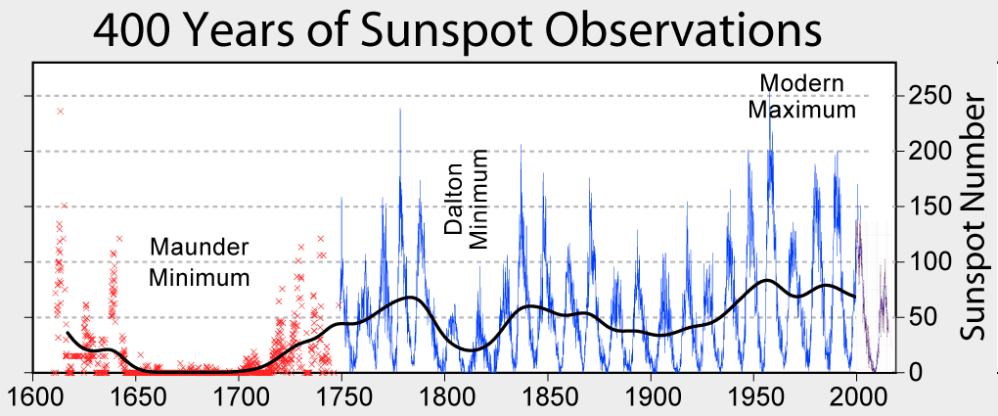
Figure 1. Total solar irradiance over the past three solar cycles, since 1975, varying between 1365 and 1367 W/m2. Source: NASA

A new paper by Dr. Indrani Roy is Abrupt Global Warming, Warming Trend Slowdown and Related Features in Recent Decades. The thrust of her conclusions is reported in this Science Daily article Role of ‘natural factors’ on recent climate change underestimated, research shows  Excerpts in italics with my bolds.

Pioneering new research has given a new perspective on the crucial role that ‘natural factors’ play in global warming.

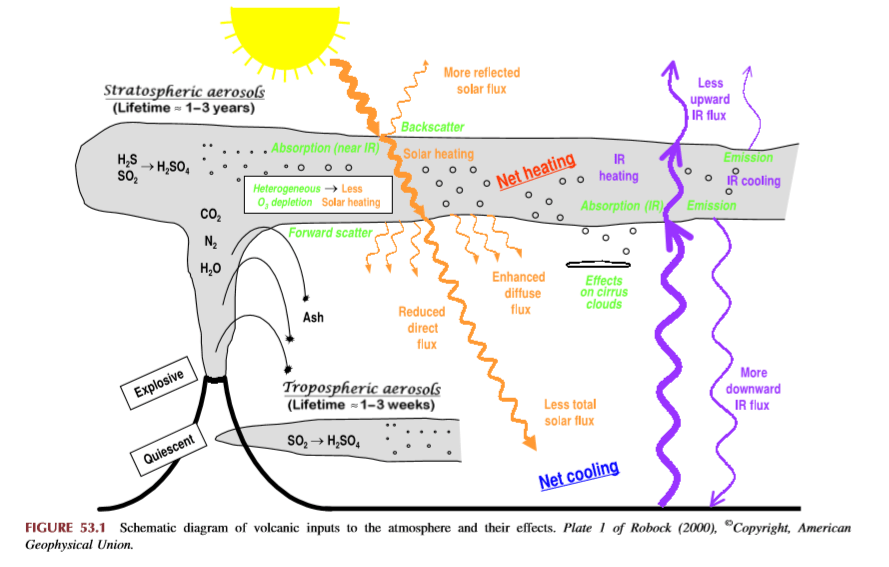
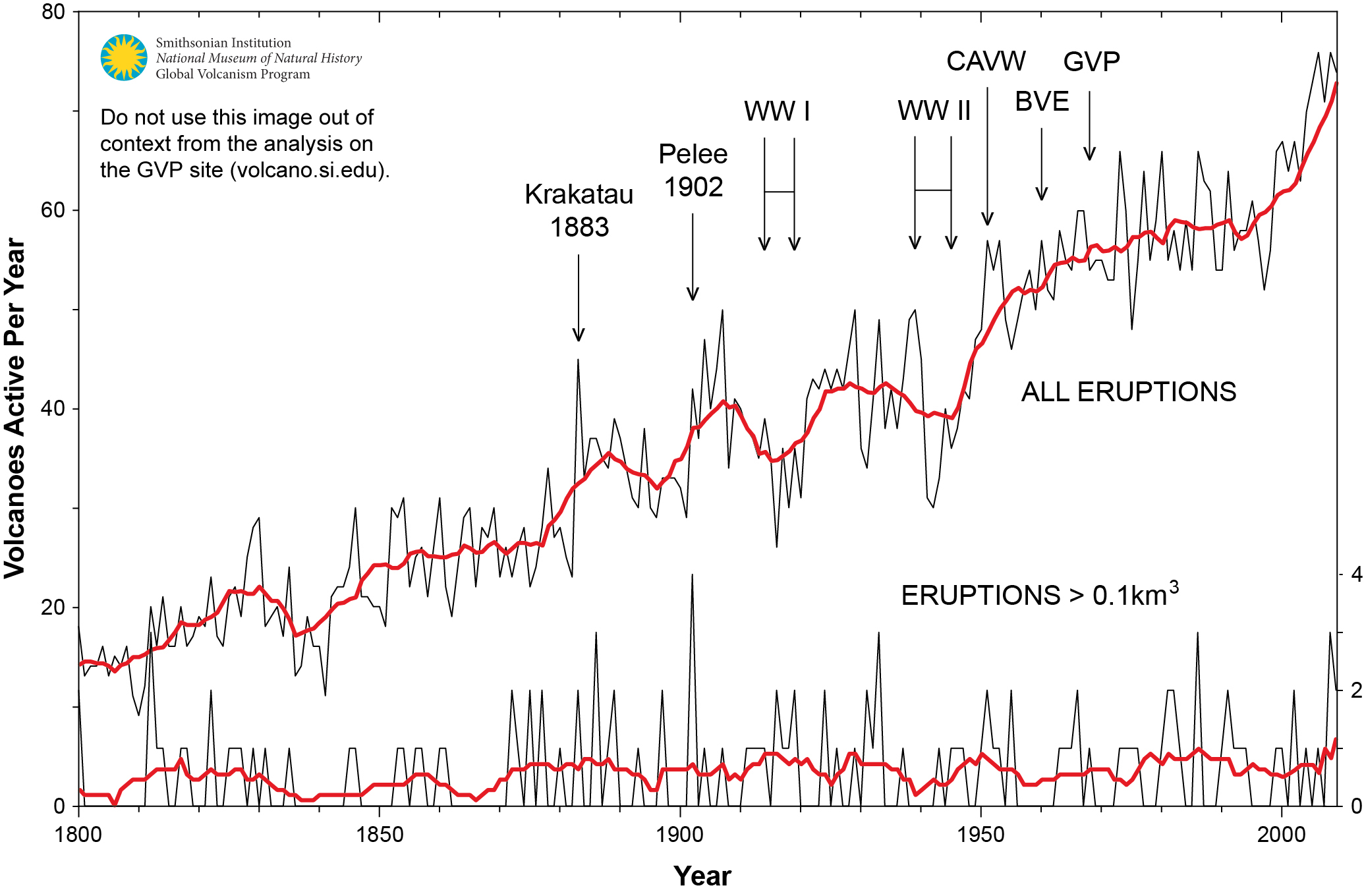
The study, by Dr Indrani Roy at the University of Exeter, suggests that the natural phenomena such as solar eleven-year cycles and strong volcanic explosions play important roles in recent climate change which has been ‘underestimated’.

All existing studies focus on the rise in CO2 in the atmosphere as being the main driver of global temperature rises.

However, Dr Roy suggests that the role natural factors plays in climate change should be given more prominence. This study explores various possible areas where models miss important contributions due to these natural drivers.

The research is published in leading journal Frontiers.

Although CO2 has risen significantly since 1998, global temperature did not show any significant increase. Models however suggested a significant rise.

Dr Roy said: “So what factors are missing? It is a puzzle of recent slowdown of global warming trend or Hiatus and this study addresses that issue.”

For the study, Dr Roy looked specifically at data between 1976-96, which not only covered two full strong solar cycles and two explosive volcanic eruptions during active phases of those cycles, but which also matched a period of abrupt global warming. These data were compared with other periods.

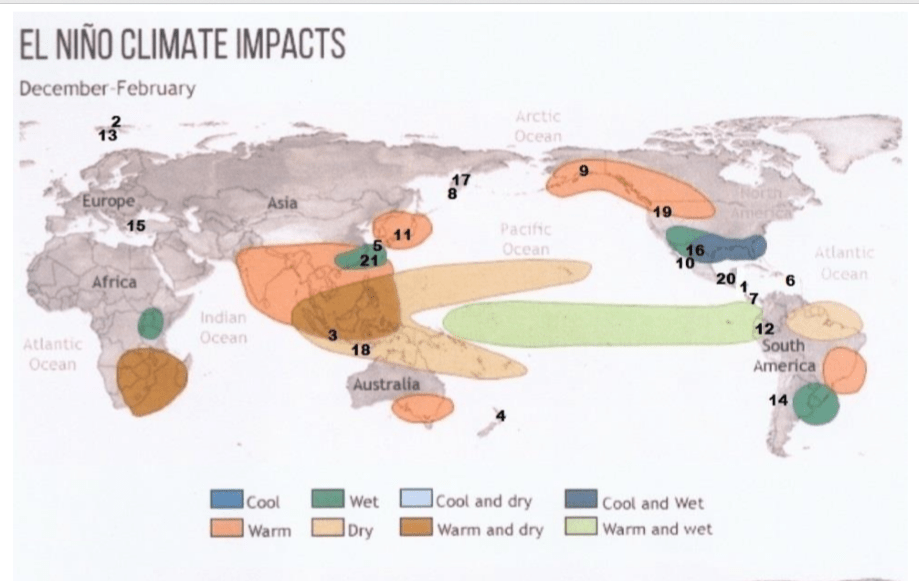
The research highlighted the important role that a dominant Central Pacific (CP) El Nino, and its associated water vapour feedback, played in global warming within the chosen period.

volcano

Plinian column of the eruption of Sarychev (Russia) on 12 June 2009. Credit: NASA

Dr Roy suggests that the explosive volcanoes seen during this phase, which changed the sea level pressure around the North Atlantic, kick-started a ‘chain mechanism’ that played a crucial role.

Dr Roy added that the change in Indian Summer Monsoons and El Nino connection during that abrupt warming period, and a subsequent recovery thereafter, can also be explained by this ‘chain mechanism’.

Discussion of Chain Mechanism from Frontiers paper

The puzzle of global warming hiatus is discussed in many recent studies, though the underlying cause is still unexplained. Many climate features, in atmosphere and ocean including global temperature trend, suffered deviations during later two decades of the last century, so as some known teleconnection patterns. This study addresses those areas segregating the role of natural factors (the sun and volcano) to that from CO2 led linear anthropogenic influences. To analyse the combined influence of the sun and volcano (including the phasing), it separated out a period 1976–1996 that captured two full solar cycles, (number 21 and 22), where two explosive volcanos erupted (1991 and 1982) during active periods of strong solar cycles.

The possible mechanism could be initiated via a preferential alignment of NAO phase, generated by explosive volcanos. During that particular period, it identified certain deviations on various climate features, those include temperature around Niño 3.4 region (warming), North Atlantic region (cooling), AL (warming) and Eurasian snow cover (warming). The robustness of detected signal is established by analyzing different observational and reanalyses datasets. Consistent with temperature, a dominance of atmospheric water vapor content is also noticed. Interestingly, CMIP5 model ensemble (and also arbitrarily chosen individual models) fails to comply with such findings. It is also true for other models. This study indicates that water vapor being the most important GHG has major contributions for an observed abrupt rise in global temperature during that period. Overall the analysis suggests a change in CP ENSO and associated water vapor feedback plays a very important role in regulating global temperature behavior since 1976 that also includes ‘Hiatus’ period. It identified the signal of natural origin is different to that from CO2 led anthropogenic linear influence. Interestingly, models suggest a failure to detect such signals, which provides explanations for the long-standing puzzle of global warming hiatus.

My Summary:  Warmists are picking on the wrong molecule.  CO2 is plant food, H2O makes the climate.

Background from Previous post: On Solar and Climate Variability

The last solar eclipse was in 2017. The totality in the picture lasted a little more than 2 minutes, while the process lasted about 2.5 hours.

One of the great disputes in climate research is between those (IPCC) who dismiss solar cycles as a factor in climate change and those who see correlations in the past and keep seeking to understand the mechanisms. To be clear, there is considerable agreement that earth’s atmosphere can and does reduce or increase the amount of incoming solar energy (albedo effect), thereby contributing to surface warming or cooling. The science and research into the “global dimming and brightening” is discussed in the post Nature’s Sunscreen.

The above image of the eclipse is intended to remind us that humans down through history have been terrified of the sun going dark because they knew intuitively that no sun means no life. A more modern and sophisticated concern is that even slightly falling energy from the sun brings cooling, ice and death.  Quite apart from the sunscreen, this post is focused a different matter, namely that changes in the sun’s output radiation cause changes in earth climate parameters. One theory of such a mechanism is espoused by Henrik Svensmark and concerns solar particles effect upon albedo. That line of research is discussed in the post The Cosmoclimatology theory

A different investigation has been advanced by Dr.Indrani Roy, her most recent publication this month being a book Climate Variability and Sunspot Activity Analysis of the Solar Influence on Climate (H/T NoTricksZone).

The book is behind a paywall, but the abstract and chapter headings indicate a comprehensive approach.

Overview Climate Variability and Sunspot Activity (2018)

This book promotes a better understanding of the role of the sun on natural climate variability. It is a comprehensive reference book that appeals to an academic audience at the graduate, post-graduate and PhD level and can be used for lectures in climatology, environmental studies and geography.

This work is the collection of lecture notes as well as synthesized analyses of published papers on the described subjects. It comprises 18 chapters and is divided into three parts: Part I discusses general circulation, climate variability, stratosphere-troposphere coupling and various teleconnections. Part II mainly explores the area of different solar influences on climate. It also discusses various oceanic features and describes ocean-atmosphere coupling. But, without prior knowledge of other important influences on the earth’s climate, the understanding of the actual role of the sun remains incomplete. Hence, Part III covers burning issues such as greenhouse gas warming, volcanic influences, ozone depletion in the stratosphere, Arctic and Antarctic sea ice, etc. At the end of the book, there are few questions and exercises for students. This book is based on the lecture series that was delivered at the University of Oulu, Finland as part of M.Sc./ PhD module.

Chapter Titles

  • Climatology and General Circulation
  • Major Modes of Variability
  • Stratosphere-Troposphere Coupling
  • Teleconnection Among Various Modes
  • Solar Influence Around Various Places: Robust Solar Signal on Climate
  • Total Solar Irradiance (TSI): Measurements and Reconstructions
  • Atmosphere-Ocean Coupling and Solar Variability
  • Ocean Coupling
  • The Sun and ENSO Connection–Contradictions and Reconciliations
  • A Debate: The Sun and the QBO
  • Solar Influence: ‘Top Down’ vs. ‘Bottom Up’
  • An Overview of Solar Influence on Climate
  • Other Major Influences on Climate
  • Sun: Atmosphere-Ocean Coupling – Possible Limitations
  • The Arctic and Antarctic Sea Ice
  • CMIP5 Project and Some Results
  • Green House Gas Warming
  • Volcanic Influences
  • Ozone Depletion in the Stratosphere
  • Influence of Various Other Solar Outputs

To better appreciate Roy’s viewpoint, two of her previous publications provide the evidence and analytical thought behind her conclusions.  Published in 2010 with J.D. Haigh was Solar cycle signals in sea level pressure and sea surface temperature  Excerpts in italics with my bolds.

Summary of SLP and SST signals

We identify solar cycle signals in the North Pacific in 155 years of sea level pressure and sea surface temperature data. In SLP we find in the North Pacific a weakening of the Aleutian Low and a northward shift of the Hawaiian High in response to higher solar activity, confirming the results of previous authors using different techniques. We also find a broad reduction in pressure across the equatorial region but not the negative anomaly in the sub-tropics detected by vL07. In SST we identify the warmer and cooler regions in the North Pacific found by vL07 but instead of the strong Cold Event-like signal in tropical SSTs we detect a weak WE-like pattern in the 155 year dataset.

We find that the peak SSN years of the solar cycles have often coincided with the negative phase of ENSO so that analyses, such as that of vL07, based on composites of peak SSN years find a La Nina response. As the date of peak annual SSN generally falls a year or more in advance of the broader maximum of the 11-year solar cycle it follows that the peak of the DSO is likely to be associated with an El Nino-like pattern, as seen by White et al. (1997). An El Nino pattern is clearly portrayed in our regression analysis using only data from second half of the last century, but inclusion of ENSO as an independent regression index results in a significant diminution of the solar signal in tropical SST, showing further how an ENSO signal might be interpreted as due to the Sun.

Any mechanisms proposed to explain a solar influence should be consistent with the full length of the dataset, unless there are reasons to think otherwise, and analyses which incorporate data from all years, rather than selecting only those of peak SSN, represent more coherently the difference between periods of high and low solar activity on these timescales.

The SLP signal in mid-latitudes varies in phase with solar activity, and does not show the same modulation by ENSO phase as tropical SST, suggesting that the solar influence here is not driven by coupled-atmosphere-ocean effects but possibly by the impact of changes in the stratosphere resulting in expansion of the Hadley cell and poleward shift of the subtropical jets (Haigh et al., 2005). Given that climate model results in terms of tropical Pacific SST can be dependent on different ENSO variability within the models, our analysis indicates that the robustness of any proposed mechanism of the response to variations in solar irradiance needs to be analyzed in the context of ENSO variability where timing plays a crucial role.

Comment on Dr. Roy’s Methodology

It is challenging to grasp this approach and results because she respects the complexity of solar and climate dynamics.  For starters, she is not mining climate data in search of 11 year periodicities as others have done.  Dr. Roy takes the dates of observed SSN maxima and minima and compares with repeated effects in climate measurements.  Many readers will know that solar cycles are only quasi-11 years long; there is considerable irregularity.

Even more importantly, SSN do not peak midway in the cycle, but can appear early on and show additional peak(s) afterward. She defines minima and maxima in terms of SSN significantly lower or higher than the mean.  So Roy’s analysis is not simplistic, but correlates all years in the datasets comparing SSN with climate measures.

Dr. Roy also diligently analyzes confounding factors such as oceanic circulations and the influence of previous years upon succeeding years (system momentum).  For example, the above study discussed solar influence on Pacific SST and SLP.  This is presented in the following image:

Tropical Pacific SST composites using NOAA Extended V4 (ERSST) data for solar Max (Top) and Min years (Bottom) during DJF. Levels usually significant up to 95% level are overlaid by opposite coloured contour. Plots are generated using IDL software, version 8 with the data from NOAA/OAR/ESRL PSD, Boulder, Colorado, USA, from their website at (http://www.esrl.noaa.gov/psd/).

Importantly, the analysis shows little to no solar influence upon the ENSO 3.4 ocean sector, but as the graph above shows the effect is much broader. Roy concludes that ENSO operates mostly independently of solar influence. Even more striking is the result for NH winter, showing solar minima associated with generally warmer SST and maxima generally cooler. Dr. Roy explains the solar influence in terms of two separate processes.  Bottom up is fluctuations in SSTs while top-down is UV effects upon the stratosphere extending downward expressed in SLP differentials.

For a discussion of the solar/climate mechanism there is  Solar cyclic variability can modulate winter Arctic climate by Indrani Roy  Scientific Reportsvolume 8, Article number: 4864 (2018). Excerpts in italics with my bolds.

Abstract

This study investigates the role of the eleven-year solar cycle on the Arctic climate during 1979–2016. It reveals that during those years, when the winter solar sunspot number (SSN) falls below 1.35 standard deviations (or mean value), the Arctic warming extends from the lower troposphere to high up in the upper stratosphere and vice versa when SSN is above. The warming in the atmospheric column reflects an easterly zonal wind anomaly consistent with warm air and positive geopotential height anomalies for years with minimum SSN and vice versa for the maximum. Despite the inherent limitations of statistical techniques, three different methods – Compositing, Multiple Linear Regression and Correlation – all point to a similar modulating influence of the sun on winter Arctic climate via the pathway of Arctic Oscillation. Presenting schematics, it discusses the mechanisms of how solar cycle variability influences the Arctic climate involving the stratospheric route. Compositing also detects an opposite solar signature on Eurasian snow-cover, which is a cooling during Minimum years, while warming in maximum. It is hypothesized that the reduction of ice in the Arctic and a growth in Eurasia, in recent winters, may in part, be a result of the current weaker solar cycle.

Results

In summary, for solar Min years, the warm air column is associated with positive geopotential height anomalies and an easterly wind, which reverses during Max years. Such NAM feature is clearly evident supporting the hypothesis of communicating a solar signal to Arctic via winter NAM (North Annular Mode).

Above: Mechanism to describe the stratospheric pathway for solar cycle variability to influence the Arctic climate. Mechanisms for (a) discuss a route where perturbation in the upper stratospheric polar vortex is transported downwards and impacts the Arctic on a seasonal scale via the winter NAM (flowchart is presented on the right). Mechanisms for (b) discusses the route that involves upper stratospheric polar vortex, tropical lower stratosphere, Brewer-Dobson circulation and Ferrel cell (flowchart is presented to the left). It is created using images or clip art available from Powerpoint.

During DJF, Arctic sea ice extent suggests a strong correlation with SSN (99% significant) and even with AOD (95% significant) (Table 3a). SSN is also found to be strongly correlated with AO (95% significant). Figure 8a shows that significant correlation between Arctic sea ice extent and SSN is still present in other seasons as well. However, the correlation between SSN and AO is only significant in DJF, confirming that the possible route of solar influence on winter Arctic sea ice is via the AO. On the other hand, the influence of AO on Arctic sea ice extent is not present during winter. It is strongest during JJA, though fails to exceed a significant threshold of 95% level.

Results of Correlation Coefficient (c.c) between Sea Ice Extent and various other parameters. (a) Seasonal c.c. for four different seasons are presented using other parameters as SSN and AO, and (b) c.c. for the winter season in different regions using other parameters as AO and AMO. Significant levels of 95% and 99% using a students ‘t-test’ are marked by dashed line and dotted line respectively. Plots are prepared using IDL software, version 8.

In terms of oceanic longer-term variability, here we particularly focus on the AMO and find a strong connection between sea ice and AMO in winter, agreeing with previous studies45,46. Earlier discussions suggested that there are few differences in region A and B relating to trend (Figs S6 and S7), but correlation technique indicated a very strong anti-correlation between the winter AMO index and sea ice in all regions of our considerations (Fig. 8b)). Even using two different data sources (HadSST and ERSST) we arrive at similar results, and it is also true for overall sea ice extent. It could also be possible that, in region B, due to a strong presence of AO influence of the sun, it may mask some of the influence of the longer-term trend (seen in Fig. 2) to suggest a lesser trend, as also noted in Figs S6 and S7.

This Matters As We Reach Solar Minimum for Cycle 24

The latest observations show this solar cycle is over, perhaps the next one beginning.  With no sunspots seen since June, this is unusually quiet.

The solar surface at the moment is “Spotless” and has been for a month.

Summary

The sun is the primary source of energy in the earth/atmosphere system, but the actual role of the sun and related mechanisms to support varied regional climate responses and its seasonality around the world, are still poorly understood. Solar energy output varies in cycles, of which the 11-year cyclic variability is one of the most crucial ones. It causes differences in the amount of solar energy absorbed in the UV part of the spectrum within the upper stratosphere, varying from 6 to 8%. Such variation is believed to be one of the most important solar energy outputs to influence the climate of the earth and that knowledge of cyclic behaviour can also be used for future prediction purposes. Apart from solar UV related effects on earth’s climate, studies also identified effects related to solar particle precipitation.

Various studies have also detected an influence of the El Nino Southern Oscillation (ENSO)22 and the Pacific Decadal Oscillation (PDO) on Arctic sea ice. An association between the sun and ENSO are discussed in various research. Because of related complexities along with various linear and nonlinear couplings among major modes of variability, the role of the sun on Arctic air temperatures and sea ice extent and related mechanisms remains poorly understood/explored.

While many studies point to anthropogenic influences on the long-term sea ice decline, this study is motivated by the potential links between the sun and the surface climate through stratospheric processes. Alongside warming in the Arctic, a cooling is noticed around Eurasian sector despite continuing rise of greenhouse gas concentrations. Various modelling groups, however, made unsuccessful efforts to detect an association between Eurasian cooling and Arctic sea-ice decline. In this work, we evaluate the impact of the solar 11-year cycle, measured in terms of solar sunspot number (SSN), as a driving factor to modulate Arctic and surrounding climate. The influences of SSN on various surface parameters, such as Sea Level Pressure (SLP), Sea Surface Temperature (SST), and the polar stratosphere are well recognised. If there is indeed a link between the solar cycle and Arctic climate, it is possible that the 11-year solar cycle can be used to improve seasonal and decadal predictions of sea ice.  In the present study, we use a combination of observational and reanalysis datasets to uncover relationships between the sun’s variability and Arctic surface climate, via the modulation of NAM and downward propagation of anomaly from upper stratospheric winter polar vortex.

Our result suggests the latest rapid decline of sea ice around the Arctic in the recent winter decade/season could also have contributions from the current weaker solar cycle. The last 14 years are dominated by solar Min years and have only one Max. This is unlike other previous years, where the number of Max and Min years were evenly distributed (five each). The cumulative effect from the past 13 solar Min years could have played a role in the current record decline of the last winter, 2017. The current weaker solar cycle may also have contributions on increase in winter snow cover around the Eurasian sector.

Presenting schematics and flowcharts, we discussed mechanisms of how solar cycle variability influences Arctic climate. In the first route, perturbation in the upper stratospheric polar vortex is transported downwards and modulates the Arctic in a seasonal scale via the winter NAM. Another route was shown, which could involve upper stratospheric polar vortex, tropical lower stratosphere, Brewer-Dobson circulation and Ferrel cell. It could also reinforce the findings of the ‘Solar Max (Min) – cold (warm) Arctic’ scenario.


Earth’s “Big Freeze” Looms

Earth’s “Big Freeze” Looms As Sun Remains Devoid Of Sunspots For Most Of 2018 is an article from Zero Hedge. Excerpts in italics.


Scientists are reporting that the sun has been free of sunspots for a total of 133 days this year, according to The Express UK. With only 241 days of 2018 passing, that means the sun has been blank for the majority of the year. Experts continue to warn that this is a sign that the solar minimum is on its way.

“The sun is spotless again. For the 133rd day this year, the face of the sun is blank,” wrote the website Space Weather.

“Solar minimum has returned, bringing extra cosmic rays, long-lasting holes in the sun’s atmosphere, and strangely pink auroras,” the website continued.

The sun follows a cycle of roughly 11 years where it reaches a solar maximum and then a solar minimum.

During a solar maximum, the sun gives off more heat and solar particles and is littered with sunspots. Less heat in a solar minimum is due to a decrease in the sun’s magnetic waves. Our sun was not expected to head into a solar minimum until around 2020, but it appears to be heading in that direction a little early which could prove to be bad news for warm weather lovers.


But a prolonged solar minimum could mean a “mini ice age.” The last time there was a prolonged solar minimum, it did, in fact, lead to a mini ice-age which was scientifically known as the Maunder minimum. That little cold snap lasted for 70 years between the years 1645 and 1715. During this period, temperatures dropped globally by 1.3 degrees Celsius leading to shorter seasons and ultimately food shortages.

“Low solar activity is known to have consequences on Earth’s weather and climate and it also is well correlated with an increase in cosmic rays that reach the upper part of the atmosphere. The blank sun is a sign that the next solar minimum is approaching and there will be an increasing number of spotless days over the next few years,” wrote a meteorological website called Vencore Weather.

Autumn Will Save Us from Climate Change

Hot, Hot, Hot.  You will have noticed that the term “climate change” is now synonymous with “summer”.  Since the northern hemisphere is where most of the world’s land, people and media are located, two typical summer months (June was not so hot) have been depicted as the fires of hell awaiting any and all who benefit from fossil fuels. If you were wondering what the media would do in the absence of hurricanes to heap upon our heads, you are getting the answer.

Fortunately, Autumn is on the way and already bringing cooler evenings in Montreal where I live. Once again open windows provide fresh air for sleeping, and mornings are starting to show condensation. This year’s period of “climate change” is winding down.  Unless of course, we get some hurricanes the next two months.  Below is a repost of seasonal changes in temperature and climate for those who may have been misled by the media reports of a forever hotter future.

geese-in-v-formation

Autumnal Climate Change

Seeing a lot more of this lately, along with hearing the geese  honking. And in the next month or so, we expect that trees around here will lose their leaves. It definitely is climate change of the seasonal variety.

Interestingly, the science on this is settled: It is all due to reduction of solar energy because of the shorter length of days (LOD). The trees drop their leaves and go dormant because of less sunlight, not because of lower temperatures. The latter is an effect, not the cause.

Of course, the farther north you go, the more remarkable the seasonal climate change. St. Petersburg, Russia has their balmy “White Nights” in June when twilight is as dark as it gets, followed by the cold, dark winter and a chance to see the Northern Lights.

And as we have been monitoring, the Arctic ice has been melting from sunlight in recent months, but will soon begin to build again in the darkness to its maximum in March.

We can also expect in January and February for another migration of millions of Canadians (nicknamed “snowbirds”) to fly south in search of a summer-like climate to renew their memories and hopes. As was said to me by one man in Saskatchewan (part of the Canadian wheat breadbasket region): “Around here we have Triple-A farmers: April to August, and then Arizona.” Here’s what he was talking about: Quartzsite Arizona annually hosts 1.5M visitors, mostly between November and March.

Of course, this is just North America. Similar migrations occur in Europe, and in the Southern Hemisphere, the climates are changing in the opposite direction, Springtime currently. Since it is so obviously the sun causing this seasonal change, the question arises: Does the sunlight vary on longer than annual timescales?

The Solar-Climate Debate

And therein lies a great, enduring controversy between those (like the IPCC) who dismiss the sun as a driver of multi-Decadal climate change, and those who see a connection between solar cycles and Earth’s climate history. One side can be accused of ignoring the sun because of a prior commitment to CO2 as the climate “control knob”.

The other side is repeatedly denounced as “cyclomaniacs” in search of curve-fitting patterns to prove one or another thesis. It is also argued that a claim of 60-year cycles can not be validated with only 150 years or so of reliable data. That point has weight, but it is usually made by those on the CO2 bandwagon despite temperature and CO2 trends correlating for only 2 decades during the last century.

One scientist in this field is Nicola Scafetta, who presents the basic concept this way:

“The theory is very simple in words. The solar system is characterized by a set of specific gravitational oscillations due to the fact that the planets are moving around the sun. Everything in the solar system tends to synchronize to these frequencies beginning with the sun itself. The oscillating sun then causes equivalent cycles in the climate system. Also the moon acts on the climate system with its own harmonics. In conclusion we have a climate system that is mostly made of a set of complex cycles that mirror astronomical cycles. Consequently it is possible to use these harmonics to both approximately hindcast and forecast the harmonic component of the climate, at least on a global scale. This theory is supported by strong empirical evidences using the available solar and climatic data.”

He goes on to say:

“The global surface temperature record appears to be made of natural specific oscillations with a likely solar/astronomical origin plus a noncyclical anthropogenic contribution during the last decades. Indeed, because the boundary condition of the climate system is regulated also by astronomical harmonic forcings, the astronomical frequencies need to be part of the climate signal in the same way the tidal oscillations are regulated by soli-lunar harmonics.”

He has concluded that “at least 60% of the warming of the Earth observed since 1970 appears to be induced by natural cycles which are present in the solar system.” For the near future he predicts a stabilization of global temperature and cooling until 2030-2040.

For more see Scafetta vs. IPCC: Dueling Climate Theories

A Deeper, but Accessible Presentation of Solar-Climate Theory

I have found this presentation by Ian Wilson to be persuasive while honestly considering all of the complexities involved.

The author raises the question: What if there is a third factor that not only drives the variations in solar activity that we see on the Sun but also drives the changes that we see in climate here on the Earth?

The linked article is quite readable by a general audience, and comes to a similar conclusion as Scafetta above: There is a connection, but it is not simple cause and effect. And yes, length of day (LOD) is a factor beyond the annual cycle.

Click to access IanwilsonForum2008.pdf

It is fair to say that we are still at the theorizing stage of understanding a solar connection to earth’s climate. And at this stage, investigators look for correlations in the data and propose theories (explanations) for what mechanisms are at work. Interestingly, despite the lack of interest from the IPCC, solar and climate variability is a very active research field these days.

For example Svensmark has now a Cosmosclimatology theory supported by empirical studies described in more detail in the red link.

A summary of recent studies is provided at NoTricksZone: Since 2014, 400 Scientific Papers Affirm A Strong Sun-Climate Link

Ian Wilson has much more to say at his blog: http://astroclimateconnection.blogspot.com.au/

Once again, it appears that the world is more complicated than a simple cause and effect model suggests.

Fluctuations in observed global temperatures can be explained by a combination of oceanic and solar cycles.  See engineering analysis from first principles Quantifying Natural Climate Change.

For everything there is a season, a time for every purpose under heaven.

What has been will be again, what has been done will be done again;
there is nothing new under the sun.
(Ecclesiastes 3:1 and 1:9)

Footnote:

marching-orders