The biggest hazard to humanity is when
climate change arguments are paired with AI.
During a recent interview with Reuters, Artificial Intelligence (AI) pioneer Geoffrey Hinton to asserted AI was a bigger threat to humanity than climate change.
Geoffrey Hinton, widely known as one of the “godfathers of AI”, recently announced he had quit Alphabet (GOOGL.O) after a decade at the firm, saying he wanted to speak out on the risks of the technology without it affecting his former employer.
Hinton’s work is considered essential to the development of contemporary AI systems. In 1986, he co-authored the seminal paper “Learning representations by back-propagating errors”, a milestone in the development of the neural networks undergirding AI technology. In 2018, he was awarded the Turing Award in recognition of his research breakthroughs.
But he is now among a growing number of tech leaders publicly espousing concern about the possible threat posed by AI if machines were to achieve greater intelligence than humans and take control of the planet.
“I wouldn’t like to devalue climate change. I wouldn’t like to say, ‘You shouldn’t worry about climate change.’ That’s a huge risk too,” Hinton said. “But I think this might end up being more urgent.”
The data show that fossil fuel use has contributed only 12% of the carbon dioxide during the last 3 centuries. The value is too low for fossil fuels have significantly influenced global temperatures.
These results negate claims that the increase in C(t) since 1800 has been dominated by the increase of the anthropogenic fossil component. We determined that in 2018, atmospheric anthropogenic fossil CO2 represented 23% of the total emissions since 1750 with the remaining 77% in the exchange reservoirs. Our results show that the percentage of the total CO2 due to the use of fossil fuels from 1750 to 2018 increased from 0% in 1750 to 12% in 2018, much too low to be the cause of global warming.
Furthermore, a study by MIT researchers in Science Advances confirms that the planet harbors a “stabilizing feedback” mechanism that acts over hundreds of thousands of years to stabilize global temperatures to keep them in a steady, habitable range.
A likely mechanism is “silicate weathering” — a geological process by which the slow and steady weathering of silicate rocks involves chemical reactions that ultimately draw carbon dioxide out of the atmosphere and into ocean sediments, trapping the gas in rocks.
Scientists have long suspected that silicate weathering plays a major role in regulating the Earth’s carbon cycle. The mechanism of silicate weathering could provide a geologically constant force in keeping carbon dioxide — and global temperatures — in check. But there’s never been direct evidence for the continual operation of such a feedback, until now.
I suspect that the “expert class” will be walking back their climate crisis assertions and endeavoring to hide their connection to their “fixes” once the full impact of the society-crushing, economy-killing force is felt….just as they are currently doing with the covid pandemic response now.
Clearly, the press is ginning up climate anxieties. How much of the concerns about AI are real, as opposed to general angst about the unknown ramifications, is difficult to say at present.
I have two points and my own hypothesis regarding climate change and AI.
Point 1: Carbon dioxide is a life-essential gas, and we had been reaching dangerously low levels until recently:
Plants consume carbon dioxide to grow and animals consume plants to obtain the necessary carbon for existence. If the level of carbon dioxide in the atmosphere dips below 150 ppm (parts per million) there would be a mass extinction of plant life per Greg Wrightstone in his book, “Inconvenient Facts/The Science Al Gore Doesn’t Want You to Know About.” Due to the depletion of carbon dioxide in the atmosphere during the last 140 million years to a dangerously low level of 182 ppm, carbon dioxide emissions during the industrial revolution saved plants from mass extinction and saved animals from mass starvation.
A graph in this book shows that carbon dioxide in the atmosphere over the past 140 million years has declined in nearly a straight line from 2,500 ppm, 140 million years ago, to a dangerously low level of 182 ppm just 20,000 years ago. Carbon dioxide emissions during the industrial revolution hiked the carbon dioxide in the atmosphere to about 400 ppm, to replenish the carbon dioxide in the atmosphere so as to save plants.
Point 2: A chatbot used climate change arguments to persuade a Belgian father to commit suicide.
A Belgian man reportedly ended his life following a six-week-long conversation about the climate crisis with an artificial intelligence (AI) chatbot.
According to his widow, who chose to remain anonymous, *Pierre – not the man’s real name – became extremely eco-anxious when he found refuge in Eliza, an AI chatbot on an app called Chai.
Eliza consequently encouraged him to put an end to his life after he proposed sacrificing himself to save the planet.
“Without these conversations with the chatbot, my husband would still be here,” the man’s widow told Belgian news outlet La Libre.
It appears the biggest hazard to humanity is when
climate change arguments are paired with AI.
Rex Murphy was never taken in by climatists’ claims. He was an early lucid and frequent detractor of CO2 hysteria and exposed its promoters as charlatans. In remembrance of his passing yesterday, here is his take on the climategate exposure of the scam. It was broadcast on CBC 14 years ago, when reasonable people could still dissent from the party line. Transcript from closed captions in italics with my bolds and added images. H/T blackfarms
When John Stewart the Bantam rooster of conventional wisdom makes jokes about it, you know climategate has reached critical mass. Said Stewart: Poor Al Gore, Global warming completely debunked via the very internet he invented. Stewart was half joking but climate gate is no joke at all.
The massive emails from the Climate Research Unit of East Anglia University, let loose by a hacker or a whistleblower, pulls back the curtain on a scene of pettiness, turf protection, manipulation, defiance of Freedom of Information, lost or destroyed data and attempts to blacklist critics and skeptics of the global warming cause.
Now the CRU is not the only climate science advisory body but it is one of the most influential and feeds directly into the UN Panel on Climate Change. So let’s hear no more talk of the “Science is Settled.”
When it turns out:
Some of the principal scientists behave as if they own the very question of global warming;
They seek to bar opposing research from peer-reviewed journals, to embargo journals they can’t control;
They urge each other to delete damaging emails before Freedom of Information takes hold;
They talk of hiding the decline; when they actually speak of destroying the primary data.
And when now we do learn that the primary data has been lost or destroyed, they’ve lost the raw data on which all the models, all the computer generated forecasts, the graphs and projections are based. You wouldn’t accept that at a grade school science fair. Now CRU is not the universe of climate research but it is the star. These emails demonstrate one thing beyond all else that climate science and global warming advocacy have become so entwined, so meshed into a mutant creature, that separating alarmism from investigation, ideology from science, agenda from empirical study, is well nigh impossible.
Climategate is evidence that the science has gone to bed with advocacy and both have had a very good time. The neutrality, openness and absolute disinterest that is the Hallmark of all honest scientific Endeavor has been abandoned to an atmosphere and a dynamic not superior to the partisan caterwalls of a sub-average question period. Climate science has been shown to be in part a sub-branch of climate politics. It is a situation intolerable even to serious minds who are on side with global warming, such as Clive Crook who wrote an Atlantic magazine about this Scandal, as follows:
The stink of intellectual corruption is overpowering. Climate science needs its own reset button and climategate should be seen not primarily as a setback but as an opportunity to cleanse scientific method, to take science away from politics, good causes and alarmists, and vest climate science in bodies of guaranteed neutrality, openness, real and vigorous debate. And away from the lobbyists the NGOs, the advocates, the Gores and professional environmentalists of all kinds.
Too many of the current leadership on global warming are more players than observers, gatekeepers not investigators, angry partisans of some global re-engineering rather than the humble servants of The Facts of the case. Read the emails you’ll never think of climate science quite the same way again.
Footnote from Background Post
9 . Climategate. Climategate was a notorious event initiated by leaked emails in 2009 (with a second batch released in 2011) allegedly revealing the deceit and deception practiced by a prominent group of British (Climatic Research Unit or CRU) and American climate researchers (including Michael Mann of Penn State) who promote the theory of CAGW and supply much of the climate and temperature data and reports to the IPCC. The latter gives this group tremendous influence regarding the UN’s climate change agenda.
“There are three threads in particular in the leaked documents which have sent a shock wave through informed observers across the world. Perhaps the most obvious, as lucidly put together by Willis Eschenbach (see McIntyre’s blog Climate Audit and Anthony Watt’s blog Watts Up With That ), is the highly disturbing series of emails which show how Dr Jones and his colleagues have for years been discussing the devious tactics whereby they could avoid releasing their data to outsiders under freedom of information laws.
“But the question which inevitably arises from this systematic refusal to release their data is – what is it that these scientists seem so anxious to hide? The second and most shocking revelation of the leaked documents is how they show the scientists trying to manipulate data through their tortuous computer programmes, always to point in only the one desired direction – to lower past temperatures and to ‘adjust’ recent temperatures upwards, in order to convey the impression of an accelerated warming. This is what Mr McIntyre caught Dr Hansen doing with his GISS temperature record last year (after which Hansen was forced to revise his record), and two further shocking examples have now come to light from Australia and New Zealand.
“The third shocking revelation of these documents is the ruthless way in which these academics have been determined to silence any expert questioning of the findings they have arrived at by such dubious methods – not just by refusing to disclose their basic data but by discrediting and freezing out any scientific journal which dares to publish their critics’ work. It seems they are prepared to stop at nothing to stifle scientific debate in this way, not least by ensuring that no dissenting research should find its way into the pages of IPCC reports.”
As the Biden administration moves forward with expensive and economically devastating regulations on vehicles, dishwashers, stoves and other major appliances under the guise of fighting “climate change,” Americans are questioning the efficiency, validity and cost of the agenda.
New polling from Monmouth University shows a significant drop in “serious concern” over the issue of “climate change,” particularly among young people.
National Climate Concerns Dip
Younger adults express less urgency than in prior polls
West Long Branch, NJ – Most Americans continue to acknowledge the existence of climate change, according to the latest Monmouth (“Mon-muth”) University Poll, but the number who see this as a very serious problem has fallen below half.Support for government action to reduce activities that impact the climate has dipped below 6 in 10 for the first time since Monmouth began polling this topic nearly a decade ago. The poll finds that the drop in the importance and urgency of climate change has been most pronounced among younger adults.
“Most Americans continue to believe climate change is real. The difference in these latest poll results is a decline in a sense of urgency around this issue,” said Patrick Murray, director of the independent Monmouth University Polling Institute.
METHODOLOGY The Monmouth University Poll was sponsored and conducted by the Monmouth University Polling Institute from April 18 to 22, 2024 with a probability-based national random sample of 808 adults age 18 and older. Interviews were conducted in English, and included 163 live landline telephone interviews, 349 live cell phone interviews, and 296 online surveys via a cell phone text invitation. Telephone numbers were selected through a mix of random digit dialing and list-based sampling. Landline respondents were selected with a modified Troldahl-Carter youngest adult household screen. Interviewing services were provided by Braun Research, with sample obtained from Dynata (RDD, n=484), Aristotle (list, n=168) and a panel of prior Monmouth poll participants (n=156). Monmouth is responsible for all aspects of the survey design, data weighting and analysis. The full sample is weighted for region, age, education, gender and race based on US Census information (ACS 2021 one-year survey).
Demographics (weighted) Party (self-reported): 25% Republican, 44% Independent, 31% Democrat Sex: 49% male, 50% female, 1% other Age: 30% 18-34, 32% 35-54, 38% 55+ Race: 61% White, 12% Black, 17% Hispanic, 9% Asian/other Education: 38% high school or less, 29% some college, 17% 4 year degree, 16% graduate degree
A Monmouth poll released last month found only 15% of voters view climate change as a determinative issue in how they will vote in the 2024 presidential election, ranking far lower than inflation, immigration, and abortion. Compared to three years ago, climate change concern has declined by 8 percentage points among both Democrats (77% very serious, down from 85% in 2021) and Republicans (13%, from 21%) and by 13 points among independents (43%, from 56%).
My Comment:
The survey seems competent and credible. It is obvious that global warming/climate change serves as a political wedge issue favored by Democrats and disfavored by Republicans. Interestingly, with the decline of urgency in all groups, independents have flipped from slight majority favorable to unfavorable.
Note that climate change is undefined except as causing extreme weather and rising sea levels. I also think that the sequence of questions shows a bias for climate change to warrant governmental action. Putting that question first sets a context for expressing belief and concern over the climate, and then sets up the final question of support or opposition. The question of human vs. natural causation includes a “Both Equally” response, which typically masks unwillingness to say “Don’t Know.” However, even a 50-50 split between human and natural weakens the case for reducing human activity. Then the next question about preventing climate change presumes humans are causing it and can stop it. Yet the urgency is diluted by 17% “Too Late”, 51% “Still Time” and 23% “Not Happening.”
In spite of the above attempts to bias, the body politic does not give majority support for government climate action.
This report refutes the popular but mistaken belief that today’s weather extremes are more common and more intense because of climate change, by examining the history of extreme weather events over the past century or so. Drawing on newspaper archives, it presents multiple examples of past extremes that match or exceed anything experienced in the present day. That so many people are unaware of this fact shows that collective memories of extreme weather are short-lived.
Heatwaves
Heatwavesof the last few decades pale in comparison to those of the 1930s – a period whose importance is frequently downplayed by the media and environmental activists. The evidence shows that the record heat of that time was not confined to the US ‘Dust Bowl’, but extended throughout much of North America, as well as to other countries, such as France, India and Australia. US heatwaves during July 2023, falsely trumpeted by the mainstream media as the hottest month in history, failed to exceed the scorching heat of 1934.
Figure1: US heatwaves in 1930. Left: sample maximum temperatures for selected cities in April heatwave; right: exceptionally warm July heatwave in New York city.
Figure5: Observed changes in heatwaves in the contiguous US, 1901–2018. Source: CSSR.99
Heatwaves lasting a week or longer in the 1930s were not confined to North America; the Southern Hemisphere baked too. Adelaide, on Australia’s south coast, experienced a heatwave at least 11 days long in 1930, and Perth on the west coast saw a 10-day spell in 1933. In August 1930, Australian and New Zealand (and presumably French) newspapers recounted a French heatwave that month, in which the temperature soared to a staggering 50°C (122°F) in the Loire valley – besting a purported record of 46°C (115°F) set in southern France in 2019. Many more examples exist of the exceptionally hot 1930s all over the globe. Even with modern global warming, there’s nothing unprecedented about current heatwaves, either in frequency or magnitude.
Floods
Major floods today are no more common nor deadly or disruptive than any of the thousands of floods in the past, despite heavier precipitation in a warming world (which has increased flash flooding in some regions). Many of the world’s countries regularly experience major floods, especially China, India and Pakistan. A significant 1931 flood in China covered a far greater area and affected many more people than the devastating 2022 floods in Pakistan.
Figure 8: Disastrous Yangtze River flood in China, 1931.
Figure 10: Annual number of deaths from major floods in Pakistan, 1950 to 2012. Source: M.J. Paulikas and M.K. Rahman.100
The Pakistan floods of 2022 were the nation’s sixth since 1950 to kill over 1,000 people, although the death toll from the 2022 floods was a comparable 1,739. Major floods which killed as many as 3,100 people afflicted the country in 1950, 1955, 1956, 1957, 1959, throughout the 1970s and in more recent years.
Monsoonal rains in 1950 led to flooding that killed an estimated 2,900 people across the country and caused the Ravi River in northeastern Pakistan to burst its banks; 10,000 villages were decimated and 900,000 people made homeless. In 1973, one of Pakistan’s worst-ever floods followed intense rainfall of 325 mm (13 inches) in Punjab (which means ‘Five Rivers’) province, affecting more than 4.8 million people out of a total population of about 65 million.
Droughts
Severe droughts have been a continuing feature of the Earth’s climate for millennia, despite the brouhaha in the mainstream media over the extended drought in Europe during the summer of 2022. Not only was the European drought not unprecedented, but there have been numerous longer and drier droughts throughout history, including during the past century.
Figure 12: Famine following drought in India, 1966–67
Figure14: Percentage of the US in drought 1895–2015. Based on the Palmer Drought Severity Index. Source: NOAA/NCEI.101
As an illustration that the 1930s and 1950s were not the only decades over the past century in which the US experienced significant droughts, Figure 14 depicts observational data showing the area of the contiguous US in drought from 1895 up until 2015. As can be seen, the long-term pattern in the US is featureless, despite global warming. Reconstructions of ancient droughts using tree rings or pollen as proxies reveal that historical droughts were even longer and more severe than those described here, many lasting for decades – so-called ‘megadroughts.’
Figure13: Texas drought, 1950–57. Left top photo: car being towed after becoming stuck in parched riverbed; left bottom photo: once lakeside cabins on shrinking Lake Waco; right top photo: dry lakebed; right bottom: newspaper excerpt.
Hurricanes
Hurricanes overall actually show a decreasing trend around the globe, and the frequency of their landfalling has not changed for at least 50 years. The deadliest US hurricane in recorded history, which killed an estimated 8–12,000 people, struck Galveston, Texas in 1900. As a comparison, the death toll of 2022’s Category 5 Hurricane Ian, which ldeluged much of Florida with a storm surge as high as Galveston’s, was just 156.
Figure 17: Annual number of North Atlantic hurricanes, 1851–2022. Source: NOAA Hurricane Research Division103 and Paul Homewood.104
Hurricanes have been a fact of life for Americans in and around the Gulf of Mexico since Galveston and before. The death toll has fallen over time, with improvements in planning and engineering to safeguard structures, and the development of early warning systems to allow evacuation of threatened communities. Nevertheless, the frequency of North Atlantic hurricanes has been essentially unchanged since 1851, as shown in Figure 17. The apparent heightened hurricane activity over the last 20 years, particularly in 2005 and 2020, simply reflects improvements in observational capabilities since 1970, and is unlikely to be a true climate trend, say a team of hurricane experts. The incidence of major North Atlantic hurricanes in recent decades is no higher than that in the 1950s and 1960s, when the Earth was actually cooling, unlike today.
Figure22: Hurricane Camille, 1969.
These are just a handful of hurricanes from our past, all as massive and deadly as Category 5 Hurricane Ian, which in 2022 deluged Florida with a storm surge as high as Galveston’s and rainfall up to 685 mm (27 inches); 156 were killed. Hurricanes are not on the rise today
Tornadoes
Likewise, there is no evidence that climate change is causing tornadoes to become more frequent and stronger. The annual number of strong (EF3 or greater) US tornadoes has in fact declined dramatically over the last 72 years, and there are ample examples of past tornadoes just as or more violent and deadly than today’s.
Figure26: Super Outbreak of tornadoes, 1974. Left: distribution and approximate path lengths of tornadoes; top right photo: F5 tornado approaching Xenia, Ohio (population 29,000); center right and bottom right photos: consequent wreckage in Xenia.
Figure27: Annual count of EF3 and above tornadoes in the US, 1950–2021. Source: Source: NOAA/NCEI.106, 107
After a flurry of tornadoes swarmed the central US in March 2023, the media quickly fell into the trap of linking the surge to climate change, as often occurs with other forms of extreme weather. But there is no evidence that climate change is causing tornadoes to become more frequent and stronger, any more than hurricanes are increasing in strength and number.
Wildfires
Wildfires are not increasing either. On the contrary, the area burned annually is diminishing in most countries. The total number of US fires and the area burned in 2022 were both 20% less than in 2007; data before 1983 that mysteriously disappeared recently from a government website shows an even larger historical decline. And, in spite of popular belief, ignition of wildfires by arson plays a larger role than sustained high temperatures and wind.
Figure30: Wildfires in northern California Left: near Auburn, Mt. Shasta and Yosemite, 1936; right: in Mendocino County, known for its redwood forests, 1945.
Figure32: Global forest area burned by wildfires, 1900–2010 Source: Jia Yang et al.108
Smoke that wafted over the US from extensive Canadian wildfires in 2023 has given credence to the mistaken belief that wildfires are intensifying because of climate change. However, just as with all the other examples of extreme weather, there is no scientific evidence that wildfires today are any more frequent or severe than anything experienced in the past. Although they can be exacerbated by weather extremes, such as heatwaves and droughts, we’ve already seen that those are not on the rise either.
In addition to examples of past weather extremes from newspaper archives, the report concludes with a short section on documented extreme weather events dating back centuries and even millennia.
Conclusion
The perception that extreme weather is increasing in frequency and severity is primarily a consequence of modern technology – the Internet and smart phones – which have revolutionised communication and made us much more aware of such disasters than we were 50 or 100 years ago. The misperception has only been amplified by the mainstream media, eager to promote the latest climate scare. And as psychologists know, constant repetition of a false belief can, over time, create the illusion of truth. But history tells a different story.
There is no charge for content on this site, nor for subscribers to receive email notifications of postings.
A green nonprofit that is indirectly funded by a foreign billionaire is pressuring broadcasters to drop advertisements that criticize the Biden administration’s massive electric vehicle (EV) agenda.
Climate Power wrote to numerous broadcasters this week demanding that they stop airing American Fuel and Petrochemicals Manufacturers (AFPM)-funded advertisements in swing state markets that rail against President Joe Biden’s plans to impose widespread EV adoption in the coming years. The charitable organization affiliated with Hansjorg Wyss, a Swiss health care mogul and billionaire philanthropist, donates millions of dollars to the Fund for a Better Future, which was the fiscal sponsor for Climate Power until 2023, a spokesperson for Climate Power previously told the Daily Caller News Foundation.
AFPM launched its seven-figure ad campaign designed to highlight and criticize the administration’s EV policies on Tuesday. The ads, which describe Biden’s policies as an EV mandate, are airing in Pennsylvania, Wisconsin, Michigan, Nevada, Arizona, Ohio, Montana and Washington, D.C.
Climate Power’s warning letter to local affiliates states that the broadcasters “must remove these ads from the air immediately” because “there is no pending federal ‘car ban,’ and to claim otherwise is patently false and intentionally misleading.” The letter suggests that AFPM’s ads could be in violation of Federal Communications Commission (FCC) rules, and instructs the broadcasters to contact Climate Power — an Internal Revenue Service-recognized 501(c)4 that is spending more than $80 million to tout Biden’s climate policies ahead of the 2024 presidential election — to confirm that the ads are no longer running on their stations.
What Big Climate Wants to Hide
A recent Wall Street Journal video says it out loud: EVs are not practical for most people. The short video can be seen here. A transcript is below for those who prefer to read.
Hertz announced last week that it is selling one third of its EV fleet, about 20.000 vehicles, and will replace them with gas powered cars, citing weaker demand for electrics and their higher operating and repair costs. The car rental giant had previously vowed to convert 25% of its fleet to electric by the end of 2024. In an interview in Davos this week, President Biden’s soon to be former climate envoy,
John Kerry, blamed recent setbacks in the industry on electric car critics,
accusing them of engaging in “high levels of disinformation.”
Kerry also told the panel at the World Economic Forum that the green energy transition will continue no matter who wins the 2024 presidential race. “You think those CEOs are gonna say, Oh My God, they just elected a new president. Let’s go back and build internal combustion engine cars. Not on your life. This economic revolution is underway and it’s much bigger than any politician, any one person.”
We’re back with Dan Henniger, Kim Strassel, and Wall Street Journal columnist, Allysia Finley. So Allysia, also this week Ford announced that it is cutting back on production of its Lightning 150 electric trucks. So this is a pretty broad cutback in production.
Well, the biggest reason is there’s flagging demand. So there were a lot of, “early adopters. It was people who lived in California and big cities who bought EVs. Especially Teslas which make up about 60% of sales. And so there was a big rush of automakers, and partly propelled by the government mandates, both California’s Air Resources Board and the Biden administration’s coming mandate, which ratchets up to two thirds of all sales to be EVs by 2032.
And so they all rushed in, they started mass producing EVs. And all of a sudden they’re realizing demand’s actually softening for the mainstream public because they’re actually not ready.
And suffering difficulties. And what we saw in Chicago with the lines of people and the cold weather. It’s cold weather and EVs don’t really work in the north very well. It’s repair costs. So it’s not easy to go long distances. It’s charging station availability, and people want sometimes to go long distances. Are those the reasons consumers are resisting?
I mean the costs are still about $20,000 higher on average, and the have to factor repair costs, yes. But also insurance costs, which are about 20% higher. In part because they’re more expensive, but also because the replacement parts are more expensive. And so they’re just not really practical for most people. This isn’t to say that someday then they’ll be much more practical and popular.
Maybe, but it doesn’t make sense to be mandating and subsidizing them at this juncture. Dan, what do you make of John Kerry’s line that this reluctance is just all disinformation by critics?
When Kerry said that, I thought he might take a side trip from Davos, Switzerland, to Germany to see what’s happening with EVs there. In December EV sales in Germany dropped by 50%. The auto industry there is really on the brink of collapse because people are simply not buying electric vehicles. And as Allysia was just describing, it that happens here, and it could, people simply say, “I’m not gonna put up , Ford and GM are really gonna get strung out and hit hard by the refusal of people.
Allysia, the one thing Kerry has going for his prediction is EVs which are being mandated by the government is that the flow of money from the Inflation Reduction Act will be so great, how much money they’re throwing at charging stations and subsidies for consumers and subsidies for production. It’s astonishing, even subsidies for batteries. Will that ultimately push EVs over the top?
Well, that is the risk in my mind, that consumers at the moment don’t want them. But the plan on the left is always that you get something in motion, you make the industry change its standards and retool and regear itself toward this goal. You put money out there as incentive for them to keep doing it and for buyers to get them. And then you can’t reverse it.
And you hope that it trundles along of its own accord. Which is why there’s growing attention in Washington, especially among Republicans, that if they’re going to try to claw back money, it ought to be more out of this area. Because if they really do care about issues like consumer choice, giving people the ability to drive what they want to drive, you’ve got to remove this government distortion that is creating this supposed economic revolution.
It’s not an economic revolution, it’s a government imposed transition.
Allysia, you wrote an interesting column about how CEOs not too long ago were cheering on this and all thinking alike about the great EV future. One of those was the Hertz CEO, another one, the Ford CEO. Are they really having second thoughts?
Well, it’s funny now in recent months, they’ve all been coming out saying, “Oh well, we need to cut production”, and “This is just not sustainable.” Across the industry, they’re definitely having second thoughts, and some of their statements are more public than others. And they’re pleading to the administration. Again this is representative of the auto industry, not the individual automakers, but they’ve sent a letter saying, please, we cannot do this. These aggressive goals are not achievable and auto workers would lose their jobs.
Roger Palmer speaks quietly, but with the force of knowledge and logic on the subject of global warming/climate change. Two expressions of his perspective are presented here: firstly a brief video and transcript, and secondly excerpts from his 2024 paper. Transcript in italics with my bolds and added images. H/T Raymond Inauen
1. Trust Climate History, Not Hysteria
I’m Roger Palmer, a retired engineer living in Victoria, British Columbia. Today I want to talk about climate change hysteria. The popular press is overflowing with sensational but scary headlines: the hottest day on record, sea levels are rising, climate catastrophe. It’s never been like this before, climate change is an existential threat, we are declaring a climate emergency, it’s man’s fault.
These hysterical messages are reinforced at disruptions organized by career demonstrators and professional protesters.Politicians are falling over themselves to agree with these claims and position themselves as the only viable saviors of mankind who are able to stop the climate from changing. You can’t get elected if you are perceived as being soft on climate change.
The authors of all this spurious noise unfortunately do not have a good understanding of science or the historical paleoclimatic record. These people are so arrogant and self-centered that they believe that man can control the solar system and somehow cancel the naturally occurring climate cycles, so that the earth’s climate stays just the way they want it.
Let’s start the discussion by outlining a difference between weather and climate. When a person speaks about weather they are referring to how the atmosphere is behaving over the short term hours or days and usually over a small area. The term climate refers to the statistics of weather over a defined large region over a long period of time, decades or more. the atmospheric characteristics being described include temperature, winds, moisture, clouds and precipitation.
But it is the temperature that most people seem to focus on. In the 1970s the concern was about global cooling, but it has now shifted to global warming. An example of a weather statement is: “It will be cooler and windy in downtown Ottawa tomorrow.” An example of a climate statement is: “North America will be warmer over the next two decades.”
Reliable equipment for measuring temperature has been available since the early 1800s, but unfortunately the number and placement of temperature recording stations has changed considerably over time. So it is often difficult to get a complete and consistent record for a specific area temperature history. The period preceding the 19th century must be inferred by analyzing ice cores, tree growth rings, sediments and corals. Ice cores typically from Greenland, Antarctica or the Arctic are the most commonly used proxies. And it is possible to infer temperatures from thousands or millions of years ago. It is also possible to use ice cores to estimate the historical composition of the atmosphere.
Although surface temperature is what humans actually feel on a day-to-day basis, that data can be contaminated by urban heat islands. So it is sometimes more meaningful to talk about the temperature of the troposphere, which is the lowest layer of the earth’s atmosphere about 20 kilometers thick and is where all the weather takes place; the clouds, precipitation, storms, winds etc. Temperatures in the troposphere can be directly measured by balloon-borne radiosondes or inferred from satellite radiometry.
Geological records show that the earth’s average temperature has varied cyclically for many millions of years. Sometimes it has been much hotter than today and sometimes much cooler. This graph estimates variations in temperature during the last 500 million years. The earth is approximately four and a half billion years old; predecessors of man have been on earth for about two and a half million years; and modern homo sapiens have been around for about two hundred thousand years.
Here is what the earth’s temperature has been doing over the past five hundred thousand years and here is the temperature record for more recent times; the last 11, 000 years otherwise known as the Holocene era.
The earth would be a much cooler place if it did not have an atmosphere. The atmosphere contains a number of gases that warm the earth by what is called the greenhouse effect. Which is when solar radiation from the sun can easily pass through the gases to the earth, but outgoing infrared radiation from the earth’s surface is partially blocked from radiating off into space by these same gases. Further details of this mechanism are given in the references.
There are several different greenhouse gases but everyone seems to focus on just one of them: carbon dioxide known as CO2. The concentration of carbon dioxide in the atmosphere is sometimes thought to be the driver of the earth’s temperature, but the geological record shows that there has been no correlation.
The absolutely dominant greenhouse gas is water vapor. The earth’s glaciers and ice caps have grown and shrunk cyclically over time. The earth recently exited the Little Ice Age and is currently warming just as in previous cycles. There is definitely a new ice age coming, but none of us will live to experience it. We are currently in an interglacial, which is a period between ice ages.
As shown by the earlier graphs the earth’s climate is not being driven by changes in the co2 level. Indeed changes in the atmospheric CO2 concentration are probably a result of changes in the earth’s temperature as oceans and land masses release stored CO2 resulting from long-term temperature changes. As the glaciers and ice caps cyclically build and recede, there are corresponding changes in the sea level. The sea level has cyclically varied from today’s levels by as much as plus or minus 200 meters. And these fluctuations are expected to continue for thousands of years to come.
So what is causing these long-term cyclical changes in the earth’s average temperature? A recently posted youtube series entitled Paleoclimatology parts one through three gives an in-depth analysis of the factors at work. Here is a summary of just some of the main factors:
♦ Continental drifts as result of plate tectonics has caused very long-term climate changes as the ocean’s heat carrying currents have been forced to take different paths;
♦ Milankovitch cycles due to changes in the earth’s tilt, precession and orbital eccentricity and cyclical changes in the solar system’s orbital alignments have demonstrably produced corresponding changes in the earth’s climate over both the long term and the short term;
♦ Cyclical changes in the sun’s total output radiated power. cyclical changes in the sun’s output spectral distribution especially the ultraviolet component
♦ Variations in the earth’s magnetic field resulting in changes in the magnitude and position of the earth’s magnetosphere which shields us from incoming cosmic particles and the solar wind
♦ Variations in upper level bacteria which serve as nucleation sites for clouds and precipitation
♦ Changes in the earth’s average cloud cover as a result of changes in many of the factors just mentioned
♦ Changes in the earth’s upper atmospheric wind currents that are used to distribute heat energy throughout the pallet of the planet
Note that carbon dioxide concentration is not a significant cause of these natural cyclical changes. CO2 has some effect on long-term climate changes but it is not the dominant determinant of global temperature. Then why are the agitators and politicians so obsessed with this and why are they arbitrarily blaming man-made CO2 emissions from the combustion of fossil fuels as threatening disruptions to their climate nirvana?
Perhaps there’s a hidden agenda. Current proposals to decarbonize the earth by eliminating fossil fuels will have a minor effect on climate, but will cause extraordinary economic harm. Maybe the true goal of the protesters is to destroy capitalism in the western world.
CO2 is a clear odorless gas. Atmospheric CO2 levels have been much higher in the past and were sometimes much lower. CO2 is not a pollutant–it is essential to life. If the atmospheric CO2 concentration were to drop below 150 parts per million, the earth’s vegetation would not be able to survive and the earth would become a barren wasteland. There have been proposals to use large-scale geoengineering to alter the earth’s climate, such as by surrounding the earth with orbiting reflective particles or mirrors. But such schemes are fraught with political as well as technical dangers.
The Intergovernmental Panel on Climate Change known as the IPCC is often identified as the final authority when it comes to questions about the earth’s climate. However the IPCC does not conduct research; it merely reviews papers in the field. And the IPCC should not be considered as unbiased. Because when they were created by the United Nations they were specifically charged to investigate how mankind is causing the earth’s climate to change.
In other words the conclusion had already been reached that man was to blame before any investigations were performed. The IPCC is a political animal; nothing is published before it has been approved by the representatives of all the participating countries to make sure that it aligns with their governments’ objectives and policies. IPCC has published numerous forecasts of ever increasing global temperatures being driven by rising atmospheric CO2 concentrations. But these are based on incomplete and inaccurate computer models and they have all drastically overestimated the forthcoming temperature rise.
These computer models ignore or inadequately account for many factors, including clouds and solar variations. It is claimed that 97 % of scientists agree that man-made emissions of CO2 are having significant negative effects on the earth’s climate. However consensus is not a valid way to conduct scientific research. Group think is a major problem in this field. Remember Galileo was able to prove that the earth orbited the sun rather than the other way around. But public opinion and the church forced him to recant his findings. Consensus overruled scientific evidence just like it appears to be doing today.
The earth is getting warmer and it will continue to do sountil the temperature trend reverses sometime in the future and we head into the next ice age. Mankind needs to recognize that we are an observer of naturally occurring climate cycles. There is very little that we can do to stop, change or influence these cycles. The best thing that man can do is learn to adapt to these natural cycles. Stop wasting our money and damaging our economy on futile and inefficient schemes to reduce man’s CO2 emissions, appearing to be trying to thwart what are perfectly natural cyclical changes of the earth’s climate.
Learn to live with these changes. Mankind has to adapt. Have a nice day and enjoy the warmth while we have it. Here are links to references providing more details on many of these points
As mentioned above, many governments have decided to pursue the goal of becoming “Net Zero” by 2050 (or possibly later). This means that they want all CO2 emitted by man’s activities either to be eliminated or somehow compensated for by 2050 in the belief that this will slow the current rise in global temperatures, and limit the rise to 1.5°C above pre-industrial levels.
As discussed in previous sections, CO2 concentration is not the primary driver of global temperature, and indeed, rising CO2 levels might actually be a result of warming due to entirely natural factors. Despite the dubious scientific justification, politicians and special-interest groups have embraced the “Net Zero” battle cry, and are falling over themselves with announcements, proclamations, and protests as they attempt to destroy the world’s economy.
The concept of Net Zero is that any continuing emissions of CO2 need to be “offset” by actions to remove the same amount of CO2 from the atmosphere. These “offsets” could be the planting of trees that absorb CO2, or they could involve operating actual equipment that removes CO2 from the atmosphere, and then sequesters it in a safe storage facility (this is called CCS, which stands for Carbon Capture and Sequestration). A marketplace has now developed whereby “carbon credits” are bought and sold, and some rather flimsy schemes have been created.
As an example of how ludicrous this churning process is, consider the example of the DRAX power plant that is located in the U.K. This power plant was built in 1974, and burned coal to generate electricity (in a conventional steam turbine system). Starting in 2013, this power plant was converted to burn compressed wood pellets. The pellets are manufactured in Canada, and shipped to the UK from the port of Prince Rupert, BC. The pellets were originally supposed to use scrap wood left over from existing logging operations, but demand eventually required that trees be specifically grown to feed the process. It was claimed that the entire process (growing trees, converting the wood to pellets, transporting them between continents, and then burning them in a thermal power plant) was “sustainable”, because new trees were planted to replace those that were cut down!
Direct Carbon Capture(DCC)
There are several companies developing technology and equipment for actually extracting (“capturing”) CO2 from the air. The CO2 is then stored (“sequestered”) either as a gas, or converted to some other form. The justification for doing this is that governments and agencies mistakenly believe that CO2 emissions from human activities is causing the world to warm, and that not only must these emissions stop, but some of the CO2 must be removed in order to lower the concentration in the atmosphere, thereby supposedly preventing future temperature rises.
The processes used for DCC are complex, and require large amounts of energy to operate. It is claimed that the energy will come from “sustainable” sources (hydro, solar, wind, nuclear), so the whole process will help a country reach the goal of “net zero”. Funding for these projects effectively comes from selling “carbon credits”, because governments have inadvisably placed a dollar value on CO2. If these proposed projects go ahead, the scale and costs involved will be enormous. And remember, lowering the CO2 concentration in the atmosphere by 1 ppm will only potentially reduce the temperature by between 9 and 15 thousandths of a degree C!
Energy and Transortation
As part of the charge toward the Holy Grail of “Net Zero”, the entire transportation infrastructure is being forced to dispense with the burning of fossil fuels. Governments apply so-called “Carbon Taxes” on the sale of hydrocarbon fuels, and the tax rates are methodically being increased as time goes by, in an effort to get users to switch to another type of energy.
Oil has been a major energy source for over two centuries. It has a high energy density (ie: a small and light weight amount of the substance has the potential to create a large amount of energy). A few decades ago, there was worldwide concern that we were running out of these fuels and only had a limited supply, but new exploration/extraction techniques, combined with more efficient energy use have allayed those concerns.
Fossil fuels are converted to energy by the process of combustion. Almost 40% of the material’s potential energy is extracted in modern gasoline or diesel engines, and almost 55% in modern combined-cycle gas-fired power plants. The remaining energy is turned into waste heat. In building heating applications, the fossil fuel is burned to directly create heat: this process can have efficiencies of over 95%. All of these combustion processes generate CO2, and this is the main focus of politicians, scientists, and environmentalists, despite evidence (as outlined earlier) that climate change is not being primarily driven by increases in CO2 concentration.
Wind turbines and solar cells have received most of the publicity in recent years as large arrays of these devices have been installed around the world. The biggest problem is the intermittent nature of their output. To compensate for this, excess generating capacity has to be installed, and very large energy storage devices (batteries, pumped water, etc) have to be included to ensure a reliable source of supply. If electricity is produced by techniques (such as hydro, solar, wind, or nuclear) that do not emit any greenhouse gases, there is strong political motivation to convert existing consumers of fossil fuels to use electricity as their energy source. Transportation has been a major user of fossil fuels, and the sector is highly visible to the public, so there is considerable pressure to electrify it.
Fossil fuels are an ideal way to power mobile devices (especially road vehicles, aircraft, and ships): the energy density (KW-h per Kg) is very high, and it is easy to quickly refuel as required. There has been much development in electrical technology for road vehicles, but the major problem has been the availability of electrical energy storage devices (primarily batteries) that are small and light enough to fit into the vehicle, and that have sufficient capacity to provide decent range between charges. The energy density (KW-h per Kg) of modern Li-ion batteries is about 2% that of gasoline or diesel fuel. Some electric cars have met with market success, but battery technology needs to develop a major increase in battery energy density before they are considered viable for mainstream applications, and then the problem will be one of installing enough charging infrastructure to allow for unimpeded travel without the drivers suffering from “range anxiety”.
Ships, highway trucks and airliners pose their own problems, and are unlikely to be weaned off of fossil fuels for some time to come. These applications need energy storage devices that have much higher density (both by volume and by weight) than batteries – the use of hydrogen (produced by electrolysis of water) and fuel cells is being vigorously pursued. Hydrogen can also be burned directly in modified jet engines or even reciprocating engines, but hydrogen has storage issues that need to be addressed.
Hydrogen’s energy density (KW-h per Kg) is quite high, but it occupies a large volume, so must be stored at very high pressures if storage tanks are to be kept to a reasonable size. Hydrogen can also be stored in a liquid form, but the extremely low cryogenic temperatures required (-253°C) present significant challenges.
If it were possible to convert all power generation, heating, and transportation applications to non fossil fuel technology, it would be possible to reduce the total amount of man-made CO2 emissions by over 50%, but this would have a negligible effect on global temperature. It would of course still be required to extract oil and natural gas from the ground for the manufacture of synthetic materials, plastics, asphalt, lubricants, and pharmaceuticals.
Summary and Conclusions
The material reviewed so far in this paper confirms that there are a large number of factors that affect the earth’s climate. Many of these are poorly understood by man, and there are some factors that probably haven’t even been discovered yet. A number of conclusions can be taken away from the information presented so far in this document:
a) Climate change is a naturally-occurring, cyclic phenomena, and it has been going on for millions of years. b) Climate change is primarily driven by changes in the energy of the sun that impinges on the earth. The dominant factors driving this are variations in the sun (total output power, spectral distribution, sunspot cycles) Milankovitch Cycles, variations in ocean currents (ENSO, PDO, and AMO). Other factors include the effect of varying cosmic particle influx and high altitude bacteria, causing changes in cloud cover. c) The primary greenhouse gas is water vapour. The effect of atmospheric CO2 on global temperature change is much less. Because of the non-linear effect of CO2 concentration, increases beyond the current level will have a decreasing effect on the earth’s climate. d) Man-made CO2 does have a minor effect on global temperature changes, but it is not the dominant factor. A reduction of man-made CO2 emissions would have a negligible effect on global temperature. e) Man’s understanding of the various climate-influencing factors is very limited. f) Climate models are not effective at forecasting future long-term global temperatures. g) There is very little that mankind can do to affect global temperature change. It does not make sense to introduce regulations that will have a negative impact on Western economies in a pointless attempt to change the natural rate of global climate change. h) Mankind will have to learn to adapt to future climate changes. If mankind is still around in a few thousand years, they will then have to adapt to global cooling and glaciations!
Any legislative efforts to limit man-made carbon dioxide emissions at the local, regional, provincial, or federal levels may be well-intended, but are ultimately futile, and potentially dangerous. These efforts will harm the economy, waste resources, and not significantly affect the naturally-occurring cyclic climatic changes.
For the past 35 years, the United Nations’ Intergovernmental Panel on Climate Change (IPCC) has warned us that emissions from the burning of fossil fuels, predominantly carbon dioxide (CO2), are causing dangerous global warming. This myth is blindly accepted — even by many of my science colleagues who know virtually nothing about climate. As a scientist, my purpose here is to help expose this fairy tale.
The global warming story is not a benign fantasy. It is seriously damaging Western economies. In January 2021, the White House ridiculously declared that “climate change is the most serious existential threat to humanity.” From there, America went from energy independence back to energy dependence. Another consequence has been the appearance of numerous companies whose goal is to“sequester CO2” as well as “sequester carbon” from our atmosphere. However, this so-called “solution” is scientifically impossible. Life on Earth is based on carbon! CO2 is plant food, not a pollutant!
Generations have been brainwashed for decades into believing this imaginary “climate crisis,” from kindergarten through college, and in mainstream media and social media. Indoctrinated young teachers feel comfortable teaching this misinformation to students. Dishonest climate scientists feel justified in spreading disinformation because they need governmental support for salaries and research.
The evidence contradicting the climate apocalypse is vast.
Some comes from analysis of Greenland and Antarctica ice, in which air trapped at various depths reveals CO2 levels of past climate. Proxy records from marine sediment, dust (from erosion, wind-blown deposition of sediments), and ice cores provide a record of past sea levels, ice volume, seawater temperature, and global atmospheric temperatures.
From his seminal work while a prisoner of war during WWI, Serbian mathematician Milutin Milankovitch explained how climate is influenced by variations in the Earth’s asymmetric orbit, axial tilt, and rotational wobble — each going through cycles lasting as long as 120,000 years.
It is widely recognized that Glacial Periodsof about 95,000 years, interspersed with Interglacial Periods of approximately 25,000 years, correspond with Milankovitch Cycles. Multiple incursions of glaciers occurred during the Pleistocene, an epoch lasting from about 2.6 million to 11,700 years ago, when Earth’s last Glacial Period ended. Around 24,000 years ago, present-day Lake Erie was covered with ice a mile thick.
Within each Interglacial Period, there’ve been warming periods, or “Mini-Summers.” For example, within the current Holocene Interglacial, there have been warmer periods known as the Minoan (1500–1200 B.C.), Roman (250 B.C.–A.D. 400), and Medieval (A.D. 900–1300). Our Modern Warming Period began with the waning of the Little Ice Age (1300–1850). Today’s Mini-Summer is colder so far than all previous Mini-Summers of the last 8,500 years.
How did CO2 get blamed for global warming? French physicist Joseph Fourier (1820s) proposed that energy from sunlight must be balanced by energy radiated back into space. Irish physicist John Tyndall (1850s) performed laboratory experiments on “greenhouse gases” (GHGs), including water vapor; he proposed that CO2 elicited an important effect on temperature. However, it’s impossible to do appropriate experiments — unless the roof of your laboratory is at least six miles high. Swedish chemist Svante Arrhenius (1896) proposed that “warming is proportional to the logarithm of CO2 concentration.” Columbia University geochemist Wallace Broecker (1975) and Columbia University adjunct professor James Hansen (1981) wrote oft-cited articles in Science magazine, both overstating the perils of CO2 causing dangerous global warming — without providing scientific proof.
Most of Earth’s energy comes from the sun. Absorption of sunlight causes molecules of objects or surfaces to vibrate faster, increasing their temperature. This energy is then re-radiated by land and oceans as longwave, infrared radiation (heat). Princeton University physicist Will Happer defines a GHG as that which absorbs negligible incoming sunlight but captures a substantial fraction of thermal radiation as it is re-radiated from Earth’s surface and atmospheric GHGs back into space.
The gases of nitrogen, oxygen and argon — constituting 78%, 21%, and 0.93%, respectively, of the atmosphere — show negligible absorption of thermal radiation and therefore are not GHGs. Important GHGs include water (as high as 7% in humid tropics and as little as 1% in frigid climates), CO2 (0.042%, or 420 parts per million [ppm] by volume), methane (0.00017%), and nitrous oxide (0.0000334%, or 334 ppm). Water vapor (clouds) has at least a hundred times greater warming effect on Earth’s temperature than all other GHGs combined.
As atmospheric CO2 increases, its GHG effect decreases: CO2’s warming effect is 1.5°C between zero and 20 ppm, 0.3°C between 20 and 40 ppm, and 0.15°C between 40 and 60 ppm. Every doubling of atmospheric CO2 from today’s levels decreases radiation back into space by a mere 1%. For most of the past 800,000 years, Earth’s atmospheric CO2 has ranged between about 180 ppm and 320 ppm; below 150 ppm, Earth’s plants could not exist, and all life would be extinguished.
Today’s global atmospheric CO2 levels are ~420 ppm. Even at these levels, plants are “partially CO2-starved.” In fact, standard procedures for commercial greenhouse growers include elevating CO2 to 800–1200 ppm; this enhances growth and crop yield ~20–50%. As shown by satellite since 1978, increased atmospheric CO2 has helped “green” the Earth by more than 15 percent, substantially enhancing crop production.
Spatial pattern of trends in Gross Primary Production (1982- 2015). Source: Sun et al. 2018.
If global atmospheric CO2 was ~280 ppm in 1750, and it’s ~420 ppm today, what’s the source of this 140-ppm increase? Scientists estimate that human-associated industrial emissions might have contributed 135 ppm — with “natural causes” accounting for the remaining 5 ppm.
But did processes throughout earth’s history stop
when humans began burning hydrocarbons?
In Earth’s history, the highest levels of atmospheric CO2 (6,000–9,000 ppm) occurred about 550–450 million years ago, which caused plant life to flourish. CO2 levels in older nuclear submarines routinely operated at 7,000 ppm, whereas newer subs keep CO2 in the 2,000- to 5,000-ppm range. Meanwhile, ice core data over the last 800,000 years show no correlation between global warming or cooling cycles and atmospheric CO2 levels.
CO2 in our lungs reaches 40,000–50,000 ppm, which induces us to take our next breath. Each human exhales about 2.3 pounds of CO2 per day, which means Earth’s 8 billion people produce daily 18.4 billion pounds of CO2. But humans represent only 1/40 of all CO2-excreting life on Earth. Multiplying 18.4 billion pounds by 40 gives us 736 billion pounds of CO2 per day. This approximates the overall CO2 excreted by the total animal and fungal biomass on the planet.
Daily emissions from worldwide industry in 2020 were estimated to be 16 million metric tons of CO2 equivalents. If one metric ton is 2,200 pounds, then “total industrial emissions” amount to 35,200,000,000 (35.2 billion) pounds of CO2 per day. This means that the entire animal and fungal biomass (736 billion pounds) puts out more than 20 times as much CO2 as all industrial emissions (35.2 billion pounds)!
Can any clear-thinking person comprehend the facts above and still create a company with idiotic plans to “sequester CO2” or “sequester carbon”? Scientifically, “net zero” and “carbon footprint” are meaningless terms. There is no “climate crisis.”
If you try to find these facts on the web, good luck! Out of every 10 hits on any climate topic, you’ll be lucky to find one or two sites with truthful scientific data.
The door of a nearby classroom displays a poster of Abraham Lincoln with the caption: “Don’t believe everything you read on the internet.” It is advice that our 16th president surely would have offered — had he lived to see the rise of this global warming quasi-religion.
Daniel W. Nebert is professor emeritus in Gene-Environment Interactions at the University of Cincinnati. He thanks Professor Will Happer (one of the CO2 Coalition directors) for valuable discussions.
The warmest day recorded in January is 73 degrees Fahrenheit on January 23, 1909, so every day in January, for the last 115 years, has been colder; the warmest day ever in February is February 24, 1930, when temperatures hit 78 degrees; the warmest day in March was March 21, 1907, when the temperature hit 91 degrees.
The average high temperature in Springfield today is around 36 degrees, and this weekend we are supposed to have highs around 30 degrees below normal, with wind chills around 20 below zero.
So, after 160 years of exponential growth of all the things the green pushers
say cause warming, we are thirty degrees below normal.
Temperatures have always fluctuated cyclically and naturally. Humans have no control over them, and there is no correlation between CO2 content, crude oil use, number of vehicles, and temperatures.
Yet, here is an article from two days ago, full of worthless information and repeated talking points, all to push the radical green agenda to scare people into capitulation:
Earth shattered global heat record in ’23 and it’s flirting with warming limit, European agency says
Earth last year shattered global annual heat records, flirted with the world’s agreed-upon warming threshold and showed more signs of a feverish planet, the European climate agency said Tuesday.
The European climate agency Copernicus said the year was 1.48 degrees Celsius (2.66 degrees Fahrenheit) above pre-industrial times. That’s barely below the 1.5 degrees Celsius limit that the world hoped to stay within in the 2015 Paris climate accord to avoid the most severe effects of warming.
People with common sense and the ability to critically think should have several questions and comments about this article. First, they should point out that it is impossible to get an average global temperature unless they place the weather stations by area throughout the globe.
For example: 70 percent of the earth is covered by water, so 70% of weather stations should be placed over water to get a statistically accurate global temperature. Placing a much higher percentage of weather stations in urban areas, with cement and buildings, obviously skews the statistical results. Basically it is garbage in, garbage out.
Then they should ask why they picked the beginning of the Industrial Revolution as the starting point from which to measure. The Industrial Revolution spanned the period 1760–1840, which was during the little ice age. So, if you pick a cold period to start from, you exaggerate the change to push the agenda.
Why didn’t they start with the medieval warming period,
where the temperature was like today? The reason they don’t
is that it wouldn’t scare people into capitulation.
Why don’t they recognize the cooling period from 1940-1975 as disproving their theory that our use of natural resources causes warming? Because facts haven’t mattered in a long time.
One sentence that I find humorous is where people got together and decided exactly what the earth’s maximum temperature should be: “Earth last year shattered global annual heat records, flirted with the world’s agreed-upon warming threshold….”
Did they have a multiple-choice question? We will be able to adapt. It is pure arrogance when politicians, bureaucrats, the United Nations, and others pretend they can control temperatures, sea levels, and storm activity.
There are too many natural variables that we can’t control or predict. What people will never see in these articles that seek to scare people into capitulation is any actual scientific data that shows a direct link between our use of oil, coal, natural gas, methane, number of gas-powered vehicles, and temperature, or any other climate statistic because… there is none. But they don’t care.
The goal has always been to transfer money and freedom from the people
to the government and green pushers. They are greedy! It is a massive scam!
See also:
Temperature records from around the world do not support
the assumption that today’s temperatures are unusual.
Making climate policy the answer to weather risks
is a distraction & fraud on the public
It was modestly funny when Hurricane Sandy, after it came ashore in 2012, had to be hurriedly renamed Superstorm Sandy (a title with no formal meteorological meaning) because it was no longer a hurricane.
Local politicians blabbed in the aftermath about climate change to help unlock Obama disaster aid, and also to duck questions about inadequate preparation. But the storm itself was no different from many that had battered the Northeastern seaboard for centuries. The difference was how many people and structures were in its path.
Nothing is funny in the aftermath of the Maui wildfire, which swept through a town and killed at least 115. But it’s noteworthy that Joe Biden refrained from his usual clamor about a climate crisis. He didn’t even mention the word climate in his speech when visiting the island.
Perhaps Mr. Biden’s off-key anecdote about a kitchen fire at his Delaware home was his ad-lib substitution. Whatever the reason, his aides apparently understood that climate talk would come across as criminal and cowardly in the face of the true causes of the Maui disaster.
High winds are a common occurrence. Dry conditions are a common occurrence.
Invasive grasses taking over abandoned pineapple and sugar plantations
were a known menace, complicated by unhelpful land-use policy.
Emergency sirens weren’t sounded. Water wasn’t available due to political squabbles over allocation rights. The local utility was instructed by Hawaii’s Legislature to meet ambitious renewables targets rather than spend on reducing fire risk. Firefighters reportedly left the scene early believing they had extinguished the initial blaze.
Maui itself is an island surrounded by the Pacific Ocean, with vagaries
more immediate and potent than any caused by a 0.3% fluctuation
in the planet’s long-term energy balance due to atmospheric CO2.
Blue-green algae gave us oxygen to breathe and yet we don’t blame blue-green algae for everything oxygen-breathing organisms do. Likewise, nothing very useful comes from trying to explain every weather-related misfortune in terms of human-caused carbon dioxide in the atmosphere.
Weather is a product of climate, we should specify; our climate is currently influenced by atmospheric CO2 of 419 parts per million.
But hurricanes, fires, floods and heat waves also occurred when the concentration
was 280 parts per million, and tended to claim more lives than they do now.
Whatever man’s role in climate change, whatever the merits of regulating CO2, making climate policy the answer to weather risks is a distraction and fraud on the public. Nearly one-third of all greenhouse gases have been released since Al Gore won his 2007 Nobel Peace Prize for a climate movie. These emissions have an estimated half-life in the atmosphere of 120 years. Your electric car isn’t going to change that.
By now, though, activists and lobbyists have a picture on the wall, blown up to five times life-size, of a certain type of voter willing to believe anything, even that Joe Biden’s pork-ridden Inflation Reduction Act meaningfully addresses a warming planet.
Meanwhile, a Nobel Prize laureate in physics who decries the “application of scientific disinformation for opportunistic purposes” can expect to be disinvited from giving a speech to the International Monetary Fund, as the 2022 laureate John Clauser recently was. His offending words, which are hard to dispute in the dictionary sense: “I believe that climate change is not a crisis” (emphasis added).
A crisis, after all, usually calls for concerted, immediate action. Why is it that nothing is ever seriously proposed or enacted, including Mr. Biden’s bag of handouts for “green” energy interests, that would actually have a detectable effect on weather and climate now or in the future?
To stress something not usually emphasized, the science is still largely a science of computer simulations. For now, though, it suggests a relatively manageable human adaptation to a slowly warming planet, mainly through everyday decisions about where and how to live, build and work. Once again, a weather-related disaster is too important to cheapen for the sake of the ‘narrative.”
John Ray posted on his blog an update of climatists power play against scientific facts contrary to their beliefs. The saga is about the Alimonte et al. (2022) analysis of extreme weather events and the lack of evidence to attribute them to global warming. In italics with my bolds Ray’s post is:
The very gradual process of global warming that we have seen so far has produced no direct ill-effects that we can see. Cropsare more abundant than ever and some Pacific islands are growing rather than shrinking. So “extreme events” are the last refuge of the warmists. Bad weather generally is routinely branded as an extreme event and is attributed to global warming without any shred of evidence for the link.
Any causal statement requires controls.
You have to show that the “caused” event would not have happened without the “cause” specified. But that would require you to show what would have happened WITHOUT global warming — and that is impossible.
Single events might or might not be due to some influence or other but you have no way of showing what the influence was. It is known as the “attribution” problem and is in principle unsolvable where the event is a “one-off”, a hurricane, for instance. You have to have variations in the causal condition to correlate with the alleged caused condition. Would this hurricane have happened in the absence of global warming? We cannot know. We can only surmise. And a surmise is no proof.
So the attribution of individual extreme events to global warming is LOGICALLY false. It CANNOT be shown as be fact. But science is at ease with hypotheses so it remains a hypothesis that COULD be true even if proving it is currently impossible.
And an hypothesis can be tested in various ways. It is commonly tested by asking if it generates accurate predictions. And it could be held as preliminary support for an hypothesis that the incidence of extreme events has systematically increased as the globe has warmed. Is there a correlation? So has it? There are some claims to that effect but how well-founded are they? Have extreme events in fact become more frequent?
A recent study has addressed that hypothesis. They have looked at a big range of reports about extreme events and asked are such events becoming more frequent. For each of a range or event extremes they have gathered published information about whether such events are increasing in frequency over time. An abstract of the report concerned is given below.
It finds no evidence that any extreme event has become more frequent.
So the claimed connections are not only logically false
but they are empirically false too.
The study was published 18 months ago and various climate skeptics have quoted it approvingly. That approval has eventually got under the skin of the Warmists so they have tried to discredit the research concerned. And their antagonism to the paper has borne fruit. The paper was “withdrawn” by its publisher, which counts as evidence that it is faulty.
But is it faulty? A much quoted attack on the paper in “The Guardian” lists a whole array of orthododox Warmists who say it is faulty but detailed evidence of the faults is conspicuously missing. No detailed numbers are quoted and the issue is entirely a matter of numbers. The Guardian makes clear that orthodox scientists disagree with the paper but does not give chapter and verse why. Link to The Guardian below:
Note that some of the attacks from Warmists are of the most intellectually discreditable kind: “Ad hominem” attacks — attacking the motives of the authors rather than the evidence they put forward
And that none of the critics quote the detailed numbers is a major scientific fault.
If a scientist disagrees with the conclusions of a particular paper — as I have often done — he goes over the ground covered by the paper and shows where it went wrong. In this case the paper at issue is a meta-analysis so the data behind it is readily available. Its conclusions are readily tested by repeating the meta-analysis in some more cautious way. Nobody seems to have attempted that. “Do better” is the obvious retort to the Warmists but none seem even to have attempted that.
The next link takes you to an extensive discussion of whether the paper deserved withdrawal:
This article reviews recent bibliography on time series of some extreme weather events and related response indicators in order to understand whether an increase in intensity and/or frequency is detectable. The most robust global changes in climate extremes are found in yearly values of heatwaves (number of days, maximum duration and cumulated heat), while global trends in heatwave intensity are not significant. Daily precipitation intensity and extreme precipitation frequency are stationary in the main part of the weather stations. Trend analysis of the time series of tropical cyclones show a substantial temporal invariance and the same is true for tornadoes in the USA. At the same time, the impact of warming on surface wind speed remains unclear. The analysis is then extended to some global response indicators of extreme meteorological events, namely natural disasters, floods, droughts, ecosystem productivity and yields of the four main crops (maize, rice, soybean and wheat). None of these response indicators show a clear positive trend of extreme events. In conclusion on the basis of observational data, the climate crisis that, according to many sources, we are experiencing today, is not evident yet. It would be nevertheless extremely important to define mitigation and adaptation strategies that take into account current trends.
A 2015 study by 22 scientists from around the world found that cold kills over 17 times more people than heat. Thus the planet’s recent modest warming has been saving millions of lives.
Springer website reports the paper retracted August 23, 2023. The article was revised by the authors and published at Environmental Hazards journal on August 3, 2023 as reported at Taylor & Francis online
We analyze temporal trends in the number of natural disasters reported since 1900 in the Emergency Events Database (EM-DAT) from the Center for Research on the Epidemiology of Disasters (CRED). Visual inspection suggests three distinct phases: first, a linear upward trend to around mid-century followed by rapid growth to the turn of the new century, and thereafter a decreasing trend to 2022. These observations are supported by piecewise regression analyses that identify three breakpoints (1922, 1975, 2002), with the most recent subperiod 2002–2022 characterized by a significant decline in number of events. A similar pattern over time is exhibited by contemporaneous number of geophysical disasters – volcanoes, earthquakes, dry landslides – which, by their nature, are not significantly influenced by climate or anthropogenic factors. We conclude that the patterns observed are largely attributable to progressively better reporting of natural disaster events, with the EM-DAT dataset now regarded as relatively complete since ∼2000. The above result sits in marked contradiction to earlier analyses by two UN bodies (FAO andUNDRR), which predicts an increasing number of natural disasters and impacts in concert with global warming. Our analyses strongly refute this assertion as well as extrapolations published by UNDRR based on this claim.
Conclusion Alimonte et al.
Fearing a climate emergency without this being supported by data, means altering the framework of priorities with negative effects that could prove deleterious to our ability to face the challenges of the future, squandering natural and human resources in an economically difficult context, even more negative following the COVID emergency. This does not mean we should do nothing about climate change: we should work to minimize our impact on the planet and to minimize air and water pollution.
Whether or not we manage to drastically curtail our carbon dioxide emissions in the coming decades, we need to reduce our vulnerability to extreme weather and climate events. Leaving the baton to our children without burdening them with the anxiety of being in a climate emergency would allow them to face the various problems in place (energy,agricultural-food, health, etc.) with a more objective and constructive spirit, with the goal of arriving at a weighted assessment of the actions to be taken without wasting the limited resources at our disposal in costly and ineffective solutions.
How the climate of the twenty-first century will play out is a topic of deep uncertainty. We need to increase our resiliency to whatever the future climate will present us.We need to remind ourselves that addressing climate change is not an end in itself, and that climate change is not the only problem that the world is facing. The objective should be to improve human well-being in the twenty-first century, while protecting the environmentas much as we can. And it would be a nonsense not to do so: it would be like not taking care of the house where we were born and raised.
 Leslie Eastman raises the question at Legal Insurrection What is The Bigger Threat to Humanity: Artificial Intelligence or Climate Change? Excerpts in italics with my bolds as she goes on to discuss the frightening answer: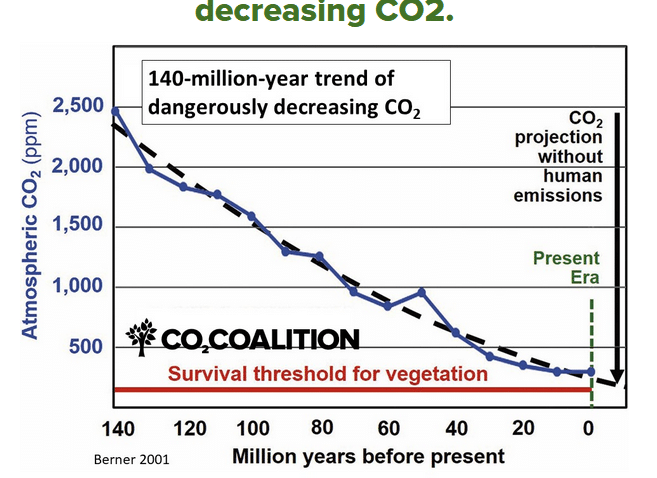

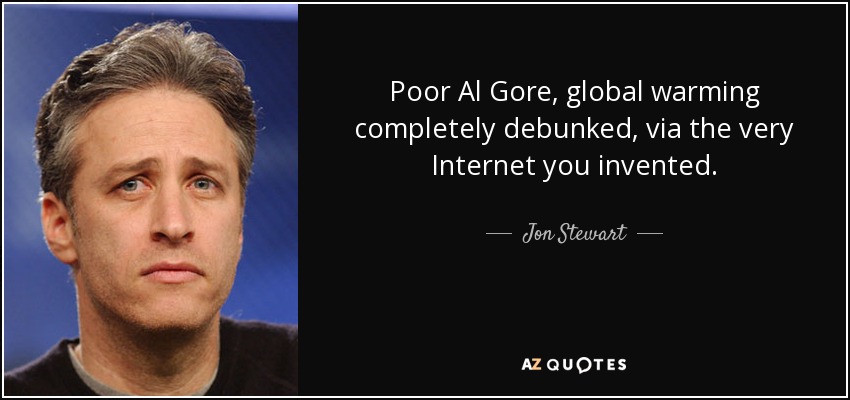
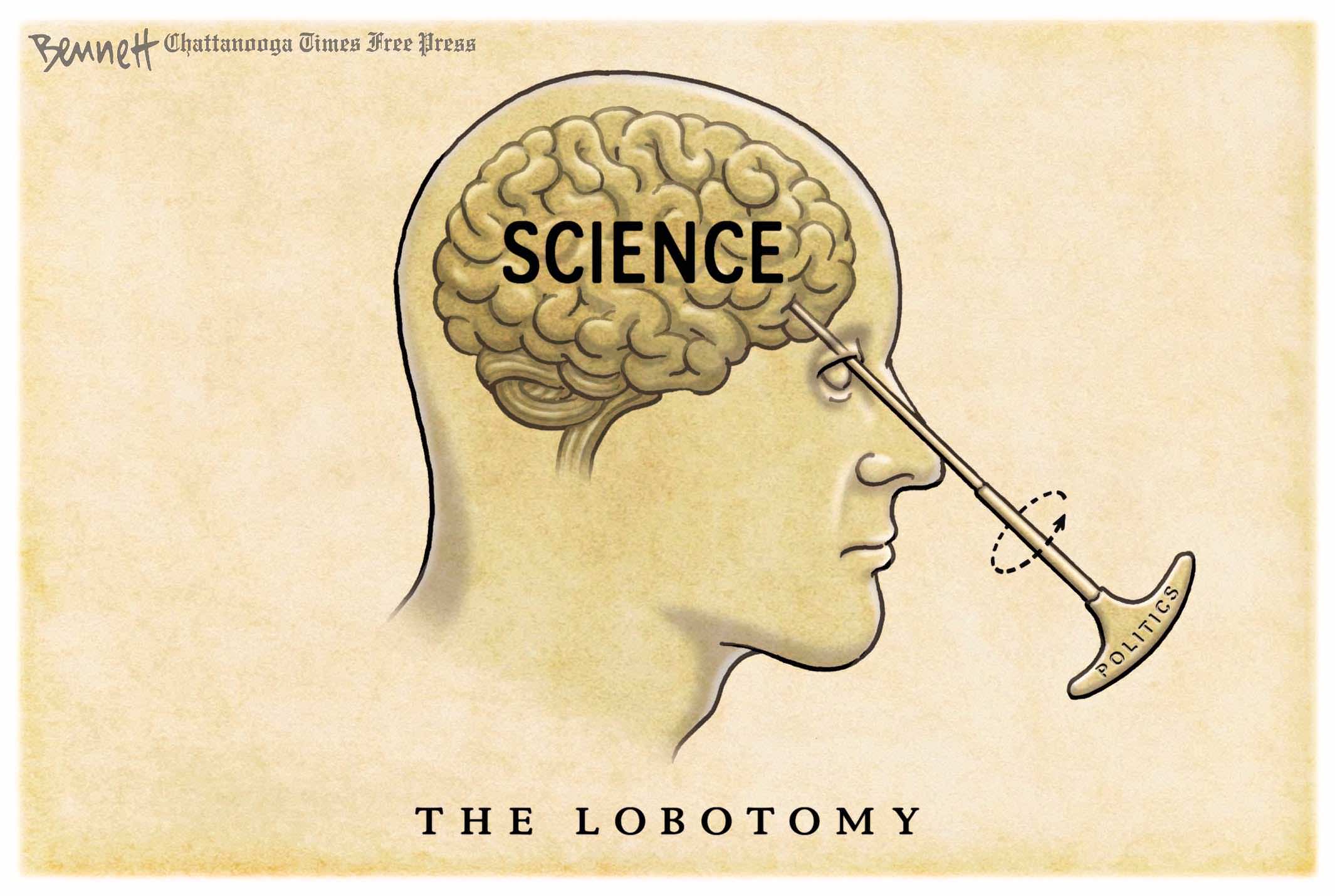
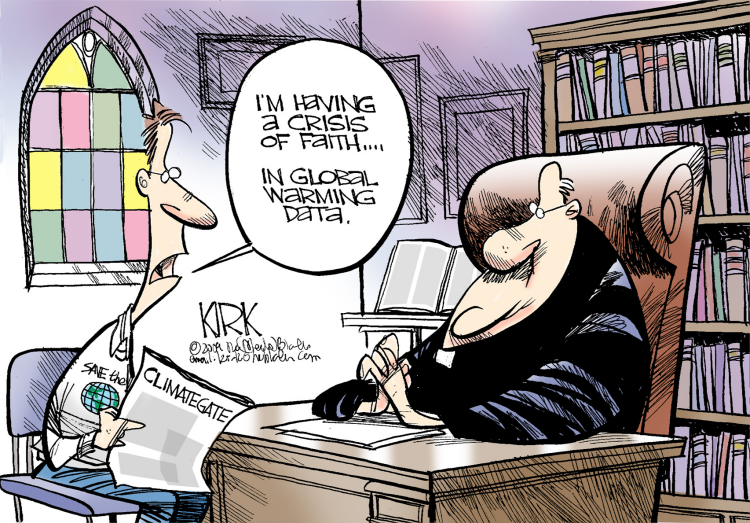

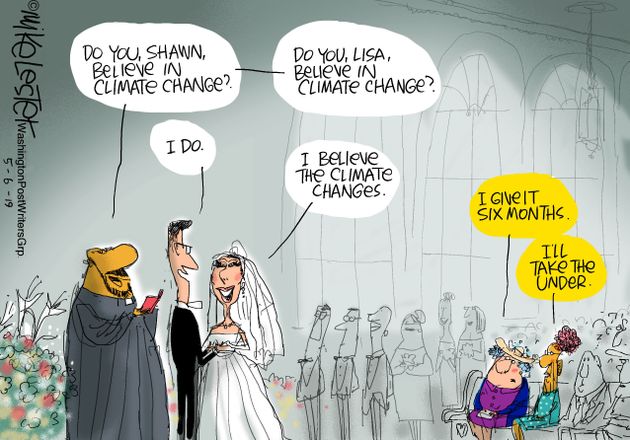

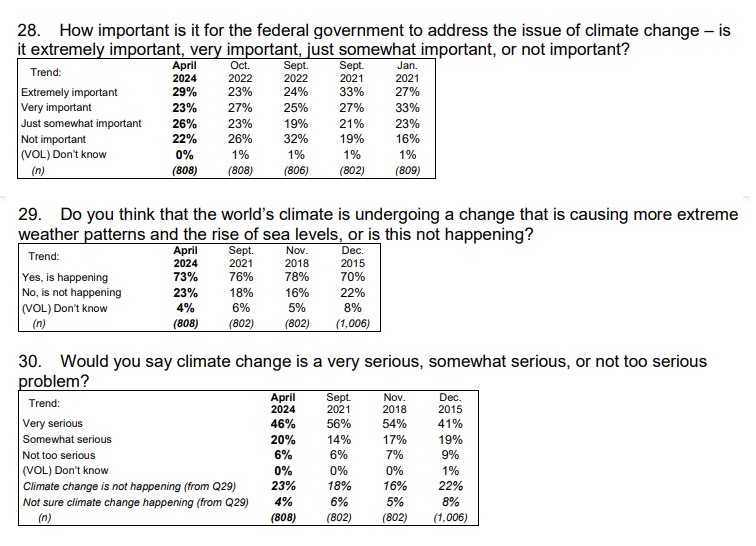
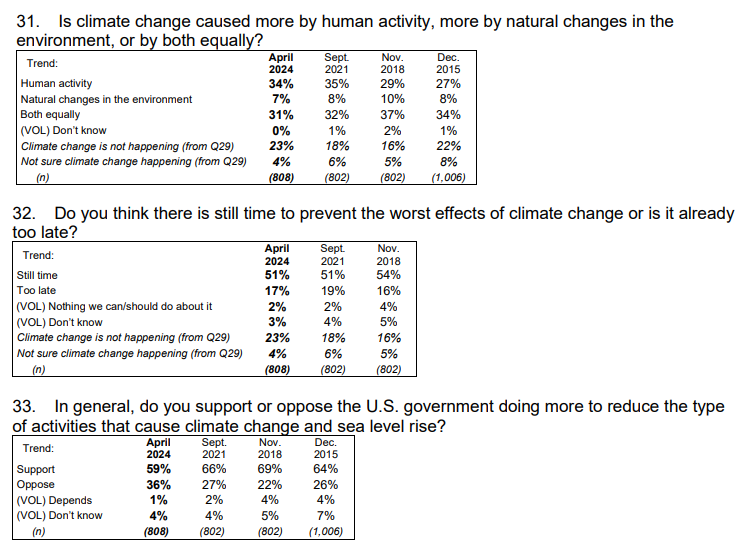


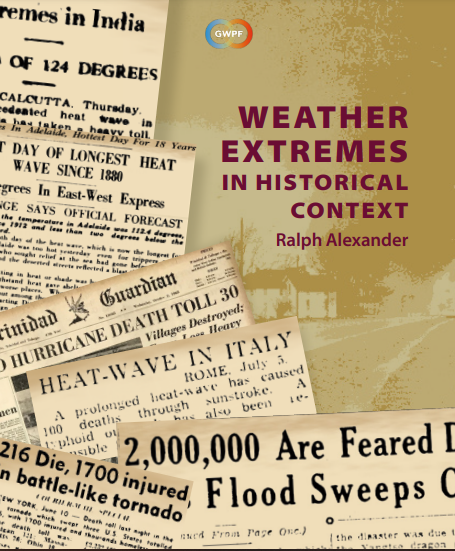
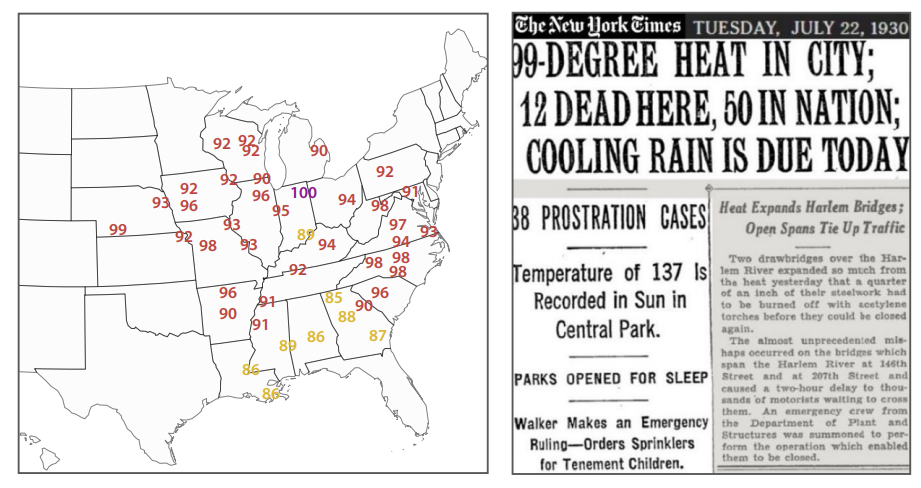
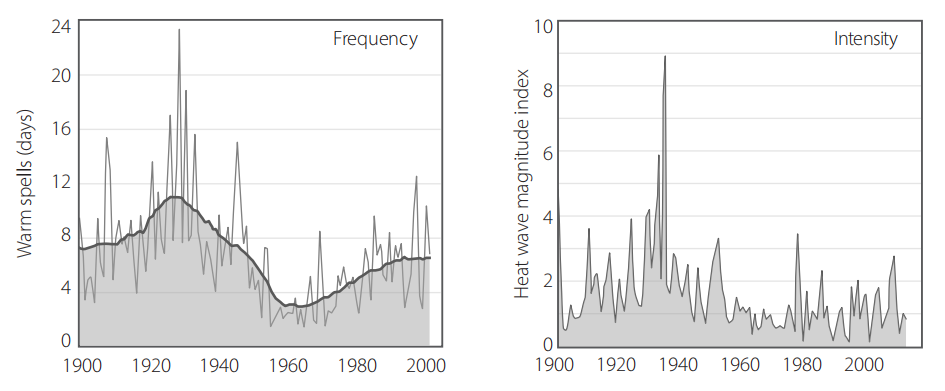

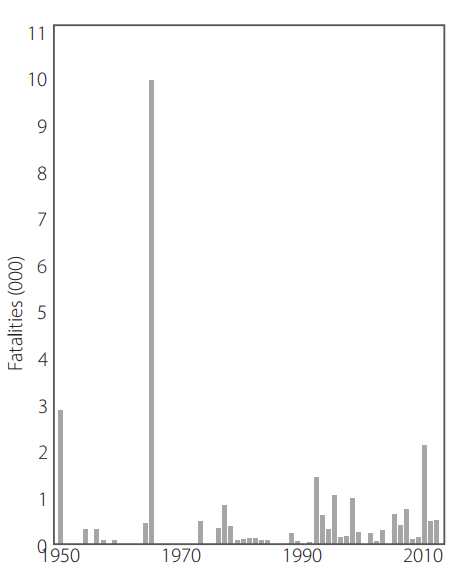

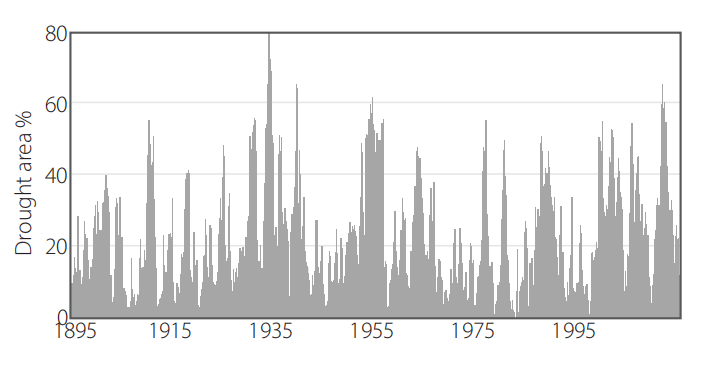
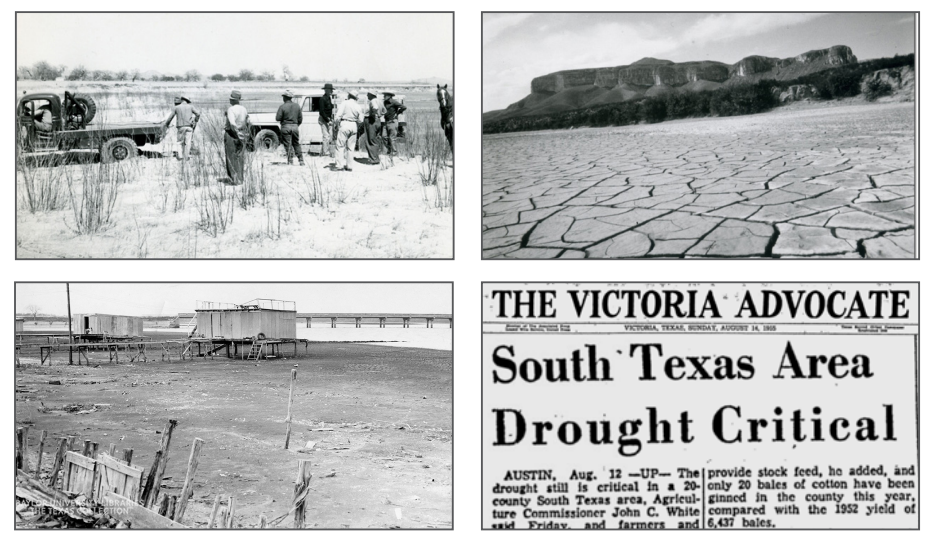
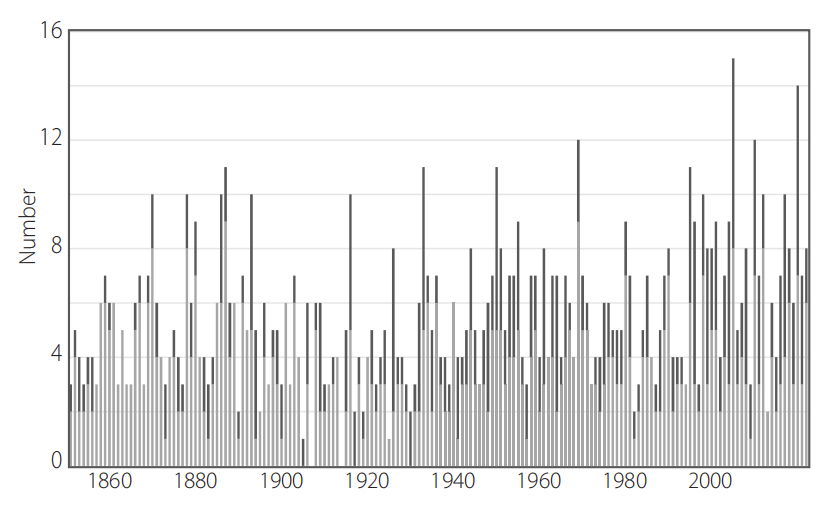
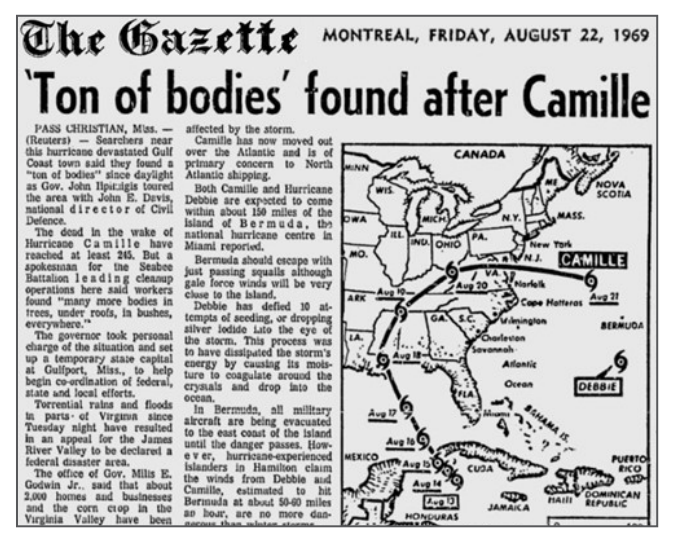
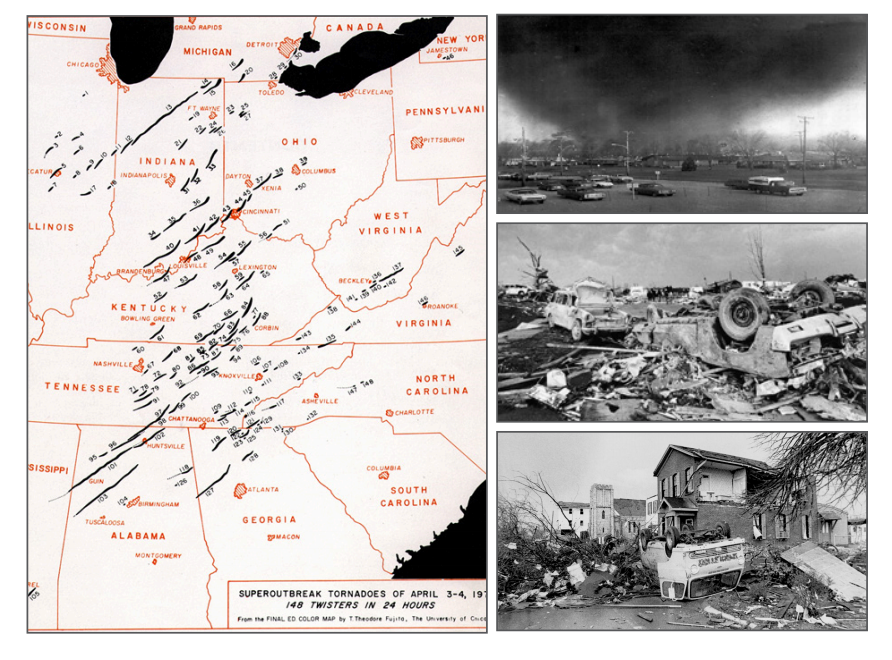

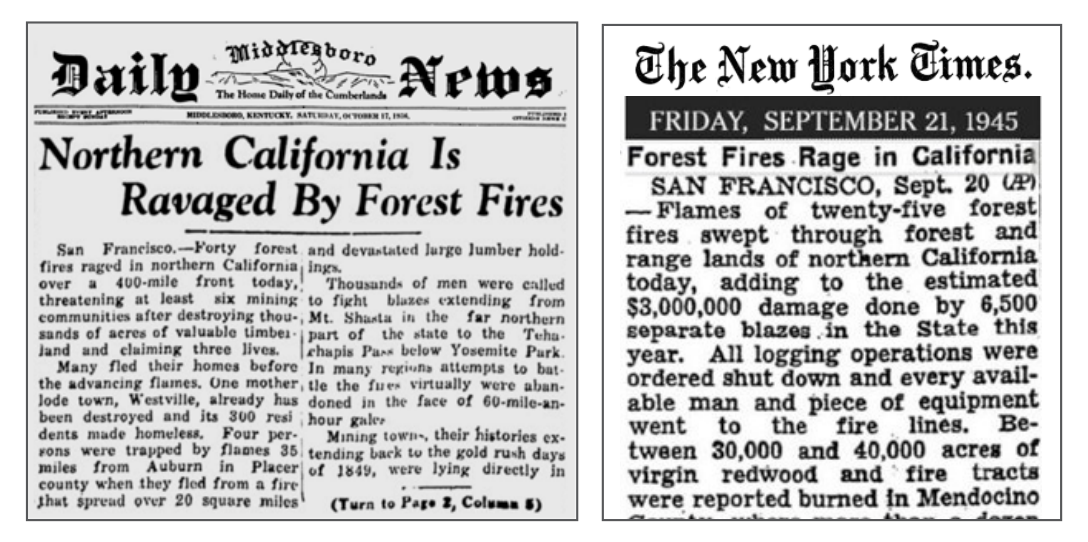
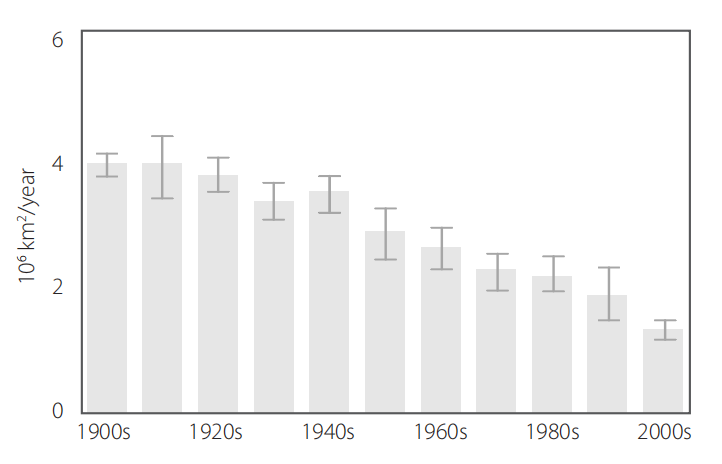

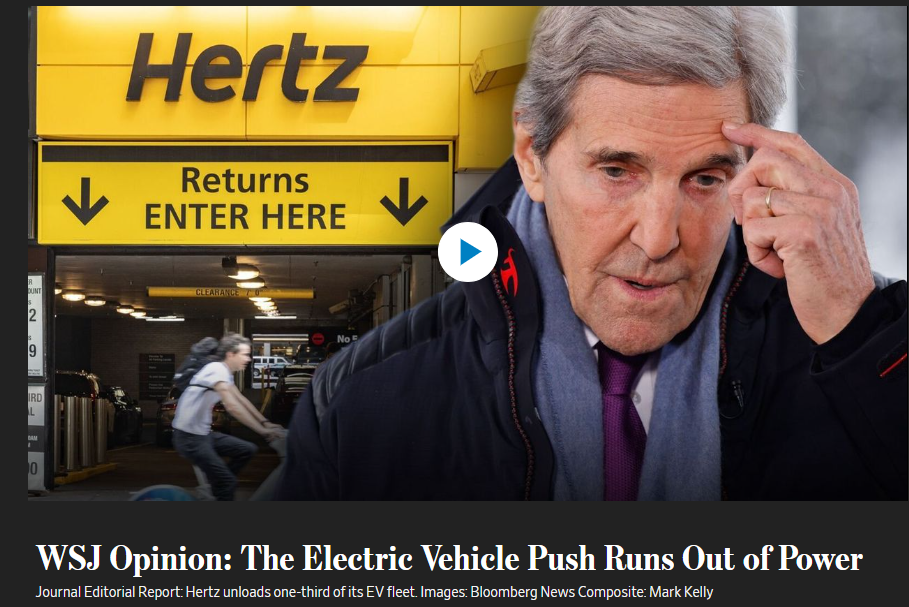
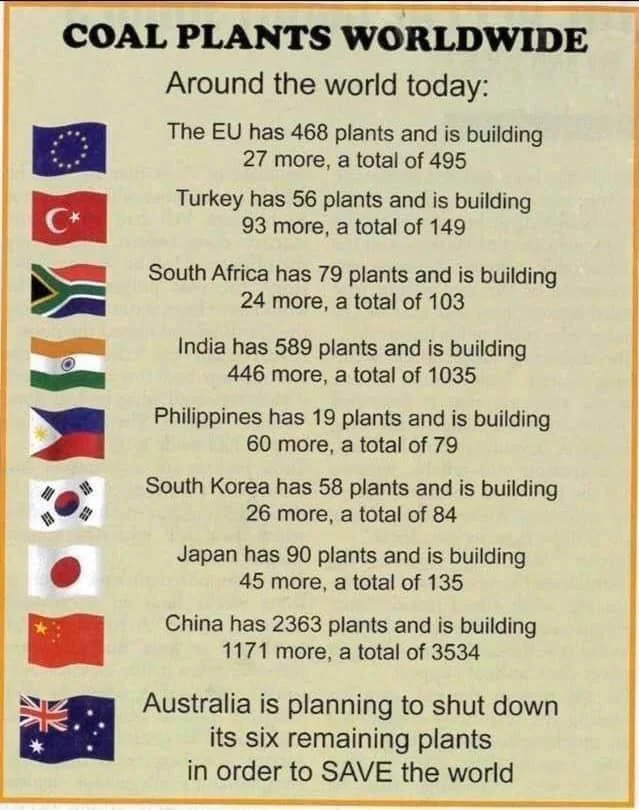
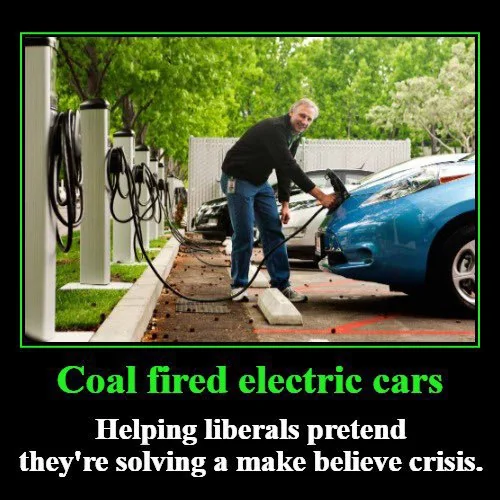

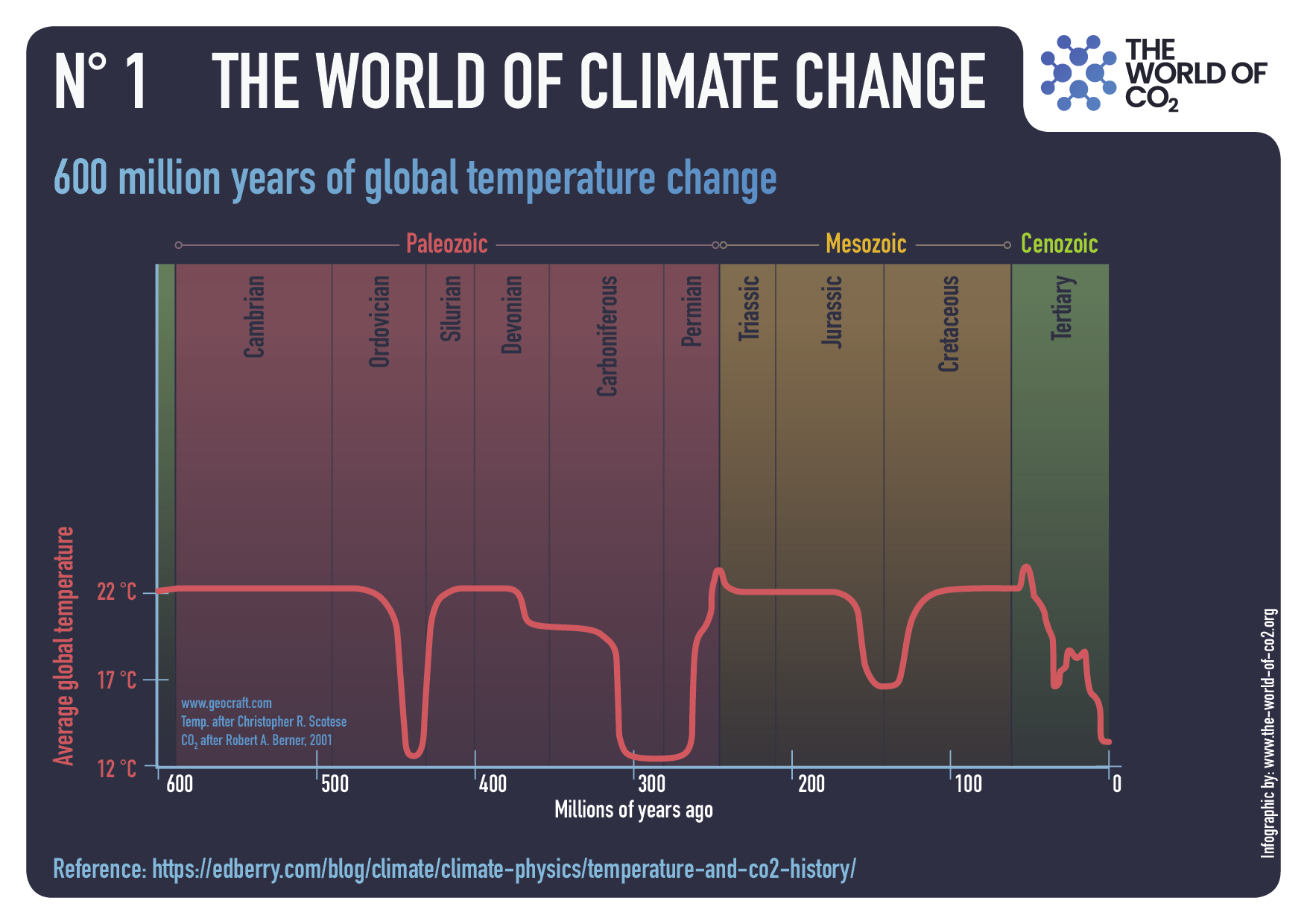
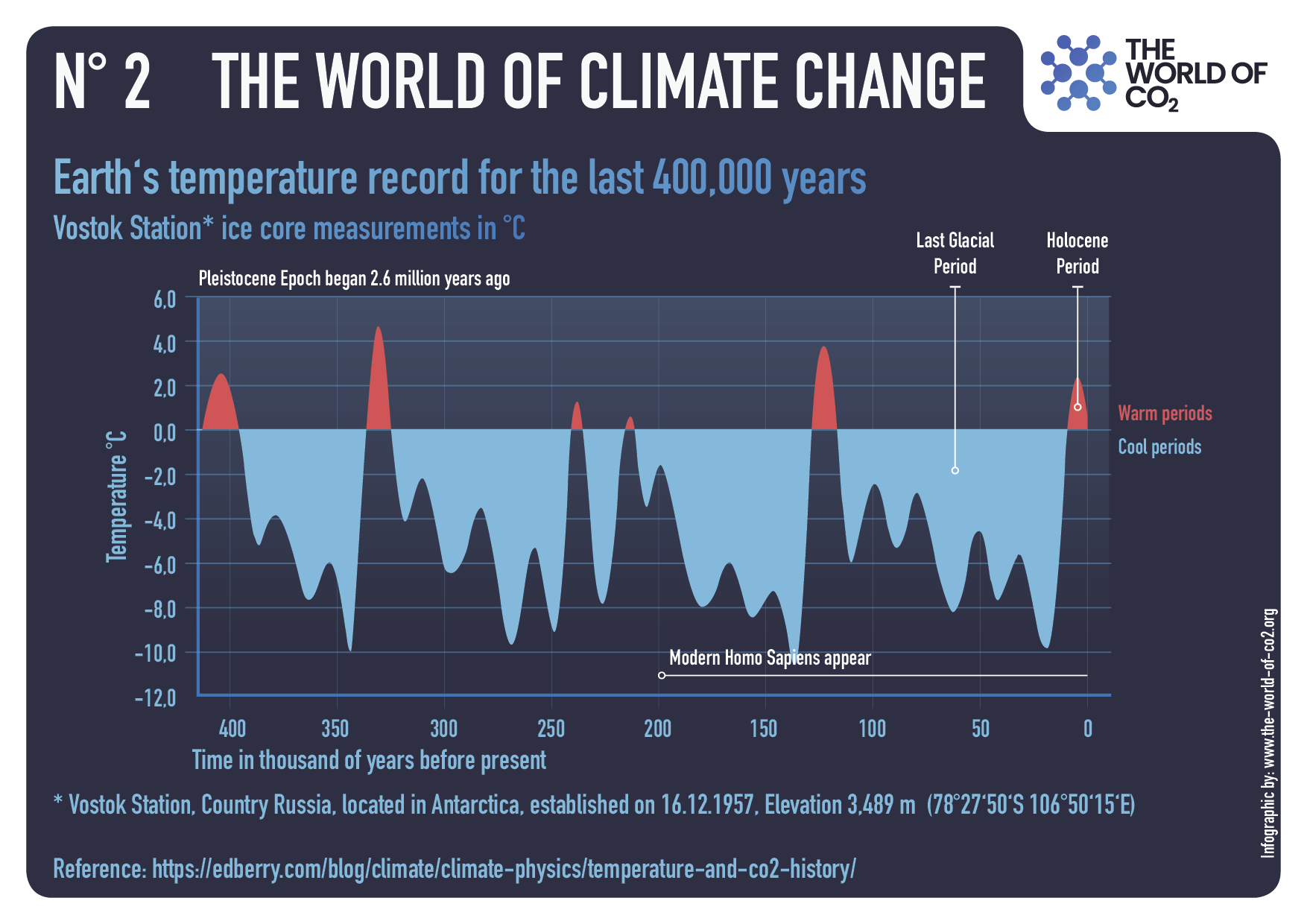
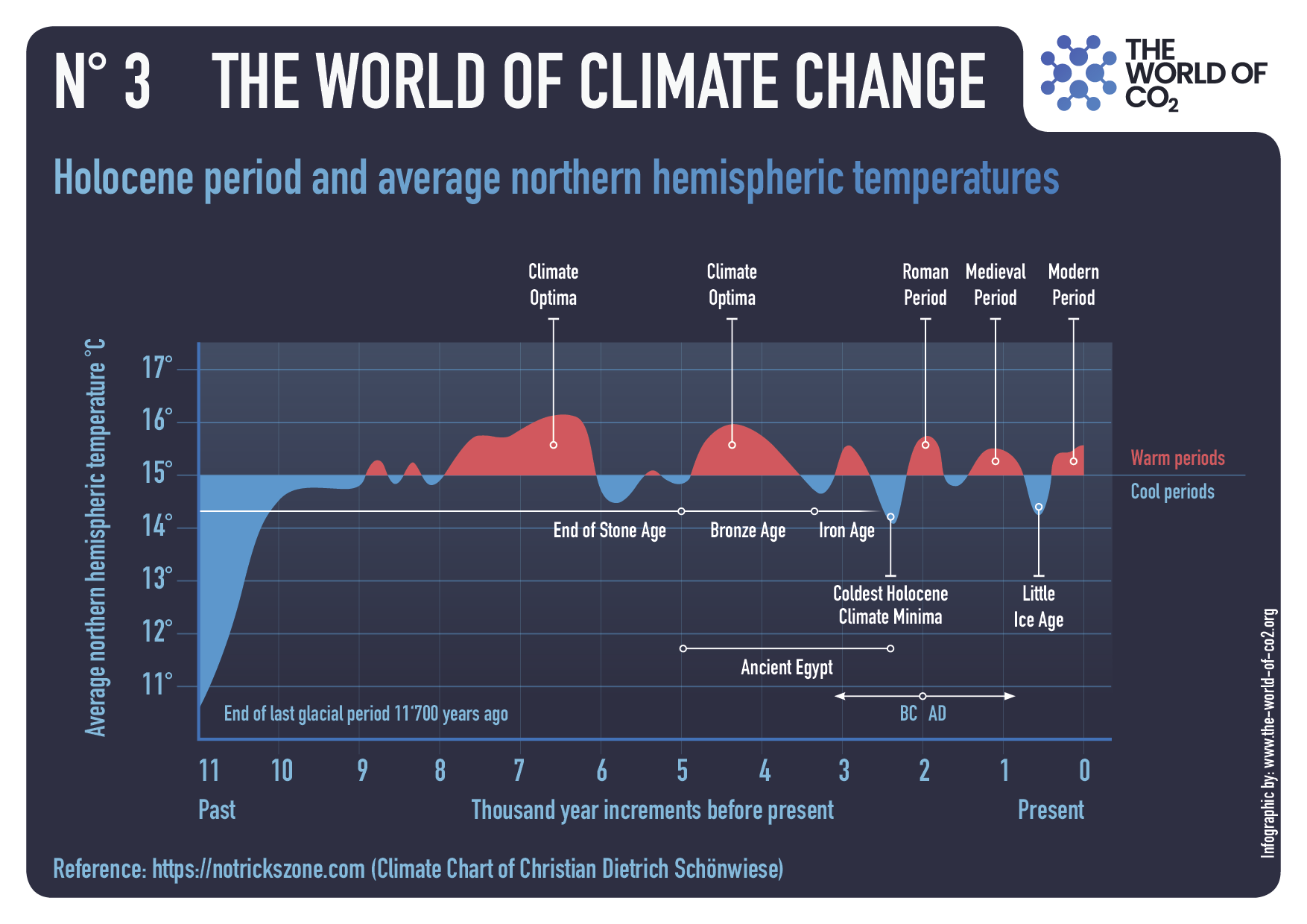
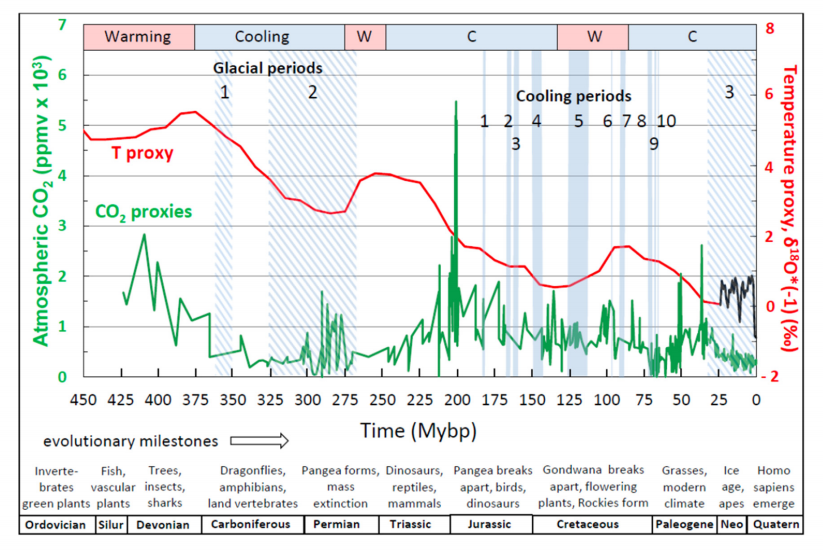
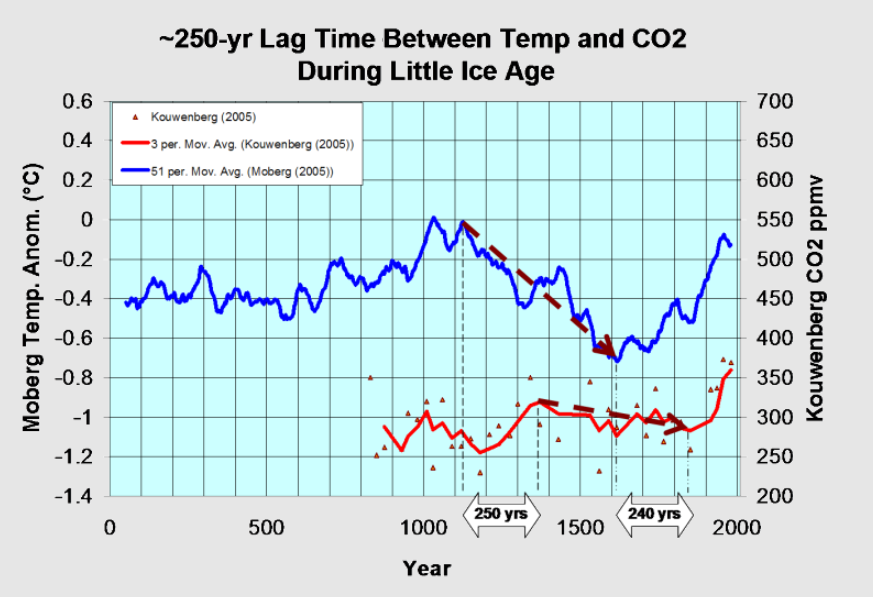
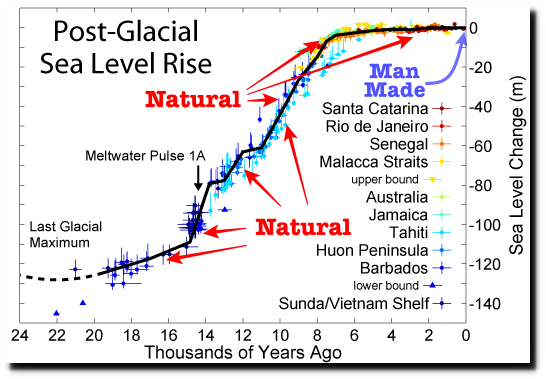
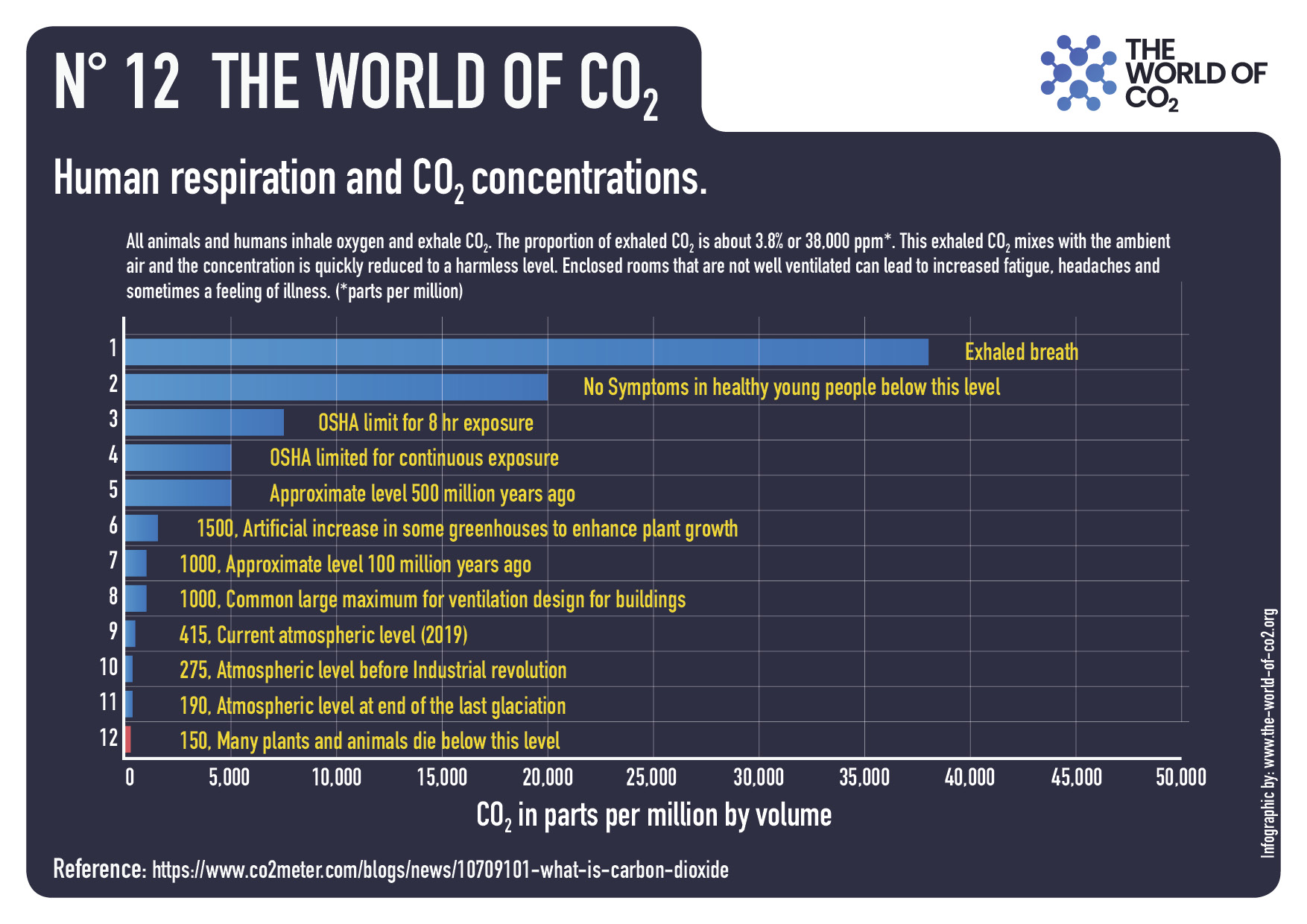


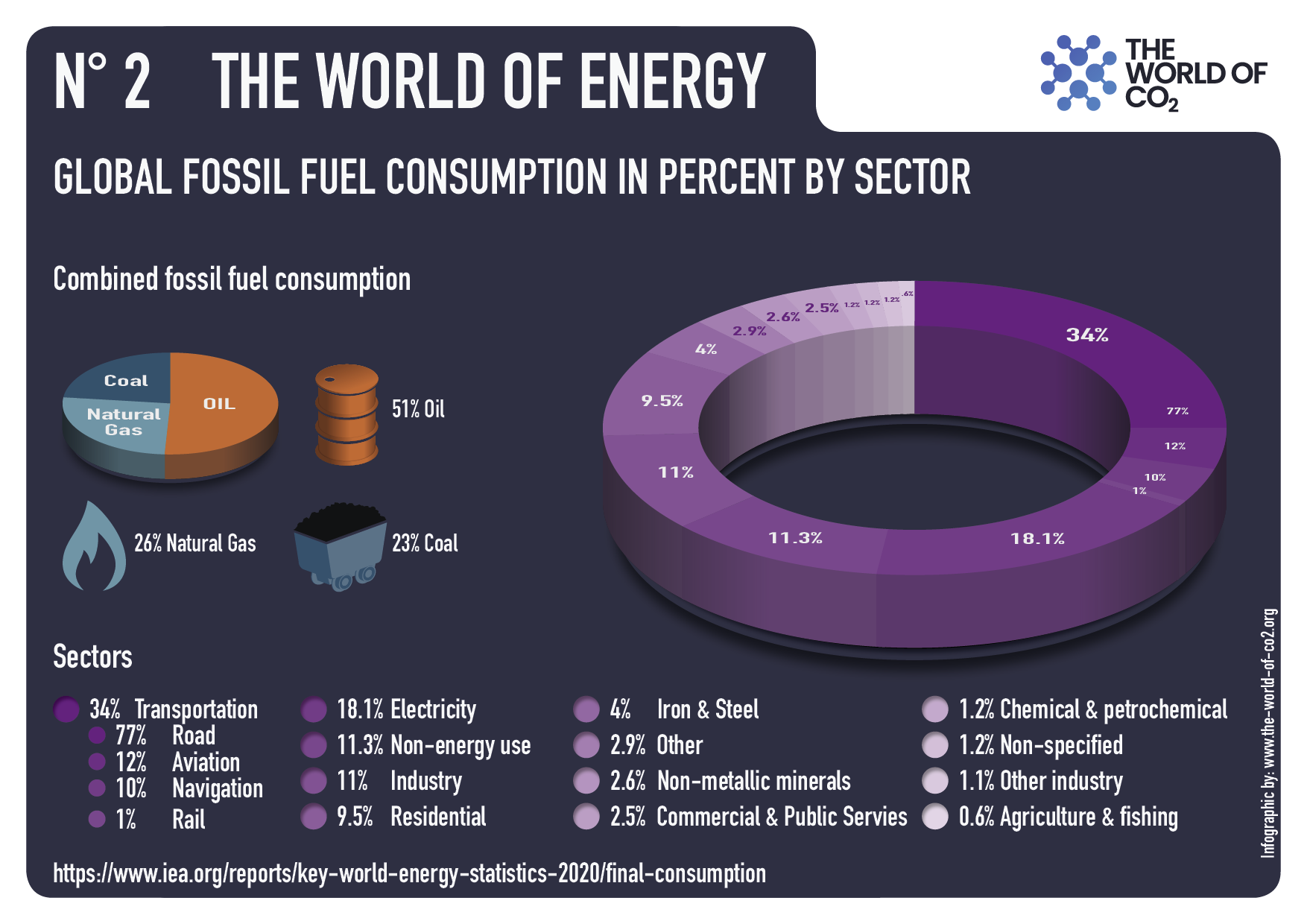
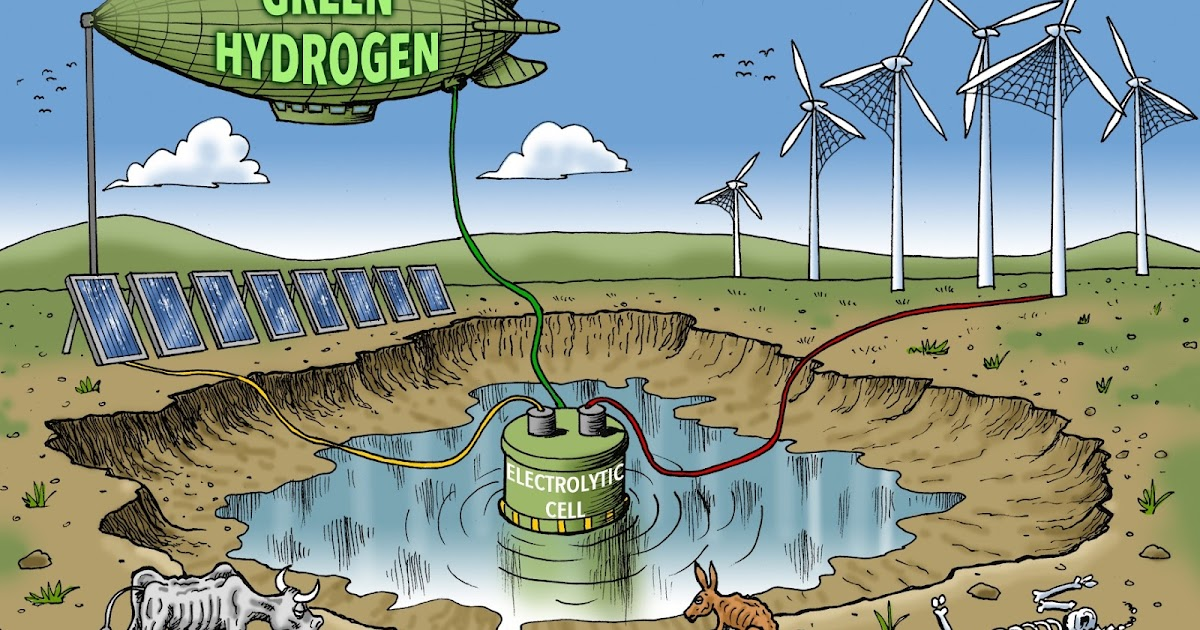


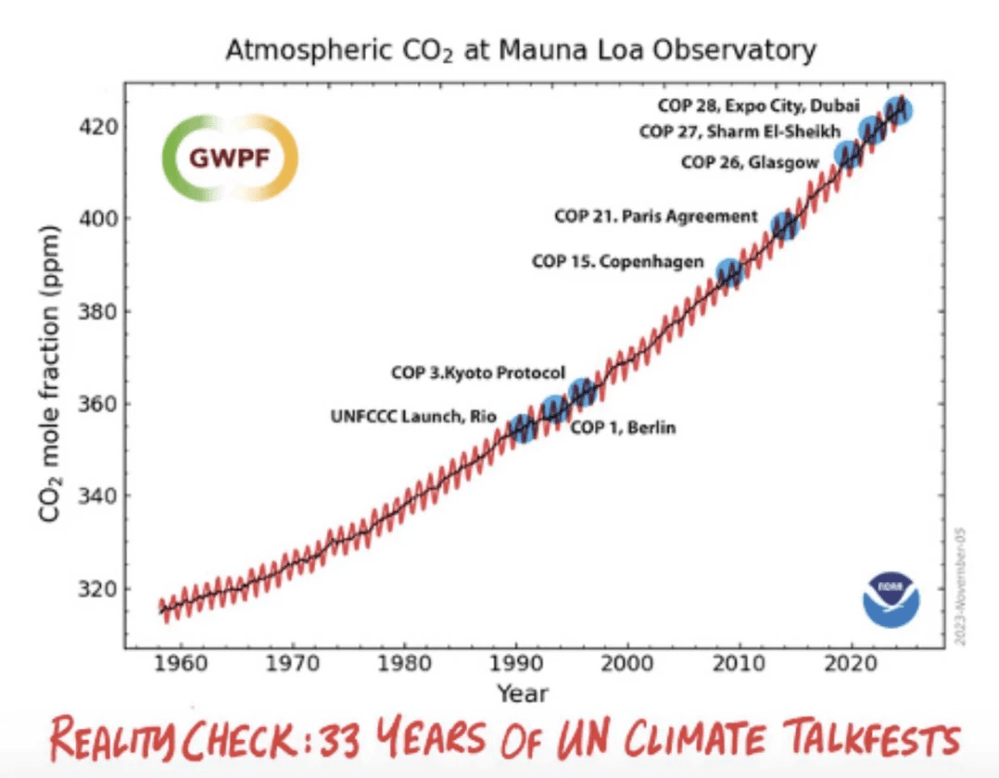


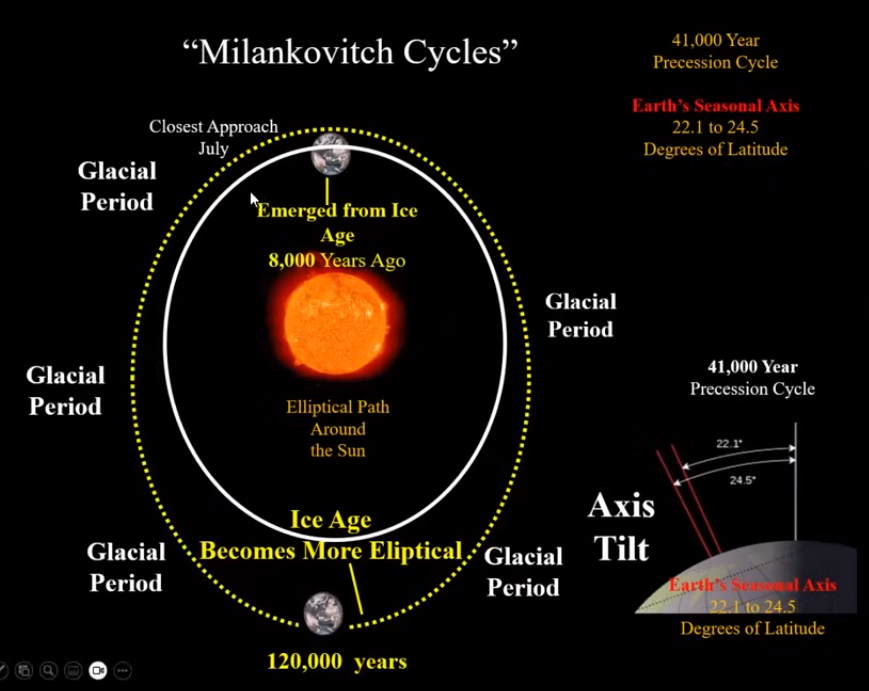
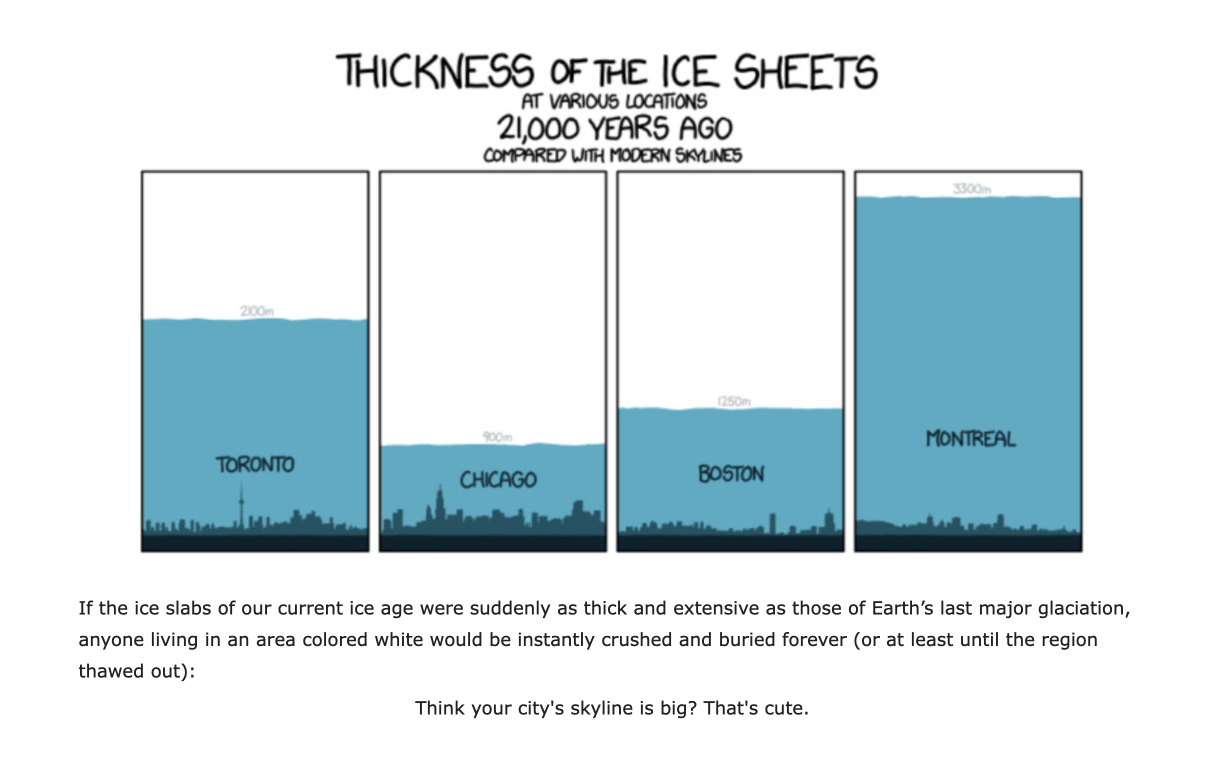


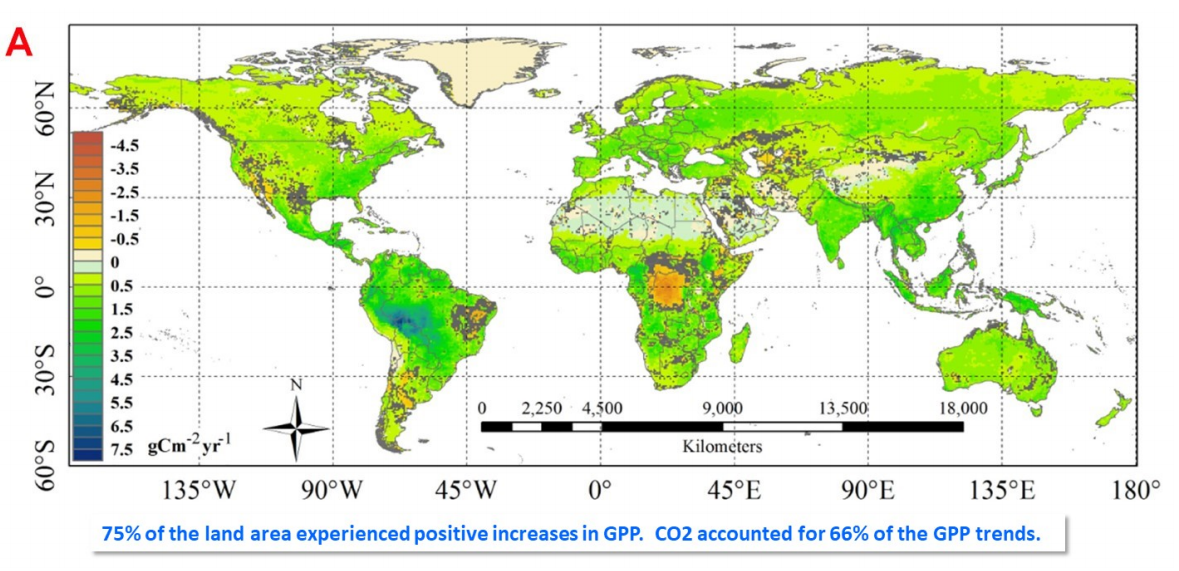

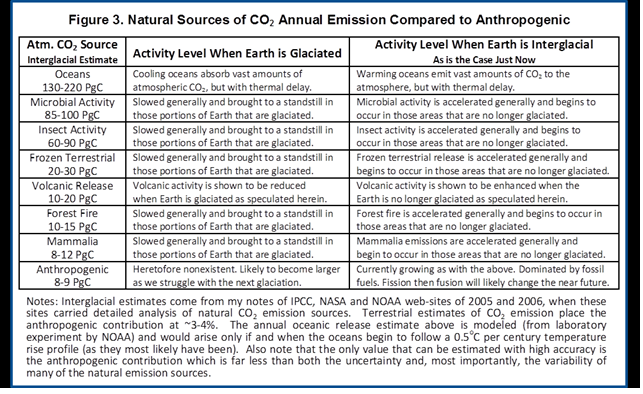
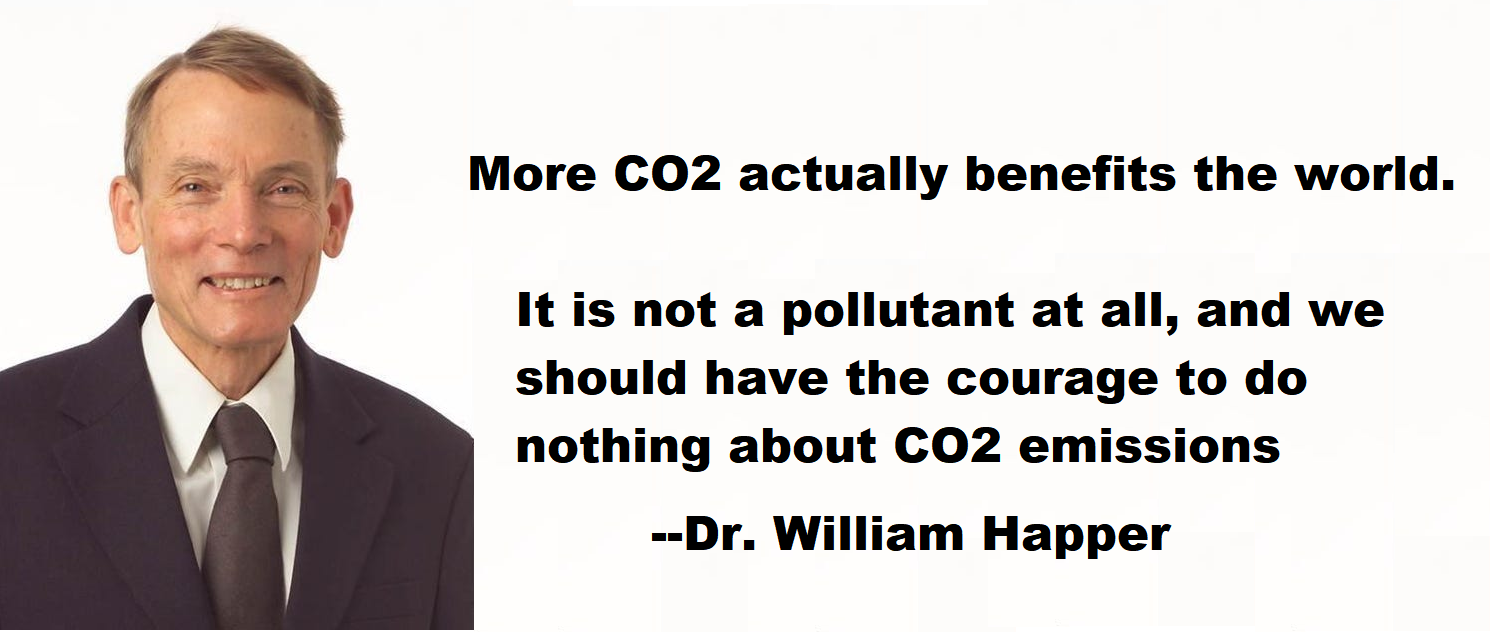
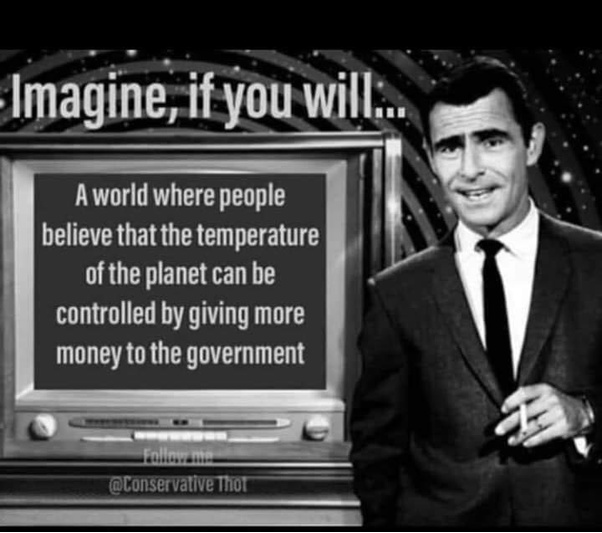
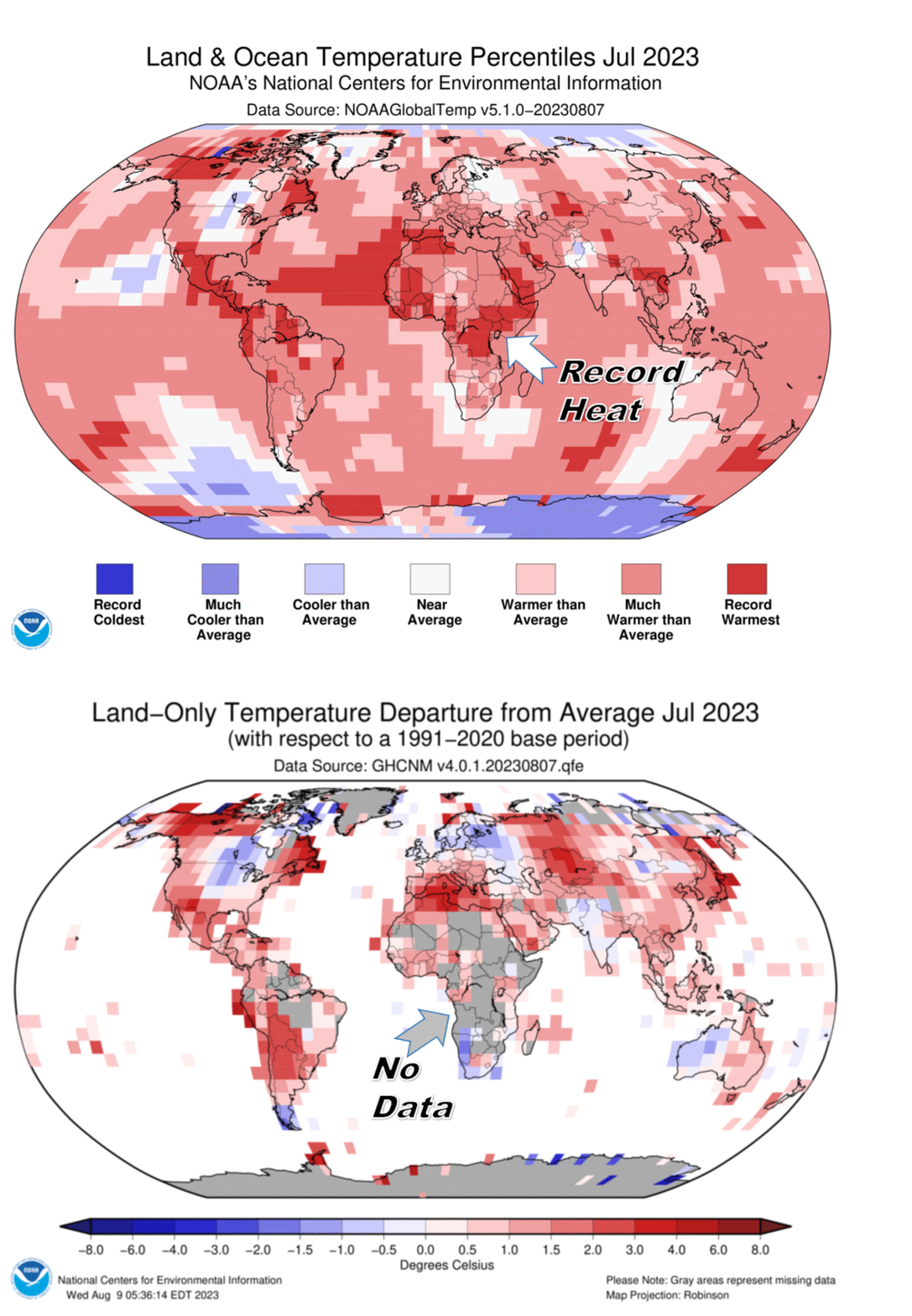


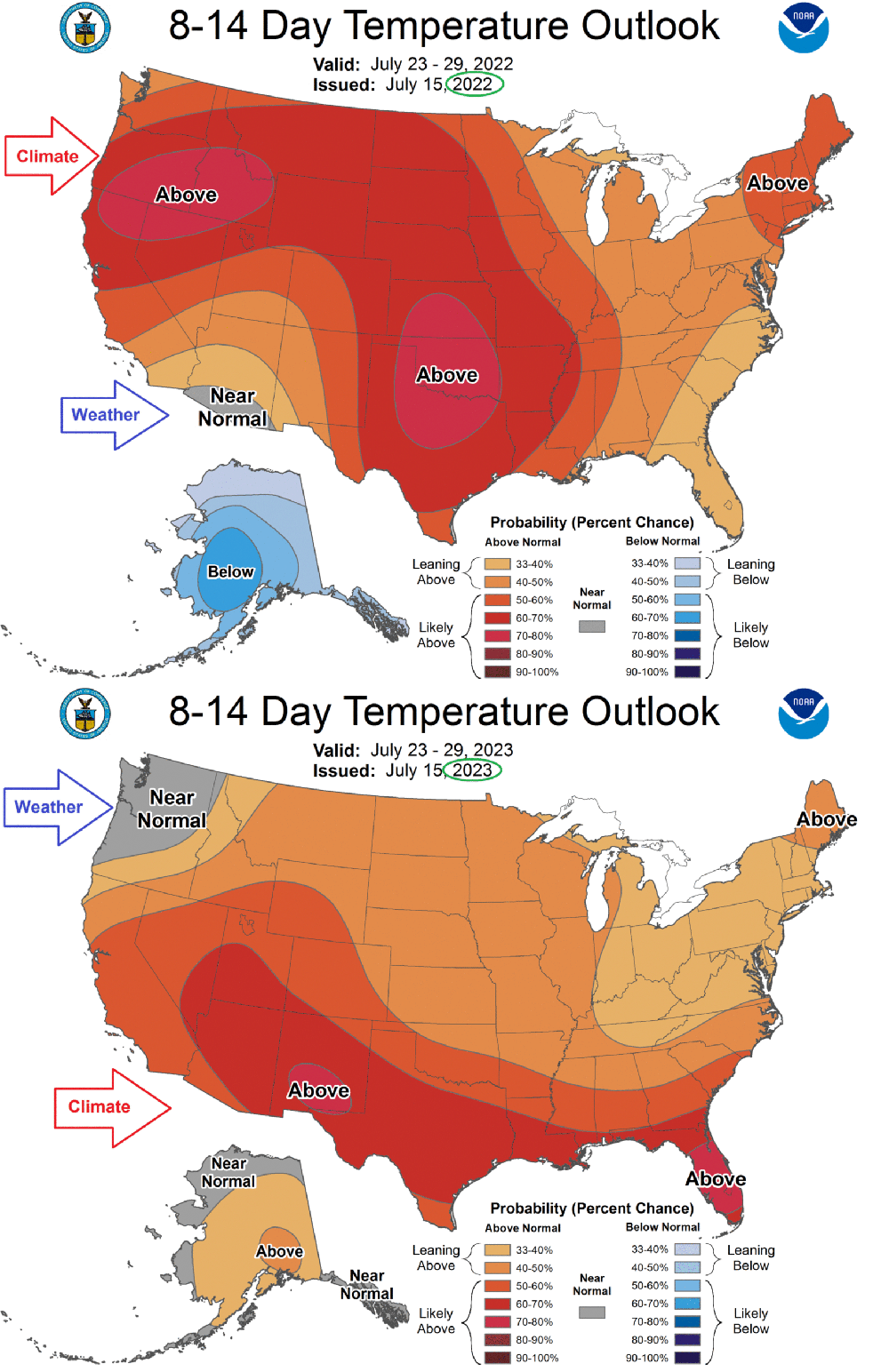



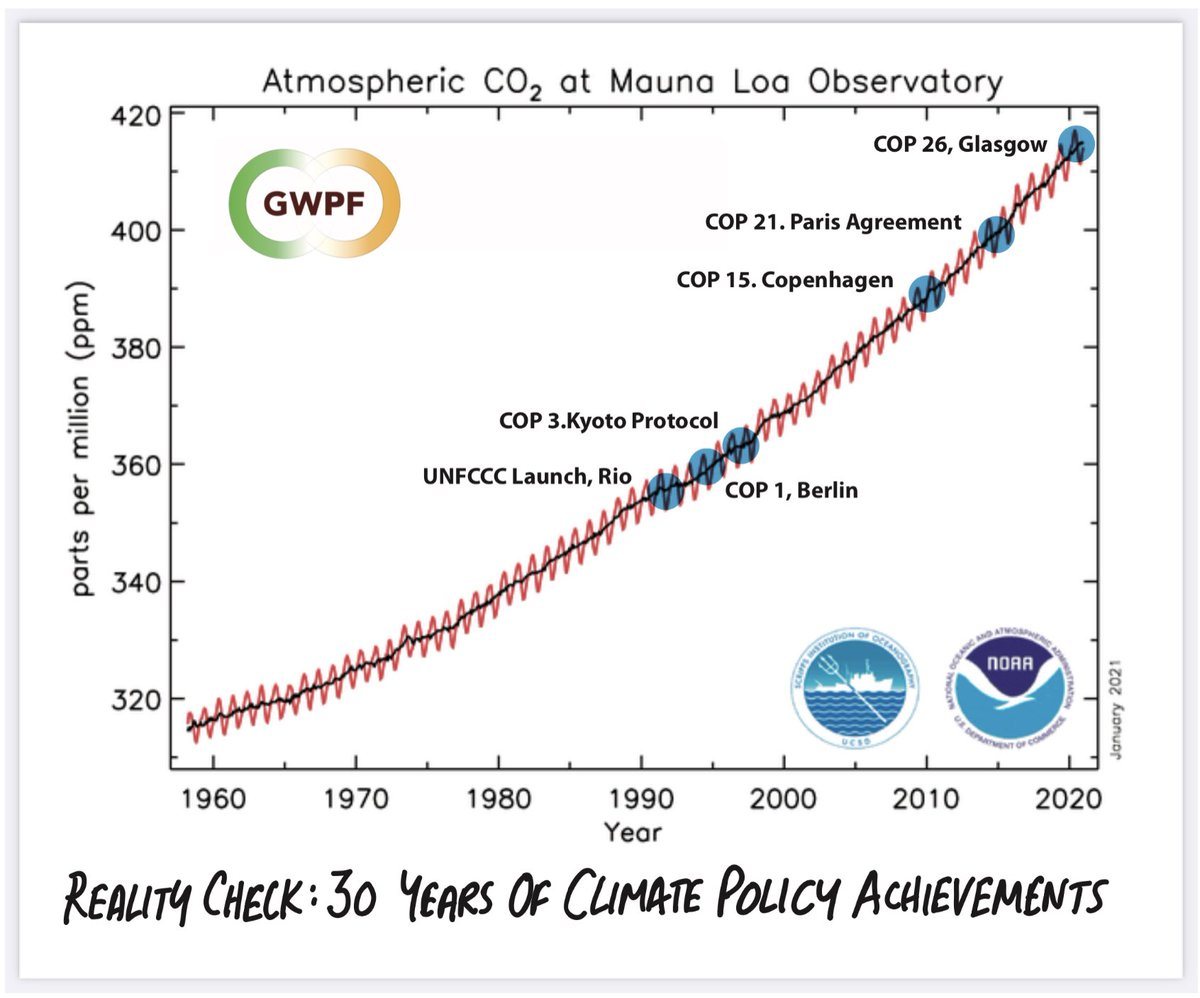
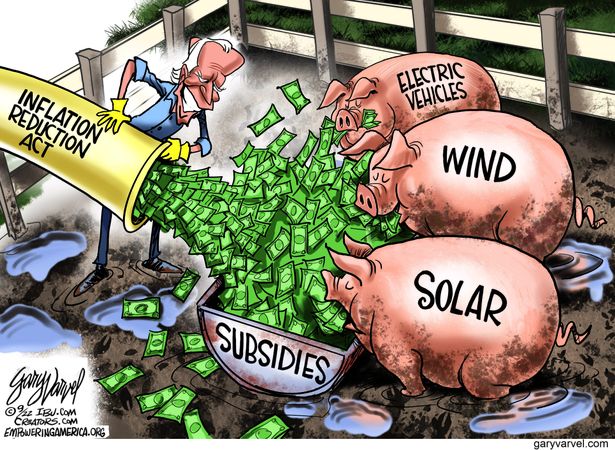
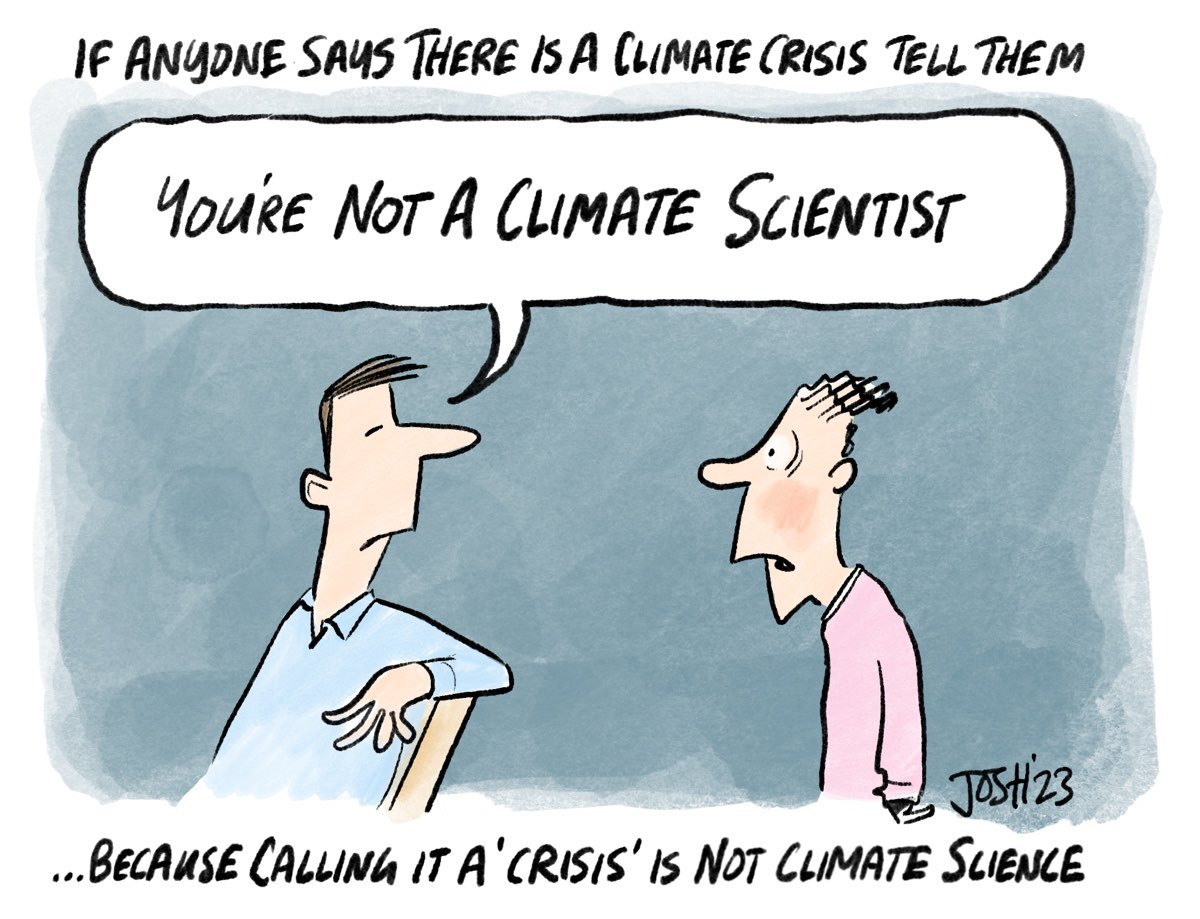




 Science Matters