Gregory R. Wrightstone writes at Real Clear Energy LinkedIn Shuts Out Truth — Again. Excerpts in italics with my bolds and some added images
Censors at LinkedIn have permanently banned me from the social media site after I presented data drawn from peer-reviewed data used by the preeminent promoter of the narrative that man-made global warming threatens the planet— the U.N. Intergovernmental Panel on Climate Change (IPCC).
How can this be? Well, first, my offending posts placed today’s level of atmospheric carbon dioxide in the context of geological time, suggesting that life would be well served if there were more CO2 — exactly the opposite of what climate alarmists say. Secondly, I’ve had the audacity to publish facts — also know as the truth, multiple times on LinkedIn— that contradict the theory that humans face an “existential threat” from a harmless gas of which each of us daily exhales two pounds.
“Your account has violated the LinkedIn User Agreement and Professional Community Policies,” read the email from the site. “Due to the number and/or the severity of these violations, this account has been permanently restricted.”
The posts were of two charts. One showed that carbon dioxide levels were nearly 6,000 parts per million (ppm) 600 million years ago when many animal life forms first appeared in the Cambrian Era. Another illustrated a 140-million-year decline of CO2 levels — from 2,500 parts per million (ppm) to the current 420 ppm.
Implied in the data is that carbon dioxide levels eventually would drop to 150 ppm, at which point plants — and ultimately all life — begin to die from CO2 starvation. The concentration got as low as 180 ppm in the last ice age about 12,000 years ago. It was at 280 ppm at the beginning of the Industrial Revolution in the 19th century.
The addition of 140 ppm since then have likely come from man’s activities, primarily the burning of fossil fuels. If so, human activity has saved the planet from the existential threat of too little CO2. In any case, more of the powerful plant food is a good thing, as evidenced by the overall greening of Earth and record crop harvests of recent decades.
As executive director of the CO2 Coalition, I’ve had previous run-ins with LinkedIn censors. One involved a post about a CO2 Coalition paper on global temperatures. Although LinkedIn did not identify the broken rules, the only possible “violation” would have been an admonition to “not share false or misleading content.” The censored paper, The Global Mean Temperature Anomaly Record,was fully sourced and written by two of the top climate scientists in the world, Richard Lindzen and John Christy.
These are no lightweight scientists. Dr. Lindzen of the Massachusetts Institute of Technology is an award recipient of the American Meteorological Society and the American Geophysical Union. He is also a member of the National Academy of Sciences and was a lead author of the IPCC’s third assessment report’s scientific volume.
Professor Christy is the director of the Earth System Science Center at the University of Alabama, Huntsville, and has been Alabama’s State Climatologist since 2000. Along with Dr. Roy Spencer, he has maintained one of the key global temperature data sets relied on by scientists and government bodies. For this achievement, they were awarded NASA’s Medal for Exceptional Scientific Achievement.
Figure 4. As in Fig. 3 except for seasonal station and global anomalies. As noted in the text, the inhabitants of the Earth experience the anomalies as noted by the black circles, not the yellow squares.
The main thrust of the paper was to put the modest one-degree rise in temperature since 1900 in its proper perspective. When compared to wide swings in temperature experienced on a daily and yearly basis, that slight rise in global temperature over the last 120 years does not appear as alarming as portrayed by the purveyors of climate doom. Like so many others who challenge the notion of catastrophic man-made warming, the authors risked being censored by the intellectual elite — or those who identify as such. And they were.
The CO2 Coalition has been attacked by other climate cultists, including Facebook and members of a political class that insists on forcing its ideology on everybody. Obviously, we care more about the truth — and our freedom — than anybody’s approval.
As noted philosopher of science Karl Popper said, “Democracy (that is, a form of government devoted to the protection of the open society) cannot flourish if science becomes the exclusive possession of a closed set of specialists.”
Gregory Wrightstone is a geologist, executive director of the CO2 Coalition, Arlington, Va., and author of “Inconvenient Facts: The science that Al Gore doesn’t want you to know.” He has been an IPCC expert reviewer.
The Lucy Exhibit, 3.2 million year old humanoid, National Museum of Ethiopia
The woke progressives are hell-bent on erasing all historical wisdom in order revolutionize society. If you thought traditional disciplines like Archeology and Anthropology would be spared, think again. The gender and racist zealots are outraged that ancestors like Lucy were given feminine names, (or others masculine ones) despite our not knowing whether or not they identified with their own anatomy. And as well, it’s an insult to the living who want to keep their gender options open.
Argue scientists cannot know how an ancient individual identified themselves
As soon as ancient human remains are excavated, archaeologists begin the work of determining a number of traits about the individual, including age, race and gender.
But a new school of thought within archaeology is pushing scientists to think twice about assigning gender to ancient human remains.
It is possible to determine whether a skeleton is from a biological male or female using objective observations based on the size and shape of the bones. Criminal forensic detectives, for example, do it frequently in their line of work.
But gender activists argue scientists cannot know how an ancient individual identified themselves.
“You might know the argument that the archaeologists who find your bones one day will assign you the same gender as you had at birth, so regardless of whether you transition, you can’t escape your assigned sex,” tweeted Canadian Master’s degree candidate Emma Palladino last week.
She is not alone. Gender activists have formed a group called the Trans Doe Task Force to “explore ways in which current standards in forensic human identification do a disservice to people who do not clearly fit the gender binary.”
“We propose a gender-expansive approach to human identification by combing missing and unidentified databases looking for contextual clues such as decedents wearing clothing culturally coded to a gender other than their assigned sex,” the group’s mission statement reads.
This February, University of Kansas Associate Professor Jennifer Raff published “Origin: A Genetic History of the Americas,” in which she argued that there are “no neat divisions between physically or genetically ‘male’ or ‘female’ individuals.”
Raff suggested scientists cannot know the gender of a 9,000 year-old biologically Peruvian hunter because they don’t know whether the hunter identified as male or female – a “duality” concept she says was “imposed by Christian colonizers.”
Some archaeologists push back at the effort to de-gender human remains.
San Jose State archaeology Professor Elizabeth Weiss told The Fix that eliminating gender classifications amounts to “ideologically-motivated fudging.” Weiss said there is a move among academics “toward getting all of the academy’s favored shibboleths to accord with one another.”
Weiss said the recent explosion in the number of people identifying as transgender suggests that trend is “social and not biological,” so “retroactively de-sexing obscures this obvious fact.”
She noted that applying biological sex to remainsoften helps dispel myths detrimental to women.
“Some early anthropologists sometimes mistook some robust female skeletons as male skeletons, particularly in the Aleut and Inuit collections; this reinforced false stereotypes that females were not as hard working as males,” she said. “Over time, biological anthropologists and archaeologists worked hard to determine which traits are determined by sex, regardless of time and culture. This new policy of erasing this progress is a step back for science and women.”
“Sexing skeletal remains is a critical skill in forensics and any diminishing of this skill will negatively impact criminal investigations, denying the victims and their families justice,” she said.
Weiss is joined by University of Cambridge scholar Jennifer Chisolm, who has argued analyses that posit transgender individuals played a large part in Indigenous populations are often ahistorical, and can even distract “from the contemporary discrimination [such individuals] face within their own communities.”
Gender politics are not the only ideology to work its way into anthropology and archaeology. Some activists have called for scientists to cease classifying remains by race, as well.
“Ancestry estimation contributes to white supremacy,” DiGangi and Bethard wrote, labeling the practice “dangerous.”
Others have called for changing primate names that were derived from white white men from the northern hemisphere. The activists argue that continuing to use the current names is “perpetuating colonialism and white supremacy.”
“This is just another attempt to insert a current woke ideology where it doesn’t belong,” Weiss said.
As we approach autumn in the NH, already the medical-governmental complex is gearing up for another takeover of individual rights and freedoms. New medications (pale, dangerous ivermectin imitations) and more experimental shots have been approved in readiness for imminent mandates requiring their use, This is a time to remember, not forget, how a fake pandemic was foisted upon the world. Yes, runny nose coronaviruses are real and have been in circulation worldwide for decades. But the threat was never great for the large majority of populations, and anti-viral treatments were available despite intimidation against them. Like the four horsemen of the apocalypse, four myths are saddling up again to ride over our peace and harmony.
Myth: Sars-CV2 is a new virus and we have no defense. Fact: Sars-CV2 has not been scientifically established as a virus.
Myth: Testing positive for Sars-CV2 makes you a disease case and a spreader. Fact: PCR tests say nothing about you being ill or infectious.
Myth: Millions of people have died from Covid19. Fact: Life expectancy is the same before and after Covid19.
Myth: Wearing masks prevents viral infection. Fact: Evidence shows masks are symbolic, not effective.
Jack Kerwick has written a series of articles at FrontPage Mag over the last year discussing how facts have been overwhelmed by fears, a mythology replacing scientific knowledge and reason. From the beginning this contagion was different, being the first one in an age of 24/7 cable news and rampant social media. So emotion and exaggeration were spread and political leaders pressured to act as protectors, clamping down on social and economic transactions. This post provides a synopsis of what went wrong, based on Kerwick’s recent essay Masks and Stopping COVID. Excerpts in italics with my bolds.
What the science – lots of science – really tells us.
In previous essays, I argued for three theses against the prevailing COVID Orthodoxy:
(1)SARS-CoV-2 has never been isolated, purified, and extracted in accordance with the scientific method that has long been in place for isolating, purifying, and extracting other viruses (like bacteriophages and “giant viruses”), and neither has the scientific method been observed with respect to establishing whether this virus is in fact the cause of a disease called “COVID-19.”
Discussion:
Has the existence of “the Virus” been established according to a universally acknowledged set of scientific procedures that must be observed to establish the existence of any and all other viruses?
From the sounds of it, the answer is a resounding no.
Dr. Tom Cowan, Dr. Andrew Kaufman, and Sally Fallon Morell, are among those who have noted in a paper published last year that in demonstrating the existence of a new virus, samples must, firstly, be taken from the blood, phlegm, or other secretions of hundreds of people exhibiting symptoms that are “unique and specific enough to characterize an illness.”
Then, “without mixing these samples with ANY tissue or products that also contain genetic material, the virologist macerates, filters, and ultracentrifuges, i.e. purifies the specimen.” This, the authors explain, is a “common virology technique, done for decades to isolate bacteriophages [viruses that infect bacteria and reproduce within them] and so-called giant viruses [a virus larger than typical bacteria].”
Thirdly, once virologists perform this procedure, they are then able to “demonstrate withelectron microscopy thousands of identically sized and shaped particles.” The latter are “the isolated and purified virus.”
Fourthly, upon determining the purity of these particles, virologists are able to examine their “structure, morphology, and chemical composition [.]”
Fifthly, “the genetic makeup” of the particles [the virus] “is characterized by extracting the genetic material directly from” them and “using genetic-sequencing techniques” that have long been in existence.
Finally, an analysis must be conducted to prove that “these uniform particles are exogenous (outside) in origin” as viruses are held to be and not just “the normal breakdown of products of dead and dying tissues.”
The authors conclude: “If we have come this far then we have fully isolated, characterized, genetically-sequenced an exogenous virus particle” . They add that nowhere in the literature does it show that any of these steps have been taken with respect to SARS-CoV-2.
Neither—and this is crucial—have the scientific steps for determining that SARS-CoV-2 is the cause of a disease, COVID-19, been taken. What are these steps? There really isn’t much to it:
A group of healthy subjects, typically animals, is first exposed to “this isolated, purified virus in the manner in which the disease is thought to be transmitted.”
Subsequently, virologists will wait to determine whether these subjects fall ill with “the same disease, as confirmed by clinical and autopsy findings [.]” If so, “one has now shown that the virus actually causes a disease.” In other words, the “infectivity and transmission of an infectious agent” will have been demonstrated.
Again, according to the authors, nothing like this has been performed to show that there is a virus, SARS-CoV-2, that causes what has become known as COVID-19.
An ever growing number of citizen journalists in over ten different countries from around the world have, via the Freedom of Information Acts of their respective homes, requested from scores of health agencies an account of the process by which SARS-CoV-2 has been isolated (i.e. separated out from all other stuff). To date, no account has been provided.
(2) The explosion of COVID “cases” is an illusion generated by a combination of two things: (a) the redefining of a “case” from meaning “infection in need of medical attention”—which is how it was defined in the pre-COVID era—to meaning “anyone who is presumed to have, or to have had, COVID and/or anyone who tests positive for COVID” plus (b) an intrinsically limited PCR test that is deliberately run at a number of cycles guaranteed to produce a tsunami of false-positives.
The official case numbers, in other words, are meaningless.
Discussion:
Right from the jump, it’s crucial to take note of the fact that for the first time ever, beginning just last year, “cases” was radically redefined in such a way that would have been unthinkable in just February of 2020 (one month before The Virus Apocalypse engulfed the universe).
For starters, as indicated above, many of these “cases,” per the CDC, included those patients who were labeled as “probable” carriers of the virus. This means that they were diagnosed as “cases” in the absence of any “confirmatory laboratory testing.” And yet they were identified as COVID “cases.”
Moreover, even when testing is figured into it, with respect to no other virus or disease has the CDC ever counted as a “case” a merely positive test. A positive test, in other words, has never been regarded by the medical establishment as sufficient grounds upon which to determine a “case.” Rather, in order for something to count as a “case,” a person had to have been sick and in need of medical attention like, say, hospitalization.
In the COVID era, however, the CDC began accumulating positive PCR test results (about more of which will be said below) from people the vast majority of whom are “asymptomatic,” meaning they feel just fine, and combining them with positive antibodies tests from people who also feel just fine: The final sum, this compound, comprises all “cases.”
Now, as for those PCR tests: There are two problems.
First, as Karry Mullis bluntly remarked: “Quantitative PCR is an oxymoron.” Who was Karry Mullis? He was the inventor of the PCR test. And he won a Nobel Prize in Science for this achievement. What did the late Dr. Mullis mean by his characterization of his own invention?
“PCR is intended to identify substances qualitatively, but by its very nature is unsuited for estimating numbers [of viruses]. Although there is a common misimpression that the viral load tests actually count the number of viruses in the blood, these tests cannot detect free, infectious viruses at all; they can only detect proteins that are believed, in some cases wrongly, to be unique to HIV. The tests can detect genetic sequences of viruses, but not viruses themselves” (emphases added).
Lauitsen explains further:
“What PCR does is to select a genetic sequence and then amplify it enormously. It can accomplish the equivalent of finding a needle in a haystack; it can amplify that needle into a haystack. Like an electronically amplified antenna, PCR greatly amplified the signal, but it also greatly amplifies the noise” (emphases added).
What this implies is that given that “the amplification is exponential, the slightest error in measurement, the slightest contamination, can result in errors of many orders of magnitude.”
There is still another problem with the PCR test as it is currently being used that guarantees its utter worthlessness. More exactly, that guarantees that the “case” numbers built upon it are wholly inaccurate and, hence, meaningless.
This past fall, none other than the New York Times noted that possibly as high as 90% of all positive test results are false.
Per the CDC and FDA guidelines, the vast majority of PCR tests are run at a threshold of 40 cycles. Dr. Michael Mina, an epidemiologist from Harvard who is quoted in the Times piece, notes that when PCR tests are run at 35 or more cycles, they “may detect not just live virus but also live fragments, leftovers from infection that pose no particular risks—akin to finding a hair in a room long after a person has left.”
The French researcher Didier Raoult has shown that when the PCR test is run at 25 cycles, about 70% of samples were genuinely positive—meaning infectious. However, when the test is run at a threshold of 30 cycles, only 20% of samples were infectious. At 35 cycles, but three percent of samples were infectious.
And when the test was run above 35 cycles? Zero samples were infectious.
(3)People are getting sick and dying from all manner of things from which people get sick and die each and every year. Only throughout this past year, these causes of sickness and death have been repackaged as COVID sickness and death.
Discussion:
Think about it: a cough, running nose, sore throat, chills, chest congestion, fever, loss of taste and smell—these are all symptoms of a plethora of things, from the common cold to seasonal influenza and a whole lot else. Particularly since the vast majority of COVID cases are “mild,” it’s with the greatest of ease that any single one of these symptoms or any number of combinations of them can be used as a pretext by which to establish a “COVID case.”
This is not necessarily to say that the symptoms in question are not signs of COVID or the SARS-CoV-2 virus that is claimed to be its cause. It’s only to note that in the absence of scientifically confirming definitively that (a) there is a unique strain of a coronavirus called SARS-CoV-2, (b) that it is the cause of something called COVID-19, and that, (3) given the scandalously unreliable PCR test, people do in fact have COVID, symptoms that are associated with the latter are more economically, more plausibly explained by way of reference to illnesses that have long been with us.
The Principle of Parsimony—better known since the 14th century as “Ockham’s Razor”—applies: When confronted with two or more explanatory hypotheses, all things being equal, reason dictates that we opt for the one that is simplest.
Since many of the symptoms now being associated with COVID until recently were explained in terms of, say, the flu, and, given the foregoing facts regarding the science—or lack of science—behind the COVID Narrative, it makes better sense to continue explaining those symptoms in terms of the flu.
Indeed, there is no doubt that a great shell game has been transpiring for a year now as cases of various illnesses have been re-labeled as COVID cases.
For example, over at John Hopkins University, Genevieve Briand, assistant program director of the Applied Economics master’s program, used data from the CDC to analyze the effect of COVID-19 deaths in America on all other deaths. Reasonably enough, she had expected to witness a substantial number of excess deaths in 2020, i.e. deaths by all other causes plus the orgy of COVID deaths with which politicians and those in the media had been singularly preoccupied.
She was mistaken. Sorely mistaken. Yanni Gu, a writer for the university’s student newspaper, reports: “Surprisingly, the deaths of older people stayed the same before and after COVID-19.”
This was surprising because COVID (not unlike virtually everything else) overwhelmingly affects elderly people. Thus, “experts expected an increase in the percentage of deaths in older age groups. However, this increase is not seen from the CDC data.” Furthermore, “the percentages of deaths among all age groups remain relatively the same” (emphases added).
Whoa. Briand would soon discover that the plot was just beginning to thicken. What the “data analyzes suggest,” Gu writes, is “that in contrast to most people’s assumptions, the number of deaths by COVID-19 is not alarming. In fact, it has relatively no effect on deaths in the United States” (emphases added).
There is a perfectly rational, and simple, explanation to account for the unbridgeable chasm between the media-concocted perception of COVID and the reality that Briand discovered:
Deaths from all other causes were being re-classified—misclassified—as death from COVID. And how did Briand determine this? For the first time ever, deaths from all other causes—heart diseases, respiratory diseases, influenza, and pneumonia—decreased.
Especially shocking was the realization that heart disease, which has always been the number one killer in America, appeared to have suddenly lost that distinction with the onset of COVID.
Moreover, deaths from all other causes decreased just in proportion to the extent to which COVID deaths increased. “This trend is completely contrary to the pattern observed in all previous years. Interestingly…the total decrease in deaths by other causes almost exactly equals the increase in deaths by COVID-19.”
Within 24 or so hours of the publication of the article relaying Genevieve Briand’s discoveries, the student paper at John Hopkins University retracted it. They never, however, denied the truth of a single syllable of either Briand’s analysis nor its summary of it. That it was political pressure, and not shoddy scholarship that informed its decision is clear, for the school paper saved its article in a PDF file (to which I link above) for all of the world to read.
Wearing of Masks is Not Supported by Scientific Evidence
In this essay, we will revisit the topic of masks. I’ve already written about the psychological, moral, and social costs of mask-wearing. Here, I will focus specifically on the science—or lack of science—behind it.
Scientists recognize that the RCT—Randomized Control Trial—is the “gold standard” as far as “effectiveness research” is concerned. Drs. Eduardo Hariton and Joseph J. Locasio explain that randomization “reduces bias” while providing “a rigorous tool” by which “to examine cause-effect relationships between an intervention and outcome.” RCTs eliminate the risk of confirmation bias, something that is “not possible with any other study design” (emphases added).
This is critical for our purposes, for the largest study of the effectiveness of mask-wearing by the general public to thwart the transmission of COVID utilized not one, not two, not three, but a staggering 14 randomized control trials.
The study was performed at the University of Hong Kong. What Dr. Jingyi Xiao and her team of researchers there concluded will doubtless be written off as the stuff of “conspiracy theorists” by Mask Nation. So be it. But those on the editorial board of Emerging Infectious Diseases, the widely esteemed journal of none other than the Centers for Disease Control and Prevention (CDC), determined that the findings were worth publishing.
The verdict: Masks are ineffective.
The authors of a review of studies on face masks published last year by the Oxford Centre for Evidence-Based Medicine determined that there is no evidence indicating the effectiveness of cloth masks when it comes to COVID. They lament how the “abandonment of the scientific modus operandi and lack of foresight has left the field [of science] wide open for the play of opinions, radical views and political influence.”
The authors, one an epidemiologist, the other a professor of Evidence-Based Medicine at Oxford, do note that all randomized control trials that have been conducted over the last decade or so have demonstrated that “masks alone have no significant effect in interrupting the spread of ILI [Influenza-Like-Illness] or influenza” in neither “the general population…nor in healthcare workers” (emphases added).
We could continue in this same repetitive vein. Readers who are interested in pursuing this topic further can check out this piece of mine from October of last year. I review still other studies there, including remarks from such media-adored “Experts” as Anthony Fauci that dovetail seamlessly with these findings on the essential uselessness of masks with respect to COVID. More research confirming these findings are here, here, here, here, and here. Neither have we yet touched upon the numerous studies showing that countries and states with mask mandates did no better and, in some instances, worse than those places that had no such mandates. Nor have we looked at those studies demonstrating that those who faithfully wore masks were not less likely to contract COVID than those who did not wear masks, with some of these—like this one from the CDC—showing that most people who became infected with COVID wore a mask “always” or “often.”
The science, it should now be obvious, does not support Mask dogma.
Marty Makary and Tracy Beth Høeg write at commonsense.news U.S. Public Health Agencies Aren’t ‘Following the Science,’ Officials Say. It’s another stark example how politicizing institutions by requiring fidelity to the party line leads to paralysis and dysfunction. Excerpts in italics with my bolds and added images.
‘People are getting bad advice and we can’t say anything.’
The calls and text messages are relentless. On the other end are doctors and scientists at the top levels of the NIH, FDA and CDC. They are variously frustrated, exasperated and alarmed about the direction of the agencies to which they have devoted their careers.
“It’s like a horror movie I’m being forced to watch and I can’t close my eyes,” one senior FDA official lamented. “People are getting bad advice and we can’t say anything.”
That particular FDA doctor was referring to two recent developments inside the agency. First, how, with no solid clinical data, the agency authorized Covid vaccines for infants and toddlers, including those who already had Covid. And second, the fact that just months before, the FDA bypassed their external experts to authorize booster shots for young children.
That doctor is hardly alone.
At the NIH, doctors and scientists complain to us about low morale and lower staffing: The NIH’s Vaccine Research Center has had many of its senior scientists leave over the last year, including the director, deputy director and chief medical officer. “They have no leadership right now. Suddenly there’s an enormous number of jobs opening up at the highest level positions,” one NIH scientist told us. (The people who spoke to us would only agree to be quoted anonymously, citing fear of professional repercussions.)
The CDC has experienced a similar exodus. “There’s been a large amount of turnover. Morale is low,” one high level official at the CDC told us. “Things have become so political, so what are we there for?” Another CDC scientist told us: “I used to be proud to tell people I work at the CDC. Now I’m embarrassed.”
Why are they embarrassed? In short, bad science.
The longer answer: that the heads of their agencies are using weak or flawed data to make critically important public health decisions. That such decisions are being driven by what’s politically palatable to people in Washington or to the Biden administration. And that they have a myopic focus on one virus instead of overall health.
Nowhere has this problem been clearer—or the stakes higher—than on official public health policy regarding children and Covid.
First, they demanded that young children be masked in schools. On this score, the agencies were wrong. Compelling studies later found schools that masked children had no different rates of transmission. And for social and linguistic development, children need to see the faces of others.
Next came school closures. The agencies were wrong—and catastrophically so. Poor and minority children suffered learning loss with an 11-point drop in math scores alone and a 20% drop in math pass rates. There are dozens of statistics of this kind.
Then they ignored natural immunity. Wrong again. The vast majority of children have already had Covid, but this has made no difference in the blanket mandates for childhood vaccines. And now, by mandating vaccines and boosters for young healthy people, with no strong supporting data, these agencies are only further eroding public trust.
One CDC scientist told us about her shame and frustration about what happened to American children during the pandemic: “CDC failed to balance the risks of Covid with other risks that come from closing schools,” she said. “Learning loss, mental health exacerbations were obvious early on and those worsened as the guidance insisted on keeping schools virtual. CDC guidance worsened racial equity for generations to come. It failed this generation of children.”
An official at the FDA put it this way: “I can’t tell you how many people at the FDA have told me, ‘I don’t like any of this, but I just need to make it to my retirement.’”
Three weeks ago, the CDC vigorously recommended mRNA Covid vaccines for 20 million children under five years of age. Dr. Rochelle Walensky, director of the CDC, declared that the mRNA Covid vaccines should be given to everyone six months or older because they are safe and effective.
The trouble is that this sweeping recommendation was based on extremely weak,
inconclusive data provided by Pfizer and Moderna.
Start with Pfizer. Using a three-dose vaccine in 992 children between the ages of six months and five years, Pfizer found no statistically significant evidence of vaccine efficacy. In the subgroup of children aged six months to two years, the trial found that the vaccine could result in a 99% lower chance of infection—but that they also could have a 370% increased chance of being infected. In other words, Pfizer reported a range of vaccine efficacy so wide that no conclusion could be inferred. No reputable medical journal would accept such sloppy and incomplete results with such a small sample size. More to the point, these results should have given pause to those who are in charge of public health.
Referring to Pfizer’s vaccine efficacy in healthy young children, one high-level CDC official—whose expertise is in the evaluation of clinical data—joked: “You can inject them with it or squirt it in their face, and you’ll get the same benefit.”
Moderna’s results—they conducted a study on 6,388 children with two doses—were not much better. Against asymptomatic infections, they claimed a very weak vaccine efficacy of just 4% in children aged six months to two years. They also claimed an efficacy of 23% in children between two and six years old—but neither result was statistically significant. Against symptomatic infections, Moderna’s vaccine did show efficacy that was statistically significant, but the efficacy was low: 50% in children aged six months to two years, and 42% in children between two and six years old.
Then there’s the matter of how long a vaccine gives protection. We know from data in adults that it’s generally a matter of months. But we have no such data for young children.
“It seems criminal that we put out the recommendation to give mRNA Covid vaccines to babies without good data. We really don’t know what the risks are yet. So why push it so hard?” a CDC physician added. A high-level FDA official felt the same way: “The public has no idea how bad this data really is. It would not pass muster for any other authorization.”
This isn’t the first time that Covid vaccines recommendations based on scant evidence have been pushed through these agencies.
Most recently, back in May, the lack of clinical evidence for booster shots in young people created a stir at the FDA. The White House promoted it hard even before FDA regulators had seen any data. Once they saw the data, they weren’t impressed. It showed no clear benefit against severe disease for people under 40.
The FDA’s two top vaccine regulators—Dr. Marion Gruber, director of the FDA’s vaccine office, and her deputy director, Dr. Philip Krause—quit the agency last year over political pressure to authorize vaccine boosters in young people. After their departure they wrote scathing commentaries explaining why the data did not support a broad booster authorization, arguing in the Washington Post that “the push for boosters for everyone could actually prolong the pandemic,” citing concerns that boosting based on an outdated variant could be counterproductive.
“It felt like we were a political tool” a CDC scientist told us about the issue. That insider went on to explain that he got vaccinated early but chose not to get boosted based on the data. Ironically, that person was unable to go on a trip with a group of parents because proof of being boosted was required. “I asked for someone to show me the data. They said the policy was based on the CDC recommendation.”
As one NIH scientist told us: “There’s a silence, an unwillingness for agency scientists to say anything. Even though they know that some of what’s being said out of the agency is absurd.”
That was a theme we heard over and over again—people felt like they couldn’t speak freely, even internally within their agencies. “You get labeled based on what you say. If you talk about it you will suffer, I’m convinced,” an FDA staffer told us. Another person at that agency added: “If you speak honestly, you get treated differently.”
It is statistically impossible for everyone who works inside of our health agencies to have 100% agreement about such a new and knotty subject. The fact that there is no public dissent or debate can only be explained by the fact that they are—or at least feel that they are—being muzzled.
It is an ancient, moral requirement of our profession to speak up when we believe questionable treatments are being proposed. It is also good for the public. Imagine, for example, a world in which those scientists who suggested that masking for children and school lockdowns were worse for public health were not smeared but instead debated?
The official public health response to Covid has undermined
the public’s belief in public health itself.
This is a terrible outcome with potentially disastrous consequences. For one thing, because of these sloppy and politicized policies, we run the risk of parents rejecting routine vaccines for their children—ones we know are safe, effective and life-saving.
The leaders of the CDC, the FDA and the NIH should welcome internal discussion—even dissension—based on the evidence. Silencing physicians is not “following the science.” Less absolutism and more humility by the men and women running our public health agencies would go a long way in rebuilding public trust.
MN Gordon explains the financial debacle in his Economic Prism article Modern Monetary Theory Bites the DustExcerpts in italics with my bolds and added images.
Just a couple of years ago Modern Monetary Theory (MMT) was all the rage. But that was before rampant money printing triggered an official consumer price inflation rate, as measured by the consumer price index (CPI), of 9.1 percent.
Hindsight is always 20/20. Yet, sometimes, foresight is 20/20 too. In the case of MMT, practically everyone could see there would be hell to pay…even through broken spectacles.
The future consequences were crystal clear. Printing up money and passing it out around town, thus entitling people to claims on goods and services without commensurate production, is fundamentally foolish, reckless, and outright suicidal.
Only academics and central bankers were blind to the arrival of today’s inflation.
If you recall, as inflation was heating up during the second part of 2021, Federal Reserve Chairman Jerome Powell and Treasury Secretary Janet Yellen told everyone it was transitory. Then, as inflation continued unabated, Powell finally admitted in December 2021 that inflation was no longer transitory and that the word needed to be retired.
Powell and Yellen have their finger prints all over this consumer price inflation mess. Yet they didn’t act alone. Advocates of MMT cheered on their mass money printing with righteous assurances. They said inflation wouldn’t be a problem.
But now that consumer price inflation is raging at a 40 year high, where did the promoters of MMT go? Why aren’t they tackling inflation with the same enthusiasm?
Fanciful schemes offering the more abundant life always yield the unsuspecting and outright gullible to the assurances of dreamers, schemers, theorists, reformers, and scoundrels of all stripes. Promises of something for nothing are too intoxicating to pass up.
For several years Alexandria Ocasio-Cortez, Bernie Sanders, and other American socialists, served up fresh pitchers of grape Flavor-Aid laced with MMT as a solution to all the downtrodden’s problems. To join the cult all you had to do was drink from their cup.
MMT, as you may have heard, offers booms without busts, and money without limits.
The nuts and bolts of the theory state that a government that creates its own money, like the USA, cannot default on its dollar based debts. Therefore, the USA can print all the money it needs to amplify the economy – debts and deficits be damned.
Should such overt dollar debasement lead to price inflation, MMT has just the solution. Raise taxes and issue bonds to remove the excess money from circulation.
Taxes, you see, are not for funding government spending. Rather, they’re for throttling back the money supply to attain the magical balance of growth and inflation. With MMT, big government statists can hatch boondoggles first, and leave taxation for later.
The whole theory, or lack thereof, is abundantly retarded. Yet in early 2020, something abundantly retarded was precisely what was needed.
When quantitative tightening (QT) was abruptly terminated and reversed in September 2019, the Fed’s balance sheet was $3.7 trillion. Soon after, in the face of the fabricated coronavirus hysteria, the Fed jacked up its balance sheet by $5.2 trillion to a high of $8.9 trillion. A good part of this took place between March and June 2020.
What happened next…
Cult of MMT
At first, the consequences were nonexistent. In February 2021, after nearly a year of monster money printing, the CPI showed an annual rate of inflation of just 1.7 percent. MMT supporters were riding high.
By that point, the U.S. government, and by extension the American people, were fully committed to a program of currency debasement to finance government mandated lockdowns. Washington was also attempting to inflate away its debt burden. The authorities prefer an implicit default via inflation as opposed to missing bond payments to creditors.
…all so governments, and individuals, can spend well above what they can afford, and then welsh on the debt without consequences.
During the rampant money printing of 2020 and 2021 Stephanie Kelton emerged as the MMT messiah. In June 2020, her book, “The Deficit Myth: Modern Monetary Theory and the Birth of the People’s Economy,” was published.
It quickly became a New York Times Bestseller. And it also received rave reviews from unlikely places. Upon reading the book, gangsta rap pioneer, Ice Cube, for example, tweeted on September 3, 2020, the following means of salvation:
“America loves to cry broke. But in America money does grow on trees.”
“America is a currency creator so there’s no reason for people to live like this. Government and the banks have made a deal to keep the people in debt. They always say if you print money it will cause inflation. They just printed 3 trillion. Little or no inflation.”
Does a 9.1 percent CPI reading, with an unofficial reading of nearly 18 percent,
constitute little or no inflation?
Modern Monetary Theory Bites the Dust
Currently, the Fed’s balance sheet is roughly $8.9 trillion. And consumer price inflation is raging at a 40 year high. What’s more, the Fed is hiking rates with the purpose of containing inflation. But the only way for the Fed to contain inflation is to trigger a massive, 1930s-style depression.
The cult of MMT, like most cults, has proven to be lacking for the general populace. Instead of bringing wealth and abundance to the American worker it has brought wealth and abundance to the elites and central planners who first receive and direct the flow of the newly minted fake money.
Moreover, like most cults, when MMT’s leaders are needed most, they conveniently disappear.
Is Kelton not a true believer in MMT, after all? Because if Kelton was a true believer, wouldn’t she be advocating for higher taxes right now?
That’s how MMT is supposed to work, right? When inflation heats up, taxes are supposed to be raised to remove excess money from circulation? Isn’t that the MMT solution to inflation?
Kelton, however, is not banging the drum for higher taxes. Perhaps, this is because higher taxes are perennially unpopular. Similarly, promoting money printing is much more hip and cool than promoting higher taxes.
Did MMT just bite the dust?
For now, it appears to have. We suspect it will be gone until a massive depression wipes away inflation.
Then it will be resurrected to great folly so the money printers can really get to work.
Background on Magical Money Theory
Pardon me for mixing up acronyms. Somehow the increasing mention of MMT (Modern Monetary Theory) made me think of the classic Beatles trip album. Perhaps that association was triggered by today’s suddenly fashionable socialists relying on MMT to pay for their “everything free for everybody” political visions. (Maybe one of the Ms could stand for ‘mushrooms”.)
A primer on what MMT is and is not, is an article by Karl Smith (descendant of Adam?) in National Review The Uses and Abuses of Modern Monetary Theory. Excerpts in italics with my bolds.
MMT advocates overlook its flaws.
Newly elected representative Alexandria Ocasio-Cortez (D., N.Y.) argued on Monday that Modern Monetary Theory (MMT) ought to be a part of the conversation when it comes to funding major social-policy initiatives, such as her proposed Green New Deal. Stephanie Kelton, former economic advisor to Bernie Sanders, has likewise insisted that MMT should replace our current thinking about government finance. Yet what is MMT? And is it really as revolutionary as its proponents claim?
At its heart, MMT is a way of describing the federal budget and the Federal Reserve as if they were unified under a single executive authority. In describing the system so, the dangers of federal deficit spending are no longer that it crowds out private investment and slows economic growth, but that it leads potentially to excess inflation.
Yet Modern Monetary Theorists then invariably argue that inflation is not, and indeed could not be, a major problem for the United States. Many hard-core adherents go so far as to propose a job-guarantee program paid for by the federal government, which, they argue, will virtually eliminate both unemployment and the possibility of runaway inflation.
The tenets of MMT should be familiar to an older generation of fiscal conservatives. Before the 1980s, central banks such as the Federal Reserve were controlled far more directly by their governments. As a result, they could — and often did — bail out profligate governments by simply printing more money to cover the government’s debt.
This led to massive currency devaluation, runaway inflation, or both. In the early 1980s, however, central banks in the developed world were granted independence in the hopes that doing so would stop the spiraling inflation of the late 1960s and 1970s.
In the U.S., Fed chairman Paul Volcker was spectacularly successful at this. So were, to varying degrees, most central banks in the developed world. Some holdouts existed, notably in Southern Europe — a situation that would come back to haunt them decades later.
But MMT waves away the significance of these developments, instead focusing attention on several technical facts. First, when the federal government wants to spend money, it does so by having the Treasury issue checks. These checks are processed by the Federal Reserve Bank of New York (FRBNY). Second, the FRBNY does this literally by marking up the value of digital reserves in an account belonging to the check recipients’ bank and marking down the account of the Treasury by an equal amount.
These two operations are, in theory, separate. There is no technical reason why the FRBNY has to mark down the Treasury account. It only does so because laws require the federal government to meet all of its obligations. Such laws, argue Modern Monetary Theorists, cannot bind Congress, which after all has the power to alter them.
MMT advocates argue that Congress should ask the Treasury to sell Treasury bonds to cover any of its outstanding obligations. This is not, however, because they think it is necessary to fulfill the government’s obligations, but because doing so would help stabilize the macroeconomy.
All well and good. But at some point, won’t the debt become so large that merely paying interest on it will require issuing additional debt? Won’t this process feed on itself until all the borrowing capacity in the economy is soaked up?
No, MMT advocates reply, because the government can simply stop issuing debt — meeting its obligations instead by having the Federal Reserve simply create money on its behalf.
Indeed, this is what distressed governments have traditionally done when their liabilities add up — and the result has typically been hyperinflation. Modern Monetary Theorists argue that this need not be the case. Their exact reasoning differs.
At times, they argue that hyperinflation only occurs in countries that borrow from abroad in debt denominated in a foreign government’s currency. I don’t know enough about every single instance of hyperinflation to verify this claim, but it is true that the worst incidences of hyperinflation are typically associated with borrowing from abroad.
When a country prints money in an attempt to fund the government, the international exchange value of its currency collapses. If the country owes debt denominated in a foreign currency, that debt becomes more difficult to pay down as its own currency falls. Then the country has to print even more money to meet its debt payments, which of course causes the exchange value of its currency to fall further, creating a vicious circle that ends in hyperinflation.
Modern Monetary Theorists argue that this can’t happen to the United States because all of our debt is in the form of Treasury bonds that are denominated in dollars. If the international exchange value of the dollar falls, that does not change the value of our debt.
It does, however, mean that foreigners will be repaid in a currency that will be worth much less to them. Foreign bondholders are not stupid; they would regard this as a type of unofficial default. After experiencing this type of default through currency devaluation, they would be much less willing to buy Treasury bonds or indeed any type of American security again. This is precisely the situation that Italy, Spain, and Greece found themselves in during the 1980s.
Both countries had regularly devalued their currency as a way to get out from underneath foreign debts and were increasingly locked out of international markets. The euro was created, at least in part, in an effort to solve this. It could ultimately be printed only with the authority of the European Central Bank, meaning that neither Italy, Spain, Greece, nor any other member country could avert a debt crisis by devaluing its currency. Instead, they would have to raise taxes to meet their obligations.
That brings us to the second argument MMT advocates invoke when arguing that we should not worry about excessive debt leading to inflation: If inflation becomes a problem, the federal government can simply raise taxes, slowing down the economy which, in turn, will cool inflation.
But there are two problems with this approach. First, it is political suicide. At a time when consumers are facing ever-rising prices, it would seem cruel beyond measure to slap them with a tax increase. Very few governments would have the nerve to do this. If anything, history shows us that governments will instead resort to spending money on subsidies to ease the burden of rapidly rising prices.
Second, committing to this approach would risk an economic calamity. In 1973, OPEC placed an embargo on the United States that resulted in the price of oil quadrupling overnight. The sharply rising price of oil led both to a slowing economy and an increase in inflation — a dangerous mix.
A slowing economy lowers tax revenues, making it more difficult for the government to meet its debt payments. Suppose, at a time when the economy was slowing but inflation was rising, the U.S. government had firmly committed itself to MMT principles and refused to waver. In that case, it would not be able to resort to money printing because inflation was rising. Instead, it would be obligated to raise taxes both to meet its debt payments and to slow the rate of inflation.
Sharp increases in taxes during a recession, however, can be self-defeating. This is exactly the situation that Greece, and to a lesser extent Italy and Spain, found themselves in during the Great Recession. The crises lowered revenue, which worsened their budget deficits.
As a result, the government was forced to raise taxes and lower spending during the recession. This caused the economy to contract further, which caused tax revenue to fall so much that the budget deficit actually rose. In the case of Greece, this self-defeating cycle of higher taxes and lower revenues caused the government to ultimately default on its debts anyway. That, of course, worsened the economic crisis the country was already facing.
In the face of such a calamity, no sovereign government would or perhaps even should refrain from devaluing its currency and inflating away at least some of its debts. For that reason, governments have designed institutions to avoid falling into this trap.
In the United States, that means both making the Federal Reserve independent and not subject to the direct authority of the Treasury, and requiring the Treasury to meet all of its obligations with cash raised from tax revenues or Treasury-bond sales. In effect, we’ve outlawed the methods of Modern Monetary Theory — and with good reason.
KARL SMITH — Karl Smith is a senior fellow at the Niskanen Center. He was previously Assistant Professor of Economics and Government at the University of North Carolina (UNC) School of Government.
With the ongoing imposition of Critical Race and Gender theories along with identity politics and social justice warfare in the streets, it is clear that people imbued with postmodern progressive ideology have succumbed to a basic dichotomy (a la Animal Farm): “Feelings Good, Reason Bad.” This is a fundamental overturning of western civics and consistent with people increasingly replacing ethics with immediate gratification, ie, reduction to the pain/pleasure principle of animals.
Warning: This post will express sincere thoughts that are politically incorrect, for example accepting that males and females have differing predominant behaviors and traits.
The title refers to a notion that came up in the fields of management science and industrial psychology, coincidental with increasing numbers of women practicing in those disciplines. I am prompted to write about this upon realizing that our present social divide is more fundamental than many think. This century, we see increasing numbers of people choosing to operate from emotions rather than intelligence. This pattern is in contradiction to the trajectory of Western civilization placing reason as primary and individual rights and freedoms as essential.
In a recent article thread (to be excerpted below) a comment caught my attention. “It has been said men rank, women exclude, and that is very true IMO. All-female groups are very exclusionary to anyone who does not fit in.” That expression of Ranking vs. Excluding was new to me, and it may be changing this century, what with women competing with other women in sports, and with men as well in the workplace. Still, it points to our present social struggle whereby “diversity” is employed to divide a nation into identity groups to protest prejudice and claim reparations against grievances. The US as usual is the leading example of this culture war. Ironically, tribalism is rearing its ugly head in precisely the nation-state that so successfully created an American tribe that included any and all ethnic and religious groups.
Ranking vs. Excluding also explains such recent events as the Senate hearings on Judge Kavanaugh. Clearly his opponents sought to exclude him not only from the Judiciary, but to banish him from the human race. Their fierce and unrelenting animus to this day is frightening for the republic. Ironically, Kavanaugh prevailed in the process only by an emotional outburst, his outrage finally waking others up to the enormously evil beheading underway. This was out of character for a man by all accounts extremely reasonable and unprejudiced, and even in this testimony his intelligence was evident and in control.
It also shows up in the warfare between Trump and the leftist media. From the moment of Trump declaring candidacy, the left has been focused on excluding Trump from legitimacy, not only as President, but as an human being. Meanwhile, he is focused on the ranking: Winning is what matters, coming in first place. And despite the media’s attempts to paint him racist and sexist, I see no evidence that he excludes losers in a contest. On the contrary, he and Senator Rubio are on the same side pushing back against election fraud in Florida. The media can not recognize Trump is driven by intelligence despite his determined actions pursuing rational policy goals, and unbowed by social pressure and disapproval.
This modern tribalism emerges from the academic world and is now spreading into the wider society as graduates gain employment in private and public sector institutions. However, many of them carry a virus along with whatever knowledge and skills they have been able to acquire in their studies. A recent interview with Camille Paglia offers insight into the conversion of normal Americans into social dissenters. The article in Quillette is Camille Paglia: It’s Time for a New Map of the Gender World written by Claire Lehmann. Excerpts below in italics with my bolds.
Post-structuralism, along with identity politics, made huge gains in the 1970s, as the old guard professors proved helpless against a rising tide of rapid add-on programs and departments like women’s studies and African-American studies. The tenured professoriate seemed not to realize that change of some kind was necessary, and thus they failed to provide an alternative vision of a remodeled university of the future.
Most established professors in the 1970s probably believed that the new theory trend was a fad that would blow away like autumn leaves. The greatness of the complex and continuous Western tradition seemed self-evident: the canon would surely stand, even if supplemented by new names. Well, guess what? Helped along by a swelling horde of officious, overpaid administrators, North American universities became, decade by decade, political correctness camps. Out went half the classics, as well as pedagogically useful survey courses demonstrating sequential patterns in history (now dismissed as a “false narrative” by callow theorists). Bookish, introverted old-school professors were not prepared for guerrilla warfare to defend basic scholarly principles or to withstand waves of defamation and harassment.
The poisons of post-structuralism have now spread throughout academe and have done enormous damage to basic scholarly standards and disastrously undermined belief even in the possibility of knowledge. I suspect history will not be kind to the leading professors who appear to have put loyalty to friends and colleagues above defending scholarly values during a chaotic era of overt vandalism that has deprived several generations of students of a profound education in the humanities. The steady decline in humanities majors is an unmistakable signal that this once noble field has become a wasteland.
As an atheist, I have argued that if religion is erased, something must be put in its place. Belief systems are intrinsic to human intelligence and survival. They “frame” the flux of primary experience, which would otherwise flood the mind. Another persistent proposal of mine has been for comparative religion to become the undergraduate core curriculum, an authentically global multiculturalism.
My substitute for religion is art, which I have expanded to include all of popular culture. But when art is reduced to politics, as has been programmatically done in academe for 40 years, its spiritual dimension is gone. It is coarsely reductive to claim that value in the history of art is always determined by the power plays of a self-referential social elite. I take Marxist social analysis seriously: Arnold Hauser’s Marxist, multi-volume A Social History of Art (1951) was a major influence on me in graduate school. However, Hauser honored art and never condescended to it. A society that respects neither religion nor art cannot be called a civilization.
But politics cannot fill the gap. Society, with which Marxism is obsessed, is only a fragment of the totality of life. As I have written, Marxism has no metaphysics: it cannot even detect, much less comprehend, the enormity of the universe and the operations of nature. Those who invest all of their spiritual energies in politics will reap the whirlwind. The evidence is all around us—the paroxysms of inchoate, infantile rage suffered by those who have turned fallible politicians into saviors and devils, godlike avatars of Good versus Evil.
The headlong rush to judgment by so many well-educated, middle-class women in the #MeToo movement has been startling and dismaying. Their elevation of emotion and group solidarity over fact and logic has resurrected damaging stereotypes of women’s irrationality that were once used to deny us the vote. I found the blanket credulity given to women accusers during the recent U.S. Senate confirmation hearings for Brett Kavanaugh positively unnerving: it was the first time since college that I truly understood the sexist design of Aeschylus’s Oresteia, whose mob of vengeful Furies is superseded by formal courts of law, where evidence is weighed.
What I see in both the Women’s March and #MeToo is an atavistic rediscovery by Western women of the joy of their own mutually nurturing solidarity—a primary feature of daily life during 10,000 years of the agrarian era that has been lost over the past two centuries of industrialization. As I have often noted, the sexes throughout human history actually had very little to do with each other. There was the world of men and the world of women, each with its own spheres of influence and activity. Women didn’t take men that seriously, and vice versa. I know this because I am the product of an immigrant family (my mother and all four grandparents were born in Italy), and it wasn’t that long ago that we were tilling the stony soil of the earthquake-prone motherland.
Second, the nuclear family as a standard unit of social life is a relatively new and isolating phenomenon. Wives returning from work to an apartment or house are expecting their husbands to fulfill all the emotional and conversational needs that were once fulfilled by other women of multiple generations throughout the agrarian workday in the fields or at home (where the burdens of childcare and eldercare were group shared).
What I see spreading among professional middle-class women is a bitter resentment toward men that is in many cases unjust and misplaced. With divorce so easy since the sexual revolution, women find themselves competing with younger women in new and cruel ways. Agrarian women gained power as they aged: young women were brainless pawns whose marriages, pregnancies, childcare, cooking, and other chores were acerbically supervised and controlled by the dictatorial crones (forces of nature whom I fondly remember from childhood).
In short, #MeToo from a historical perspective is a cri de coeur from women who are realizing that the sexual revolution that many of us had once ecstatically embraced has in key ways devalued women, confused their private relationships, and complicated their smooth functioning in the workplace. It’s time for a new map of the gender world.
Camille Paglia is the University Professor of Humanities and Media Studies at the University of the Arts in Philadelphia. Her eighth book, Provocations: Collected Essays, was released by Pantheon in Oct. 2018.
Footnote:
A previous post quoted an historian saying that the US civil war erupted because of two mutually exclusive definitions of justice. One side said all people had equal rights and freedoms, while the other side said all people except slaves had equal rights and freedoms. That war was fought and won to defeat the exclusionary principle. Yes, the practice has not always lived up to the principle of inclusion. But there is progress, and social justice warriors’ demands for racist examples exceeds the supply of such behavior.
Present day Americans are torn over the primacy of patriotism or multiculturalism
Details at Patriotism vs. Multiculturalism
Postcript:
Tom Wolfe wrote a book in which he skillfully dissected the descent of rationality and objectivity at the hands of modern academia. And I began to see the connection to climate change hysteria. The ruling force is “political correctness”, which translates into going along to get along in your tribe. And in the extreme, it means subordinating science and rationality to instincts of the herd, their fears, disappointments and desires ruling the day. My synopsis with links is Warmists and Rococo Marxists.
Oh the Irony! A 2015 cartoon where a vaccine scientist is miffed at incredibility displayed by climate scientists. Dennis Prager explains why these days citizens have lost trust in scientists of all stripes. His American Greatness article is You’re a Scientist? So What? Excerpts in italics with my bolds and added images.
Scientists helped ruin millions of children’s educations and helped spur a sharp increase in depression, drug use, and suicide among young people. So, by all means, question the science!
A caller to my radio show this week, a physician, took strong issue with me regarding COVID-19 therapeutics. He accused me of not believing in science. His last words before we had to go to a commercial break were, “I’m a scientist.”
Given that I am not a scientist, he assumed that comment would persuade me—or at least persuade many listeners—that I was not qualified to disagree with him. If that was his assumption, he was wrong.
“I don’t care,” I responded. “It’s irrelevant. Scientists have given science a bad name.”
I would not have said that as recently as three years ago. But in recent years, and especially in the past two years, some basic suppositions of mine have changed.
I no longer assume when I read a statement by a scientist that the statement is based on science. In fact, I believe I am more committed to scientific truth than many scientists are.
The American Medical Association advocates the removal of sex designation from birth certificates. If many doctors or other scientists have issued a dissent, I am not aware of it.
“Assigning sex using binary variables in the public portion of the birth certificate fails to recognize the medical spectrum of gender identity.” Those are the words of the author of the AMA report, Willie Underwood III, M.D.
Sarah Mae Smith, M.D., an AMA delegate from California, speaking on behalf of the Women Physicians Section, said, “We need to recognize gender is not a binary but a spectrum.”
When the American Medical Association and a plethora of physicians tell us that human beings, unlike every other animal above some reptilian species, are “not binary,” i.e., neither male nor female, the assertion “I am a scientist” becomes meaningless.
In mid-2020, at the height of the COVID-19 pandemic, when the medical community was demanding physical distancing, mask-wearing, and the lockdown of businesses and schools, more than a thousand health care professionals announced that the protests against racism then taking place—events with no social distancing, often no masks, plenty of yelling, and people “coughing uncontrollably” (New York Times description)—were medically necessary.
Jennifer Nuzzo, a Johns Hopkins epidemiologist, tweeted, “We should always evaluate the risks and benefits of efforts to control the virus. In this moment the public health risks of not protesting to demand an end to systemic racism greatly exceed the harms of the virus.”
Over 1,000 health care professionals signed an “open letter advocating for an anti-racist public health response to demonstrations against systemic injustice occurring during the COVID-19 pandemic.”
The letter said, among other things, “Do not disband protests under the guise of maintaining public health for COVID-19 restrictions” and labeled “pervasive racism . . . the paramount public health problem.” That’s a left-wing cant, not science.
Now you can better appreciate why “I am a scientist” no longer means what it once did.
How about the cruelty of not allowing the dying to be visited by loved ones—even if they wore a hospital mask, even if they agreed to wear a hazmat suit? Did that enhance your view of scientists’ medical judgment?
Then there was the American medical community’s opposition to therapeutics, dismissing hydroxychloroquine and ivermectin (both used with zinc) as frauds despite the testimony of numerous physicians that they saved COVID-19 patients’ lives when used appropriately. State medical boards around the country threatened to revoke the medical license of any physician who prescribed these drugs to treat COVID-19—despite these drugs being among the safest prescription drugs available.
As early as July 2020, Harvey Risch, M.D., Ph.D., professor of epidemiology at the Yale School of Public Health, wrote in Newsweek: “I myself know of two doctors who have saved the lives of hundreds of patients with these medications, but are now fighting state medical boards to save their licenses and reputations. The cases against them are completely without scientific merit.”
As a result of the American medical community’s opposition to therapeutics, Risch wrote, “tens of thousands of patients with COVID-19 are dying unnecessarily.”
Doctors throughout America were essentially telling COVID-19 patients, “Go home, get rest, and wait to see if your COVID-19 gets worse. If you can’t breathe, come to the hospital where we can put you on a ventilator.” Ventilators, it quickly became clear, were a virtual death sentence for COVID-19 patients. And then they died alone.
Another example of the decline of seriousness about science among scientists was National Institutes of Health Director Francis Collins urging his colleagues to boycott any “high-level” scientific conference that doesn’t have women and underrepresented minorities in marquee speaking slots.
And another: Heather Mac Donald reported that in 2020, “The NIH announced a new round of ‘Research Supplements to Promote Diversity in Health-Related Research.’ Academic science labs could get additional federal money if they hire ‘diverse’ researchers; no mention was made of relevant scientific qualifications” (emphasis added).
How many scientists protested the shutting down of schools for nearly two years? Some did, like those who signed the Great Barrington Declaration, but for the most part the scientific community was silent. In other words, scientists helped ruin millions of American children’s educations, not to mention abetted the unprecedented increase in depression, drug use, and suicide among young people.
These are only a few reasons not to take “I am a scientist” as seriously as we once did.
But there may be two consolations: One is that the same rule now applies to “I am a professor,” “I am a teacher,” “I am a rabbi,” “I am a priest,” “I am a pastor,” “I am a journalist,” and “I am a doctor.”
The other is that there are exceptions. Thank God.
Footnote: Some Additional Reasons to Doubt Scientists
Peter Wood explains what’s wrong with the cult of “Sustainability” and its continuing threat to scientific knowledge. His Spectator article is E.O. Wilson and the climate cult My run-in with the late sociobiologist. Excerpts with my bolds and added images.
E.O. Wilson, as it happens was one of the founding members of the organization over which I now preside, the National Association of Scholars. He served on its board of advisors starting in 1987 and gave a keynote speech in 1994 at one of NAS’s early national conferences. But I crossed paths with him only once, and it was not a happy occasion. I’ll tell it my own way.
In spring 2008, a faculty member at the University of Delaware alerted me that the university office of residence life has imposed a peculiar dorm-based form of ideological indoctrination on students. It involved all sorts of arm-twisting to get students to vocally support various racial claims, gay marriage and socialist goals. At first the university denied it was doing any such thing, but we had documents as well as witnesses, and the administration eventually climbed down. Those documents, however, looked even more peculiar when we started reading them more carefully. What jumped out was that the whole indoctrination program was presented as a “sustainability” initiative.
Thus began what became a seven-year project by NAS to track down exactly what this meant,culminating in 2015 study we titled Sustainability: Higher Education’s New Fundamentalism. What did and what does “sustainability” mean? The answers aren’t so simple, though one place to begin is with a 1987 United Nations report Our Common Future, better known as the Brundtland Commission report. It defined sustainability as “Development that meets the needs of the present without compromising the ability of future generations to meet their own needs.” That sounds nice, but if you stop to think about it, how are we supposed to know what future generations will need? Could generations past have predicted the need for coal, oil, uranium or rare earths? Plainly we can predict some future needs. People will need breathable air and drinkable water, and we best not use these all up.
But the concept of sustainability, launched in that UN report, still has something fishy about it. Part of what is fishy is that its proponents were in a hurry to take a concept about “development” and the “environment” and move it quickly into seemingly unrelated areas. “Sustainability,” according to the mandarins at the University of Delaware in 2008, was only one-third about the environment. Another third was about “economic fairness” and the last third was about “social justice.”
In short, sustainability was a master concept that wrapped together a whole new Marxist utopian view of society.
By 2008, that included the idea that planet Earth was in the midst of manmade catastrophic global warming. But don’t lose track of the chronology. The sustainability movement was launched in 1987, a year before NASA scientist James Hansen lit the fire that became global warming hysteria. The two movements, however, quickly found one another and became the great quasi-religious pantheist dogma of our age.
I did my best for a decade to steer clear of “global warming” theory as a topic that would do the NAS no good. Clearly a lot of academics, including NAS members were enthusiastic votaries at that shrine. Apocalyptic thinking had secured a profoundly emotional hold on the modern mind. But the more I read, the more “climate deniers” I encountered and found to be level-headed folks, and the more preposterous became the pronouncements of the Carbon Doom Cult, the more difficult I found it to dodge the topic. A strange pseudo-science whose devotees insisted that they were upholding “true science” against a rabble of fossil fools were in ascendency.
And so I began to steer NAS into the dangerous waters of skepticism, not just towards “sustainability” but towards the whole idea that carbon dioxide, the gas that make up four one-hundredths of one percent of Earth’s atmosphere, was melting the glaciers, thawing the Arctic, whipping up hurricanes, drowning coastlines and turning croplands into deserts. Now we learn that the Arctic was being warmed by the Atlantic long before Exxon and Mobil started business; Greenland’s glaciers are growing; and increases in CO2 are so marginal as to mean nothing.
Not that I expect mere facts to arrest anyone’s enthusiasm for an exciting theory. We have too much invested in dismantling a modern energy-intensive economy to stop now. No matter that wind and solar are technological busts.
One of the early gurus of the ecology movement was Barry Commoner who way back in 1971 laid out his Four Laws of Ecology, including the first law, “Everything is connected to everything else.” It would be hard to find another platitude that has caused so much trouble. For sure, with an infinity of degrees, my shoelaces are somehow connected to the Great Wall of China, but it is not a connection that need detain us. Everything-is-connected is really a postulate of New Age religion and it is an invitation to descend into irrationality. Thus it follows that if we can’t prove a connection between the internal combustion engine and a tornado in Kentucky, we can just assume one. That’s what global warmists call “the precautionary principle.”
Sometime in the summer of 2015 I picked up the phone and called my NAS advisory board member E.O. Wilson to tell him where I was headed on this topic. He was appalled. In his view global warming was real, catastrophic and putting the whole web of life on our fragile planet at risk. After twenty-eight years on the NAS board, he abruptly resigned and so ended my call.
Of course, I knew he had often expressed his deep concern for the extinction of species and the loss of diversity in the plant and animal kingdoms, but I also knew him as someone who had a steely commitment to rigorous scientific inquiry and contempt for science that embroiled itself with political and ideological causes. It was arresting to see how he had settled down into an Al Gore conception of our blue speck in the vast universe.
Whether sociobiology is a signal contribution to human understanding of the living world and will prove sustainable to meet the intellectual needs of “future generations,” I have no clear idea. It is a model that works well with ants, and that’s something. To what degree are we like ants? I’d say not very much, but we do have an enormous capacity to fall in line, which is good myrmicine behavior.
If conformity is our central characteristic, then yes, we are ants. But I think we can do better.
Footnote from Vaclav Smil
I absolutely hate the word sustainability because there is no such thing. Sustainability cannot be defined. Sustainable for what? Over next year? Over 10 years? Over a millennium? On a local basis, on a planetary basis? I mean, there are so many time and space dimensions to it you cannot define what is sustainable. If somebody is boasting what they are doing is sustainable, it’s a total laugh. There is no sustainable thing.
I happened upon the website of Japan’s PMDA, Parmaceuticals and Medical Devices Agency where a table of Covid drug approvals appeared:
This is a bad move for the Japanese population, as explained in a previous post:
Ivermectin Is Safe and Effective, Merck’s New Pill is Dangerous
An earlier post discussed how Merck debunked its own drug Ivermectin as a Covid fighter to clear the way for a new Merck patent pill costing 40 times the generic Ivermectin. Now comes a revelation that the PR about the new drug Molnupiravir’s trial being cut short, was not because it was so successful, but because it didn’t work on moderate Covid cases, and is capable of dangerous long-term side effects (which won’t appear for months or years, long after the trial period). See Why Merck Dissed Its Own Invention Ivermectin
Merck’s Molnupiravir (also known as EIDD-2801 and MK-4482) is a mutagenic nucleotide analogue [1]. It introduces errors in the SARS-COV-2 RNA at the time of replication after proofreading, and causes lethal mutagenesis [2]. This threatens to accelerate the evolution of the coronavirus.
Any major variant of the coronavirus represents local optimum (in mutations space), maximizing coronavirus’ fitness. One- or two-point mutations cannot accomplish this. A new variant can only rise through the change of the virus-host-conditions systems, or through larger mutations set. Even a moderate increase in the point mutations frequency causes a big increase in the frequency of multi-point mutations and dangerous recombinations. Such events are too rare to be caught in small trials, but inevitable in large populations, and might lead to catastrophic consequences.
The authorization and broad use of Molnupiravir is likely to breed very dangerous SARS-COV-2 variants.
Leo Goldstein:
Merck has just applied to the FDA for an emergency use authorization of Molnupiravir for early treatment of COVID-19. Molnupiravir is a mutagenic nucleotide analogue. It increases the rate of mutations in the coronavirus’ RNA and in human DNA.
The application is based on alleged interim results of an unfinished trial, where this drug was given to 385 patients in 173 sites all over the world, and the patients were then observed for 29 days since recruitment and randomization.
Molnupiravir is mutagenic and toxic for human cells. Merck and Ridgeback Biotherapeutics have flatly denied this and proceeded with human trials. The consequences of Molnupiravir’s DNA mutagenesis, such as cancer or birth defects, take months or years to develop. The 24 days of patient observation after 5 days treatment is obviously not enough to detect anything.
The broad use of Molnupiravir is a global catastrophic risk because the increased rate of coronavirus mutations is likely to create more dangerous variants.
All Molnupiravir trials were conducted by Merck or its partners. No results have been published in peer reviewed journals.Nevertheless, Dr. Fauci gave it a nod of approval. The US government has already purchased 1.7 million “treatment courses” from Merck, and it is on the course to manufacture and ship 10 million of them by the end of 2021. The relevant parties act as if the EUA approval is just a formality and are proceeding as if it were already granted.
Cytotoxicity
Molnupiravir is a mutagenic [2] [3] [4] [5] [6] nucleotide analogue, and its potential cytotoxicity and genotoxicity are not in doubt [7]. Its use for some categories of patients could be justified if benefits were exceeding harm and risk. Instead, Merck elected to deny existence of these risks. Molnupiravir’s metabolites cause mutations in human DNA [4], just like they do in viral RNA. This is not in question. If the rate of mutations at therapeutic doses were sufficiently low, Merck should have shown that. Merck’s researchers dismissed this danger by alleging that they had conducted tests showing an absence of cytotoxicity [8], without showing any data. Their response was rebutted [7 [9] and laughed at by other scientists [9] . The therapeutic dosage — 800 mg, twice daily, for 5 days — is at the upper limit of the investigated range 50 – 800 mg [10], suggesting it is higher than what was initially expected. Molnupiravir was initially developed to treat Equine Encephalitis virus diseases, and its most valuable property was its ability to cross brain-body barrier and achieve high concentration in the brain and very high concentrations in spleen [11] . Its concentration in the spleen is higher than in lungs [3] . [3]showed that meaningful inhibition of SARS-COV-2 without cytotoxicity is impossible in Vero cells (Fig.1B) . The data for human epithelial cells is inconsistent but does suggest cytotoxicity (Supplementary Materials, the data for Fig. S1).
More Mercky Business
[9] Merck researchers admitted to the necessity of in-vivo mutagenicity studies for this drug before proceeding to human trials. They therefore claimed that such studies (Pig-a and the Big Blue® (cII Locus)) have been conducted and that no danger of mutagenicity was found even at higher doses [12]. This is highly unlikely. Moreover, other scientists argued that these studies had significant limitations and do not allow Merck to make such claims [9]. To make matters worse, Merck failed to publish any data from these studies, making it impossible to peer review or replicate them.
This raises suspicions not only about the toxicity of Molnupiravir, but also about Merck’s conduct before and during clinical trials.
No data about concentrations and effects of Molnupiravir’s metabolites in the most vulnerable tissues, such as bone marrow, can be found.
Dubious Results from Animal Trials
Animal trials also failed to provide evidence of Molnupiravir’s effectiveness, at the manufacturer’s recommended dose – 800 mg (equivalent of 10 mg/kg or 370 mg/m2) twice daily. The mass of the drug per body area of the human or animal is the preferred quick approximation for comparison between human and animal doses [13].
The “Phase 3” Trial
In this trial, Merck gave patients in the treatment group 800 mg x 2/day x 5 days. After observing 775 participants (including 385 in the treatment group) for 24 (= 29-5) days after that, Merck published a press release [17] claiming that the trial was successful.
It is not true. A formally registered clinical trial should be conducted according to the plan until the end to provide statistically valid results. It was registered to enroll, randomize, and observe 1550 participants, and Merck had to spend another month to do that. Its October 1 press-release stated that the recruitment was more than 90% complete at the time it was stopped, between September 5 and September 30.
After 20 months of the pandemic, making decisions one month before completion of the single Phase 3 trial looks fishy.
If we combine this trial with a few dozen patients who received the same dose of Molnupiravir in other trials, there are less than 500 patients in total, who were treated with this drug and observed for 29 days. Should a drug be authorized for tens of millions of people, based on a trial involving less than 500 patients?
This trial was conducted in 173 sites all over the world. Such a wide range of sites cannot be properly controlled. This trial looks like a reality show, in which the organizers control the outcome. Gilead used a similar methodology to push Remdesivir, with deadly results. Merck’s Molnupiravir gambit is even more dangerous, because it can be administered to millions, with catastrophic global risks [18] . Finally, no study plan or protocol of the trial has been published and of course, no results. The only morsels of information to be found on this trial comes from Merck’s press release and ClinicalTrials.gov [16], which does not contain even the protocol ID.
The conflict of interest is unusually high. Merck has been manufacturing Molnupiravir at risk [17] Payment is conditional on EUA:
“In anticipation of the results from MOVe-OUT, Merck has been producing molnupiravir at risk. Merck expects to produce 10 million courses of treatment by the end of 2021, with more doses expected to be produced in 2022.”
The US and other governments, who ordered Molnupiravir [20], carry an even bigger risk. They have created expectations that would go unfulfilled if Molnupiravir is properly rejected. Such an evident alignment of interests between government bureaucracies and Merck is very dangerous and requires extreme scrutiny.
Conclusion
With the current limited information about Molnupiravir, one might compare its effects, at the “therapeutic dosage”, to a medium dose of radiation. There might be acute sickness, temporary immune-suppression, and long-term consequences including cancer and birth defects. The specific dosage may have been selected to be just below the threshold of acute sickness. We will not know until the results are published.
Footnote: In a separate article, another researcher drew this analogy. Suppose that your body has four doors by which SARS-CV2 can enter. Molnupiravir can close one door, while Ivermectin closes them all. There is no reason for this new Merck pill except for obscene profits to be gained.
The founding manifesto of the modern scientific enterprise—Vannevar Bush’s 1945 classic Science: The Endless Frontier—laid down a promise: that federalizing the academic sciences would protect the universities as bastions of free inquiry and curiosity-driven research. Without such support, Bush argued, the academic sciences would be captured and enslaved by government and corporate political interests. That argument was persuasive to the political authorities of the time. Now, seven decades later, that promise stands broken. Science’s “endless frontier” has become Big Science, a self-aggrandizing cartel organized around the aggressive pursuit of federal money.
Science is grounded in Enlightenment virtues. Its core attributes are unfettered freedom of intellect; cultivation of curiosity; skepticism; dispassionate reason; and dedication to evidence. A robust modern science immensely enriches our society. In return, our society affords the sciences enormous privilege and prestige. This mutually beneficial bargain held for many generations. Scientists were free to roam the intellectual frontiers, the public mostly watched from a respectful distance, andboth science and society flourished.
That bargain is now unraveling, damaging both science and the society that supports it.
Less and less do the sciences serve as bulwarks of reason against political and corporatist aims. To the contrary, the sciences are becoming stridently politicized, acting as a vanguard for an authoritarianism of “expertise”. Increasingly, science is being used as a cloak to shield political agendas from normal scrutiny and debate, thereby betraying the scientific ideal.
These trends, and the reasons for them, are not hard to discern. Scientists’ careers are no longer charted by the esteem of peers, but increasingly by conformity to institutional and political interests. The natural immunity of tenure, which is intended to protect university scientists’ intellectual freedom, is being systematically gutted. Adhering to science’s core virtues, listed above, is becoming a career hazard. In the face of this, fellow scientists either remain silent, or become eager participants in a masquerade of “consensus.” Public trust in science, which turns on the common perception that scientists are avatars of dispassionate and independent inquiry, is becoming increasingly tattered.
The COVID-19 spectacle is demonstrating just how fragile that public trust is.
This trend is not new, but the intrusion of identity politics into the sciences has made it toxic. Distinguished scientific careers are snuffed out in an instant. The interests of favored identity groups become the primary criteria for advancement, trumping credentials, ability, and qualification. Fealty to dogma, not respect for reason, now determines whether careers will grow, be terminated prematurely, or be aborted before they begin. Conformity and risk-aversion, behaviors once alien to the scientific enterprise, are now pervasive, enforced in Star Chamber Human Resources inquisitions.
The roots of this problem were planted in the aftermath of World War II, with the political decision to federalize scientific research. Academic science is now the client of an enormous federal spending program, dwarfing all other sources of support. This spending does not just support the work of scientists, it also provides universities a lucrative revenue stream which enables the growth of political, administrative and institutional power, to the detriment of scientists.
With the growth of the Big Science cartel, the culture of discovery that had so long been the source of scientific greatness, has been transformed into a culture of “production,” where scientists are incentivized and rewarded through bogus measures of scientific “productivity.” These metrics have only tenuous relation to intellectual innovation and discovery. They are, however, powerful conformity machines that reward grantsmanship, crowd-following, mediocrity, and allegiance to political and institutional masters. Scientific discovery has been shoved to the back of the line.
In short, the academy is no longer the vigorous custodian of the core values of a robust science. Rather, the academy has become the place where those virtues are facing their gravest threat. The academic sciences have become utterly debased, turning all members of the Big Science cartel into participants in a massive grift on the public treasury. Climate “science”, for example, is not science per se, but the stalking horse for a diversion of tens of trillions of dollars into the hands of favored political and corporate interests. There is simply no scientific basis for claiming a climate “crisis”, despite the attempts of politicians to stampede the public into thinking so. The political heavy-handedness behind COVID-19 pandemic policy has been remarkable in its suppression of science.
Lurking beneath is a barely-hidden web of collusion between governments, NGOs, universities, and self-interested scientists, all motivated by the desire to keep the money flowing.
The modern social bargain struck with science after the War was founded on the assumption that independent, skeptical, and dispassionate scholars would be an invaluable source of methodical good judgment and resistance to half-cocked political and corporate agendas. The Big Science cartel, propped up by enormous federal subsidies, has mostly subordinated those virtues. It is time to face a hard truth: the seventy year experiment to federalize the sciences has been a failure. The task now is to prevent the Big Science cartel from further dehumanizing society and delegitimizing science.
There is a second hard truth: the necessary reforms will not come from within. Rather, it will be the people and their representatives that will have to impose them. To restore science to its rightful and valuable place, break up the Big Science cartel.
J Scott Turner is an emeritus professor of biology at the SUNY College of Environmental Science & Forestry.


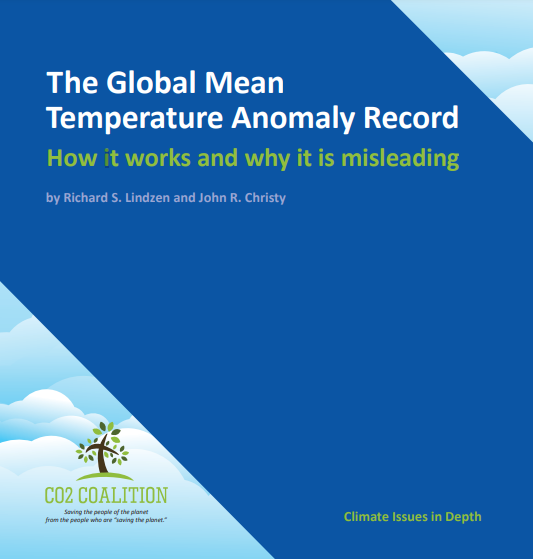




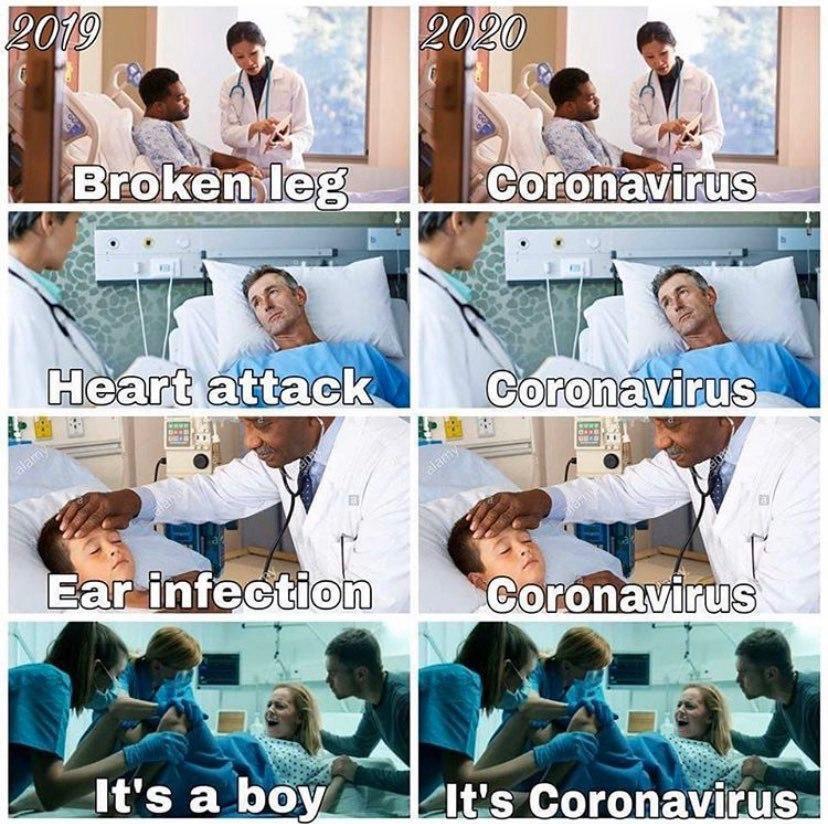
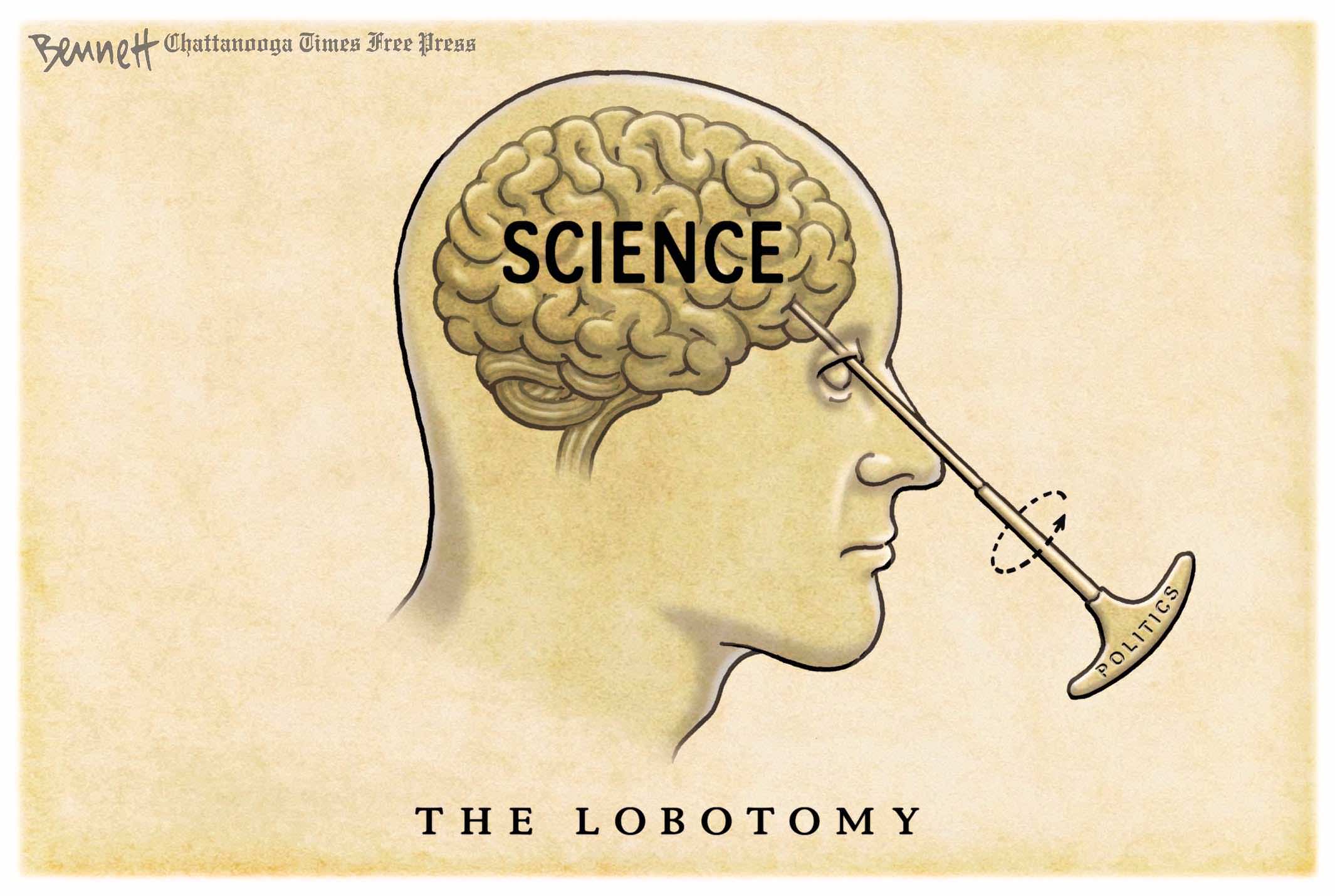

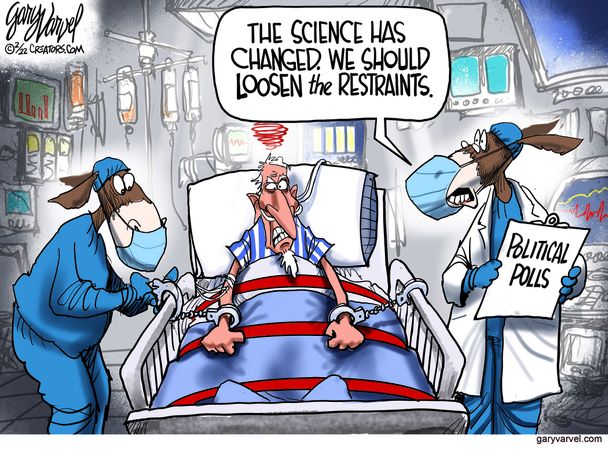


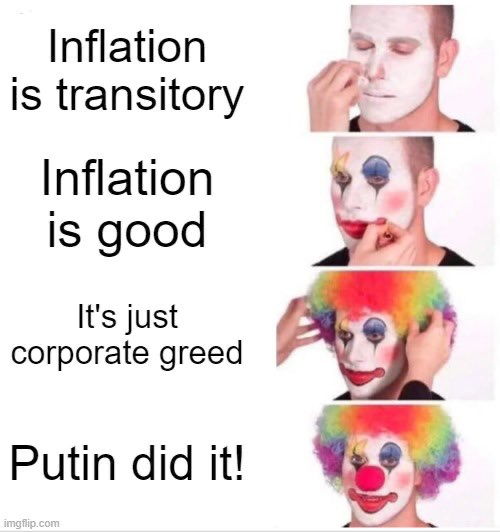


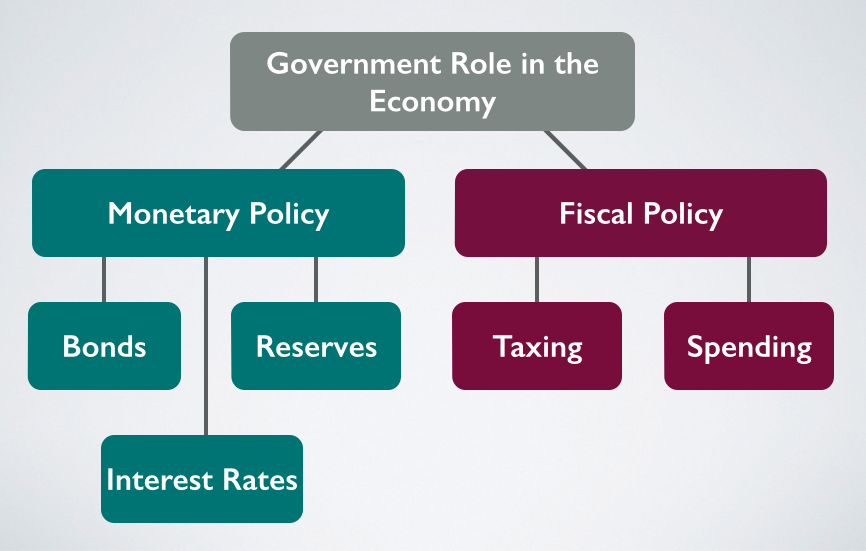
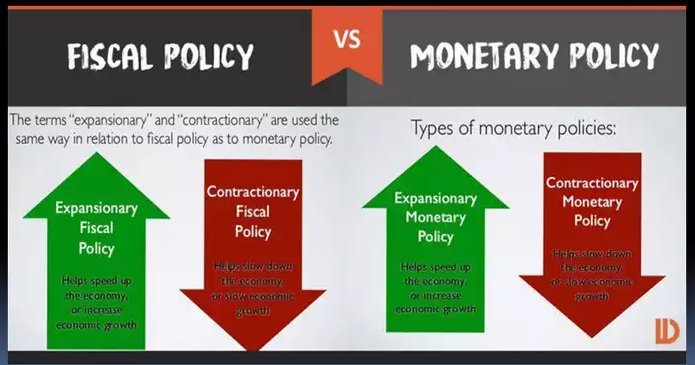







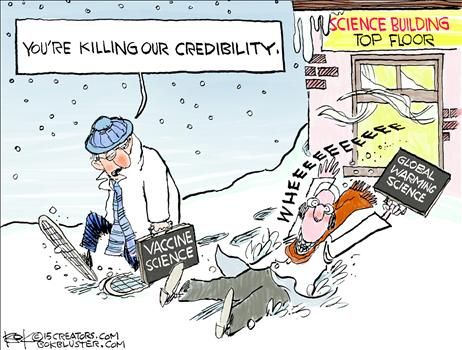
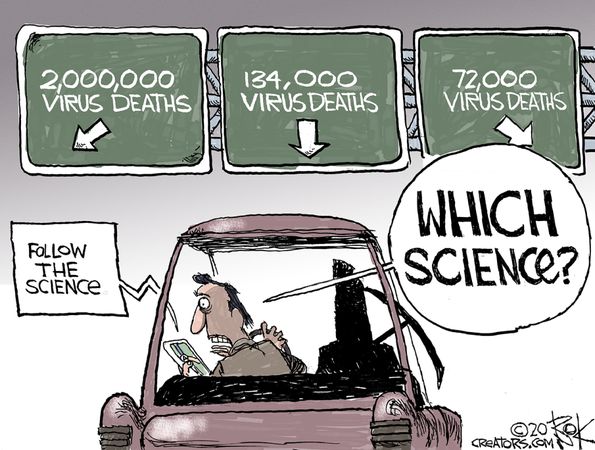

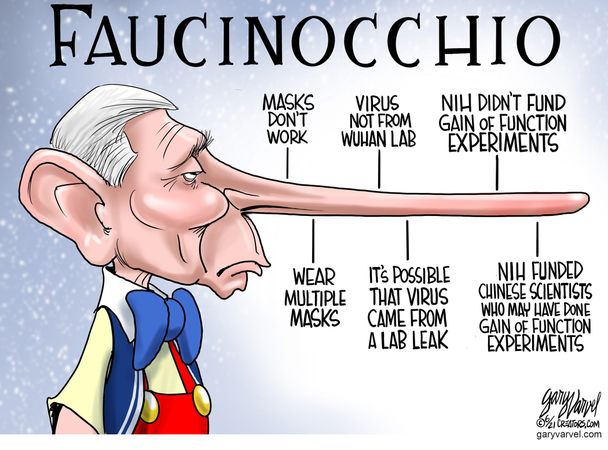

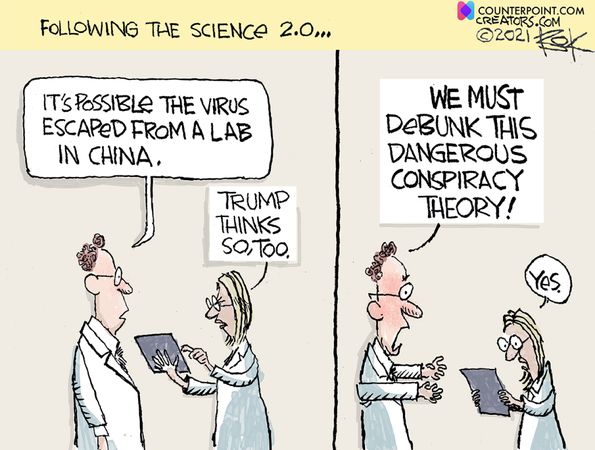


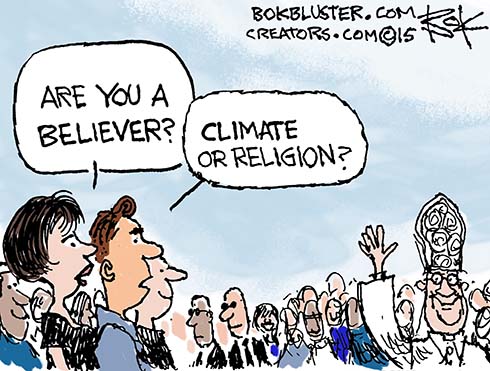 Peter Wood explains what’s wrong with the cult of “Sustainability” and its continuing threat to scientific knowledge. His Spectator article is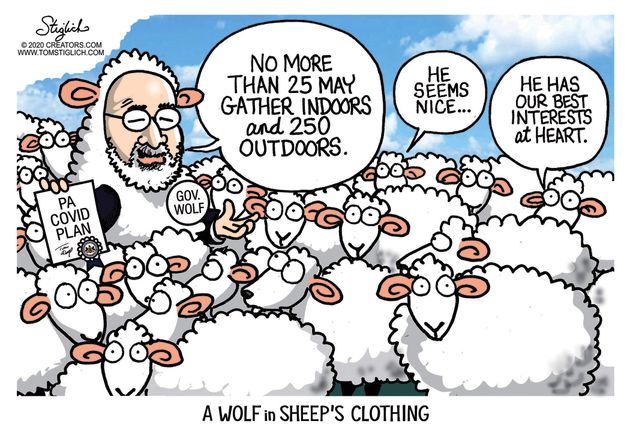




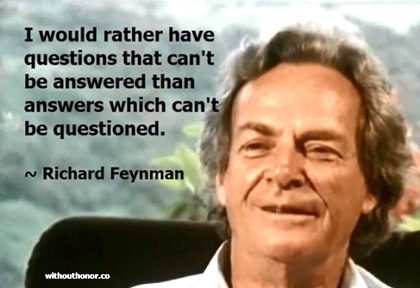
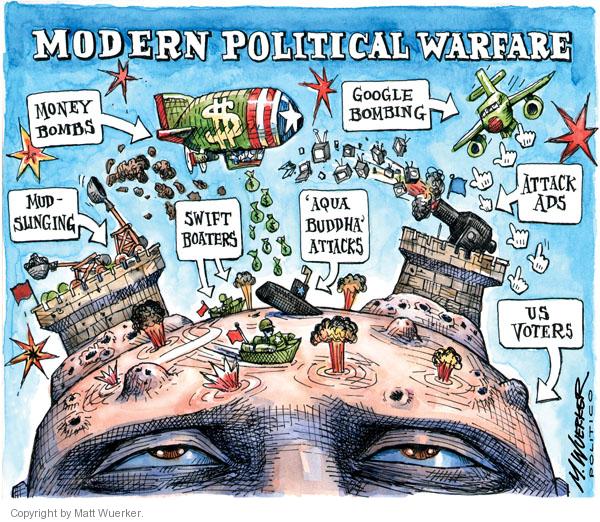

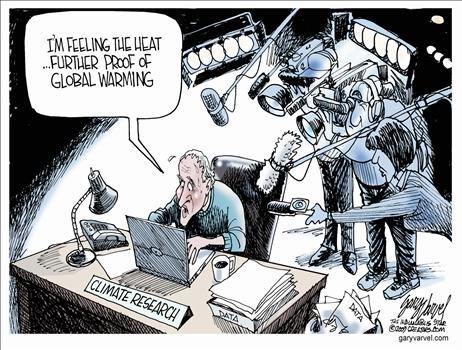

 Science Matters